New Zealand has a huge Exclusive Economic Zone – spanning four million sq km – which is 15 times the land area of Aotearoa New Zealand, and is the fourth largest in the world. If we add in the extended continental shelf area, it…
Category Archives: headline
Herald morning quiz: April 21
Test your brains with the Herald’s morning quiz. Be sure to check back on nzherald.co.nz at 3pm for the afternoon quiz. To challenge yourself with more quizzes, CLICK HERE.
EU regulator finds link between J&J shot and blood clots
The European Union's drug regulatory agency said Tuesday that it found a "possible link" between Johnson & Johnson's COVID-19 vaccine and extremely rare blood clots and that a warning should be added to the label. But experts at the agency reiterated that the vaccine's benefits outweigh the risks.
The European Medicines Agency made those determinations after a very small number of blood clot cases in people who had gotten the vaccine were reported in the United States. The agency said a warning about the blood clots should be added to labels for the Johnson & Johnson's vaccine and that these rare blood disorders should be considered "very rare side effects of the vaccine".
The EMA also recommended a label change for the AstraZeneca COVID-19 vaccine after finding a link between it and rare blood clots. In both cases, the agency said the benefits of being immunised against COVID-19 still outweighed the very small risks of recipients developing the unusual clots.
READ MORE: Contact tracing form fails for first NZ bubble travellers

Last week, Johnson & Johnson halted its European roll-out of the vaccine after US officials recommended a pause in the vaccine, when they detected six very rare blood clot cases among nearly 7 million people who had been vaccinated.
European officials said they considered all currently available evidence from the US, which consisted of eight reports of serious cases of rare blood clots associated with low blood platelets, including one death. All of the cases occurred in people under age 60, but the EMA said that it hadn't been able to identify any specific risk factors.
Last week, J&J halted its European rollout of its one-dose vaccine after the US Food and Drug Administration recommended officials pause its use while the rare blood clot cases are examined. Officials identified six cases of the highly unusual blood clots among nearly 7 million people who were immunised with the shot in the US.
Johnson & Johnson advised European governments to store their doses until the EU drug regulator issued guidance on their use; widespread use of the shot in Europe has not yet started.
READ MORE: Australia's 'new problem' with vaccine rollout

The delay was a further blow to vaccination efforts in the European Union, which have been plagued by supply shortages, logistical problems and concerns over unusual blood clots also in a small number of people who received the AstraZeneca COVID-19 vaccine. Experts worry the temporary halt on J&J's shot could further shake vaccine confidence and complicate worldwide COVID-19 immunisation efforts.
Last week, South Africa suspended its use of the vaccine in the wake of the US. pause, and countries including Italy, Romania, the Netherlands, Denmark and Croatia put their J&J doses into storage.
The blood clots linked to the J&J vaccine are occurring in unusual parts of the body, such as veins that drain blood from the brain. Those patients also have abnormally low levels of blood platelets, a condition normally linked to bleeding, not clotting.
In its statement, the EMA said the cases it reviewed of unusual blood clots in people who received the J&J shot "were very similar to the cases that occurred with the COVID-19 vaccine developed by AstraZeneca."
With the AstraZeneca vaccine, scientists in Norway and Germany have suggested that some people are experiencing an abnormal immune system response, forming antibodies that attack their own platelets.

It's not yet clear if there might be a similar mechanism with the Johnson & Johnson vaccine. But both the J&J and AstraZeneca vaccines, as well as a Russian COVID-19 vaccine and one from China, are made with the same technology. They train the immune system to recognise the spike protein that coats the coronavirus. To do that, they use a cold virus, called an adenovirus, to carry the spike gene into the body.
"Suspicion is rising that these rare cases may be triggered by the adenovirus component of the AstraZeneca and J&J vaccines," said Eleanor Riley, a professor of immunology and infectious diseases at the University of Edinburgh. She said that while more data was needed, "it remains the case that for the vast majority of adults in Europe and the USA, the risks associated with contracting COVID-19 far, far outweigh any risk of being vaccinated."
On Monday, World Health Organisation Director-General Tedros Adhanom Ghebreyesus said more than 5 million new coronavirus cases were confirmed worldwide last week, the highest-ever number in a single week. He noted that cases and hospitalisations among younger people were "increasing at an alarming rate."
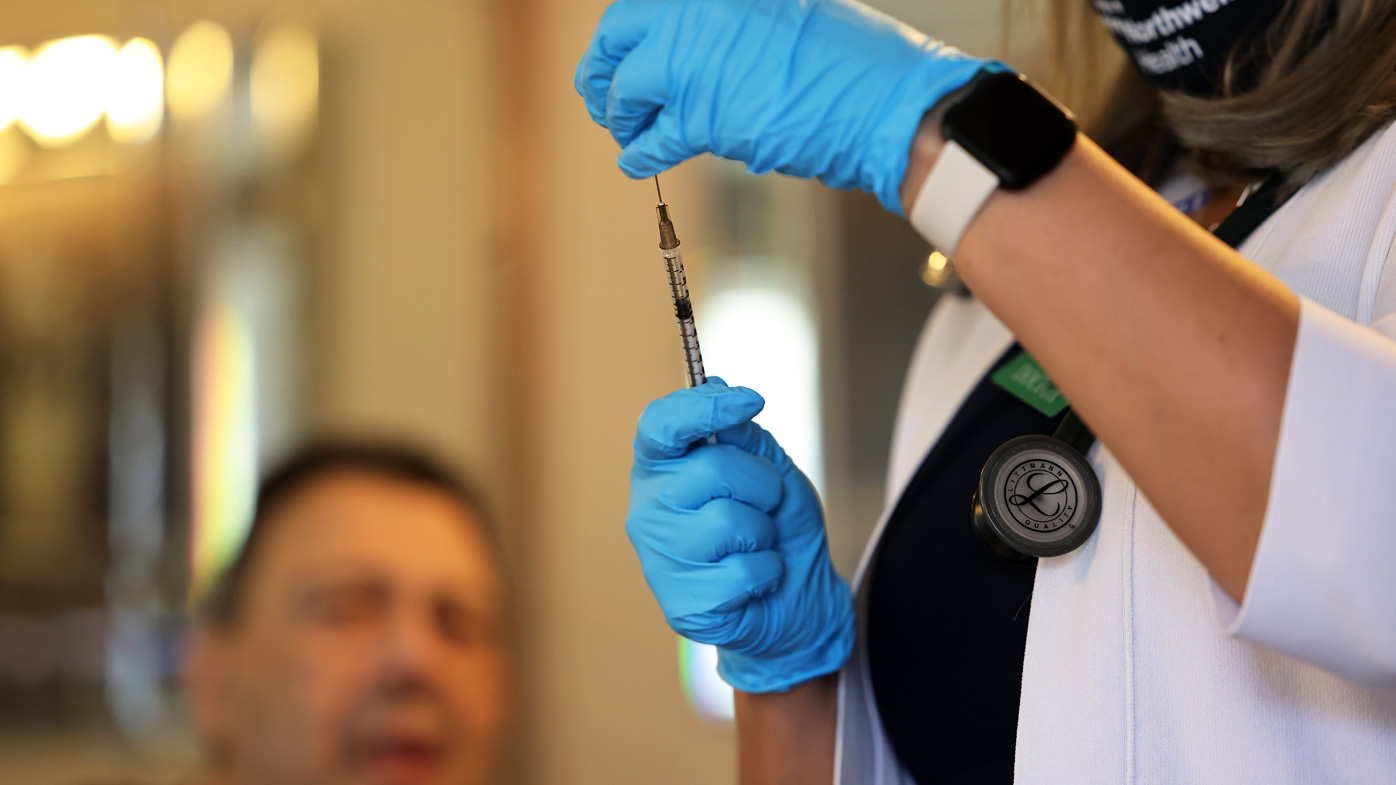
The European Medicines Agency, which regulates drugs used in European Union member nations, said last month there was a "possible link" between the AstraZeneca vaccine and rare blood clots but said the benefits of vaccination far outweighed the risks of COVID-19. It noted the risk is less than the blood clot risk that healthy women face from birth control pills.
The European Union ordered 200 million doses of the Johnson & Johnson for 2021 and EU officials had hoped the one-shot vaccine could be used both to boost the continent's lagging vaccination rates and to protect hard-to-reach populations, like migrant workers and the homeless.
Last month, the African Union announced it signed a deal to buy up to 400 million doses of the J&J vaccine. Johnson & Johnson also has a deal to supply up to 500 million doses to the UN-backed COVAX initiative that helps get vaccines to the world's poor.

Any concerns about the J&J vaccine would be another unwelcome complication for COVAX and for the billions of people in developing countries depending on the program. COVAX recently was hit by supply issues after its biggest supplier, the Serum Institute of India, announced it would delay exports of the AstraZeneca vaccine for several months due to a surge of cases on the subcontinent.
WHO Warning as Record COVID Infections Recorded
(CNN) – Covid-19 infections have been rising at an alarming rate for eight consecutive weeks, the World Health Organization (WHO) has warned, as the virus sweeps unabated through hotspots in several corners of the globe.
More than 5.2 million new cases were recorded last week — the most in a single week since the pandemic began — WHO Director-General Tedros Adhanom Ghebreyesus said during a news briefing in Geneva on Monday.
Deaths also increased for the fifth straight week, he said, with the pandemic now officially claiming more than 3 million lives.
And Tedros warned that the pace of the pandemic is accelerating, even as some countries tout their own improved vaccination programs.
“It took nine months to reach 1 million deaths, four months to reach 2 million and three months to reach 3 million deaths,” said Tedros. “Big numbers can make us numb, but each one of these deaths is a tragedy for families, communities and nations.”
And, as more at-risk or older adults are fully inoculated and some economies open up, the director-general suggested the brunt of the virus’s spread may be shifting towards younger adults. He told reporters that infections and hospitalizations among people age 25 to 59 are “increasing at an alarming rate,” possibly due to highly transmissible variants and increased social mixing among younger people.
Concerns about more young adults contracting Covid-19 have already been reported by doctors in some hotspots — including Brazil, where a new variant has caused a devastating surge in hospitalizations and deaths.
Shots ramp up as variants cause concern
The stark warning from WHO serves as a reminder of the state of the pandemic, which has not yet dissipated in the face of the world’s disparate vaccine rollouts.
India is suffering from a calamitous second wave of the virus, and a significant portion of the world’s infections is occurring there. The country has reported more than 200,000 new cases on each of the past six days — nearly 1.5 million in the last week — and crowded hospitals are turning away patients as they battle the sprea
Hospital workers treat a Covid-19 patient in Belgium earlier this month.
Among India’s many active cases is former Prime Minister Manmohan Singh, who is in stable condition in hospital after contracting Covid-19.
With more than 15 million infections, the country is now only second to the United States in global case tallies. The US has reported almost 32 million infections.
England added India to its travel ban list on Monday and Prime Minister Boris Johnson canceled a scheduled trip there, but political campaigning is ongoing despite the dire situation.
Narendra Modi’s ruling party said it would hold “small public gatherings” with a cap of 500 people in the state of West Bengal, one of the five states where state elections are currently being held, according to a statement from the party Monday.
Much of Asia is similarly grappling with increasing cases. A surge in Thailand has dampened hopes of welcoming more tourists there, with hospitality venues identified as a cause of recent outbreaks.
In the US, where millions of people are being vaccinated daily, cases and hospitalizations have risen over the past month. Experts cite coronavirus variants — including the more contagious B.1.1.7 strain that recently fueled another surge in Michigan — and a spreading sense of pandemic fatigue as contributing factors
India will offer Covid-19 vaccines to everyone 18+ in May
Meanwhile, in Europe, there are some signs of a plateau in the continent’s third wave of infections, and a bumpy vaccine rollout has started accelerating across the European Union.
But vaccine hesitancy and the lingering effects of earlier vaccine scares there are still evident; a mass vaccination center in the southern French city of Nice was forced to close early over the weekend after just 58 people turned up for 4,000 doses of the AstraZeneca vaccine — which may be linked to a very small number of rare blood clot cases — a spokesman for the regional police told CNN.
And European regulators face another decision about the Johnson & Johnson vaccine, which US authorities paused after a handful of clotting cases were reported. A decision by the European Medicines Agency on the shot is expected Tuesday.
CNN’s Naomi Thomas, Christina Maxouris and Saskya Vandoorne contributed reportin
===================================================
New twist in the J&J saga: FDA orders troubled Baltimore J&J contractor to pause manufacturing
In addition to a pause on the use of the Johnson & Johnson vaccine because of concerns about very rare blood clots, there is now also a manufacturing pause at a Baltimore plant making the vaccine.
Federal regulators ordered the embattled Emergent BioSolutions plant in Baltimore to stop producing new Johnson & Johnson vaccine material pending a completed inspection, the company said Monday.
In a regulatory filing with the Securities and Exchanges Commission released Monday, Emergent said it “agreed not to initiate the manufacturing of any new material” for Johnson & Johnson’s vaccine “and to quarantine existing material” until the Food and Drug Administration (FDA) finishes its inspection.
The FDA began its inspection April 12, the company said.
Background: The disclosure from Emergent is the latest blow to Johnson & Johnson’s ramping up of domestic production for its coronavirus vaccine.
J&J contracted with Emergent to help manufacture vaccines early in the pandemic, but the company has come under fire from regulators after 15 million doses of the vaccine were ruined last month after being contaminated by ingredients from AstraZeneca’s vaccine.
===========================================
Regeneron says antibody therapy prevents COVID-19 infections
Good news on the coronavirus therapeutics front: Regeneron says its antibody cocktail prevents symptomatic COVID-19.
While much of the attention has been focused on vaccines, experts say therapeutic treatments are just as important to ending the pandemic, which has killed more than 562,000 Americans. To that end, Regeneron Pharmaceuticals said it is planning to ask the Food and Drug Administration (FDA) to allow its antibody cocktail to be used as a preventive treatment for COVID-19.
New results from a clinical trial conducted with the National Institute of Allergy and Infectious Diseases found the drug reduced the risk of symptomatic infection by 81 percent in people who were not infected at the start of the trial, Regeneron said.
Details: The trial enrolled 1,505 people who were not infected with the virus but lived in the same household as someone who recently tested positive. The patients were randomized to receive either one dose of the antibody therapy or a placebo administered as injections.
The drug provided 72 percent protection against symptomatic infections in the first week and 93 percent protection in subsequent weeks, Regeneron said.
Helpful results: The trial tested the antibody treatment for use as a “passive vaccine,” which involves directly injecting antibodies into the body. Traditional vaccines rely on a person’s immune system to activate and develop its own antibodies.
That means the treatment may provide immediate benefits, in contrast to active vaccines, which take weeks to provide protection. In addition, using injections rather than an infusion could make administering it more convenient than the currently authorized use for antibody drugs.
The post WHO Warning as Record COVID Infections Recorded appeared first on The St Kitts Nevis Observer.
Chadian president killed on the battlefield, military says
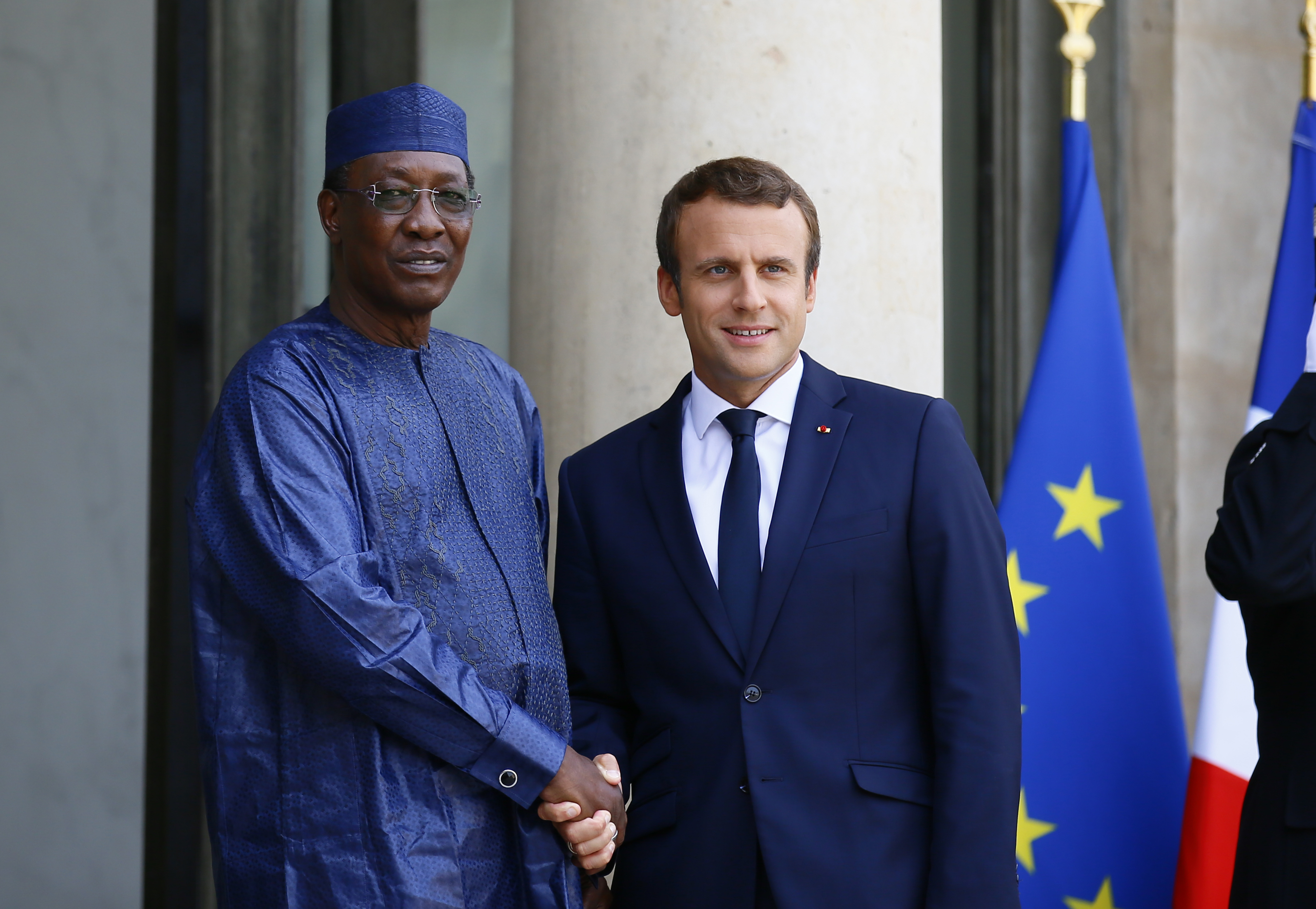
Chadian President Idriss Deby Itno, who ruled the central African nation for more than three decades, died Tuesday of wounds suffered on the battlefield during a fight against rebels, the military announced on national television and radio.
The stunning announcement came just hours after electoral officials had declared Deby, 68, the winner of the April 11 presidential election, paving the way for him to stay in power for six more years.
An 18-month transitional council will be led by Deby's 37-year-old son, Mahamat Idriss Deby Itno, the military said, also imposing a nightly curfew of 6pm.
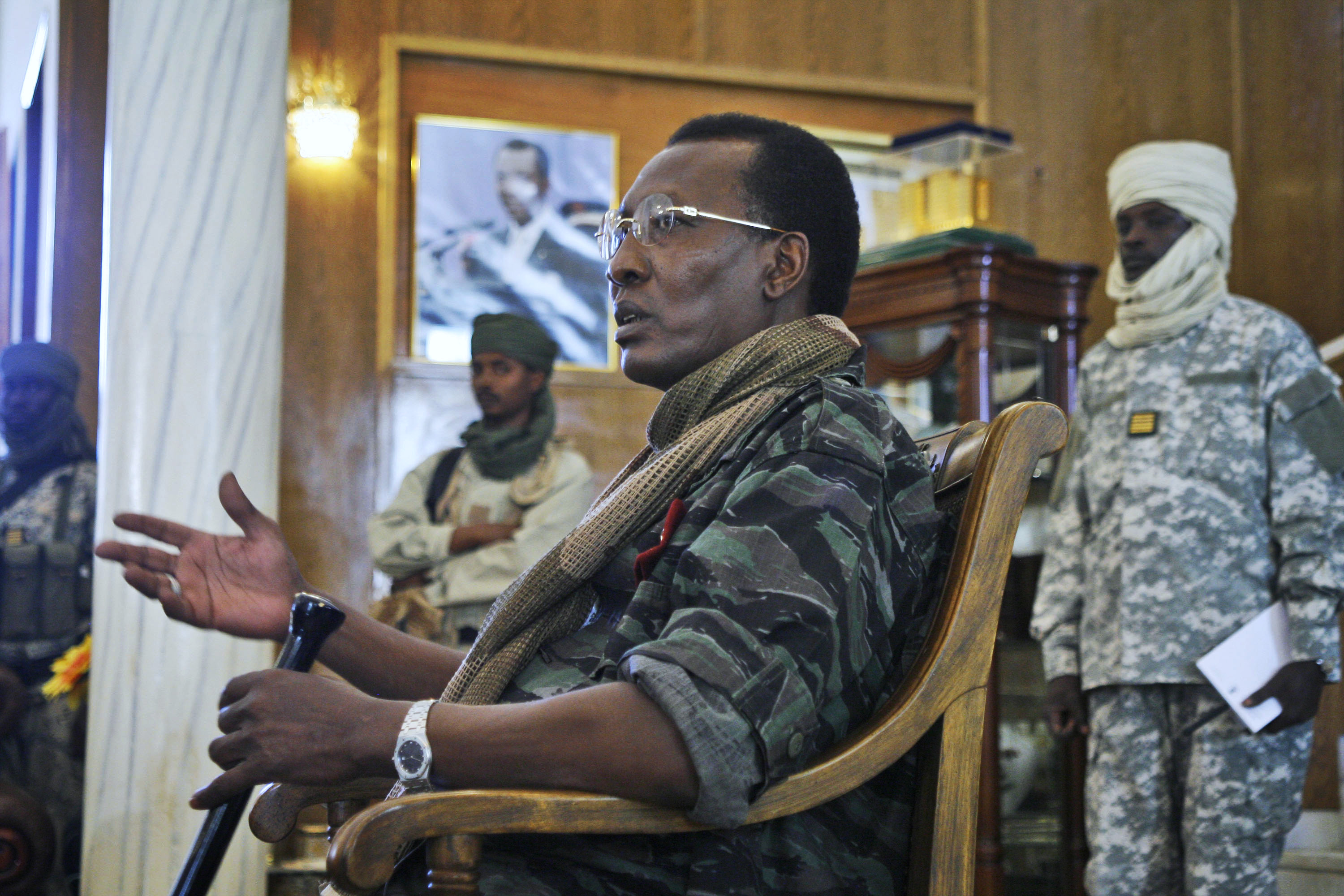
"In the face of this worrying situation, the people of Chad must show their attachment to peace, to stability, and to national cohesion," Gen. Azem Bermandoa Agouma said.
The circumstances of Deby's death could not immediately be independently confirmed due to the remote location of the fighting.
The military said Deby had taken "the heroic lead in combat operations against terrorists who had come from Libya." After being wounded in battle, he then was taken to the capital, the general announced.
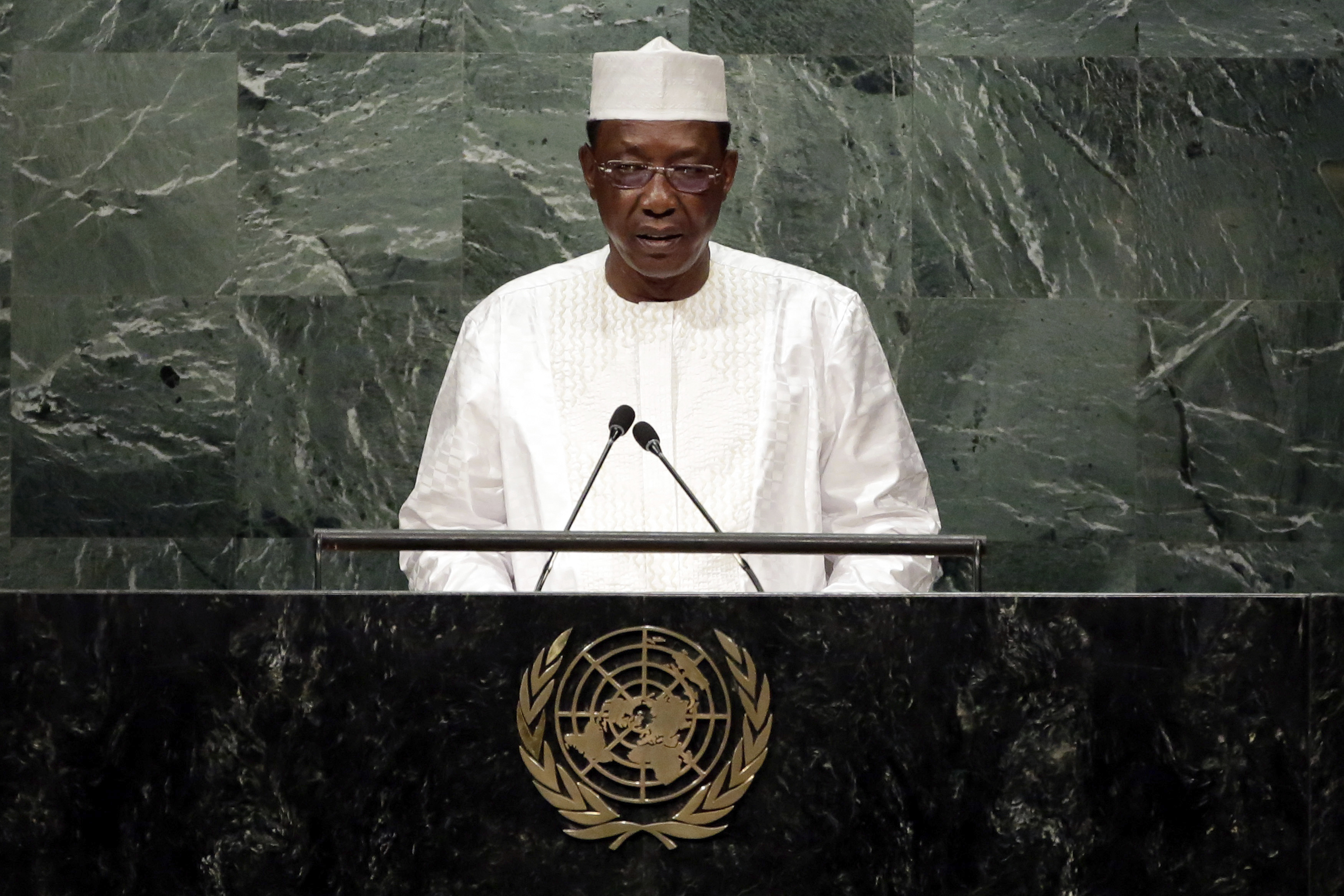
However, some foreign observers questioned how a head of state could have been killed, saying it cast doubt on his protective guard. The Chadian military had only acknowledged five deaths in weekend fighting in which it said it had killed 300 rebels.
"We still don't have the whole story," Laith Alkhouri, a global intelligence adviser, told The Associated Press. "It raises concerns regarding the security forces' assessment of the clashes and their intelligence regarding the severity of the situation."
Other analysts pointed to Deby's long history of visiting the battlefield as a former army commander-in-chief himself.
"There's no evidence to suggest this was a coup committed by his troops. Anyone who follows Deby knows he used to say 'to lead troops you have to smell the gunpowder,'" tweeted Cameron Hudson with the Atlantic Council's Africa Centre.
Deby first came to power in 1990 when his rebel forces overthrew then-President Hissene Habre, who was later convicted of human rights abuses at an international tribunal in Senegal.
Over the years Deby had survived numerous armed rebellions and managed to stay in power until this latest insurgency led by a group calling itself the Front for Change and Concord in Chad.
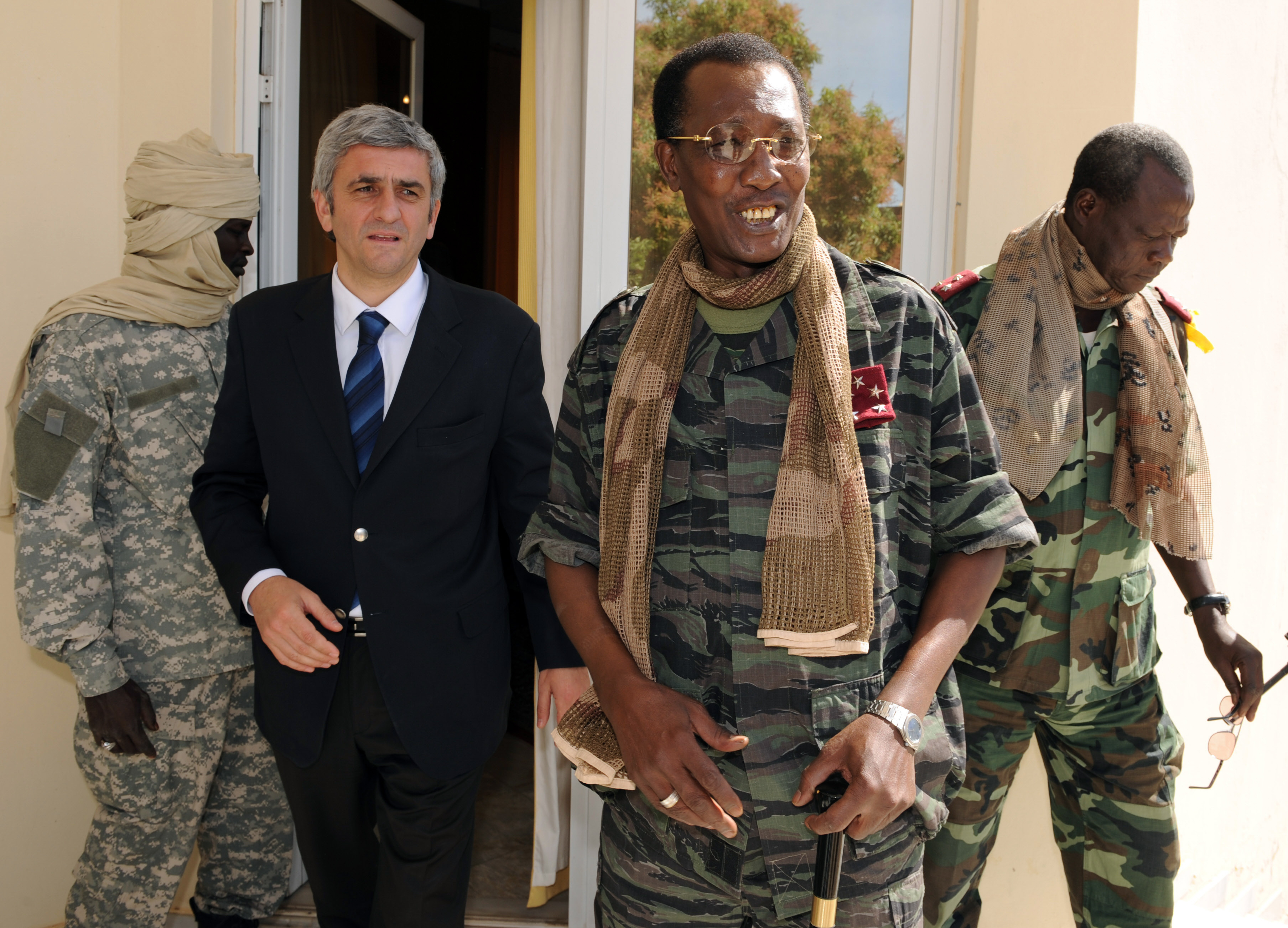
The rebels are believed to have armed and trained in neighbouring Libya before crossing into northern Chad on April 11. Their arrival came on the same day that Chad's president sought a sixth term on election day, which several top opposition candidates boycotted.
Deby was a major French ally in the fight against Islamic extremism in Africa, hosting the base for the French military's Operation Barkhane and supplying critical troops to the peacekeeping effort in northern Mali.
Deby's son, Mahamat, has served as a top commander for Chadian forces taking part in that effort.
'So weird': City on edge awaiting Chauvin verdict
Just outside the entrance to Smile Orthodontics, in a Minneapolis neighbourhood of craft breweries and trendy shops, two soldiers in jungle camouflage and body armour were on watch Monday, assault rifles slung over their backs.
Snow flurries blew around them. A few steps away at the Iron Door Pub, three more National Guard soldiers and a Minneapolis police officer stood out front, watching the street. A handful of other soldiers were scattered nearby, along with four camouflaged Humvees and a couple police cars.
Across the street was a boarded-up building spray-painted with big yellow letters: "BLACK LIVES MATTER ALL YEAR ROUND."
READ MORE: UN condemns 'reprehensible' UK race report
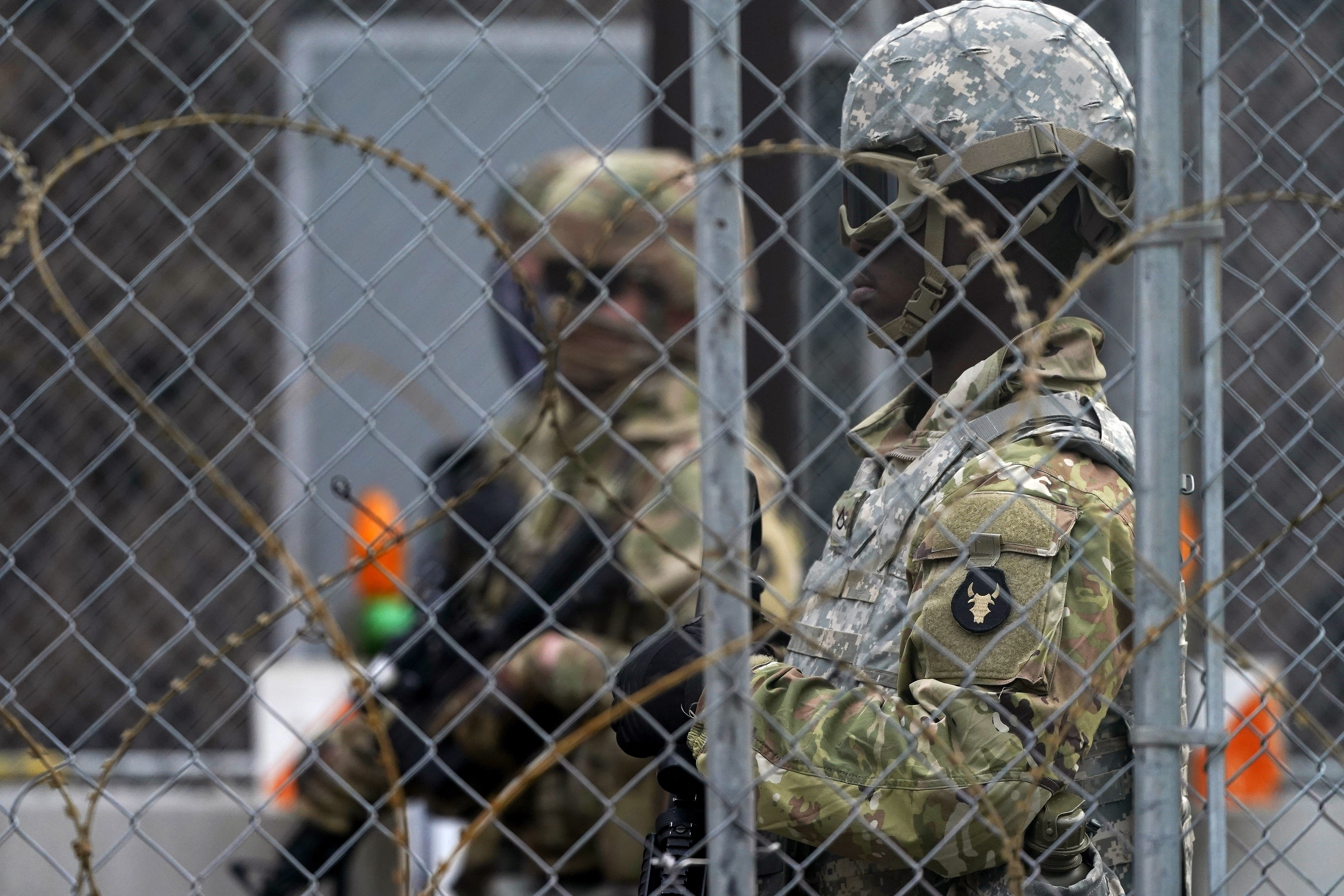
Adam Martinez was walking down the street when he briefly stopped to stare at the scene.
"This city feels like it's occupied by the military," said Martinez, a commercial painter who lives in nearby St. Paul. "This is so weird."
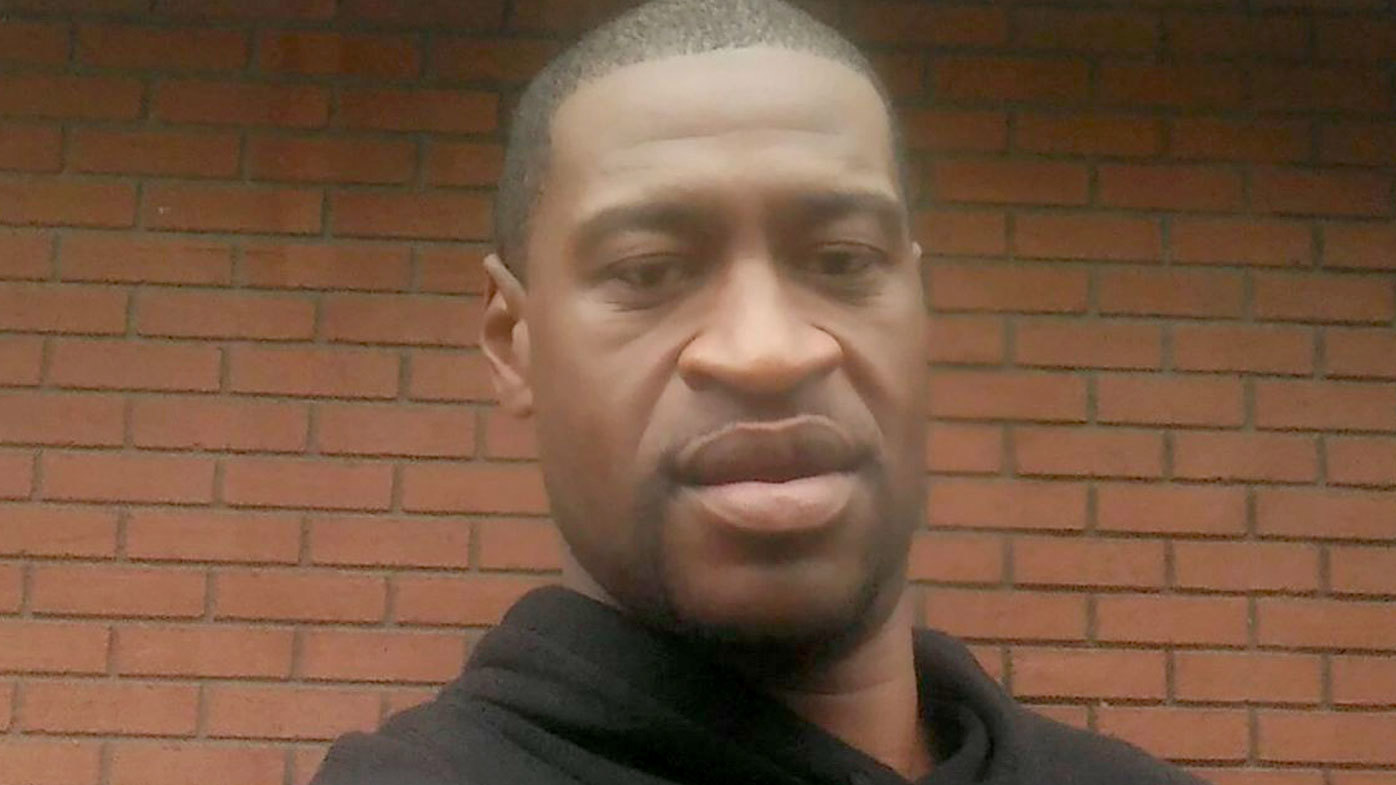
More than 3000 National Guard soldiers, along with police officers, state police, sheriffs deputies and other law enforcement personnel have flooded the city in recent days, with a verdict looming in the trial of Derek Chauvin, the former police officer charged with murder in the death last year of George Floyd.
But in the city that has come to epitomise America's debate over police killings, there are places today in Minneapolis that can feel almost like a police state.
It leaves many wondering: How much is too much?
Concrete barriers, chain-link fences and barbed wire now ring parts of downtown Minneapolis so that authorities can quickly close off the courthouse where the trial is being held. It's become normal in recent days to pass convoys of desert-tan military vehicles on nearby highways, and stumble across armed men and women standing guard.
READ MORE: Minnesota cop charged in shooting of Black motorist
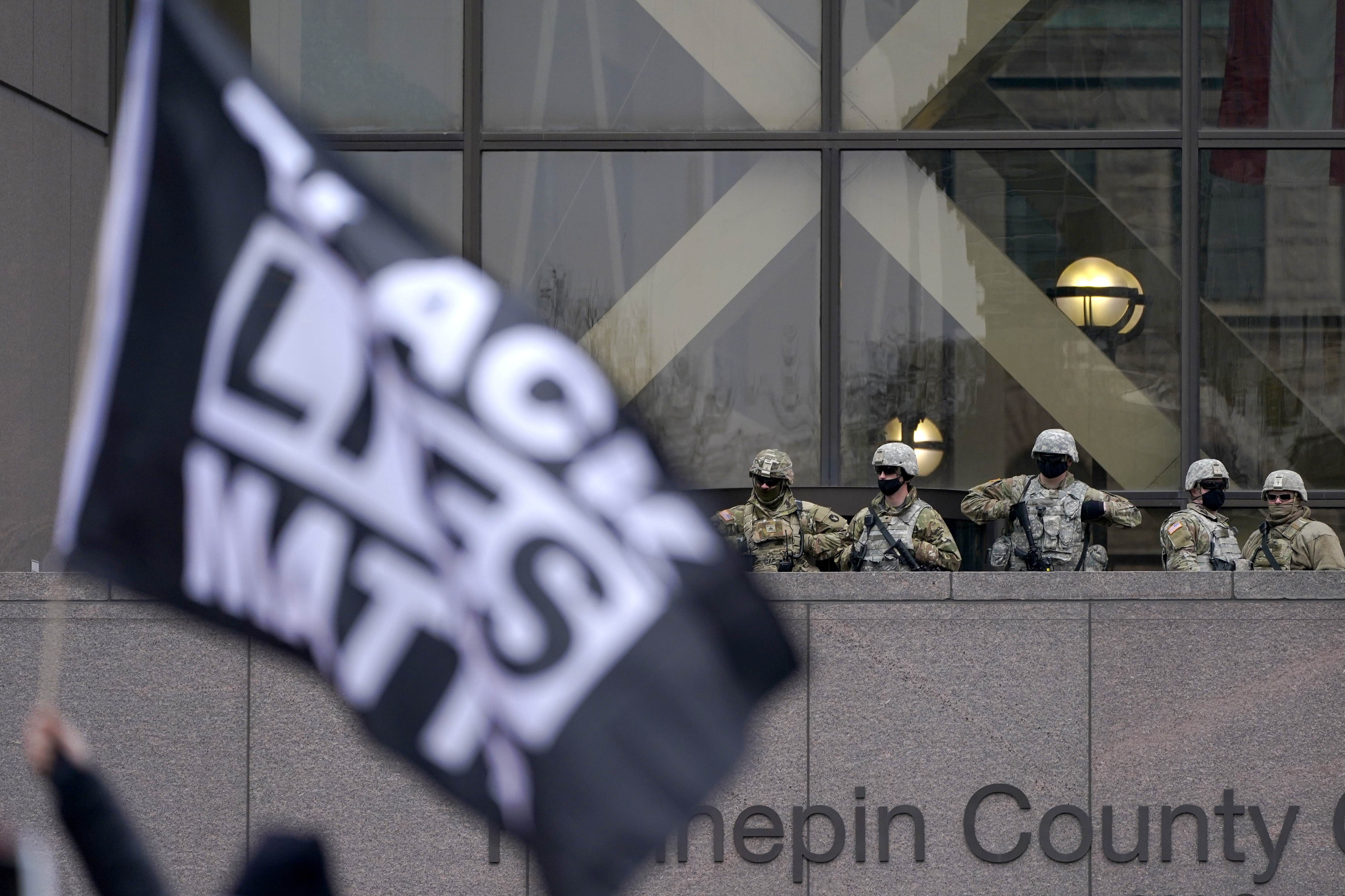
One day they'll park their armoured vehicles in front of the high-end kitchen store with its $160 bread knives and $400 cooking pots. The next they'll be outside the Depression-era movie theatre, or the popular Mexican grocery store or the liquor store ransacked by rioters during the protests that followed Floyd's death.
Meanwhile hundreds, and perhaps thousands, of stores and other buildings have been boarded up across the city, from Absolute Bail Bonds to glass-walled downtown office towers to Floyd's 99 Barbershop.
Behind all the security are the days of violence that began with protests over Floyd's death. Minneapolis Mayor Jacob Frey and Minnesota Governor Tim Walz faced withering criticism for not stepping in quicker to deploy the National Guard. City officials estimate the city suffered roughly $350 million in damage, mostly to commercial properties.
"They're between a rock and hard place," said Eli Silverman, professor emeritus at the John Jay College of Criminal Justice and a longtime scholar of policing. "You don't want to overmilitarise and make it appear that you've converted a sovereign state into a police state. But on the other hand, you have to be prepared, too," in case protests flare again.
More important than the size of the force, he said, is the expertise and planning behind it. Law enforcement leaders, for example, need to ensure proper crowd control training, and that officers from other jurisdictions are under a single command.
IN PICTURES: Minnesota protests intensify as police crack down on demonstrators
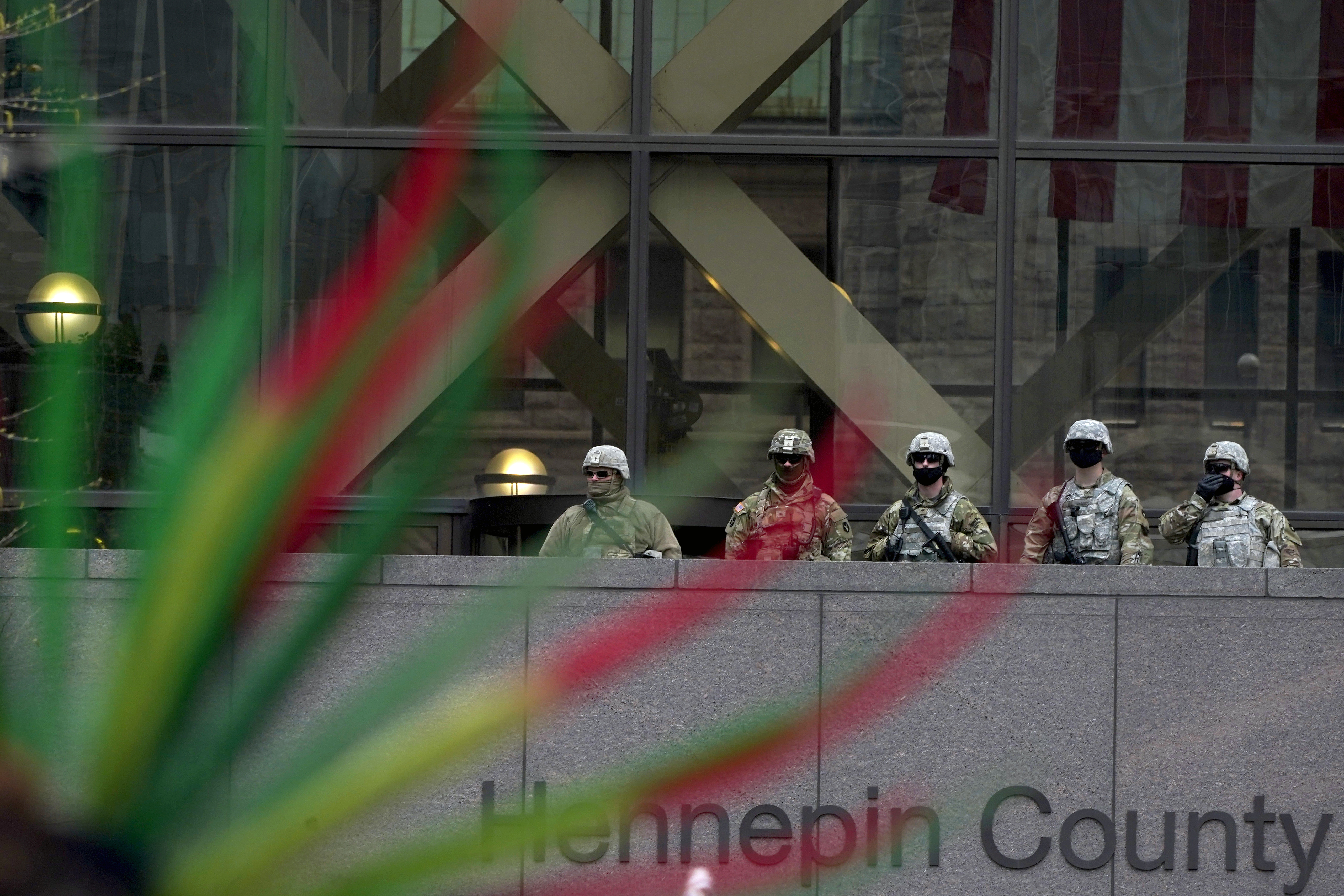
"It's not just numbers, it's the strategic decisions that are incorporated in these things," he said.
Minneapolis has a coordinated law-enforcement plan, called Operation Safety Net, that oversees planning and law-enforcement responses.
Speaking on Monday to reporters, top law-enforcement officials stood alongside local community leaders and vowed to protect property, allow peaceful protests, and try to de-escalate tensions before demonstrations turn violent.
Recent history, though, hasn't been so peaceful. A little over a week ago, 20-year-old Daunte Wright, a Black man, was killed by police during a traffic stop in the Minneapolis suburb of Brooklyn Center.
Protests outside the city's police headquarters regularly spilled into violence, with protesters lobbing water bottles and the occasional rock at an array of law enforcement officers, and law enforcement responding by going after protesters – and sometimes journalists – with pepper spray, tear gas and rubber bullets.
"We know we need to do better. What happened the last few days wasn't something we wanted," Hennepin County Sheriff David Hutchinson said at the press conference. "But we had to act to keep the community safe. And I will never back down from anybody when it comes to keeping this county safe."
Many here doubt the promises of law enforcement, which has long had a troubled relationship with the city's Black community.
Burhan Israfael, a community organiser who lives in Cedar-Riverside, a Minneapolis neighbourhood with one of the largest East African communities in the country, said the presence of military vehicles and armed soldiers was terrifying. He said the terror strikes particularly sharply at the city's many immigrants who fled violence for the safety of the United States.
"I don't know anybody that experienced and lived through something like that, that feels comfortable coming outside," he said. "To be faced with the violent image of somebody dressed in all that camouflage, sort of parading around those massive weapons — is unsettling for sure."
But plenty of others believe the city needs to be ready for trouble.
The Rev. Ian Bethel, a leader in the city's Black church community, sounded almost angry Monday as he spoke alongside the law enforcement officials.
"We're at a difficult time here, all of us having emotions, anxieties and stress that most of us have not been able yet to express in a proper way," he said. "But let me make this clear: One way you do not express whatever you got tied up in you is through violence."
On Monday afternoon, soon after lawyers' closing arguments and the Chauvin case going to the jury, about 300 protesters marched outside the courthouse.
There was no sign of violence.
Democracy Mexican Style: Violence Erupts as Gangs Seek Power in Largest Elections
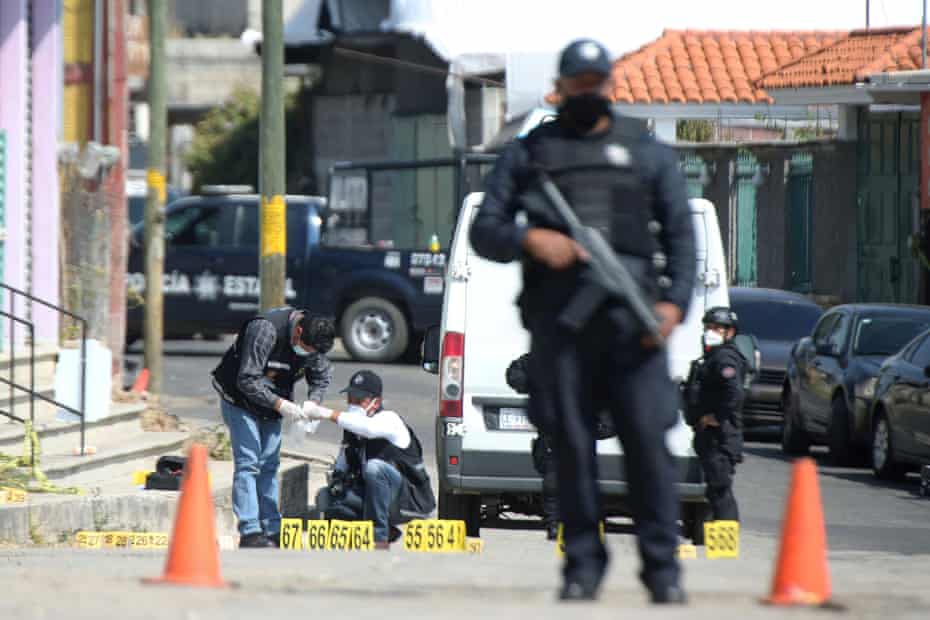
Clashes have sparked political assassinations and the forced displacement of thousands ahead of crunch 6 June polls
Falko Ernst, Guardian (UK) in Mexico City
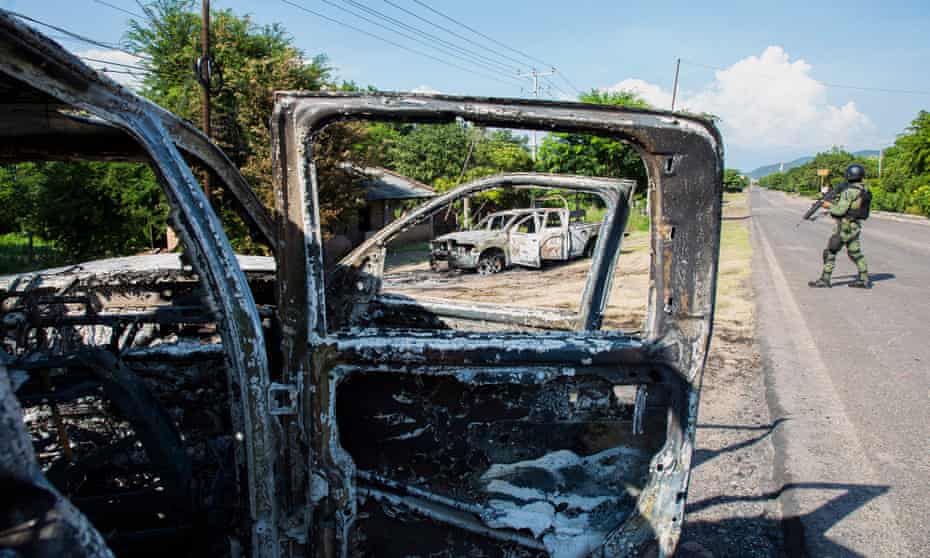
State and federal security forces have actively colluded with – and even fought alongside – the warring factions, according to local civilians, civil society activists and gunmen from various factions.
But as well as engaging in pitched gun battles, criminal factions are also confronting each other on the electoral field.
“All the [criminal] groups are trying to make gains right now,” said a Michoacán political consultant with first-hand knowledge of how arrangements are brokered between organized crime and political candidates.
With more than 21,000 posts in local, state and national government up for election – including 15 state governorships – the 6 June polls are the largest in Mexico’s history, and criminal groups see the elections as an opportunity to further their interests.
Much of the recent fighting has focused on the western state of Michoacán, where the Cartel Jalisco Nueva Generación (Jalisco New Generation cartel) has stepped up its conflict with an alliance of local groups calling themselves the United Cartels.
The violence has forced more than a thousand people to flee the area, feeding the flow of migrants heading to the US to seek asylum, and adding to the current uptick of arrivals at the border that the Biden administration is struggling to manage.
According to preliminary data by US Customs and Border Protection, Mexican nationals accounted for 42% of all apprehensions at the US southern border in March – up from 13% during last May’s peak in arrivals.
“They are leaving because they get caught in the crossfire, because their homes have been destroyed, [and] because the main roads into [the area] have been carved up to stop the advance of the Jaliscos,” said Gregorio López, a Catholic priest who has sheltered refuges in the nearby city of Apatzingán.
Amid the tumult, he said, local livelihoods have become unsustainable: “Basic goods aren’t getting through any more, there is no more fresh food, and everything has become very expensive, gasoline now costs three times as much as before.”
Locals say that some people had been forced to run by a “cleansing” campaign against those with suspected ties to the United Cartels. Others have simply fled.
The Jalisco cartel, Mexico’s fastest-expanding criminal network, considers Michoacán, rich in international trafficking routes and extortion markets, a key building block in its bid for national criminal hegemony. A source in the cartel said that gaining control over Michoacán was an “obsession” of the group’s leader, Nemesio Oseguera Cervantes, who was born in the state.
But its decade-long attempt to take over the region has so far been frustrated by the local opponents’ deep political and social roots. With neither side able to impose its designs on the other or willing to back down, more than 15,500 homicides have been recorded here from January 2011 to February this year.
The fighting goes hand-in-hand with the struggle for political power. Since campaign season officially began on 7 September last year, 69 politicians, including 22 candidates, have been assassinated across the country.
Greater territorial control allows criminal groups to move blocs of votes, giving them leverage to negotiate deals with current and future officeholders.
“If there’s one rule all of them know, it’s that only those who have the protection of the state can grow,” said the political consultant. This can be achieved through illicit campaign financing, which can later provide perks such as being able to tap into state finances and influence the actions of state security institutions.
One high-ranking lieutenant in a local faction that is currently non-aligned in the conflict said his group’s attempts to take on the United Cartels had failed because of the group’s powerful political connections.
He said: “They have the state government on their side … and when we try to attack, they send helicopters and launch operations.”
He hoped that his own group could balance things out by channeling votes from its area of control to a high-level candidate. He said: “The idea is that the next government will let us do our work … that there’ll be an alignment [with federal and state forces].”
Much of the recent fighting has raged around the strategic rural municipality of Aguililla, not far from the border of Jalisco, the home state of the Jalisco cartel. The violence has produced a humanitarian crisis: in recent days more than one hundred families have fled Aguililla.
The total number of people displaced by fighting is unknown: there is no official register, and those who have recently been displaced are not mirrored in the Mexican Commission for the Defence and Promotion of Human Rights’ nationwide count of at least 346,945 displaced persons – a figure that the NGO is yet to update for 2020 and 2021.
Meanwhile, state and federal authorities have done little to protect the civilian population.
Salvador Maldonado, an anthropologist specializing in the security situation in Michoacán, said this reflects a political calculation by the current administration of President Andrés Manuel López Obrador who came to power in 2018 offering “hugs not bullets”.
“He wants to avoid the high political costs past governments have suffered after they declared war against organized crime, so that he can achieve other priorities like structural reforms instead” such as in the energy sector, Maldonado said.
“The president’s view of organised crime is one that focuses on [helping] young people without work, but he completely ignores the enormous institutional corruption and state capture at the local level.”
Criminal operatives in various rival factions, local civilians and activists, agree that the problem of state complicity goes beyond simple inertia.
Soldiers and police, they say, have drawn up alliances with those they are meant to fight.
“The truth is,” one local said, “that the army and the national guard are allied with [United Cartels] … they are working together, they are doing operations together, some criminal leaders are even [embedded] with the army, riding in their helicopters and wearing their uniforms.”
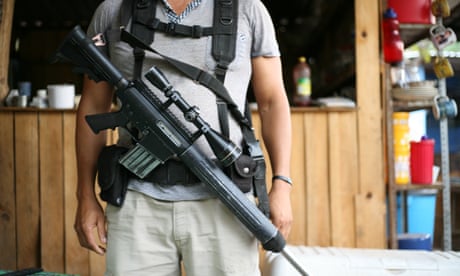
‘The training stays with you’: the elite Mexican soldiers recruited by cartels
Opposing criminal groups collaborate with different factions of the state in different geographical areas, leveling out advantages and perpetuating deadly violence.
“There are a lot of pacts [between state and crime],” said a white-collar broker providing services to the Jalisco cartel, “but only at the local and regional level. There is no one big pact.” This, he added, also helped to explain frequent attacks on the security forces by armed groups seeking to disrupt other factions’ arrangements.
Commanders of Mexico’s armed forces have repeatedly denied all allegations of corruption, saying that “no deviations of any type are tolerated”. López Obrador has described the security forces as “incorruptible”.
The Jalisco cartel has a long record of attacking state forces. An October 2019 ambush in El Aguaje – another town in Aguililla – left 13 state police dead. This April, it mobilised civilians to confront soldiers in Aguililla, leading to the temporary retreat of federal forces from the area, sources said.
Afterwards, López Obrador told reporters said that the army had “acted very well [in Aguililla] … because it did not lend itself to a confrontation”, reiterating his stance that “fire cannot be put out with fire”.
Locals say that Jalisco cartel forces reached the municipal capital, also called Aguililla, on 31 March. Since then, its men have been “going door to door”.
“They are making people choose sides … so that people protect them, tell them when [enemy operatives] enter” the area, offering small material benefits such as food parcels in exchange.
Those who do not comply are driven out of town – or killed.
“We don’t want to support any of those groups,” one local woman said, “but we might not have a choice.”
The post Democracy Mexican Style: Violence Erupts as Gangs Seek Power in Largest Elections appeared first on The St Kitts Nevis Observer.
Possible breakthrough in search for missing teen's body
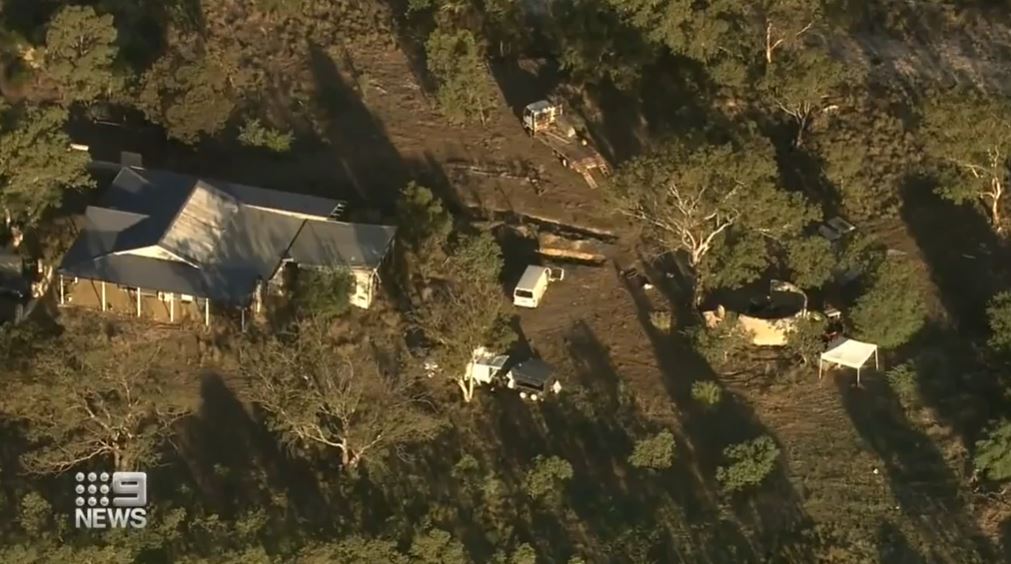
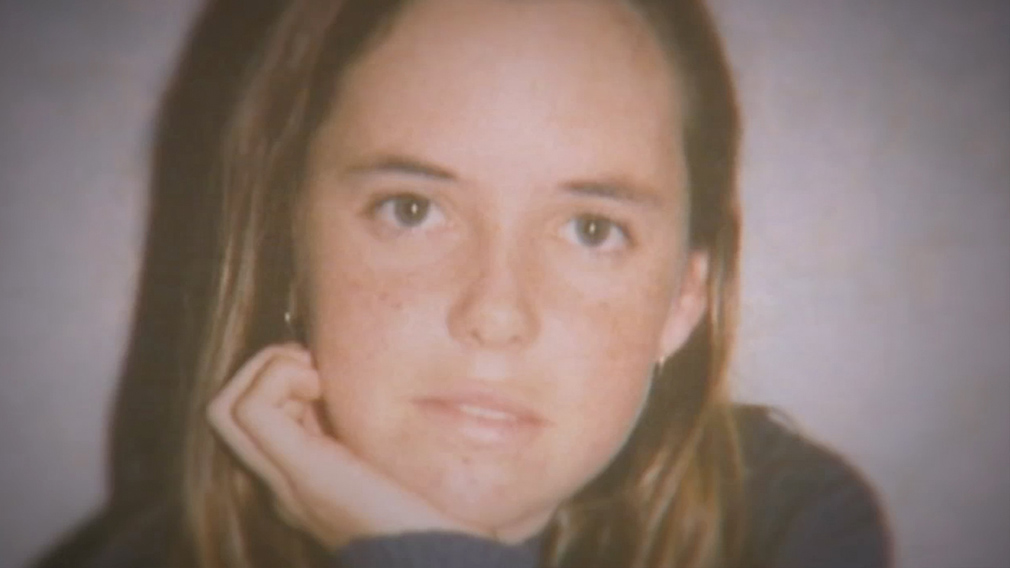
Police are searching a property in Badgingarra, about 200 kilometres north of Perth, after a tip-off about the location of missing teenager Hayley Dodd's body.
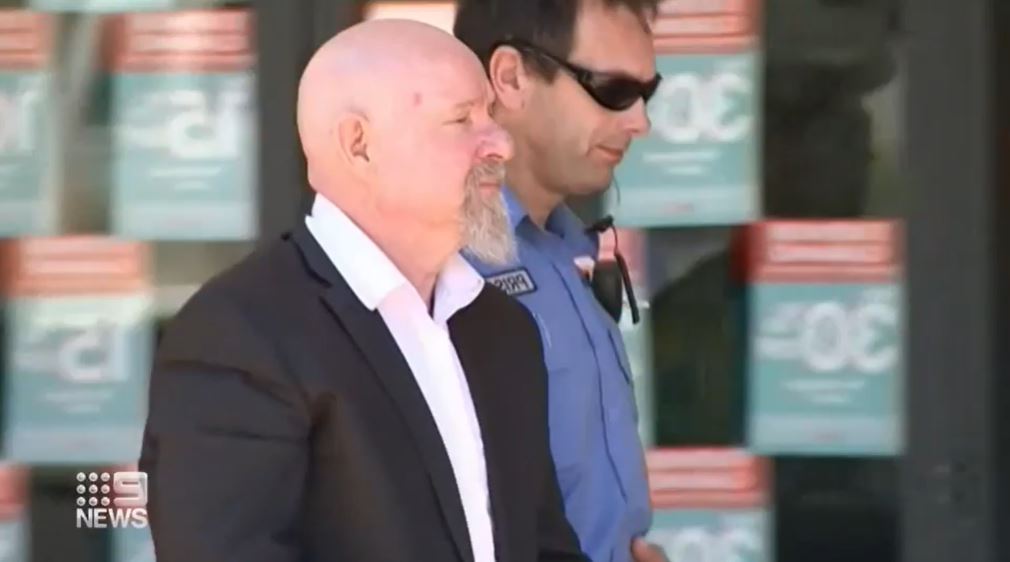
The property was previously occupied by Francis Wark, who was sentenced to 18 years in jail last week for Hayley's manslaughter.
It was the longest manslaughter sentence in Western Australia's history.
READ MORE: Hayley Dodd's killer handed longest manslaughter sentence in WA history
Hayley's body has never been found and Wark has never disclosed its location.
Wark faced two trials over the 17-year-old's death – first being found not guilty of her murder before last week's manslaughter sentence.
Hayley was last seen hitchhiking near Wark's property in July 1999.
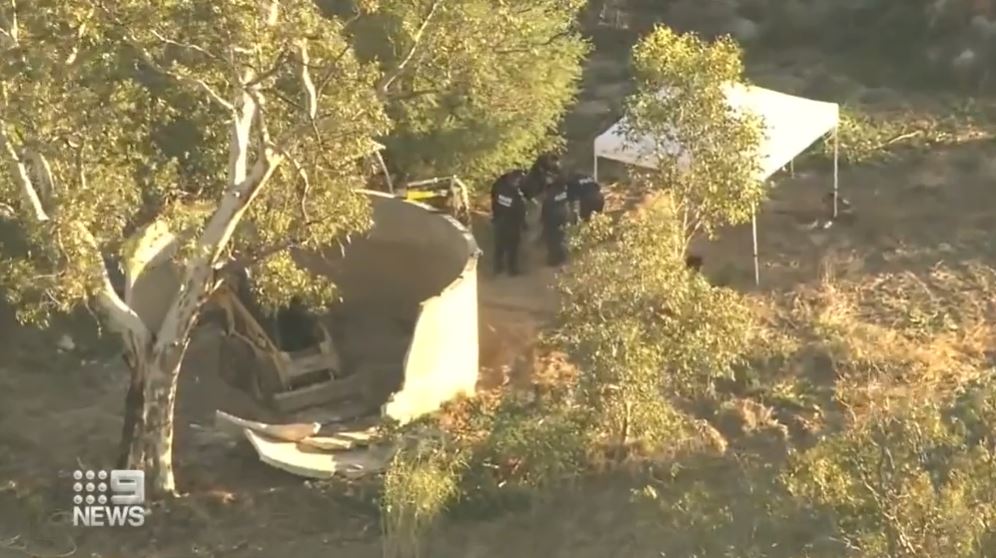
Today, specialist crime and forensic officers concentrated their search on an old water tank at the rear of the property, using a bobcat and scouring the surrounding land.
While Wark denied having any knowledge of what happened to Hayley, a cold case review in 2013 uncovered an earring the teen was wearing on a seat cover of a car Wark was driving at the time.
Police had also searched the Badgingarra property during the same 2013 review but found nothing at the time.
Wark has been behind bars since 2007, first for raping a hitchhiker in Queensland and then while awaiting trial over Hayley's death.
He will be eligible for parole after 16 years, but will not be granted an early release until he reveals the location of Hayley's body.
READ MORE: Francis Wark found guilty of the manslaughter of Hayley Dodd
At the time of Wark's sentencing, Hayley's mother Margaret said she wanted him to feel remorse over her daughter's death.
"I wanted him to feel it but not a single reaction from him. A heart of stone," Ms Dodd said outside court.
"My daughter Hayley was a beautiful 17-year-old girl whose only crime was naivety.
"The last two decades have been sheer hell."
A crime scene has been established at the Badgingarra property and while investigators confirmed there were "no significant developments" today, officers will return tomorrow.
Canada with New Permanent Residency Scheme for Immigrants
The initiative was recently announced by Canada’s Minister of Immigration, Refugees, and Citizenship (IRCC), Marco Mendicino and will grant special status to temporary workers and international graduates who are already contributing to the growth of Canada’s economy
Eligible candidates must have worked in Canada for at least one year either in the health sector or another essential profession. The process will commence on May 6 and the IRCC will accept applications under three streams, Mendicino said.
The streams will accept 20,000 applications for temporary workers in health care; 30,000 applications for temporary workers in other selected essential occupations; and 40,000 applications for international students who graduated from a Canadian institution.
Also, some 90,000 new permanent residents will be admitted under these three streams, Mendicino said, adding that three additional streams with no intake caps have also been launched for French-speaking or bilingual candidates
“Communities across Canada benefit from French-speaking and bilingual newcomers, and this pathway will contribute to the vitality of these Francophone minority communities,” Mendicino said. “As we continue the fight against the pandemic, immigration will remain critical to our economic recovery by addressing labor shortages and adding growth to our workforce.”
He continued: “With an accelerated pathway to permanent residency, these special public policies will encourage essential temporary workers and international graduates to put down roots in Canada and help us retain the talented workers we need, particularly in our healthcare system.
“Today’s announcement will help us achieve our 2021 Immigration Levels Plan, which will see Canada welcome 401,000 new permanent residents. The skilled newcomers and international graduates welcomed under our plan will help create jobs and drive long-term growth in Canada.”
Mendicino said the pandemic has shone a light on the contributions of newcomers and that the new policy is to help those with temporary status to plan their future in Canada as well as the country’s economic recovery.
“Our message to them is simple: your status may be temporary, but your contributions are lasting—and we want you to stay,” he said.
According to the High Commission of Canada to Guyana and Suriname, some one million people residing in Canada are of Caribbean descent, and over two million Canadians travel to Caribbean countries annually.
The post Canada with New Permanent Residency Scheme for Immigrants appeared first on The St Kitts Nevis Observer.
World View: Jury Out on Chauvin Trial, Troops on Street, J&J Vaccine Probe, VP Mondale Dies, More
April 20, 2021

Jurors are deliberating in the trial of a former Minneapolis police officer charged with killing George Floyd. With the verdict looming, more than 3,000 National Guard soldiers join police and other law enforcement personnel in the city in case trouble breaks out. Meanwhile, concrete barriers, chain-link fences and barbed wire also surround parts of the downtown.
In the United Kingdom, the death of Prince Philip comes as a reminder that the long reign of his widow, Queen Elizabeth II, is firmly in its twilight.
Meanwhile, experts with the European drug regulator prepare to present findings of their investigation into possible links between the Johnson & Johnson coronavirus vaccine and very rare cases of unusual clotting disorders detected in the U.S.
Also this morning:
- A German seaside rehabilitation center which has operated since the 18th century is now treating COVID-19 patients
- Hungary’s impoverished Roma children struggle with remote learning
- Oldest living American dies in North Carolina at 115 … or 116?
VANESSA GERA
The Associated Press
Warsaw, Poland
|
|
The Rundown
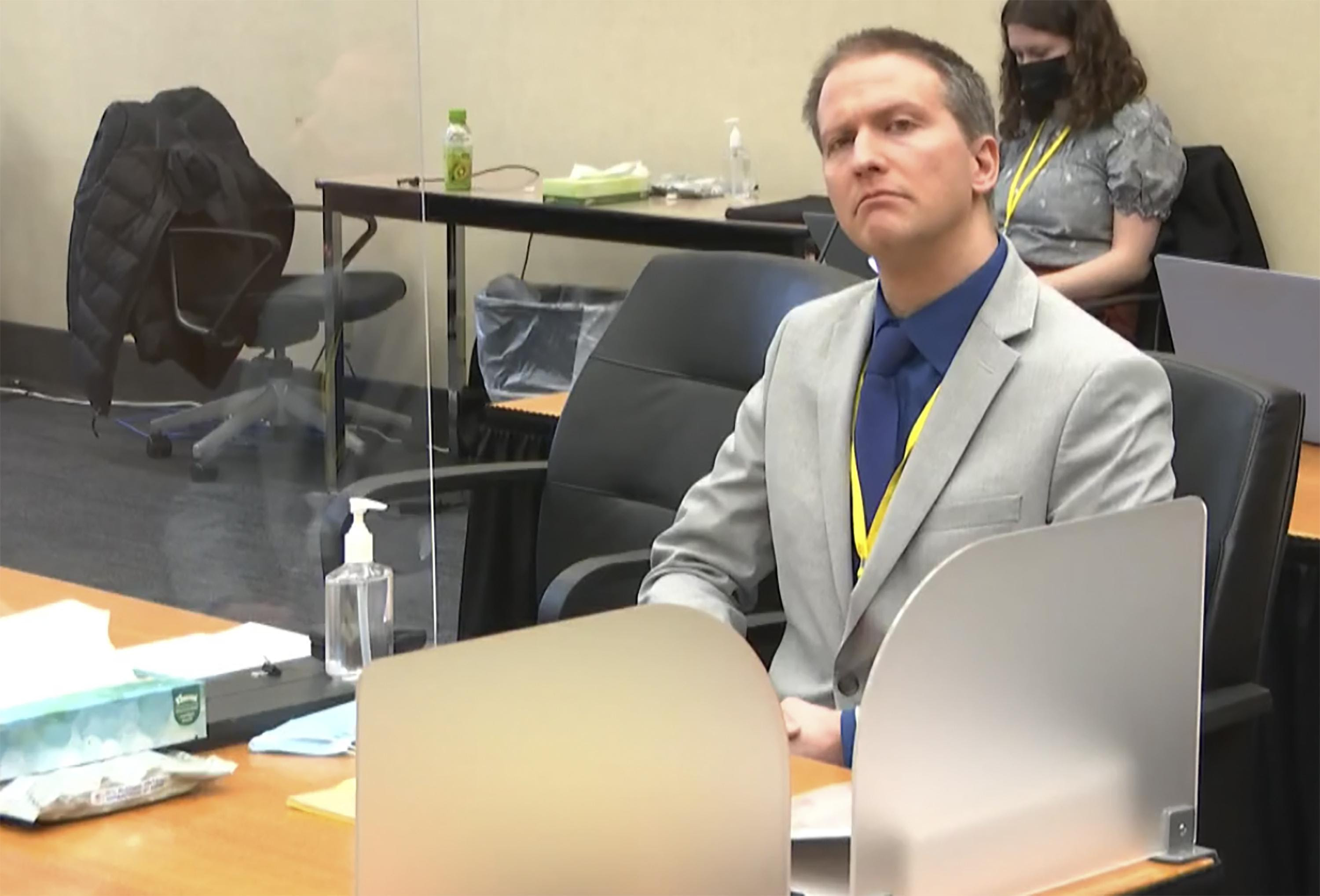
MINNEAPOLIS (AP) — The jurors who sat quietly off-camera through three weeks of draining testimony in Derek Chauvin’s murder trial in George Floyd’s death moved into the spotlight Tuesday, still……Read More
 *****@
 *****@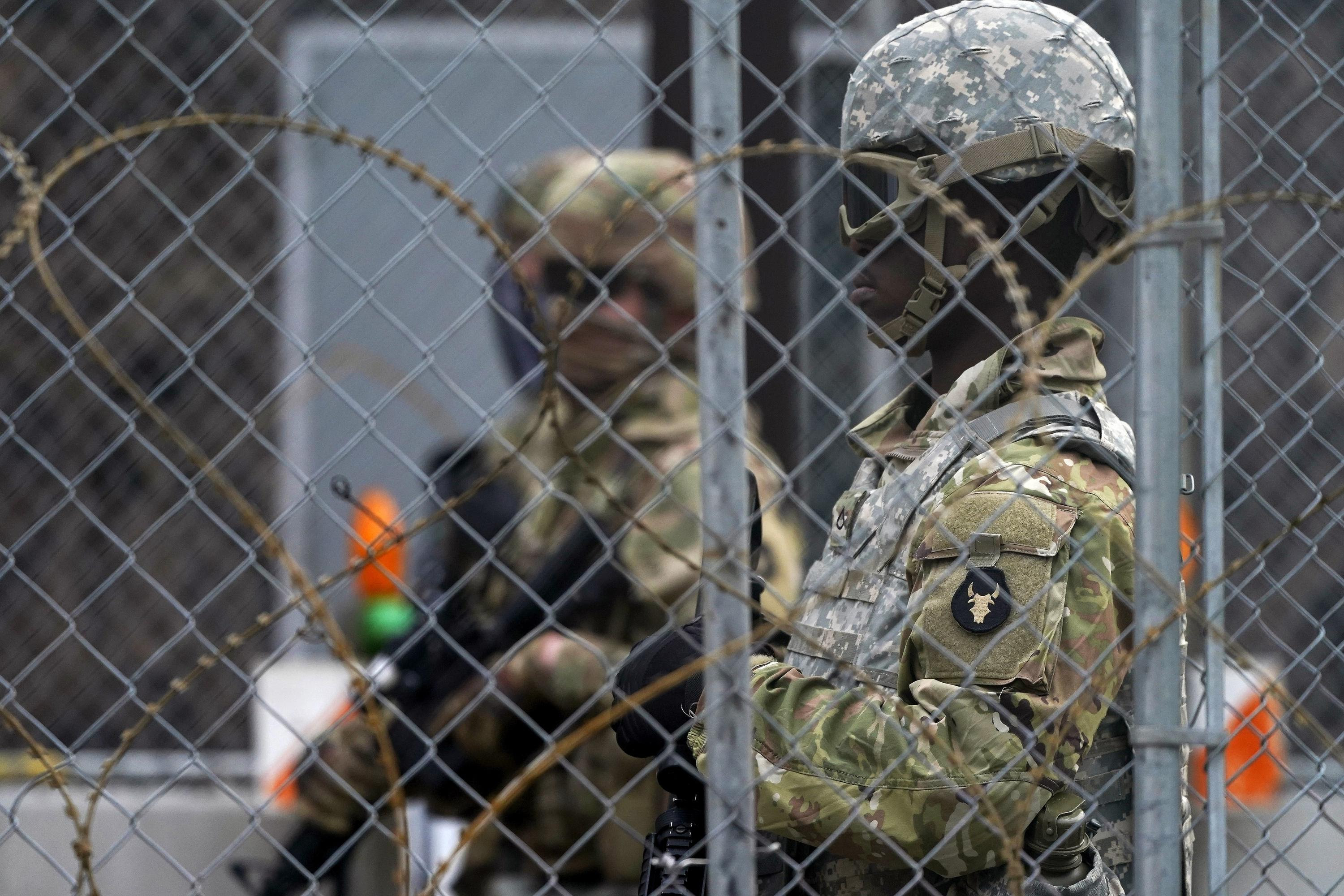
MINNEAPOLIS (AP) — Just outside the entrance to Smile Orthodontics, in a Minneapolis neighborhood of craft breweries and trendy shops, two soldiers in jungle camouflage and body armor were on… …Read More
 *****@
 *****@
LONDON (AP) — Experts at the European Medicines Agency are preparing to present the conclusions of their investigation later on Tuesday into possible links between the Johnson & Johnson… …Read More
 *****@
 *****@
 *****@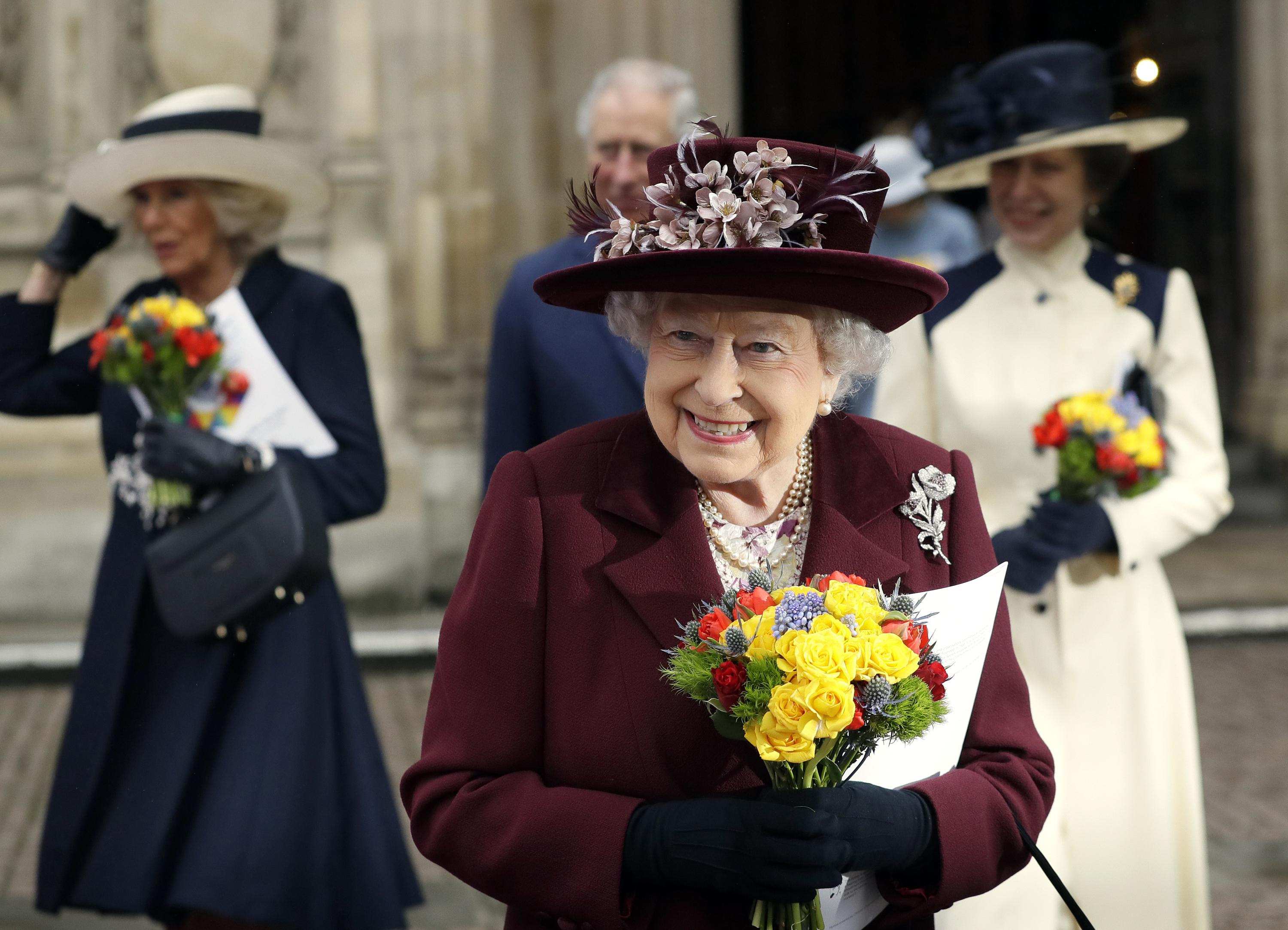
LONDON (AP) — Now that the Royal Family has said farewell to Prince Philip, attention will turn to Queen Elizabeth II’s 95th birthday on Wednesday and, in coming months, the celebrations marking……Read More
 *****@
 *****@
 *****@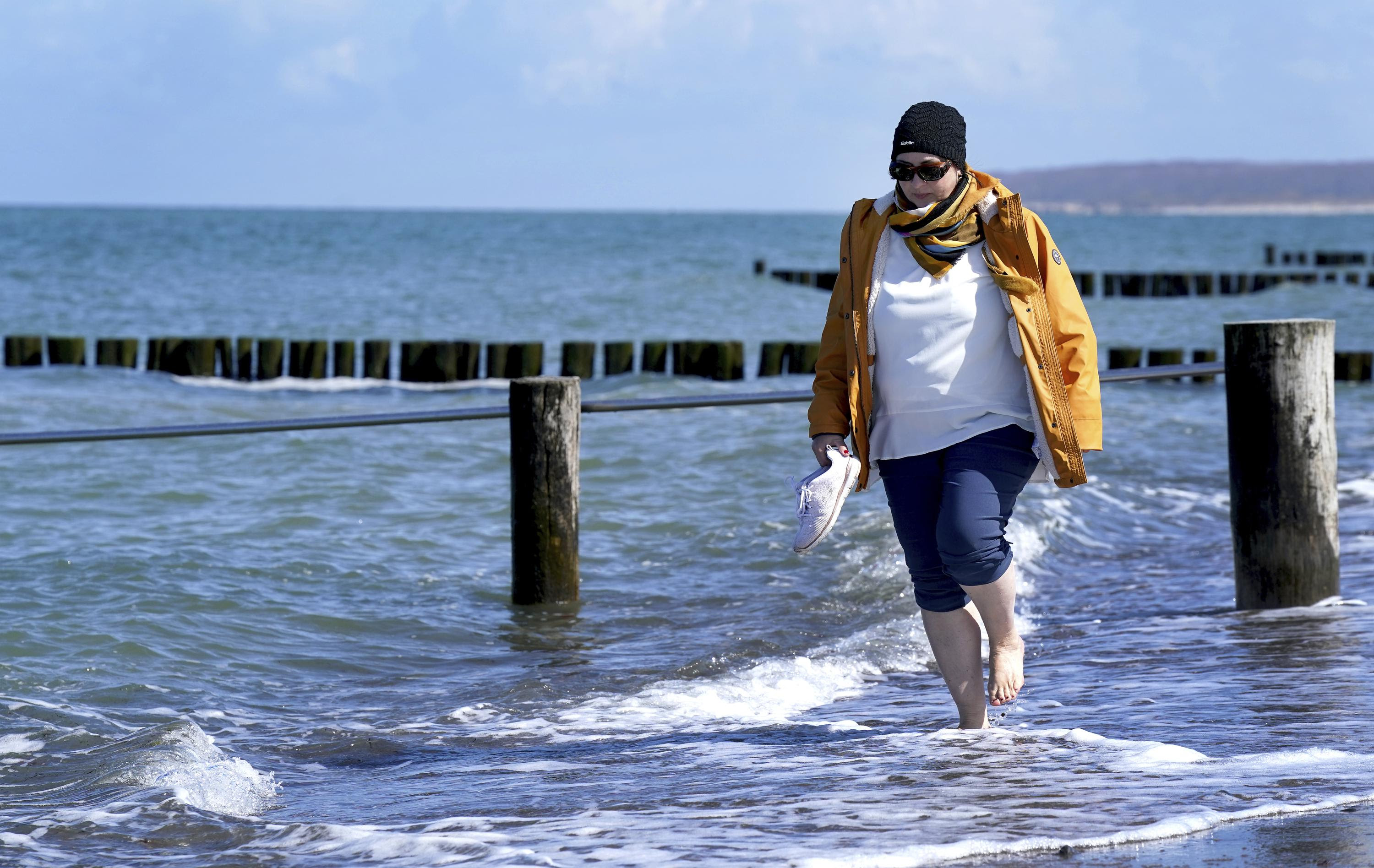
HEILIGENDAMM, Germany (AP) — Simone Ravera rolls up her trousers, slips off her shoes and socks, then gingerly steps into the chilly waters of the Baltic Sea. The 50-year-old rheumatology… …Read More
|
|
OTHER TOP STORIES
MINNEAPOLIS (AP) — In the last days of his life, former Vice President Walter Mondale received a steady stream of phone calls of appreciation. Former Presidents Jimmy Ca…Read More
A Michigan father has moved his 7-year-old biracial daughter from one school to another after the child’s hair was cut on separate occasions by a classmate and a teacher…Read More
BODVASZILAS, Hungary (AP) — Mihaly Horvath, a 12-year-old in a village in northeastern Hungary, can’t wait for his school to reopen. As a devastating COVID-19 surge swep…Read More
CHARLOTTE, N.C. (AP) — A North Carolina woman who grew up picking cotton, got married at 14 and went on to become the oldest living American with more than 120 great-gre…Read More
|
|
The post World View: Jury Out on Chauvin Trial, Troops on Street, J&J Vaccine Probe, VP Mondale Dies, More appeared first on The St Kitts Nevis Observer.