Category Archives: headline

12 Major Soccer Clubs form European Super League

Arsenal, Chelsea, Liverpool, Manchester City, Manchester United and Tottenham are among 12 clubs who have agreed to join a new European Super League (ESL).

In a seismic move for European football, the Premier League clubs will join AC Milan, Atletico Madrid, Barcelona, Inter Milan, Juventus and Real Madrid.

The ESL said the founding clubs had agreed to establish a “new midweek competition” with teams continuing to “compete in their respective national leagues”.

It said the inaugural season was “intended to commence as soon as practicable” and “anticipated that a further three clubs” would join the breakaway.

The ESL said it also planned to launch a women’s competition as soon as possible after the men’s tournament starts.

UK Prime Minister Boris Johnson, Uefa and the Premier League condemned the move when the news broke on Sunday.

Critics say the move is being driven purely by money, would destroy domestic leagues and is against the integrity of the sport.

World governing body Fifa had previously said it would not recognise such a competition, and any players involved could be denied the chance to play at a World Cup.

Uefa, Europe’s governing body, reiterated that warning on Sunday when it said players involved would be banned from all other competitions at domestic, European or world level and could be prevented from representing their national teams.

After the ESL was announced, Fifa expressed its “disapproval” of the proposed competition and called on “all parties involved in heated discussions to engage in calm, constructive and balanced dialogue for the good of the game”.

The ESL has sent a letter to Fifa president Gianni Infantino and Uefa boss Aleksander Ceferin issuing notice of legal proceedings in European courts designed to block any sanctions the two governing bodies may try enforce over the formation of the ESL.

In a statement, the ESL said: “Going forward, the founding clubs look forward to holding discussions with Uefa and Fifa to work together in partnership to deliver the best outcomes for the new league and for football as a whole.”

Dion Dublin & Danny Murphy discuss the plans for a European Super League

Why now?

There were talks in October, involving Wall Street bank JP Morgan, over a new £4.6bn competition that would replace the Champions League.

Uefa had hoped the plans for a new 36-team Champions League – with reforms set to be confirmed on Monday – would head off the formation of a Super League.

However, the 12 sides involved in the Super League do not think the reforms go far enough.

They said the global pandemic had “accelerated the instability in the existing European football economic model”.

“In recent months, extensive dialogue has taken place with football stakeholders regarding the future format of European competitions,” they added.

“The founding clubs believe the solutions proposed following these talks do not solve fundamental issues, including the need to provide higher-quality matches and additional financial resources for the overall football pyramid.”

What is the proposed format?

The league will have 20 teams – the 12 founding members plus the three unnamed clubs they expect to join soon, and five sides who qualify annually according to their domestic achievements.

Under the proposals, the ESL campaign would start in August each year, with midweek fixtures, and the clubs would be split into two groups of 10, playing each other home and away.

The top three in each group would qualify for the quarter-finals, with the teams in fourth and fifth playing a two-legged play-off for the two remaining spots.

From then on, it would have the same two-leg knockout format used in the Champions League before a single-leg final in May at a neutral venue.

The ESL said it would generate more money than the Champions League and would result in a greater distribution of revenue throughout the game.

What do the Super League leaders say?

Juventus forward Cristiano Ronaldo (left) dribbles past AC Milan player Diogo Dalot (right)
Juventus and AC Milan have signed up to the breakaway league plans

Real Madrid president Florentino Perez, the first chairman of the ESL, said the new competition would “help football at every level”.

“Football is the only global sport in the world with more than four billion fans and our responsibility as big clubs is to respond to their desires,” he added.

Juventus chairman Andrea Agnelli has resigned from the Uefa executive committee and as chairman of the European Club Association (ECA), which had pushed the planned Champions League reforms.

He said the 12 clubs had “come together at this critical moment, enabling European competition to be transformed, putting the game we love on a sustainable footing for the long-term future”.

It is understood all 12 clubs have resigned from the ECA and their respective representatives from the ECA board.

Manchester United executive vice-chairman Ed Woodward and Manchester City chief executive Ferran Soriano have also stood down from their roles at Uefa.

Manchester United co-chairman Joel Glazer will be a vice-chairman of the Super League.

He said: “By bringing together the world’s greatest clubs and players to play each other throughout the season, the Super League will open a new chapter for European football, ensuring world-class competition and facilities, and increased financial support for the wider football pyramid.”

What has been the reaction?

Essentially, widespread condemnation from anyone not involved in the proposed league.

Johnson said the plans would be “very damaging for football” and France’s President Emmanuel Macron welcomed French clubs refusing to join.

Uefa released a joint statement with England’s Football Association, the Premier League, the Spanish Football Federation, La Liga and the Italian Football Federation, as well as Serie A, saying they would “remain united” in trying to stop the breakaway, using “all available measures”.

The ECA said it “strongly opposed” the league, while the Football Supporters’ Association said the plans were “motivated by nothing but cynical greed”.

Among ex-professionals, former Liverpool and Tottenham midfielder Danny Murphy told BBC Sport the plans “sound soulless”, former Manchester United captain Gary Neville told Sky Sports he was “absolutely disgusted”, while former team-mate Rio Ferdinand said on BT Sport that the proposals will hurt fans the most.

‘The ultimate betrayal’

Fan groups associated with all six English clubs involved are strongly opposed to the Super League.

Liverpool supporters’ group Spirit of Shankly (SOS) said it was “appalled” by the decision of Fenway Sports Group, the club’s US-based owner.

In a social media post, SOS said: “FSG have ignored fans in their relentless and greedy pursuit of money. Football is ours, not theirs. Our football club is ours not theirs.”

Chelsea Supporters’ Trust called the move “unforgivable” and said its members and “football supporters across the world have experienced the ultimate betrayal”.

The Arsenal Supporters’ Trust called the club’s agreement to join “the death of Arsenal as a sporting institution”.

Manchester City’s Official Supporters Club said the move showed “those involved have zero regard for the game’s traditions”, adding it was “determined to fight against this proposed Super League”.

The Manchester United Supporters’ Trust had earlier said the proposals were “completely unacceptable” and the ESL “goes against everything football, and Manchester United, should stand for”.

Tottenham Hotspur Supporters’ Trust said the ESL was a “concept driven by avarice and self-interest at the expense of the intrinsic values of the game we hold so dear”.

Analysis

BBC Sport’s Simon Stone

If there was any lingering doubt over the desire of these 12 clubs to launch their own competition, it has been removed by their statement – reinforced by each of them through their own media platforms.

So many questions remain unanswered.

Chiefly, can they actually get their plan over the line given the strong resistance from Uefa and the leagues and associations of the countries concerned?

But beyond that, who will the other three clubs be to make up the 15 founding members? Will Bayern Munich and Paris St-Germain eventually join up? And how will the other five clubs be decided?

These discussions will be fascinating. But right now, the clubs who have signed up to the European Super League have a public relations battle to turn around perceptions – because initial reaction has been overwhelmingly negative.


The post 12 Major Soccer Clubs form European Super League appeared first on The St Kitts Nevis Observer.


Over 50's to get COVID-19 vaccine early

Australians over the age of 50 will have access to the coronavirus vaccine after National Cabinet agreed to bring forward the next stage of the country's COVID-19 roll out.

Prime Minister Scott Morrison confirmed the changes in a statement this evening following the first emergency meeting of National Cabinet.

The nation's state and medical leaders will meet twice-weekly to solve Australia's delayed coronavirus vaccine program.

"National Cabinet agreed in-principle to a series of changes to the Australian COVID-19 Vaccination Strategy that will be put forward for approval at the next meeting of National Cabinet including options to bring forward the commencement of vaccinations for over 50-year-olds under the Australian COVID-19 Vaccination Strategy priority group 2a," Mr Morrison said in the statement.

READ MORE: The world's biggest vaccine producer is running out during a deadly second wave

"And the readiness of more state and territory-operated vaccination sites including mass vaccination sites, as vaccine supplies increase."

He said National Cabinet also reinforced GPs will continue to be the primary model of the vaccine roll out, with states and territories to consider options to supplement rollout through expanded state vaccination centres.

To date, almost 1.6 million COVID-19 vaccines have been administered in Australia.

The number of administration sites continues to expand with 4,500 general practices, general practice respiratory centres and Aboriginal health services now administering COVID-19 vaccinations.

Mr Morrison said National Cabinet also received detailed health briefings on the roll out, including one on the blood clots associated with the AstraZeneca COVID-19 vaccine.

"The priority of the Australian COVID-19 Vaccination Strategy remains to vaccinate vulnerable populations under priority groups 1a and 1b," he said.

READ MORE: TGA finds NSW woman's death 'likely' linked to AstraZeneca vaccine

AstraZeneca COVID-19 vaccine vials (Getty)

"The medical advice remains that the AstraZeneca COVID-19 vaccine is safe and recommended for Australians over 50 years old and all states will continue to be prioritised AstraZeneca for Australians over 50 years old."

There have been 29,500 confirmed COVID-19 cases in Australia and, with 910 deaths.

More than 16.3 million tests have been undertaken in Australia.

Globally, there have been over 141 million cases and sadly over 3 million deaths, with around 698,000 new cases and more than 9,000 deaths reported in the last 24 hours.

Mr Morrison said the Commonwealth will continue to finalise the vaccination of residential aged care facility (RACF) residents with Pfizer using an in-reach model.

National Cabinet will meet again on Thursday 22 April 2021.

Chile: Study Finds Chinese Vaccine Slashes COVID Deaths

SANTIAGO, Chile (AP) — A real-world study of millions of Chileans who had received the Chinese-developed CoronaVac vaccine has found it 67% effective against symptoms and 80% against death from COVID-19, the South American country’s Health Ministry said Friday.

Ministry adviser Rafael Araos said the study covered 10.5 million people, including 2.5 million who had received both doses of the vaccine and 1.5 million who had received a single dose between Feb. 2 and April 1.

It counted cases starting 14 days after application of the second dose of the vaccine, which in Chile was given 28 days after the first.

The vaccine has been widely used across the world, though not in the United States or Europe.

Araos said it had reduced hospitalizations by 85%, intensive care visits by 89% and deaths by 80%.

It is one of the broadest studies so far published of any of the vaccines used against the new coronavirus. Most previous studies were based on clinical studies of limited groups of thousands of people given the vaccines to test efficacy and safety prior to general use.

Chile has led the region with a vaccination campaign that has reached 40% of its 19 million people overall — and 27% of those have so far received both doses. It began in large part among the elderly and health workers, but has expanded to include essential workers and recently people as young as 48.

It has contracted for 60 million doses of the CoronaVac vaccine produced by Sinovac over three years, and also has been using vaccines produced by Pfizer. About 90% of vaccines used so far in Chile have been CoronaVac.

Authorities reported Thursday that Chile had been a sharp reduction in hospitalization of people 70 or older, something credited to the vaccination campaign among the elderly. But it has also seen “a sustained rise” in hospitalizations of people 59 and younger.

The country has reported 1.1 million confirmed infections of the new virus and nearly 25,000 deaths.

The post Chile: Study Finds Chinese Vaccine Slashes COVID Deaths appeared first on The St Kitts Nevis Observer.

Biden Faces New Corona Challenges, UK Race Against Variants, World Stats

President Biden is facing a series of fresh obstacles in getting the coronavirus pandemic under control in the United States.

Several states have seen an uptick in cases even as millions of Americans are vaccinated each day, which can be attributed in part to the lifting of restrictions on masks and businesses and general pandemic fatigue more than a year after the virus began to spread widely. More contagious variants are spreading throughout the country, and experts warn that new variants could pop up until the country reaches a greater degree of immunity.

The Food and Drug Administration (FDA) recommended a pause in the use of the Johnson & Johnson vaccine this week. While many health experts praised it as the right move, an extended pause could drive up vaccine hesitancy, posing yet another challenge for Biden.

A Centers for Disease Control and Prevention (CDC) panel on Wednesday made no determination on when or whether to issue new recommendations on the shot’s use, meaning the pause may last multiple weeks.

The president has earned high marks for his pandemic response thus far from health experts and the public alike. A Monmouth poll this week found that 62 percent of adults say Biden has done a good job handling the coronavirus pandemic, a figure that is higher than the 54 percent who approve of Biden’s job as president overall less than 100 days into his presidency.

But the current setbacks could pose some challenges to those figures.

“I don’t think it reflects on Biden specifically, but it may slow the overall effort to get the country back up and running and it may add fuel to the skepticism that many Americans still have about the vaccine,” said a Democratic strategist of the developments with the Johnson & Johnson vaccine.

While the Johnson & Johnson delay will not disrupt the supply of vaccine doses to the country, it denies the nation the only approved shot that can be delivered in one dose and a vaccine that is easier to store than the Pfizer and Moderna vaccines.

This could make it harder to get vaccines to more vulnerable populations and left some public health officials criticizing the decision, arguing it would lead to more vaccine hesitancy and slow the recovery.

“[The panel’s] decision to wait would be fine if there was no pandemic going on,” tweeted Ashish Jha, dean of the Brown School of Public Health. “But there is. And waiting 7-10 days won’t do much. Not sure what data they will get in that time. But we’ll have done real harm to a terrific vaccine particularly well-suited for vulnerable populations.”

The White House insists that its plan to have enough vaccine doses for all American adults by the end of May will not be disrupted by the pause.

White House press secretary Jen Psaki described the FDA process as the “gold standard” during a Thursday briefing and said the administration would let the process play out while remaining focused on vaccinating every American adult.

“We remain confident that we have the supply needed to meet the demand,” she said. “Because we are overprepared and oversupplied, we remain confident in that.”

The pace of daily vaccinations has steadily increased over the past several weeks, with officials announcing this week that the U.S. is now averaging 3 million coronavirus vaccine shots everyday, with 3.5 million doses administered on Wednesday. Nearly 200 million Americans have received at least one dose of vaccine to date.

Still, vaccine hesitancy was an issue even before the unwelcome news. Monmouth found that 21 percent of U.S. adults say they are unlikely to get a vaccine, down from 24 percent in March but still high.

Michael Osterholm, an epidemiologist who served on Biden’s COVID-19 advisory board during the transition, acknowledged that the decision to pause the vaccine could create more hesitancy toward the Johnson & Johnson vaccine in particular but described it as a necessary step in demonstrating transparency around the vaccine process to the public.

“If there is any sense that something is being hidden, I think that will create irreparable harm from a credibility standpoint to our ability to continue to pursue these vaccine programs,” Osterholm said.

Michigan is among the states that has seen a sharp increase in new cases, and it has led to some friction between the state’s governor and the White House.

Gov. Gretchen Whitmer (D), who was considered for vice president, asked the administration to surge vaccine doses to the state to head off the rise in cases, but the administration said it would not do so. The head of the CDC argued the most effective way to slow the spread would be to reimpose some restrictions, something Whitmer is loath to do given fatigue with restrictions in her state. Whitmer faces reelection next year.

Biden has called on governors to reinstate mask mandates in states where they have been lifted and to reconsider the easing of some restrictions, warning that too many Americans feel the fight against the pandemic is over.

Health experts expressed confidence that by summer, through a combination of warmer weather and a more widely vaccinated public, the country will likely have moved past the current spike in cases. Still, Osterholm said the fight isn’t over.

“I think what is happening in Minnesota, Michigan and starting to happen in other states is a warning we’re not done yet,” he said.

Officials have sought to address hesitancy among racial and ethnic minority groups as well as Republican voters, which polls show are far more likely than Democrats to resist the vaccines.

The Biden administration has invested resources into convincing hesitant populations that the vaccine is safe and effective and reaching underserved communities, including rolling out a network of 275 organizations including sports leagues, business and faith groups and other community organizations to coordinate efforts to instill public confidence in the vaccine.

The Biden administration has also put $3 billion from the president’s $1.9 trillion rescue package toward supporting state and local efforts to increase uptake of vaccines in minority and rural communities.

But health experts describe the hesitancy issue as a complex challenge, one that requires officials to understand the rationale of each group that has expressed reluctance and address concerns independently.

“When you start looking at all the different parties that may have reluctance to get vaccinations, there’s not one real answer. Part of the challenge is you can’t just put a billboard up that says get vaccinated,” said Osterholm.

======================================

Eager Londoners queue up to be tested in race to find Covid variants

Officials ‘astonished’ at level of public engagement a year into the pandemic

A rapid testing centre in Finchley last week.

A rapid testing centre in Finchley last week. Photograph: Antonio Olmos/The Observer


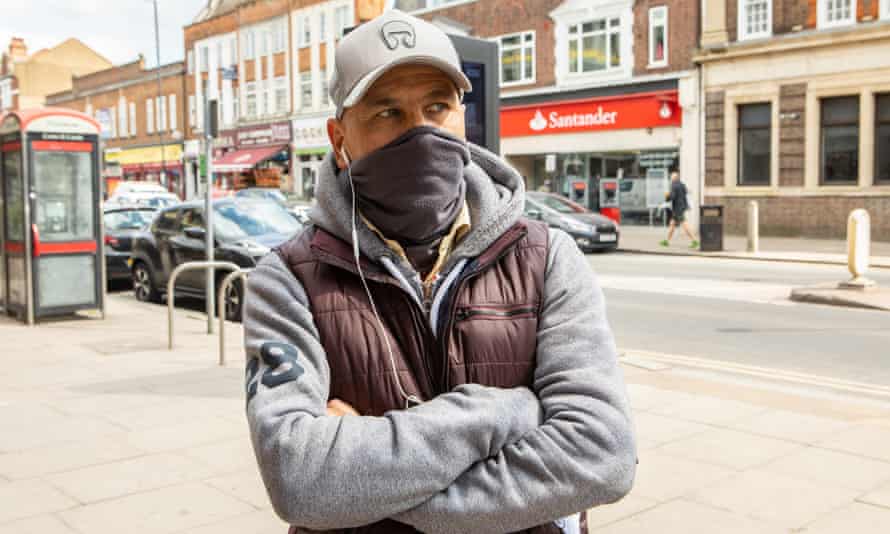
The steady stream of people at the two surge testing units in Finchley, north London, last week suggests that, more than a year after the pandemic hit, the public spirit to do something about Covid is still strong.

The effectiveness of surge testing is a more open question, however. The rapid testing of 5,000 households last week was an attempt to isolate the South African variant and others of concern. Yet although standard PCR tests come back within 24 hours, genomic sequencing tests to identify a Covid variant take 14 days – by which time the period of infectiousness is usually over.

It was clear from talking to people in north London that public awareness of the distinction between regular testing and surge testing was not always obvious, despite the strong desire to help.

“There’s been something around here – they’re having a surge of the South African variant,” Avril Endfield said on Friday, before taking one of the tests on offer at the black tent outside Tesco’s. “I’ve had one vaccine and I’m having another in 10 days. My daughter is about to give birth and I’d really like to be able to see her. Hopefully this will help me do that.”

Rino Sampieri’s motivation for testing was similar. “I’ve been semi-shielding for my mother and I’m flexi-furloughing,” he said. “I haven’t got any symptoms and I don’t think I’ve got it, but … anything to get the economy back up and running.”

Barnet council was doing a surge test because of evidence that one person in the Finchley postcode area had the South African variant. Existing vaccines are currently less effective against it, and it may spread more readily than others.

Dozens of areas around England have been subject to surge testing since February. Most, like the test in Finchley, involve only one or two confirmed cases, and so far none of the variants has spread far.

But public health officials were concerned last week when 44 cases were identified in the south London boroughs of Lambeth and Wandsworth, with 30 more suspected, triggering a large bout of localised testing. The case in Finchley is unrelated.

Rino Sampieri said he would do ‘anything to get the economy back up and running’.


Rino Sampieri said he would do ‘anything to get the economy back up and running’. Photograph: Antonio Olmos/The Observer

Barnet set up two mobile testing units and sent a team of seven people door-to-door to hand out kits, which are used at home, then returned the next day. About 5,000 kits were handed out and 80% were returned.

Despite the 14-day delay, surge testing was still valuable, said Dr Tamara Djuretic, Barnet’s director of public health. “There is no better way of doing it, and the important thing is that we still contain the infection, and you treat them as if they are all a variant,” she said. “Once you start searching in that area, everyone becomes extra aware that something is going on, and their behaviour changes.”

This is the third surge test Barnet has done. The first, of about 10,000 people in East Finchley and Hendon at the end of February, found no variants of concern. “It was good, because it was opportunistic testing and we found some positive cases that wouldn’t otherwise have been discovered,” Djuretic said. But it seemed that the variant had not spread.

The second test, in Muswell Hill, was looking for possible transmission of the Brazilian variant from someone who had arrived in the UK. “We did discover evidence of transmission of the variant within a few households,” she said. “This was during the first lockdown so contact was quite limited.”

Surge testing is “an important tool in the public health armoury,” according to Jim McManus, the vice-president of the Association of Directors of Public Health.

“You can’t expect residents to do it all the time,” he said. “You have to discern when it’s worth doing.” He said he was “frankly astonished” by the high take-up of surge tests. “Our efforts with the South African variant are still focused on containment,” he said. “Surge testing can be extremely useful when you think there is the possibility of community spread and where you’re finding it difficult to contact-trace people beyond the immediate network of contacts.”

A third technique that a number of public health officials are using is network analysis. When an infected person talks to contact tracers, they give information about where they have travelled, and analysts will look for cases where postcodes overlap, to try to find how a virus has spread.

“It takes time, but it certainly produces results,” McManus said. “We found one person who was going around three different offices in a company, who was the common factor in spreading the virus.”

Enabling people to self-isolate was still crucial, he said. And surge testing and tracking variants using waste water analysis are both useful, but they too rely on genomic sequencing. “Our ability to do genome sequencing in this country is far and away one of the best in the world,” he said. “But it takes too long and needs to be speeded up.”

======================================

Russia Increases Production of its Vaccine as Virus Cases Spike

The post Biden Faces New Corona Challenges, UK Race Against Variants, World Stats appeared first on The St Kitts Nevis Observer.
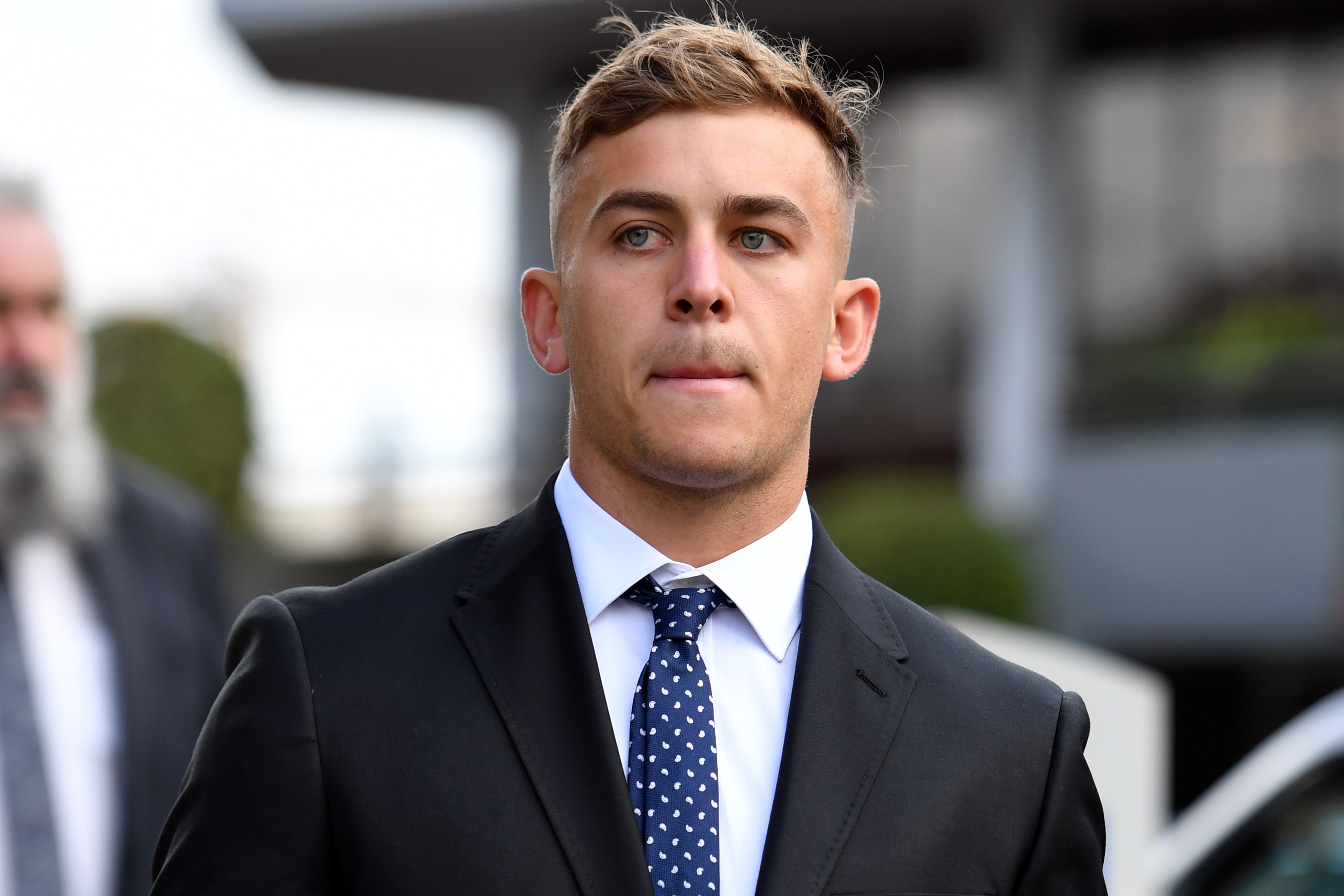
Woman allegedly raped by Jack De Belin denies interest in him

The woman allegedly raped by NRL player Jack de Belin has denied she expressed a sexual interest in the athlete beforehand.

De Belin and Callan Sinclair have pleaded not guilty to aggravated sexual assault because they insist the encounter with the then 19-year-old was consensual.

The jury has spent the last three days watching a video of the evidence she gave at the first trial last year.

Jack de Belin arriving at Wollongong court today.

But today the woman was called back to answer questions which had arisen since.

It was put to her by Sinclair's barrister Sharyn Hall that she had asked a school friend at the bar: "have you guys seen that Jack de Belin is here?"

Ms Hall also suggested the woman said: "he's so hot" and: "I want to get with him".

She denied that's how she felt and that she had a "sexual interest" in him.

"I was a 19-year-old girl just wanting to have a good night out, dance around," she told the court in a heated exchange. 

"I was allowed to do that. I didn't ask for anything to happen that night.

"I never met Jack De Belin until that night, so I highly doubt I said those things."

"Is it the case it didn't happen, or you don't remember?" she was asked.

"I don't remember," she answered.

Shellharbour player Callan Sinclair arrives at Wollongong Local Court, Monday, 2 November 2020. Sinclair and St George Dragons player Jack De Belin are due to begin a two-week trial on February 3 over allegations the pair sexually assaulted a 19-year-old woman in a Wollongong apartment in December 2018. Photo: Sam Mooy/The Sydney Morning Herald

But under questioning from the Crown, she insisted she didn't say it.

The woman was also asked if she had lashed out with her arms during the alleged assault early the following morning.

"My arms lashed out and they grabbed the sheet at many times…"

But she said she didn't lash out with her legs.

"No, I did not, I lay there dead because I was so numb inside."

The trial continues.

Mediterranean diet key to good heart health

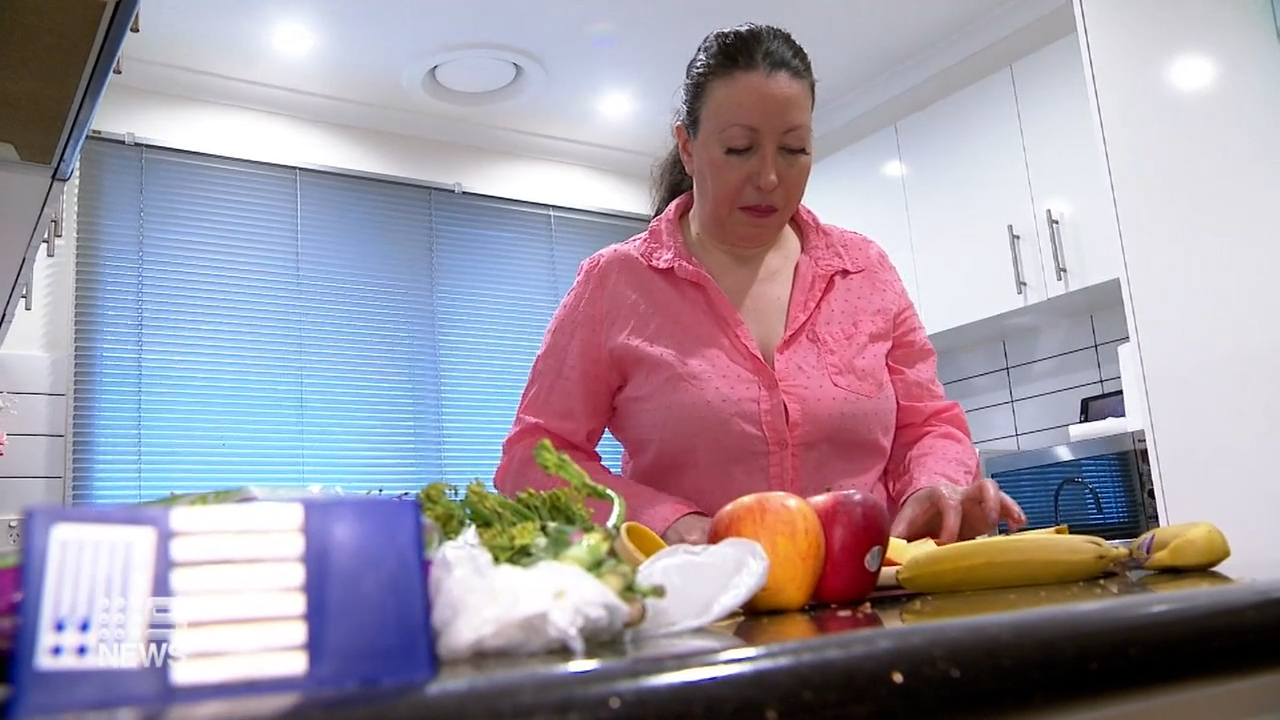
Eating a healthy Mediterranean-style diet can help minimise the risk of heart attack, even for those genetically pre-disposed to heart disease, new research shows.

Deakin University researchers have shown for the first-time diet can trump genetics in relation to cardiac health.

Heart disease is the number one cause of death in Australia.

READ MORE: More than 90 per cent of at-risk Victorians avoid COVID-19 tests due to 'shame and stigma', study finds

"Typically, we know that eating well is good for our health, but the link between our diet and our genetic pre-disposition to heart disease has been less clear," lead researcher Dr Katherine Livingstone said.

The study of 77,000 adults in the UK, aged 40 to 69 tracked their diet and genetic heart risk over eight years.

The research found eating a Mediterranean diet could reverse the genetic risk of heart disease and reduce the risk of heart attack.

The Mediterranean-style diet includes plenty of fruit and vegetables, nuts and fish and less red meat and processed meat.

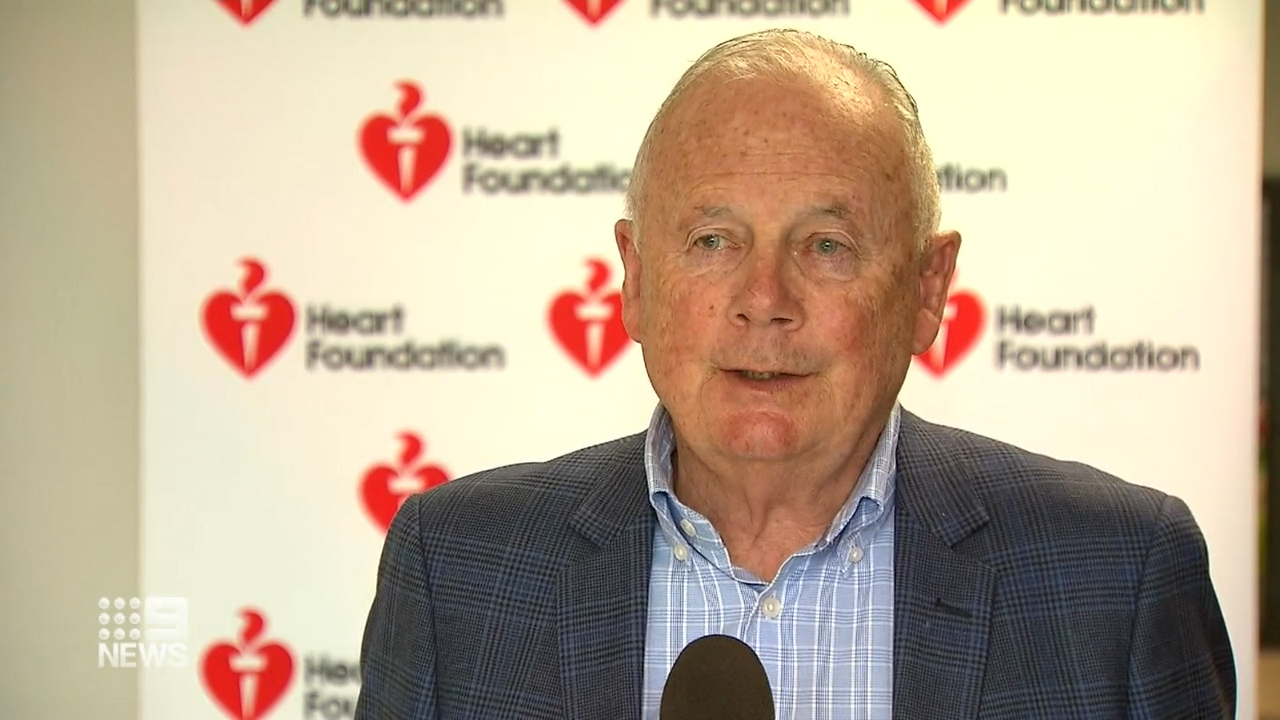
The Heart Foundation's Chief Medical Advisor, Professor Garry Jennings supports the latest research.

READ MORE: Victorian childcare centres hit with gastro outbreaks

"What it suggests is everybody can get benefit from a healthy lifestyle, in this case a healthy diet. It doesn't matter what your family history is." Professor Jennings told 9News.

"This suggests that genes and lifestyle are independent, that both of them are important and don't hang your hat on just one.

"This will change things in terms of our understanding of risk and how we find who is at risk and who is not."

Biden Keeps Trump’s 15,000 Refugee Limit

President Biden has signed an order speeding refugee admissions but maintaining fiscal 2021 admissions at 15,000, a cap set by the Trump administration and a number far below the 62,500 figure proposed to Congress earlier this year.

The order would also open up slots to refugees from regions excluded by Trump, including parts of Africa and the Middle East.

But it does not raise the ceiling, as Democrats including Speaker Nancy Pelosi (D-Calif.) and Rep. Ilhan Omar (D-Minn.), who came to the United States as a refugee, had urged him to do.

It also represents a retreat for the Biden administration.

The State Department in February issued a report to Congress that proposed raising the number of refugee admissions to 62,500 for the current fiscal year. Biden pledged to over time raise the number of refugees the U.S. accepts to 125,000.

A senior administration official called the Trump refugee policy “restrictive” and cast the new order as an improvement, saying it “is needed to offer protection to vulnerable refugees who could not access the program under the previous one.”

But the move prompted widespread criticism from Democrats, who accused Biden of breaking his campaign promise to increase the number of refugee admissions.

Amid the criticism, the White House appeared to backtrack Friday afternoon, saying that Biden would announce a higher refugee cap within a month while acknowledging that the earlier goal of 62,500 was “unlikely.”

“The President’s directive today has been the subject of some confusion,” White House press secretary Jen Psaki said in a statement.

“For the past few weeks, he has been consulting with his advisors to determine what number of refugees could realistically be admitted to the United States between now and October 1,” Given the decimated refugee admissions program we inherited, and burdens on the Office of Refugee Resettlement, his initial goal of 62,500 seems unlikely.”

“While finalizing that determination, the President was urged to take immediate action to reverse the Trump policy that banned refugees from many key regions, to enable flights from those regions to begin within days; today’s order did that. With that done, we expect the President to set a final, increased refugee cap for the remainder of this fiscal year by May 15,” Psaki said.

The decision comes as the Biden administration grapples with a surge of migrants at the U.S. southern border with Mexico and officials continue to fight the coronavirus pandemic, with cases rising again in the United States.

The refugee program, which resettles migrants from their home countries — as opposed to asylum-seekers, who generally present themselves at the border — is designed to extract at-risk individuals from areas affected by conflict or natural disasters.

Omar, who penned a letter to Biden earlier Friday calling on the president to formally raise the cap to 62,500 after weeks of delay, called the administration’s announcement “shameful,” accusing Biden of “reneging on a key promise to welcome refugees.”

As a refugee, I know finding a home is a matter of life or death for children around the world.

It is shameful that @POTUS is reneging on a key promise to welcome refugees, moments after @RepSchakowsky @RepJayapal, myself and others called on him to increase the refugee cap. pic.twitter.com/eaxjHCUhrI

— Rep. Ilhan Omar (@Ilhan) April 16, 2021

Immigration advocates have joined that pressure campaign, as orders to raise and speed refugee admissions have lingered on Biden’s desk for weeks.

Psaki refused to detail reasons for Biden’s delay in signing an order raising the cap as pledged, telling reporters on Thursday that he “remains committed to raising the refugee cap” and to ensuring the humane treatment of refugees and immigrants.

After White House officials detailed Biden’s plans, Sen. Robert Menendez (D-N.J.), chairman of the Senate Foreign Relations Committee, publicly released a letter he sent to Biden earlier Friday slamming the administration’s delay, saying it “has not only stymied the number of refugees permitted entrance into the United States, but also it has prevented the Department of State from admitting vetted refugees currently waiting in the system who do not fit into the unprecedentedly narrow refugee categories designated by the Trump administration.”

“Due to the delay, your Administration is on track to fall well short of welcoming a scant 15,000 refugees for FY21, itself an appallingly low admissions level set by the previous administration,” Menendez wrote.

Biden’s recent budget proposal requested $4.3 billion for the Office of Refugee Resettlement (ORR), setting a goal of 125,000 refugee admissions in 2022.

ORR’s budget in 2020 was $1.3 billion.

ORR, an agency of the Department of Health and Human Services, helps settle refugees throughout the United States, but it is also the agency in charge of caring for unaccompanied minors apprehended by U.S. border authorities.

The agency’s focus this year has been on the latter mission, as an increase in the number of unaccompanied minors seeking asylum at the border has overwhelmed both ORR and Customs and Border Protection (CBP) infrastructure.

“The surge of migration at the border required us to ensure HHS/ORR, which is responsible for both unaccompanied children and refugee resettlement, had resources to adequately handle both. Our review of the U.S. refugee admissions program we inherited from the previous administration revealed it was even more decimated than we’d thought, requiring a major overhaul in order to build back toward numbers to which we’ve committed,” the senior administration official said

The post Biden Keeps Trump’s 15,000 Refugee Limit appeared first on The St Kitts Nevis Observer.

Brazil: Cops Ignore Supreme Court, Kill 800 People in Rio Slums

Nearly 800 people were killed by police in the Brazilian state of Rio de Janeiro in the past nine months, as raids remain a terrifying routine for favela families – despite a supreme court ruling to halt incursions during the coronavirus pandemic.

New figures show that between June 2020 and March 2021, 797 people were killed in Rio state, 85% in the city of Rio and surrounding metropolitan region.

Black lives shattered: outrage as boy, 14, is Brazil police’s latest victim

The court ruled to suspend police raids in Brazilian favelas in June 2020, amid public outcry following the death of 14-year-old João Pedro Matos Pinto, who was shot in the back during a police incursion.

Between June and September, police raids plummeted 64% compared with the average for the same period in previous years, according to a report by Geni, a research group at the Federal Fluminense University (UFF).

But incursions resumed in October, one month after the acting governor, Cláudio Castro, took office and rapidly doubled to 38 in October, compared with the previous month. In the following nine months, the communities of Greater Rio saw an average of nearly one raid every day, the report showed.

“It’s absurd,” Daniel Hirata, an author of the report and professor of sociology at UFF, said. “The highest court takes a decision, and political authorities do not respect it, violate it deliberately. This is a risk to the rule of law in Brazil.”

On Friday, the state supreme court started a two-day public hearing on police raids to draw up a new plan to reduce police killings and human rights violations.

Police in Rio de Janeiro state, kill almost twice as many people each year as they do in the US. Most of the victims are black and brown.

A police spokesmen said the raids were launched in response to violent disputes for territory between warring gangs, and claim that they focus on “preserving lives and following strict legal precepts”.

But Hirata argued that “police raids, in addition to being lethal, are ineffective against crime”, and the report shows that such actions are not associated with any reduction in criminal activity.

The Santa Marta favela in the Botafogo area of Rio de Janeiro. Photograph: Ellan Lustosa/Zuma Wire/Rex/Shutterstock

A surge in police violence came after the 2018 election as Rio governor of Wilson Witzel, who had campaigned on a promise to “slaughter” criminals. Witzel was forced from office in late August 2020 after a corruption scandal, but his acting successor has pursued a similar frontal assault on drug gangs – and ordinary civilians are caught in the crossfire.

Police violence has also compounded the disastrous impact of coronavirus on Brazil’s most vulnerable. A study published by the Lancet showed that inequality was a larger factor in Covid deaths in Brazil than age, health status and other risk factors, where more than 355,000 have died from the disease.

Favela-based groups delivering food and cleaning products kits during the outbreak say they have often been forced to suspend operations because of police raids.

A 36-year-old female schoolteacher, who asked not to be named for security reasons, distributed kits and listened to daily struggles at her Parque Esperança (or Hope Park) community, in the municipality of Belford Roxo, in Greater Rio.

“I visited households and I saw several people living below the poverty line,” she said. “And amid this crisis, we have been living in a war state since January.”

The current wave of violence began when police launched an incursion to set up an outpost in a community in Belford Roxo, sparking retaliation from gangs.

Since then, the sound of police helicopters is constant, and shootings break out day and night.

Fransérgio Goulart, the head of a local activist group, said that while official figures said nine people had been killed in the community, local residents say that more than 30 have been shot since January.

“One case that shocked me was that of a young man who was shot dead going home from work. His mother spent hours with her son on her lap waiting for the body to be taken away. The whole family left the community afterward,” she said.


The post Brazil: Cops Ignore Supreme Court, Kill 800 People in Rio Slums appeared first on The St Kitts Nevis Observer.