Climate change presents an existential threat – and a challenge that’s going to require transformative action by governments and polluting industries across the globe. What actions can we, as individuals take? In the fourth of a series…
Category Archives: headline
Covid 19 coronavirus: Lucky walk-ins get early vaccinations to avoid doses expiring
Members of the public who are not on the priority list for Covid vaccinations have been getting jabs ahead of time to avoid supplies being wasted, Covid-19 Response Minister Chris Hipkins has confirmed.His response follows last-minute…
Polyfest back with strong diversity showing
Backstage left, a group of Korean dancers from St Cuthbert’s College are on the move, their long, fluorescent robes rustling. They are about to go on stage at Polyfest, and they’re excited.”We were so worried it would be cancelled,”…
Covering Climate Now: How do we shrink agriculture's climate footprint?
As part of the global Covering Climate Now initiative, the Herald is dedicating a week of coverage to the issues surrounding the climate crisis. In the fourth of a series of in-depth interviews with leading experts on key policy areas,…
Simon Wilson: Five myths about traffic and the climate
OPINION: Driving is convenient, or so we think, but that’s less true than you might think. The climate crisis offers a chance to recalibrate. 1. Google Maps makes driving better GPS tracking systems make it less likely you’ll…
Covering Climate Now: Are we doing enough to prepare?
As part of the global Covering Climate Now initiative, the Herald is dedicating a week of coverage to the issues surrounding the climate crisis. In the final of a series of in-depth interviews with leading experts on key policy areas,…
Herald morning quiz: April 15
Test your brains with the Herald’s morning quiz. Be sure to check back on nzherald.co.nz at 3pm for the afternoon quiz. To challenge yourself with more quizzes, CLICK HERE.
EU announces massive focus on Pfizer
In a stinging rebuke to pharma giant AstraZeneca, the European Union has announced plans to negotiate a massive contract extension for Pfizer-BioNTech's COVID-19 vaccine, insisting the 27-nation bloc had to go with companies that had shown their value in the pandemic.
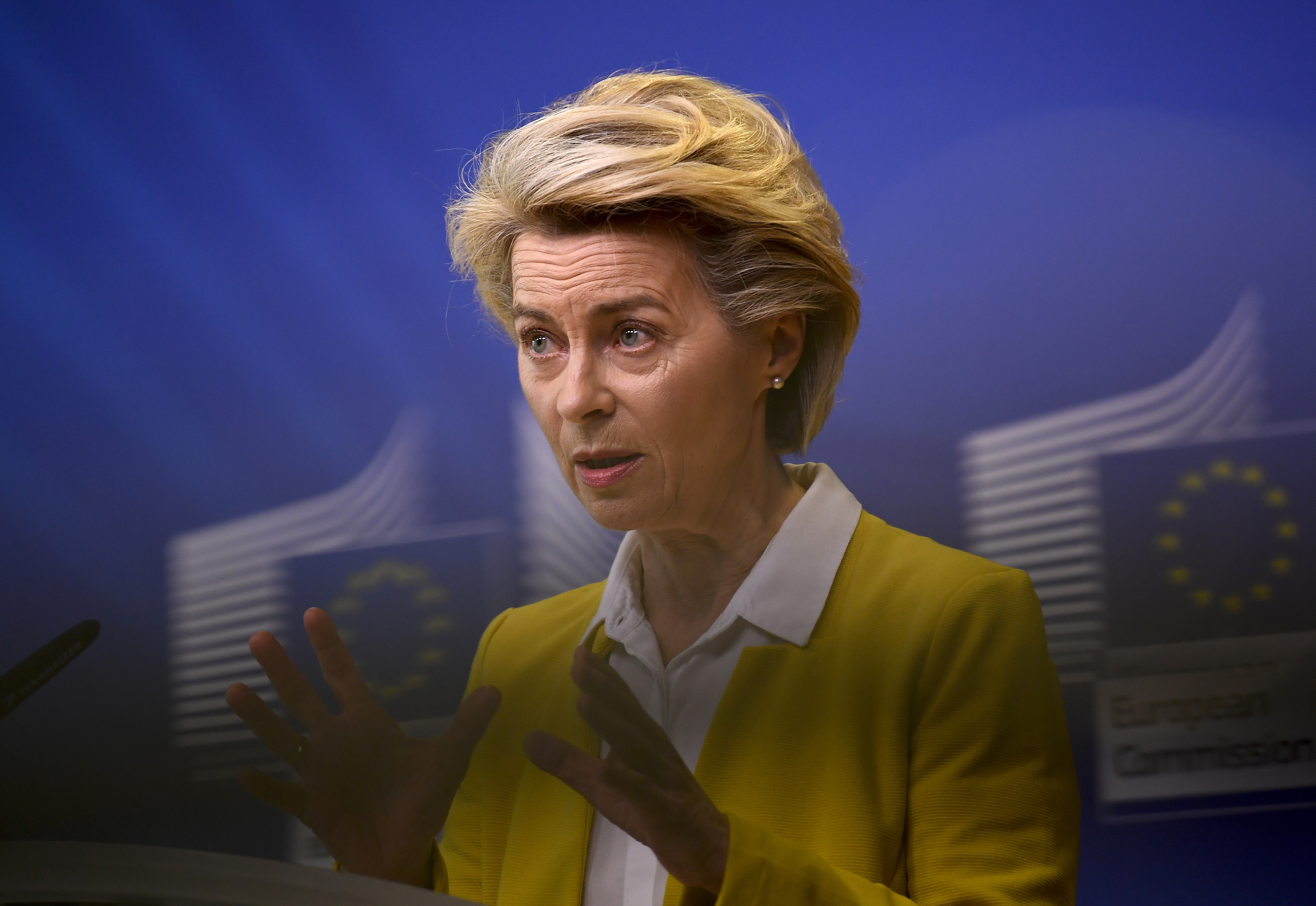
"We need to focus on technologies that have proven their worth," EU Commission President Ursula von der Leyen said.
She announced America's Pfizer and Germany's BioNTech would provide the EU with an extra 50 million doses in the second quarter of this year, making up for faltering deliveries of AstraZeneca.
In contrast to the oft-criticised Anglo-Swedish company, Ms von der Leyen said Pfizer-BioNTech had "proven to be a reliable partner. It has delivered on its commitments, and it is responsive to our needs. This is to the immediate benefit of EU citizens."
READ MORE: More likely to win lottery than suffer vaccine clotting, TGA boss says
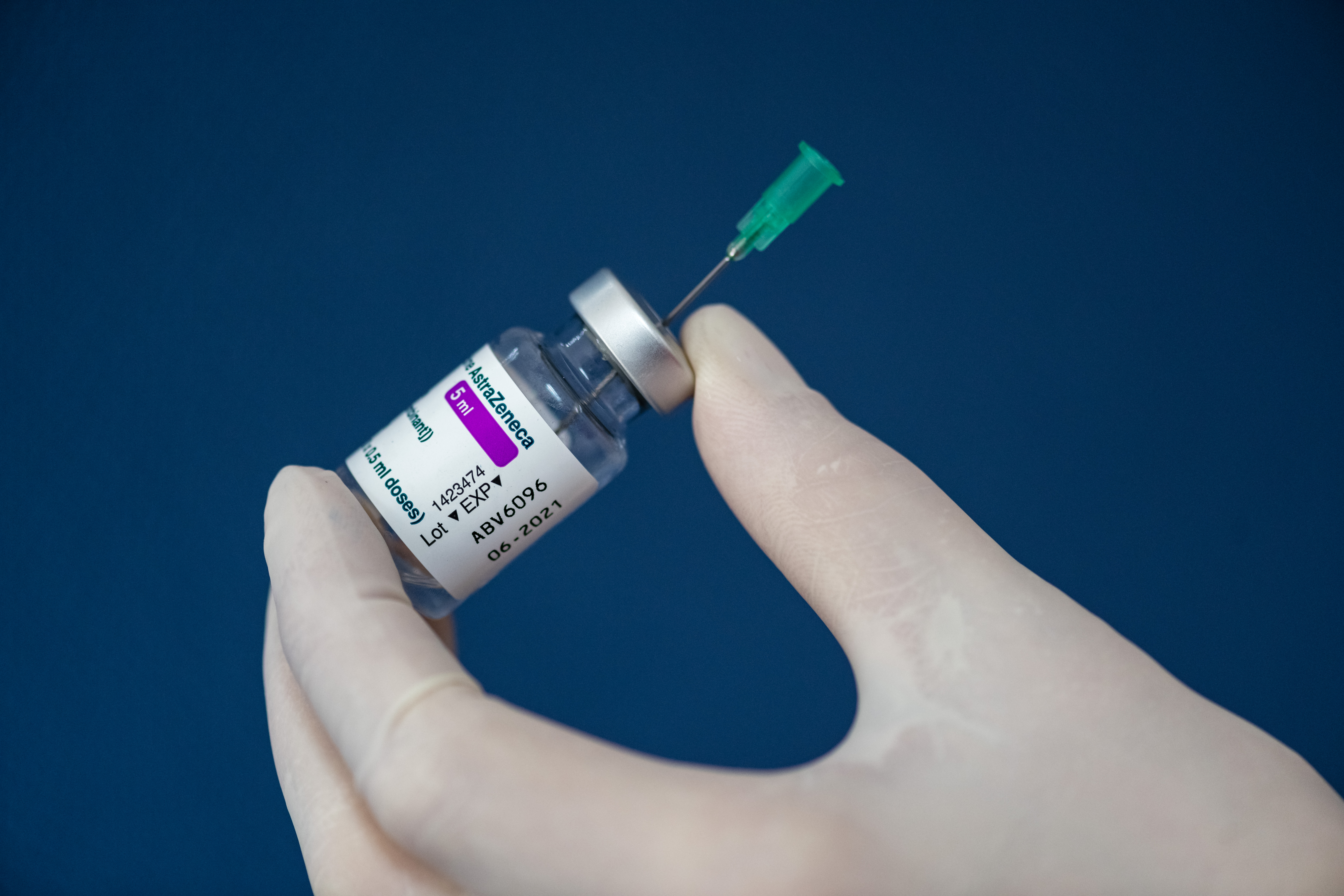
Exacerbating the problems for AstraZeneca, Denmark decided on Wednesday not to resume use of its vaccine, after putting it on hold last month following reports of rare blood clots in some recipients.
The bulk of the shots given in the Scandinavian country so far have been the Pfizer-BioNTech vaccine.
Australia's already-delayed vaccine rollout took a major hit last week with new advice for Australians under the age of 50 to be offered an alternative to AstraZeneca.
Denmark fears 'real risk of severe side effects'
The UK and much of Europe took similar measures but Denmark is the first European nation to completely cease using the Anglo-Swedish drugmaker's jab.
Others had temporarily halted the use of AstraZeneca whilst the rare blood clots were investigated but numerous drug advisory groups reiterated the vaccine's benefits outweighed any risks.
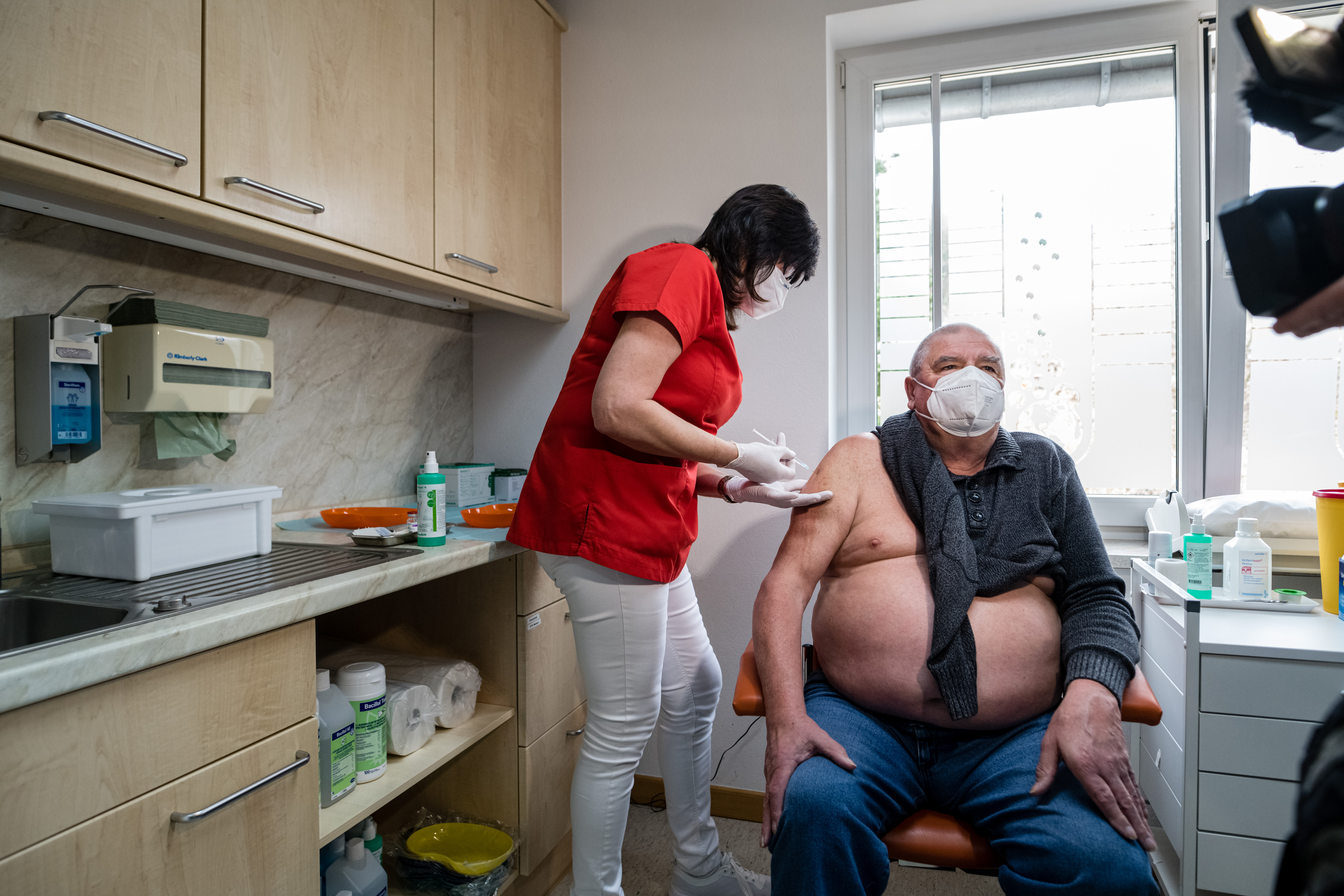
"Based on the scientific findings, our overall assessment is there is a real risk of severe side effects associated with using the COVID-19 vaccine from AstraZeneca," Danish Health Authority director-general Søren Brostrøm said in a statement on Wednesday.
"We have, therefore, decided to remove the vaccine from our vaccination programme."
Dr Brostrøm said the DHA agreed with the European Medicines Agency's risk-benefit analysis for the AstraZeneca vaccine but highlighted the agency's advice to take the local virus situation into account.
"In the midst of an epidemic, it has been a difficult decision to continue our vaccination programme without an effective and readily available vaccine against COVID-19," he said.
"However, we have other vaccines at our disposal, and the epidemic is currently under control.
"Furthermore, we have come a long way towards vaccinating the older age groups where vaccination has a tremendous potential impact on preventing infection."
Crushing pressure on lagging EU
The Johnson & Johnson jab, which uses the same base technology as AstraZeneca, hit a snag this week when US regulators recommended a "pause" in administering shots. Deliveries in the EU have been suspended.
AstraZeneca was supposed to be the workhorse of the EU's vaccine drive this year — a cheap and easy-to-transport shot to break the pandemic's back.
Yet, the EU said out of 120 million doses promised for the first quarter, only 30 million were delivered, and, of the 180 million expected, now there are only 70 million set for delivery in the second quarter.
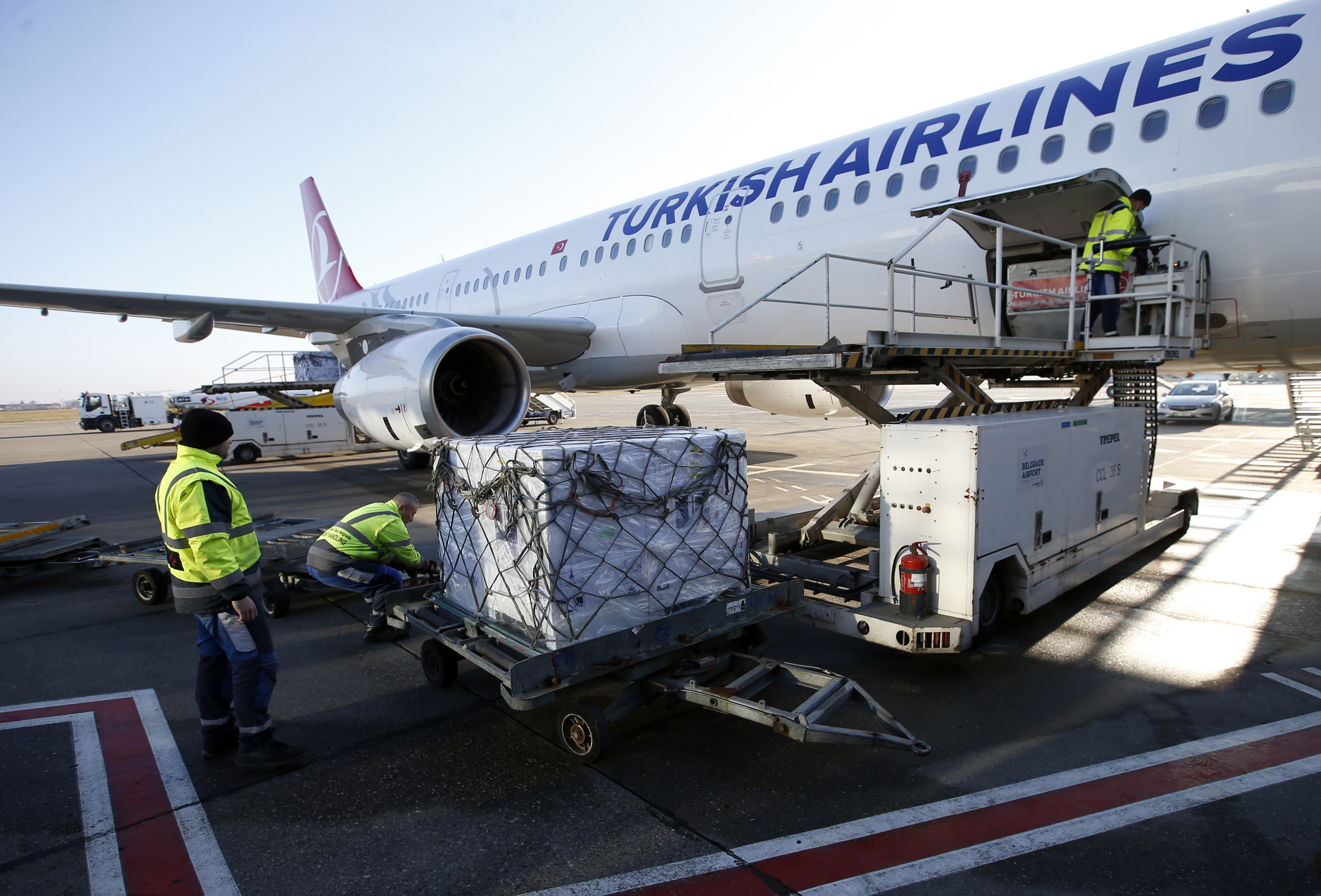
Because of that shortfall, the EU has come under crushing pressure as, even though it is a major producer and exporter of vaccines, it cannot immunise its citizens at even close to the levels of the United Kingdom and the United States.
The Our World in Data site said 47.5 per cent of people in the UK had received at least one dose of COVID-19 vaccine, compared to 36.6 per cent in the US and 16.4 per cent in the EU.
Now, Pfizer-BioNTech could well become the key to beating the pandemic on the continent.
With 200 million doses from the company already earmarked for the bloc this quarter, the 50 million additional deliveries will be especially welcomed by EU nations dealing with supply delays and concerns over rare blood clots potentially linked to the Oxford-AstraZeneca vaccine.
Von der Leyen said the EU will start negotiating to buy 1.8 billion doses of the Pfizer-BioNTech vaccine through 2023.
"It will entail that not only the production of the vaccines, but also all essential components, will be based in the EU," Ms von der Leyen said.
The European Commission currently has a portfolio of 2.3 billion doses from half a dozen companies and is negotiating more contracts.
Ms Von der Leyen expressed full confidence in the technology used for the Pfizer-BioNTech vaccine, which is different from that behind the Oxford-AstraZeneca vaccine.
READ MORE: How a small Asian country vaccinated almost every adult in just 16 days
The active ingredient in the Pfizer-BioNTech shot is messenger RNA, or mRNA, which contains the instructions for human cells to construct a harmless piece of the coronavirus called the spike protein.
The human immune system recognises the spike protein as foreign, allowing it to mount a response against the virus upon infection.
AstraZeneca's is made with a cold virus that sneaks the spike protein gene into the body.
It's a very different, if more traditional, form of manufacturing: Living cells in giant bioreactors grow that cold virus, which is extracted and purified.
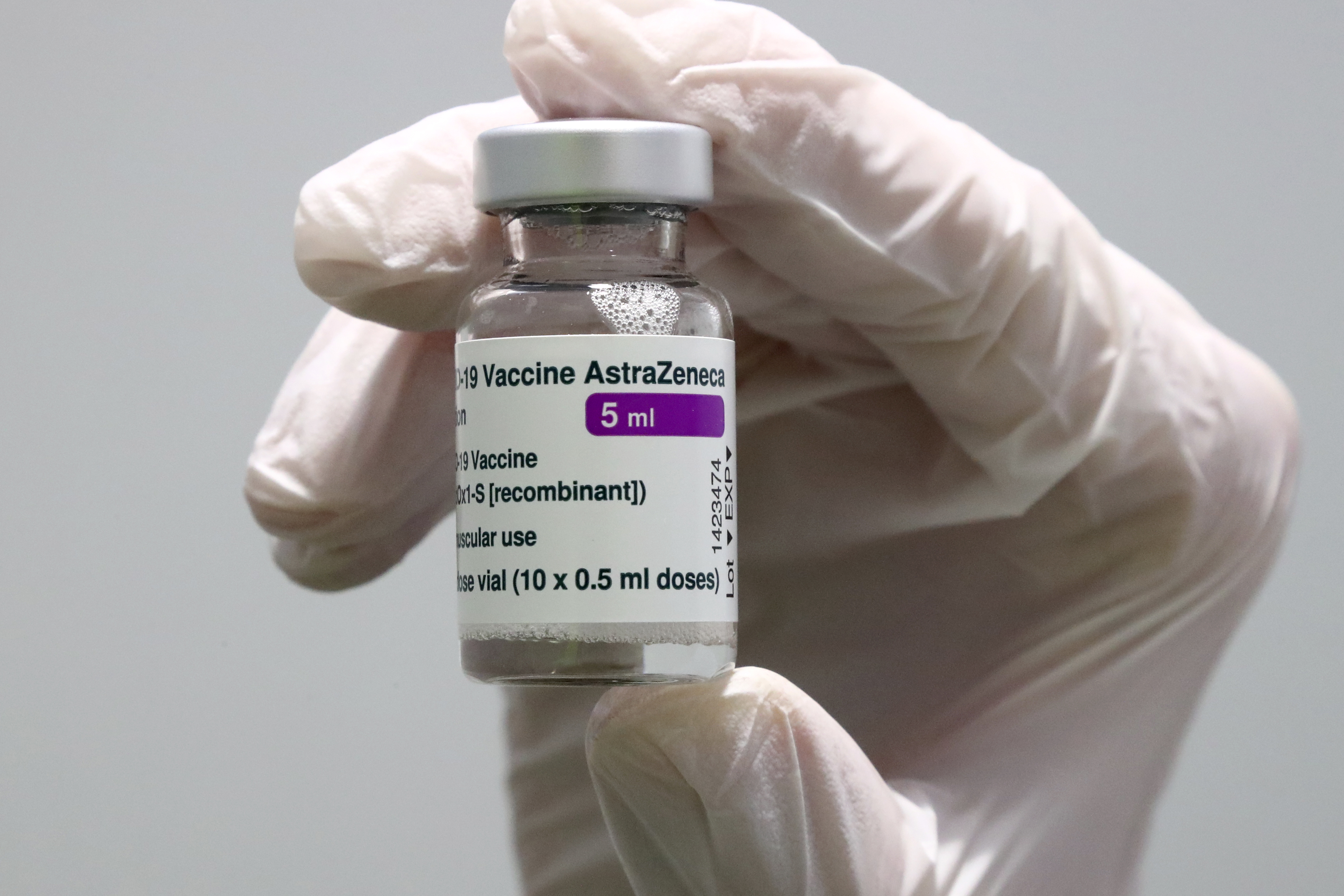
Ms Von der Leyen said Europe needs to have a technology that can boost immunity, tackle new variants and produce shots quickly and massively.
"mRNA vaccines are a clear case in point," she said.
The planned negotiations with Pfizer left in the middle what the EU would do about any new contracts with AstraZeneca. "Other contracts, with other companies, may follow," Ms von der Leyen said.
Baby found dead at Perth private school
Police are investigating the death of a baby found on the grounds of a Perth private school.
The 11-month-old was found at Kingsway Christian College in Perth's north, police said, but would not reveal when the body was found or whether the death was being treated as suspicious.
"Major crime division are currently investigating the circumstances surrounding the death of an 11-month-old infant located in Darch," police said in a statement released late on Wednesday evening (early Thursday morning AEST).
Police said more details would be available in the morning.
Anyone with information should call Crime Stoppers on 1800 333 000.
Man behind largest Ponzi scheme in history dies
Bernie Madoff, the financier who pleaded guilty to orchestrating the largest Ponzi scheme in history, died in a federal prison early Wednesday, a person familiar with the matter told The Associated Press.
Madoff died at the Federal Medical Center in Butner, North Carolina, apparently from natural causes, the person said. The person was not authorised to speak publicly and spoke to the AP on the condition of anonymity.
Last year, Madoff's lawyers filed court papers to try to get the 82-year-old released from prison in the COVID-19 pandemic, saying he had suffered from end-stage renal disease and other chronic medical conditions. The request was denied.
Madoff admitted swindling thousands of clients out of billions of dollars in investments over decades.
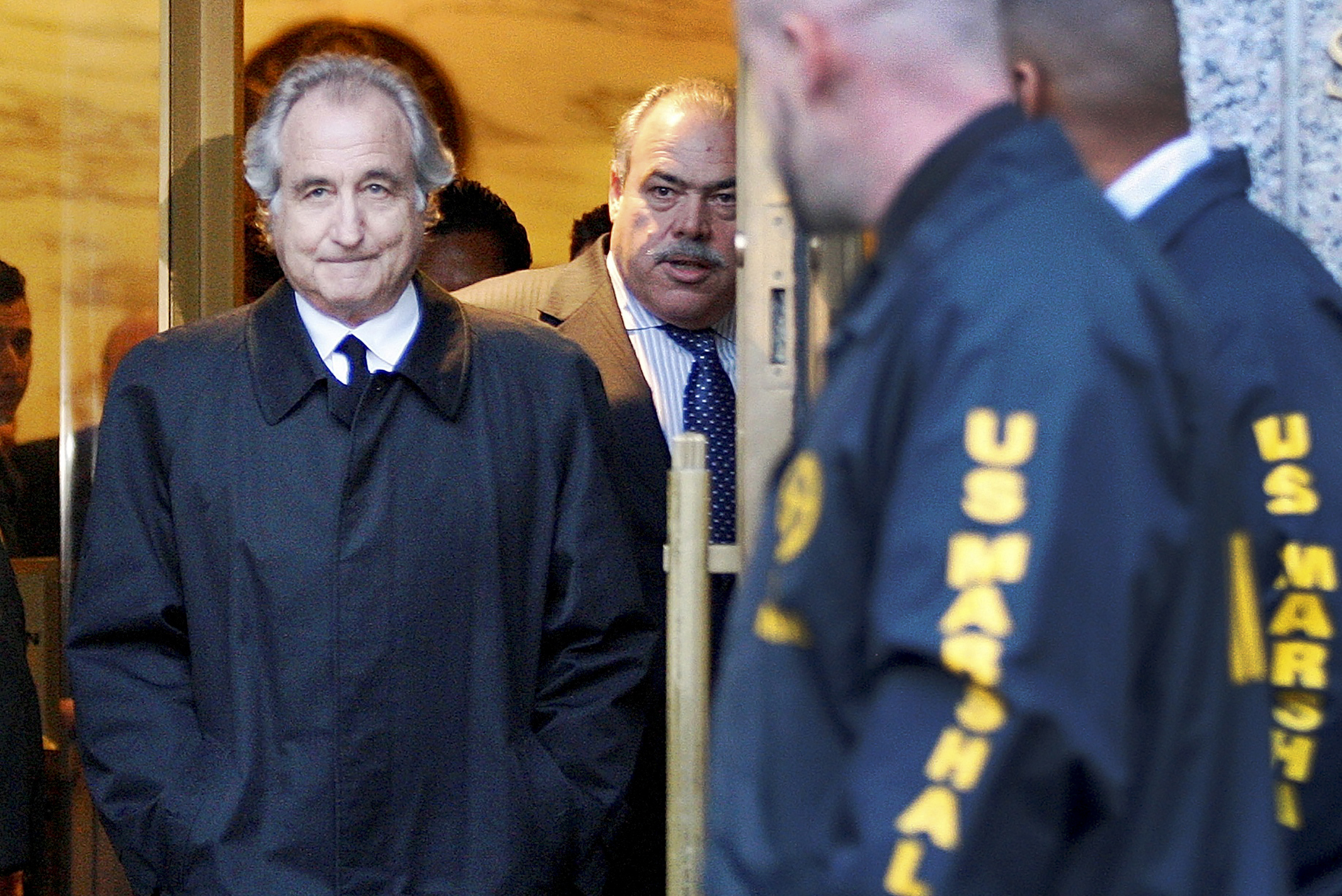
A court-appointed trustee has recovered more than $13 billion of an estimated $17.5 billion that investors put into Madoff's business. At the time of Madoff's arrest, fake account statements were telling clients they had holdings worth $60 billion.
For decades, Madoff enjoyed an image as a self-made financial guru whose Midas touch defied market fluctuations. A former chairman of the Nasdaq stock market, he attracted a devoted legion of investment clients — from Florida retirees to celebrities such as famed film director Steven Spielberg, actor Kevin Bacon and Hall of Fame pitcher Sandy Koufax.
But his investment advisory business was exposed in 2008 as a multibillion-dollar Ponzi scheme that wiped out people's fortunes and ruined charities and foundations. He became so hated he had to wear a bulletproof vest to court.
Madoff pleaded guilty in March 2009 to securities fraud and other charges, saying he was "deeply sorry and ashamed."
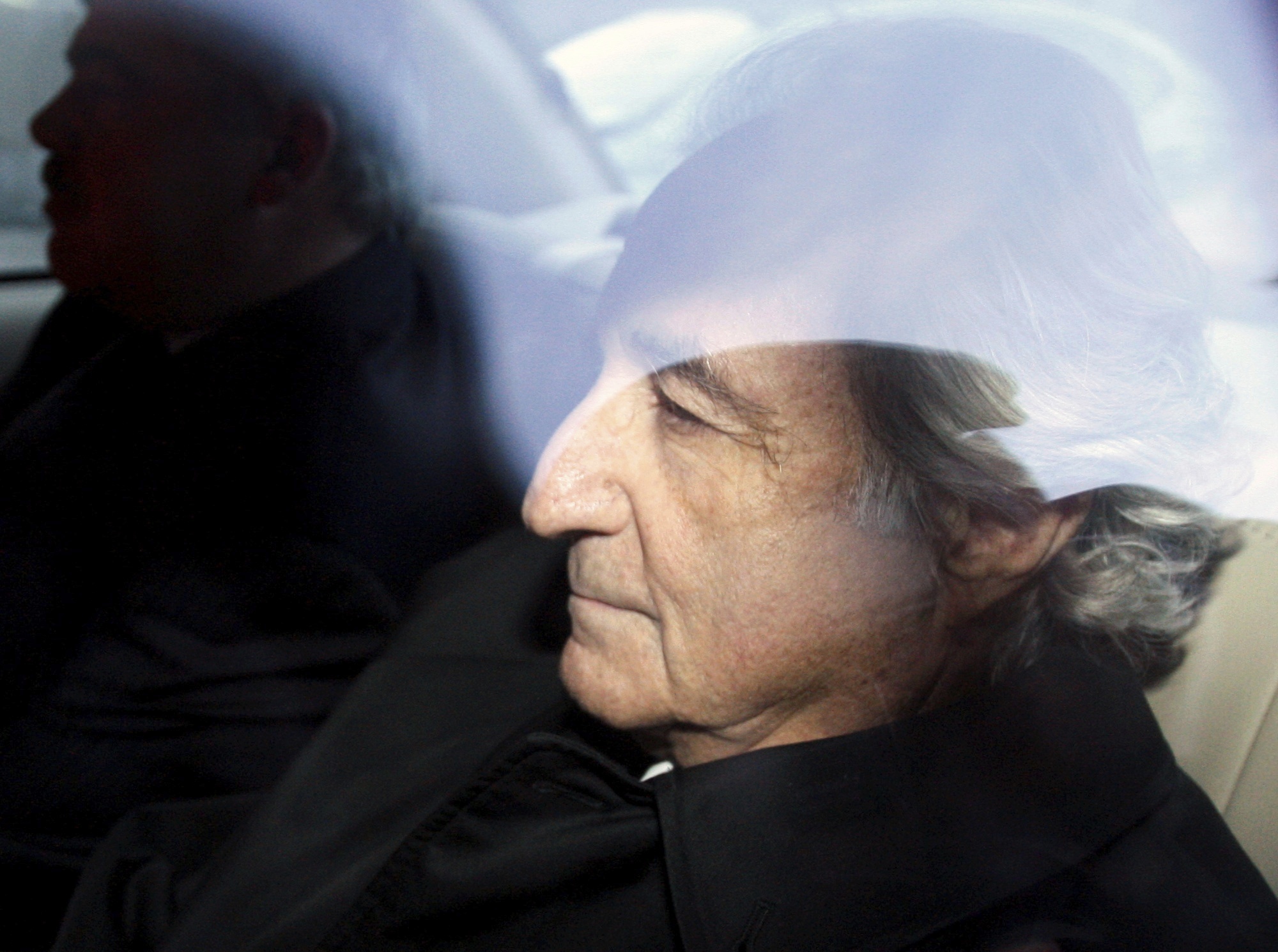
After several months living under house arrest at his $7 million Manhattan penthouse apartment, he was led off to jail in handcuffs to scattered applause from angry investors in the courtroom.
"He stole from the rich. He stole from the poor. He stole from the in between. He had no values," former investor Tom Fitzmaurice told the judge at the sentencing. "He cheated his victims out of their money so he and his wife … could live a life of luxury beyond belief."
US District Judge Denny Chin showed no mercy, sentencing Madoff to the maximum 150 years in prison.
"Here, the message must be sent that Mr. Madoff's crimes were extraordinarily evil and that this kind of irresponsible manipulation of the system is not merely a bloodless financial crime that takes place just on paper, but it is instead … one that takes a staggering human toll," Chin said.
The Madoffs also took a severe financial hit: A judge issued a $171 billion forfeiture order in June 2009 stripping Madoff of all his personal property, including real estate, investments, and $80 million in assets his wife, Ruth, had claimed were hers. The order left her with $2.5 million.
The scandal also exacted a personal toll on the family: One of his sons, Mark, killed himself on the second anniversary of his father's arrest in 2010. And Madoff's brother, Peter, who helped run the business, was sentenced to 10 years in prison in 2012, despite claims he was in the dark about his brother's misdeeds.
Madoff's other son, Andrew, died from cancer at age 48. Ruth is still living.
Madoff was sent to do what amounted to a life sentence at Butner Federal Correctional Complex, about 45 miles northwest of Raleigh, N.C. A federal prison website listed his probable release date as November 11, 2139.
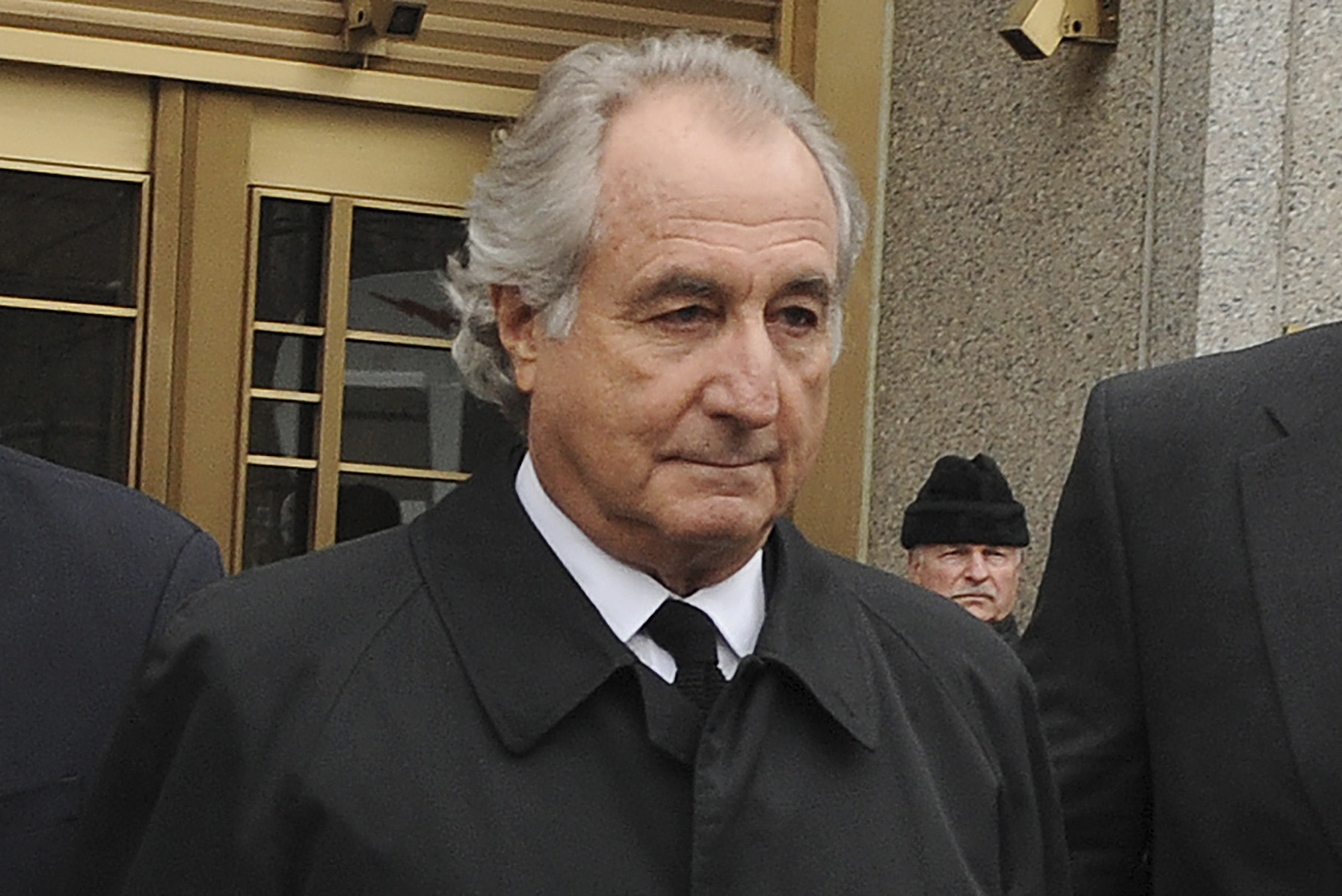
Madoff was born in 1938 in a lower-middle-class Jewish neighbourhood in Queens. In the financial world, the story of his rise to prominence — how he left for Wall Street with Peter in 1960 with a few thousand dollars saved from working as a lifeguard and installing sprinklers — became legend.
"They were two struggling kids from Queens. They worked hard," said Thomas Morling, who worked closely with the Madoff brothers in the mid-1980s setting up and running computers that made their firm a trusted leader in off-floor trading.
"When Peter or Bernie said something that they were going to do, their word was their bond," Morling said in a 2008 interview.
In the 1980s, Bernard L. Madoff Investment Securities occupied three floors of a midtown Manhattan high-rise. There, with his brother and later two sons, he ran a legitimate business as middlemen between the buyers and sellers of stock.
Madoff raised his profile by using the expertise to help launch Nasdaq, the first electronic stock exchange, and became so respected that he advised the Securities and Exchange Commission on the system. But what the SEC never found out was that behind the scenes, in a separate office kept under lock and key, Madoff was secretly spinning a web of phantom wealth by using cash from new investors to pay returns to old ones.
Authorities say that over the years, at least $13 billion was invested with Madoff. An old IBM computer cranked out monthly statements showing steady double-digit returns, even during market downturns. As of late 2008, the statements claimed investor accounts totalled $65 billion.