Traffic is blocked on State Highway 2 north of Wellington, after a truck collided with a car this morning. Emergency services are responding to the crash near the Melling Link, Lower Hutt, which occurred just after 6.30. Both…
Category Archives: headline
Bubble-wrap mimicking fidget toy craze taking hold in schools
From RNZ A fidget toy that mimics bubble wrap – without the loud popping noise – is the latest craze to sweep schools.Demand has been so huge that some retailers regularly sell out of the toys, called Pop-Its.Made of silicone,…
Commuter train service between Auckland and Hamilton finally embarks
From RNZ The Te Huia service pulled out of Hamilton for the first time this morning, with the first trip of the day scheduled to depart Frankton Station at 5.46am. The train is due to pull into Papakura at 7.25am.It will be…
Treasury's warnings on Auckland light rail: Diluted accountability, risk of further delay
Treasury is cautioning the Government that its chosen way forward for Auckland light rail could “dilute accountability” and further delay a project that is already years behind schedule.That is also the view of the Infrastructure…
Taieri Mouth boat tragedy: Questions over whether camera could have saved toddler
A camera which aims to show boaties a safe passage over the Taieri Mouth bar has been installed but not yet activated, leaving some to question whether it could have saved a toddler who died in a fatal boating accident at the weekend.A…
Covid 19 coronavirus: Jacinda Ardern, Cabinet set to approve New Zealand-Australia transtasman travel bubble
A quarantine-free transtasman travel bubble will get the green light today – and may start within two weeks.The Australian reported this morning that the bubble was expected to begin next Monday, April 12, or the following Monday,…
Far North campground and tracks closed due to danger from feral dog packs
Four walking tracks and a campsite have been closed in the Far North amid fears that packs of feral dogs could attack visitors. The tracks, along with Twilight Beach campground, are in Te Paki Recreation Reserve near Cape Reinga….
Herald morning quiz: April 6
Test your brains with the Herald’s morning quiz. Be sure to check back on nzherald.co.nz at 3pm for the afternoon quiz. To challenge yourself with more quizzes, CLICK HERE.
Wheels on the bus go round – powered by green hydrogen
It’s been touted as the future for heavy transport. Residents of Auckland’s eastern suburbs will be the first to experience New Zealand’s foray into that future with the first hydrogen-powered bus operating along bus route 70 from…
ER doctor says George Floyd's heart had stopped when he arrived
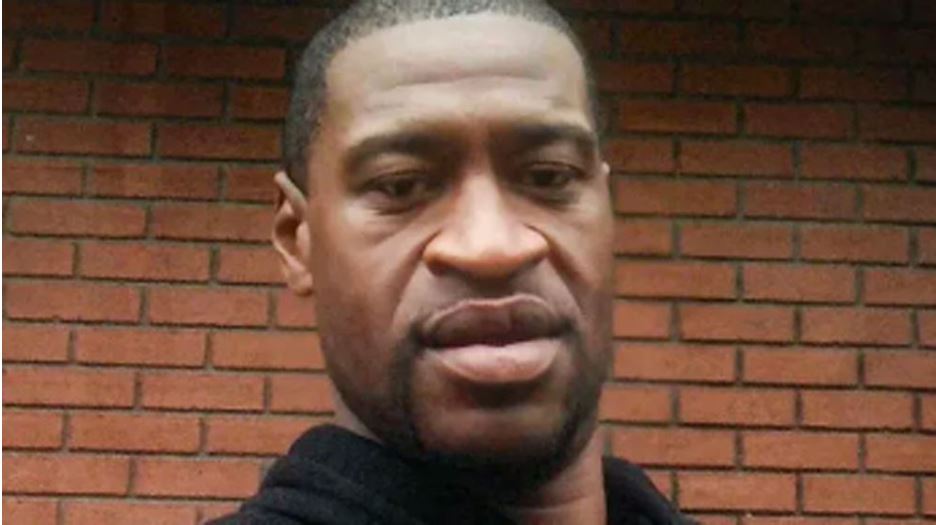
The emergency room doctor who pronounced George Floyd dead after trying to resuscitate him testified on Monday that Floyd's heart had stopped when he arrived.
Dr Bradford Langenfeld, who was a senior resident on duty that night at Hennepin County Medical Centre, said that he was not told of any efforts at the scene by bystanders or police to resuscitate Floyd but that paramedics told him they had tried for about 30 minutes.
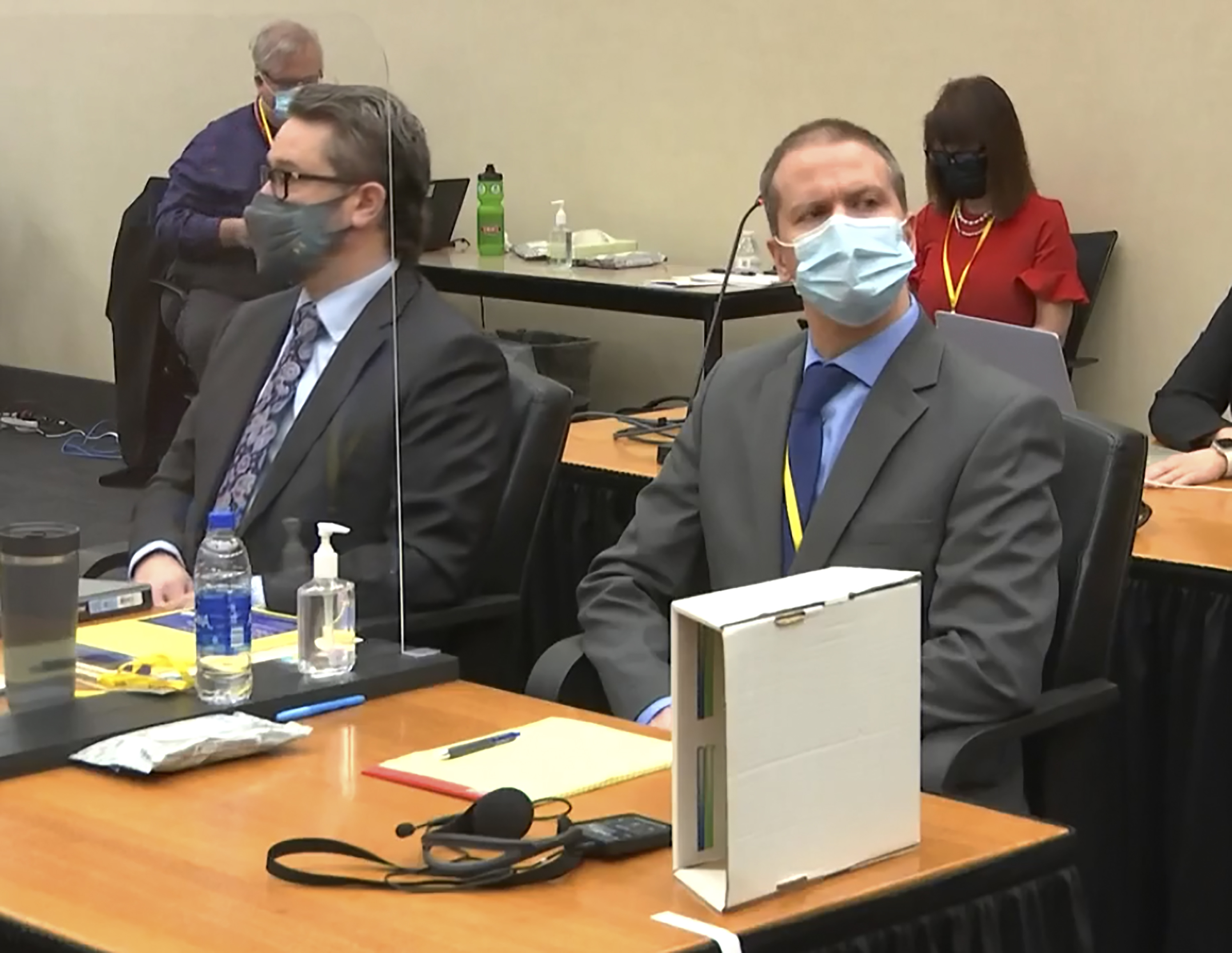
He took the stand at the beginning of Week Two at former Minneapolis Officer Derek Chauvin's murder trial, as prosecutors sought to establish that it was Chauvin's knee on the Black man's neck that killed him last May.
READ MORE: Bodycam shows moments after George Floyd was taken away by ambulance
Langenfeld said that every minute a patient spends in cardiac arrest without immediate CPR decreases the chance of a good outcome. He said there is an approximately 10 per cent to 15 per cent decrease in survival for every minute that CPR is not administered.
Prosecutors in the second week of the trial are also expected to zero in on the officer's training in the use of force. The first week of the case was dominated by emotional testimony from eyewitnesses and devastating video of Floyd's arrest.
Derek Chauvin, 45, is charged with murder and manslaughter in Floyd's death May 25. The white officer is accused of pinning his knee on the 46-year-old man's neck for 9 minutes, 29 seconds, as Floyd lay face-down in handcuffs outside a corner market.
The defence argues that Chauvin did what he was trained to do and that Floyd's use of illegal drugs and his underlying health conditions caused his death.
Floyd's treatment by police was captured on widely seen bystander video that sparked protests that rocked Minneapolis and quickly spread to other US cities and beyond and descended into violence in some cases.
READ MORE: 'Disbelief and guilt' as cashier takes the stand in George Floyd trial
Minneapolis Police Chief Medaria Arradondo was also expected to testify Monday. Arradondo, the city's first Black chief, fired Chauvin and three other officers the day after Floyd's death, and in June called it "murder."
"Mr. George Floyd's tragic death was not due to a lack of training — the training was there," Arradondo said then. "Chauvin knew what he was doing."
The city moved soon after Floyd's death to ban police chokeholds and neck restraints. Arradondo and Mayor Jacob Frey also have made several policy changes, including expanding requirements for reporting use-of-force incidents and documenting their attempts to de-escalate situations even when force isn't used.
Prosecutors have already called supervisory officers to build the case that Chauvin improperly restrained Floyd. A duty sergeant and a lieutenant who leads the homicide division both questioned Chauvin's actions in pinning Floyd after officers responded to a report that Floyd had passed a counterfeit $20 bill.
"Totally unnecessary," Lt. Richard Zimmerman, the longest-tenured officer on the force, testified Friday. He said once Floyd was handcuffed, he saw "no reason for why the officers felt they were in danger, if that's what they felt, and that's what they would have to feel to be able to use that kind of force."