New Zealand’s vulnerability to Covid-19 has been laid out in maps showing major cities – but also remote communities – among the most threatened spots.In a just-published study , Dr Jesse Wiki and Canterbury University colleagues…
Category Archives: headline
Police out in numbers in bid to prevent Easter long weekend crashes, deaths, disaster
More than 320 lives have been lost on New Zealand roads over the Easter long weekend, and more than 8100 people injured in the past four decades – and police are urging drivers not to become part of the tragic toll this year. The…
Rawiri Waititi: We all have (civil) rights
OPINION: Today is April Fools’ Day and the fact Te Pāti Māori is backing the court action of the 16 Waikeria Protesters against the Attorney-General and the Corrections CEO is no joke.Yesterday, 16 actions were filed…
Patea Māori Club's 'Poi E' selected for Classic Record award
Independent Music New Zealand (IMNZ) will honour Patea Māori Club’s 1983 single Poi E at the Taite Music Prize in Auckland, where the song will be awarded the title of NZ Classic Record for 2021. The single, featuring lyrics…
Holiday traffic: Routes to watch around Wellington this Easter
The Easter exodus from Wellington is expected to begin this morning, with the afternoon and the following morning expected to be the heaviest for northbound traffic. Waka Kotahi NZTA has released traffic predictions based on the…
Herald morning quiz: April 1
Test your brains with the Herald’s morning quiz. Be sure to check back on nzherald.co.nz at 3pm for the afternoon quiz. To challenge yourself with more quizzes, CLICK HERE.
Brisbane to learn lockdown future amid hopes outbreak contained
Millions in Brisbane will learn today if enough has been done to control the outbreak of coronavirus and end the snap lockdown after three days as planned.
Authorities are hopeful they have contained the spread of the virus after only two new cases of community transmission were revealed on Wednesday.
Premier Annastacia Palaszczuk will make the announcement this morning. Unless there are new infections not linked to the two existing clusters, it's expected the lockdown on greater Brisbane will be lifted at 5pm.
READ MORE: NSW restrictions return after new Byron Bay case
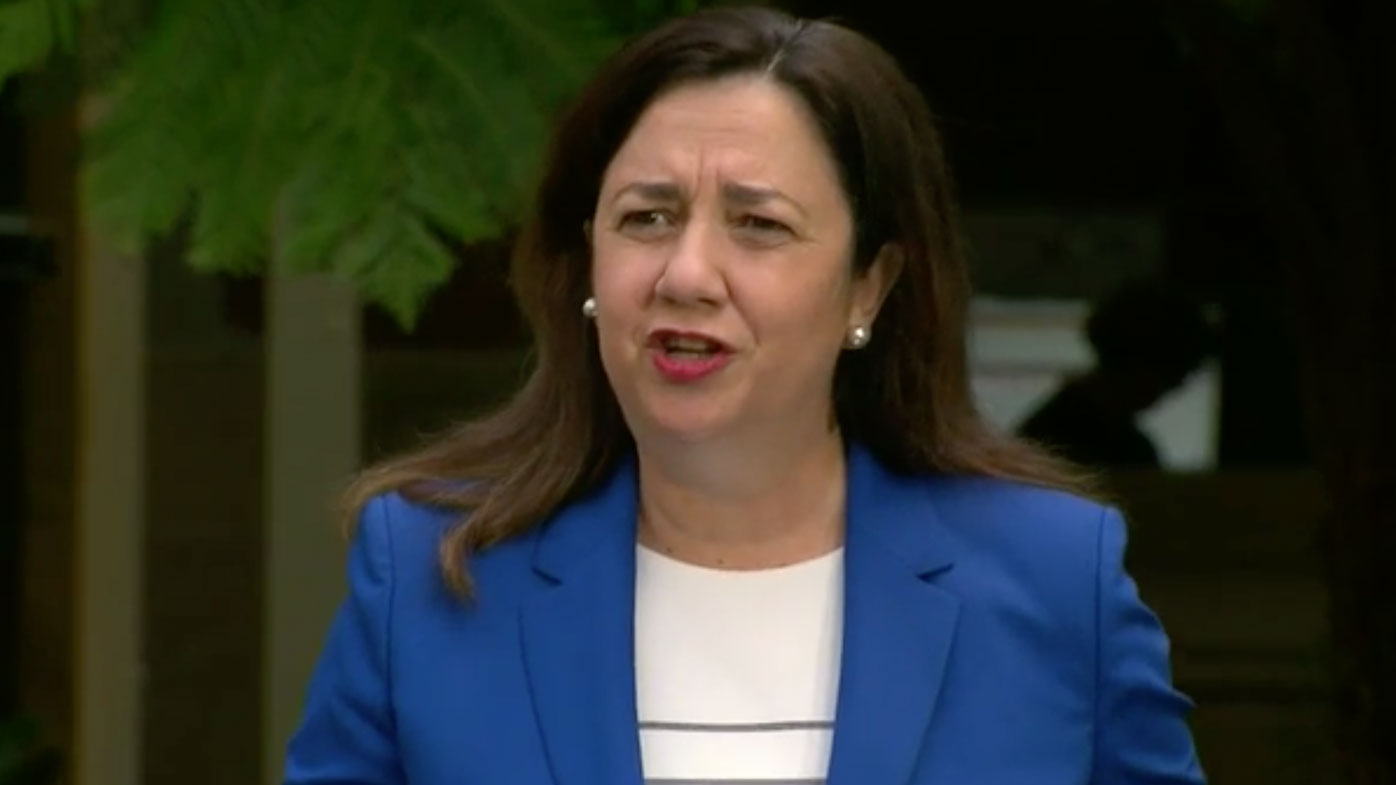
"Fingers crossed all will be looking good for Easter," Ms Palaszczuk said.
"If we see very good testing rates across Queensland and we don't see any unlinked community transmission, the signs for Easter are looking positive."
There were 33,400 coronavirus tests in the 24 hours to Wednesday.
The two new cases were a nurse at the Princess Alexandra Hospital who had already received her first vaccination, but not early enough to have developed any immunity, and a housemate.
Tests have established a direct link and confirmed the nurse was infected by the same patient who passed it onto the first infected nurse.
"It is exactly the same as the genome sequences for that second cluster related to the nurse and her friends," Dr Jeannette Young said.
READ MORE: Hospital at centre of Brisbane outbreak orders staff to quarantine

In another blow to the Princess Alexandra Hospital, which remains in lockdown, a "large number" of staff have been asked to self-isolate over fears of spreading the virus.
Queensland Health emailed workers on Wednesday advising staff who had entered ward 5D for any length of time between 8pm on March 23 and midday on March 26 would be "requiring quarantine", even if they had no "specific contact with individual patients".
"I realise this will be extremely disruptive to clinical services and no doubt we need to cancel some clinical activities," the email said.
Virus spreads south of the border
The NSW North Coast remains on high alert, with health warnings issued for more venues in Byron Bay, Ballina, Lennox Head and Suffolk Park after a local man tested positive for COVID-19.
NSW Health on Wednesday declared all retail and takeaway shops in most of downtown Byron Bay were an exposure site on Saturday afternoon.
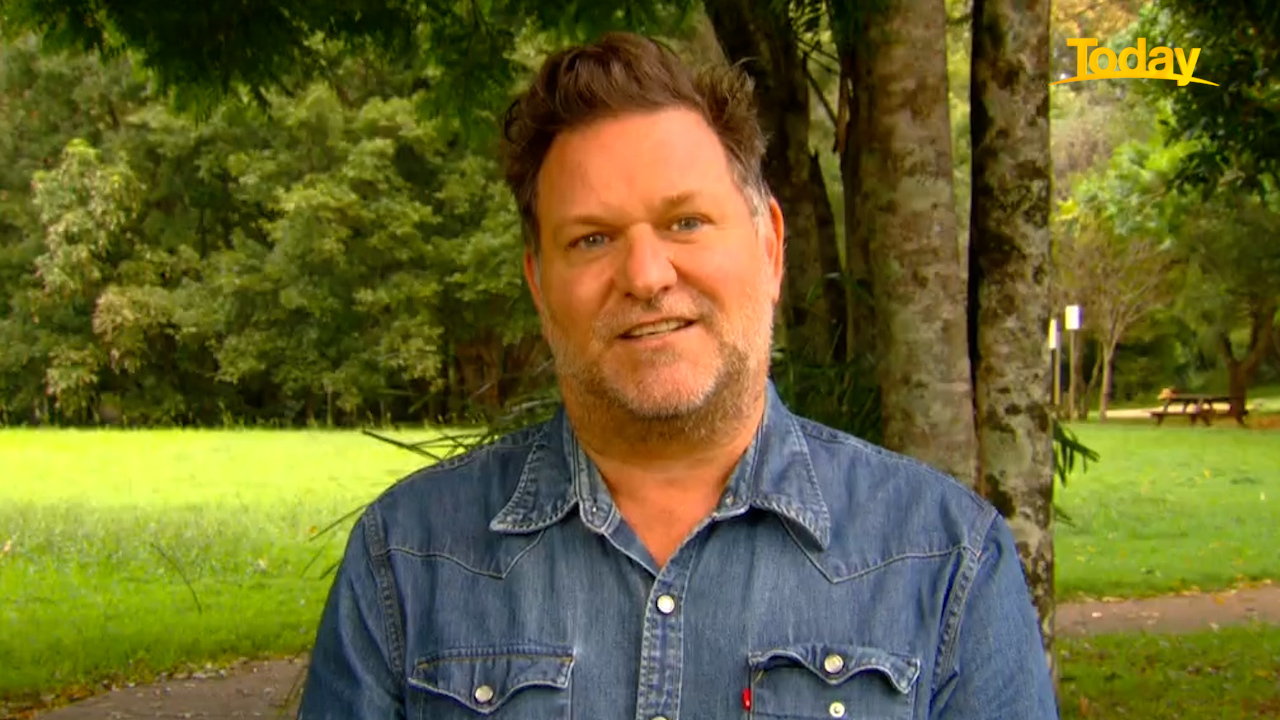
Speaking to Today on Wednesday, Byron Shire Council Mayor Simon Richardson said it had been a "worrying" few days as the region anxiously waited to see if cases would emerge.
"After all we've gone through to get to the Easter holidays and now to have this uncertainty hanging over our head – it's a really worrying couple of days," he said.
The new case prompted the cancellation of the popular Bluesfest music festival this weekend.
The shires of Byron, Ballina, Tweed and Lismore will be on "extra high alert" and subject to restrictions until the end of Easter.
Caribbean Flexes Its Muscles with Vaccine Diplomacy
For the small island states of the Caribbean, vaccine diplomacy is crucial to managing the Covid-19 pandemic. Even if their population is barely that of a district of São Paulo, countries like Grenada and Antigua & Barbuda are sovereign states, and as such they have a seat and vote at the United Nations – just like Brazil or Mexico.
The 15 states in the Caribbean Community (CARICOM) together have more voting power than the whole of South America. And the current crisis shows how this sovereignty can be converted into a supply of vaccines that larger states can only dream of.
Take, for example, Dominica (not to be confused with the far larger Dominican Republic)With its 70,000 inhabitants, the island had already received 70,000 vaccine doses from India at the beginning of February – not just promised or planned, but actually there on the island, ready to be used.
In the meantime, China has stepped forward and flown in more vaccine doses. Dominica has the epidemic under control like no one else: so far, there’s not a single death on the island. The number of infected people is 161 – not per week, as on the neighbouring islands of Guadeloupe and Martinique belonging to France, but in total.
Not all Caribbean island nations have record as spectacular as Dominica. But many are benefiting from the international competition of vaccine diplomacy. Barbados has received 100,000 doses from India as a donation; 40,000 vaccine doses went to Antigua & Barbuda; and additional doses have been sent to other CARICOM states.
For a country like India these are not huge quantities; in these small island states, on the other hand, they cover a substantial portion of the adult population. Barbados has already vaccinated over 20 per cent of its population, and they intend to cover the entire population by the beginning of May. They are already beginning to offer ‘vaccination vacation’ packages to the tourist trade.
Walking a tight rope between Taiwan and China
Many Caribbean nations have long played Taiwan and China off against each other, to their own advantage. Five of the 15 states worldwide that officially recognise Taiwan diplomatically are in the Caribbean – namely, Belize, Haiti, St. Lucia, St. Kitts & Nevis, and St. Vincent & the Grenadines. In return, they can count on loans and WiFi expansion, public works, and study-in-Taiwan programmes. With the onset of the Covid-19 crisis, they also received masks, rapid tests and ventilators with ‘Taiwan helps’ s
Likewise, the other non-sovereign territories of the Caribbean also have little opportunity for active vaccination diplomacy.
For vaccines, however, Taiwan itself is dependent on imports. To make up for it, the country has made generous promises in the form of post-Covid economic recovery programmes. Since 2016, Panama, the Dominican Republic and El Salvador have switches sides. Taiwan is willing pay significant sums to prevent a chain reaction.
With regard to vaccine deliveries, China is playing is playing its cards right. For example, the Dominican Republic cut ties with Taiwan three years ago. Accordingly, on 17 March, a Chinese plane landed in Santo Domingo with one million doses on board. The arrival at the airport included photo ops with Chinese flags as the cargo was unloaded, and speeches invoking friendship and solidarity.
Or take the case of Guyana. When the country recently allowed Taiwan to open a trade office, Beijing made no secret of its disapproval. So when Guyana’s President Irfaan Ali ‘corrected’ this mistake a few weeks ago, Xi Jingping personally called to assure him of 20,000 doses of Sinopharm vaccine.
The insignificance of COVAX
Almost at the same time that the Chinese delivered a million doses to the Dominican Republic, the first delivery of the multilateral COVAX initiative, in which the EU plays a major role, also reached the Caribbean. Its 14,000 vaccine doses reached Jamaica on 15 March. Over time, COVAX may have a significant impact; at the moment, however, it’s a matter of ‘too little, too late’.
The US also joined the COVAX initiative under President Biden, but otherwise US vaccines have thus far played hardly any role in the Caribbean. However, to the extent that the rapid vaccination campaign is progressing in the US itself, this may change in just a few months when the States become an exporter of surplus vaccines.
For now, the course of the vaccination campaign in Puerto Rico and U.S Virgin Islands also demonstrates the peripheral status of US-owned Caribbean territories: Their vaccination rate is still below that of Georgia, which itself is the lowest of the 50 US states.
Likewise, the other non-sovereign territories of the Caribbean also have little opportunity for active vaccination diplomacy. Europe’s vaccine shortage affects the Netherlands Antilles and the French overseas departments. While in other respects, the connection to the mother countries promises access to superior social and health services of the ‘First World’, the islands find themselves in the unfamiliar role of looking enviously at the often significantly better vaccine situation of their independent neighbours.#
Many Caribbean island nations have achieved remarkable success with skilful vaccine diplomacy.
While vaccines from Russia are also used in Argentina, Bolivia and Mexico, they have not yet played a role in the Caribbean – even though St. Vincent & the Grenadines was the first country in the region to approve the Sputnik V vaccine.
Cuba’s own vaccine
The major exception in Caribbean vaccination diplomacy is Cuba. The socialist government has not imported any vaccine – even though it certainly could have obtained one from China or Russia. Instead, Havana is relying entirely on self-sufficiency.
Despite the economic crisis, medicine and biotechnology are still powerful and up-to-date sectors. The government is proud that Cuba is the only country in Latin America to develop its own vaccines. The most advanced (‘Soberana 2’) is currently in Phase 3 testing with 44,000 people in Cuba and another test group in Iran. If these prove successful, the nationwide vaccination campaign could begin in the second quarter.
Cuba hopes that its vaccine will become a major export and a source of foreign currency. According to the announcement, 100 million doses are supposed to be produced by the end of the year. A video has already been shot inviting foreigners to vacation in Cuba ‘with sun, beach and vaccination’. Of course, they also want to help other countries in solidarity with Latin America, Africa and Asia by providing free vaccine deliveries.
Cuba had very low infection rates throughout 2020. But since January the spread of the virus has skyrocketed. In addition to the precarious supply situation, there is also a tense epidemiological situation. Relying entirely on in-house development – and thus forgoing any importation of vaccines – is a high-risk strategy with many unknowns. How effective will the vaccine be, and how safe? When will it be available in sufficient numbers? After all, there is a formidable challenge not only in development, but mass production as well, not to mention international certification.
The Caribbean is the most tourism-dependent region in the world. The collapse of air traffic has plunged the entire region into a deep economic crisis. However, the Covid-19 pandemic seems to be leading less to a rethinking of the development strategy than to these countries’ ability to market themselves again as quickly as possible – as both safe tourist destinations and a source of vaccinations.
Many Caribbean island nations have achieved remarkable success with skilful vaccine diplomacy. The US and the EU are merely playing a secondary role. The help coming from new friends in Asia may not be entirely altruistic, but rather a quid pro quo in return for relevant voting behaviour or other gestures of solidarity. However, this will cause little concern in the Caribbean in the current crisis, but is rather seen as ‘diversifying relationships of dependence’.
The post Caribbean Flexes Its Muscles with Vaccine Diplomacy appeared first on The St Kitts Nevis Observer.
Pfizer says its COVID-19 vaccine protects children as young as 12
Pfizer has announced its COVID-19 vaccine is safe and strongly protective in children as young as 12.
Most COVID-19 vaccines being rolled out worldwide are for adults, who are at higher risk from the coronavirus. Australia's Therapeutic Goods Administration has granted Pfizer's vaccine provisional approval for ages 16 and older.
But vaccinating children of all ages will be critical to stopping the pandemic — and helping schools around the world, at least the upper grades, start to look a little more normal after months of disruption.
READ MORE: Hunt back states despite complaints of 'offensive' remarks
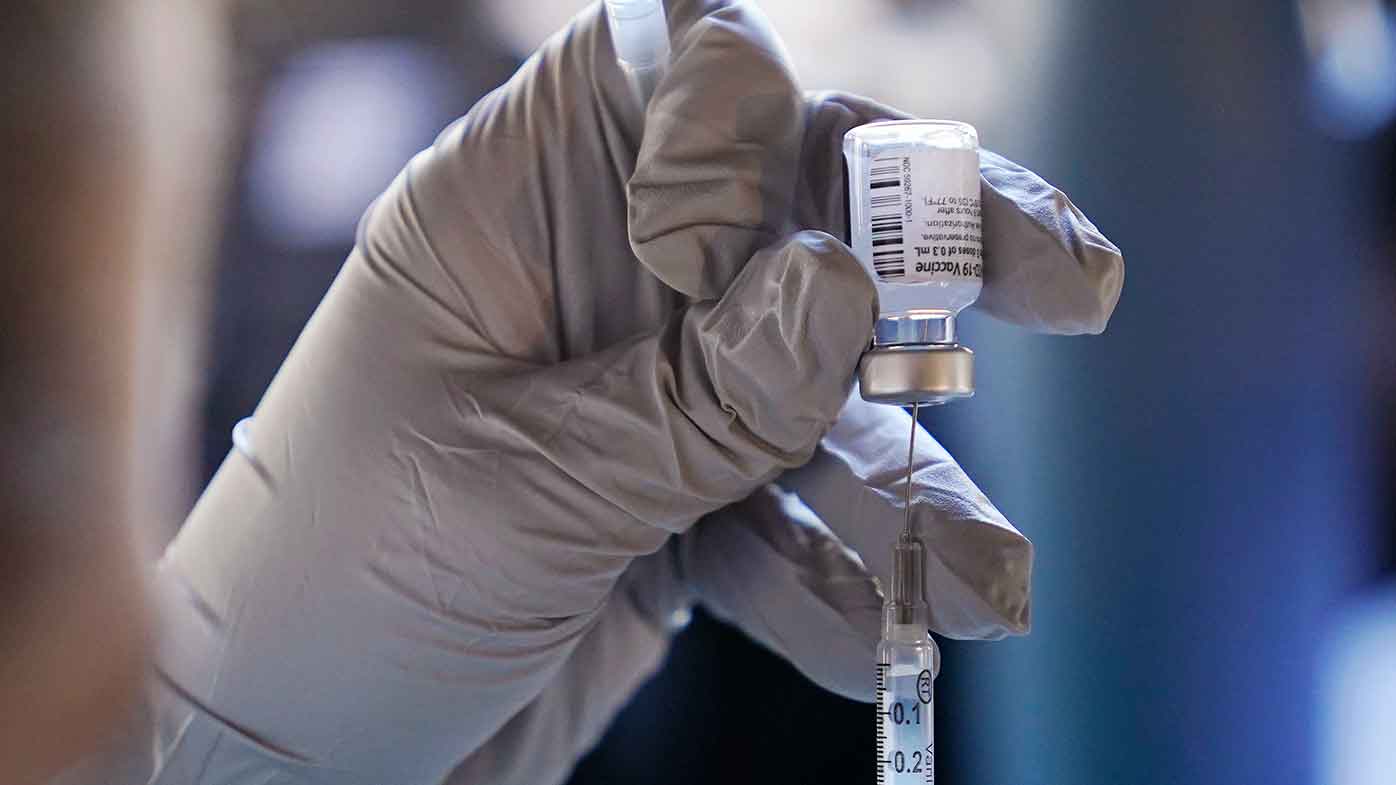
In a study of 2260 US volunteers aged 12 to 15, preliminary data showed there were no cases of COVID-19 among fully vaccinated adolescents compared to 18 among those given dummy shots, Pfizer reported.
It's a small study, which hasn't yet been published, so another important piece of evidence is how well the shots revved up the children’s immune systems.
Researchers reported high levels of virus-fighting antibodies, somewhat higher than were seen in studies of young adults.
Children had side effects similar to young adults, the company said, mainly pain, fever, chills and fatigue, particularly after the second dose.
The study will continue to track participants for two years for more information about long-term protection and safety.
Pfizer and its German partner BioNTech in the coming weeks plan to ask the US Food and Drug Administration and European regulators to allow emergency use of the shots starting at age 12.
“We share the urgency to expand the use of our vaccine,” Pfizer CEO Albert Bourla said in a statement.
He expressed “the hope of starting to vaccinate this age group before the start of the next school year" in the United States.
Pfizer isn’t the only company seeking to lower the age limit for its vaccine.
Results are expected soon from a US study of Moderna’s vaccine in 12- to 17-year-olds.
But in a sign the findings were promising, the FDA already allowed both companies to begin U.S. studies in children 11 and younger, working their way to as young as 6 months old.
AstraZeneca last month began a study of its vaccine among 6- to 17-year-olds in Britain. Johnson & Johnson is planning its own pediatric studies.
In China, Sinovac recently announced it had submitted preliminary data to Chinese regulators showing its vaccine was safe in children as young as 3.
While most COVID-19 vaccines being used globally were first tested in tens of thousands of adults, pediatric studies won’t need to be nearly as large.
Scientists have safety information from those studies and from subsequent vaccinations in millions more adults.
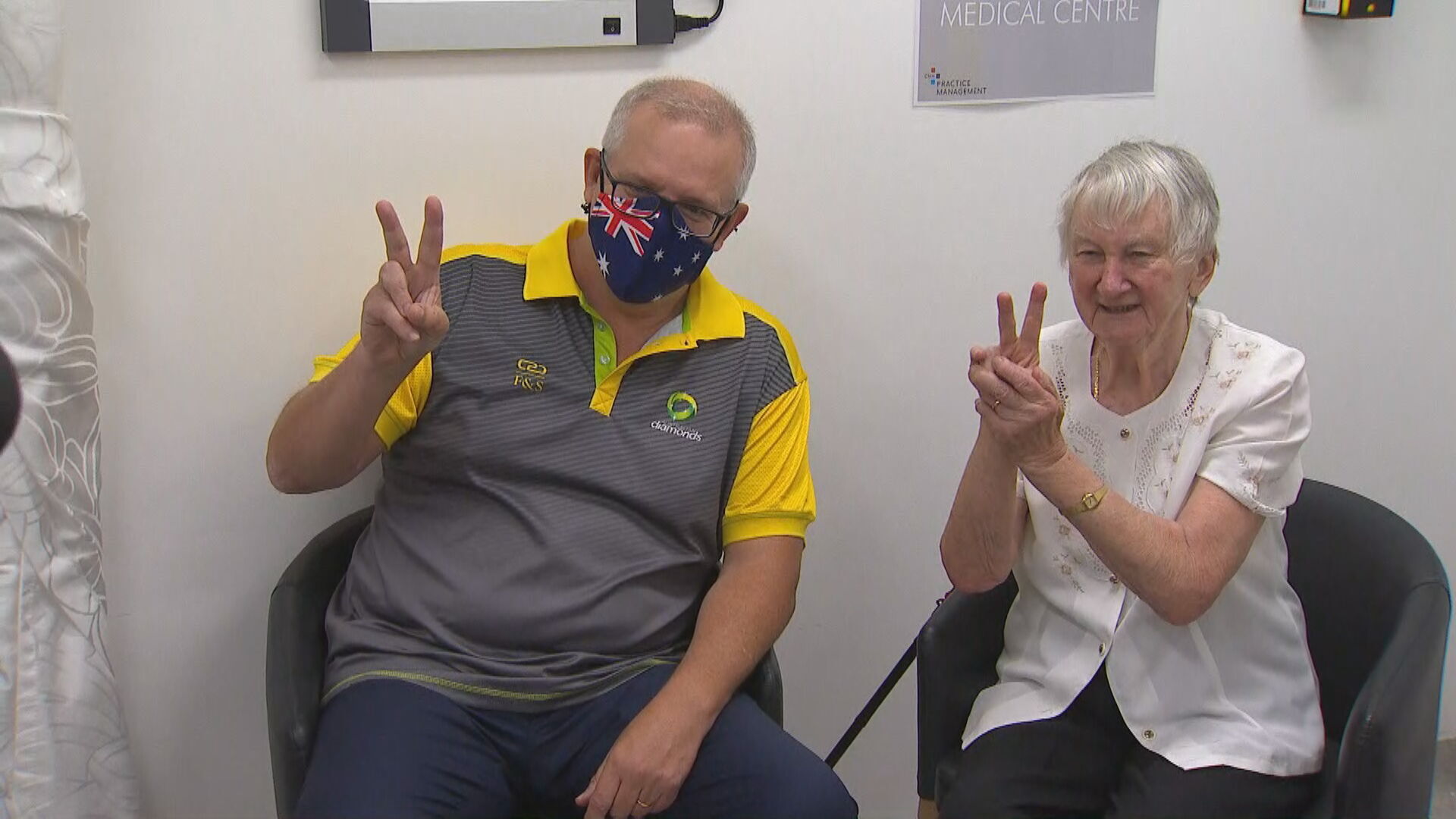
One key question is the dosage: Pfizer gave the 12-and-older participants the same dose adults receive, while testing different doses in younger children.
It's not clear how quickly the FDA will act on Pfizer's request to allow vaccination starting at age 12.
Another question is when the US will have enough supply — and people to get the shots into adolescents' arms — to let kids start getting in line.
Supplies are set to steadily increase over the spring and summer, at the same time states are opening vaccinations to younger, healthier adults who until now haven't had a turn.
Children represent about 13 per cent of COVID-19 cases documented in the US.
While children are far less likely than adults to get seriously ill, at least 268 have died from COVID-19 in the US alone and more than 13,500 have been hospitalised, according to a tally by the American Academy of Pediatrics.
That’s more than die from the flu in an average year. Additionally, a small number have developed a serious inflammatory condition linked to the coronavirus.
Caleb Chung, who turns 13 later this week, agreed to volunteer for the trial after his father, a Duke University pediatrician, presented the option. He doesn't know if he received the vaccine or a placebo.
“Usually I’m just at home doing online school and there’s not much I can really do to fight back against the virus,” Caleb said in a recent interview.
The study “was really somewhere that I could actually help out.”
His father, Dr Richard Chung, said he was proud of his son and all the other children volunteering for the needle pricks, blood tests and other tasks a study entails.
“We need kids to do these trials so that kids can get protected. Adults can’t do that for them,” Chung said.
Mexico Claims 120,000 Excess Deaths Indirectly Caused By COVID
MEXICO CITY (AP) — Many of the over 120,000 excess deaths Mexico suffered so far during the pandemic may have been indirectly caused by the coronavirus, even if those people didn’t die of COVID-19, Mexican officials said Tuesday.
Not including the indirect deaths, officials list 322,263 deaths directly caused by COVID-19.
A “very significant part” of those deaths were people who were suffering heart problems but were too afraid to go the hospital for fear of getting infected, said Dr. Ruy López Ridaura, the country’s director of disease prevention and control.
“Clearly, even those cases that aren’t directly associated with (coronavirus) infection … in some way are associated with the pandemic, right, because they were associated with the burden on hospitals, the fear that people had,” López Ridaura said.
“It is not unreasonable to think that a very significant part is due to people not seeking medical attention,” he said. “They were in a certain way afraid to go to a system that was caring for a lot of COVID patients, for fear of getting infected.”
The number of deaths from heart disease and diabetes skyrocketed during 2020. For example, deaths from cardiac ailments increased 36% last year, as compared to 2019, and deaths from complications of diabetes were up 46%.
Fear may not have been the only factor. Many hospitals in Mexico simply did not have room for non-COVID-19 patients, or treatment may have been delayed because ambulances were tied up during the pandemic, or because some hospitals would not treat emergency patients until they had been tested for the coronavirus.
While case numbers have been declining, Mexico recorded 807 test-confirmed deaths Tuesday, a relatively high number compared to recent weeks.
Mexico’s toll rivals that of Brazil, which currently has the world’s second-highest number of deaths after the United States. But Mexico’s population of 126 million is considerably less than either of those countries.
The post Mexico Claims 120,000 Excess Deaths Indirectly Caused By COVID appeared first on The St Kitts Nevis Observer.