Category Archives: headline

20 Migrants Caught in Mexico with Fake UN Documents

MEXICO CITY (AP) — Authorities in Mexico said 20 migrants were caught at a highway checkpoint using falsified paperwork with letterheads from the U.N. refugee agency, UNCHR.

The migrants were found aboard passenger buses at a checkpoint in the northern border state of Nuevo Leon.

When asked for documents, they displayed letters supposedly from the UNCHR stating they were refugees or had requested refugee status, and should be allowed to travel to cities in northern Mexico.

Mexico’s National Immigration Institute said Tuesday that U.N. officials confirmed the documents were false and have filed a complaint in the case.

The Institute said some of the migrants said that smugglers had given them the documents and promised they were a “safe pass” to the U.S. border.

The Institute said those detained included migrants from Honduras and El Salvador.

In recent months, migrant traffickers have become more brazen, and are increasingly using buses to smuggle migrants. Following a crackdown in 2014 on buses and trains, smugglers had mostly resorted to hiding migrants in the freight containers of trucks.

The post 20 Migrants Caught in Mexico with Fake UN Documents appeared first on The St Kitts Nevis Observer.

Associated Press World View: 8 Dead in Georgia Shooting, White Supremacist Propaganda, Putin & Trump, Tiger Woods, More

March 16, 2021

Alternate text

Good morning from Rome. Authorities say shootings at two massage parlors in Atlanta left eight people dead, many of them women of Asian descent. A 21-year-old suspect was taken into custody after a manhunt in southwest Georgia. A new report shows white supremacist propaganda reached alarming levels in the U.S. last year. In the Netherlands, voters head to the polls for the final day of a virus-hit election. And the pandemic is taking its toll on St. Patrick’s Day: In New York City, the event celebrating Irish heritage is going to be largely virtual for the second year in a row.

Also this morning:

  • US report says Putin approved operations to help Trump in the election
  • Tiger Woods is back home in Florida, recovering from LA car crash

KARL RITTER

Southern Europe News Director

The Associated Press

Rome

The Rundown

I'm an image

ATLANTA (AP) — Shootings at two massage parlors in Atlanta and one in the suburbs Tuesday evening left eight people dead, many of them women of Asian descent, authorities said. A 21-year-old man……Read More

I'm an image

NEW YORK (AP) — White supremacist propaganda reached alarming levels across the U.S. in 2020, according to a new report that the Anti-Defamation League provided to The Associated… …Read More

I'm an image

WASHINGTON (AP) — Russian President Vladimir Putin authorized influence operations to help Donald Trump in last November’s presidential election, according to a declassified intelligence… …Read More

I'm an image

THE HAGUE, Netherlands (AP) — Thousands of voting booths opened across the Netherlands early Wednesday on the final day of a general election overshadowed by the coronavirus pandemic, with… …Read More

I'm an image

NEW YORK (AP) — A largely virtual St. Patrick’s Day is planned for New York City on Wednesday, one year after the annual parade celebrating Irish heritage became one of the city’s first… …Read More

OTHER TOP STORIES

BEIRUT (AP) — Daraa was an impoverished, neglected provincial city in the farmlands of Syria’s south, an overwhelmingly Sunni Muslim backwater far from the more cosmopoli…Read More

SEOUL, South Korea (AP) — Fresh off a stop in Tokyo, President Joe Biden’s top diplomat and defense chief traveled to South Korea on Wednesday, a day after North Korea ma…Read More

NEW YORK (AP) — President Joe Biden said Tuesday New York Gov. Andrew Cuomo should resign if the state attorney general’s investigation confirms the sexual harassment all…Read More

Tiger Woods is back at home in Florida to resume his recovery from career-threatening leg injuries he suffered when his SUV ran off a road and down a hill in the Los Ange…Read More

The post Associated Press World View: 8 Dead in Georgia Shooting, White Supremacist Propaganda, Putin & Trump, Tiger Woods, More appeared first on The St Kitts Nevis Observer.

WW3? UK Could Use Nukes to Counter Cyber-Attack

Guardian (UK)  Britain is prepared to launch nuclear weapons if the country was faced with an exceptionally destructive attack using cyber or other “emerging technologies”, according to the integrated defence review.

The stark statement marks a change from existing UK policy, which had been that Trident missiles could only be launched against another nuclear power, or potentially in response to extreme chemical or biological threats.

The new policy says Britain would “reserve the right” to use nuclear weapons in the face of “weapons of mass destruction”, which includes “emerging technologies that could have a comparable impact” to chemical or biological weapons.

It sets the UK in a different direction to the US, where the newly elected president, Joe Biden, had floated the idea during his election campaign of making the “sole purpose” of nuclear weapons to deter or if necessary to retaliate against a nuclear attack.

No further detail was spelled out in the document, published on Tuesday, but analysts said the shift in language was significant. Tom Plant, a director at the Royal United Services Institute thinktank, said: “This is clearly an indication that the UK government perceives the potential for some combination of novel technologies, in years to come, to rival existing WMD.”

Ministers said they believed a broader formulation was necessary to retain the credibility of the UK’s Trident nuclear deterrent, if a combination of “non nuclear” capacities were to “add up to an equivalent or commensurate threat”.

Discussion about Britain’s new nuclear policy unveiled by Boris Johnson, reversing 30 years of modest disarmament since the end of the cold war, dominated the publication of a 100-page integrated review of defence and foreign policy.

It confirmed leaks from Monday night that the UK would allow the cap on its nuclear weapon stockpile to rise to 260 from a target of 180 “by the mid-2020s” – and that the UK would abandon a second pledge to hold a lower number of operational warheads, previously set at 120.

But it led to accusations in the Commons from Sir Keir Starmer that the UK had abandoned previous pledges made by a succession of governments to reduce the nuclear stockpile with only the most cursory explanation.

“This review breaks the goal of successive prime ministers and cross-party efforts to reduce our nuclear stockpile. It doesn’t explain when, why, or for what strategic purpose,” the Labour leader told the Commons.

In response, the prime minister said: “It’s ridiculous for him to talk about our nuclear defences, Mr Speaker, when the reality is that Labour is all over the place.”

The last time MPs voted on Trident, Johnson added, both Lisa Nandy, the shadow foreign secretary, and Angela Rayner, Labour’s deputy leader, voted against. “And they want to talk about standing up for our armed forces,” Johnson said.

Defence sources said the decision to lift the warhead cap by over 40% was motivated by a desire to be more assertive about nuclear weapons. “If we have them, let’s not apologise for it, let’s own it,” an insider added.

The prime minister also confirmed that MPs will not get a vote on the government’s plans to slash aid spending to 0.5% from 0.7% of GDP, because, he said, the dramatic cut is intended to be temporary because of the impact of the pandemic.

In the debate on the review, former shadow international development secretary Andrew Mitchell warned Johnson that he was at risk of setting an illegal budget if it did not meet the legal obligation to spend 0.7% of gross national income (GNI) on aid.

Calling on Johnson to bring the aid cut to a vote in the Commons, Mitchell said: “Otherwise, he may be in danger, as from the start of the new financial year, of creating an unlawful budget.”

The document also set out the UK’s post-Brexit diplomatic policy, with the prime minister highlighting the US as the country’s most important ally while using carefully calibrated language about China – to the disappointment of Beijing hawks on the party’s backbenches.

Johnson told MPs that “China will pose great challenges for an open society such as ours”. He said the UK had expressed “deep concern” over the “mass detention” of China’s Uighur Muslim minority and its Hong Kong crackdown but insisted it was necessary to “build a stronger and positive economic relationship and address climate change”.

Former foreign secretary Jeremy Hunt said he was concerned about the review’s language on China. “I am worried about designating China simply as a systemic challenge given the terrible events in Hong Kong and Xinjiang, so will he keep this under review?”

On Wednesday Dominic Raab, the foreign secretary, will underline what the UK believes is an increasingly uncertain world order in a speech to the Aspen Security Forum.

“Democracy is in retreat. This decade, the combined GDP of autocratic regimes is expected to exceed the combined GDP of the world’s democracies, but think about what that means for a second,” he is expected to say, arguing that democracies are less likely to go to war than autocratic states.

The prime minister also said he would visit India next month, rescheduling a summit with the prime minister, Narendra Modi, from January that had been delayed because of the surge in coronavirus cases in the UK at the beginning of the year.

The post WW3? UK Could Use Nukes to Counter Cyber-Attack appeared first on The St Kitts Nevis Observer.

Astra Zeneca Global Threat, Push for UK Virus Probe, Problem for Homegrown Vaccines, World Stats

European AstraZeneca suspensions threaten global COVID response

European AstraZeneca suspensions threaten global COVID response
© Getty Images

European countries are pausing the use of the Oxford-AstraZeneca coronavirus vaccine over concerns of blood clots, colliding with expert opinion and creating a crisis of faith in the shot that could hamper progress to stop the COVID-19 pandemic.

Sweden and Latvia on Tuesday joined more than a dozen other European countries, including Portugal, Germany and Italy, that have publicly announced they are temporarily suspending use of the vaccine following reports of blood clots.

Europe’s top medical regulator is insisting the vaccine is safe and that the benefits of preventing hospitalization and death from COVID-19 outweigh any possible side effects.

“At present, there is no indication that vaccination has caused these conditions,” Emer Cooke, executive director of the European Medicines Agency, said during a Tuesday press conference. “They have not come up in clinical trials, and they’re not listed as known or expected side events.”

The agency has convened a safety committee of experts from across the European Union (EU) and beyond for an emergency meeting on Thursday to discuss and release the findings of its investigation into reports of rare but dangerous blood clots in the brain and abnormal bleeding.

The overall number of events “seemed not to be higher” in vaccinated people than in the general population, Cooke said. People are going to get blood clots, and just because they occurred shortly after vaccination does not mean there’s a link.

Asked about countries’ decisions to suspend the vaccine, Cooke said they were taken “in the context of the information that is available at the national level, and it is the country’s prerogative to do so.”

The World Health Organization (WHO) has also been quick to back the vaccine’s safety and has encouraged countries to continue using the shot.

Mariângela Simão, a WHO assistant director-general, last week said she thinks people have confused causation with correlation.

“People die every day,” she said. “There will be people who have been immunized who will die of other causes. So far the preliminary data we have seen does not lead to a causal relationship.”

AstraZeneca has also said there is no evidence linking its vaccine to blood clots.

The British pharmaceutical company released a statement after it reviewed 17 million vaccines administered in Europe, saying it found only 15 events of deep vein thrombosis and 22 events of pulmonary embolisms.

But the flurry of suspensions is concerning health experts, who say the decisions do not seem to be supported by medical data. Not only could the pauses set back vaccination efforts across Europe, but they could have ripple effects across the world.

“I think that many of these countries will have done damage to what is a good vaccine” said Amesh Adalja, a senior scholar at the Johns Hopkins Center for Health Security.

Even if the countries resume vaccinating people in a few days, the damage might have been done.

“What people are going to remember is not the fact that this is … not a causal effect. What they’re going to remember is hearing something vaguely about blood clots, and that’s going to undermine confidence in the vaccine, which I think is especially dangerous,” Adalja said.

Hundreds of millions of Europeans are facing the prospect of another strict lockdown as the continent struggles with a new wave of COVID-19 infections and a flawed vaccine rollout. Suspending AstraZeneca’s shots could slow it down even more.

Only about 9 percent of the eligible population across all EU countries has received at least one dose, according to the European Centre for Disease Prevention and Control.

By contrast in the U.S., nearly 22 percent of the population has received at least one shot, with nearly 2.2 million doses getting administered a day.

Many European countries are relying heavily on the Oxford-AstraZeneca vaccine, as it is being sold using a nonprofit model and is far cheaper to make than other COVID-19 vaccines.

It is also the main shot being used by Covax, the global program to deliver vaccines to low- and middle-income countries.

But AstraZeneca has also been plagued with production issues. Last week, the company said it would try to deliver 30 million doses to the EU by the end of March, much less than its contractual obligation of 90 million and down from a previous promise made last month to deliver 40 million doses.

AstraZeneca has not yet filed for authorization with the Food and Drug Administration (FDA) because the FDA wants to wait for U.S. clinical trial results, which could come shortly.

=====================================================

Why home-produced Covid vaccine hasn’t helped India, Russia and China rollouts

Challenge of reaching vast, far-flung populations is combined with a lack of public interest


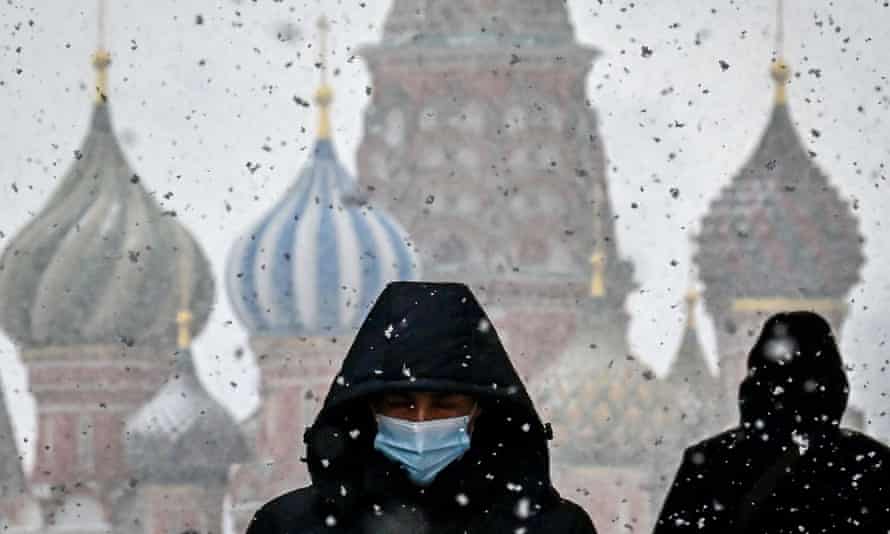
A man wearing a facemask in Red Square, Moscow, with the Saint Basil cathedral on the background
Red Square, Moscow. Photograph: Yuri Kadobnov/AFP/Getty
in Beirut, in Moscow and in Taipei

Guardian (UK) The day India started coronavirus vaccinations, Amit Mehra’s name was on the priority list. But he never made an appointment. “I’m not inclined to get vaccinated just because it’s available,” says the 47-year-old Delhi hospital worker.

Two and a half thousand miles away, strolling past a popup inoculation centre near Red Square in Moscow, Magomed Zurabov is similarly reluctant. Suspicious that the pandemic was deliberately engineered, he has no intention of being vaccinated, he says. Instead, he is “taking the necessary precautions”: wearing a mask and using disinfectant.

As vaccinations rates soar in Israel, the UK, the United Arab Emirates and other countries that have monopolised supply, and poorer nations make do with a trickle of doses, a third category are beginning long climbs. Supply is less of an issue in Russia, China or India, all of which produce their own vaccines. But their respective government programmes have had slow starts, and there has been little public clamour to speed things up.

“People have not shown that eagerness and urgency to be vaccinated,” says Ajeet Jain, a doctor at the Rajiv Gandhi Super Speciality hospital in Delhi. “India is going through that phase where the disease is no longer prevalent except in a few states. People are relaxed that the disease is over from their point of view.”

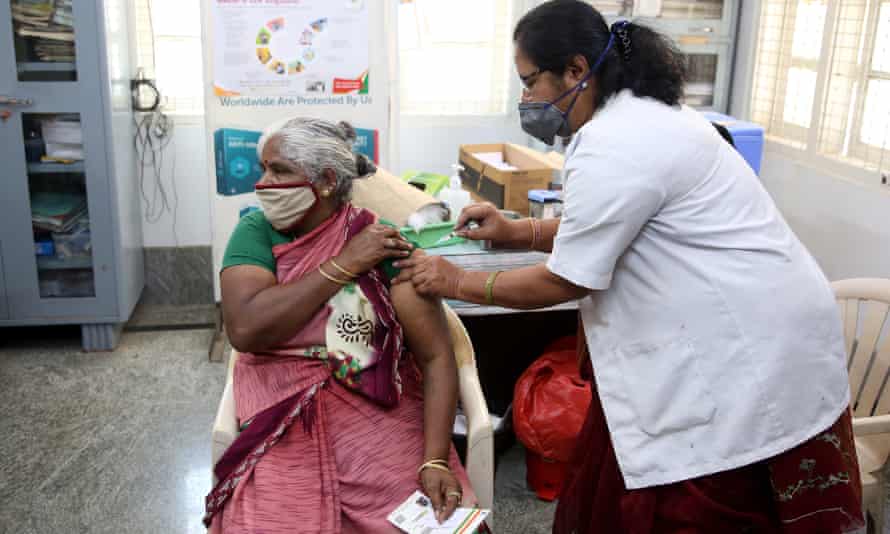
Woman gets vaccinated
A woman receives a dose of a Covid-19 jab at Dasappa hospital in Bangalore, India, this week. Photograph: Jagadeesh Nv/EPA

The experience of India, Russia and China may prove, in time, to be typical. Even once vaccine shortages are alleviated, much of the world could still take years to achieve widespread Covid-19 vaccination, encumbered by the challenges of reaching vast and far-flung populations, lack of interest from the public and other, more pressing health priorities.

Some countries may shake off growing pains: India’s rollout has accelerated in the past fortnight, with private clinics enlisted to help administer shots and new groups, including anyone over 60, invited to make appointments. The programme hit 3m doses a day this week which, if maintained, would put it within reach of its target of vaccinating 20% of the population by August.

Uptake was slower than expected among the 30 million healthcare and frontline workers who were prioritised for the first round of doses, with some hesitant about receiving Covaxin, a locally developed vaccine that was pressed into use before the release of phase 3 trial results. (Interim data has since shown that it is 81% effective.)

“That caused quite a bit of confusion, as a result of which healthcare workers who were supposed to be vaccinated in the first round, and who understood this process a little better than other people, didn’t come forward as much as they should have,” says Dr Shahid Jameel, a virologist and director of the Trivedi school of biosciences at Ashoka University.

India has also held off from deploying its entire workforce of vaccine deliverers to fight Covid-19, keeping about half at work administering jabs for other deadly diseases, Jameel says. “There is a childhood immunisation programme, there is one for pregnant mothers, and they have to go on unhindered despite Covid.”

The most significant impediment may be that, since September, virus rates in India have dropped steeply. And in a country with a median age of about 28, Covid-19 has not proved especially deadly, implicated in about 160,000 recorded deaths, a third of the number of Indians who die from tuberculosis each year. Signs of a second wave taking off in the past week may change the calculation for some.

“Look at death rates in South Asia and you’ll know why people are not dying to get vaccinated,” says Oommen C Kurian, a senior fellow at Delhi’s Observer Research Foundation thinktank. “Their sense of risk is considerably lower than, say, a Londoner.”

The same is true for the average resident of Beijing, though not for demographic reasons. China has employed blunt but effective quarantine measures to contain Sars-CoV-2 successfully, and life in the country has largely returned to normal. Though it authorised its first vaccines for emergency use in July, just 4% of the country has been vaccinated so far.

“One of the most important contributors is this perception that China has a low risk of infection,” said Yanzhong Huan, director of the Center for Global Health Studies at Seton Hall University in New Jersey. “So people think, why bother to get vaccinated? We’re already safe.”

The country aims to inoculate 40% of its population by July, a target that will require administering about 4m shots a day, up from about 640,000 a day on the latest public figures.

But Beijing must also balance commitments to supply at least 463m doses to countries overseas, many of them donations to strategic partners. So far, it is under little pressure to hoard those vaccines for use at home. “People view this as an example of China being a global leader, something that showcases China being a responsible and reliable great power,” Huang says.

Russia has been hit harder by the virus, losing 90,000 lives on official figures thought to be a significant underestimate. But there, too, uptake of the vaccine is tracking well short of government targets of inoculating 60% of the population by mid-year.

A poll of Russians this month found that two-thirds were unwilling to receive the locally developed Sputnik-V shot, in spite of peer-reviewed research suggesting that it is safe and effective. Their scepticism extended to the origins of the coronavirus, with 64% believing that it was a biological weapon, the independent poll said. (Most virologists disagree and say there is no evidence that the virus was engineered.)

Lack of trust in the Russian government is a key hurdle, says Sergei Rybakov, a representative of the Doctors’ alliance, an opposition-linked medical union that has criticised the official response to the pandemic. Though the state has marketed Sputnik-V overseas, including with its own Twitter account, it has done less to promote the vaccine among Russians, he says.

“The task of the state is to show that the vaccine is necessary, the vaccine is safe. In Russia this hasn’t been done to the extent it needs to be,” Rybakov said. “You need to show people that not getting the vaccine is more dangerous than getting it.”

Similar hurdles are likely to slow rollouts elsewhere, too, as countries assemble one of the largest logistical operations most have ever undertaken. Even once supplies are secured, some may struggle for years to reach the 70% of the population thought to be required for herd immunity, says Babak Javid, an infectious diseases scientist at the University of California, San Francisco.

They might focus their efforts instead on reaching healthcare workers and the most vulnerable, he says. “You’re not going to eliminate Covid deaths, but you’ll eliminate the likelihood of healthcare infrastructure being overwhelmed.”

=================================================

Pressure mounts on Boris Johnson to launch coronavirus inquiry

Exclusive: scientific advisers and ex-Whitehall chief join bereaved families, medics and ethnic minority leaders in calling for inquiry

A dozen influential figures told the Guardian they supported a public inquiry.
A dozen influential figures told the Guardian they supported a public inquiry. Photograph: Hannah McKay/PA

Guardian (UK) Senior doctors, government scientific advisers and a former head of the civil service have spoken out in favour of a public inquiry into the UK’s handling of Covid-19, raising pressure on Boris Johnson to finally launch the process as the UK’s coronavirus fatalities rose to almost 126,000.

Thousands of bereaved families, nurses and ethnic minority leaders also backed calls for an inquiry into everything from lockdown tactics to test and trace after the UK’s handling of the pandemic resulted in the worst death toll per capita of any of the world’s large economies.

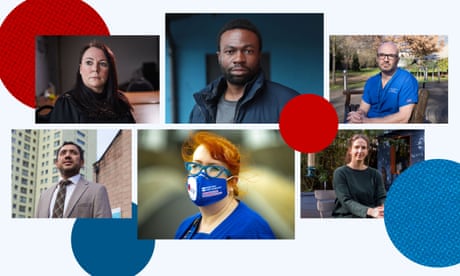
‘Somebody has to answer for this’: voices from the frontline on why we need a Covid inquiry
Read more

Lord Kerslake, the head of the civil service under David Cameron, and Prof John Edmunds, a leading scientific adviser to the government on Covid, are among a dozen influential figures who have told the Guardian they support a public inquiry. Kerslake said it could save lives and it would be “criminal not to learn the lessons”.

“We can’t rule out the possibility that we will hit this problem again,” he said, adding the inquiry should begin by summer.

Professor John Edmunds leaning against a door
Prof John Edmunds, who supports a public inquiry. Photograph: Simon Dawson/Reuters/Alamy

Edmunds said: “An event of this magnitude needs to be looked at in detail, including – if necessary – compelling witnesses to attend.”

With infections now at their lowest rate since September and close to 25 million people vaccinated with a first dose, others calling for the inquiry to be triggered include Prof Dame Donna Kinnair, the general secretary of the Royal College of Nursing, Zara Mohammed, the secretary general of the Muslim Council of Britain, Chaand Nagpaul, the chair of the British Medical Association council and Diane Mayhew, a co-founder of the Rights for Residents group, which campaigns on behalf of care home residents, about 40,000 of whom died with Covid.

But despite a promise last July by the prime minister to set up an “independent inquiry”, Downing Street is refusing to start the process many consider essential to learn lessons for future pandemics.

“We are focused on protecting the NHS and saving lives and now is not the right time to devote huge amounts of official time to an inquiry,” a government spokesperson said. “There will be an appropriate time in the future to look back, analyse and reflect on all aspects of this global pandemic.”

Other leading scientists calling for an inquiry include Prof Sir Paul Nurse, the director of the Francis Crick Institute and a Nobel Laureate.

Prof Andrew Hayward, an expert in infectious disease epidemiology who also sits on the Scientific Advisory Group for Emergencies (Sage), said in a personal capacity: “Many would argue that much of this could have been avoided if different [or] earlier decisions had been made at various points in the pandemic. These decision-making processes therefore need to be scrutinised and I think they are only likely to become completely clear if people are compelled to give evidence.”

The rising pressure on Johnson comes amid calls from more than 2,800 families bereaved by Covid for an “urgent” statutory inquiry with the power to demand witnesses give evidence and to uncover documents.

The Covid-19 Bereaved Families for Justice group is threatening legal action to force ministers to launch an inquiry, arguing an unprepared government “serially failed to take reasonable steps to minimise the effects of the pandemic, leading to massive, unnecessary loss of life”.

“It’s not just us bereaved families – there are millions of people around the country who want answers,” said Jo Goodman, a co-founder of the group. “Did the prime minister do everything he could to prevent it? Could his government have been better prepared or did it ignore warnings? Were decisions made which cost lives rather than saving them? An urgent statutory public inquiry is essential if we are to learn lessons and save lives now and in the future.”

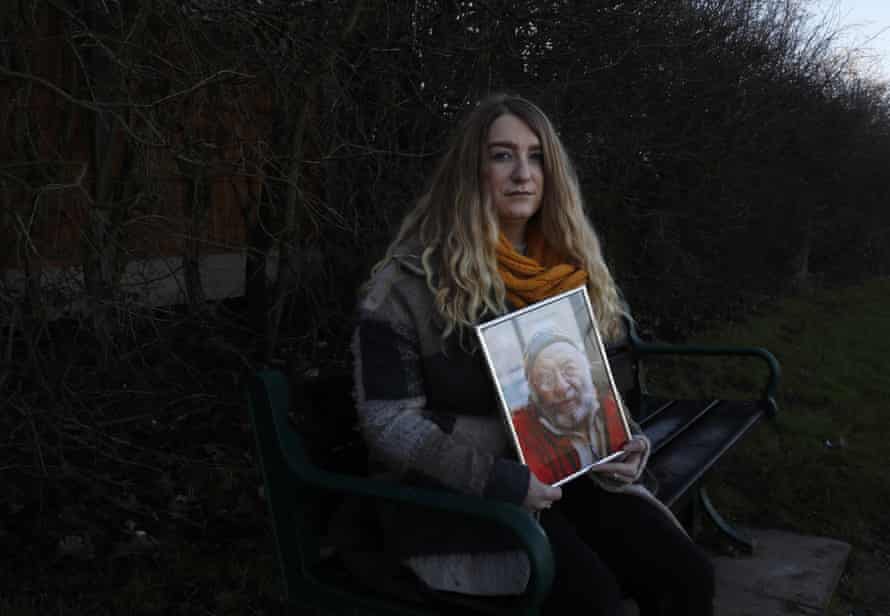
Jo Goodman holds a portrait of her late father, Stuart.
Jo Goodman holds a portrait of her father, Stuart, who died after contracting coronavirus. She co-founded the Covid-19 Bereaved Families for Justice group. Photograph: Alastair Grant/AP

Some senior Conservatives have already indicated they want a public inquiry and the former prime minister David Cameron said earlier this month he expected an inquiry and that “more should have been learned from the experience with Sars and respiratory disease in terms of our own preparedness”. The Commons constitutional affairs select committee, chaired by the Tory backbencher William Wragg, called for an inquiry last summer.

Christinea McAnea, the general secretary of Unison, which represents 1.3 million health staff including porters, cleaners, care workers and nurses, said an independent, judge-led public inquiry should launch as soon as society opens up again – currently scheduled for 21 June.

“If the UK is to heal, people need to understand why things went so disastrously wrong,” she said. “There are key questions to answer about why care homes were left so vulnerable, frontline staff were without safety kit and testing was abandoned in the early stages.”

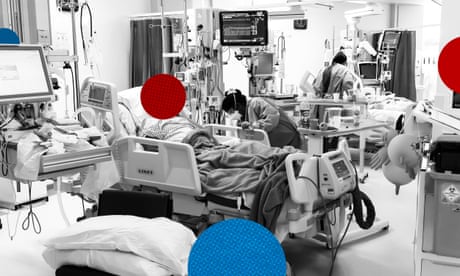
UK’s response to Covid: issues that a public inquiry could examine

The two largest doctors’ and nurses’ membership groups – the British Medical Association (BMA) and the Royal College of Nursing – also backed the calls.

“We have seen suffering at levels people have not experienced,” said the BMA’s Nagpaul. “We have seen livelihoods lost and inequalities exacerbated to levels that have devastated communities. Putting all that together, of course it demands an inquiry.”

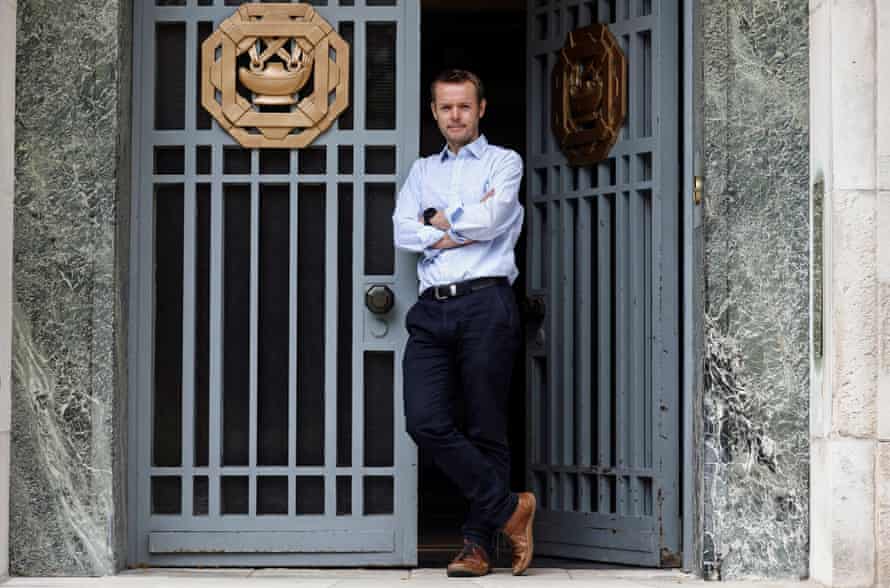
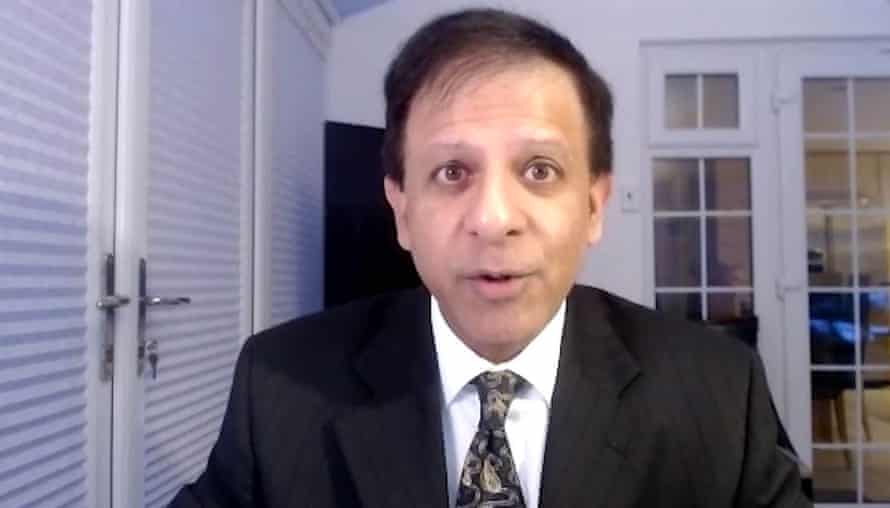
Dr Chaand Nagpaul
Dr Chaand Nagpaul, the chairman of the British Medical Association council. Photograph: BMA/PA

Kinnair said nurses were still experiencing a lack of PPE and that “a full inquiry into the preparation and management of Covid-19 is the only way the government, its agencies and advisers will … truly reflect and learn”.

Prof Andrew Goddard, the president of the Royal College of Physicians, said he expected an inquiry and it should “identify and recommend changes so we can improve preparedness for and management of future crises … [It should] look at how prepared we were and the decisions we took in terms of very practical things, such as stocks of PPE, the size of the NHS workforce and how many critical care beds we have … [as well as] the greater impact of Covid-19 in the UK because of the state of public health.”

Lord Simon Woolley, who until last summer was the chair of the advisory group to the government’s race disparity unit, said he wanted a public inquiry to reach beyond scientific and medical factors to include housing, health, education and employment.

“For black, Asian and minority ethnic communities [Covid] has been utterly devastating,” he said, adding that if an inquiry followed the disease it would expose societal fault lines.

“This inquiry is a once-in-a-generation opportunity to dramatically change the infrastructure,” he said. “Are we going to put a plaster on a gaping wound or are we going to have an infrastructure change that builds to a fairer society?”

====================================================

WORLD STATS

The post Astra Zeneca Global Threat, Push for UK Virus Probe, Problem for Homegrown Vaccines, World Stats appeared first on The St Kitts Nevis Observer.

Foreign spies found operating on Australian soil

A "significant number" of foreign spies and their proxies have been removed from Australia or "rendered inoperative" in the past 12 months, according to the nation's domestic spy agency.

The Australian Security Intelligence Organisation (ASIO) has also made a significant change to the way it speaks about threats, wiping out terms such as "Islamic extremism" and "right-wing extremism" in favour of addressing religious or ideological motivations.

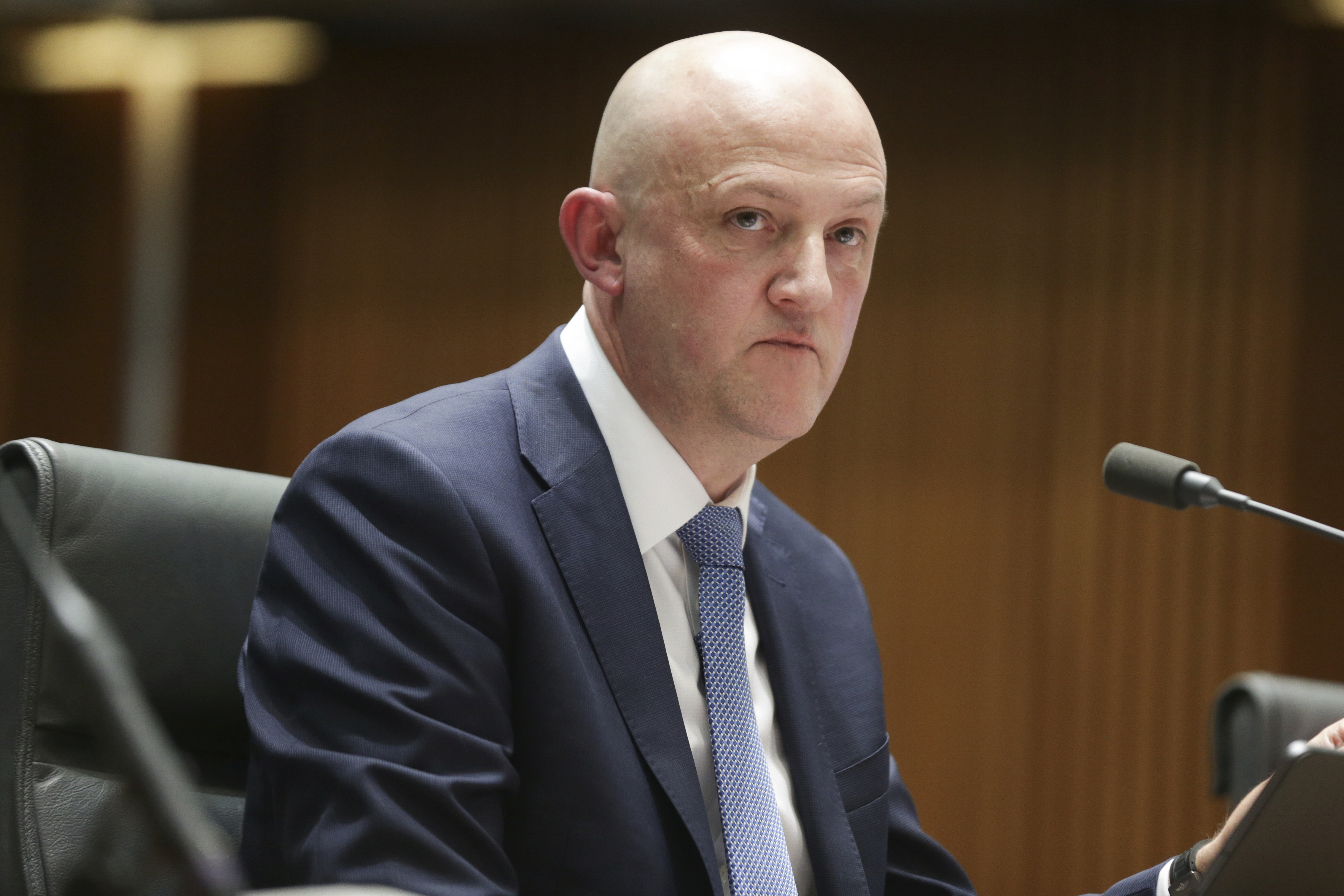
ASIO's Director-General of Security Mike Burgess made the revelations on Wednesday night during his second annual threat assessment, declaring the labels were "no longer fit for purpose".

He said ASIO's focus was on the threat of violence, not a target's political views.

"In the same way, we don't investigate people because of their religious views — again, it's violence that is relevant to our powers — but that's not always clear when we use the term 'Islamic extremism'," he said.

"Understandably, some Muslim groups — and others — see this term as damaging and misrepresentative of Islam, and consider that it stigmatises them by encouraging stereotyping and stoking division."

Giving so-called "incels" — a portmanteau of involuntarily celibate — as an example, Mr Burgess said many individuals and groups simply didn't fit on the left-right spectrum. 

Instead, they may be motivated by anything from fear of societal collapse to a specific social or economic grievance or conspiracy.

The comments came a year after Mr Burgess described an "unprecedented" threat from foreign espionage and interference operations and warned of the growing risk of right-wing extremism.

Home Affairs Minister Peter Dutton was criticised at the time for responding to the comments by promising to fight lunatics on the "far right" and "far left", and associating Islamic extremism with the left.

On Wednesday, Mr Burgess said some of Australia's adversaries were trying to "undermine and exploit" Australia's recovery from the COVID-19 crisis.

"We have already seen extremists trying to stoke social divisions, and foreign intelligence services wanting intelligence about Australia's key export, technology and research industries," he said on Wednesday

READ MORE: ASIO chief warns Australia is 'less safe' during coronavirus pandemic

https://twitter.com/ASIOGovAu/status/1372102266845458434

READ MORE: How to get a job as an Australian spy

At the same time, the pandemic posed unique challenges because "more time at home online meant more time in the echo chamber of the internet on the pathway to radicalisation".

Those intent on violence were "able to access hate-filled manifestos and attack instructions, without some of the usual circuit breakers that contact with community provides".

Mr Burgess said the number of spies and proxies dealt with in the previous year was in the "double figures".

He described a "nest of spies" from a foreign intelligence service outside of the region, which had developed targeted relationships with current and former politicians, a foreign embassy and a state police service.

They even asked a public servant to reveal security protocols at a major airport and recruited someone with federal government security clearance and access to "sensitive details of defence technology".

"When ASIO finds a nest of spies, we will deal with what we find," he said.

Australia's terrorism threat level remains at probable.

'We love you': Jasmeen Kaur's loved ones speak after visit to grave

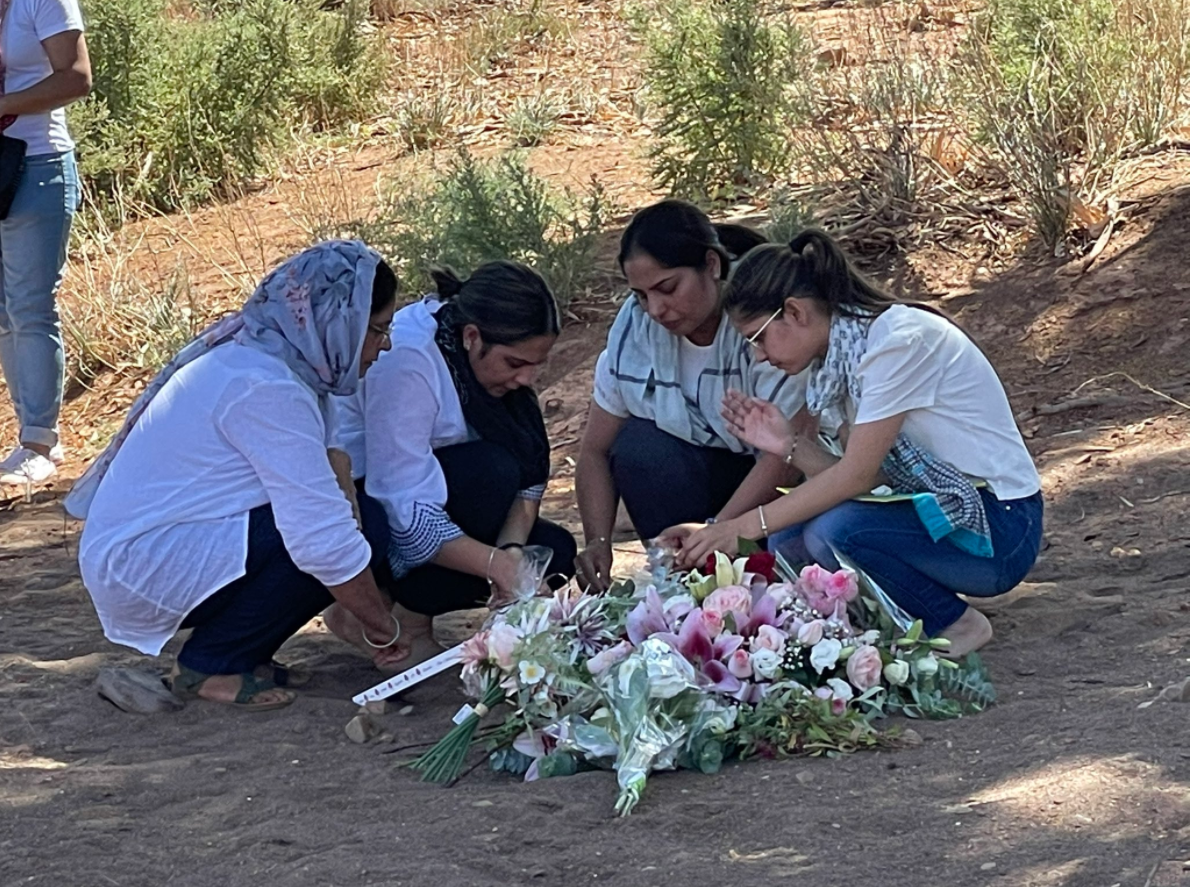
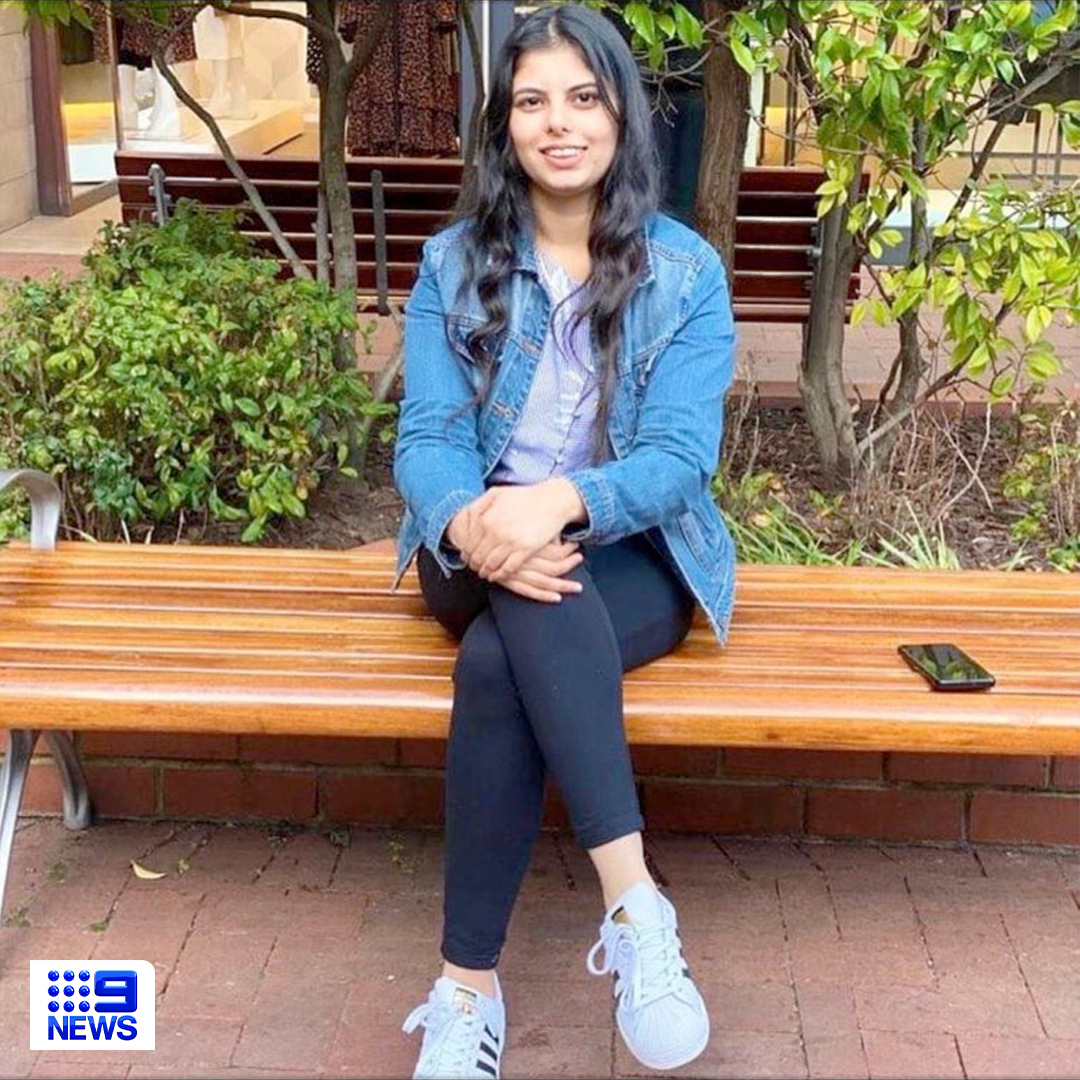
The family of Jasmeen Kaur have visited the shallow grave where she was buried, more than 400 kilometres from where she was last seen before her alleged murder.

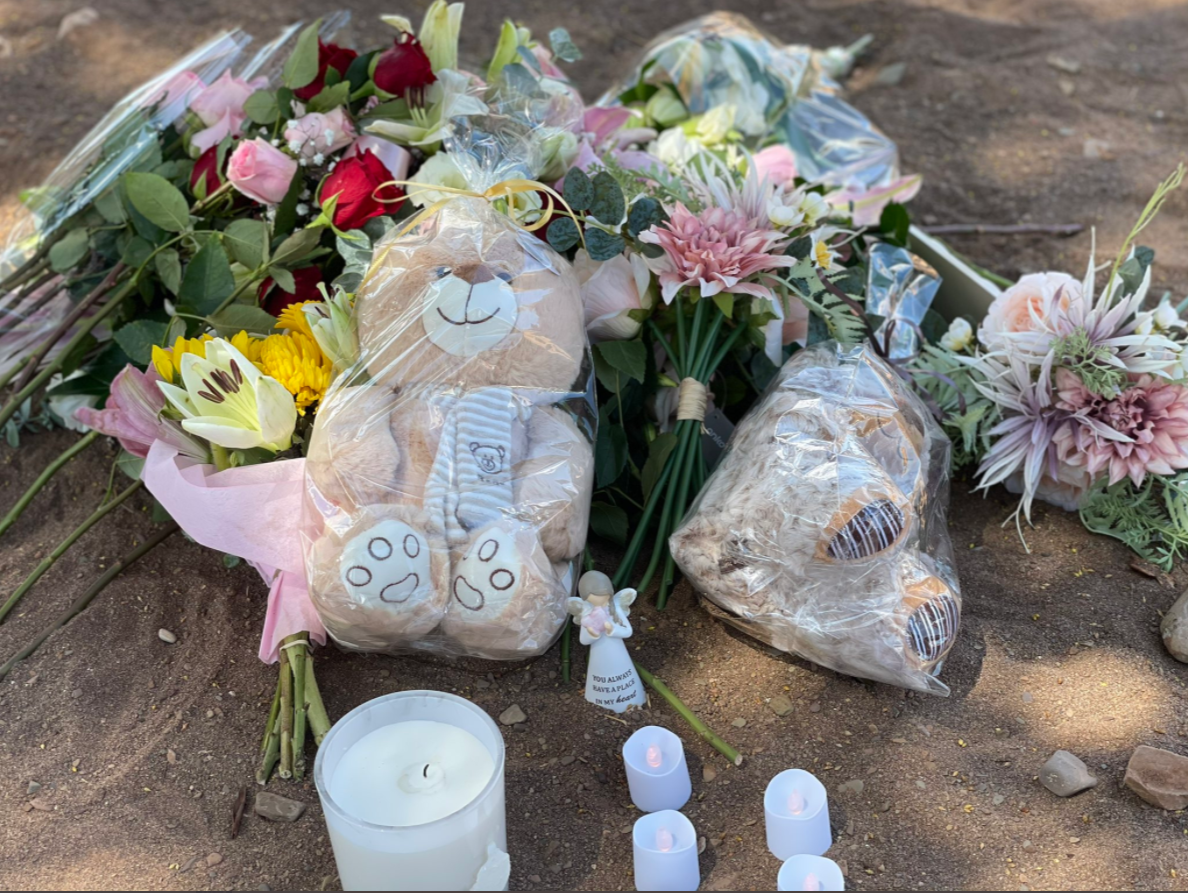
Relatives planted native plants, laid teddies and flowers and prayed over the 21-year-old aged car worker's burial site in the Flinders Ranges, South Australia, today.

"We want to see where she was found and just to show the love, that's it," a family spokesperson said.

"We believe she is here, she is watching us.

"We love you, Jasmeen, our Jasu. You have a special place in our heart and will forever be missed."

Ms Kaur's remains were found buried near Moralana Creek on March 7 – almost a five hour drive from where she was last seen leaving work in Adelaide.

LIVE UPDATES: Three men arrested for suspected terrorism offences in Melbourne

A man, who cannot be named, was charged with her murder after he led detectives to her grave.

The man denies being involved in her death.

Ms Kaur, originally from India, had been living with her aunt and uncle in Adelaide and working as an aged care worker as she studied to become a nurse.

Her family said she had wanted to be able to care for her mother, who is living in India and grieving her loss.

Loved ones said Ms Kaur was "the cook of the house, hairstylist of the family, and miss dependable".

She had been reported missing by her family after she failed to turn up at work.

READ MORE: Shoes, restraining items used in alleged murder found stuffed in bin

Police allege Ms Kaur was "taken by force" by a man after finishing her shift at Southern Cross Homes in North Plympton just before 10pm on March 5.

Her car was found left in the centre's car park.

Ms Kaur's family have set up a small shrine in their home following her death, with her sister last week saying she will miss her until her "last breath".

"I miss her in every second of my life… she will always be a part of me," she said.

Person 'set on fire' in arson attack in Adelaide

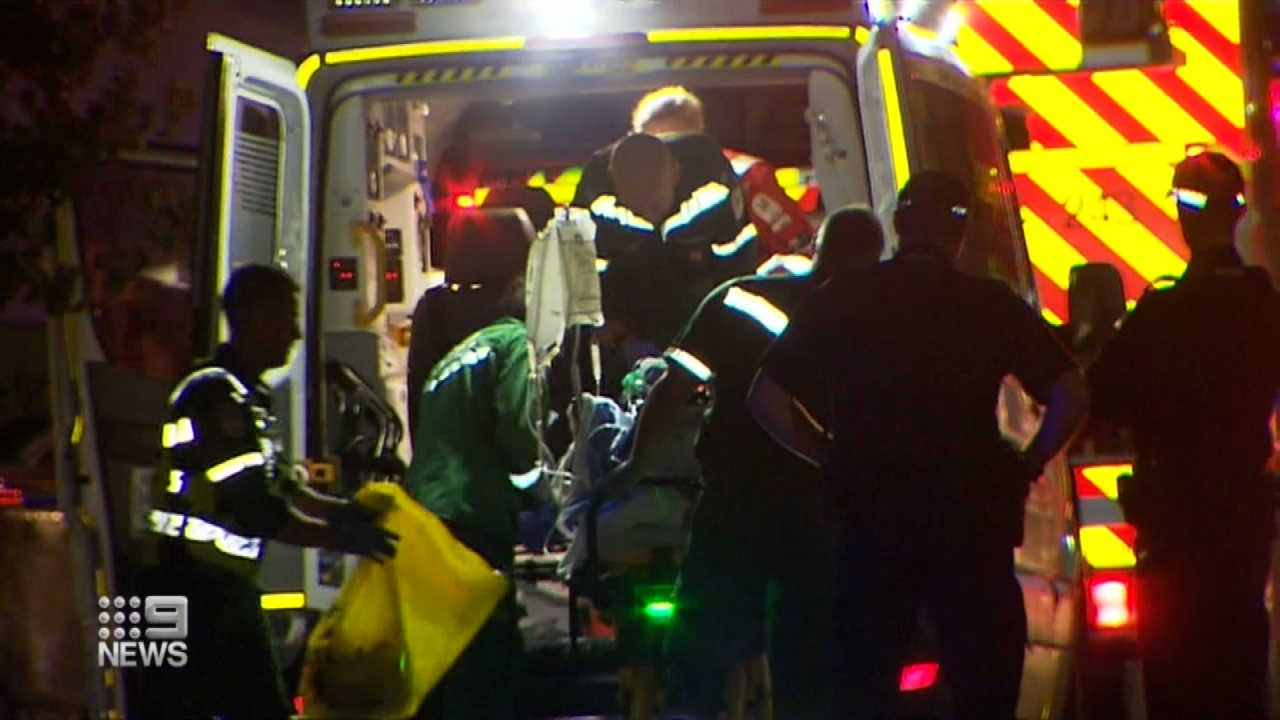
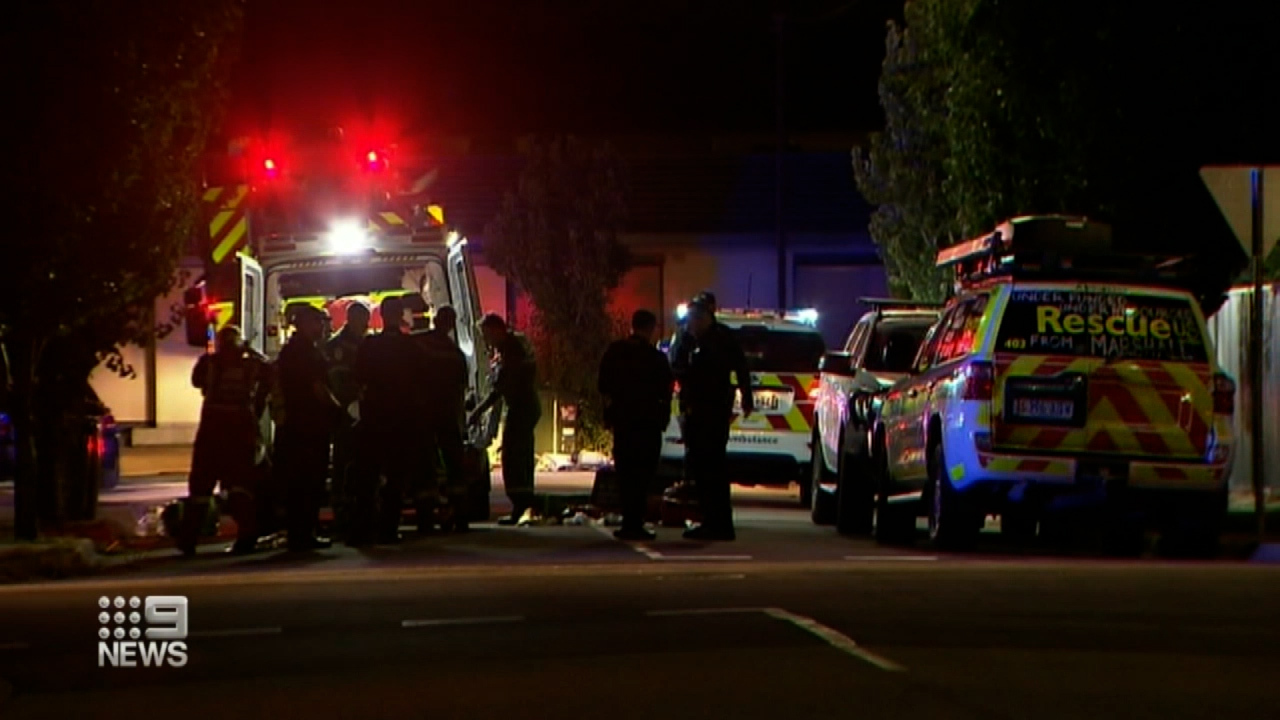
A man and two women have been taken to hospital after being seriously injured in a suspected arson attack in Adelaide.

The horror attack was carried out just before 4am today at a Calendar Place home in Woodville West.

9News understands the male victim is Todd Bradmore, who lived at the residence with his mother. The two women were in their 20s.

Neighbours were woken by desperate cries for help, with one of the women running on the street and banging on doors.

READ MORE: Arsonist catches alight during brothel firebombing

"She was just in pain, screaming in pain," one witness said.

"Obviously it's pretty concerning, it's not great at all."

Another said they had heard a man "moaning for at least about an hour, saying he was sorry, he was in pain, and saying, leave me alone".

Police are searching for a man believed to be responsible for the attack.

It's understood he set fire to at least one of the three victims.

The investigation is continuing.

Former soldier charged with keeping a slave refused bail

A former soldier accused of slavery offences has been refused bail at a court in Armidale.

James Robert Davis, 40, who also worked as a prison officer at Silverwater and Long Bay jails, is charged with three offences including possessing a slave and causing a person to remain in servitude.

The charges relate to a woman who police allege was kept as a slave from 2013 to 2015 at Maroubra in Sydney's eastern suburbs.

READ MORE: Former soldier charged with keeping a slave

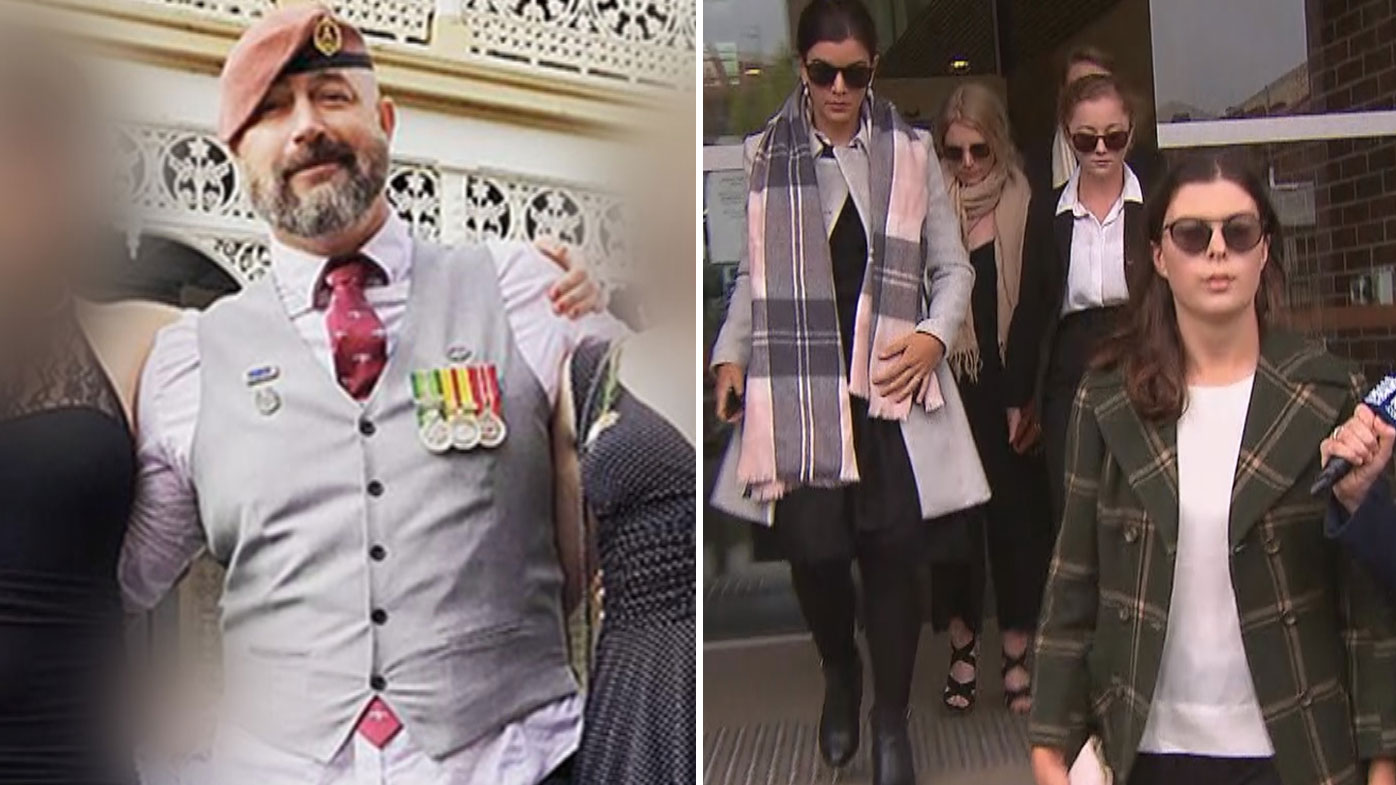
Former soldier James Davis, 40, has been charged with slavery offences.

Today, Mr Davis' barrister Ian Lloyd QC told the court while the case was "strange" it was "very defendable".

"My client has said all along he's done nothing wrong," Mr Lloyd told Armidale Local Court via a video link.

Mr Lloyd also said Mr Davis' five partners supported him, one of whom is 17 weeks pregnant.

"They are living with him in a polyamorous relationship with elements of BDSM. Nothing that has occurred is a slave relationship or non-consensual," he said.

The prosecutor told the court the alleged victim had been forced to do sex work without payment, had her finances controlled, and had been kept against her will and physically assaulted.

After the bail hearing, his five partners (pictured right) left court without making any comment.

Late this afternoon Magistrate Vivien Swain refused bail and told the court she did not feel that any bail conditions would ameliorate the risk of endangering the safety of the alleged victim or potential interference with witnesses.

Before his bail was refused, the court was told Mr Davis served in the second Gulf War and that the alleged victim was a cadet training at the NSW Police academy in Goulburn.

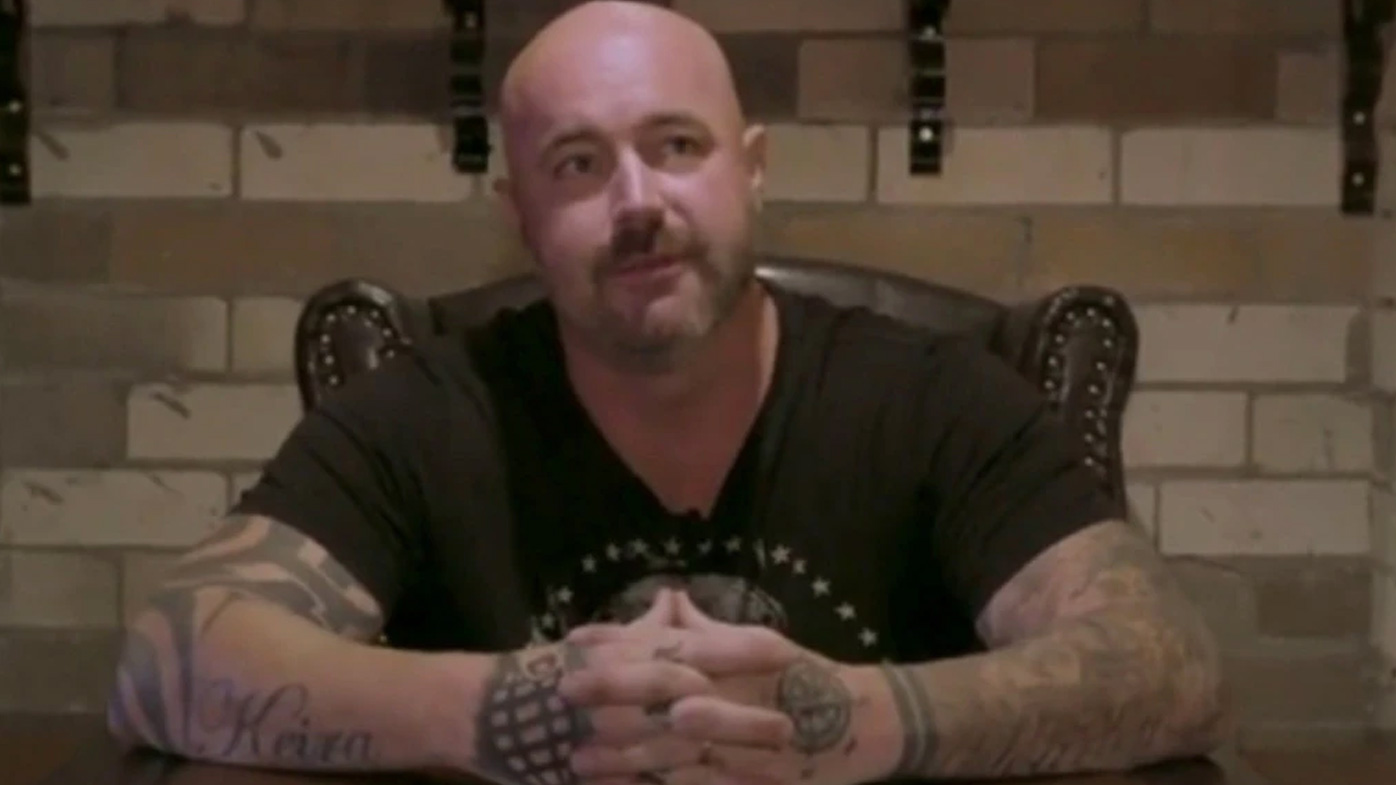
In a documentary, Mr Davis has previously claimed he's the leader of cult called "The House of Cadifor" and keeps female slaves who enter contracts and wear slave collars.

"Everyone knows who we are that weird polyamorous family…. we're the polygamist sex cult," he said in a video posted online.

9News understands the 40-year-old was previously banned from the grounds of the University of New England where at least one of his partners studied.

After the bail hearing, his five partners left court without making any comment.