EDITORIAL We have a race on our hands. As Team New Zealand cruised to victory on the final leg of the opening race of the 36th America’s Cup on Wednesday it seemed clear that all the dockside chatter and predictions were correct….
Category Archives: headline
Herald morning quiz: March 12
Test your brains with the Herald’s morning quiz. Be sure to check back on nzherald.co.nz at 3pm for the afternoon quiz. To challenge yourself with more quizzes, CLICK HERE.
Complaint about Whangārei officer filmed allegedly swearing upheld by police and watchdog
A Northland police officer at the centre of an online video that sparked a fierce debate about whether he had used unprofessional language has had a complaint against him upheld. The nine-second video filmed on February 3 shows…
Auckland weather: Fine day with high of 25C for day two of the America's Cup
Aucklanders hoping to watch day two of the America’s Cup today from their boats are in luck, with a day of fine, settled weather ahead for the City of Sails. But there may be a question mark over the wind.MetService meteorologist…
NSW and Victoria renew hotel quarantine exemption for Auckland travellers
New South Wales and Victoria have thrown their borders back open to all of New Zealand, after Australia's Chief Medical Officer declared Auckland no longer a COVID-19 hotspot.
From 12.01am on Friday, March 12, travellers who have been in New Zealand's biggest city during the past 14 days are no longer subject to hotel quarantine when flying into Sydney or Melbourne.
However, they must still undergo a PCR test for COVID-19 soon after arrival and self-isolate in their own accommodation awaiting a negative result, as well as quarantining on return to New Zealand.

Travellers from New Zealand to most other states and territories — including Queensland, South Australia and Western Australia — must still complete two weeks' hotel quarantine, according to the state health departments' websites.
The loosening of restrictions was introduced after Australia's Chief Medical Officer, Professor Paul Kelly, announced Auckland' was no longer a COVID-19 hotspot, effective midnight on Friday.
"Some jurisdictions may implement conditions or arrangements which differ to those above," a federal Department of Health media release said, on Tuesday.
"All travellers are advised to check the arrangements in both their place of arrival and place of final destination before they travel."
Professor Kelly said the situation in New Zealand had "improved greatly" and contact tracing showed a recent case, unrelated to the Auckland cluster, "posed a low risk of COVID-19 spreading in Australia."
Auckland went into a snap seven-day lockdown after a mystery local case of the more-infectious UK strain was discovered at the end of February.
The move prompted NSW, Victoria and Queensland to impose new restrictions, imposing hotel quarantine on either anyone travelling from New Zealand or just those arriving from Auckland.
For NSW and Victoria, that requirement ended at midnight on Friday, replaced with requirements for anyone travelling from Auckland to get tested and self-isolate until they had a negative result..
NSW Health said staff would follow up with any arrivals from Auckland if they did not present a negative test but anyone who had only flown through Auckland Airport on the way from another part of the country would not have to quarantine or self-isolate in NSW.
"New Zealand is considered to present a low risk of COVID-19, with no more new cases reported in the recent Auckland cluster since 28 February," the Thursday night statement said.
"A case in an air crew member was reported by New Zealand authorities on 7 March but this person is thought to be of low risk to the Auckland community."
Victoria's Department of Health and Human Services said Auckland, except for the airport, would become an "orange" zone under the state's traffic light system, while travellers from the rest of the country would only need a "green" zone permit.
Queensland Health is yet to update its travel advice.
Democrats push for major new gun control laws
Emboldened by their majorities in the House and Senate, Democrats are making a new push to enact the first major new gun control laws in the US in more than two decades — starting with stricter background checks.
The House is poised to pass two bills on Thursday that would require background checks on all firearms sales and transfers and also allow an expanded 10-day review for gun purchases. Similar bills were passed by the House in 2019, shortly after Democrats won the majority, but languished in the GOP-controlled Senate for the next two years.
Democrats now hold the Senate, as well, giving the party hope that the legislation will at least be considered. But the bills would need significant bipartisan support to pass.
READ MORE: 'I hope everyone remembers': Trump issues tweet-like press statement
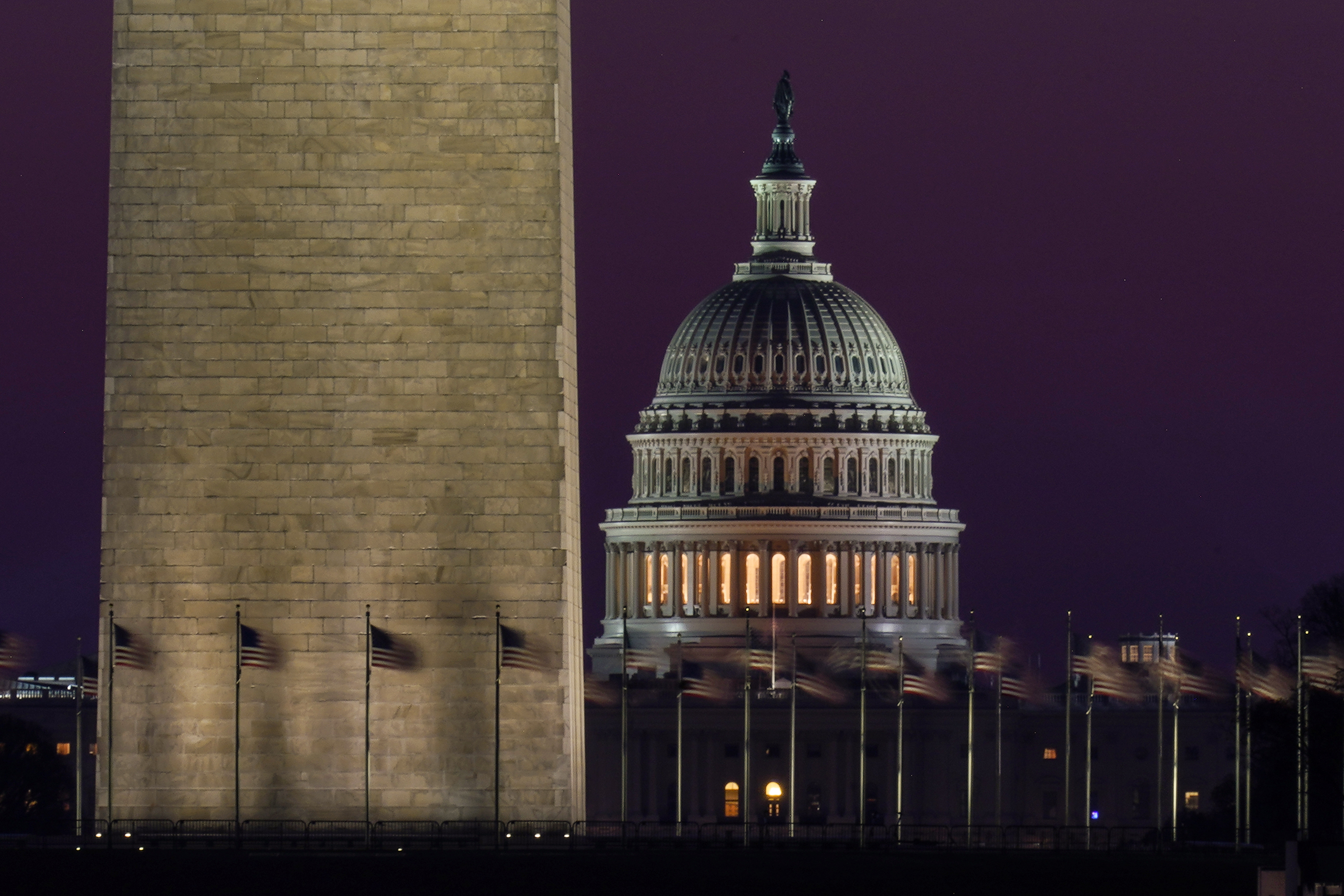
The renewed push is the latest effort by Democrats – and some Republicans – who have repeatedly tried, and failed, to pass tougher gun control laws since the 2012 shooting at Sandy Hook Elementary School in Connecticut that killed 20 children and six educators. While enhanced background checks are generally popular with the American public, even with some conservatives, Congress has so far not been able to find compromise on the issue. It is unclear whether Senate Democrats could find deep enough support among Republicans to pass new gun control legislation in a 50-50 Senate, as they would need 60 votes to do so.
Still, the bills are part of an effort by Democrats to move on several major legislative priorities while they hold both chambers of Congress and the White House. House Speaker Nancy Pelosi, D-Calif., said she and her colleagues have promised survivors of shootings and family members of those who have died that "we are not going away" until the background checks legislation passes.
"The gun violence crisis in America is a challenge to the conscience of our country – one that demands that we act," Pelosi said during floor debate on the bills Wednesday. "These solutions will save lives."
President Joe Biden has called for Congress to strengthen gun laws, including requiring the background checks on all gun sales and banning assault weapons.
READ MORE: Idaho to end Powerball in state, fearing Australia's participation
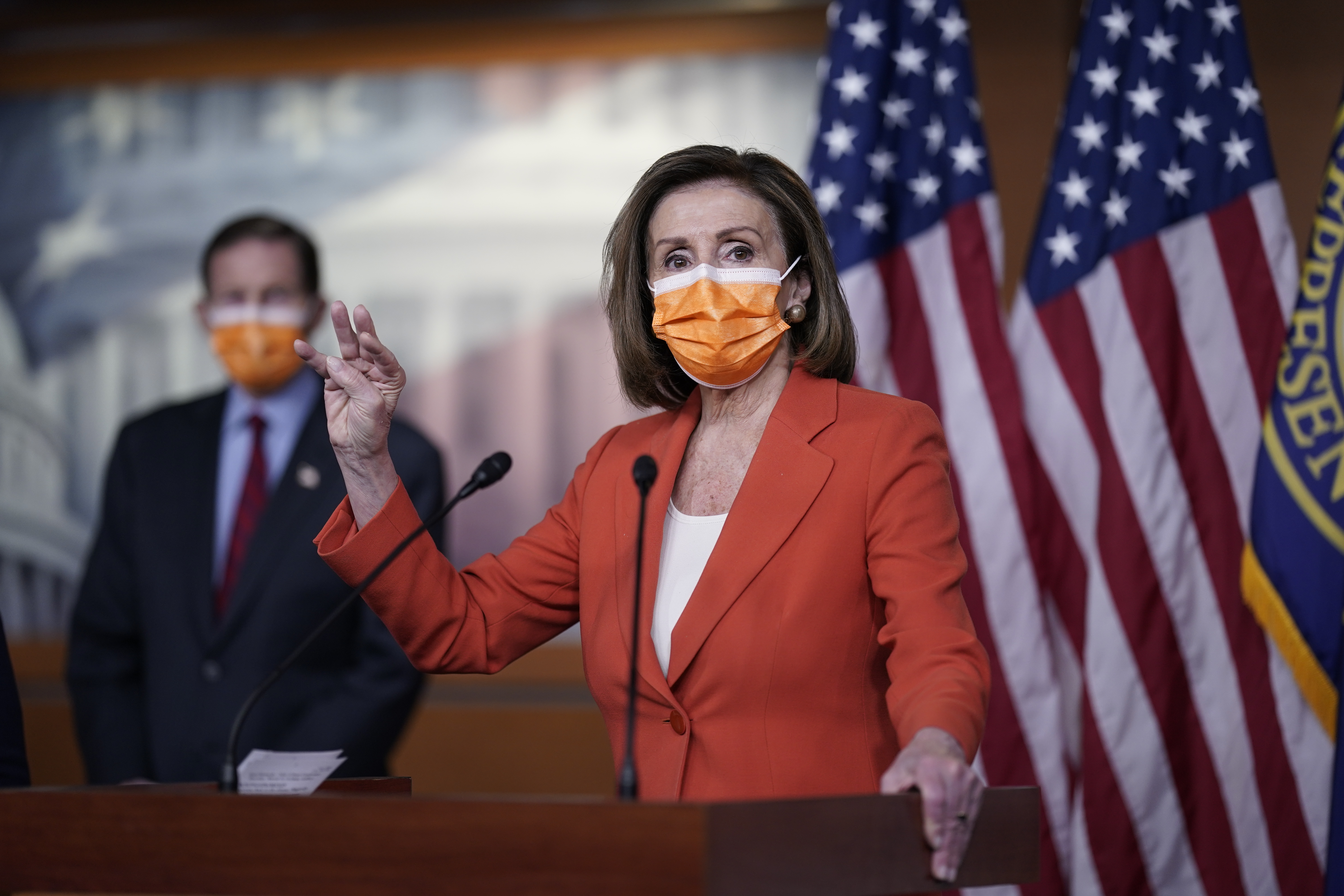
At a speech in February, he said there was no time to wait.
"We owe it to all those we've lost and to all those left behind to grieve to make a change," Biden said as he marked the three-year anniversary of the Parkland school shooting massacre in Florida, which killed 17. "The time to act is now."
The first bill is designed to close loopholes to ensure that background checks are extended to private and online sales that often go undetected, including at gun shows. The legislation includes limited exceptions allowing temporary transfers to prevent imminent harm, for use at a target range and for gifts from family, among others.
The second bill would extend the review period for background checks from three to 10 days. South Carolina Rep. Jim Clyburn, the No. 3 Democrat in the House, introduced the legislation after a shooter killed nine people at a Charleston, S.C., church in 2015. The FBI said a background check examiner never saw the shooter's previous arrest report because the wrong arresting agency was listed in state criminal history records, and the gun dealer was legally permitted to complete the transaction after a deadline of three days.
While the House bills have Republican cosponsors, most of their GOP colleagues are opposed to the changes. During the Wednesday floor debate, Republicans argued that the background checks would not stop most mass shootings and would mistakenly prevent some lawful gun owners from purchasing firearms.
Pennsylvania Rep. Scott Perry said the bill would lead to more crime because there would be "less people out there defending themselves."
READ MORE: US Congress passes landmark $2.5 trillion COVID-19 relief bill
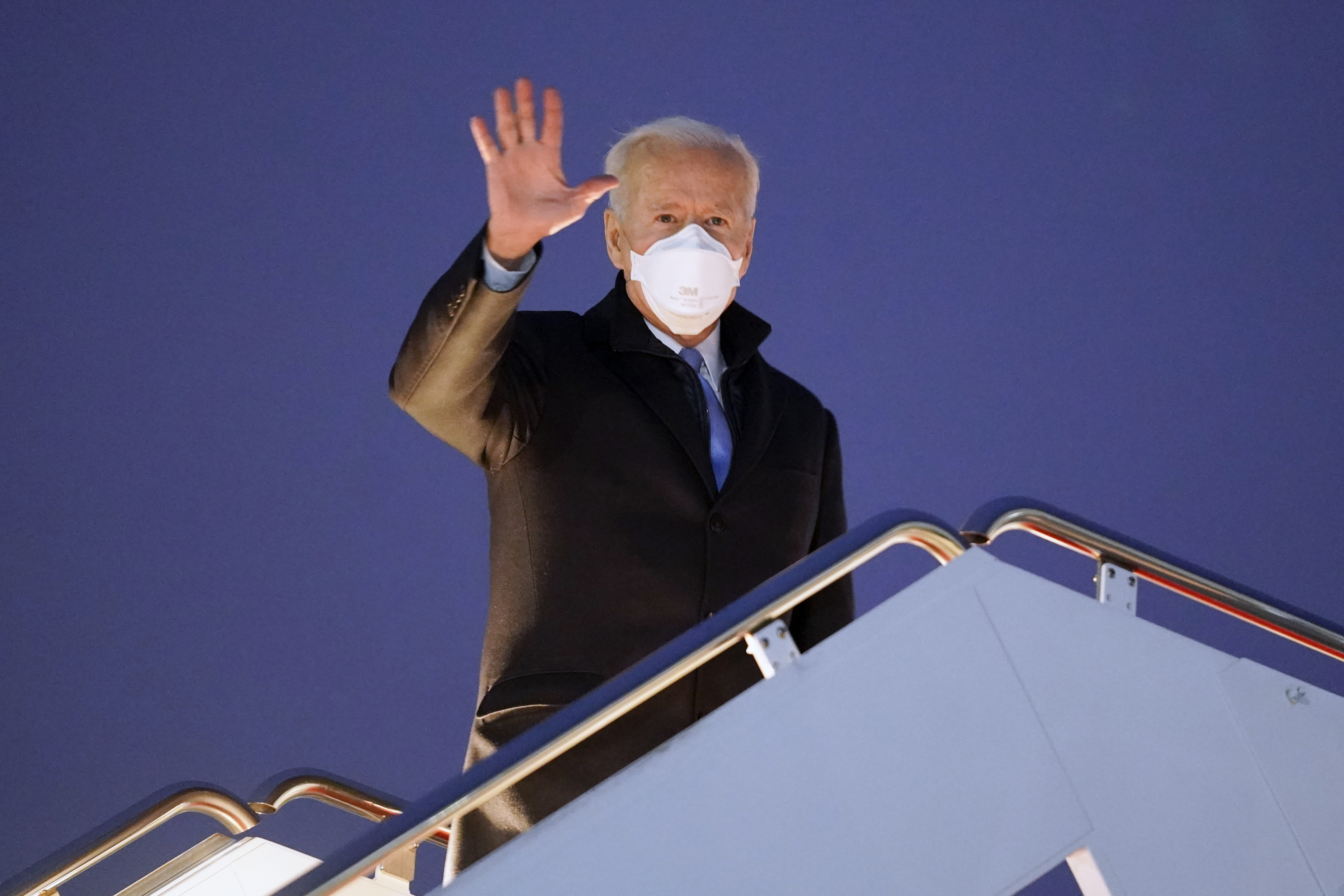
Democratic Sen. Chris Murphy of Connecticut, who has introduced a companion bill expanding background checks in the Senate, said he still believes there could be unity around the gun issue, and that a "growing anti-gun violence movement, made up of both Democrats and Republicans, is demanding change."
But change does not come easy in the Senate as many in the GOP base are still viscerally opposed to any new gun control. Republican Sen. Pat Toomey of Pennsylvania and Democratic Sen. Joe Manchin of West Virginia, a moderate, have worked together for years to find a compromise on background checks but have yet to propose anything that will pass.
Senate Judiciary Committee Chairman Dick Durbin, D-Ill., said this week that his committee plans to have hearings on gun policy in the next several weeks.
Democrats will "test the waters and see what the sentiment is in the Senate," Durbin said.
UK: Prince William Denies Royal Family is Racist
Prince William on Thursday defended Britain’s royal family against accusations of racism made by his brother Prince Harry and sister-in-law Meghan, saying the royals are “very much not a racist family.”
The post UK: Prince William Denies Royal Family is Racist appeared first on The St Kitts Nevis Observer.
BVI, Caymans, Bermuda Tops in Tax Haven Abuse
The British Virgin Islands has topped the list of countries known for enabling the abuse of corporate tax.
The Corporate Tax Index is a ranking of jurisdictions most complicit in helping multinational corporations underpay corporate income tax.
According to the Tax Justice Network: “The Corporate Tax Haven Index thoroughly evaluates each jurisdiction’s tax and financial systems to create a clear picture of the world’s greatest enablers of global corporate tax abuse and highlight the laws and policies that policymakers can amend to reduce their jurisdictions enabling corporate tax abuse.”
Also making it on this years list were the Cayman Islands and Bermuda who ranked second and third respectively.
In the last two years, the BVI recorded a 15 per cent increase in the volume of financial activity from multinational corporations, TJN said this greatly contributed to them topping the tax abuse enablers list as it drastically increased the role the country played in facilitating profit sharing.
In it’s latest report, the Tax Justice Network openly criticised the Organisation for Economic Cooperation and Development saying though global tax laws were set by its members, the OECD and their dependencies are counted among the biggest enablers of global tax abuse.
The United Kingdom is a founding member of the OECD.
Ten British Overseas and two Commonwealth territories were included in the list of 70 tax abuse enablers.
According to the Tax Justice Network’s Corporate Tax Index, the world’s top ten biggest enablers of corporate tax abuse are:
- British Virgin Islands (British Overseas Territory)
- Cayman Islands (British Overseas Territory)
- Bermuda (British Overseas Territory)
- Netherlands
- Switzerland
- Luxembourg
- Hong Kong
- Jersey (British Crown Dependency)
- Singapore
- United Arab Emirates
Other Caribbean countries included on the list are The Bahamas, which ranked number 12; Curacao-29, Turks and Caicos Islands-36, Anguilla-39, Aruba-56 and Montserrat rounded off the list ranked at number 70.
The post BVI, Caymans, Bermuda Tops in Tax Haven Abuse appeared first on The St Kitts Nevis Observer.
Denmark suspends use of AstraZeneca vaccine as precaution
Denmark is suspending the use of the Oxford-AstraZeneca vaccine for two weeks as it investigates reports of some patients developing blood clots after being inoculated, days after several other EU countries suspended use of a specific batch of the vaccine.
Danish Health Minister Magnus Heunicke said Thursday authorities were looking into "signs of a possible serious side effect in the form of fatal blood clots," though he made clear it was a "precautionary measure," saying it was not possible yet to conclude whether the clots were linked to the vaccine.
"We act early. It needs to be thoroughly investigated," he said in a tweet.
READ MORE: Australia facing extended COVID-19 vaccine rollout after delays

The Danish Health Authority also confirmed the suspension in a statement, saying its investigation would include looking into one death in Denmark.
"We are in the middle of the largest and most important vaccination rollout in Danish history. And right now we need all the vaccines we can get," National Board of Health director Søren Brostrøm said in a statement.
"Therefore, putting one of the vaccines on pause is not an easy decision.
"But precisely because we vaccinate so many, we also need to respond with timely care when there is knowledge of possible serious side effects.
"We need to clarify this before we can continue to use the vaccine from AstraZeneca.
"It is important to emphasise that we have not opted out of the AstraZeneca vaccine, but that we are putting it on hold.
"There is good evidence that the vaccine is both safe and effective.
"But both we and the Danish Medicines Agency have to react to reports of possible serious side effects, both from Denmark and other European countries. It shows that the monitoring system works. "
https://twitter.com/Heunicke/status/1369941582196133890
The Danish Medicines Agency said it was working with the European Medicines Agency (EMA) and the other EU pharmaceutical authorities to investigate several reports of blood clotting.
Earlier this week, Austria suspended the use of one specific batch of the AstraZeneca vaccine — batch ABV5300 — after "a person was diagnosed with multiple thrombosis," according to the EMA.
As of Tuesday, Estonia, Lithuania, Luxembourg and Latvia had also suspended use of batch ABV5300.
It has not been specified if the Danish death was connected to this batch.
The EMA said Wednesday there was "currently no indication that vaccination has caused these conditions, which are not listed as side effects with this vaccine."
"Batch ABV5300 was delivered to 17 EU countries and comprises 1 million doses of the vaccine," the EMA said in a statement.
"Some EU countries have also subsequently suspended this batch as a precautionary measure, while a full investigation is ongoing.
"Although a quality defect is considered unlikely at this stage, the batch quality is being investigated."
Australia's vaccine rollout plan
Australia has secured 53.6 million doses of the AstraZeneca vaccine — 50 million of those to be manufactured locally — 20 million doses of Pfizer-BioNTech's shot and 51 million doses of the Novavax jab. Unused doses are to be distributed to regional neighbours.
The Therapeutic Goods Administration has provisionally approved the AstraZeneca and Pfizer vaccines but is yet to grant approval for Novavax.
Italy banned the export of 250,000 doses of the AstraZeneca shot to Australia last week in an effort to protect its national supplies. France said it would also consider banning exports, as concerns of vaccine nationalism rise.
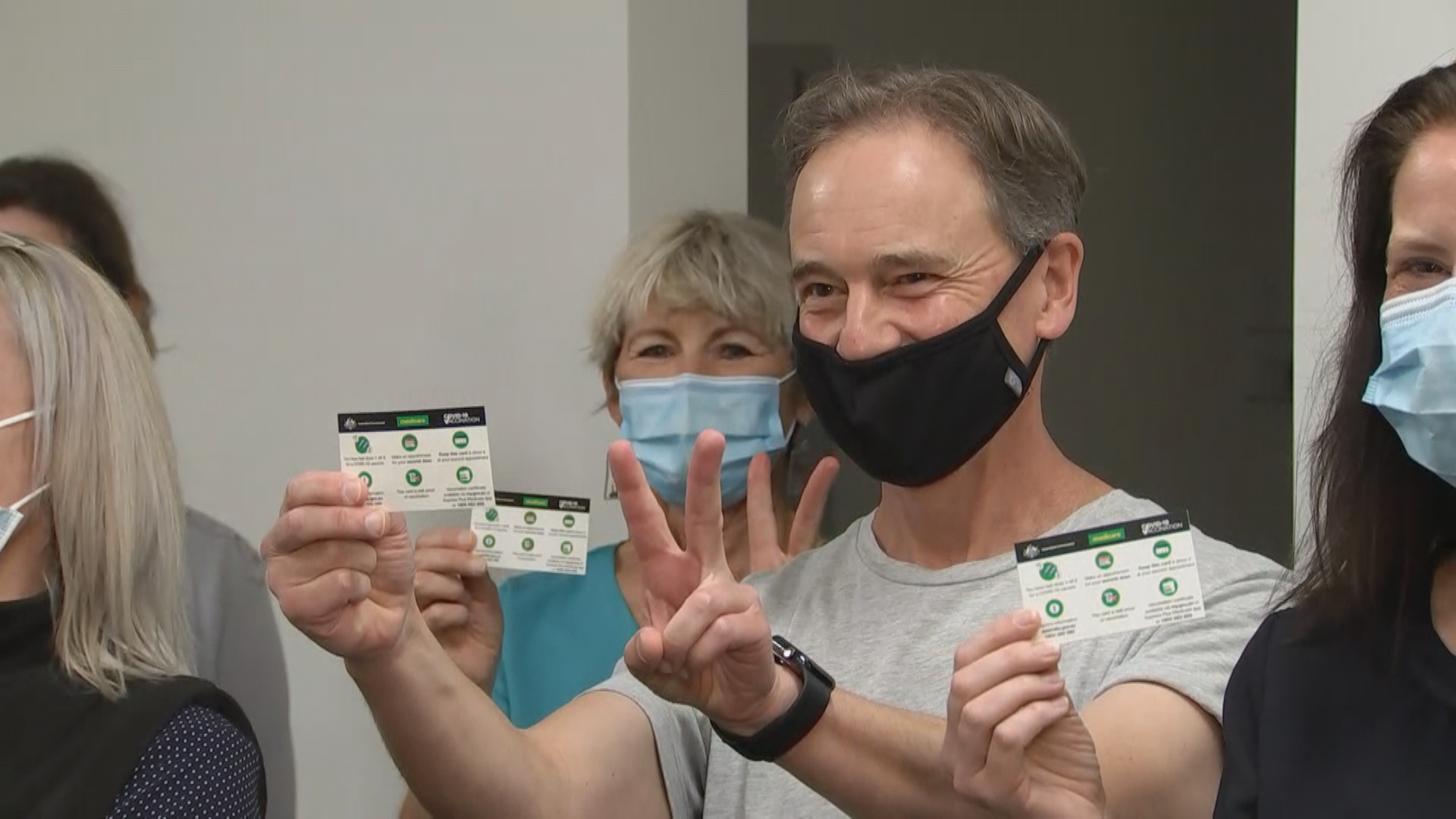
The investigation is the latest trouble in Europe for the British-Swedish drugmaker, which has come under pressure to produce more vaccines after it fell tens of millions of doses short in deliveries to the European Union.
The company has also faced resistance in the bloc, where regulatory bodies in member countries have been slow or hesitated to recommend the vaccine in people over the age of 65, citing a lack of data.
Regulatory bodies in several countries, including Germany and France, have since changed recommendations to include over-65s as real-world data has since shown that the AstraZeneca vaccine is highly effective at preventing hospitalisation in older populations. France limits the shot to people under the age of 74.
Anecdotal reports suggest people in some EU countries, however, are still choosing not to take the AstraZeneca vaccine.
The European Medicines Agency on Thursday (Friday AEDT) authorised Johnson & Johnson's one-dose vaccine, will speed efforts to immunise the world against COVID-19.
High Commissioner of Canada presents Letter of Introduction to Federation
BASSETERRE, St. Kitts — Her Excellency Lilian Chatterjee, High Commissioner of Canada to St. Kitts and Nevis presented her Letter of Introduction to Prime Minister, Dr. the Honourable Timothy Harris, during a virtually ceremony on March 10.
High Commissioner Chatterjee noted that she is proud to be the representative to St. Kitts and Nevis and reflected briefly on the relationship of both countries. She pointed out that “St. Kitts and Nevis and Canada share a history of friendship that is strong and abiding.
“Our two countries enjoy warm relations based on people-to-people ties and we share the distinction of both being colonized by the British and the French,” said HE Chatterjee. “Canada will stand with St. Kitts and Nevis and CARICOM in fighting the pandemic to overcome the negative impact of COVID-19 globally.
“As a community of nations, we must look to build back better, building in more resilience into the international financial system and more justice and equity for small island states,” she said. “The crisis has exposed the fragility of global value chains and inequity of market access including access to central goods like personal protective equipment and lately, vaccines. We must tackle these challenges as friends, partners and neighbours.”
H.E. Chatterjee added that Canada and St. Kitts and Nevis will continue to work together in other areas to strengthen relations.
“We will continue to work together sharing experiences and technical expertise in public financial management, gender equality, justice sector reform, customs and security cooperation,” said the high commissioner. “We are making substantial investments in the capital of the Caribbean Development Bank. I am confident that Canada and St. Kitts and Nevis will continue to work together as friends towards a more prosperous, safe and secure hemisphere.”
Prime Minister Harris welcomed H.E. Chatterjee adding that the government looks forward to working closely with her.
Also commenting on COVID-19 impacts on the Caribbean, Dr. Harris noted that the pandemic “significantly undermined economies.” He noted that St. Kitts and Nevis continues to find ways to stimulate the economy and welcomes assistance from Canada.
“We are seeking Canada’s support as a good friend, as a country with which we have had very healthy relations, a country that we believe share the same values and a country to which our people have… been making significant contributions there,” said Dr. Harris.
Dr. Harris reiterated that St. Kitts and Nevis and Canada share a “strong belief in democracy, rule of law, of course, in the free enterprise system” while stating that the Federation looks forward to continued bilateral relations with Canada as both countries work together for the greater good.
The post High Commissioner of Canada presents Letter of Introduction to Federation appeared first on The St Kitts Nevis Observer.