Category Archives: headline

EU’s Slow Vaccine Plan Has Austria, Denmark Joining Israel in Producing Jabs


FILE PHOTO: A healthcare worker hands over doses of the Pfizer-BioNTech COVID-19 vaccine to a doctor at Messe Wien Congress Center, which has been set up as coronavirus disease vaccination centre, in Vienna, Austria February 7, 2021. REUTERS/Lisi Niesner

VIENNA/COPENHAGEN (Reuters) – Austria and Denmark, chafing at the slow rollout of COVID-19 vaccines within the European Union, have joined forces with Israel to produce second- generation vaccines against mutations of the coronavirus.

The move by the two EU member states comes amid rising anger over delays in ordering, approving and distributing vaccines that have left the 27-member bloc trailing far behind Israel’s world-beating vaccination campaign.

Austrian Chancellor Sebastian Kurz said it was right that the EU procures vaccines for its member states but the European Medicines Agency (EMA) had been too slow to approve them and lambasted pharmaceutical companies’ supply bottlenecks.

“We must therefore prepare for further mutations and should no longer be dependent only on the EU for the production of second-generation vaccines,” the conservative chancellor said in a statement on Tuesday.

Danish Prime Minister Danish Mette Frederiksen was also critical of the EU’s vaccine program.

“I don’t think it can stand alone, because we need to increase capacity. That is why we are now fortunate to start a partnership with Israel,” she told reporters on Monday.

When asked whether Denmark and Austria wanted to take unilateral action in obtaining vaccines, Frederiksen said: “You can call it that.”

The European Commission said member states were free to strike separate deals should they wish to. “It’s not that the strategy unravelled or it goes against the strategy, not at all,” spokesman Stefan de Keersmaecker said.

An EMA spokeswoman did not have an immediate comment.

FIRST MOVERS?

Kurz and Frederiksen are due to travel to Israel this week to see Israel’s rapid vaccine roll-out up close.

Israel, which was quick to sign contracts for and to approve vaccines from U.S. drug makers Pfizer and Moderna, has given 94 doses per 100 people and the EU just seven, according to monitoring by Our World in Data.

Prime Minister Benjamin Netanyahu, who has made the campaign a showcase of his bid for re-election on March 23, has spoken of “an international corporation for manufacturing vaccines”.

None of the three countries has significant vaccine making capacity, however, raising questions over how realistic their ambitions are to gain greater self-sufficiency.

A growing number of EU countries have placed side orders for vaccines from Russia and China, even though the EMA has yet to rule on whether they are both safe and effective.

Slovakia said on Monday it had ordered 2 million doses of Russia’s Sputnik V vaccine and expects half to arrive this month to help it end a surge in infections.

The neighbouring Czech Republic – tackling the worst COVID-19 outbreak of any EU country – is also considering ordering Russia’s Sputnik V.

Hungary, meanwhile, has taken delivery of a vaccine developed by China’s Sinopharm, with Prime Minister Viktor Orban announcing on Sunday that he had received the shot.

The three vaccines so far cleared for use in the EU, made by Pfizer and German partner BioNTech, Moderna and AstraZeneca, rely on production in countries including Germany, Britain, Switzerland, Belgium and the Netherlands.

Kurz said Austria and Denmark would work with Israel on vaccine production against mutations of the coronavirus and jointly research treatment options in an alliance called the First Movers Group.

The initiative, which seeks greater protection against future pandemics in addition to joint EU vaccine supply, follows Germany’s decision last month to set up a task force to address supply bottlenecks and boost local manufacturing.

Kurz invited pharmaceutical companies with a local presence including Pfizer, Valneva, Novartis, Polymun and Boehringer Ingelheim on Tuesday to discuss the new initiative.

Pfizer, which declined comment for this story, has said it will make 2 billion doses this year – 70% of them in the EU – and has conducted extensive research into their effectiveness against coronavirus variants.

A spokesman for Boehringer Ingelheim said its focus was not on human vaccines “but if we receive requests we will of course look into them.”

(Additional reporting by Gabriela Baczynska in Brussels, Ludwig Burger in Frankfurt and Robert Muller and Jason Hovet in Prague; Writing by Douglas Busvine and Caroline Copley; Editing by Philippa Fletcher)

FRANCE OPPOSES THE MOVES

France has criticised a push by Austria and Denmark to coordinate with Israel on developing new Covid-19 jabs, as EU unity frays even further over its troubled vaccine rollout, Agence France-Presse (AFP) reports. It says:

The Austrian chancellor Sebastian Kurz announced the Israeli partnership on Monday, saying the European Medicines Agency (EMA) was “too slow in approving vaccines” leaving the bloc vulnerable to supply bottlenecks at pharmaceutical companies.

But France’s foreign ministry defended the agency and insisted that “the most effective solution for meeting our vaccination needs must remain within a European framework”.

“This is what guarantees the solidarity among member states that is more essential than ever,” it said on Wednesday.

European officials are under pressure to step up vaccination drives that have lagged behind those of other countries, including Israel and Britain, which approved coronavirus vaccines several weeks before the EMA.

“We should not be solely dependent on the EU any more,” Kurz said ahead of a trip to Israel with his Danish counterpart Mette Frederiksen on Thursday to agree on common production of future vaccines and cooperation on research.

Austria’s neighbours Slovakia, Hungary and the Czech Republic have already bypassed the EMA to approve Russian and Chinese coronavirus vaccines.

France’s Foreign Minister Jean-Yves Le Drian acknowledged “significant” shortcomings in the EU’s vaccination policies on Wednesday, but criticised what he called “attempts at secession”.

European nations should instead pool their resources to increase vaccine production capacity in Europe, “something we are in the process of doing”, the ministry said in its statement.

“The approval process for the European market has also been reviewed, with the introduction of ‘emergency procedures’ for vaccines targeting new variants,” it added.

=============================================

US CATHOLICS TOLD TO AVOID jOHNSON & JOHNSON VACCINE

The U.S. Conference of Catholic Bishops—the official group representing the church in the U.S.—urged Catholics Tuesday to avoid taking the one-shot Johnson & Johnson vaccine if other options are available, saying the J&J vaccine “raises questions about the moral permissibility”—even though Johnson & Johnson has stated it did not use fetal tissues in its vaccine.
KEY FACTS

The directive says the Johnson & Johnson vaccine should be avoided since it was “developed, tested and is produced with abortion-derived cell lines.”

In a statement to Forbes, Johnson & Johnson said “there is no fetal tissue” in its vaccine, adding the company used an “engineered cell-line system that enables the rapid production of new viral vaccines to combat many of the most dangerous infectious diseases,” though it did not offer further specifics on its process.

Pfizer and Moderna, on the other hand, did not use aborion-derived cell lines in production, Archbishop Joseph F. Naumann of Kansas City in Kansas—chairman of the USCCB’s Committee on Pro-Life Activities—said in a statement.

The J&J vaccine was approved for U.S. use on Saturday, and has been touted as a major step in vaccinating the population since the vaccine only requires one shot, while the other two approved so far both require two doses.

The statement from the U.S. Conference of Catholic Bishops is the most significant opposition the J&J vaccine has coming from an official body of the Catholic church, and follows a well-publicized statement last week from the New Orleans Archdiocese.

The Vatican released a statement in December after questions were raised over vaccine ethics, in which it asserted “it is morally acceptable to receive Covid-19 vaccines that have used cell lines from aborted fetuses” in cases where “ethically irreproachable Covid-19 vaccines are not available.”

CRUCIAL QUOTE

“If one can choose among equally safe and effective COVID-19 vaccines, the vaccine with the least connection to abortion-derived cell lines should be chosen,” Naumann said. “Therefore, if one has the ability to choose a vaccine, Pfizer or Moderna’s vaccines should be chosen over Johnson & Johnson’s.”

CHIEF CRITIC

President Joe Biden, also known for his strong Catholic faith and being only the second-ever Catholic president, praised the vaccine’s approval over the weekend, calling it “exciting news for all Americans.”

KEY BACKGROUND

The Vatican made its statement in December after citing “diverse and sometimes conflicting pronouncements in the mass media by bishops, Catholic associations, and experts” when it came to vaccine ethics, especially given that there has also been concern around Pfizer and Moderna’s development practices. One week before the Vatican released its statement, the U.S. Conference of Bishops said Pfizer and Moderna vaccines came from a “remote connection to morally compromised cell lines,” while saying a potential vaccine from AstraZeneca was “more morally compromised” when it came to abortion.

==================================================

EU countries to approve Russian vaccine – Moscow

UK PLAN

We will have a fast-track approach to safely approving future vaccines that work against a variant of Covid-19.

The vaccine programme has clearly been a huge UK success story, and part of the reason that we have been able to develop the vaccines so far so quickly is because of the MHRA’s rigorous yet flexible approach, which has been based entirely on looking as quickly as possible at the safety and efficacy of vaccines.

I’m delighted that they’re taking that same principled approach to the approval process for vaccines that may work against variants.

The MHRA’s chief executive Dr June Raine said there’s no evidence current vaccines are lacking effectiveness against known variants.
Since December last year, we have all been concerned about the appearance of variants – Kent, South Africa, more recently Brazil – and, therefore, we’re well-prepared to look at, when it’s needed, updates to ensure the vaccines being used in citizens are fully effective.
Our goal is to ensure that the vaccine modifications in future that respond to the new variants can be available in the shortest possible time but without compromising in any way on safety, on quality and on effectiveness.
What I would emphasise at the outset is that we don’t have evidence at the moment that the vaccines in use in the UK are significantly lacking in effectiveness but we are now well-prepared.

The post EU’s Slow Vaccine Plan Has Austria, Denmark Joining Israel in Producing Jabs appeared first on The St Kitts Nevis Observer.

Corona Effect: Latin American, Caribbean Kids Lead World in Lost School Days

It has now been nearly a year since 4-year-old Sebastián García stepped into a classroom.

When the pandemic forced schools in Colombia’s capital to close last March, his kindergarten teacher tried to keep up with lessons through a once-a-week phone call. Later, the school began offering instruction through Zoom. But for the last two months, his mother has heard nothing from the school.

“The teacher told me to check periodically when the school was reopening,” said his mother, Lorena Mora, a manicurist living in Bogota. “But I haven’t heard anything up until today.”

A new study released Wednesday by UNICEF concludes what many in Latin America and the Caribbean have suspected: Children in the region have lost out on more schooling during the pandemic than any other area across the globe. In all, almost 60% of children worldwide who have lost an entire year of school are in Latin America. On average, schools in the region have been fully closed for 158 days.

“Children here have been out of the classroom longer than any other child in the world,” said Jean Gough, UNICEF’s regional director for Latin America and the Caribbean. “In many parts of the world, schools are the first to reopen and the last to close. But in Latin America and the Caribbean, schools are often the last to open and the first to close”.

The impact could be felt for years to come, the U.N. agency warns, noting that keeping schools closed can have devastating consequences not just in children’s learning, but also in developing social skills, overall wellbeing, and psycho-emotional development. The most disadvantaged – those with no access to online learning – are at a higher risk of never returning to school and entering the workforce instead.

“When schools are not open, children cannot develop transferable skills, such as the ability to work in a team, to communicate, to have empathy, to respect diversity and other key skills for active citizenship,” said Margarete Sachs-Israel, regional education advisor for UNICEF.

María Fuentes, a child psychologist at a primary school in Mexico City, has seen first hand how the reliance on online learning is impacting young children. Mexico has the fourth highest total number of COVID-19 numbers in Latin America, according to John Hopkins University. The Secretary of Public Education launched a distance education program during the pandemic that offers educational content on television certain days of the week.

“Unfortunately there is an increase in anxiety and stress levels in children,” Fuentes said. “We have little kids with difficulties expressing and managing their emotions in a functional way.”

In schools that have begun reopening, educators say they are already seeing the impact of a year away from class. Sara Fonseca, a preschool teacher based in Bogota, says being at home shielded many children from developing skills like independent decision-making and learning how to treat others.

“Socialization has become very difficult for the children,” she said. “Homes are generally more controlled environments because they have their parents close by and interact with very few people.”

Several studies indicate the pandemic has also deepened already steep levels of inequality in education. Children from lower-income families are often unable to access remote learning and public schools do not have the infrastructure and resources to reopen immediately in a safe way.

In Latin America and the Caribbean, schools are also often the place where children have access to their most nutritious meals. The school where Mora’s son used to attend classes sent them a small bag of groceries once a month to compensate for the meals he was not getting at school last year.

“It included one pound of rice, grains, powder milk, oil, pasta, eggs,” Mora said. “But this was last year. Since we have had no notice of the school’s reopening, we have not gotten the groceries in 2021.”

Sachs-Israel estimates there are 85 million children that do not have access to school and might be at risk for malnutrition. But there are other risks children in the region face. Another U.N. study found that more than 300,000 children and adolescents in the region could be forced to work.

“We know from other crises, like Ebola, that there’s a high risk of students dropping out,” she said. “Our projections show there is a risk of 3.1 million students dropping out permanently in Latin America and the Caribbean.”

Latin America and the Caribbean is known to be the most unequal region in the world along with Sub-Saharan Africa. The pandemic has further deepened these gaps. According to UNICEF, children from indigenous groups, those with disabilities, kids from remote areas, poor families, and girls are at a higher risk. Girls are also at risk of becoming victims of sexual abuse, a problem that has already increased and will further increase the longer schools are closed.

UNICEF acknowledged the decision and efforts made by several governments in Latin America and the Caribbean to the reopening of schools. Countries like Uruguay, which had gradual reopenings last year, starting with rural schools and ending with schools in Montevideo, could set an example of proper procedure in the region, the U.N. said. UNICEF is calling on other governments in the region to prioritize reopening.

Bogota’s mayor announced in February that schools 400 public schools in the city would reopen by April.

“This is a return to a new school,” Mayor Claudia Lopez said, describing safety precuations like mask wearing, hand washing stations and social distancing that will be employed. “A better school.”

In the meantime, Lorena Mora and young Sebastián wait to hear back from their kindergarten. Sebastián plays at home where he is taken care of by his grandmother and a trustworthy neighbor.

“I don’t know if I should start looking for another school,” Mora said. “Because it’s been two months without any news.”

The post Corona Effect: Latin American, Caribbean Kids Lead World in Lost School Days appeared first on The St Kitts Nevis Observer.
Health worker hospitalised after reaction to COVID vaccine

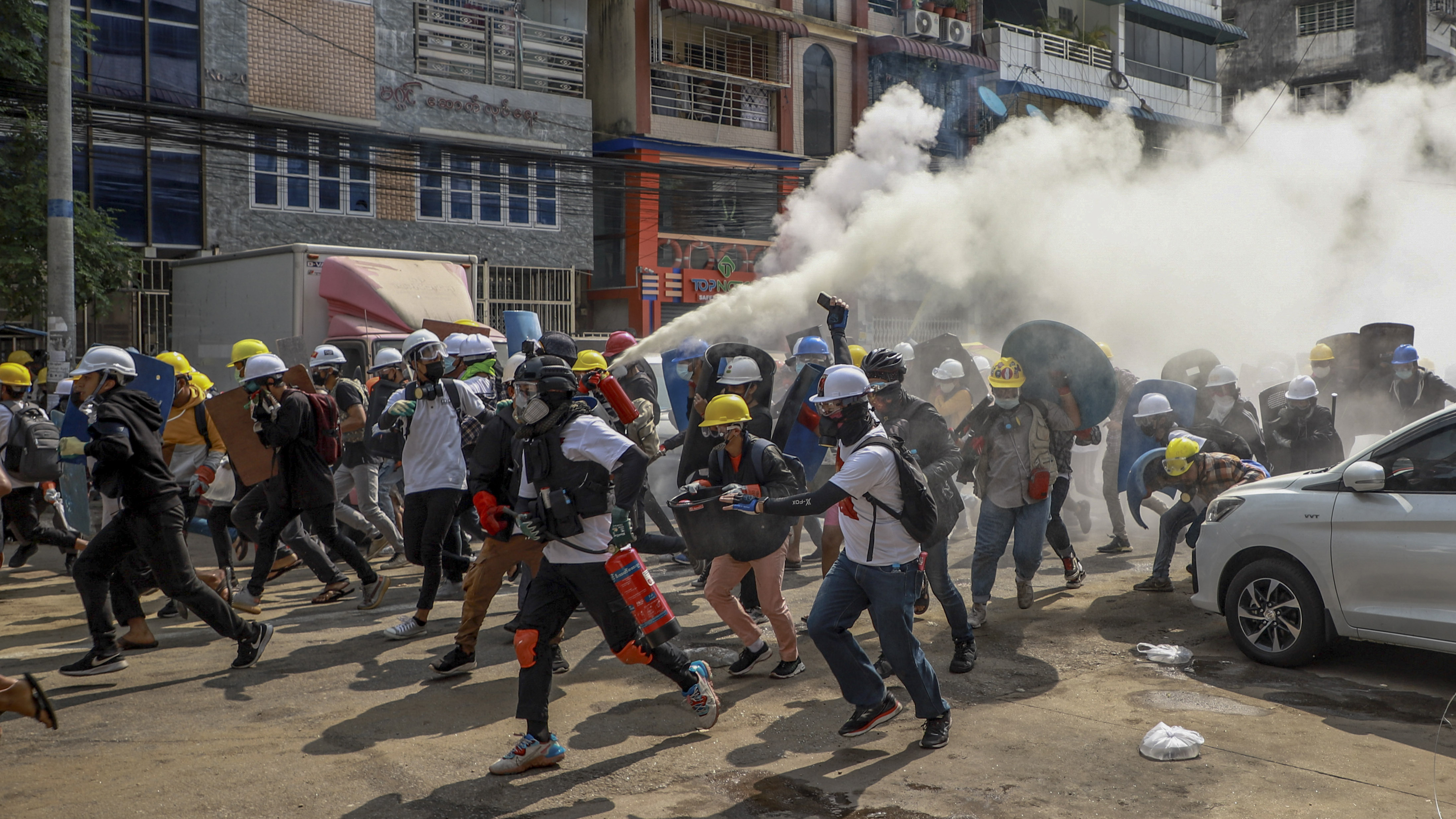
A Gold Coast health worker was hospitalised after having an adverse reaction to the COVID-19 vaccine.

The person had an anaphylactic reaction when they were given the Pfizer vaccine at Gold Coast University Hospital today.

READ MORE: Queensland slowest in Australia to administer COVID-19 vaccine

vaccine

A Gold Coast Health spokesperson confirmed the person has a history of anaphylaxis and recovered quickly from the reaction.

"The response was prompt and effective and the patient received the appropriate treatment and has since recovered," they said.

"Anaphylaxis has been identified as a possible side effect from any vaccination. Staff are well prepared for this and stringent processes are in place to manage such reactions."

They confirmed the worker received the appropriate treatment and has since recovered.

Not the first reaction to the COVID-19 vaccine

Health authorities have assured the COVID-19 vaccine is safe and effective and will protect you from the virus.

Gold Coast Health advise that you must not get a COVID-19 vaccine if you have had a severe allergic reaction to a previous dose of the same COVID-19 vaccine or any kind of anaphylaxis after exposure to any ingredient of the vaccine.

"All vaccines given in Australia have passed tests to prove they are safe and work well," they confirmed.

While this is believed to be the first case of an Australian having an adverse reaction to an approved coronavirus vaccine, there have been other incidents internationally.

READ MORE: 'No serious concerns' for newly approved COVID-19 vaccine

Coronavirus: Americans hesitant to take vaccine after allergic reaction

In December, UK regulators were tasked with investigating two incidents of allergic reactions to the Pfizer vaccine on the first day it was approved for a mass rollout.

The two affected people were staff members with the National Health Service who had a history of allergies, however they both recovered immediately from their symptoms.

"As is common with new vaccines it is advised on a precautionary basis that people with a significant history of allergic reactions do not receive this vaccination after two people with a history of significant allergic reactions responded adversely,'' Professor Stephen Powis, medical director for the NHS in England, said in a statement.

Two Alaskan healthcare workers were among six Americans who also experienced allergic reactions to the Pfizer vaccine in the first days of its release, being hospitalised immediately after receiving it in December.

‘Would-be’ Haitian President Gets 5 Years in US Prison for Gun Running

Sgt. Jacques Duroseau, a competitor with the Marine Corps Shooting Team, jumps over a four-foot wall during a 2016 competition. He will spend more than 5 years in prison for smuggling weapons to his native Haiti. Defense Media Activity

As a young boy in Haiti, Jacques Duroseau witnessed two coup-d’etats by the time he turned 9, enduring a childhood scarred by poverty, hurricanes and earthquakes.

In 1994, he watched American troops roll through his neighborhood “and take on the criminals, thugs and cartels,” federal court documents said. Seeing them, he found his life’s ambition: Join the Marines.

But on Tuesday, Duroseau learned he will spend more than five years in prison for smuggling guns and military equipment into his native country, much of the weaponry purchased in Jacksonville around Camp Lejuene.

The ex-Marine stood before U.S. District Court Judge James C. Dever in Raleigh and recited a speech from Ethiopian Emperor Haile Selassie, best known as the lyrics to the Bob Marley song “War.”

And Duroseau vowed to continue his struggle.

“I see positivity even in the shadow of darkness,” he said, adding later, “I fight for the poor man. The ones that don’t have any voice.”

Boxes and suitcases full of guns

In 2019, Duroseau and an unidentified accomplice came to the airport in New Bern, checking three suitcases and three plastic boxes full of guns and ammunition, declaring them before boarding the plane, according to Duroseau’s indictment.

Customs agents in Haiti found eight guns in his luggage, including a Ruger model Precision Rifle 300WIN MAG and a Spike’s Tactical model ST15. He also carried body armor, optic scopes and other equipment. Navy investigators found receipts from a Jacksonville gun shop in Duroseau’s trash.

He was not authorized to leave the United States while still a Marine, nor could he legally export the guns, his indictment said. Former U.S. Attorney Robert Higdon Jr. said last year that Duroseau’s intent was to train the Haitian Army and engage in foreign combat.

WANTED TO BE PRESIDENT OF HAITI

“One of his statements was he wanted to be president of Haiti,” said Assistant U.S. Attorney Sebastian Kielmanovich, recalling Duroseau’s December trial. With such significant weapons, he added, “It’s not for self-defense. It’s to kill people.”

Duroseau boarded the flight and traveled through Charlotte and Miami to Haiti, The Miami Herald previously reported. In Haiti, Duroseau was met by someone whose role was to “expeditiously move Mr. Duroseau through the airport and customs process and to help him with his bags as he checked through that process,” Naval investigators said.

In December 2019, Duroseau was returned to North Carolina. A federal judge ordered that he be detained until trial, citing the weight of evidence against him, his “significant ties outside the United States” and the “erratic behavior leading to his arrest,” court filings show. Jurors convicted him on five counts in December.

Duroseau reportedly became agitated when he was asked to fill out a customs declaration form, resulting in an altercation with a Haitian police officer.

“From the reports we received, it appears that he actually slapped a Haitian police officer, which drew the attention of further Haitian officers and that once again led to him being detained and a secondary inspection being conducted,” Naval investigators said.

2613562.jpg
Sgt. Jacques Yves Duroseau photographed in 2016 competing with the the Marine Corps Shooting Team. He will spend more than 5 years in prison for smuggling weapons to his native Haiti. Sgt. Terence Brady Defense Media Activity – Marines

Defense cites brain injury

At his sentencing hearing Tuesday, federal public defender Edward Gray said Duroseau only meant to help his country’s neediest people and had no intention of overthrowing its government.

Gray noted Duroseau’s Marine service, for which he earned multiple honors, and noted that Duroseau earned his citizenship while fighting in Afghanistan. He also suffered a traumatic brain injury there, adding to post-traumatic stress already troubling him since childhood.

Before going to Haiti, Gray said, Duroseau sought a meeting with its ambassador and was instructed to “stay in his lane” by superior officers.

“It was tough for him to just sit there and say, ‘This is something I need to ignore,’ “ Gray said.

Dever declined to sentence Duroseau outside of advisory federal guidelines, giving him 63 months in federal prison but also ordering mental health treatment and job training. But he said the defendant’s sentence should not be reduced because of his military service, mental health issues or desire to right wrongs in his native country.

“There’s a proper way to do that,” Dever said, “and this is not one of those proper ways.”

Before federal marshals escorted him out, Duroseau gave a second statement in a halting voice. He recalled being sent back to the United States, when a correctional officer in Haiti told him, “When they are done with you, you can come back to us. We know why you did what you did.”

McClatchy journalist Hayley Fowler contributed to this story.

The post ‘Would-be’ Haitian President Gets 5 Years in US Prison for Gun Running appeared first on The St Kitts Nevis Observer.
New York Governor Won’t Resign Over Sex Allegations

New York Gov. Andrew Cuomo (D) on Wednesday said that he will not resign despite growing pressure to do so after three women leveled sexual harassment allegations against him.

“Some politicians will always play politics. That’s the nature of the beast. I don’t think today is a day for politics. I wasn’t elected by politicians, I was elected by the people of the state of New York. I’m not going to resign. I work for the people of the state of New York, they elected me, and I’m going to serve the people of the state of New York,” Cuomo said at a press conference.

The defiant stance comes as pressure mounts on him to leave office over the allegations, as well as over complaints about his handling of the coronavirus pandemic in nursing homes last year.

Three women have accused Cuomo of inappropriate behavior. One former employee said he kissed her without permission. Another aide accused him of asking inappropriate questions about her sex life. A third woman said he made unwanted sexual advances at a wedding.

Letitia James, New York’s Democratic attorney general, has opened up an independent investigation into the claims.

During the press conference, which marked the governor’s first public appearance since the sexual harassment allegations surfaced, he adopted an apologetic tone but maintained he never touched anyone “inappropriately.”

“First, I fully support a woman’s right to come forward. And I think it should be encouraged in every way. I now understand that I acted in a way that made people feel uncomfortable. It was unintentional, and I truly and deeply apologize for it. I feel awful about it, and frankly, I am embarrassed by it. And that’s not easy to say. But that’s the truth,” Cuomo said.

“But this is what I want you to know, and I want you to know this from me directly. I never touched anyone inappropriately. I never touched anyone inappropriately. I never knew at the time that I was making anyone feel uncomfortable. I never knew at the time I was making anyone feel uncomfortable. And I certainly never ever meant to offend anyone or hurt anyone or cause anyone any pain,” he added.

NY Gov. Andrew Cuomo apologizes for acting “in a way that made people feel uncomfortable” but denies that he touched anyone inappropriately pic.twitter.com/CzYhhGB0rb

When asked about the allegations brought by Anna Ruch, who said Cuomo put his hand on her lower back at a wedding reception before moving it to her cheeks and asking if he could kiss her, the governor chalked up her remarks to his penchant for hugging people he meets.

“I understand the opinion and feelings of Ms. Ruch, and you’re right, you can find hundreds of pictures of me making the same gesture with hundreds of people. Women, men, children, etc. You can go find hundreds of pictures of me kissing people, men, women. It is my usual and customary way of greeting,” he said.

Cuomo had already committed to cooperating with James’s inquiry and called on New Yorkers to await the release of her report before making any judgements.

“I ask the people of this state to wait for the facts from the attorney general’s report before forming an opinion. Get the facts, please, before forming an opinion. And the attorney general is doing that review, I will fully cooperate with it, and then you will have the facts, and make a decision when you know the facts,” he said.

Cuomo’s remarks were swiftly met with pushback by a lawyer for Charlotte Bennett, the accuser who said Cuomo asked her inappropriate questions about her sex life.

“The Governor’s press conference was full of falsehoods and inaccurate information, and New Yorkers deserve better,” attorney Debra Katz said in a statement. “The Governor repeatedly said he never touched anyone inappropriately. Ms. Ruch’s story makes clear that’s not accurate. The Governor repeatedly said he had no idea he made anyone uncomfortable. My client, Charlotte Bennett, reported his sexually harassing behavior immediately to his Chief of Staff and Chief Counsel.”

Besides the allegations from Ruch, Bennett and Lindsey Boylan, Cuomo is also facing fierce backlash over the revelation that his office undercounted the number of coronavirus deaths in New York nursing homes. As a result, state lawmakers voted to strip him of emergency powers that were granted to fight the pandemic.

Rep. Kathleen Rice on Monday became the first Democratic member of Congress from New York to urge Cuomo to quit, though a few Democratic state lawmakers had already indicated their desire for Cuomo’s ouster.

“I firmly believe that the governor’s resignation is for the good of the state at this point,” state Assemblyman Angelo Santabarbara (D) told The Hill on Monday. “He’s finally getting the hint that he’s not going to get away with this.”

Similar calls only grew Tuesday, when six state legislators aligned with democratic socialists and the Working Families Party said Cuomo should resign.

The dual controversies have taken a toll on Cuomo’s standing in New York. An Emerson College/WPIX-TV/NewsNation poll released Tuesday found that 64 percent of state voters surveyed said Cuomo should not be reelected in next year’s election. In a blaring warning sign for Cuomo, 48 percent of Democrats said he did not deserve another term.

Cuomo’s diminished standing could decrease his negotiating power in what are expected to be tense budget talks with the state legislature. However, the governor said Wednesday that he is confident he’ll still be able to work with lawmakers in Albany.

“I’m going to cooperate with the attorney general’s investigation and do the budget,” he said. “We did a budget last year in the spring in the heat of COVID, where it was the most intense period of my life, of this government’s life, of this state’s life, and we did both, and we’ll do both here.”

The post New York Governor Won’t Resign Over Sex Allegations appeared first on The St Kitts Nevis Observer.
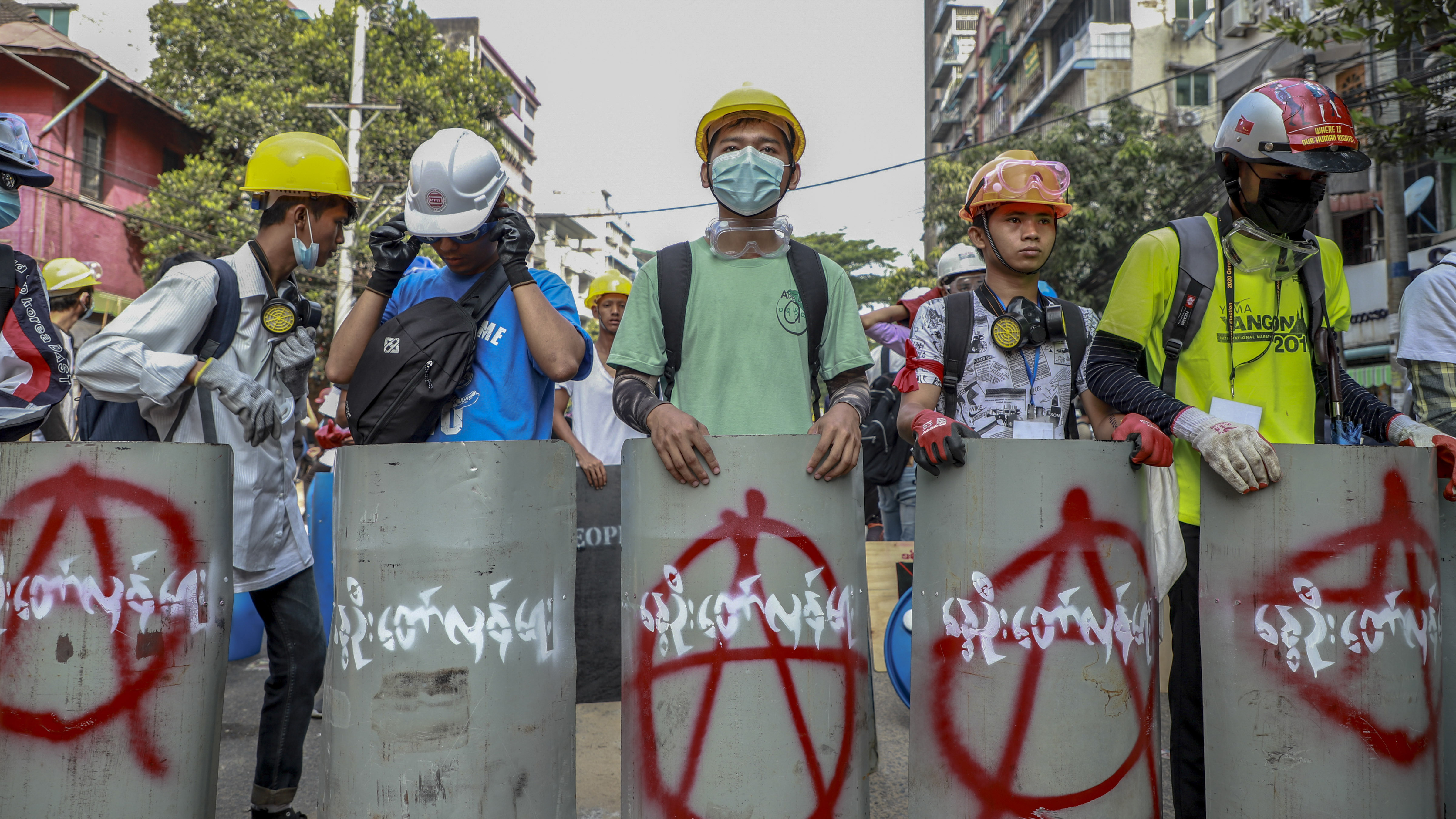
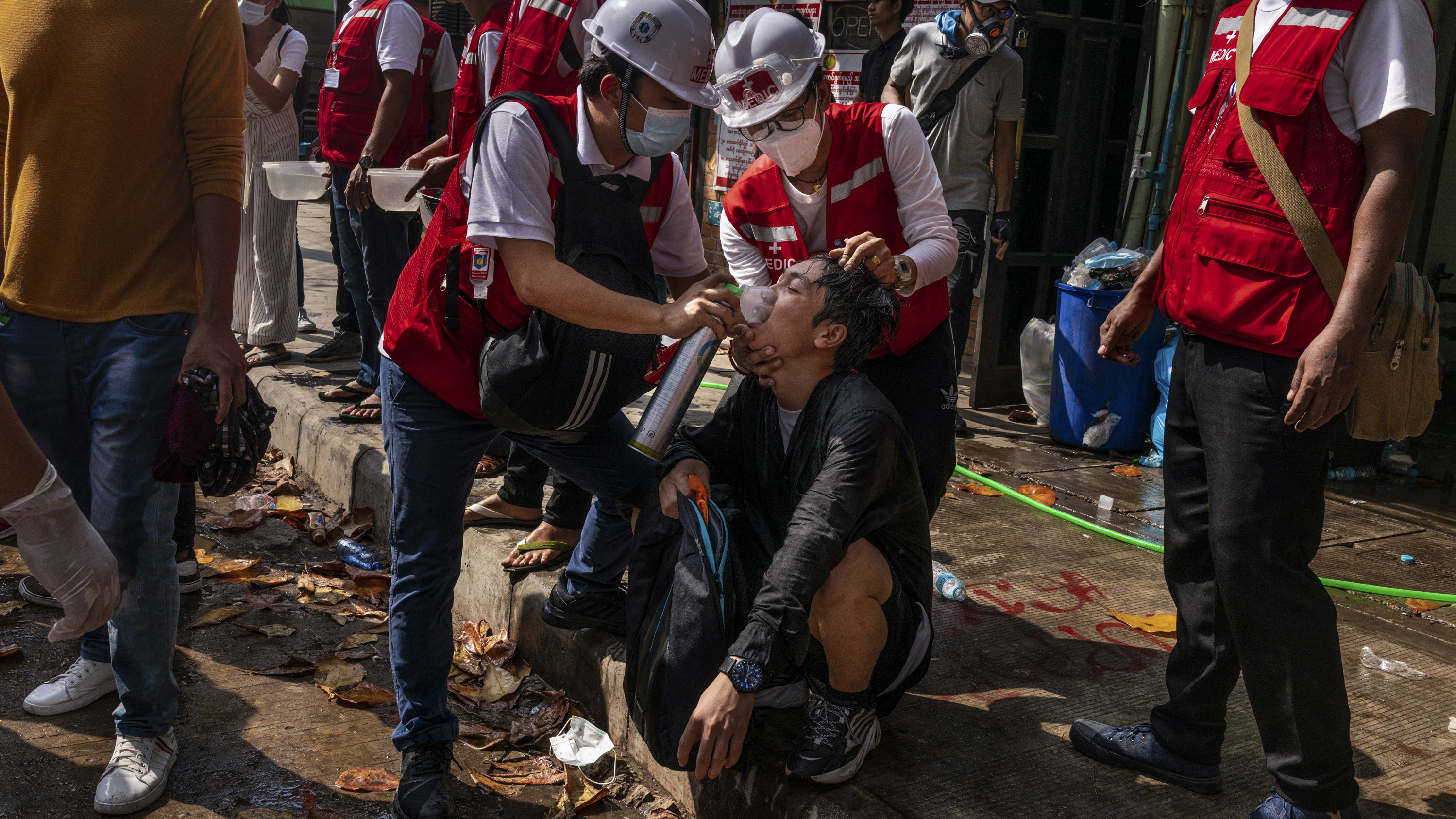
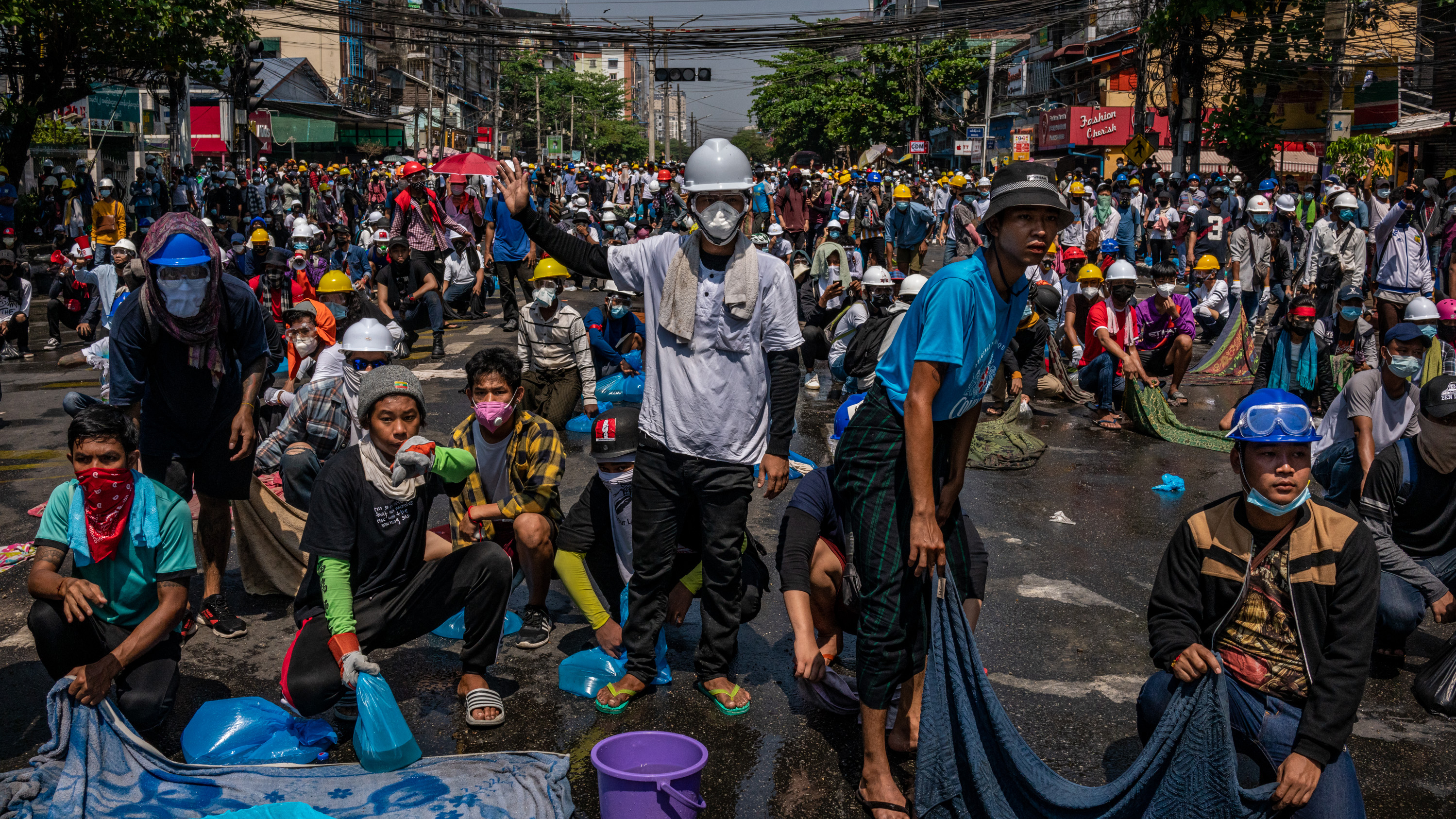
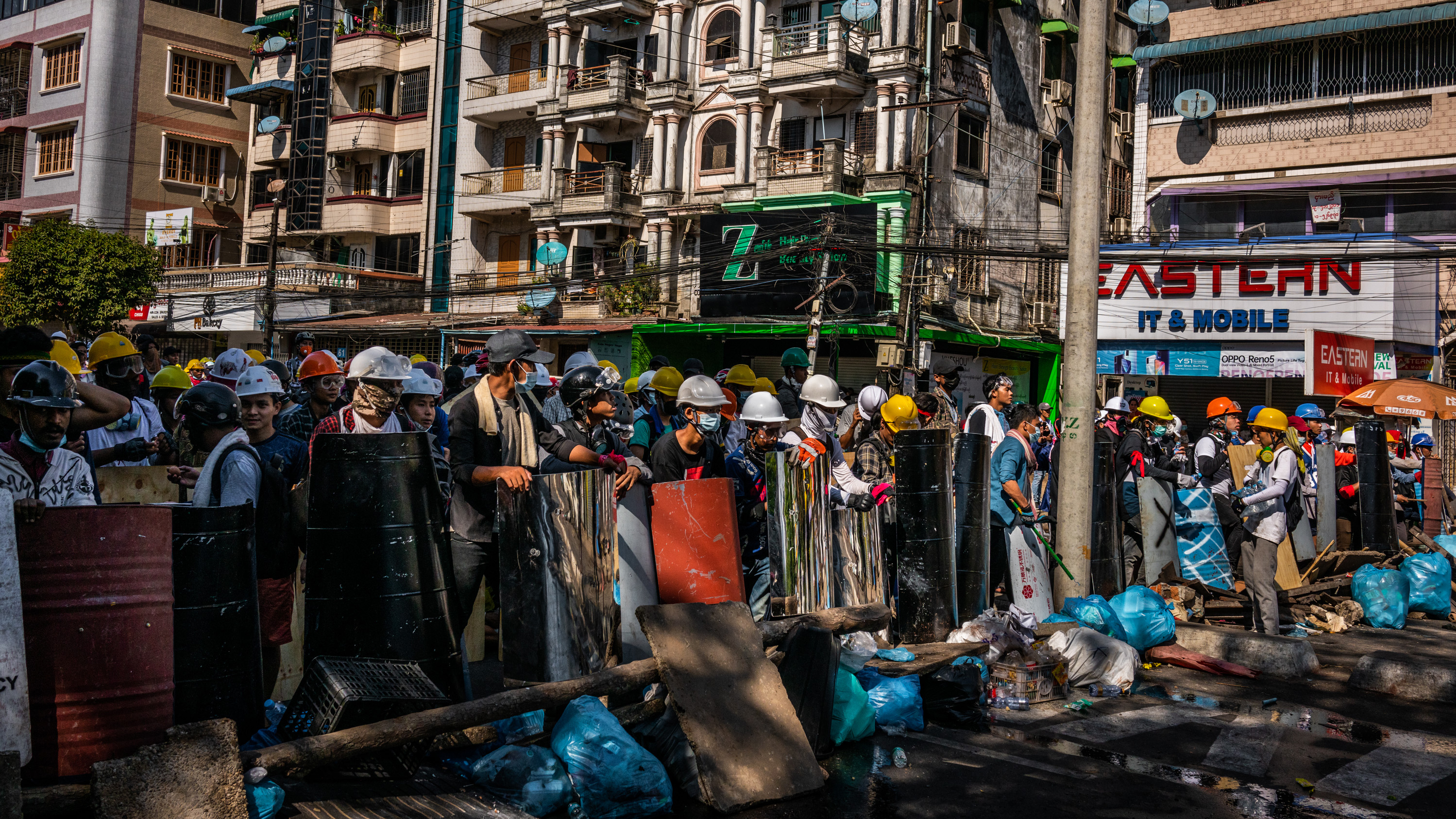
Myanmar security forces kill at least 34 protesters

Myanmar security forces dramatically escalated their crackdown on protests against last month's coup, killing at least 34 protesters yesterday in several cities, according to accounts on social media and local news reports compiled by a data analyst.

That is highest daily death toll since the February 1 takeover, exceeding the 18 that the UN Human Rights Office said were killed on Sunday, and could galvanise the international community, which has responded fitfully so far to the violence.

Videos also showed security forces firing slingshots at demonstrators, chasing them down and even brutally beating an ambulance crew.

READ MORE: Aung San Suu Kyi hit with another charge as protesters return to Myanmar streets

Myanmar

The toll could even be higher; the Democratic Voice of Burma, an independent television and online news service, tallied 38 deaths.

Demonstrators have regularly flooded the streets of cities across the country since the military seized power and ousted the elected government of leader Aung San Suu Kyi.

Their numbers have remained high even as security forces have repeatedly fired tear gas, rubber bullets and live rounds to disperse the crowds, and arrested protesters en masse.

Myanmar

The intensifying standoff is unfortunately familiar in a country with a long history of peaceful resistance to military rule — and brutal crackdowns.

The coup reversed years of slow progress toward democracy in the Southeast Asian nation after five decades of military rule.

The death toll from yesterday was compiled by a data analyst who spoke on condition of anonymity because he feared for his safety.

READ MORE: At least 18 anti-coup protesters killed in Myanmar

He also collected information where he could on the victims' names, ages, hometowns, and where and how they were killed.

The Associated Press was unable to independently confirm most of the reported deaths, but several square with online postings.

The data analyst, who is in Yangon, the country's biggest city, said he collected the information to honour those who were killed for their heroic resistance.

According to his list, the highest number of deaths were in Yangon, where the total was 18.

In the central city of Monywa, which has turned out huge crowds, eight deaths were reported.

Myanmar

Three deaths were reported in Mandalay, the country's second-biggest city, and two in Salin, a town in Magwe region. Mawlamyine, in the country's southeast, and Myingyan and Kalay, both in central Myanmar, each had a single death.

As part of the crackdown, security forces have also arrested hundreds of people, including journalists.

On Saturday, at least eight journalists, including Thein Zaw of The Associated Press, were detained.

A video showed he had moved out of the way as police charged down a street at protesters, but then was seized by police officers, who handcuffed him and held him briefly in a chokehold before marching him away.

He has been charged with violating a public safety law that could see him imprisoned for up to three years.

Myanmar

The escalation of the crackdown has led to increased diplomatic efforts to resolve Myanmar's political crisis — but there appear to be few viable options.

It's not yet clear if the soaring death toll could change the dynamic.

The UN Security Council is expected to hold a closed meeting on the situation tomorrow, council diplomats said, speaking on condition of anonymity because they were not authorised to make the information public before the official announcement.

The United Kingdom requested the meeting, they said.

Myanmar.

Still, any kind of coordinated action at the United Nations will be difficult since two permanent members of the Security Council, China and Russia, would almost certainly veto it.

Some countries have imposed or are considering imposing their own sanctions.

https://twitter.com/AustraliaUN/status/1365380104453558272?ref_src=twsrc%5Etfw

Yesterday, UN special envoy for Myanmar, Christine Schraner Burgener, told reporters at UN headquarters in New York that she receives some 2,000 messages per day from people inside Myanmar, many "who are really desperate to see action from the international community".

The Association of Southeast Asian Nations, of which Myanmar is a member, held a teleconference meeting of foreign ministers on Tuesday to discuss the crisis.

But there, too, action is unlikely.

Myanmar.

The regional group of 10 nations has a tradition of non-interference in each other's internal affairs.

A statement by the chair after the meeting merely called for an end to violence and for talks on how to reach a peaceful settlement.

Ignoring that appeal, Myanmar's security forces yesterday continued to attack peaceful protesters.

In addition to the deaths, there have been reports of other violence.

In Yangon, a widely circulated video taken from a security camera showed police in the city brutally beating members of an ambulance crew — apparently after they were arrested.

Police can be seen kicking the three crew members and thrashing them with rifle butts.

Security forces are believed to single out medical workers for arrest and mistreatment because members of the medical profession launched the country's civil disobedience movement to resist the junta.

In Mandalay, riot police, backed by soldiers, broke up a rally and chased around 1,000 teachers and students from a street with tear gas as gun shots could be heard.

Video from the AP showed a squad of police firing slingshots in the apparent direction of demonstrators as they dispersed.'

Brittany Higgins' lawyers demand apology over 'lying cow' comment

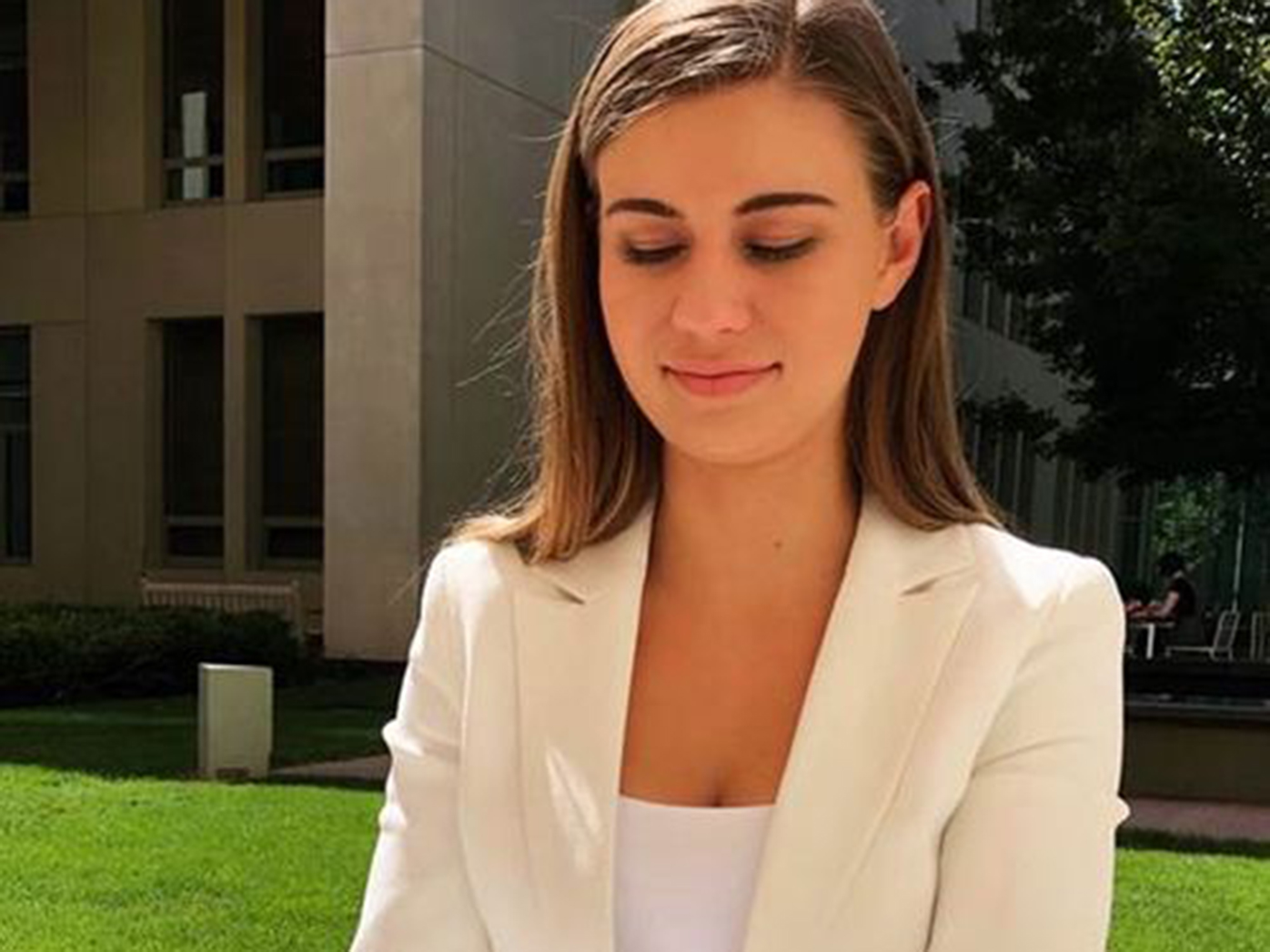
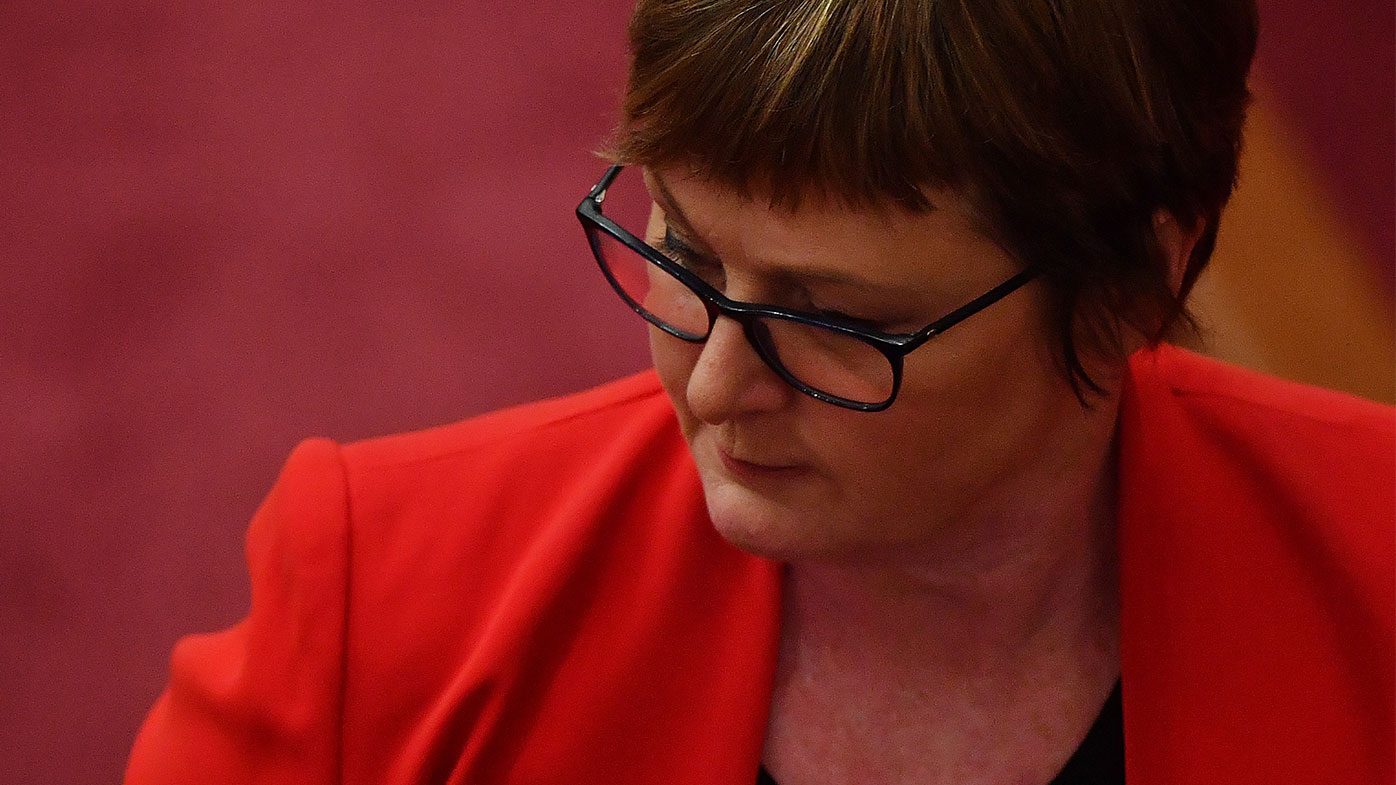
Brittany Higgins has demanded an apology from Defence Minister Linda Reynolds after reports the minister called her a "lying cow".

Ms Higgins, a former Liberal staffer, came forward last month with allegations she was raped in Senator Reynolds' office by a colleague in 2019.

Today, The Australian reported the defence minister, who is currently on medical leave, made the remark in front of staffers on the day Ms Higgins went public with her allegations.

Brittany Higgins

Now, a law firm representing Ms Higgins has issued a demand for "an immediate and unequivocal public withdrawal of (Ms Reynolds') comments and (an) apology to our client for the hurt and distress caused".

The letter reads: "The demeaning and belittling statement, in which you refer to our client as a member of the animal kingdom and declare her to be untruthful, is highly defamatory of our client's good character and unblemished reputation."

The firm, Company (Giles) said the letter constituted a "Concerns Notice" under defamation legislation.

A Concerns Notice is a communique sent to a person who has made allegedly defamatory statements, prior to commencing legal proceedings for defamation.

Ms Higgins earlier today issued a statement saying Ms Reynolds' comments were evidence of a "toxic culture" in Parliament House.

Defence Minister Linda Reynolds did not deny calling Brittany Higgins a 'lying cow'.

"I appreciate that it has been a stressful time but that sort of behaviour and language is never excusable," she said.

In a statement earlier today, Senator Reynolds did not dispute using the term, but sought to clarify the context of the comment.

"I have never questioned Ms Higgins' account of her alleged sexual assault and have always sought to respect her agency in this matter," she said.

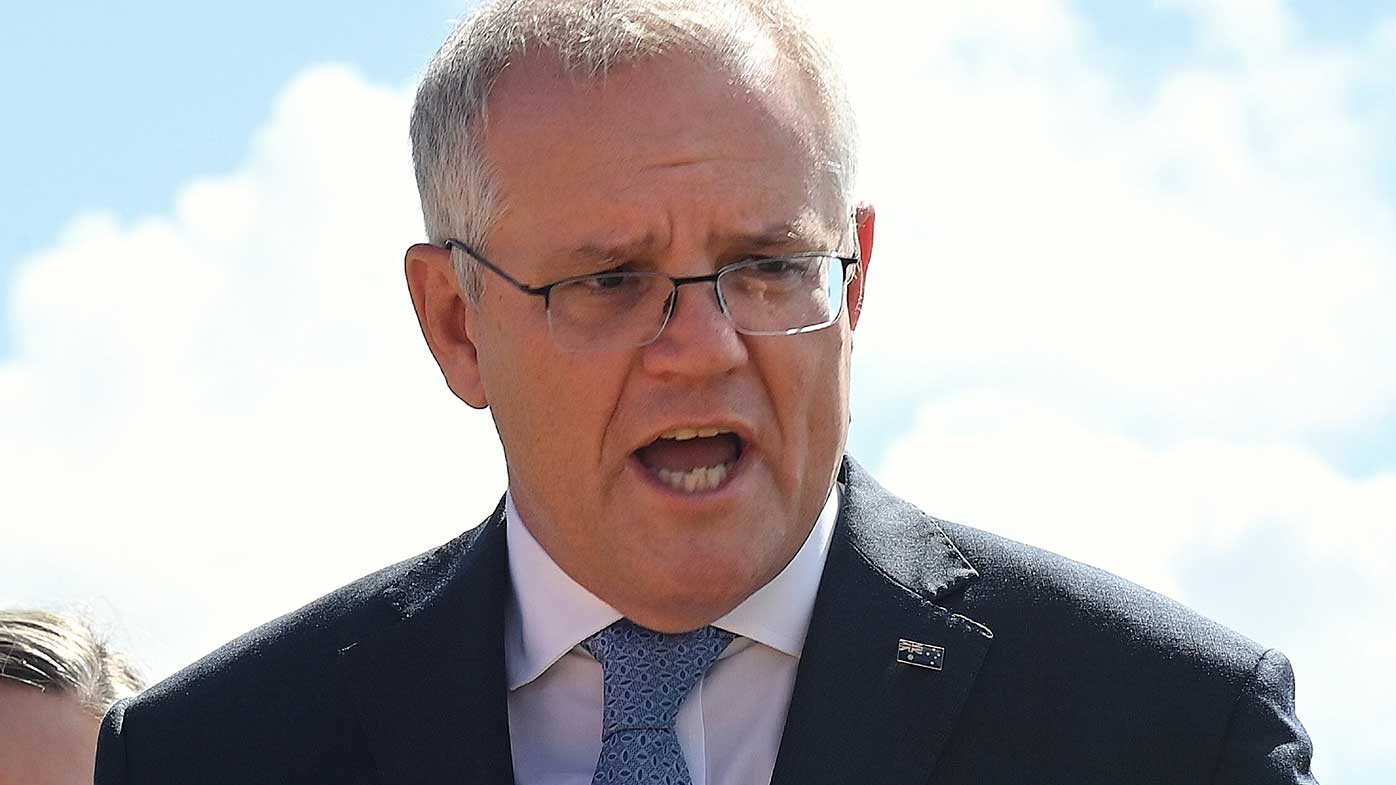
Prime Minister Scott Morrison.

"I did however comment on news reports regarding surrounding circumstances that I felt had been misrepresented.

"I have consistently respected Ms Higgins' agency and privacy and said this is her story to tell and no one else's."

Prime Minister Scott Morrison earlier condemned the remarks but defended Senator Reynolds, saying she regrets the comments and the last few weeks had been "traumatic" for many people, resulting in high tensions.

"She has deeply regretted them, she made them in a private office," Mr Morrison said.

"She immediately apologised."

Man charged over Christchurch massacre anniversary terror threats

A 27-year-old man has been charged after he allegedly made a series of online posts threatening a terror attack in Christchurch involving car bombs on March 15, the second anniversary of the mosque massacre.

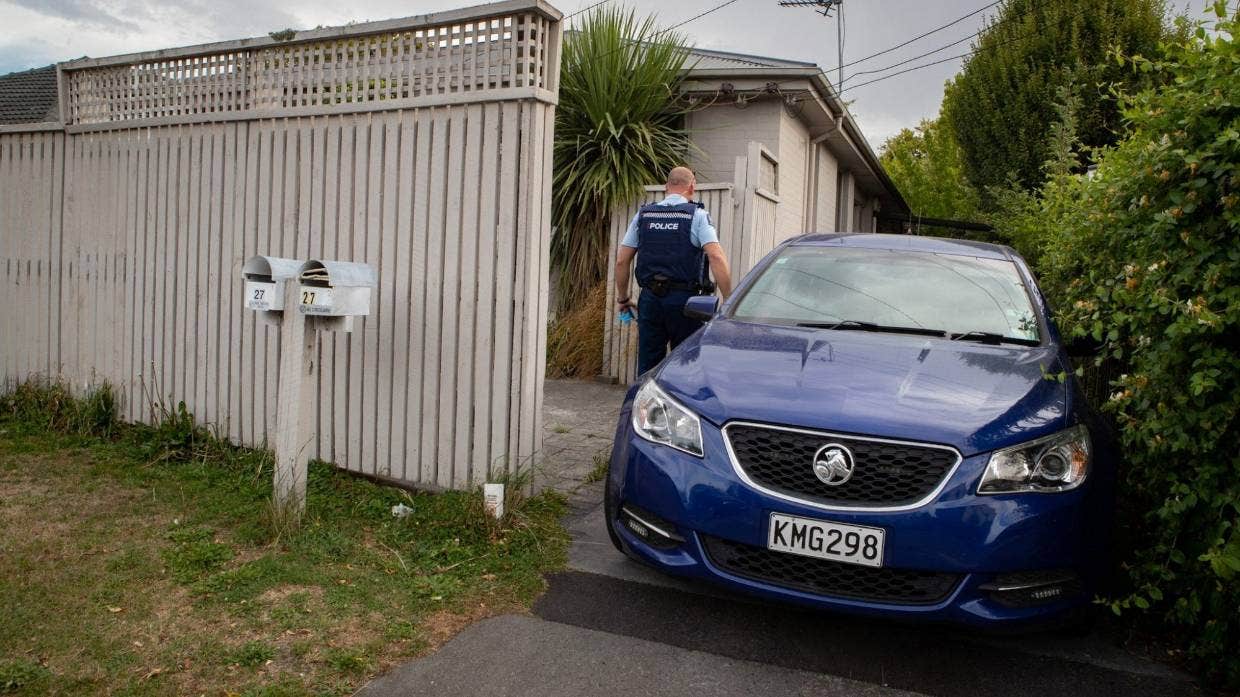
Members of the armed offenders squad raided properties in St Albans and Linwood shortly before 6pm on Thursday.

Two men were arrested.

READ MORE: How Australian terrorist prepared for Christchurch mosque attack

Police later confirmed a 27-year-old man had been charged with threatening to kill.

He would appear in the Christchurch District Court on Friday morning.

Further charges against the man were being considered, police said.

The other man was released without charge.

Detective Inspector Michael Ford earlier said police searched the two properties after receiving information from a member of the public regarding "concerning communications on the 4chan site".

4chan is an anonymous online message board known to be frequented by far-right individuals.

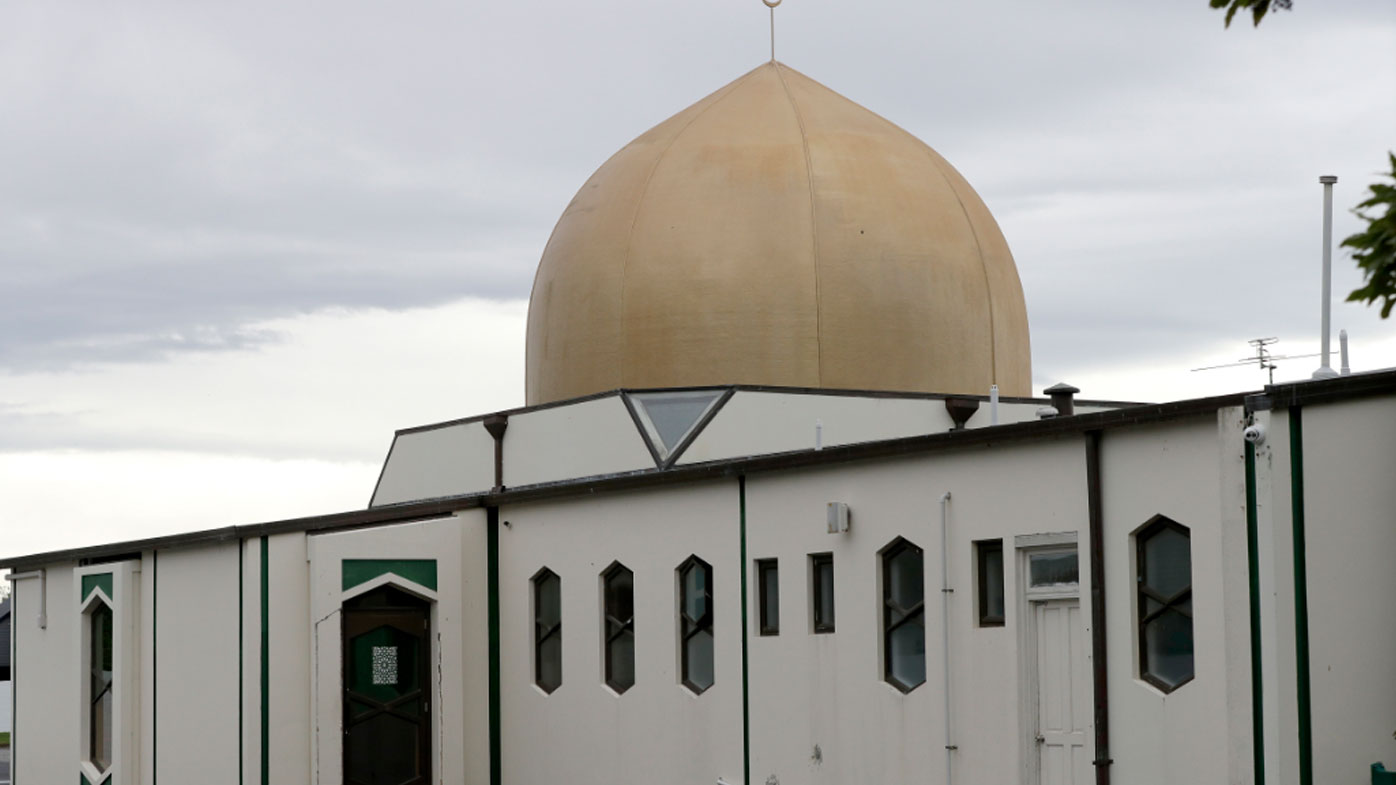
On Sunday night, a person made a series of posts on the site using a similar online name to that used by the Australian terrorist who fatally shot 51 people at two Christchurch mosques on March 15, 2019.

The person said they were "originally English", but grew up in South Africa before moving to New Zealand in 2009.

They said they planned to "take action" on March 15 by carrying out an attack remotely on the two mosques using car bombs.

The explosions would be livestreamed, the person said.

READ MORE: Christchurch terrorist could only have been stopped 'by chance'

Others on the message board told them not to do anything "stupid or radical".

Canterbury district commander Superintendent John Price described the threat, which police received via anonymous tip line Crimestoppers, as "medium level".

It was "credible enough that we took action straight away", Price said.

It is understood police visited the Christchurch mosques after learning of the online threats and searched them for bombs. Nothing of interest was found.

Price urged people to be vigilant in the lead up to March 15 and report any concerning behaviour immediately.

"Any messages of hate or people wanting to cause harm in our community will not be tolerated – it's not the Kiwi way."

READ MORE: Christchurch mosque gunman sentenced to life without parole

Linwood Masjid Imam Abdul Lateef said it was "sad to hear" there were people trying to scare the community.

He thought people would not be worried though as they would not take the threat seriously.

"We rely on NZ police to protect us, and they are doing the best they can do," he said.

A neighbour told Stuff she met a man who lived at the property a few days ago. He told her he had only just moved into the area, she said. She was shocked to hear why police were at the house.

The Australian terrorist, now aged 30, was last year jailed for life without the possibility of parole after he pleaded guilty to 51 charges of murder, 40 charges of attempted murder and a charge of committing a terrorist act.

This story originally appeared on Stuff NZ and has been republished with permission.