Test your brains with the Herald’s morning quiz. Be sure to check back on nzherald.co.nz at 3pm for the afternoon quiz. To challenge yourself with more quizzes, CLICK HERE.
Category Archives: headline
Covid-19 coronavirus: MIQ staffers speak of human cost of working on the frontline
New Zealand’s first MIQ worker to receive the Covid-19 vaccination has spoken of the human cost of working on the frontline battling the deadly virus.Lynette Faiva – who works at the Jet Park managed isolation and quarantine (MIQ)…
Auckland surfer who wrote 'HELP' on West Coast beach reveals Hollywood movie inspired rescue plea
In his last moments of consciousness after being smashed against Auckland’s west coast rocky ocean cliffs for three hours, Ben Searancke admits he resorted to the survival guide of a Tom Hanks movie.Remembering the Hollywood film…
Navalny references Harry Potter and Rick and Morty in Russian court
A Moscow court on Saturday rejected Russian opposition leader Alexei Navalny's appeal against his prison sentence, even as the country faced a top European rights court's order to free the Kremlin's most prominent foe.
Speaking before the verdict, Navalny urged Russians to stand up to the Kremlin in a fiery speech mixing references to the Bible and Harry Potter.
A lower court sentenced Navalny earlier this month to two years and eight months in prison for violating terms of his probation while recuperating in Germany from a nerve agent poisoning that he blames on the Kremlin. Russian authorities have rejected the accusation.
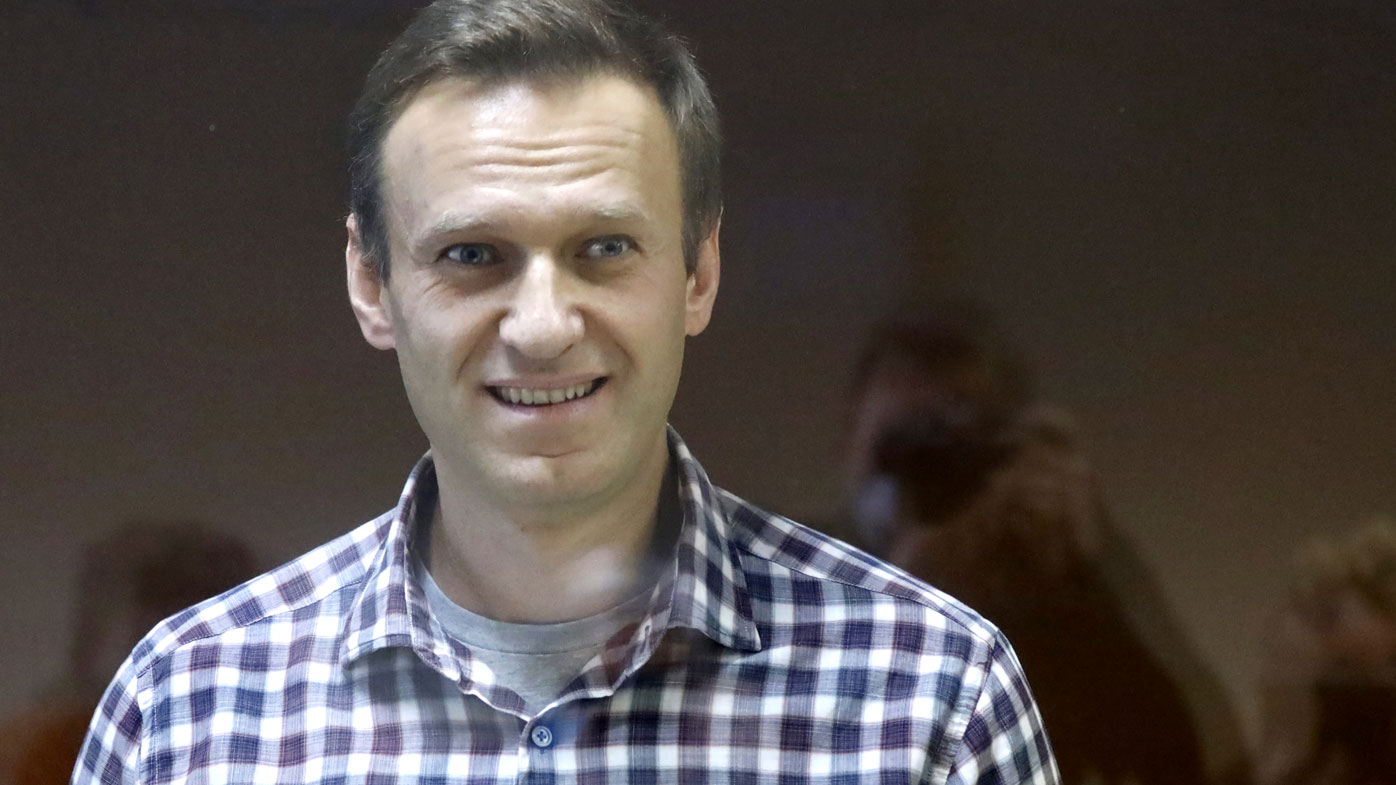
Navalny, 44, an anti-corruption crusader and President Vladimir Putin's most vocal critic, appealed the prison sentence and asked to be released.
The Moscow City Court's judge on Saturday only slightly reduced his sentence to just over 2 1/2 years in prison, ruling that a month-and-half Navalny spent under house arrest in early 2015 will be deducted from his sentence.
READ MORE: Russia expels Western diplomats over Navalny rally
The sentence stems from a 2014 embezzlement conviction that Navalny has rejected as fabricated and the European Сourt of Human Rights has ruled to be unlawful.
His arrest and imprisonment have fuelled a huge wave of protests across Russia. Authorities responded with a sweeping crackdown, detaining about 11,000 people, many of whom were fined or given jail terms ranging from seven to 15 days.
In his speech at the hearing, Navalny referenced the Bible as well as Harry Potter and the animated sitcom Rick and Morty as he urged Russians to resist pressure from the authorities and challenge the Kremlin to build a fairer and more prosperous country.
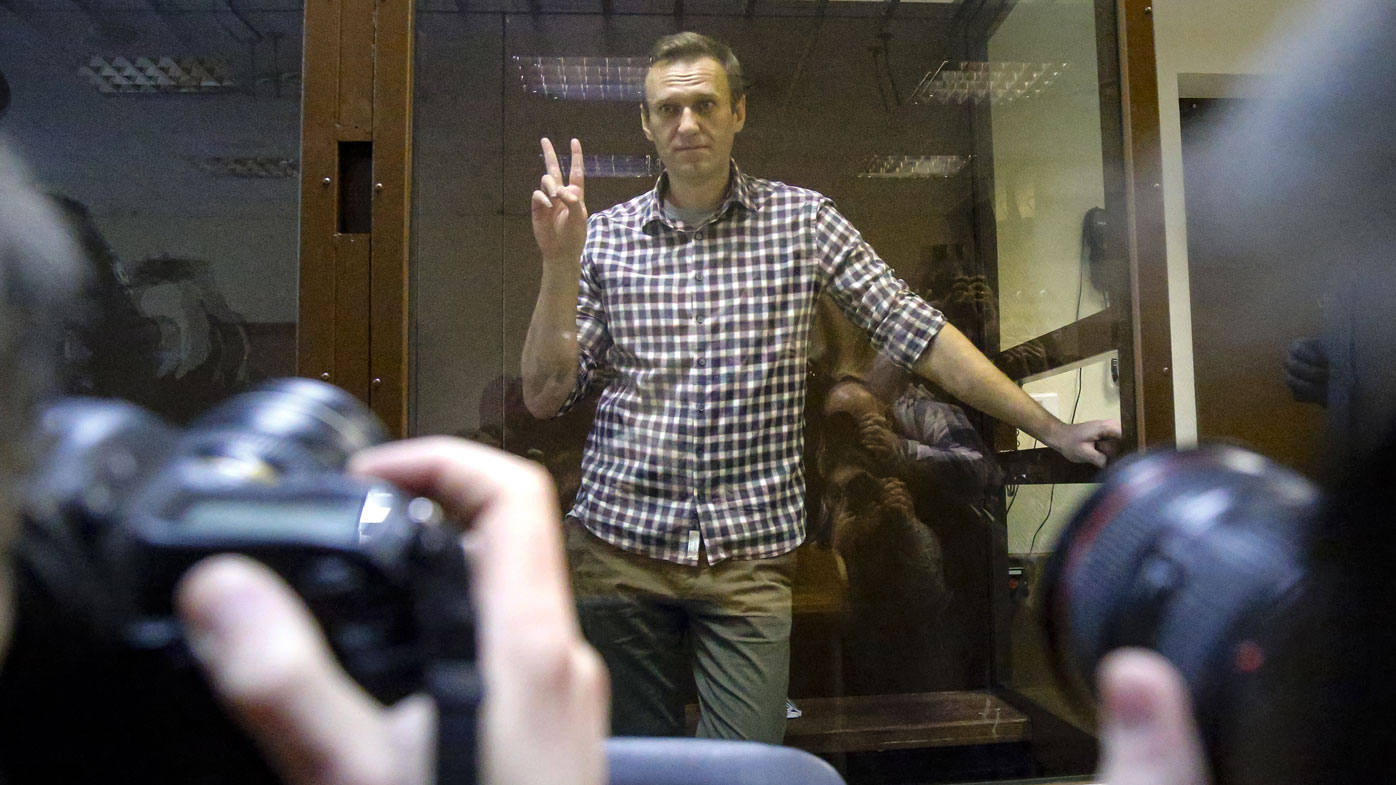
"The government's task is to scare you and then persuade you that you are alone," he said. "Our Voldemort in his palace also wants me to feel cut off," he added, in a reference to Putin.
"To live is to risk it all," he continued. "Otherwise, you're just an inert chunk of randomly assembled molecules drifting wherever the universe blows you."
Navalny also addressed the judge and the prosecutor, arguing that they could have a much better life in a new Russia.
"Just imagine how wonderful life would be without constant lying," he said. "Imagine how great it would be to work as a judge … when no one would be able to call you and give you directions what verdicts to issue."
He insisted that he was unable to report to the authorities in line with his probation requirements while he was convalescing in Germany after his poisoning, emphasising that he returned to Russia immediately after his health allowed.
"I wasn't hiding," he said. "The entire world knew where I was."
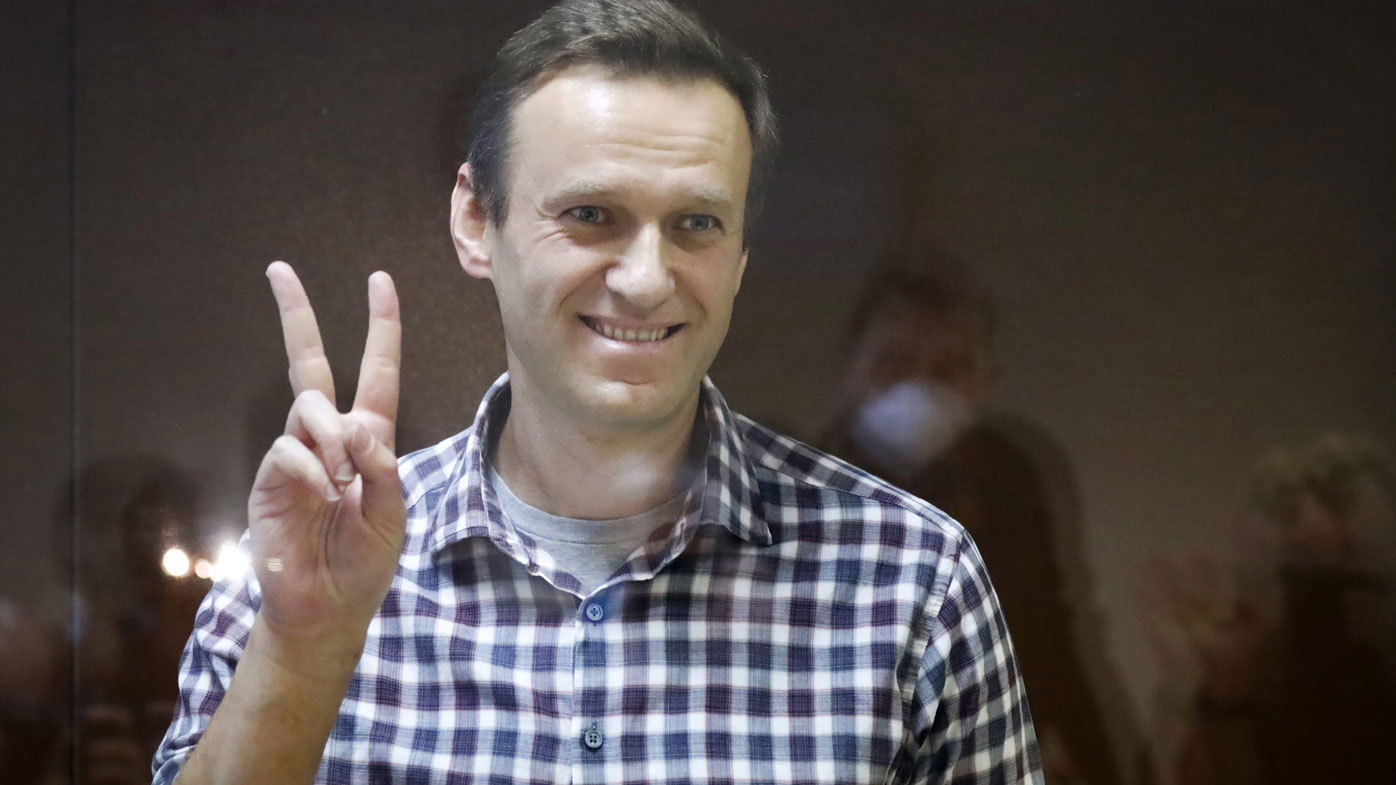
Navalny said he was an atheist before but has come to believe in God, adding that his faith helped him face his challenges. He said he believed the Bible saying that those who hunger and thirst for righteousness are blessed, and that he felt no regret in returning home.
"Even though our country is built on injustice and we all constantly face injustice … we also see that millions of people, tens of millions of people, want righteousness," Navalny told the court. "They want the righteousness and sooner or later they will have it."
Asked about the impact of Navalny's prison sentence on Russia's politics, Kremlin spokesman Dmitry Peskov told reporters that the country's "rich and multifaceted" political scene will develop regardless of the verdict.
Russia has rejected Western criticism of Navalny's arrest and the crackdown on demonstrations as meddling in its internal affairs.
In a ruling Tuesday, the European Court of Human Rights ordered the Russian government to release Navalny, citing "the nature and extent of risk to the applicant's life." The Strasbourg-based court noted that Navalny has contested Russian authorities' argument that they had taken sufficient measures to safeguard his life and well-being in custody following the nerve agent attack.
The Russian government has rebuffed the ECHR's demand, describing the ruling as unlawful and "inadmissible" meddling in Russia's affairs.
In the past, Moscow has abided by the ECHR's rulings awarding compensations to Russian citizens who have contested verdicts in Russian courts, but it never faced a demand by the European court to set a convict free.
In a sign of its long-held annoyance with the Strasbourg court's verdicts, Russia last year adopted a constitutional amendment declaring the priority of national legislation over international law. Russian authorities might now use that provision to reject the ECHR's ruling.
Later on Saturday, Navalny also faced proceedings in a separate case on charges of defaming a World War II veteran. Prosecutors have asked the judge to order Navalny to pay a fine of 950,000 rubles (about $16,300).
Navalny, who called the 94-year-old veteran and other people featured in a pro-Kremlin video last year as "corrupt stooges," "people without conscience" and "traitors," has rejected the slander charges and described them as part of official efforts to disparage him.
Navalny said at the hearing that his accusers "will burn in hell."
Myanmar anti-coup protests turn deadly
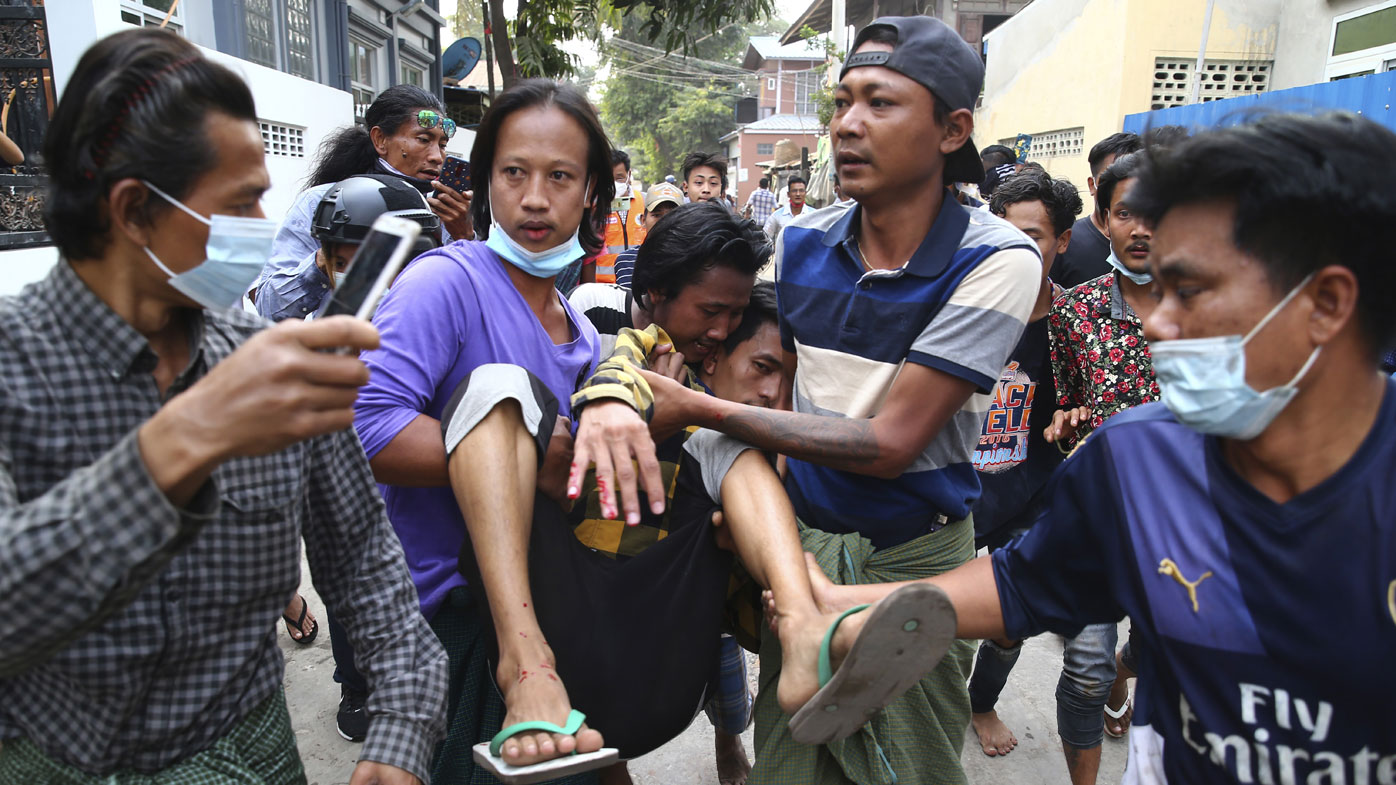
Two anti-coup protesters were shot dead by riot police who fired live rounds Saturday in Mandalay, Myanmar's second-largest city, local media reported.
One of the victims was shot in the head and died at the scene, according to Frontier Myanmar, a news and business magazine based in Yangon, the country's largest city. Another was shot in the chest and died en route to the hospital.
Several other serious injuries were also reported. The shootings occurred near Mandalay's Yadanabon dock, where tear gas and rubber bullets were used on protesters earlier in the day.
The Irrawaddy news website also confirmed the deaths on social media.
Security forces had been increasing their pressure against anti-coup protesters earlier Saturday, using water cannons, tear gas, slingshots and rubber bullets against demonstrators and striking dock workers in Mandalay.
At least five people were injured by rubber bullets and had to be carried away in ambulances, according to an Associated Press journalist who witnessed the violence.
Some 500 police and soldiers descended on the area near Yadanabon dock after dock workers joined the national civil disobedience movement, refusing to work until the military junta that seized power in a Feb. 1 coup reinstates the democratically elected government.
Protesters and residents were forced to flee the neighbourhood amid the violence, as security forces chased after them.
There were reports of sounds that resembled gunfire. A group of journalists was forced to flee after being hit with tear gas and slingshot projectiles.
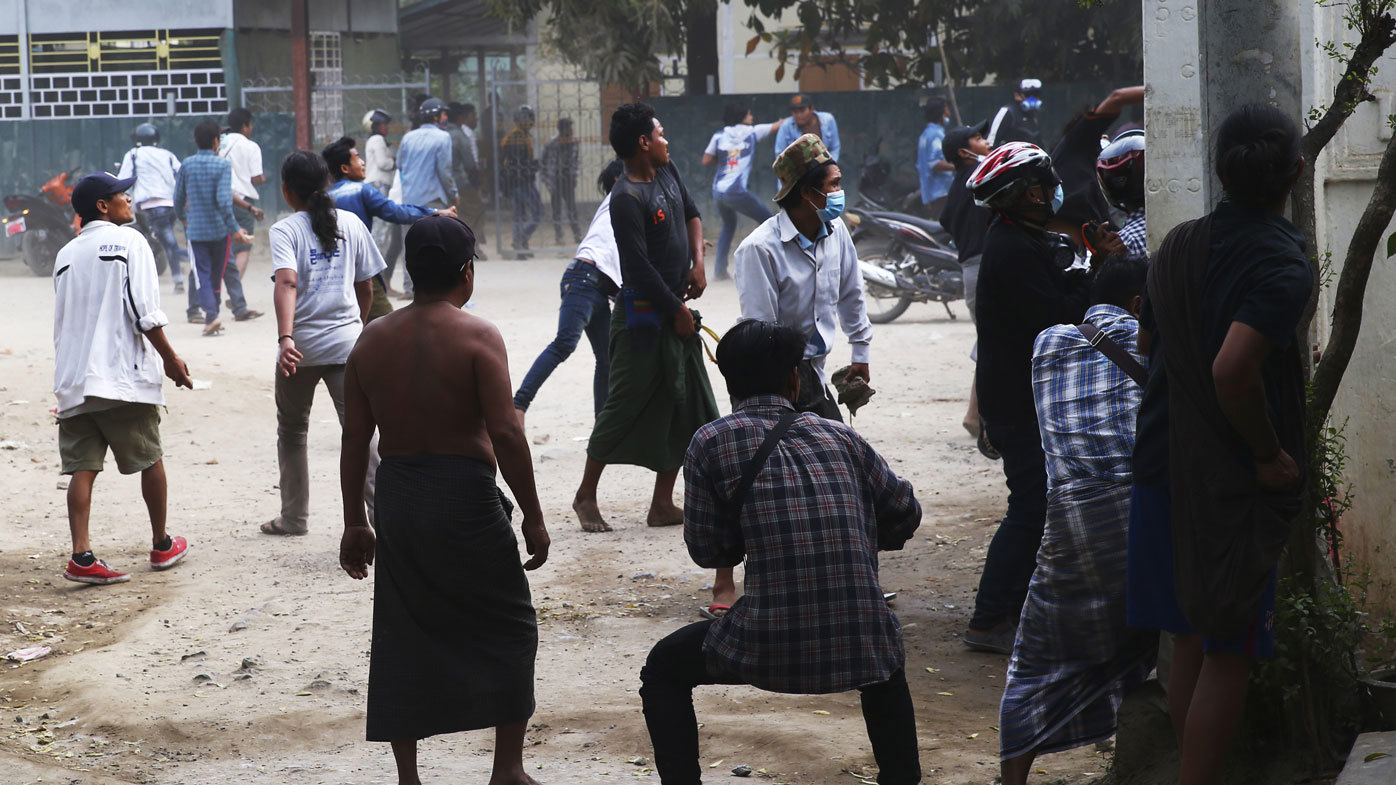
Earlier in the week in Mandalay, security forces cracked down on state railway workers in a similar fashion after they joined the civil disobedience movement.
Less than an hour after the 8 p.m. curfew started on Wednesday, gunshots were heard as more than two dozen police officers with shields and helmets marched past railway workers' housing. Numerous videos posted on social media showed muzzle flashes as shots were heard, and some police shot slingshots and threw rocks at the buildings. Marching chants of "left, right, left, right" could be heard along with shouts of "shoot, shoot."
Also Saturday, anti-coup protesters in Myanmar's two largest cities paid tribute to a young woman who died a day earlier after being shot by police during a rally against the military takeover.
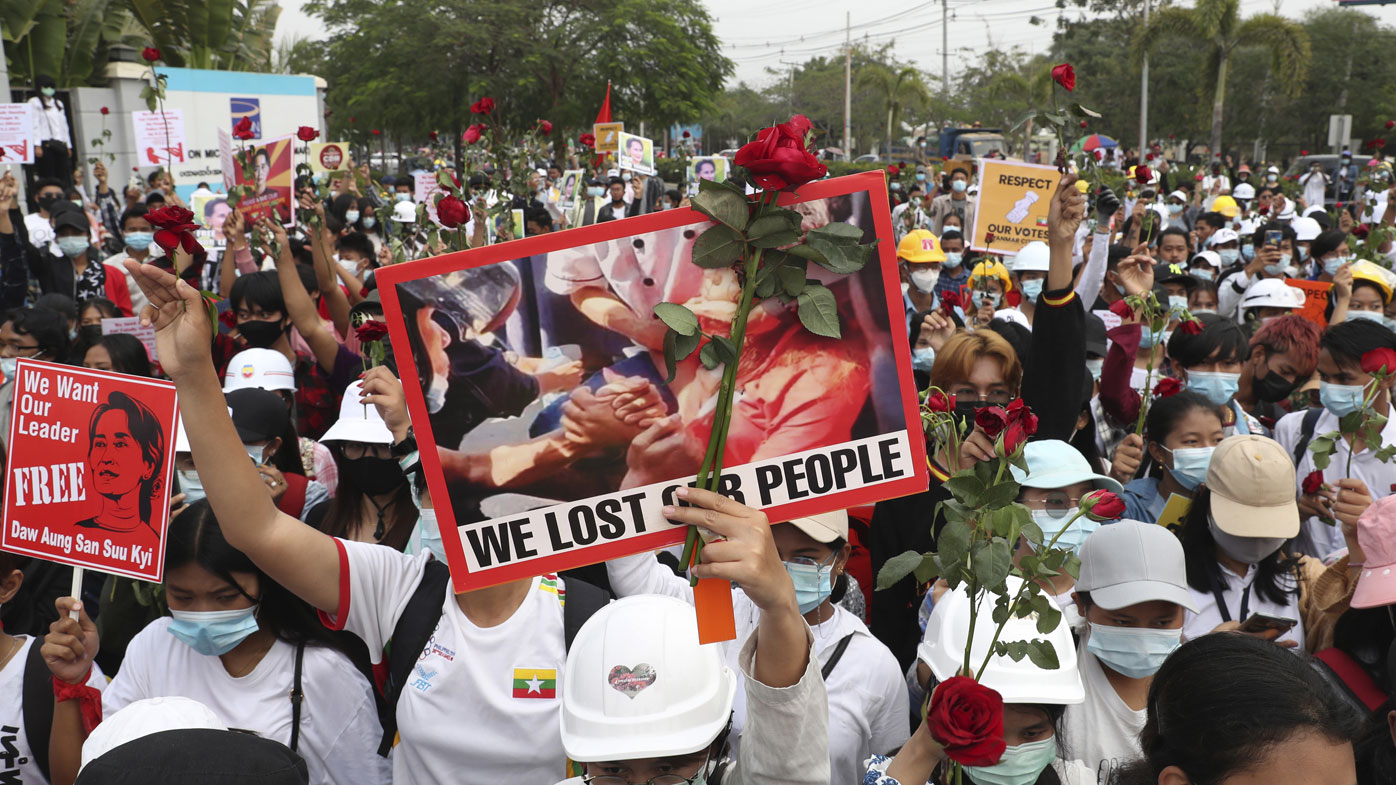
An impromptu memorial created under an elevated roadway in Yangon attracted around 1,000 protesters. A wreath of bright yellow flowers was hung beneath a photograph of Mya Thwet Thwet Khine, who was shot in the capital, Naypyitaw, on Feb. 9, two days before her 20th birthday.
Her death on Friday, announced by her family, was the first confirmed fatality among thousands of protesters who have faced off against security forces since top military commander Min Aung Hlaing took power in the coup.
Protesters at the memorial chanted and held up signs that read "End the dictatorship in Myanmar" and "You will be remembered Mya Thwet Thwet Khine." The supporters also laid roses and rose petals on images of the woman.
Video from the day she was shot show her sheltering from water cannons and suddenly dropping to the ground after a bullet penetrated the motorcycle helmet she was wearing. She had been on life support in a hospital for more than a week with what doctors said was no chance of recovery.
U.S. State Department spokesperson Ned Price offered his government's condolences Friday and reiterated calls on the military to refrain from violence against peaceful protesters.
In Mandalay on Saturday, a protest led by medical university students drew more than 1,000 people, many of whom also carried flowers and images of Mya Thwet Thwet Khine.
Others held signs saying "CDM," referring to the nationwide civil disobedience movement that has encouraged doctors, engineers and others to protest the coup by refusing to work.
Across the country, protests showed no signs of slowing down despite recent crackdowns by the military government — including a sixth consecutive night in which the internet was cut for many hours.
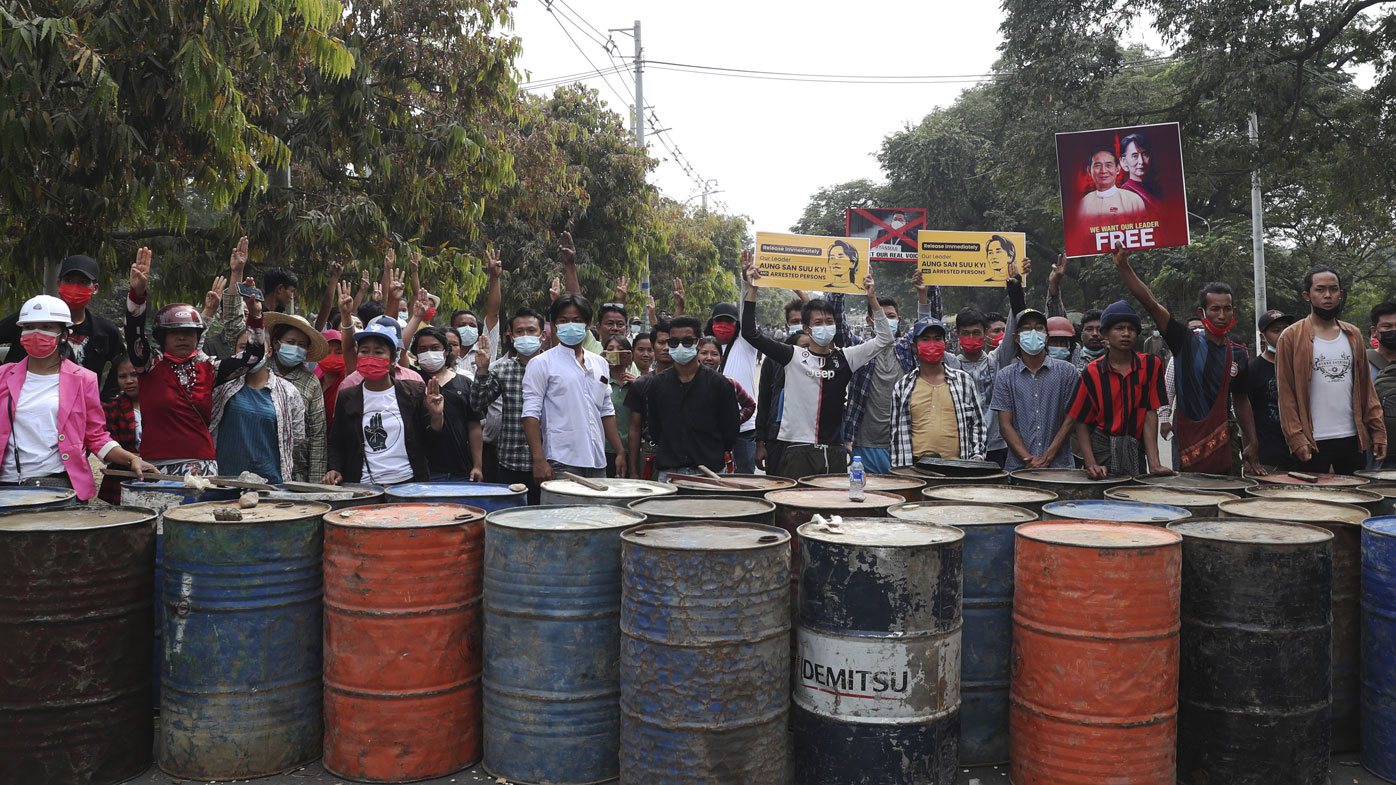
Demonstrators also gathered elsewhere in Yangon, chanting and holding placards and images of Nobel laureate Aung San Suu Kyi, whose democratically elected government was overthrown.
Aerial images taken Friday showed streets in Yangon painted with the words "The military dictatorship must fall" in Burmese, and "We want democracy" and "Free our leaders" in English.
Security forces have been relatively restrained so far in confronting protesters in Yangon, but appeared to be toughening their stance in areas where there is less media presence.
Police used force for a second straight day Friday to arrest protesters in Myitkyina, the capital of the remote northern state of Kachin. The Kachin ethnic minority has long been in conflict with the central government, and there has been an intermittent armed struggle against the army there for decades.
The junta seized power after detaining Suu Kyi and preventing Parliament from convening, saying elections in November were tainted by voting irregularities. The election outcome, in which Suu Kyi's party won by a landslide, was affirmed by an election commission that has since been replaced by the military. The junta says it will hold new elections in a year's time.
The U.S., British and Canadian governments have imposed sanctions on the new military leaders, and they and other nations have called for Suu Kyi's administration to be restored.
The coup was a major setback to Myanmar's transition to democracy after 50 years of army rule. Suu Kyi came to power after her National League for Democracy party won a 2015 election, but the generals retained substantial power under the constitution, which was adopted under a military regime.
Backyard gardening eases, minimizes COVID-19’s negative effects on families
BASSETERRE. St. Kitts — The effects of COVID-19 are felt globally, and many persons are seeking ways to minimize these effects on themselves and their families. Through a collaborative initiative – the backyard garden competition – between the Ministry of Tourism and the Ministry of Agriculture in St. Kitts is well on its way to helping with the fight against the negative effects of the Novel Coronavirus through gardening.
The backyard garden initiative seeks to mitigate the effects felt by nationals through several means, according to Kyle Flanders, Assistant Secretary in the Ministry of Agriculture.
“Providing food security is one of the many advantages of having a backyard garden,” explained Flanders. “Backyard gardens can be used to make sure that people have nutritious meals and food at their fingertips. Backyard gardens also alleviate hunger and its side effects.
“Having a backyard garden minimizes the onset of food insecurity,” said Flanders. “Due to job loss, some individuals be unable to maintain a consistent supply of healthy and nutritious food to feed their families, or have their eating patterns changed due to the lack of money. By engaging in the backyard garden competition, individuals can provide food for their family and food for the country if there is a surplus.
“COVID-19 and its impact in changing lifestyles have contributed to the rise in mental distress for many,” explained Flanders. “Participation in the backyard garden competition is one way to minimize stress and thereby contributing to the mental well-being of the gardener.”
“Farming in general increases life’s satisfaction, the quality of life and builds a sense of community,” explained Mrs. Therez Ambrose-Versailles, Tourism Research Officer in the Ministry of Tourism, citing findings of a study conducted by the International Association of Horticulture,
Mrs. Ambrose-Versailles pointed out that, through gardening, people are exposed to a productive way to lessen their stress while reaping the benefits of maintaining physical fitness.
The post Backyard gardening eases, minimizes COVID-19’s negative effects on families appeared first on The St Kitts Nevis Observer.
CARICOM-Canada foreign ministers discuss post COVID-19 economic recovery
BASSETERRE, St. Kitts — Caribbean Community (CARICOM) Foreign Ministers met virtually on February 19 with their Canadian counterpart, the Hon. Marc Garneau, in the first virtual CARICOM-Canada Meeting of Foreign Ministers. St. Kitts and Nevis was represented by Foreign Minister, the Honourable Mark Brantley.
Their dialogue focused on the COVID-19 pandemic and equitable access to vaccines, economic recovery and inclusive growth, and climate resilience and sustainability – all key elements in the region’s efforts to build back better.
In leading the discussion on COVID-19: “Building Back Better,” Foreign Minister Brantley thanked the government of Canada for its assistance in helping to strengthen the region’s ability to respond to the range of challenges posed by COVID-19 by the provision of Personal Protection Equipment.
Ongoing support was offered by the Pan-American Health Organisation (PAHO) and the Caribbean Public Health Agency (CARPHA). Hon. Brantley stressed that “if ever there was a time for real dialogue to jointly address pressing issues in ways that will bring concrete benefit to our citizens, that time is clearly now.” He highlighted three critical and actionable areas for cooperation including health systems, vaccine access, and economic impact.
Noting that the “COVID damage is deep, the recovery will be long, and the vision must be bold,” Brantley sought to bring a sense of purposeful urgency for cooperation in addressing the global pandemic. He championed the idea of moving beyond old development paradigms to more “substantive cooperation for sustainable development” including in green investments, renewable energy, and the blue economy.
Given the profound impact of the pandemic on the travel and tourism industry in St. Kitts and Nevis, Minister Brantley seized on the opportunity to call for “the resumption of flights from Canada at the earliest possible opportunity,” and the continuation of the technical dialogue that began last year between Canada and CARICOM on safe travel and tourism.
The post CARICOM-Canada foreign ministers discuss post COVID-19 economic recovery appeared first on The St Kitts Nevis Observer.
Farmers, fishers benefitted greatly from Federation’s Assistance Programme
BASSETERRE, St. Kitts – St. Kitts and Nevis has delivered well to farmers and fisherfolk, and will continue to support them under the Farmers and Fisherfolk Assistance Programme, according to the Permanent Secretary in the Ministry of Agriculture, Fisheries and Marine Resources, Ron Collins.
“Farmers and Fishers have benefited greatly from the stimulus package provided by the government in 2020,” said Collins during remarks on the development of the agricultural and fisheries sectors. “The 2020 stimulus package aided farmers and fishers by greatly reducing prices on seeds, feed, and seedlings. He said the government also made land, wire, and other building materials available.
“The government has provided support by assigning STEP workers to farmers and fishers to enhance their operations, land preparations, provision of chemical and fertilizers—repair of paddocks has also been contributed,” he said.
The permanent secretary highlighted the work of the Livestock Unit at the Department of Agriculture, saying that the unit provided free treatment and Bayticol to control and arrest the Dermatophilosis that decimated the livestock in the Federation.
“Our Assistance Programme, made possible by the Federal Government, has made available funds to support the activities in helping farmers overcome some of the challenges they face,” said Collins. “The Federal Government made a further injection of an additional $3 million for 2021 that will serve to ensure that the target of increased production and decreased import bill is achieved.”
“The opportunities in agriculture have increased because of the assistance provided,” he said. “Many of our farmers and fishers can speak to our commitment to helping them in their various farming and fishing endeavours.”
The post Farmers, fishers benefitted greatly from Federation’s Assistance Programme appeared first on The St Kitts Nevis Observer.
Fresh push for food scrap bins to be in every household
There is a fresh push for food scrap bins to be in more homes across the country.
Australian households waste 3.1 million tonnes of edible food a year, and half of our rubbish bins are filled with food scraps each week.
Compost bins have been a fixture Federal Environment Minister Sussan Ley's local area of Albury for years, but she wants the program to go national.
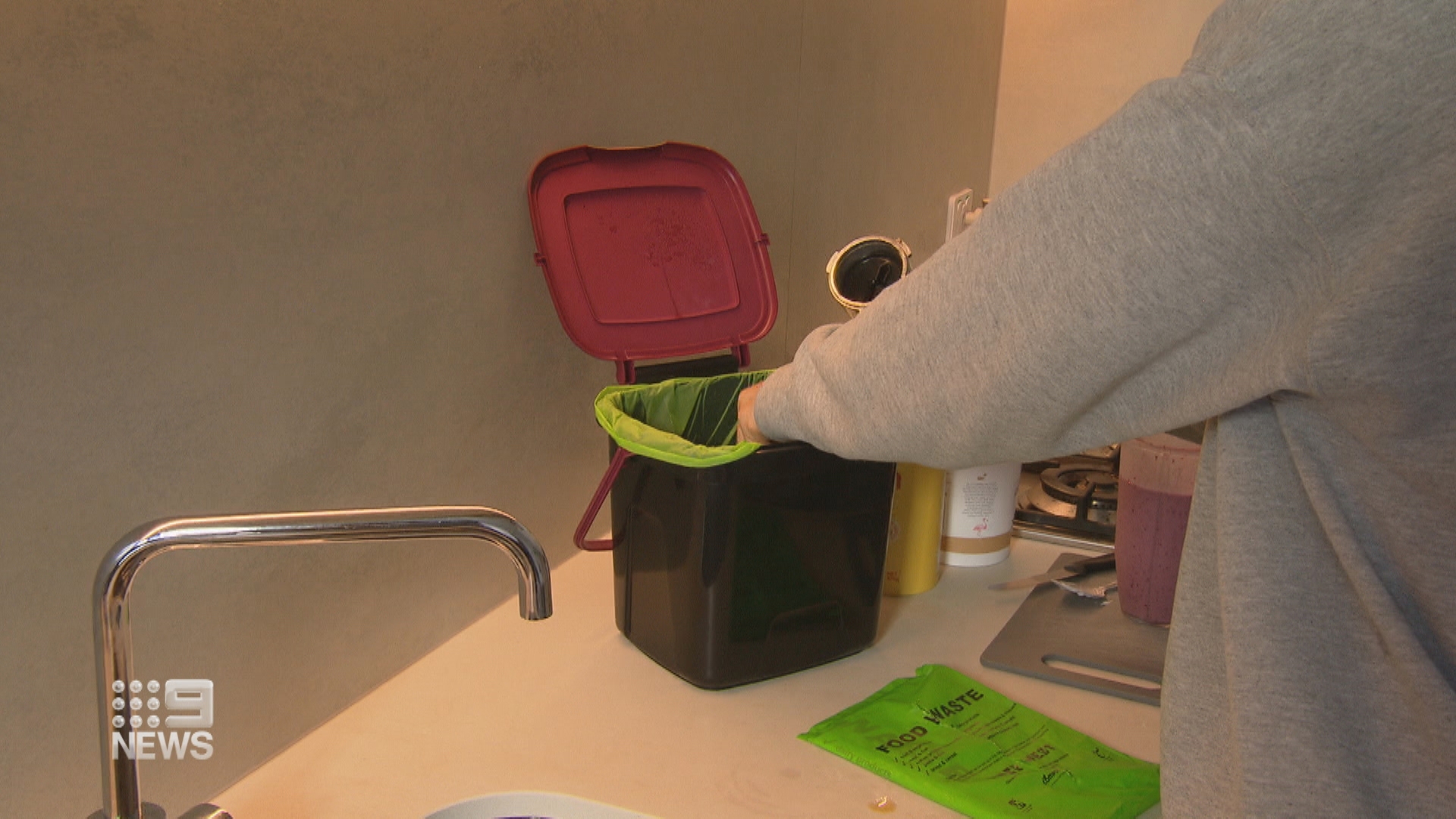
"We're wasting an opportunity to turn that food waste into compost, into soil fertiliser," she told 9News.
"This doesn't need to cost a fortune; you can have a biodegradable bin inside an existing green waste bin."
China's waste export ban prompted a recycling review and all states and territories agreed to halve organic waste by 2030.
But in Sydney only a handful of councils have made changes.
"We're in the process of rolling it out to apartments," inner west Mayor Darcy Byrne told 9News.
"We've been advocating for food recycling system for whole of Sydney… rates will go down and emissions will go down."
Ms Ley said the next time state environment ministers meet waste management will be "high on agenda".
"It's just too important to ignore."
Woman charged with murder after man found stabbed to death
A woman has been charged with murder after a man was found stabbed to death in far-north Queensland last night.
Police were called to a unit complex on Marchant Street in Manoora in Cairns after reports a man had been injured with a knife.
A 25-year-old man from Cairns was found dead at the scene about 11.50pm.
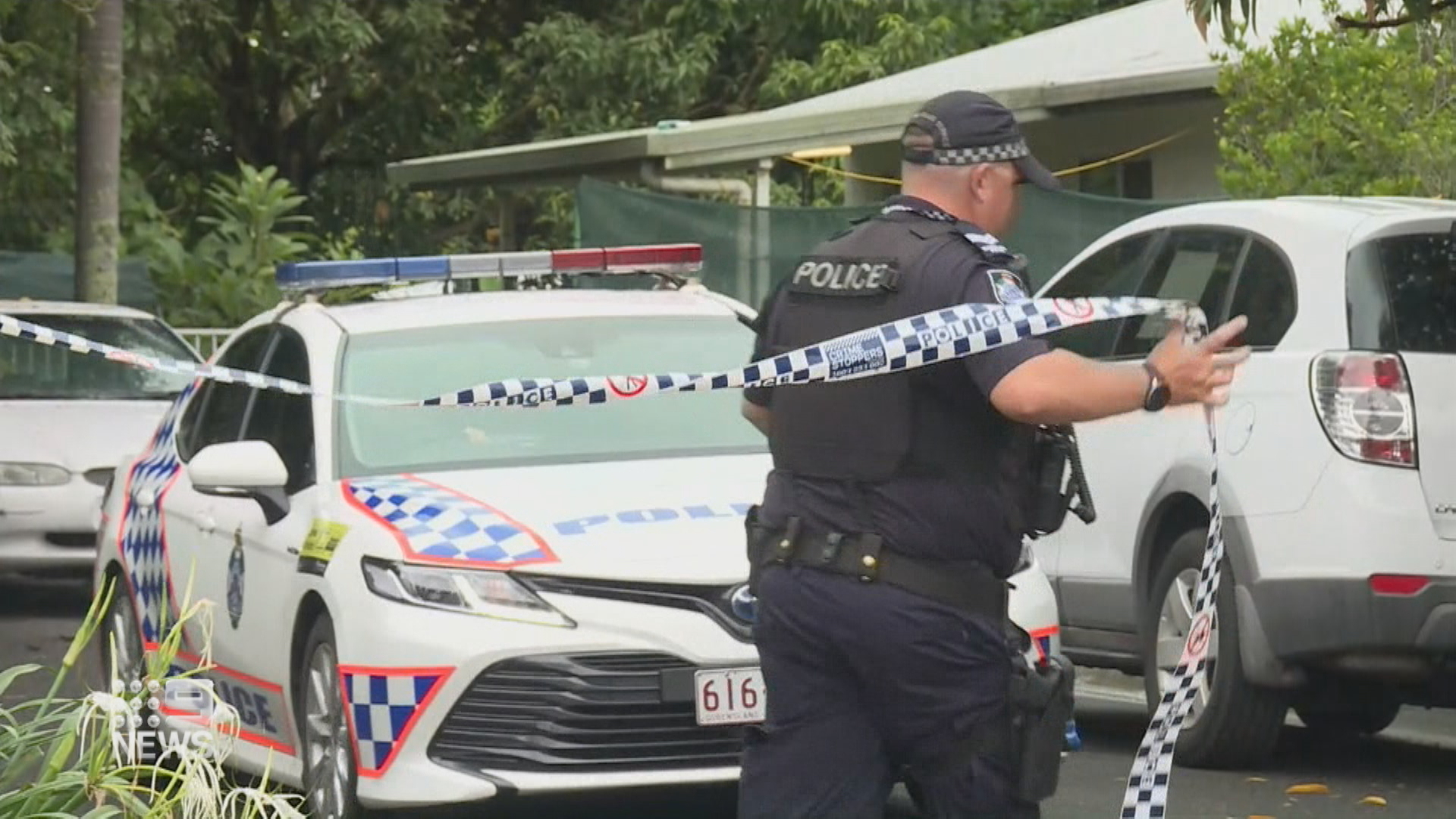
He had a serious neck injury.
A woman, 21, from Mareeba was arrested at the scene.
She has since been charged with one count of murder and is due to appear in Cairns Magistrates Court on Monday.