Category Archives: headline

'Seven-foot' shark spotted in Port Hacking river

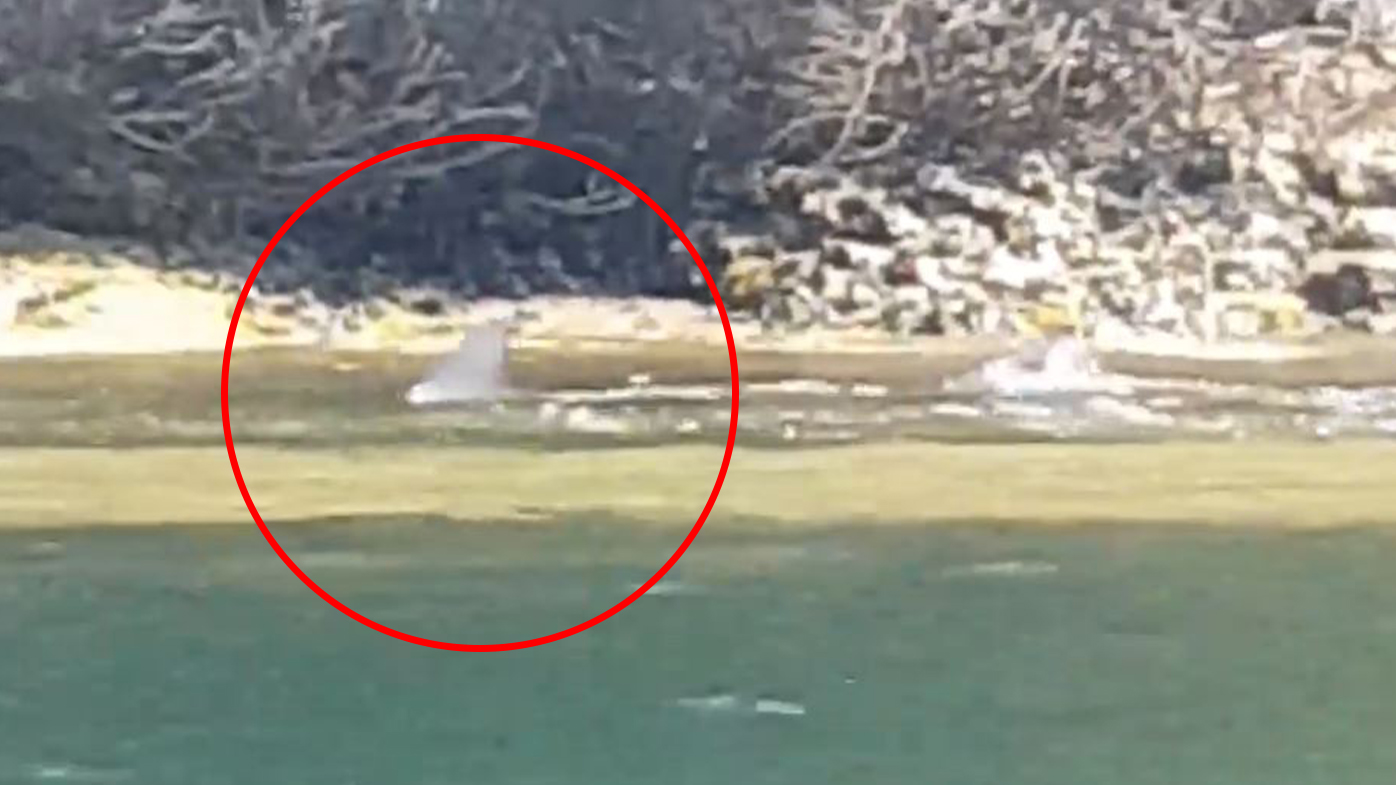
Andrew English was enjoying a day out on the water with his family in Sydney's south yesterday when he spotted a large shark swimming less than 20 metres away.

"I took the family out a swim, my wife and daughter were swimming in shallows when we spotted it," Mr English told nine.com.au.

In a video taken by Mr English about 2pm on the Port Hacking River near Warumbul, the shark swims along the water's edge and splashes as it chases prey.

READ MORE: Dog attacked by shark while playing in ocean

Mr Andrews said despite his four-year-old child and wife being close by, theshark seemed disinterested in disturbing them.

"It looked like it was about seven foot long."

READ MORE: Australia deadliest country in world for shark attacks in 2020

"It looked like it was just chasing baitfish and it wasn't interested in us but we out of the water pretty quick," he said.

Mr English said he rarely spots sharks while out on the water.

"It was pretty cool to see it up so close," he said.

Immigration Officers sport new uniforms to mould their identity

BASSETERRE, St. Kitts — The Immigration Department introduced new uniforms across the Federation this week as part of efforts to mould its identity as an independent institution. Immigration Officers in St. Kitts and Nevis came to work smartly dressed, donning new blue button-down tops and dark grey bottoms, with shoulder straps that display one, two, or three bars depending on the officer’s rank.

The Immigration Department previously fell under The Royal St. Christopher and Nevis Police Force. It became a separate entity in July 2018, with former Assistant Commissioner of Police, Merclyn Hughes, at the helm as the first-ever Chief Immigration Officer. Since that time, under her leadership, steps have been taken to shape the department’s image. A logo was created and social media platforms, in addition to a webpage, are being developed. The new uniforms are the latest step towards achieving this goal.

Ms. Hughes registered how pleased she was to see the Immigration Officers sporting new uniforms.

“I think this uniform makes us look more like the law-enforcing body that we are,” said Ms. Hughes. Customs Officers posted around the Federation at ports of entry help to create the first impression visitors have of the country. It is important that they look the part, in addition to being professional on the job.

“We have Immigration Officers at the Robert L. Bradshaw International Airport,” she said. “We have the private jet facility, the Kayan Jet section. There are Officers at the Port Zante Marina, Marina Telca at New Guinea, and Christophe Harbour on the Peninsular.

“There are Immigration Officers at the Vance W. Amory International Airport, and the Long Point and Charlestown Piers,” said Ms. Hughes. “We also want to be a body that nationals can take pride in due to the way we present ourselves.”

Deputy Immigration Officer, Jacqueline Browne, was assigned to the Immigration Department for several years prior to its separation. Formerly an inspector of Police, she is excited about the changes being made.

“The new uniforms took a long time to make due to the COVID-19 pandemic, said Ms. Browne. “We are finally here and are very pleased with the results. With the new look, the team feels re-energized, reinvigorated, and motivated to carry out our mission. We provide an efficient and professional service to all arriving and departing our ports, to prevent people from entering illegally, and to liaise with local, regional and international agencies. We discharge our functions in a courteous and friendly manner.”

The officers gave the new uniforms their nod of approval and said they were thrilled with the direction the department is taking.

The post Immigration Officers sport new uniforms to mould their identity appeared first on The St Kitts Nevis Observer.

Federation supports ILO ‘Intl. Year for Elimination of Child Labour’

Minister of Labour, Hon. Wendy C. Phipps.

BASSETERRE, St. Kitts — St. Kitts and Nevis joined the rest of the regional member states of the International Labour Organisation (ILO) on February 11 in the launch of the International Year for the Elimination of Child Labour in the Americas, under the theme #EndChildLabour2021.

This year-long campaign against Child Labour is deemed appropriate by the ILO, particularly given the persistent child labour practices in some Caribbean and Latin American countries.
Continue reading Federation supports ILO ‘Intl. Year for Elimination of Child Labour’

Australia's locally-made vaccine to begin rolling off production line

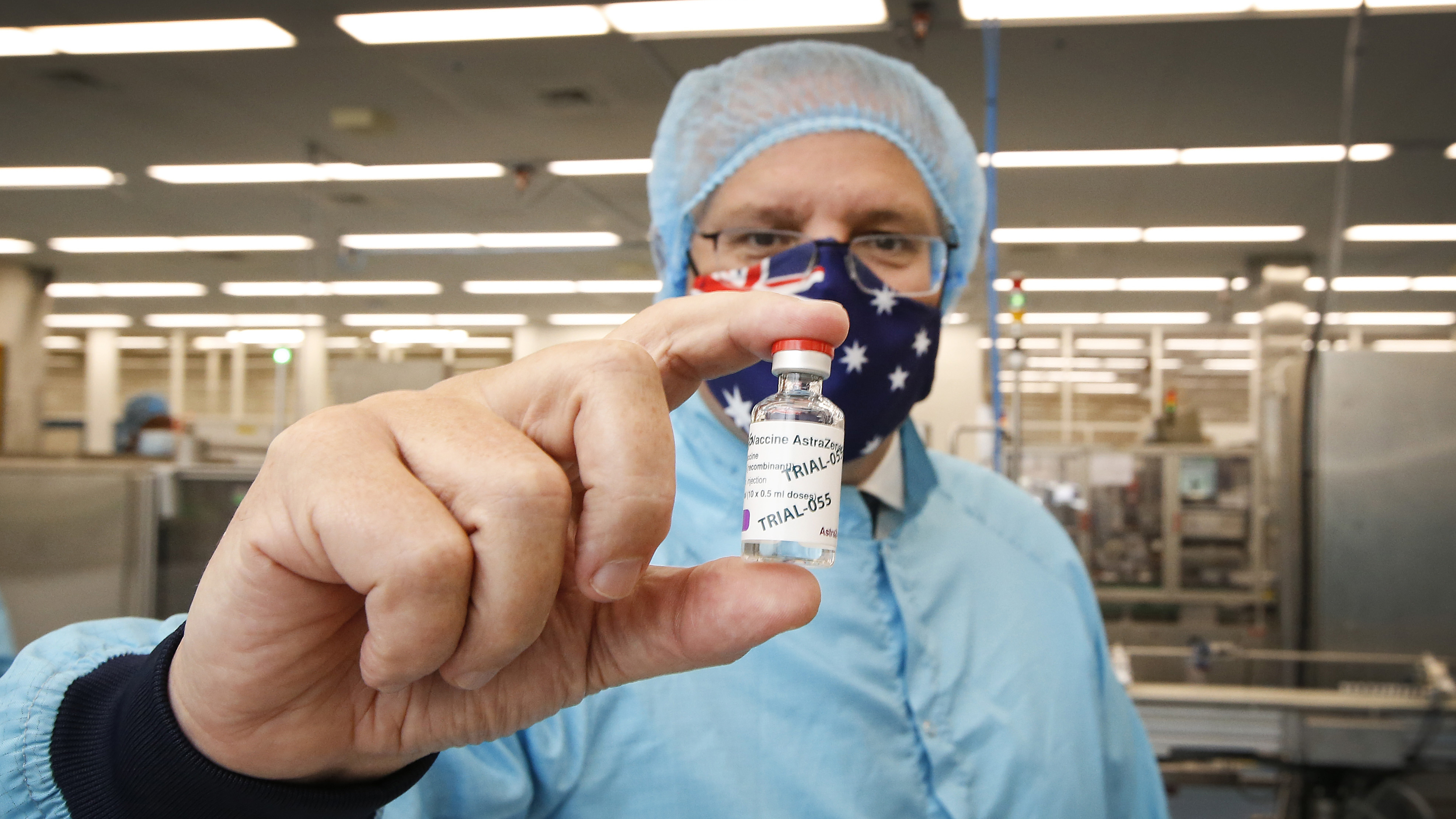
Scott Morrison said Australia's coronavirus vaccination program is on track, with doses of the vaccine being made in Melbourne to roll off the production line "in a matter of weeks".

The prime minister toured the manufacturing plant for the Oxford-AstraZeneca vaccine – one of two types of vaccine bought by Australia – at biotech firm, CSL in Melbourne.

"We are doing it here, in Australia, right here in Melbourne," Mr Morrison said.

LIVE UPDATES: Emergency vaccine ruled out for Australians
"That is something that few prime ministers and presidents around the world can say."

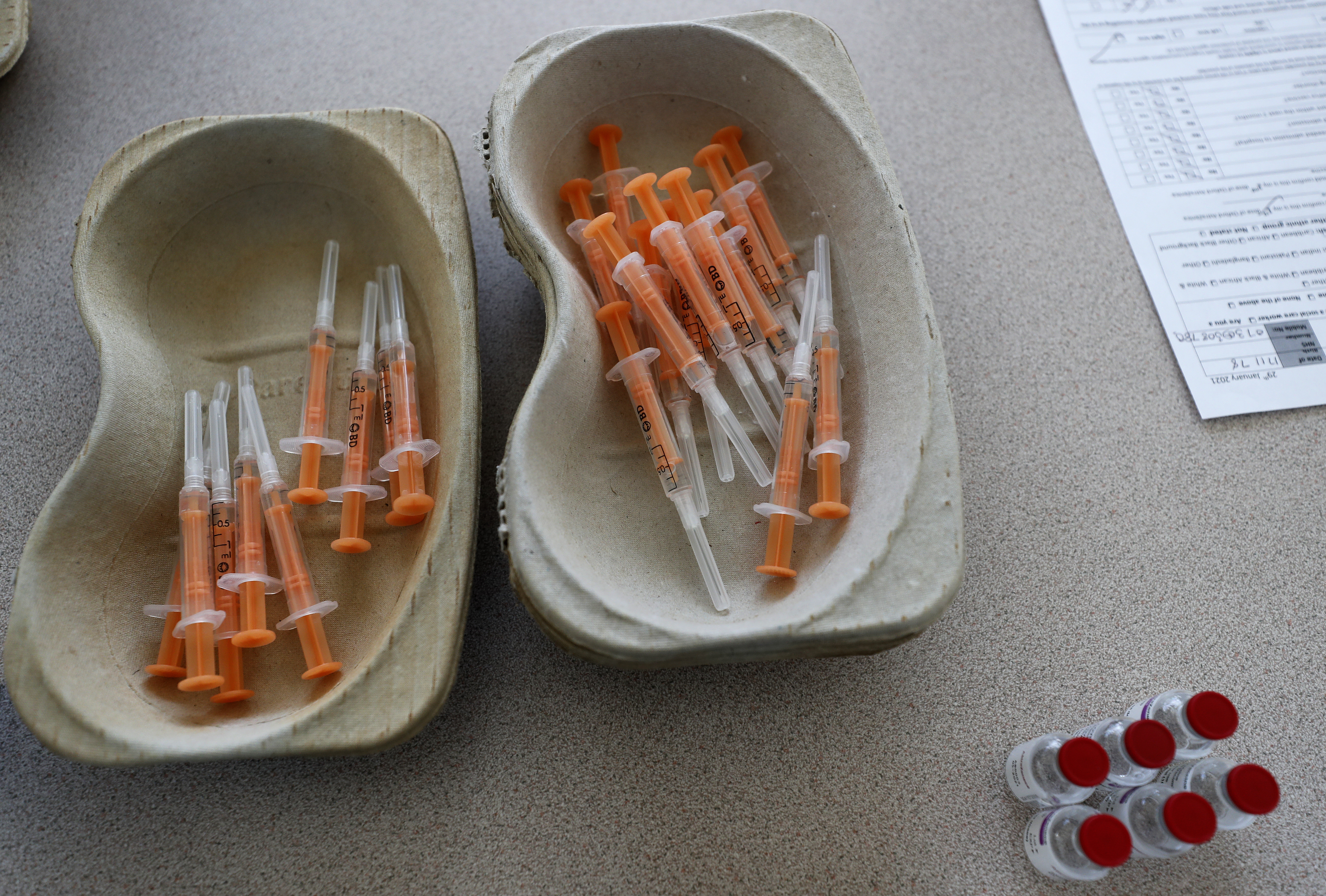
More than a million doses will be manufactured each week at the facility, with bottling of the vaccine planned to start on Monday.

The company is working around the clock until 50 million doses are ready but is still awaiting formal approval from the Therapeutic Goods Administration (TGA).


Prime Minister Scott Morrison at pharmaceutical company CSL which is manufacturing Australia's Oxford-AstraZeneca COVID-19 vaccines.Prime Minister Scott Morrison at pharmaceutical company CSL which is manufacturing Australia's Oxford-AstraZeneca COVID-19 vaccines.

CSL said the first doses of its vaccine are on track for release in March.

Before the coronavirus vaccine leaves the manufacturing facility, scientists, "check it and they check it and then they check it again", according to the prime minister.

"When you go to your GP clinic or the place that you will go to get your vaccination, you can have great confidence, not just in the vaccine itself but the Australian production process," Mr Morrison said.
"It is another important day today, that final phase of that production process starts here Monday."

Production has been underway at the Broadmeadows plant since late last year.

From next week, the final manufacturing phase will begin at CSL's Seqirus facility in Parkville.

"We start our last phase of production on Monday in terms of getting those really important doses into vials and ready for final roll-out," General Manager of Seqirus, a CSL company, Stephen Marlow told Today.

"Our plan is we will have doses available for release at the end of March, which is fantastic. It is ahead of schedule so we are pretty pleased with where we are right now."

The vaccine is formulated to a precise concentration, before being repeatedly filtered and filled into vials ahead of labelling and packing, the company says.
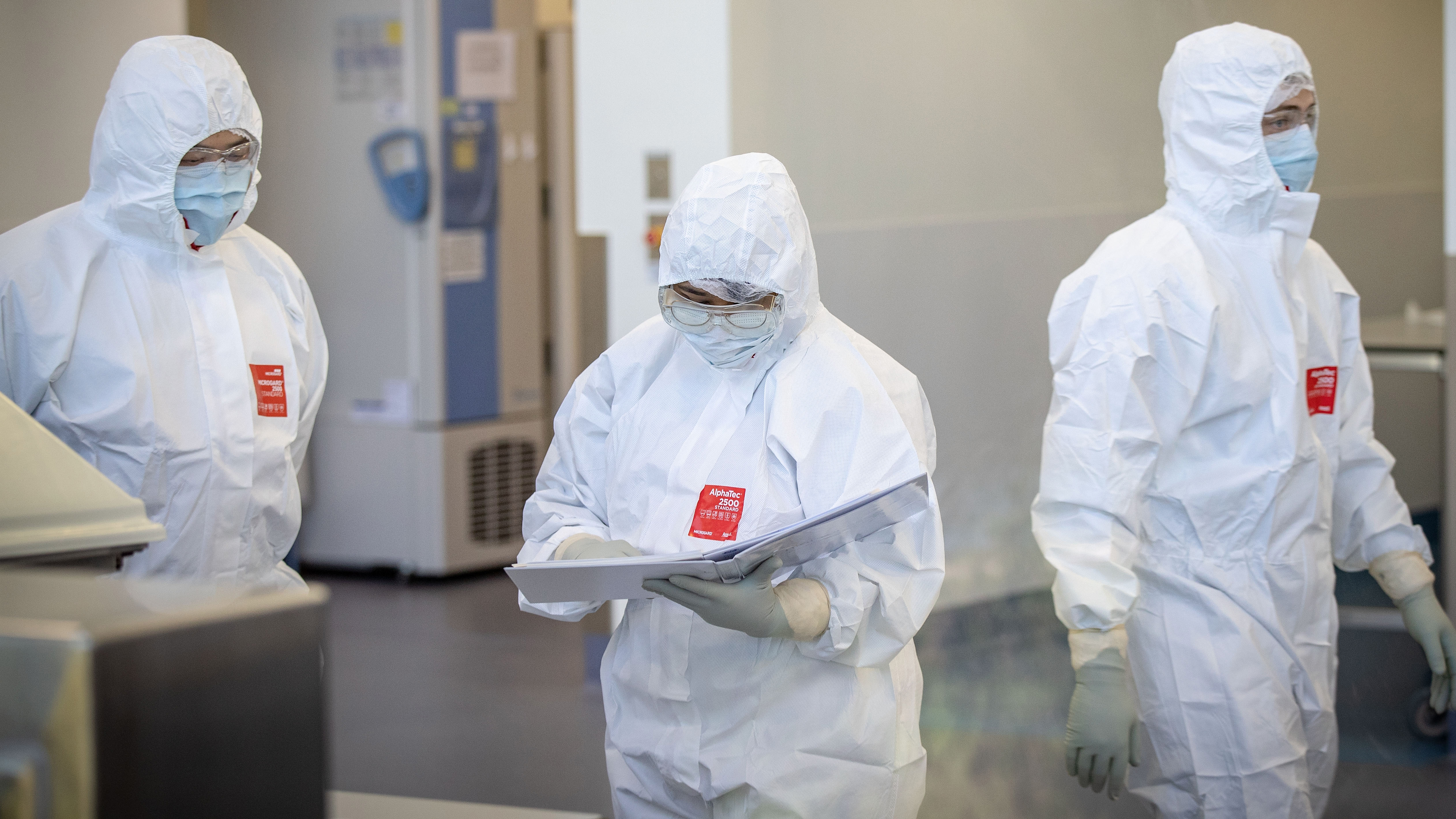
MELBOURNE, AUSTRALIA - NOVEMBER 08: Staff at CSL are seen working in the lab on November 08, 2020 in Melbourne, Australia. CSL will begin manufacturing AstraZeneca-Oxford University COVID-19 vaccine from Monday. (Photo by Darrian Traynor/Getty Images)

At the same time, each batch of finished vaccine will undergo an extensive quality check process – by CSL, by AstraZeneca, and by the TGA.

He's confident approval by the TGA will come "soon", he said.

"The TGA have a job to do. They are thorough. We have world-class regulators and they will do their job. Certainly we are buoyed by news that the World Health Organisation recently approved the vaccine for older groups," Mr Marlow, said.

https://twitter.com/GregHuntMP/status/1357177408873373700?ref_src=twsrc%5Etfw

"The AstraZeneca vaccine has been approved in a lot of countries. We are getting good data from the UK so we are hopeful to get the approval soon."

The firm is expected to release two million doses at the end of March, and then one million doses per week.

The vaccine is "flexible" and could be adapted to suit other variants of the virus, he said.

Also, the CSL facility set to manufacture millions of doses of the AstraZeneca vaccine could switch to other more effective vaccines if necessary, Health Minister Greg Hunt has said.

"What we have learnt from CSL is that CSL can do just about anything," he said.
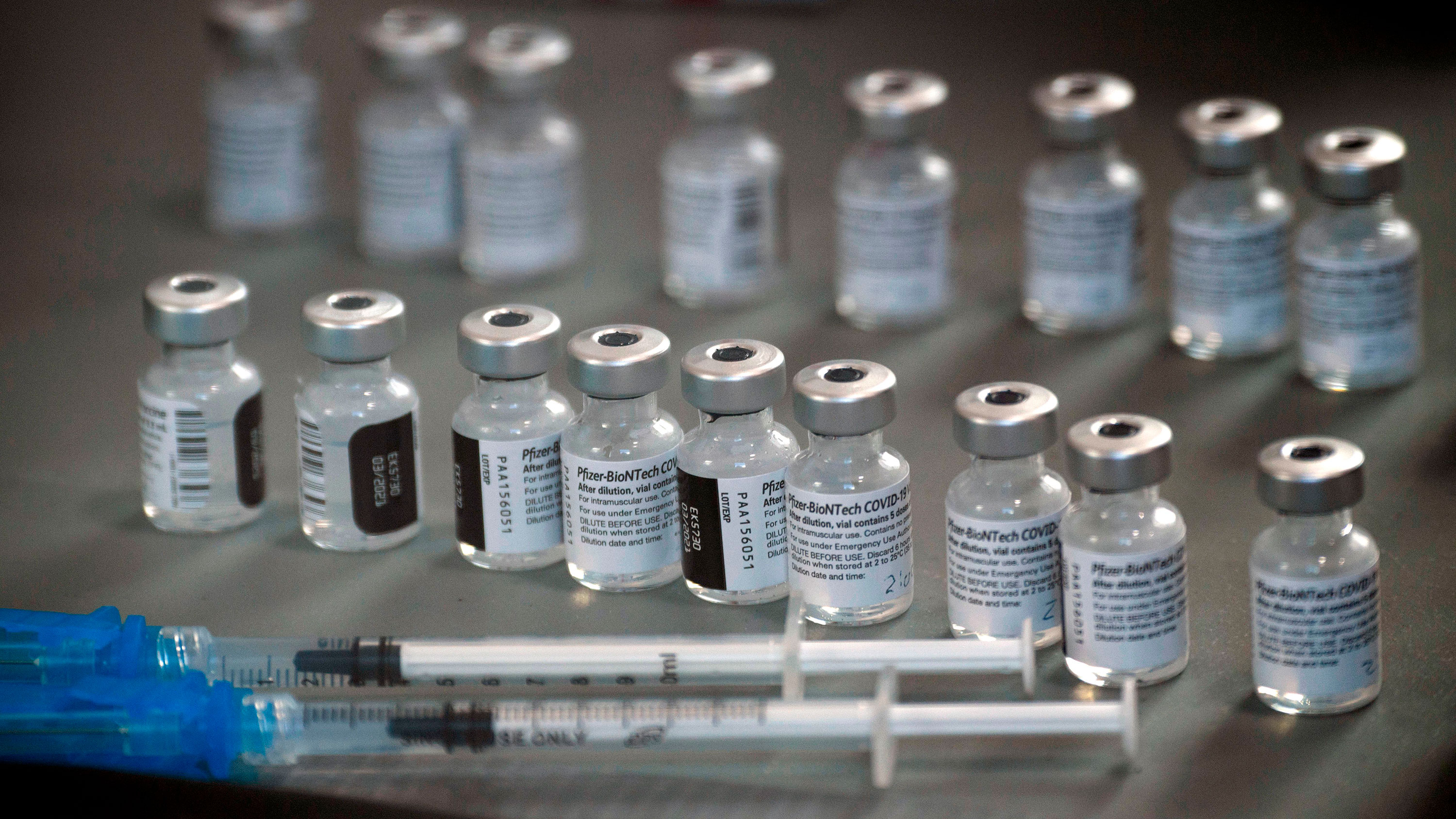
Meanwhile, the Pfizer COVID-19 vaccines are set to arrive here by early next week after the European Commission formally approved a shipment to leave the European Union.

Earlier this week Dr Michael Pulch, the EU's Ambassador to Australia said Australian orders of the Pfizer BioNTech vaccine would progress "as foreseen".

Older Australians and health care and hotel quarantine workers would be first in line for the jab, as soon as later this month.

Health Minister Greg Hunt confirmed the three stages of Australia's vaccination program are all on track.

"We are on track for the Pfizer vaccine to commence in late February," he said.

"On track for the AstraZeneca International – subject to the TGA's approval – to commence in early March.

"And most significantly, on track for the AstraZeneca/CSL, Australian-made vaccine to commence, as the Prime Minister said, in late March."

The vaccination program is set to be completed by the end of October.

So far, Australia is the only continent, alongside Antarctica, which has not started coronavirus vaccinations.
Decriminalizing homosexuality plays a critical role in combatting HIV/AIDS

BASSETERRE, St. Kitts — Being a homosexual can result in rejection by family, being ostracized by the community, fear of getting tested for HIV/AIDS, and even serving jail time. Against this backdrop, St. Kitts and Nevis health officials say that decriminalizing homosexuality is critical to combatting HIV/AIDS.

“If you criminalize that situation, that process [homosexuality], it stops the people from coming out and being able to do the test,” said Dr. Mathias Ofre, National HIV/AIDS Programme Coordinator. “If I am coming out to do the test as a homosexual individual, you will jail me for that… so I will not want to come. It will not mitigate the transmission, but instead, fuel it, agitate for more transmission of the virus.”

Dr. Ofre noted that where the decriminalization process is concerned, it is important for the relevant bodies to peruse the systems and find a suitable way to approach the issue “in a way that will prevent stigmatism and allow people to come out.

“How can we properly diagnose these people if they are not coming out to do the test,” he asked. “If they are open enough, I accept you for who you are, and that gives me an opportunity to reach you, educate you, and also help you by providing proper treatment that would mitigate the transmission.”

Dr. Ofre debunked the rumours of HIV/AIDS being a homosexual disease.

“There are people who are bisexual so that could also transmit from both the male partners to the female partners and that is how it spreads,” explained Dr. Ofre. “We have to apply wisdom on how we handle situations. Straight individuals can get infected. That is why we said having unprotected sex could predispose an individual to be infected.”

“Stigmatizing and discriminating against a person’s sexual orientation does not help,” said Mrs. Lucine Pemberton-Vaughn, Health Educator/Counsellor. “It is time for people to move away from such behaviour.

“People seem to think that if you are more accepting you are condoning what they do,” said Mrs. Pemberton-Vaughn. “We have to understand that just as how you have to answer to God for your lying, stealing, and forgiveness, homosexuals also have to answer to God. We are not condoning, we are saying that we should let people be who they want to be, realizing that God will judge each of us.”

Mrs. Pemberton-Vaughn implored everyone, regardless of their sexual orientation to be responsible in their sexual practices, to use protection, and to get tested.

The post Decriminalizing homosexuality plays a critical role in combatting HIV/AIDS appeared first on The St Kitts Nevis Observer.

US driver 'thankful to be alive' after 21m plunge off overpass

A driver who survived when his ute plunged about 21 metres off a slippery interchange exit ramp in Wisconsin said he feels thankful to be alive.

Richard Lee Oliver, in an interview that aired on Good Morning America, said he was on his way to his mother's house when his truck hit snow on the shoulder of a Milwaukee-area overpass.

“There was just too much snow on the side of the road that once the tyres got into like two foot of snow there’s no controlling a vehicle of any kind," Mr Oliver said.

LIVE UPDATES: The latest news from Australia and around the world

The driver lost control of his ute in snowy conditions.

He was hospitalised with a broken back and a broken leg, among other injuries.

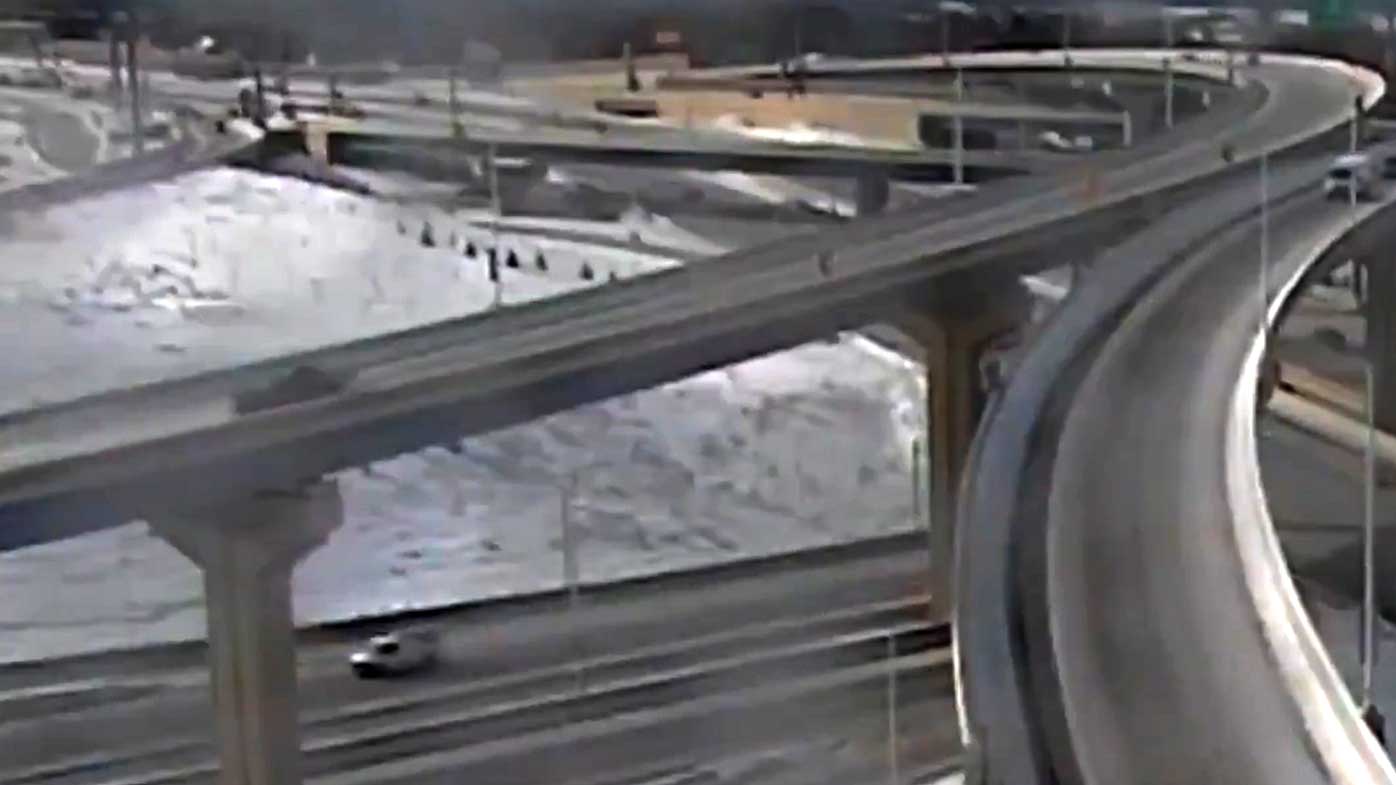
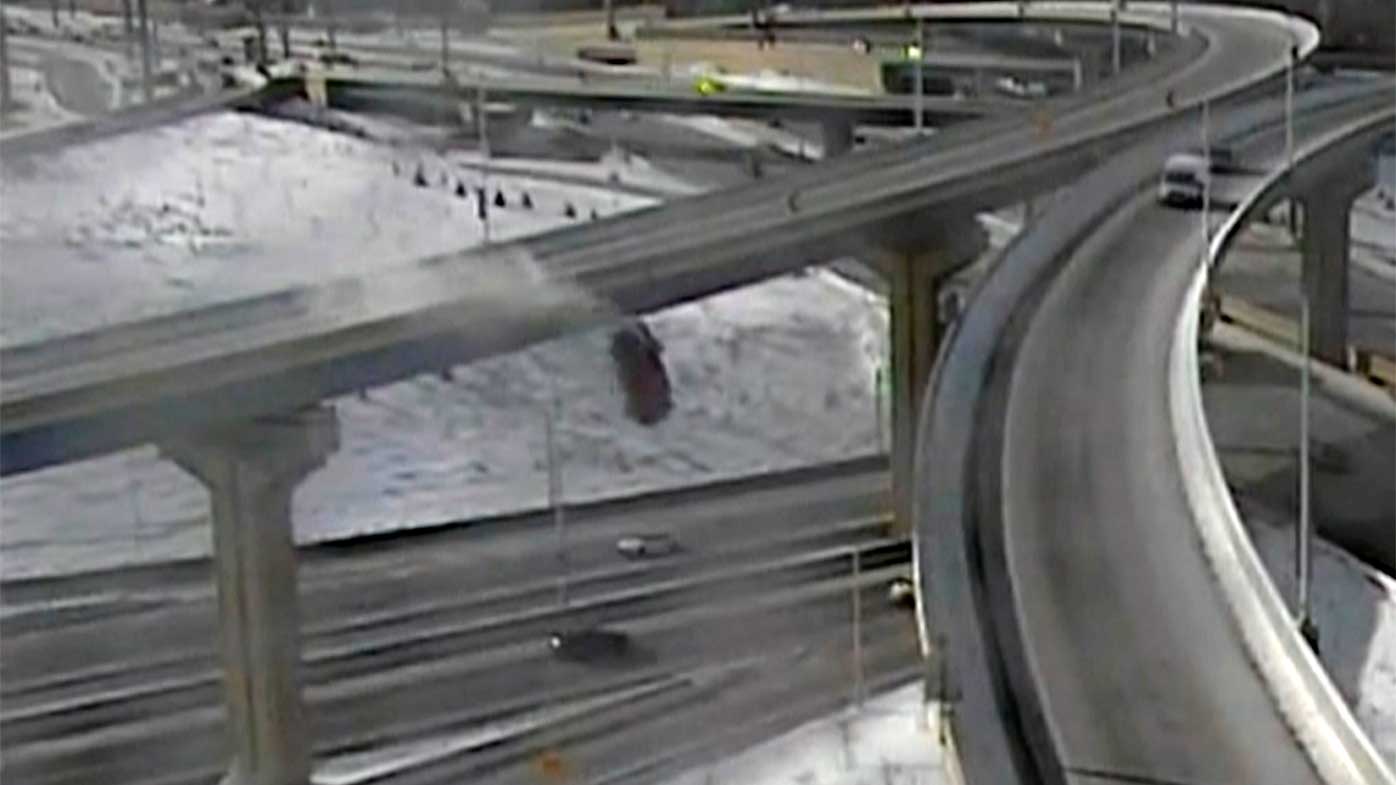
A Wisconsin Department of Transportation camera captured Saturday's crash in which the ute can be seen flipping over the a barrier wall and plummeting to the interstate below as cars pass by.

The truck landed upright on the right shoulder of the westbound lanes of Interstate 94.

Mr Oliver, the father of a six-month-old, said he is grateful to the two people who came to his aid, including a man who helped him make a phone call.

A Wisconsin driver is lucky to be alive after plunging off a highway overpass.

“He helped me in the bed of my truck and helped me call my mom just in case I wasn’t going to make it,” he said.

When sheriff's deputies arrived, they found the red pickup truck that had skidded off the ramp sitting upright in the roadway below.

"The vehicle travelled up a snowbank, proceeded over the barrier wall, and descended 70 feet (21 metres) down onto the westbound I-94 distress lane," the sheriff's office said.

The incident is just one of many that have occurred across the Midwest where snow, sub-zero temperatures and freezing rain have created dangerous, icy roadway conditions.

Milwaukee County Highways and Maintenance director Eddie Santiago said the conditions make driving especially dangerous.

"The biggest risk with that is the melting and the freezing creates sort of a ramp, a natural ramp," he said.

"The snow is hard as concrete, so a lot of our equipment is out there, basically chipping away at the, literally chipping away at the snow and ice to get that removed."

Icy weather creates dangerous road conditions

More than 41 million people remain under winter weather alerts that stretch from Oklahoma to Cape Cod, according to CNN Meteorologist Michael Guy.

In Oklahoma, freezing rain created icy roadways leading to more than 380 car crashes in the state by 5pm on Monday, according to the Oklahoma Highway Patrol/Department of Public Safety (OHP/DPS).

Early Monday morning, Oklahoma City Police warned in a tweet that cold temperatures had frozen over bridges, causing several crashes.

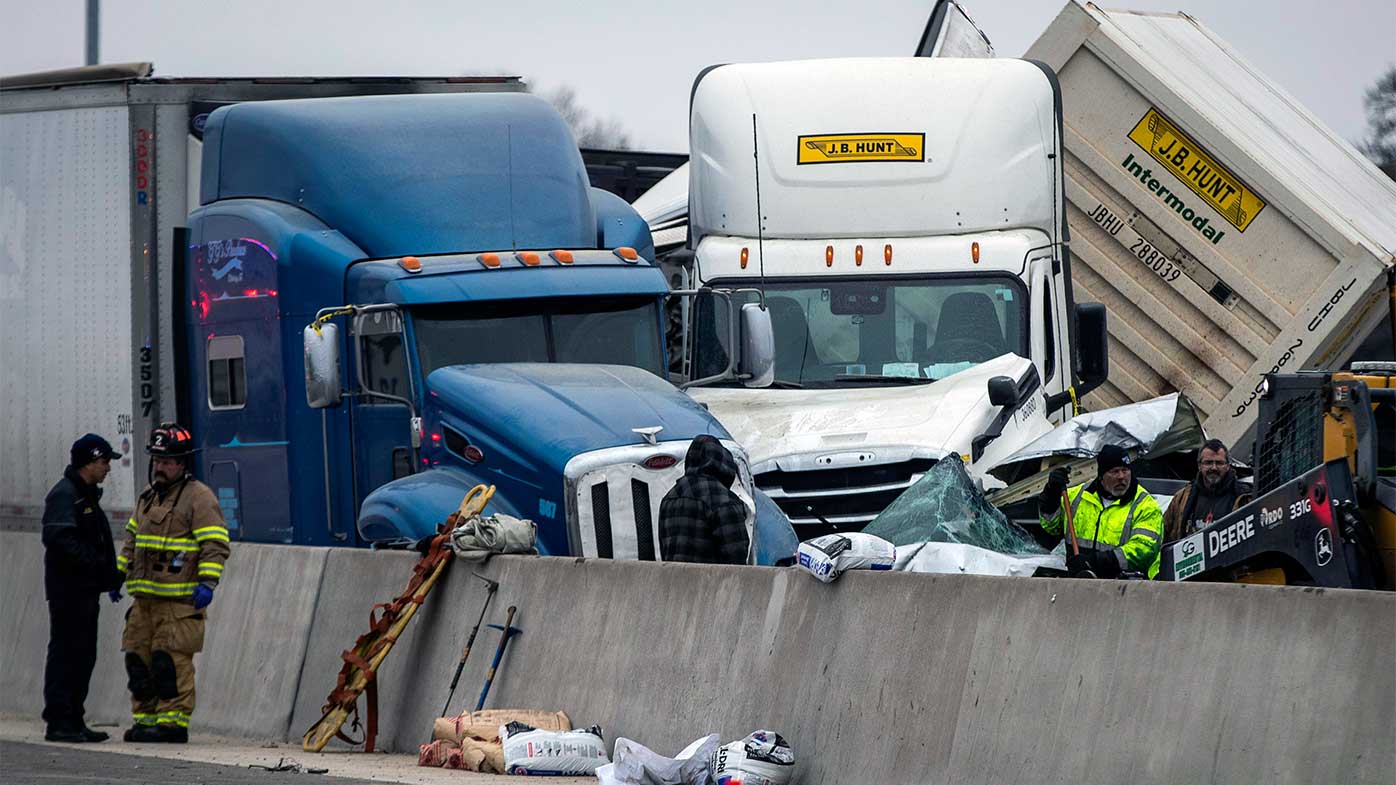
At least five people were killed when up to 100 vehicles were caught in a pile-up during a wintry storm in Fort Worth, Texas.

Two people died and people suffered injuries in at least 130 of the incidents Oklahoma State Troopers responded to, according to the tweet.

At least 20 cars were caught in a pile up on I-40, the main thruway of Oklahoma City, Monday, OHP Trooper Eric Foster said during a press briefing Monday.

Foster said that an unknown number of people were injured during multiple collisions along an icy bridge.

READ MORE: Photos taken 30 years apart reveal alarming retreat of giant glacier

New Coronavirus variants make it essential to adhere to prevention, control measures

Chief Medical Officer, Dr. Hazel Laws, emphasises wearing two masks is necessary to control new Coronavirus variants.

BASSETERRE, St. Kitts — With the emergence of new variants of the Coronavirus and the possibility of them reaching the Federation, it is necessary for people to continue adhering to the prevention and control measures, according to Chief Medical Officer, Dr. Hazel Laws.

Dr. Laws told everyone at the National Emergency Operations Centre Press Briefing that wearing face masks is very important at this time.

“As a matter of fact, the latest information says that wearing two masks will provide you that additional protection against the new variants,” said Dr. Laws. “Prior to this we advocated one mask, but the science and the latest information suggest that with the emergence of these new variants you may have to wear two masks because these new variants are associated with increased transmissibility.

“There is a risk of spreading this virus to many other people,” she said. “These risks are associated with reinfection and the variant first identified in the United Kingdom is associated with an increased risk of death. Those who are living in the countries where these variants were first identified wear double masks. They wear a surgical mask as the first layer and put on a cloth mask over the surgical mask.

“Maintaining proper hand hygiene and sanitizing high touch areas are essential,” said Dr. Laws. “Maintaining a physical distance of 3- to 6-feet between individuals and avoiding crowds are significant.

“These are the measures along with the vaccine, that are going to help us to get through this pandemic and help us get through 2021,” she said.

The post New Coronavirus variants make it essential to adhere to prevention, control measures appeared first on The St Kitts Nevis Observer.

Nevis Public Works Department repairing Fisheries Complex roof

CHARLESTOWN, Nevis — Repairs on the Fisheries Complex in Charlestown, to improve safety at that facility are being carried out by the Public Works Department (PWD) in the Nevis Island Administration. The project began on February 1 and is expected to be completed after five weeks.

Jevon Williams, PWD Director said that the area under repair became a safety hazard for people using the facility and had to be repaired.

“The works down there is ongoing,” said Williams. “The repair is on the concrete roof overhang, which has been deteriorating for quite some time. The steel has been exposed to constant sea blast. As a result there has been corrosion and the concrete has been cracking. It has been causing a hazard, with the possibility of the concrete chipping off and dropping.

“The work there is to update and repair the concrete overhang,” he said. “We are knocking off the old deteriorating concrete and replacing it with new concrete with new steel. This will improve patrons and workers safety that frequent the fisheries facility, especially the fisheries facility at the back.”

Williams said repair work is also being done on the facility’s generator room.

“The roof had deteriorated very badly, and the concrete roof has been completely removed and will be replaced as part of this project,” he said.

The post Nevis Public Works Department repairing Fisheries Complex roof appeared first on The St Kitts Nevis Observer.

Police remind public, adhere to COVID-19 protocols at funerals, weddings

CHARLESTOWN, Nevis — Members of the public who are hosting funeral and wedding ceremonies are reminded to observe the COVID-19 protocols put in place for funerals and weddings for their safety.

The call came from Superintendent Cromwell Henry, Divisional Commander for District ‘A’ in the Royal St. Christopher and Nevis Police Force, while delivering his presentation at the weekly National Emergency Operation Centre COVID-19 briefing on February 10, 2021, at the National Emergency Management Agency’s conference room in St. Kitts.

Supt. Henry addressed the matter following concerns by Commissioner of Police Hilroy Brandy, due to the non-compliance of the COVID-19 protocols at these gatherings, particularly funerals.

“We understand that funerals are a time for mourning the loss of a loved one, and they are necessary, said Supt. Henry. “However, the virus does not respect the occasion, and persons not taking precaution are at risk even at a funeral.

“The COVID-19 Act sets out the protocols to be followed at funerals and weddings,” he said. “Section 11 states: A person may attend a funeral except that the funeral shall have a maximum duration not exceeding one hour.

“The seating arrangements shall allow for a minimum of six feet between persons, and distance markers must indicate where each person must sit,” said Supt. Henry. “The total number of persons that may be permitted to attend inside of the building is one person for every 30 square feet. That is 6-feet x 5-feet. Similar protocols apply for weddings.”

“In addition to the physical distancing protocol, sanitizing must be carried out,” said Supt. Henry. “The venue must be sanitized prior to the service and persons entering or attending must have their hands sanitized, and every person must wear a face mask for the duration of the event.

“Remember, the same protocols apply for weddings,” he said. “People attending weddings must wear face masks, must have sanitization before and during the ceremony, and if you are having a reception after the wedding that must seek permission from the Commissioner of Police.

“We therefore recommend that persons go to our website: www.police.kn and apply to host your wedding ceremony and reception.”

Supt. Henry urged funeral undertakers, wedding planners, pastors and other church leaders to pay particular attention to these protocols that are stipulated by law, and to ensure that these services are compliant with the laws, as they are intended to prevent the spread of COVID-19.

“Remember protocols apply for these events notwithstanding that you may consider them religious events,” concluded Supt. Henry. “The virus does not discriminate and you are at the same risk if you do not follow the protocols. So follow good hand hygiene sanitization practices, wear your face mask and maintain your social distancing at all times.”

The post Police remind public, adhere to COVID-19 protocols at funerals, weddings appeared first on The St Kitts Nevis Observer.

AstraZeneca vaccine helps prevent COVID-19 variants, severe symptoms

Chief Medical Officer Dr. Hazel Laws

BASSETERRE, St. Kitts — The World Health Organization’s (WHO’s) Strategic Advisory Group of Experts on Immunization (SAGE) has stated that the Oxford/AstraZeneca Vaccine can be used by all adults, even the elderly, worldwide, according to the Financial Times.

“The vaccine can be used by all people over the age of 18 years in all countries,” said Chief Medical Officer, Dr. Hazel Laws. “The WHO recommends an interval of about eight to 12 weeks between the doses. It has been shown that the two-dose efficacy and immunogenicity increase with a longer inter-dose interval.”
Continue reading AstraZeneca vaccine helps prevent COVID-19 variants, severe symptoms