Deep-dive into history with these photos showing what our capital city streetscapes used to look like.
Category Archives: headline
National AIDS Secretariat emphasizes robust HIV/AIDS education programme
BASSETERRE, St. Kitts — A robust HIV/AIDS education programme aimed at enlightening the public is being highlighted by the National AIDS Secretariat to encourage primary and secondary school student’s learners to develop and maintain safer behaviours, and reduce stigma and discrimination towards people affected by and living with the virus.
“We have a school programme during which we visit the primary and secondary schools regularly to speak on sexual health and all of the surrounding issues with HIV/AIDS and the other sexually transmitted infections,” said Lucine Pemberton-Vaughan, Health Educator/Counsellor. “We are in the workplace as well. So certain businesses and organizations call us and if they don’t, we invite ourselves.”
Mrs. Pemberton-Vaughn said the Secretariat also reaches out to faith-based institutions.
“We go to churches, we are on the block, the streets, anywhere people are we are spreading the word,” said Mrs. Pemberton-Vaughn. “Even on Friday afternoons, you can see me walking down Fort Street issuing condoms and lubricants and just meeting people and having that one on one talk.”
“No sector is left untouched, we reach out to private sectors having one on one meetings with the workers to educate them about what HIV,” said Dr. Mathias Ofre, National HIV/AIDS Programme Coordinator. “They learn how they can protect themselves and provide condoms and educate them on how they can be properly used because that is very important.
“If you don’t know how to use it properly you will end up exposing yourselves to the risks of it being destroyed in the process or probably not being used to achieve a living purpose.”
Dr. Ofre and Mrs. Pemberton-Vaughn reiterated the importance of educating the public. They said education plays a crucial role in the fight against HIV/AIDS.
The post National AIDS Secretariat emphasizes robust HIV/AIDS education programme appeared first on The St Kitts Nevis Observer.
Cuban trio lived on coconuts and rats in 33 days on deserted island
Two men and a woman had lost track of days as they survived on a diet of coconuts, conches and rats for more than a month after they were cast away on a deserted island between Florida and Cuba.
US Coast Guard officials said the trio from Cuba told them their boat had capsized in rough waters and they were able to swim to Anguilla Cay, where they spent 33 days before they were spotted and rescued.
The uninhabited island of rocky ground and palm trees and shrubs is part of an atoll of the Bahamas that is much closer to Cuba and monitored by the US Coast Guard for strandings of refugees trying to reach US soil.
READ MORE: Castaway sued for allegedly cannibalising shipmate
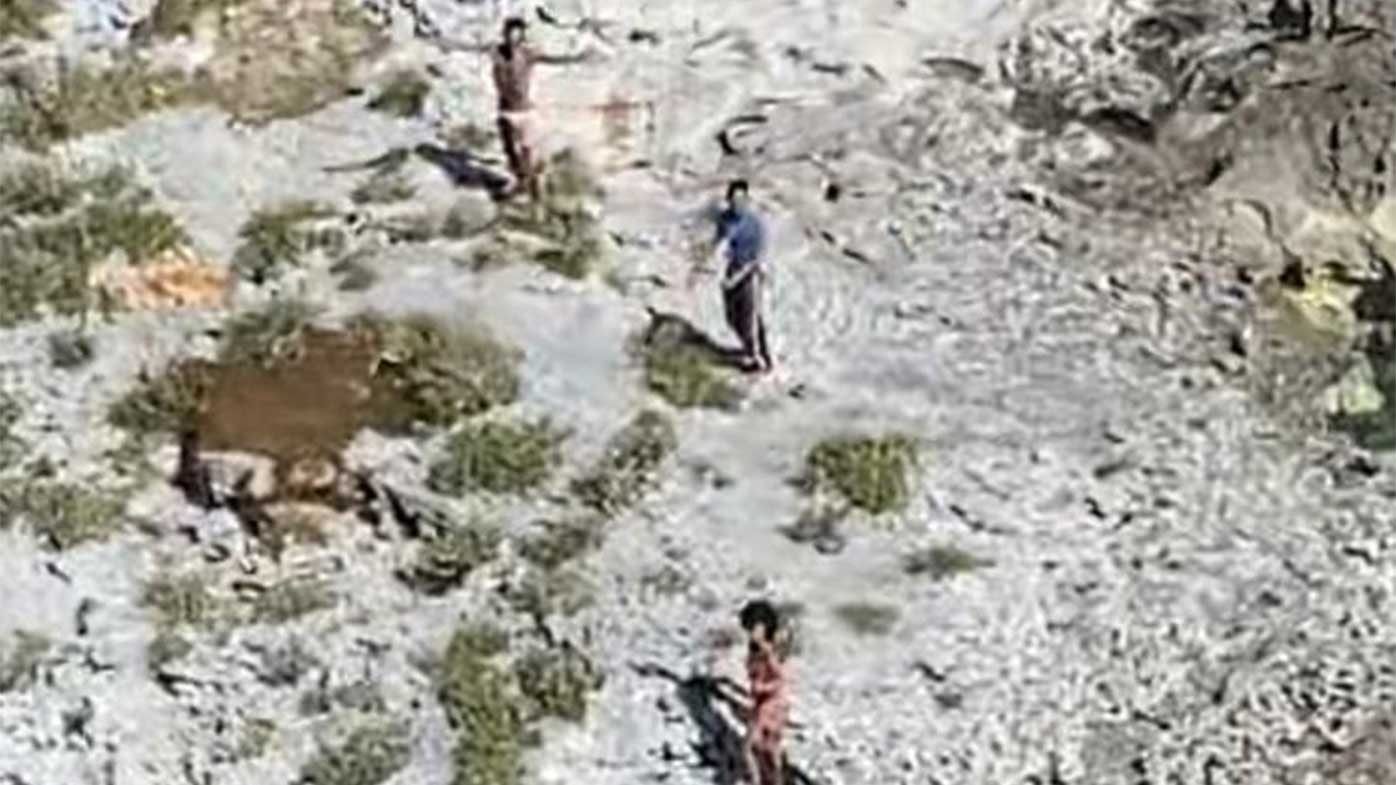
Lieutenant Riley Beecher, a Coast Guard pilot, said that while on a routine mission they saw on Monday what looked like flags waving in the usually brown and light green topography.
“I thought ‘let’s take a closer look.' I had never seen anything on that island.” Lt Beecher said.
“Then I saw two people were frantically waving their hands trying to get us to come down.”
The Coast Guard initially dropped some water and a radio to be able to communicate.
Later on Monday, another crew flew back to bring more supplies.
One of the pilots who flew on the second trip, Lieutenant Justin Dougherty, said the woman was low on blood sugar and was given packets to get her levels back to normal.
“They definitely seemed very relieved,” he said after they had been discovered and offered supplies.
“They had lost track of exactly what day it was."
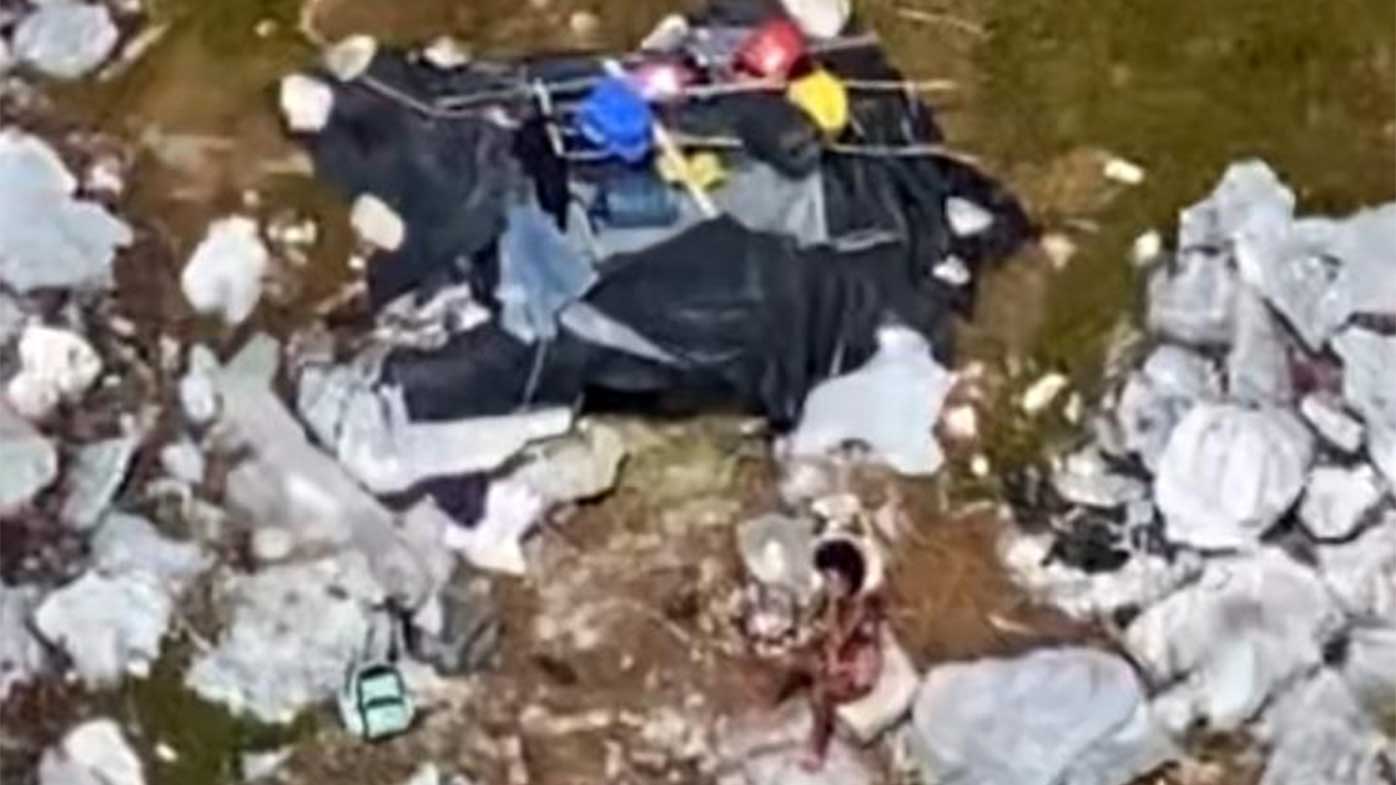
Lt Dougherty said the stranded travellers said the coconuts kept them hydrated and they also ate the meat of conchs and rats.
It could have been worse had they not found palm trees or had it been hotter.
“I was amazed that they could go for that long and sound as coherent,” Lt Dougherty said.
“Hydration was the most important aspect."
They were rescued on Tuesday morning and taken to the Lower Keys Medical Centre with no serious injuries.
https://twitter.com/USCGSoutheast/status/1359273440964927488
The US Border Patrol took custody of the three Cubans from the Key West hospital and they were taken to a facility in Pompano Beach, the Coast Guard said.
Immigration officials did not immediately say whether they would be deported.
It was not clear whether this group was attempting to come to the US or just lost at sea, as US Coast Guard officials said they were focused on just rescuing them.
A larger group of Cubans was stranded for 10 days in a beach of Cay Sal Bank, not far from Anguilla Cay, last October.
“It’s not every day you come across three individuals stranded for 33 days in an island,” Lt Beecher said.
“To see the relief in their face when you have given them some hope is pretty awesome and fulfilling.”
READ MORE: Three mariners rescued from deserted Pacific island
Aussie's heartbreak living in country with world's worst COVID rates
When Ofelia Monteiro packed up her humble Sydney home and moved to Portugal in 1995, she thought she was making the best decision of her life.
And for almost 26 years it was true.
But in the last 12 months she has felt like her world has collapsed.

"At the time I thought I made a good choice, but now I don't know," she tells 9News through a sobbing voice.
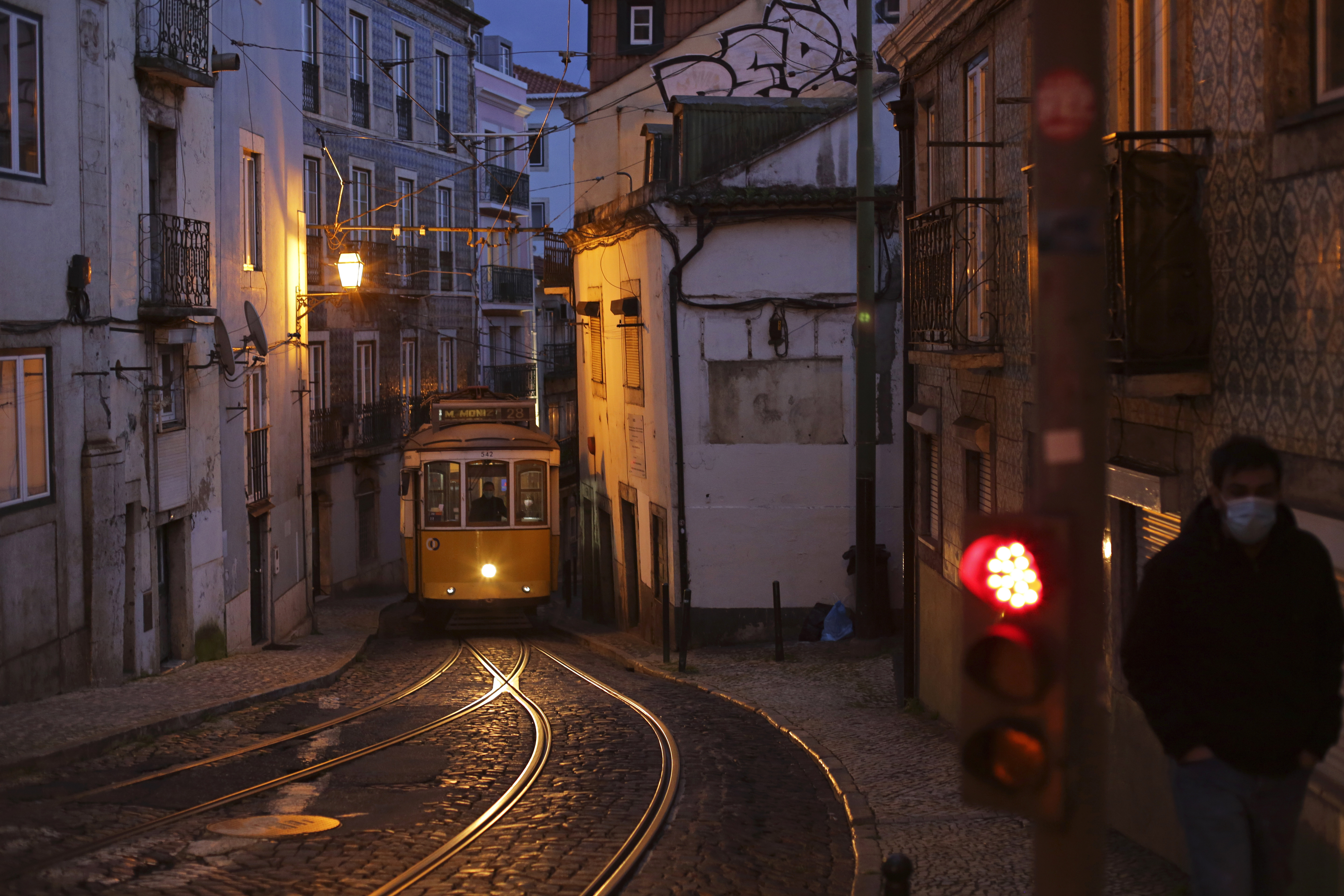
As Australia enjoys a new normality living with the coronavirus, the pandemic is an ongoing tragedy in Portugal.
Data collated by Johns Hopkins University shows Portugal this week is still recording the most daily cases per 100,000 people of any country and has the world's fourth-highest rate of deaths.
"I see pictures on Facebook of my family and friends in Australia and I feel like I'm living in another world," Mrs Monteiro told 9News.
When asked if she wishes she still called Australia home, she answers "definitely".
The mother-of-three from Marrickville, who immigrated to Australia when she was just seven-years-old, said she returned to her family's homeland for her children.
"I wanted my kids to grow up in a safe place and know their roots, to know the traditions of Portugal," she said.
READ MORE: New variants raise worry about COVID-19 virus reinfections
Crippled tourism industry leaves locals with nothing
Mrs Monteiro runs the normally buzzing O'Koala Restaurant in Bensafrim, 8km inland from popular coastal tourist destination of Lagos in the Algarve.
Last year crippled the tourism-dependant Algarve region, with turnover falling by €800 million ($1.25 billion) compared to 2019, a 65 per cent drop, as coronavirus kept visitors away from its beaches and restaurants and left thousands of local jobs by the wayside.
One year into the pandemic as the country was flung into lockdown last month, Mrs Monteiro says the Aussie-themed eatery has been lucky to get anyone through the door.
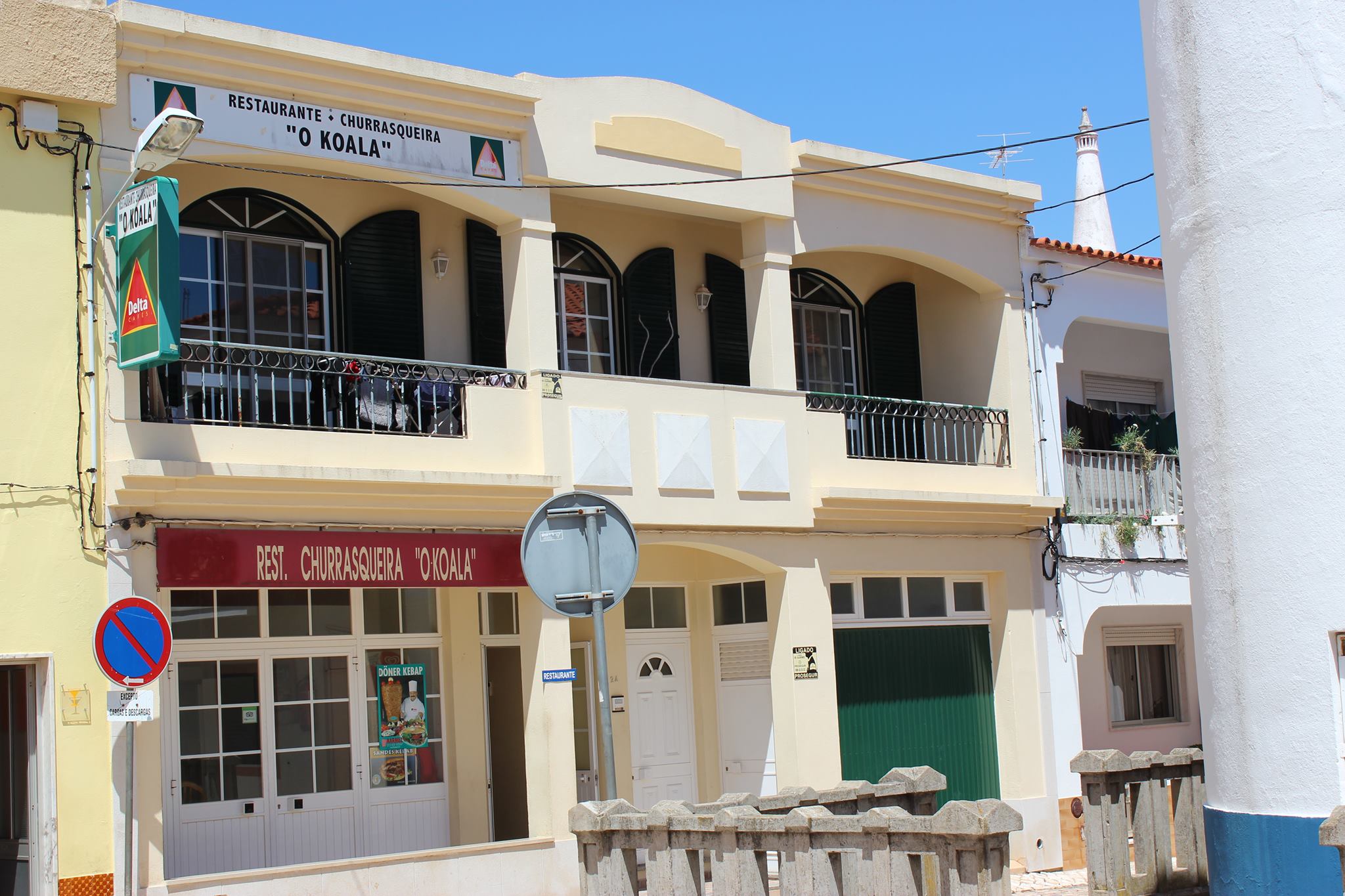
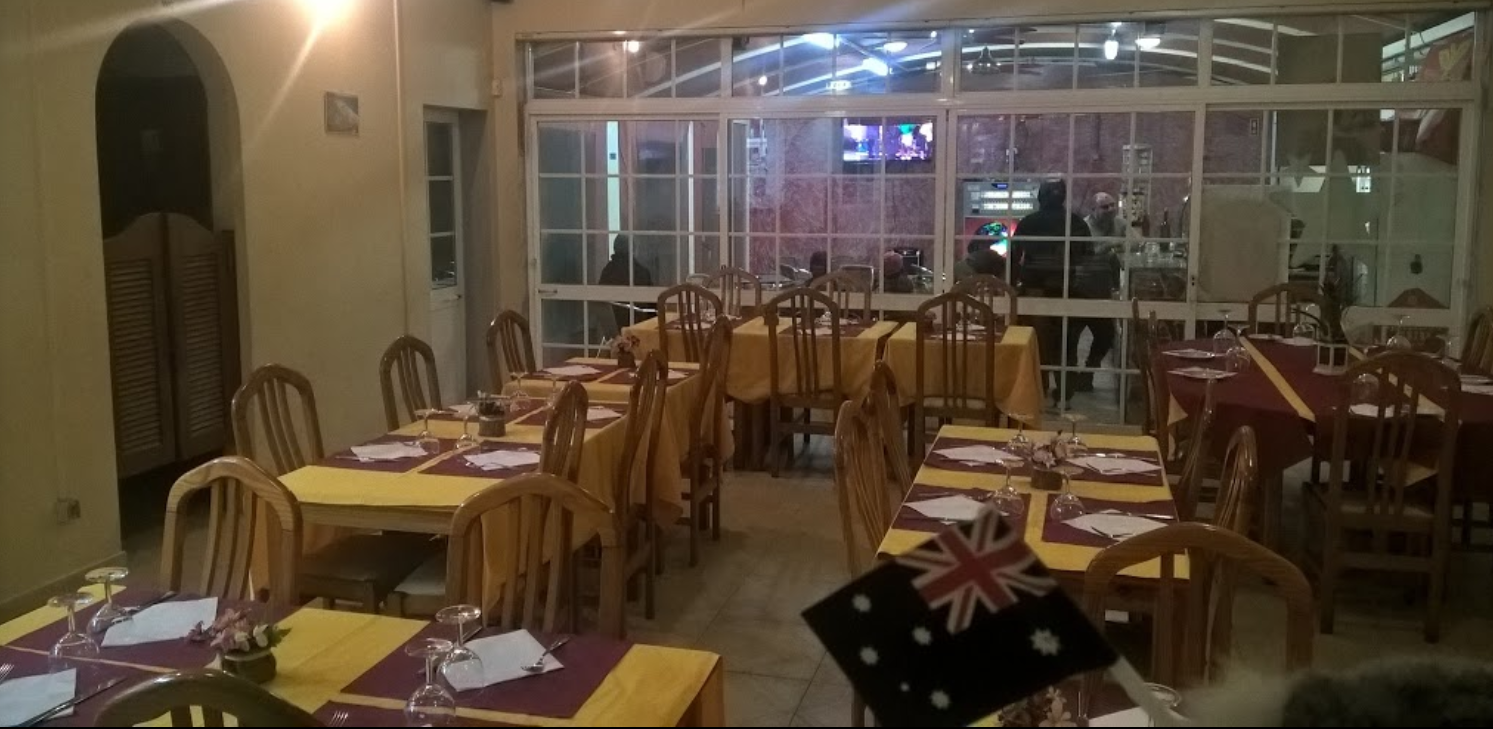
"Here in the restaurant, we're working takeaway only, but takeaway is dead because no one has any money, and everyone is stuck at home, so they cook for themselves," she said.
"Last night, we didn't sell one chicken, that was compared to 12 months ago when we used to sell 10 to 15 takeaway chickens every night.
"Now we go by nights where we don't do anything at all."
Mrs Monteiro says she is eight months behind on her mortgage, unable to pocket any money from her restaurant which once saw patrons queuing out the door.
A waiting game, she fears, for the bank to come and take her restaurant.
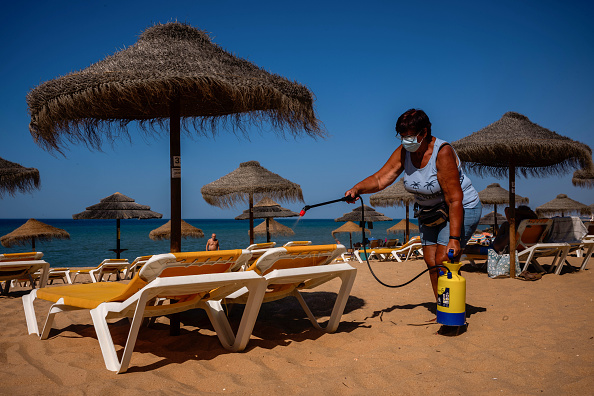
"The banks probably think we have some backup, but no, we don't have any backup. The backup has run out because we have been doing this for 12-months," she said.
"The little we had is gone."
'Horrible' impact on country of 10 million
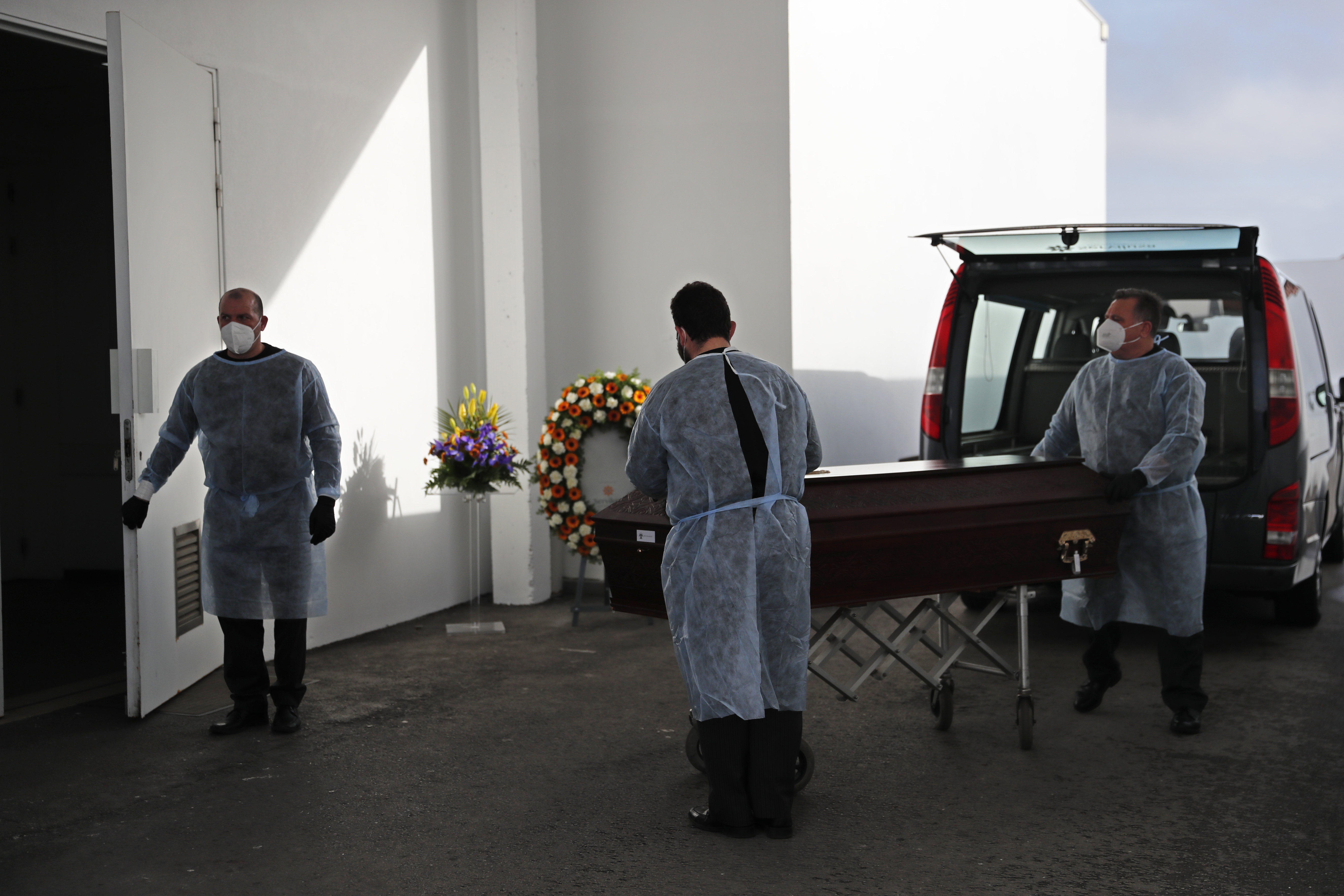
Portugal has recorded more than 770,500 coronavirus cases and 14,500 deaths since the beginning of the pandemic — staggering figures for a country with a population of only 10 million.
Last month was the deadliest yet, with more than 5000 lives lost, about one third of its total pandemic toll.
Over the month, hospitalisations grew by 136 per cent and patients in intensive care units by 78 per cent, pushing the public health system near collapse.
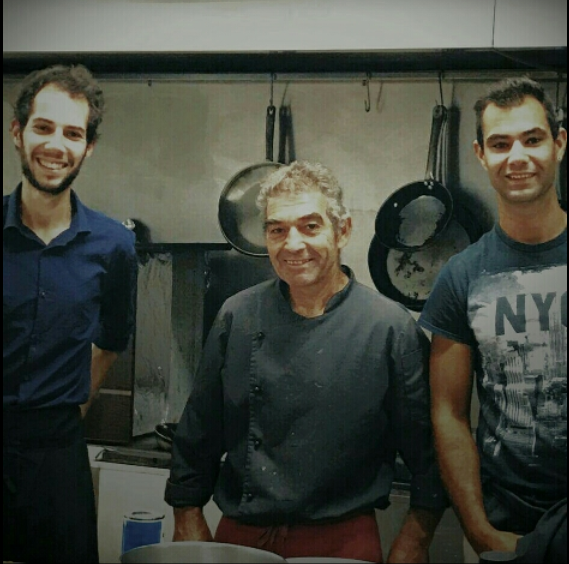
"It's been horrible, it's been really, really horrible," Mrs Monteiro said.
READ MORE: France says no AstraZeneca virus vaccine for people over 65
It is not alone in struggling through multiple waves of the pandemic, with all of Europe racing to vaccinate many millions in the hope it will stem the devastation of the virus.
More than 400,000 people in Portugal were vaccinated in January, mainly residents and staff of aged care homes, frontline health workers and security forces.
The second phase began last week with some 900,000 people above 80 years of age, or above 50 with underlying health problems, to be inoculated over the next two months.
But at the current vaccination rate of just over 10,000 doses a day on average, Portugal won't reach its target of 70 per cent of vaccinated adults until 2023.
The country's pandemic picture is mixed: hospital admissions rose for the first time in a week, while the 196 COVID-19 deaths reported on Monday was the lowest in three weeks.
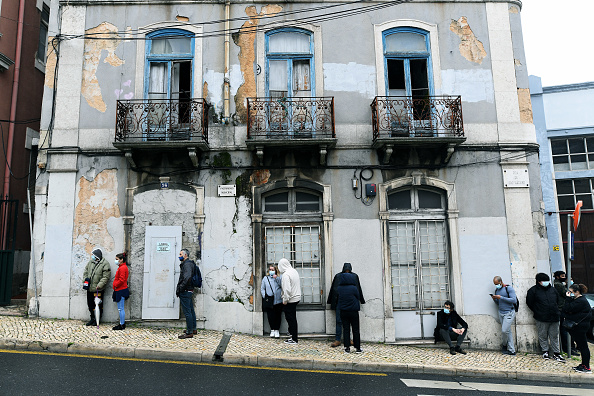
But glimmers of hope are hard to cling on to for many struggling with lives surrounded by devastation.
"I don't know what's going to happen, I'm scared all hell is going to break loose in this country," Mrs Monteiro said.
Severe heat warning in place for two states as temperatures soar
Temperatures could reach as high as 40 degrees in Victoria's northwest today.
Strong winds forecast have prompted a total fire ban for the Mallee and Wimmera, but there's promise of a late cool change.
The heat is expected to travel west, with the mercury set to hit 38 degrees in Adelaide. There is also a severe fire danger warning in place for parts of the state's east.
https://twitter.com/BOM_Vic/status/1359605159723233280?ref_src=twsrc%5Etfw
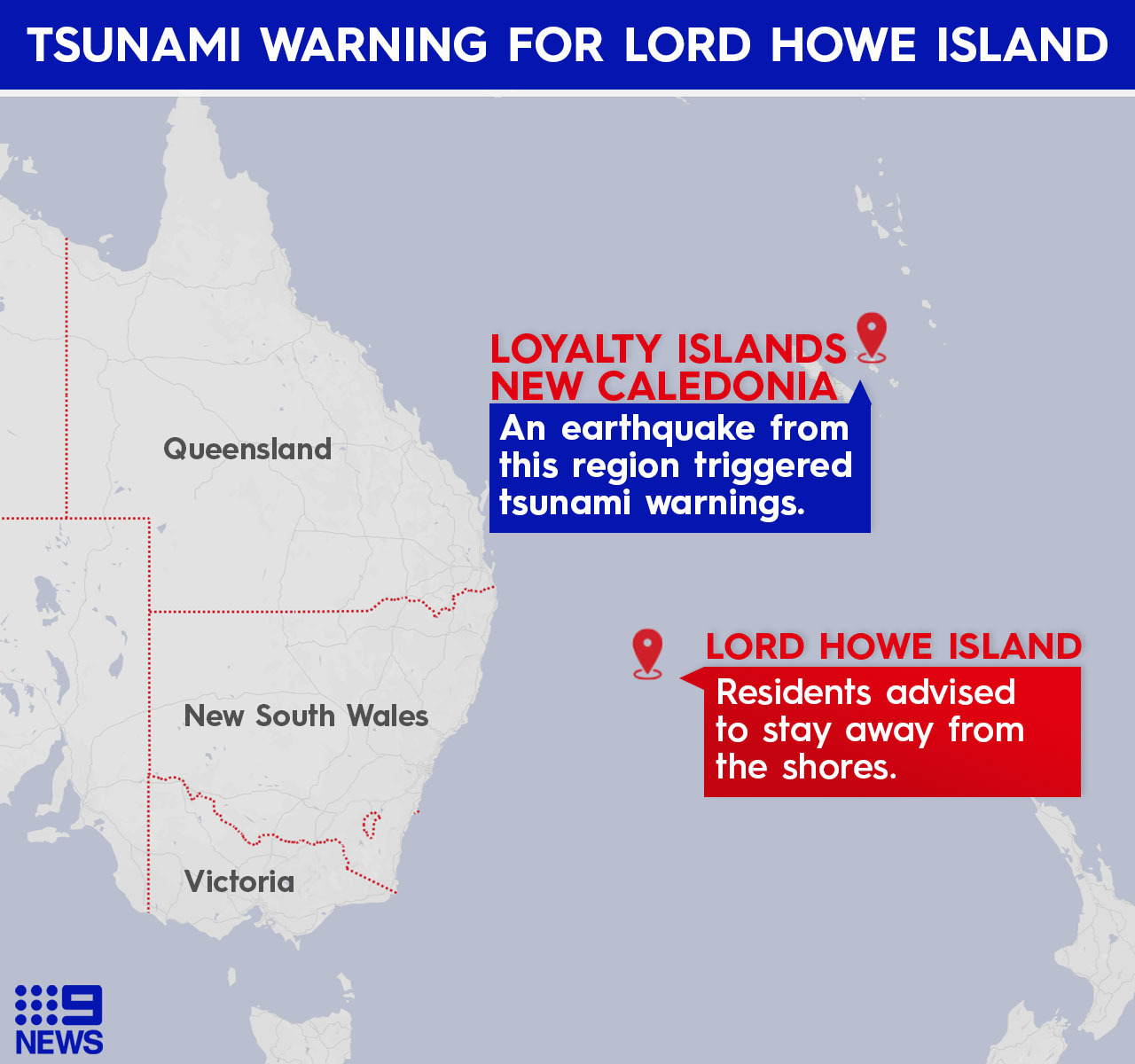
Meanwhile, a tsunami warning was this morning issued for Lord Howe Island, off the NSW coast, after a earthquake near the Loyalty Islands within New Caledonia, however it has since been cancelled.
The Bureau of Meteorology Australia tweeted a tsunami has already been "confirmed" at Norfolk Island, which is between New Zealand and New Caledonia.
Across the rest of the country today, troughs are generating heat and storms in the western and central interior and western Queensland, with rain developing.
A trough in the tropics is triggering areas of rain and storms. A front is bringing cool gusty winds and showers to southern Western Australia.
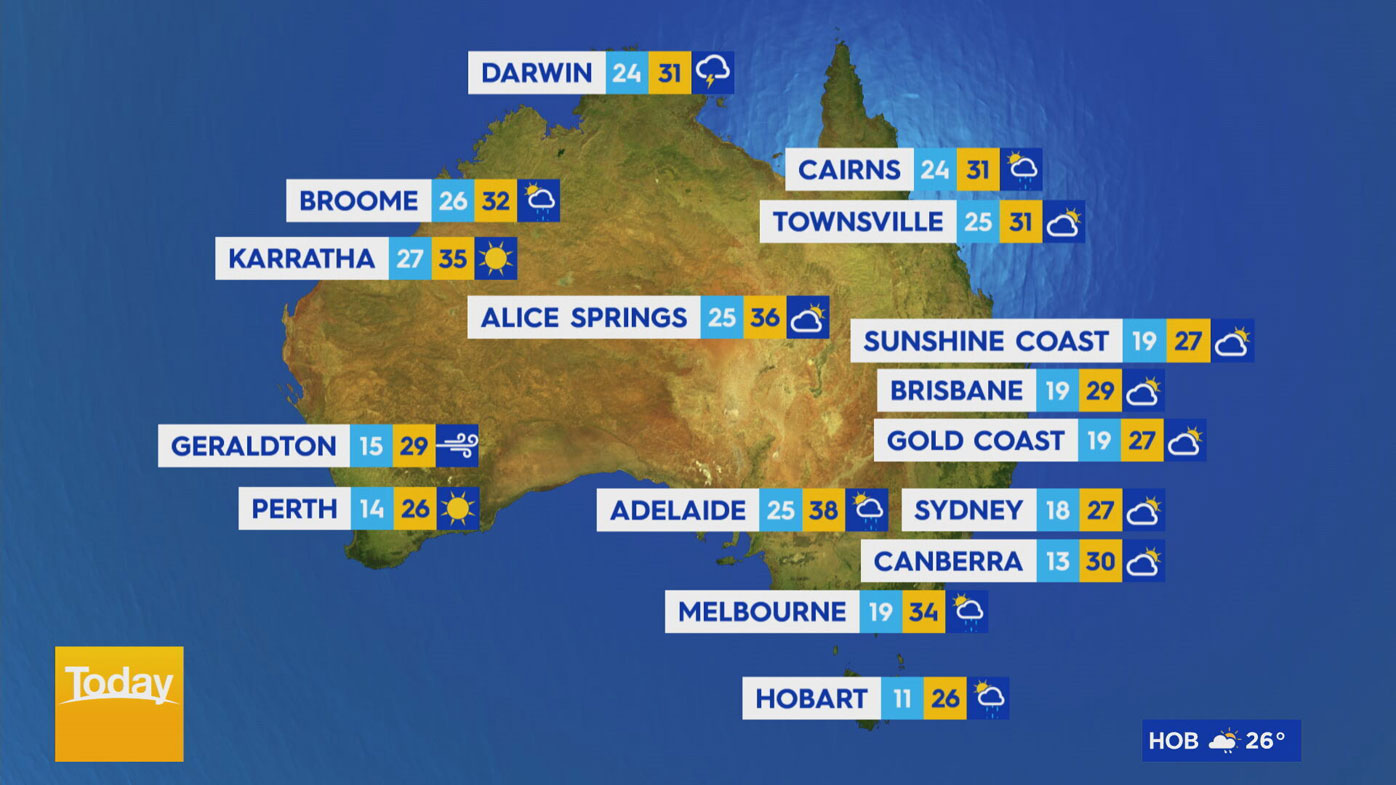
Here's your weather forecast for Thursday, February 11, 2021.
QUEENSLAND
Mostly sunny, mild-to-warm in the southeast. Clearing showers, very warm in the northeast.
Showers and storms are likely in the northwest, while showers will ease in the southwest.
NEW SOUTH WALES & THE ACT
Showers, cool-to-mild in the northeast. Mostly sunny, cool-to-mild in the southeast. Mostly sunny, very warm-to-hot in the west.
VICTORIA
A late shower and very warm conditions in the southwest. There'll be foggy conditions before it becomes sunny and warm in the southeast.
A late shower, hot in the northwest. Mostly sunny, very warm in the northeast.
TASMANIA
A late shower, warm in the south. Late shower, cool-to-mild in the north.
SOUTH AUSTRALIA
Mostly cloudy, very warm-to-hot in the southeast and central regions. Late shower, mild-to-warm in the west. Mostly cloudy, hot in north.
WESTERN AUSTRALIA
Mostly sunny, mild-to-warm in the southwest. Clearing shower, cool-to-mild in the south. Mostly sunny, very warm in the northwest. Showers and storms over the interior.
NORTHERN TERRITORY
Showers and storms, warm in the north. Clearing showers, warm over the interior. Late thunder, warm-to-very warm in the south.
Caribbean Development Bank programme to aid market access to St. Kitts and Nevis
BRIDGETOWN, Barbados — St. Kitts and Nevis will be offered a Regional Quality Infrastructure Programme (RQIP) with globally standardised testing at domestic laboratories as early as next year, according to Daniel Best, Director Projects Department at the Caribbean Development Bank (CDB). The program will also be offered to Barbados and Dominica.
The RQIP will provide the Federation with a national quality policy to ensure businesses can deliver globally recognised goods and services required for trade. CDB has partnered with the European Union (EU) and the Caribbean Community (CARICOM) Regional Organisation for Standards and Quality (CROSQ) to provide the program.
According to Best, the strengthening of the RQIP is supporting these upgrades “to add value to local and regional enterprises and focuses on several important subsectors in each economy namely, agro-processing, transportation and construction.” This, he indicated is being provided at an opportune time given the economic hurdles being faced by the region.”
The intervention is being funded by the CARIFORUM-European Union Economic Partnership Agreement
(EPA), and the CARICOM Single Market and Economy (CSME); Standby Facility for Capacity Building financed by the 11th European Development Fund (EDF) and managed by CDB. It is part of the bank’s wider thrust to stimulate private sector led growth focused on Micro, Small and Medium Enterprise (MSME) development.
CARIFORUM Director General at the CARICOM Secretariat, Percival Marie, set the context for the project, stating that while there have been improvements in the region’s trade with Europe by businesses leveraging export opportunities. There were gaps in both private and public sectors which required attention.
In response, the region has committed significant funding to strengthen the relevant institutions.
“One of the major components of this CARIFORUM regional capacity building programme is a programme of support to CARIFORUM Member States in seizing market access opportunities,” said Marie. “The programme advances the use of an internationally recognised regional quality infrastructure.”
Increasing the capabilities of the regional enterprise is the intent of several interventions supported by the EU in the region.”
“As COVID-19 forces unprecedented changes to the way we work, live, and learn,” said Luis Maia, Head of Cooperation at the EU Delegation in Barbados. “The Standby Facility creates a critical avenue to address inequalities and constraints threatening growth in trade while providing much needed aid to effectively implement CSME and EPA related activities at the national level.”
“Through projects and resources, such as the European Union’s Standby Facility, we can make steps to bring our businesses and, by extension, our economies ever closer to being more competitive and sustainable,” explained Deryck Omar, Chief Executive Officer at CROSQ, “which is implementing the US $874,932 project, supported this view. US $ 587,325 was allocated from the Standby Facility while CDB provided US $118,840 from its Special Development Fund (SDF).
Exporters from various productive sectors in the region face several barriers when entering new markets, including issues related to quality and adherence to globally accepted standards. This project will assist local firms in accessing resident metrology services increasing export readiness. These arrangements will serve to strengthen manufacturing, reduce production costs and increase the competitiveness of local commodities.
The Standby Facility is a € 8.75 million resource managed by CDB, which offers opportunities to 15 Caribbean economies to grow trade; deepen integration and economic involvement; and impact competitiveness, market access, and exports by implementing targeted projects in thematic areas.
The post Caribbean Development Bank programme to aid market access to St. Kitts and Nevis appeared first on The St Kitts Nevis Observer.
Otago University students punished for flat hazings
Twenty students faced disciplinary action at the University of Otago after two flat initiations led to burglary, forced drinking and demeaning acts last year.The university’s annual disciplinary reports, released yesterday, show…
Queenstown Harbourmaster's second major Lotto win
To call Queenstown’s harbourmaster Marty Black jammy would be an understatement.Almost four years after winning $500,000 in a Lotto draw, two weeks ago he won $333,000 after three players shared the top first division prize of $1million.Black,…
Tsunami warning for Lord Howe Island off NSW coast
A tsunami warning has been issued for Lord Howe Island, off the NSW coast, after a earthquake near the Loyalty Islands within New Caledonia.
The Bureau of Meteorology Australia tweeted a tsunami has already been "confirmed" at Norfolk Island, which is between New Zealand and New Caledonia.
https://twitter.com/BOM_au/status/1359535369532932096?ref_src=twsrc%5Etfw
"Tsunami confirmed. Observations Norfolk Is at 2.15am," the tweet said.
The warning remains current, according to the Joint Australian Tsunami Warning Centre.
It was issued at 5.03am AEDT.
There are no evacuations in place, but residents are being told to stay away from the shore.
It says: "For the marine environment of Lord Howe Island there is the possibility of dangerous rips, waves and strong ocean currents, and some localised overflow to the immediate foreshore commencing after 2:45 am (local_time) Thursday and persisting for several hours.
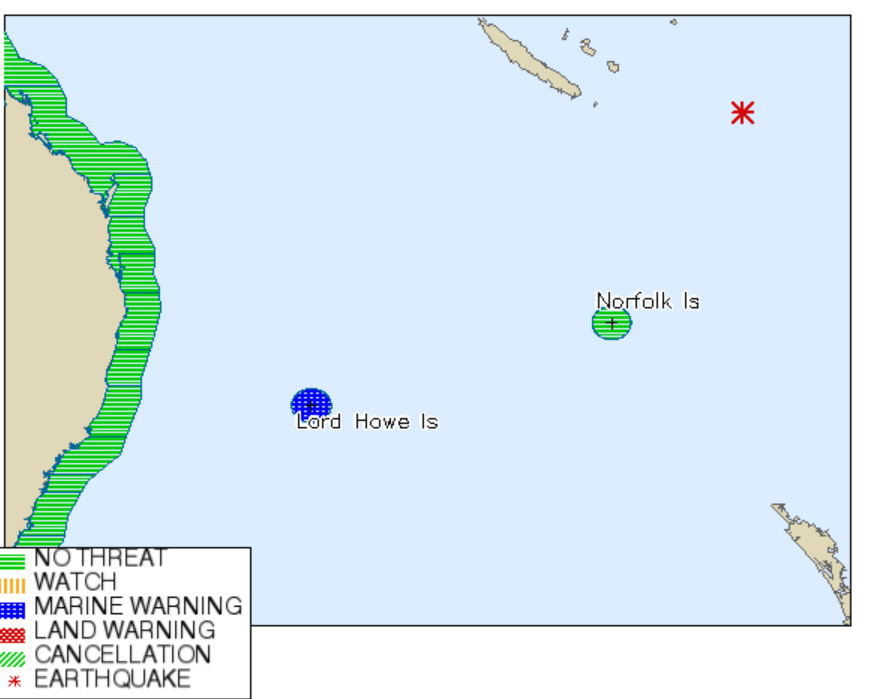
"While evacuations are not necessary for Marine Threat areas, people in these areas are advised to get out of the water and move away from the immediate water's edge."
Lord Howe Island is 600km off the NSW coast.
There are just 300 residents but it's a popular place for holidays.
Hare-raising ride: Man injures three mates chasing a hare
A man has ended up in court after three of his friends were injured when he rolled the ute he was driving on a rural property while trying to chase a hare.Reuben Jacob Allan, 44, of Ikawai, had admitted three charges of carelessly…