A man has been resuscitated by fellow swimmers at a North Island swimming hole, after being pulled from the water unconscious. The TECT Rescue Helicopter was called in to help the man in his 20s, who was swimming at the Dickey Flat…
Category Archives: headline
Police investigate after horse killed and shed fire in rural Hawke's Bay
Police are investigating a shed fire and the killing of a horse in rural Hawke’s Bay as potentially gang-related incidents.Officers received a report of a horse, believed to have belonged to a gang member, that had been killed in…
Sudden-death incident reported at Petone Beach, Wellington
A body is believed to have been found on a Wellington beach.Police have not confirmed whether a body washed up, was discovered by someone or left there as a result of some sort of incident, only that they were notified of a “sudden…
Police to Hawke's Bay's burnout kings: We won't let up
Police won’t be letting up on illegal racers and burnout kings despite impounding 35 vehicles in Hawke’s Bay in two weeks.Hawke’s Bay-based police Eastern District road policing manager Matt Broderick says that rather than there…
Govt set to abolish local veto on councils' Māori wards
The Government will abolish a law that allows local referendums to veto decisions by councils to establish Māori wards.The move will be made in time for the 2022 local body elections, and means decisions made by nine councils…
Greek gods and ancient mortals 'resurrected' in terracotta figurines
From ancient cities, to fallen empires, to mass burials, researchers have made some amazing archaeological discoveries over the years.
Family of children killed in Oatlands crash focused on forgiveness
One year since a drink and drug affected driver killed three siblings and their cousin as they walked to get icecream on a hot summer day, their family's focus is forgiveness.
In February last year the Abdallah siblings, Sienna, 8, Angelina, 12, and Antony, 13, and their cousin Veronique Sakr, 11, died on a footpath in Oatlands, in Sydney's northwest.
Last night, on the eve of the anniversary of their death, their family held a memorial service, and today launched i4Give Day to help others through their grief.
READ MORE: Last photo of four children killed in Oatlands crash
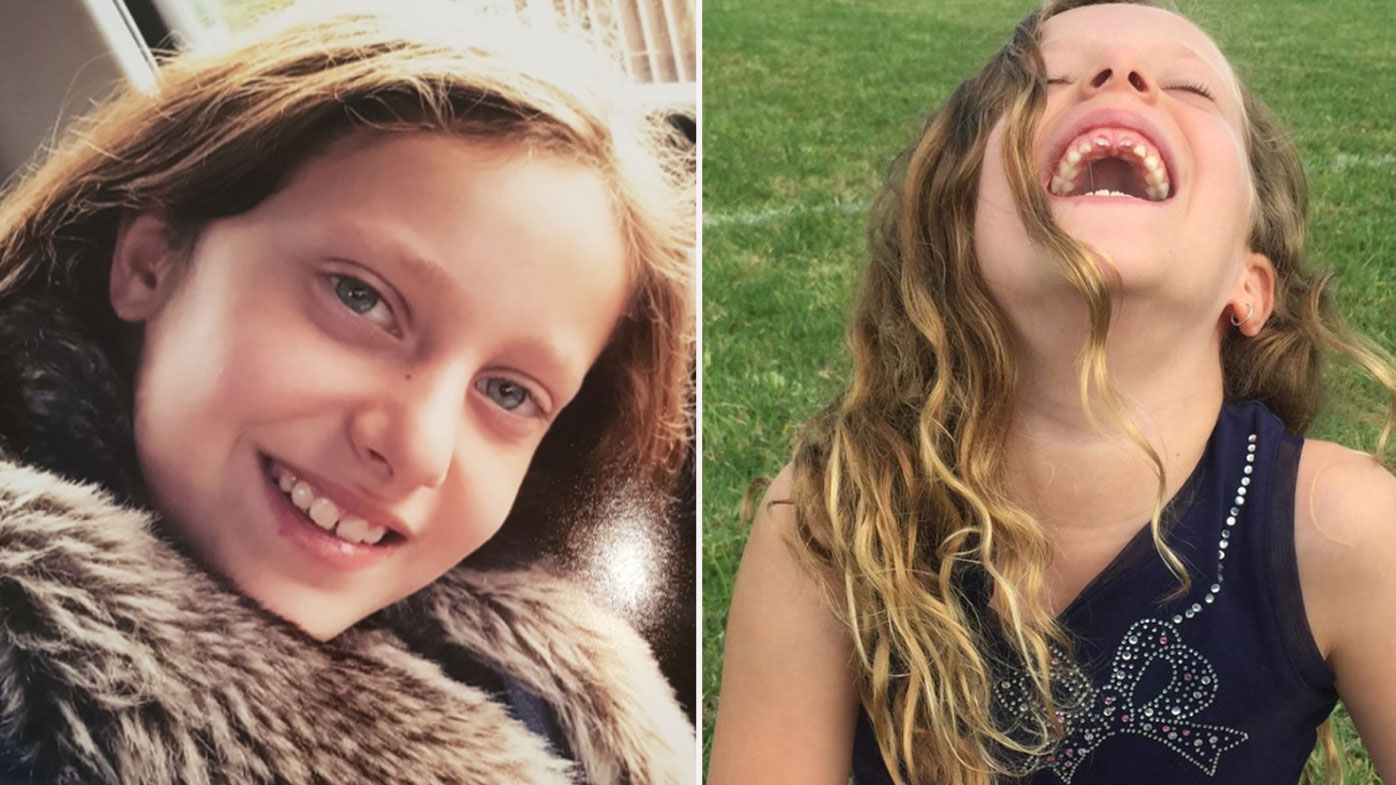
"Forgiveness allows us to move forward with our lives and takes away that bitterness and anger and really focuses on us healing," Veronique's mother Bridget Sakr told Deb Knight on 2GB.
She said the family's deep Christian faith has helped them forgive the driver, who "must have had trauma in his life" to get behind the wheel intoxicated.
Mrs Sakr's compassion is also underpinned by her love for her son Michael, Veronique's brother.
This morning Danny Abdullah, father of Sienna, Angelina, and Antony, spoke to Ben Fordham saying he is still in pain, but has let go of his anger.
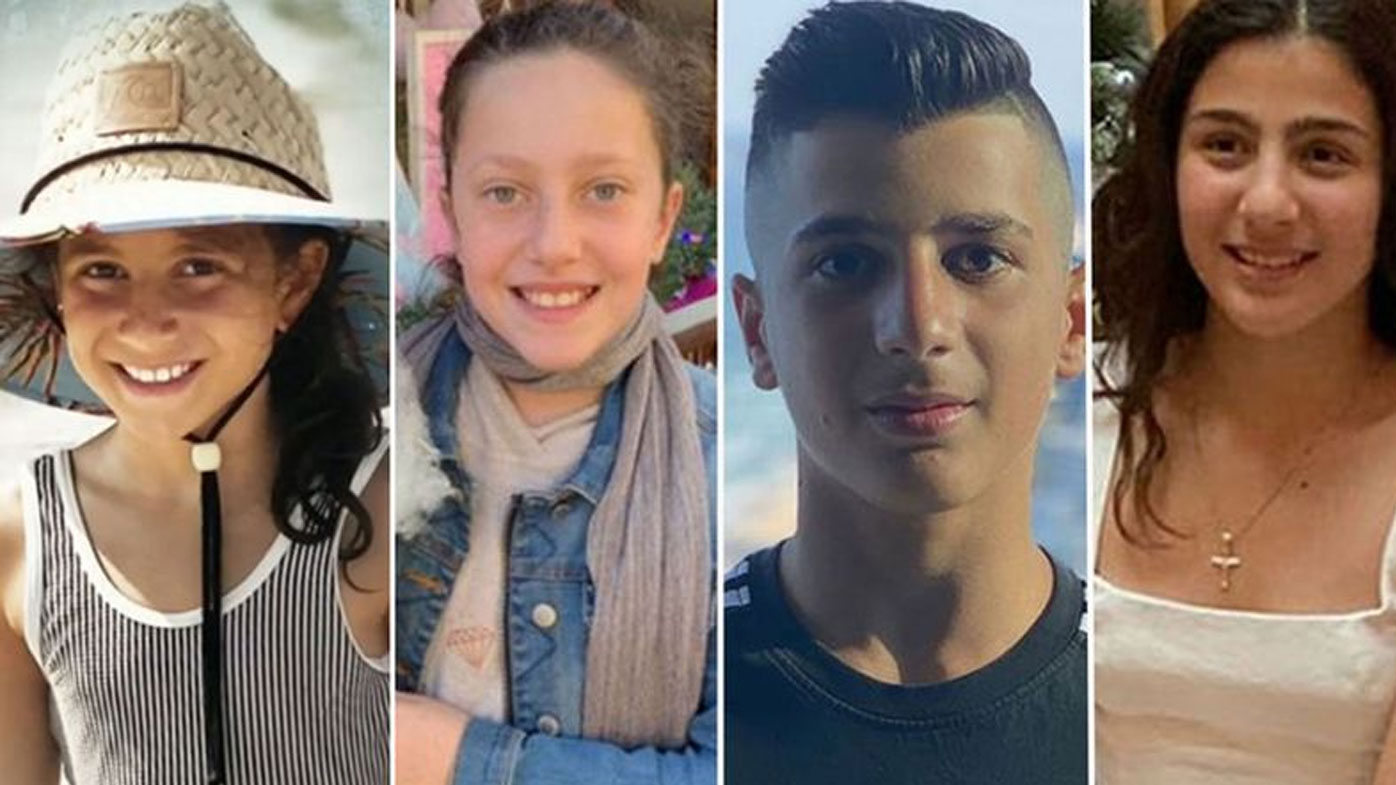
"I didn't want my kids … to be angry, to feel that they lost their dad through anger, revenge and bitterness.
"Forgiveness is for yourself more than the driver.
"I'm still in pain, I still cry, I still miss my children but my soul isn't imprisoned anymore."
Prime Minister Scott Morrison also acknowledged the day at the beginning of his address to the National Press Club today.
"Can I also acknowledge today the beautiful Abdullah and Sakr families on this first national I4Give Day, as we remember their four beautiful angels, Anthony, Veronique who were taken from us this day last year."
Sydney man with terminal bowel cancer granted flight home from UK
An Australian man with terminal cancer has been able to secure a trip home after he was bumped from an earlier flight due to travel caps.
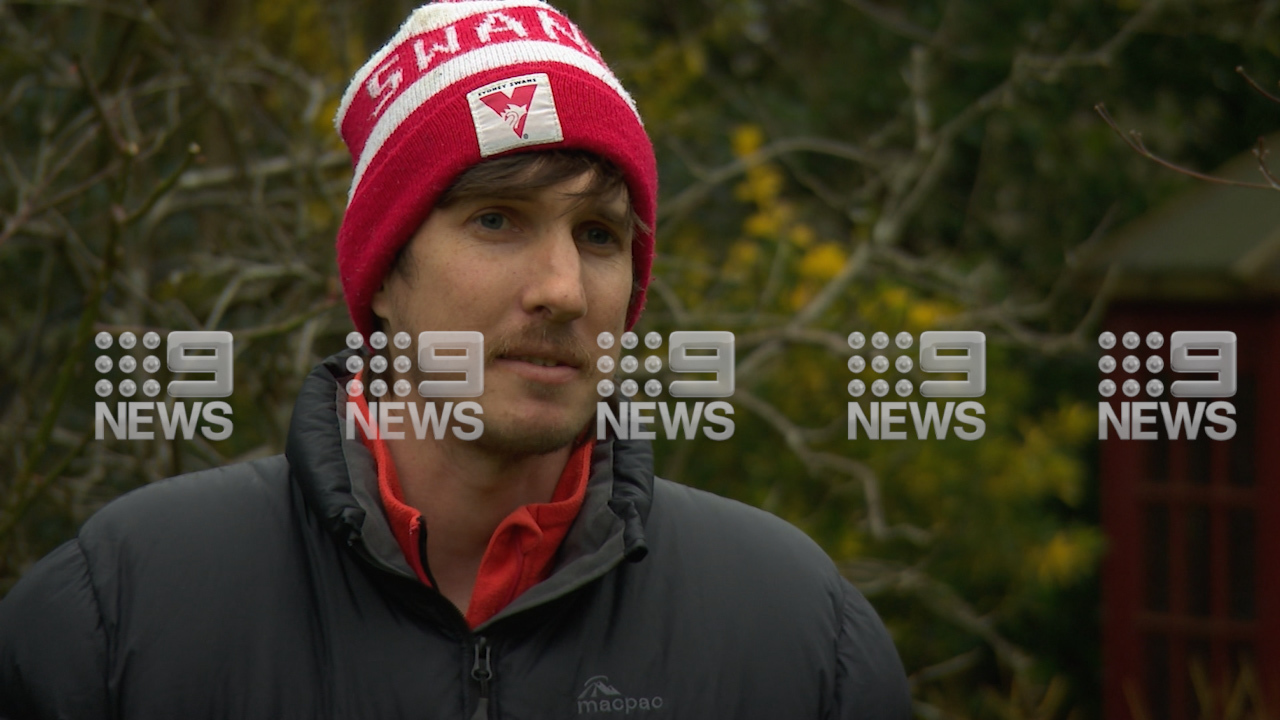
Brendan Suggate, 34, and his partner Alison Bishop have been living in London for the past few years and in October, he was diagnosed with stage four bowel cancer.
They booked a flight home to Sydney before Christmas when Mr Suggate's condition worsened and he was told he had just months to live.
LIVE UPDATES: Coles brings in buying limits in WA; Warning WA lockdown could be 'significantly longer'
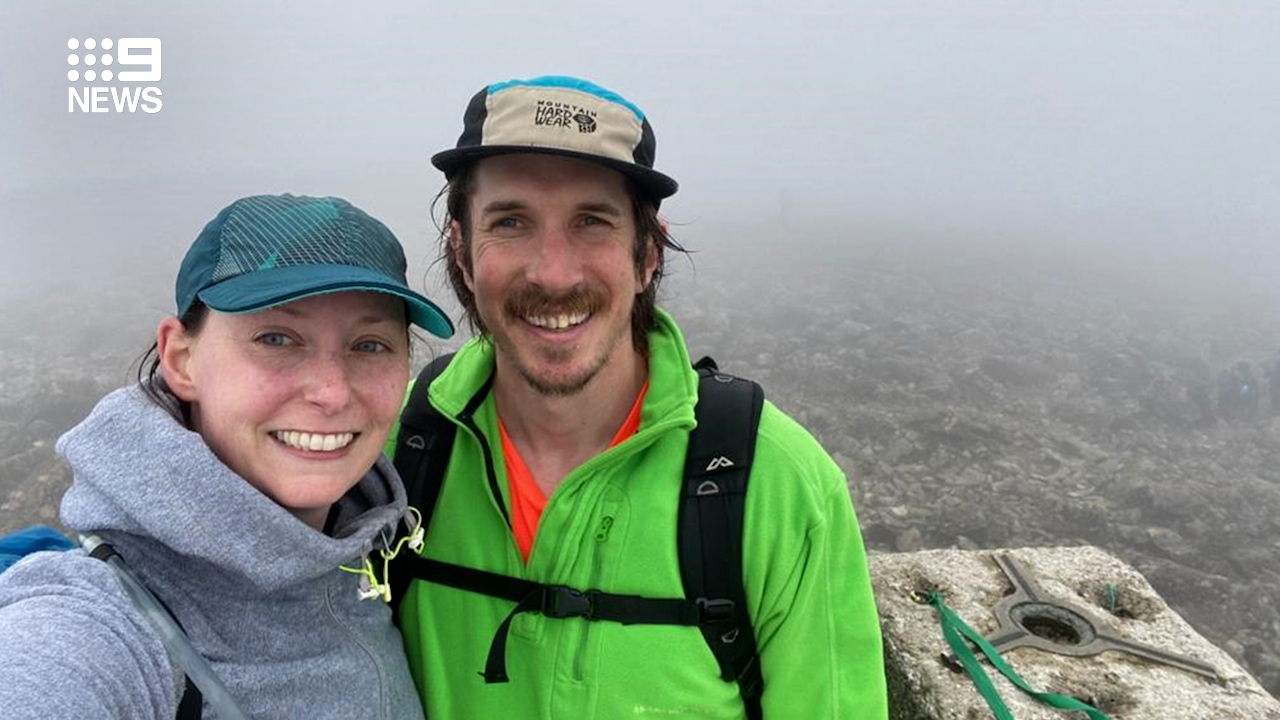
The Qatar Airlines flight was booked for February 3 and was timed so that with hotel quarantine Mr Suggate would not go without treatment for an extended period of time.
However last week the couple were bumped off the flight due to new caps on the number of returned travellers allowed into Australia.
"It was pretty frustrating, especially hearing the news that 1200 tennis players had flown into Melbourne for the Australian Open," he told 9News.
"To hear that, being an Australian abroad, that has cancer, that has so many months to live, can't get home… that was a bit disheartening."
Mr Suggate said he contacted health authorities and the airline to no avail, and in his experience the disconnect was between state and federal governments in Australia.
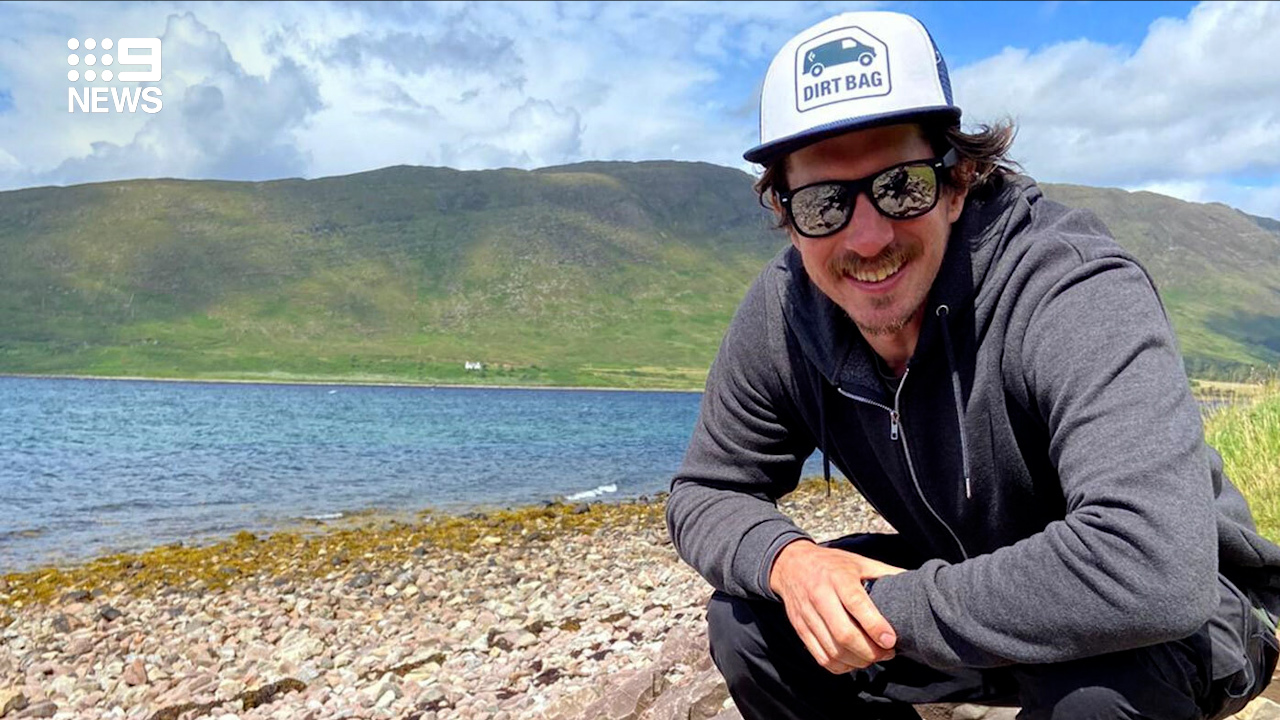
He said Department of Foreign Affairs and Trade and the Australian embassy have been incredibly helpful, but he had been unable to get in contact with the NSW government.
Last night, after a compassionate campaign from friends who contacted politicians, NSW Health, the DFAT and media, Mr Suggate and Ms Bishop were delivered some good news.
They were able to get on another Qatar flight from London to Sydney on February 4.
"I'm super excited and I am very grateful to Qatar Airways and the High Commission for getting me on a flight on the 4th because it means the world to me," Mr Suggate said.
"I cant wait to get to Bondi beach, and to go swimming, and drive up the NSW coast to Byron Bay it's going to be absolutely stunning."
Today NSW Premier Gladys Berejiklian was asked why Mr Suggate had not received a response from health authorities.
She said NSW Health are trying to get back to everyone who contacts them "in a timely manner".
"We appreciate how difficult it's been the uncertainty with border closures the uncertainty with our caps on the number of Australians coming back home has meant that it's caused a lot of stress for people," Ms Berejiklian said.
Mr Suggate was diagnosed with bowel cancer after developing bad stomach cramps following a hike in Scotland.
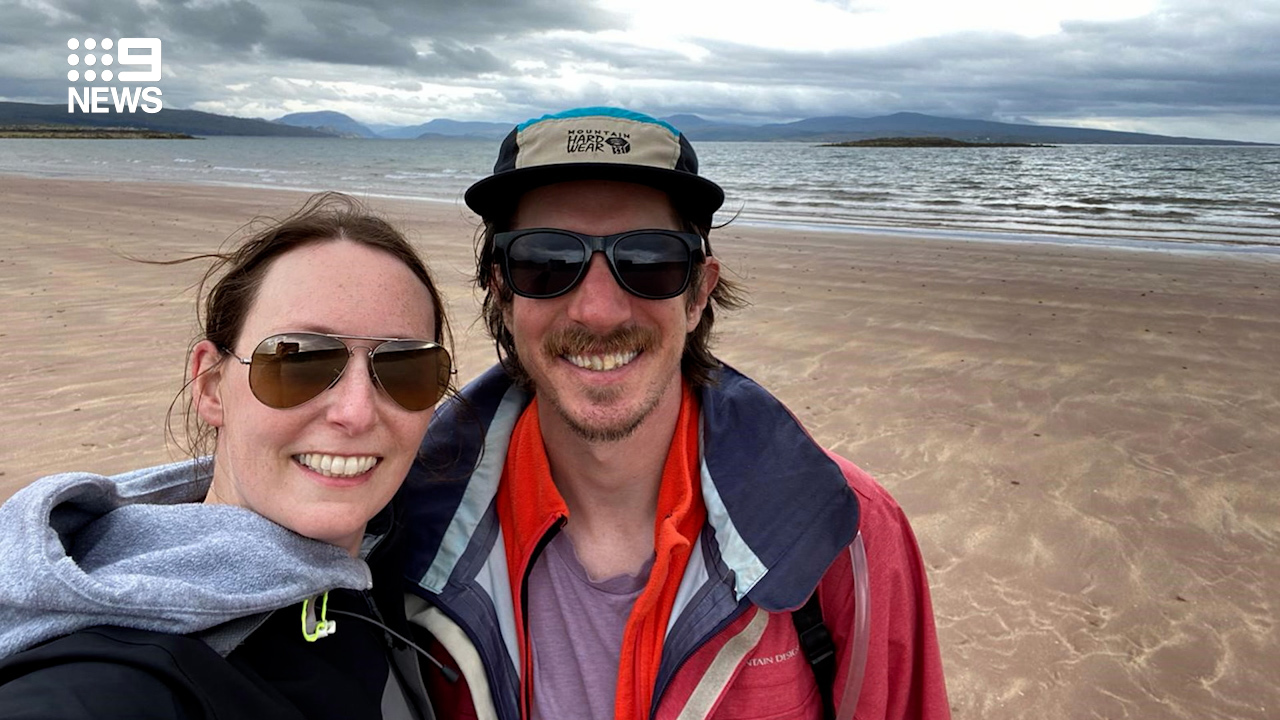
"On the evening when I was driving home I had really bad stomach cramps after dinner and I just thought it was food poisoning or over-exertion."
He said the pain and cramps continued on and off for the next few weeks, and in October a colonoscopy found a tumor blocking his colon.
In November he was told the cancer was more aggressive than first thought, and doctors told him he has about 12 months to live.
The 34-year-old plans to spend this time back in Sydney with family, friends, and ticking items off his bucket list.
"I've got a list of about 50 cafes I want to visit.
"We're looking to buy a campervan and get back to exploring NSW because it's been eight years since I lived there."
Dog tumbles out of moving car window
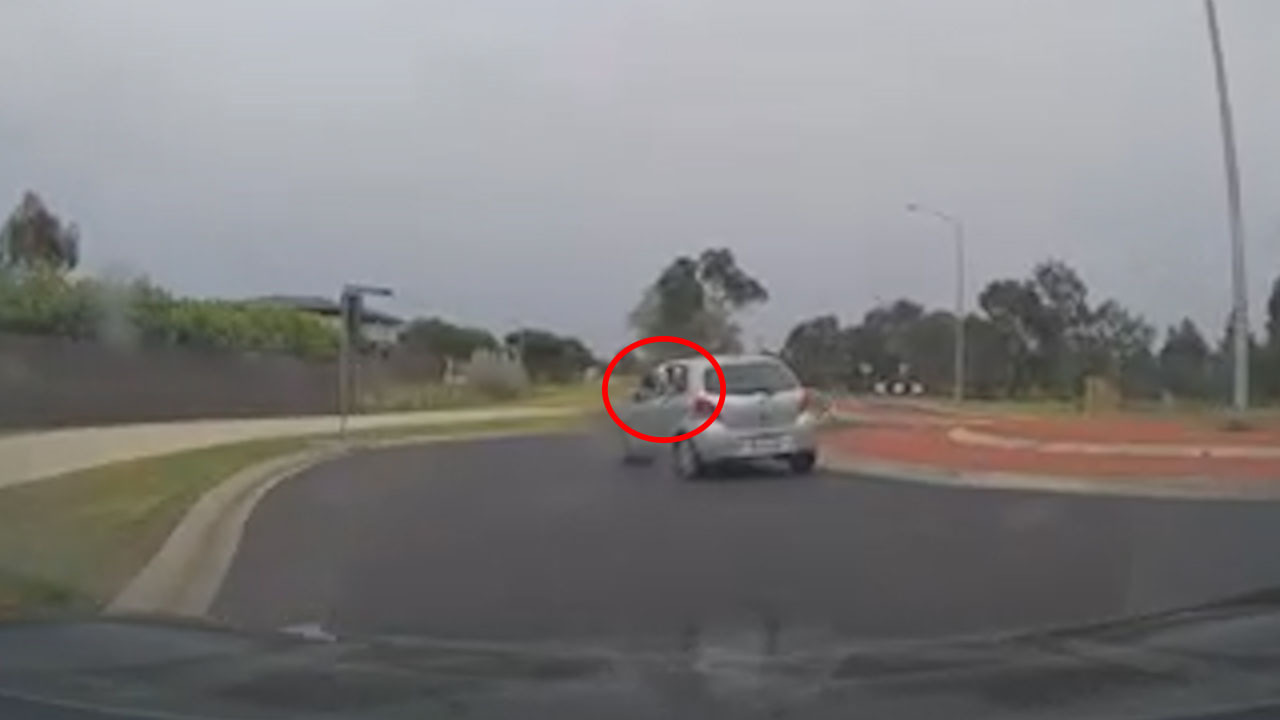
Dashcam footage has captured the heart-stopping moment when a dog tumbled out of a moving car window in Melbourne's outer-southeast.
Video posted on Dash Cam Owners Australia shows the brown and white pup poking its head out of the back window of the silver Toyota Yaris last Thursday evening in Berwick, as the car drives through a roundabout.
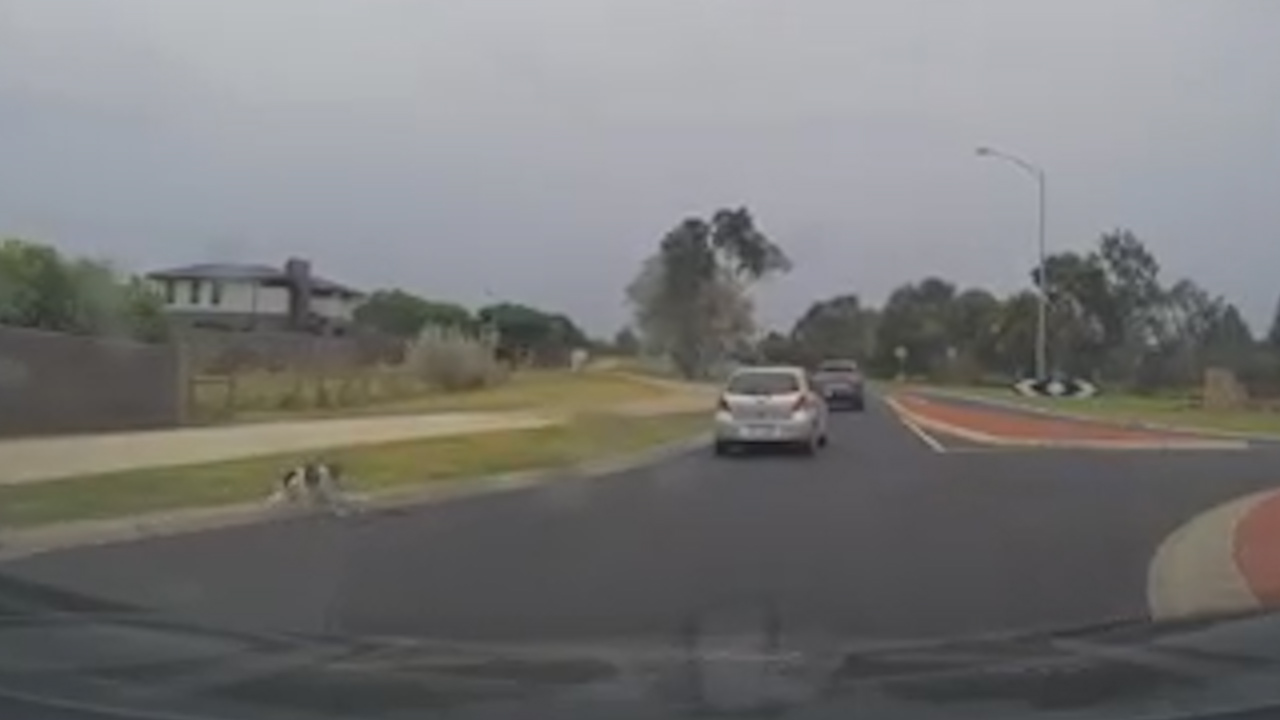
The pooch then leaned a little too far over, falling out of the car and rolling out onto the road before jumping onto the grass.
The owners of the dog quickly realised their furry friend had tumbled out, pulling over and running back to retrieve their pet.
The dog appeared uninjured and walked back to its owner while wagging its tail.
While the tumble seemed to be an accident, the post stated the dog should have been properly "tethered" inside the vehicle.
According to Agriculture Victoria guidelines, dogs "need to be adequately restrained" when travelling inside a vehicle.
"Unrestrained dogs can cause accidents and should never be allowed in the vicinity of the driver," website guidelines state.
"Dogs should not be allowed to travel with their head out of the car window. Particles of dirt can enter a dog's eyes, ears and nose — causing injury or infection."
However, the RACV website states Victorian road rules do not require animals to be restrained inside a vehicle by law.
Tradie's campaign to save lives after surviving terminal melanoma
Brisbane tradie Lucas Ridgway was 36 when he was told his melanoma was terminal.
What started as a small lump underneath his cheek 18 months earlier had metastasised to his lungs.
Without treatment, the father-of-two was given a 22 per cent chance of surviving another three years.
"When it becomes stage four and they say words like terminal, that's when you think, 'I'm up against it,'" Mr Ridgway said.
READ MORE: Peter Overton 'bruised and battered' after melanoma surgery
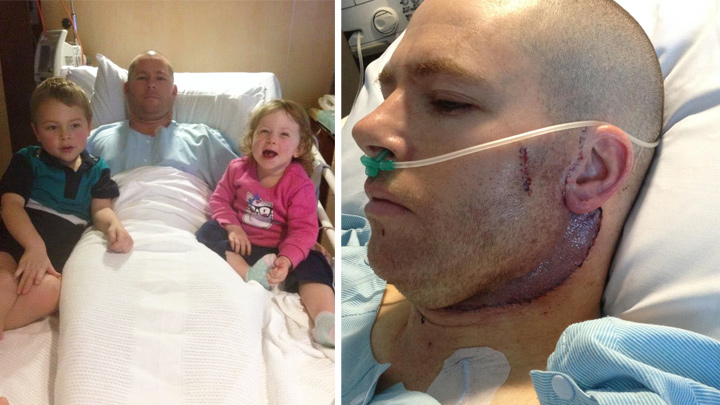
But an immunotherapy drug, Keytruda, shrank the tumours down to almost nothing and Mr Ridgway is beating the odds, racking up three-and-a-half years cancer-free.
Now, he wants to help save the lives of other Australians.
The tradie has started a campaign calling on the Federal Government to implement a national screening program for melanomas.
With one Australian dying every five hours from a melanoma, families who have lost loved ones to the deadly skin cancer also say such a program is long overdue.
"We have bowel cancer and breast cancer screening, I don't understand why there hasn't been something implemented like this for melanomas – we are the skin cancer capital of the world," Mr Ridgway said.
"I think early detection could save a lot of lives and save people going down the path that I had to go down."
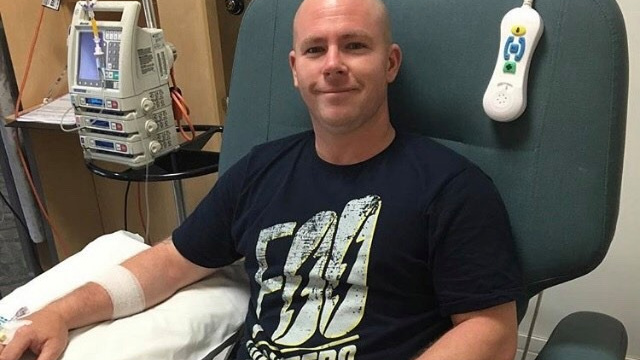
An online petition set up by Mr Ridgway – which has so far attracted more than 2500 signatures – suggests Year 11 and 12 students could be given a skin check before they finish high school and then sent a yearly reminder notice.
Brisbane mum Tamra Betts lost her 25-year-old daughter Emma to melanoma in April 2017.
"Melanoma is a hideous cancer and the impact it has had on our family has been life changing," Ms Betts said.
"Emma's melanoma was only a stage one when it was diagnosed. Twelve months later it went to stage three and then within a month it went to stage four, which is terminal."
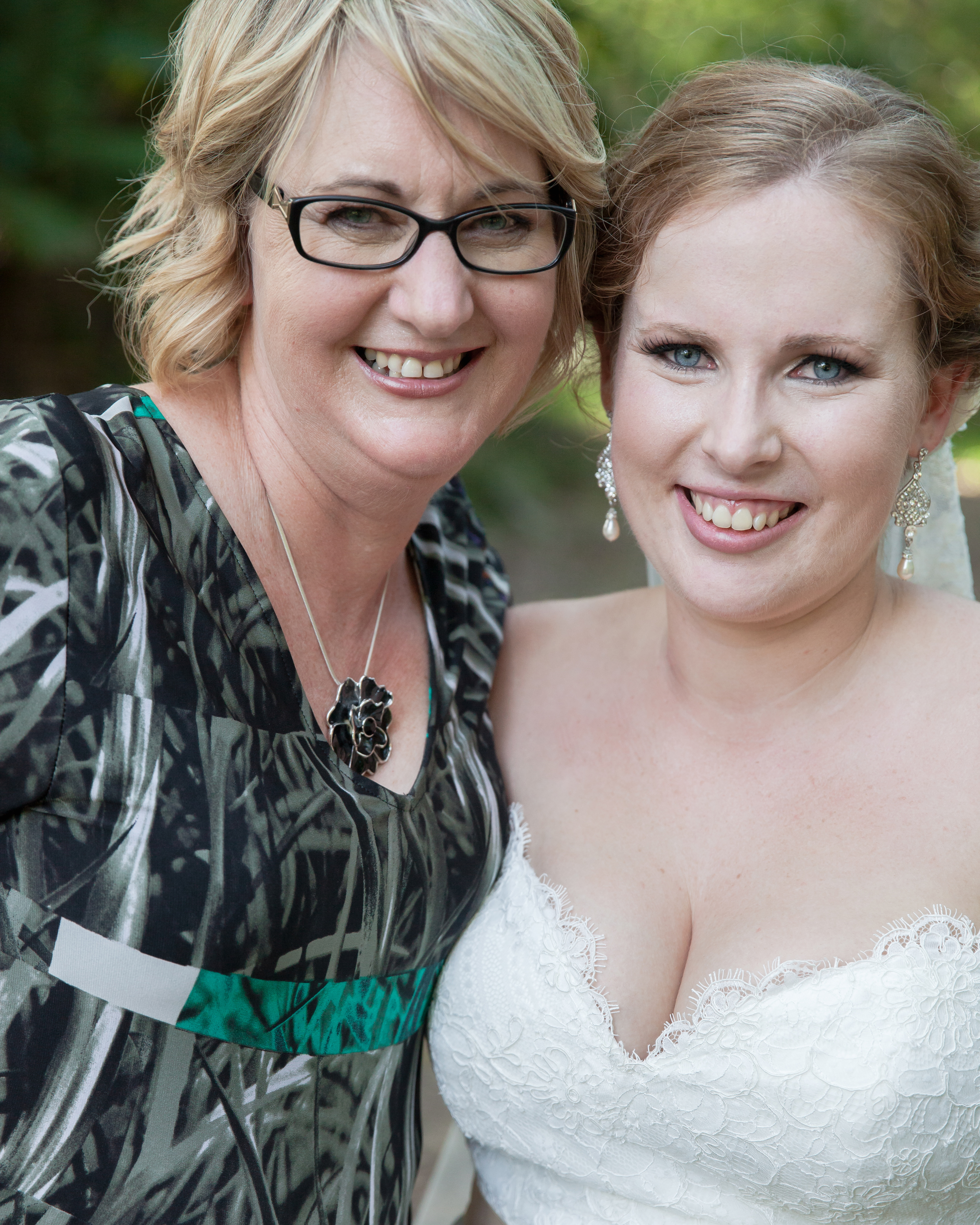
Mrs Betts said while there were already programs to educate school students about sun safety, a melanoma check offered for school leavers would help increase awareness and potentially form a life-long habit of getting regular check-ups.
"If there was a screening program where Year 11 and 12 students could get their skin checked it would put into their minds the importance of it. Then hopefully going forward they will actually do that every 12 months," she said.
However, such a program would need to be funded through a Medicare rebate to make it affordable for families, she said.
Each year, about 15,000 people are diagnosed with a melanoma and about 1500 will die, according to data from the Australian Institute of Health and Welfare.
It's Australia's third most common cancer, and the most common for cancer for 15 to 39-year-olds.
However, both the Federal Government and Cancer Council Australia have so far rejected calls for a melanoma screening program, citing a lack of evidence about whether it would reduce mortality rates.
"The Population Based Screening Framework guides the planning of any new cancer screening programs by the Commonwealth, states and territories," a Department of Health spokesperson said.
"The framework identifies the need for a strong evidence base on the safety and accuracy of screening tests and the efficacy of treatment. It also includes a requirement that screening programs offer more benefit than harm to the target population."
Cancer Council Australia released a position statement about melanoma screening in 2014, and still holds the same viewpoint seven years on.
"Observational studies have shown the benefit of screening for melanoma, however due to lack of high-level evidence showing a reduction in mortality from melanoma, population screening programs for melanoma are not recommended," Cancer Council Australia says on its website.
A Federal Government inquiry into skin cancer in Australia was held in 2015. It concluded a screening program for melanomas would be prohibitively expensive and possibly not reduce mortality rates.
However, it noted there had only been one Australian trial on the effectiveness of screening, which was never completed.
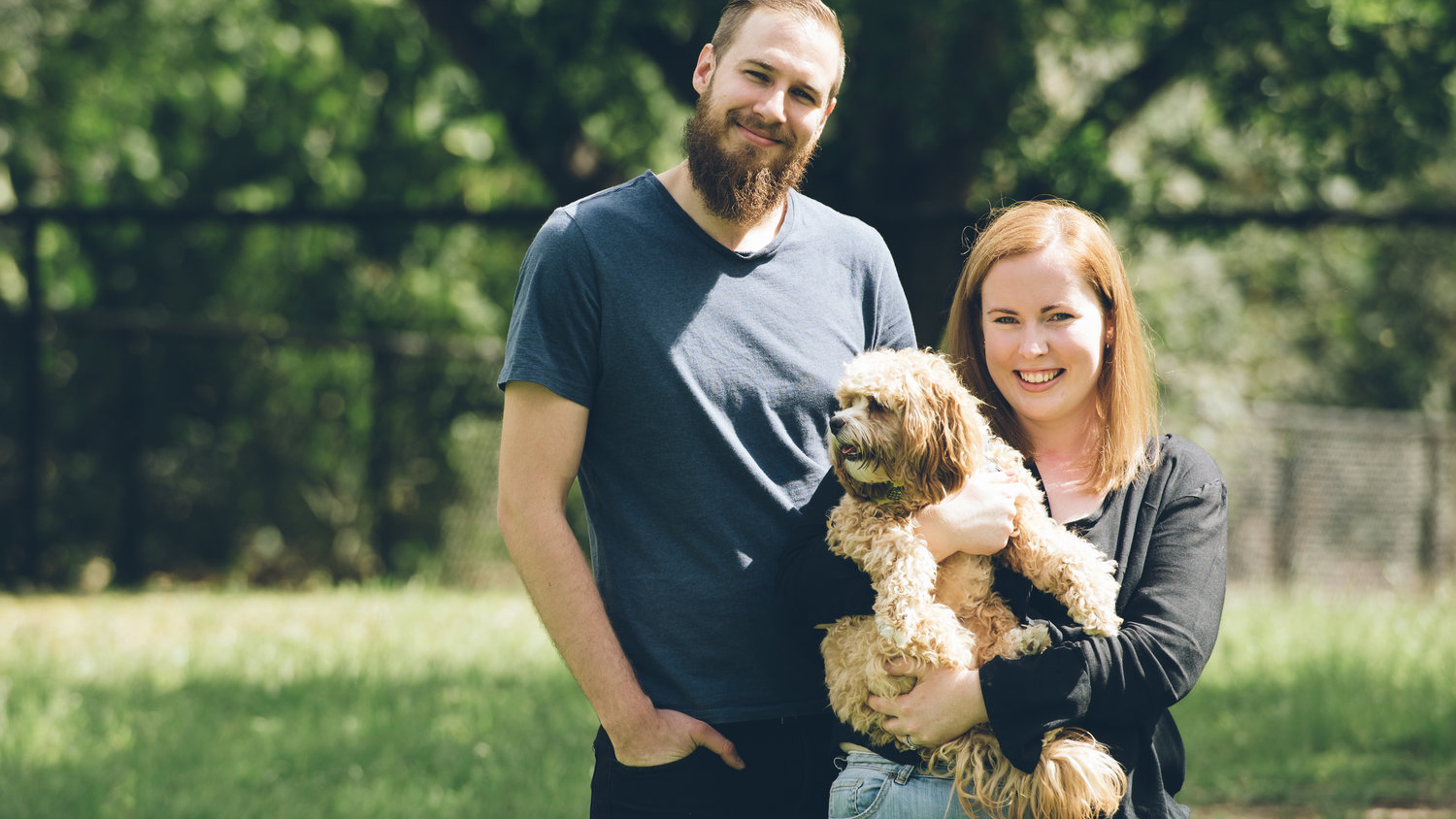
Queensland GP Michael Stapelberg, who has a special interest in skin cancer, told nine.com.au the research which found screening programs did not reduce morbidity or mortality for melanomas was now "quite dated", adding further studies were possibly needed.
While a screening program was a good idea in theory, it could be difficult to implement because of a shortage of doctors who are specially trained to detect skins cancers and use the equipment needed to diagnose melanomas, Dr Stapelberg said.
"In Australia, there are less than 1000 dermatologists who work on skin-related issues. However, most of them work in private practice and they generally have a waiting time to see them," he said.
In recent years, more GPs had been able to get training to sub-specialise in skin cancer medicine and detection, however not all had the training necessary to detect skin cancers properly.
"Some GPs are excellent at picking up skin cancers because they have had adequate training but others aren't," he said.
The most important thing when it came to getting a skin cancer check was to go to a doctor with the right training, Dr Stapelberg said.
People should look for a doctor accredited by the Skin Cancer College of Australasia or who had completed a University of Queensland skin cancer medicine master's degree, or see a dermatologist if they can, he said.
Mr Ridgway said if there were not enough doctors qualified to conduct skin checks then this needed to be urgently addressed.
"Given how many melanomas are diagnosed in Australia every year it doesn't make sense, how can we not have enough clinicians trained up," he said.
Contact reporter Emily McPherson at em********@******om.au.