Category Archives: headline

Angry farmers storm India's Red Fort in huge tractor rally

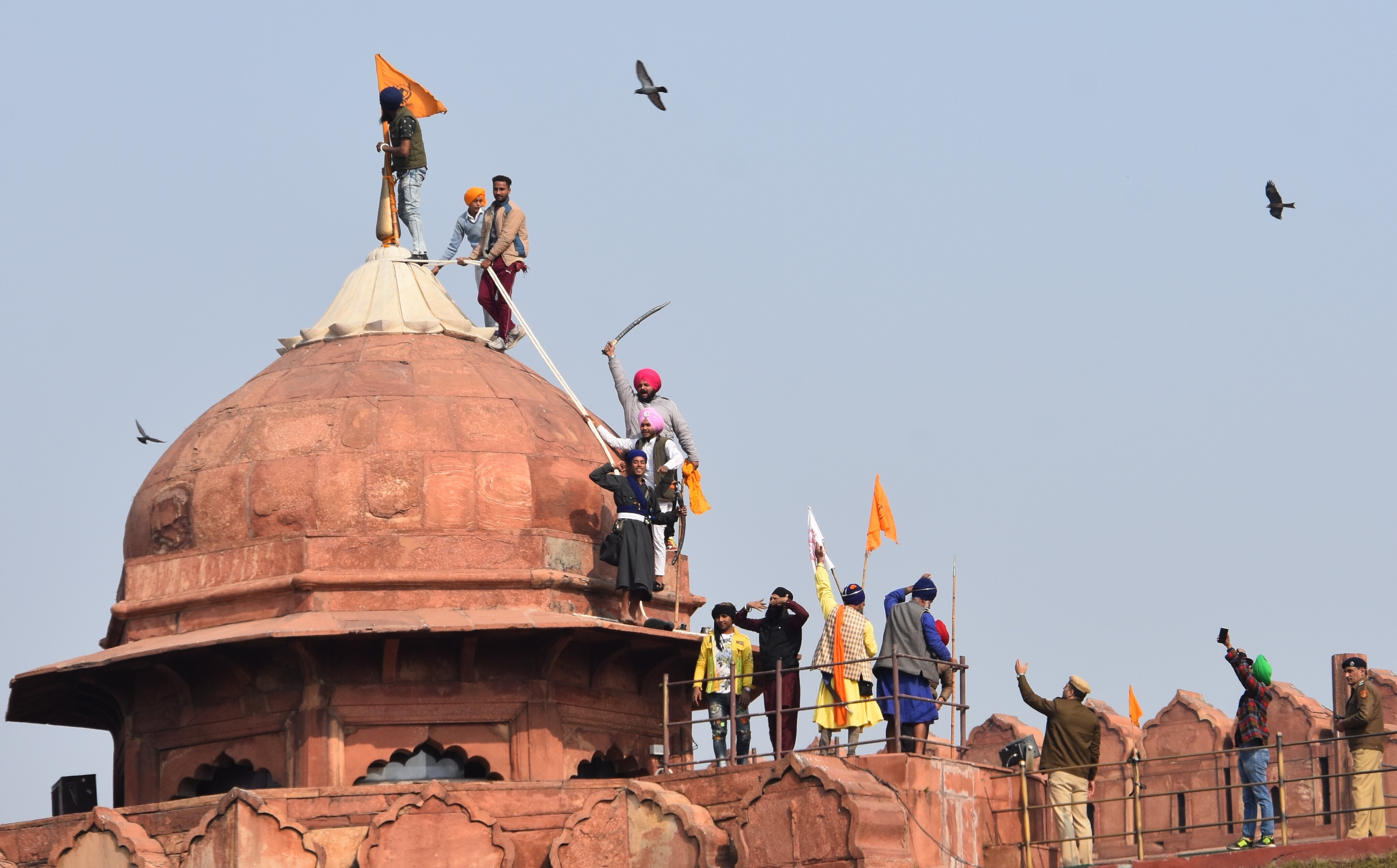
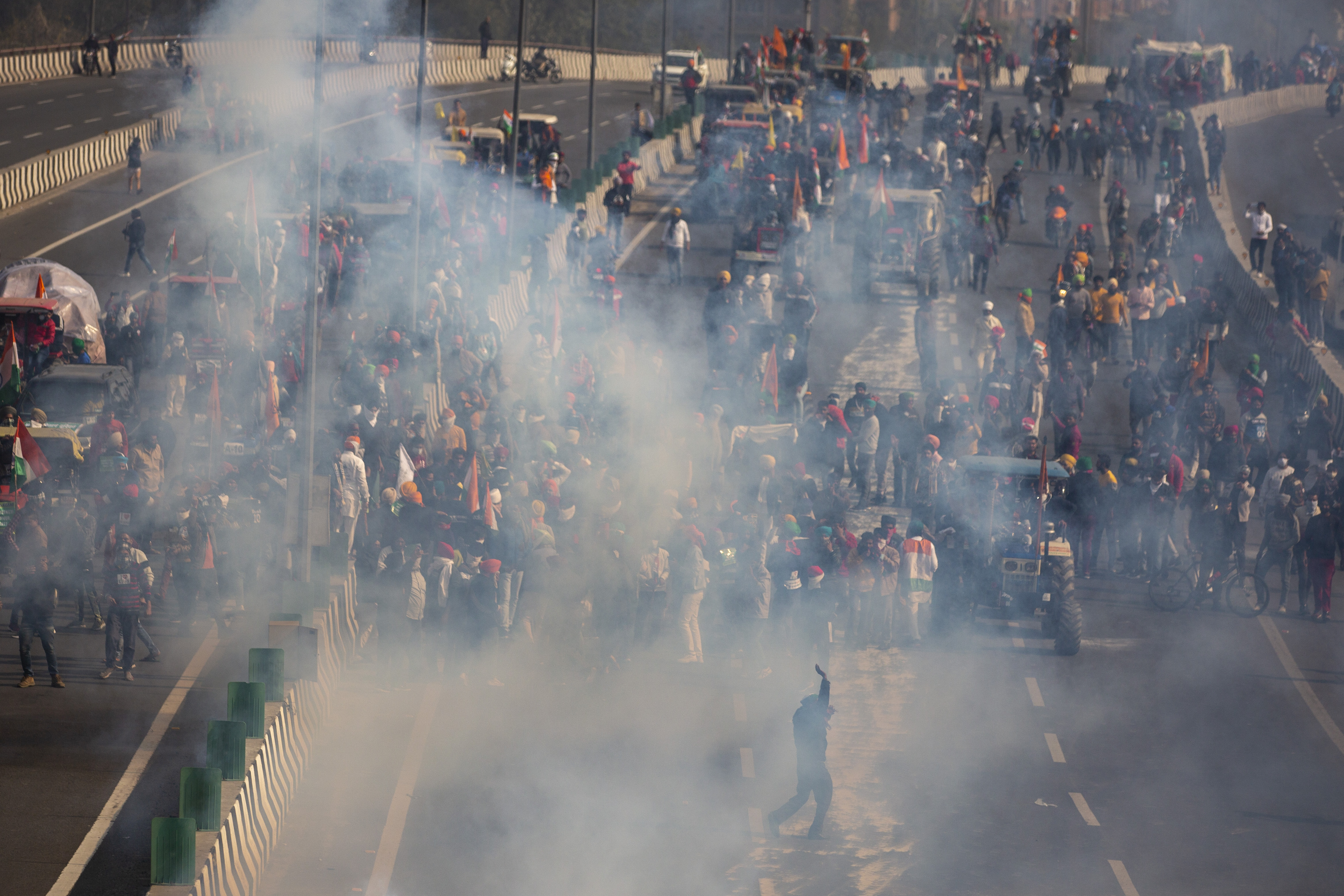
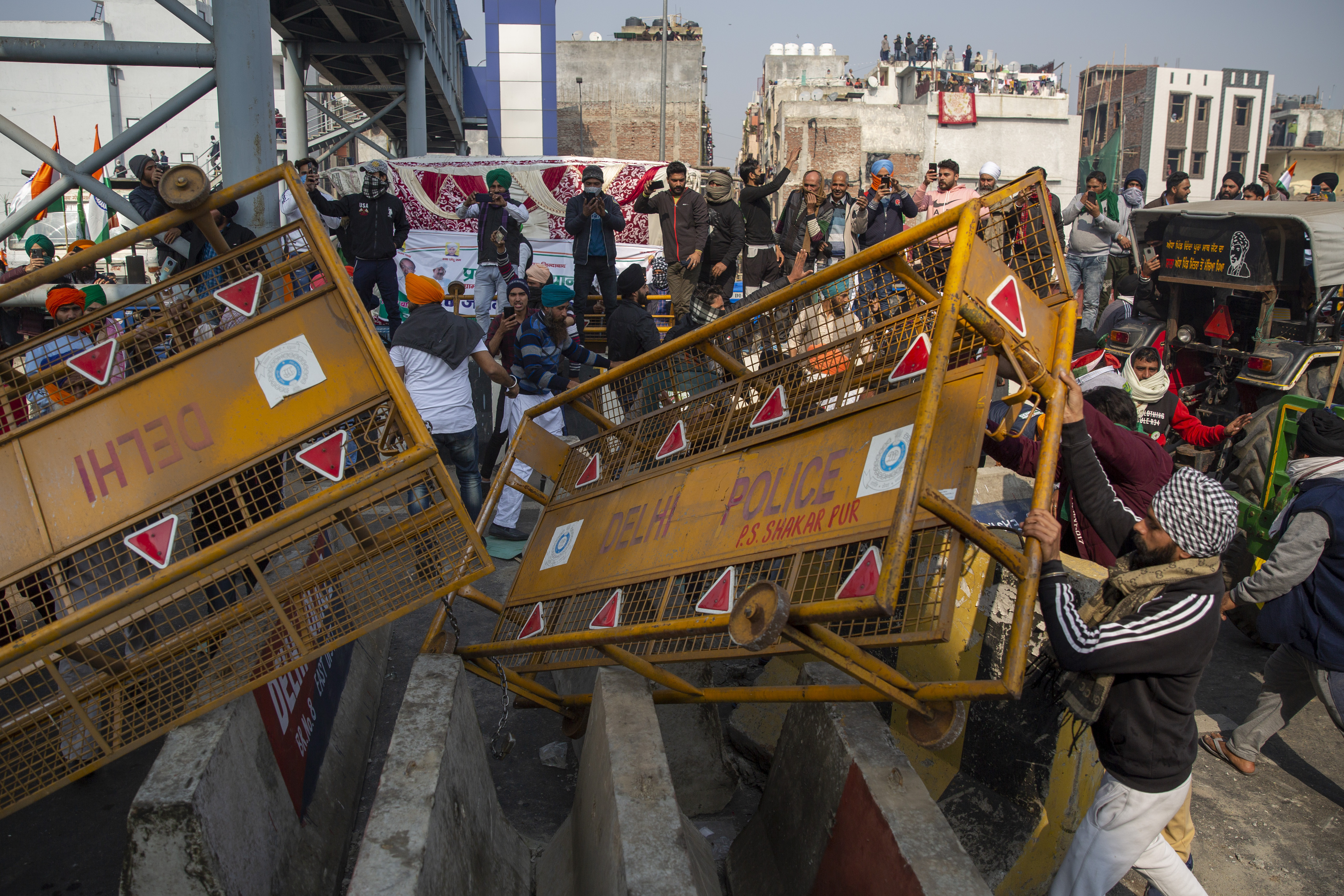
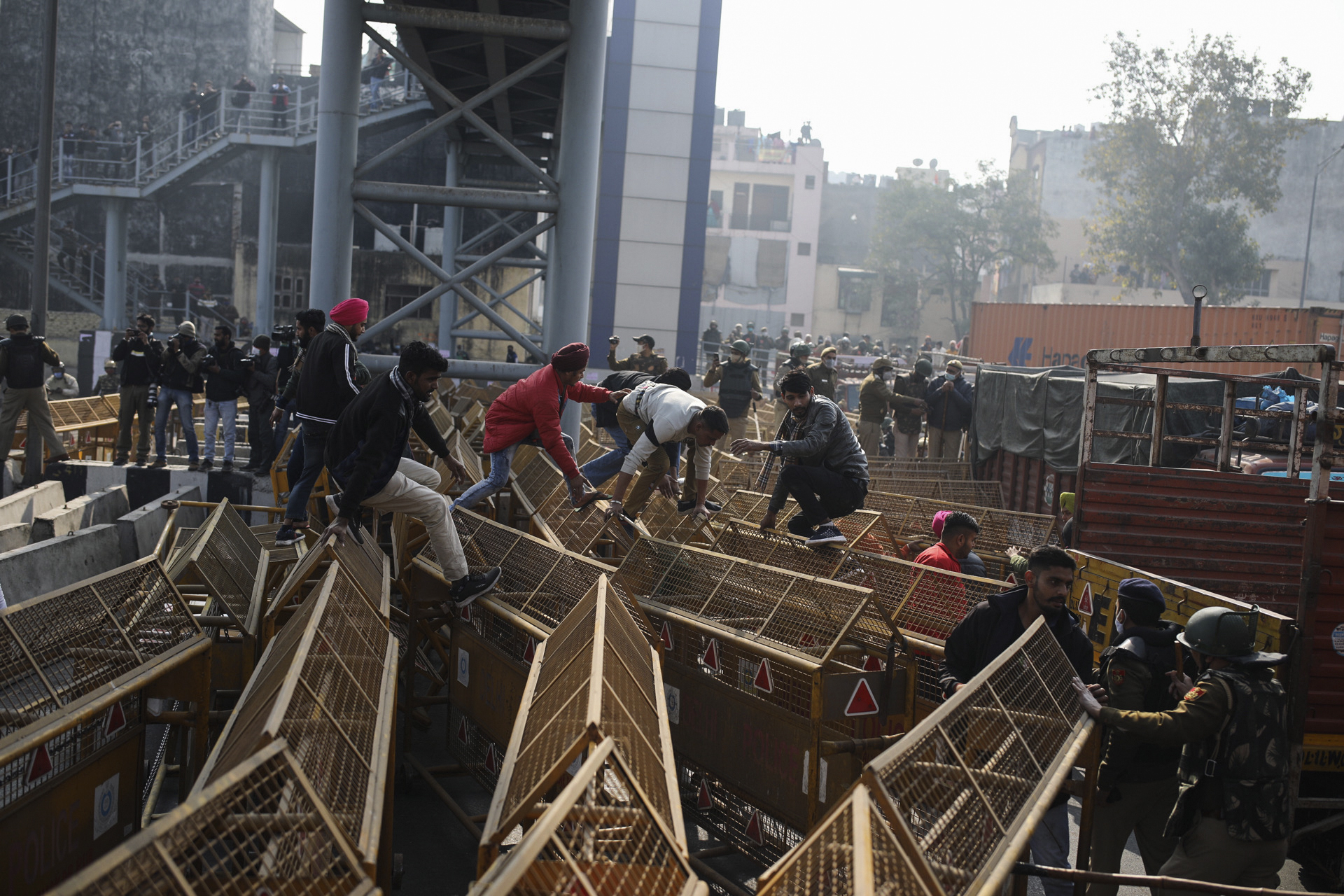
Tens of thousands of protesting farmers drove long lines of tractors into India's capital on Tuesday, breaking through police barricades, defying tear gas and storming the historic Red Fort as the nation celebrated Republic Day.

They waved farm union and religious flags from the ramparts of the fort, where prime ministers annually hoist the national flag to mark the country's independence.

Thousands more farmers marched on foot or rode on horseback while shouting slogans against Prime Minister Narendra Modi.
At some places, they were showered with flower petals by residents who recorded the unprecedented rally on their phones.

Police said one protester died after his tractor overturned, but farmers said he was shot.

Protesters laid his body on the road after draping it in an Indian flag and sat around it.

Television channels showed several bloodied protesters.

Leaders of the farmers said more than 10,000 tractors joined the protest.

For nearly two months, farmers, many of them Sikhs from Punjab and Haryana states, have camped at the edge of the capital, blockading highways connecting it with the country's north in a rebellion that has rattled the government.
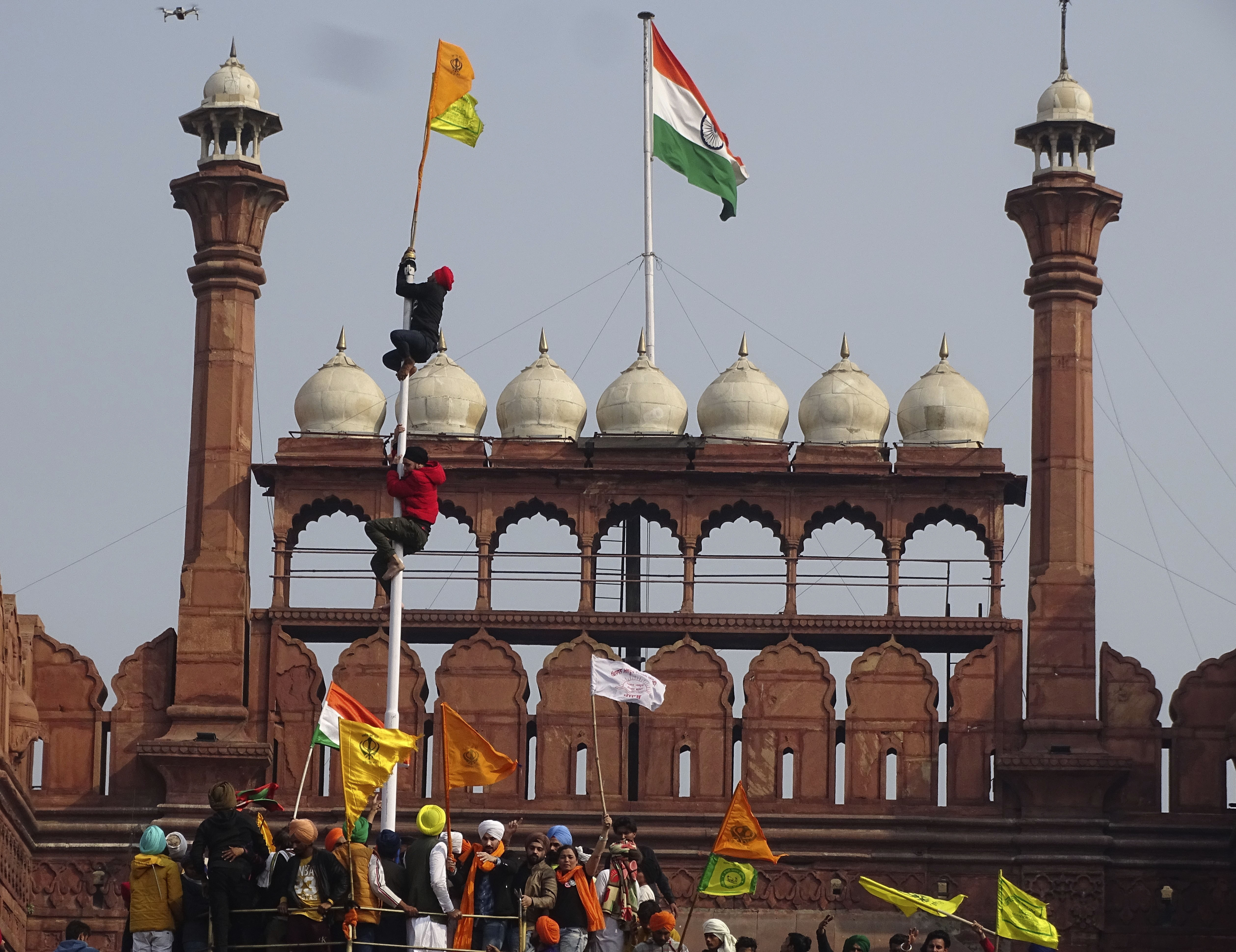
They are demanding the withdrawal of new laws which they say will commercialise agriculture and devastate farmers' earnings.

"We want to show Modi our strength," Satpal Singh, a farmer who drove into the capital on a tractor along with his family of five, said.

"We will not surrender."

Riot police fired tear gas and water cannons at numerous places to push back the rows upon rows of tractors, which shoved aside concrete and steel barricades.

Authorities blocked roads with large trucks and buses in an attempt to stop the farmers from reaching the centre of the capital.

Thousands, however, managed to reach some important landmarks.

"We will do as we want to. You cannot force your laws on the poor," Manjeet Singh, a protesting farmer, said.
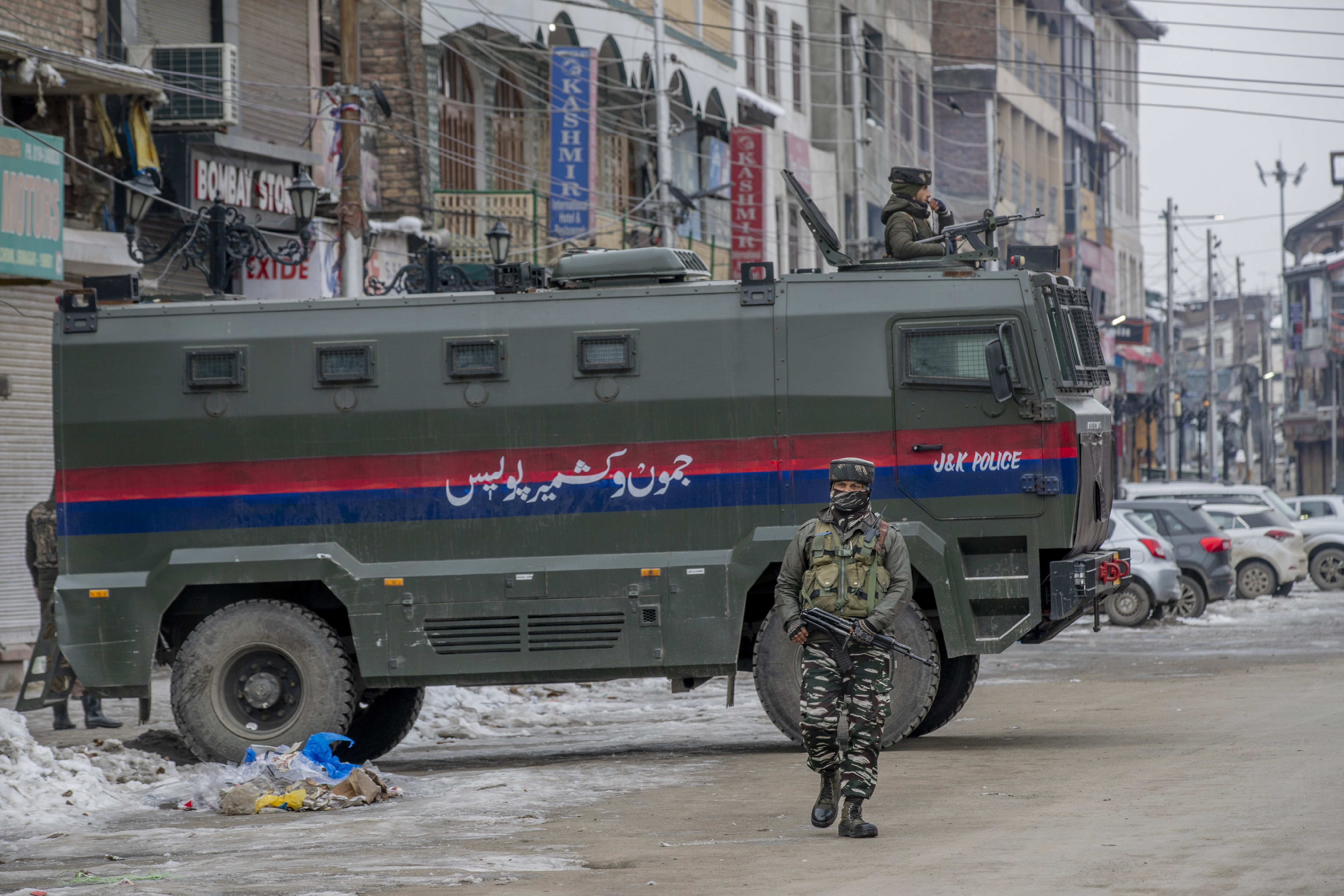
Authorities shut some metro train stations, and mobile internet service was suspended in some parts of the capital, a frequent tactic of the government to thwart protests.

The government insists that the agriculture reform laws passed by Parliament in September will benefit farmers and boost production through private investment.

Farmers tried to march into New Delhi in November but were stopped by police.

Since then, unfazed by the winter cold, they have hunkered down at the edge of the city and threatened to besiege it if the farm laws are not repealed.

The government has offered to amend the laws and suspend their implementation for 18 months.

But farmers insist they will settle for nothing less than a complete repeal.

They plan to march on foot to Parliament on February 1, when the country's new budget will be presented.

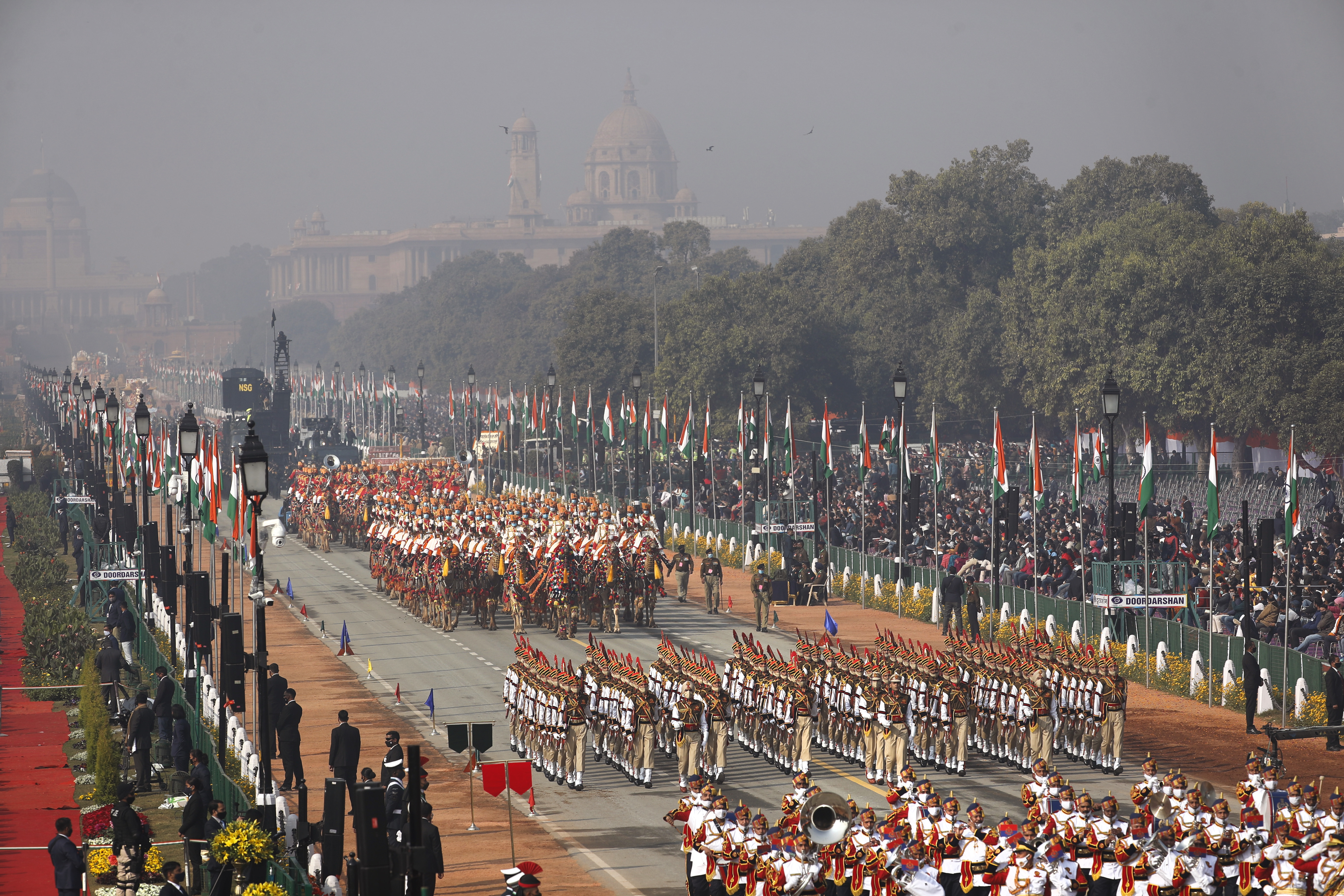
The protests overshadowed Republic Day celebrations, in which President Modi oversaw a traditional lavish parade along ceremonial Rajpath boulevard displaying the country's military power and cultural diversity.

The parade was scaled back because of the coronavirus pandemic.

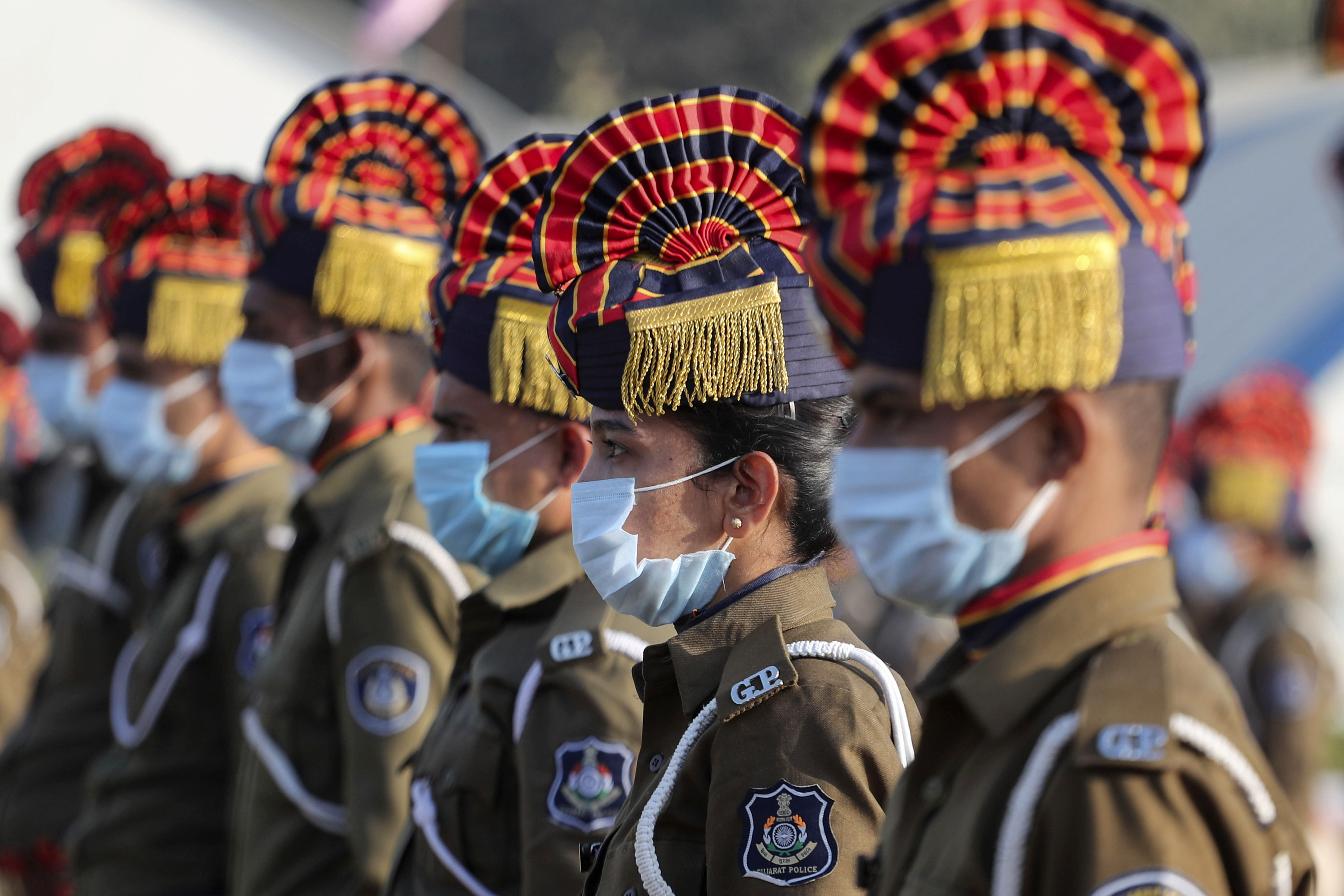
People wore masks and adhered to social distancing as police and military battalions marched along the route displaying their latest equipment.

Republic Day marks the anniversary of the adoption of the country's constitution on January 26, 1950.
Farmers are the latest group to upset Modi's image of imperturbable dominance in Indian politics.

Since returning to power for a second term, Modi's government has been rocked by several convulsions.

The economy has tanked, social strife has widened, protests have erupted against discriminatory laws and his government has been questioned over its response to the pandemic.

Agriculture supports more than half of the country's 1.4 billion people.

But the economic clout of farmers has diminished over the last three decades.

Once producing a third of India's gross domestic product, farmers now account for only 15 per cent of the country's US$2.9 trillion ($3.7 trillion) economy.

More than half of farmers are in debt, with 20,638 killing themselves in 2018 and 2019, according to official records.

The contentious legislation has exacerbated existing resentment from farmers, who have long been seen as the heart and soul of India but often complain of being ignored by the government.
Modi has tried to allay farmers' fears by mostly dismissing their concerns and has repeatedly accused opposition parties of agitating them by spreading rumours.

Some leaders of his party have called the farmers "anti-national," a label often given to those who criticise Modi or his policies.

Devinder Sharma, an agriculture expert who has spent the last two decades campaigning for income equality for Indian farmers, said they are not only protesting the reforms but also "challenging the entire economic design of the country."

"The anger that you see is compounded anger," Mr Sharma said.

"Inequality is growing in India and farmers are becoming poorer.

"Policy planners have failed to realise this and have sucked the income from the bottom to the top.

"The farmers are only demanding what is their right."
Negative COVID-19 test required for travel to the US beginning today

WASHINGTON, DC — A spokesperson for the U.S. Department of State and U.S. Centres for Disease Control and Prevention (CDC) remind all travellers that beginning today, January 26, all air passengers two-years-of-age or older arriving to the United States must provide proof of a negative COVID-19 test or proof of recovery from COVID-19 before boarding. This order applies to both foreign nationals and U.S. citizens.

For more information about the testing requirement, visit: Requirement for Proof of Negative COVID-19 Test or Recovery from COVID-19 for All Air Passengers Arriving in the United States | CDC.

U.S. citizens should reconsider non-essential travel abroad. Those that must travel abroad following the implementation of this order should carefully consider the following:
You could have difficulty accessing a test. Testing availability and turnaround times vary widely around the world. Check the U.S. Embassy website for your planned destination(s) for information about testing options. What plan do you have to ensure you can get a test that meets the requirement in order to come home on time?
You could test positive and have to stay abroad. Many individuals infected with the virus that causes COVID-19 are asymptomatic and unaware they carry the virus. If you test positive, you will not be able to return home as planned. What plan do you have in case you cannot come home for several weeks? Where will you stay? How will you finance your stay?
You could have difficulty accessing or financing medical care. Travelers should be aware that the availability and quality of healthcare varies around the world, and that private health insurance may not cover expenses incurred abroad. Will your health insurance cover your hospitalization or other medical expenses abroad? Do you have travel insurance that covers medical evacuation to the United States, and does it include COVID-19 as a covered item?
1. The Department and the CDC continue to strongly recommend U.S. citizens to reconsider travel abroad, and postpone all non-essential travel. If you must travel overseas, you should review the entire State Department Travel Advisory for your destination(s) on travel.state.gov and enrol in the Smart Traveller Enrolment Program (http://STEP.state.gov) to receive important updates from the nearest U.S. Embassy or Consulate.

You should obtain travel insurance that will cover medical evacuation, including for COVID-19, to the United States, in the event you become seriously ill. We also urge those contemplating travel abroad to review CDC’s country-specific travel recommendations and their overall guidance during the COVID-19 pandemic, available at https://www.cdc.gov/coronavirus/2019-ncov/travelers/index.html. U.S. citizens abroad should also closely monitor guidance from local public health and immigration authorities at their location.

The post Negative COVID-19 test required for travel to the US beginning today appeared first on The St Kitts Nevis Observer.

Crime scene established after body found in Adelaide apartment block

A crime scene has been established in Adelaide's CBD after a man's body was found inside his home yesterday evening.

South Australia Police said they are treating the death as suspicious after officers were called to the unit block on Sturt Street at about 6.30pm.

Detectives from Eastern District CIB and Major Crime Investigation Branch, along with Forensic Crime Scene examiners attended the scene.

Investigations are continuing.

Police have urged anyone with information to contact Crime Stoppers on 1800 333 000 or online at www.crimestopperssa.com.au/.

WHO recommends follow-up care, low-dose anticoagulants for COVID-19 patients

GENEVA — The World Health Organization (WHO) recommends that patients who have COVID-19 – both confirmed and suspected – should have access to follow-up care if they have persistent, new or changing symptoms.

This is one of the recommendations made by WHO in revised clinical management guidelines.

Evidence was gathered on the post-COVID condition, so-called ‘long COVID,’ where people who have recovered from COVID-19 continue to have longer-term issues like extreme fatigue, persistent cough and exercise intolerance.

Understanding this condition is one of WHO’s priority areas of work. In February 2021, WHO will organize a series of consultations to reach consensus on a description of this condition and its subtypes, and case definitions. This scientific understanding will inform the name of the condition. The consultations will include a broad range of stakeholders, including patient groups.

For COVID-19 patients at home, WHO suggests the use of pulse oximetry to measure oxygen levels in the blood. This needs to be coordinated with other aspects of home care, such as education for the patient and care provider and regular follow-up of the patient.

For hospitalized patients, WHO suggests the use of low dose anticoagulants for preventing the blood clots forming in blood vessels (thrombosis).

For hospitalized patients who are taking supplemental oxygen (including high-flow nasal oxygen) or non-invasive ventilation, WHO suggests positioning patients on their stomachs to increase oxygen flow (awake prone positioning).

The guidelines also include recommendations on the use of care bundles to systematize care provision for COVID-19 patients, as well as a recommendation to favour clinical judgement over models in making decisions for the patient’s care.

The recommendations were made by an independent panel of experts, the Guideline Development Group, on the basis of detailed rapid reviews of all available evidence.

The guidelines are a living document, updated regularly as more data becomes available. Read the guidelines: https://www.who.int/publications/i/item/WHO-2019-nCoV-clinical-2021-1.

The post WHO recommends follow-up care, low-dose anticoagulants for COVID-19 patients appeared first on The St Kitts Nevis Observer.

Italian Prime Minister resigns amid coronavirus crisis

Italian Prime Minister Giuseppe Conte handed in his resignation on Tuesday, in a tactical political manoeuvre that he hopes will allow him to build a new coalition.

Italy was thrown into a fresh political crisis last week when Conte faced two confidence votes. He survived but lost his governing majority in the Senate after his predecessor, Matteo Renzi, withdrew his small Italia Viva party from the ruling coalition, citing frustrations with the government's management of the pandemic and a recession.

Conte handed his resignation to President Sergio Mattarella, according to a presidential palace statement.

RELATED: Italy ponders suing Pfizer for COVID-19 vaccine delays

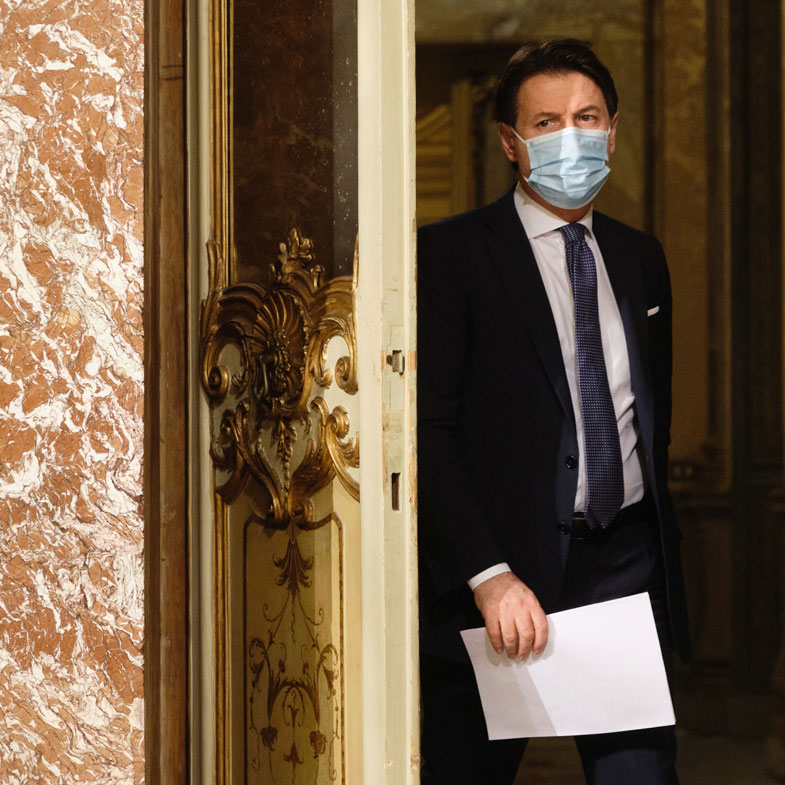
Italian Premier Giuseppe Conte sits in the backseat of a car as he arrives at Rome's Quirinale Presidential Palace, Tuesday, Jan. 26, 2021

The President will begin consultations with the leaders of the country's main political parties on Wednesday afternoon, the statement said.

If Conte, who does not belong to a party, has enough support, Mattarella could ask him to form a new coalition.

Another option to break the impasse would be to call snap elections, two years early.

"The President of the Republic is reserving his decision and has asked the government to stay in office for the management of ordinary affairs," the statement said.

If Conte receives the mandate, he would likely look for a broader coalition and to add five more senators to the fold.

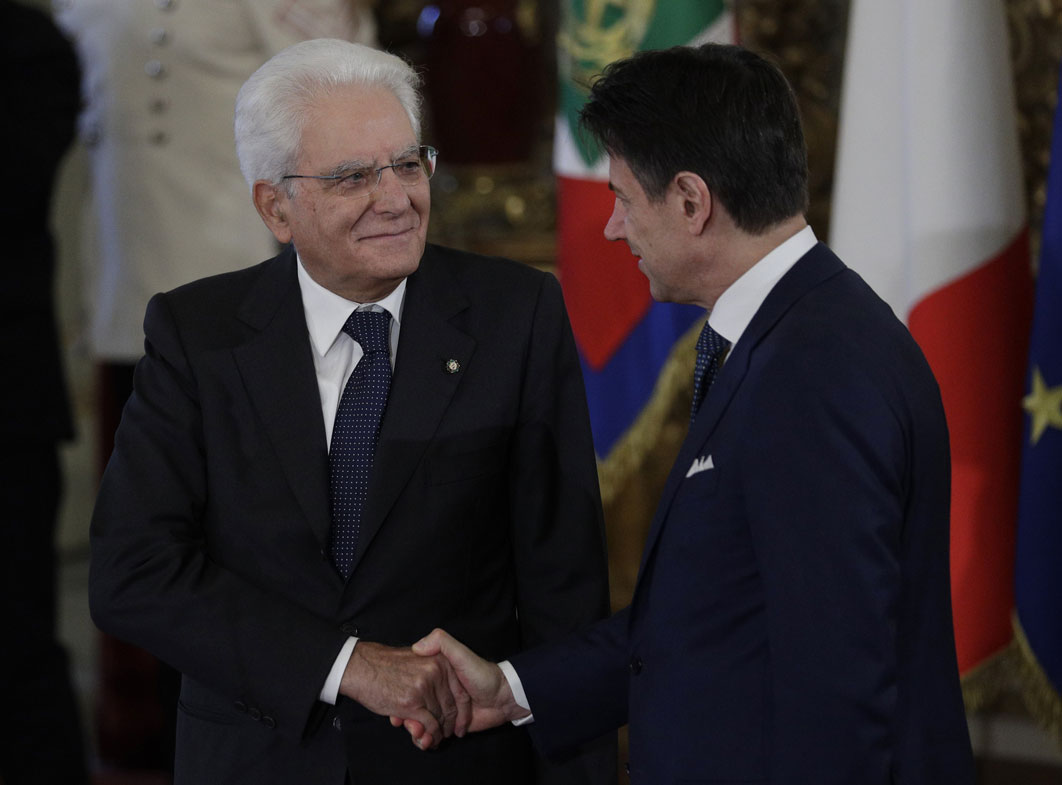
Italian President Sergio Mattarella, left, shakes hands with Prime Minister Giuseppe Conte during the swearing-in ceremony at the Quirinale Presidential Palace, in Rome (Photo: September, 2019)

Without a Senate majority, Conte would struggle to pass effective legislation at a time of crisis for the European nation, which has suffered years of political instability in addition to new economic challenges amid the pandemic.

Italy has been through several political crises since the end of World War II and has held many snap elections before sitting governments have finished their electoral terms. Conte is the country's 66th leader in 75 years.

His coalition, which was formed in 2019, is led by the centre-left Democratic Party (PD) and the anti-establishment Five Star Movement (M5S). Despite vast political differences, the unusual alliance prevented snap elections which could have favoured the far-right League Party.

Conte has enjoyed high approval ratings after Italy imposed Europe's first lockdown last spring, in response to spiralling number of COVID-19 cases and deaths. He remains Italy's most popular politician with an approval rating above 50 per cent, Reuters reports.

Italian Premier Giuseppe Conte arrives for a press conference at Palazzo Chigi in Rome, Italy, Friday, Dec. 18, 2020

Guyana Condemns “Illegal” Detention of Local Fishing Boats, Crews by Venezuela by Venezuela

The Minister of Foreign Affairs and International Cooperation in Guyana, Hugh Todd on Monday issued a protest note firmly condemning the illegal detention of the captains and crews of two Guyanese registered fishing vessels, and calling for their immediate release.

He issued the note when he called in Chargé d’Affaires of the Venezuelan Embassy Moses Chavez, and used the opportunity to voice his concerns, saying “the action coming out of Caracas is distasteful”.

Todd added that based on latitude and longitude, the two vessels, the Lady Nayera and the Sea Wolf, were well within Guyana’s territory.

The government said they were operating off the coast of Waini Point, within Guyana’s Exclusive Economic Zone, when they were intercepted by Venezuelan naval vessel, Commandante Hugo Chavez GC 24, on January 21.

The captains of both fishing vessels were instructed to chart a course to Port Guiria, Venezuela where the boats and crew have been detained.

Minister Todd on Monday called for Venezuela to operate in a manner consistent with international rule of law.

He reiterated Guyana’s commitment to the International Court of Justice (ICJ) as a means of bringing to a close the Guyana-Venezuela border controversy.

The incident comes on the heels of Venezuela’s President Nicolas Maduro declaring he would reconquer the disputed Essequibo region which is at the center of the neighbours’ decades-old dispute.

Earlier this month, Maduro issued a decree to unilaterally extend Venezuela’s maritime boundary into the Essequibo and establish a new territory in the area, even though the dispute is currently engaging the attention of the ICJ.

CMC

The post Guyana Condemns “Illegal” Detention of Local Fishing Boats, Crews by Venezuela by Venezuela appeared first on The St Kitts Nevis Observer.

'Extremely dangerous' tornado leaves 100 million people in the US on alert

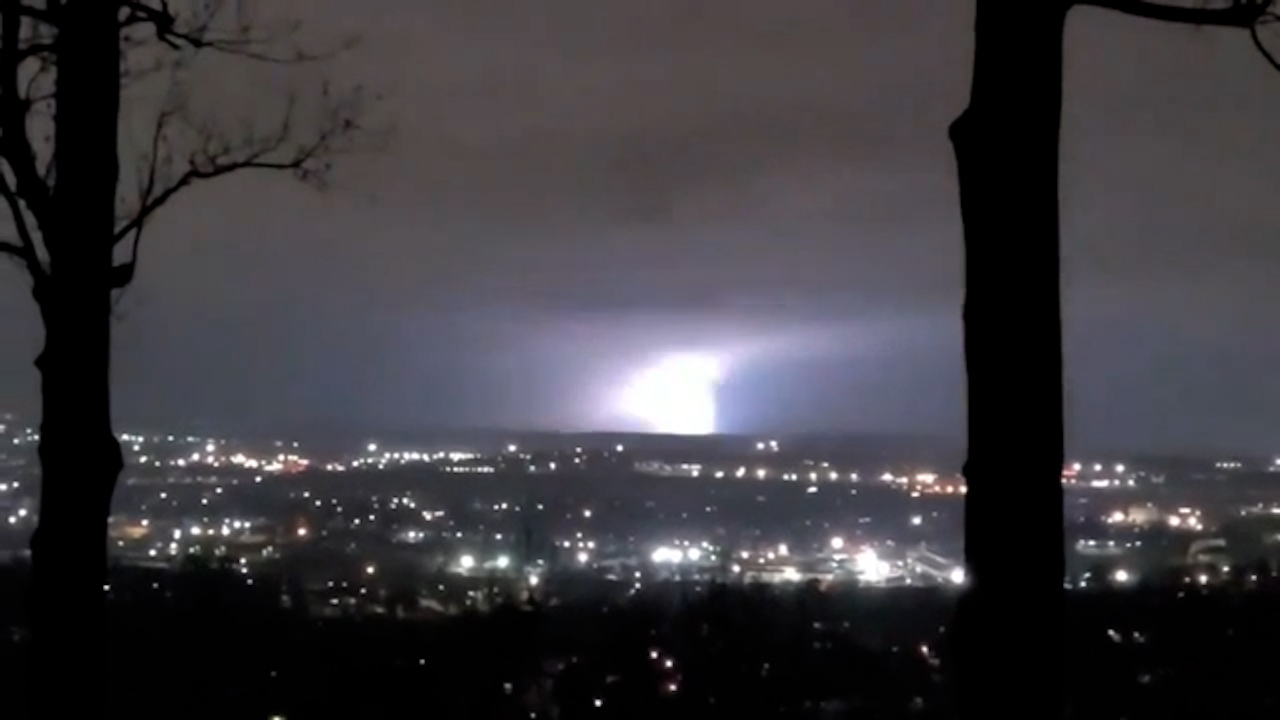
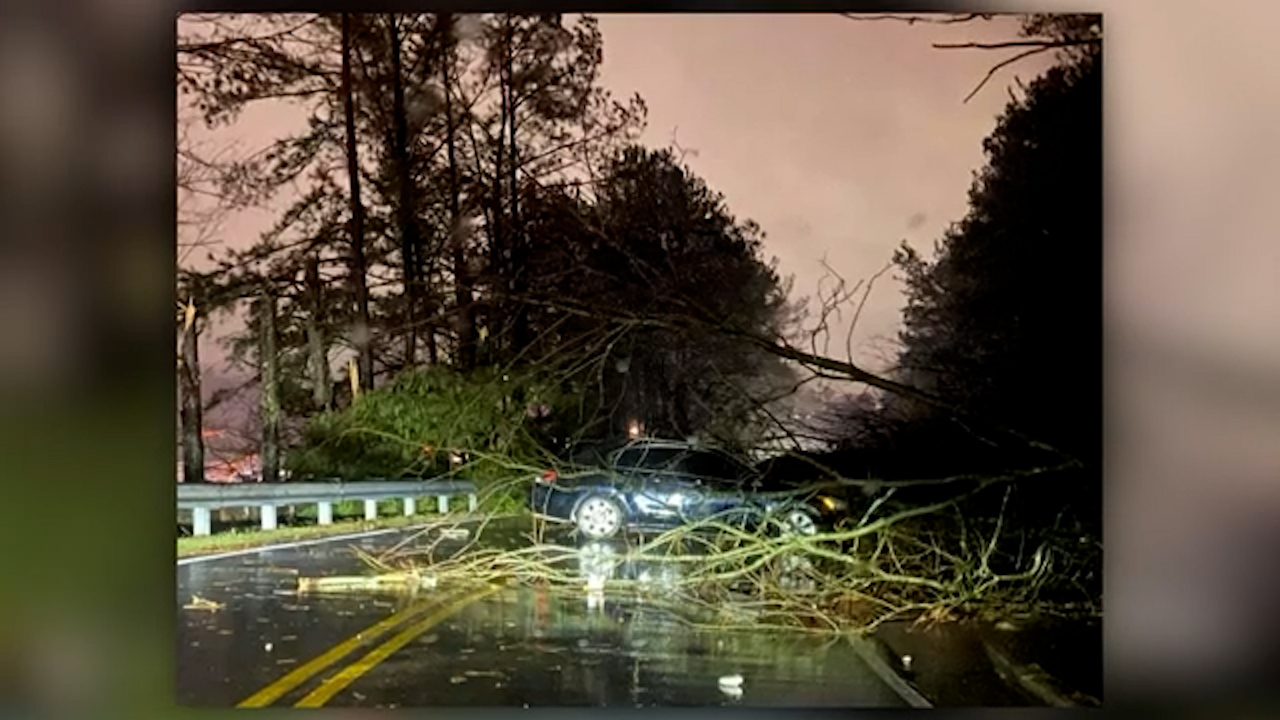
A "large and extremely dangerous" tornado has left people with serious injuries and caused significant damage in parts of Alabama in the United States.

National Weather Service (NWS) in Birmingham, Alabama, said Jefferson County and surrounding areas were thrashed by the tornado on Monday night, including ripping through a hotel and tearing off part of the roof of a church.

Jefferson County Coroner Bill Yates confirmed at least one fatality related to the tornado with search and rescue operations are still underway.

READ MORE: Tropical cyclone watch issued for Far North Queensland

Injuries ranging from minor to serious have been reported with victims transported to area hospitals, Jim Coker Director of Jefferson County Emergency Management Agency (EMA) told CNN.

He did not say how many people were injured.

Mr Coker told CNN the damage from the tornado is "considerable," which "hit a heavy retail and residential area."

A house collapsed on a family, but their condition is not known at this time, Mr Coker said.

There are five fire department heavy rescue teams from Jefferson County responding to the areas of Fultondale and Centre Point.

Jefferson County EMA is using a drone and helicopters to track the path of the storm along with the NWS, according to Coker.

Hotel and church suffer damage

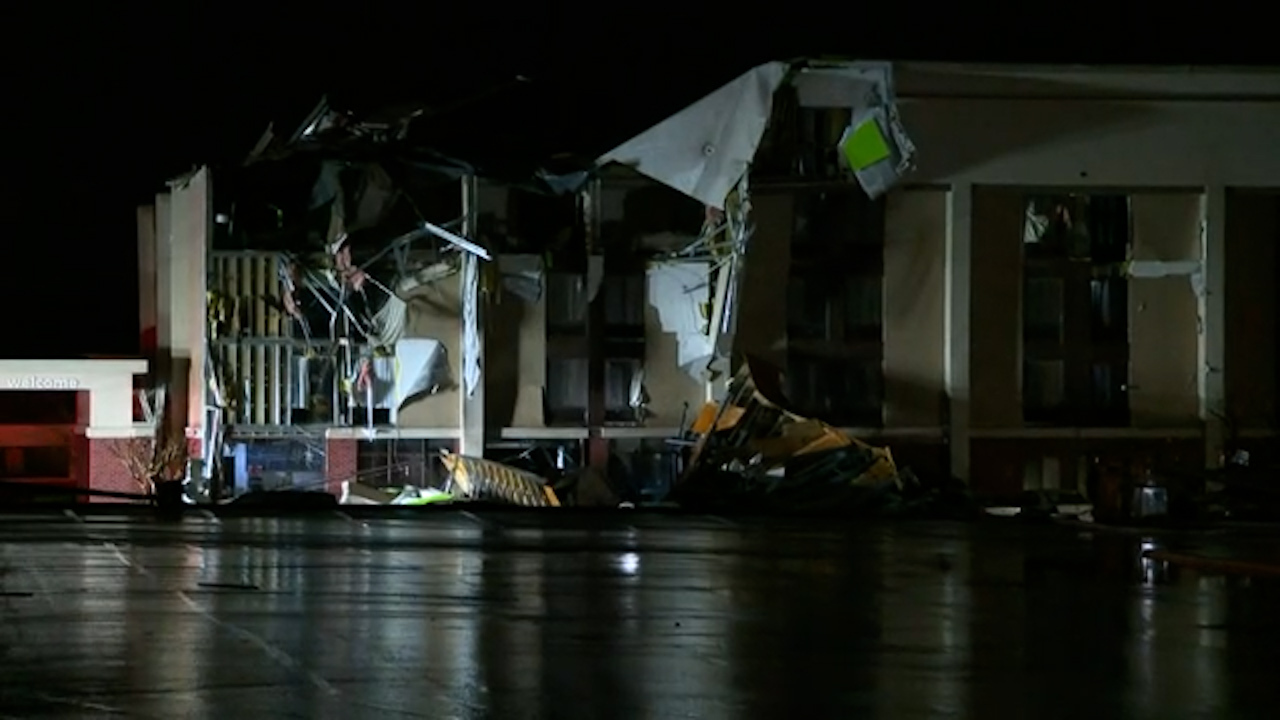
Video footage shows that the Hampton Inn in Fultondale, which is located just north of Birmingham and has a population of around 9000, according to census data, sustained significant damage during the storm.

It has been reported that guests staying at the hotel were able to escape the building and sought shelter in a nearby restaurant when another line of storms came through.

NWS Birmingham said in a tweet, they are monitoring reports "after a tornado impacted the Fultondale area of Jefferson Co. a short time ago."

"Significant damage has been reported. We will inspect the damage to determine the strength of the tornado."

https://twitter.com/NWSBirmingham/status/1353939999302045697?s=20

"At 10.54 PM CST (3.54pm AEDT), a confirmed large and extremely dangerous tornado was located over Chalkville, or near Trussville, moving east at 50 mph (80.5km/h)," the agency said earlier on Twitter.

About 21 kilometres northeast of Birmingham, the city of Centre Point, which has a population of more than 16,000, also saw "quite a bit of damage" from the storm, Mayor Bobby Scott said.

Mr Scott said that the back half of Hilldale Baptist Church's roof is missing, and the city's recreation centre also suffered damage in the storm.

"Looks like we will have a long day ahead of us tomorrow," Mr Scott said.

"Hopefully we can get everything covered up.

"We don't have any injuries to report right now so we're definitely grateful for that."

The Jefferson County EMA has asked people to stay out of the area as first responders try to reach the most damaged locations.

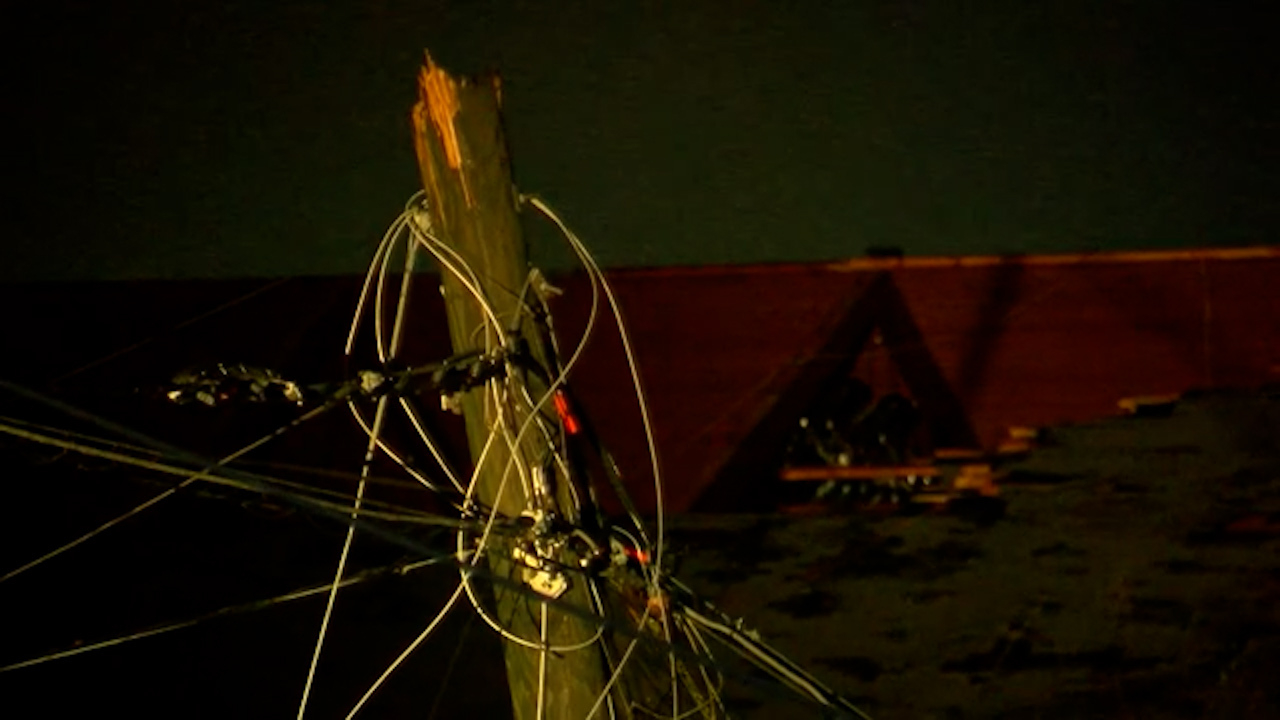
"On top of road dangers such as power lines and debris … traffic is clogging the roads," Jefferson County EMA said on Twitter.

Eleven schools in the area will be closed for both in-person and virtual learning Tuesday following the storm.

https://twitter.com/EMAJeffCoAL/status/1353961918210387968?s=20

Tornado warnings in effect through Tuesday morning

A tornado warning was issued Monday night for Jefferson County, Alabama, NWS Birmingham said in a tweet.

The agency has since issued tornado warnings and watches for several counties as the line of storms moves northeast through the state.

A tornado watch remains in effect for parts of Alabama and Georgia.

The line of storms is part of one of two larger systems that has more than 100 million people under winter weather alerts.

The storm will dump significant snow from the Central Plains to the mid-Atlantic Coast through Tuesday night.

The deepest snow will pile up across Iowa.

Some of the snow will be very heavy, with rates of up to five centimetres an hour, according to the Weather Prediction Centre.

Water Shortage a Growing Caribbean Problem

Noreen Nunez lives in a middle-class neighborhood that rises up a hillside in Trinidad’s Tunapuna-Piarco region.

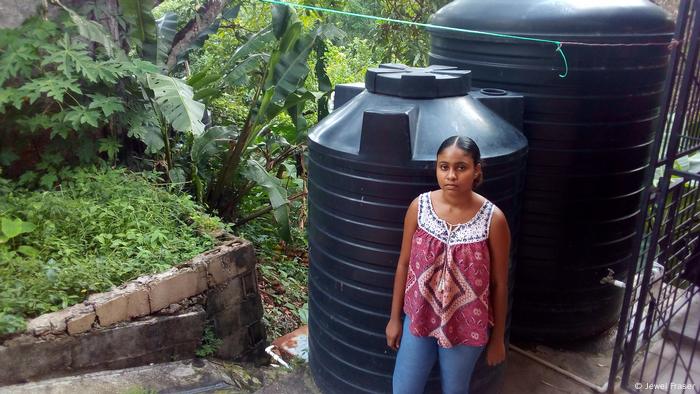
Accessed by a long, winding road bordered by trees, the houses, built in the 1970s and 1980s, are mainly painted in pastel shades. Dotted among fruit trees in their sizeable backyards are huge water tanks, mounted on concrete slabs.

The tanks are evidence that even this affluent community is not insulated from the water-stress experienced across the Caribbean.

Residents fill the tanks from the main pipes to use during scheduled outages by the water authority. But the supply is often unreliable and further impacted by low pressure for those living further up the hill.

Nunez says outages have become a regular occurrence, with water often shut off for all but a few hours during the night.

“Most of the time you have to buy food from outside or have food catered and buy bottles of water to drink,” she said. “You use disposable dishes.”

A neighbor of Noreen Nunez in the St. Augustine neighborhood of Trinidad stands next to her water tanks A neighbor of Noreen Nunez stands next to her water tanks, which have become a vital necessity for dealing with water shortages

Patchy infrastructure and leaky pipes

Antigua and Barbuda, St. Vincent and the Grenadines, and St. Kitts and Nevis are all classed as water scarce, which the UN defines as countries with less than 1000 cubic meters per capita of renewable water resources a year.

Barbados’ situation, with only 350 cubic meters per capita, is especially grave, according to Keithroy Halliday, general manager of the Barbados Water Authority.

While most people outside of rural mountainous areas in the Caribbean are connected to the public water supply, they frequently face outdated infrastructure in need of repair, resulting in major losses of drinking water.

Alan Poon King, head of Trinidad and Tobago’s Water and Sewerage Authority (WASA), says the utility loses as much as 60 million gallons of water each day from leaking infrastructure — and that much again is wasted by problems like leaking taps on private properties.

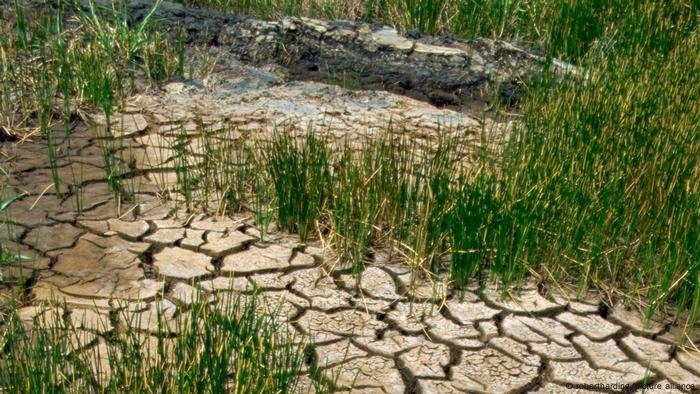
Dry ground near the Pitch Lake, Trinidad, West Indies, Caribbean, Climate change has increased drought which is exacerbating water problems on the islands

The picture is similar in Jamaica, which Peter Clarke, managing director of the country’s Water Resources Authority, says suffers from “a serious loss of water that has been produced and is supposed to be delivered, but it is not reaching the end user because of the aging infrastructure — it’s leaky, it’s perforated.”

Climate change increases pressure

If these structural problems are left unaddressed, things are only likely to deteriorate as the planet heats up.

“There are many other problems that are facing the water sector in the Caribbean and climate change is exacerbating those existing, underlying conditions,” said Adrian Cashman, who sits on the global technical advisory committee for the Global Water Partnership.

Officials say drought conditions across the region over the past couple of years mean there just hasn’t been enough rain to replenish aquifers at the usual rate.

“This past summer [in Jamaica] we went through a significant drought,” said Clarke. “It really was challenging for the water supply providers.”

In Trinidad and Tobago, Poon King said it was difficult to quantify the impacts of climate change, but that it was an ongoing challenge: “We’ve seen reduced precipitation that could be anywhere in the range of 10-20% in the dry season.”

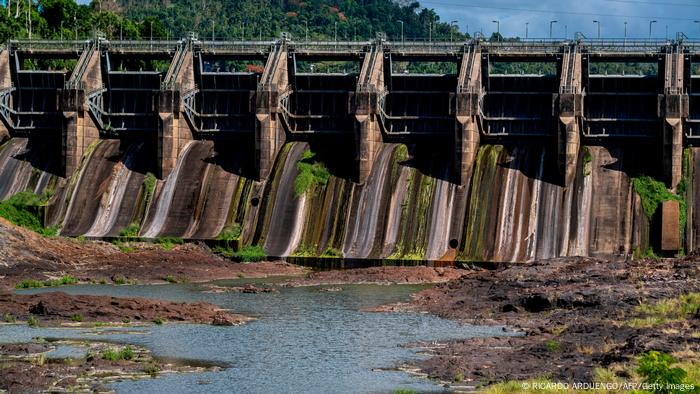
The Carraizo dam in Puerto Rico in 2020 show the impact of drought. Last year Puerto Rico experienced water rationing following a drought

Halliday said climate change has already “significantly impacted” Barbados’ water supply, too. All of Barbados’ internal renewable water resources come from rainfall, he explained, and in 2019 the country saw its lowest recorded levels since 1947.

Climate finance and water-wise living

The Caribbean region enjoys relatively high standards of living, with most countries defined by the UN as “upper-middle income.” This excludes them from much international development funding. At the same time, high levels of public debt combined with their vulnerability to climate change makes it difficult to secure investment in infrastructure.

However, one of the region’s first major water projects financed by the Green Climate Fund (GCF), which was set up to help developing countries cope with the changing climate, is currently underway in Grenada.

Water – a scarce resource

Project head Hans-Werner Theisen says about half of the €45 million the GCF has allocated to the project will be spent improving infrastructure like water tanks, reservoirs and pipes. There will also be financial incentives to cut water waste from sectors like agriculture and tourism, which are among the biggest consumers of water.

Encouraging the public to use water more carefully is key to the project in Grenada, too. “What I think is very important is that everyone, every citizen, can contribute to water-saving measures, so we have to be water-wise in day-to-day living,” Theisen said.

Elsewhere, Barbados has passed laws prohibiting the use of potable water for washing cars, gardening, filling swimming pools and similar activities. As in Jamaica, people are encouraged to use wastewater for such activities.

Water, water everywhere…

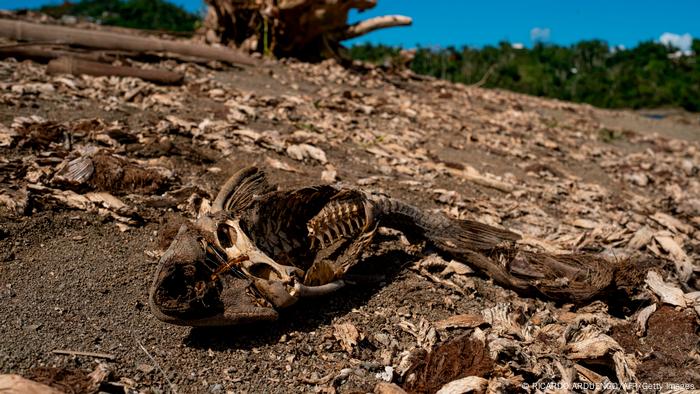
A dried fish carcass is seen on banks of unusually low reservoir in Puerto Rico, 2020. Barbados and Jamaica encourage residents to be very careful with their water use

Despite day-to-day water outages, a 2017 UN Water report showed most people in the Caribbean have access to a safe — if irregular — water supply.

But in Trinidad, Nunez is infuriated living on an island with 360-views of the turquoise waters and nothing coming out of the tap.

“Water and air are things that humans need to live,” she added. “I can’t understand how on an island surrounded by water, they can’t find some way of using — desalinating — the water.”

According to 2019 figures, the region gets some 12% of its water supply from desalination. Poon King said in Trinidad and Tobago that figure is 20% but expanding this is problematic due to high energy costs.

For Nunez, water shortages are out of step with her country’s development status. Trinidad and Tobago have profited from its oil reserves. Yet despite its high income, it struggles to adequately supply this most basic of necessities.

“There are glass buildings and universities and huge international airports and everything like this, but there is no water,” she said. “We’ve got the latest architectural structures and homes and houses, but it seems like indoor sanitary ware and kitchens are just for show.”

The post Water Shortage a Growing Caribbean Problem appeared first on The St Kitts Nevis Observer.

Body recovered from Murray River in desperate search for man feared drowned

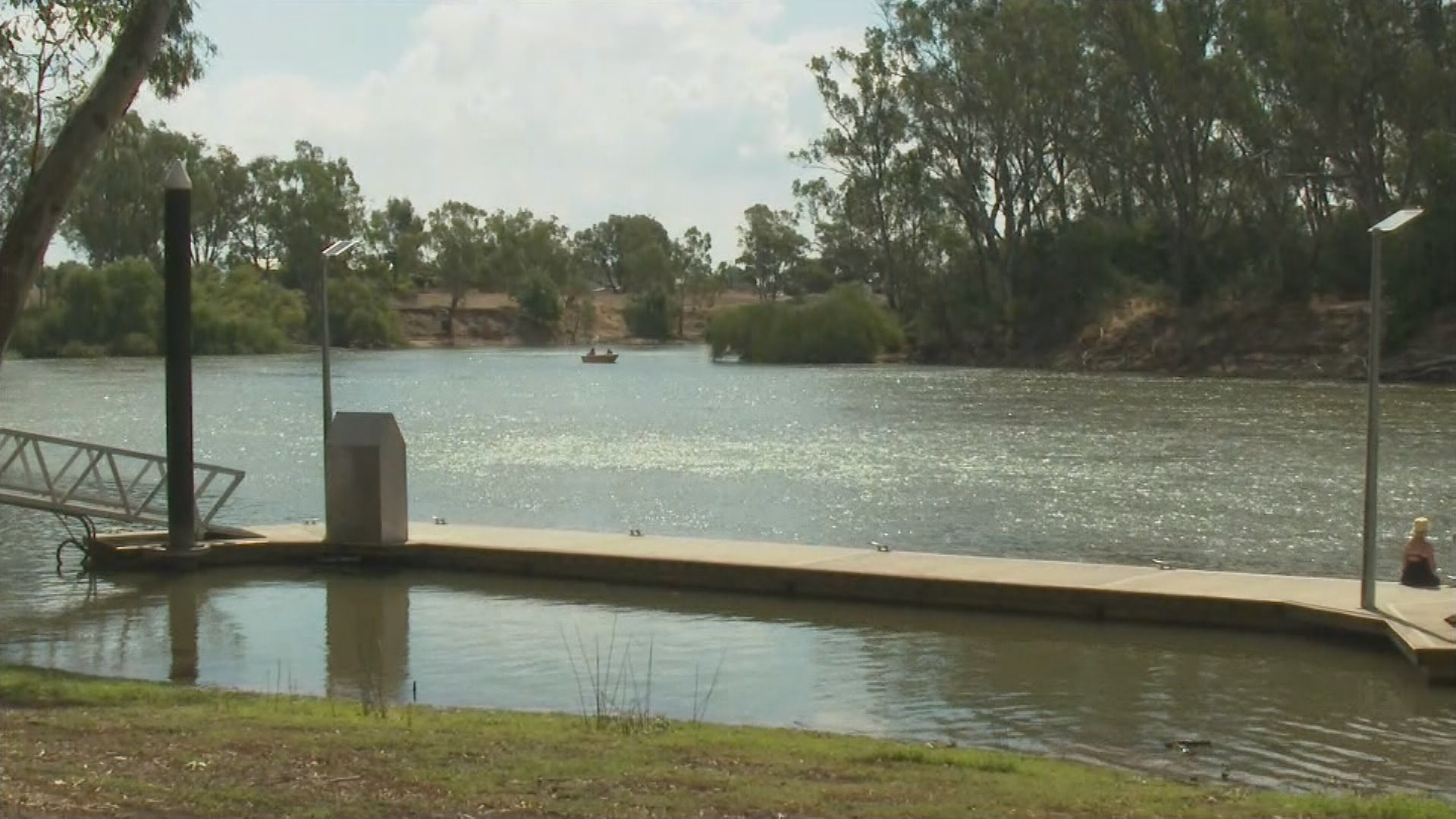
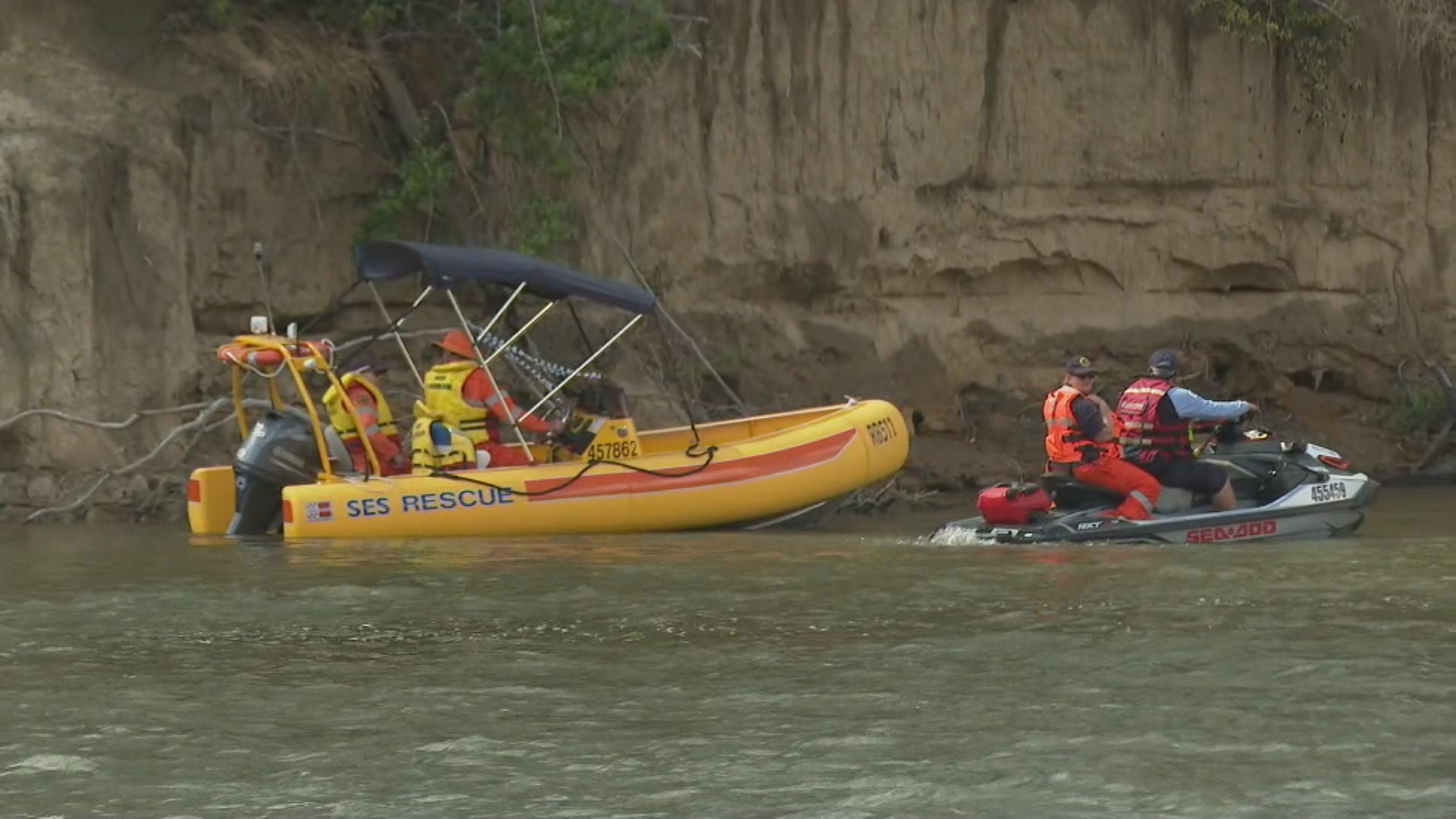
The body of a man has been recovered from the Murray River this evening, hours after he got into difficulties whilst swimming in a popular waterhole in Victoria's north.

Emergency services were called to Thompsons Beach on the Muarry River near Cobram at about 1pm today following reports the man went under the water and didn't resurface.

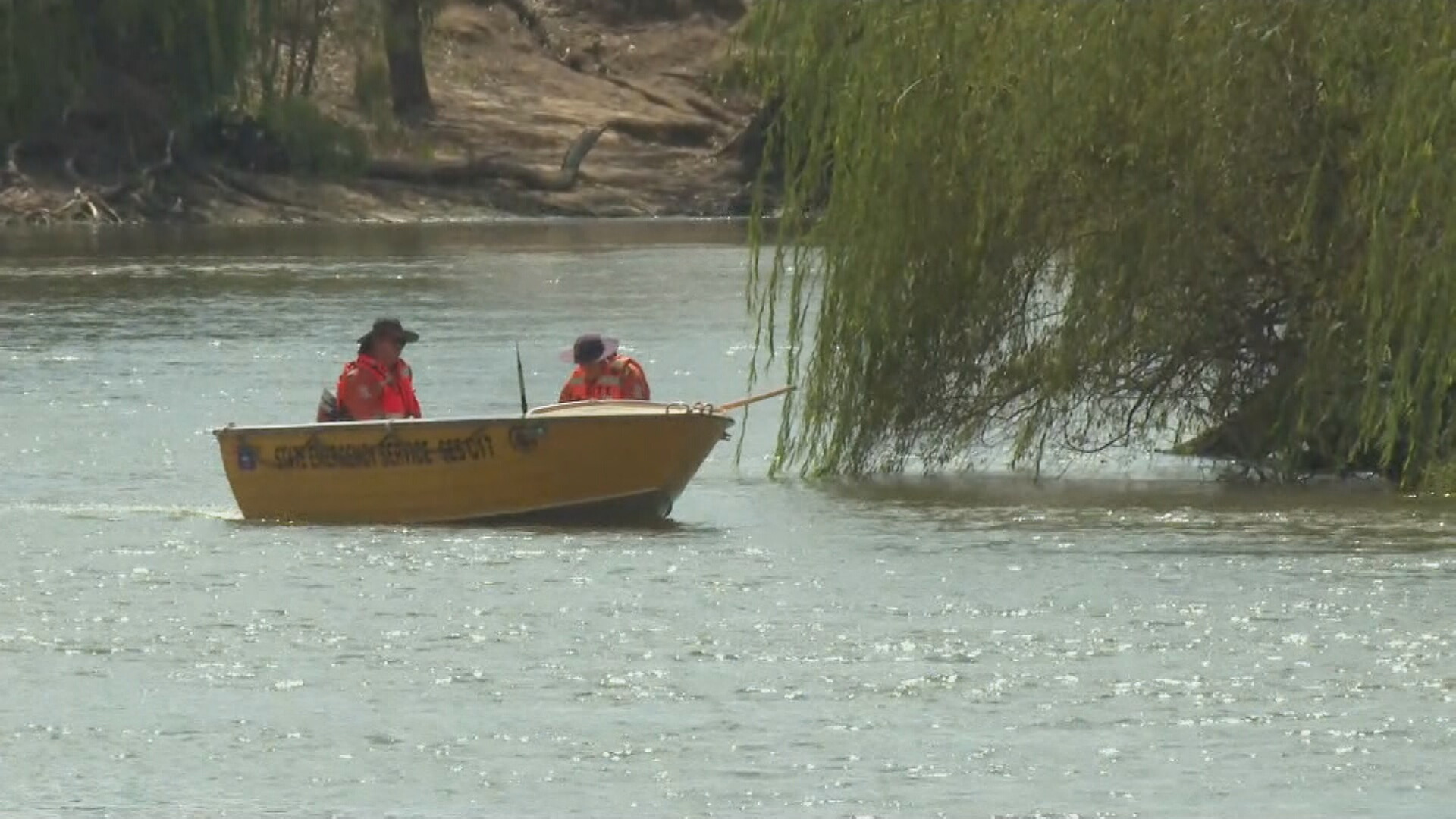
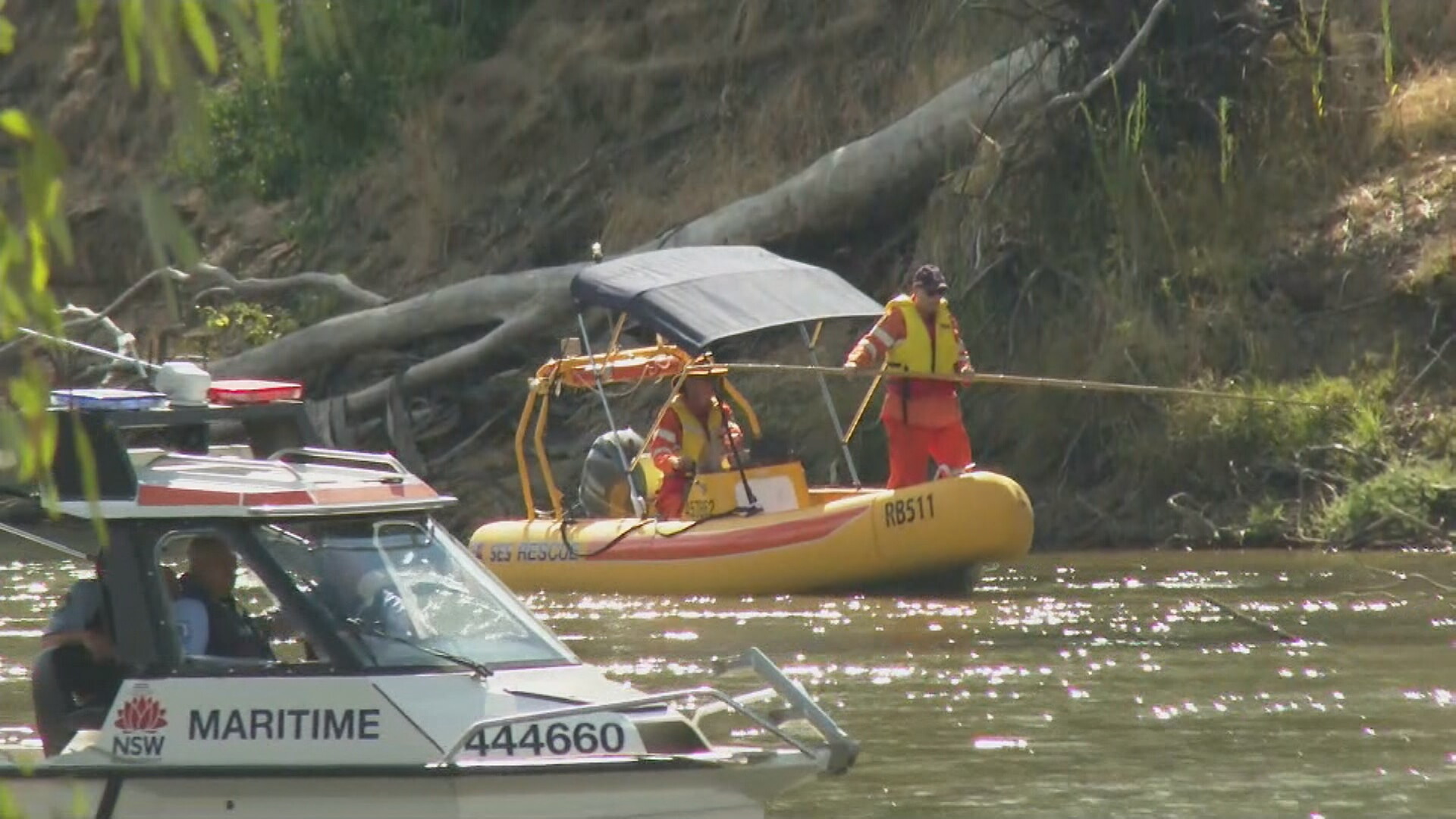
Members of the SES, Victoria and NSW police as well as member of the public joined the search for the man feared drowned.

At approximately 8.40pm, members of the Victorian Police Dive Unit located the 35-year-old submerged in four-metres of water, and he was declared deceased.

Authorities told 9News the man, from St Kilda, was on holidays with friends when the incident occurred.

"Friends entered the water here at Thompson beach and proceeded to swim across the river. However, on the way across one of the males came into some difficulties and sunk beneath the surface," NSW Police Acting Inspector David Forland told 9News.

"His friends were not able to help him at the time."

Witnesses say the man was taken by the current of the river.

"Everyone was having fun… and unfortunately this sort of thing can happen to anyone really," one witness, Peter, told 9News.

"He was swept down on the embankment over there on the other side and was last sighted right near this small boat," another witness said.

The incident comes after a deadly start to the year for swimmers, with seven people drowning in the past two weeks in Victoria and NSW.

More Anti-Lockdown Rioting Sweeps Holland

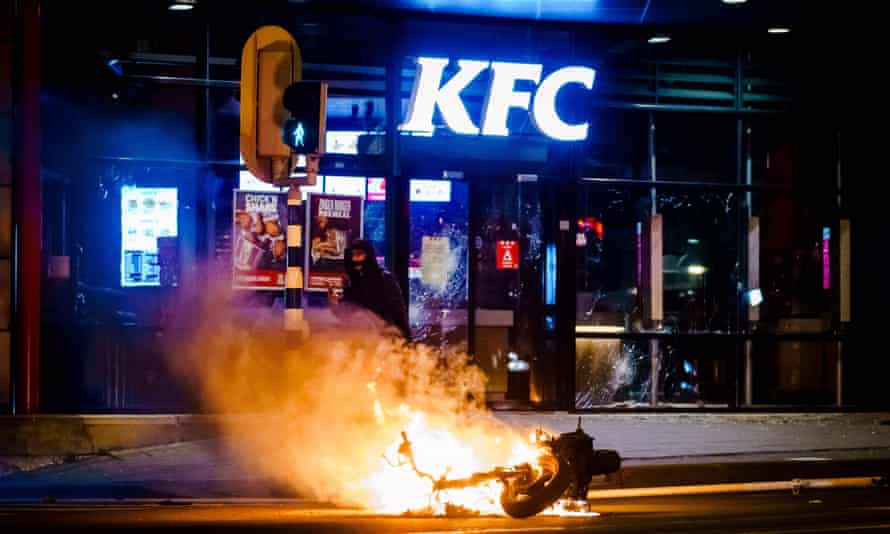
A third night of rioting has shaken the Netherlands as protesters rampaged through towns and cities around the country after government introduced a night-time curfew.

About 150 people were arrested on Monday in Amsterdam and Rotterdam, where shops were vandalised and looted, and the mayor, Ahmed Aboutaleb, issued an emergency decree giving police broader powers of arrest.

“These people are shameless thieves, I cannot say otherwise,” he said. “I had to threaten them with the use of teargas – a far-reaching measure. I find that sad, because I have never had to do that in my entire career as mayor.”

But trouble also flared in smaller centres around the country such as Den Bosch, Zwolle, Amersfoort, Alkmaar, Hoorn, Gouda – where several cars were set on fire – and Haarlem, where police were attacked with stones.

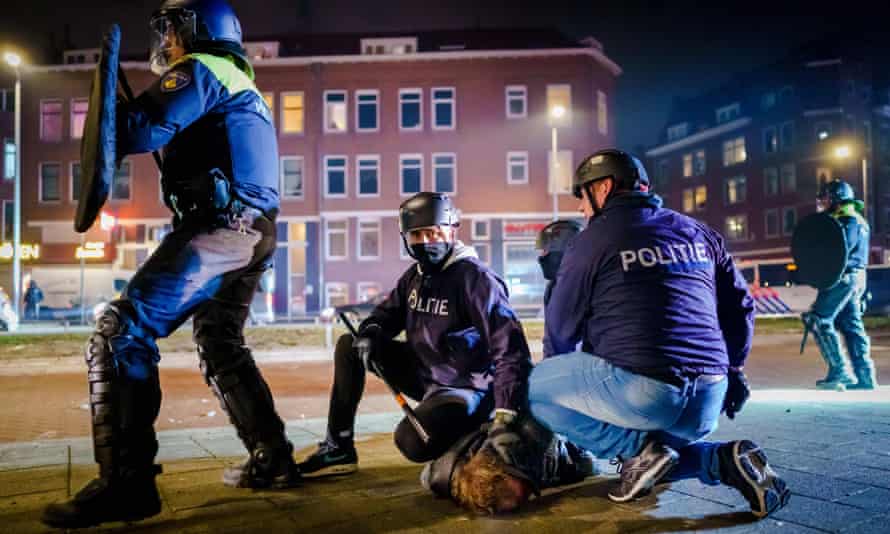
Police officers arrest a man during clashes in Beijerlandselaan.
Police officers arrest a man during clashes in Beijerlandselaan. Photograph: Marco de Swart/ANP/AFP/Getty

Officials said the rioters, who reportedly used social media apps to organise, were overwhelmingly teenagers, and questioned the extent to which they were motivated by opposition to the 9pm curfew, which came into force on Saturday.

“This is serious disturbance of public order,” said the mayor of Haarlem, Jos Wienen. “The measures are tough for everyone, we all want to be free to move. But that does not entitle anyone to start fires, let off fireworks and commit vandalism.”

The prime minister condemned the weekend riots in which anti-lockdown protesters attacked police and set cars on fire. “What motivated these people has nothing to do with protest; this is criminal violence,” Mark Rutte said.

A vehicle burns after being torched by protesters in Beijerlandselaan in Rotterdam.
A vehicle burns after being torched by protesters in Beijerlandselaan in Rotterdam. Photograph: Marco de Swart/ANP/AFP/Getty

Police said 300 people were detained on Saturday and Sunday after youths threw rocks and in one case knives at officers, attacked a hospital and burned down a Covid testing station. More than 5,700 fines were issued for breaking the curfew.

Bars and restaurants have been shut in the Netherlands since October, with schools and non-essential shops following suit in mid-December. Infection numbers are falling but authorities fear the possible faster spread of the UK variant of the virus.

Rutte’s government is acting in a caretaker capacity before the election, scheduled for 17 March, after resigning last week over a child benefit scandal.

Koen Simmers, the head of the national police union, told Dutch television officers were prepared should the rioting continue. “I hope it was a one-off but I’m afraid it could be a harbinger for the days and weeks to come,” he said.

The post More Anti-Lockdown Rioting Sweeps Holland appeared first on The St Kitts Nevis Observer.