Category Archives: headline

Surfer saves multiple people from drowning in two separate rescues

A surfer has saved the lives of three children and a father from drowing in two separate incidents in Victoria.

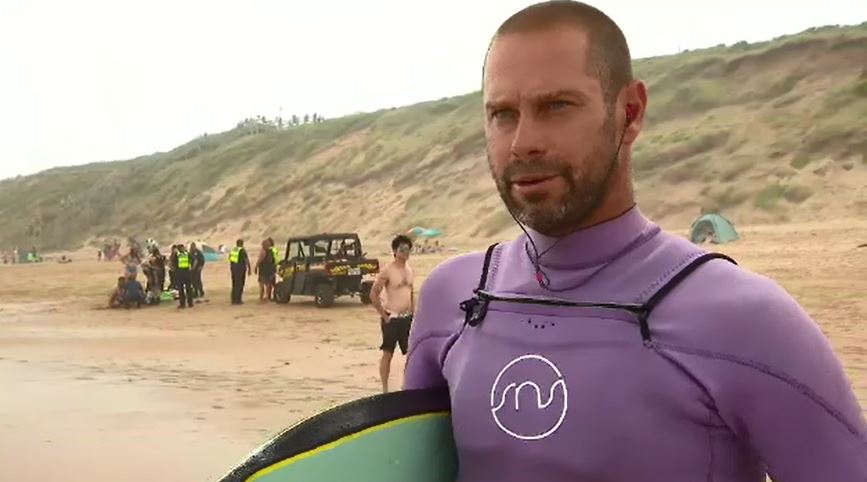
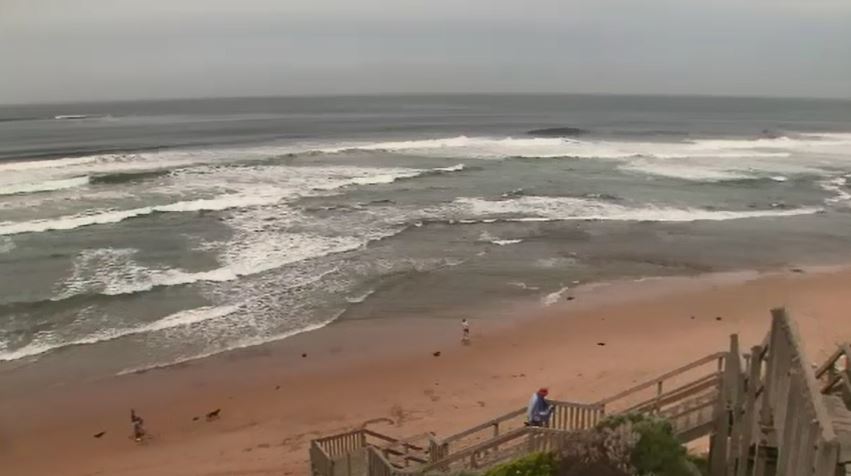
Ben Roberts rescued the two different families almost 24 hours apart off Barwon Heads when happened to be passing by at Thirteenth Beach.

Today, Mr Roberts noticed a man and his son struggling in hot, difficult conditions.

READ MORE: Multiple rescues at Australian beaches as south-east hit by scorching heatwave

"There was a son and a dad, they were pretty groggy … swallowed a lot of water, in and out consciousness," he said.

Mr Roberts was about to enter the surf to go body boarding when he heard screaming.

"People from the top started yelling and we could see they were in another little rip and so we just ran out."

Yesterday with the help of Mr Roberts, two teenage siblings fortunately managed to escape the water safely.

The Echuca family were out past the rocks on Thirteenth Beach when they were sucked into a rip.

Mr Robert's was checking the surf at the exact same spot yesterday when he watched the family get sucked 150 metres into a rip.

https://twitter.com/LifeSavingVic/status/1353217952137367553?ref_src=twsrc%5Etfw

"When I first arrived it happened so quickly … it was less than a minute … 5ft waves at the back and the daughter was waving," he said.

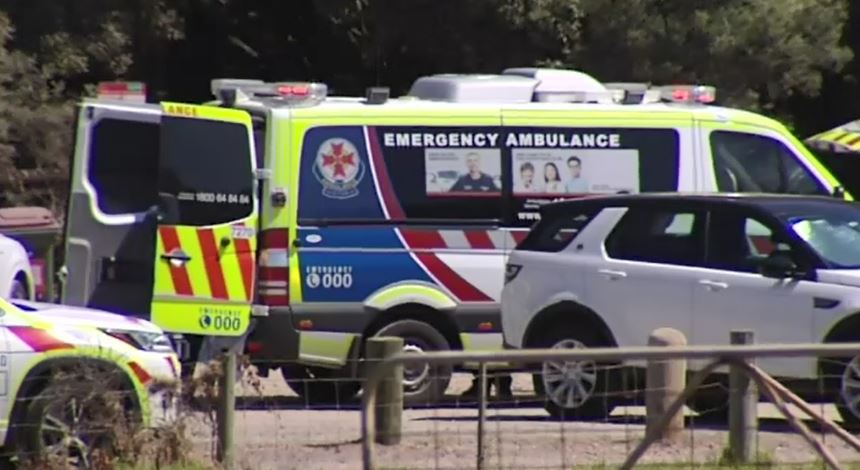
He and another surfer pulled two teenage siblings to the shore, but unfortunately their father died. He was pulled from the water by a Life Saving Victoria helicopter.

Witness Toby Lee said it was a devastating loss.

"Arriving to a scene like that is gut wrenching … to see people in trouble in the ocean, no one wants to see it," Mr Lee said.

"I'm still in a bit of shock seeing what's happened … I don't wish it to happen to anyone, very sad."

The drowning was sadly not the only one in Victoria yesterday with a man found in the water near Anglesea.

It is understood the 58-year-old was in a small boat with another man who rushed to shore to raise the alarm but he was unable to be revived.

Meanwhile, today several near drownings occurred with multiple rescues occurring at Separation Creek, Altona and St Andrews Beach.

Surf Life Saving Victoria has had to double its resources, now equipped with two helicopters on standby who get into trouble on unmanned beaches.

Scorching hot temperatures and the a public holiday on Tuesday have seen people flock to beaches all over with authorities imploring swimmers to be vigilant in the water.

"Our key message is you need to look after yourselves and each other because there are significant risks," Emergency Management Commissioner Andrew Crisp said.

"Since July 1 last year, we've had 42 people die as a result of drowning deaths … if you look at the whole 12 months before that – 34 people died."

Seven people have died in Victorian waters in the last 10 days.

Frydenberg urges states to show more consistency on borders

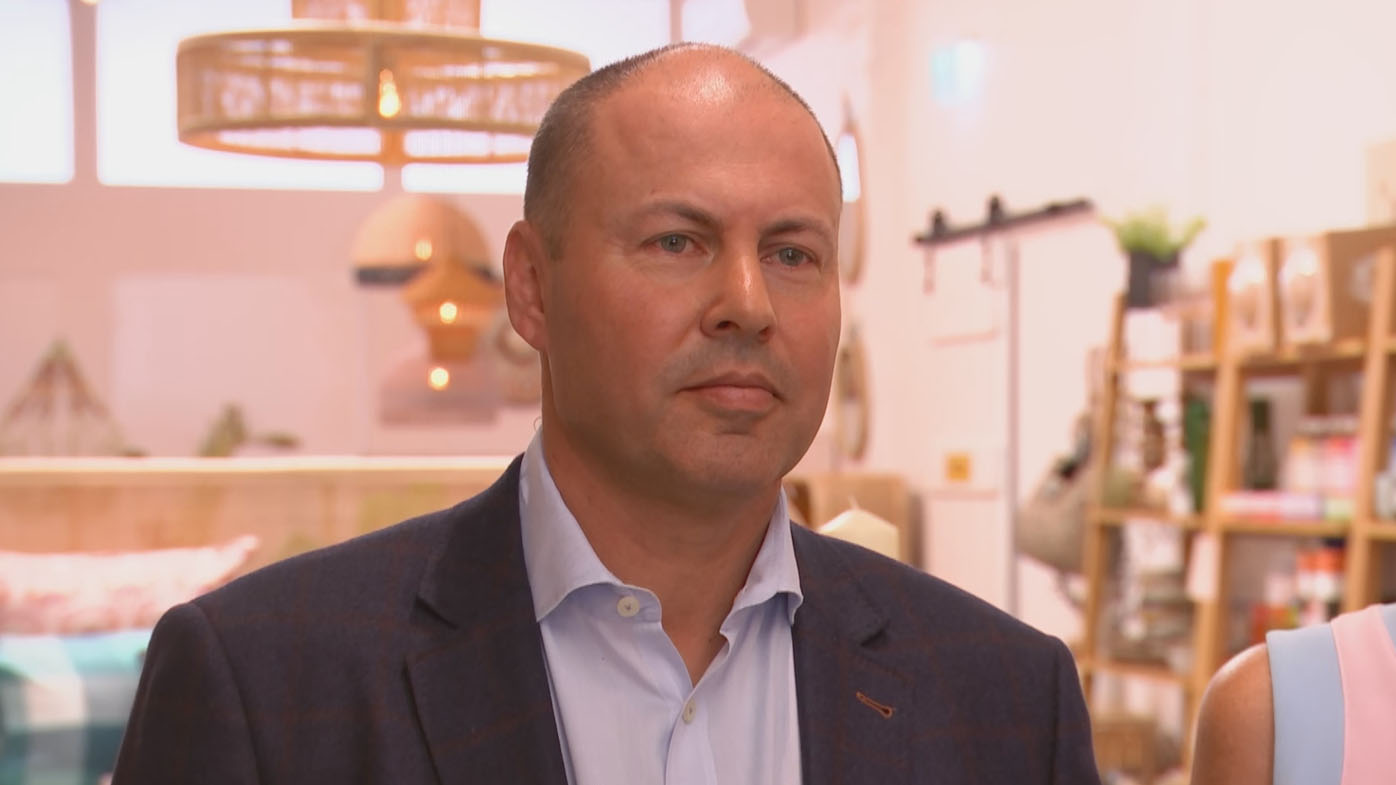
Treasurer Josh Frydenberg has urged states to follow Federal Government definitions of what constitutes a coronavirus hotspot.

Speaking in Melbourne, Mr Frydenberg said the economic outlook would be improved if state leaders applied more consistency to border restrictions.

"My position is clear: closed borders cost jobs. We have to take the medical advice but we have also seen the Commonwealth work very hard on a national definition of hot spot.

READ MORE: Victoria eases border restrictions with Greater Sydney, regional NSW and Brisbane

"I would love to see that national definition of a hot spot adhered to by the states. I think it would bring a lot more certainty for business and I think that would mean more jobs and, as we know, the tourism industry in particular and the aviation sector have been hit really hard by those closed borders at the end of last year."

Mr Frydenberg stressed that expert health advice should be paramount in pandemic border policies.

"So many families had their travel plans interrupted with very short notice. So, yes, we need to take the health advice. [It] must be our first and foremost priority. Always follow health advice. At the same time, need a level of consistency around the approach to borders and the national definition of hot spot is a good way to go."

Mr Frydenberg also said the Federal Government was yet to receive details of proposals by some states for converting remote former mining camps in quarantine centres for returned international travellers.

READ MORE: Victoria's gathering restrictions to ease, with 30 people allowed in homes

"We have had lots of ideas that have been put forward but we have not seen concrete proposals, and as the Prime Minister said late last week, he has an open mind, but obviously we need to focus on the standards of our quarantine system and local communities need to be fully engaged and obviously supportive of such measures."

Mr Frydenberg also took a swipe at tech giant Google that threatened to withdraw services from Australia over the government's planned media industry code.

"Google and other digital giants should focus not on blocking users in Australia accessing domestic content, they should focus on paying for it."

Capitol rioter 'threatened to assassinate' prominent Democrat

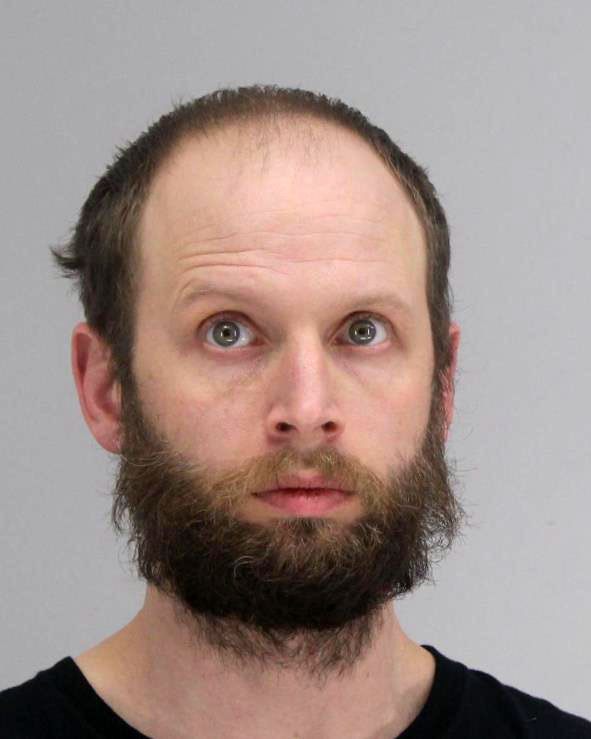
A 34-year-old Texas man has been arrested for allegedly taking part in the storming of the US Capitol this month and posting violent threats, including a call to assassinate Democratic Representative Alexandria Ocasio-Cortez of New York.

Garret Miller, who is from the Dallas suburb of Richardson, was arrested Friday after being named in a five-count federal complaint.

READ MORE: US says Capitol rioters intended to 'capture and assassinate' elected officials

Authorities allege that Miller posted photos and videos on his social media accounts that show him inside the Capitol during the January 6 storming of the building by supporters of then-President Donald Trump.

They also say he called for violence in online posts, including a tweet that simply read “Assassinate AOC,” a reference to the liberal Ocasio-Cortez.

In another tweet, Miller posted: “They are right next time we bring the guns," an FBI agent wrote in an affidavit.

Miller also threatened a US Capitol police officer during an exchange on Instagram, writing that he planned to “hug his neck with a nice rope", the affidavit states.

READ MORE: Congress members suggest colleagues were part of Capitol riot pre-planning

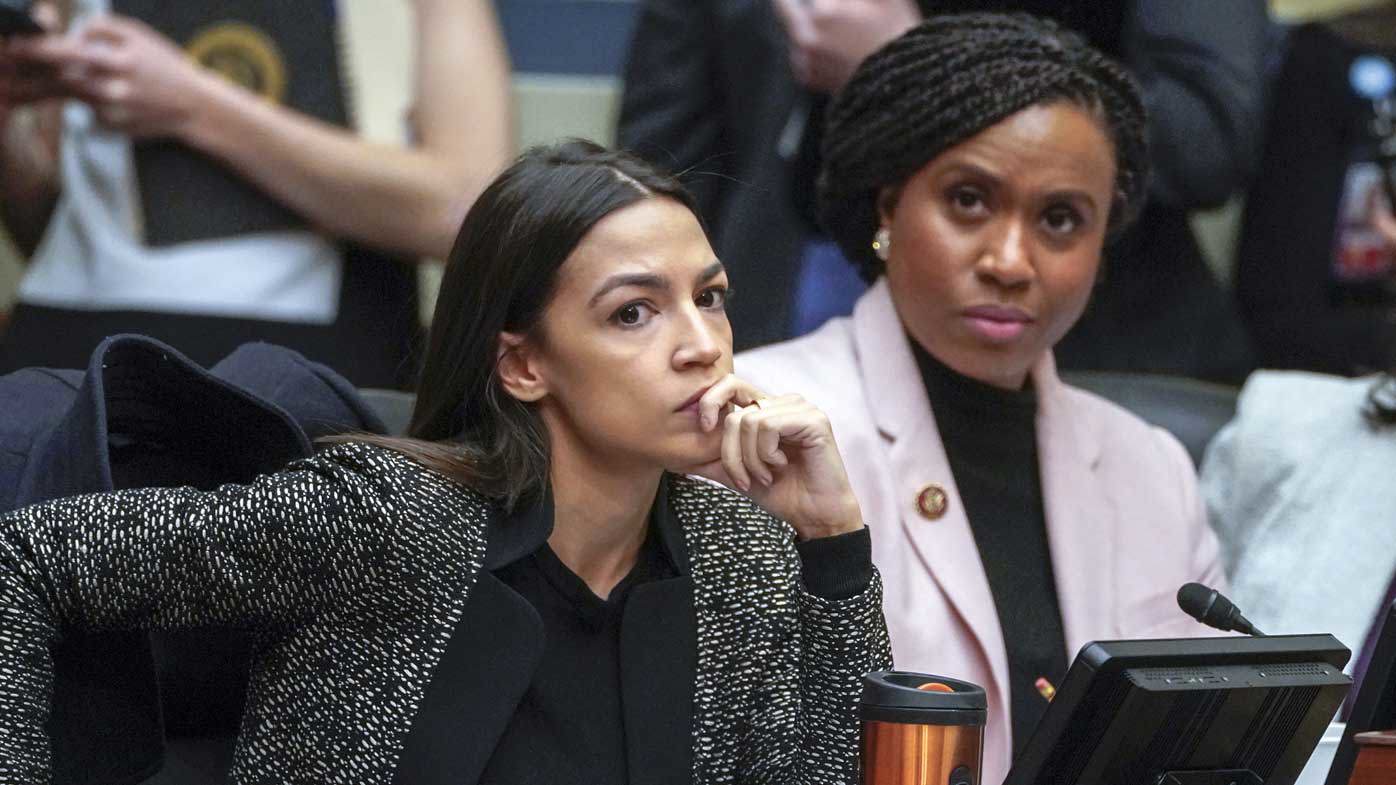
Representatives Alexandria Ocasio-Cortez and Ayanna Pressley are both members of 'the squad', a group of progressive congresswomen.

After posting a photo on Facebook showing him inside the Capitol, Miller responded to a comment on the picture with: “just want to incriminate myself a little lol", according to an FBI affidavit.

Ocasio-Cortez on Friday posted Miller's charging documents on Twitter and then tweeted: “On one hand you have to laugh, and on the other know that the reason they were this brazen is because they thought they were going to succeed."

Miller's attorney, Clint Broden, said in an email to The Associated Press that Miller regrets the actions he took “in a misguided effort to show his support for former President Trump".

https://twitter.com/AOC/status/1352768483101200385?ref_src=twsrc%5Etfw

“His social media comments reflect very ill-considered political hyperbole in very divided times and will certainly not be repeated in the future," Broden said.

"He looks forward to putting all of this behind him."

Miller is scheduled for a detention hearing on Monday.

“We are hopeful that, given his family support and regret for his actions, he will be released so that he can resolve the charges against him in a timely fashion," Broden said.

Wuhan marks lockdown anniversary but questions linger

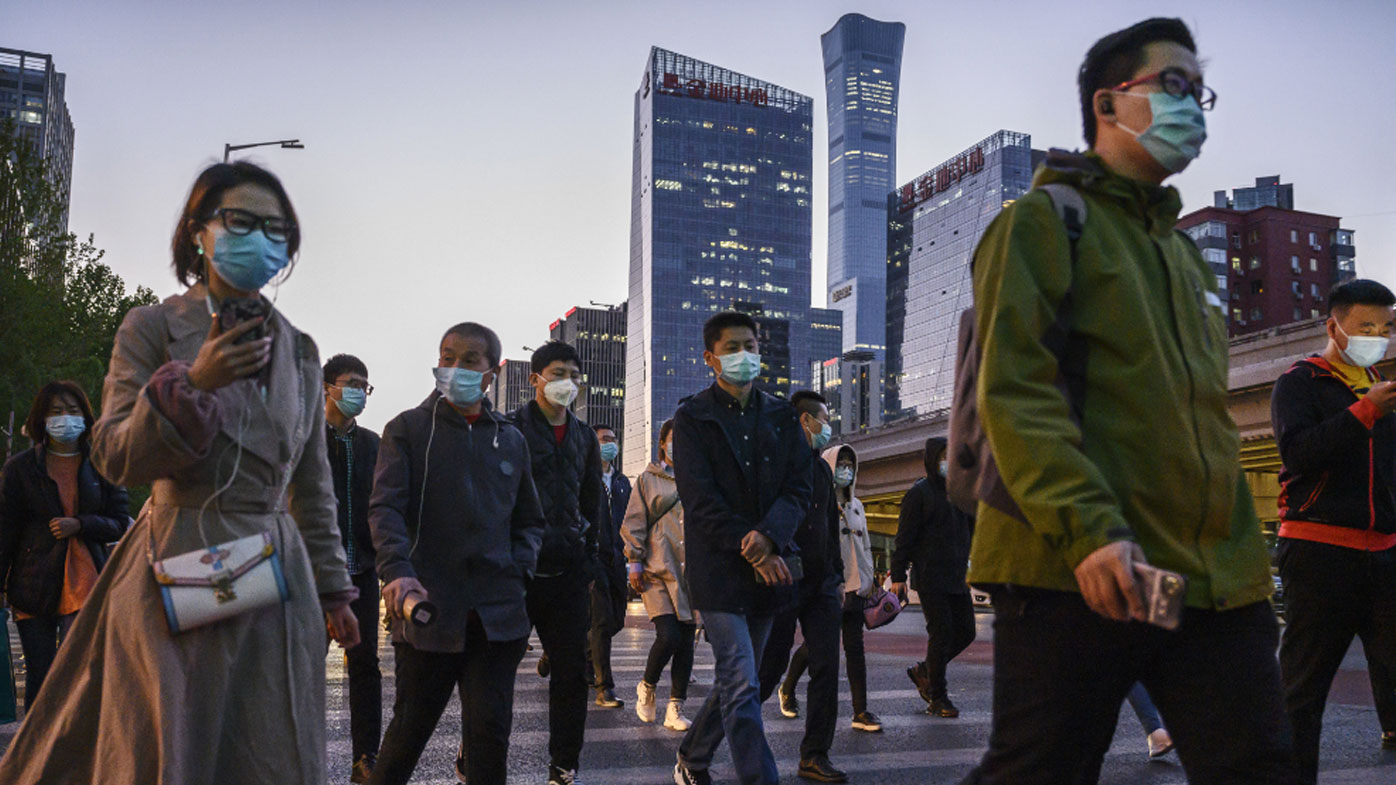
A year ago, a notice sent to smartphones in Wuhan at 2am announced the world's first coronavirus lockdown, bringing the bustling central Chinese industrial and transport center to a virtual standstill almost overnight. It would last 76 days.

Early yesterday morning, however, residents of the city where the virus was first detected were jogging and practicing tai chi in a fog-shrouded park beside the mighty Yangtze River.

Life has largely returned to normal in the city of 11 million, even as the rest of the world grapples with the spread of the virus' more contagious variants. Efforts to vaccinate people for COVID-19 have been frustrated by disarray and limited supplies in some places. The scourge has killed more than 2 million people worldwide.

READ MORE: Wuhan lab staff 'had virus weeks before first confirmed cases'

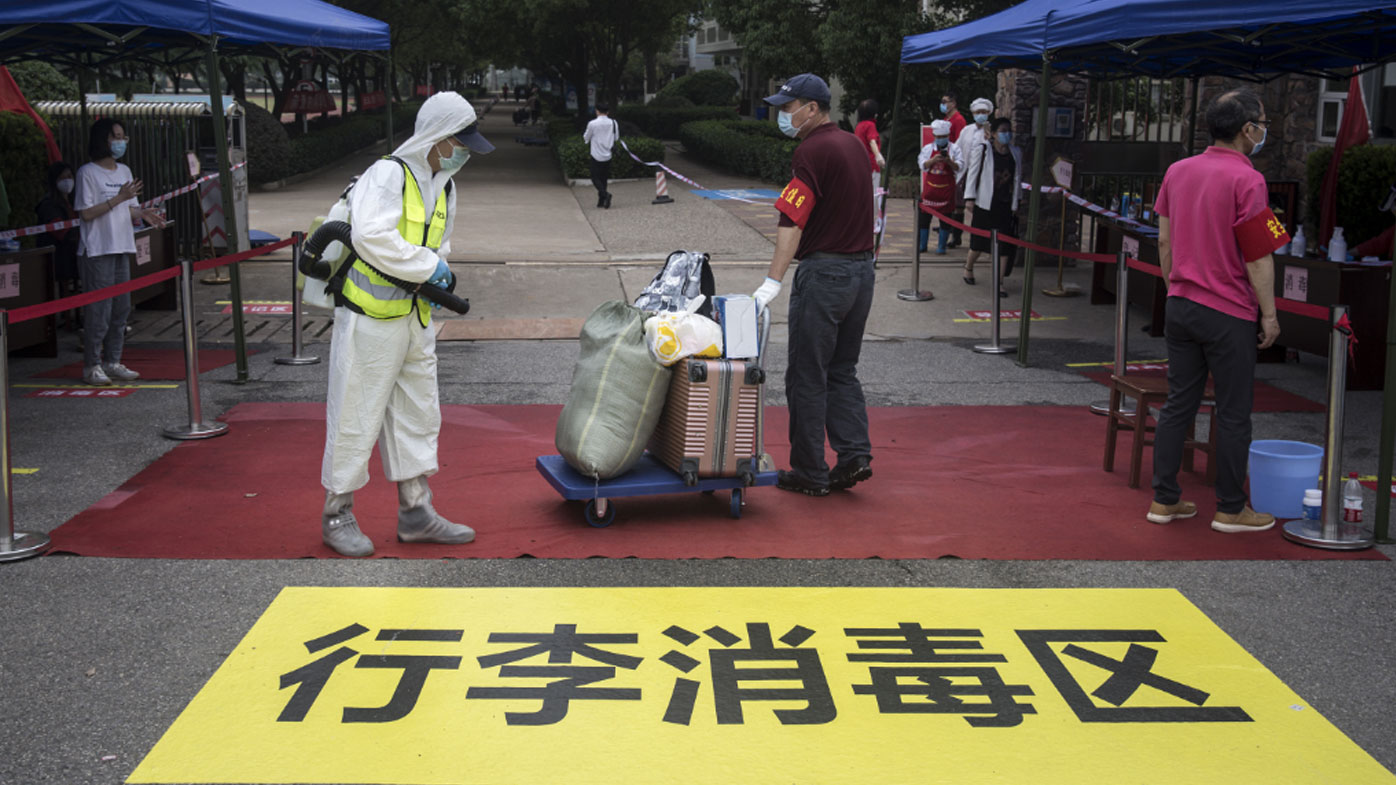
Traffic was light in Wuhan but there was no sign of the barriers that a year ago isolated suburbs, prevented movement around the city and confined people to their housing compounds and even apartments.

Wuhan accounted for the bulk of China's 4635 deaths from COVID-19, a number that has largely stayed static for months. The city has been largely free of further outbreaks since the lockdown was lifted on April 8, but questions persist as to where the virus originated and whether Wuhan and Chinese authorities acted fast enough and with sufficient transparency to allow the world to prepare for a pandemic that has sickened more than 98 million.

Wuhan has been praised for its sacrifice in the service of the nation, commemorated in books, documentaries, TV shows and florid panegyrics from officials including head of state and leader of the Communist Party Xi Jinping.

"We think Wuhan is a heroic city. After all, it stopped its economy to help China deal with the pandemic. This is a noble act," said resident Chen Jiali, 24, who works at an internet shopping company.

China on Saturday announced another 107 cases, bringing its total since the start of the pandemic to 88,911. Of those, the northern province of Heilongjiang accounted for the largest number at 56. Beijing and the eastern financial hub of Shanghai both reported three new cases amid mass testing and lockdowns of hospitals and housing units linked to recent outbreaks.

Authorities are wary of the potential for a new surge surrounding next month's Lunar New Year holiday and are telling people not to travel and to avoid gatherings as much as possible. Schools are being let out a week early and many have already shifted to online classes. Mask wearing remains virtually universal indoors and on public transport. Mobile phone apps are used to trace people's movements and prove they are both virus-free and have not been to areas where suspected cases have been found.

Since the end of the lockdown, Wuhan has largely been spared further outbreaks, something residents such as chemistry teacher Yao Dongyu attribute to heightened awareness resulting from the traumatic experience of last year.

"At that time, people were very nervous, but the government gave us huge support. It was a very powerful guarantee, so we got through this together," said Yao, 24. "Since Wuhan people went through the pandemic, they've done better in personal precautions than people in other regions."

China has doggedly defended its actions in the early days of the outbreak, saying it helped buy time for the rest of the world while pushing fringe theories that the virus was brought to the city from outside China, possibly from a laboratory in the US.

After months of negotiations, China finally gave permission last week for the World Health Organisation to send a team of international experts to begin investigating the virus' origins. They are currently undergoing two weeks of quarantine.

A panel of experts commissioned by the WHO criticised China and other countries this week for not moving to stem the initial outbreak earlier, prompting Beijing to concede it could have done better.

Meanwhile, in Hong Kong in southern China, thousands of residents were locked down Saturday in an unprecedented move to contain a worsening outbreak in the city.

Hong Kong has been grappling to contain a fresh wave of the coronavirus since November. More than 4300 cases have been recorded in the last two months, making up nearly 40 per cent of the city's total.

Larry King, legendary talk show host, dies at 87

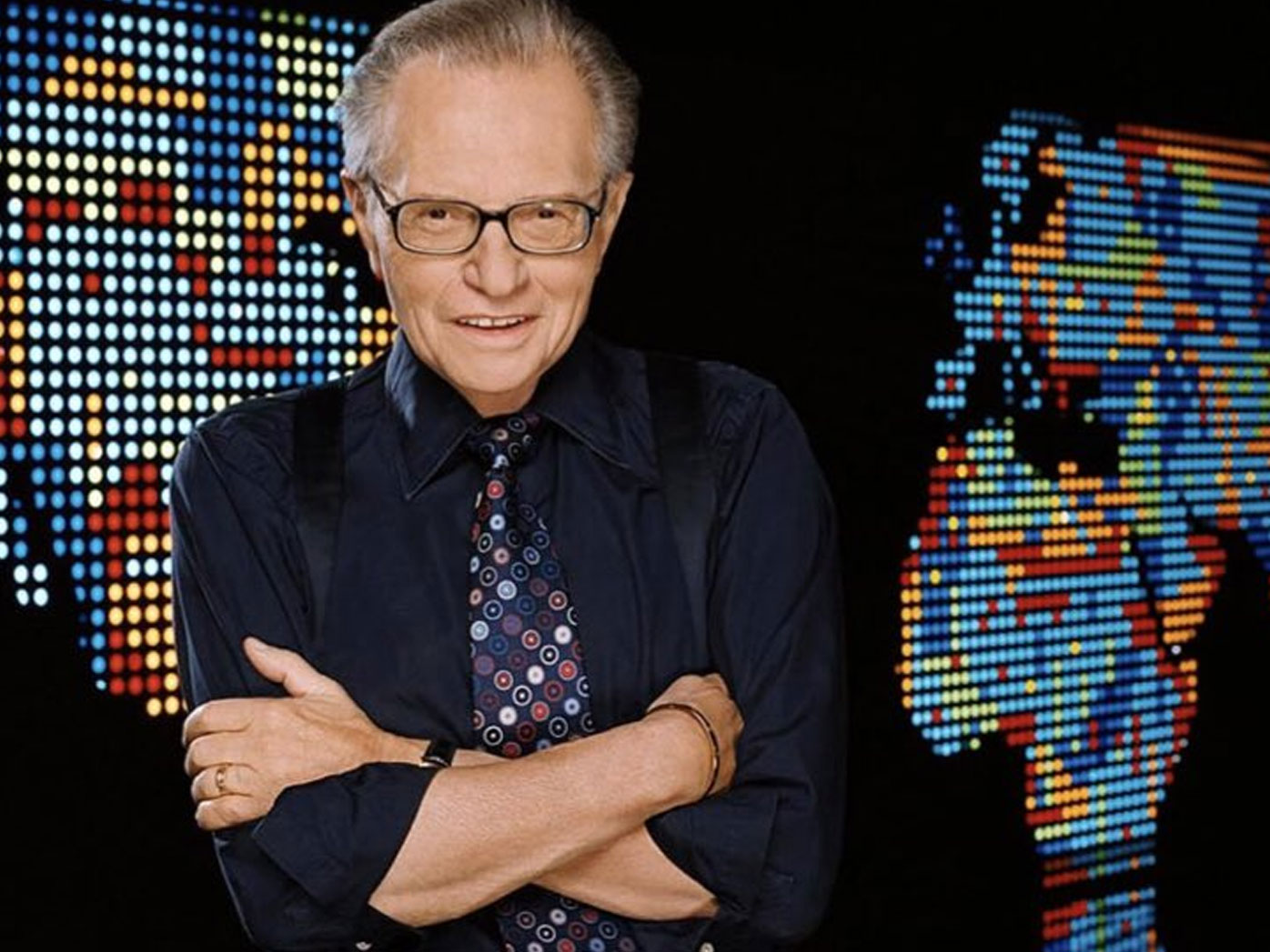
Larry King, the longtime CNN host who became an icon through his interviews with countless newsmakers and his sartorial sensibilities, has died. He was 87.

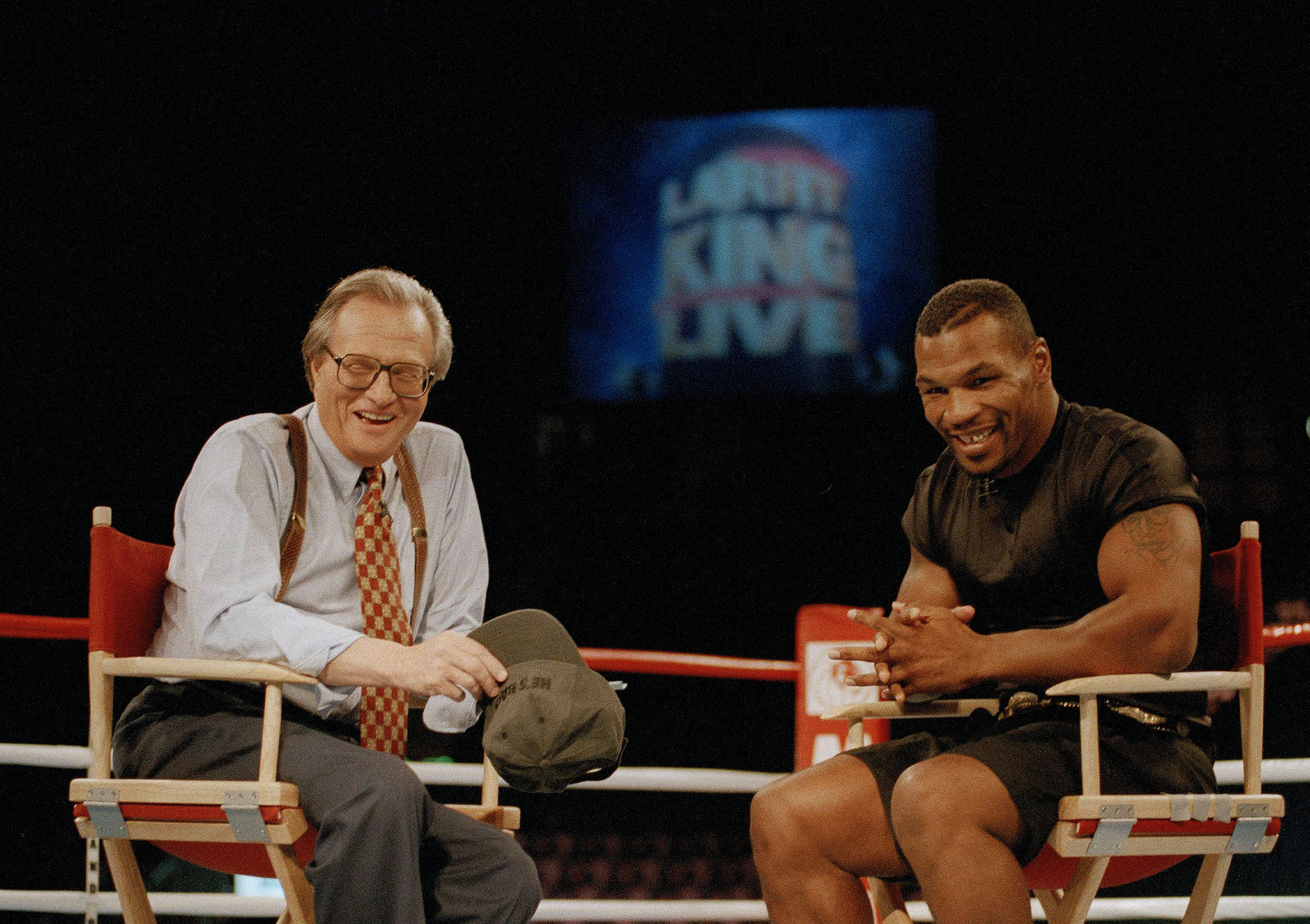
King hosted "Larry King Live" on CNN for over 25 years, interviewing presidential candidates, celebrities, athletes, movie stars and everyday people.

He retired in 2010 after taping more than 6,000 episodes of the show.

A statement was posted on his verified Facebook and Twitter accounts announcing his passing. His son, Chance, confirmed King's death Saturday morning.

https://twitter.com/kingsthings/status/1352960673978880000?ref_src=twsrc%5Etfw

"With profound sadness, Ora Media announces the death of our co-founder, host and friend Larry King, who passed away this morning at age 87 at Cedars-Sinai Medical Center in Los Angeles," the statement said.

"For 63 years and across the platforms of radio, television and digital media, Larry's many thousands of interviews, awards, and global acclaim stand as a testament to his unique and lasting talent as a broadcaster."

The statement did not give a cause of death.

He battled a number of health problems

King had been hospitalised with COVID-19 in late December at Cedars-Sinai, a source close to the family said at the time.

He battled a number of health problems over the years, suffering several heart attacks. In 1987, he underwent quintuple bypass surgery, inspiring him to establish the Larry King Cardiac Foundation to provide assistance to those without insurance.
Larry King dies, aged 87

More recently, King revealed in 2017 that he had been diagnosed with lung cancer and successfully underwent surgery to treat it. He also underwent a procedure in 2019 to address angina.

King also suffered personal loss last year when two of his adult children died within weeks of each other: Andy King, 65, suffered a heart attack and daughter Chaia King, 52, died after being diagnosed with lung cancer. King is survived by three sons.

He interviewed every president from Ford to Obama

In an era filled with star newsmen, King was a giant — among the most prominent questioners on television and a host to presidents, movie stars and world class athletes.

With an affable, easygoing demeanor that distinguished him from more intense TV interviewers, King perfected a casual approach to the Q&A format, always leaning forward and listening intently to his guests, rarely interrupting.

"I've never learned anything," King was fond of saying, "while I was talking."

CNN founder Ted Turner, in a statement, said news of King's death "felt like a punch to the gut."

READ MORE: The high-profile people we lost last year
"Larry was one of my closest and dearest friends and, in my opinion, the world's greatest broadcast journalist of all time," he said.

"If anyone asked me what are my greatest career achievements in life, one is the creation of CNN, and the other is hiring Larry King. Like so many who worked with and knew Larry, he was a consummate professional, an amazing mentor to many and a good friend to all. The world has lost a true legend."

Jeff Zucker, CNN President, on Saturday acknowledged King's role in raising the network's profile around the world.

"We mourn the passing of our colleague Larry King," he said in a statement.

"The scrappy young man from Brooklyn had a history-making career spanning radio and television. His curiosity about the world propelled his award-winning career in broadcasting, but it was his generosity of spirit that drew the world to him.

"We are so proud of the 25 years he spent with CNN, where his newsmaker interviews truly put the network on the international stage. From our CNN family to Larry's, we send our thoughts and prayers, and a promise to carry on his curiosity for the world in our work."

For that quarter century, King hosted "Larry King Live" on CNN, a span that was highlighted by more than 30,000 interviews, including every sitting president from Gerald Ford to Barack Obama, and thousands of phone calls from viewers.

Wendy Walker, his longtime executive producer on the show, said King treated all of his interview subjects the same — from heads of state to ordinary Americans.

"The one thing he loved was being in front of that camera," she said. "He was a very interesting man but that one hour a day, when those lights came on, he was just perfect. He treated every guest the same. It didn't matter if it was a president or somebody just off the street."

King was known for not spending time preparing for interviews, preferring instead to let his natural curiosity guide the conversations, Walker said.

"Probably that was the hardest part of our job — trying to prepare him because he never wanted to be prepared," she recalled. "He read all day long and watched news, so he was really informed but he really just wanted to hear his guests talk and then come up with his questions."

The show made King one of the faces of the network, and one of the most famous television journalists in the country. His column in USA Today, which ran for nearly 20 years until 2001, showcased King's distinct style in print, inviting readers down a trail of non-sequiturs that served as a window into his mind.
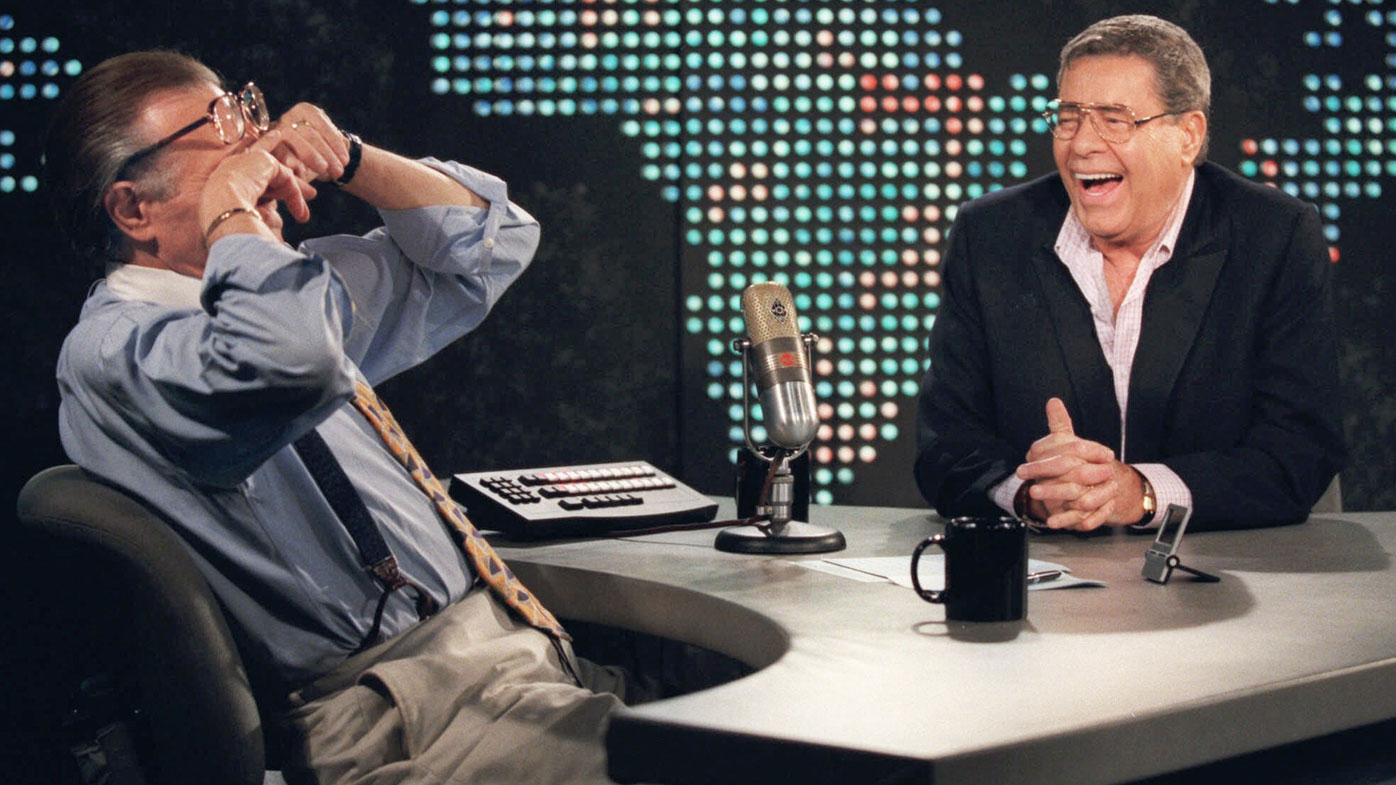
Talk show host Larry King wipes his eyes after laughing at a joke by comedy legend Jerry Lewis, on the set of "Larry King Live" at CNN Studios in the Hollywood section of Los Angeles (Photo: August 26, 1999)

"The most underutilized player in the NFL this year was Washington's Desmond Howard…Despite what you think of Lawrence Walsh, we will always have the need for a special prosecutor because a government cannot investigate itself," King wrote in a 1992 column.

Those musings, combined with his unmistakable appearance — oversized glasses, ever-present suspenders — made King ripe for caricature. In the 1990s, he was portrayed on "Saturday Night Live" by Norm MacDonald, who channeled the USA Today column with a spot-on impersonation.

Jokes aside, King's influence is evident today in the generation of podcasters who have mimicked — whether deliberate or not — his conversational approach to interviews.

"A good interview — you know more than you do before you start. You should come away with maybe some of your opinions changed," King told the Los Angeles Times in 2018. "You should certainly come away entertained — an interviewer is also an entertainer."

He started his media career as a disc jockey
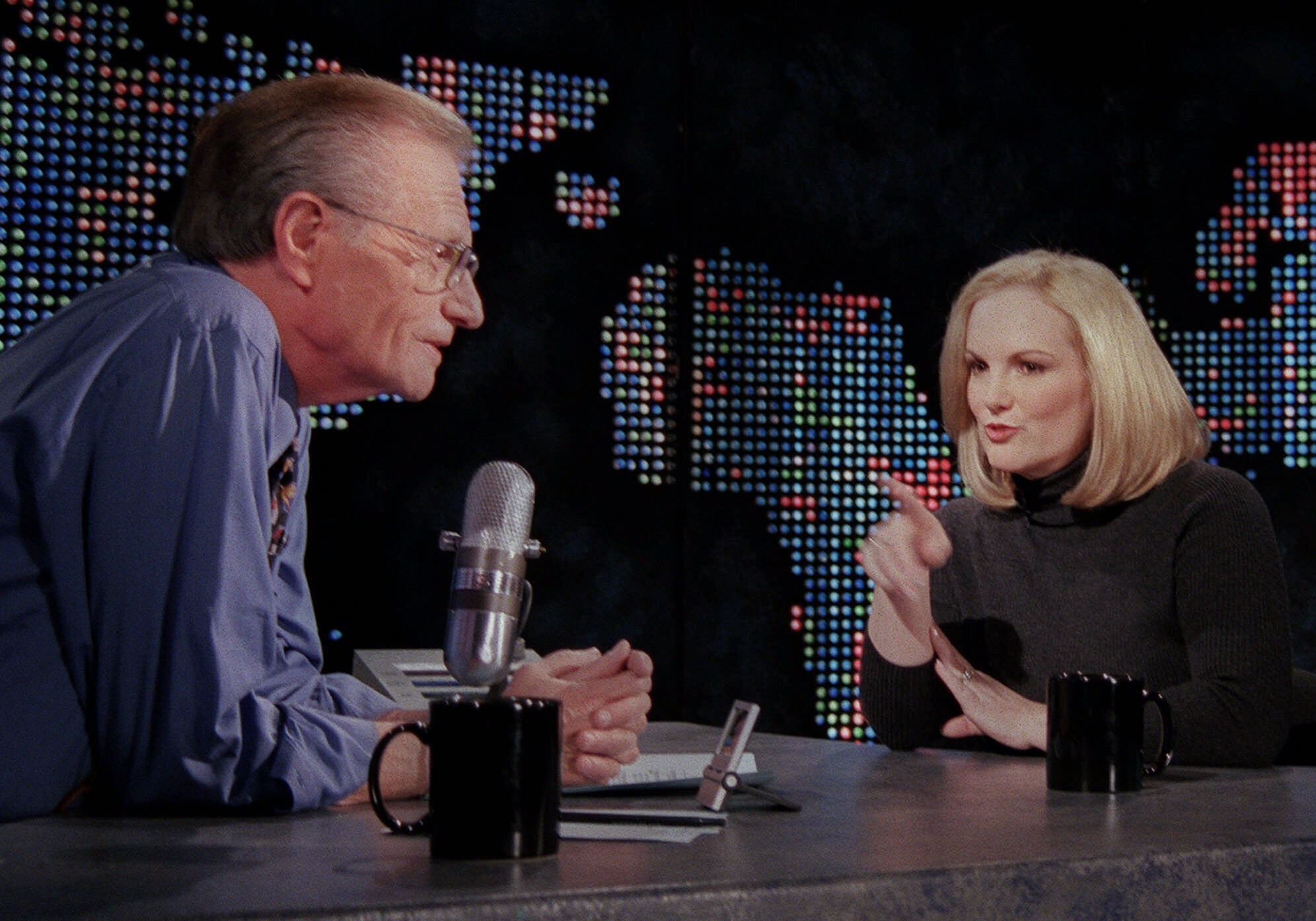
Born Lawrence Harvey Zeiger on November 19, 1933, in Brooklyn, New York, King was raised by two Jewish immigrants. His mother, Jennie (Gitlitz) Zeiger, was from Lithuania, while his father, Edward Zeiger, hailed from Ukraine. Edward died of a heart attack when King was 10, a memory King said he mostly "blocked out."

Left to raise King and his younger brother Marty alone, Jennie Zeiger was forced to go on welfare to support her children. The death had a profound effect on King, and his mother.

"Prior to his death, I'd been a good student but afterwards, I just stopped being interested," King told The Guardian in a 2015 interview. "It was a real blow to me. But eventually I channeled that anger because I wanted to make him and my mother proud."

King said his father had enormous influence on him, instilling in his son a sense of humor and a love of sports. And no sport drew more of King's affection than baseball.

He grew up a fan of the Brooklyn Dodgers, and continued to support the team after its move to Los Angeles. He was a fixture at the team's home games in Dodger Stadium, often spotted in the high-priced seats behind home plate. In 2004, King wrote a book aptly titled, "Why I Love Baseball."
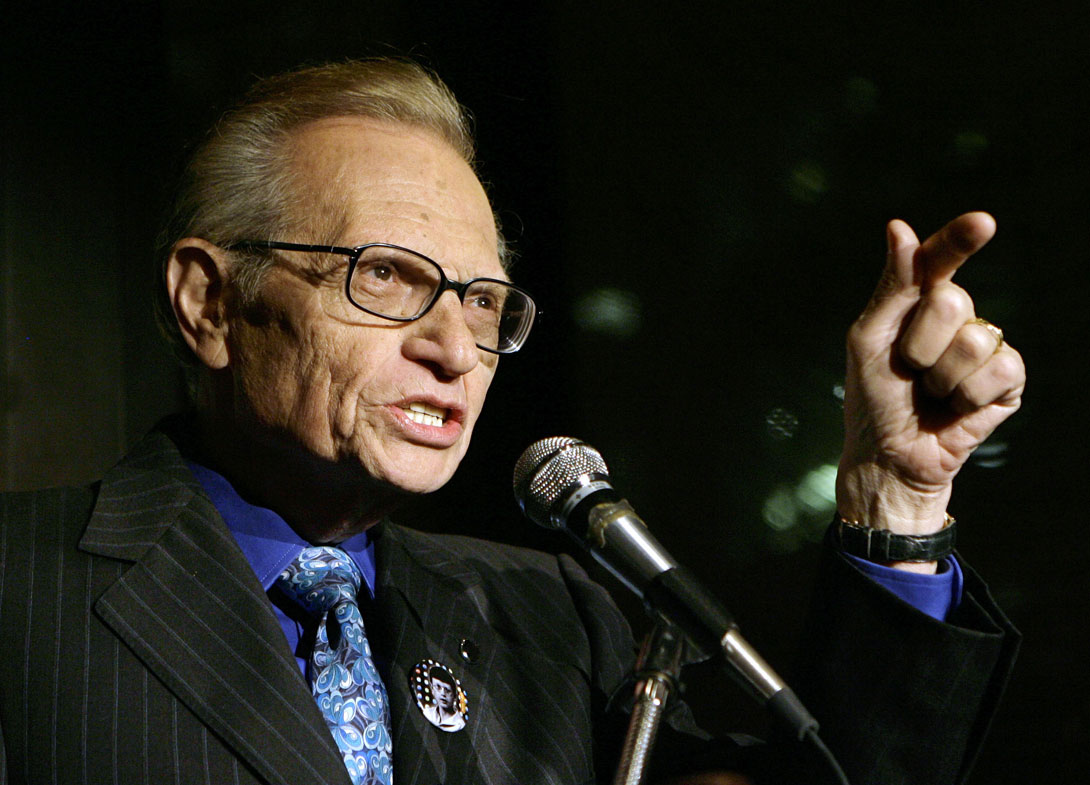
Larry King speaks to guests at a party held by CNN, celebrating King's fifty years of broadcasting in New York (Photo: April 18, 2007)

"He was a voracious Dodgers fan, baseball fan," said longtime friend and Dodgers sportscaster Charley Steiner. "And we would fuss and fight about what the Dodgers were doing. He was terribly frustrated year after year when the Dodgers would win the division, fall short in the World Series. But this year he got to see the Dodgers win the World Series. It made him enormously happy."

King's career in media began in earnest in 1957, when he took a job as a disc jockey at WAHR-AM in Miami. It was then when he made the decision to drop his surname.

"You can't use Larry Zeiger," he recalled his boss at the station saying. "It's too ethnic. People won't be able to spell it or remember it. You need a better name."

"There was no time to think about whether this was good or bad or what my mother would say. I was going on the air in five minutes," King wrote in his 2009 autobiography.

"The Miami Herald was spread out on his desk. Face-up was a full-page ad for King's Wholesale Liquors. The general manager looked down and said, 'King! How about Larry King?'"

His CNN show premiered in 1985
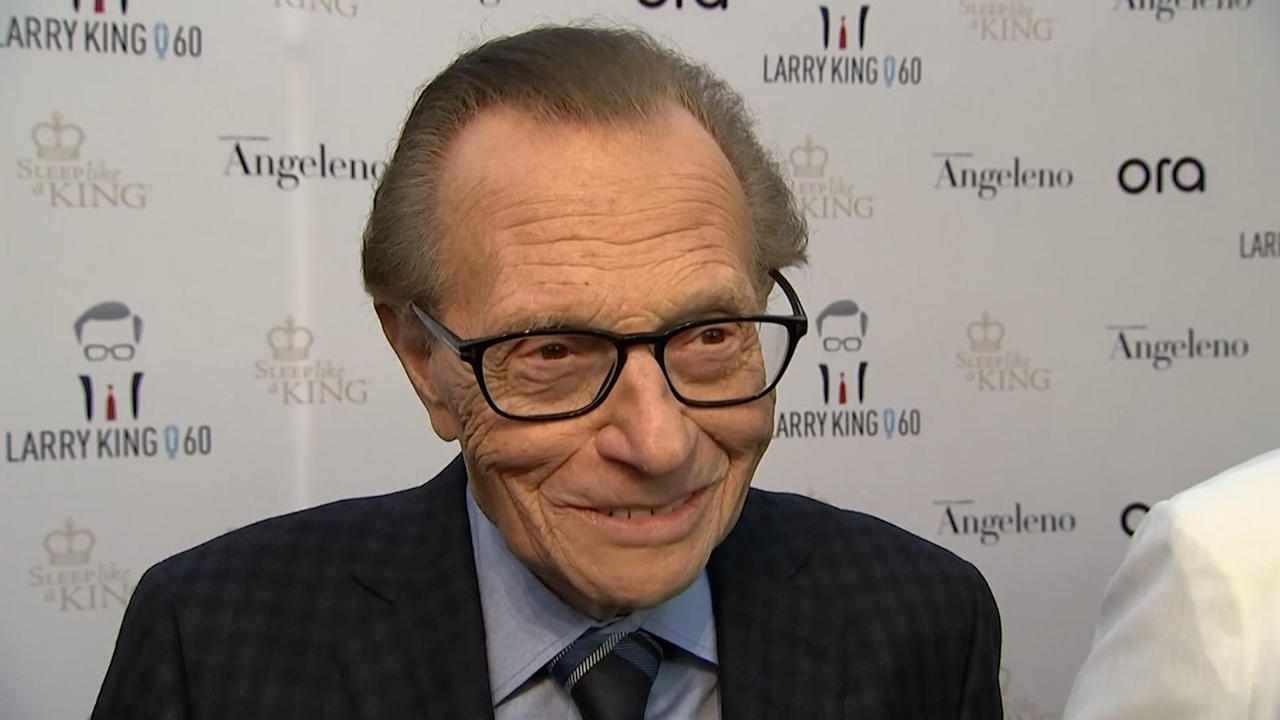
Larry King dead, aged 87

It was around this time that King entered what would become a string of failed marriages. His union with Frada Miller was annulled, and the dates of his second marriage with Annette Kaye are publicly unavailable.

From 1961-63, King was married to Alene Akins, whom he married again from 1967-71; before they re-married, King tied the knot with Mickey Sutphin in 1964 before they divorced in 1966.

He had two more divorces — with Sharon Lepore, with whom he was married from 1976-82, and Julie Alexander, with whom he was married from 1989-92 — before marrying his seventh wife, Shawn Southwick in 1997 at UCLA Medical Center, as he was about to undergo cardiac surgery. King filed for divorce from Southwick in 2019, citing irreconcilable differences.

King remained in Miami for years, eventually getting hired as a columnist for the Miami Herald in 1965. In 1971, he was arrested in Miami on charges of grand larceny, which led to his suspension from the station and newspaper where he was employed. Although the charges were dismissed the following year, King was not re-hired, prompting him to decamp Florida and head to Louisiana, where he worked as a freelance journalist.

By 1978, King returned to Miami and to WIOD, the station where he was employed at the time of his arrest. The same year, "The Larry King Show" launched as a syndicated late-night radio show. It originally aired in 28 cities; within five years, it had spread to 118 cities, serving as the springboard to fame. The show won a Peabody Award in 1982.

In 1985, "Larry King Live" premiered on CNN, beginning a long and storied run that included a number of high-profile interviews. Throughout its more than two decades on air, the show was routinely CNN's most-watched program, and King was arguably the network's biggest star.

King left CNN in 2011, a move he expected would amount to retirement. But he kept working until his death, hosting "Larry King Now," a program that aired on Ora TV, Hulu and RT America. King, it seemed, just never wanted the interview to end.

"I just love what I do," he said, "I love asking questions, I love doing the interviews."