By Harry Lock, of RNZ .A Whānau Ora provider in Lower Hutt says escalating rents are driving families out of their homes and into emergency housing.The number of grants from the Ministry of Social Development has increased…
Category Archives: headline
NIA announces 2021 scholarships for Serbia study opportunity
CHARLESTOWN, Nevis — The Ministry of Human Resources in the Nevis Island Administration has announced a scholarship for a study opportunity in the Republic of Serbia in 2021. These scholarships are available to two Saint Kitts and Nevis nationals wishing to pursue undergraduate and graduate studies.
Kindly note that applicants must be under the age of:
· Twenty-one for Bachelor’s degree level;
· Twenty-five for the Master’s degree level; and
· Thirty-five for the Doctoral degree level.
The benefits of the scholarship include, but are not limited to:
· Serbian language preparatory courses;
· Accommodation and food in student centres;
· Resident visa;
· Monthly scholarship monetary award; and
· Health Insurance.
Applicants must specify their preferred faculty and an alternative faculty, on the application form.
The deadline for applications to be submitted to the Ministry of Human Resources is Friday, January 22, 2021.
The deadline on the scholarship guidelines is January 31; this date is for applications to be received by the Embassy, not Human Resources. Therefore, all applications received after January 22 will be refused.
For further details on the terms and conditions of the scholarship award, the participating faculties, to access the application form and more, please contact the following persons:
Mrs. Shanola Murrey-Gill
Ms. Ronice Williams
Ministry of Human Resources
Nevis Island Administration
Email: sh****************@****ov.com / ro*************@****ov.com
Tel. No.: 469-5521 Ext. 5163/4
The post NIA announces 2021 scholarships for Serbia study opportunity appeared first on The St Kitts Nevis Observer.
Department of Agriculture resumes weekly Fresh Vegetable Market

CHARLESTOWN, Nevis — The Department of Agriculture on Nevis will resume its Fresh Vegetable Market on January 15 at the Marketing Unit in Charlestown.
“The initiative, which started in November 2020, has been well received by members of the public,” said Randy Elliott, Director of Agriculture in the Department of Agriculture in the Nevis Island Administration (NIA) The initiative, which started in November 2020, has been well received by members of the public. “Since November we have been organizing the event practically every Friday, but we took a two-week break over the Christmas period and people have been asking when we would start again.
Continue reading Department of Agriculture resumes weekly Fresh Vegetable Market
Trump stands largely silent, alone amid second impeachment
His place in the history books rewritten, President Donald Trump endured his second impeachment largely alone and silent.
For more than four years, Mr Trump has dominated the national discourse like no-one before him. Yet when his legacy was set in stone on Wednesday, he was stunningly left on the sidelines.
The President now stands with no equal, the only leader of the US to be charged twice with a high crime or misdemeanour, a new coda for a term defined by a deepening of the nation's divides, his failures during the worst pandemic in a century and his refusal to accept defeat at the ballot box.
READ MORE: What's next for Trump after historic impeachment vote
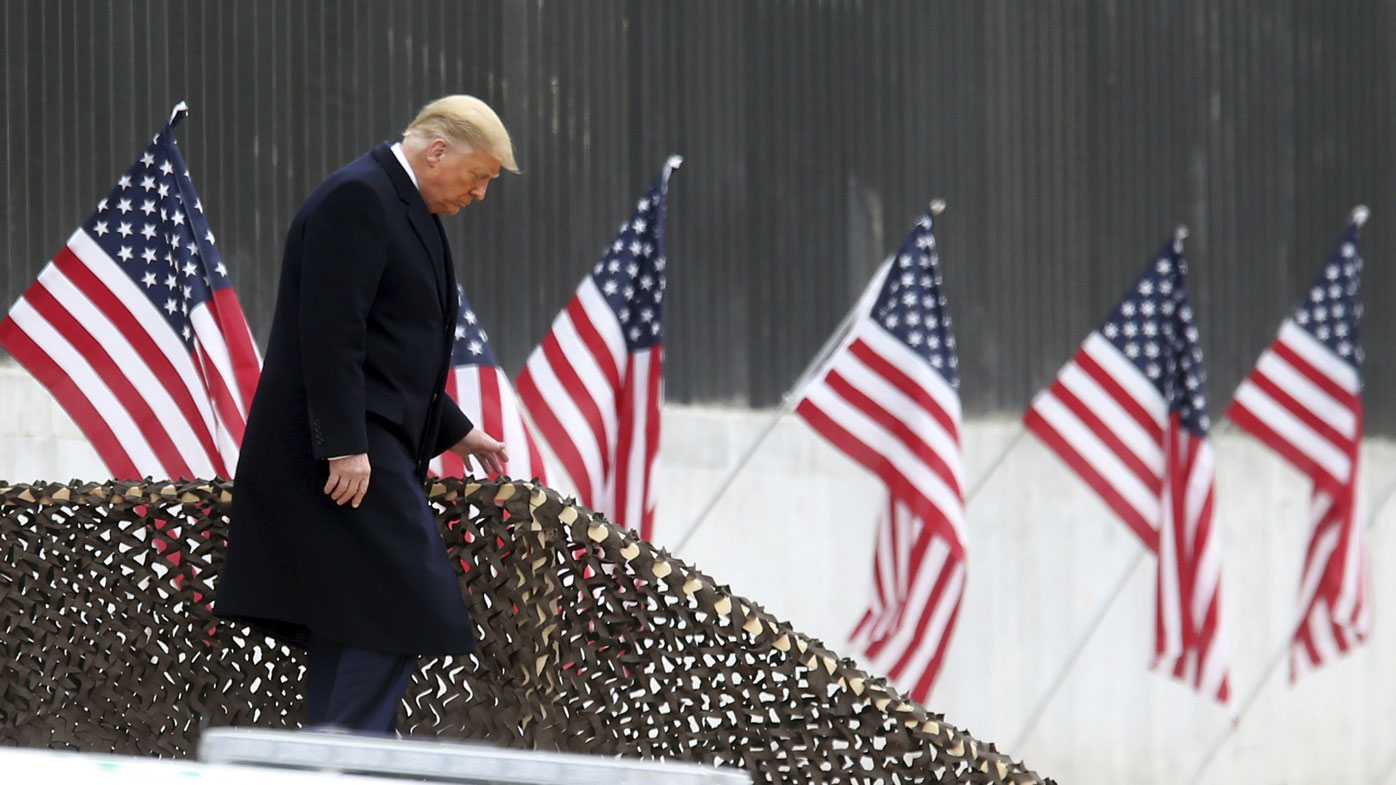
Mr Trump kept out of sight in a nearly empty White House as impeachment proceedings played out at the heavily fortified US Capitol. There, the damage from last week's riots provided a visible reminder of the insurrection that the president was accused of inciting.
RELATED: How Donald Trump's impeachment is different this time around
Abandoned by some in his own party, Mr Trump could do nothing but watch history unfold on television. The suspension of his Twitter account deprived Trump of his most potent means to keep Republicans in line, giving a sense that Mr Trump had been de-fanged and, for the first time, his hold on his adopted party was in question.
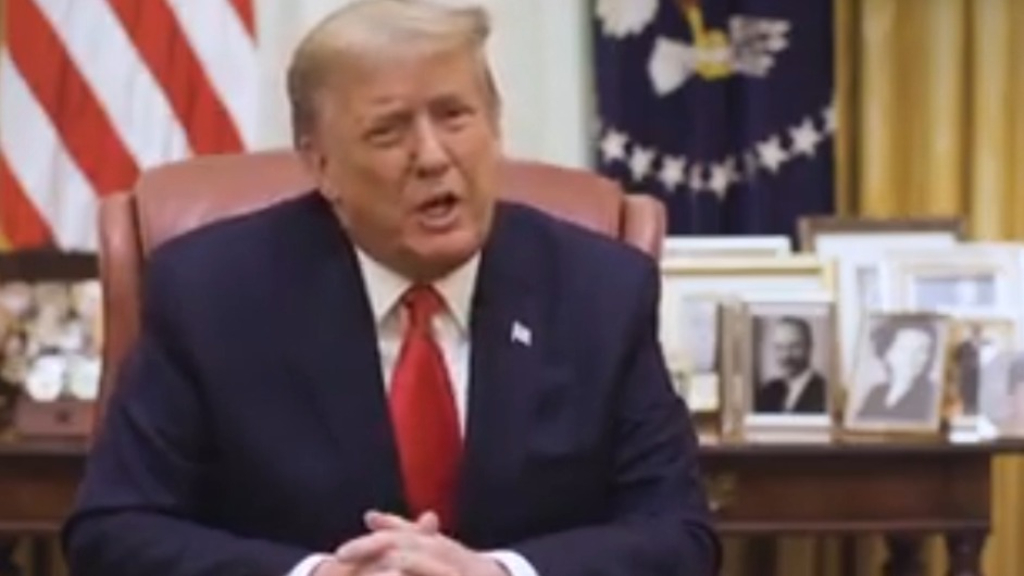
He was finally heard from hours after the vote, in a subdued video that condemned the insurrection at the Capitol and warned his supporters from engaging in any further violence. It was a message that was largely missing one week earlier, when rioters marching in Mr Trump's name descended on the Capitol to try to prevent Congress from certifying Biden's victory.
"I want to be very clear: I unequivocally condemn the violence that we saw last week," said Mr Trump. He added that "no true supporter" of his "could ever endorse political violence."
But that message, partially motivated to warn off legal exposure for sparking the riot, ran contrary to what Mr Trump has said throughout his term, including when he urged his supporters to "fight" for him last week.
Mr Trump said not a word about his impeachment in the video, though he complained about the ban on his social media. And later Wednesday, he asked allies if he had gone too far with the video, wondering if it might upset some of his supporters.
Four White House officials and Republicans close to the West Wing discussed Mr Trump's private conversations on condition of anonymity because they weren't authorised to do so publicly.
With only a week left in Mr Trump's term, there were no bellicose messages from the White House fighting the proceedings on the other end of Pennsylvania Avenue and no organised legal response.
Some congressional Republicans did defend the president during House debate in impeachment, their words carrying across the same space violated by rioters one week earlier during a siege of the citadel of democracy that left five dead.
In the end, 10 Republicans voted to impeach.
It was a marked change from Mr Trump's first impeachment. That December 2019 vote in the House, which made Mr Trump only the third president ever impeached, played out along partisan lines. The charges then were that he had used the powers of the office to pressure Ukraine to investigate a political foe, Joe Biden, now the president-elect.
At that time, the White House was criticised for failing to create the kind of robust "war room" that President Bill Clinton mobilised during his own impeachment fight.
Nonetheless, Mr Trump's allies did mount their own push-back campaign. There were lawyers, White House messaging meetings, and a media blitz run by allies on conservative television, radio and websites.
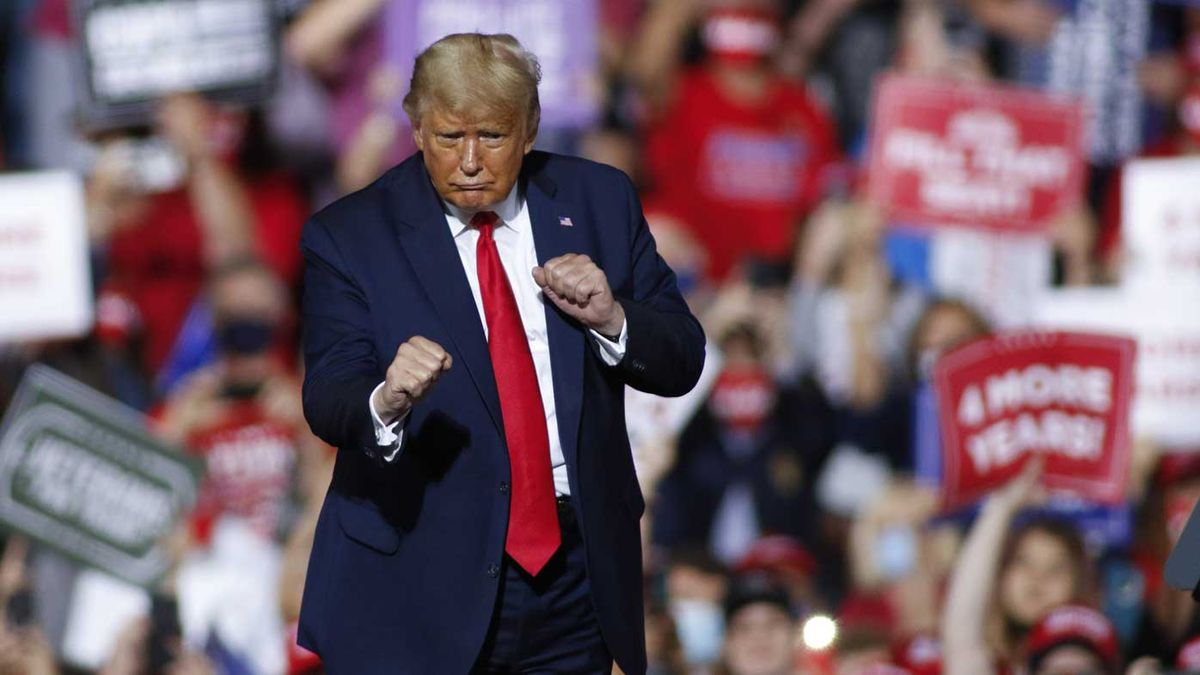
Mr Trump was acquitted in 2020 by the GOP-controlled Senate and his approval ratings were undamaged. But this time, as some members of his own party recoiled and accused him of committing impeachable offences, Mr Trump was isolated and quiet. A presidency centred on the bombastic declaration "I alone can fix it" seemed to be ending with a whimper.
The third-ranking Republican in the House, Rep. Liz Cheney of Wyoming, said there had "never been a greater betrayal" by a president. Senate Majority Leader Mitch McConnell, R-Ky., told colleagues in a letter that he had not decided how he would vote in an impeachment trial.
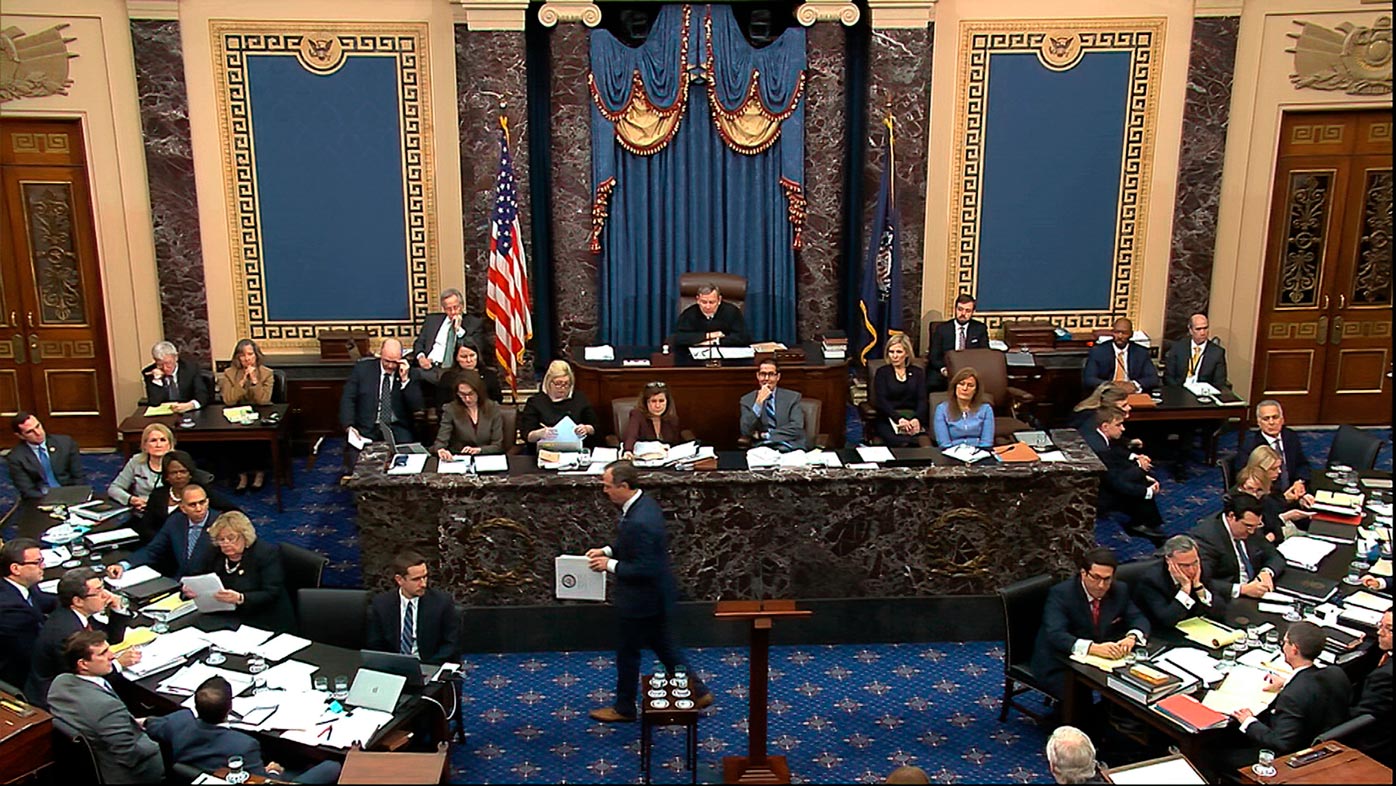
For the first time, Mr Trump's future seemed in doubt, and what was once unthinkable — that enough Republican senators would defy him and vote to remove him from office — seemed at least possible, if unlikely.
But there was no effort from the White House to line up votes in the president's defence.
The team around Mr Trump is hollowed out, with the White House counsel's office not drawing up a legal defence plan and the legislative affairs team largely abandoned.
Mr Trump leaned on Sen. Lindsey Graham, R-S.C., to push Republican senators to oppose removal. Graham's spokesman said the senator was making the calls of his own volition.
Trump and his allies believed that the president's sturdy popularity with the lawmakers' GOP constituents would deter them from voting against him. The president was livid with perceived disloyalty from McConnell and Cheney and has been deeply frustrated that he could not hit back with his Twitter account, which has kept Republicans in line for years.
He also has turned on his personal attorney Rudy Giuliani, who touted election conspiracy theories and whom many in the president's orbit believe shoulders some of the blame for both impeachments. Mr Trump had grown irritated at Giuliani's lavish spending, which included a request to be paid $20,000 a day, and told aides to stop paying him.
Trump watched much of the day's proceedings on TV from the White House residence and his private dining area off the Oval Office. A short time before he was impeached, Trump was in the White House East Room presenting the National Medal of Arts to singers Toby Keith and Ricky Skaggs as well as former Associated Press photographer Nick Ut.
His paramount concern, beyond his legacy, was what a second impeachment could do to his immediate political and financial future.
The loss of his Twitter account and fundraising lists could complicate Mr Trump's efforts to remain a GOP kingmaker and potentially run again in 2024.
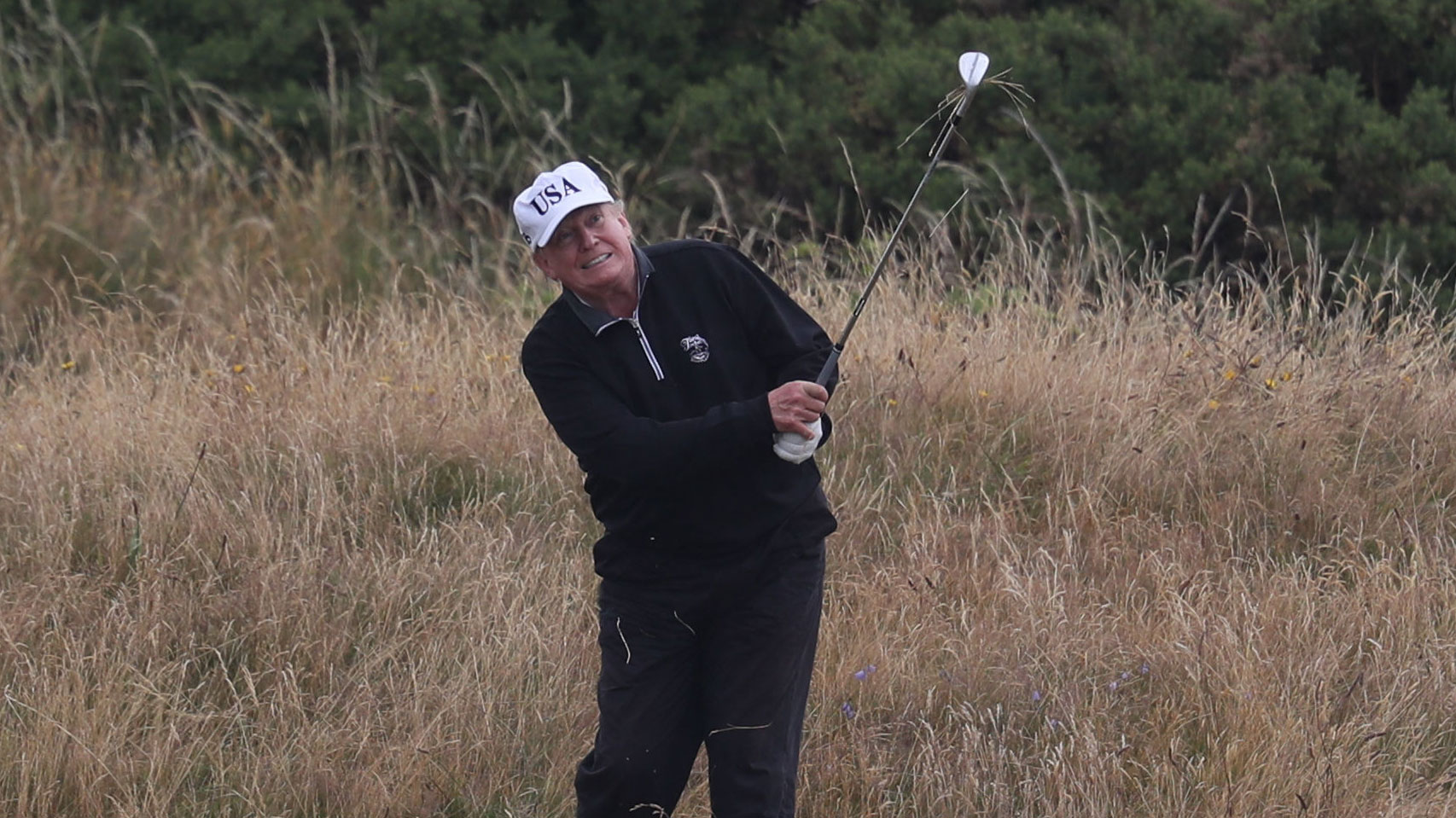
Moreover, Mr Trump seethed at the blows being dealt to his business, including the withdrawal of a PGA tournament from one of his golf courses and the decision by New York City to cease dealings with his company.
There's the possibility that if the Senate were to convict him, he also could be barred from seeking election again, dashing any hopes of another presidential campaign.
A White House spokesman did not respond to questions about whether anyone in the building was trying to defend Mr Trump, who was now the subject of half of the presidential impeachments in the nation's history.
One campaign adviser, Jason Miller, argued Democrats' efforts will serve to galvanise the Republican base behind Trump and end up harming Biden. He blamed the Democrats' swift pace for the silence, saying there wasn't "time for mounting a traditional response operation." But he pledged that "the real battle will be the Senate where there'll be a more traditional push-back effort."
The reminders of the Capitol siege were everywhere as the House moved toward the impeachment roll call.
Some of the Capitol's doors were broken and windows were shattered. A barricade had gone up around outside the building and there were new checkpoints. Hundreds of members of the National Guard patrolled the hallways, even sleeping on the marble floors of the same rotunda that once housed Abraham Lincoln's casket.
And now the Capitol is the site of more history, adding to the chapter that features Clinton, impeached 21 years ago for lying under oath about sex with White House intern Monica Lewinsky, and Andrew Johnson, impeached 151 years ago for defying Congress on Reconstruction. Another entry is for Richard Nixon, who avoided impeachment by resigning during the Watergate investigation.
But Mr Trump, the only one impeached twice, will once more be alone.
Teen freed from jail after brutal assault so he can avoid Mongrel Mob
A teenager who viciously beat his girlfriend has been freed from prison in a bid to stop him being recruited by gangs.James Tuwhangai, 19, was jailed for two years when he was sentenced at the Dunedin District Court in September…
Gender Affairs officials highlight the need for a National Gender policy
BASSETERRE, St. Kitts –- The need for the development of a National Gender Policy for the Federation of St. Kitts and Nevis was emphasised on January 13 by Sharon Warner, Executive Officer at the Department of Gender Affairs.

Mrs. Warner said the National Gender Policy is an institutional framework that will assist the government in facilitating gender equality and empowerment and improve compliance with repertory requirements on the various human rights instruments.
“It’s a key document that provides a clear mandate to enhance a gender-sensitive approach in processes and operations that will promote the rights and equality of men, women, boys, and girls,” she said. The purpose of the gender policy is to mainstream gender in all sectors.
“In society, there are existing patterns of inequality and differences between the roles of men and women, which require different approaches,” said Mrs. Warner. “A gender policy will promote greater gender sensitivity and understanding of the impact of gender on society at all levels.
“We actually need a gender policy to accelerate the achievement of gender equality and human rights and to ensure developmental benefits for everyone,” she said. “The policy will promote gender equality so that men and women can enjoy the same opportunities rights and obligations in all areas of life.
“This means sharing equally in the resources of the country including access to services, for example, health, education, social, political, economic and cultural,” said Mrs. Warner.
Director of the Department of Gender Affairs, Celia Christopher, commented that having access to the resources of the country is one of the most important aspects of the entire policy document.
The post Gender Affairs officials highlight the need for a National Gender policy appeared first on The St Kitts Nevis Observer.
Driver critically injured after vehicle rolls on to railway tracks off Waikato Expressway
A driver is in a critical condition after his vehicle crashed on to railway tracks in the Waikato early this morning. Emergency services are at the scene of the incident on the Waikato Expressway, just south of Ōhinewai (Tahuna…
'At 6pm, life stops': France enforces curfew to curb virus spread
As the winter sun sets over France's Champagne region, the countdown clock kicks in.
Labourers stop pruning the vines as the light fades at about 4.30pm, leaving them 90 minutes to come in from the cold, change out of their work clothes, hop in their cars and zoom home before a 6pm coronavirus curfew.
READ MORE: WHO team arrives in Wuhan to investigate pandemic origins
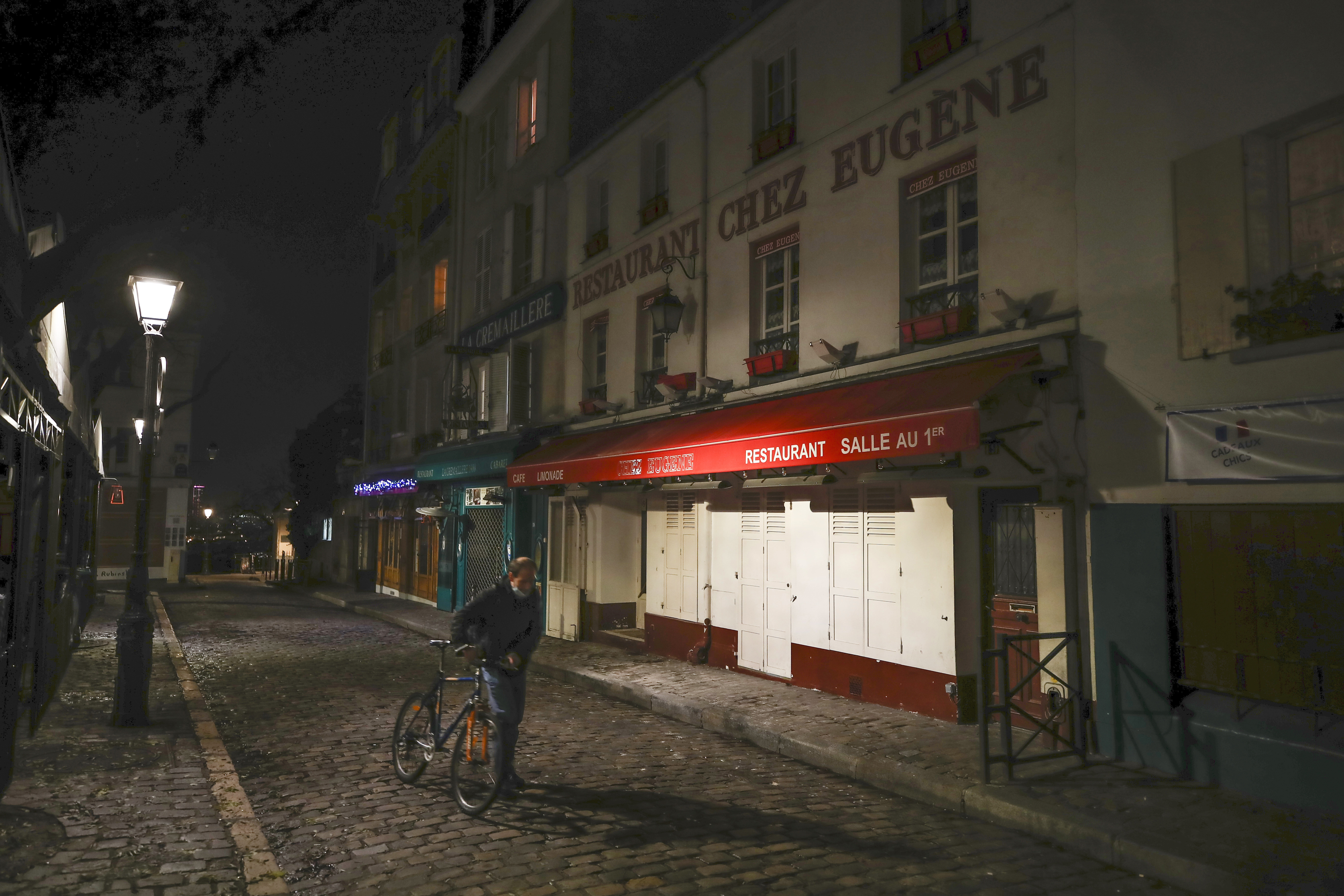
Forget about any after-work socialising with friends, after-school clubs for children or doing any evening shopping beyond quick trips for essentials.
Police on patrol demand valid reasons from people seen out and about.
For those without them, the threat of mounting fines for curfew-breakers is increasingly making life outside of the weekends all work and no play.
"At 6pm, life stops," Champagne producer Alexandre Prat said.
Trying to fend off the need for a third nationwide lockdown that would further dent Europe's second-largest economy and put more jobs in danger, France is instead opting for creeping curfews.
READ MORE: French woman tries to prove she's alive after court rules her dead
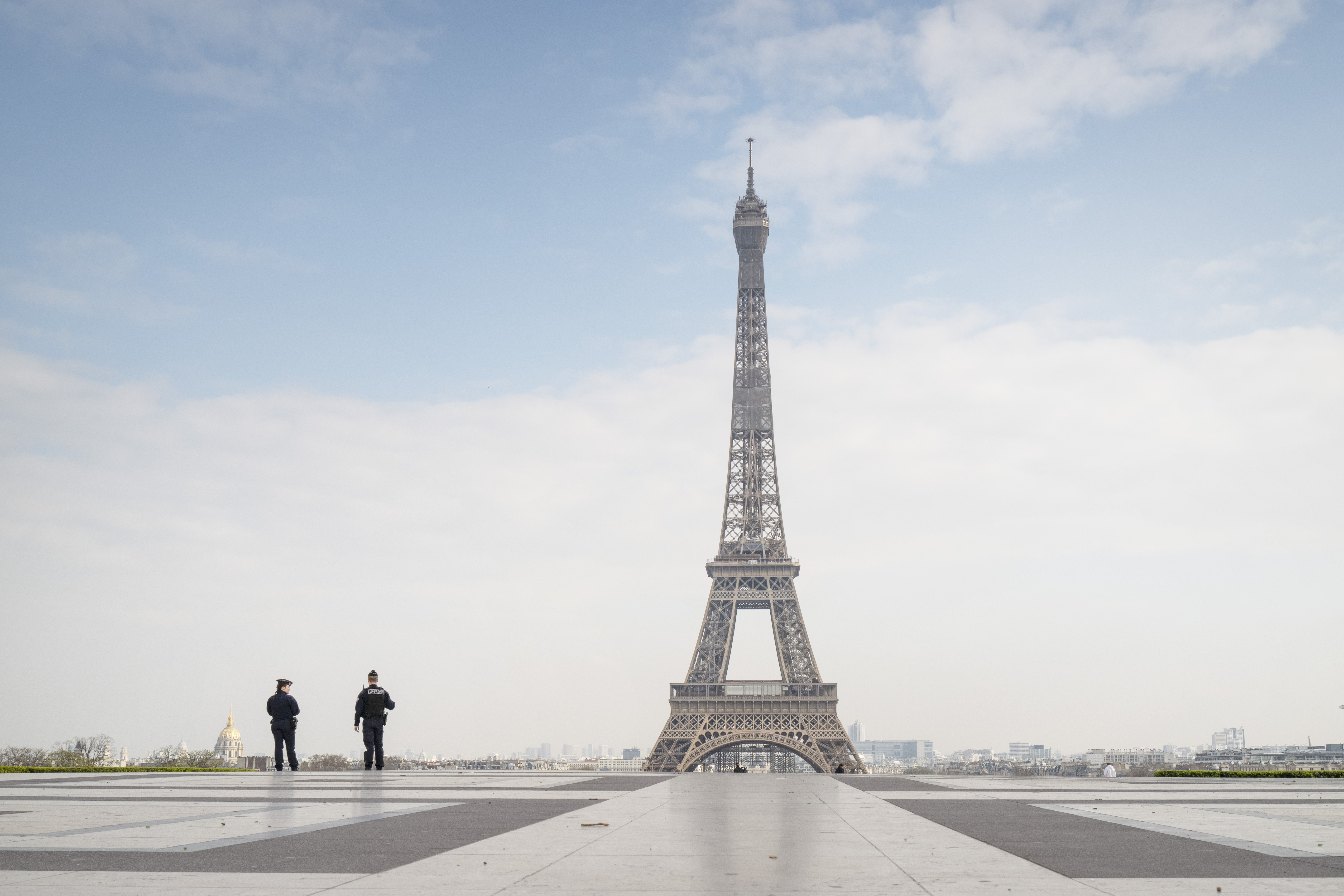
Big chunks of eastern France, including most of its regions that border Belgium, Germany, Switzerland and Italy, face 6pm to 6am restrictions on movement.
The rest of France could quickly follow suit, losing two extra hours of liberty that have been just enough for residents to maintain bare-bones social lives.
Until a couple of weeks ago, the nightly curfew didn't kick in until 8pm in Prat's region, the Marne.
Customers still stopped to buy bottles of his family's bubbly wines on their way home, he said. But when the cut-off time was advanced to 6pm to slow viral infections, the drinkers disappeared.
"Now we have no one," Mr Prat said.
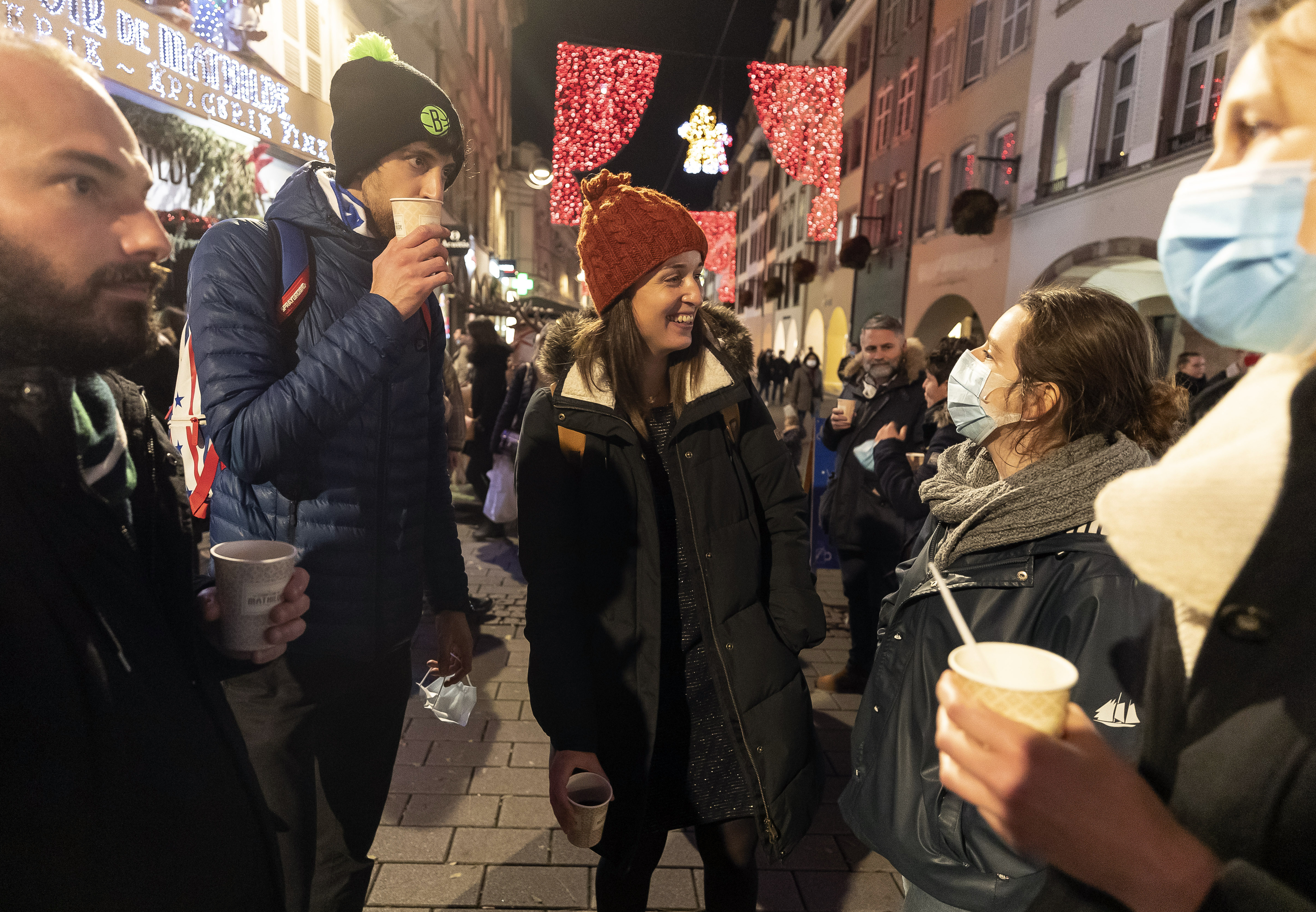
The village where retiree Jerome Brunault lives alone in the Burgundy wine region is also in one of the 6pm curfew zones.
The 67-year-old says his solitude weighs more heavily without the opportunity for early evening drinks, nibbles and chats with friends, the so-called "apero" get-togethers so beloved by the French that were hurried but still feasible when curfew started two hours later.
"With the 6pm curfew, we cannot go to see friends for a drink anymore," Mr Brunault said.
"I now spend my days not talking to anyone except for the baker and some people by phone."
Imposing a 6pm curfew nationwide is among options the French government is considering in response to rising infections and the spread of a particularly contagious virus variant that has swept across Britain, where new infections and virus deaths have soared.
Prime Minister Jean Castex could announce a curfew extension on Thursday evening, as well as other restrictions, to fight the virus in a country that has seen over 69,000 confirmed virus deaths.
An earlier curfew combats virus transmission "precisely because it serves to limit social interactions that people can have at the end of the day, for example in private homes," French government spokesman Gabriel Attal said.
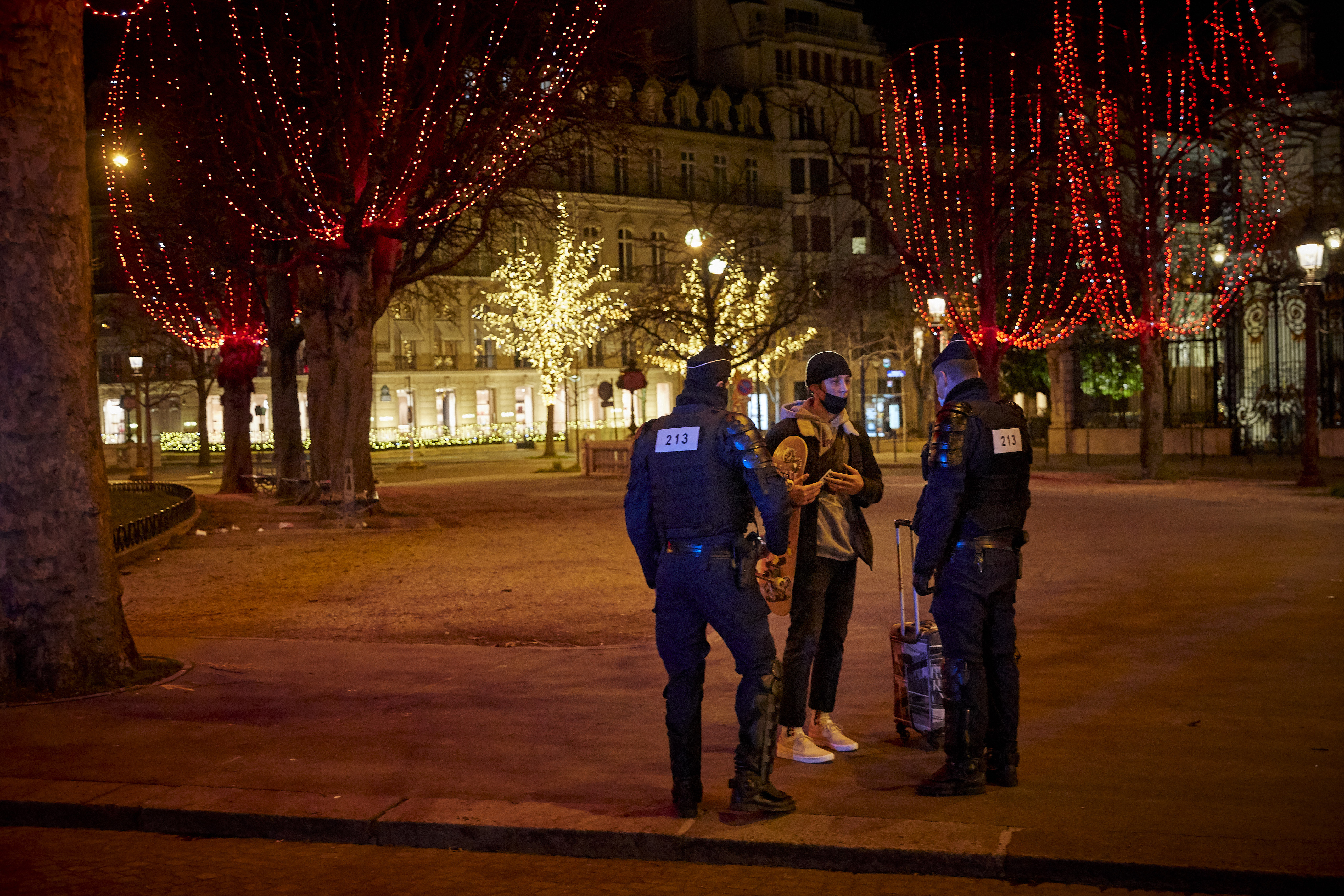
In France, critics of the 6pm curfew say the earlier time actually crams people together more after work, when they pile onto public transportation, clog roads and shop for groceries in a narrow rush-hour window before they must be home.
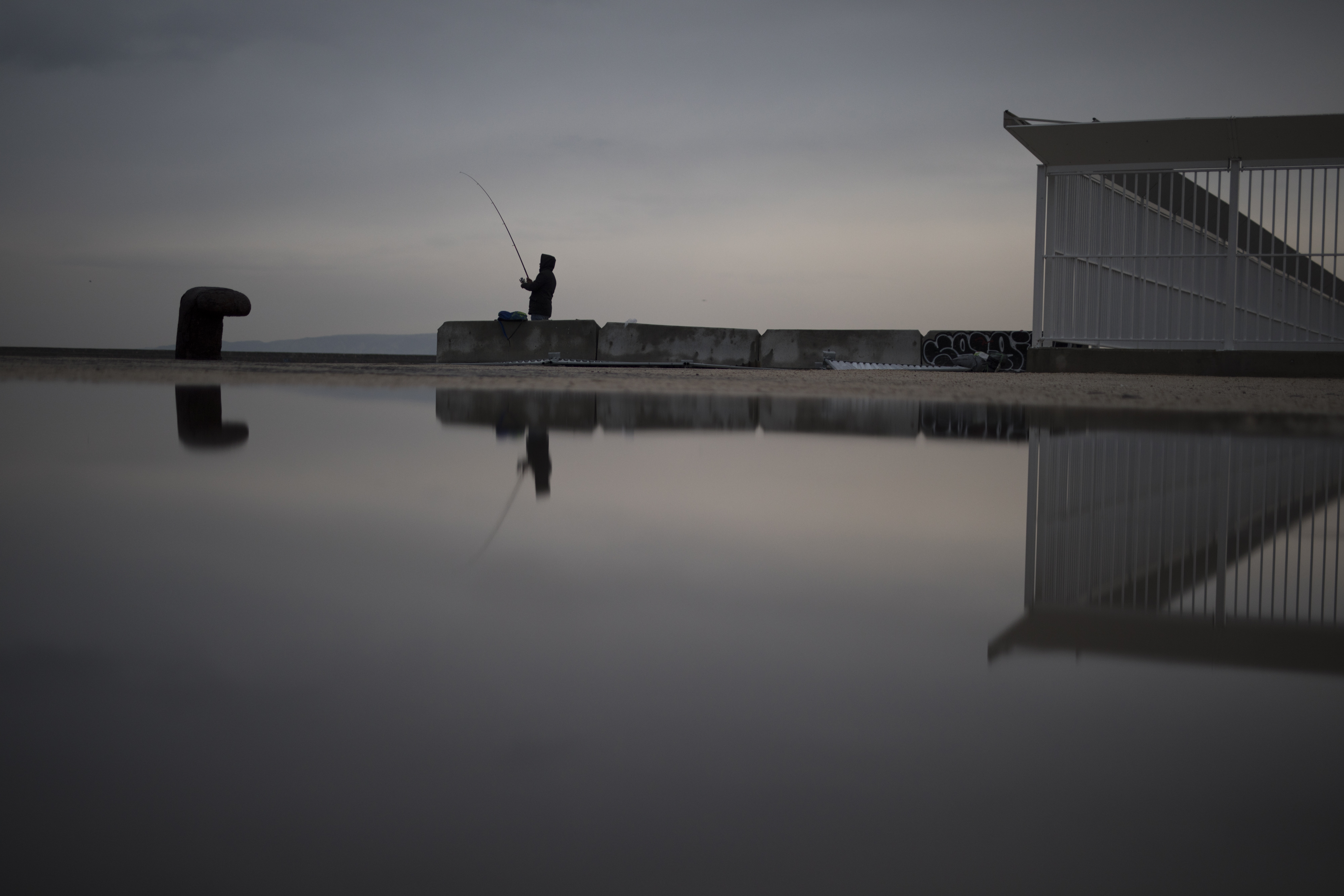
Women's rugby coach Felicie Guinot says negotiating rush-hour traffic in Marseille has become a nightmare.
The city in southern France is among the places where the more contagious virus variant has started to flare.
"It's a scramble so everyone can be home by 6pm," Ms Guinot said.
In historic Besançon, the fortressed city that was the hometown of "Les Misérables" author Victor Hugo, music store owner Jean-Charles Valley says the 6pm deadline means people no longer drop by after work to play with the guitars and other instruments that he sells.
Instead, they rush home.
"People are completely demoralised," Mr Valley said.
In Dijon, the French city known for its pungent mustard, working mother of two Celine Bourdin says her life has narrowed to "dropping kids at school and going to work, then going back home, helping kids with homework and preparing dinner."
But even that cycle is better than a repeat of France's lockdown at the start of the pandemic, when schools also closed, Ms Bourdin says.
"If my children don't go to school, it means I cannot work anymore," she said.
"It was terribly difficult to be all stuck almost 24 hours a day in the house."
COVID-19 curfews in the rest of Europe
Overnight curfews have become the norm in swaths of Europe but the 6pm to 6am curfew in 25 regions of eastern France is the most restrictive anywhere in the European Union's 27 nations.
Others countries' curfews all start later and often finish earlier.
The curfew in Italy runs from 10pm to 5am, as does the Friday night to Sunday morning curfew in Latvia.
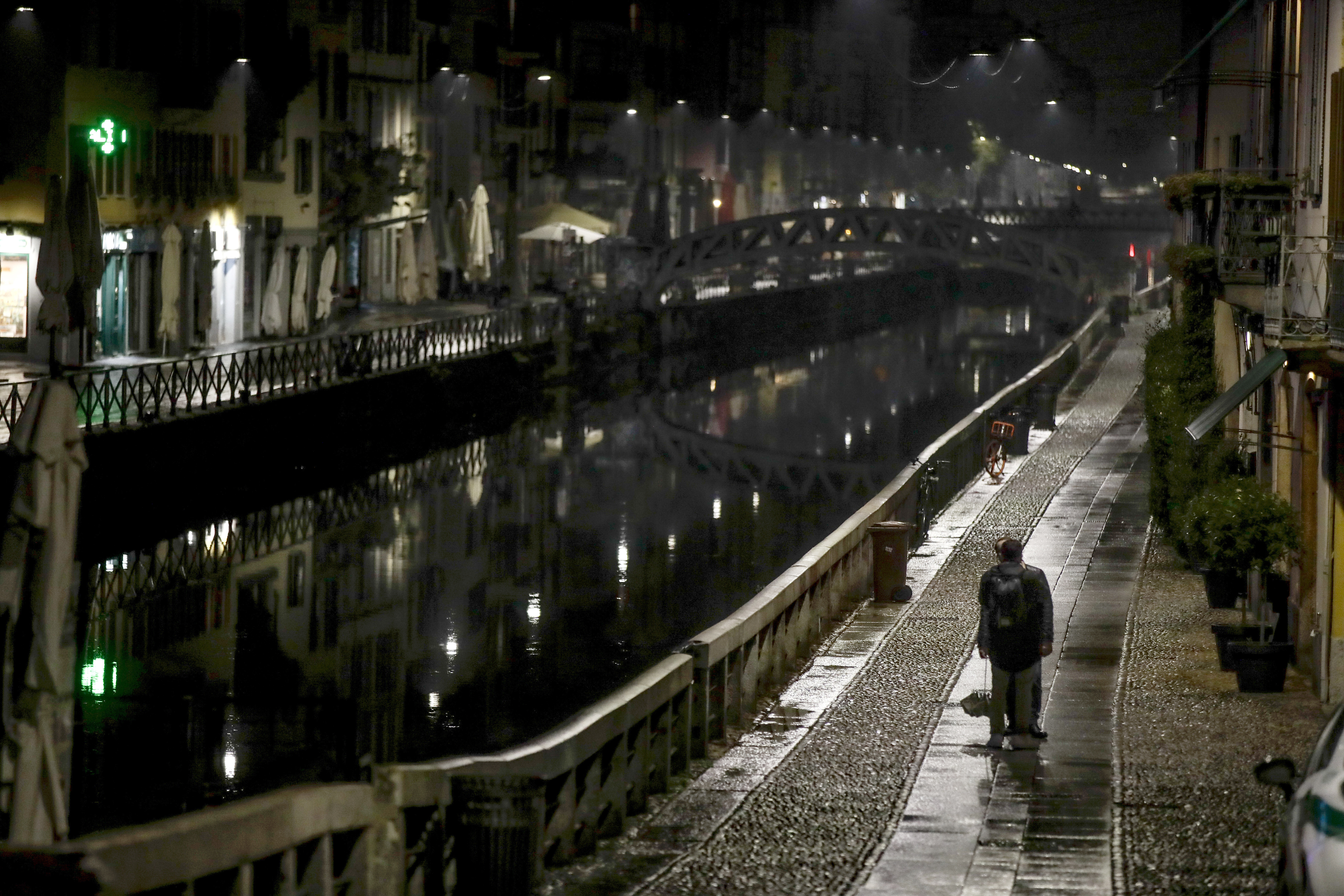
Regions of Belgium that speak French have a 10pm to 6am curfew while in Belgium's Dutch-speaking region, the hours are midnight to 5am.
People out between 8pm and 5am in Hungary must be able to show police written proof from their employers that they are either working or commuting.
There are no curfews in Bulgaria, Croatia, Denmark, Estonia, Finland, Ireland, Lithuania, Malta, Sweden, Poland or the Netherlands, although the Dutch government is thinking about whether imposing a curfew would slow new COVID-19 cases.
NIA announces 2021 study opportunity in Turkey
CHARLESTOWN, Nevis — The Ministry of Human Resources in the Nevis Island Administration (NIA) has announced a study opportunity in Turkey.
The Ministry of Human Resources in the Nevis Island Administration is pleased to share information regarding the 2021 Turkey Scholarship. This scholarship programme is available to individuals interested in pursuing studies at the Bachelor’s, Master’s and Doctoral levels.
Kindly note that applicants must be under the age of:
· Twenty-one for bachelor’s degree level
· Thirty for the master’s degree level, and
· Thirty-five for the doctoral degree level.
The scholarship covers:
· Turkish language course for one year
· University and programme placement
· Accommodation
· Tuition fee
· Monthly stipend
· One-way flight ticket, and
· Health insurance
The application period is from January to February 20, 2021.
For more information on this scholarship offer, application procedures, evaluation and selection process, and more, please visit https://turkiyeburslari.gov.tr/en/duyuru/turkiye-scholarships-2021-applications.
The post NIA announces 2021 study opportunity in Turkey appeared first on The St Kitts Nevis Observer.
UK announces travel bans over coronavirus variant
UK Transport Secretary Grant Shapps has announced a travel ban for in-bound arrivals from South America and Portugal.
The restrictions are being brought in from tomorrow as fears grow over a coronavirus variant first discovered in Brazil.
The ban applies to people who have travelled from, or through, Argentina, Brazil, Bolivia, Cape Verde, Chile, Colombia, Ecuador, French Guiana, Guyana, Panama, Paraguay, Peru, Suriname, Uruguay and Venezuela in the last 10 days.
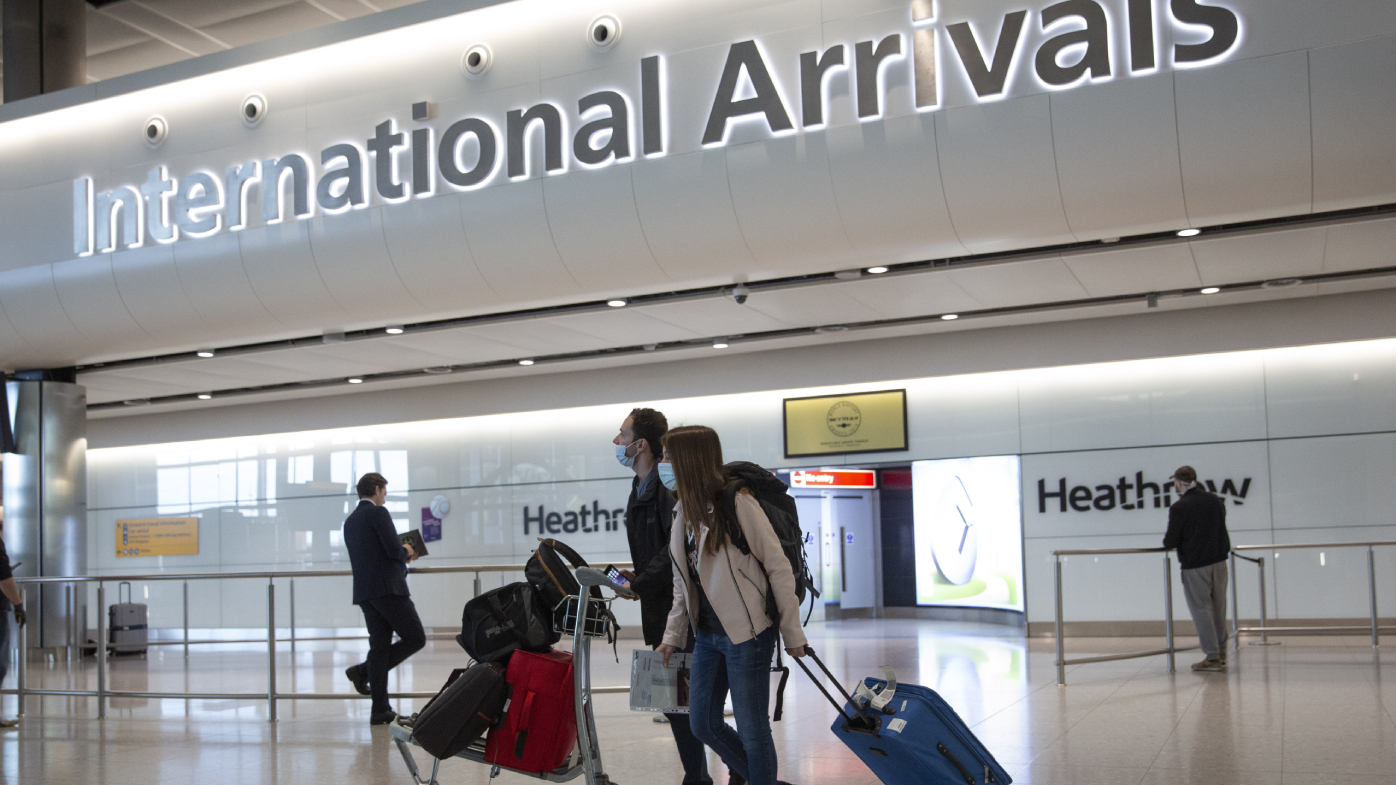
"Travel from Portugal to the UK will also be suspended given its strong travel links with Brazil – acting as another way to reduce the risk of importing infections," Shapps said in the announcement on Twitter.
RELATED: Boris Johnson under fire as Britain again faces onslaught of COVID-19
There will be some exemptions, including hauliers travelling from Portugal to allow the transport of essential goods.
Also, British and Irish citizens as well as foreign nationals with residence rights are still able to travel from these countries but must self-isolate for 10 days, along with their households he said.
Travel bans are already in place for UK-bound passengers from South Africa and Denmark, after new variants of the virus were detected in these countries.
https://twitter.com/grantshapps/status/1349745992099364868?ref_src=twsrc%5Etfwhttps://twitter.com/grantshapps/status/1349745993261211651?ref_src=twsrc%5Etfwhttps://twitter.com/grantshapps/status/1349745994628554754?ref_src=twsrc%5Etfw
Further strict travel restrictions will come into place from Monday, with all travellers required to show proof of a negative COVID-19 test taken no more than 3 days before boarding their flight.
It comes after a week of record figures in the UK.
On Wednesday, the country recorded it's highest number of daily deaths since the start of the pandemic with 1,564 people dying within 28 days of a positive COVID-19 test and another 47,525 daily confirmed coronavirus cases.
While provisional NHS data shows 2,661,850 COVID-19 vaccinations were administered in England between December 8 and January 12.