Test your brains with the Herald’s morning quiz. Be sure to check back on nzherald.co.nz at 3pm for the afternoon quiz. To challenge yourself with more quizzes, CLICK HERE.
Category Archives: headline
Trump on verge of historic second impeachment
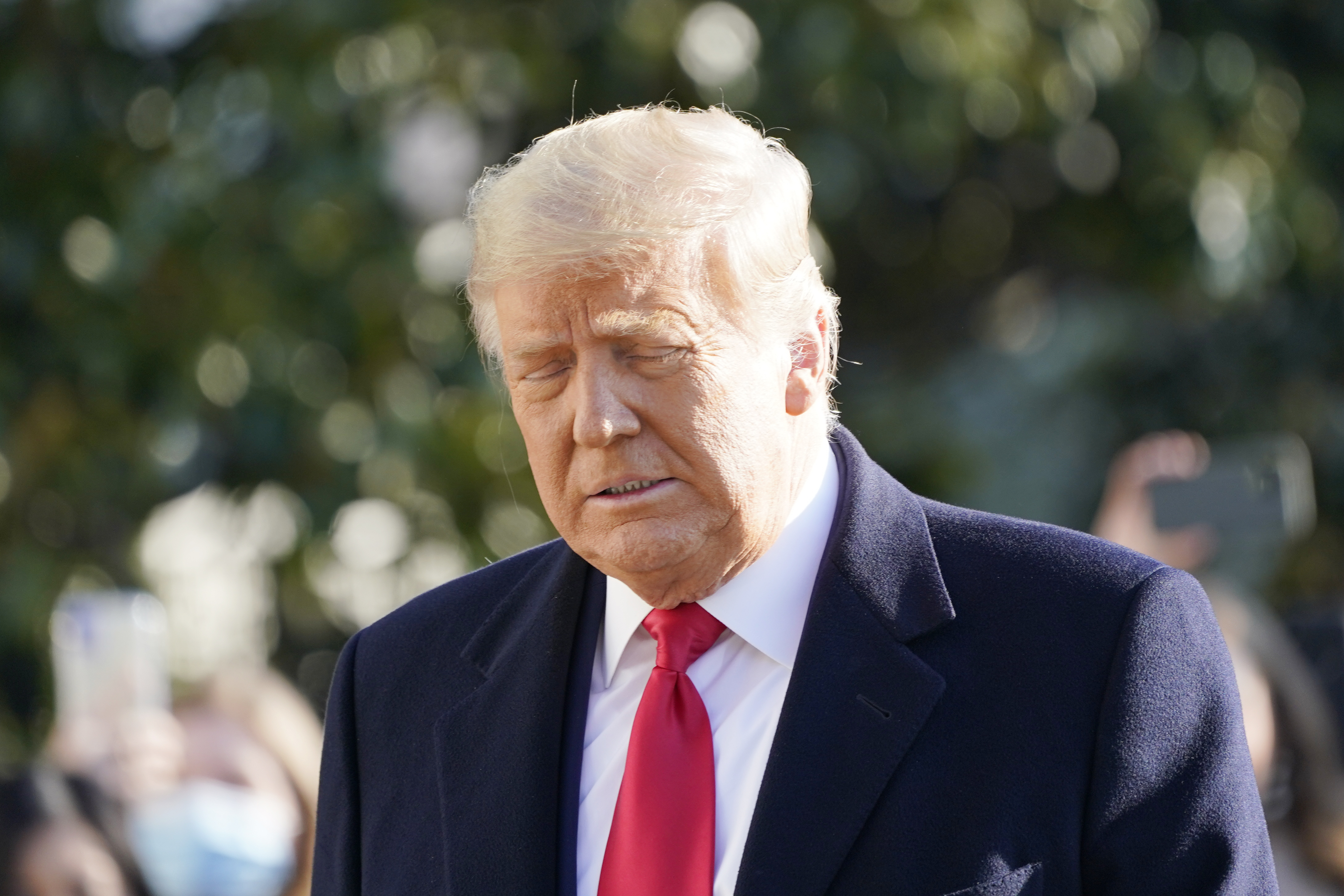
President Donald Trump is on the verge of being impeached for a second time in an unprecedented House vote Wednesday, a week after he encouraged a mob of loyalists to "fight like hell" against election results just before they stormed the US Capitol in a deadly siege.
The House chaplain opened the session with a prayer for "seizing the scales of justice from the jaws of mob-ocracy".
"We are debating this historic measure at a crime scene," said Democrat Jim McGovern.
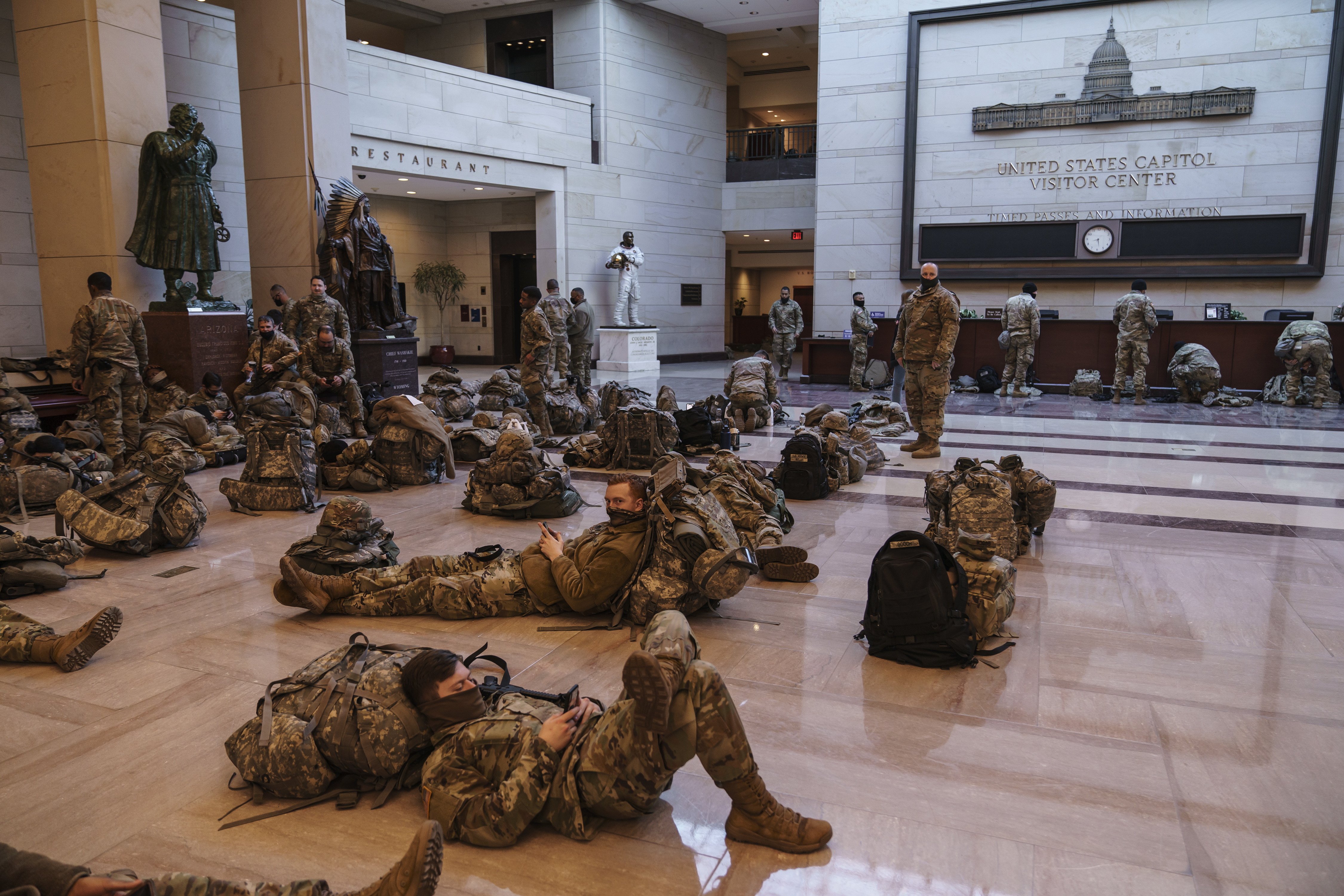
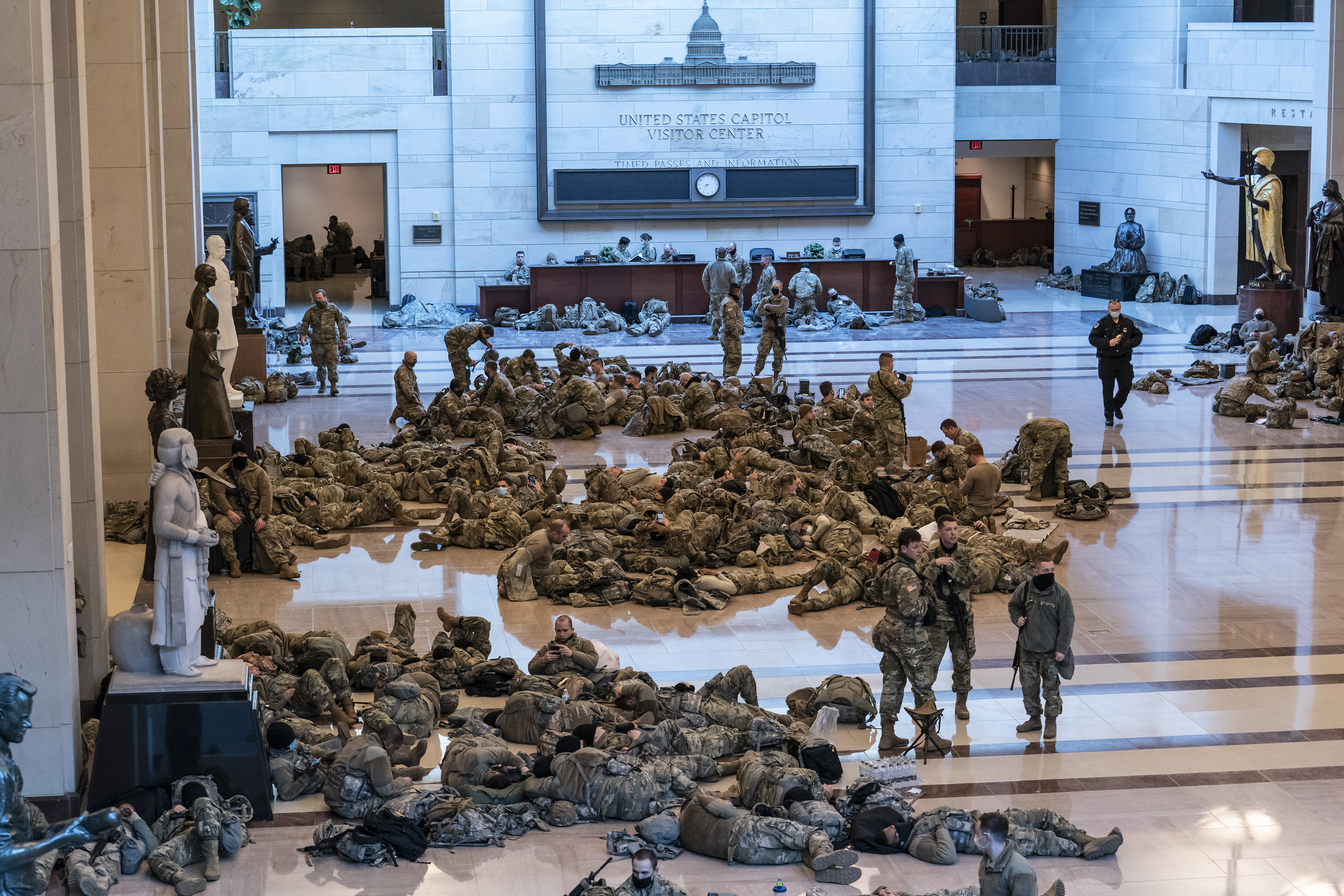
Security is exceptionally tight, beefed up by armed National Guard troops, with secure perimeters set up around the Capitol complex and metal-detector screenings required for lawmakers entering the House chamber.
READ MORE: Malcolm Turnbull lashes Donald Trump over Capitol Building riot
While Trump's first impeachment in 2019 brought no Republican votes in the House, a small but significant number of leaders and lawmakers are breaking with the party to join Democrats, saying Trump violated his oath to protect and defend US democracy.
The stunning collapse of Trump's final days in office, against alarming warnings of more violence ahead by his followers, leaves the nation at an uneasy and unfamiliar juncture before Democrat Joe Biden is inaugurated January 20.
"If inviting a mob to insurrection against your own government is not an impeachable event, then what is?" said Rep. Jamie Raskin, D-Md., a drafter of the article of impeachment.
Trump, who would become the only US president twice impeached, faces a single charge of "incitement of insurrection."
The four-page impeachment resolution relies on Trump's own incendiary rhetoric and the falsehoods he spread about Biden's election victory, including at a White House rally on the day of the January 6 attack on the Capitol, in building its case for high crimes and misdemeanours as demanded in the Constitution.
Trump took no responsibility for the riot, suggesting it was the drive to oust him rather than his actions around the bloody riot that was dividing the country.
"To continue on this path, I think it's causing tremendous danger to our country, and it's causing tremendous anger," Trump said Tuesday, his first remarks to reporters since last week's violence.
A Capitol police officer died from injuries suffered in the riot, and police shot and killed a woman during the siege. Three other people died in what authorities said were medical emergencies. Lawmakers had to scramble for safety and hide as rioters took control of the Capitol and delayed by hours the last step in finalising Biden's victory.
READ MORE: The reasons for and against impeaching Donald Trump
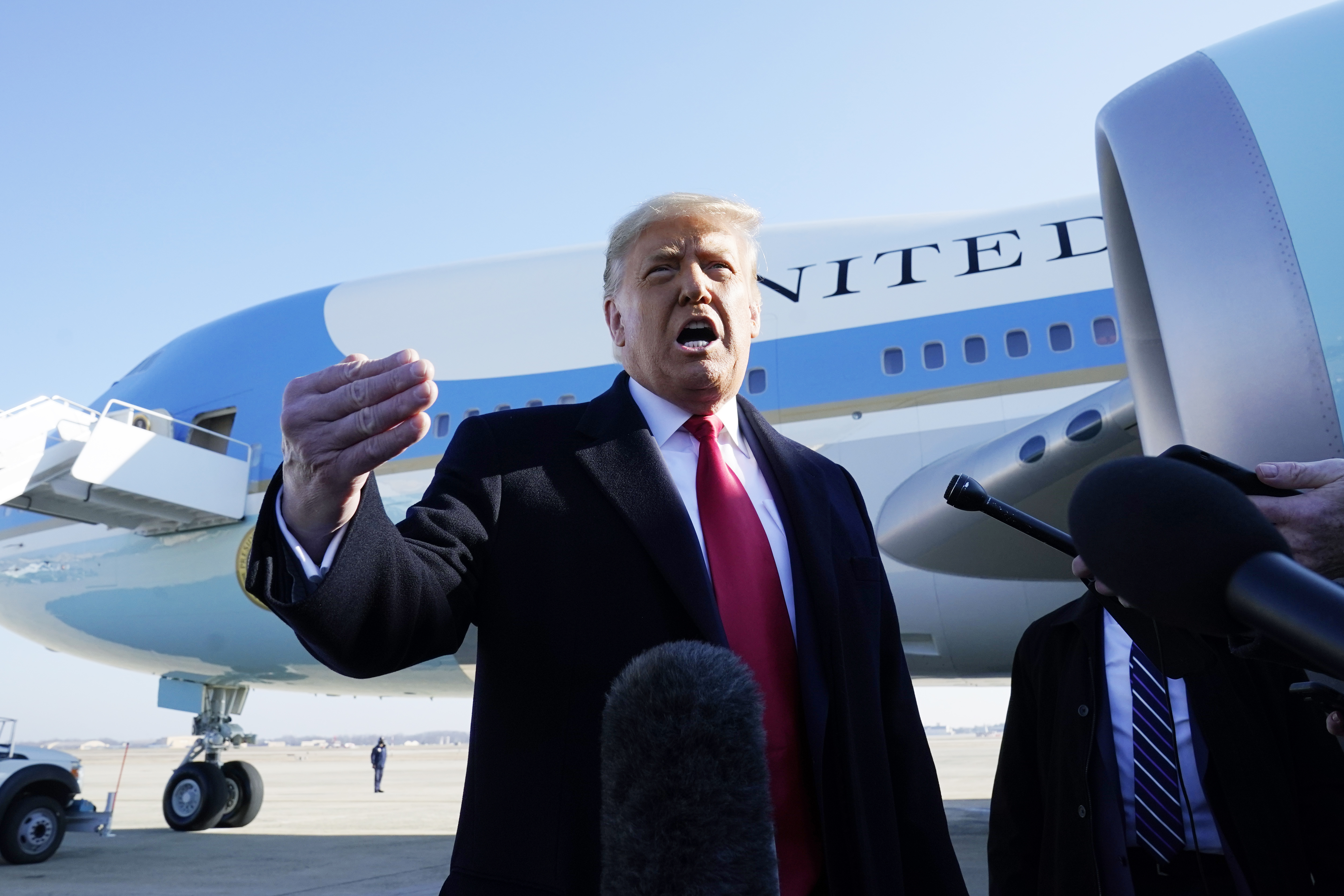
The outgoing president offered no condolences for those dead or injured, only saying, "I want no violence."
At least five Republican lawmakers, including third-ranking House GOP leader Liz Cheney of Wyoming, were unswayed by the president's logic. The Republicans announced they would vote to impeach Trump, cleaving the Republican leadership, and the party itself.
"The President of the United States summoned this mob, assembled the mob, and lit the flame of this attack," said Cheney in a statement. "There has never been a greater betrayal by a President of the United States of his office and his oath to the Constitution."
Unlike a year ago, Trump faces impeachment as a weakened leader, having lost his own reelection as well as the Senate Republican majority.
Senate Republican leader Mitch McConnell of Kentucky is said to be angry at Trump, and it's unclear how an impeachment trial would play out. In the House, Republican leader Kevin McCarthy of California, a top Trump ally, scrambled to suggest a lighter censure instead, but that option crumbled.
So far, Republican Reps. John Katko of New York, a former federal prosecutor; Adam Kinzinger of Illinois, an Air Force veteran; Fred Upton of Michigan; and Jaime Herrera Beutler of Washington state announced they, too, would join Cheney to vote to impeach.
READ MORE: Pence won't invoke 25th amendment to remove Trump
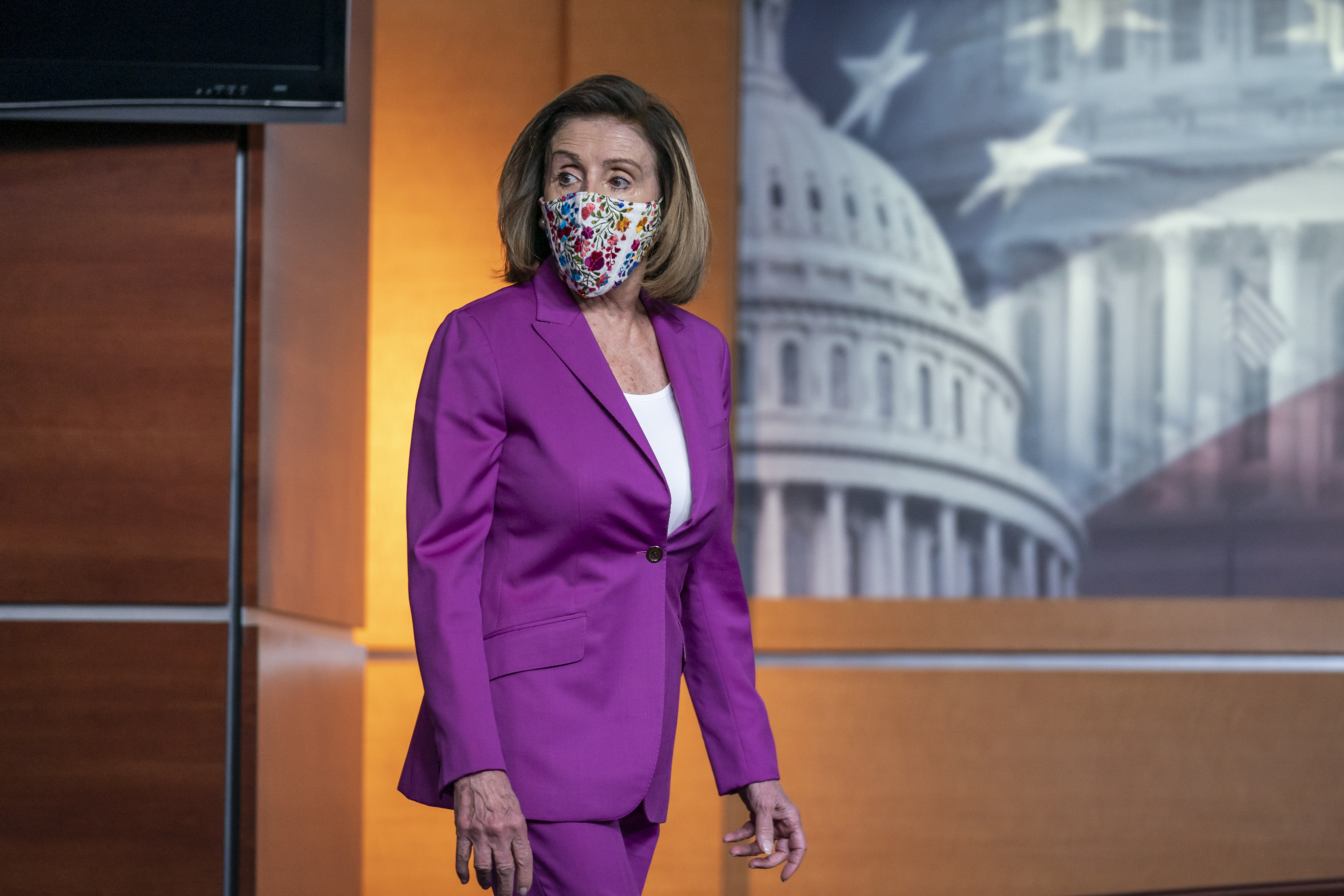
The House tried first to push Vice President Mike Pence and the Cabinet to intervene, passing a resolution Tuesday night calling on them to invoke the 25th Amendment to the Constitution to remove Trump from office. The resolution urged Pence to "declare what is obvious to a horrified Nation: That the President is unable to successfully discharge the duties and powers of his office."
Pence made it clear he would not do so, saying in a letter to House Speaker Nancy Pelosi, that it was "time to unite our country as we prepare to inaugurate President-elect Joe Biden."
Debate over the resolution was intense after lawmakers returned the Capitol for the first time since the siege.
Rep. Sylvia Garcia, D-Texas, argued that Trump must go because, as she said in Spanish, he's "loco" — crazy.
In opposition, Republican Rep. Jim Jordan of Ohio said the "cancel culture" was just trying to cancel the president. He said the Democrats had been trying to reverse the 2016 election ever since Trump took office and were finishing his term the same way.
While House Republican leaders are allowing rank and file lawmakers to vote their conscience on impeachment, it's far from clear there would then be the two-thirds vote in the evenly divided Senate needed to convict and remove Trump. Republican Sen. Pat Toomey of Pennsylvania joined Sen. Lisa Murkowski of Alaska over the weekend in calling for Trump to "go away as soon as possible."
READ MORE: Investigation after manatee found with Trump on its back
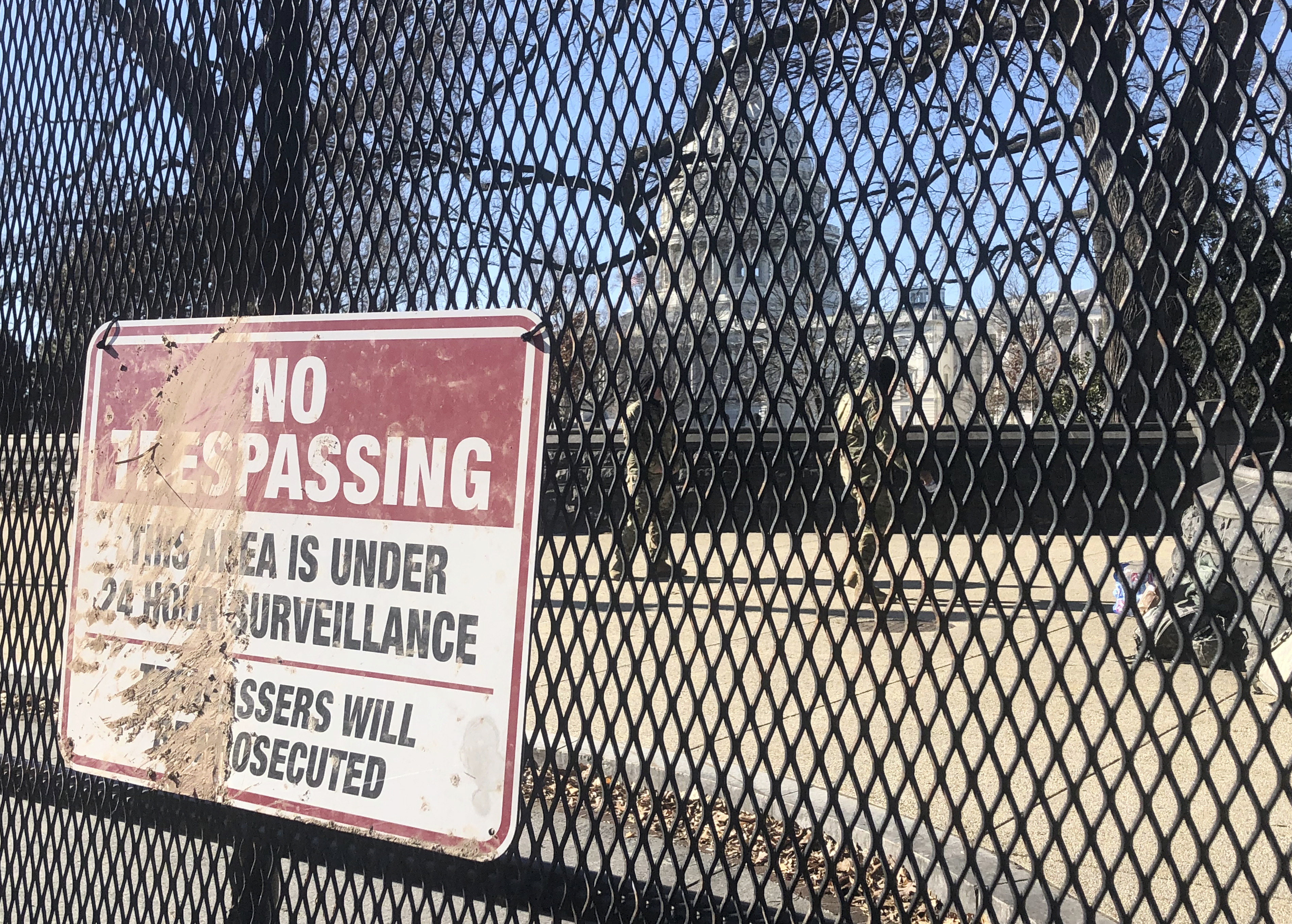
With just over a week remaining in Trump's term, the FBI warned ominously of potential armed protests by Trump loyalists ahead of Biden's inauguration. Capitol Police urged lawmakers to be on alert.
With new security, lawmakers were required to pass through metal detectors to enter the House chamber, not far from where Capitol police, guns drawn, had barricaded the door against the rioters. Some Republican lawmakers complained about the screening.
Biden has said it's important to ensure that the "folks who engaged in sedition and threatening the lives, defacing public property, caused great damage — that they be held accountable."
Fending off concerns that an impeachment trial would bog down his first days in office, the president-elect is encouraging senators to divide their time between taking taking up his priorities of confirming his nominees and approving COVID-19 relief while also conducting the trial.
The impeachment bill draws from Trump's own false statements about his election defeat to Biden. Judges across the country, including some nominated by Trump, have repeatedly dismissed cases challenging the election results, and former Attorney General William Barr, a Trump ally, has said there was no sign of widespread fraud.
Like the resolution to invoke the 25th Amendment, the impeachment bill also details Trump's pressure on state officials in Georgia to "find" him more votes and his White House rally rant to "fight like hell" by heading to the Capitol.
While some have questioned impeaching the president so close to the end of his term, there is precedent. In 1876, during the Ulysses Grant administration, War Secretary William Belknap was impeached by the House the day he resigned, and the Senate convened a trial months later. He was acquitted.
Read the January 8, 2021 Issue
The post Read the January 8, 2021 Issue appeared first on The St Kitts Nevis Observer.
Fears after COVID spreads in Brisbane quarantine hotel
Health authorities are baffled by how the highly contagious UK strain of coronavirus spread through a quarantine hotel in Brisbane, which led to more than 100 guests being urgently evacuated yesterday.
"Was it in the air conditioning? Was it movement? Was it picking up something? We just don't know those answers yet," Queensland Premier Annastacia Palaszczuk said as she sounded the alarm yesterday.
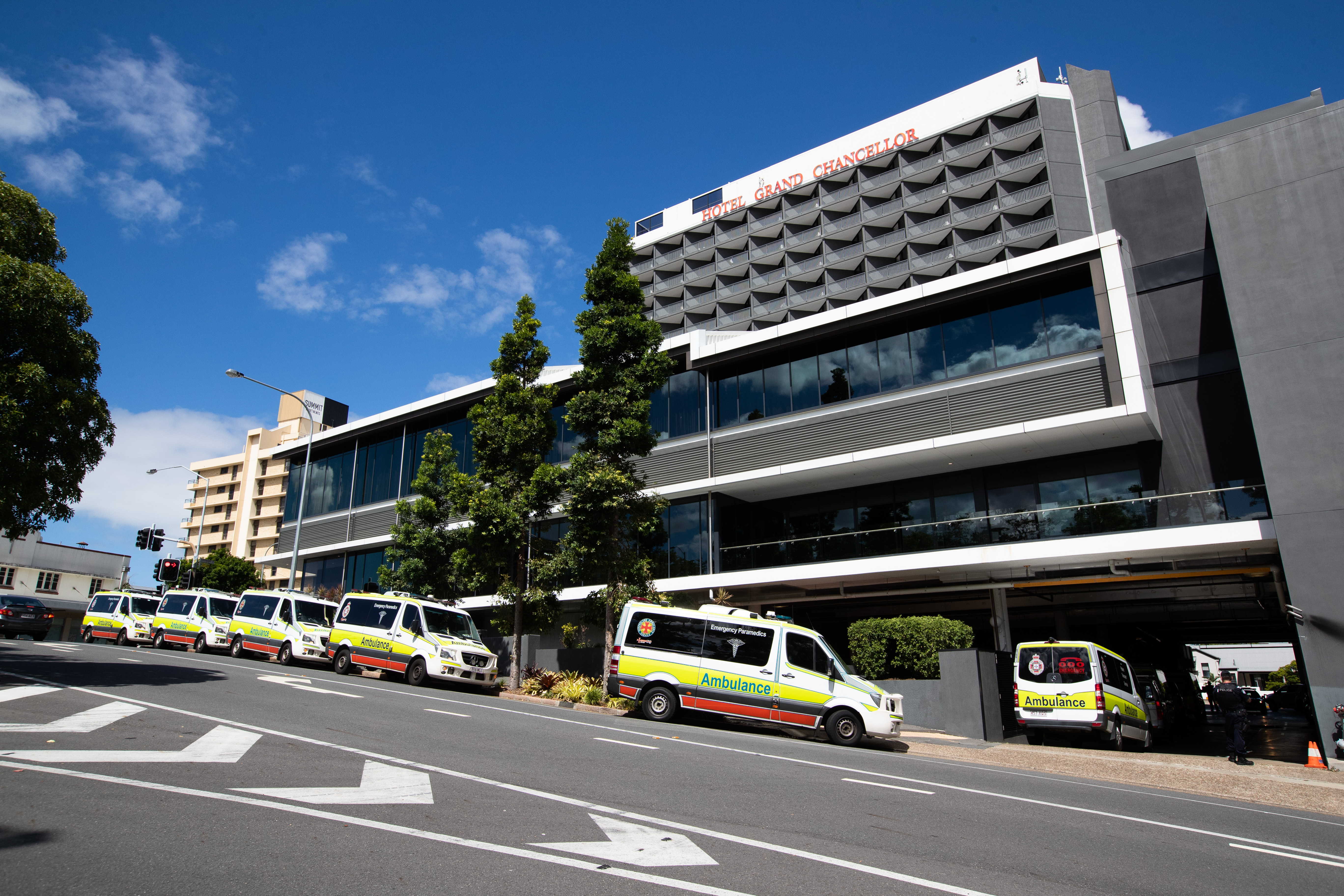
Investigations into the transmission come after four guests and a cleaner at the Hotel Grand Chancellor, on the seventh floor at different times, all contracted the UK strain of the virus.

READ MORE: Interstate hotel visitors ordered to lock down after COVID-19 cases
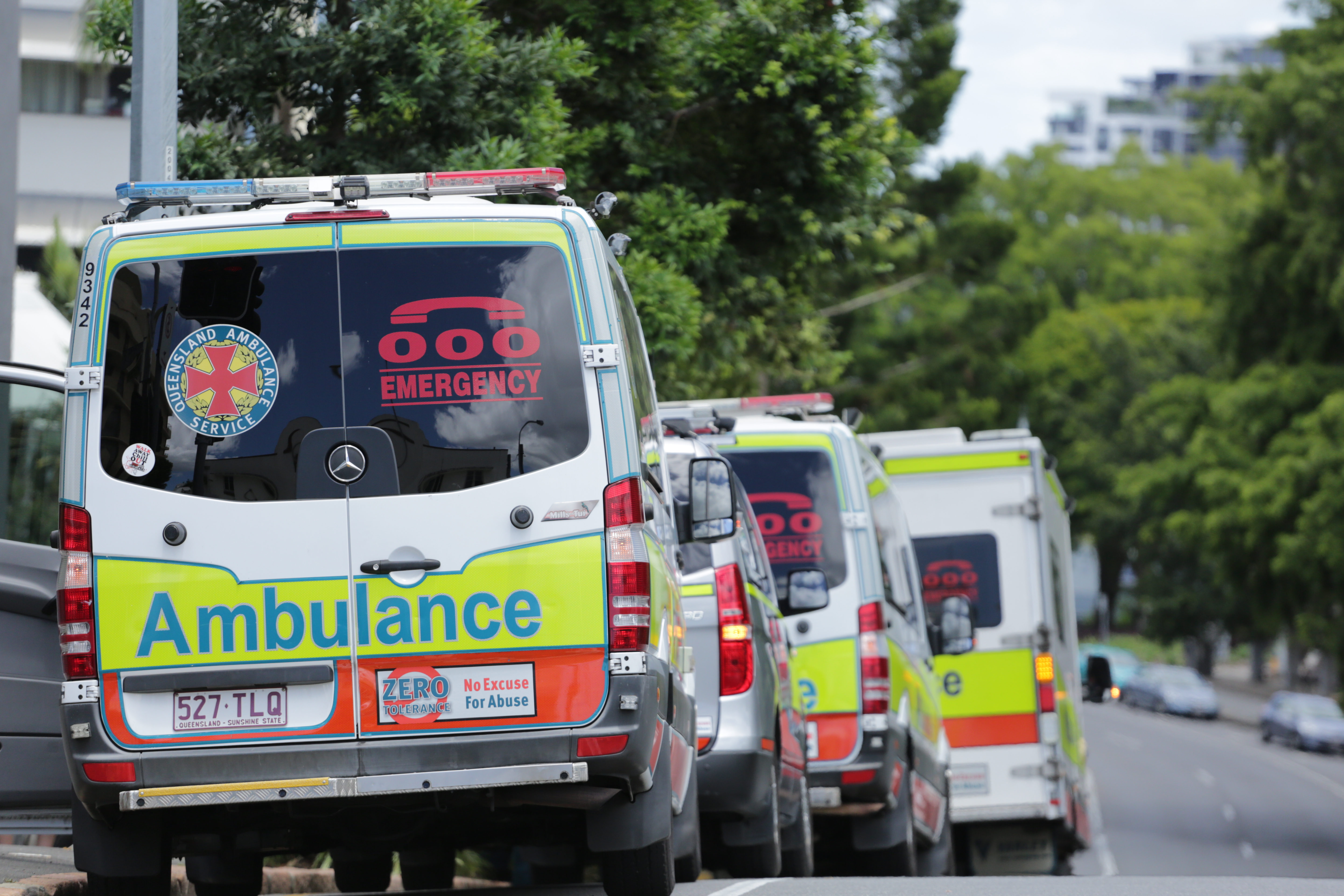
More than 100 people in quarantine at the hotel were blindsided as a fleet of ambulances queued to transfer them to another facility yesterday.
"We don't know when we're going, where we're going, how we're going," Paul Atta, a quarantining traveller, told 9News.
"I don't know what's going on."
The infection fears meant the quarantine period restarts for all of those moved, meaning some people will now spend up to four weeks alone in a small room.
Mr Atta was due to end his quarantine on Friday before the restart button was hit yesterday.
"You've got a strain of the virus that miraculously, at the moment, seems to just float through walls," he said.
"And if that's the case then perhaps people need to start rethinking the value of hotel quarantining."
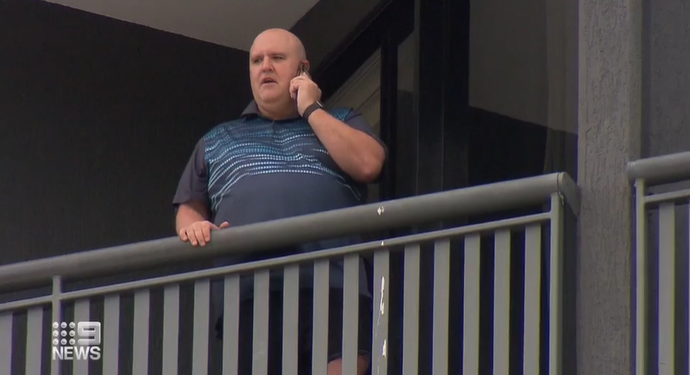
The Brisbane drama has put other states on high alert, raising concern of how the virus could breach hotel quarantine and fearing people may have returned interstate after completing a quarantine period at the hotel in question.
READ MORE: Urgent warning for NSW residents who quarantined in Brisbane hotel
Victorian and NSW authorities have both ordered anybody who has already completed 14 days of quarantine at the Grand Chancellor since December 30 to self-isolate and get tested immediately.
People affected have been asked to put up their hand and give NSW Health call urgently on 1300 066 055 or Queensland Health on 134 268 for further advice.
Queensland Local Government Areas of Greater Brisbane, Brisbane, Moreton Bay, Redlands, Logan, Ipswich remain in the red zone, meaning travel to Victoria is not permitted without an exemption or worker permit.
National Intervention Team continues to distribute care packages
BASSETERRE, St. Kitts — The lives of persons in need continue to be touched by the National Intervention Team (NIT) as their care package initiative remains operational. The NIT kicked off their community engagement activities for 2021 by showing three residents how much they were concerned about their well-being through the programme.
The team gave a care package to Rhonda Warner of Sandy Point to assist with her transition into her new home. Ms. Warner, whose previous residence was in a severe state of disrepair, had a new house built for her and her children. The construction of the new house was made possible through the contributions of local businesses, citizens and residents in the Federation and nationals in the diaspora.
Joseph Gerald of St. Johnston Village and Persephanie Pike of Sandy Point, who are elderly persons in need, also received care packages. These persons were chosen based on recommendations from individuals in the community during the team’s regular engagements.
Head of the NIT, Inspector Rosemarie Isles-Joseph, said that the care packages continue to be funded internally with each member of the team contributing to purchase supplies.
“When we started this, we decided to do it every month and we will continue,” said Inspector Isles-Joseph. “We give to anyone within the community that needs assistance. Every time we get paid, we use our own money, the 10 of us put money together and this is what we do.”
She added that the team has committed to make this a part of their ongoing contribution to communities around the island for 2021.
The post National Intervention Team continues to distribute care packages appeared first on The St Kitts Nevis Observer.
Trump’s Impeachment Vote Today
The US House of Representatives is expected to hold a vote to impeach President Donald Trump over his role in last week’s storming of Congress.
Democrats accuse the president of encouraging his supporters to attack the Capitol building. Five people died.
Members of Mr Trump’s Republican party say they will join Democrats to impeach him on Wednesday, formally charging the president with inciting insurrection.
President Trump has rejected any responsibility for the violence.
The riot last Wednesday happened after Mr Trump told supporters at a rally in Washington DC to “fight like hell” against the result of November’s election.
Will Trump be impeached?
As Democrats hold a majority in the House, the vote is likely to pass. The case will then head for the Senate, where a trial will be held to determine the president’s guilt.
A two-thirds majority would be needed there to convict Mr Trump, meaning at least 17 Republicans would have to vote for conviction. As many as 20 Senate Republicans are open to convicting the president, the New York Times reports.
The timeline of when a trial could be held is not known but it is unlikely it could be finished before Mr Trump leaves office on 20 January, when Joe Biden will be sworn in as president.
The Senate could also use an impeachment trial to block Mr Trump from ever running for office again. He has indicated he plans to campaign for president in 2024.
Wednesday’s vote means that Mr Trump is likely to become the first US president ever to be impeached twice.
In December 2019 he became the third president to be impeached over charges of breaking the law by asking Ukraine to investigate Mr Biden to boost his own chances of re-election. The Senate cleared him.

Impeachment: The basics
- What is impeachment? Impeachment is when a sitting president is charged with crimes. In this case, President Trump is accused of inciting insurrection by encouraging his supporters to storm the Capitol
- Could Trump be removed from office? A simple majority of the House of Representatives is enough to impeach him – but to remove him from office, he then needs to be convicted of those charges by the Senate, where a two-thirds majority is not guaranteed
- So what does it mean? This is the second time Mr Trump will have been impeached, and even though a trial could begin after his term ends, a conviction could mean he is barred from holding public office again
The post Trump’s Impeachment Vote Today appeared first on The St Kitts Nevis Observer.
Impact of COVID-19 on Island Nations: St. Lucia, a Case Study
January 13, 2021
A case study on income inequality in Saint Lucia.
VERDICT
- The high dependence of Saint Lucia on international tourism has made it particularly vulnerable to the COVID-19 crisis
- The ability of migrants to send remittances back to Saint Lucia has been severely impaired
- The decline in remittance inflows and the collapse of tourism have disproportionately affected the poor in Saint Lucia
- Disproportionate impacts of COVID-19 on the poor may accelerate the growth of income inequality in Saint Lucia

Photo of the Bay Gardens Inn, Saint Lucia, taken by the author in 2018.
URBAN CONTEXT
Despite its foundations in plantation agriculture, the Caribbean is highly urbanised. Since the return of earlier cohorts of emigrants and the decline of agriculture in the 1990s, Saint Lucia has experienced substantial economic development and construction. Still, the proportion of the total population living in urban areas remains far below average for Caribbean small states. Perhaps this is because of its rugged topography, which limits urban expansion to the northwest corridor and the most southerly tip of the island. Whilst urban households may have been most affected by COVID-19 mobility restrictions due to the risks posed by high population densities, rural households, in representing the majority of the poor population, have borne the brunt of COVID-19 impacts.
INCOME INEQUALITY
According to World Bank data, income inequality in Saint Lucia increased by 20% 1995-2016. In 2016, the top tenth of the population held a share of 39% of national income, and the bottom tenth less than 1%. However, it should be noted that, conversely, the Central Statistical Office of Saint Lucia recorded a very small improvement in income distribution 1995-2005, though this difference was only deemed statistically significant when biased data collection was accounted for. If both studies are believed to be true, then more frequent data collection is needed to verify the rapid growth of income inequality in the decade succeeding 2005.
REMITTANCES
In the face of COVID-19, income inequality is likely to increase even more sharply due to impacts on both remittances and tourism – two economic factors on which the economies of many Small Island Developing States depend; Saint Lucia is one such example. Though remittance inflows contributed less than 2% to Saint Lucia’s GDP in 2019, 18% of households cited remittances as their main source of livelihood. With decreasing trends in Foreign Direct Investment and Official Development Assistance inflows between 1990 and 2018, the importance of remittances for the Saint Lucian economy will continue to grow.
The probability of receiving remittances tends to increase with income, mainly due to the costs associated with migration. However, when these remittances are received by the poor, they tend to represent a higher share of household income, which helps to explain the positive effect on levels of poverty and inequality. Nevertheless, a low remittance-to-GDP ratio means that distributional effects are relatively small in Saint Lucia. If the ratio were to increase to over 13%, financial inclusion may also increase, which reflects the ease of access, availability, and usage of financial services for all members of a society. This is because remittance recipients are encouraged to deposit their savings in formal banking institutions, though only when certain prerequisites are met. By stimulating financial development, financial inclusion may ultimately reduce income inequality.
Net migration in Saint Lucia has been negative until the turn of the century. Much of the Saint Lucian diaspora reside in the U.S., followed next by the U.K., Canada, and France; the major sources of remittance inflows reflect this dispersion. 3 U.S. states accommodate more than 70% of Caribbean migrants – Florida, New York, and New Jersey – where 4 industries employ almost half of the workforce: healthcare (19%), accommodation and food services (9%), retail trade (10%), and professional services (10%). Leisure and hospitality services were particularly hard hit by COVID-19 and the subsequent measures used to reduce its transmission due to the high degree of personal contact. Hence, unemployment rates in both accommodation and food services, and retail trade soared to 36% and 15%, respectively.
In the U.K., around 44% of Black people (both of African and Caribbean descent) were employed in the public administration, education, and health sector, which is the highest percentage of any ethnic group. In providing essential services which continue to operate as regulations tighten, workers are greatly exposed to COVID-19. Combined with health inequalities and other socioeconomic factors, the large number of keyworker roles mean that Black people are disproportionately impacted by COVID-19 in the U.K. This may have the effect of impeding the ability of Saint Lucian migrants to send remittances back to their families. But, of course, without specific data on the employment of Saint Lucian migrants in the U.K., or even Caribbean migrants, more broadly, this can only be an extrapolation.
The estimated unemployment of 20% of Caribbean migrants in the U.S. means that remittance inflows to the region are expected to fall by 11% in 2020. Saint Lucia may experience the 2nd largest reduction at 17%, after Antigua and Barbuda (18%). In fact, 58% of remittance recipients reported a decline since the end of March 2020. Poor and rural households were disproportionately affected as compared to non-poor and urban households, emphasising the insecurity of remittance inflows as a source of income for the poor, especially during a global crisis. This may only exacerbate an uneven distribution of income.
TOURISM
Agriculture was once the largest economic sector in Saint Lucia, but high costs and the loss of EU trade preferences meant that Saint Lucian banana exports lost their competitiveness, and the number and size of agricultural holdings declined dramatically 1996-2007. With heavy investment, tourism came to predominate, contributing 40% to GDP, employing over 48% of the population, and representing around 81% of total exports in 2018. This is exemplified by 61% growth in the number of international tourist arrivals in the last 20 years.
However, Saint Lucia’s position as the 6th most tourism-dependent country in the world, as of 2019, has made it exceptionally vulnerable to external shocks. Therefore, it must be noted that growth in tourism has not gone uninterrupted by events of global significance. Global trends show that the average recovery of tourism after 9/11 and the 2008 financial crisis was relatively swift (6 and 10 months, respectively), but the remoteness of Saint Lucia may have extended its recovery time as tourists (the majority from the U.S., and the U.K.) favoured domestic getaways, which were far cheaper, over long-haul flights.
Once again, Saint Lucia’s remoteness has made the rebound of tourism particularly challenging during COVID-19. Accessible only by cruise ship or aircraft, the tourism industry has been devastated by global travel restrictions which aim to hinder viral transmission. 3 recovery scenarios are suggested, which modify the total loss of tourism activity in 2020 relative to the historical norm. The first scenario is a 44% loss resulting from 50% recovery by Q3 of 2020, and 75% by Q4. The second is a 56% loss due to 25% recovery by Q3, and 50% by Q4. The third is a 69% loss caused by zero recovery by Q3 and 25% by Q4. Given just 7% recovery of tourism activity by August 2020 and a spike in COVID-19 cases in October, a total loss of 69% in tourism activity seems very plausible.
Nationally, 28% of Saint Lucian’s have lost their jobs, mostly due to business closures associated with the tourism industry. As a result, the share of employment in the wholesale, retail, restaurants, and hotels sector has shrunk by almost 11 percentage points – the greatest decline of all major economic sectors.
Tourism was once regarded as an industry that excluded poor people and small-to-medium-sized enterprises due to the vertical integration of large all-inclusive hotels with major airlines and tour operators. However, since 1999, the Saint Lucia Heritage Tourism Programme has attempted to make change by deploying strategies to encourage entrepreneurship and better engage local, youth, and marginalised communities. Such strategies have included technical training and assistance, financial support, and favourable marketing initiatives which highlight the wonders of local tours and lodgings, bespoke craft items, and unique cultural experiences.
Nonetheless, though Saint Lucian tourism may be more inclusive of different socioeconomic backgrounds, all workers and businesses are not equally resilient to external shocks to the industry. Poor people have been disproportionately affected by job losses in the face of COVID-19 as compared to non-poor people (29% vs. 27%), even though a far greater proportion were already unemployed (43% vs. 34%). They have also suffered greater losses in income in both wage employment and non-agricultural family businesses.
Given shorter notice of business closures and lacking in transferable skills, the poor have then struggled to obtain new jobs. Some have been given no choice but to return to seasonal agricultural work, which offers lower pay and less consistent employment. Meanwhile, the non-poor, in possession of a greater skillset, have been able to weather the transition into better paid jobs in the professional services and public administration sectors, thus reinforcing existing income inequality.
Greater diversification of the economy is needed to protect and enhance the futures of the poorest households in Saint Lucia. Hope of recovery lies in initiatives such as Recover Saint Lucia, which seeks to revive the local economy by encouraging the application of innovative and adaptive responses to COVID-19 from citizens, businesses, and communities alike.
METHODOLOGY
To conduct this literary review, Google Scholar was used as a main database. Primary search terms were “Remittances Saint Lucia”, “Income inequality Saint Lucia” and “Tourism Saint Lucia.” All results were filtered to show research published in 2020. “COVID-19” was used as a secondary search term. Only relevant research was selected with relevance being defined as research containing all the primary search terms within the preview.
AUTHOR
Zoe Martial is a Geography student at St Edmund Hall, University of Oxford. Her paternal grandparents were born in Saint Lucia.
The post Impact of COVID-19 on Island Nations: St. Lucia, a Case Study appeared first on The St Kitts Nevis Observer.
'Three families never the same' after separate Victoria beach drownings
Three people drowned in three separate incidents in a tragic day in Victoria.
Lifesaving Victoria director Kane Treloar said the triple tragedy was heartbreaking for lifeguards and the families destroyed by the deaths.
"It breaks our hearts to have three tragic drownings in one day; three families that will never be the same again," Mr Treloar said on Twitter.
A woman in her 20s died last night while attempting to rescue a young teenage girl struggling in the water at Venus Bay, about 170km south of Melbourne, Victoria Police said.
https://twitter.com/9NewsMelb/status/1349250814745874434?s=20
The teenager was spotted struggling in the water about 7.30pm when a number of people went to assist her — including the woman, who was later pulled from the water by an off-duty lifeguard after she "got into difficulty", Victoria Police said in a statement.
The woman was given CPR but died at the scene.
The teenage girl made it safely to shore where she was checked by ambulance crews.
"A report will be prepared for the Coroner and the investigation into the circumstances surrounding the incident is ongoing," police said.
Two deaths 20km apart on Mornington Peninsular
A man in his 80s died after being pulled from the water at Rye front beach about 4pm in Tootgarook, about 100km south of Melbourne.
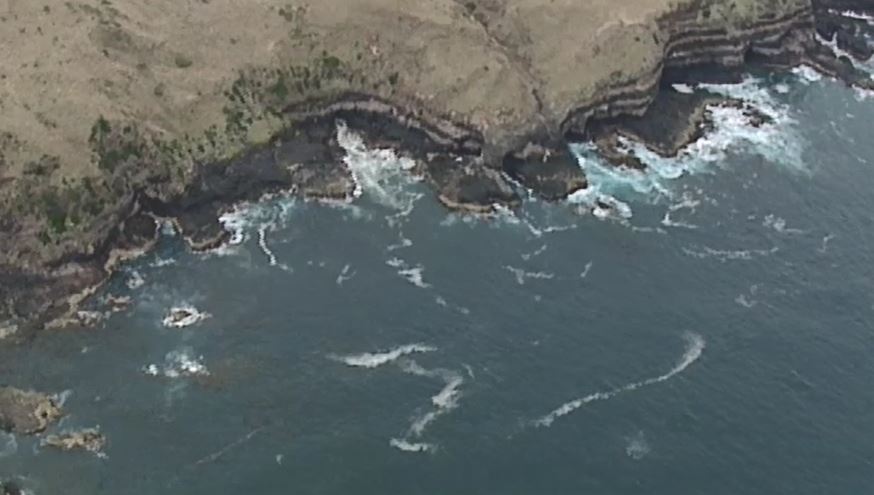
It came shortly after emergency services were called to Bushrangers Bay at Flinders, about 20km further south, after people were swept off the rocks and found themselves in distress in the ocean.
It is believed four people were swept off rocks about 3.30pm, police said. Two members of the public entered the water to assist.
https://twitter.com/KaneTreloar/status/1349321238401802247?s=20
One woman died at the scene. The five others were rescued and taken to hospital. Their condition is unknown.
Four helicopters were dispatched to the scene including two life-saving choppers and police air wing that scoured the ocean for any sign of the people.
A large contingent of police cars cars and ambulances were are at Bushrangers Bay this afternoon.
A report on both drownings will be prepared for the Coroner.
'Our team will be back'
There were other incidents on Wednesday.
A child is in a critical condition after being rescued at Lysterfield Lake in Narrewarren, 38km southeast of Melbourne, in the afternoon.
A young woman was resuscitated after being pulled from the water at Port Phillip Bay, at the eastern portion north of the Mornington Peninsula.
Mr Treloar said lifesavers would return to their duty today but called on the public to play their part.
https://twitter.com/VictoriaPolice/status/1349331047490719745?ref_src=twsrc%5Etfw
"We're committed to reducing drownings, and our team will be back out tomorrow; but we need you to do your part," he said.
He urged swimmers to "know your limitations, never underestimate the water, have a way to call for help, never swim alone."
"Don't drink and drown, learn how to identify a rip, speak to lifeguards and if unsure Swim between the flags."
COVID-19 Latest World News: US-389,786 Deaths
AstraZeneca says to release 2 million vaccine doses a week to UK by mid-February
AstraZeneca is scaling up releases of COVID-19 vaccine doses to the United Kingdom to the point where it expects to be providing 2 million a week by or before the middle of February, a top executive told lawmakers on Wednesday.
UK minister favours vaccinating teachers, police ahead of second dose deployment
Britain’s minister in charge of COVID-19 vaccinations said once everyone in the top priority groups had been reached, he favoured moving onto groups such as teachers and the police rather than bringing forward second doses.
Waiting for spring? Europe extends, tightens lockdown
Governments across Europe announced tighter and longer coronavirus lockdowns on Wednesday over fears about a fast-spreading variant first detected in Britain, with vaccinations not expected to help much for another two to three months.
COVID vaccine deliveries to UK are on track, enough to meet target, minister says
Deliveries of COVID vaccines to Britain are on track and sufficient to meet the government’s vaccination targets, Health Secretary Matt Hancock said on Wednesday although he declined to give figures on supplies.
Data on AstraZeneca vaccine and South African variant should come soon, UK expert says
Data on the highly contagious COVID-19 variant identified in England do not suggest that vaccines will be less effective against it, while data on the South African variant should be available within weeks, a top British vaccines expert said.
EasyJet cabin crew to help with UK vaccination programme
British airline easyJet said the National Health Service (NHS) would train hundreds of its cabin crew to administer COVID-19 vaccines under a fast-track scheme designed to help boost the country’s vaccination efforts.
Don’t tout investment services to EU clients, watchdog warns banks in Britain
Some UK-based banks are dodging a ban on offering investment services to EU-based customers by using advertising, the bloc’s regulator said on Wednesday, warning of possible legal action over such “questionable” practices.
UK supermarkets want ‘urgent intervention’ to ensure supplies to Northern Ireland
Britain’s major supermarkets have warned the government that “urgent intervention” is needed to prevent significant disruption to Northern Ireland food supplies in the coming months.
Honda to temporarily halt UK car output due to COVID-related supply issues
Japanese carmaker Honda said it would halt output at its British factory from Monday to Thursday next week due to COVID-19 related global supply chain issues, the latest production suspension in recent weeks.
Coronavirus Cases:
92,130,756
Deaths:
1,973,067
Recovered:
65,974,257
ACTIVE CASES
24,183,432
Currently Infected Patients
24,073,327 (99.5%)
in Mild Condition
110,105 (0.5%)
Highlighted in green
= all cases have recovered from the infection
Highlighted in grey
= all cases have had an outcome (there are no active cases)
The post COVID-19 Latest World News: US-389,786 Deaths appeared first on The St Kitts Nevis Observer.
China’s COVID Vaccine Less Effective in Brazil Trials
A coronavirus vaccine developed by China’s Sinovac has been found to be 50.4% effective in Brazilian clinical trials, according to the latest results released by researchers.
It shows the vaccine is significantly less effective than previous data suggested – barely over the 50% needed for regulatory approval.
The Chinese vaccine is one of two that the Brazilian government has lined up.
Brazil has been one of the countries worst affected by Covid-19.
Sinovac, a Beijing-based biopharmaceutical company, is behind CoronaVac, an inactivated vaccine. It works by using killed viral particles to expose the body’s immune system to the virus without risking a serious disease response.
Several countries, including Indonesia, Turkey and Singapore, have placed orders for the vaccine.
Last week researchers at the Butantan Institute, which has been conducting the trials in Brazil, announced that the vaccine had a 78% efficacy against “mild-to-severe” Covid-19 cases.
But on Tuesday they revealed that calculations for this figure did not include data from a group of “very mild infections” among those who received the vaccine that did not require clinical assistance.
With the inclusion of this data, the efficacy rate is now 50.4%, said researchers.
But Butantan stressed that the vaccine is 78% effective in preventing mild cases that needed treatment and 100% effective in staving off moderate to serious cases.
The Sinovac trials have yielded different results across different countries.
Last month Turkish researchers said the Sinovac vaccine was 91.25% effective, while Indonesia, which rolled out its mass vaccination programme on Wednesday, said it was 65.3% effective. Both were interim results from late-stage trials.
Can vaccines be compared?
By Philippa Roxby, BBC Health reporter
The latest figures for China’s coronavirus vaccine show just how difficult it is to compare vaccines.
On the face of it, the 50% effectiveness figure isn’t as good as Oxford’s 70% or Pfizer and Moderna’s 95%. But trials are run very differently in different countries – the numbers of volunteers enrolled varies wildly, as do the criteria used to test how much protection the vaccines offer.
A figure for efficacy is reached by looking at how many people developed Covid after being given the vaccine, compared with how many were affected when given a dummy injection. Normally, that is based on people developing obvious symptoms but in this Brazilian trial, people with no symptoms also appear to have been included.
So it’s only when the full data from all trials of this vaccine are published that scientists can analyse its real efficacy, and compare like with like. Only limited data for this Sinovac vaccine is currently available – and experts say that is confusing the picture.
In the long term, many vaccines against Covid are needed to vaccinate the world and, inevitably, some will perform better than others – but giving as many people as possible some protection is the priority.
There has been concern and criticism that Chinese vaccine trials are not subject to the same scrutiny and levels of transparency as its Western counterparts.
Both the Sinovac vaccine and the vaccine developed by Oxford University and pharmaceutical firm AstraZeneca have requests for emergency use authorisation pending with regulators in Brazil.
The latest news comes as Brazil is dealing with a major spike in cases. The country currently has the third highest number of Covid-19 cases in the world at over 8.1 million, just behind the US and India.
The BBC World Service’s Americas editor Candace Piette says the country is suffering one of the world’s deadliest outbreaks but as yet, has not announced when its vaccination programme will begin.
The delay has been caused in large part by the government’s haphazard and divided approach to vaccination, says our correspondent.
The post China’s COVID Vaccine Less Effective in Brazil Trials appeared first on The St Kitts Nevis Observer.