The little boy who died in a car crash in Whangārei on New Year’s Day was “undoubtedly adored” by all who knew him. Six-year-old Myka Tuala from Wellington died a month short of his seventh birthday, a Givealittle page set…
Category Archives: headline
Prison chaos: A riotous history of New Zealand jails
Prison reform groups and inmate advocates call it a protest. Authorities are more likely to call it a riot.Either way, this week’s mayhem at Waikeria Prison was the most prolonged and destructive stand-off at a New Zealand jail…
Police guard at sudden-death property in Linwood, Christchurch
Police investigating a sudden death in the Christchurch suburb of Linwood say a scene guard will remain at the property overnight. Police said they were called to England St around 2.50pm, and are working to determine what happened….
Katie Pickles: Kiwiana is past its use-by date. Is it time to re-imagine our symbols of national identity?
By Katie Pickles for The Conversation What’s with those jandals, hokey pokey ice-creams, buzzy bees, Swanndris and gumboots? Far from being random and unrelated objects, these icons of so-called Kiwiana tell a story of late 20th-century…
Waikeria uprising: Prisoners were terrified as roof 'dripped down'
“Petrified” prisoners were locked in their cells as Waikeria began to burn around them and were kept in the dark for hours about what was going on, an inmate claims. A group of 16 protesting prisoners finally surrendered today after…
Man dies at Omanawa Falls in the western Bay of Plenty
A person died at Omanawa Falls in the western Bay of Plenty this afternoon.A police spokeswoman said the body of a male was located shortly after 4pm. The death has been referred to the Coroner.Police were called to Omanawa Rd…
Big Changes on Way with UK Now Out of EU
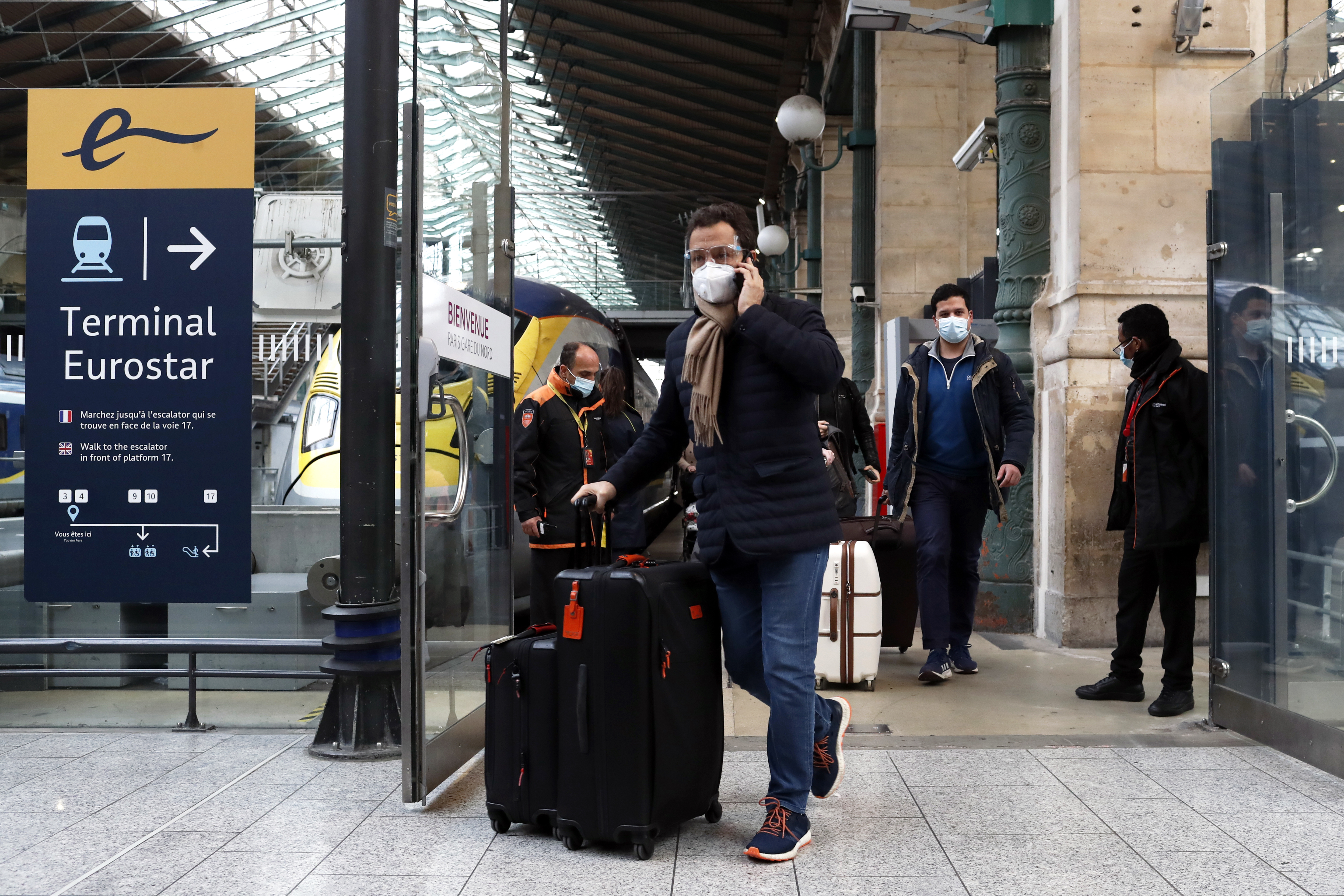
As the world enters the fourth year since the United Kingdom voted to leave the European Union, millions of British and EU nationals alike now face a post-Brexit reality: From different queues at airports to requiring a new passport for their pets and applying for a special settlement scheme. 48 years since the UK joined the EU, it has now separated.
With a last-minute trade deal in place, the biggest fear over Brexit—that of a no-deal, borders-closed scenario—has been averted. Trade between the EU and UK will continue to attract no taxes, however, there will be additional checks in place between the two sides than what exists currently.
To check how the Brexit transition will affect you (or if it will), the UK government has set up a “Brexit checker” which will inform you of what steps you may need to take.
Broadly, here’s what will change from today:
Passport matters
UK citizens wanting to travel to the EU or the Schengen region can still do so without a visa. However, those planning to stay for longer than 90 days in a 180-day period, or to work or study, will need to apply for a visa. UK nationals may no longer take the EU queues at airports.
Of course, due to coronavirus restrictions, travellers from non-EU countries may not visit the region presently.
Travel to Bulgaria, Croatia, Cyprus and Romania will not count in the 180-day period.
Those whose passports are due to expire within six months, however, will have to apply for a new one before entering the EU.
From 2022, UK citizens will need to apply for an EU visa-waiver scheme before travelling there.
Pet passports will also no longer be valid from January 1, 2021. Those wanting to travel with their dogs or cats will need to meet certain conditions including getting an Animal Health Certificate (AHC) confirming the pet is microchipped and vaccinated against rabies.
Likewise, EU, EEA and Swiss citizens can continue travelling to the UK for holidays without a visa, provided they have a valid passport valid for the entirety of their planned stay.
From October 1, 2021, however, EU, EEA will be able to use their EU nationals ids provided they: Have settled or pre-settled status under the EU Settlement Scheme, have an EU Settlement Scheme family permit, have a frontier worker permit, are an S2 Healthcare Visitor, are a Swiss Service Provider. This will be the case until at least 31 December 2025.
EU citizens will largely face the same restrictions as non-EU nationals to immigrate to the UK, having to apply via the points-based system prioritising immigrants with necessary skillsets. EU citizens will also have to pay the standard visa fees: £348 for a student visa if applied from outside the UK (£475 if applied from within).
Trade and tariffs
While the estimated 1,200-page deal still needs to be passed by both the UK and EU parliaments, with traders still struggling to digest the new rules that were agreed just a week before, some changes are known in advance.
A free trade agreement sealed on Christmas Eve after months of tense negotiations ensures that Britain and the 27-nation EU can continue to buy and sell goods without tariffs or quotas. That should help protect the $894 billion in annual trade between the two sides, and the hundreds of thousands of jobs that rely on it.
But companies face sheaves of new costs and paperwork, including customs declarations and border checks.
The English Channel port of Dover and the Eurotunnel passenger and freight route braced for delays as the new measures were introduced, though the coronavirus pandemic and a holiday weekend meant cross-Channel traffic was light, with only a trickle of trucks arriving at French border posts in Calais as 2020 ended.
The vital supply route was snarled for days after France closed its border to UK truckers for 48 hours last week in response to a fast-spreading variant of the virus identified in England.
Northern Ireland will maintain an all-but-invisible border according to the BBC, and will largely follow EU rules—so trucks can enter it without facing inspections. Food products, however, will have to be inspected to ensure they comply with EU standards.
The Gibraltar question
Another last-minute deal, between the UK and Spain, sought to foreclose the risk of a hard border in the island of Gibraltar. With an in-principle agreement reached between both sides, the British overseas territory will be allowed to join the Schengen zone with Spain as its guarantor. For a four-year period, Gibraltar’s airport and port will become the EU’s external border, with the EU’s Frontex border agency responsible for checks.
However, since this is just an agreement, the EU commission will have to approve the proposals.
With inputs from PTI
The post Big Changes on Way with UK Now Out of EU appeared first on The St Kitts Nevis Observer.
US Senator Cruz to Lead Challenge to Biden Win
US Senator Ted Cruz on Saturday said he will spearhead a drive by nearly a dozen Republican senators to challenge President-elect Joe Biden’s victory when Electoral College results are tallied in Congress on Jan. 6 – a largely symbolic move that has little chance in preventing Biden from taking office.
Cruz’s effort is in defiance of Senate Republican leaders, who have argued that the Senate’s role in certifying the election is largely ceremonial and had been looking to avoid an extended debate on the floor about the outcome.
In a statement, Cruz, the US senator from Texas, and the other 10 senators said they intend to vote to reject electors from swing states that have been at the center of President Donald Trump’s unproven assertions of election fraud. They said Congress should immediately appoint a commission to conduct an emergency 10-day audit of election results in those states.
“Once completed, individual states would evaluate the commission’s findings and could convene a special legislative session to certify a change in their vote, if needed,” they said.
The post US Senator Cruz to Lead Challenge to Biden Win appeared first on The St Kitts Nevis Observer.
Rain and storms to batter nearly every state
A tropical low in a trough over the Gulf of Carpentaria is generating heavy rain, storms and strengthening winds for several states today.
Troughs are triggering showers and storms in parts of the Northern Territory, Queensland, NSW, Tasmania and South Australia.
https://twitter.com/BOM_Vic/status/1345463010530381831
There is a severe weather warning out for parts of Victoria after the state was lashed with hail and heavy rain overnight.
A trough over Western Australia is directing gusty winds and a hot air mass towards the west coast.
Here's your state-by-state weather forecast for Sunday, January 3:
New South Wales and ACT
The wet start to the new year is forecast to continue for NSW with showers increasing in the northeast.
Showers, cool-to-mild in the southeast. Showers, very warm in the southwest. Late shower, very warm in northwest.
Sydney will be cloudy with a high chance of showers and thunderstorms later today.
Temperatures are expected to range between 19C and 25C in the city.
Canberra will be cloudy with a very high (near 100 per cent) chance of showers. The chance of a thunderstorm, light winds and a top of 22C are forecast.
Victoria
Showers, cool-to-mild in the southwest. Rain, cool-to-mild in the southeast. Mostly sunny, very warm in the northwest. Showers/storms, warm in the northeast.
Cloudy in Melbourne with a very high chance of showers, becoming less likely late this afternoon and evening. The chance of a thunderstorm and a minimum of 17C and a maximum of 24C.
there is a strong wind warning for the West Coast, Central Coast, Central Gippsland Coast and East Gippsland Coast.
Queensland
Clearing shower, mild-to-warm in the southeast. Showers/storms, very warm in the northeast. Mostly cloudy, very warm in the northwest. Mostly sunny, very warm in the southwest.
Brisbane will be partly cloudy with a minimum of 22C and a maximum of 29C. Medium chance of showers, near the coast in the morning and inland during the afternoon.
https://twitter.com/BOM_Qld/status/1345284857530884097
A flood warning has been issued after heavy rainfall over the last few days has caused localised river and creek rises across upper parts of the Thomson River catchment.
Minor flooding is occurring along the Thomson River between Muttaburra and Bogewong with the latest observation for the Thomson River at Camoola Park was 3.45m and rising on December 31.
The river level at Camoola Park is expected to have peaked around the moderate flood level (4.0 metres) during Friday.
Minor flood levels are expected to be slowly easing today.
South Australia
Mostly cloudy, cool-to-mild in the southeast and central. Clearing shower, cool-to-mild in the west. Mostly cloudy, mild-to-warm in the north.
Adelaide will be partly cloudy with a minimum of 16C and a maximum of 22C. Slight chance of a shower about the hills and southern suburbs, near zero chance elsewhere.
Western Australia
Mostly cloudy, warm-to-very warm in the southwest and south. Windy, hot in the northwest. Mostly sunny, hot in the northeast.
Perth will be mostly sunny with a top temperature of 33C. Conditions could be windy today with gusts to 85km/h in the morning, mainly about the eastern suburbs and hills.
Tasmania
Late shower, warm in the southwest. Mostly cloudy, warm in the southeast. Late shower, cool-to-mild in the northwest. Showers, cool in the northeast.
Hobart will be cloudy with a slight chance of a shower in the far S in the afternoon. Daytime maximum temperatures between 18C and 22C.
Northern Territory
Mostly sunny, very warm in the NW Top End. Showers/storms, mild-to-warm in Arnhem. Late shower, very warm over the interior. Mostly sunny, very warm-to-hot in the south.
Darwin will be partly cloudy with a minimum of 27C and maximum of 34C. Slight chance of a shower, most likely in the late morning and afternoon. The chance of a thunderstorm.
UK hits virus case record for fifth straight day
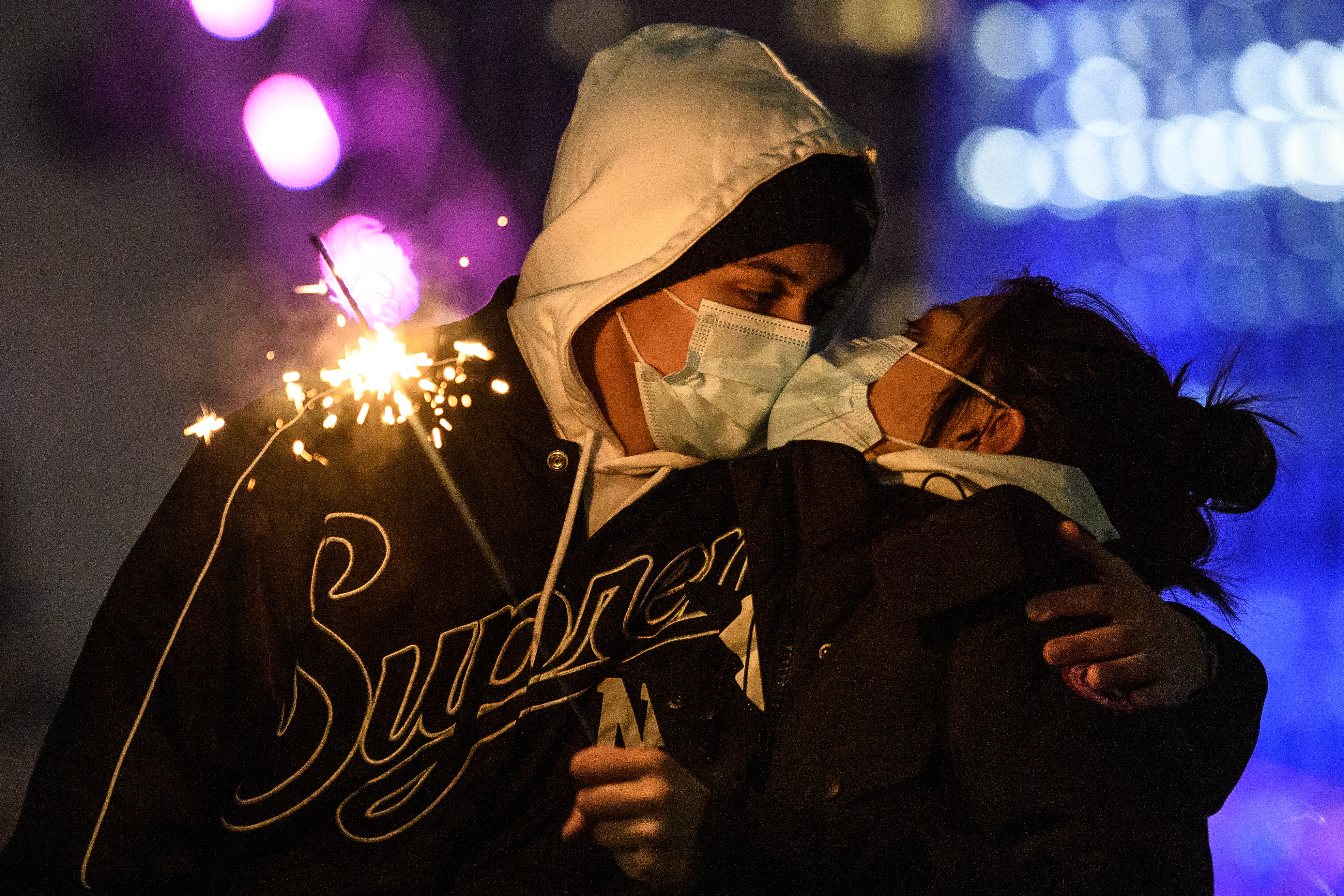
The United Kingdom has registered 57,725 daily coronavirus cases marking the fifth straight day of record daily highs.
Government figures show the UK has recorded five days of cases above 50,000 – nearly double the levels of two weeks ago.
READ MORE: EU kicks off COVID-19 vaccine campaign
Hospitals in Britain have started receiving batches of the coronavirus vaccine developed by Oxford University and AstraZeneca, approved by British regulators this week.
Some 530,000 doses of the vaccine will be available for rollout across the country from Monday.
Nursing home residents and their caretakers, those over 80 and hospital staff are set to receive the first doses.
READ MORE: New Year brings final UK-EU Brexit split
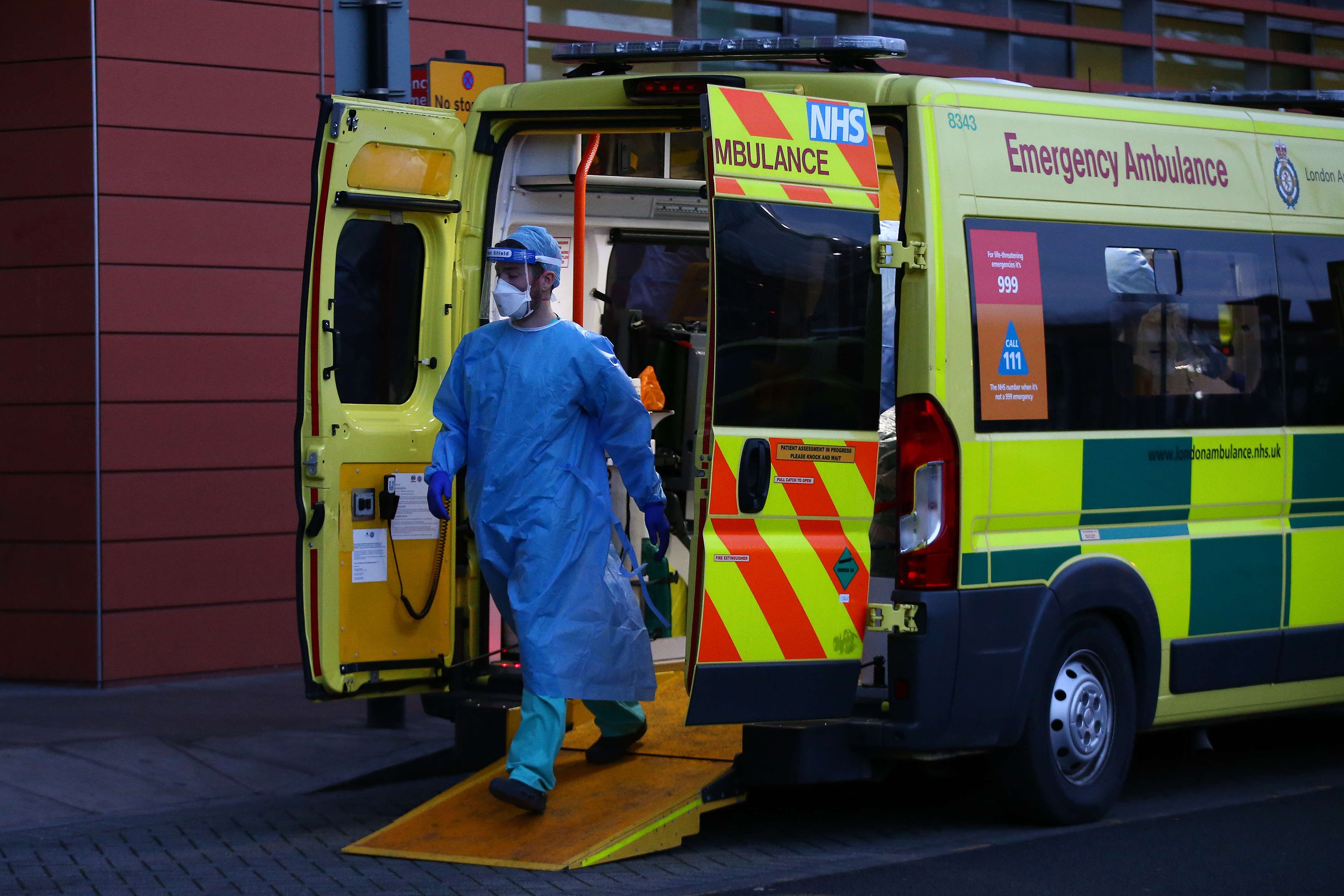
The Princess Royal Hospital in Haywards Heath, part of Brighton and Sussex University Hospitals NHS Trust in southern England, was among the first to get the vaccine.
Doctor George Findlay, the trust’s chief medical officer, said the Oxford-AstraZeneca vaccine is “much easier” to administer than the Pfizer-BioNTech, which needs storage at extremely cold temperatures.
Second doses of both vaccines will occur within 12 weeks rather than the 21 days initially planned, following a change in guidance that aims to increase the number of people who get the first vaccine.
More than a million people in the UK have received their first shot of the Pfizer vaccine.
The government says 445 people have died in the 28 days after testing positive for the coronavirus. That takes the confirmed total to 74,570, the sixth-highest death toll in the world.
School debate comes to a head
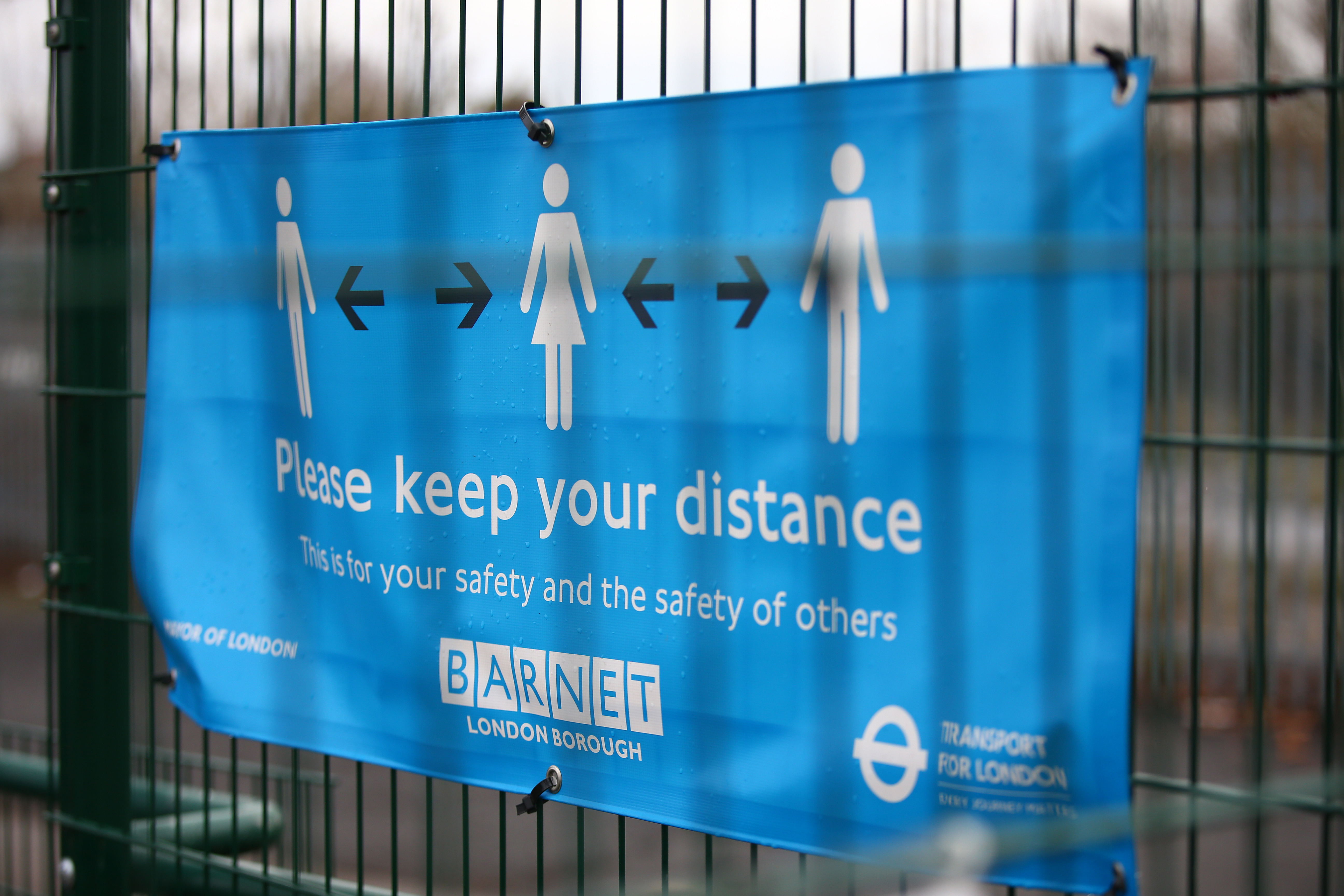
The British government is facing mounting pressure from the teachers' union to keep schools closed in England.
The call from the National Education Union, which represents over 450,000 members working in schools, came after Education Secretary Gavin Williamson changed tack and said all schools for younger pupils in London should remain shut next week as the capital battles with high levels of infections.
Mary Bousted, the union’s joint head, said the decision was “entirely necessary” but slammed the government for originally planning to allow some schools to reopen in areas where new infections were running high.