An early-morning 4.2 earthquake rattled Wellington residents this morning.Geonet reported the quake at 4.57am, with a depth of 26km, 5km west of Upper Hutt.Geonet reported it as moderate and 7623 had said via its website that…
Category Archives: headline
Summer Photo Competition: Week of December 28 – January 3
Send us your best holiday pictures and be in to win top prizes.
Herald morning quiz: January 2
Test your brains with the Herald’s morning quiz. Be sure to check back on nzherald.co.nz at 3pm for the afternoon quiz. To challenge yourself with more quizzes, CLICK HERE.
Improvements planned to improve function of the Federal Office in Nevis
BASSETERRE, St. Kitts -– The Team Unity administration will continue to make the necessary investments that will build on the already strong relationship that now exists between the Federal Government and the Nevis Island Administration (NIA), according to Prime Minister Dr. the Honourable Timothy Harris.
One such measure will be improving the functioning of the Federal Office in Nevis to better serve the people living on the sister island.
“We have advanced the bond between the Federal Government and the Nevis Island Administration, and more importantly the people to people contact between Kittitians and Nevisians is at the highest and best level in history,” said Prime Minister Harris in his 2021 New Year’s Day Address.
“A Federal Office that is courteous, efficient, and effective, will allow more to be done,” said Hon. Harris. “It will allow and enhance access to my office by our citizens and residents on both sides of the channel and relieve Nevisians of the inconvenience of having to travel to Basseterre to consult with their Prime Minister.”
The honourable prime minister pointed to the historic and unprecedented support of the federal government to the NIA, evidenced by the substantial direct budgetary allocation of more than $220 million since 2015.
“Funding for projects on Nevis is now commonplace,” said Prime Minister Harris. “We have given support for law enforcement: a brand new police station and fire hall at Newcastle, and installation of CCTV. We have also provided assistance in the following critical areas: the fight against COVID-19, the construction of technical and vocational spaces at high schools in Nevis, the payment of economic costs for students from Nevis, joint procurement of pharmaceuticals, and for the operation of STEP in Nevis.”
The Federal Government’s support to Nevis over the last five years also includes the construction of the new diagnostic wing at the Alexandra Hospital, the Mundo Track and the new Nevis Treasury Building.
Prime Minister Harris said his Government will continue to do all it can for all citizens and residents, adding that, “From time to time we must remind ourselves that this is one state, one Federal government to serve all the people of the State.”
The post Improvements planned to improve function of the Federal Office in Nevis appeared first on The St Kitts Nevis Observer.
Cuba, Iran Working Together on COVID Vaccine
TEHRAN – The Pasteur Institute of Iran in collaboration with a Cuban company is working on producing a potential vaccine for COVID-19.
The first batch of coronavirus vaccine which will reach Iran will be probably purchased directly from a foreign country, Health Ministry spokesman Kianoush Jahanpour said on Friday.
“Following that, Iran will receive its share of the COVAX vaccines and then the Pasteur Institute of Iran will co-produce a vaccine with a Cuban company, and finally, the domestically-made vaccine will be produced,” he explained, IRNA reported.
He went on to say that the human trial phase of the vaccine has been carried out successfully in Cuba. “The second phase of the human trial is being conducted under the supervision of the Pasteur Institute of Iran in Cuba. Provide that the second phase is successful, the third phase will be implemented in Iran.”
On December 29, 2020, the first coronavirus vaccine made by Iranian researchers, was unveiled and injected into three volunteers.
The production line of the Iranian coronavirus vaccine with a capacity of 1.5 million doses per month will be launched within the next 40 days. By the next six months, vaccine production will reach up to 12 million doses per month.
Hossein Vatanpour, an official with the Ministry of Health, has said 16 Iranian knowledge-based companies are working on all types of vaccine platforms. One company is active in producing DNA-based vaccines, and about three others are working to make mRNA-based vaccines, he added.
Christoph Hamelmann, WHO Representative in Iran, said on December 28, 2020, that sanctions imposed by the United States will have no effect on importing coronavirus vaccines by Iran from the COVAX, a global initiative to ensure rapid and equitable access to COVID-19 vaccines.
“We support and assist Iran in obtaining essential items from the global market, and we did so since the beginning of the pandemic, as we anticipated the provision of medicine to be affected by sanctions,” he added, ILNA reported.
COVAX member states, including Iran, will jointly decide on which brand of vaccine each country to purchase, and the final decision will be announced by the officials, he noted.
The post Cuba, Iran Working Together on COVID Vaccine appeared first on The St Kitts Nevis Observer.
Once a Model, California Struggles to Tame COVID-19
LOS ANGELES (AP) — Ambulances waited hours for openings to offload coronavirus patients. Overflow patients were moved to hospital hallways and gift shops, even a cafeteria. Refrigerated trucks were on standby, ready to store the dead.
For months, California did many of the right things to avoid a catastrophic surge from the pandemic. But by the time Gov. Gavin Newsom said on Dec. 15 that 5,000 body bags were being distributed, it was clear that the nation’s most populous state had entered a new phase of the COVID-19 crisis.
Now infections have been racing out of control for weeks, and California has routinely set new records for infections and deaths. It remains at or near the top of the list of states with the most new cases per capita.
Experts say a variety of factors combined to wipe out the past efforts, which for much of the year held the virus to manageable levels. Cramped housing, travel and Thanksgiving gatherings contributed to the spread, along with the public’s fatigue amid regulations that closed many schools and businesses and encouraged — or required — an isolated lifestyle.
Another factor could be a more contagious variant of the virus detected in Southern California, although it’s not clear yet how widespread that may be.
California’s woes have helped fuel the year-end U.S. infection spike and added urgency to the attempts to beat back the scourge that has killed more than 340,000 Americans. Even with vaccines becoming available, cases are almost certain to continue growing, and yet another surge is expected in the weeks after Christmas and New Year’s.
The southern half of the state has seen the worst effects, from the agricultural San Joaquin Valley to the Mexico border. Hospitals are swamped with patients, and intensive care units have no more beds for COVID-19 patients. Makeshift wards are being set up in tents, arenas, classrooms and conference rooms.
Hospitalizations statewide have gone up more than eightfold in two months and nearly tenfold in Los Angeles County. On Thursday, the total number of California deaths surpassed 25,000, joining only New York and Texas at that milestone.
“Most heartbreaking is that if we had done a better job of reducing transmission of the virus, many of these deaths would not have happened,” said Barbara Ferrer, the county’s public health director, who has pleaded with people not to get together and worsen the spread.
Crowded houses and apartments are often cited as a source of spread, particularly in Los Angeles, which has some of the densest neighborhoods in the U.S. Households in and around LA often have several generations — or multiple families — living under one roof. Those tend to be lower-income areas where residents work essential jobs that can expose them to the virus at work or while commuting.
The socioeconomic situation in LA County is “like the kindling,” said Paula Cannon, a professor of microbiology and immunology at the University of Southern California. “And now we got to the stage where there was enough COVID out in the community that it lit the fire.”
Home to a quarter of the state’s 40 million residents, LA County has had 40% of the state’s deaths and a third of its 2.2 million cases. The virus has hit Latino and Black communities harder.
Full Coverage: Coronavirus pandemic
Cannon said there’s a moral imperative for people who can follow stay-home orders to help prevent spread that is harder to contain in other areas.
“What you can’t do is say to people, ‘Can you stop living in a house with eight other people, five of whom are working essential worker jobs?’” she said. “This is the structure that we can’t change in LA. This is, I think, contributing to why our levels have suddenly got scarily high and looks like they’re going to keep going up and keep staying that way.”
In March, during the early days of the pandemic, Newsom was hailed for issuing the nation’s first state stay-home order.
The Democrat eased business restrictions in May, and when a broader restart led to another surge, imposed more rules. In early December, with cases out of control, he issued a looser stay-home order. He also closed businesses such as barbershops and salons, halted restaurant dining and limited capacity in retail stores. The latest restrictions apply everywhere except in rural Northern California.
But Dr. Lee Riley, an infectious diseases professor at the University of California at Berkeley, said that while the state managed to flatten the curve of rising cases, it never effectively bent the curve downward to the point infections would die out.
When cases rose in June and July, California was never able to do enough contact tracing to isolate infected people and those they may have exposed before they spread the disease — often unwittingly — to others, he said. And public health directives were never adequately enforced.
“What California did was to maybe delay the peak,” Riley said. Infections “really just never got low enough. And we started lifting the restrictions, and that just allowed the transmissions to just continue to increase. We never really saw a real decline.”
California’s health secretary, Dr. Mark Ghaly, said if state and local leaders had not made difficult decisions early on that saved lives, the current surge might not be the worst the state has seen.
He acknowledged the exhaustion many people feel after enduring months of disruptions to their lives. Public health officials, he said, need to find a way to reach people who have given up or not followed rules on social distancing and masks.
Across California, local officials have reminded people that the fate of the virus lies in their behavior and asked for one more round of shared sacrifice. They reminded people that activities that were safe earlier this year are now risky as the virus becomes more widespread.
“You can practice safety and low-risk behavior from March to October. But all that is erased. Nothing matters except what you are doing to fight the virus right now,” said Corinne McDaniels-Davidson, director of the Institute for Public Health at San Diego State University. “This pandemic is an ultra-marathon. In our culture, we are used to sprints.”
___
Associated Press Writer Jeffrey Collins in Columbia, South Carolina, contributed to this report.
The post Once a Model, California Struggles to Tame COVID-19 appeared first on The St Kitts Nevis Observer.
Iraq explosives experts working to defuse mine on oil tanker
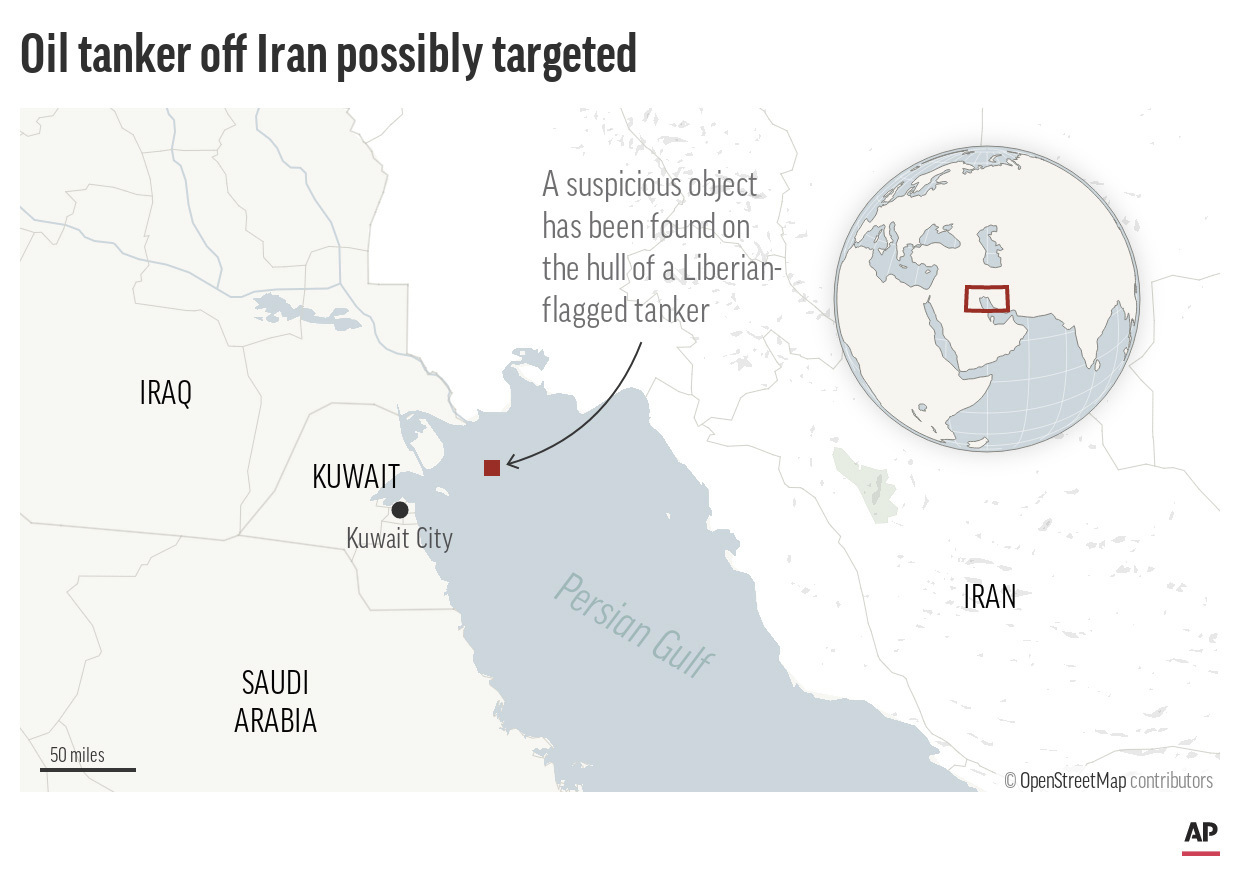
Iraqi explosives experts were working to defuse a large mine discovered on an oil tanker in the Persian Gulf and evacuate its crew, authorities said Friday.
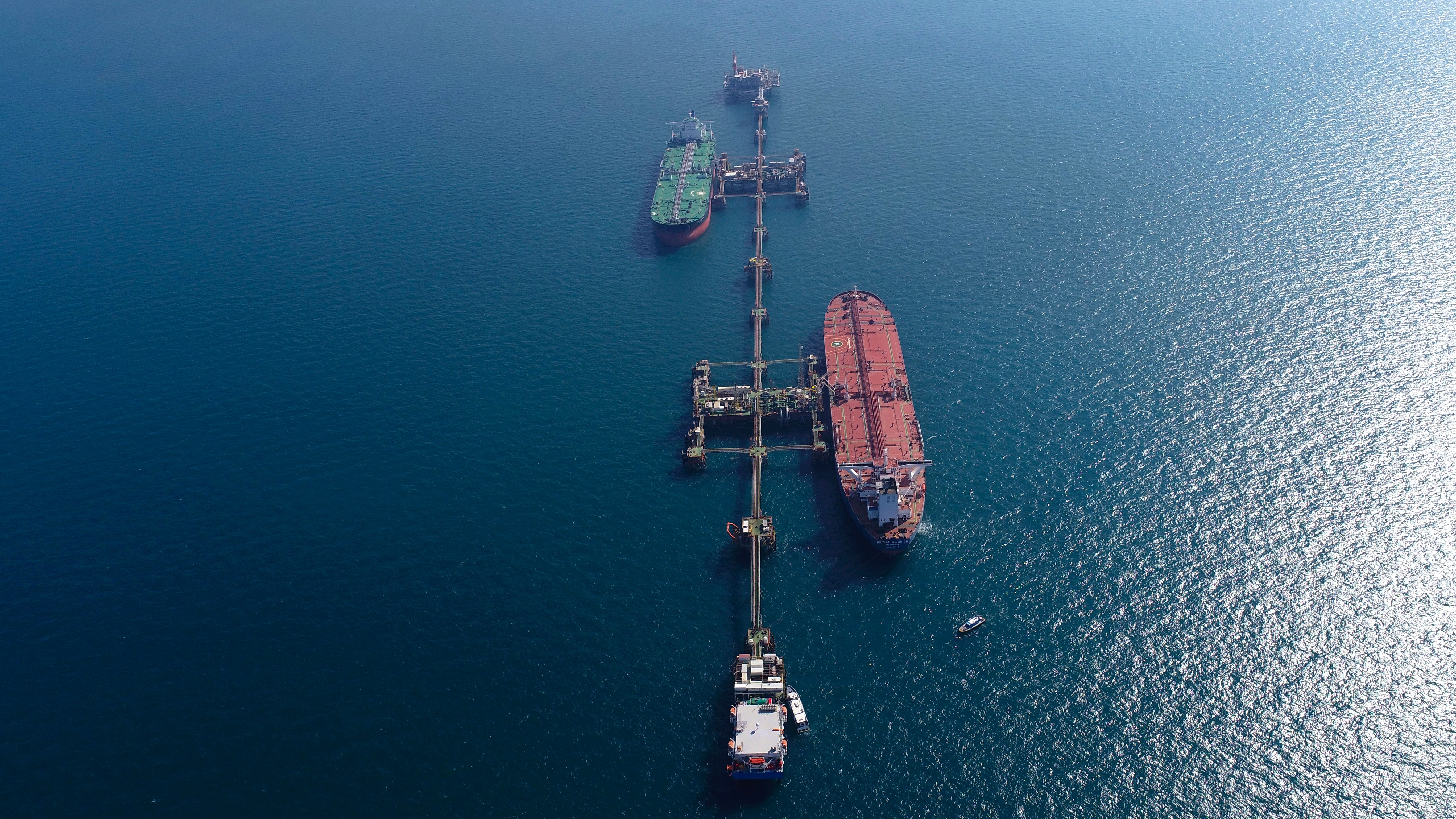
The statement came a day after two private security firms said sailors feared they had found a limpet mine on the MT Pola, a Liberian-flagged tanker in the waters off the Iraqi port of Basra. A limpet mine is a type of naval mine that attaches to the side of a ship, usually by a diver-member of special forces. It later explodes, and can significantly damage a vessel.
The Iraqi statement said the mine had been attached to a tanker rented from Iraq's Oil Marketing Company SOMO that was refuelling another vessel. Iraq's naval forces were making "a great effort to accomplish the mission" safely, said Iraq's Security Media Cell, which is affiliated with the country's security forces.
READ MORE: Rockets fired at US embassy in Baghdad
It was the first official Iraqi confirmation that a mine was discovered on an Iraqi tanker transferring fuel in the Persian Gulf to another vessel. It did not identify either vessels or provide more details.
The discovery came amid heightened tensions between Iran and the U.S. in the waning days of President Donald Trump's administration.
Already, America has conducted B-52 bomber flyovers and sent a nuclear submarine into the Persian Gulf over what Trump officials describe as the possibility of an Iranian attack on the one-year anniversary of the US drones strike in Baghdad that killed a top Iranian general and a top Iraqi militia leader.
Iraq is marking the anniversary with a series of events this week.
On Thursday, the United Kingdom Marine Trade Operations, an organisation under Britain's royal navy, said on its website that an "unknown object" had been attached to a ship's hull in the vicinity of Iraq's Khor Al-Zubair Port, without providing further information.
READ MORE: Crushing heatwave setting records in the Middle East
The Pola serves as floating fuel oil storage of Iraq's State Organisation of Marketing of Oil, said Sudharsan Sarathy, a senior oil analyst at the data-analysis firm Refinitiv. Smaller vessels carry the fuel oil to the ship, which then conducts ship-to-ship transfers in the Persian Gulf to clients.
Sarathy said the Pola was conducting a ship-to-ship transfer with the MT Nordic Freedom, a Bermuda-flagged tanker.
Friday's statement said an explosives-handling team from Iraq's Interior Ministry was airlifted to the scene after a "foreign body" was observed attached to one of the ships in the waiting area in Iraq's international waters, 28 nautical miles from Iraqi oil ports.
Despite high waves, the vessel receiving the fuel was evacuated while the Iraqi team was still working on neutralising the mine and evacuating the refuelling ship, it said.
In 2019, the US blamed Iran for a series of limpet mine attacks on oil tankers near the Strait of Hormuz, the narrow mouth of the Persian Gulf through which 20 per cent of all the world's oil passes. Iran denies being involved.
Federation extends duty-free concessions to January 31, 2021
BASSETERRE, St. Kitts — Understanding the challenges being faced by international shipping agencies as a result of the ongoing COVID-19 pandemic, and its subsequent impact on the timely importation of goods into the Federation, the Government of St. Kitts and Nevis has taken the decision to extend its duty free concession on goods to January 31, 2021.
“My Government has been attentive to the concerns from various local couriers, shipping agents and their customers, as it relates to the delivery of goods by suppliers in the United States to their facilities in Miami” said Prime Minister Dr. Timothy Harris in his 2021 New Year’s Day Address to the nation. “The said goods should have arrived in the Federation in December, 2020. However, due to backlogs in Miami, these goods did not arrive by the December 31, 2020 deadline. Accordingly, our citizens and residents could not benefit from the usual US$200.00 concessionary allowance on their imports. In light of this, it is agreed that to facilitate non-commercial entities importing goods, the allowances will be extended to January 31, 2021.”
This means that gift packages of foodstuff up to 400 pounds in weight are allowed free of duty and taxes, and non-commercial imports are granted duty-free allowance of EC$540 or US$200 off the Cost, Insurance and Freight (CIF) value of goods.
Mindful of the economic impact of the pandemic locally, the Team Unity Government has also introduced new measures designed to ease the burden on business entities.
“We will extend the due date for the payment of Businesses and Occupation Licenses for all Businesses from January 31, 2021, until March 31, 2021,” said Dr. Harris. “The Inland Revenue Department will work with affected businesses to help them stay current with their existing tax liabilities by allowing them to enter low-interest payment plans to ease their cash flow situations. Taxi and tour operators unable to pay their Businesses and Occupation Licenses for 2020 and 2021 will be allowed to license their vehicles provided that they enter into a payment plan for the settlement of any outstanding Businesses and Occupation Licenses.”
In his 2021 Budget Address, Dr. Harris announced the extension of nine of the measures in the Government’s $120-million stimulus package.
Some of the stimulus measures that were extended to June 2021 are: The removal of VAT and Import Duty on hygiene items; the removal of Import Duty and Customs Service Charges on vegetables, fruits, fruit juices, cough and cold preparations and vitamins; waiver of payments for the consumption of water for individuals who have been laid off or have experienced a reduction in earnings as a consequence of COVID-19; 24 percent reduction of the Corporate Income Tax rate from 33 percent to 25 percent for businesses that retain at least 75 percent of their employees and the reduction of the unincorporated business tax rate by 50 percent.
The post Federation extends duty-free concessions to January 31, 2021 appeared first on The St Kitts Nevis Observer.
Thousands race to beat border lockout
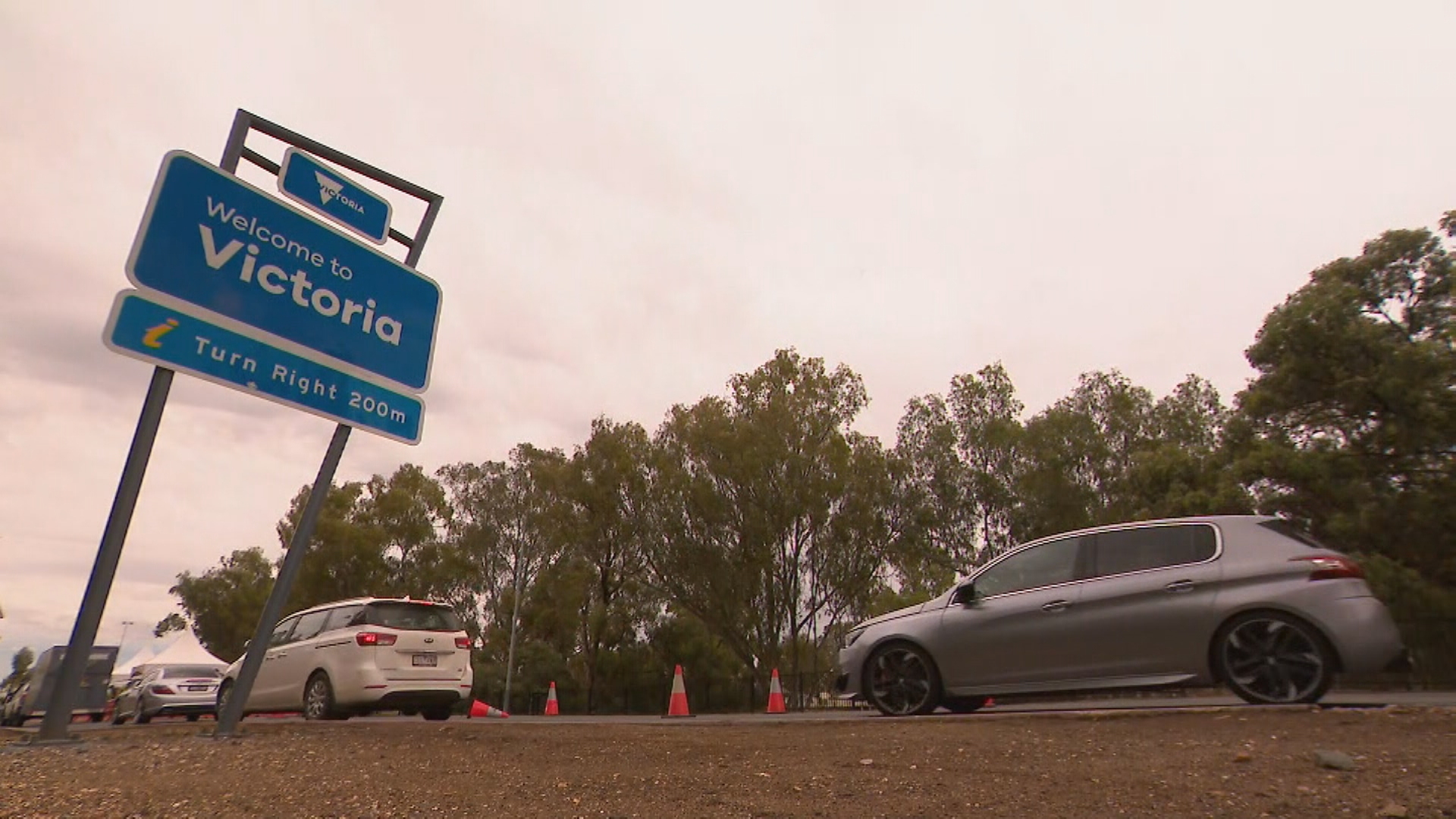
Thousands of Victorians sat in long queues overnight in a race to cross the NSW border before it closed.
The border shut at midnight as Victoria moves to protect its residents from growing COVID-19 cases across Sydney.
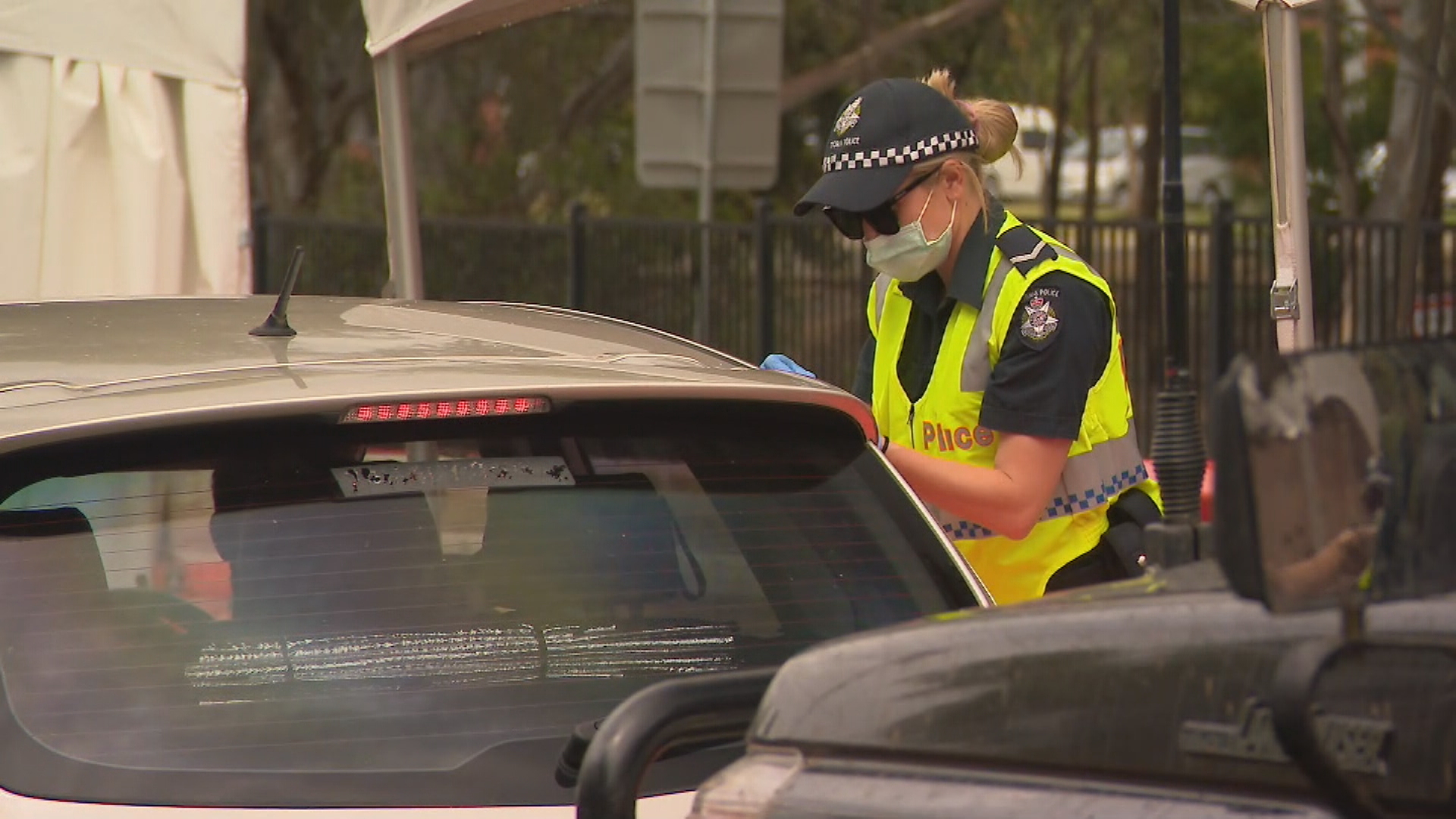
Queues were reportedly dozens of kilometres long at every checkpoint between the states as police worked through documentation to assess whether the returning Victorian residents had been in a NSW COVID-19 "red zone".
READ MORE: Pressure mounts on NSW premier to enforce Sydney lockdown
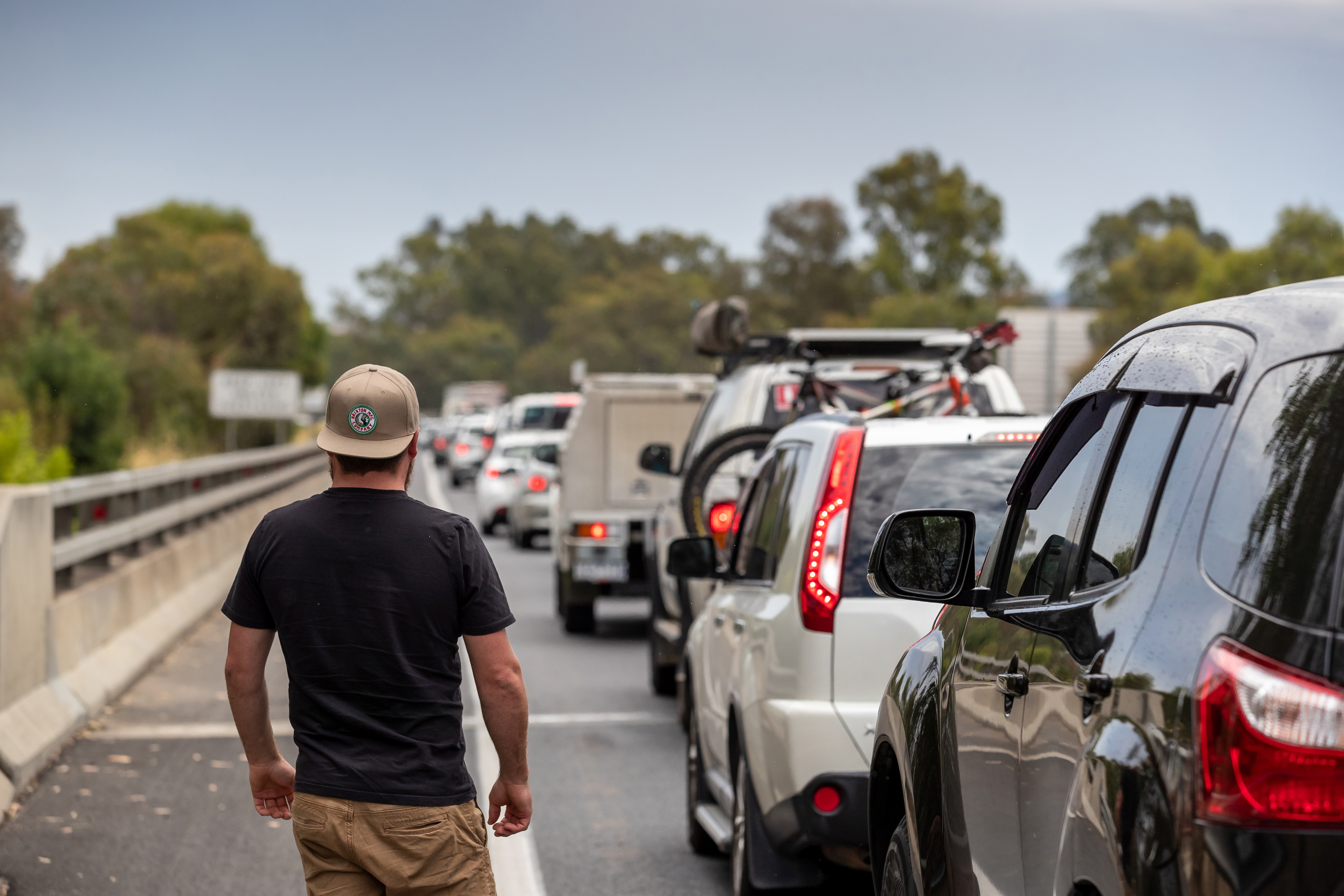
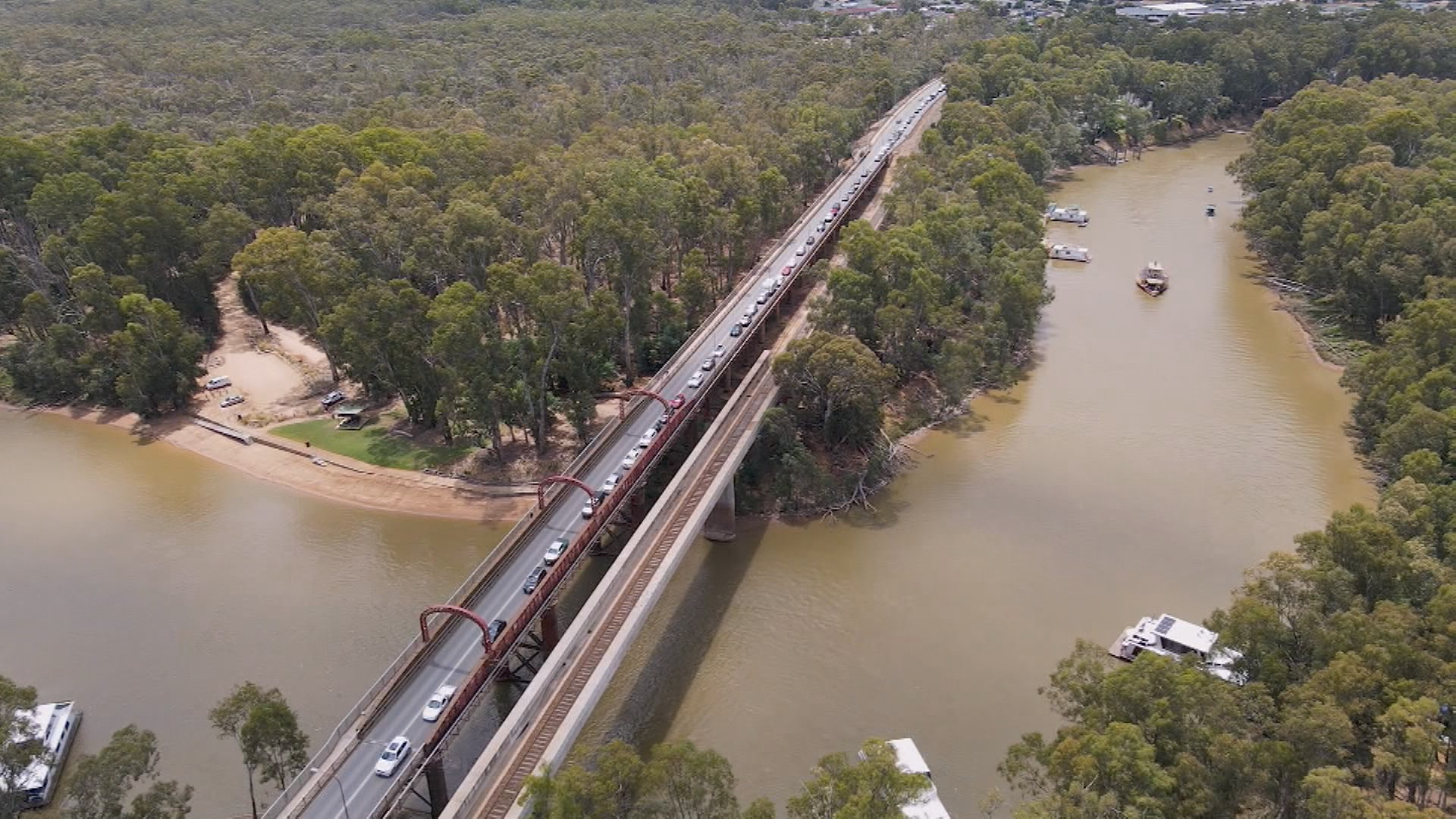
Despite the long queues, Victorian officials said anyone who was in the queue by 11.59pm would have a chance to cross – but the same will not apply to those wishing to do so from today.
"Anybody who is in a queue at the border at 11.59pm will be allowed to go through," Victoria's Testing Commander Jeroen Weimar said.
"But that does not extend to people wandering through at eight o'clock tomorrow morning."
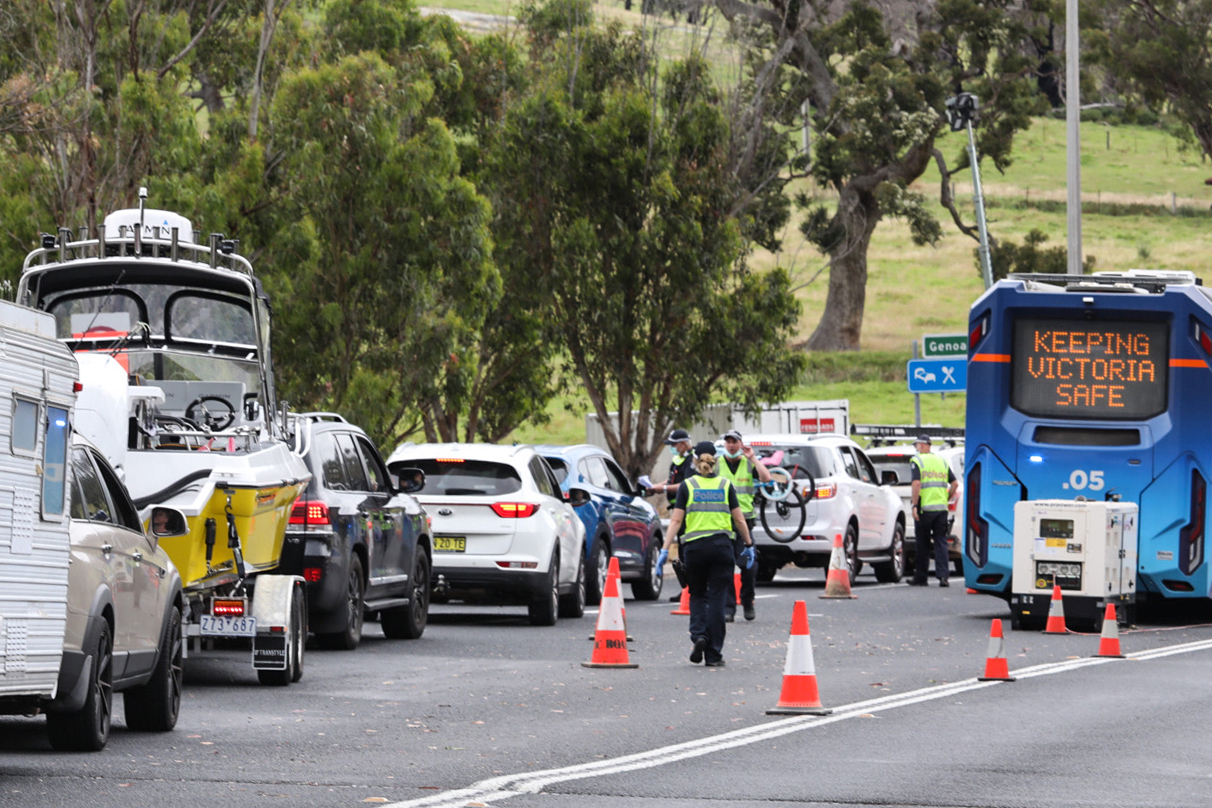
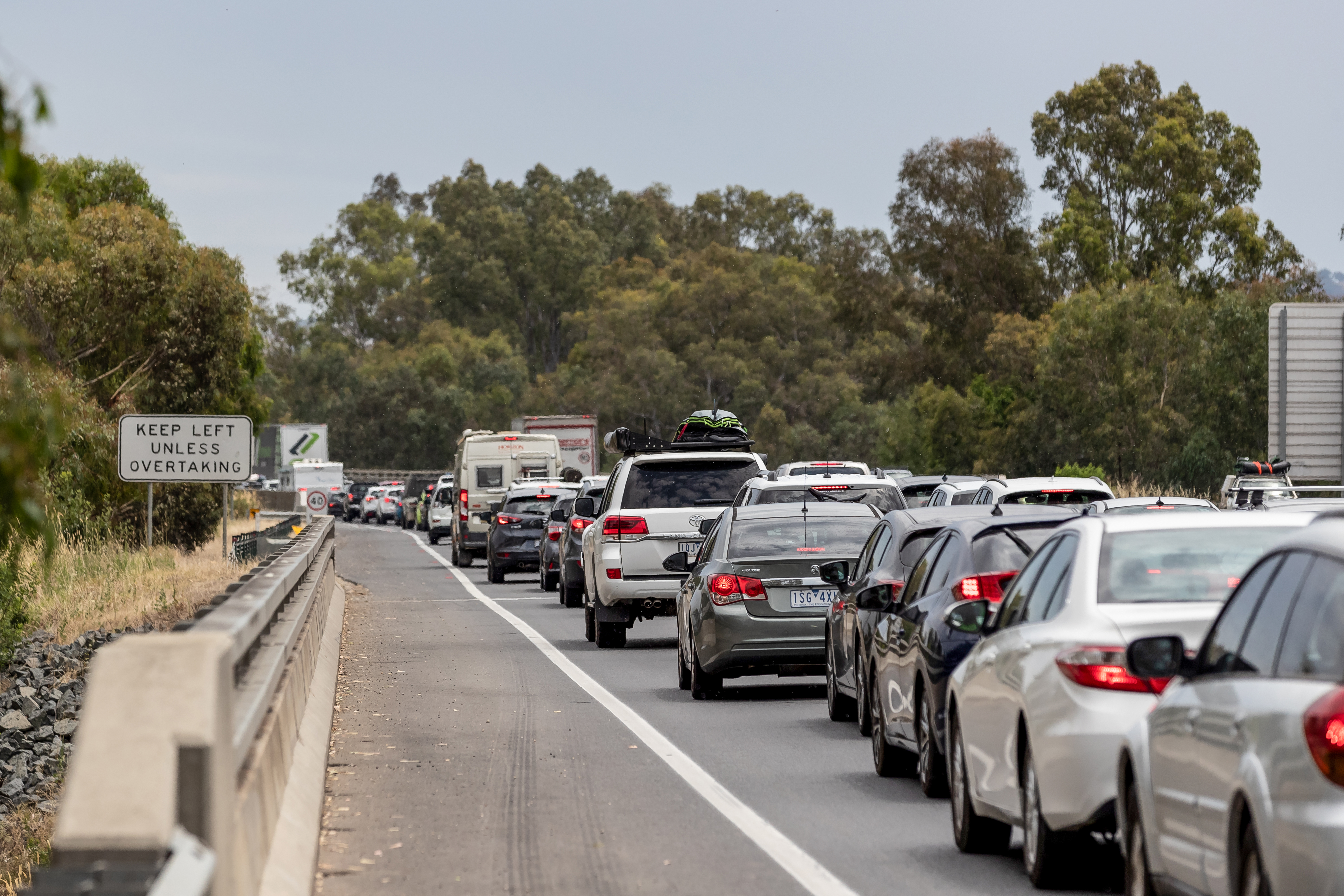
One couple chose to drive through the night from Port Macquarie in NSW to return to their home in Melbourne, more than 1200km away.
Another fled Newcastle to make the border crossing before the closure, with delays reported to be five hours in some places.
"It's been a bit of a stress trying to get across the border but hopefully we can avoid going into quarantine," the man said, when stopped at the checkpoint near Albury-Wodonga.
At the border town of Mulwala, traffic jams on New Year's Eve stretched back more than 3km as drivers waited to cross into Yarrawonga.
Residents returning to Victoria will still have to undergo a COVID-19 test on arrival and quarantine at their home for 14 days.
READ MORE: Australia's domestic border restrictions explained: State-by-state breakdown
It comes after five new local cases of COVID-19, with none of the infections acquired interstate.
Eight new cases were reported on Friday, which include three international cases that are in hotel quarantine.
Western Australia has also brought back its hard border with Victoria.
People travelling from Victoria will no longer be able to enter the state unless they have an exemption.
Travellers asked about the abrupt closure described it as "shattering".
"Devastated. Yeah, very, very upset. Going to a hotel for 24 hours and we're on the first flight back to Melbourne. Shame," one told 9News.
"After the year that we've had in Victoria, to then get told this is, yeah, just shattering."
Western Australia's border is currently closed to New South Wales, except for those who have exemptions.
In Queensland, similar scenes are playing out at borders as a fifth checkpoint is due to open to ease traffic congestion.
There is now speculation Queensland may tighten its border restrictions with NSW in the coming days as the state attempts to remain COVID-free.
The additional checkpoint, at Numinbah on the Gold Coast, will operate between the hours of 8am and 4pm only unlike the four others which are 24 hours.
Police in Queensland say they have turned away 374 cars and more than 800 people from suspected COVID-19 hotspots in NSW since the hard border closure came into place on December 18.
A border closure is now in place in South Australia, banning anyone from NSW unless they have an exemption.
UK in 'eye of the storm' amid surging new coronavirus cases
British medics warned Friday that hospitals around the country face a perilous few weeks amid surging new coronavirus infections that have been blamed on a new variant of the virus.
A day after the UK posted a record 55,892 new infections and another 964 coronavirus-related deaths, concerns are mounting about the impact on the overstretched National Health Service. Field hospitals that were constructed in the early days of the pandemic but that were subsequently mothballed are being reactivated.
The Royal College of Nursing's England director, Mike Adams, told Sky News that the UK was in the "eye of the storm" and that it was "infuriating" to see people not following the social distancing guidance or wearing masks.
READ MORE: NSW couple flee officers at Melbourne Airport
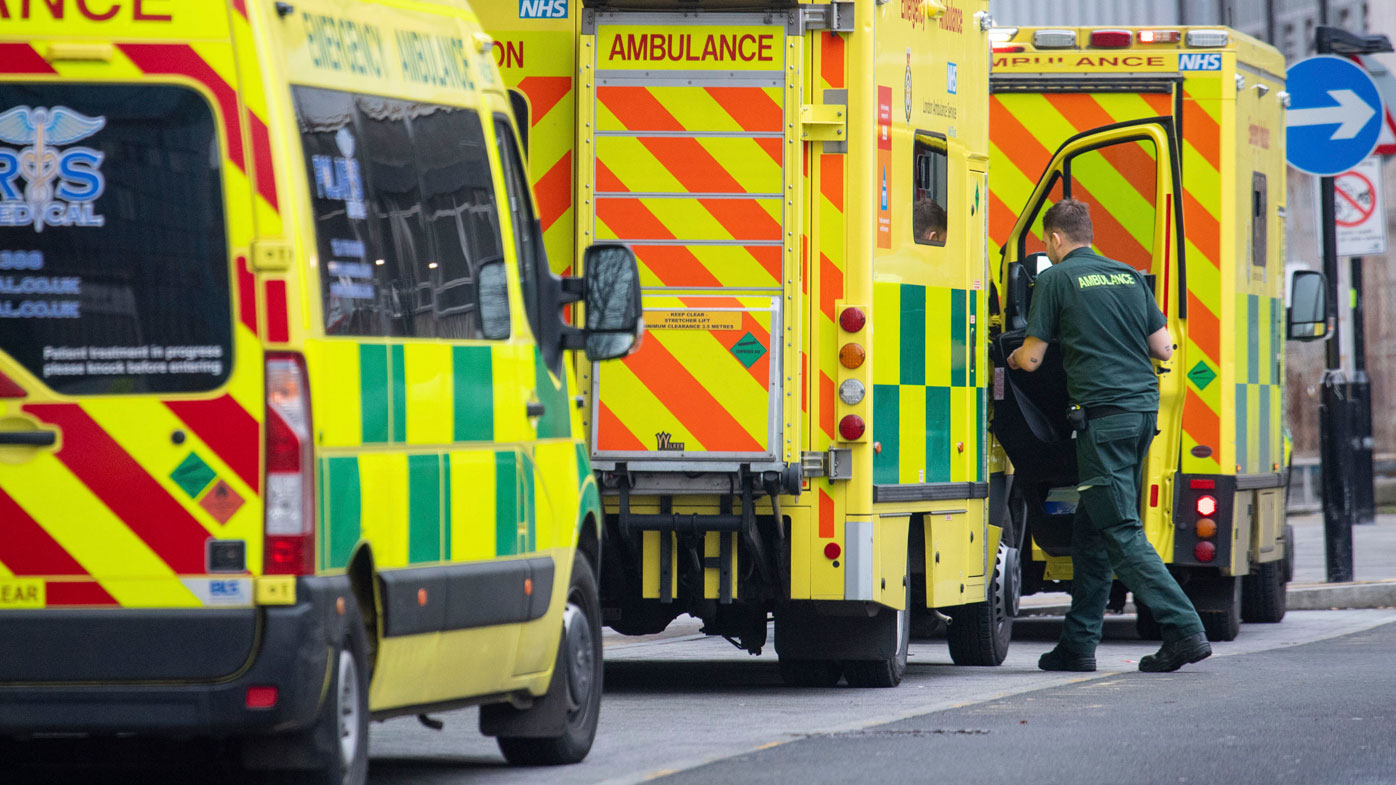
A leading physician also warned of burnout among health workers on the front line of the outbreak in hospitals, while also urging people to follow the rules.
"I am worried," Adrian Boyle, vice president of the Royal College of Emergency Medicine, told the BBC. "We are very much at battle stations."
New infections have more than doubled in recent weeks after a new variant that is said to be around 70 per cent more contagious was found to be behind a big spike in cases around London and the southeast of England.
Given the lags between new cases and hospitalisations and subsequently deaths, there are huge concerns about the path of the pandemic over the coming month or two in a country that has Europe's second-highest virus-related death toll at nearly 74,000.
As a result of the spike, which has spread around the country and seen lockdown restrictions tightened, the strategy around the rollout of vaccines has been changed to get more people an initial jab as soon as possible, with a scheduled second one delayed.
READ MORE: UK approves COVID-19 'vaccine for the world'
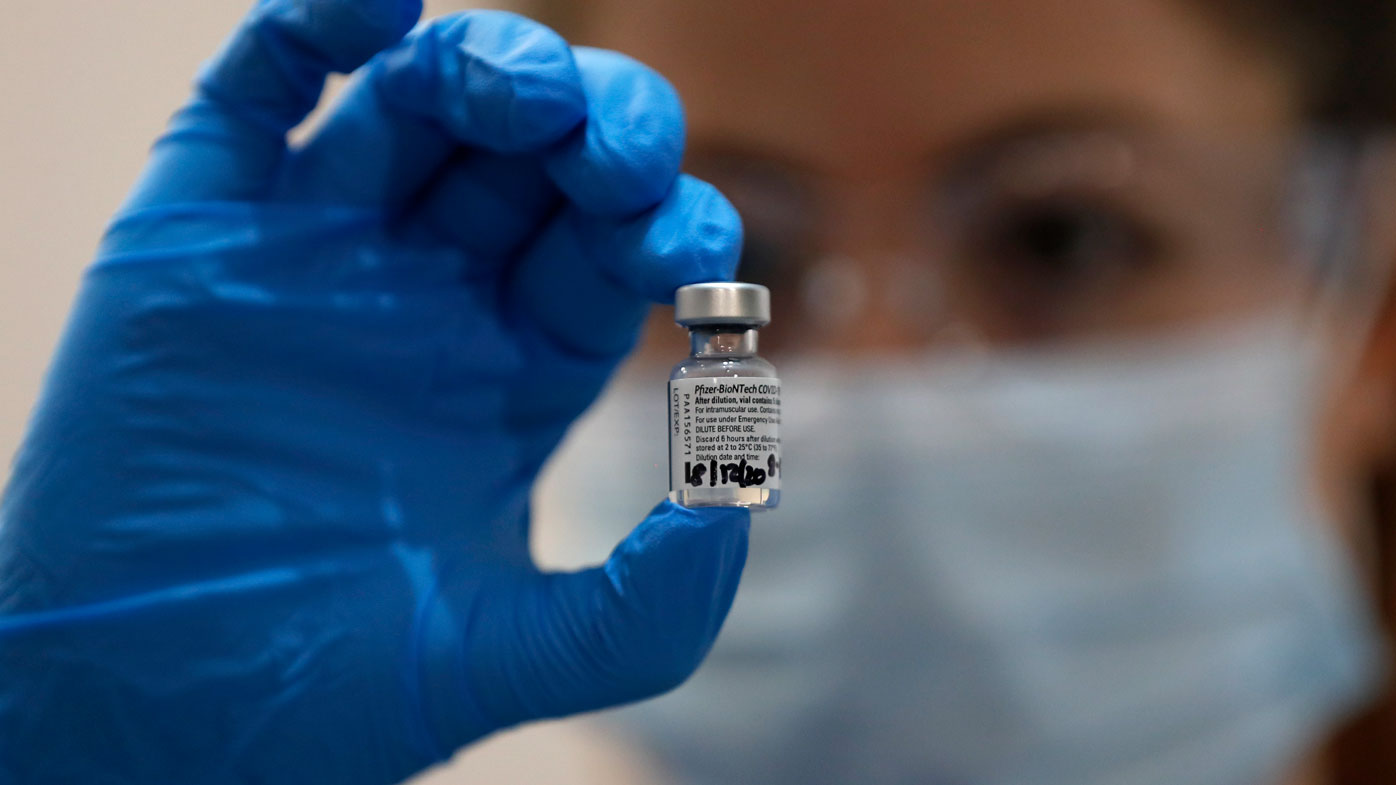
In a joint statement Thursday, the chief medical officers for England, Scotland, Wales and Northern Ireland, said the first vaccine dose offers "substantial" protection.
Currently, two vaccines have been approved for use in the UK.
Just under 1 million people have received the first dose of the vaccine developed by American pharmaceutical firm Pfizer and German biotechnology company BioNTech, with a small minority also getting the second dose as planned after 21 days.
Alongside the approval earlier this week of the vaccine developed by the University of Oxford and British pharmaceutical firm AstraZeneca, a new dosing regimen was outlined, aimed at providing a speedier rollout. This means the second dose of both vaccines will be within 12 weeks of the first.
The four medical officers said they were "confident" the first dose of both vaccines would provide "substantial" protection.
"In the short term, the additional increase of vaccine efficacy from the second dose is likely to be modest; the great majority of the initial protection from clinical disease is after the first dose of vaccine," they said.
The new plan has faced widespread criticism, with the UK's main union for doctors warning that delaying the second dose causes huge problems for thousands of partially vaccinated elderly and vulnerable people.
"It is grossly and patently unfair to tens of thousands of our most at-risk patients to now try to reschedule their appointments," said Richard Vautrey from the British Medical Association.