Tag Archives: caribbean

Woman Slapped with Money Laundering and Larceny Charges

A female in St. Kitts and Nevis has been accused of two money-related offences that occurred in 2020 and 2019.

Thirty-three-year-old Latoya Rawlins of Buckley’s Estate was arrested and charged by the Police on two warrants, in the first instance, for the offence of Money Laundering (by possession of money that is the proceeds of an offence) and on two warrants, in the first instance, for the offence of Larceny by Servant.

The offences were committed between January 2019 and August 2020 in Basseterre. Rawlins is accused of stealing a total of just over E.C. $390,000 from her previous place of employment during that period.

She was charged on May 13, and released on bail on May 14, in the sum of $200,000 with two sureties.

The post Woman Slapped with Money Laundering and Larceny Charges appeared first on The St Kitts Nevis Observer.
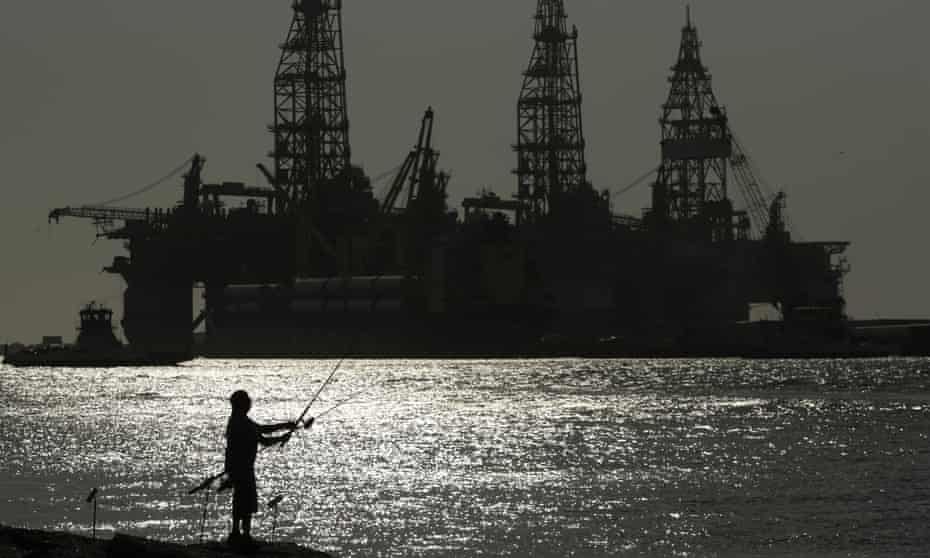
Brazil: First COVID, Now Floods Ravage the Amazon Region

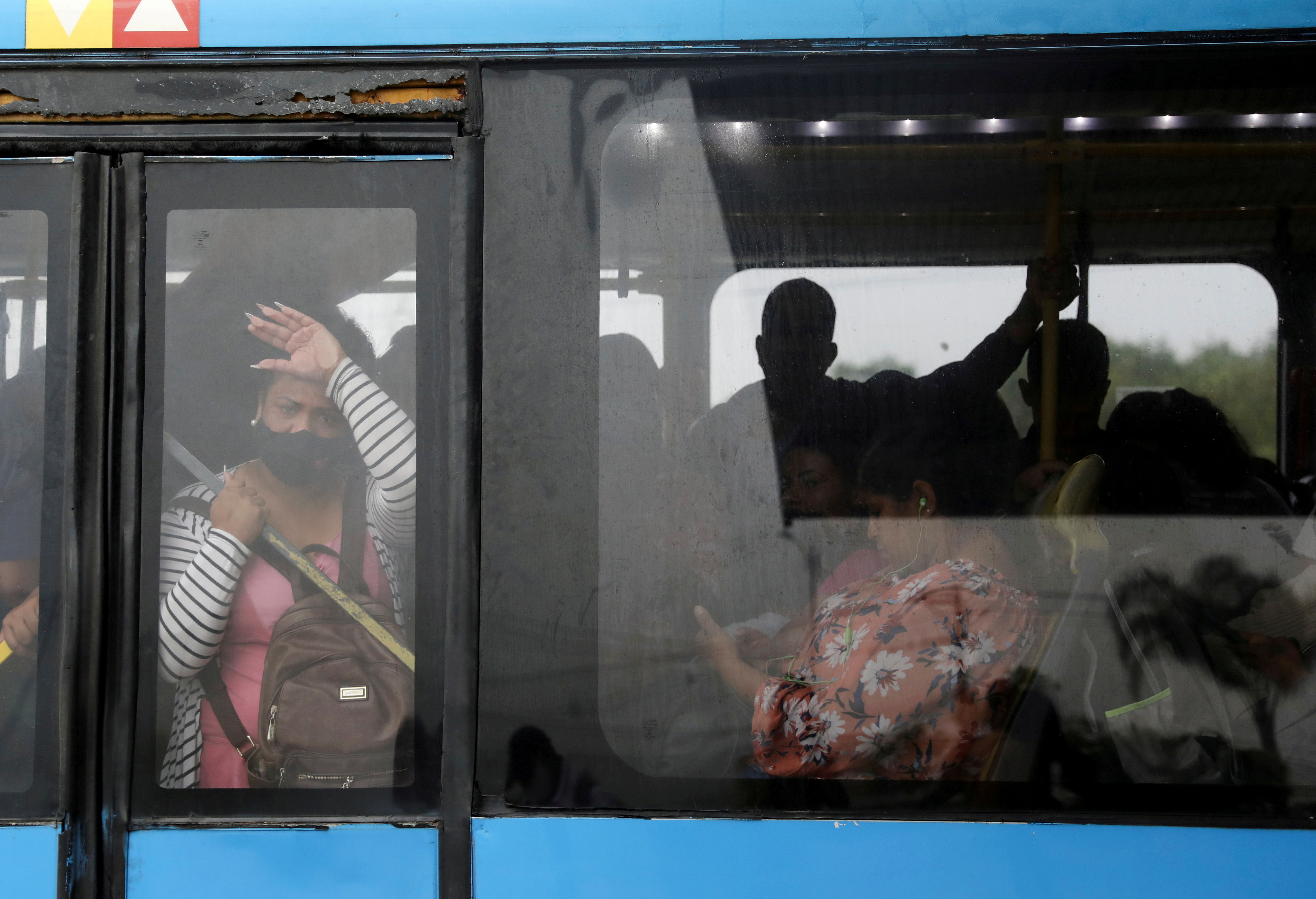
Rivers in the Brazilian Amazon region have risen to near record levels after heavy rains, flooding small towns and threatening areas hit hard by Covid-19 with another disaster.

In Amazonas state, 52 of the 62 towns and cities have areas under water, and 25 have declared a state of emergency including the capital, Manaus. About 410,000 people have been affected, according to the civil defence service.

In Manaus, the Negro river is at its third-highest level since records began in 1920, at 29.72m (97ft). Brazil’s geological service expects the waters to reach 30.35m, exceeding the record flooding seen in 2012.

Raised wooden walkways for pedestrians have been erected in parts of the city centre, and local officials say they will set up barricades with sand bags to try to contain the waters. The houses of 4,200 people have been flooded across the capital.

1px transparent line
People walk over wooden walkways installed by the city hall over a street flooded by waters from the Negro riverimage copyrightBruno Kelly/Reuters
1px transparent line
A man carries a box with oranges as he walks over wooden walkways installed by the city hall over a street flooded by waters from the Negro river in Manausimage copyrightBruno Kelly/Reuters
1px transparent line
An aerial view of a street flooded by water from the Negro river, where people walk over wooden walkways installed by the city hall in Manausimage copyrightBruno Kelly/Reuters
1px transparent line

The increased precipitation in the region is linked to La Niña, a phenomenon where cooler-than-normal surface temperatures in the Pacific Ocean lead to significant weather changes in different parts of the world.

The town of Anamã, with a population of 12,700, has been totally flooded by the Solimões river. Boats and canoes have become the only way to get around the so-called “Venice of Amazonas”.

1px transparent line
An aerial view of the town of Anama, flooded by water from the Solimoes riverimage copyrightBruno Kelly/Reuters
1px transparent line
People pass on their boats through a street flooded by the rising Solimoes riverimage copyrightBruno Kelly/Reuters
1px transparent line
People are seen on a street flooded by the rising Solimoes riverimage copyrightBruno Kelly/Reuters
1px transparent line

Like most residents, Manoel de Oliveira Cardoso and his wife, Eliana dos Santos Madi, have built wooden structures so they can walk around the flooded rooms of their house.

“Look at the state of my house, half flooded, I’ve got nowhere to keep my things,” he told Reuters news agency. “I’m struggling to see if I can salvage at least half of my things.”

1px transparent line
Manoel de Oliveira Cardoso and his wife Eliana dos Santos Madi clean up their flooded house by the rising Solimoes riverimage copyrightBruno Kelly/Reuters
1px transparent line

As Anamã experiences inundations almost every year, some of the houses have a second level where people move their belongings in case of severe flooding. Others are built on wooden poles to keep them above the river level, known locally as palafitas.

1px transparent line
Residents take their belongings on a boat in a street flooded by the rising Solimoes riverimage copyrightBruno Kelly/Reuters
1px transparent line
A man prepares his canoe next to his dog on a street flooded by the rising Solimoes riverimage copyrightBruno Kelly/Reuters
1px transparent line
Residents play volleyball in a street flooded by the rising Solimoes riverimage copyrightBruno Kelly/Reuters
1px transparent line

The Solimões and Negro rivers are the main branches of the Amazon river, which has flooded the towns of Parintins and Itacoatiara. In Manacapuru, crops were destroyed.

Meanwhile, cases and deaths related to Covid-19 were rising again in the state amid a slow rollout of vaccines and lack of co-ordinated measures to curb the spread of the virus, according to the Fiocruz Amazonas institute.

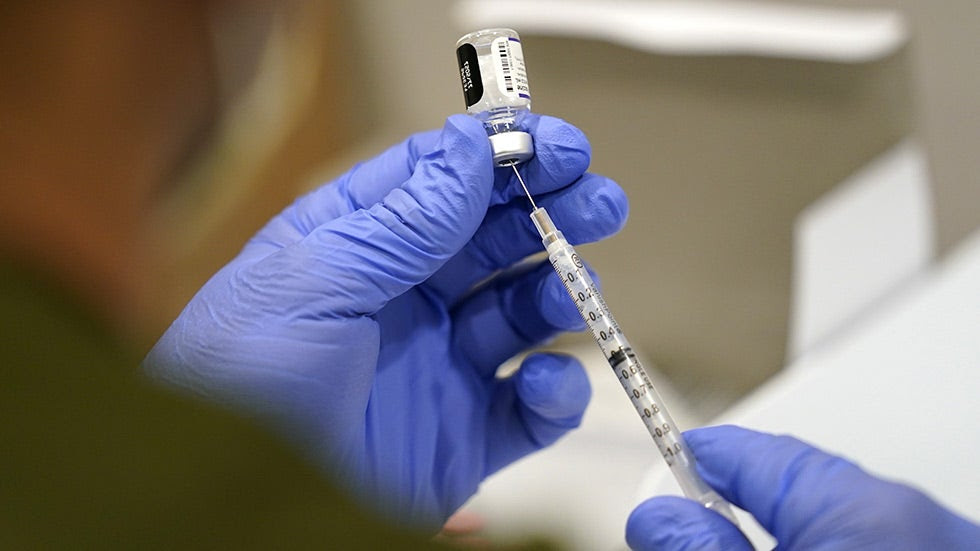
By boat, Neuda Sousa, a local health worker, carried a box of Oxford-AstraZeneca jabs to vaccinate residents in flooded areas.

1px transparent line
Municipal health worker Neuda Sousa is seen in a boat with a box of the Oxford/AstraZeneca vaccine against the coronavirus disease on a street a flooded by the rising Solimoes riverimage copyrightBruno Kelly/Reuters
1px transparent line
Marair Queiroz receives the Oxford/AstraZeneca vaccine against the coronavirus diseaseimage copyrightBruno Kelly/Reuters
1px transparent line

Manaus and nearby areas reported the first cases of a highly contagious variant of Covid-19 that has spread throughout Brazil, one of the countries hardest hit by the pandemic. Earlier this year, the city’s health system collapsed, with hospitals running out of oxygen amid a steep rise in infections.

There are now fears Amazonas state could face a devastating third wave.

All pictures from Reuters and subject to copyright.

The post Brazil: First COVID, Now Floods Ravage the Amazon Region appeared first on The St Kitts Nevis Observer.
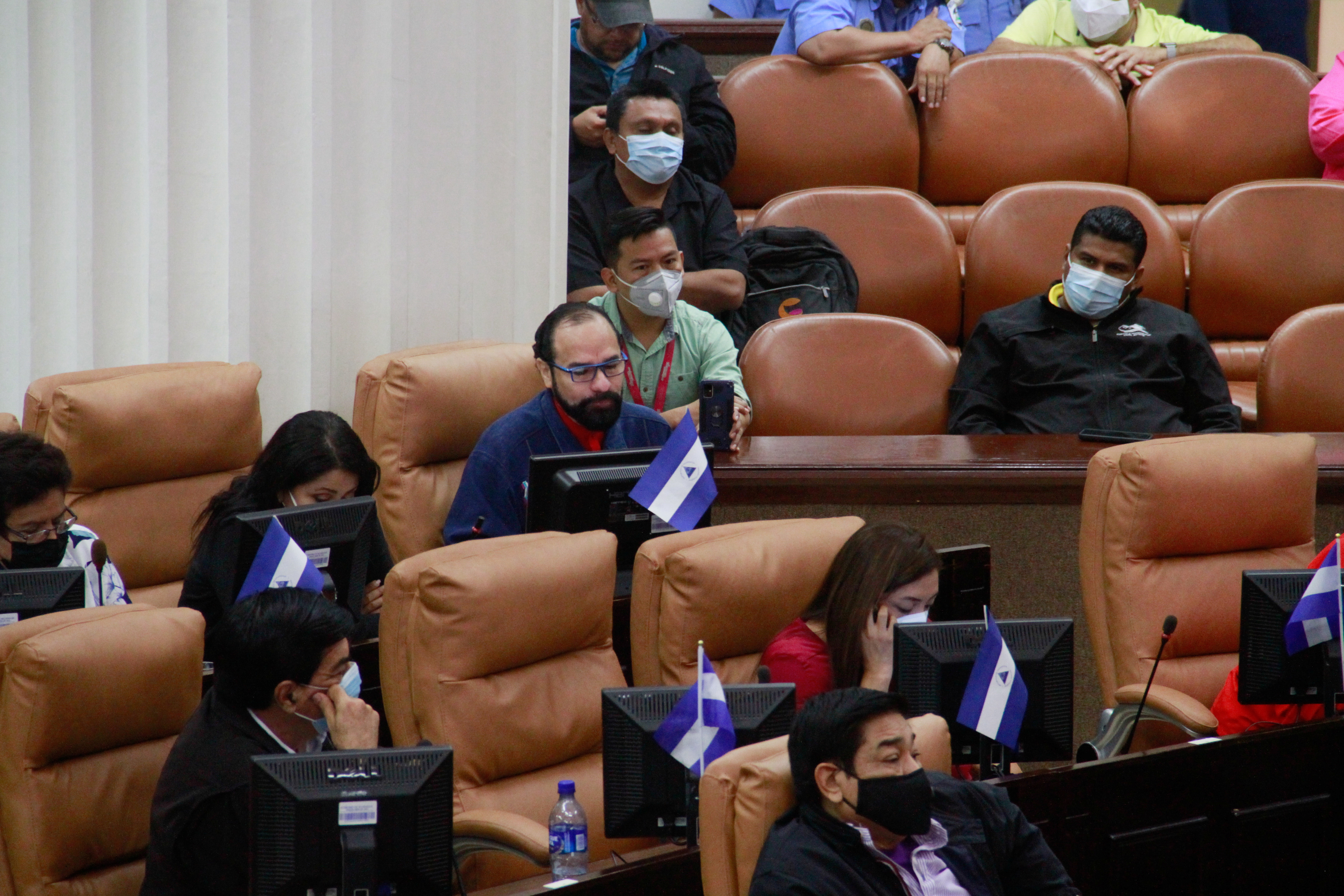
ILO to Hold Its 1st Virtual Labor Conference

GENEVA (ILO News) – The 109th Session of the International Labour Conference  (ILC) will, for the first time in its history, be held virtually, reflecting changes imposed by the COVID-19 crisis.

In another special arrangement, the ILC will open on 20 May to elect its Officers and set the Conference in motion. The Conference will then proceed in two parts; the first in June 2021 and a second in November-December 2021.

The June sittings will start on 3 June, with meetings of the Conference committees that are expected to run for two and a half weeks.

Work in plenary will commence on 7 June and will be addressed by the President of the Swiss Confederation. The ILO’s Director-General, Guy Ryder and the Chairperson of the Governing Body will also present their reports, which will cover two years. This will be followed by the introductory statements of the Presidents of the ILC’s Employers and Workers groups.

The items on the June segment of the ILC agenda include a special outcome document on the ILO response to COVID-19 , the ILO’s programme and budget for 2022-23 , the recurrent discussion on social protection , and consideration of the reports on the application of labour standards during the pandemic and related country case discussions.

The World of Work Summit, entitled, International action for a human-centred COVID-19 response, will take place on 17 and 18 June, with sessions running for about 90 minutes each day. The Summit will include a high-level segment with heads of state and government and a panel discussion with tripartite representatives.

Other ILC events will include for World Day Against Child Labour, on 10 June (World Day falls on a Saturday this year), and the launch of a report on child labour.

The June part of the ILC will close on 19 June.

The ILC will resume its work in November, with an agenda that includes two thematic discussions in committees, one on inequalities and the world of work and the second on skills and life-long learning. The Director-General is expected to close the 109th ILC on 11 December.

The work of the ILC can be followed via the “ILC live” section of the ILO’s website, which will include live coverage of the plenary sessions. There will also be a live blog with rolling coverage. A 30-minute “Daily Show”, covering key moments and themes, will go live at 16.30 CEST each day on the ILO website, as well as YouTube, Twitter and LinkedIn.

All ILC coverage, as well as photos, videos and social media links will be available via the Conference webpages: https://www.ilo.org/ilc 

The ILC, sometimes known as the world parliament of labour, is the largest international gathering dedicated to the world of work, attended by representatives of governments, employers and workers from the 187 ILO Member States. As well as discussing key world of work issues, delegates discuss, adopt and monitor International Labour Standards and set the ILO’s global agenda and budget.

The 109th session of the annual ILC was deferred from 2020 to this year by the ILO’s Governing Body, as a consequence of the COVID-19 pandemic.

The ILO’s Governing Body  will meet twice during this period, on May 21 and June 25.

For further information and to arrange print media interviews, please contact the ILO Department of Communication: ne******@*lo.org .

For broadcast coverage and interviews, please contact: mu********@*lo.org .

The post ILO to Hold Its 1st Virtual Labor Conference appeared first on The St Kitts Nevis Observer.
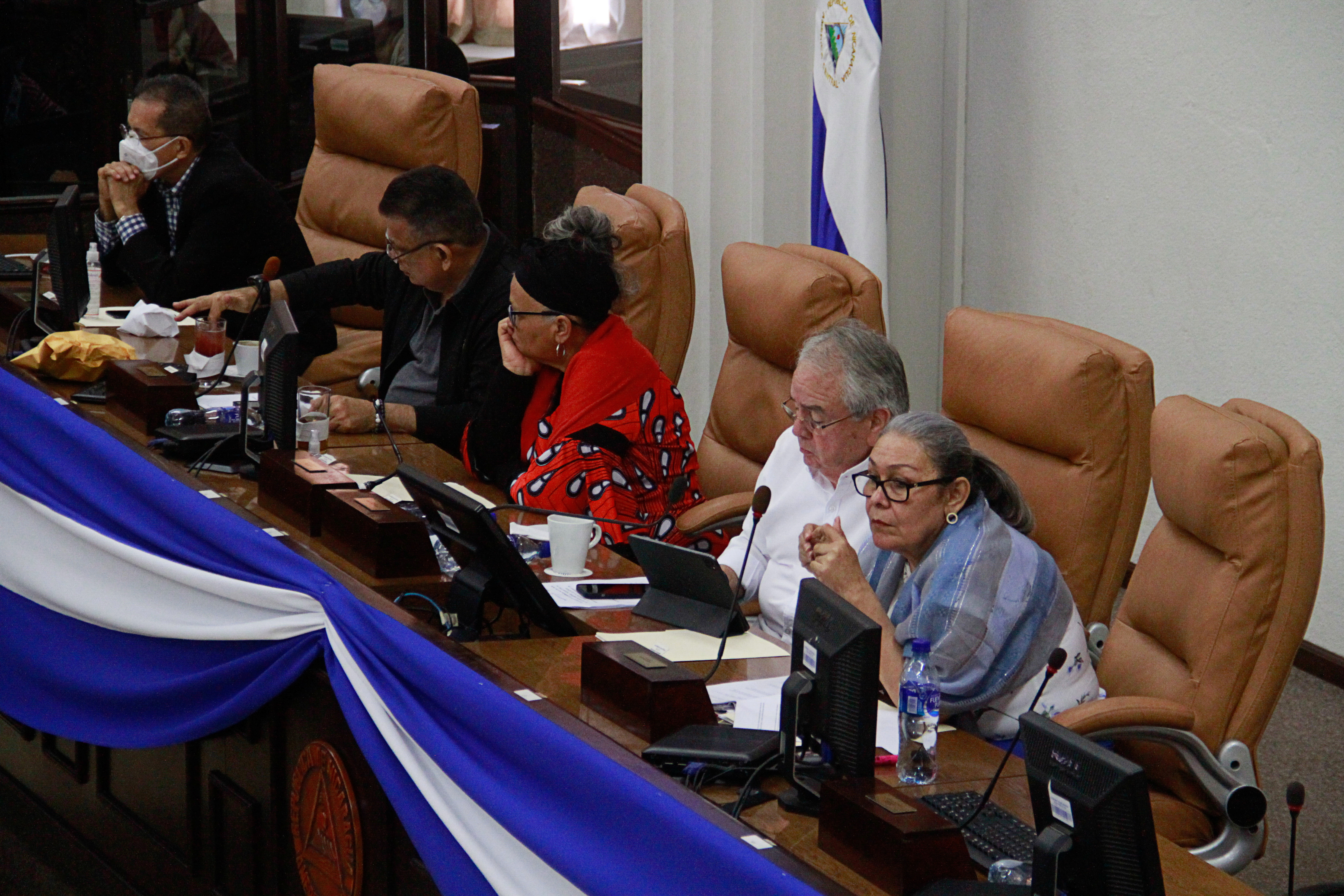
Sir Ronald Disputes the OAS Chief Calling Hamas a Terrorist Group

The Antiguan Ambassador to the Organisation of American States (OAS) has made it clear that yesterday’s declaration of Hamas as a terrorist group was the view of the Secretary-General and not member nations.

In a tweet on Monday, Sir Ronald Sanders said: “As far as I am aware the member states of the OAS were not consulted and did not authorise this statement. Therefore, the Secretary-General has expressed his personal opinion on a very complex matter that requires delicate diplomacy.”

Secretary-General Luis Almagro said the recent missile attacks launched by Hamas against the Israeli civilian population constituted attacks of a terrorist nature.

“Their violence and the objectives they pursue clearly have this characteristic,” Almagro said in a statement.

“Hamas’ terrorist aggression is unlimited and always seeks civilian victims, seeks to escalate conflict dynamics and armed actions, as well as sowing terror among innocent populations, be they Israeli or Palestinian.”

Almagro accused Hamas of using civilians as human shields as it militarises residential areas to carry out attacks on Israel.

The tension between Israel and Palestine intensified after Israeli police sought to prevent Muslims from gathering at the Al-Aqsa Mosque in Jerusalem to mark to start of Ramadhan.

Israeli police violently broke up the gathering.

This led to Hamas threatening that Israel would pay a heavy price for the incident.

Belize and St Vincent and the Grenadines have called for the violence to stop.

In a statement, Prime Minister Ralph Gonsalves said: “Saint Vincent and the Grenadines stands steadfastly against any attempts to alter the character and status of the Holy City of Jerusalem, by force. The United Nations Security Council has ‘Affirm[ed] a vision of a region where two States, Israel and Palestine, live side by side within secure and recognized borders.’ The international community, in consistently reaffirming the two-state solution, has emphasized that the status of Jerusalem is a “final status” issue to be negotiated by the parties.”

“This position has been reaffirmed in various agreements, including the Camp David Accords, the Oslo Accords, and the Roadmap for Peace proposed by the Quartet on the Middle East.”

Gonsalves said St Vincent and the Grenadines, as an elected member of the UN Security Council, would stand against any violations against UN resolutions.

The post Sir Ronald Disputes the OAS Chief Calling Hamas a Terrorist Group appeared first on The St Kitts Nevis Observer.

Greenland Arctic Ice Sheet Melting Fast, May Be Doomed

The melting of part of an ice sheet in Greenland is nearing tipping point and further environmental damage could follow, researchers said.

Analysis of the Jakobshavn drainage basin revealed that the central-western Greenland ice sheet is reaching a stage from which it cannot recover.

Data indicated that a critical threshold has been reached after a century of accelerated melting.

“We might be seeing the beginning of a large-scale destabilisation, but at the moment we cannot tell, unfortunately,” said Dr Niklas Boers from the Potsdam Institute for Climate Impact Research, one of the two authors of the research.

“So far, the signals we see are only regional, but that might simply be due to the scarcity of accurate and long-term data for other parts of the ice sheet.”

Dr Boers and Martin Rypdal from the Arctic University of Norway concluded that this part of the Greenland ice sheet is losing stability, and is very close to tipping into a state of accelerated melting, PNAS said on Monday.

Should that scenario play out, it will not be possible to save the sheet even if the Arctic warming trend was halted in the coming decades.

An ice sheet can only maintain its size if the loss of mass from melting is replaced by snow falling on to its surface. The warming of the Arctic disrupts that cycle.

As the surface of the ice is exposed to higher temperatures, it leads to more melting, height reductions and accelerated loss of mass.

After a point, this process cannot be reversed because a much colder climate would be needed for the ice sheet to regain its original size.

“We need to monitor the other parts of the Greenland ice sheet more closely, and we urgently need to better understand how different positive and negative feedback might balance each other, to get a better idea of the future evolution of the ice sheet,” Dr Boers said.

The work is part of the Tipes project, co-ordinated and led by the University of Copenhagen in Denmark and the Potsdam institute in Germany

The post Greenland Arctic Ice Sheet Melting Fast, May Be Doomed appeared first on The St Kitts Nevis Observer.

More Tragic Jamaica Violence as 6 Yr. Old Murdered

The Westmoreland police are searching for a 15-year-old boy, who is alleged to have shot and killed a six-year-old student on a Darling Street, Savanna-la-mar home on Monday afternoon.

The police say about 3:30 p.m, the boys were inside a yard when the teen used a firearm to shoot the infant in his upper body.

Frightened relatives in the yard rushed the wounded child to the Savanna-la-mar hospital, where he was pronounced dead.

The 15-year-old boy fled the scene.

The post More Tragic Jamaica Violence as 6 Yr. Old Murdered appeared first on The St Kitts Nevis Observer.

World View: Israel-Gaza, Attack on Abortion, New Ransomware Hack, More

March 19, 2021

Alternate text

Here are today’s selection of top stories from The Associated Press at this hour .

The Associated Press

The Rundown

I'm an image

GAZA CITY, Gaza Strip (AP) — Israel carried out a wave of airstrikes on what it said were militant targets in Gaza, leveling a six-story building, and militants fired dozens of rockets into Israel on Tuesday. Palestinians across the region observed a…Read More

I'm an image

President Joe Biden expressed support for a cease-fire between Israel and Gaza’s militant Hamas rulers in a call to Israeli Prime Minister Benjamin Netanyahu, but he stopped short of demanding an immediate stop to the eight days of Israeli airstrikes…Read More

I'm an image

WASHINGTON (AP) — In agreeing to hear a potentially groundbreaking abortion case, the Supreme Court has energized activists on both sides of the long-running debate who are now girding to make abortion access a major issue in next year’s midterm elec…Read More

I'm an image

NEW DELHI (AP) — India’s total virus cases since the pandemic began swept past 25 million on Tuesday as the country registered more than 260,000 new cases and a record 4,329 fatalities in the past 24 hours. …Read More

I'm an image

WASHINGTON (AP) — Colorado Rep. Jason Crow, a former Army Ranger who served three tours in Iraq and Afghanistan, says it took time for him to stop constantly scanning his environment for threats when he returned from war 15 years ago. …Read More

OTHER TOP STORIES

JERUSALEM (AP) — A week into their fourth war, Israel and the Hamas militant group already face allegations of possible war crimes in Gaza. Israel says Hamas is using Palest…Read More

NAGURSKOYE, Russia (AP) — During the Cold War, Russia’s Nagurskoye airbase was little more than a runway, a weather station and a communications outpost in the Franz Josef L…Read More

BANGKOK (AP) — The Thai affiliate of Paris-based insurance company AXA said Tuesday it is investigating a ransomware attack by Russian-speaking cybercriminals that has affec…Read More

CANBERRA, Australia (AP) — Australia’s oldest-ever man has included eating chicken brains among his secrets to living more than 111 years. Retired cattle rancher Dexter Krug…Read More

The post World View: Israel-Gaza, Attack on Abortion, New Ransomware Hack, More appeared first on The St Kitts Nevis Observer.

Female Voters New Chilean Electorate Power

Chilean women made such a strong showing in elections to pick candidates to draft the country’s new constitution that adjustments to ensure the body was equally split between genders had to be made in favor of more men, elections body Servel said on Monday.

A total of five seats were handed to female candidates who polled lower than male counterparts in certain districts to ensure a 50-50 gender split, while seven seats were handed to men who polled lower.

The idea to ensure the body drafting the new constitution was equal in gender was originally blocked by right wing parties but eventually approved by Congress – in what rights activists said was a world first.

Analysts celebrated the moving to the fore of women in a historically conservative nation, while others lamented the fact any ceiling had been placed on victorious female candidates at all.

Alondra Carrillo Vidal, 29, a psychologist who acted as spokeswoman for the 8M women’s movement that has driven some of the largest protests against the center-right government in recent years, was picked to represent the capital Santiago’s working class southern suburbs. She said she had raised concerns at the start about a 50% cap on women which she suggested had been borne out.

“What this result shows is that our power overflows all the frameworks that try to contain it and what was presented as a democratic minimum was actually a way of maintaining the presence of men in representative spaces,” she said.

A total of 699 women stood for seats on the convention, and 674 men. The electoral body said 77 women had secured seats, and 78 men.

The requirement for gender parity forced political groups to look for competitive female candidates, Julieta Suarez-Cao, academic at the Catholic University’s Political Science Institute, told the Diario Financiero newspaper.

“This shows Chile is not a macho country, that if you find the competitive and good candidates – and there are many – people will vote for them,” she said.

Javiera Arce, a political scientist at the University of Valparaiso, told Reuters the victory of so many women underscored how they had previously been undervalued as a political force in Chile, while men had been nudged up through the ranks.

“From now on, I think men will simply have to up their game,” she said.

The post Female Voters New Chilean Electorate Power appeared first on The St Kitts Nevis Observer.

Havana Displays Giant Rainbow Flags in Solidarity for Cuban LGBT Rights

Reuters

Cuba draped its health ministry with a giant rainbow flag on Monday to mark International Day against Homophobia, in a key year for LGBT+ rights as the Caribbean country decides on a new family code that could approve same-sex marriage.

Cuba, which sent gays to correctional labor camps in the early years after its 1959 leftist revolution, made considerable advances in LGBT+ rights in the 2000s and 2010s, despite the widespread persistence of machismo.

The island nation introduced the right to free sex-change operations, banned workplace discrimination on the basis of sexual orientation, and started holding annual congas against homophobia – Cuba’s equivalent of gay pride.

Forced to suspend the conga this year due to the COVID-19 pandemic, Havana added a touch of gay pride through the giant rainbow flag instead. Authorities say they will project the flag onto two colonial castles in Old Havana at night as well.

“I never thought I would live to see the flag of the sexual diversity movement hung next to the Cuban one on such an important institution as the health ministry,” said Teresa de Jesus Fernandez, coordinator of the national network of lesbian and bisexual women, after posing for a photo with the flag.

Cuban President Miguel Diaz-Canel, who as a young provincial leader bucked party orthodoxy by backing an LGBT-friendly bar, wrote on Twitter on Monday the country was committed to guaranteeing all rights for all people.

People pass in a vintage car in front of a rainbow flag hanging beside a Cuban flag at the Health Ministry building in Havana, Cuba, May 17, 2021. REUTERS/Alexandre Meneghini

Many members of the LGBT+ community say, however, they have been frustrated by a slowdown in the pace of change in recent years while a handful of other Latin American countries have moved forward with approving gay marriage.

Activists were further irked by the 2018 decision to withdraw an amendment to Cuba’s new constitution that would have opened the doorway to same-sex unions after campaigning by evangelical churches.

Authorities decided instead for the controversial issue to be determined in the update to the family code, a draft of which is slated to be unveiled at parliament’s July session, before it is eventually submitted to a referendum.

“We’ve already made it this far,” said LGBT+ activist Yasiel Valdes Girola, referring to the flag outside the health ministry. “What remains is for the new family code to recognize the legal union between two people, regardless of gender or sex, and the opportunity to build a family.”

Some LGBT+ activists complain that bringing about change in society has been complicated by the fact that grassroots campaigning outside state institutions is at best tricky in Cuba, and at worst causes run-ins with Communist authorities.

Two years ago there was a schism in the LGBT+ community when a small group of activists held an independent gay pride march, which eventually was dispersed by police. Authorities denounced it as an attempt to undermine the government.

Meanwhile, churches that oppose gay marriage have powerful platforms for spreading their message which they wielded to their advantage during the constitutional revamp, gathering signatures for a petition against the article that would have opened the door to gay marriage and railing against it at church gatherings.

The post Havana Displays Giant Rainbow Flags in Solidarity for Cuban LGBT Rights appeared first on The St Kitts Nevis Observer.

Galapagos Islands: Erosion Fells Darwin’s Arch

A famous rock formation off the Galapagos Islands known as Darwin’s Arch has collapsed.

The Ecuadoran Ministry of Environment said it was due to “natural erosion”.

“The collapse of Darwin’s Arch, the attractive natural bridge found less than a kilometre from the main area of Darwin Island, was reported,” the ministry said.

The formation, named after the English biologist Charles Darwin, is considered a top diving location.

Darwins Archimage copyrightGetty Images
The waters round the arch are considered a premier diving location

The Galapagos Islands, 563 miles (906km) west of continental Ecuador, are a Unesco World Heritage site renowned worldwide for their unique array of plants and wildlife.

The archipelago is made up of 234 islands, inlets and rocks. Four of them are home to some 30,000 people.

Tourists across the globe travel there to see the islands’ biodiversity, which inspired Darwin’s theory of evolution.

The post Galapagos Islands: Erosion Fells Darwin’s Arch appeared first on The St Kitts Nevis Observer.