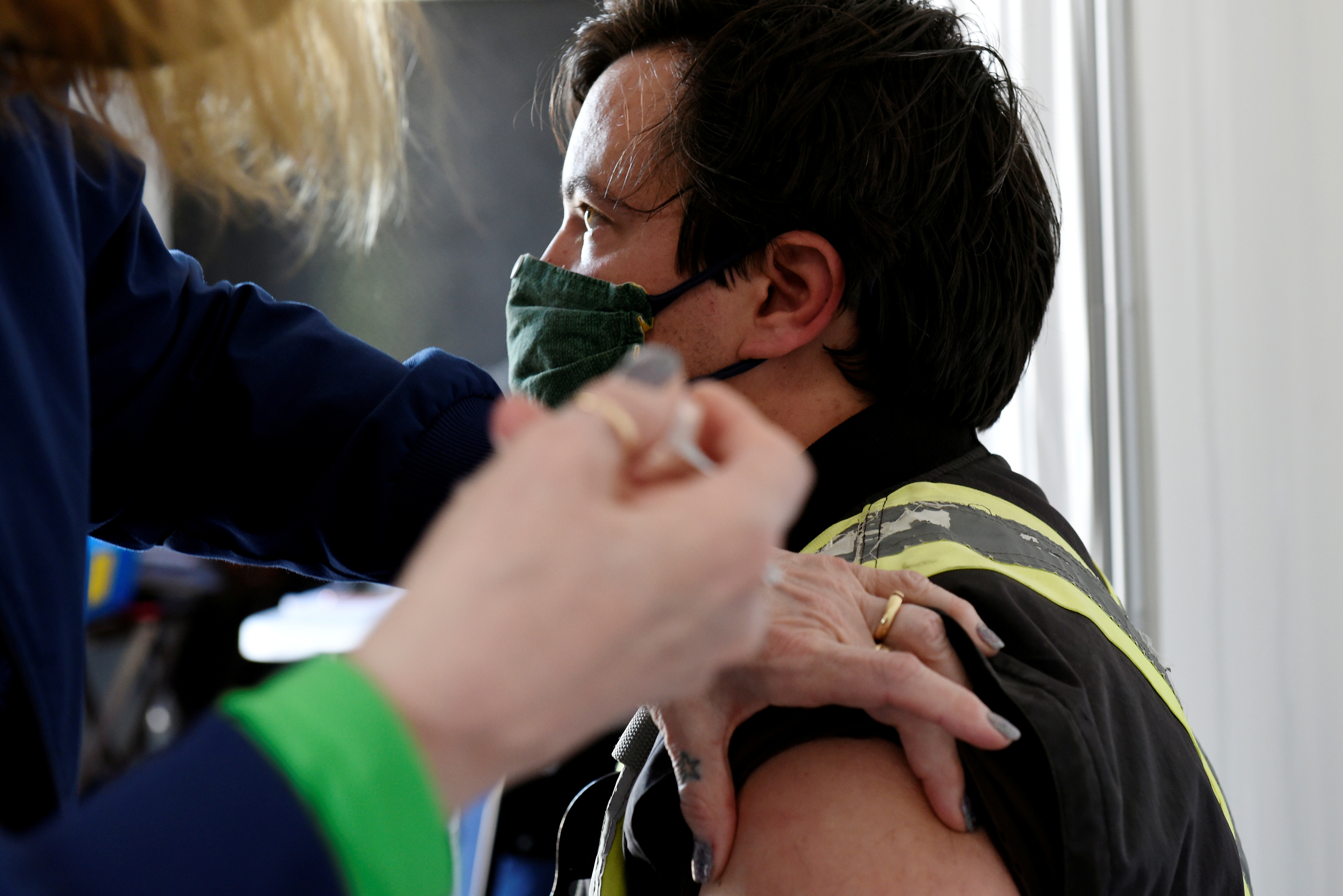
St. Kitts and Nevis announced May 5 that the two-island nation will be welcoming back vaccinated cruise passengers in July with Seabourn.
Seabourn’s Odyssey ship will stop in St. Kitts each week in July as the nation will begin a phased reopening, set to reopen fully by October 2021, when it expects the population to achieve herd immunity.
St. Kitts and Nevis had one of the Caribbean’s (and in larger part, the world’s) lowest numbers of COVID-19 cases, with only 44 cases total, resulting in no community spread and zero deaths. Over 11,000 residents have been vaccinated so far. The current population is just under 53,000, according to The World Bank.
The two islands have been open to visitors since October 2020, but have put in strict safety measures and protocols to keep COVID-19 cases to a minimum, which has impacted many from the lack of cruise tourism. In the past two years prior to the pandemic, the two islands welcomed one million cruise passengers.
The government has also called for a second cruise pier to be constructed in anticipation of the islands’ growth as an important cruise port. The new pier, funded by St. Kitts and Nevis’ Citizenship by Investment (CBI) Program, will be able to dock three cruise ships at the same time. The CBI Program allows people from other countries to become citizens of the islands by investing funds into national development, from education to infrastructure.
“We look forward to welcoming Seabourn Odyssey to St. Kitts. The benefits of the cruise industry have been vital to the economies of St. Kitts & Nevis and we are delighted to welcome our first vessel back, as we begin our phased approach to resume cruise tourism,” said Lindsay F.P. Grant, Minister of Tourism, Transport and Ports.
For more information about St. Kitts and Nevis, please click here. For information about Seabourn, click here.
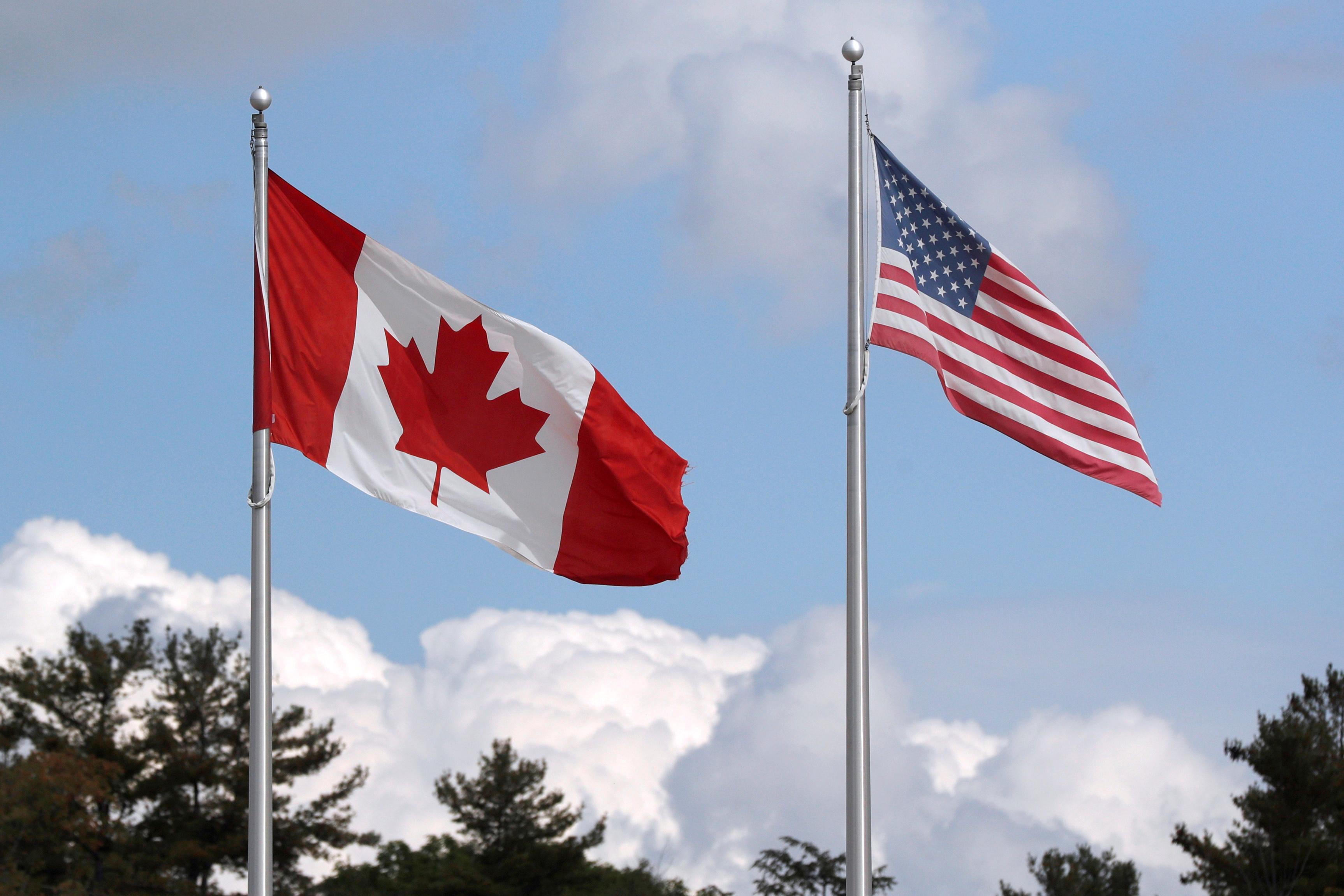
A U.S. and a Canadian flag flutter at the Canada-United States border crossing at the Thousand Islands Bridge, which remains closed to non-essential traffic to combat the spread of the coronavirus disease (COVID-19) in Lansdowne, Ontario, Canada September 28, 2020. REUTERS/Lars Hagberg/File Photo
With COVID-19 vaccine demand declining in the United States, some Canadians facing third-wave lockdowns are flying south to get inoculated, perhaps months earlier than they would be able to at home.
Jimmy Simmons, 37, saw friends in their 40s struggling to get a shot in the hard-hit Canadian province of Ontario. The Toronto businessman decided to spend a few weeks in New York City to meet clients and get vaccinated. He got his first of two shots on Tuesday.
Simmons, who works in real estate, is not yet eligible for a vaccine in Ontario. His girlfriend, a medical student who treats COVID-19 patients at Toronto’s Hospital for Sick Children, has still only received one dose, he said.
“I want this (pandemic) to end, and in order for this end I need to get vaccinated,” Simmons said. “Just sitting at home in Ontario isn’t going to change anything.”
While almost a third of Americans have been fully vaccinated, Canada has inoculated only 3% of its almost 38 million people, though more than 34% have received a first dose.
Canada is allowing for a four-month gap between doses, while Americans are getting their second shots three or four weeks after the first to reach optimal protection much sooner.
The U.S vaccination campaign has reached a tipping point, with supply outstripping demand due to a combination of factors including skepticism about the vaccines. The number of Americans seeking vaccines dropped by a third in recent weeks, according to the U.S. Centers for Disease Control and Prevention. read more
That is encouraging Canadians to cross the border and tap into this oversupply without paying any fee, which means the U.S. government is paying for foreign travelers to get their COVID-19 shots. The White House declined to comment.
Simmons and others had little trouble getting vaccinated at no charge in the United States, where the government is now practically begging people to get the shots and several states do not require proof of residency.
The trick was to fly because land crossing has been closed to non-essential traffic since March of 2020.
U.S. President Joe Biden on Tuesday urged those who are hesitant to get a COVID-19 vaccine, saying it was a matter of “life or death.” read more
Everyone age 16 or older can get vaccinated in the United States, while in Ontario, most adults 18 and up will not be eligible for a first dose until May 24.
‘REALLY EASY’
Canadian Prime Minister Justin Trudeau has said everyone who wants to can be fully vaccinated by the end of September. Andrew D’Amours, 31, of Quebec City, said that could mean “another half pandemic” without getting inoculated.
He flew to Dallas and got vaccinated on April 10. With his business partner at the Flytrippers travel website, D’Amours booked an appointment for the one-dose Johnson & Johnson (JNJ.N) vaccine online.
“It took a couple clicks. We got an appointment in a grocery store pharmacy and we booked flights for the next day, Friday, and on Saturday morning we were vaccinated,” D’Amours said.
While D’Amours used hotel and flight points, he estimated a weekend trip to Dallas – if two people share costs – could be as low as C$750 ($611) each. He flew directly from Montreal.
David, 37, an executive from Ontario, said he and his girlfriend got vaccinated without appointments at the Ellis Davis Field House site in Dallas, after showing a Texas hotel address.
When the couple went back for their second shot, “there was no one there,” he said. “It’s immoral that they may be throwing shots out while people are dying of COVID,” he said.
Americans have been sharing vaccines with Canadians in other ways. Truck drivers from Manitoba and Saskatchewan are receiving jabs in North Dakota, while Alaska’s governor has offered surplus shots to a neighboring Canadian town to help reopen the border sooner.
While it is not known how many Canadians are traveling for U.S. vaccines, several people on Simmons’ packed flight to New York told him they would get inoculated, and D’Amours has fielded several queries from others interested in doing so.
Canada still discourages foreign travel and requires a 14-day quarantine and testing upon re-entry. D’Amours said it still may be worth it.
“If you want to travel, if you want to be fully vaccinated, and you’re able to go and you’re going to do it safely, it is really easy,” he said.
Reuters- The Biden administration plans to release by the end of June a list of corrupt Central American officials who may be subject to sanctions, a U.S. special envoy told Reuters, as Washington seeks to cut back on a root cause of increased migration to the U.S.-Mexican border.
Ricardo Zuniga, President Joe Biden’s point man for Central America’s Northern Triangle countries of Guatemala, Honduras and El Salvador, also said the administration was considering further sanctions against officials in the region for alleged graft under the Global Magnitsky Act.
U.S. officials see corruption as one of the main drivers for the flow of migrants – along with poverty, gang violence and the fallout from hurricanes last year – and want to make sure a $4 billion aid package being put together for the region does not fall prey to graft.
“That’s the mandate from Congress. We have a responsibility and we’re going to meet it,” Zuniga said in an interview on Wednesday. “That tracks with our commitment to defend those who are combating impunity.”
Zuniga was referring to a law sponsored by then-U.S. Representative Eliot Engel and enacted by Congress in December that requires the State Department to assemble within 180 days a so-called Engel List of corrupt actors in the Northern Triangle.
The administration, he said, would comply with that congressional requirement. Those targeted could then be subject to bans on travel to the United States, seizing of U.S. property and prohibitions on Americans doing business with them.
Central American officials may be more likely to have assets in the United States, given the geographic proximity and historical relationships, than those from countries that have fewer U.S. financial links.
Another path for sanctions in Central America could be the use of so-called Global Magnitsky measures, which the United States has imposed for years on those accused of corruption, human rights abuses and anti-democratic actions around the world.
Zuniga declined to name those who might face sanctions.
Asked whether Honduran President Juan Orlando Hernandez might be targeted, Zuniga said: “I’m not going to comment on him because of the Department of Justice engagement on his case.” Hernandez is under U.S. investigation for alleged links to drug cartels. He denies any involvement in drug smuggling.
Biden’s aides have spoken out in recent days against Guatemalan lawmakers’ refusal to swear in a corruption-fighting judge and the removal of top judges and the attorney general in El Salvador.
U.S.-MEXICO TALKS LOOM
Zuniga spoke just days ahead of a virtual meeting between Vice President Kamala Harris, tasked by Biden to lead diplomatic efforts to curb unauthorized migration, and Mexican President Andres Manuel Lopez Obrador. She plans to visit Mexico and Guatemala on June 7 and 8.
The influx at the U.S.-Mexican border, many of them Central American migrants, has emerged as Biden’s biggest political weakness in the early months of his presidency, opinion polls show, as he seeks to reverse the hardline immigration policies of his predecessor, Donald Trump.
Harris and Lopez Obrador are expected on Friday to discuss how to stem the movement of migrants to the border.
Among Harris’ initiatives is to try to get U.S. companies to invest more in the impoverished Northern Triangle.
Zuniga said a lot of U.S. firms are interested in doing more business in the region but that “there is investment hesitancy” because of local corruption, poor infrastructure and other problems.
“Companies see those kinds of problems, and they hold back,” he said.
Zuniga said U.S. firms are also concerned about the strength of judicial systems in the Northern Triangle and regulatory structures that are “very difficult to navigate” or “designed to favor local companies over foreign investors.”
Ahead of Harris’ talks with Lopez Obrador, Zuniga stressed an ongoing partnership with Mexico on migration issues, saying: “We want to work closely with Mexico on Central America.”
Mexican authorities have promised a full investigation into the collapse of a metro overpass in Mexico City, as questions mount over the line’s safety.
President Andrés Manuel López Obrador said “nothing would be hidden” while the mayor said an external company would be involved in the inquiry.
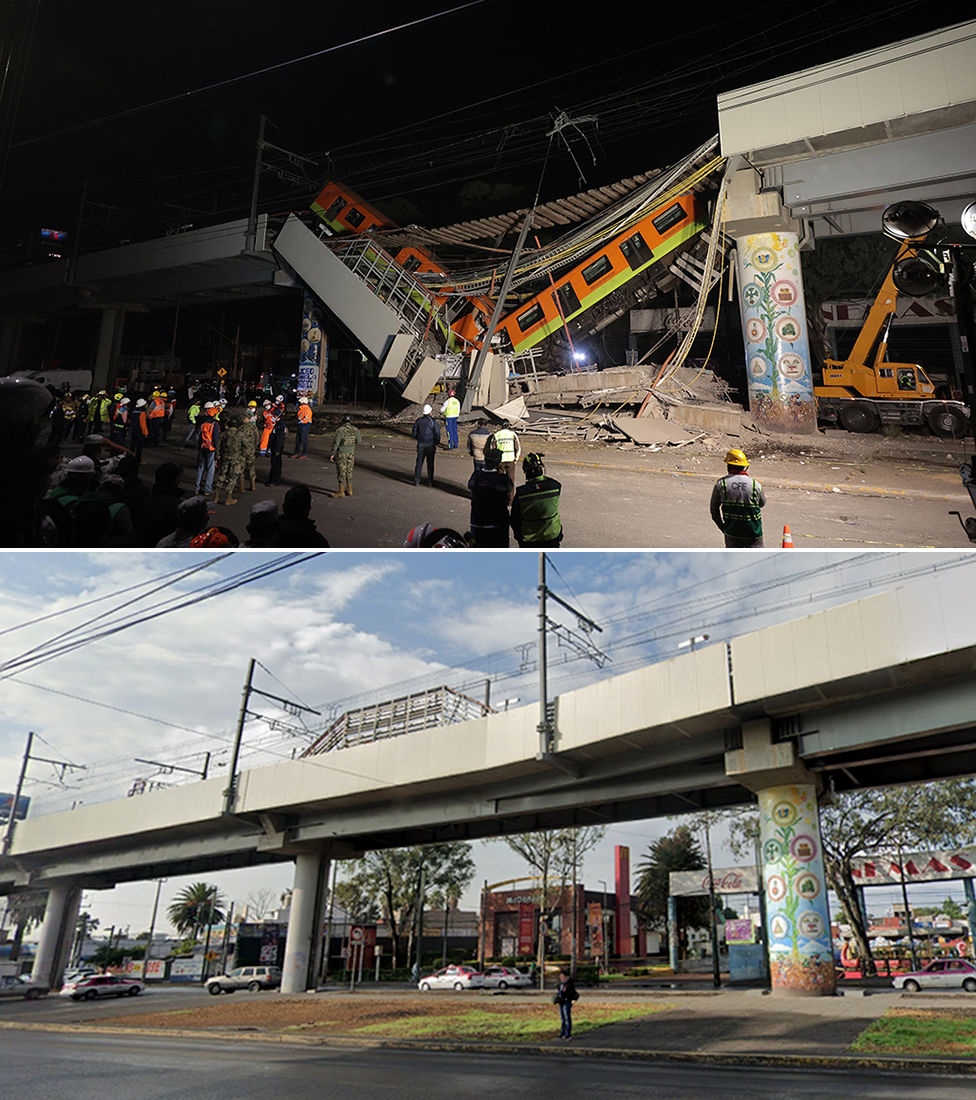
The elevated track on Line 12 fell on to a road, killing at least 24 people.
Concerns over possible structural failures had been raised since the line was inaugurated, in 2012.
There were concerns about design problems and construction standards, as well as allegations of corruption.
At a news conference, President López Obrador said the investigation, to be carried out by federal and Mexico City prosecutors, should be done quickly. “We cannot get into speculation, much less blame the possible perpetrators without having proof,” he said.
The line was built when Foreign Minister Marcelo Ebrard, a close ally of the president, was mayor of the capital. Speaking alongside the president, Mr Ebrard said it was a “very sad day for everyone”.
Current Mayor Claudia Sheinbaum also said it was too soon to say who was responsible for what happened. Earlier, she said it appeared a girder had given way on the overpass. The line will remain closed while a structural survey is carried out.
image copyrightGetty and Google Maps
image captionImages show the site of the incident now and in 2019
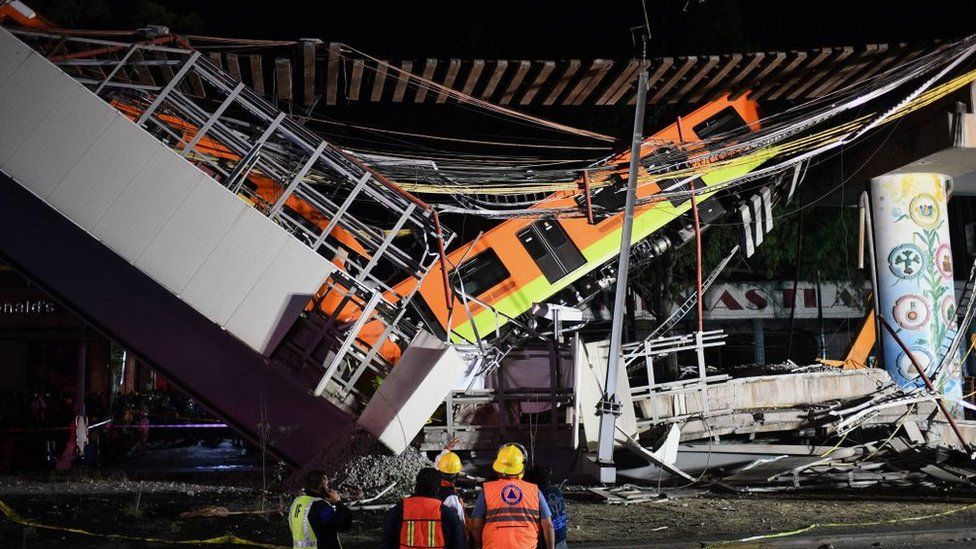
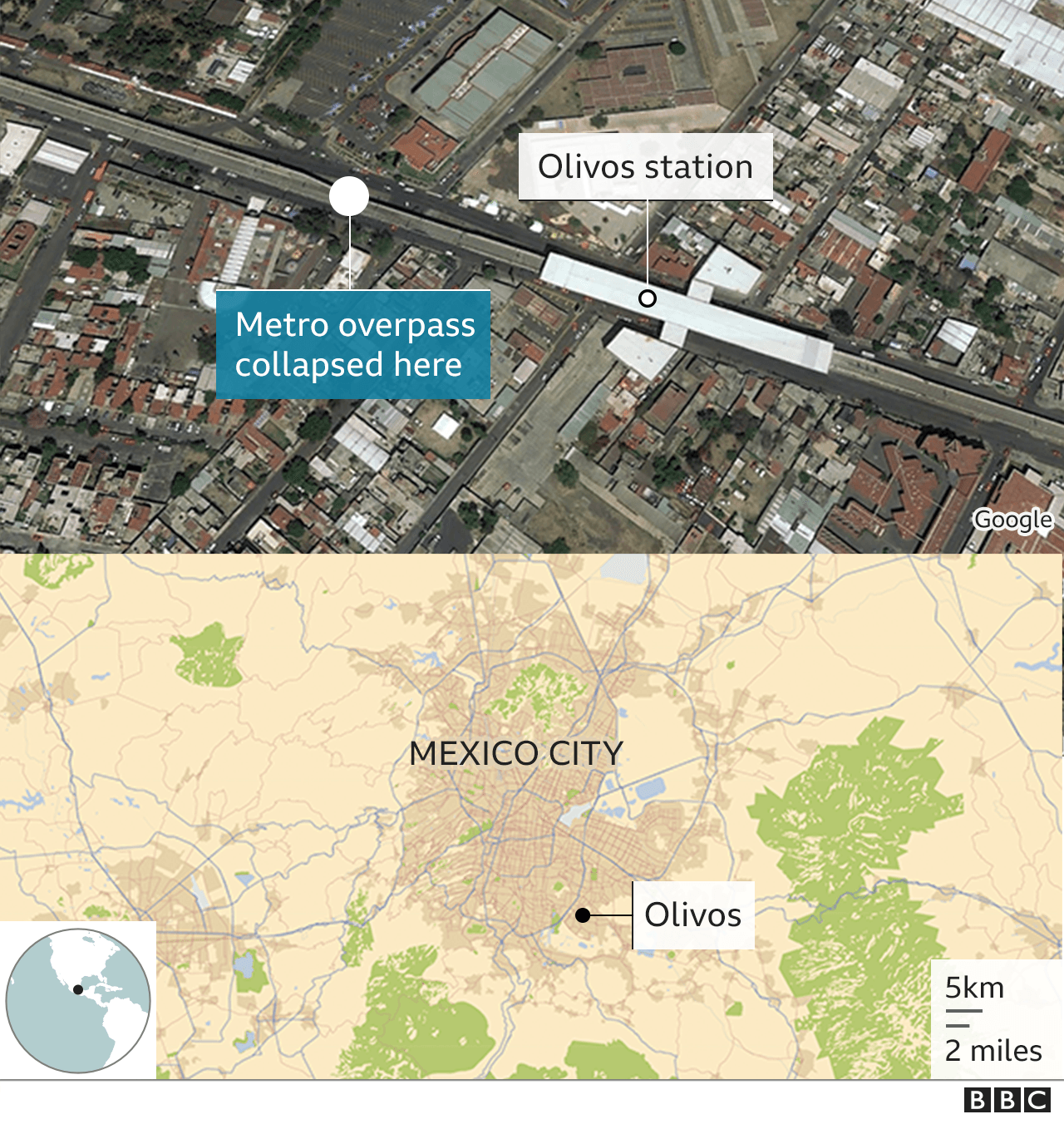
CCTV footage showed the overpass collapsing as a train was travelling over it, sending up clouds of debris and sparks. The crash happened near the Olivos station, in the south-east of the city, on Monday night.
Fernando Espino, secretary-general of the union representing metro workers, said the incident was related to a construction problem.
“This is a structural failure… We don’t know if it’s related to the material with which this [section] was built. We need to see what happened,” he said, according to El Universal newspaper.
Elevated parts of the line, including the collapsed overpass, had to be closed for multiple repairs in 2014. Residents also reported cracks in the structure after an earthquake in 2017, and transport authorities made repairs following the reports.
In 2017, the then director of the city’s metro, Jorge Gaviño, said the line “was born with endemic problems that would never be solved in its life” and that it would require “permanent” maintenance.
image copyrightAFP
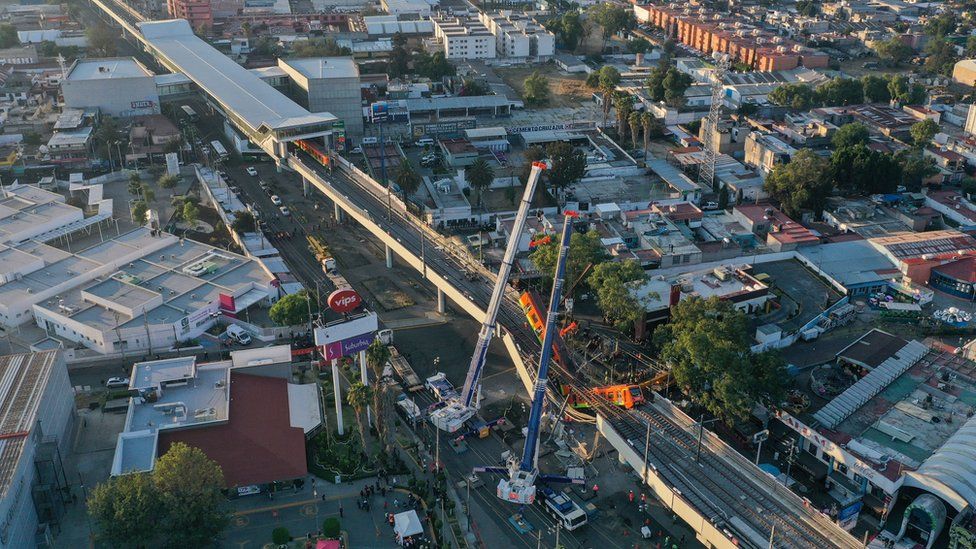
image captionCranes were deployed to stabilise and remove the train carriages from the structure
image copyrightAFP
image captionThe overpass collapsed as a train was travelling over it
On Tuesday, cranes were deployed to stabilise and remove the two train carriages that remained hanging from the structure.
“We never had much faith in this metro [line],” 62-year-old Maria Concepcion, who heard the collapse from her house, told Reuters news agency.
CCICSA, one of the firms involved in the construction of the line, said in a statement to Reuters it was “going to wait for the official expert opinion”. French train maker Alstom said it was willing to “co-operate with and to aid authorities responsible for investigations in any way necessary”.
At least 79 people were injured, including one person who had been pulled out alive from a car underneath the wreckage. The mayor said the dead included children, but she did not give details.
Mexico City’s metro system is one of the most used in the world, carrying tens of millions of passengers a week. In North America, only New York’s subway carries more people every day.
Yet the incident did not occur on one of the older lines, which have been through at least two major earthquakes in the past 35 years. Rather it happened on Line 12, completed as recently as October 2012.
There will be difficult questions for the mayor’s office to come about the construction of the line, including for several former mayors.
This is the deadliest incident in decades for the city’s metro system. In 1975, two underground trains collided, killing 31 people.
Last year, one person was killed and more than 40 injured in a collision between two metro trains elsewhere in Mexico City.
Were you in the area? Did you witness what happened? Share your experiences by emailing ha*********@****co.uk.
Please include a contact number if you are willing to speak to a BBC journalist. You can also get in touch in the following ways:
If you are reading this page and can’t see the form you will need to visit the mobile version of the BBC website to submit your question or comment or you can email us at Ha*********@****co.uk. Please include your name, age and location with any submission.
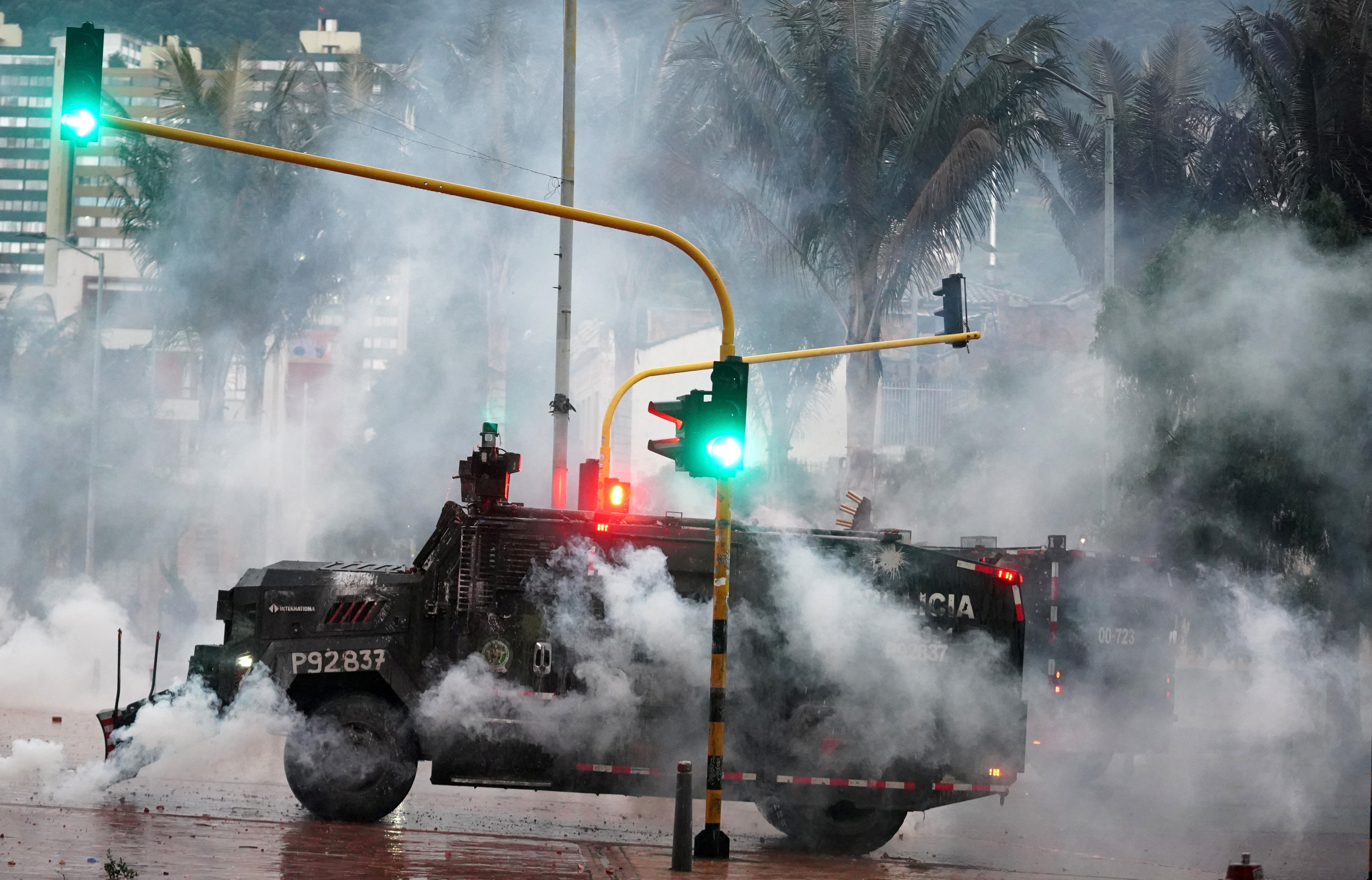
Reuters- Riot police fired tear gas at protesters in Bogota on Wednesday during the eighth day of nationwide anti-government demonstrations, after crowds attacked police stations in the capital overnight.
The protests were originally called in opposition to a now-canceled tax reform plan, but demonstrators have broadened their demands to include government action to tackle poverty, police violence and inequalities in the health and education systems. read more
Demonstrations and lawmaker opposition led to the tax reform’s withdrawal and the resignation of the finance minister. International organizations have warned against police violence, which is so far linked to just under half of 24 confirmed deaths, mainly of protesters. read more
Many protesters are calling for the ESMAD riot police to be disbanded, but some said they did not blame individual officers.
“They get orders from the state, which they have to follow,” said student James Romero, 18, who joined a chanting crowd in Bogota’s central Bolivar Plaza.
Romero said he was struck several times in the back by a baton-wielding ESMAD officer while running from confrontations on Saturday.
“I felt fear – so much fear.”
Minutes later, police fired tear gas to deter some demonstrators from attempting to enter Colombia’s Congress.
Earlier gatherings farther north were peaceful.
Bogota psychologist Benjamin Paba Al-Faro, 53, said he was demonstrating for better education and to ensure the continuity of the peace process with now-demobilized FARC rebels, adding: “This isn’t about defeating just one law.”
Poverty, which rose to 42.5% of the population last year amid coronavirus lockdowns, has aggravated long-standing inequalities and reversed some recent development gains.
The number of Colombians living in extreme poverty grew by 2.8 million people in 2020.
1/12
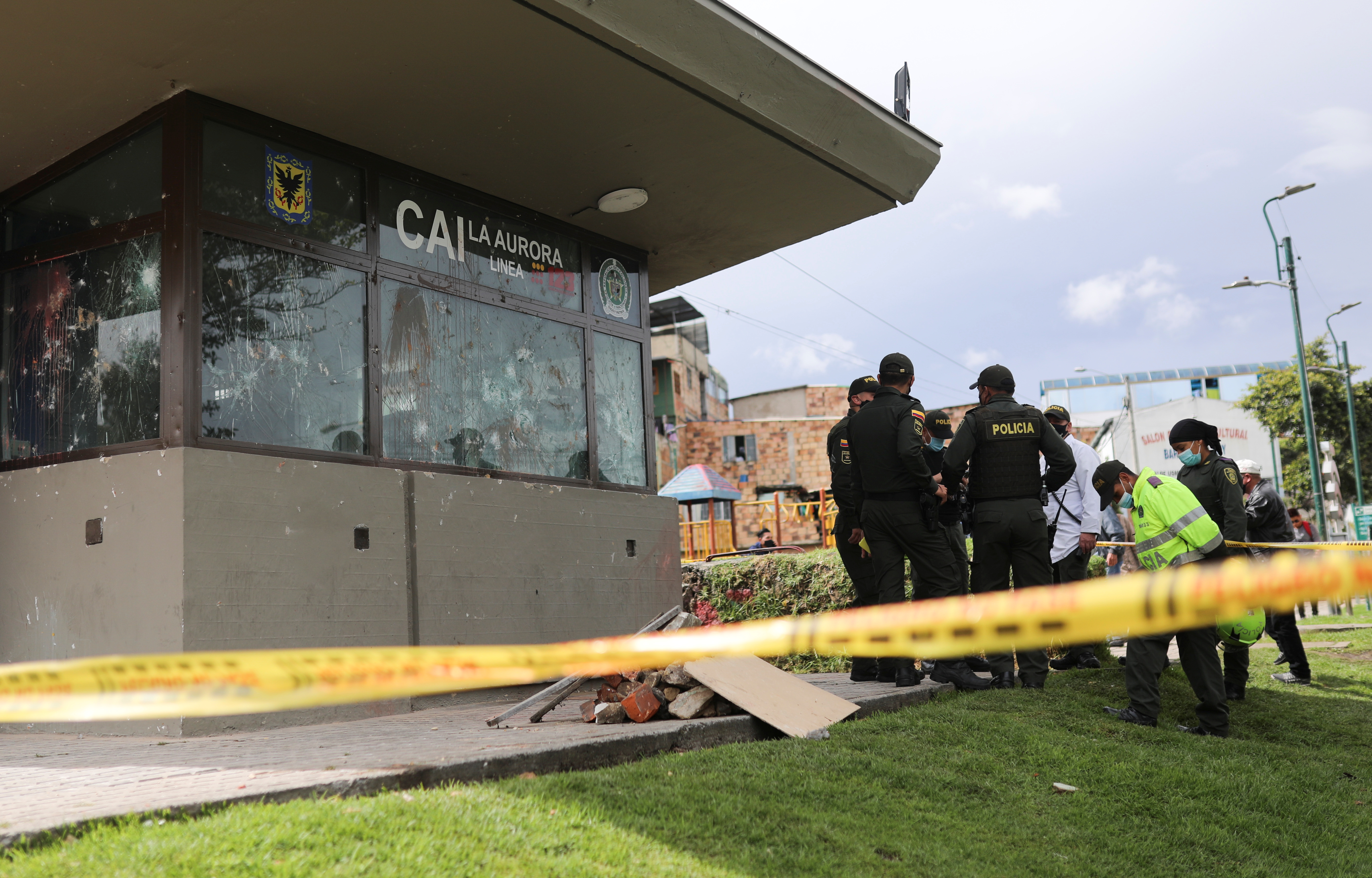
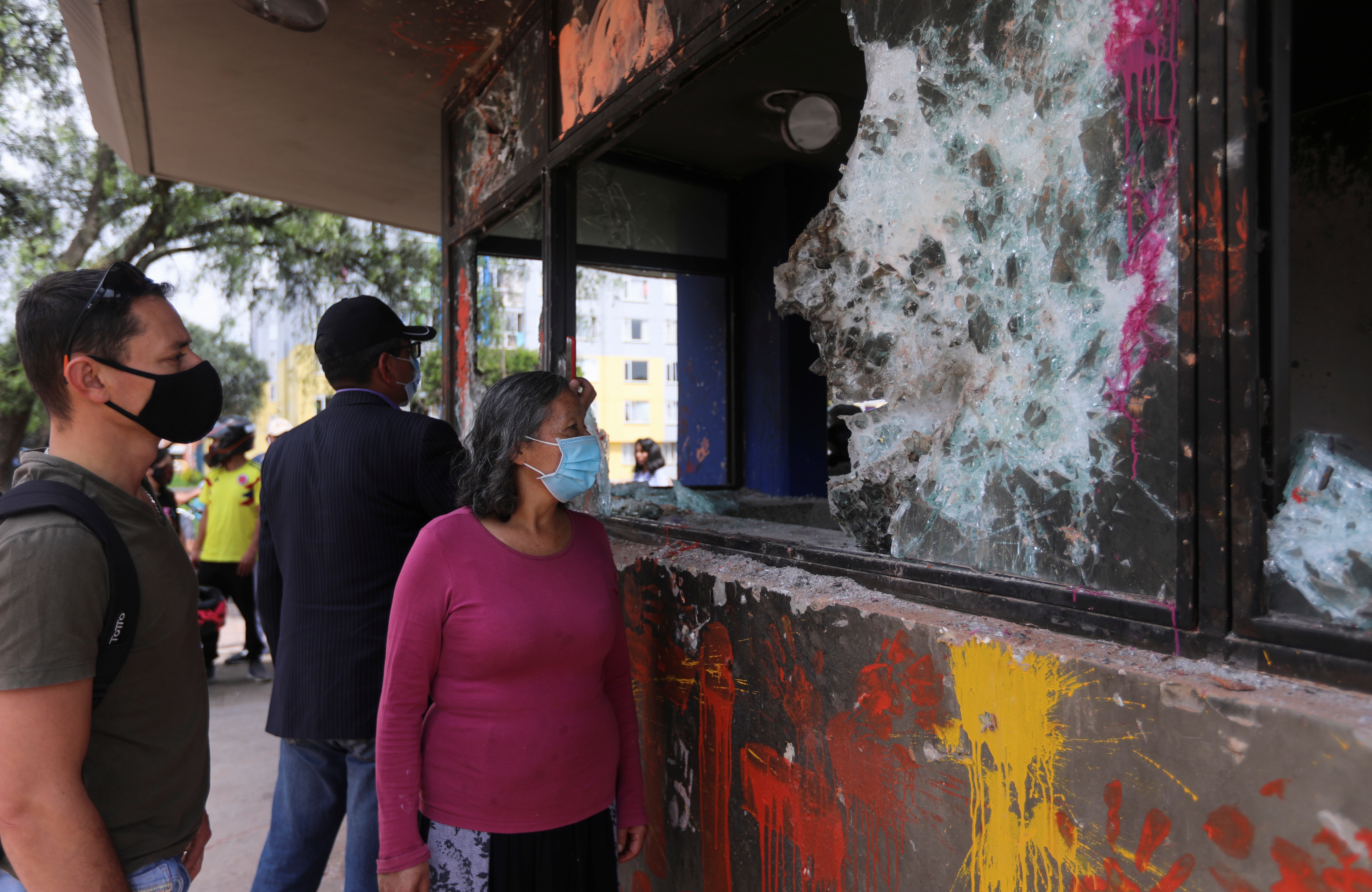
Police officers are seen at a vandalized police station following a protest against poverty and police violence in Bogota, Colombia, May 5, 2021. REUTERS/Luisa Gonzalez
The protests and associated road blockades – which have stymied shipments of top agricultural export coffee – could affect the economy, the central bank’s technical director said on Wednesday. read more
“They are temporary effects, but they could affect monetary policy depending on their duration and reach,” Hernando Vargas said during a presentation.
POLICE STATION BURNED
President Ivan Duque has said the government will create space to listen to citizens and develop concrete proposals, similar to overtures offered to protesters following demonstrations in 2019. Many groups – including major unions – say he has failed to deliver.
In a video on Wednesday, Duque repeated government allegations that drug trafficking mafias were behind vandalism and looting and said more than 550 arrests had been made.
“There will be no truce with those who commit these crimes – all of society will take them to justice,” Duque said.
During a seventh night of protests on Tuesday, 30 civilians and 16 police officers were injured in Bogota, the mayor’s office said in a statement.
More than two dozen Bogota police stations suffered damage overnight and three were destroyed, the mayor’s office said.
In one attack, a crowd tried to “burn alive” a group of 10 police officers by setting fire to a station, it said.
Asked about the attack, a police officer in Bolivar Plaza told Reuters he was “disappointed as a human being.”
Mayor Claudia Lopez called the destruction and violence in the city overnight “unbelievable.”
Protests nationwide have resulted in 24 deaths, according to the human rights ombudsman, 15 of them in the western city of Cali.
The national police or the ESMAD riot squad were listed by the ombudsman as the entity “presumed responsible” for 11 of the deaths, including that of a boy under 18 years old. A local human rights observatory said the death toll was more than 30.
WASHINGTON (AP) — The Biden administration on Wednesday joined calls for more sharing of the technology behind COVID-19 vaccines to help speed the end of the pandemic, a shift that puts the U.S. alongside many in the developing world who want rich…Read More
NEW DELHI (AP) — Infections in India hit another grim daily record on Thursday as demand for medical oxygen jumped seven-fold and the government denied reports that it was slow in distributing life-saving supplies from abroad… …Read More
Facebook’s oversight board, which on Wednesday upheld the company’s ban of former President Donald Trump, also had some harsh words for its corporate sponsor: Facebook… …Read More
WASHINGTON (AP) — No. 3 House Republican Liz Cheney was clinging to her post as party leaders lined up behind an heir apparent, signaling that fallout over her clashes with former President Donald Trump was becoming too much for her to overcome……Read More
KASHGAR, China (AP) — Tursunjan Mamat, a practicing Muslim in western China’s Xinjiang region, said he’s fasting for Ramadan but his daughters, ages 8 and 10, are not. Religious activity including fasting is not permitted for minors, he explained….Read More
NEW YORK (AP) — Rep. Nicole Malliotakis, R-N.Y., said it pained her to vote against the $1.9 trillion “American Rescue Plan.” But in the weeks that followed, the first-term Re…Read More
KYIV, Ukraine (AP) — On the frontlines of the battle against Russia-backed separatists and in the halls of government in Kyiv, Ukrainians hold strong hopes for Thursday’s visi…Read More
MILAN (AP) — The Netflix series “Zero,” which premiered globally last month, is the first Italian TV production to feature a predominantly black cast, a bright spot in an othe…Read More
Nevis Island Administration cabinet members on Wednesday (May 5) took their second dose of the Oxford University Astra Zeneca vaccine and are now fully vaccinated for COVID 19.
Ten weeks prior, cabinet members in Nevis received their first dose of the vaccine. Premier of Nevis Hon Mark Brantley encouraged persons to get vaccinated so that the island can return to a place of normalcy.
‘Cabinet members, I am pleased to say that we have gotten the second shot therefore we are fully vaccinated. We encourage our people to go out and get vaccinated so we can get the island reopened and get back to work,” he said.
Brantley noted that because they are fully vaccinated they will be able to travel.
“We will be able to travel and be able to move about and that is what we hope the rest of Nevis will also do,” he said.
On Tuesday the Prime Minister Hon Dr Timothy Harris and the Federal Cabinet received their second dose of the vaccine and are now too fully vaccinated.
The Biden administration will support a proposal to temporarily waive international patent protections for COVID-19 vaccines, a move that’s a major blow to pharmaceutical companies.
U.S. Trade Representative Katherine Tai said in a statement Wednesday that the “extraordinary circumstances of the COVID-19 pandemic call for extraordinary measures.”
The U.S. will begin participating in World Trade Organization (WTO) negotiations over the exact language of the waiver, which supporters say would make the details of vaccine production widely available and allow lower-income countries to make doses themselves.
“The Administration believes strongly in intellectual property protections, but in service of ending this pandemic, supports the waiver of those protections for COVID-19 vaccines,” Tai said.
What’s waived: The argument centers on temporarily lifting patent and other intellectual property protections to help expand the production and deployment of vaccines during supply shortages. The aim is to suspend the rules until the end of the pandemic.
The debate has exploded in the U.S., as dire scenes in countries like India contrast with rosy domestic predictions and millions of Americans getting vaccinated daily.
Not a done deal: Any WTO action needs the support of every member. While many lower income countries backed the waiver proposal, it was opposed by others, including the European Union, United Kingdom, Switzerland, Japan, Brazil, Canada and Australia.
Drug industry reacts: The pharmaceutical industry has fought hard against the proposal. Stephen Ubl, president CEO of the Pharmaceutical Research and Manufacturers of America (PhRMA), called the move an “unprecedented step that will undermine our global response to the pandemic and compromise safety. This decision will sow confusion between public and private partners, further weaken already strained supply chains and foster the proliferation of counterfeit vaccines.”
Just a few hours earlier, Anthony Fauci expressed some support for the waiver
Anthony Fauci said Wednesday that a waiver for COVID-19 patent protections should not be off the table, while also pointing to other possible options to increase access to vaccines in lower-income countries.
“I think it’s certainly an option that we should not take off the table,” Fauci, the government’s top infectious diseases expert, told The Hill’s Steve Clemons.
Basically, Fauci said he supported any move that would increase global vaccine access.
“By whatever mechanism it takes,” Fauci said. “Whether that involves taking a look and examining whether you want to waive patent protection, whether it means making investments in a lot of money to have tech transfer go to the developing world so they can make their own vaccines.”
COVID-19 vaccine brings in billions for Pfizer in first quarter
Pfizer’s COVID-19 vaccine earned the company $3.5 billion in the first three months of this year, representing nearly a quarter of its total revenue, the company announced ahead of its earnings call.
The drug giant said it expects the vaccine to earn about $26 billion in total revenue for 2021, based on signed contracts as of mid-April that call for 1.6 billion doses of the shot to be delivered this year.
The company’s previous forecast was $15 billion for the year, but its first-quarter 2021 revenues alone totaled $14.6 billion, an increase of $4.5 billion, or 45 percent, compared to the first quarter of 2020.
Price gouging concerns: Unlike several other rival companies that developed COVID-19 vaccines, Pfizer did not use federal funds and said it planned to make a profit. Democratic lawmakers and drug pricing advocates have raised concerns about Pfizer’s decision, arguing it could lead to price gouging after the initial pandemic period.
Johnson & Johnson and AstraZeneca both decided to sell their vaccines on a nonprofit basis during the pandemic. Moderna developed its vaccine with significant help from the federal government, but with no other products on the market decided to sell its vaccine at a profit.
What’s next: The FDA is getting ready to issue an emergency use authorization for the Pfizer-BioNTech vaccine for those aged 12 to 15, The New York Times reported on Monday. Pfizer also said Tuesday that it expects to apply for emergency authorization for the shot to be given to those aged 2 to 11 in September.
The two companies are also planning to seek approval from the FDA later this month for the vaccine to be used for those 16 to 85 after the public health emergency is declared over.
=================================================
Tweaked Moderna vaccine ‘neutralises Covid variants in trials’
Limited data from small test trial shows positive results against South Africa and Brazil strains
A health worker prepares a dose of Moderna Covid-19 vaccine. The trial results have yet to be peer-reviewed. Photograph: Virginia Mayo/AP
The first “tweaked” vaccine against the worrying coronavirus variants that emerged in South Africa and Brazil has successfully neutralised them in laboratory trials, the US company Moderna has said.
The results of the small trial suggest that boosters against the variants will be feasible and could be rolled out this year to counter the threat from variants that have appeared around the world and are feared in some cases to be more transmissible or partially vaccine-resistant.
Leading companies have been racing to produce adapted versions of their Covid vaccines. Pfizer/BioNTech, which has a similar mRNA vaccine to Moderna’s, and Oxford/AstraZeneca are also in the process of developing tweaked vaccines against the South African variant, B1351, and the Brazilian variant, P1, which appear to be the major threat to current immunisation programmes.
Moderna became the first to announce results on Wednesday night. They appear to be very positive, although only basic information from an initial analysis of results is available so far.
The US company has tested both a booster shot of its standard Covid vaccine and also a tweaked version of the vaccine in people who have previously had the full double dose. Twenty adults were recruited for each arm of the trial, or 40 in total.
Two weeks after the new jab, Moderna says both the booster shot and the tweaked vaccine increased the antibodies in the blood that can neutralise the two variants of concern.
But the tweaked vaccine – called mRNA-1273.351 and designed specifically to combat the South African and Brazilian variants, which have similar mutations to the spike protein – produced higher levels of neutralising antibodies than the standard booster shot, mRNA-1273.
Moderna says it is also running a trial in which people are given a mixture of the booster and the vaccine specifically designed against the variant. It has submitted the early results as a paper to a pre-print server, it said in a statement. Once the combined trial is complete, it will produce a paper that will be published with peer review.
“As we seek to defeat the ongoing pandemic, we remain committed to being proactive as the virus evolves. We are encouraged by these new data, which reinforce our confidence that our booster strategy should be protective against these newly detected variants,” said Stéphane Bancel, CEO of Moderna.
“Our mRNA platform allows for rapid design of vaccine candidates that incorporate key virus mutations, potentially allowing for faster development of future alternative variant-matched vaccines should they be needed … We will continue to make as many updates to our Covid-19 vaccine as necessary to control the pandemic.”
The vaccines have not been trialled in the field; these are blood samples analysed in the lab. But the regulatory authorities have said they would not need to go through the rigorous large-scale trials that were necessary for the original vaccines to obtain emergency approval.
The company said there were few side-effects from the vaccines and those that were reported were mild. Apart from pain at the injection site, the most common reported side-effects were fatigue, headache, muscle pain and joint pain.
Kathmandu, Nepal (CNN) In Nepal, a situation is unfolding that looks chillingly familiar.
Covid-19 cases are skyrocketing, hospitals are overwhelmed, and the country’s Prime Minister is pleading for help from other nations.
Nepal is now reporting about 20 daily Covid-19 cases per 100,000 people — about the same number as India was reporting two weeks ago.
Nepali devotees observing the first day of the Biska or Bisket Jatra at Taumadi, Bhaktapur, Nepal on April 10, 2021. maharjan 2021
Last weekend, 44% of Nepal’s Covid tests came back positive, according to government figures quoted by the International Federation of Red Cross and Red Crescent Societies (IFRC), as it warned of an impending crisis.
“What is happening in India right now is a horrifying preview of Nepal’s future if we cannot contain this latest Covid surge that is claiming more lives by the minute,” Nepal’s Red Cross chairperson, Dr. Netra Prasad Timsina, said in a statement.
Nepal has a fragile health system, with fewer doctors per capita than India, and a lower vaccination rate than its neighbor. The country’s high test positivity rate suggests it isn’t catching nearly enough cases.
Mass public events, including festivals, political gatherings and weddings, have allowed cases to spread, along with general public complacency and slow government action.
“The situations are worsening day by day and it may go out of control in future,” Dr Samir Adhikari, a spokesperson for Nepal’s Ministry of Health and Population, said Monday.
Although Nepal has tightened borders and imposed lockdowns in its worst-hit regions — including the capital — some fear that won’t be enough to contain the virus as it spreads through the capital, and even as far as Everest Base CampShops closed during the first day of lockdown in Kathmandu, Nepal, April 29, 2021.
A porous border
Only a month ago this Himalayan nation of 31 million people was reporting about 100 cases a day. Now, it’s more than 8,600.
Some have blamed that on India’s raging second wave spilling over into Nepal, which shares long, open land border with its neighbor.
Nepalis don’t need to show their passport or ID card to enter their country, and many Nepali people have businesses in India, and vice versa, meaning cross-border traffic is high. In recent weeks, some Indians have fled their country’s second wave, hoping to access health care in Nepal or escape to a third country, Adhikari said.
“It’s very hard to stop all the mobility between the two countries,” he added.
In recent days, Nepal tightened those rules. Nepali citizens can now only cross from India at 13 out of 35 border points, according to Nepal’s Foreign Minister, Pradeep Kumar Gyawali.
But returnees need to be tested at the border, according to Shankar Bahadur Bista, assistant chief district officer of Banke district, which borders India.
Anyone who test negative can go home — but positive cases must enter a quarantine facility or hospital, he added.
However, Dr Sameer Mani Dixit, a Nepal-based public health research scientist, says those measures came too late — the virus was already spreading within the country.
Large-scale gatherings
Nepal’s crisis began building in early April, as the country’s Prime Minister K. P. Sharma Oli touted yet another unproven coronavirus remedy.
Oli said the illness could be treated by gargling with guava leaves, adding to his ridiculed comments last year that Nepalis had stronger immune systems due to their daily intake of spices.
As April progressed, Nepalis gathered for religious festivals at home and across the border in India, where Nepali devotees joined Hindus who bathed in the Ganges for Kumbh Mela, one of the world’s biggest religious gatherings.
They included Nepal’s former King Gyanendra Shah and Queen Komal Shah, who were admitted to hospital with Covid-19 on their return to Nepal, according to a statement from Norvic International Hospital in Kathmandu.
Around the same time, thousands of Nepalis gathered in the capital to celebrate the major religious festival Pahan Charhe. Others came together in Bhaktapur, a nearby city to celebrate Bisket Jatra, despite authorities ordering them not to, according to local media. One placard in support of the event read: “Our festival is dearer than our lives to us.”
At Least One Person Climbing Mt. Everest Has Tested Positive
BBC- Norwegian climber Erlend Ness was isolated in hospital for eight nights due to the virus, he told the BBC.
Reports say a sherpa in his party had also tested positive for the virus.
The outbreak is a blow to Nepal, which relies heavily on income generated from Everest expeditions.
Mr Ness is unsure where he could have caught the virus, but raised the possibility of catching it whilst in one of the tea houses along the Khumbu Valley.
He added that he could have “done more” to protect himself, such as being more diligent with handwashing, and wearing a mask all day.
“Not many people used masks on the trek,” recalled Mr Ness, who had been feeling sick for about six days in the mountains before being evacuated on April 15 by helicopter.
He was taken to two different hospitals in the Nepali capital Kathmandu, and tested positive for the virus three times.
He has since recovered – testing negative on April 22 – and is now staying with friends in the city.
Hundreds of foreign climbers are expected to attempt the ascent this spring season, which began in April, after the slopes were shut off due to the pandemic.
Aside from wider tourism revenue, Nepal earns $4m (£3.1m) by issuing Everest climbing permits every year, according to the Kathmandu Post.
All travellers entering Nepal must present a negative Covid report, taken within 72 hours of their first flight, according to Nepal’s Department of Immigration.
Passengers from counties with new Covid variants will be subject to an additional 10 days of hotel quarantine. If a test comes back negative after five days, they will be allowed to spend their remaining five days in home quarantine.
Six goals were scored on Sunday in the SKNFA Premier League but both matches ended in draws. Despite taking an early lead, Fast Cash Saddlers had to settle for a 2-2 draw versus St. Peters F.C. The young Shaheem Prentice of St. Peters, buoyed by his debut goal last week against Bath United, scored both goals for St. Peters in the 26th and 42nd minutes, giving his team a 2-1 lead going into half time.
Stephan Rawlins got the goalscoring off for Saddlers in the 4th minute. But it was freekick expert Evansroy Barnes who ensured that Saddlers, that were previously on a four-game losing streak, would walk away with something from this match. Barnes scored a stunning freekick from yards out, beating the wall and the keeper into the back of the net.
The weekend’s marquee matchup between former champions Rams Village Superstars and title contenders Garden Hotspurs ended in a 1-1 draw. Kimaree Rogers gave Village the lead in the 37th minute, but Shervin Allen, left unmarked in the 18-yard box, restored parity in the 72nd minute. Once again, Village was forced to finish the match with 10 men after Mazari Hodge was sent off for picking up two yellow cards in the 29th and 80th minute. In Village’s last match, Joseph Wilkes earned a red card even before a ball was kicked in the second half after he picked up in his second yellow card. Village lost that match 1-0 to S-Krave Newtown United and Sunday’s result meant the former champions have gone two games without a win.








 *****@
 *****@
 *****@

 *****@
 *****@
 *****@

 *****@
 *****@
 *****@

 *****@
 *****@
 *****@


