Tag Archives: caribbean

Democrats Defend Biden’s Handling of Mexican Border Surge

Democratic leaders are rallying to defend President Biden‘s handling of the migrant surge at the southern border, where the detention of thousands of children has threatened to spark a humanitarian crisis — and undermine Democratic promises to tackle the dilemma with more compassion than former President Trump.

The issue is a prickly one for Democrats, who spent the last four years bashing the Trump administration’s approach to border arrivals, which included a particularly controversial policy of separating children from their parents to deter Central American families from making the trek.

While Biden has shifted sharply away from such draconian practices, the sheer volume of new arrivals — many of them unaccompanied children — has put a profound strain on the capacity of border authorities to process the detainees and move them to safer, more sanitary facilities — a process complicated by social distancing protocols adopted during the coronavirus pandemic.

ADVERTISEMENT

A recent CNN exposé described those detention centers, overseen by U.S. Customs and Border Protection (CBP), as “akin to jail cells and not intended for kids.”

Still, Democratic leaders are downplaying the nascent crisis and rallying around Biden, expressing confidence that their White House ally will prioritize the welfare of children as he tackles the growing emergency.

“It will be nothing like what we saw in the Trump administration of babies being snatched from the arms of their parents,” Speaker Nancy Pelosi (D-Calif.) said Thursday during a press briefing. “I trust the Biden administration’s policy to be based on humanitarian[ism] and love of children rather than political points or red meat for their Republican base.”

Under current law, migrant children detained at the border should remain in the custody of CBP for no longer than 72 hours before being transferred to facilities overseen by the Office of Refugee Resettlement, a branch of the Health and Human Services Department.

Rep. Pete Aguilar (Calif.), vice chairman of the House Democratic Caucus, said party leaders are watching the administration closely to ensure those guidelines are followed.

“There is a process for this. The Biden administration will move toward that process, and we will hold them accountable, just like we did the prior administration, to ensure that they’re following the law,” Aguilar told reporters this week. “But this is a process that is rooted in compassion. And that’s the difference between the prior administration and this administration.”

ADVERTISEMENT

The spike in border arrivals has highlighted the challenge facing border officials, even when they harbor the most humane of intentions.

In February alone, CBP officers encountered more than 100,000 migrants attempting to cross into the Southwestern states — a 28 percent increase over the previous month and almost three times the number in February 2020.

Of those, almost 9,500 were unaccompanied minors, up 61 percent from January. And agency documents unearthed by both CNN and The New York Times revealed that, on average, those children are being held in CBP custody longer than the 72-hour cap provided under the law.

Administration officials have sought to stem the growing tide by discouraging Central American migrants from making the long trip north.

“The border is not open,” Roberta Jacobson, Biden’s southern border coordinator, said tersely from the White House on Wednesday.

Yet Jacobson also acknowledged that the more lenient immigration policies of the administration — which include proposals to extend citizenship to millions of people living in the country illegally — likely encouraged the recent migrant spike.

“Surges tend to respond to hope, and there was a significant hope for a more humane policy after four years of, you know, pent-up demand,” she said.

The developments have not been overlooked by Republicans on Capitol Hill, who launched a media campaign intended to highlight the swelling border crisis — and the Democrats’ struggles to address it.

The GOP strategy is reminiscent of Trump’s anti-immigrant rhetoric and hard-line, hawkish views on border issues that helped propel him to the White House in 2016. Congressional Republicans are now reviving aspects of Trump’s playbook in their bid to win back the House and Senate in the 2022 midterms.

“Biden has created a crisis on the border that he won’t admit; 100,000 illegal immigrants were encountered just last month. Put that in perspective. That is larger than the hometown of Scranton, Pa., of our President Biden, and now it’s only growing month after month,” House Minority Leader Kevin McCarthy (R-Calif.), who has requested a meeting with Biden about the border, said Friday on Fox News.

Biden “tears the wall down at the border, but he put one around the Capitol,” McCarthy added.

On Monday, McCarthy will lead a delegation of a dozen House Republicans on a tour of the border and a migrant processing center in El Paso, Texas. The group includes a handful of swing-district Republicans such as Reps. Yvette Herrell (N.M.), Maria E. Salazar (Fla.), Carlos Gimenez (Fla.), Mariannette Miller-Meeks (Iowa) and Tony Gonzales (Texas).

ADVERTISEMENT

The planned visit follows a news conference outside the Capitol this week where roughly 40 House Republicans bashed what they call the “Biden border crisis.” At times, lawmakers seemed to be competing to see who could utter Biden’s name the most.

“You have thousands of people crossing illegally into the United States every single day. Border states are getting overrun. It’s a drain on their resources. There are superspreader caravans coming across,” Minority Whip Steve Scalise (R-La.) said. “And this was all done by President Biden, and President Biden can address and reverse this policy. … We’re calling on President Biden to reverse his policy that created this Biden border crisis.”

Added New York Rep. John Katko, the top Republican on the House Homeland Security Committee, “It’s disorder at the border by executive order, to channel Dr. Seuss.”

But Rep. Mark Takano (D-Calif.), who represents a majority-Hispanic district in Riverside County, argued that the GOP’s “reflexive, nativist, anti-immigrant sentiment” is harmful to the U.S. economy.

“If you were to suddenly get rid of 8 million people, our economy would contract significantly,” Takano told The Hill, while Republicans railed at Biden’s immigration policies just steps away at their press conference.

“Why a path to citizenship? Well, it means your Social Security is more sound. That means Medicare is on a solid footing. That’s an argument that every American, I think, can appreciate. … We have to recognize the contribution that [immigrants] make to the economic dynamism they provide to our society,” he added.

ADVERTISEMENT

Biden is no stranger to the issue of border surges. As vice president under former President Obama, he focused on federal efforts to improve conditions in the so-called Northern Triangle countries of Central America — Guatemala, Honduras and El Salvador — where most of the migrants originate. The idea is that, by helping those nations reduce corruption and tackle poverty, fewer residents will want to leave — a strategy that will be included in a comprehensive immigration reform package currently being drafted by Rep. Linda Sánchez (D-Calif.) and other members of the Congressional Hispanic Caucus.

“You don’t address this until you deal with the Northern Triangle issues,” Aguilar said.

While they work to finalize their comprehensive reform package, House Democrats are racing ahead with their immigration agenda, scheduling votes next week on a pair of bills providing a pathway to citizenship for migrant farmworkers, immigrants with temporary protected status and the “Dreamers” who were brought to the country illegally as children.

======================================================

Biden has to unwind 1,000 Trump immigration laws

President Biden is finding it increasingly difficult to unwind his predecessor’s immigration regulations as the administration grapples with a surge of migrants at the southern border.

Trump officials put in place some 1,000 different immigration measures, according to figures compiled by the Immigration Policy Tracking Project, creating a complex and lengthy process for an administration that is seeking to turn the page on the Trump era.

The administration is trying to unravel those rules in the face of immediate challenges. Officials on Saturday night said the Federal Emergency Management Agency will launch a 90-day effort to care for the influx of unaccompanied migrant children at the U.S.-Mexico border.

The move comes amid the administration’s plea for patience on the immigration front.

“We can’t just undo four years of the previous administration’s actions overnight. Those actions didn’t just neglect our immigration system; they intentionally made it worse. When you add a pandemic to that, it’s clear it will take significant time to overcome,” Roberta Jacobson, President Biden’s southern border czar, said at a White House press briefing this past week.

In four years, the Trump administration effectively barred asylum-seekers from entering the U.S., limited green card access for those who might need public assistance, ended protections for immigrants who came to the U.S. amid unrest in their home countries, and created new administrative hurdles for those seeking to migrate or become citizens.

Lucas Guttentag, a professor at Stanford University who runs the Immigration Policy Tracking Project, said one of the overarching goals of the Trump administration was “to grind things to a halt by adopting new restrictions, new requirements, promulgate new regulations and pursue endless policies and directives.”

That was often achieved, he said, through internal methods such as memoranda, guidance documents and legal opinions or through the lengthier rulemaking process.

“Undoing all of that requires, as to each policy, an assessment of what the replacement ought to be, what the legal requirements are for changing it, and what the operational and logistical challenges are for implementing a new policy,” said Guttentag, who served as a senior counselor at the Department of Homeland Security (DHS) under the Obama administration.

He said the task facing the Biden administration amounts to “bureaucratic archeology” in order to untangle each policy and the multiple ways it may have been implemented.

Jorge Loweree, policy director at the American Immigration Council, said Trump officials also used a layered approach by combining orders and regulations to take a duplicative approach on some policies.

“It was sort of an all-of-the-above approach using all the levers of power available to the executive branch to short-circuit the system entirely,” he said.

“Each one of those systems will require a deliberative process by the new administration to shield them from litigation challenges,” he added.

The Biden administration has already taken a number of steps to roll back Trump’s legacy on immigration, rolling out a new system for processing asylum claims for those waiting in Mexico and scrapping the public charge rule that would limit green cards for those who might need assistance.

But that’s just the tip of the iceberg, and the administration has already hit roadblocks on other immigration efforts.

A federal judge in Texas halted Biden’s first major immigration order that sought to freeze deportations during his first 100 days in office.

“The administration tried to do something categorical. It tried to have a 100-day moratorium on deportations to give itself breathing space on some things,” said Margo Schlanger, a law professor at the University of Michigan and DHS’s officer for civil rights and civil liberties under the Obama administration.

Meanwhile, the number of apprehensions at the southern border increased 28 percent in February to more than 100,000 people, according to the U.S. Border Patrol.

Most of those apprehended are being quickly expelled from the U.S. under a Trump-era policy allowing swift deportation to guard against the coronavirus, a policy many immigration advocacy groups want to see eliminated.

Biden’s struggles on immigration extend to Congress as well.

The president has yet to nominate the heads of DHS agencies, and the administration’s plan to provide a path to citizenship to some 11 million people already living in the U.S. has been set aside by House Democrats as they focus instead on two bills that would offer citizenship to a smaller group.

Existing legal challenges to Trump immigration policies give the Biden administration another avenue to roll back regulations, though many are likely to be stuck in litigation for some time.

That means many of the Trump-era regulations will need to be reversed in the same way they were rolled out. While previous internal memos can easily be rescinded, regulations will likely need to be replaced with new ones, often requiring a rulemaking process that can last months if not years.

Even though internal directives can be more easily replaced, the increased pressure at the border adds practical obstacles in addition to the legal ones.

“Making changes has effects on the ground, and you have to work out how you’re going to manage those effects,” Schlanger said.

“If you do away with family detention, you don’t do away with families coming to the border and seeking admission, so have to have systems in place that can step in and process those families. If you do away with the ‘Remain in Mexico’ program, then you’ve got this pent-up reservoir with people who are seeking admission to the U.S. It’s not just normal migration patterns or asylum-seekers; it’s all months and months and months of people all ready to come in just as soon as you tell them they can,” she added.

Some advocates want Biden to speed things along by undoing not just Trump-era policies but others that date back even before former President Obama.

Chris Newman, legal director at the National Day Laborer Organizing Network, said the Biden administration could have moved “yesterday” to scrap years-old agreements that allow local law enforcement to carry out some immigration enforcement.

But he also wants the administration to move more quickly on reversing positions in lawsuits.

The Biden administration already convinced the Supreme Court to toss challenges to the public charge rule and another on former President Trump’s policy forcing migrants to wait out their asylum cases in Mexico.

But there is a pending challenge to the Trump administration’s attempt to revoke temporary protected status (TPS) for individuals from El Salvador, Haiti, Nicaragua and Sudan.

“They could concede that the Trump administration’s actions toward TPS were unconstitutional. They could reverse position in lawsuits and settle and concede,” Newman said.

But those urging patience, such as Loweree of American Immigration Council, say the administration needs to move carefully to ensure its policies hold up in court.

“Working to shield any changes from legal action to the greatest extent on the front end is critical to ensuring changes the administration works to implement actually endure over time,” he said.

The post Democrats Defend Biden’s Handling of Mexican Border Surge appeared first on The St Kitts Nevis Observer.

COVID 19 Latest: One Stop Vaccination Hubs Pop Up NY, New Italy Surge, Fauci Warns,World Stats

By Dean Moses

Sharon Harrison is unable to walk long distances, so having a vaccination site crop up around the corner from her East New York apartment on Saturday was essential.

The effort to get a life-saving jab into the arms of all New Yorkers continues with pop-up vaccination sites in hard hit areas like the Spring Creek section of East New York.

On March 4, Gov. Andrew Cuomo announced 12 community based-pop up vaccination sites with the promise to inoculate over 4,000 New Yorkers as part of the state’s commitment to provide equitable distribution of the COVID-19 vaccine while working with community leaders and outreach teams to disseminate shots to those eligible in some of the neighborhoods most-impacted by the ongoing pandemic.

“Reaching underserved communities across the state is critical to a vaccination strategy that serves all New Yorkers, and community-based pop-up sites bring the vaccine directly to those who have been hardest hit by the virus,” Cuomo said in a statement. “As we continue to expand access, we’re also partnering with community leaders to address vaccine skepticism which remains a large problem in underserved communities. Fairness and equity in the vaccine distribution process remain our top priorities and we will not rest until COVID is defeated once and for all.”

COVID-19 infection rates have remained high in various zip codes in East New York and Canarsie, with many still in state-designated red and orange zones. In an attempt to serve those communities, makeshift vaccine hubs were erected for one week only starting March 4.

The community spaces have accommodated approximately 4,000 patients per day across the 12 sites, operated by the state’s COVID-19 Vaccine Equity Task Force.

On March 6 and 7, residents in Spring Creek Towers — formerly known as Starrett City — and others who live in the 11239 and 11207 zip codes, were invited to receive their vaccination at a pop-up hub at the Brooklyn Sports Club on Van Siclen Avenue. Within a two-day period, over 1,000 people were treated in the Spring Creek Towers site alone.

============================================

Virus Cases Increase in Italy

Italy is seeing a steady rise in coronavirus infections but a national vaccination campaign and tougher restrictions mean numbers should start improving in late spring, the country’s health minister has said.

Infections in Italy, the first western country hit hard by the pandemic, rose by 10% last week compared with the week before, and officials have warned that the situation is deteriorating as highly contagious variants gain ground.

“The application of more rigorous measures and the progressive rise in the number of vaccinated people make us think that already in the second half of spring (contagion) numbers will be improving,” health minister Roberto Speranza told the daily la Repubblica in an interview.

He added that the coming weeks “would not be at all easy”.
The UK variant represented 54% of cases in the latest study by Italy’s Superior Health Institute, ISS, but the percentage was expected to be higher now, the minister added.

On Friday, the government imposed a nationwide lockdown over the Easter holidays and placed curbs on business and movement on most of Italy.

Police officers carry out checks in San Lorenzo district for the restrictions during the last weekend before the new measures against the Covid-19 pandemic come into force, in Rome, Italy, 13 March 2021.===============================================

US Over 100M Doses of Vaccine Administered

The US surpassed 100 million COVID-19 vaccine doses administered over the weekend, a symbolic milestone in the fight to end the pandemic

The vast majority of the shots have been two-dose regimens from Pfizer/BioNTech (54 million doses given) and Moderna (52 million doses given). Just over 1 million people have received the Johnson & Johnson single-shot vaccine, which gained authorization Feb. 27. Alaska leads US states with 17% of its population fully vaccinated; last week, the state became the first to open eligibility to all adults. See how your state is doing here.

The US leads the world in total doses administered, while Israel leads in per capita vaccines, having fully inoculated more than 55% of its citizens. The US joined Australia and other allies in committing to provide at least a billion doses across Asia by 2022, a move many believe is meant to counter vaccine diplomacy by Russia and China.

Separately, officials are reviewing data suggesting young students in classrooms can reduce social distancing requirements from 6 to 3 feet. Preliminary studies have shown no substantial increase in viral transmission under the change. The move would potentially expedite school reopenings.

The US has reported 534,889 total COVID-19 deaths, with a daily average near 1,400 (see data).

======================================================

Dr. Fauci Warns of Possible New Virus Surge, Urges Trump Voters to Get Vaccinated


America’s top infectious disease expert warned that a new wave of COVID-19 infections could be on the way while urging former President Trump to tell his supporters to be vaccinated.

Speaking with Chris Wallace on “Fox News Sunday,” Anthony Fauci pointed to surges across the European Union and warned that Europe’s case trends tend to be a few weeks ahead of similar trends in the U.S.

Europe “always seem to be a few weeks ahead of us,” Fauci said, adding that it was “absolutely no time to declare victory” over the virus.

“They thought they were home free, and they weren’t, and now they are seeing cases going up,” he said of European health officials.

Asked by Wallace what could be done to combat vaccine skepticism in the U.S., particularly among Republicans, Fauci urged Trump to tell his supporters to get vaccinated.

“It would be very helpful for the effort for that to happen. I’m very surprised by the number of Republicans who say they won’t get vaccinated,” he said.

“I think it would make all the difference in the world” if Trump were to express support for vaccines, Fauci said. “He’s a widely popular person among Republicans.”

“I just don’t get it, Chris, why they don’t want to get vaccinated,” he added.

During a separate appearance on NBC’s “Meet the Press,” Fauci said it’s “disturbing” that Trump voters are choosing to not get vaccinated.

“We’ve got to dissociate political persuasion from commonsense, no-brainer public health things,” he said.

“[Vaccines have] rescued us from smallpox, from polio, from measles,” he added. “What is the problem here?”

His remarks come just days after a PBS poll found that nearly half of all Republican-aligned men said they would not get the COVID-19 vaccine, a result that has vexed health officials around the country seeking to drive down case rates.

More than 101 million doses of the vaccine have been administered in the U.S. so far, and in a national address last week, President Biden pledged that all American adults would be eligible to receive the vaccine by May 1.

==========================================

Coronavirus Cases:

120,465,898

Deaths:

2,666,246

Recovered:

97,010,929
ACTIVE CASES
20,788,723
Currently Infected Patients

20,700,910 (99.6%)

in Mild Condition
Highlighted in green
= all cases have recovered from the infection
Highlighted in grey
= all cases have had an outcome (there are no active cases)

[back to top ↑]

Latest News

March 15 (GMT)

Updates

  • 10,896 new cases and 28 new deaths in Poland [source]
  • 9,437 new cases and 404 new deaths in Russia [source]
  • 2,415 new cases and 220 new deaths in Mexico [source]

The post COVID 19 Latest: One Stop Vaccination Hubs Pop Up NY, New Italy Surge, Fauci Warns,World Stats appeared first on The St Kitts Nevis Observer.

Some Asian Nations Restricting Dual Nationality

(CNN) — Anna was born with the right to dual citizenship, because she has a Japanese mother and American father. She spent her life traveling between both countries, and says she felt deeply connected to the two cultures.

But Japan requires those with multiple passports to pick one by the age of 22 — an impossible choice for Anna, who requested a pseudonym for privacy reasons.

“I’m mixed race, I’ve lived both in Japan and the US, I speak both languages, I am completely split down the middle in terms of my identity,” she said. “It’s like asking someone whether they love their mother or father more. It’s such a cruel question.”

The past few decades have seen people travel and live abroad more, with the number of international migrants — people who changed their country of residence for at least a year — tripling from 1970 to 2015, according to the International Organization for Migration.

At the same time, tolerance to dual citizenship has generally increased. In 1960, less than one-third of countries allowed citizens to acquire a second nationality, compared to three-quarters today, according to a 2019 paper by Maartin Vink, professor of political sociology of Maastricht University in the Netherlands.

Passports for purchase: Open citizenship doors around the world

Asia is an exception to that trend. It is the world’s most restrictive region in terms of dual citizenship, with only 65% of countries and territories permitting it, according to the Maastricht Center for Citizenship, Migration and Development. To put that in perspective, 91% do in the Americas, which rank as the most liberal.

And some Asian countries are tightening their immigration laws. Japan reinforced its strict stance in January when a court upheld the country’s ban against dual citizenship, rejecting a lawsuit filed by Japanese citizens living in Europe. Hong Kong took a harder line in February, barring dual citizens from receiving consular protection — a step never before taken in the Chinese city, where dual citizenship is not legally allowed but had been tolerated.

“Dual nationality is not recognized in the Chinese Nationality Law,” said Hong Kong leader Carrie Lam in February. “That is very clear. We are strictly enforcing or implementing that particular policy.”

There are a number of reasons why the region is so resistant toward dual citizenship, including histories of conflict and colonialism. But in some countries, critics say the ban on dual citizenship also reflects a tilt toward nationalism — and the desire to maintain a monoethnic, monocultural identity.

Loyalty and nationalism

In Asia Pacific, only a few places accept dual citizenship with no caveats, including Cambodia, East Timor, Australia, New Zealand and Fiji.

Most countries are against it, although some choose not to strictly enforce their policies, allowing people to keep multiple passports by simply not declaring them. Others allow dual citizenship in restricted forms: the Philippines permits it for those who were born Filipino citizens, but not for naturalized Filipinos. South Korea allows children born to its nationals abroad to hold the passport of both their birth country and their parents.

One reason why many Asian countries oppose dual nationality is a belief that it can create divided loyalties among citizens, said Jelena Dzankic, co-director of the Global Citizenship Observatory (GLOBALCIT), an international citizenship research network. “The reason why, historically and traditionally, countries have not been permissive of dual nationality is because, whom are you going to defend if the two of our countries go to war?” she said.

Japan drafted its current nationality laws shortly after World War II, when many Japanese Americans were put in internment camps in the US; other dual citizens renounced their loyalty to the Japanese Emperor for their own safety, said Atsushi Kondo, a law professor at Japan’s Meijo University.

In one famous case, a US-born Japanese-American dual citizen worked in Japan for a company that oversaw American prisoners of war. Upon his return to the US after the war, he was sentenced to death on treason charges. He was eventually pardoned and deported to Japan — but for decades afterward, Japanese lawmakers pointed to this case as an example of the conflicting obligations that came with dual nationality.

“In wartime, double citizenship showed disadvantage,” Kondo said. “But in peacetime, dual citizens have many advantages” – Including visa-free travel to more countries, greater international employment opportunities, potentially cheaper university education, and more. There are modern downsides, too — for instance, US dual citizens have to pay double taxation, but that’s not the case for most countries.

The international context has now changed, and Japan’s “beliefs are a little outdated,” he added — yet the government is reluctant to open up immigration laws and risk upsetting conservative voters.

China’s ban on dual nationality is also to ensure that its nationals are “only giving undivided loyalty to the government,” said Low Choo Chin, a history lecturer at the Universiti Sains Malaysia.

During the Cold War era, China’s efforts to normalize relations with neighboring countries and end international isolation were hampered because “overseas Chinese were associated with revolutionary activities” and Communist uprisings, Low wrote in a 2016 paper. So, the Communist government formulated the current nationality law in 1980 to resolve “diplomatic frictions” and to “end divided loyalty among the overseas Chinese.”

Under Chinese President Xi Jinping, the government has cracked down on dual citizens, encouraging the public to report people secretly holding two passports. Those caught can find their access to public services curtailed.

The crackdown is part of the government’s anti-corruption efforts against “dual nationals taking advantage of the grey areas in the law, and trying to evade legal sanctions with (their) foreign nationality status … fleeing abroad, transferring their assets,” said Low, pointing to estimates by the Chinese central bank that 18,000 corrupt officials may have fled the country with 800 billion yuan ($122 billion) between the mid-1990s and 2008.

The matter of citizenship was thrust to the fore during the Covid-19 pandemic. In the midst of a crisis that transcended national boundaries, governments were suddenly faced with questions like: Which citizens do we claim as our own? For whom are we responsible? Who do we protect?

Because China doesn’t recognize dual citizenship, many Chinese nationals were forbidden from evacuating back to their country of second citizenship — even if that was their place of birth or primary residency.

There were cases of families split apart; one British woman was told she could not evacuate with her 3-year-old son because he has a Chinese passport, even though he is also a British citizen with a British passport. In the face of international pressure, the government eventually relented.

Ethnicity and blood

The idea of loyalty to a single country and culture, particularly in East Asia, may also “imply the desire to maintain a cohesive ethnocultural identity,” said Dzankic, of GLOBALCIT. Several of the countries that don’t allow dual citizenship are also highly homogenous — for instance, 92% of China is Han Chinese, according to the CIA’s World Factbook.

And one of the easiest ways for a country to control its ethnic makeup is through the type of citizenship it chooses to recognize.

There are multiple ways of obtaining a first, or second, citizenship, including through marriage, adoption and naturalization. But the most common ways are birthright citizenship (jus soli) — meaning babies automatically gain citizenship of the country they are born in — and through parental descent (jus sanguinis), which sees children automatically gain the citizenship of their parents.

The world’s most powerful passports in the age of coronavirus

In Asia, the vast majority of countries today don’t recognize birthright citizenship, one of the quickest ways for ethnically foreign or minority populations to grow in a country.

Or if they do, it is so with certain conditions, according to GLOBALCIT. South Korea, for instance, only applies birthright citizenship for children whose parents are unknown or have no nationality — so if a child born on Korean soil has been abandoned, or its parents are stateless, it will receive Korean citizenship.

“A shift from jus soli to jus sanguinis has been witnessed in Asia in the course of the twentieth century,” wrote Olivier Vonk at the Maastricht Centre in a 2017 paper. Bangladesh, Indonesia, and India are among the countries that have transitioned to primarily recognizing citizenship by descent.

The type of citizenship recognized, and the rigidity of a country’s restrictions, influence how diverse or homogenous its population can be, said Kondo.

“South Korea was also a monoethnic country in the old days,” he said. “But they changed the policies, so they are more relaxed to double citizens now … And now they are considered multi-ethnic, or a multicultural country,” Kondo added.

South Korea liberalized its nationality law with sweeping amendments in 2010, which allowed permanent dual citizenship for its nationals for the first time (albeit under specific circumstances); dual citizens who fall outside those circumstances were given longer to choose; and a special naturalization path was created for talented individuals.

Birthright citizenship: Trump claims only the US grants it, he’s wrong

Japan remains strict in its nationality laws and is ethnically homogenous, said Kondo, though the government’s statistics don’t include an ethnic breakdown.

“Maybe ordinary Japanese (consider) ethnicity and citizenship as equal … Such a traditional feeling is strong in common Japanese,” he said. Even some current politicians believe Japan “should be a monoethnic country,” he said.

Even the term jus sanguinis, citizenship by descent, implies ethnicity, said Anna, who is now based in the UK and declined to disclose her current citizenship status. The Latin translation means “right of blood,” and Japanese citizenship is built on this idea — so “the idea of blood is very strong in their understanding of citizenship.”

If a naturalized Japanese citizen who isn’t ethnically Japanese gives birth, that child would automatically become a Japanese citizen — but social attitudes and norms continue to draw lines around ethnicity, she said. There continues to be bullying in schools and a sense of social exclusion for biracial or mixed-race Japanese.

“It is this thought of blood purity … which is why even though I have Japanese citizenship, I’m not accepted as Japanese citizen in most cases because I’m not ‘purely’ Japanese as they would say … because I don’t look like them,” she said. “A lot of it is xenophobia. A lot of it is racism.”

Looking forward

The recent moves in China, Japan and Hong Kong suggest parts of Asia are moving further away from dual citizenship even as other parts of the world embrace it. Malawi, which had previously banned dual citizenship, amended its laws to allow it in 2019. Russia and Norway followed suit in 2020.

In Hong Kong, the future of dual citizenship is unclear. Though the government has insisted that it is taking a harder line in enforcement, it hasn’t provided information on what measures will be taken or how the city’s thousands of dual citizens will be affected.

Naomi Osaka to choose Japan nationality for Tokyo Olympics

“Maybe 70% of my friends have another passport,” said Janice Tam, a Hong Konger who also holds a British passport. She isn’t particularly worried about the government’s recent rhetoric — but “it depends on whether they force you to select one,” she said. “What is the consequence of that? If you’ve chosen your foreign passport, what do you still get if you stay in Hong Kong?”

Ella Wong, who holds Canadian and Hong Kong passports, is also “optimistic” that dual citizens might not be affected in their daily life. Her only concern is if Hong Kong continues to change its immigration laws to be similar to mainland China — or adopt mainland laws altogether.

“With the Hong Kong passport, you don’t know what it’s going to evolve into,” she said. “Could it become a Chinese passport, and then what does that mean in terms of travel and work and living?”

More broadly across Asia, most countries are unlikely to liberalize their laws anytime soon, said Low. The West “prioritizes liberalism, individual rights to (dual) nationality,” she said. “(But) in many Asian constitutions, access to citizenship is very tough for migrant communities because governments believe that the right to nationality is a privilege, not a right. In this context, it’s quite difficult to imagine that Asian governments would allow dual citizenship.”

Yet, experts and dual citizens remain hopeful that change will inevitably come as global migration grows. It takes time, said Vink, the Maastricht University professor.

And though they remain a minority, a few Asian countries have introduced new rules allowing for more flexible citizenship arrangements. India, for instance, created a new category of permanent residency in 2005 that allowed people of Indian descent to live and work in the country.

It’s still not dual citizenship — but it marked “a way of acknowledging the realities of a globalizing world and adapting to them step by step,” Dzankic said. “Even though countries are generally restrictive of dual citizenship, one could wonder whether those intermediate statuses could be a step or a move towards a more permissive policy.”

“I hope that the world will change,” she added. “What I think is essential or what will be important is a move towards dual nationality, not as a mechanism of being related to the state, but also as a mechanism for protecting individuals — for granting them greater life opportunities in the future.”

The post Some Asian Nations Restricting Dual Nationality appeared first on The St Kitts Nevis Observer.

Ministry of Tourism inviting artisan vendors to participate in Night Village

CHARLESTOWN, Nevis — The Ministry of Tourism, in its continued efforts to enhance the tourism product on Nevis, will host a Night Market at the Artisan Village on Saturday April 24 from 6 p.m. as part of its month of activities.

Artisan vendors are invited to register with the Ministry of Tourism to take part in this event. Registration deadline is April 19, registration is free.

For further information, contact the Ministry of Tourism at 469-5521 ext. 6448/ 6449/6442.

The post Ministry of Tourism inviting artisan vendors to participate in Night Village appeared first on The St Kitts Nevis Observer.

National Assembly meets Thursday, March 18

BASSETERRE, St. Kitts — Notice has been given for a sitting of the National Assembly to be held at the National Assembly Chambers, Government Headquarters, Basseterre, on Thursday, March 18, at 10:00 a.m. The Order Paper and other papers will be disseminated later.

The National Assembly will be broadcast live on ZIZ Radio (96 FM) and participating radio stations. It can also be viewed live on TV Channel 5 in St. Kitts and Channel 98 in Nevis. It will also be streamed live at www.zizonline.com.

Copies of Bills can be found on the website, www.sknis.gov.kn of St. Kitts and Nevis Information Service under the section: Bills.

The post National Assembly meets Thursday, March 18 appeared first on The St Kitts Nevis Observer.

Crystal Announces Bahamas Only Cruises by July

In the latest sign that cruising in North America is on the cusp of a comeback, Crystal Cruises on Thursday promised to be back in operation in the region by early July.

In a joint press conference with Bahamas tourism officials, leaders of the Miami-based luxury line said Crystal would resume sailings on 3 July with a series of week-long, all-Bahamas voyages out of Nassau and Bimini — something that has never been done by any line.r.

The trips will take place on Crystal’s 980-passenger Crystal Serenity.

“This is an exciting day for cruising, for the islands of the Bahamas, for Crystal and for all those who love and miss life-enriching travel,” Crystal’s interim president and CEO, Jack Anderson, said at the start of the 40-minute-long event.

Anderson suggested the sailings would make Crystal the first major cruise line to resume ocean cruises in North America — something that remains to be seen.

Most major cruise lines that operate ocean voyages already have cancelled all North America sailings through the end of May. But some still have sailings on their schedules in June.

Still, those June sailings aren’t necessarily going to happen. Nearly all of them involve travel in U.S. waters, which requires the approval of the U.S. Centers for Disease Control and Prevention (CDC).

The CDC currently isn’t allowing most cruise lines to operate in U.S. waters, and it has laid out a long period of testing and approvals before cruising can resume.

By restarting operations in the Bahamas with an itinerary that does not touch U.S. waters, Crystal is avoiding having to get permission to sail.

Crystal only needs the permission of Bahamian authorities to operate the trips, which it already has.

Related: Royal Caribbean plans new sailings out of Israel in May

“This is a milestone achievement — one we are most honoured to be part of after a year of uncertainty, of despair, of doubt,” Bahamas tourism and aviation minister Dionisio D’Aguilar said during the press conference. “We will remember this moment. Indeed, this may very well prove to be the tipping point for our citizens, for our tourism industry, for our nation.”

Noting that tourism accounts for more than 70% of Bahamas tax revenue, D’Aquilar said the shutdown of travel worldwide over the past year had hit the country hard. A return of cruise ships to the Bahamas “will bring much-needed economic relief,” he said.

Cruise ships in 2019 delivered 5.4 million visitors to the Bahamas, providing a critical source of revenue to the country.

None of the world’s major cruise lines has operated an ocean cruise in North America since the COVID-19 outbreak was declared a pandemic in March 2020. But two small lines that operate very small vessels — UnCruise Adventures and SeaDream Yacht Club — have tried to restart operations in North America since August. Both quickly aborted the attempts due to COVID-19 scares.

UnCruise Adventures, a specialist in adventure cruises, restarted sailings out of Juneau, Alaska, in August with a single, 60-passenger vessel. It halted the restart after just three days when a passenger tested positive for COVID-19. The test was later deemed to have been a false positive.

In November, SeaDream Yacht Club attempted to resume voyages in North America with Caribbean sailings out of Barbados on its small, 112-passenger SeaDream 1. But the yacht-like ship’s first Caribbean voyage did not go particularly well. It ended with a COVID-19 outbreak and a quarantine for passengers.

SeaDream has since cancelled all remaining sailings for the winter season. It doesn’t have any voyages on its schedule until May.

Crystal said it would operate 16 of the week-long Bahamas voyages for a four-month season that would last until 21 October.

Assuming the trips take place, it will mark the first time a cruise ship has been based in the Bahamas in the history of cruising.

The new itinerary for the ship that Crystal announced on Thursday will feature calls at Harbour Island, Great Exuma, San Salvador Island and Long Island, Crystal said.

The line noted that the calls were subject to final confirmation and might also vary due to weather or other conditions.

The line also announced a pre- and post-cruise land program that included stays at Nassau’s SLS Baha Mar and Hilton Resorts World Bimini. Prices for stays at the two properties will start at $359 (£257) and $299 (£214) per guest, respectively, and include transfers between the resort properties and the airports, and all taxes and resort fees.

Crystal Serenity will operate with a number of new anti-coronavirus protocols including social distancing rules, mask mandates and health screenings, the line said. The ship also will operate at a reduced capacity, and all passengers will be required to have been fully inoculated with a COVID-19 vaccine at least 14 days prior to boarding the vessel.

The sailings will be available to book starting on 18 March. Fares will start at $1,999 (£1,434) per passenger.

Crystal’s announcement comes as the line continues to struggle to pay refunds to customers who have had their sailings cancelled over the past year. TPG has been contacted regularly for months by upset and exasperated Crystal customers who have not received refunds for cancelled trips that had been scheduled to take place as far back as the spring of 2020.

Just this week, we heard from a Crystal customer who had been waiting 308 days for a refund.

In a statement sent to TPG that the line also will be posting on its website later today, Crystal apologized for the long delays in refunds and suggested it had recently gotten access to more cash to be able to pay out more money.

“We are pleased to say that during the past month, we have been able to open new channels of access to available collateral that have allowed us to process additional refunds,” the statement said. “We expect to complete 37% of remaining refunds by the end of March with an additional 46% of all remaining refunds to be completed by the end of April, for a total of 95% completed.”

Crystal said in January that it had sent refunds to customers for more than 75% of all cancelled cruises.

“The entire team at Crystal understands and recognizes that those who have not yet received their refunds are frustrated, and we know that we continue to fall short of our service standard and we sincerely apologize for that,” the company said in the statement.

The post Crystal Announces Bahamas Only Cruises by July appeared first on The St Kitts Nevis Observer.

IDB to Help Caribbean Get Corona Vaccines

It has been one year since the first cases of coronavirus (COVID-19) began popping up in the Caribbean. Since then, more than 554,542 infections were record and at least 7,905 people have died.

Close to 200,000 infections are active.

Most countries were economies all but collapsed, as their main income earner tourism was no longer available. These countries were also recovering from the impact of hurricanes from previous years and had to weather an overactive season in 2020.

Now there’s a fight on to get life saving vaccines. To this end the Inter-American Development Bank (IDB) has announced a first-of-its kind initiative that would help Latin American and Caribbean countries better compete to obtain COVID-19 vaccines.

In a statement it says the instrument would help both countries and vaccine makers resolve indemnity obligations, thereby removing a key obstacle to vaccine contract negotiations.

The initiative also aims to help design and implement regulatory reforms that facilitate the acquisition and distribution of vaccines. The IDB is the first multilateral development bank to offer such an instrument to its clients.

Until now, governments in many countries have found it challenging to purchase vaccines while simultaneously figuring out how to satisfy pharmaceutical company concerns about the potential cost of liabilities related to the widespread use of new COVID-19 vaccines.

Today’s announcement is an attempt to empower developing nations in their vaccine discussions and provide them with a unique guarantee instrument aimed at improving the terms and conditions on which vaccines are delivered.

The IDB will complement these efforts with the private sector and seek to collaborate through the work of IDB Invest and IDB Lab.

“Make no mistake about it, the ability to receive and distribute vaccines is a race that will largely determine the economic and social future of countries around the world. Countries in Latin America and the Caribbean must receive the support needed to obtain vaccines that are critical to kickstarting economies in the Americas,” said IDB president Mauricio Claver-Carone.

Concerns over how to reduce the potential cost of liabilities have been a stumbling block for too long for countries desperate to obtain vaccines, end the pandemic and reverse the brutal unemployment and poverty setbacks caused by COVID-19.

This new initiative has the potential to change the reality of many countries and improve access to vaccines, accelerate a recovery for the region, and mitigate risks for pharmaceutical companies that want to do business in Latin America and the Caribbean.

The post IDB to Help Caribbean Get Corona Vaccines appeared first on The St Kitts Nevis Observer.

Deepening Vaccine Nationalism is Causing Nations to Produce Their Own Shots

DESSAU, Germany (Reuters) – In the German town of Dessau, one of the sites of the Bauhaus art school, an institute was set up in 1921 to mass-produce vaccines that later helped strengthen the German Democratic Republic. Exactly 100 years later, the site is gearing up to be a one-stop shop to produce COVID-19 vaccines for Germany’s pandemic response.

It’s just one example of a rash of efforts by governments across the globe to access fragmented vaccine production after manufacturing setbacks deprived European Union members of drugs made on their own soil this year. From Australia to Thailand, states planning home-based vaccine plants are starting to reshape the industry.

The German venture has the backing of the regional government, as part of a national effort to secure supplies and add vaccines to Germany’s exports. Saxony-Anhalt premier Reiner Haseloff said he believes Germany could become a swing producer of vaccines, in the same way that power companies maintain capacity for times of strong demand.

“Ultimately, this is comparable to the energy industry, where the state also pays to keep power plants in reserve,” Haseloff told Reuters.

Unlike the United States, where the government’s Operation Warp Speed began funding the expansion and retrofit of pharmaceutical manufacturing sites early in the pandemic, few countries globally have the option to commandeer factories. The German plan is one of more than half a dozen by governments around the world to avert shortages by supporting drug companies’ local production.

Some – including Australia, Brazil, Japan and Thailand – are setting up manufacturing partnerships with Swedish drugmaker AstraZeneca PLC. Elsewhere, Italy has pledged state backing for a public-private vaccine production centre, while Austria, Denmark and Israel plan a joint research and development fund and will explore whether to produce their own next-generation vaccines.

India plays a significant role in vaccine production globally, and the United States, Japan and Australia also plan to help finance vaccine production capacity there, a senior U.S. administration official told Reuters.

The moves aim to address a global shortage of doses. With vaccines key to restart economies, some countries have pre-purchase agreements to secure their supply.

2 BILLION DOSES

The vaccine crunch in Europe has shown that states that depend on deliveries from multinationals can be vulnerable. In January, AstraZeneca cut supplies to the bloc by more than half for the first and second quarters, and told Brussels it was not able to divert Belgian-made drugs that were earmarked for the United Kingdom. The cut heightened tensions between London and Brussels and prompted European leaders to set curbs on exports of vaccines made in the EU – starting this month, when Italy blocked exports of AstraZeneca’s shot.

Germany is a net importer of all vaccines, with a $720 million trade deficit in this area. Berlin plans to change that, and Germany’s former “Bacterial Institute of the Anhalt Counties” in Dessau will help. Now a family-owned firm called IDT Biologika, it and AstraZeneca plan to invest more than 100 million euros ($120 million) to expand the plant into a factory for complete vaccines.

The company says it aims to make between 30 million and 40 million doses a month from the end of 2022, producing the bulk vaccine and also dispensing it into vials, which Chief Executive Juergen Betzing told Reuters would make it one of Europe’s biggest manufacturers and add capacity for at least 360 million doses a year from within the EU.

Germany has not yet reserved the right to purchase any of these vaccines, but the government wants to come up with a plan on measures to support and incentivise long-term vaccine production capacity by May 1, according to a document seen by Reuters. A government source said drug company representatives have told Berlin long-term purchase guarantees would be more important to their investment decisions than aid.

The IDT plant will also be able to produce vaccines for other companies and, together with a cluster of firms in Saxony-Anhalt, form the heart of a government strategy to make Germany a new centre for vaccine production in Europe.

Berlin is targeting an annual capacity of 2 billion COVID vaccine doses from IDT and other facilities, a person familiar with the matter told Reuters. For comparison, AstraZeneca has stated its ambitions to produce up to 3 billion doses of its vaccine by the end of this year, which would make it the largest COVID-19 vaccine producer globally.

Berlin’s target could prove to be far in excess of the EU’s needs for its 450 million people, but it isn’t yet clear how often vaccinations will be needed to bolster immunity.

The COVID pandemic is an unprecedented challenge to inoculate billions. While the drugs are badly needed in the near term, such piecemeal plans reflect the lack of any coherent global strategy to cover vaccination in a pandemic, which the world needs, according to Robert Van Exan, a consultant and former Sanofi executive.

“It takes time to build that infrastructure properly, and some thought has to go into it,” Van Exan said.

LESSONS LEARNED

Previous vaccine disputes between allies have served as a prelude to the COVID-era fight for supplies.

In a flu scare in 1976, the United States blocked vaccine exports, derailing a vaccination plan in Canada. Ottawa learned a lesson: During the H1N1 flu pandemic of 2009, it bought drugs from a local producer, and waited until its outbreak was largely over before then donating extra doses to the World Health Organization.

And then, in the years after the 2009 pandemic, Washington paid hundreds of millions to several companies to build or expand private facilities that could be used to make and package a pandemic vaccine on short notice within the country’s borders.

When COVID-19 hit, at least two of those sites became part of Operation Warp Speed, producing vaccines for Johnson & Johnson, AstraZeneca and Moderna Inc . Federal officials used the Defense Production Act to put participating companies first in line for supplies made by other U.S. companies, and the U.S. Army Corps of Engineers directly oversaw some construction projects. When companies struggled to hire enough qualified staff, 16 Department of Defense employees were sent to work in quality control at two manufacturing sites, according to a recent federal report.

RUBIK’S CUBE

Globally, vaccines are manufactured across drug firms’ existing networks and often need to pass through several countries – and even between continents – before they are ready to inject into arms. Within the EU alone, more than 30 plants from Sweden to Spain are involved in the production of COVID-19 vaccines. AstraZeneca says it has manufacturing capacity in 25 sites across 15 countries, in a chain of partnerships that one company executive likens to a Rubik’s Cube puzzle.

It’s a similar picture for others, including vaccines made by Russia and China, and hitches are common when trying to accelerate production across multiple sites and borders. Switzerland-based Lonza Group AG makes the ingredients for Moderna’s vaccine which then go to Spain to be put into vials. J&J’s shot is made in the Netherlands and sent to the United States for bottling. Pfizer-BioNTech has contracted factories across a network of 13 sites to meet production needs this year – their supplies to Europe also briefly fell short when a plant had to be re-engineered.

But friction between AstraZeneca and the EU in Brussels has continued to chafe since a supplier to the drugmaker in Seneffe, Belgium ran into difficulty in January.

AstraZeneca’s vaccine production starts with living cells being infected with a modified form of the virus. The cells are grown in tanks, or bioreactors, harvested and purified over about two months. Once the active ingredient is created, water and proteins are added and the liquid is bottled – a stage known as ‘fill and finish.’ Sometimes, different stages happen at different sites.

Problems at the Belgian plant, combined with AstraZeneca’s contractual commitments to supply the United Kingdom, meant that even though the product involved was made a short drive from Brussels, EU citizens were left wanting.

The German company IDT Biologika now plans to cover all stages of the cycle. Other German vaccine developers BioNTech SE and CureVac NV, which are at the forefront of new vaccine technology and have both received government funding, will also be part of Germany’s cluster. BioNTech recently brought a new German plant online to produce up to 750 million doses per year and pharma giant Bayer AG will help make CureVac’s shot.

The developers of the Russian vaccine, Sputnik V, have also made inquiries about producing it in the region, Saxony-Anhalt premier Haseloff said. Russia’s sovereign wealth fund Russia’s Direct Investment Fund (RDIF), which is promoting Sputnik V internationally, declined to comment.

AstraZeneca’s arrangement with IDT is similar to other deals the company has reached, for instance in Japan and Australia. Arrangements like this also help reduce the risk for companies.

AstraZeneca declined to comment on the deals it has reached, but one of its executives has said in the past the company tried hard to create independent supply chains to enable full access to the vaccine around the world.

MAKING MONEY

Building up vaccine production capacity makes sense given the need to vaccinate the world, potentially repeatedly, against COVID-19, as well as the threat of future pandemics.

But large manufacturing sites are the most efficient and at some point, extra capacity spread across many countries may not be economical.

Prashant Yadav, a senior fellow at the U.S.-based Center for Global Development, said the advantages of scale kick in once you can produce at least 100 million doses per year.

He believes four or five countries could likely scale up without raising costs, but if many build small operations, “I think we get to a point where everybody will end up paying a higher price.”

In Canada, the federal government is building a publicly-owned facility in Montreal that would make about 2 million vaccine doses per month beginning next year, leaving it well below that 100 million annual dose threshold.

Asked if the small size will raise costs, Canada’s National Research Council said it is not meant to compete with the private sector: “The objective of the facility is to respond quickly to future health emergencies.”

Caroline Copley reported from Berlin, Andreas Rinke from Dessau and Allison Martell from Ottawa; Additional reporting by Ludwig Burger in Frankfurt, Douglas Busvine in Berlin and Polina Nikolskaya in Moscow; Edited by Sara Ledwith and Josephine Mason

The post Deepening Vaccine Nationalism is Causing Nations to Produce Their Own Shots appeared first on The St Kitts Nevis Observer.

Eddie Murphy to be Inducted into NAACP Hall of Fame

LOS ANGELES (AP) — Eddie Murphy will be inducted into the NAACP Image Awards Hall of Fame this month.

The NAACP announced Thursday that Murphy will be inducted during the March 27 ceremony, which will air on CBS. The actor-comedian will be presented the award by his longtime friend and “Coming 2 America” co-star Arsenio Hall.

The hall of fame induction is bestowed on an individual who is viewed as a pioneer in their respective field and whose influence shaped the “profession for generations to come.”

Previous inductees include Oprah Winfrey, Stevie Wonder, Spike Lee, Ray Charles and Sidney Poitier. The most recent honourees to be inducted were Cheryl Boone Isaacs and Paris Barclay in 2014.

“To this day, Eddie Murphy’s work continues to bring joy and laughter to individuals around the world, and he is an amazing example of Black excellence, creativity, and artistry,” said Derrick Johnson, the president and CEO of the NAACP.

Murphy began his career as a stand-up comic while a teenager and eventually joined the cast of “Saturday Night Live.”

He starred in the box office hit “48 Hours” and made his mark in a slew of films such as “Beverly Hills Cop,” “Coming to America,” “The Nutty Professor,” “Dr. Dolittle” and “Dolemite Is My Name.” His latest film “Coming 2 America” released on Amazon last week.

The organisation announced that singers Maxwell and Jazmine Sullivan are set to perform during the live telecast.

The NAACP Image Awards honouring entertainers and writers of colour will also simulcast on BET, MTV, VH1, MTV2, BET HER and LOGO.

The post Eddie Murphy to be Inducted into NAACP Hall of Fame appeared first on The St Kitts Nevis Observer.

Associated Press World View: Pandemic & Children, Biden & Vaccines, Prince William on Meghan, More

The Rundown

I'm an image

PARIS (AP) — By the time his parents rushed him to the hospital, 11-year-old Pablo was barely eating and had stopped drinking entirely. Weakened by months of self-privation, his heart had slowed……Read More

I'm an image

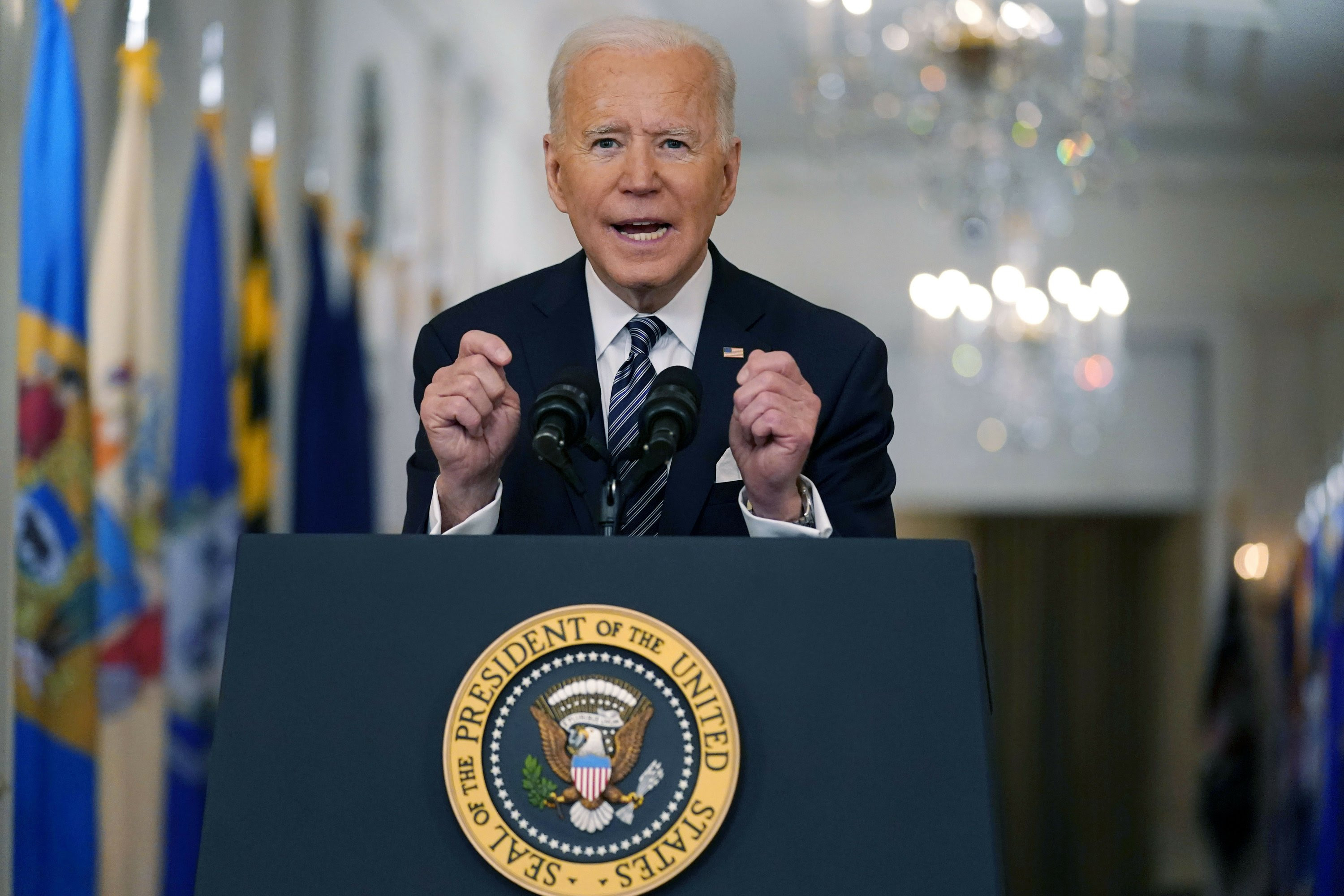
WASHINGTON (AP) — One year after the nation was brought to a near-standstill by the coronavirus, President Joe Biden pledged in his first prime-time address to make all adults eligible for… …Read More

I'm an image

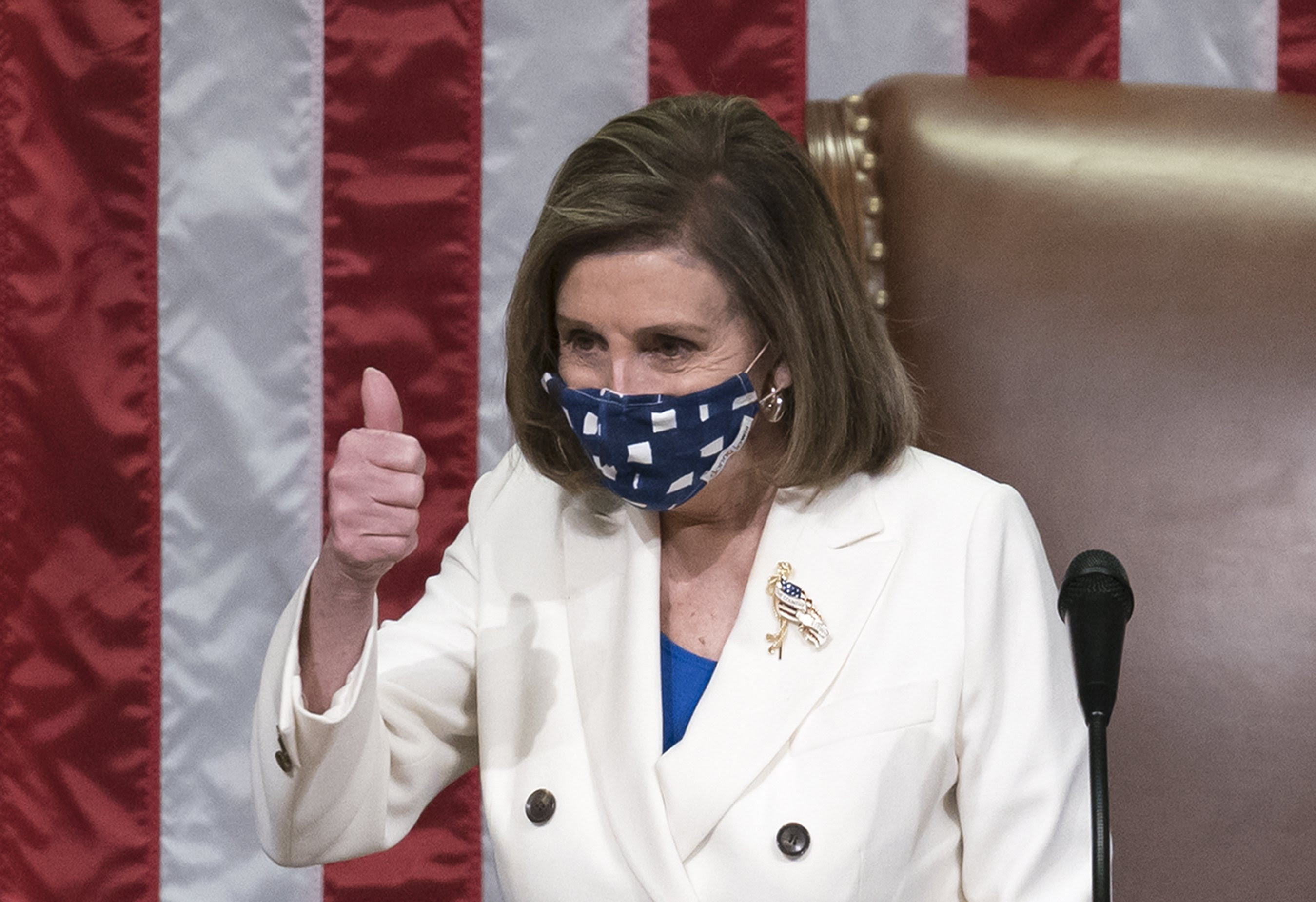
WASHINGTON (AP) — President Joe Biden’s $1.9 trillion COVID-19 relief package is being hailed by Democrats and progressive policy advocates as a generational expansion of the social safety net,… …Read More

I'm an image

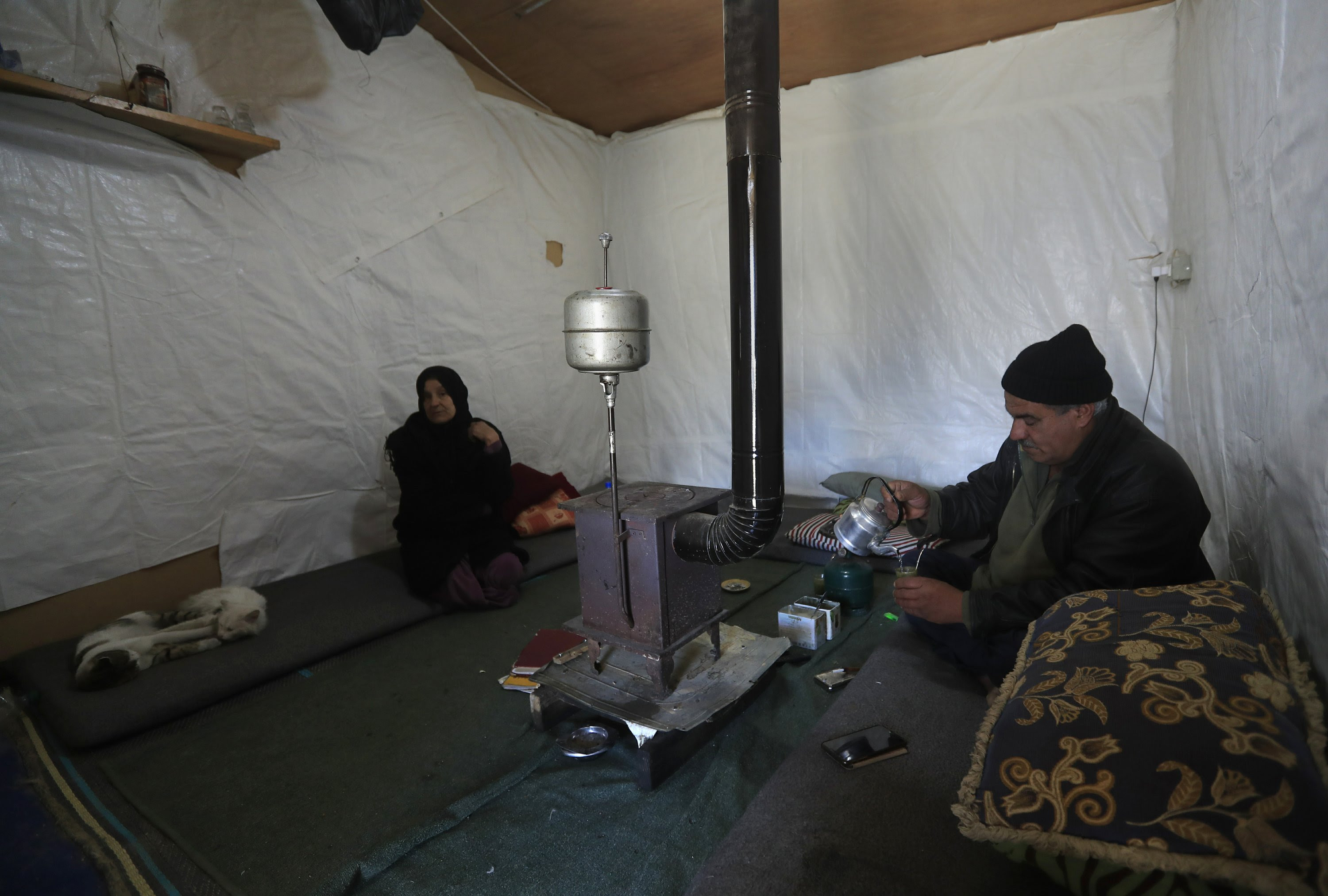
BAR ELIAS, Lebanon (AP) — Mohammed Zakaria has lived in a plastic tent in eastern Lebanon’s Bekaa Valley for almost as long as war has raged in his native Syria. He and his family fled… …Read More

I'm an image

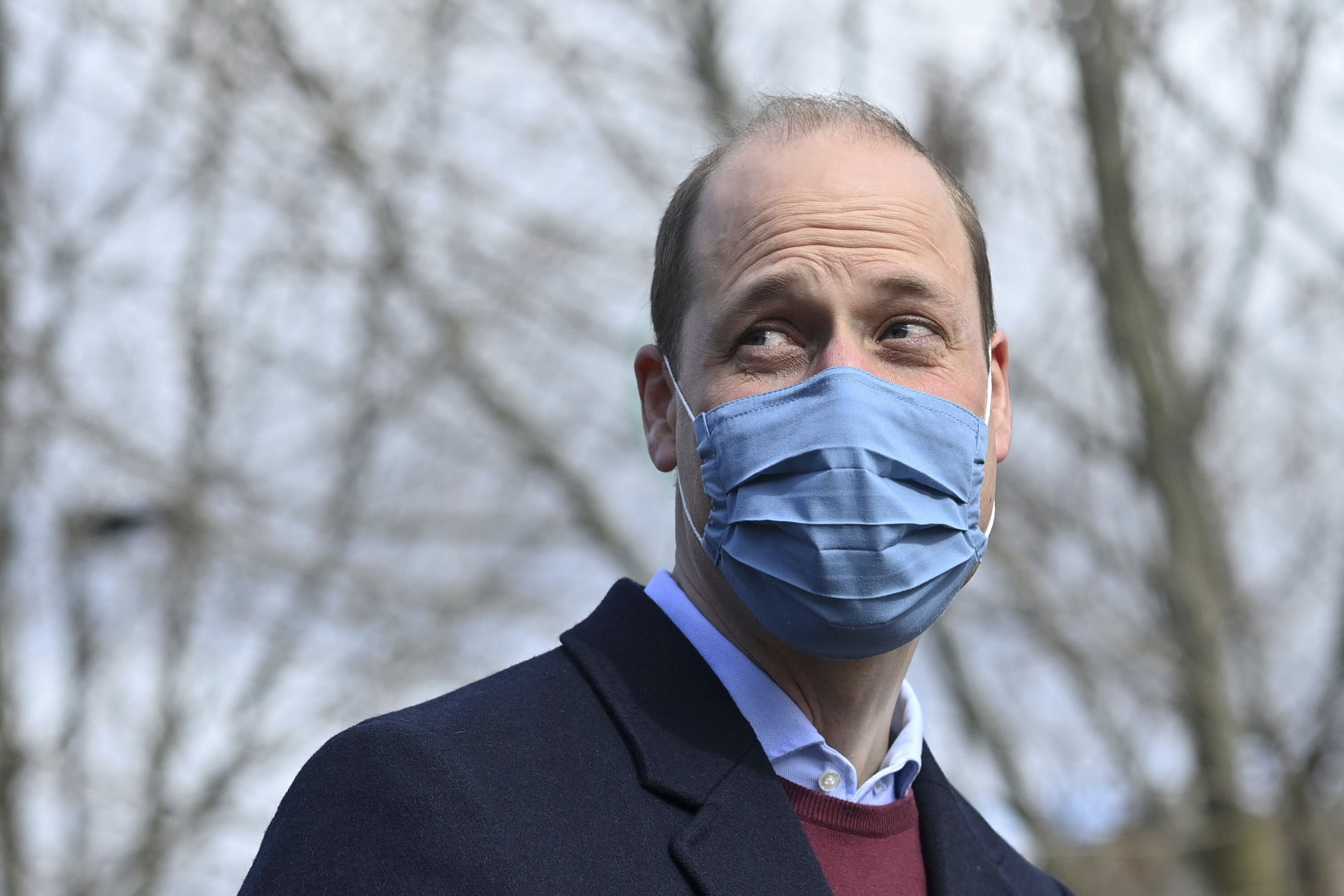
LONDON (AP) — Prince William insisted Thursday that his family is not racist as he became the first member of Britain’s royal family to speak out about accusations of bigotry made by Prince Harry…..Read More

OTHER TOP STORIES

With vaccination against COVID-19 in full swing, social platforms like Facebook, Instagram and Twitter say they’ve stepped up their fight against misinformation that aims to…Read More

ANSAN, South Korea (AP) — For the first time in years, Choi Bok-hwa didn’t get her annual birthday call from her mother in North Korea. Each January, Choi’s mother had climb…Read More

DHAKA, Bangladesh (AP) — A Bangladeshi satellite television station has hired the country’s first transgender news anchor, saying it hopes the appointment will help change s…Read More

Ken is turning 60, two years after his best friend Barbie did. Mattel launched a reproduction of the original Ken doll on Thursday to commemorate his 1961 debut. That slende…Read More

The post Associated Press World View: Pandemic & Children, Biden & Vaccines, Prince William on Meghan, More appeared first on The St Kitts Nevis Observer.