Police said initial indications suggest there are serious injuries.
Tag Archives: oceania
‘Surgical change’: Transport Minister Simeon Brown and Auckland Mayor Wayne Brown wield the knife to reform Auckland Transport
Local Boards, not AT, will decide projects in their communities.
Bird flu outbreak: Don’t eat raw eggs, experts warn
The MPI has confirmed 80,000 birds will be culled at an Otago farm.
Fresh wild weather warning for multiple states
Eastern Australia will be battered with a fresh deluge of severe storms and heavy rainfall over the next few days.
A band of rain and thunderstorms is rolling across southern Queensland, inland NSW, central and eastern Victoria and much of Tasmania, with more wild weather expected this week.
Senior meteorologist Dean Narramore from the Bureau of Meteorology warned the rainbomb may bring flash flooding for large parts of the eastern states.
READ MORE: Aussie bank to charge customers $3 to withdraw cash
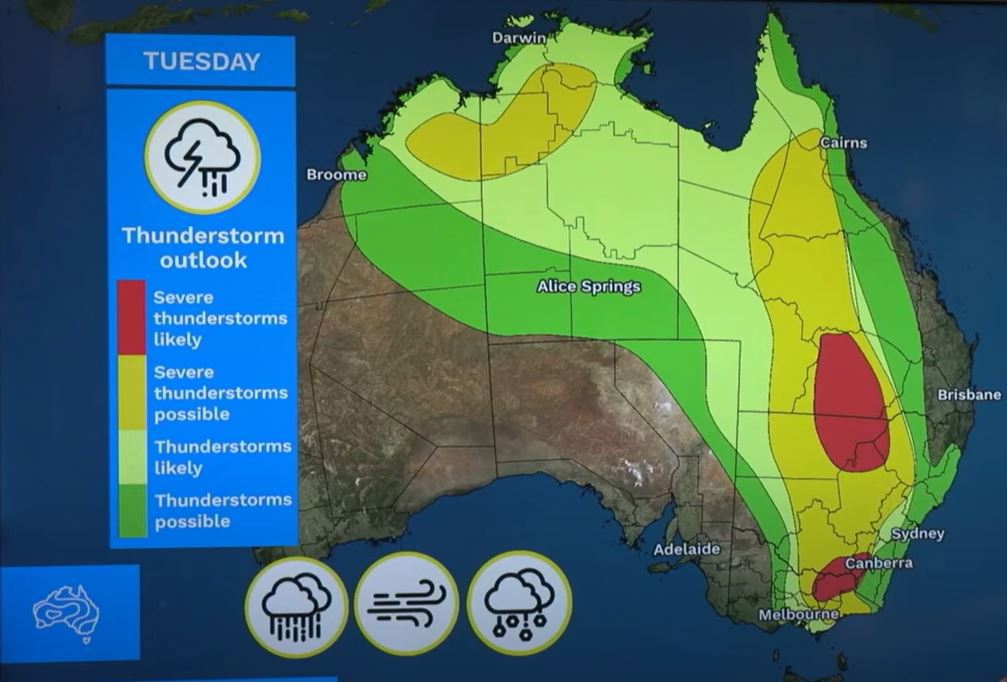
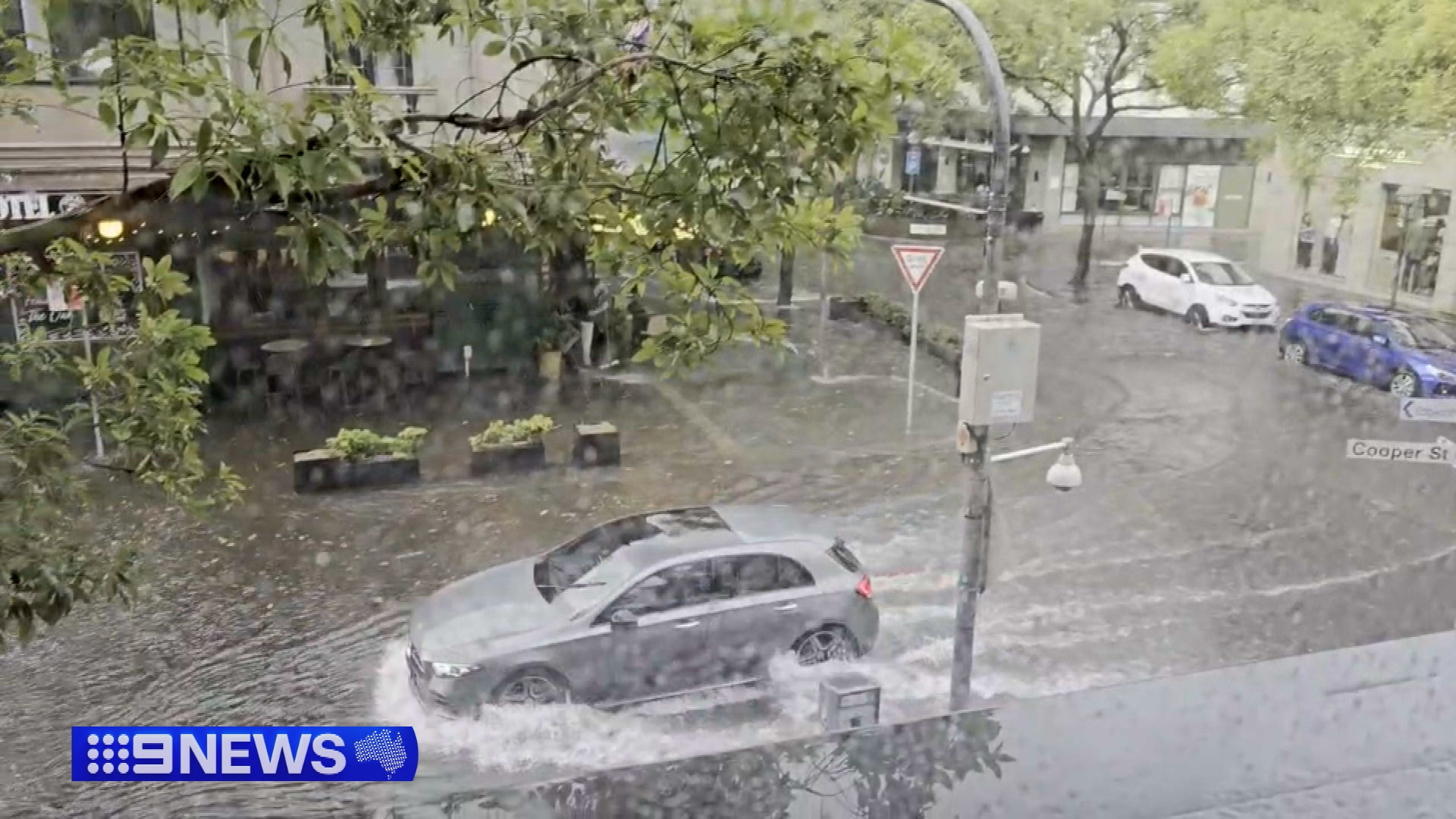
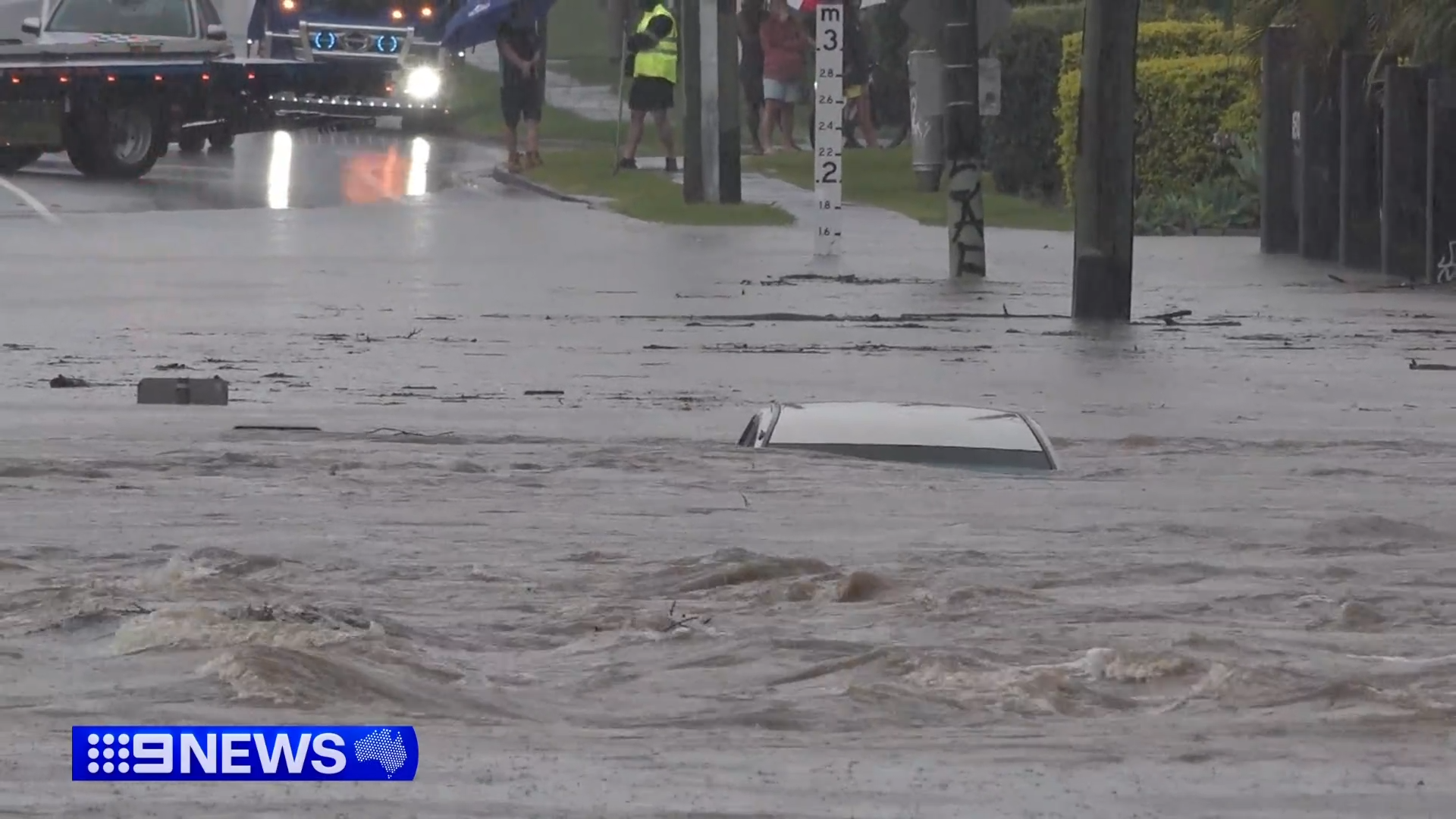
"With those storms, we could see flash flooding, particularly through southern Queensland and northern NSW, with those storms [brings] heavy rainfall rates, and that could also lead to dangerous driving conditions," he said.
"If you're out and about through country parts of Victoria and north-east parts of NSW and southern Queensland, and some of these storms, if you're directly underneath them, could bring down trees and power lines, lead to localised power outages and also cause inundation for homes, properties and businesses."
Western and central NSW, eastern Victoria and inland Queensland are forecast to be hit with more heavy storms and showers this afternoon.
READ MORE: Summer heat prompts warning about children, pets in cars
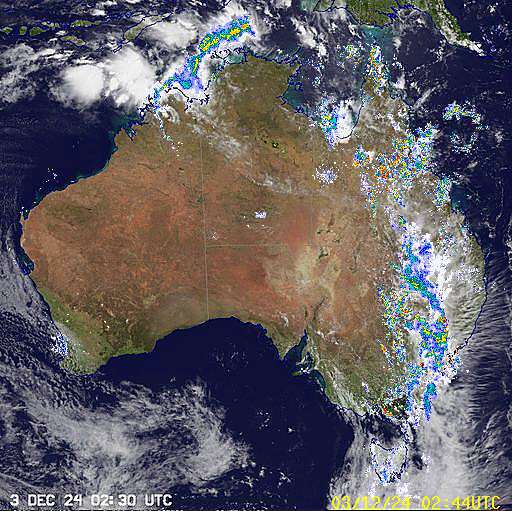
More rain is also predicted for the east coast of NSW and Canberra, though the showers will quickly clear tonight and tomorrow.
The high-pressure system will then move to south-east Australia.
"Another round of showers and thunderstorms for north-east NSW and southern Queensland could be severe as well," Narramore added.
These areas, along with north-east Victoria and even parts of northern Queensland, could see up to 100mm of rainfall over the next three days. This could result in further flash flooding in impacted areas.
READ MORE: 'Lost my eyesight': Elton John reveals ongoing sight loss at musical
Large parts of Tasmania are also warned to watch for flooding as the rainfall continues to batter the north-east.
"With all this weather around eastern Australia in the coming days, make sure you stay up to date with the latest forecasts and warnings by our website, app and social media," he continued.
READ MORE: Oxford Word of the Year revealed to be 'brain rot'
"If the storms get really bad, listen to all advice from emergency services near you."
Early summer storms have pounded Queensland and NSW this week, with major flooding across Brisbane, the Gold Coast and in Sydney.
Flash flooding in Brisbane left Roma Street unrecognisable as suburbs across the city quickly went under on Sunday.
A flash of heavy rain forced planes to divert, streets to flood and ceilings to collapse in Sydney on the first day of summer too.
Aussie state featured in stunning snaps from Northern Lights photo contest
The winning aurora displays have been captured from rare locations in Australia, southern Europe, the southern states of the US, the Chilean Patagonia and more.
No jail for couple after ‘abhorrent’ neo-Nazi graffiti attack at uni in Sydney
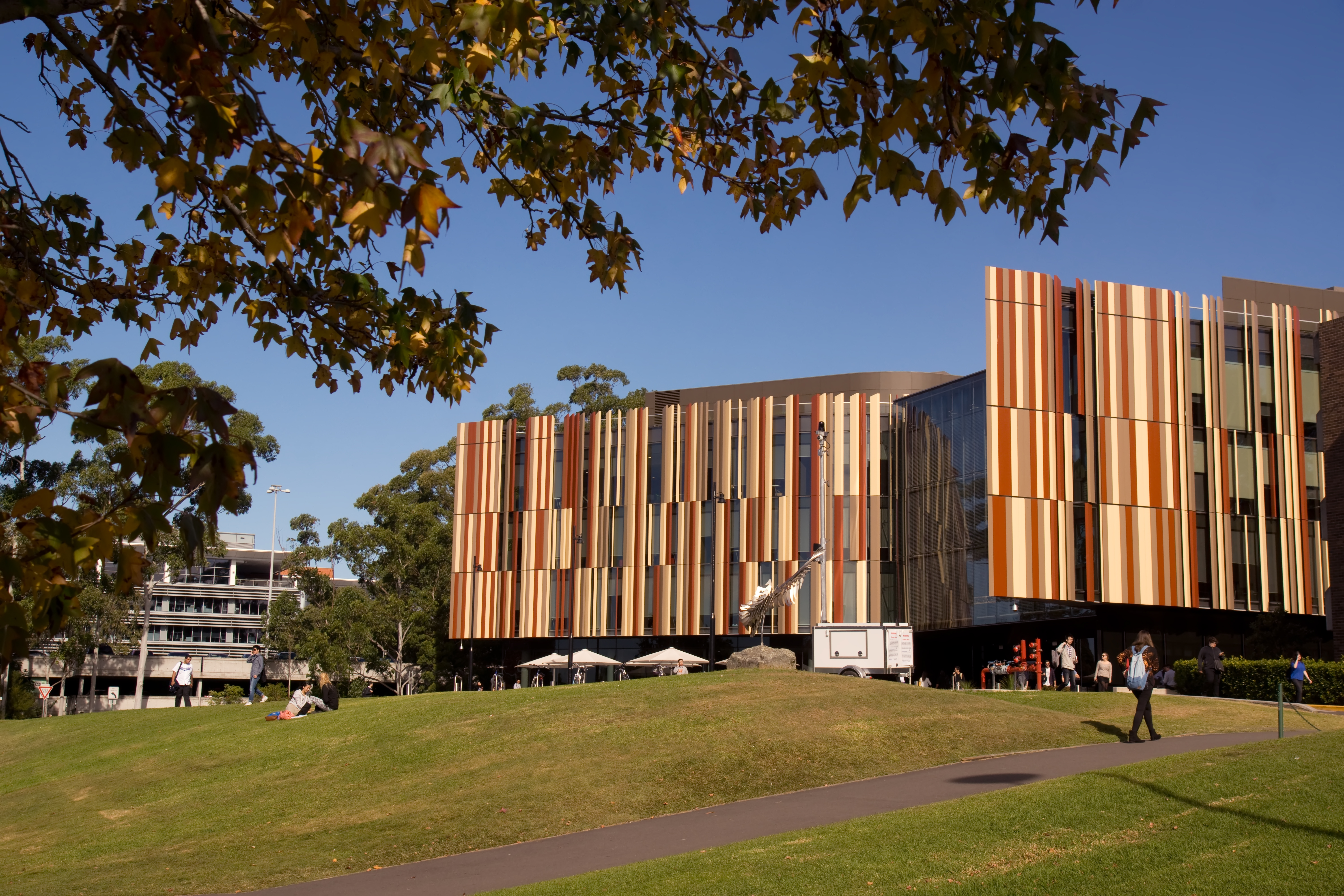
A young couple have been spared jail for a hateful neo-Nazi graffiti spree at a major university campus despite a magistrate labelling their behaviour as abhorrent.
Christopher Carrig, 20, and Taylor Bayly, 20, were sentenced today over the vandalism at Macquarie University in the early hours of January 25, 2024.
The pair were ordered to reimburse the university for the cost of the damage.
READ MORE: Elon Musk dealt $155 billion blow by judge
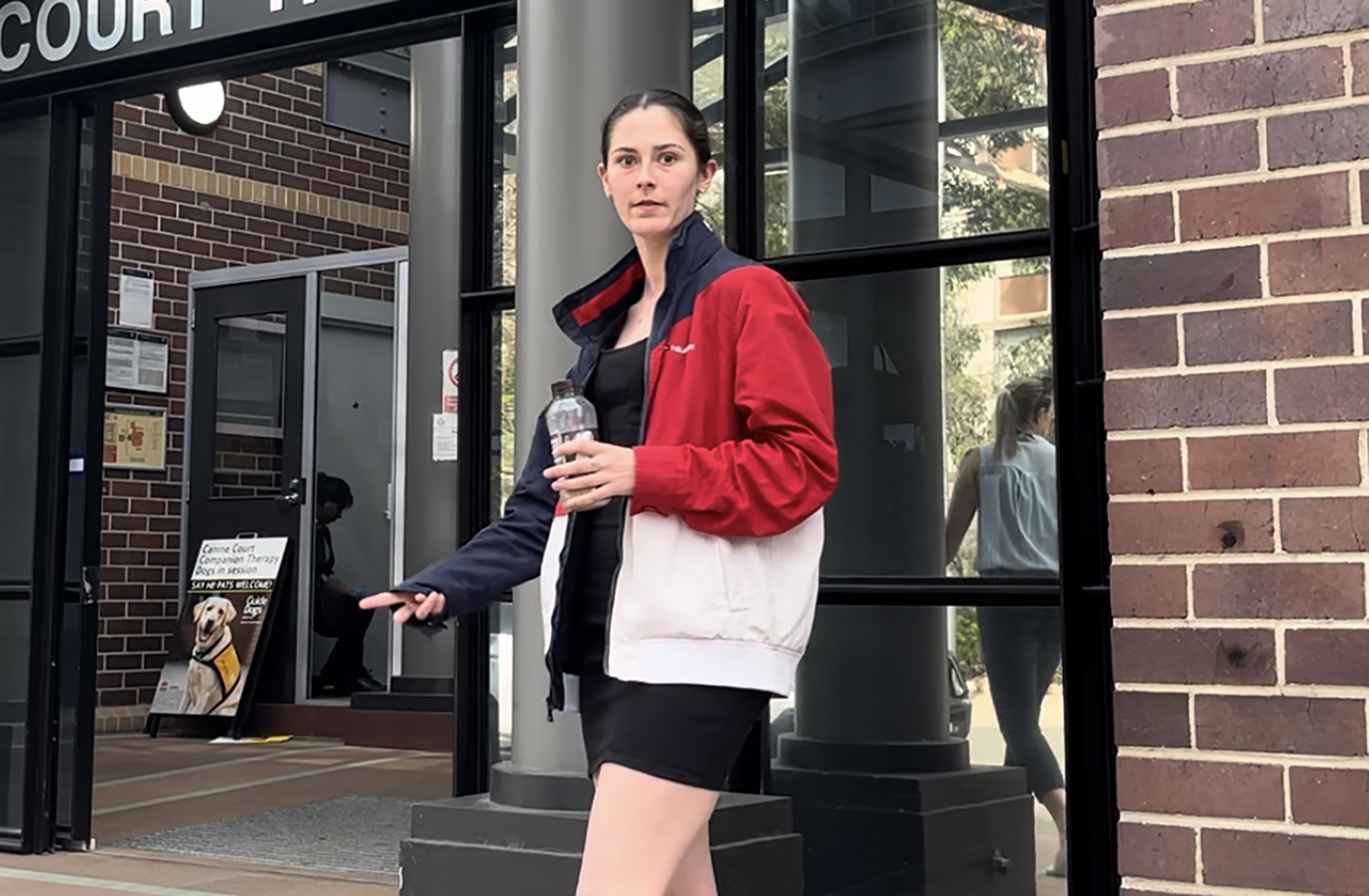
Carrig was also sentenced over an anti-Semitic incident in which he intimidated a 20-year-old man at a bus stop, who he targeted for being Jewish.
The encounter was filmed and posted to social media.
During the interaction, Carrig told the man to remove a Jewish kippah – or skullcap – he was wearing and ordered him to kiss his shoes, Sydney's Burwood Local Court heard.
The 20-year-old also told the man: "It's quite low for a Jew to be waiting for the bus. Can't you call uncle Goldstein and ask him to bring you a BMW?"
Carrig's lawyer Rylie Hahn said her client had recently experienced significant trauma with the tragic deaths of two family members.
READ MORE: Aussie scientists may have cracked the code on obesity
"His mother and sister recently and tragically passed away," she said, adding that incident meant the young man had to move out of his family home.
Police located the bodies of the woman and her teenage daughter in July at an address in Marsfield in Sydney's north, prompting a major forensic investigation.
About a week before the bodies were discovered, a police search of Carrig's home revealed what a prosecutor today described as "more or less a shrine to the Third Reich".
Carrig was given some of the Nazi paraphernalia by his late mother, the court heard.
At the time of spray-painting the Nazi slogans at Macquarie University, both Bayly and Carrig were intoxicated and were acting in response to a socialist poster they had seen, Magistrate Mark Whelan was told.
The pair admitted to blackening their faces and entered the northern Sydney campus before they graffitied offensive symbols, including swastikas, across 24 locations.
The slogans included "f— Antifa scum" and "Heil Hitler", as well as references to the Australian neo-Nazi group National Socialist Network.
Carrig and Bayly, who have been in a relationship for about three years, have matching tattoos of the numbers "14" and "88" behind their ears, which carry neo-Nazi associations and were clearly visible as they faced court.
The two numbers are common white-supremacist code, according to the Anti-Defamation League.
Mr Whelan sentenced Bayly to serve a 15-month community corrections order, while Carrig was handed a two-year intensive corrections order in lieu of a full-time jail sentence.
The magistrate described the offending as "abhorrent".
DOWNLOAD THE 9NEWS APP: Stay across all the latest in breaking news, sport, politics and the weather via our news app and get notifications sent straight to your smartphone. Available on the Apple App Store and Google Play.
Woolies says strike has already cost it $50m in lost food sales
The ongoing supply chain strike has cost Woolworths a whopping $50 million in lost food sales over the past 12 days.
In an update to investors, the grocery giant said the 12-day strike by the United Workers Union (UWU) has already resulted in huge losses and sales will continue to plummet if it is not resolved.
"The full financial impact at this stage is unknown. It will be dependent on the duration and extent of the ongoing industrial action across the affected sites, and the time taken to rebuild inventory ahead of the Christmas trading period," Woolworths said in an ASX statement.
READ MORE: Putin approves record defence spending – a third of Russia's budget
READ MORE: What the weather on Christmas Day is forecast to be in your city
Woolworths chief executive Amanda Bardwell apologised to customers for the continuing strike action and said the company is working to resolve it.
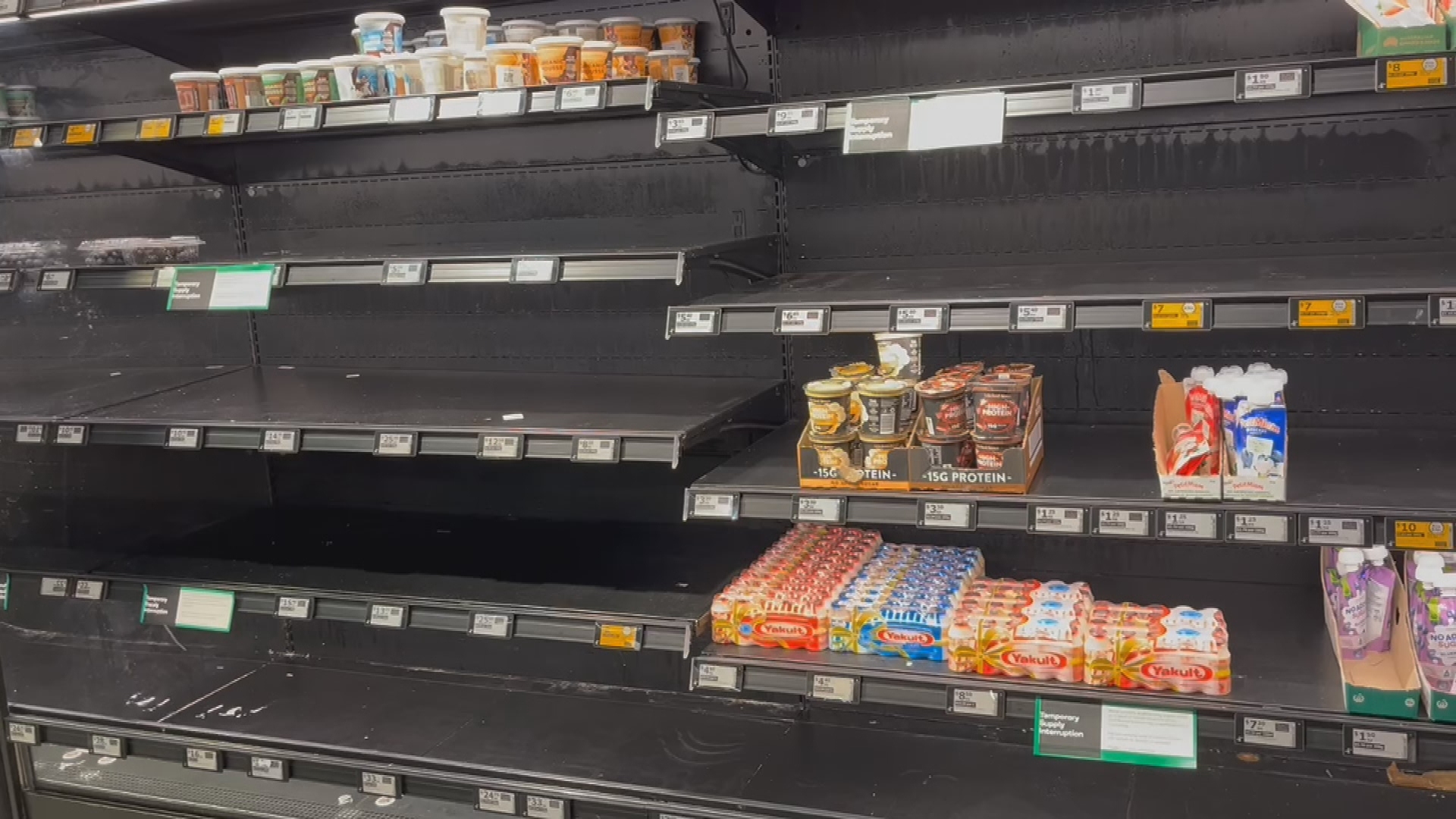
"We sincerely apologise to all of our customers for the inconvenience caused by the inconsistency of supply across some product lines in some of our stores in Victoria, southern NSW and ACT," Bardwell said.
"We are working hard to try and improve the situation and would like to thank our customers for their understanding and for treating our teams with respect."
Woolworths said negotiations with the UWU remain unresolved.
It said workers are demanding pay increases "materially above inflation" at a time when customers are facing cost of living pressures.
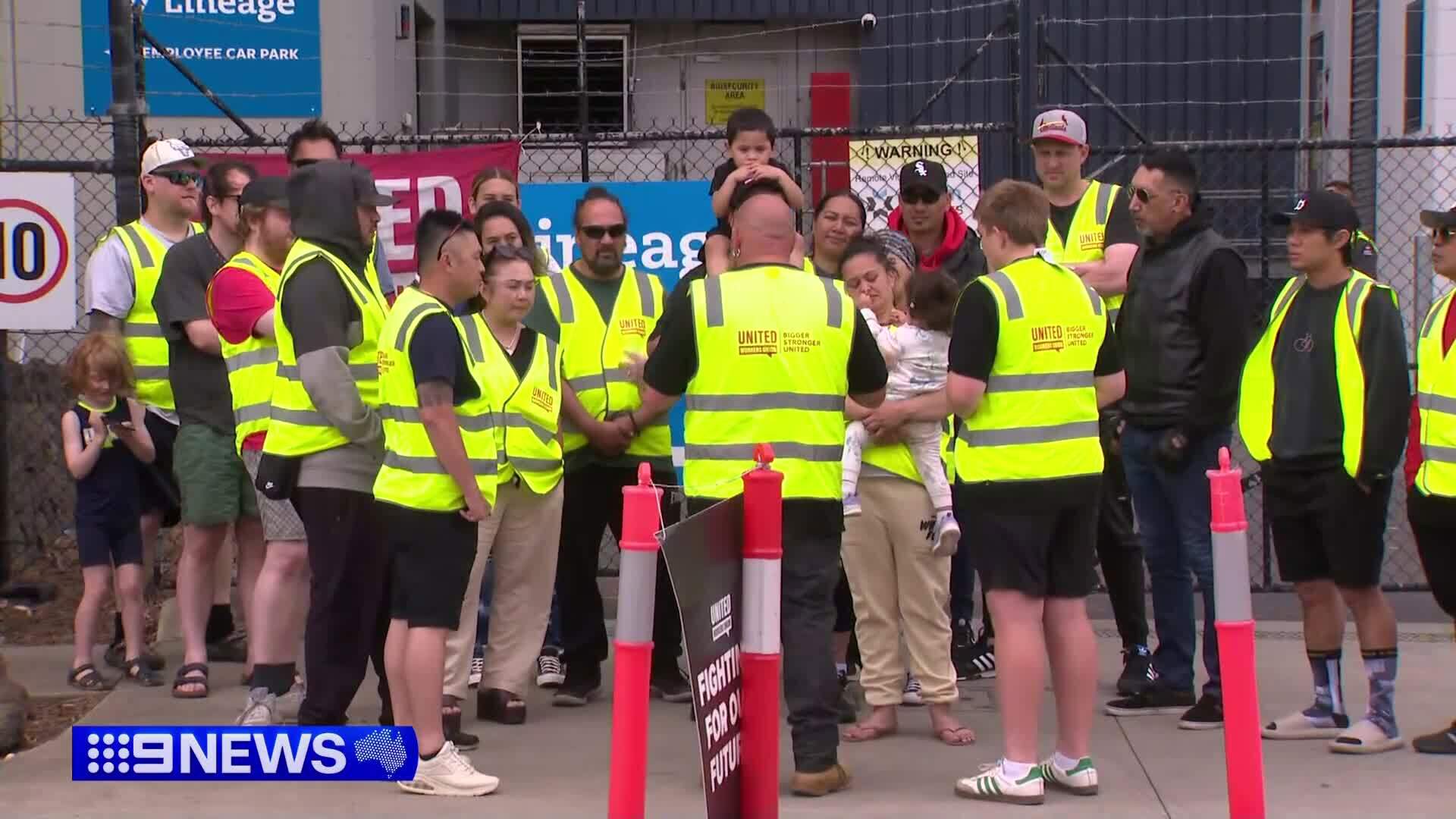
In response, UWU national secretary Tim Kennedy said Woolworths could end the strike now if they wanted.
"Warehouse workers have been engaged in good faith negotiations for almost seven months as they have raised concerns about the punitive framework that expects workers to achieve a 100 per cent benchmark, 100 per cent of the time, pushing them into unsafe work practices as they rush to meet deadlines," he said in a statement.
"They are also fighting for a fair pay rise.
"In terms of shortages on shelves and Woolworths' statements about the impact of the strike, we have consistently said that Woolworths is in a position to end this strike right now by agreeing to a reasonable outcome with workers – and they should do so today."
Woolworths today lodged an application with Fair Work to stop striking workers from blocking access to distribution centres as stock runs low across the country.
The grocery giant is seeking orders from the workplace regulator to prevent the United Workers Union (UWU) stopping employees from entering the Melbourne south regional distribution centre and three other sites in Victoria and NSW.
The application alleges UWU members are in breach of the good faith bargaining requirements of the Fair Work Act.
"The application comes after the UWU refused to give any assurance of safe passage for team members seeking to return to work at our Melbourne south regional distribution centre yesterday and this morning," Woolworths said in a statement.
"A majority of the team at the site had indicated they wished to return to work to begin being paid, which will help increase supply of essential food and grocery products such as nappies, toilet paper and drinks to Woolworths' Victorian stores."
READ MORE: Billionaire brings $150,000 grocery giveaway to Sydney
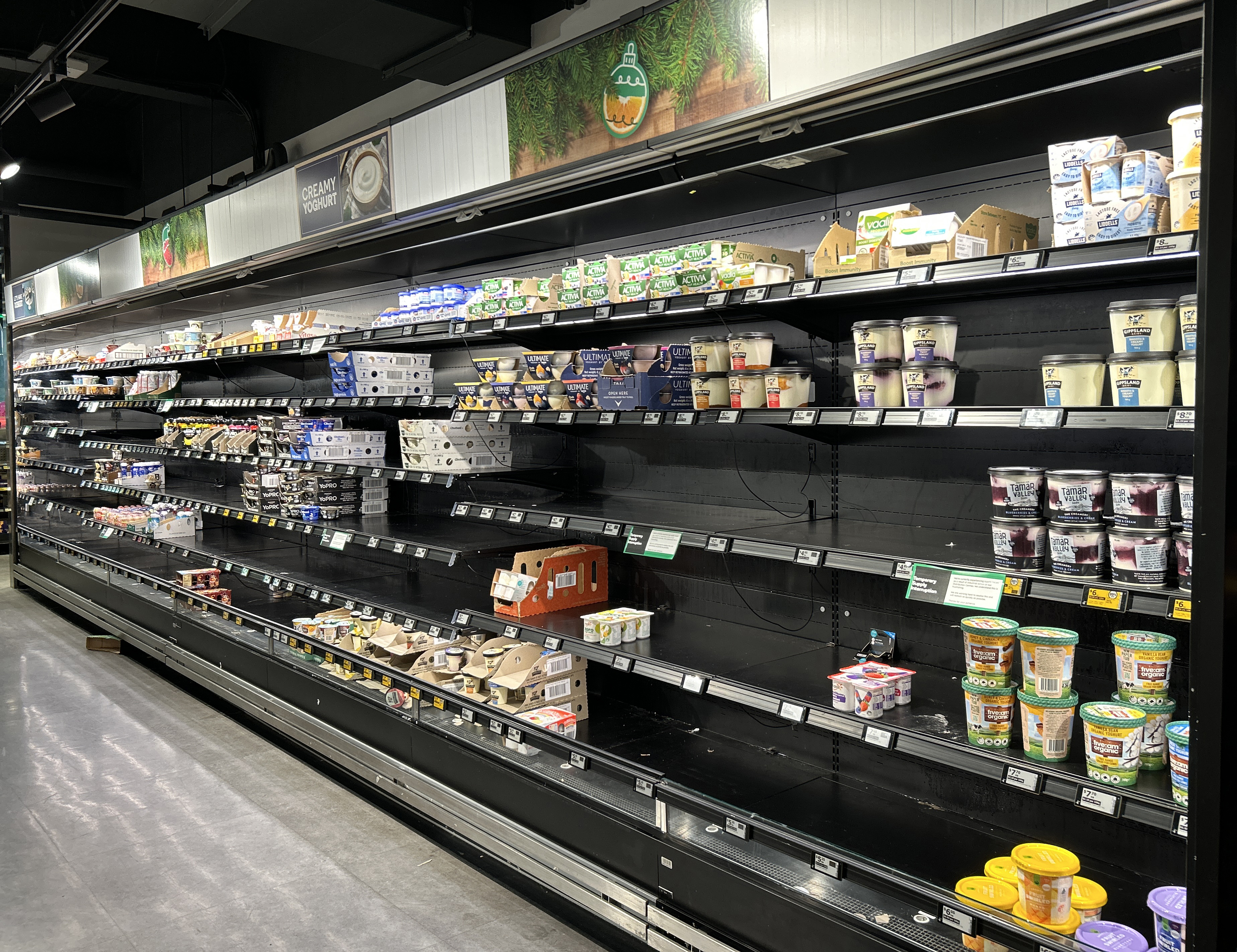
Woolworths claims UWU created an "unsafe environment for team members who had shown up to work".
"The majority of our team members at this site are not members of the UWU," the statement continued.
"We will again be attempting to operate the MSRDC today, and we will follow the advice of the Victorian police to ensure the safety of our team."
The application has not been listed for hearing yet.
READ MORE: Three dead and dozens sick from eating sea turtle stew
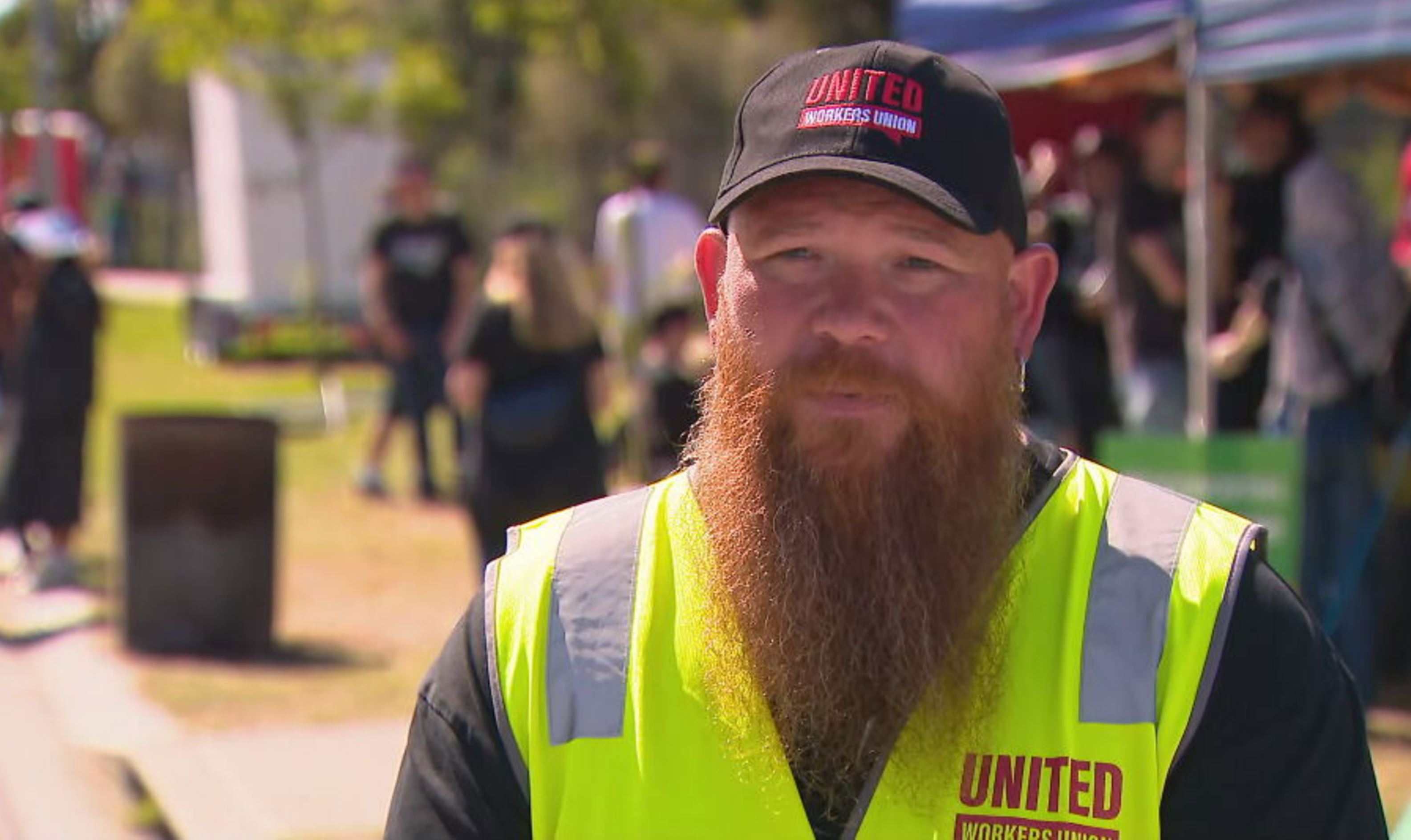
Union members commenced industrial action at the Woolworths distribution centres to demand better pay and conditions.
The strike has now neared two weeks and as a result supermarket shelves have been left empty ahead of a busy pre-Christmas period.
Workers are demanding a pay rise above inflation, seeking an immediate 25 per cent increase and a further 30 per cent over the next two years.
They are also wanting the productivity "framework" scrapped, which forces them to meet 100 per cent adherence to a speed-related metric known as pick rates.
DOWNLOAD THE 9NEWS APP: Stay across all the latest in breaking news, sport, politics and the weather via our news app and get notifications sent straight to your smartphone. Available on the Apple App Store and Google Play.
Australia’s happiest residents revealed
The happiest residents in Australia have been revealed – and they don't live in Sydney or Melbourne.
Drunk driver who killed bride on her wedding day handed hefty jail term
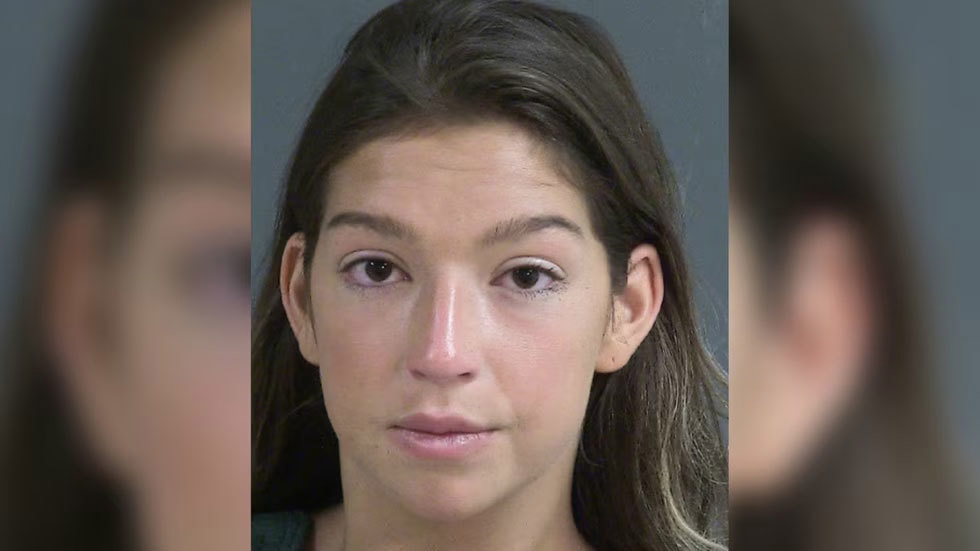
A woman who admitted to drinking and who was driving well over twice the speed limit when she smashed into a golf cart, killing a bride who had just got married at a South Carolina beach, has been sentenced to 25 years in prison.
Jamie Lee Komoroski pleaded guilty at the Charleston County courthouse to reckless homicide, felony DUI causing death and two counts of felony DUI causing great bodily injury before her sentencing.
Also hurt in the 2023 crash was the groom, Aric Hutchinson, who cried in court as he recalled the last moments he spent with Samantha Miller – some of their only moments as husband and wife.
READ MORE: Easey Street murder suspect touches down in Qatar on way to Australia
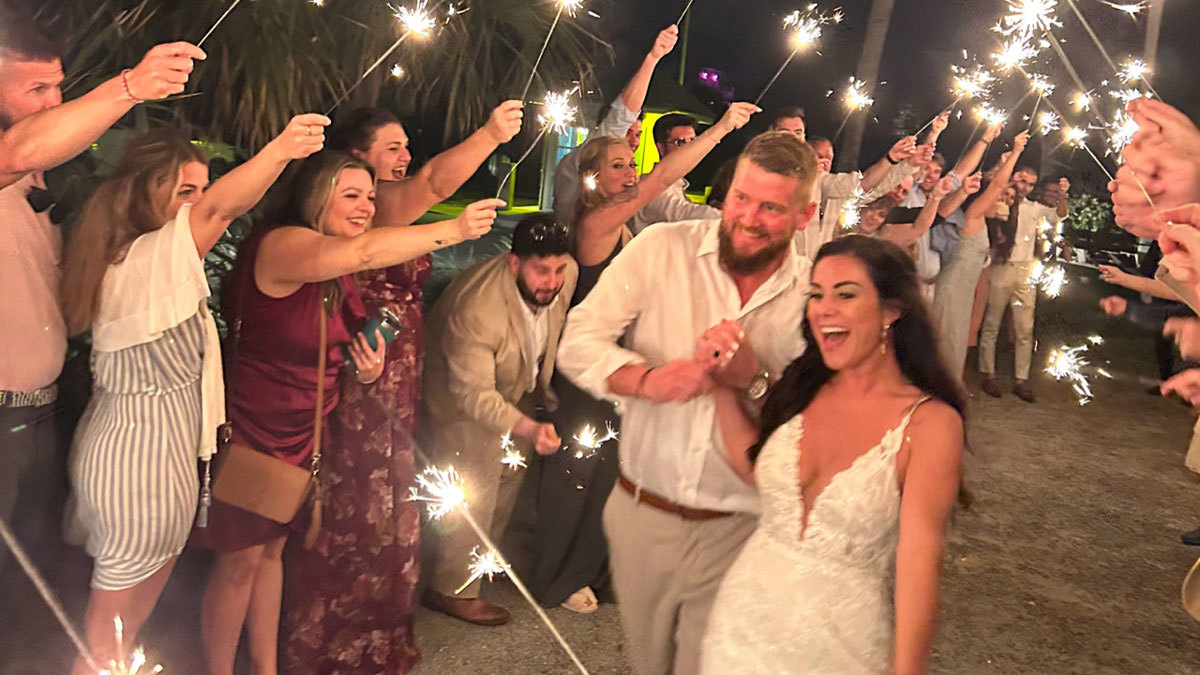
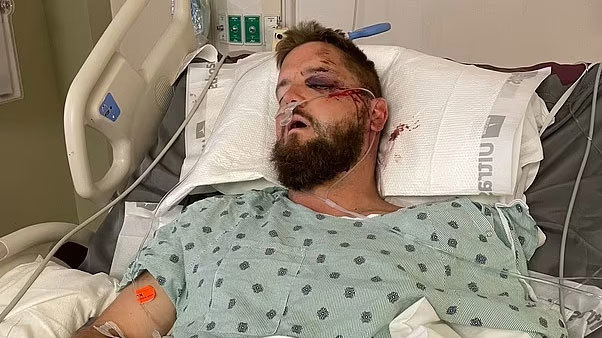
"On the golf cart, she told me she didn't want the night to end and I kissed her on the forehead and then the next thing I remember is waking up in the hospital," Hutchinson said.
Komoroski, 27, was sentenced to the maximum of 25 years in prison for felony DUI causing death by Judge Deadra Jefferson at the Charleston County courthouse.
She also was sentenced to 15 years in prison for each count of felony DUI causing great bodily injury and 10 years for reckless homicide.
The sentences will all run at the same time.
Police said Komoroski drank at several bars on April 28, 2023, and was driving at 105kph on a narrow Folly Beach road with a speed limit of 40kph when she slammed into the golf cart leaving a wedding.
Her blood-alcohol level was 0.26 per cent, which is more than three times the legal limit to drive.
The 34-year-old bride died still wearing her wedding dress.
The groom suffered a brain injury and numerous broken bones.
The cart was thrown 91 metres by the crash.
After pleading guilty, Komoroski said she realised now she was addicted to alcohol and selfishly didn't care how her actions affected others.
She promised to spend the rest of her life helping addicts and warning of the dangers of drinking and driving.
She said she was "devastated, deeply ashamed and sorry" for what she did.
"I wish I could go back and undo this terrible tragedy. But I cannot. I will live the rest of my life with intense regret for what happened that night," she said.
She said all her work will be dedicated to Miller's memory.
"I pray God stands by the side of my victims and their families and loved ones for the rest of their lives," Komoroski said.
A number of friends and family of both Miller and Komoroski spoke at the hearing, which lasted nearly three hours.
Komoroski's supporters asked the judge to be lenient because she is young, remorseful and can still do good.
Many of Miller's family asked for a harsh sentence, saying they can never get her back and that the decisions Komoroski made that night were selfish and permanently scarred many lives.
Komoroski looked at most of Miller's family, including Hutchinson, as they spoke, occasionally wiping away tears.
READ MORE: Former Commonwealth Kiwi boxer dead after boat capsizes in US
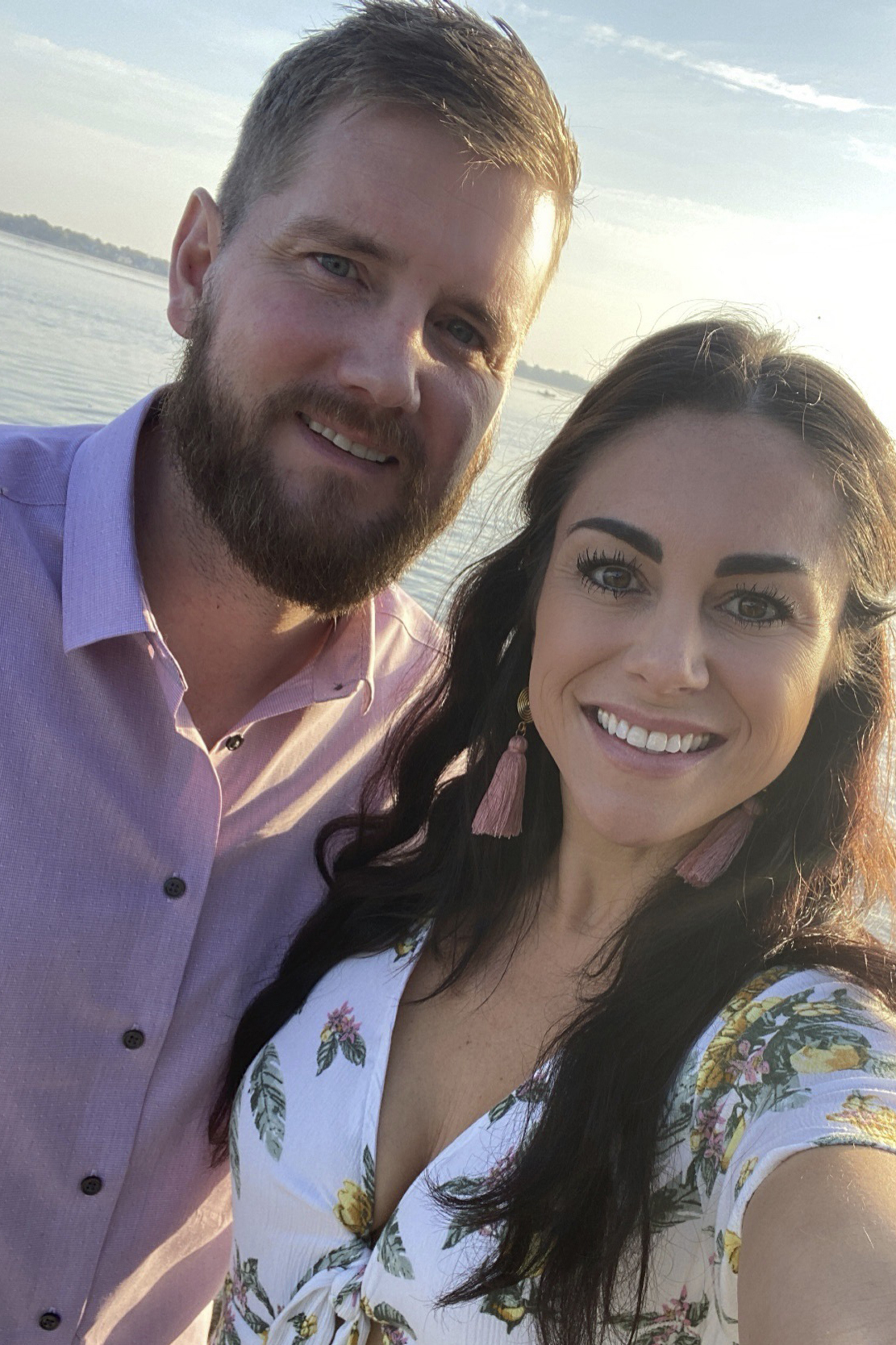
Hutchinson said he sees more doctors and therapists than he can count because of his physical injuries and the mental anguish of the crash, and that he thinks about it every single day.
"I wish I had died that night. I wish I had seen it coming. I'd have jumped off the golf cart so you would only have run me over," Hutchinson said.
Hutchinson won $863,000 in legal settlements from three bars that served Komoroski as well as her insurance firm and the company she rented her car from.
Before the sentencing, Miller's father told Komoroski he was disgusted that she appeared to never take responsibility.
He told her she could apologise, but he wouldn't listen to a word.
"The rest of my life I'm going to hate you and when I arrive in hell and you come there, I will open the door for you," Brad Warner said.
"You have ruined so many people's lives."
Ever received a dodgy ‘MyGov’ text? That’s all about to change
Telcos will soon be required to verify messages sent from brands under a new initiative launched by the Australian government to crack down on scammers.
Under the initiative, a national SMS sender ID register will be established, requiring text messages sent from trusted brands like CommBank, Linkt, or MyGov to be verified.
If the sender ID is not on the register, the Australian Communications and Media Authority (ACMA) will either block the SMS or include a warning.
READ MORE: Arrest made after man killed during assault inside Melbourne home
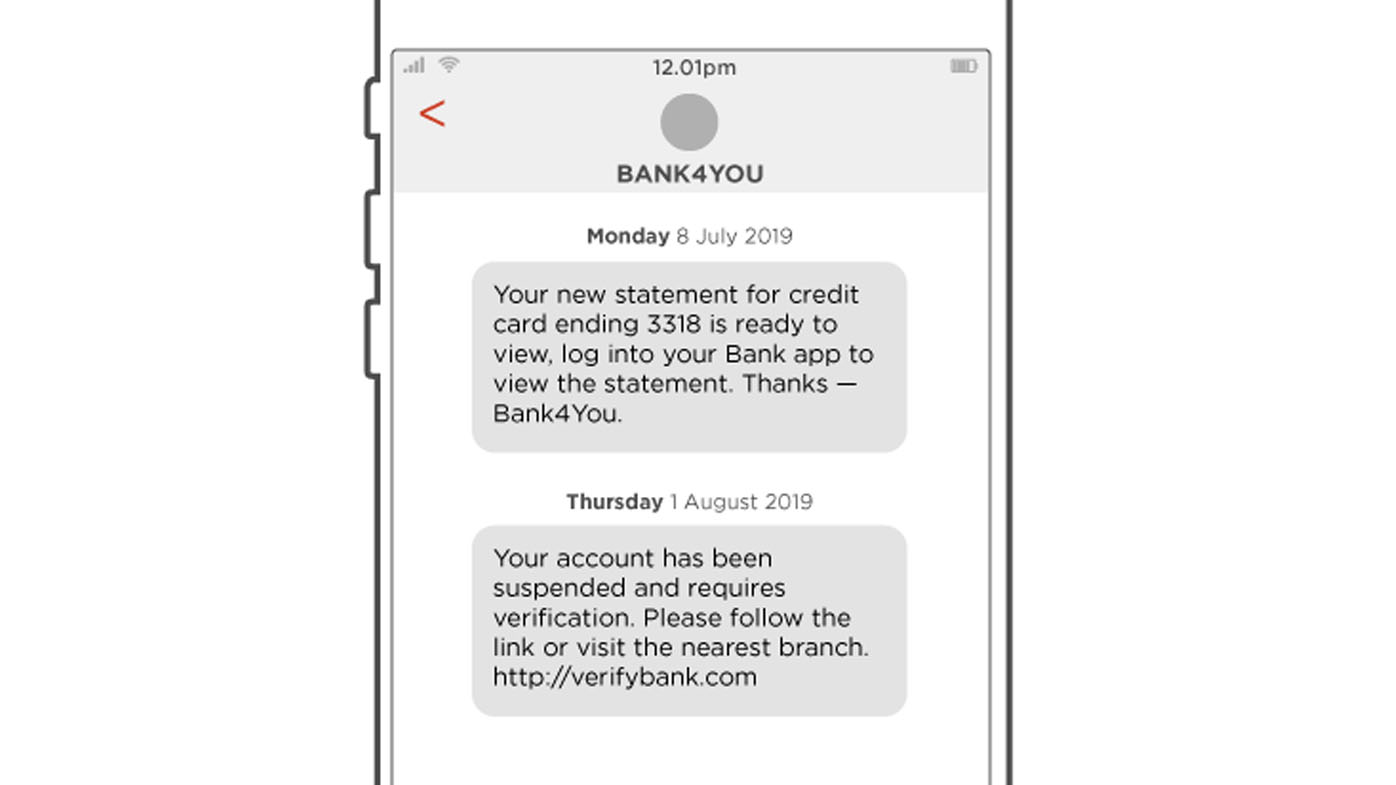
Communications Minister Michelle Rowland emphasised the tool was crucial in protecting Australians from "increasingly sophisticated and organised scammers".
"We've all received scam messages on our phones purporting to be from reputable sources – and it's costing Australians millions of dollars every year," Rowland said.
"This mandatory register will enable these messages to be blocked or flagged as a scam – better protecting consumers from being cheated.
"In this way, the register will also help restore trust in communications received from legitimate organisations and make Australia an even harder place for scammers to operate."
READ MORE: Former Commonwealth Kiwi boxer dead after boat capsizes in US
The federal government provided $10 million for the tool in the 2023-24 Federal Budget.
The government anticipates the register will be open for registration of sender IDs from late 2025, following close consultation with telcos and the companies being impersonated.
More than $11 million has been lost due to text message scams this year, according to Scamwatch.
DOWNLOAD THE 9NEWS APP: Stay across all the latest in breaking news, sport, politics and the weather via our news app and get notifications sent straight to your smartphone. Available on the Apple App Store and Google Play.