The five documents are not decisive on the benefits of the products.
Tag Archives: oceania
Buggy driver’s jail term a ‘slap in the face’, says mum of slain girl
The mother of a six-year-old girl who was killed in a buggy rollover says the five-year jail term handed to the driver was a "slap in the face".
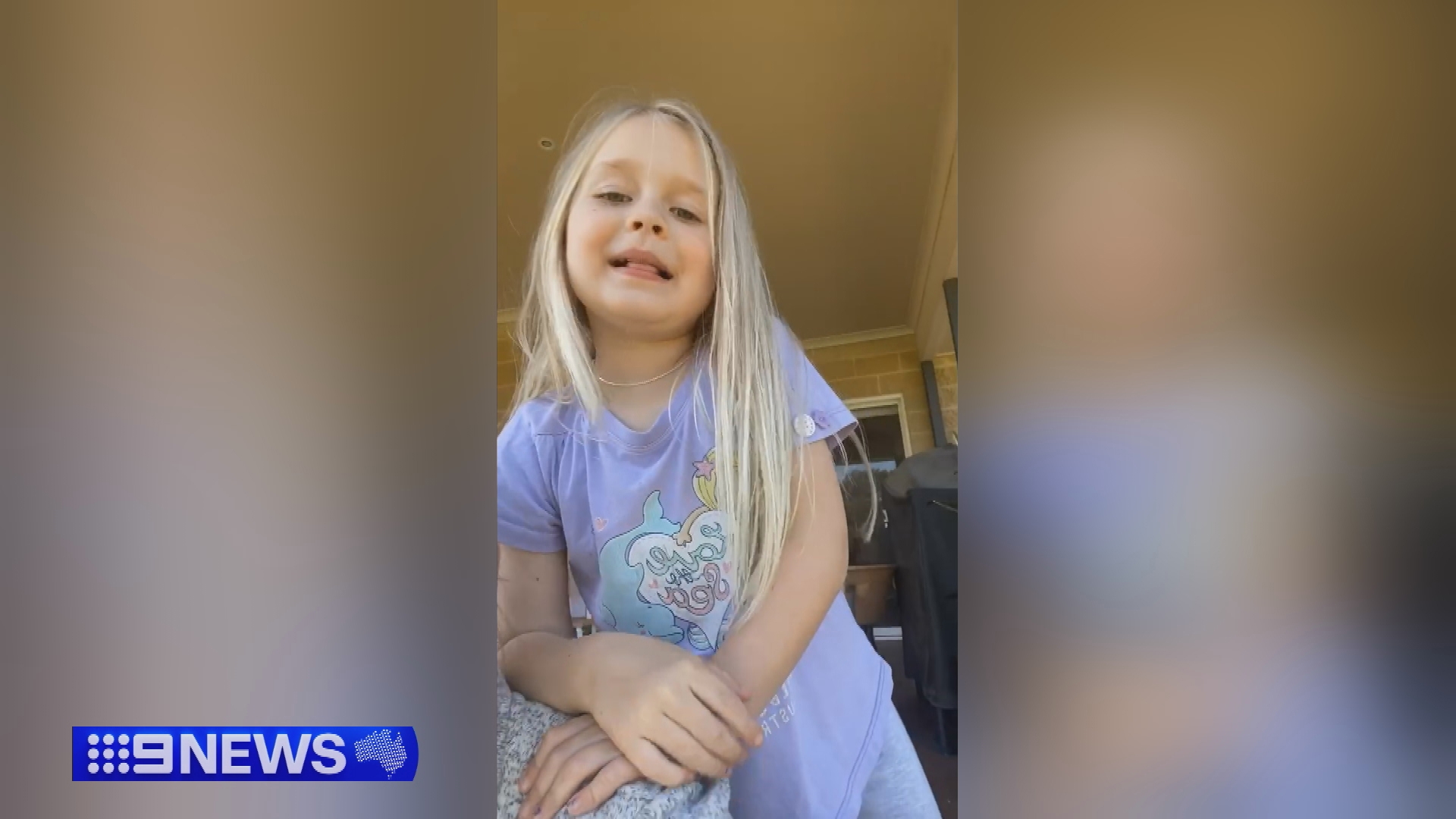
Olivia Stevens was one of seven children, all aged under 10, who were onboard the buggy without helmets or seatbelts when it crashed on September 11, 2021.
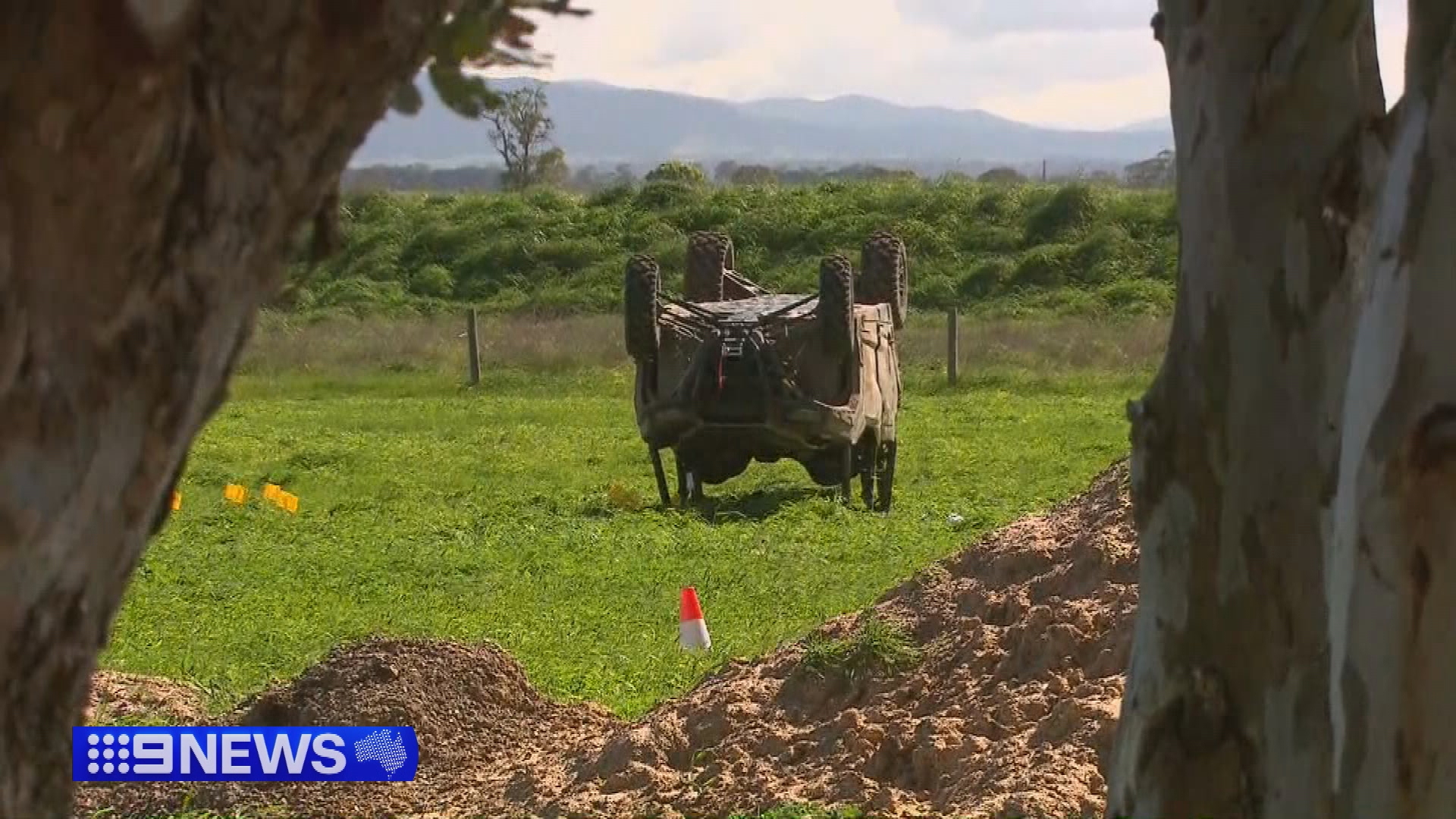
Damien Gibson, 36, was driving the overloaded vehicle on a farm at Rosedale in Victoria's Gippsland region when he took a sharp turn and it rolled.
READ MORE: Buggy victim's family speaks of nightmare after 2021 crash
Olivia was flung from the buggy and then crushed under it.
She sustained critical injuries and was flown to the Royal Children's Hospital in Melbourne where she died.
The six other passengers, including Gibson's five children, survived with minor injuries.
Gibson pleaded guilty to culpable driving causing Olivia's death after accepting a sentence indication from County Court Judge Richard Maidment.
Gibson watched on a video link from prison as he was sentenced today to five years behind bars.
He will be eligible for parole in just over two years, having already served nearly eight months in custody.
READ MORE: Australians again urged to get out of Lebanon amid fears airport could close
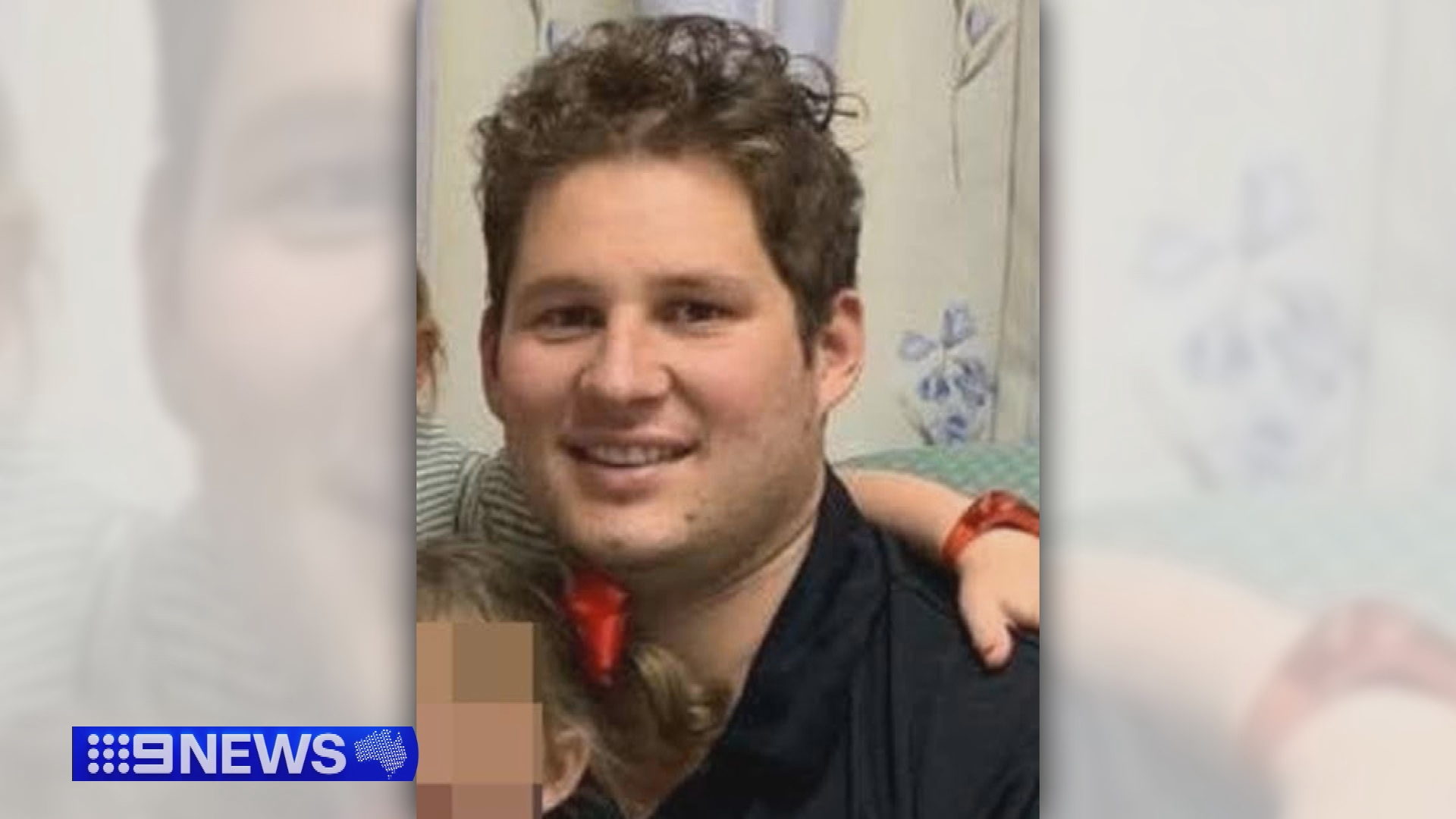
Judge Maidment said it was clear Gibson had been grossly negligent in taking seven unrestrained children on a vehicle designed to carry only four people.
He did not seek permission from Olivia's mother who had left her on a play date while she collected her son from a party, the judge noted.
Gibson also did not provide any of the children with helmets and he performed a sharp turn, knowing the terrain was uneven.
"The consequences of your negligence are tragic," the judge said.
Judge Maidment accepted the loss to Olivia's family was "utterly devastating" but said he needed to avoid giving a crushing sentence to Gibson.
He noted the 36-year-old had no prior convictions and had pleaded guilty, which showed his remorse.
The judge also considered the offending to be at the lower end of seriousness for culpable driving, as Gibson had not endangered other road users.
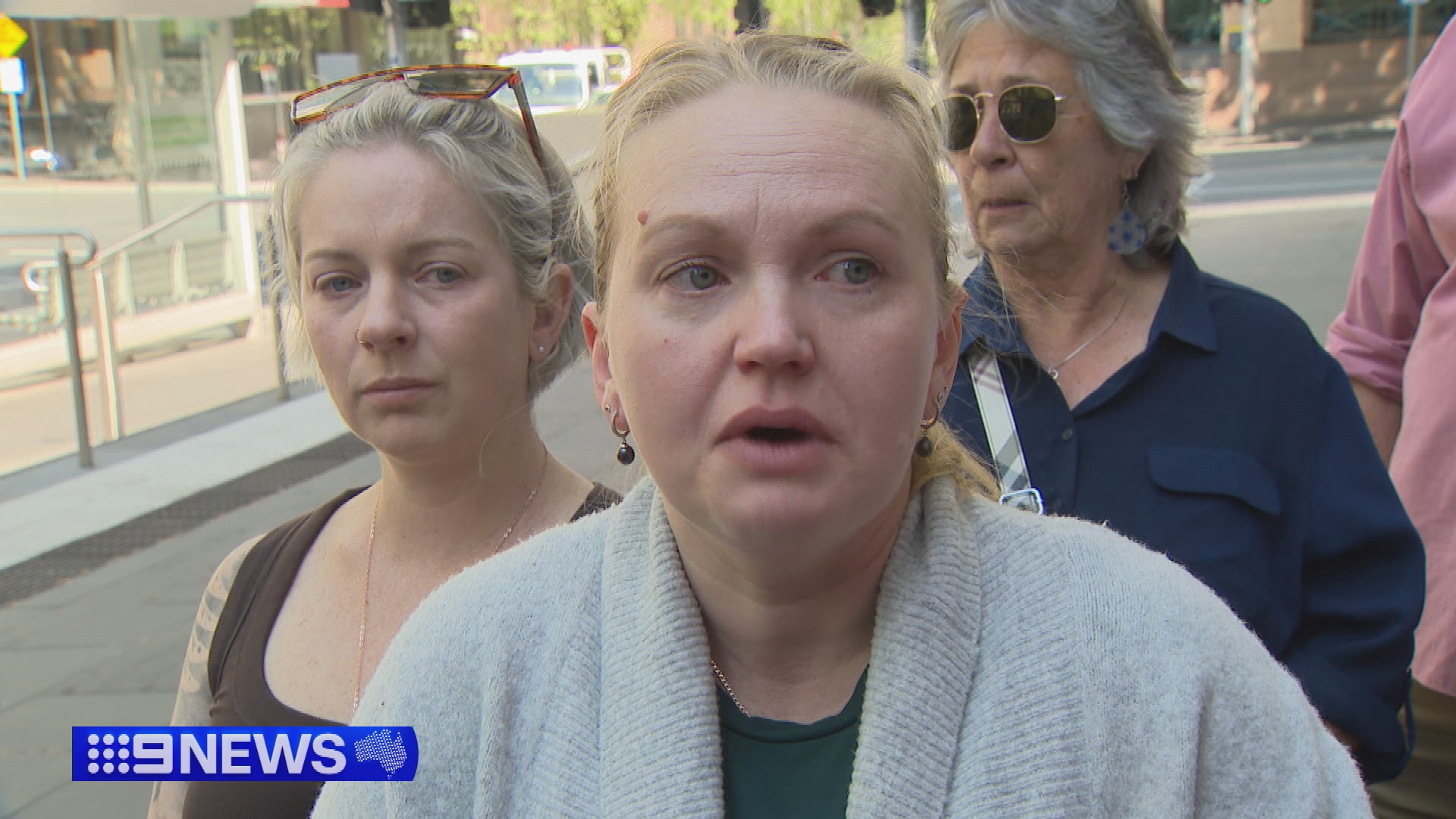
Olivia's mother Yana Stevens said Gibson's offending was devastating and there needed to be changes to the law to ensure people like him received harsher sentences.
"It's a slap in the face for taking such a precious child, our only daughter, away," she told reporters outside court.
"We literally dropped her off for 20 minutes and we'll never see her again."
Olivia was a bright and sassy girl who believed the best in everyone, Ms Stevens said.
"She knew how to break the most depressed person out of their shell and see the light and beauty in life," Stevens said.
"She used to always say that 'life's all about love, Mum. It's all about love'."
A statue of a pink flamingo, one of Olivia's favourite animals, will be displayed at her old school Gippsland Grammar to ensure the six-year-old's memory lives on.
‘I have left the building’: Aussie TV star announces her own death
Australian TV star Fiona MacDonald, best known for hosting It's a Knockout, has died aged 67.
MacDonald battled motor neurone disease for several years and she announced her own death in a heartbreaking social media post.
"My sister Kylie is posting this because I have left the building," MacDonald's posthumous message on Instagram read.
READ MORE: Hundreds of seats secured for Australians to leave Lebanon
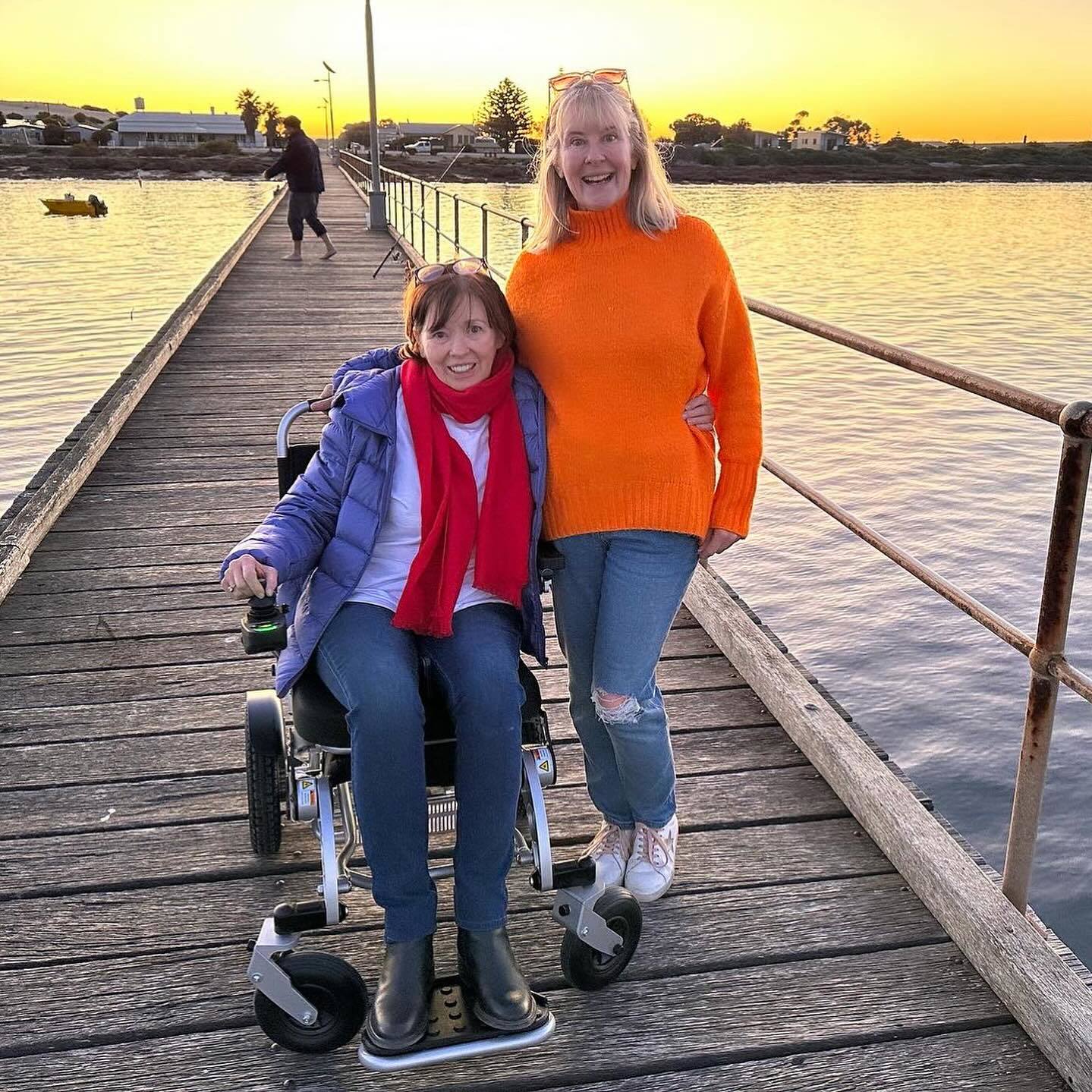
"Was very peaceful the boys and Kylie stayed with me to say goodbye. While I've never wanted to die, the thought of leaving my tortured body was a relief."
In her message, MacDonald said the "past few months have been tough" prior to her death.
She said she'd struggled to swallow food and her feeding tube had not worked.
"It went straight in and straight out," she continued.
READ MORE: Toddler survives horror NSW car crash unscathed thanks to car seat

READ MORE: Growers losing thousands accuse authorities of heavy-handed approach to tomato virus
"I have been slowly starving, growing weaker and weaker. I've also developed terrible back pain because my muscles aren't supporting my frame."
The former TV host also said her signature "black humour" had helped during the toughest moments.
She had decided to stop medical intervention shortly before her death and went into hospital for palliative care.
"So let's not call it goodbye as I hope to see you again on the other side," MacDonald said.
"I carry your love and laughter with me and hope you'll remember mine."
As well as hosting the '80s version of the Aussie show It's A Knockout, MacDonald was also a founding member of the children's show Wombat.
Flood resilience a priority for new Ahuriri Tributaries Catchment Group
Community evening to share information and plan for stream catchment.
One person in serious condition after incident in New Lynn, Auckland
Emergency services were called about 4.30pm.
Junk dealer’s 60-year-old basement find an original Picasso worth $9.6m
A painting discovered by a junk dealer in the basement of an Italian villa six decades ago is actually the work of Pablo Picasso and could sell for millions, according to experts.
Luigi Lo Rosso used to spend his days combing abandoned houses and landfills in search of treasure to sell in the family's pawn shop in Pompeii, Italy.
In 1962, he found a rolled-up canvas with an asymmetrical painting of a woman in the basement of the villa on the nearby island of Capri.
READ MORE: At-risk Australians urged to get mpox jab as cases surge in NSW
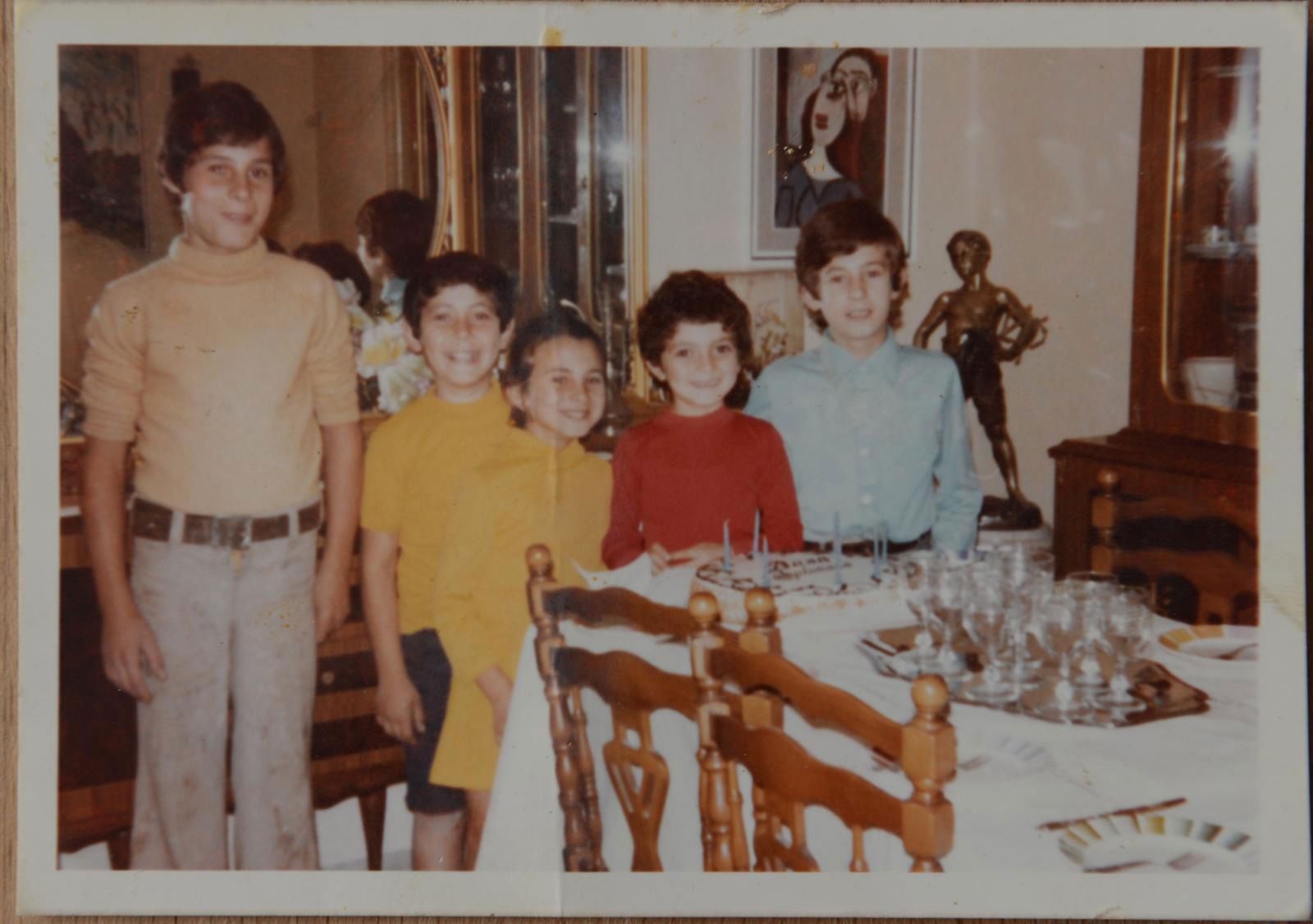
The painting is now believed to be a distorted image of French photographer and poet Dora Maar, who was Picasso's lover, according to Luca Gentile Canal Marcante, an art expert and honorary president of the Swiss-based art restoration non-profit Arcadia Foundation.
The oil painting on canvas features Picasso's asymmetrical style of a woman in a blue dress with red lipstick.
At just 24, Lo Rosso didn't appreciate that the signature in the upper left corner of the artwork that read simply "Picasso" meant anything, his son Andrea Lo Rosso said.
The older Lo Rosso, who died in 2021, stuck it in a cheap frame and gave it to his wife – much to her chagrin, his son said.
READ MORE: Madeleine McCann suspect facing 15-year jail term in unrelated trial
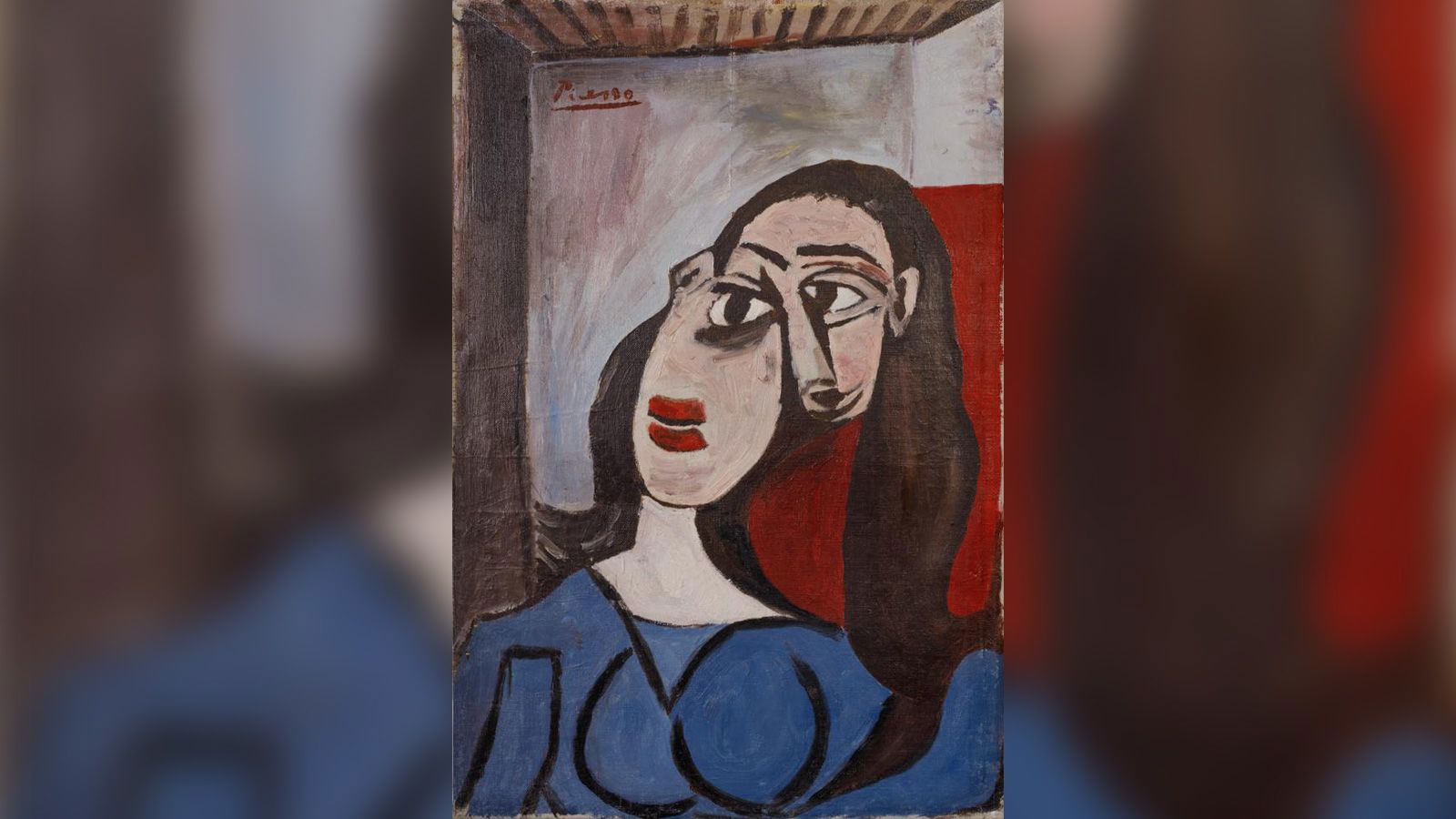
She didn't think it was pretty enough to sell, so it hung in the family home for about 50 years and later in a restaurant they owned.
"When mum hung it on the wall to decorate the house, renaming it 'the scribble' due to the strangeness of the woman's face depicted, I wasn't even born yet," Andrea Lo Rosso said.
"From dad's stories I know that there were two canvases recovered from the Capri dump site. However, only one was signed by Picasso. Both were covered with earth and lime and my mother spread them out and washed them with detergent, as if they were carpets."
In the 1980s, when Andrea Lo Rosso was in grade school, he saw Picasso's "Buste de femme Dora Maar" in an art history textbook and learned that the Spanish painter spent time in Capri in the 1950s.
He then told his parents the painting might just be of value.
Thus began a decades-long journey to authenticate the signature on the artwork.
The family said they contacted art historians, many of whom told them it wasn't an original, but offered to take it off their hands.
READ MORE: Brisbane baby will have 'injuries for life' after being doused in hot coffee
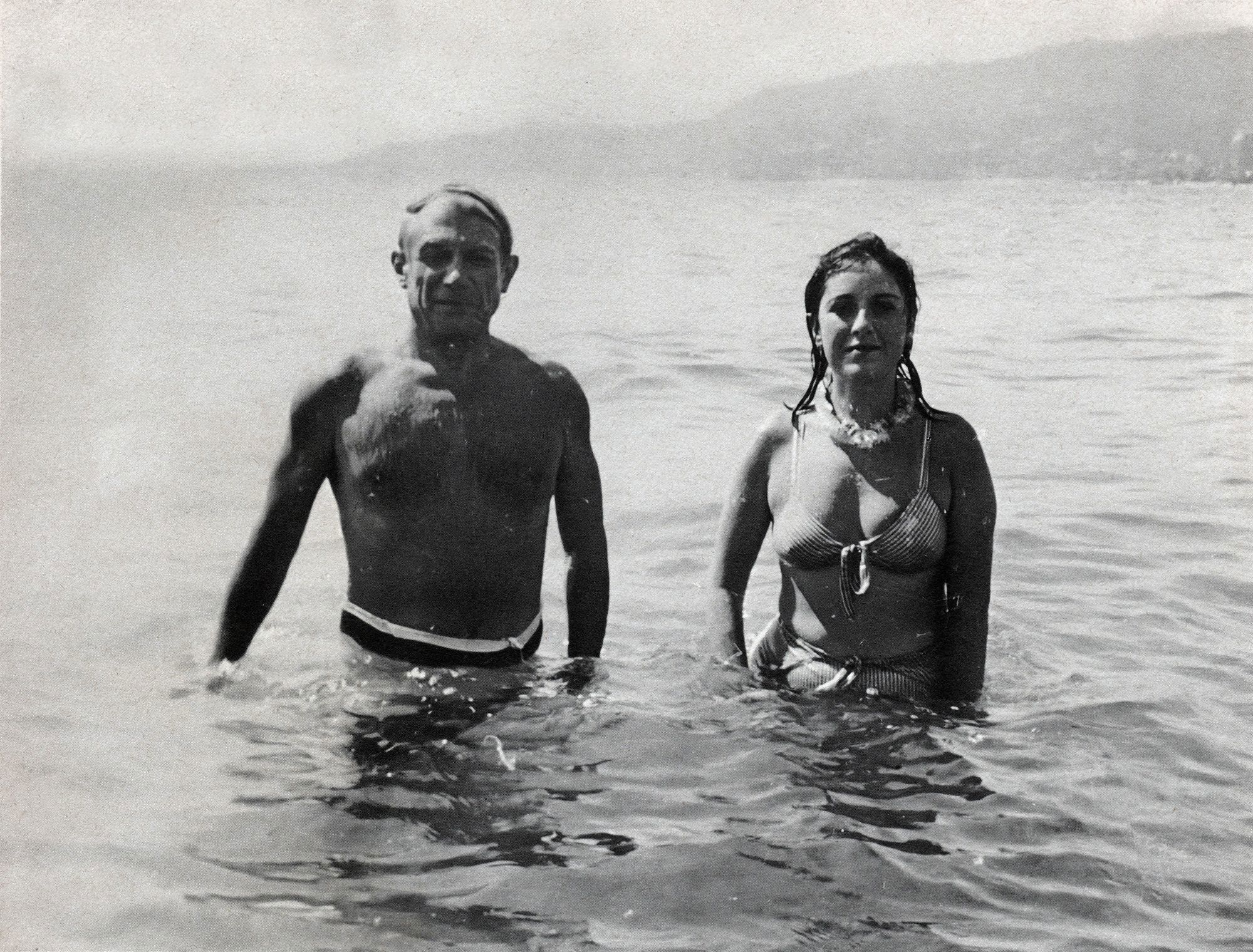
Suspicious, they registered it with Italy's patrimony police, who first thought it might be stolen, but, since it was not authenticated at the time, allowed the family to keep it.
The artwork has been locked in a vault in Milan since 2019.
Finally, last month Cinzia Altieri, a graphologist for a patrimony court in Milan, was able to certify the Picasso signature as authentic.
Altieri worked on the painting for months, comparing it with other Picasso works and running forensic tests to make sure it was signed around the same time it was painted.
"There is no doubt that the signature is his," she said in a statement to local Italian media on Monday.
"There was no evidence to demonstrate its apocryphal nature."
Art expert Marcante, who has worked with the Lo Russo family, told CNN he's confident the painting is authentic.
The Lo Rossos' painting is likely to be worth around €6 million ($9.6 million), according to Altieri and Marcante's assessments, based on the current art market.
If certified by the Picasso Foundation in Paris, it becomes even more valuable.
"I'm happy but let's wait to toast, there is still one step to take before we consider this incredible story over," Andrea Lo Rosso said.
"I continue to work as I do every day in the hope that even in Paris they will be convinced of the authenticity of the painting."
CNN's has contacted the Picasso Foundation for comment.
Lo Rosso and his siblings say that when it is finally recognised by the Picasso Foundation, which could more than double its value, they will auction it off in honour of their father, who wanted the painting to be certified and sold.
Growers losing thousands amid ‘heavy-handed’ tomato virus response
A South Australian tomato grower who is losing thousands of dollars a day is demanding evidence of the virus which has forced him to shut down his business.
Tony Sacca has questioned the Department of Primary Industries and Regions' (PIRSA) heavy-handed tactics and believes growers should be allowed to manage tomato brown rugose fruit virus but bio-security officials want to eradicate the highly contagious plant virus.
Despite waiting for over six weeks, Sacca's tomato test results for the virus remain inconclusive, leaving him in a state of uncertainty regarding the sale of his produce.
READ MORE: Woman with rare double uterus gives birth to twins
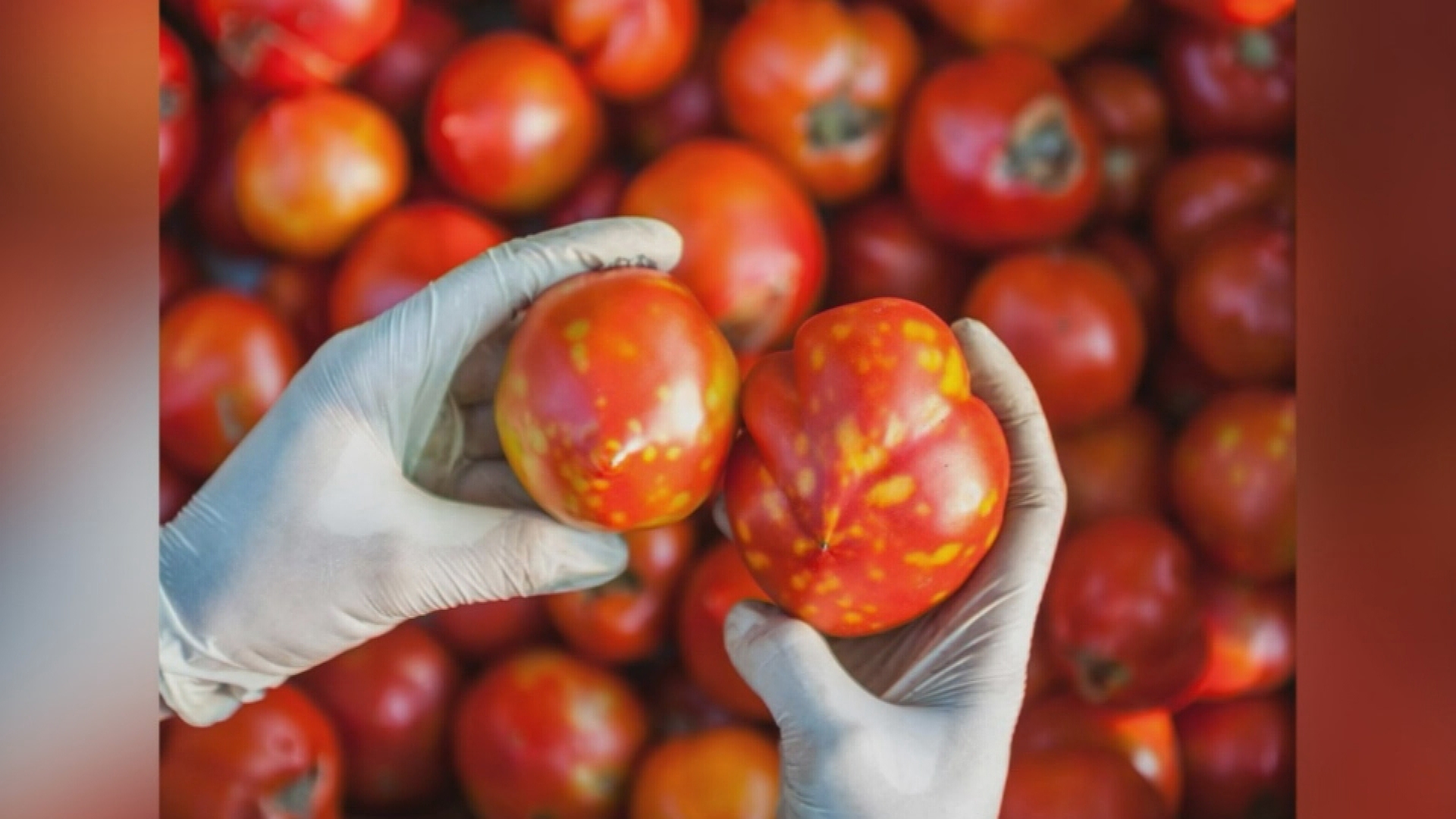
"Six or seven weeks later, not knowing if we can sell, not knowing if we don't have the virus is really not good enough," he said.
Other growers who confirmed the presence of the virus have already discarded tonnes of stock, resulting in job losses and empty greenhouses.
Faced with mounting financial losses, Sacca made the difficult decision to halt his operations until the situation becomes clearer.
"If I keep on growing, I'm losing money, so I'm better off chopping… waiting," he said.
Sacca is demanding more comprehensive results from PIRSA, which has begun releasing them to growers still in limbo.
READ MORE: Australians again urged to get out of Lebanon amid fears airport could close
The agency says the virus is limited to three properties and that over 3,000 test results have been received, leading to the clearance of 10 properties. However, 12 sites are still awaiting their results.
To expedite the process, a laboratory will be set up at the SA Research and Development Institute.
However, it will take several weeks to receive national accreditation and approval.
Western Australia and Queensland have imposed a blanket ban on South Australian tomatoes due to the virus, a major blow to growers like Sacca who sell most of their product interstate.
This article was produced with the assistance of 9ExPress.
The degrees where graduate positions earn the lowest-paying salaries
New data has shown which university degrees land the biggest pay packets – and the smallest.
Has the Middle East conflict put the world on the brink of war?
Iran's ballistic missile attack on Israel caused few casualties and little damage, but it marked a further escalation of tensions in the Middle East as Israeli forces battle Tehran's militant allies in Lebanon and the Gaza Strip.
Israel has vowed to retaliate against Iran.
At the heart of the recent escalation is the nearly year-long war between Israel and Hamas in Gaza. Palestinian officials say Israel launched air and ground operations in the territory's southern city of Khan Younis early Wednesday, killing more than 50 people.
READ MORE: Doctor charged over Matthew Perry's death pleads guilty
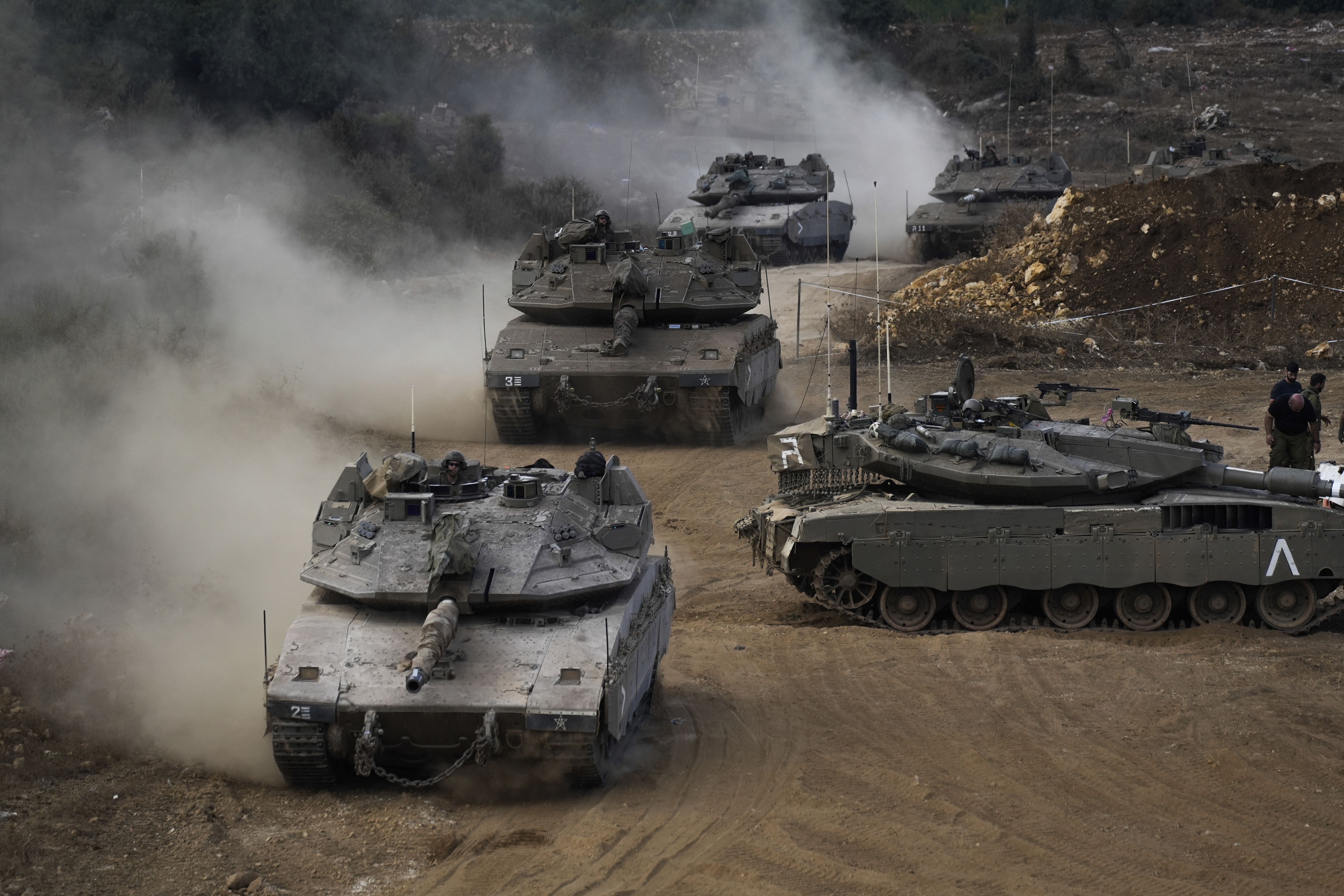
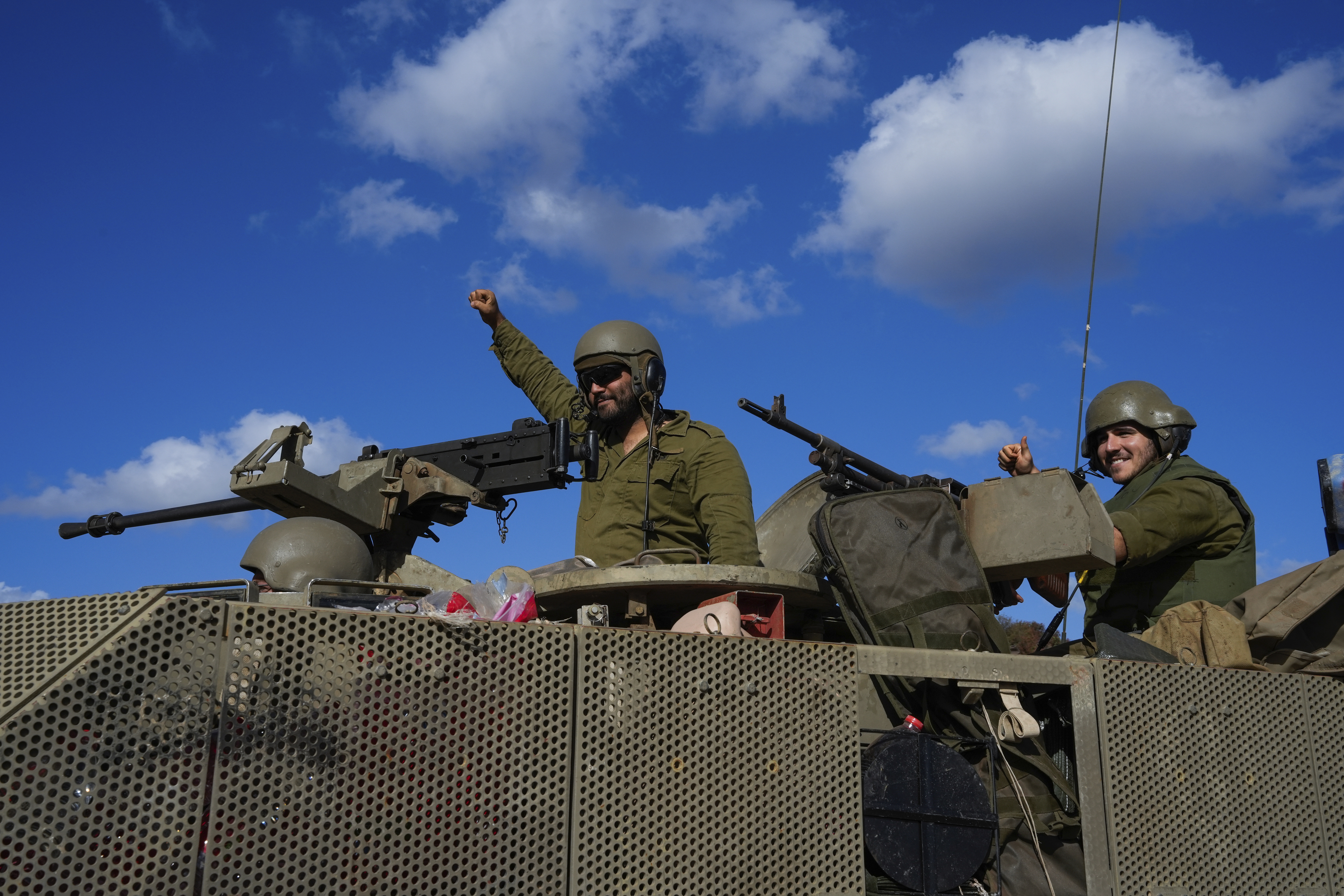
Israeli forces are meanwhile carrying out what they say are limited ground incursions into southern Lebanon. Hezbollah said Wednesday that its fighters had battled troops near the border, and the Israeli military announced that eight of its soldiers, including at least one commando, had been killed in the fighting.
Here's what to know.
Why did Iran launch missiles toward Israel?
Iran's decision to launch some 180 missiles at Israel came after its militant allies, known as the Axis of Resistance, suffered a series of major blows in recent weeks.
Israeli airstrikes killed Hezbollah's top leader, Hassan Nasrallah, and several of his top commanders in quick succession, indicating that Israeli intelligence has thoroughly penetrated the group. Israel has also bombed what it says are militant targets across large parts of Lebanon, killing over 1000 people, a quarter of whom are women and children, according to Lebanon's Health Ministry.
READ MORE: 'No care for anyone': Dashcam shows terrifying hit-run crash in Brisbane's east
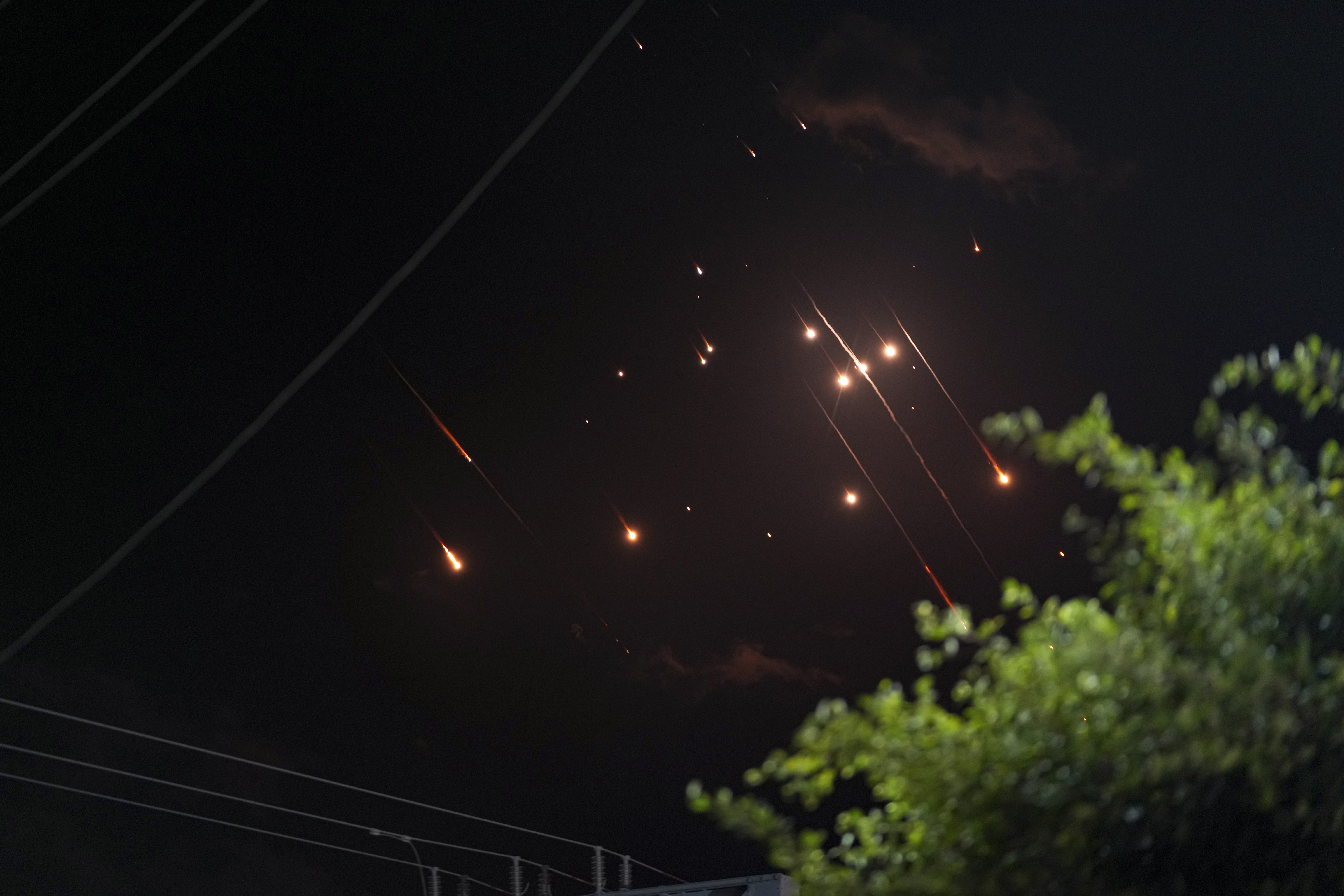
Iran said the missile attack was in response to the targeted killing of Nasrallah, an Iranian general killed alongside him and Ismail Haniyeh, the political leader of Hamas who was killed in an explosion in Tehran in July that was widely blamed on Israel.
Iran may have felt it had to respond to avoid being seen as hanging its allies out to dry. It also appears to be trying to re-establish deterrence after the unspoken rules of its long-running shadow war with Israel have crumbled.
What kind of missiles did Iran use in the attack?
Iranian state media said several types of ballistic missiles were used in the attack, including the Emad and Ghadr, as well as Iran's new Fattah missile.
Officials last year claimed the Fattah, or "Conqueror" in Farsi, traveled as fast as 15 times the speed of sound with a range of up to 1400km.
Missile experts who analysed footage of remains of missiles recovered after the attack suggested the Fattah had been used. Questions remain over how maneuverable the missile is as it comes back into the atmosphere. The more irregular the missile's flight path, the more difficult it becomes to intercept.
READ MORE: Qantas flight forced to turn back after disturbing cabin discovery
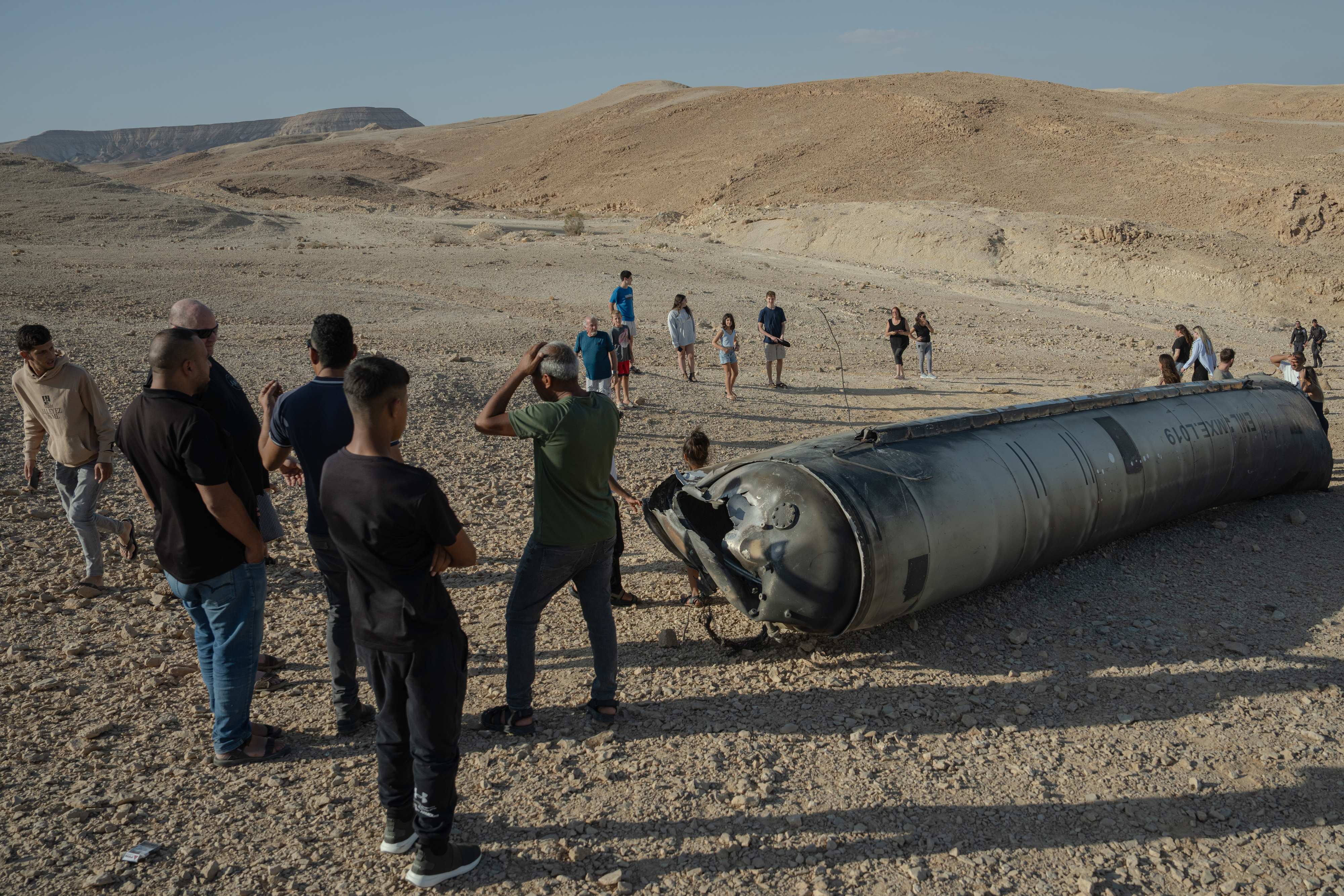
The Israeli military said it intercepted many of the incoming Iranian missiles using its multitiered air defence system, though some landed in central and southern Israel and two people were lightly wounded by shrapnel. One of the missiles killed a Palestinian worker from Gaza who had been stranded in the Israeli-occupied West Bank since the start of the war.
How is Israel likely to respond?
Israel has a range of options in responding to the attack, spanning from a largely symbolic strike, like one it apparently carried out in April, to a broader air campaign targeting Iran's infrastructure or even its controversial nuclear program.
Yoav Limor, a military correspondent for the Israel Today newspaper, said the failure of the Iranian attack to cause major casualties or damage gives Israel time to consider its response.
"Israel can stick to the eye-for-an-eye equation (as it did in April) and only hit military targets," he wrote.
"It can also attack infrastructure targets that will hurt the Iranian regime and the Iranian economy, such as oil, gas and petrochemical facilities, in the hope that the ensuing crisis in Iran will also provoke public anger against the regime."
Israel's response may depend on how far the US is willing to escalate and whether American forces will take part.
But the Biden administration might be wary of an all-out war that could draw in American forces stationed in the region and Arab allies, and which could send oil prices soaring weeks before the US presidential election.
White House National Security Adviser Jake Sullivan called Iran's attack a "significant escalation." President Joe Biden said he's discussing possible responses with aides, but would not support an Israeli attack on Iran's nuclear program.
What is the latest on Israel's operations in Lebanon?
Hezbollah said Wednesday that its fighters clashed with Israeli troops near the border. That would mark the first ground combat since the start of the incursion.
The Israeli military said ground forces backed by airstrikes had killed militants in "close-range engagements" without saying where.
Israel said that it had launched limited ground incursions into Lebanon to locate and destroy Hezbollah infrastructure, but there are signs that a wider offensive is planned.
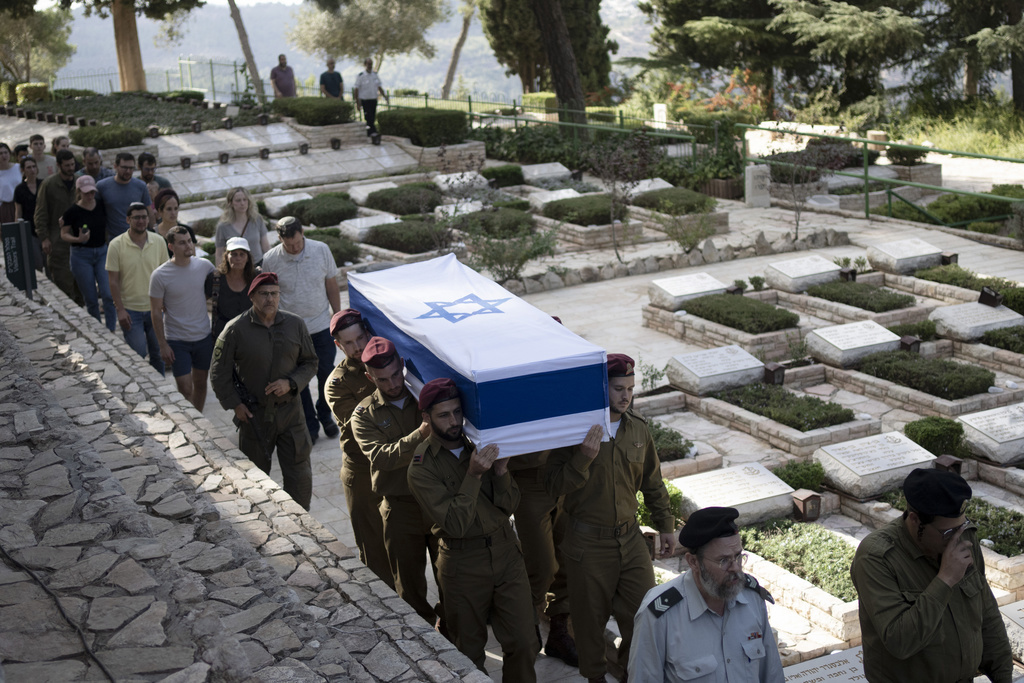
It said eight Israeli soldiers had been killed in the fighting, with seven killed in two separate attacks. Earlier, Israel earlier announced that a 22-year-old captain in a commando brigade had been killed. It gave few other details.
Israel has moved thousands of troops, tanks and artillery to the border in recent days, and it has warned residents to evacuate around 50 villages and towns in a UN-declared buffer zone in southern Lebanon, telling them to relocate to more than 60km north of the border. Thousands of Syrians and Lebanese have been streaming into Syria to escape the airstrikes.
In its first confirmation of the incursion, the Lebanese army said Israeli forces had advanced some 400m across the border but withdrew "after a short period."
The sides have continued to trade strikes in recent days, with Israeli warplanes hitting Beirut and artillery firing at targets along the border. Hezbollah has fired hundreds of rockets, missiles and drones into Israel since last October, when it began attacking Israel in support of the Palestinians and its Hamas allies in Gaza.
What happened in Gaza?
Palestinians say Israel launched a large air and ground operation overnight in the southern city of Khan Younis, killing more than 50 people, including women and children, according to health officials.
Separate strikes in Gaza killed around two dozen Palestinians.
Israel has continued to strike what it says are militant targets in Gaza even as attention has shifted to Lebanon and Iran.
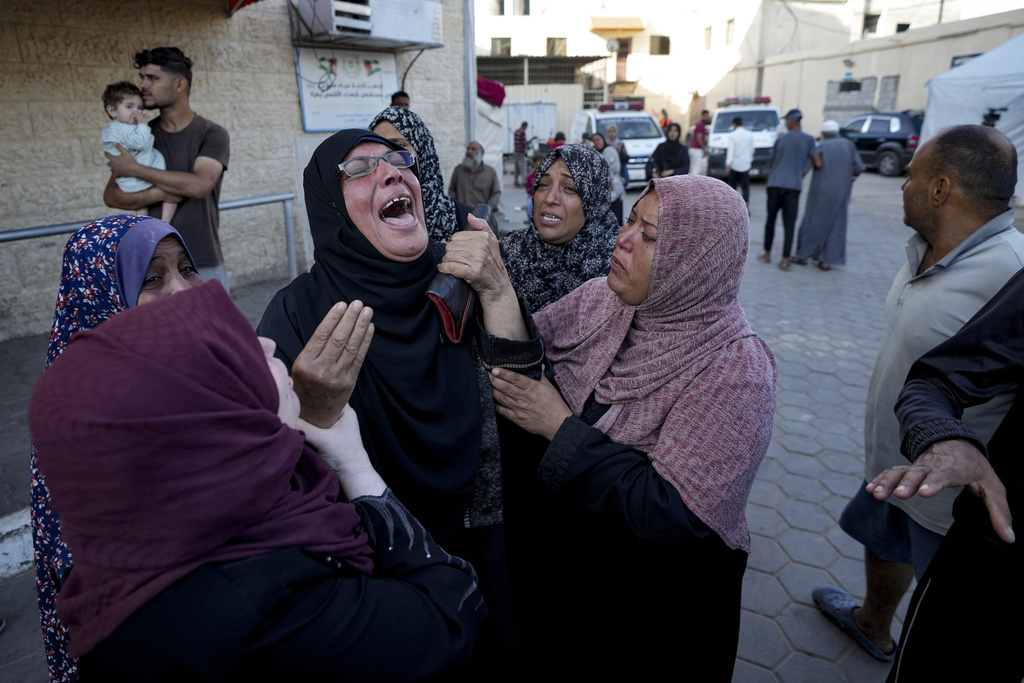
Israeli forces carried out a major operation in Khan Younis earlier this year that destroyed large areas of the city, and its forces have returned to several parts of Gaza as militants have regrouped.
The regional escalation began with Hamas' October 7 attack into southern Israel, when Palestinian militants killed some 1200 people, mostly civilians, and took another 250 hostage.
Some 100 have not yet been released, around 65 of whom are believed to be alive.
Hamas' military wing, meanwhile, claimed responsibility for a Tuesday mass shooting in Tel Aviv that killed seven people. The two attackers were shot by security guards and armed passersby.
Israel's retaliatory offensive has killed over 41,000 Palestinians, according to local health officials. They do not say how many were fighters but say women and children make up more than half of the fatalities.
The air and ground campaign has devastated wide areas of the coastal enclave and displaced 90 per cent of its population of 2.3 million people, often multiple times.
Diplomatic efforts have stalled and there is no end to the war in sight.
FOLLOW US ON WHATSAPP HERE: Stay across all the latest in breaking news, celebrity and sport via our WhatsApp channel. No comments, no algorithm and nobody can see your private details.
World War II bomb explodes at a Japanese airport, causing large crater on runway
An unexploded US bomb from World War II that had been buried at a Japanese airport has exploded, causing a large crater in a runway and the cancellation of more than 80 flights but no injuries, Japanese officials said.
Land and Transport Ministry officials said there were no aircraft nearby when the bomb exploded at Miyazaki Airport in south-western Japan on Wednesday.
Officials said an investigation by the Self-Defence Forces and police confirmed that the explosion was caused by a 230kg US bomb and there was no further danger. They were determining what caused its sudden detonation.
READ MORE: Israel reports eight combat deaths as troops battle Hezbollah
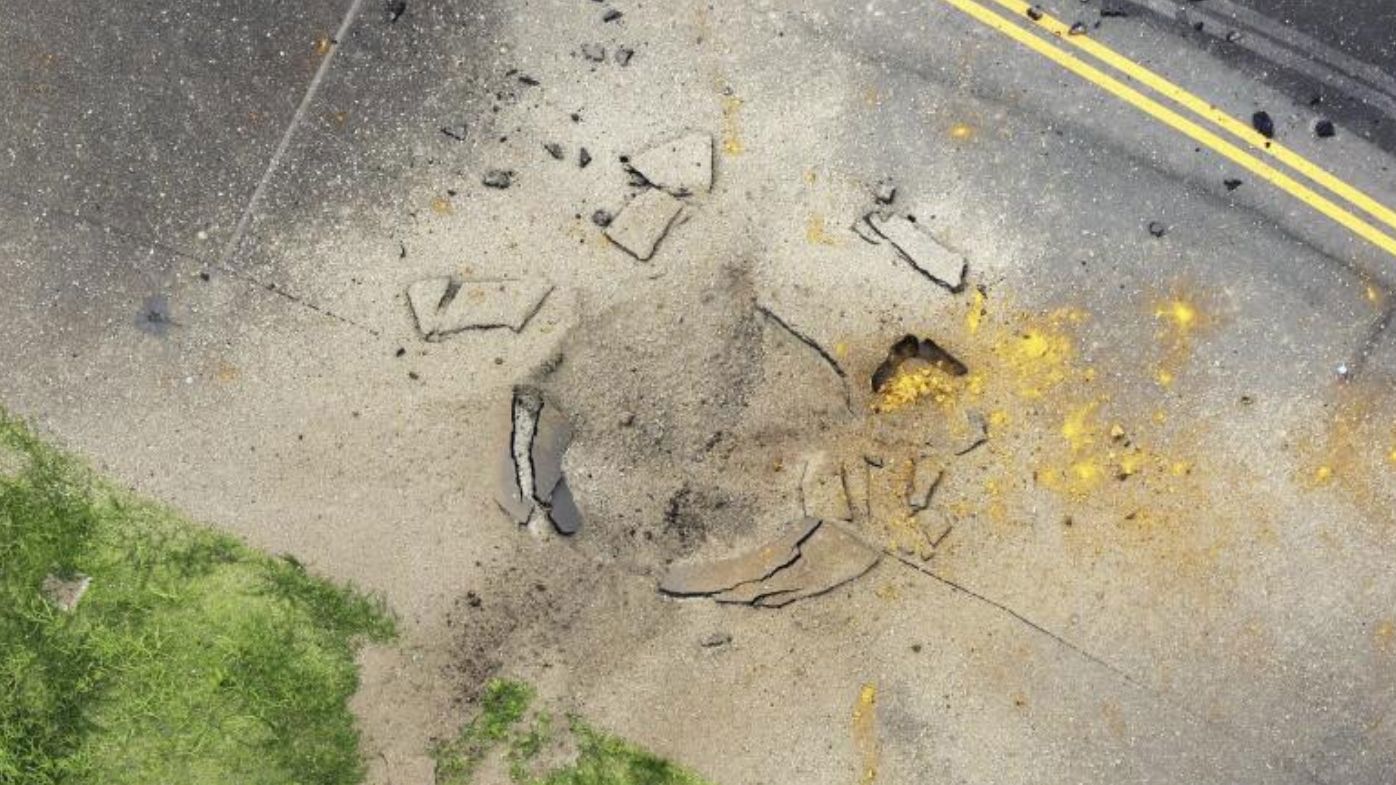
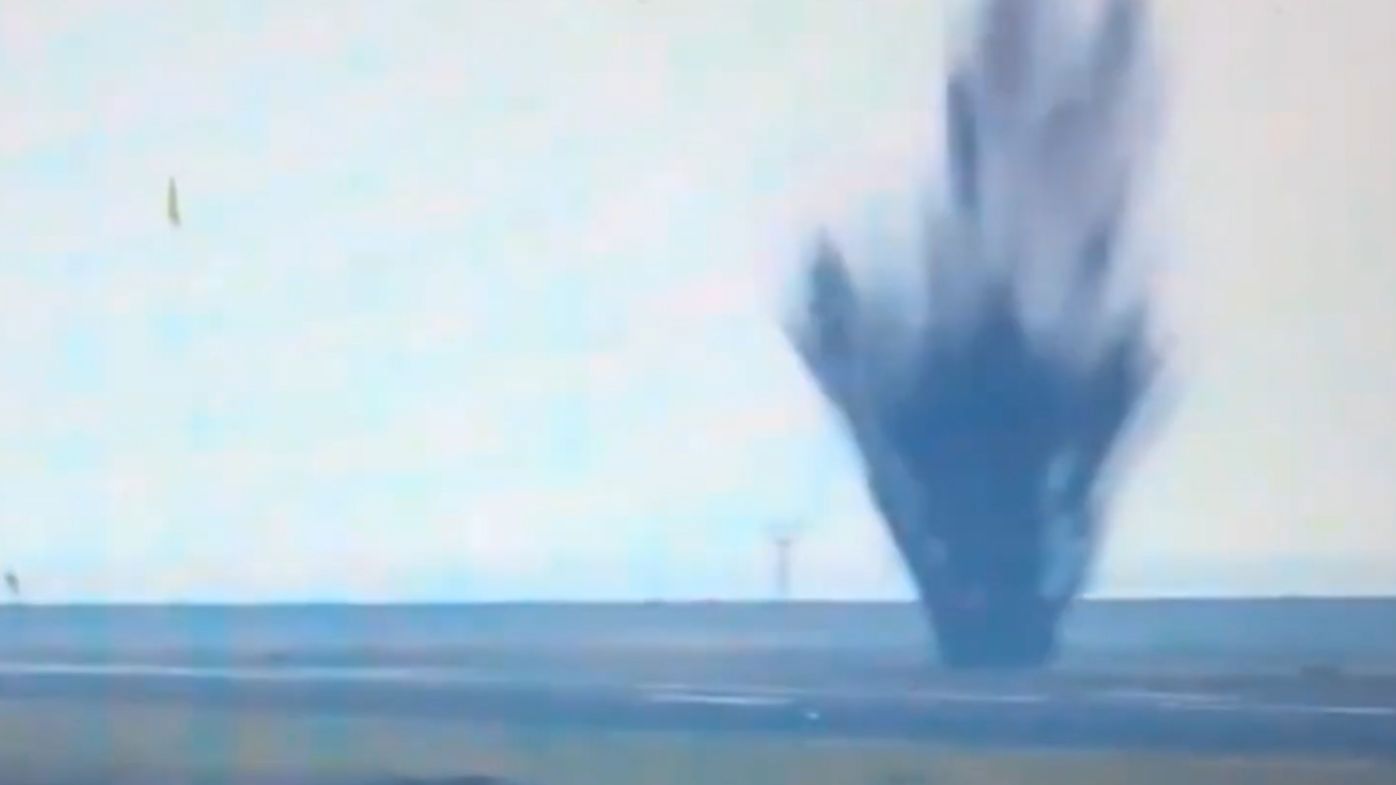
A video recorded by a nearby aviation school showed the blast spewing pieces of asphalt into the air like a fountain.
Videos broadcast on Japanese television showed a crater in the taxiway reportedly about 7m in diameter and 1m deep.
READ MORE: 'No care for anyone': Dashcam shows terrifying hit-run crash in Brisbane's east
Miyazaki Airport was built in 1943 as a former Imperial Japanese Navy flight training field from which some kamikaze pilots took off on suicide attack missions.
A number of unexploded bombs dropped by the US military during World War II have been unearthed in the area, Defence Ministry officials said.
Hundreds of tonnes of unexploded bombs from the war remain buried around Japan and are sometimes dug up at construction sites.