Tag Archives: oceania

Booktopia collapses into voluntary administration

Booktopia has entered voluntary administration after failing to secure emergency funding.

In an ASX announcement today, the book retailer said it had appointed McGrathNicol partners Keith Crawford, Matthew Caddy and Damien Pasfield to oversee the company's restructuring.

"The Administrators are undertaking an urgent assessment of Booktopia's business while options for its sale and/or recapitalisation are explored," the statement reads.

READS MORE: Fears missing 12-year-old attacked by crocodile in remote NT

"The shares of Booktopia Group Limited (Administrators appointed) will remain suspended from trading during the administration process.

"Shareholder updates will be uploaded to the ASX platform as required."

Booktopia last month suspended trading on the ASX, pending the outcome of a strategic review that began in February, while it continued to seek additional funding.

READ MORE: Serial child killer nurse convicted of another attempted murder

As part of the review, 50 employees were laid off and chief executive David Nenke resigned after exactly one year in the role in a $2.7 million cost-saving measure.

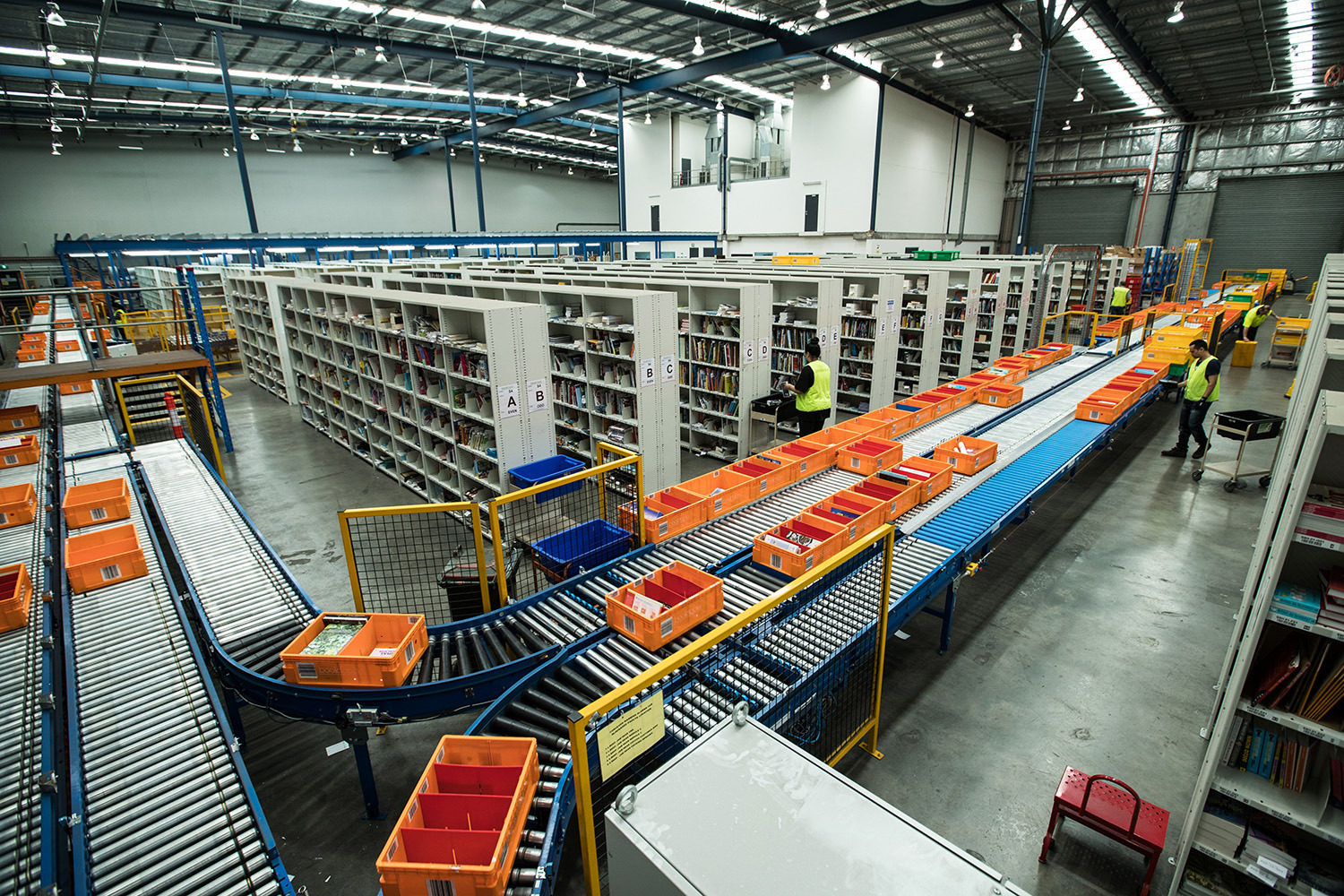
In 2023, Booktopia opened a $12 million customer fulfilment centre, but a cutback on discretionary spending led to poor sales and a 21 per cent revenue drop.

The first meeting of creditors will take place on July 15.

FOLLOW US ON WHATSAPP HERE: Stay across all the latest in breaking news, celebrity and sport via our WhatsApp channel. No comments, no algorithm and nobody can see your private details.

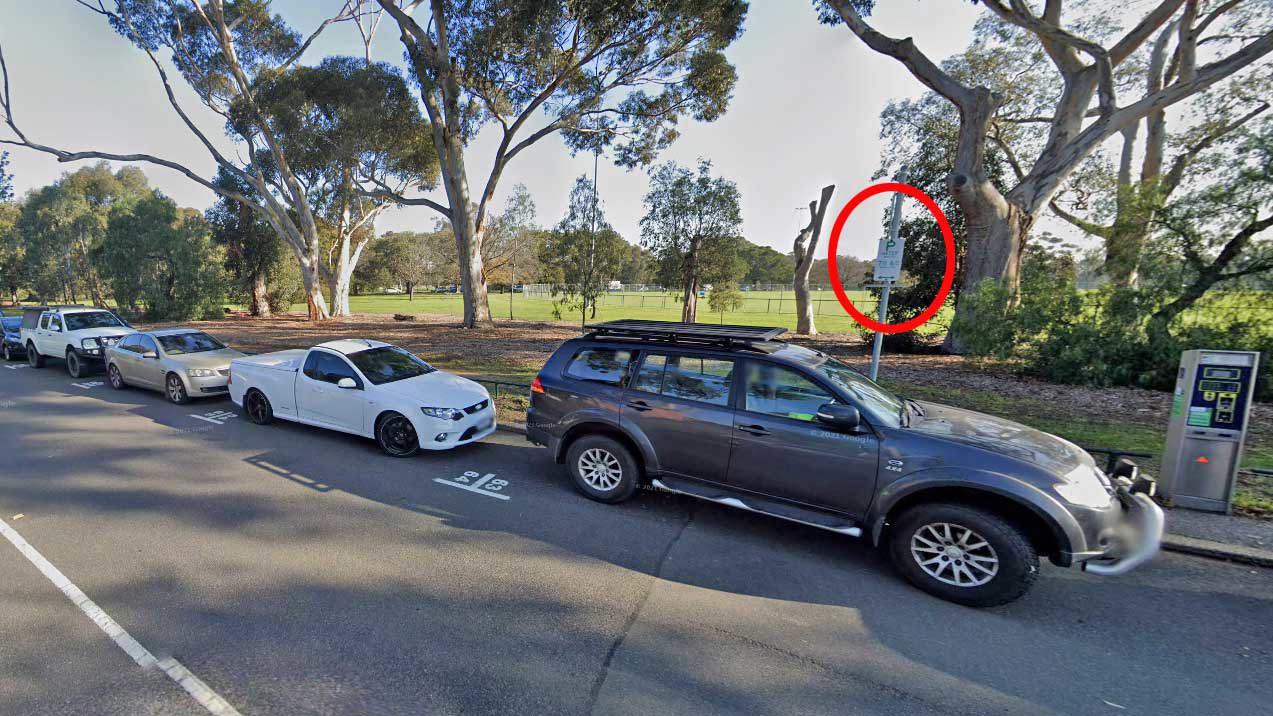
‘This is robbery’: Hospital worker outraged as street parking fees double

A Melbourne healthcare worker has revealed her shock after the cost of metered street parking near the hospital where she works doubled.

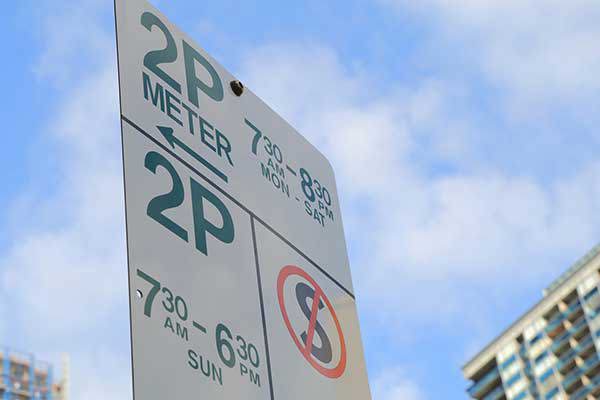
The 100 percent hike in "all-day outside CBD" parking meter fees is part of a raft of changes to street parking costs implemented by the City of Melbourne on July 1.

The changes are expected to net the council an extra $5 million in revenue this financial year.

The cost of on-street parking in Parkville has doubled under a new meter fee structure introduced by City of Melbourne council.

The medical scientist, who works at the Royal Melbourne Hospital, told 9news.com.au she will now have to fork out an extra $50 per week for street parking in the inner-city suburb of Parkville.

"I have been paying $1 per hour for all day parking, today I was forced to pay $2 per hour," the hospital worker, who asked for her name to be withheld, said.

"I think it's completely unreasonable to double it. It's ridiculous," she said.

"This is not CPI, this is robbery."

The new metered street parking rates were approved at a City of Melbourne council meeting last month and included in the 2024-2025 budget.

Other changes to the parking tariffs include introducing peak and cheaper off-peak rates, as well as paid parking on Sundays. 

On-street parking fees in the CBD will not increase, remaining at $7 per hour for peak times and $4 per hour for off-peak times and weekends. 

The changes are expected to increase the council's revenue from parking fees by 10.9 percent.

The overhaul of street car parking fees is expected to net the council an extra $5 million in revenue this financial year.

The City of Melbourne's parking fees revenue will increase to $54 million in 2024-2025, up from $48.7 million in the 2023-2024 financial year, according to the budget.

The healthcare worker said she did not have a permanent carpark space at the Royal Melbourne Hospital and casual spots were expensive and often filled up by 8.30am.

The area where she parked on the street was regularly also used by Melbourne University staff and students, as well as staff at other local hospitals.

"It's school holidays at the moment, these students are going to come back from university holidays and they're going to be slugged with having to pay twice as much," she said.

A City of Melbourne spokesperson said it was the first time the all-day parking hourly rate had been increased in six years.

"The City of Melbourne has welcomed 17,000 new residents in the past year alone and demand for parking is only increasing," the spokesperson said.

"We're working to make parking simpler, fairer and more reliable, to ensure residents can access services and shop at local businesses in our neighbourhoods."

"While parking fees within the CBD have not increased for the seventh straight year, in our neighbourhoods, we have raised the all-day paid parking hourly rate from $1 to $2 – the first change to this fee in six years."

In an email response to the healthcare worker's complaint about the rise in street parking fees, seen by 9news.com.au, the council said the extra revenue raised would be "invested back into city infrastructure and services".

Debilitating condition left Hannah only able to eat five foods

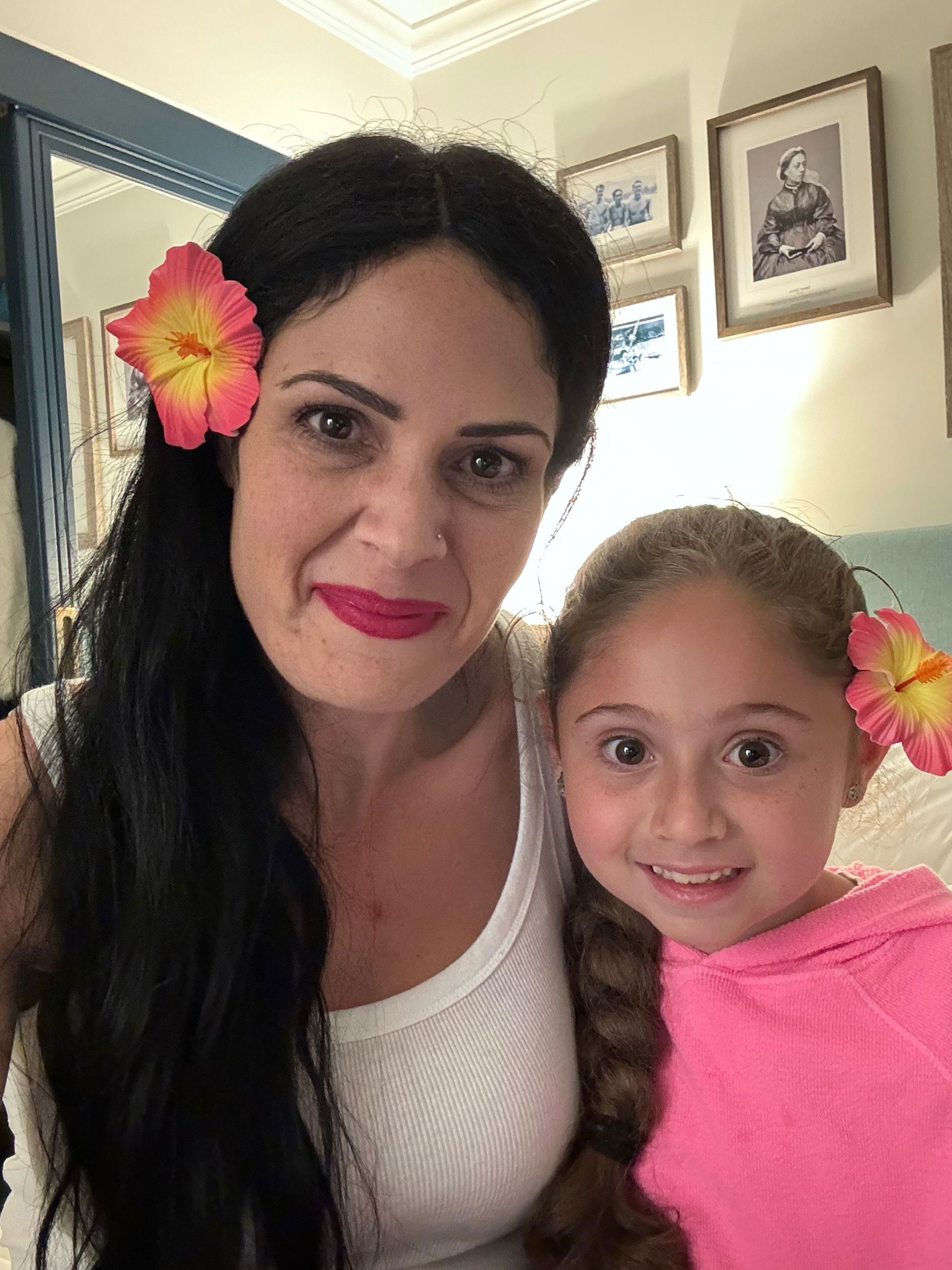
When Hannah was seven years old, she told her parents she didn't want to be afraid of food anymore.

She had stopped wanting to go to Girl Scouts, birthday parties, restaurants, family celebrations and even the dinner table.

Food was everywhere, and it gave her a lot of anxiety, said her mom, Michelle, who is not sharing their last name for Hannah's safety.

READ MORE: Treasurer rules out early election after Prime Minister scraps US visit
Michelle first saw it when she tried to switch baby Hannah from formula to milk and solids – but Hannah refused.

Often, she would pucker her lips shut or spit out the food she was given.

As she got older, Hannah had a list of about five foods she would eat, and they were specific.

Like the green sour cream and onion Pringles, but only the small packs, not the big container, Michelle said.

Now eight years old, Hannah is being treated for Avoidant/Restrictive Food Intake Disorder, or ARFID.

Unlike eating disorders like anorexia or bulimia nervosa, this diagnosis isn't concerned with body shape or size, said Kate Dansie, clinical director of the Eating Disorder Center in Rockville, Maryland.

Instead, people with ARFID are very limited in the foods they feel safe and comfortable eating, Dansie said.

Unlike just being "picky", this disorder can be debilitating and cause long-term health problems.

The diagnosis is new and was only added to the fifth edition of the Diagnostic and Statistical Manual of Mental Disorders, DSM-5, in 2013.

(The DSM is the handbook health care professionals use as the authoritative guide in diagnosing mental disorders.)

While an estimated nine per cent of the US population will have an eating disorder at some point, studies suggest that somewhere between 0.5 per cent and 5 per cent of the population has ARFID, according to the National Eating Disorders Association.

"I would call this the silent eating disorder because it's very prevalent, but it's the least studied, and it's the least talked about, and it's the least funded at a federal research level," said Dr Stuart Murray, associate professor of psychiatry and behavioral sciences at the University of Southern California and director of the Translational Research in Eating Disorders Laboratory.

Here is what experts want you to know about ARFID.

What is ARFID?

Rather than restricting their calories or nutritional content, people with ARFID often limit their food by sensory or textural preferences, Murray said.

"This is where a person will usually restrict the variety and volume of food because they have incredibly debilitating beliefs about the composition of the food," he added. "Examples can be not eating any foods that are a certain texture, a certain smell, a certain flavor, even a certain brand of a food."

READ MORE: Stolen gorilla statue spotted in Melbourne backyard

In some cases, people with ARFID have had a traumatic experience with food, like choking, which induces a greater vigilance with eating, Murray said. Other times, people with this condition seem to have a low drive to eat and high anxiety around food, he said.

A rigid or fearful of change personality type may also contribute to ARFID symptoms, Murray said.

Is it like picky eating?

Many kids are picky and try to get out of eating some vegetables or other food, but that is not the same as ARFID, Dansie said.

One way to spot the difference is the level of impairment and anxiety that comes with facing a new food, Murray said.

"A picky eater might be able to eat around a certain food on their plate, or they might be able to have a little bit of it," he said.

"Somebody with ARFID might not be able to eat anything on the plate if a food that's deemed to be unacceptable is on the plate."

And it isn't just a handful of foods that people with ARFID won't eat, Dansie said.

Often, people with this condition will have a list of as few as five or 10 foods that they feel comfortable eating, she added.

A greater vigilance around tasting may also come with ARFID, and many people with the condition can tell small differences, like if the brand of pasta sauce has been changed, Murray added.

"That in itself can be quite debilitating and crippling for parents," he said.

A good relationship with food is fundamental

The condition often starts in childhood, but ARFID can impact people of all ages, Murray said.

And people can experience consequences throughout their life.

"Kids can really fall off their growth curve quite quickly," he said.

"They can become metabolically, nutritively imbalanced very quickly, so the medical effects are quite profound."

Hannah experienced this before she began working with an ARFID specialist.

She had been keeping pace with the expected growth and weight gain for her age.

But with not enough food in her system, her growth stopped, Michelle said.

In some cases, the restriction around eating can lead to weight loss or hospitalisation, Murray said.

"With any kind of psychological or psychiatric issue, the (indicator of a problem) is always when it's affecting the child and the family," Dansie said.

"When the impact is significant, that's when we get worried."

There can be social impacts as well.

"This can be very isolating for people," Murray said.

"Kids become super anxious about going to parties or any type of social event where they think they might not know what the food is going to be."

Often, issues around food and eating impact many areas of a person's life, Dansie said.

"What I've found is that if you can look at a person's relationship with food, you can look at their relationship with everything," she said.

"It's so fundamental to well-being to have a good relationship with food."

ARFID isn't something kids just grow out of, so it is important to approach it with as much sympathy and compassion as possible, he added.

What you can do

Although there is much researchers still need to learn about ARFID, there are resources available, Murray said.

"The first thing we should know is early intervention is better because the list of avoided foods can grow exponentially," he said.

There isn't much data on if medication is helpful, but therapy – including cognitive behavioral therapy or CBT – has helped many people.

Therapy for ARFID "usually involves a guided exposure to foods so that one can relearn associations with those foods and ultimately not avoid them," Murray said.

At home, there are things families can do to better support a child with ARFID, like prioritising making sure the child gets enough calories before focusing on expanding variety, said Dr Nicole Stettler, clinical executive director of Eating Disorder Recovery Services at Rogers Behavioral Health.

You can also give your child tools like timers or visual reminders to eat, and try "food chaining", which is a strategy that combines new foods with ones they already know they like, she said.

As family and caretakers of someone with ARFID, it is important to remember that they aren't trying to be difficult – although it can be frustrating to feel like the stars have to align for a mealtime to go smoothly, Murray added.

"It's really, really frustrating, because most of the time the stars don't align, and I don't know the formula to get him or her to eat," he said.

However, it is "really damaging for any child with any psychiatric disorder if they feel punished because of it, so it's really important to not punish and adopt a supportive stance among parents".

Five months into her treatment, Hannah is pushing herself to try new things often and to take three bites to give it a full chance, Michelle said.

Her confidence has grown, she is getting more curious, and her list of "safe foods" has increased by 11, she said.

"Our goal is to get her to a good place … so that as she gets older, she'll have the tools that she needs," Michelle said.

At least 87 people killed in stampede at religious event in India

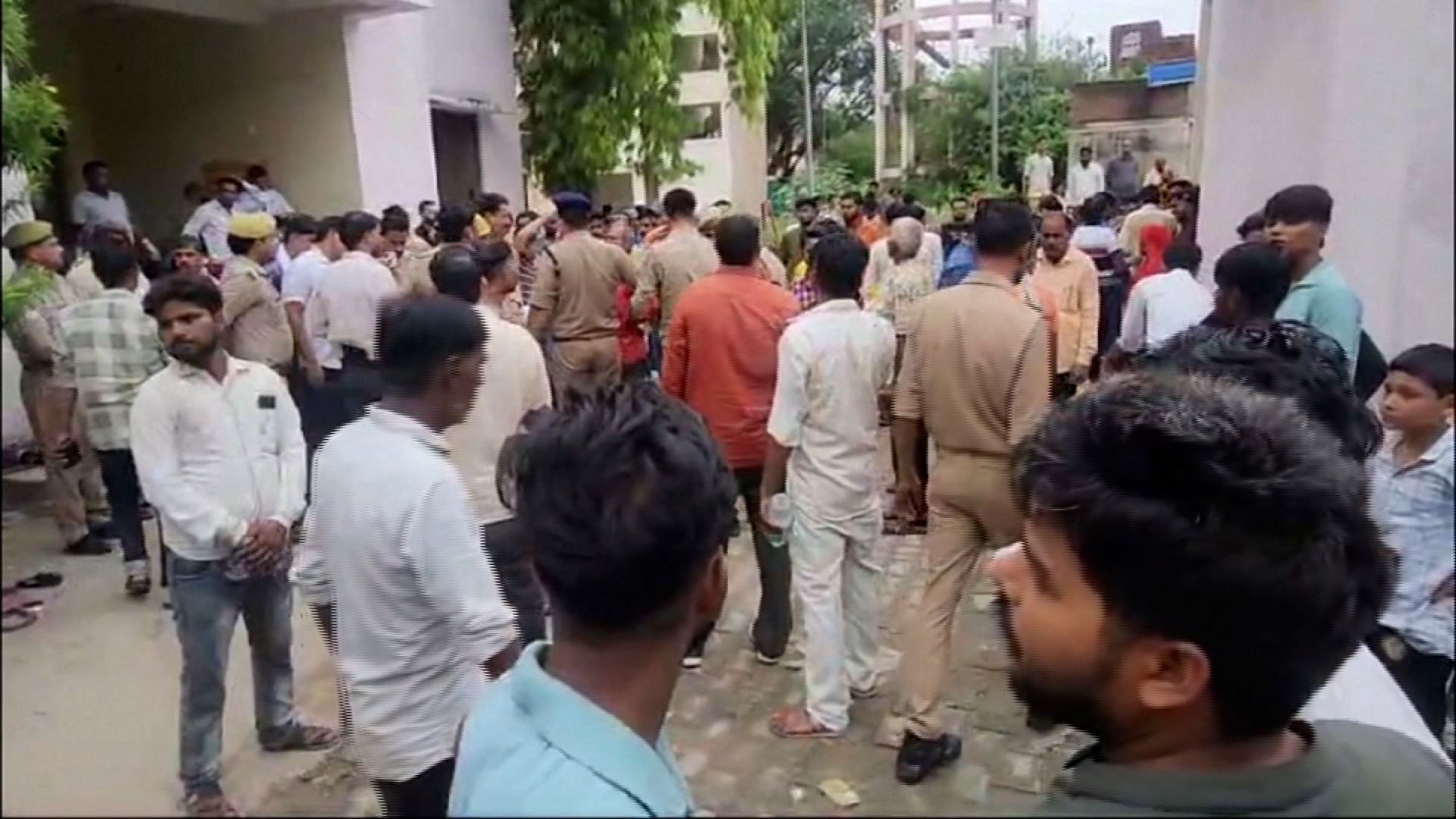
A stampede at a religious gathering in India's northern state of Uttar Pradesh on Tuesday has killed at least 87 people, according to local police.

The incident happened at a prayer meeting, known as a satsang, in the Mughal Garhi village in the Hathras district of Uttar Pradesh, officials said. The village is about 200 kilometres south-east of the capital, New Delhi.

Police in the Hathras district said at least 60 people have been confirmed dead.

READ MORE: Dismissed for decades, Christie developed 'terminal' endometriosis

Another 27 people were confirmed dead in the neighbouring Etah district after being brought to Etah hospital, according to police and health officials.

"The numbers may rise. People are being taken to hospitals in Hathras district and neighbouring district of Etah," Manish Chikara, Hathras district police spokesperson, told CNN.

Video distributed by Reuters showed crowds gathering outside a hospital in Etah alongside distraught relatives. Medical personnel could be seen carrying people on stretchers.

Indian Prime Minister Narendra Modi expressed his condolences in an address in the lower house of India's bicameral parliament known as the Lok Sabha.

Modi said the government is engaged in "relief and rescue work" and is coordinating with the state government. "The victims will be helped in every way," he said.

Speaking to reporters, Ashish Kumar, the district magistrate of Hathras, said the stampede happened as people were leaving the event, which was held to celebrate the Hindu deity Shiva.

The district magistrate said police had given permission for the private event and officials were "put on duty for maintenance of law and order and security", but arrangements inside were handled by the organisers.

An investigation into the incident will be conducted by a newly formed high-level committee, he added.

‘Albanese needs to look in his mirror’: Sheep farmers target Labor

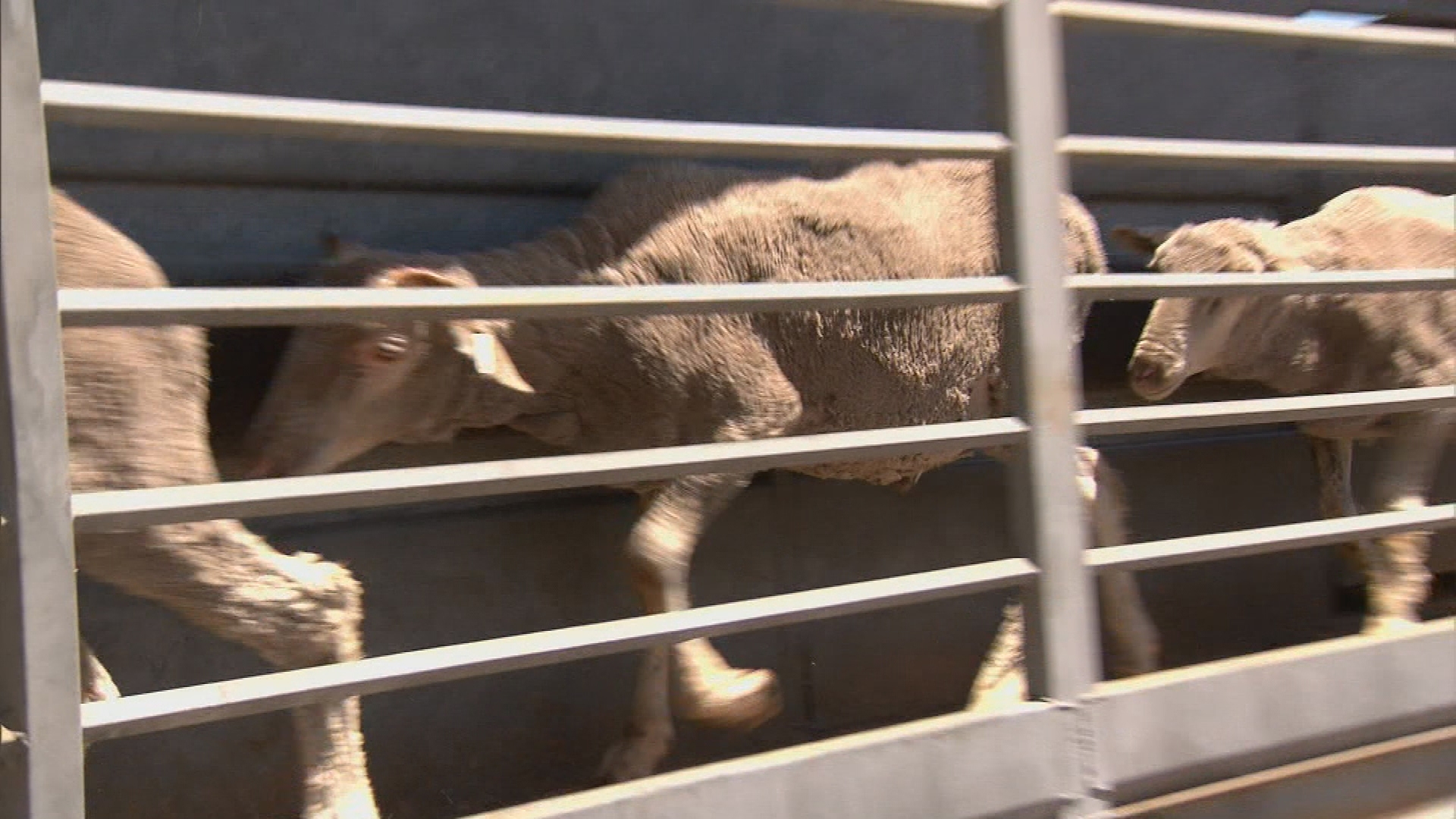
Western Australian farmers are promising the fight is not over after the Albanese government's live sheep export ban passed the Senate.

The trade will be phased out by 2028, but opponents say they'll target marginal Labor seats in a bid to overturn the ban.

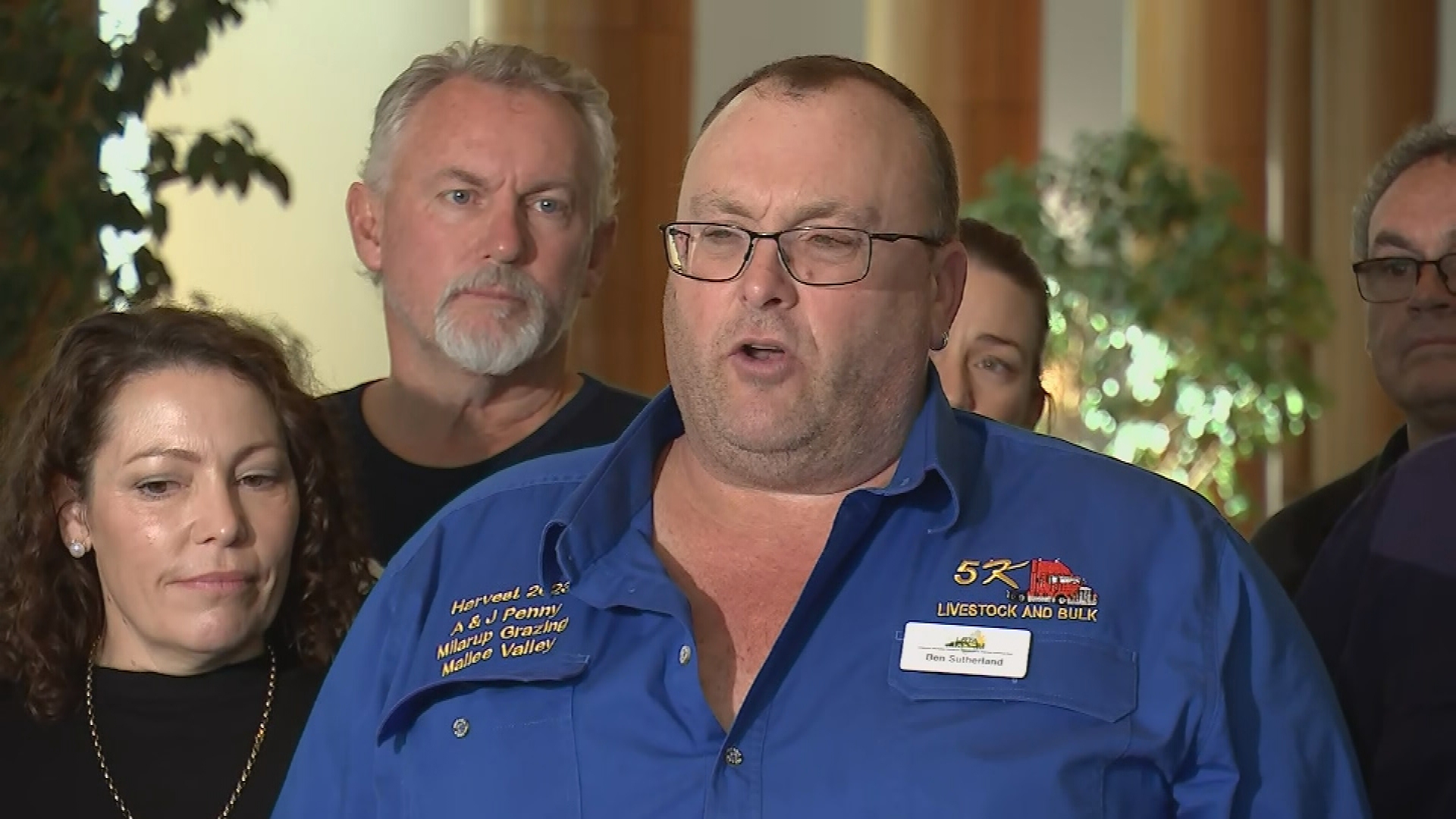
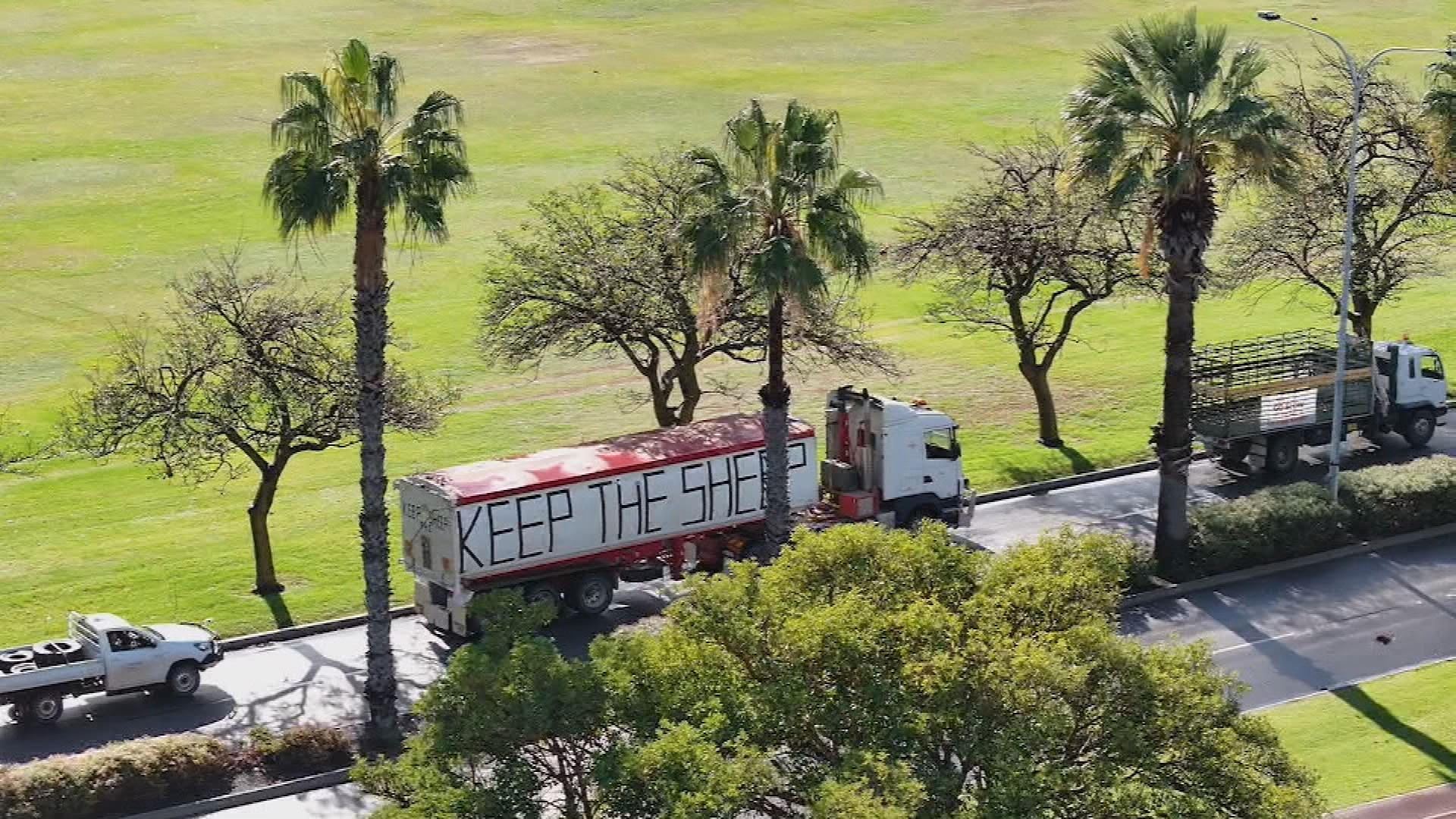
"Make no mistake. The 'Farmy Army' and us and all our people behind us here, are coming to get them," Keep the Sheep organiser Ben Sutherland said.

READ MORE: Doctor admits 'oversight' in toddler's treatment before she died of sepsis 

"Old [Prime Minister Anthony] Albanese needs to look in his mirror cos I'll be there when he's looking."

The live sheep export ban passed the Senate last night after the Labor government guillotined debate, sounding the death knell for live sheep exports by sea by May 2028.

WoolProducers chief executive Jo Hall said they wouldn't let the government "break the sheep's back".

Shearing Industry Association president Darren Spencer raised concerns for the people he represents.

"Where are we left in this situation? What do we transition to?" he asked.

"There's nothing to transition to in shearing."

READ MORE: Disturbing bodycam footage, police interview after Cody Edwards killed girlfriend 

The government has pointed to dwindling demand for live sheep exports – $415 million in 2002-2003 down to $77 million in 2022-2023 – amid a 300 per cent surge in demand for processed sheep meat over the same period.

Federal Agriculture Minister Murray Watt said it was what the people had voted for.

"This is not a matter of compensating people for getting out of an industry – it's about helping the industry adjust to a new future based on more onshore processing," Watt said.

The federal government has set aside $107 million to help support farmers through the phase out.

State Labor said it wasn't enough and pledged to continue to lobby Canberra for more.

Keep the Sheep campaigners have been driving large convoys around WA to highlight their cause.

Now they're setting their sights on marginal Labor-held seats ahead of next year's federal election.

"We need to keep all the channels open – the markets open, the ships," Pastoralists and Graziers Association of WA president Tony Seabrook said. 

"Everybody needs to be prepared for a change of government because that change of government will actually see this trade continue."

Victorian MPs given pay rise, making premier highest paid in the country

Victorian voters are angry that state politicians will be receiving a pay rise – the second in two years.

Jacinta Allan is now the highest paid premier in the country, with her pay packet nudging half a million dollars when entitlements are included.

However, Deputy Premier Ben Carroll announced today he would be donating his increase to UNICEF, catching some of his parliamentary colleagues off guard.

READ MORE: Projector mount sold at JB Hi-Fi stores nationwide recalled

Victorian Deputy Premier Ben Carroll.

All MPs were given the 3.5 per cent rise in line with the new financial year, about $1 million between them.

Backbenchers are now earning more than $200,000, and MPs have also been given an increase to allowances.

They will be able to claim 3.4 per cent more on driving, 3.6 per cent on travel, and another 6.1 per cent in electorate allowances per voter.

The decision was made by an independent tribunal, but they come against a backdrop of cuts to hospitals, spiralling government debt, and huge cost-of-living pressures.

The premier and opposition leader are both on leave, so have not revealed if they too will be donating their pay rises to charity. 

Iconic Queensland koala sanctuary to stop offering koala cuddles

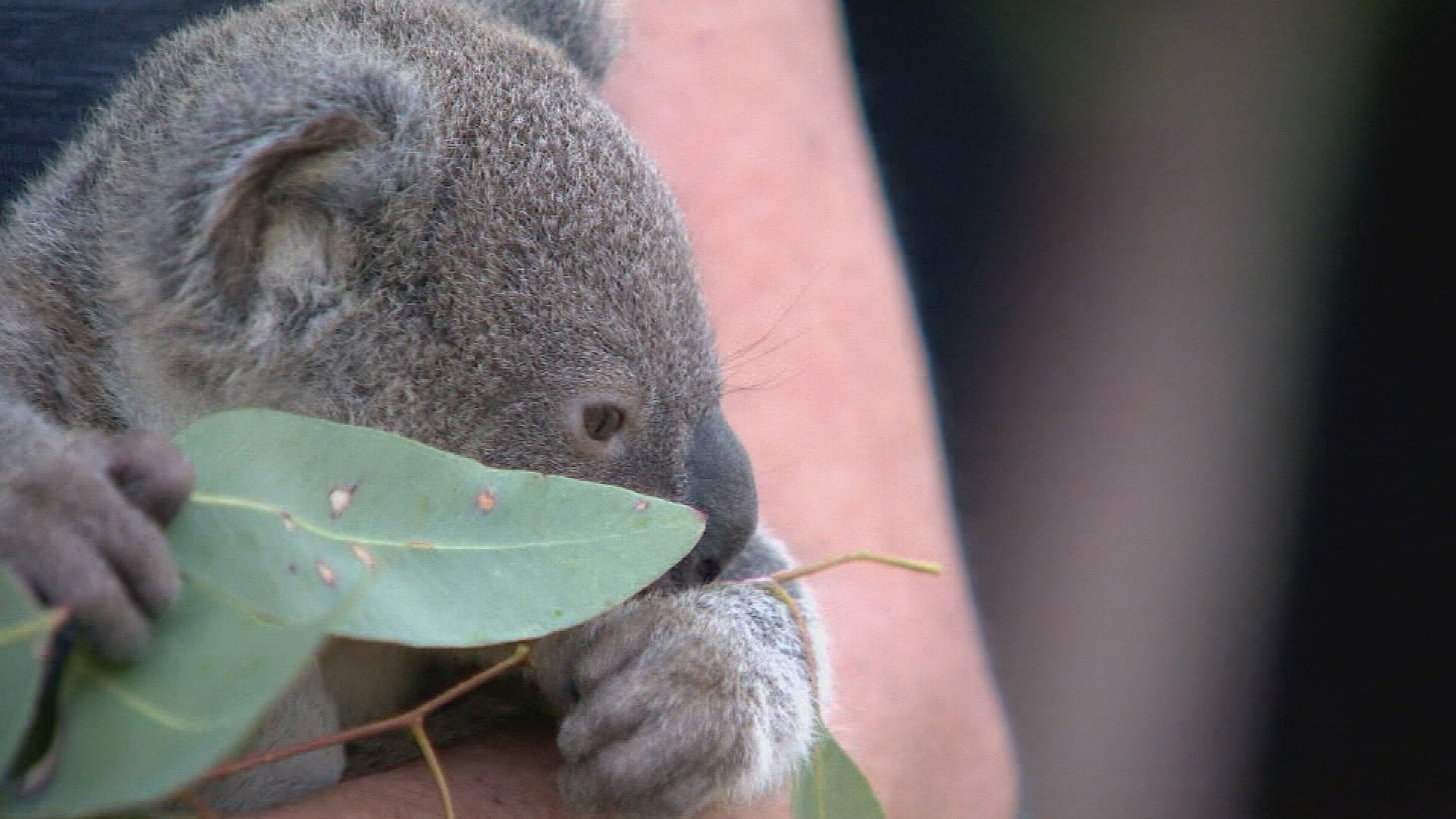
An iconic south-east Queensland koala sanctuary has become the latest to end the practice of allowing guests to hold their koalas.

Lone Pine Koala Sanctuary in Brisbane, which opened in 1927, is a popular destination for getting up close and personal with the loveable Australian marsupial.

The sanctuary has issued a statement confirming that, from the start of this month, guests will no longer be able to hold the koalas – a move it says is to "address increasing public demand" for "more immersive and educational experiences".

READ MORE: More than a third of Australians banking on an inheritance

The iconic Lone Pine Koala Sanctuary in Brisbane is banning koala cuddles.

"The decision has been made in response to increasingly strong visitor feedback, wishing to spend longer with the sanctuary's koalas and their passionate wildlife care team, without necessarily holding them," the sanctuary's statement read.

The experience has been illegal in other states including NSW, Victoria, the Northern Territory and Tasmania for several years.

While cuddly in appearance, koalas are naturally solitary creatures and holding them for prolonged periods has been documented to induce stress.

READ MORE: Couple's day out with their dog lands them $1500 fine

Activists hope this could be a signal of a broader shift in Queensland, where koala holding remains popular at many attractions.

Lone Pine will launch a new experience to take the place of the koala cuddles, called Koala Close-up, which it says will provide "meaningful connections and extended time" with the koalas.

‘Fiercely loyal’ mother killed in Bruce Highway crash

WARNING: Aboriginal and Torres Strait Islander viewers are warned this story contains images of a person who has died.

The family of a woman killed in a Queensland crash is mourning the loss of the much-loved wife, mother and grandmother.

The 56-year-old woman, whose family asked not to be named for cultural reasons, was travelling home from a holiday with her daughter and four of her grandchildren on Sunday when the bus they were in crashed.

READ MORE: Dismissed for decades, Christie developed 'terminal' endometriosis

The 56-year-old woman, whose family has asked for her not to be named for cultural reasons, was travelling home from a holiday with her daughter and four grandchildren on Sunday when the vehicle crashed.

She was one of three women who died and one of 33 who were on the bus when it hit a four-wheel-drive carrying a caravan at Gumlu near Townsville.

The two others killed were women from Germany, one in her 20s and the other in her 30s.

The 56-year-old victim's son said the mother-of-four and grandmother-of-eight was a "fiercely loyal" and "protective" woman.

"She was a beautiful church woman, she never hurt anyone," he said.

READ MORE: Passengers 'thought we were going to die' on horror flight

The 56-year-old's son said the mother-of-four and grandmother-of-eight was a "fiercely loyal" and "protective" woman.

"She went out of her way to give the shirt off her back to anyone.

"She was loved and supported by her grandchildren and immediate family."

Four men remained in hospital today, including a 24-year-old man in a critical condition and a 23-year-old man in a serious but stable condition.

READ MORE: Historic ruling finds Trump has immunity for some presidential acts

The family of a woman killed in an horrific crash in Queensland is mourning the loss of the much-loved wife, mother and grandmother. The 56-year-old woman, whose family has asked for her not to be named for cultural reasons, was travelling home from a holiday with her daughter and four of her grandchildren on Sunday when the vehicle crashed on the Bruce Highway at Gumlu. Pictured is the woman's son

A 27-year-old man and a 51-year-old man were in a stable condition.

Police said the investigation by the Forensic Crash Unit was in its infancy but "initial investigations indicate that the bus did travel onto the wrong side of the road".

The 56-year-old's family wanted people to not be hard on the bus driver.

"We want the full investigation to go through, you know, no point in blaming anyone," the woman's son said.

"Let the police and the courts do their, do their side of the business."

READ MORE: Projector mount sold at JB Hi-Fi stores nationwide recalled

The crash happened near the Wilson Creek rest area on the Bruce Highway at Gumlu, which sits on a stretch of highway between Bowen and Ayr.

The highway in the area is a single lane each way with a painted median, no passing or overtaking lanes and no shoulder.

Much of the Bruce Highway between Gympie and Townsville is the same.

The 1700km road is Queensland's major north-south road corridor, connecting the state's major population centres from Brisbane to Cairns.

READ MORE: Passengers 'thought we were going to die' on horror flight

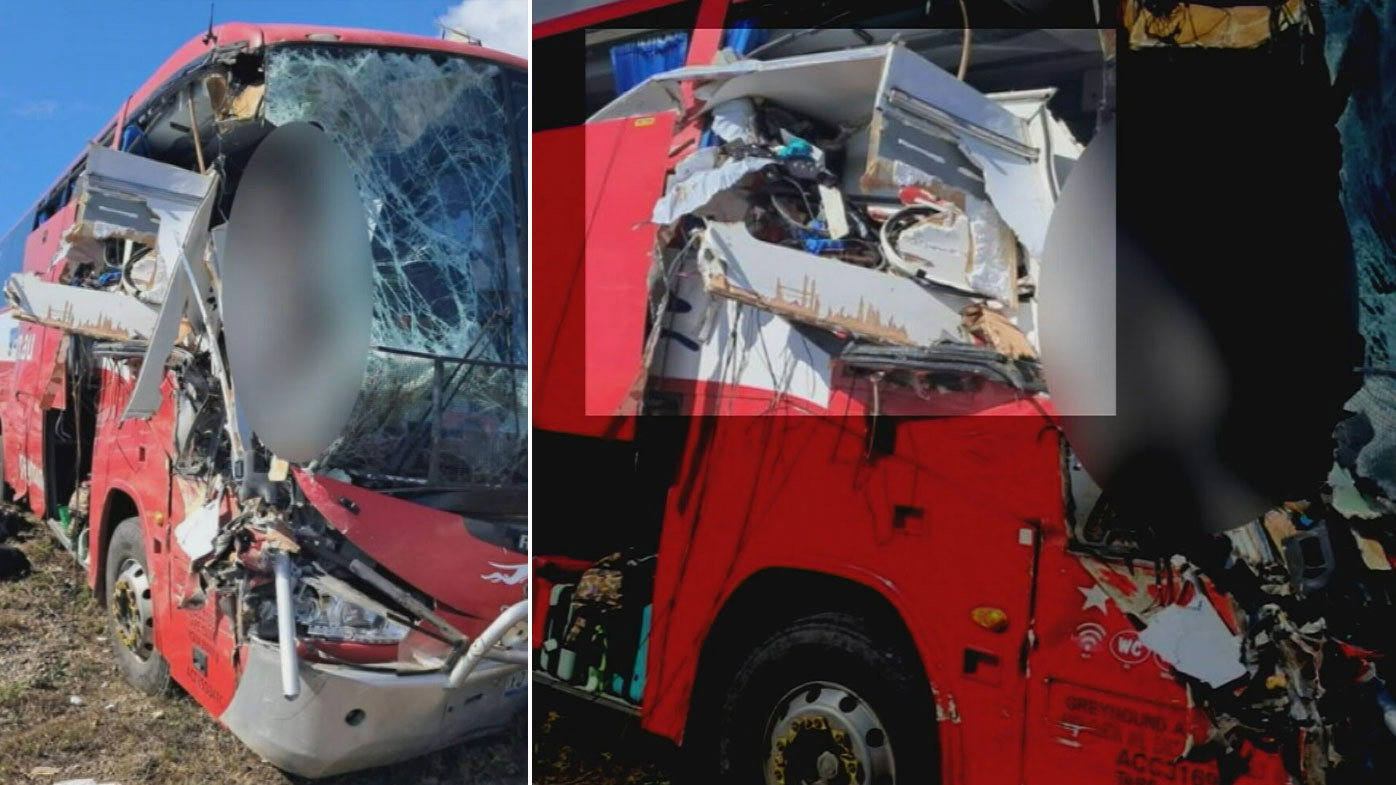
In the impact, the caravan smashed into the front of the bus, which ended up coming to rest across nearby train tracks. Queensland crash

Premier Steven Miles said he "expressed his sympathies" to those affected but cautioned it was "a bit premature to be speculating on the cause".

The bus was travelling north from Brisbane and the other vehicle was heading south.

In the impact, the caravan smashed into the front of the bus, which ended up coming to rest across nearby train tracks.

The driver has given blood and urine samples and is in hospital being treated for mental health issues.

FOLLOW US ON WHATSAPP HERE: Stay across all the latest in breaking news, celebrity and sport via our WhatsApp channel. No comments, no algorithm and nobody can see your private details.

New bodycam shows moment drug-addled killer Cody Edwards arrested

New police bodycam footage has been released showing the moment a drug-addled Cody Edwards was arrested for the brutal 2022 killing of his girlfriend in South Australia's south-east.

Mother-of-three Synamin Bell's skull was crushed when Edwards bludgeoned her with a baseball bat and dumbell, before he stabbed her five times as she lay face down on the bedroom floor at the couple's Mount Gambier home.

Edwards was on trial for murder in June, until he changed his plea to guilty to the lesser charge of manslaughter, which was accepted by prosecutors.

READ MORE: More than a third of Australians banking on an inheritance

Synamin Bell was found dead inside her Adelaide home on Saturday around just after 11pm on Saturday 12 March.

Edwards' lawyer, Steven Millsteed KC, had argued in court that Edwards was experiencing a "full-blown paranoia psychosis" on the night of Bell's death after consuming psychoactive drugs.

In the bodycam footage, the then-26-year-old is seen sprawled on the ground as he's arrested.

One officer is heard asking, "What's happened?"

"LSD, sir," Edwards responds.

During his police interview, he appears to struggle to answer even the most basic questions.

At one point an officer asks, "Are you OK?"

"Am I OK? Yeah," he replies.

Millsteed told the court Edwards, in his psychotic state, believed Bell intended to kill him so acted in self-defence.

Bell's family are still struggling to come to terms with the change in Edwards' plea.

They say they believe drug use shouldn't be a reason for a lesser charge.

"This bloke is going to go about his life in another six or seven years' time, according to what we have been told," brother Paul Bell told 9News.

"And it's disgusting. It's absolutely mind-blowing they can accept this."