After years behind bars, Australian Wikileaks founder Julian Assange has reached a plea deal with the US Justice Department that has seen him walk free from prison in the UK.
Assange pleaded guilty to one charge under the Espionage Act in a court in Saipan, a US commonwealth in the Pacific, ending a long legal saga that has been running for more than a decade.
Here are the key events that have led to him walking out of court a free man.
READ MORE: Julian Assange free from prison, set to plead guilty as part of US deal
2006
Wikileaks is founded by Assange.
2007
Wikileaks posts the procedures manual for Camp Delta, the US detention centre in Guantánamo Bay.
April 5, 2010
Wikileaks posts a video showing a US military helicopter firing on and killing two journalists and several Iraqi civilians in 2007. The military claims that the helicopter crew believed the targets were armed insurgents, not civilians.
July 25, 2010
Wikileaks posts more than 90,000 classified documents related to the Afghanistan war.
August 20, 2010
Swedish prosecutors issue an arrest warrant for Assange based on allegations of sexual assault. The arrest warrant is rescinded the next day.
August 31, 2010
Assange is questioned by Stockholm police and told of the charges against him.
READ MORE: Julian Assange walks free: What happens next
October 22, 2010
Wikileaks publishes classified military documents related to the Iraq war.
November 20, 2010
The Stockholm Criminal Court issues an international arrest warrant for Assange.
November 28, 2010
Wikileaks begins publishing diplomatic cables from US embassies.
December 7, 2010
Assange turns himself in to London authorities. He is remanded in custody. On December 16, he is released on bail and put on house arrest.
February 24, 2011
A judge rules in support of Assange's extradition to Sweden.
READ MORE: Police probe drug overdose link after four people found dead inside Melbourne home
April 24, 2011
Wikileaks begins releasing classified military documents providing details on the behaviour and treatment of detainees being held at the US Navy's detention facility at Guantánamo Bay.
September 2, 2011
Wikileaks releases its archive of more than a quarter million US diplomatic cables.
November 15, 2011
The UK Judicial Office announces Assange has applied to take his appeal against extradition to Sweden to the Supreme Court of the United Kingdom.
On May 30, 2012, the British Supreme Court denies his appeal, but grants him two weeks to file another appeal. This is unusual because rulings are supposed to be final.
June 19, 2012
Assange enters the Ecuadorian embassy in London, requesting political asylum. On August 16, Ecuador announces it has granted his asylum.
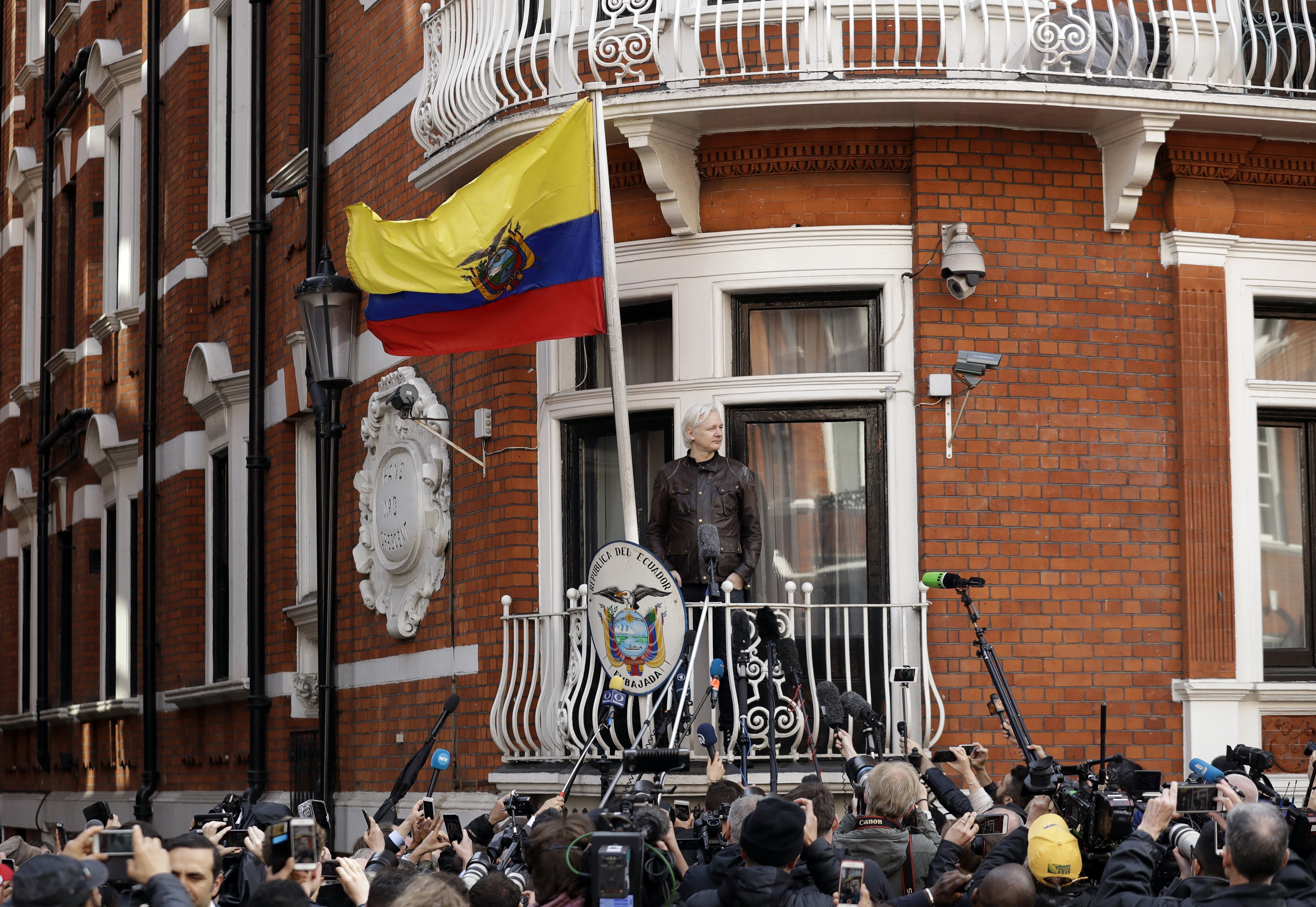
August 19, 2012
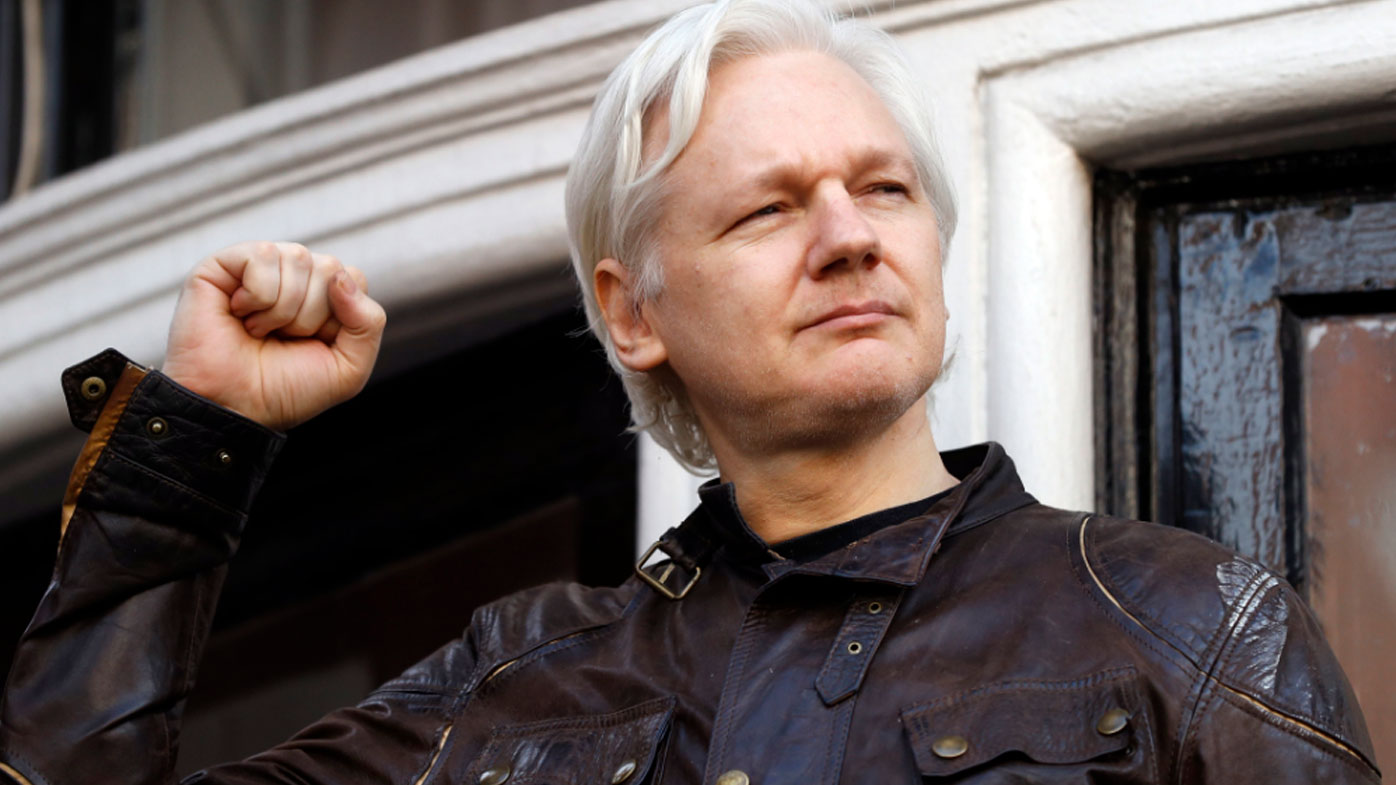
Assange addresses the public from the balcony of the Ecuadorian Embassy in London, demanding that the United States drop its "witch-hunt" against Wikileaks.
READ MORE: 'Totally unmanaged': Call for action over e-bikes on Sydney pavements
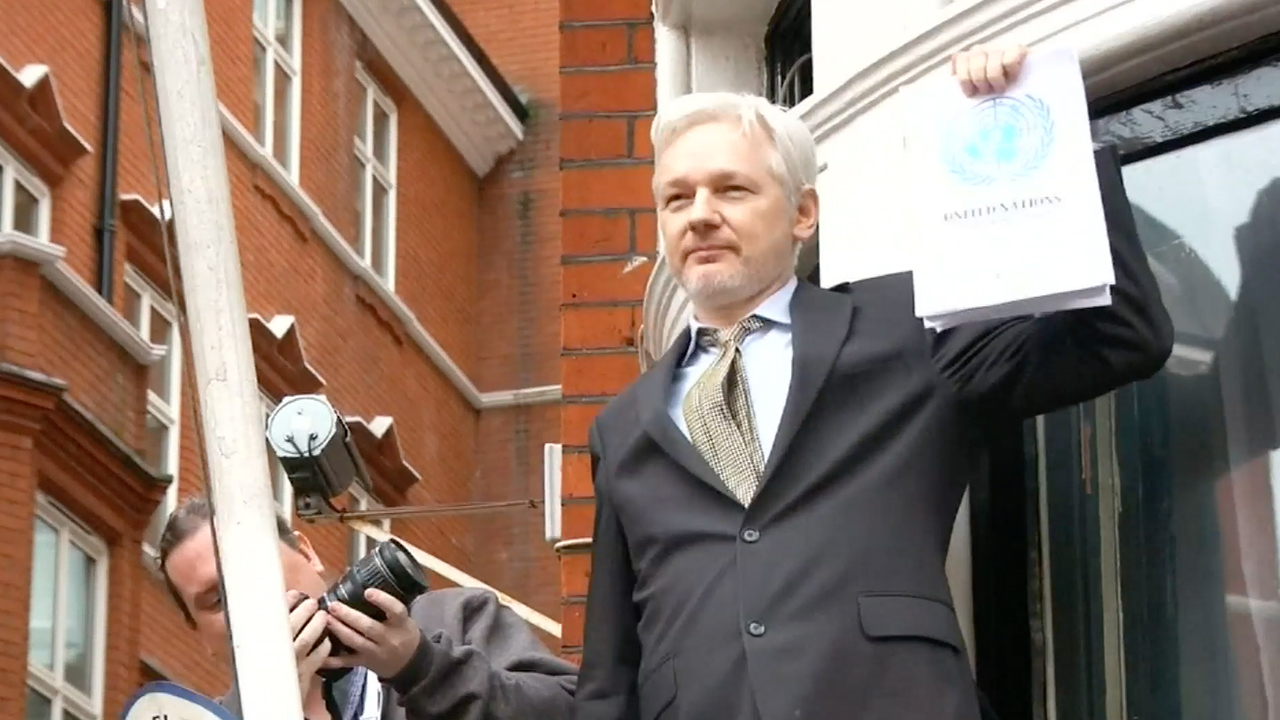
September 26, 2012
Delivers a speech via satellite to a full conference room at the United Nations, asking the US government to end its actions against him and his website. The event is held by the Mission of Ecuador on UN grounds but is not officially sponsored by the world body.
November 2012
Assange's book, Cypherpunks: Freedom and the Future of the Internet, is published.
February 10, 2015
Metropolitan Police Commissioner Bernard Hogan-Howe tells LBC Radio the operation guarding Assange at the Ecuadorian Embassy in London is "sucking our resources in" as costs spiral to more than 10 million pounds (approximately $20.36 million).
May 11, 2015
The Swedish Supreme Court denies Assange's appeal to dismiss an arrest warrant for allegations of sexual assault.
READ MORE: US inmate facing execution despite key witness recanting testimony
July 3, 2015
France rejects Assange's request for "protection" after he publishes an open letter in national newspaper Le Monde.
August 13, 2015
Swedish prosecutors announce they are dropping allegations involving sexual molestation and coercion as statutes of limitations in the investigation run out this month. However, the allegation of suspicion of rape still stands, and he may be investigated until 2020, Swedish prosecutors have said.
February 5, 2016
A UN rights working group says its investigation found that Assange is being arbitrarily detained by the governments of Sweden and the United Kingdom.
May 25, 2016
A Swedish court upholds the arrest warrant for Assange, with a Swedish prosecutor saying there's still probable cause to prosecute him on a rape allegation and that "the risk of him evading justice is still large."
July 22, 2016
Wikileaks publishes nearly 20,000 emails from Democratic National Committee staffers. The hacked emails appear to show the committee favouring presumptive Democratic nominee Hillary Clinton over Bernie Sanders during the US presidential primary.
On July 29, Assange tells CNN's Anderson Cooper that the email release was timed to coincide with the start of the Democratic National Convention.
September 15, 2016
Wikileaks tweets that Assange agrees to serve prison time in the United States in exchange for President Barack Obama granting clemency to imprisoned former Army intelligence analyst Chelsea Manning. In 2013, Manning was convicted of stealing and disseminating 750,000 pages of documents and videos to Wikileaks.
READ MORE: 'Save lives': Pill testing to be trialled in Victoria
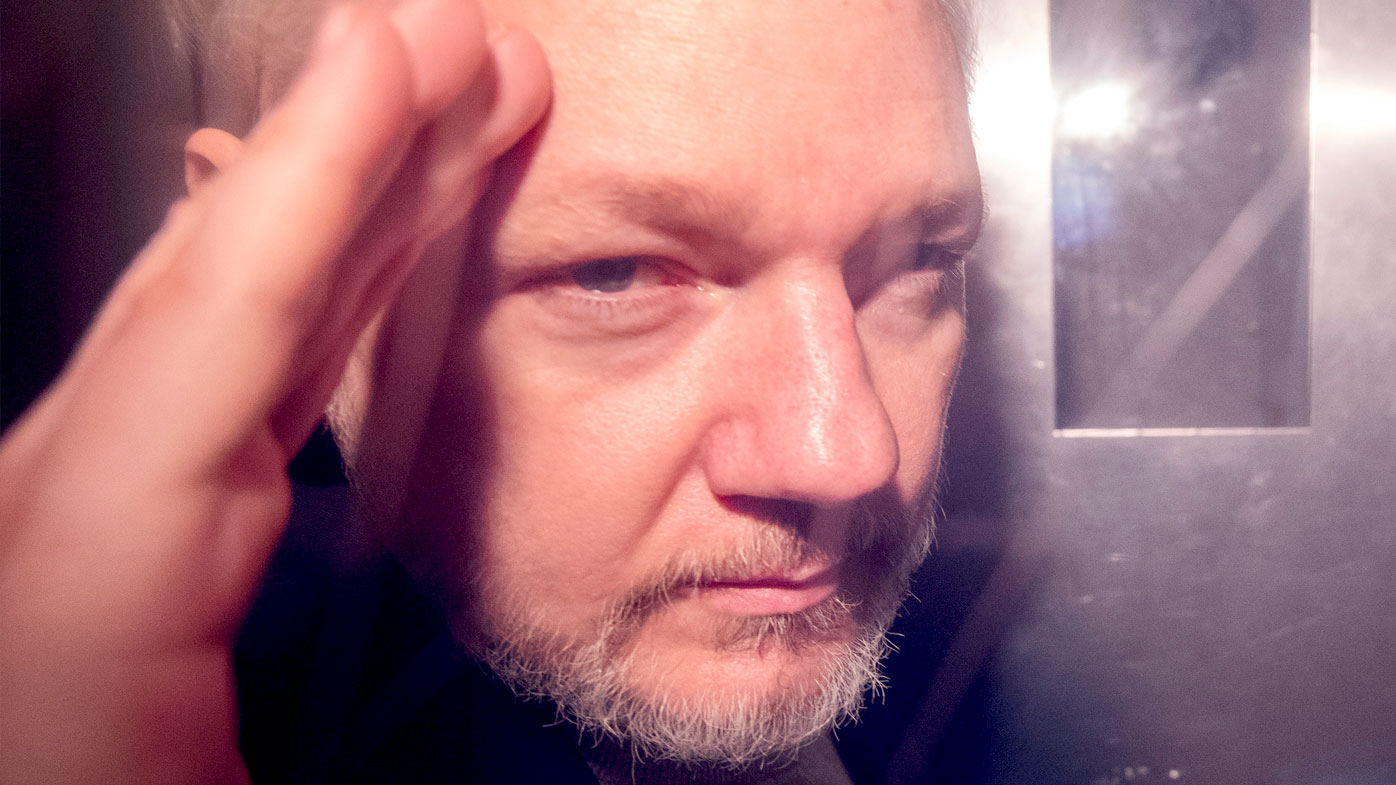
September 16, 2016
A Swedish appeals court states again that the arrest warrant for Assange on allegations of rape still stands. This is the eighth time the European arrest warrant has been tested in a Swedish court. All eight judgments have gone against Assange.
October 7, 2016
Wikileaks begins publishing hacked emails from Clinton's campaign chairman, John Podesta.
November 14, 2016
Wikileaks tweets that Assange is giving a statement in the presence of a Swedish prosecutor regarding allegations he sexually assaulted two women in the country six years ago.
January 3, 2017
During an interview with Sean Hannity of Fox News, Assange says that the Russian government was not the source of the hacked DNC emails. He also denies talking to Russian President Vladimir Putin and says he did not have contact with the campaign for US President-elect Donald Trump.
April 20, 2017
US Attorney General Jeff Sessions announces that the Department of Justice is preparing charges for Assange, and that his arrest is a "priority."
May 19, 2017
Swedish prosecutors drop their investigation of rape allegations against Assange, ending a nearly seven-year legal impasse.
December 12, 2017
Becomes a naturalized citizen of Ecuador.
March 27, 2018
Assange's internet communications outside of the Ecuadorian Embassy in London are suspended for at least the second time since October 2016. The government accuses him of failing to commit to an agreement not to release messages interfering with other nations' affairs.
READ MORE: Security guard plotted to rape and murder British TV presenter, court told
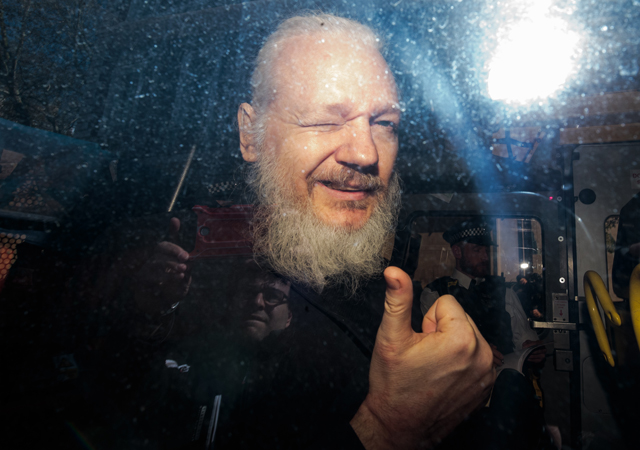
October 19, 2018
Assange directs his legal team to launch proceedings against the government of Ecuador for "violating his fundamental rights." On October 29, the lawsuit is rejected by an Ecuadorean court.
During a video-linked hearing, Judge Karla Martinez alerts Assange he will have to abide by the new rules imposed by Ecuador's embassy in London.
November 2018
A court filing in a case unrelated to Assange mistakenly reveals that the Wikileaks founder has been charged under seal in a US federal court.
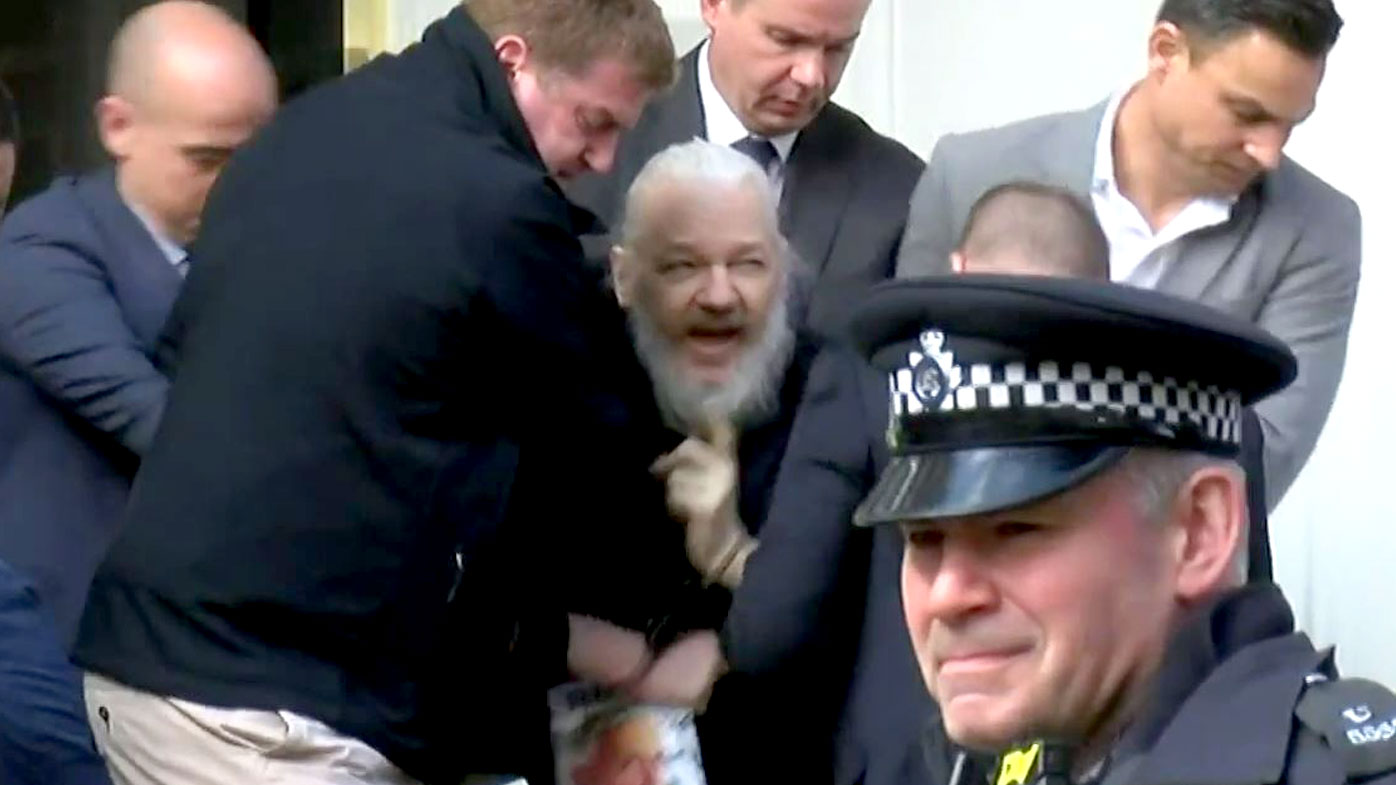
April 11, 2019
Assange is arrested by the Metropolitan Police in London on an extradition warrant from the US Justice Department. He is charged with conspiracy to attempt to hack a computer in connection with the 2010 release of classified military information obtained via Manning.
On May 23, it is announced that Assange has been charged with 17 additional counts under the Espionage Act.
READ MORE: Capital city cops one year's rain in six months
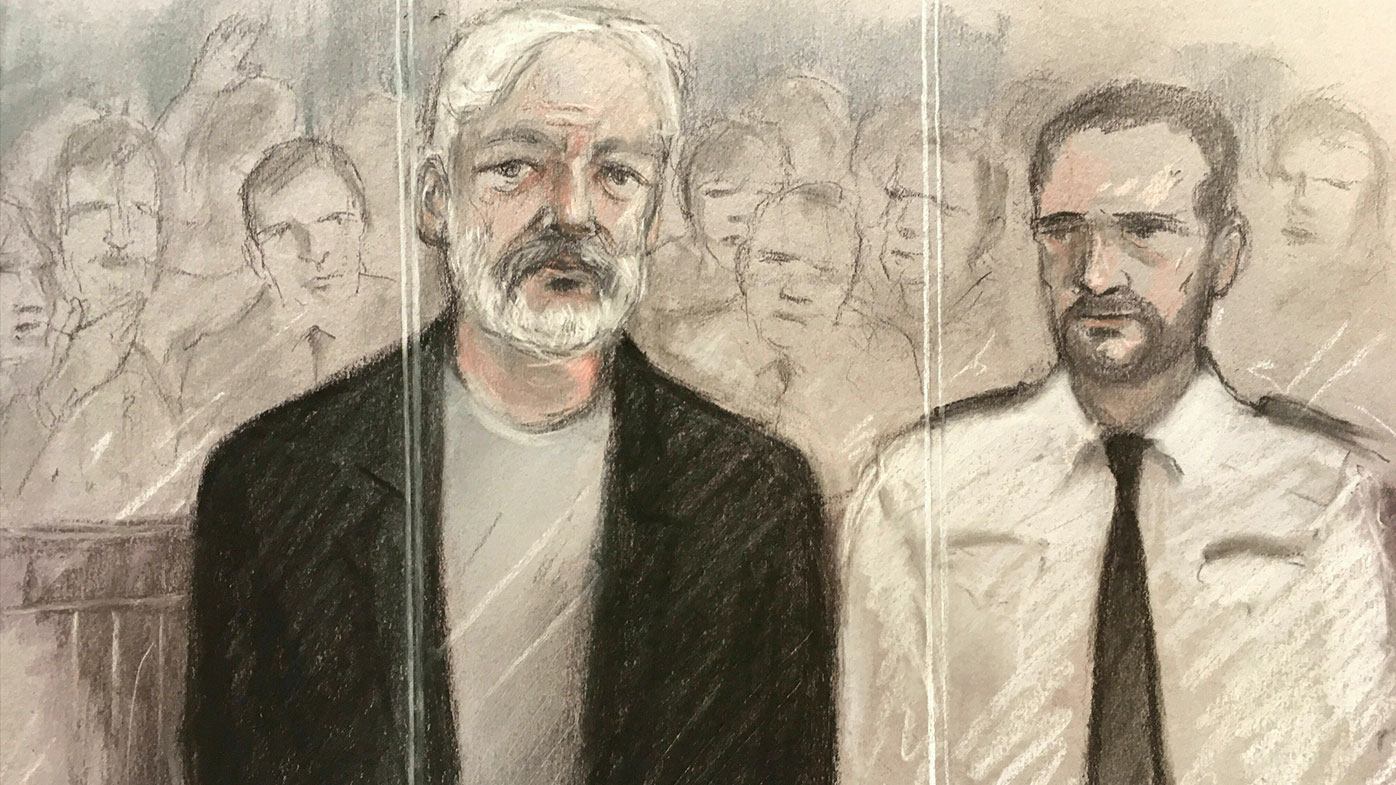
May 1, 2019
Assange is sentenced to 50 weeks in a UK prison after being found guilty of violating his bail conditions when he entered Ecuador's London embassy to avoid extradition to Sweden in 2012.
July 15, 2019
CNN reports on newly obtained documents that describe how Assange transformed the Ecuadorian embassy into a command centre and orchestrated a series of damaging disclosures that rocked the 2016 presidential campaign in the United States.
A day later, former Ecuadorian President Rafael Correa says his country was aware that Assange was interfering in the 2016 US presidential election while staying at the embassy.
November 19, 2019
Sweden's deputy chief prosecutor announces that authorities are ending their investigation into an allegation of rape against Assange. The investigation into Assange was reopened in May following his removal from Ecuador's embassy in central London the previous month.
READ MORE: Two-storey home destroyed in massive blaze on Gold Coast
April 11, 2020
In a video posted online and shared by Wikileaks, Stella Moris reveals that she and Assange had two sons while he was living in the Ecuadorian embassy in London.
Moris is part of the international legal team working for Assange, but she is not involved in the current extradition case.
June 24, 2020
The US Justice Department announces a second superseding indictment against Assange. The Justice Department alleges Assange recruited hackers to obtain information for Wikileaks, but does not add any new charges.
READ MORE: Man charged over alleged attack on Uber driver
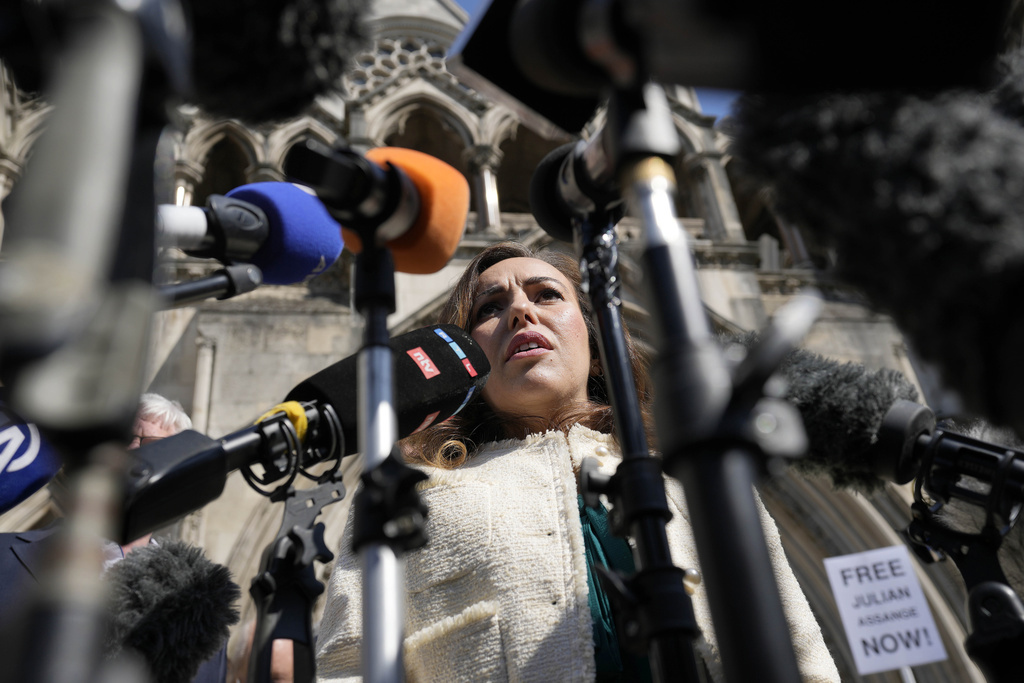
January 4, 2021
A British judge rejects a US request to extradite Assange to America, ruling that such a move would be "oppressive" by reason of his mental health.
January 6, 2021
A British judge denies bail for Assange, ruling that "there are substantial grounds for believing that if Mr Assange is released today he would fail to surrender to court and face the appeal proceedings".
March 2021
A bipartisan delegation from Australia's federal parliament meets with the US embassy's charge d'affaires, Michael Goldman, asking for Assange to be allowed to return home.
The delegation is composed of independent MP Andrew Wilkie, Labor's Julian Hill, and George Christensen from the Nationals.
July 26, 2021
The Judicial Branch of Ecuador rules in favour of revoking the citizenship of Assange. The court's decision nullifies Assange's status as a naturalized citizen of Ecuador.
December 10, 2021
US authorities win their bid to overturn a British judge's ruling that Assange should not be extradited to face charges in the United States, on the basis of assurances given about his treatment there.
January 24, 2022
Wins permission to try and appeal the decision that allows him to be extradited to the United States. Lord Chief Justice Burnett and Lord Justice Holroyde denied Assange permission to directly appeal December's ruling, but leave it to the UK's Supreme Court to decide whether or not to take up the appeal.
On March 14, the Supreme Court refuses Assange's permission to appeal.
READ MORE: Is Trump shielded from criminal charges? A nation awaits Supreme Court
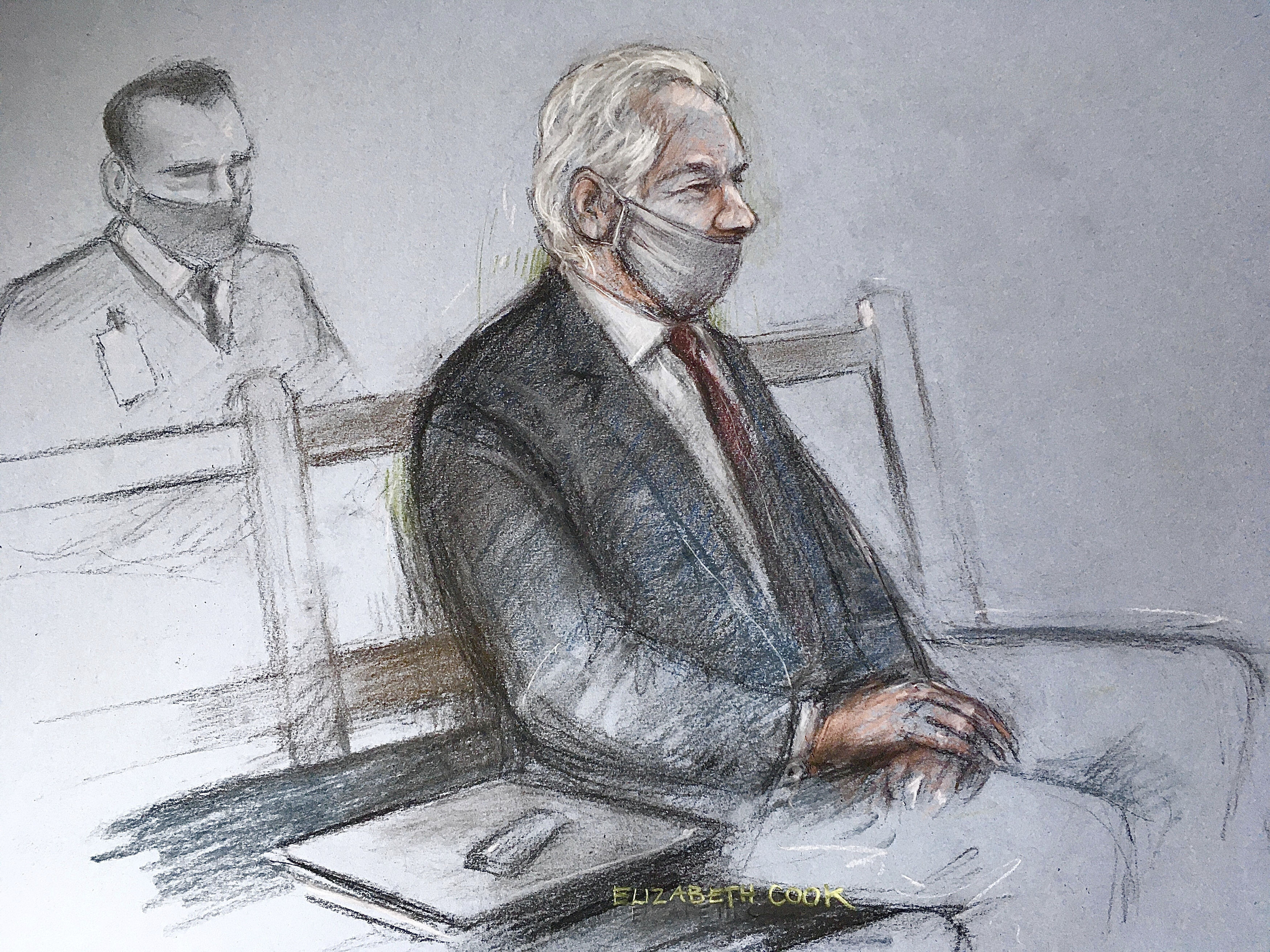
March 23, 2022
Marries his fiancée and mother of his two children, Stella Moris, inside Belmarsh prison in London.
April 20, 2022
A London court issues a formal order for Assange to be extradited to the United States. The court sends the order to UK Home Secretary Priti Patel for approval. On June 17, Patel signs off on the order.
September 2023
Another bipartisan delegation from Australian parliament lobbies the US to drop its pursuit of Assange.
Former deputy prime minister Barnaby Joyce, Labor MP Tony Zappia, independent Monique Ryan, Liberal senator Alex Antic and Greens David Shoebridge and Peter Whish-Wilson travelled to the United States to meet with Department of Justice representatives and several Republican and Democratic congressmen.
January 2024
Australian Attorney-General Mark Dreyfus raises Assange's case with his US counterpart, Merrick Garland.
February 2024
Australian Prime Minister Anthony Albanese supports a motion in parliament calling for Assange's release. The same month, Assange's lawyers launch a final legal bid at the UK High Court to stop his extradition.
May 20, 2024
London's High Court rules that Assange has the right to appeal in his final challenge against extradition to the US.
READ MORE: Former bikie boss' sentencing delayed for birth of child
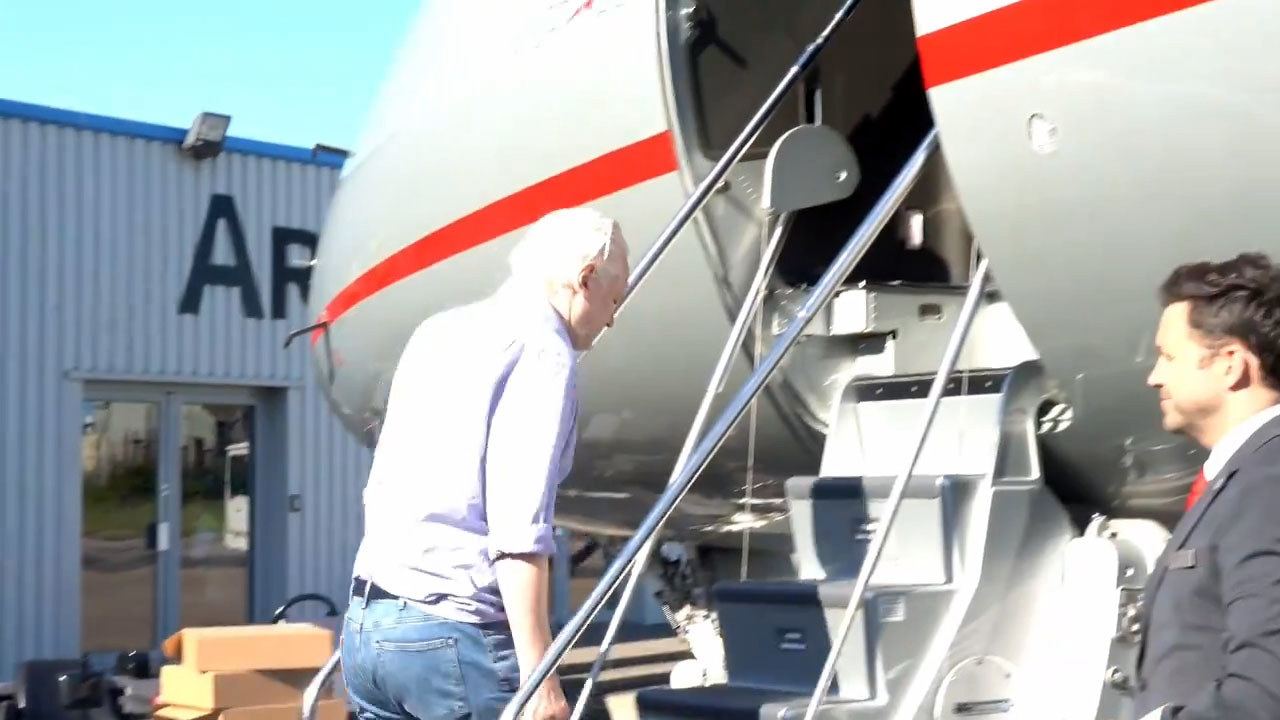
June 24, 2024
Assange reaches a plea deal with the US Justice Department that will see him plead guilty to an Espionage Act charge of conspiring to unlawfully obtain and disseminate classified national defence information.
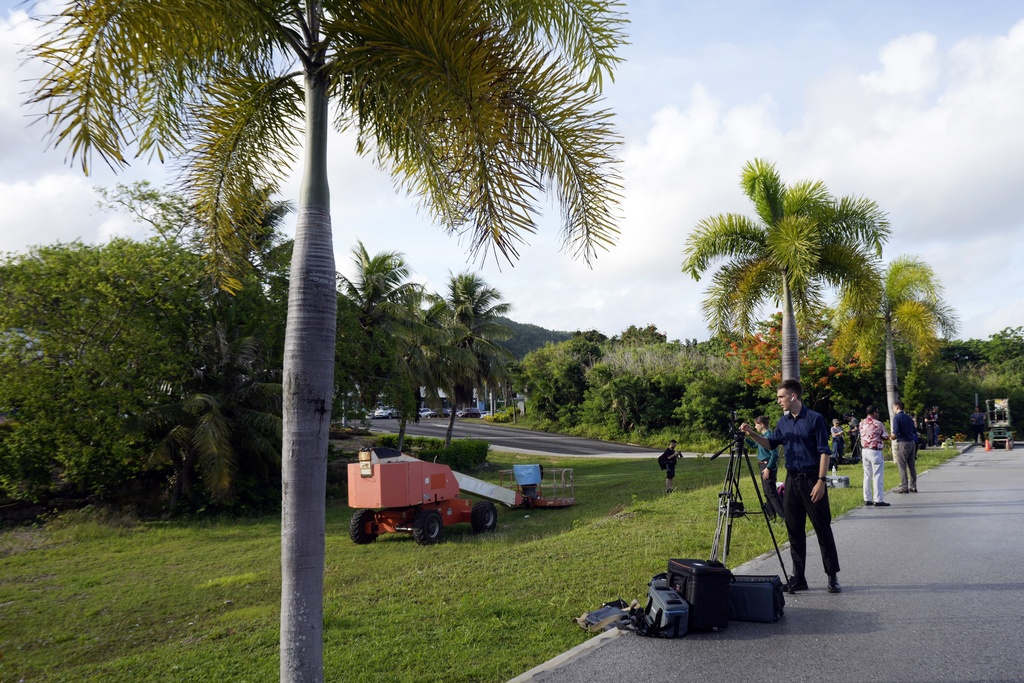
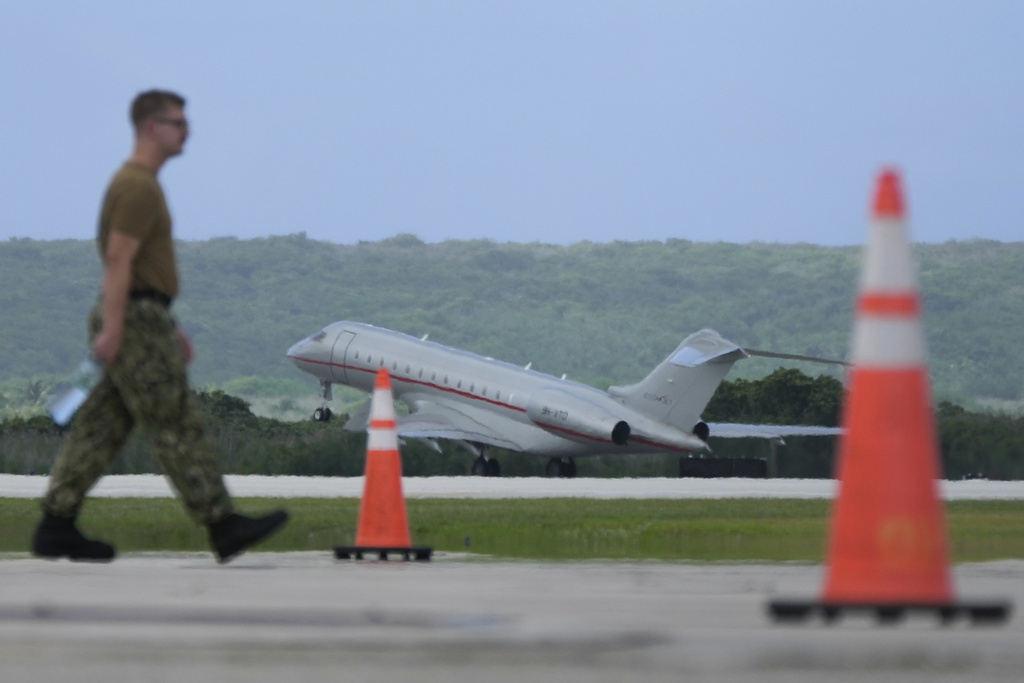
He walks free from Belmarsh prison and boards a plane to leave the UK, flying to Saipan in the Mariana Islands, an external US territory near the Philippines where his plea and sentencing hearing will be held.
June 26, 2024
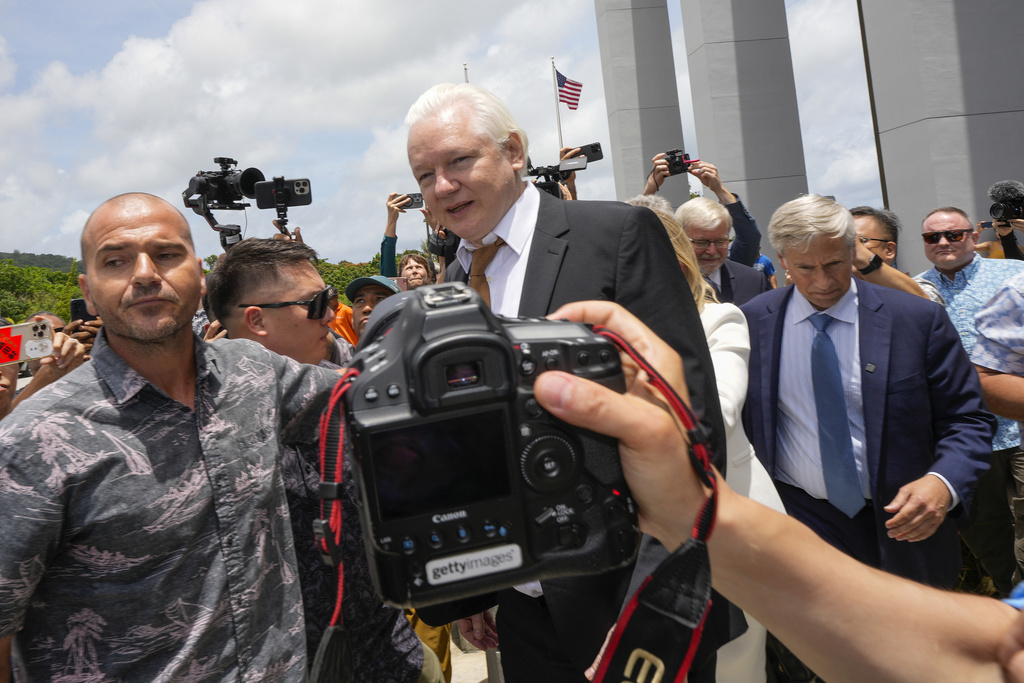
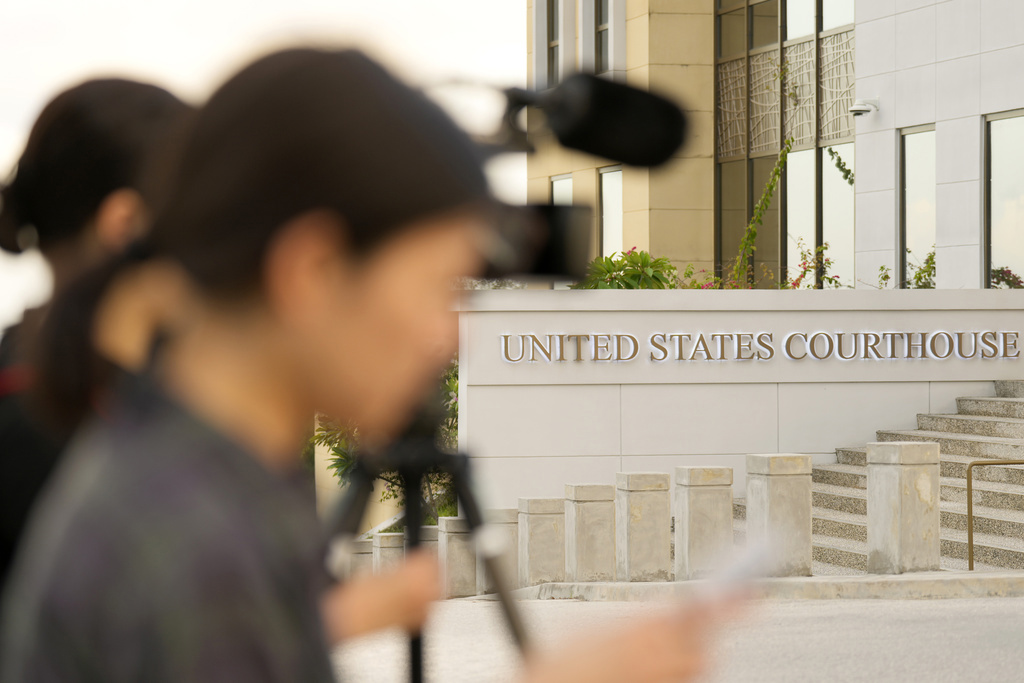
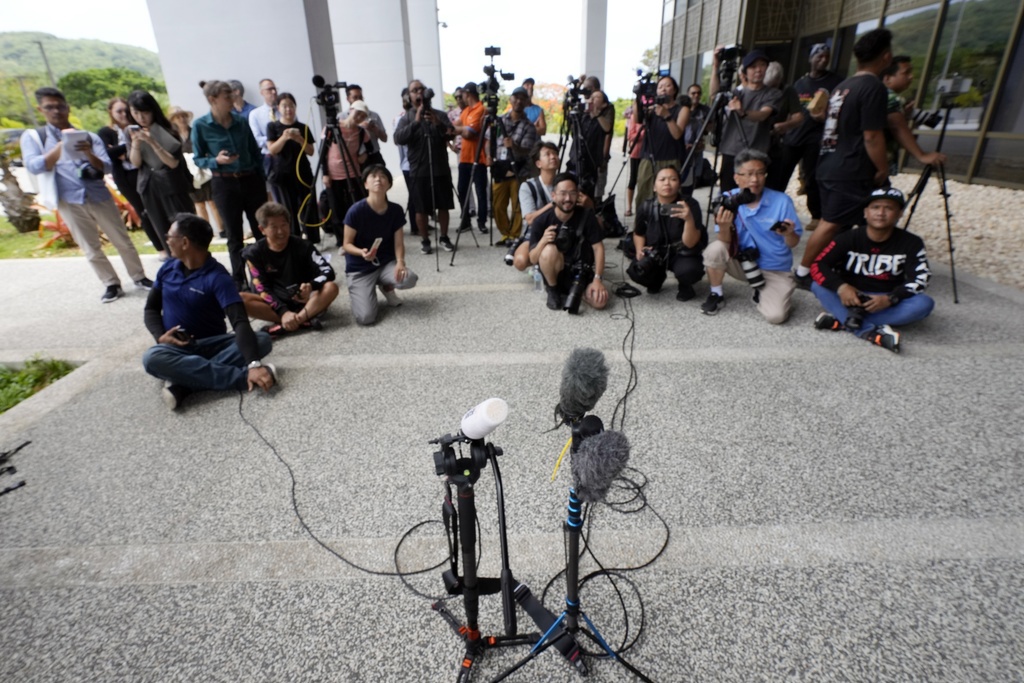
Assange faces court in Saipan, where he enters a guilty plea to one charge of espionage and is sentenced to 62 months in prison, crediting time already served.
As he had already spent 62 months in Belmarsh, he leaves court a free man.