Ronny Okeke has been missing for 31 days now. ‘His family deserve answers,’ police say.
Tag Archives: oceania
Taranaki mattress murder trial: Leigh Beer allegedly set fire to his partner’s bed, walked away
The 21yo was alive but likely unconscious when her bedroom was engulfed in flames.
Rare Wu-Tang Clan album to be played to the public for the first time
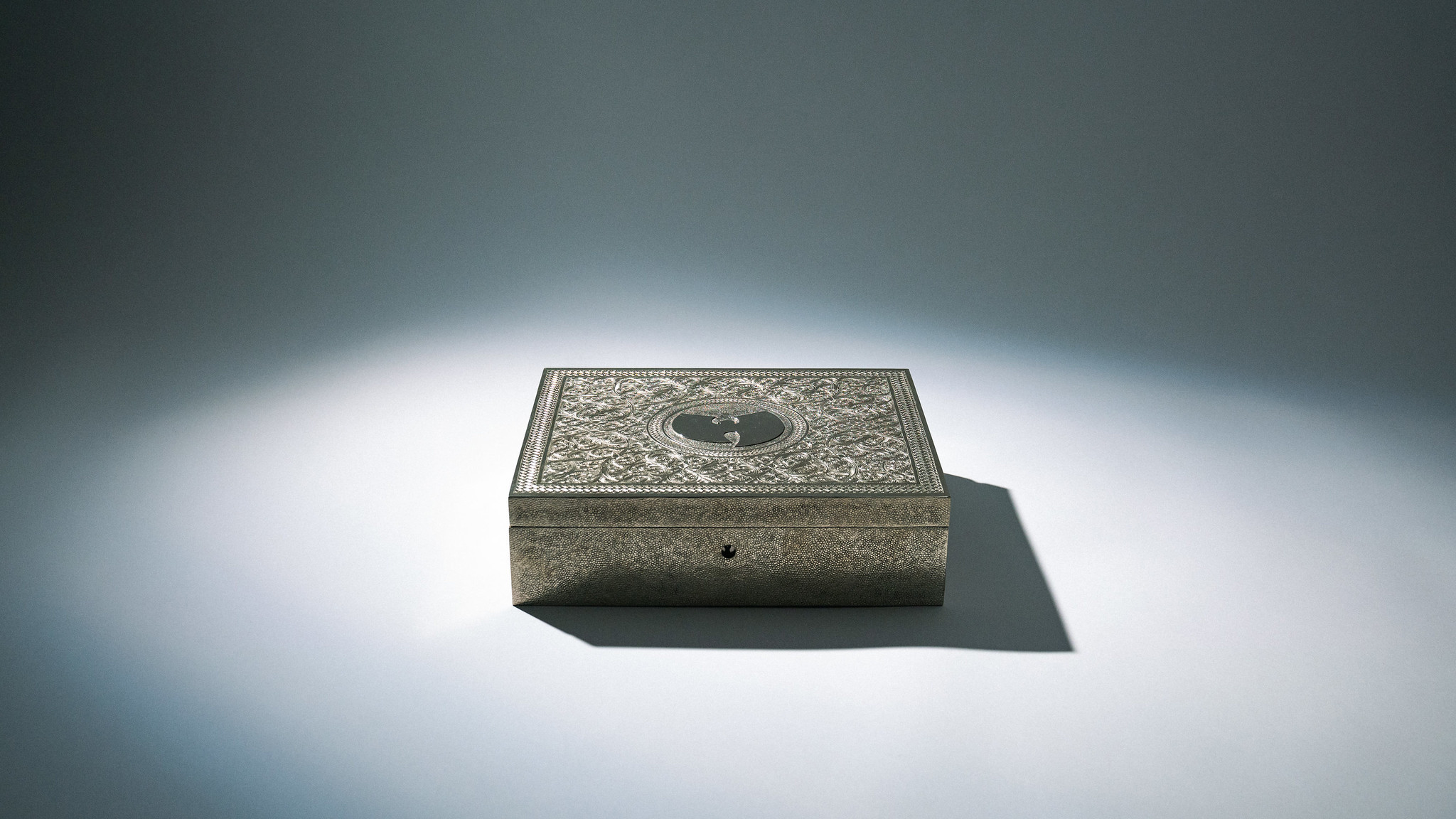
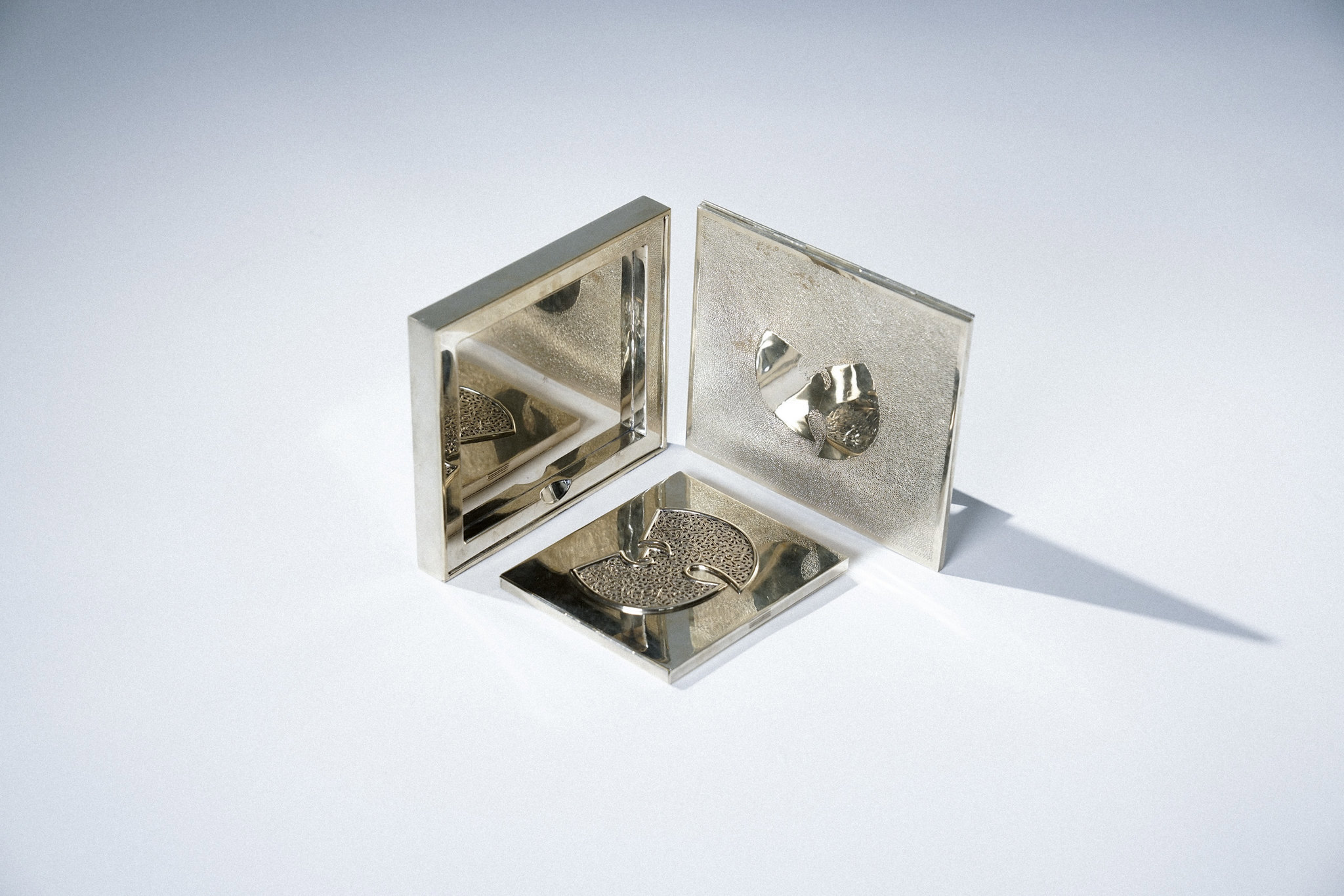
The sole copy of Wu-Tang Clan's Once Upon a Time in Shaolin will be played to the public for the first time at a Tasmanian museum.
The Museum of Old and New Art (Mona) in Hobart will be holding limited listening events as part of its upcoming exhibition, Namedropping.
Visitors can experience a curated 36-minute mix from the album, played from a personalised Wu-Tang PlayStation 1, in Mona's own recording studio, Frying Pan.
READ MORE: Tributes flow for mother and daughter killed in double murder-suicide
The sessions will be held from June 15 to June 24.
A limited number of free tickets will be available to the public from 10am AEST on Thursday.
The lone copy was sold to now-disgraced pharmaceutical entrepreneur Martin Shkreli in 2015 for $US2 million ($3.1 million) and the digital master files deleted.
In 2021, the US Department of Justice sold the 31-track album to digital art collective Pleasr for $6 million to cover "pharma bro" Shkreli's debts after he was convicted of securities fraud.
READ MORE: Popular sauces pulled from Coles, Woolworths, IGA shelves
In a statement, Pleasr said it was honoured to partner with Mona to "support RZA's vision".
"Ten years ago, the Wu-Tang Clan had a bold vision to make a single copy album as a work of fine art.
"To 'put it in an art gallery … make music become a living piece like a Mona Lisa or a sceptre from Egypt'.
"With this single work of art, the Wu-Tang Clan's intention was to redefine the meaning of music ownership and value in a world of digital streaming and commodification of music."

READ MORE: Massive rain system to soak 80 per cent of Australia this week
Recorded in secret between 2006 and 2013, Once Upon a Time in Shaolin is the seventh release from the influential US hip-hop collective.
Surviving members of the group include RZA, GZA, Ghostface Killah, Raekwon, Method Man, Inspectah Deck, U-God and Masta Killa.
Contained in a jewel-encrusted box, the two-CD album is bound by a legal agreement preventing its commercial release until 2103.
Charlise Mutten’s mother breaks down while denying shooting daughter
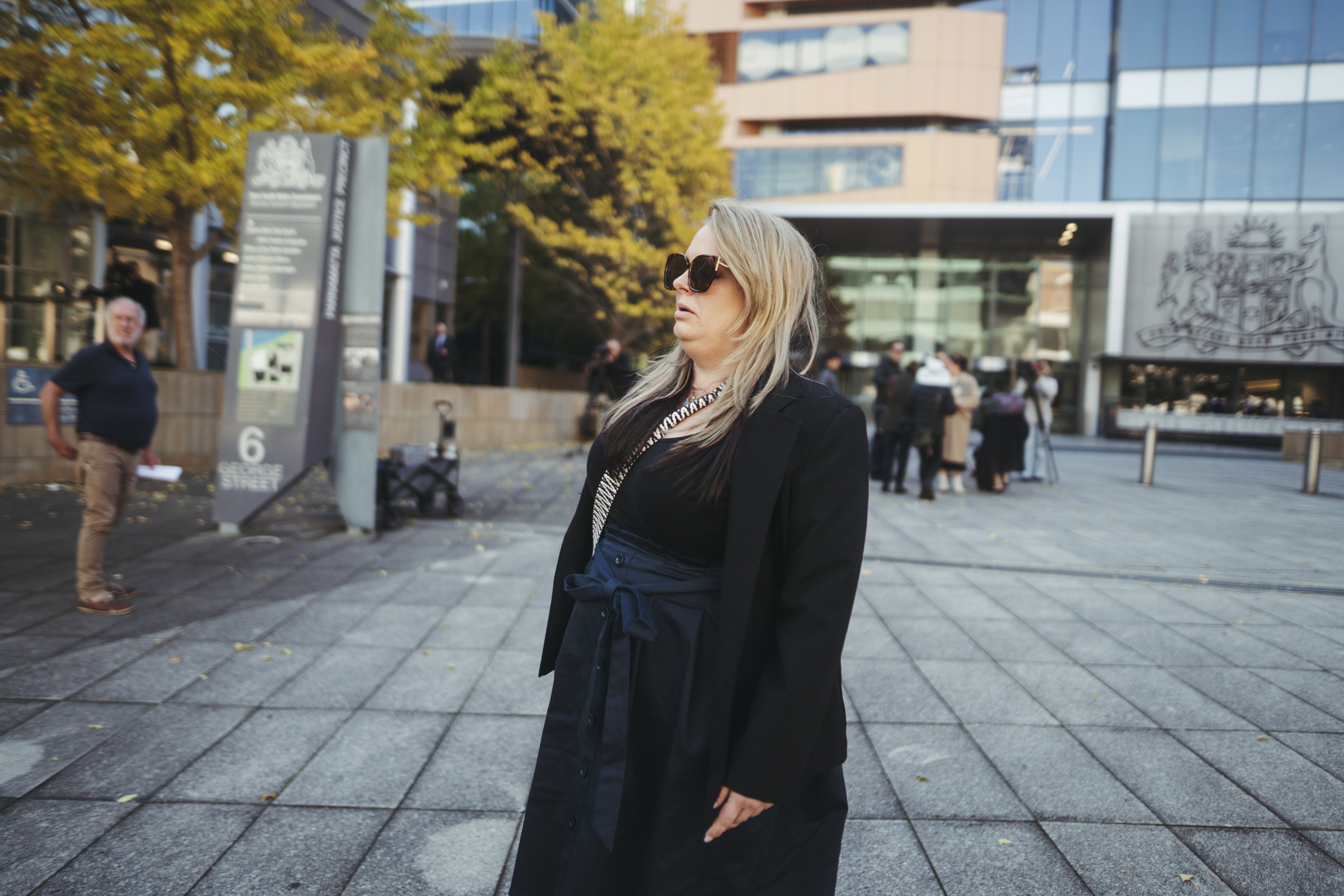
Kallista Mutten broke down in tears when confronted with accusations she killed her own daughter, telling a court she didn't even know exactly where the nine-year-old had been shot.
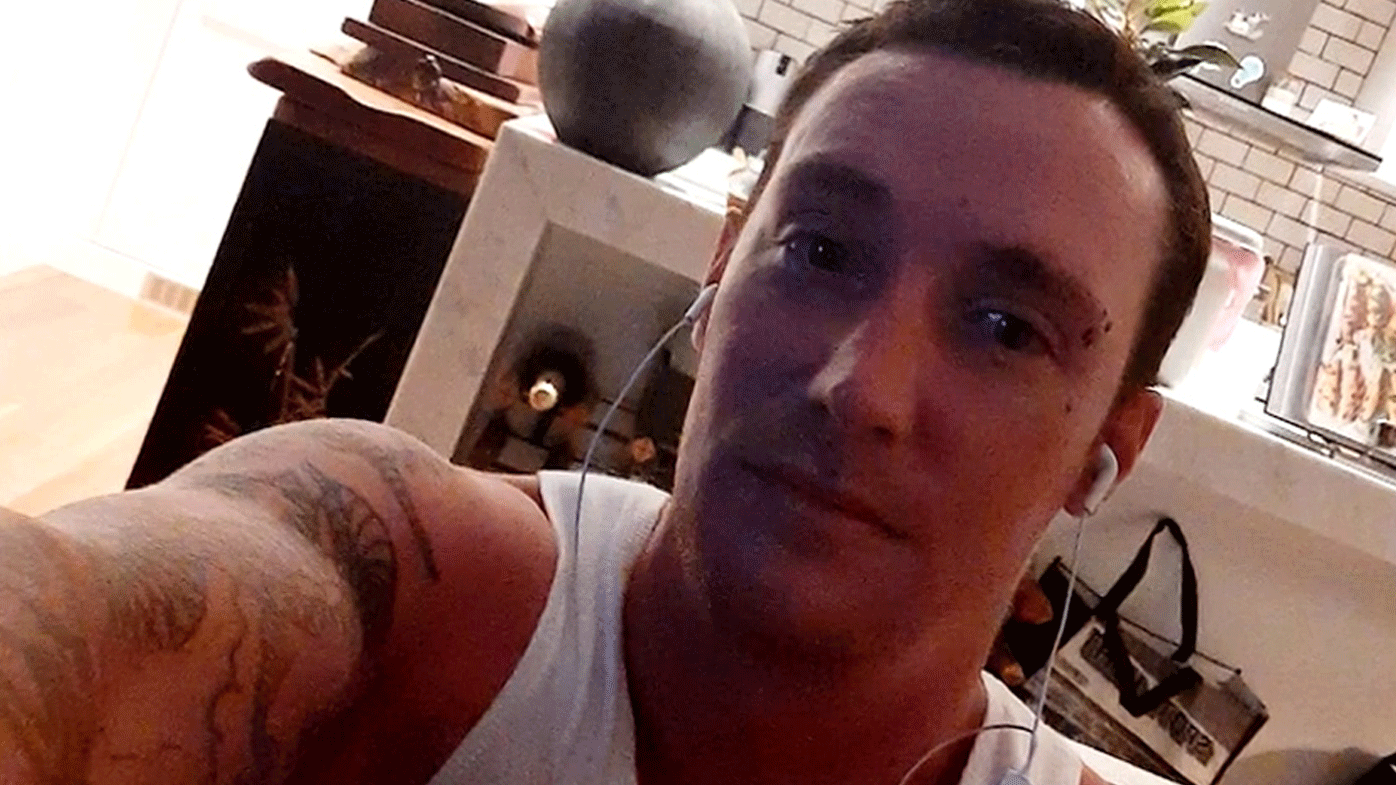
Justin Stein, 33, on trial for the murder of schoolgirl Charlise Mutten, claimed he witnessed Mutten shoot the girl.
Charlise's body was found by police in a barrel by the Blue Mountains' Colo River on January 18, 2022 with gunshot wounds to her face and back.
READ MORE: Massive rain system to soak 80 per cent of Australia this week

At the time Mutten was in a relationship with Stein and the court previously heard the pair had plans to get married.
Stein's lawyer, Carolyn Davenport SC, in the NSW Supreme Court on Tuesday put to Mutten that on January 12, 2002 she fatally shot Charlise at the Blue Mountains property where she was staying with Stein.
"What I suggest is … you had, in fact, shot and killed your daughter," Davenport said.
"Are you serious? … No," Mutten said.
"You shot her once in the back and once in the head," Davenport said.
"I didn't even know she was shot with a gun," a distraught Mutten replied.
"I didn't even know where she was shot, so now I know."
At that point the court adjourned to allow Mutten to compose herself.
Davenport told the jury during her opening address it would become apparent Mutten, not Stein, had motive to kill the girl.
Charlise who lived with her grandparents had been visiting her mother and Stein over the Christmas holidays.
READ MORE: Ten people escape blaze in two-storey Sydney home overnight
During the visit, the group spent their time between a Mount Wilson property owned by Stein's mother and a caravan at the Riviera Ski Park about a 90-minute drive away.
During her evidence on Monday, Mutten told the trial she saw her daughter for the last time on January 11, when the nine-year-old travelled alone to spend the night with Stein at Mount Wilson while she remained at the caravan park.
Davenport put to Mutten on Tuesday she had actually seen Charlise alive on January 12 and the girl had travelled with her and Stein to Sydney, which she denied.
Mutten admitted lying to police about Stein's drug use and access to firearms in the weeks after her daughter's body was discovered.
She told the court Stein had said not to reveal the truth about their drug use, including his consumption of methamphetamine, which they had sometimes used together.
Davenport questioned why she would lie for Stein at a time when she knew Charlise's body had been found and he was charged with her murder.
READ MORE: Police appeal after woman 'gave birth' near Sydney river
"I still in my heart believed that what he told me was the truth," Mutten answered.
She admitted using drugs during Charlise's visit, but denied using them in front of her daughter.
She said at the time her and Justin were "fighting a lot" and she had chosen most days to stay at the caravan rather than the Mount Wilson property.
Davenport put to her that Charlise preferred to stay with Stein and his mother at Mount Wilson rather then her
"You're comparing like a caravan to mansion," Mutten said.
"(Charlise) asked you if she could go back to Mount Wilson, and you allowed it," Davenport said.
"Unfortunately, yes," Mutten said.
She agreed methamphetamine use had caused her a lot of problems in her life and that she had continued using it despite it occasionally causing drug-induced psychosis.
One episode forced the cancellation of a planned visit by Charlise over Easter 2021 to visit Stein and Mutten, when she was hospitalised after being found incoherent in the middle of a road.
"You were taking ice despite the fact that your daughter was due to arrive to see you in a few days?"
"Yes," Mutten said.
The trial continues.
Support is available from the National Sexual Assault, Domestic Family Violence Counselling Service at 1800RESPECT (1800 737 732).
FOLLOW US ON WHATSAPP HERE: Stay across all the latest in breaking news, celebrity and sport via our WhatsApp channel. No comments, no algorithm and nobody can see your private details.
Arm of famous mummy comes off after ‘mishandling’ by museum staff
Mexico's federal archaeology agency has accused the conservative-governed city of Guanajuato of mistreating one of the country's famous mummified 19th century bodies.
The National Institute of Anthropology and History, INAH, said that during recent renovations at the museum where the mummified bodies are on permanent display, the arm of one of the mummies, well, came off.
One might think the complaint is all about the dignified treatment of corpses buried around the early 1800s and dug up starting in the 1860s, because their families could no longer pay burial fees.
READ MORE: Urgent search for mother and newborn after birth near Sydney river
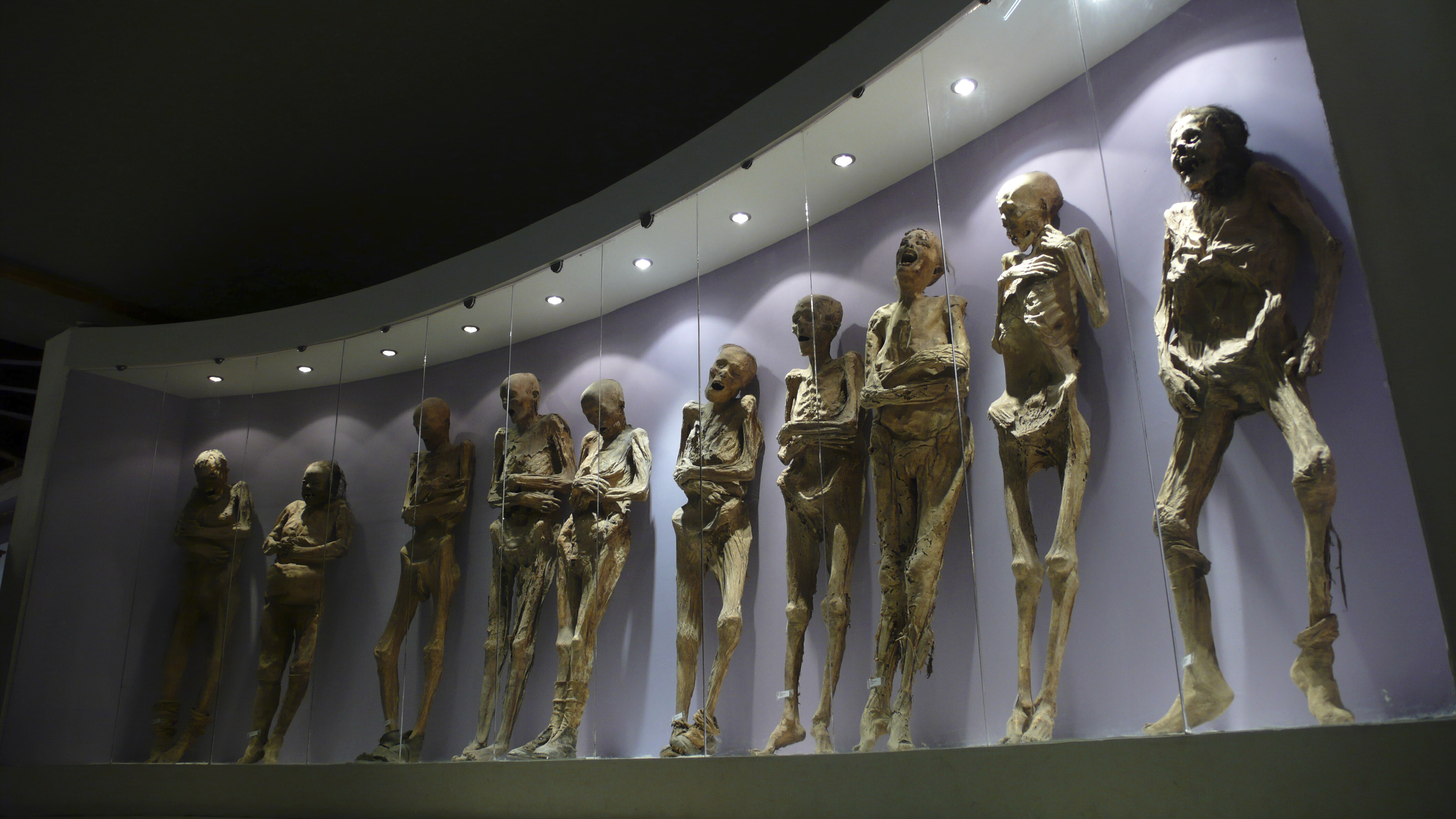
But in fact, the mummies have been on a somewhat grisly display in glass cases in a museum in Guanajuato, the capital of the state of the same name, and toted around to tourism fairs for decades.
Some were exhibited in the United States in 2009.
What appears to be at the root of the latest dispute is a turf battle between the INAH, which believes it has jurisdiction over the mummies because it says they are "national patrimony," and Guanajuato, which considers them a tourist attraction.
The state and city are governed by the conservative National Action Party, which the Morena party – which holds power at the federal level – considers its arch-enemy.
Yesterday, the institute said it would demand an accounting of what permits and procedures were followed during the museum renovations.
"These events confirm that the way the museum's collection was moved is not the correct one, and that far from applying proper corrective and conservation strategies, the actions carried out resulted in damages, not only to this body," the institute wrote in a statement.
It did not say what, if any, other bits of mummies had fallen off.
"It appears that this situation is related to a lack of knowledge about proper protocols and the lack of training of the personnel in charge of carrying out these tasks," it continued.
The Guanajuato city government did not immediately respond to requests for comment.
The preserved corpses were unintentionally mummified when they were buried in crypts in a dry, mineral-rich soil environment in the mining state of Guanajuato.
Some still have hair, leathery skin and their original clothing.
The institute appeared to be miffed because personnel in Guanajuato, not the institute's own staff, is in charge of the approximately 100 mummies.
In part because they were mostly dug up before the institute was founded in 1939, they remain under local control, something that has rankled federal officials in the past.
In 2023, experts from the institute complained that a travelling display of mummies could pose a health risk to the public, because one of the mummies appeared to have fungal growths.
It is not the first time that the extremity of a long-dead person becomes a national political issue.
In 1989, the Mexican government weathered a wave of criticism after it removed the arm of revolutionary General Álvaro Obregón – severed in battle in 1915 – after being displayed in a jar of formaldehyde in a marble monument for a half-century.
Visitors said it had become "unsightly", and so the arm was incinerated and buried.
In 1838, Antonio López de Santa Anna, who served as president of Mexico 11 times, lost his leg in battle, and had it buried with honours.
By 1844, an angry crowd that accused him of treason dragged the leg through the streets of Mexico City and apparently destroyed it.
Do you know what you’re eligible to claim at tax time?
Ahead of the upcoming tax return deadline digital accounting service Hnry has shared its top 10 least- known tax deductions.
‘Now more than ever’: Reconciliation Week under way
In the first National Reconciliation Week since the failure of last October's Voice to parliament referendum, Reconciliation Australia is urging supporters to continue to fight for "justice and rights" for Indigenous Australians.
Reconciliation Week has been held every year since 1996, with all Australians invited to learn about "our shared histories, cultures, and achievements".
Here's what you need to know.
READ MORE: Massive rain system to soak 80 per cent of Australia this week

When is National Reconciliation Week?
The week is marked on the same dates every year – May 27 to June 3.
The first date commemorates the May 27 referendum in 1967, which saw more than 90 per cent of voters support the inclusion of all Indigenous Australians in the census.
June 3, Mabo Day, is the anniversary of the High Court's 1992 decision to recognise the land interests of Aboriginal and Torres Strait Islander peoples, and to overturn the existing legal fiction that prior to European colonisation, Australia was "terra nullius" – "nobody's land".
READ MORE: Search continues for woman who gave birth near Sydney river
Who can take part in National Reconciliation Week?
Events are held in workplaces, schools, community venues, and can be organised by individuals.
Reconciliation Australia has guidelines on how to set up an event, and a public calendar for people to check what's near them.
Events can also be listed privately, for a set group of invitees.
READ MORE: Popular sauces pulled from Coles, Woolworths, IGA shelves

What is the theme of the week?
This year's theme is "Now More Than Ever".
"There have been many moments in Australia's reconciliation journey that make us want to turn away," Reconciliation Australia's website says.
"But when things are divisive, the worst thing we can do is disengage or disconnect."
Instead, participants and all Australians are called on to push forward with the ongoing goal of reconciliation.
Find out more at Reconciliation Australia's website.
FOLLOW US ON WHATSAPP HERE: Stay across all the latest in breaking news, celebrity and sport via our WhatsApp channel. No comments, no algorithm and nobody can see your private details.
Iconic ‘Home Alone’ house for sale for eye-watering amount
Have you ever wanted to live like Kevin McCallister? Well here's your chance.
Tracey lost her eye to cancer, but her prosthesis was considered ‘cosmetic’
Queensland project manager Tracey Sims is a survivor who has been put through the wringer over the past six years.
Back in 2018, Ms Sims went to the doctor because she had a watery eye. She was told it was just a blocked tear duct.
However, while she was undergoing a minor operation to fix the blocked duct, the surgeon found a tumour.
READ MORE: When China threatens, countries call 'the firm' for help
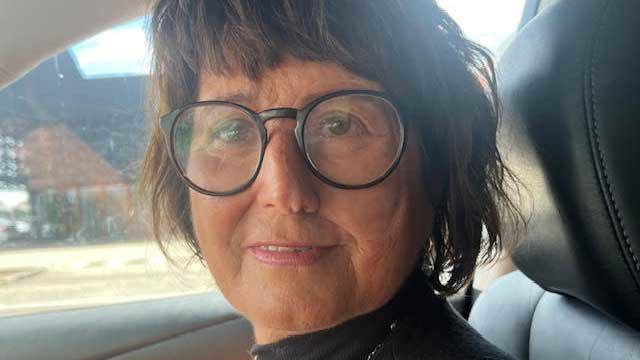
Ms Sims was diagnosed with a type of skin cancer, squamous cell carcinoma, which was treated with radiation.
Three years later, Ms Sims was told at an annual check-up that the cancer had returned.
Ms Sims said her mind immediately went to the worst possible scenario.
"I was thinking the cancer was right throughout my body," she said.
"I thought, 'I'm too young for this. I've got kids, they're going get married and have kids. I'm not going to be here in six months.'"
"I was handed over to the surgeon who sat me down and said, 'We need to take your eye.'"
To Ms Sims, the news actually came as a relief.
"I said, 'So that's it. You're taking my eye. I thought that is OK."
Ms Sims had her eye, eye socket and part of her cheekbone removed with surgery, and a skin flap was fashioned to cover the cavity left behind.
Chemotherapy and radiation followed.
At the beginning of last year, Ms Sims' skin flap began to fail. A side-effect of the radiation meant the skin was literally melted away.
Meanwhile, Ms Sims was determined to continue on with her life and had gone back to work. She spent the next six or seven months covering her face with a large band-aid, while continuing to look for solutions.
"I was ringing the plastic surgeon saying, what do I do?" Ms Sims said.
"I can't walk around with this massive hole in my head, it's an open wound. You can look and see inside my head."
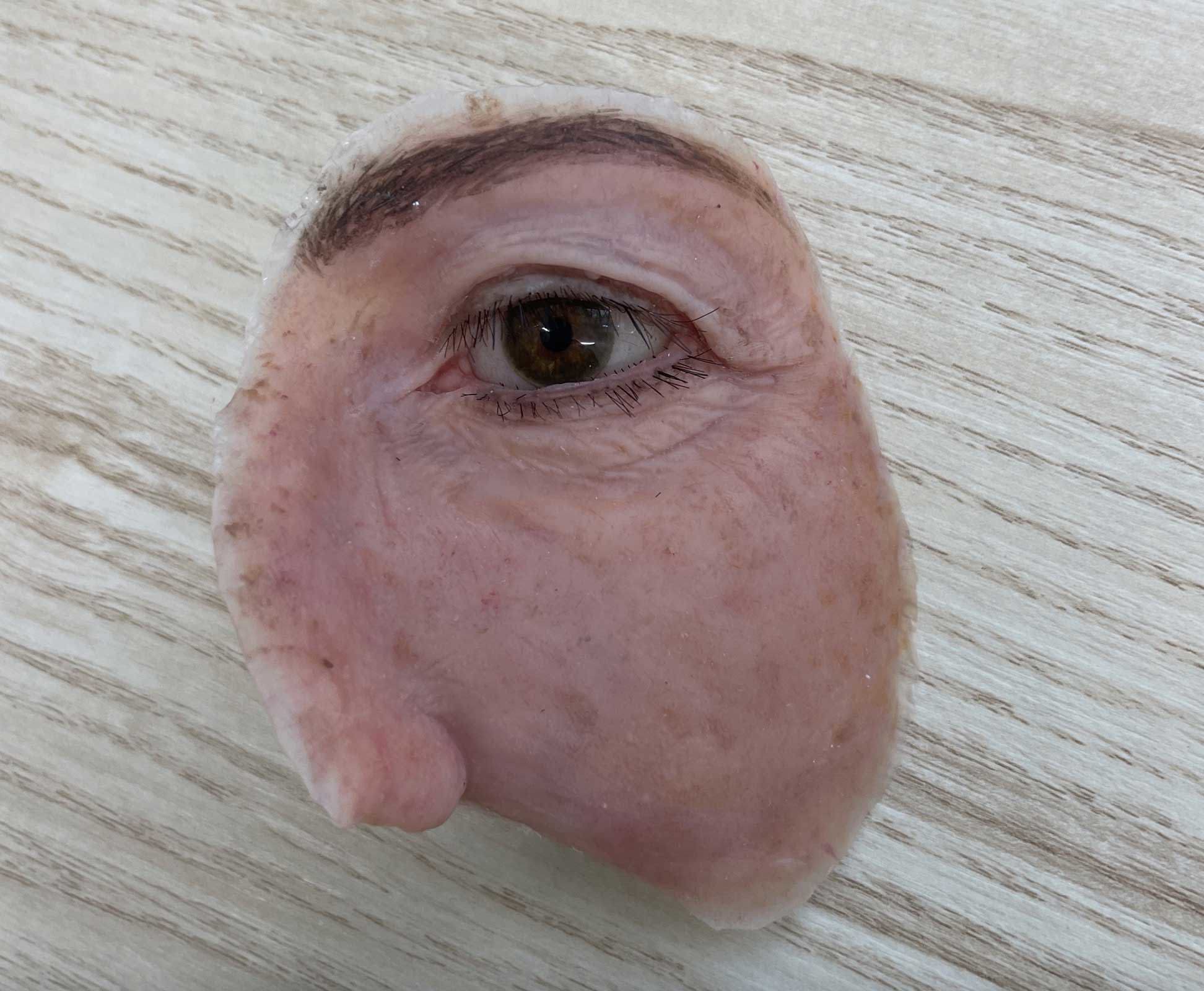
Ms Sims was put in touch with NSW anaplastologist Sophie Fleming, who makes facial prosthetics.
Fleming fitted Ms Sims with a prosthetic eye which is moulded to the shape of her facial cavity with silicone.
Ms Sims said she was delighted and "in awe" with the result.
"I wasn't worried about going out in the world with a couple of band aids on – but this just gave me that much more confidence to do it. And know that I'm protecting myself as best as I can," she said.
However, the prothesis came at a hefty cost of $6500. Ms Sims said she was stunned to find out the prosthesis was not covered by Medicare or her private health insurance because it was considered "cosmetic" rather than functional.
"To know that I'd had cancer and this really is another part of the treatment, but it's not covered, it is crazy," she said.
"I'm not someone that would go out and get my nose changed or whatever. This is a necessary thing and is a result of cancer. It should be covered.
"There'd be people that can't afford it. I was just lucky that I had some savings of that amount of money."
Ms Sims said she was also told by her life insurance company that a claim for permanent disability would be rejected.
"They told me, 'You've still got another eye,'" she said.
READ MORE: Twelve people injured as Qatar Airways plane hits turbulence
Ms Sims' story comes after a Senate inquiry into the treatment and diagnosis for rare cancers heard cancer survivors were sometimes being forced to go without facial prosthetics or dental implants because they are not covered by Medicare.
"We've been told stories of people not leaving the house, avoiding their grandchildren or using a tissue with tape to cover their face when they go out," Head and Neck Cancer Australia CEO Nadia Rosin told the inquiry.
Fleming said many patients were shocked to hear their facial prosthesis would not be covered by Medicare and it was a big barrier for some.
"It just adds a whole level of distress to their treatment pathway. Once they've gone through that surgery to have a part of their face removed to then be grappling with the idea of having to self-fund their reconstruction because it's prosthetic," Fleming said.
"We have schemes that cover walking sticks, or legs and arms or breasts.
"I think this one just seems to have slipped through the cracks a little bit."
One of the recommendations included in the inquiry's final report, released earlier this month, calls on the Australian Government to "work with state and territory governments to identify the barriers faced by cancer patients requiring rehabilitation, prosthetics and implants as a result of their treatment, with a view to ensuring they have financial support for those services".
Liberal Senator Wendy Askew, who sat on the inquiry's committee, said she and other members were moved to hear the stories of people who needed surgery to areas such as their neck and face.
"Having access to dental implants and facial prosthetics such as an eye, ear, nose or cheek is a vital step on a patient's journey to recovery, restoring their dignity and reversing the disfiguration that they have endured during their treatment," Askew said.
"Reconstruction surgery is available for many other cancers, however is limited for these rare and less common cancers. This recommendation aims to address this inequity."
Rosin said the recommendation was "an opportunity for the Federal Government to completely transform the quality of life of people in Australia who are cured but can't afford to have part of their face replaced after cancer treatment."
"We need to allow these people to survive and to enjoy life in a normal way and be a part of society."
Head and Neck Cancer Australia was currently working in collaboration with expert Head and Neck Cancer clinicians on a funding proposal to put to Health Minister Mark Butler, she said.
9news.com.au has contacted the Department of Health for comment.
Contact reporter Emily McPherson at em********@******om.au
Does Australia need its own ‘three-mile rule’ for banks?
A banking code of conduct that would regulate branch closures similar to regulations in the UK would be a crucial way to safeguard access to cash for regional communities, according to a finance expert.
A senate report released on Friday found more than 2100 bank branches were closed in Australia between 2017 and 2023 – almost 40 per cent of branches.
It also found while the use of cash is declining across the economy, cash and face-to-face banking services remain important in regional and remote areas, during times of crisis and by the vulnerable, elderly and disabled.
READ MORE: Community rallies for mother mourning death of her toddler son

The report listed eight recommendations including that the government recognises access to financial services as an "essential service" and that it creates a mandatory banking code of conduct, citing the UK model as an example.
RMIT University finance researcher and associate professor Dr Angel Zhong supports a mandatory banking code of conduct in Australia that would require banks to consult with the community and seek regulatory approval before closing a branch.
She cited the UK's "three-mile rule", where banks are required to provide free cash services within three miles (4.8km) for rural residents and one mile (1.6km) for urban dwellers.
This doesn't necessarily have to be via a bank branch or ATM, but can also include shops that offer cash-out transactions for free and other alternatives.
Introduced last year, the legislation aims to maintain current levels of access to cash across the UK by fining banks that fall below a minimum level of service.
"The UK's approach recognises that while digital payments are on the rise, cash remains essential for certain transactions," Zhong said.
"By safeguarding access, they address the concerns of rural communities and vulnerable individuals."
Australia's geography and distribution of population makes the three-mile rule difficult to replicate in Australia, an Australian Banking Association spokesperson told 9news.com.au.
"Australia has unique geographical challenges with cash distribution that many other countries don't face," the spokesperson said in a statement.
"Australia for example is 32 times the size of the United Kingdom.
"The banking sector remains committed to ensuring cash continues to be accessible to customers.
"Banks provide fee-free ATM withdrawals at 85 of Australia's most remote communities.
"Banks also pay for cash services to be available at around 1800 regional Bank@Post locations."
The senate report's recommendations also include the expansion of Bank@Post services with Australia Post as well as the establishment of a community banking program and examining the feasibility of a publicly owned bank.
Given the history of state-owned banks within Australia, Zhong said that option should be a "last resort".
"I think (the mandatory code of conduct) is a better approach to strike a balance between preserving the value of taxpayers' money and also ensuring that within Australia, Australians have access to cash and banking facilities."