The man was remanded in custody for the alleged murder of his partner’s child.
Tag Archives: oceania
Newmarket pool incident: Boy found ‘motionless’ underwater was trying to touch the bottom of the pool, family say
“This is a tragic accident that occurred while swimming.”
Ryman Healthcare selling former Victoria University Karori campus after company profit plummets
The Ministry of Education transferred the land to the university for just $10 in 2014.
Son found guilty of murdering mother after killing brother in Victoria
A man has been found guilty of murder over the shooting death of his 81-year-old mother, one hour after he killed his brother.
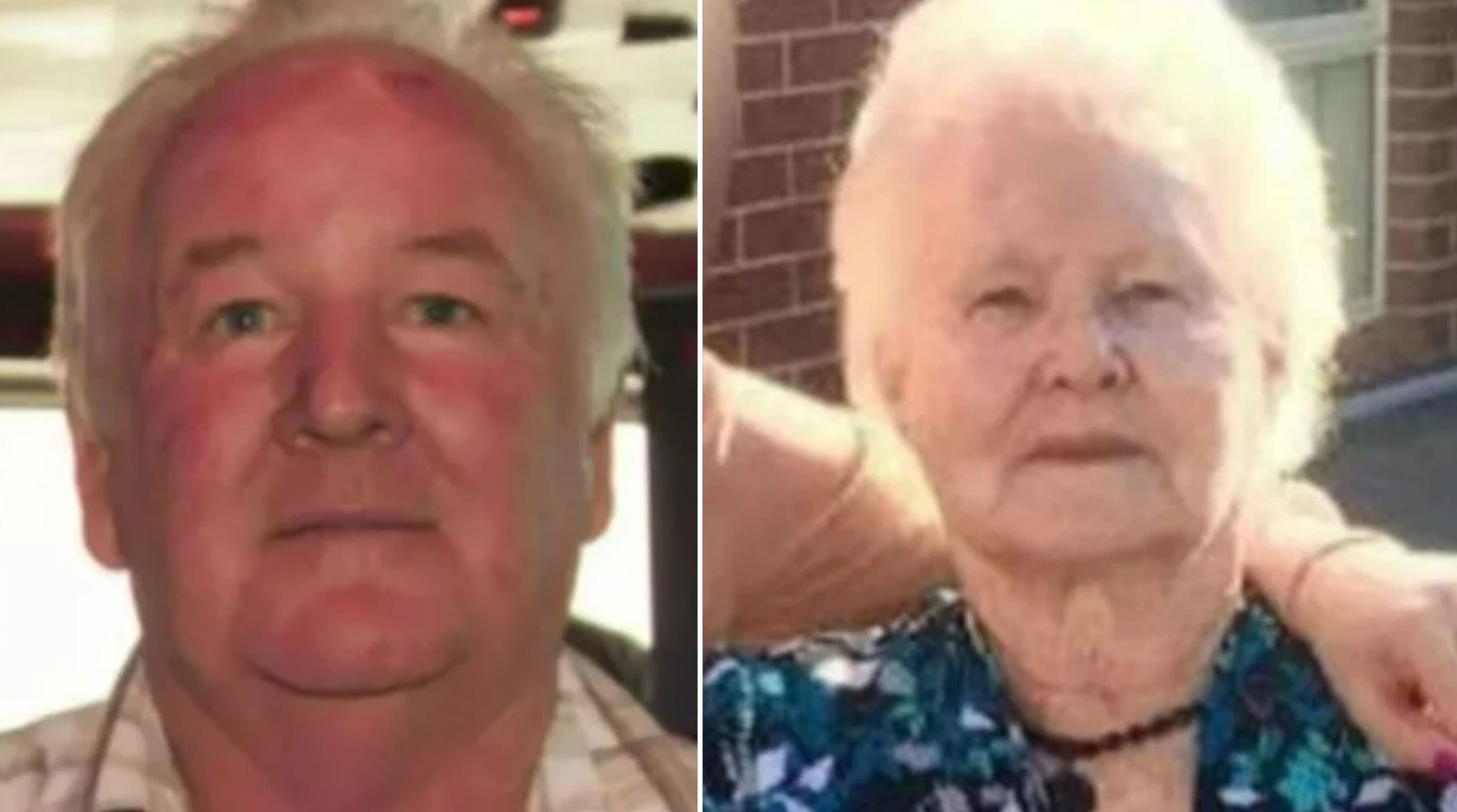
Paul Cohrs shot dead his brother in NSW and then his mother in Victoria, in October 2018, following a years-long family dispute.
He faced a 10-day trial in Victoria's Supreme Court over his mother Bette Schulz Cohrs' death, denying he had murdered her and arguing he was mentally impaired.
READ MORE: Two teenagers arrested after 'knife incident' at Melbourne shopping centre
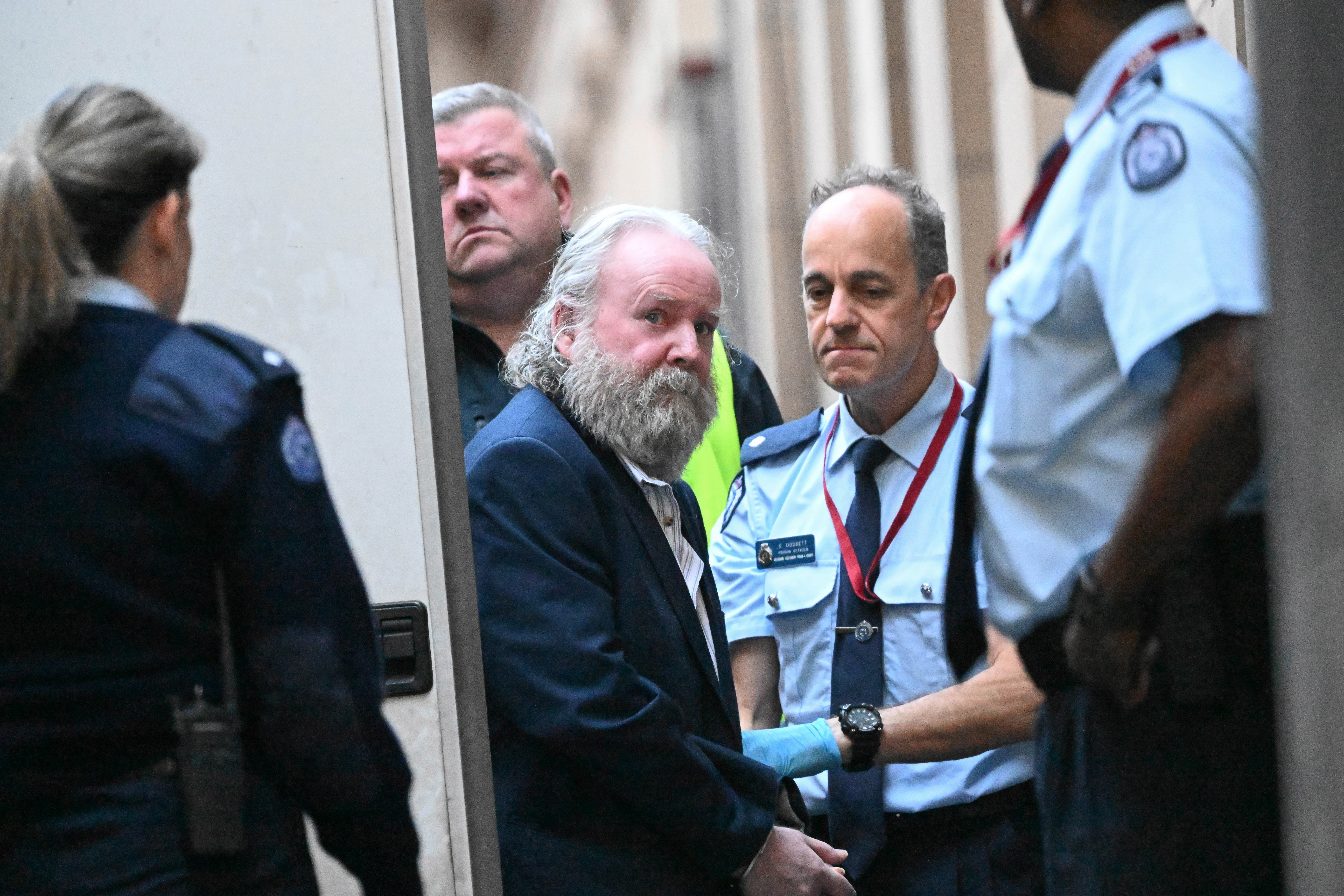
The relationship between Cohrs and his brother Raymond became strained in 2012 as they had conflicting ideas over the family business, the jury was told.
Raymond, who had the support of his mother, decided to get appraisals on properties connected to the family business, including a NSW border property that Cohrs and his wife were living in.
On October 30, 2018, Raymond and a real estate agent went to the property for the evaluation and were met at the gate by Cohrs.
The men drove to the shearing shed and Cohrs grabbed his shotgun and fired two rounds into his brother.
He then drove 120km to his mother's home, at Red Cliffs in Victoria's northwest, and shot her in the chest one hour later.
READ MORE: Landlords warned by police about leasing stores to tobacconists
Cohrs' barrister claimed he had delusional disorder, urging the jury to find him not guilty on the basis of mental impairment as he could not have understood his actions were wrong.
But prosecutors said another psychiatrist had found Cohrs had the mental capacity to comprehend what he had done.
Jurors retired to deliberate on Monday morning, and returned within three hours with a guilty verdict for the murder charge.
Cohrs will face a pre-sentence hearing on September 10.
If you or someone you know is in need of support contact Lifeline on 13 11 14 or Beyond Blue. In the event of an emergency dial Triple Zero (000).
Toitū Te Tiriti confirms call for strike on Budget Day
Organisers call for all Māori and Tangata Tiriti to go on strike this Thursday.
Oh buoy: Duo arrested on yacht after burglaries at three Whenuapai homes and inflatable dinghy exit
A 48-year-old man is due to appear in Auckland District Court tomorrow.
Ruth Wong: Kotahitanga and what it means to me
“If you’re all talk and no walk, then sit down and keep quiet” – My dad.
Mission to explore ‘holy grail of shipwrecks’
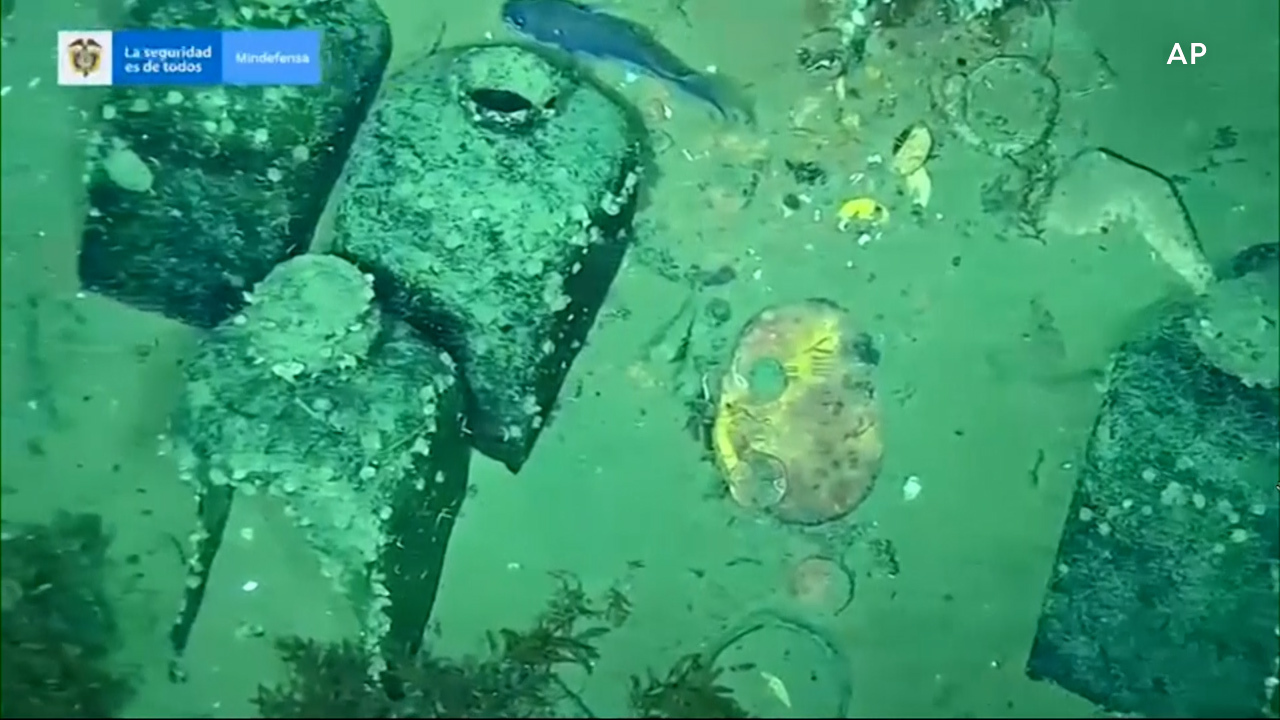
Colombia has launched the initial phase of an underwater expedition to explore a Spanish warship that sank in the Caribbean more than 300 years ago and is believed to contain billions of dollars worth of artifacts – the rights to which are under heated dispute.
Discovered in 2015 in waters off the coast of the port city of Cartegena by the Colombian government, the San José is often called the "holy grail of shipwrecks."
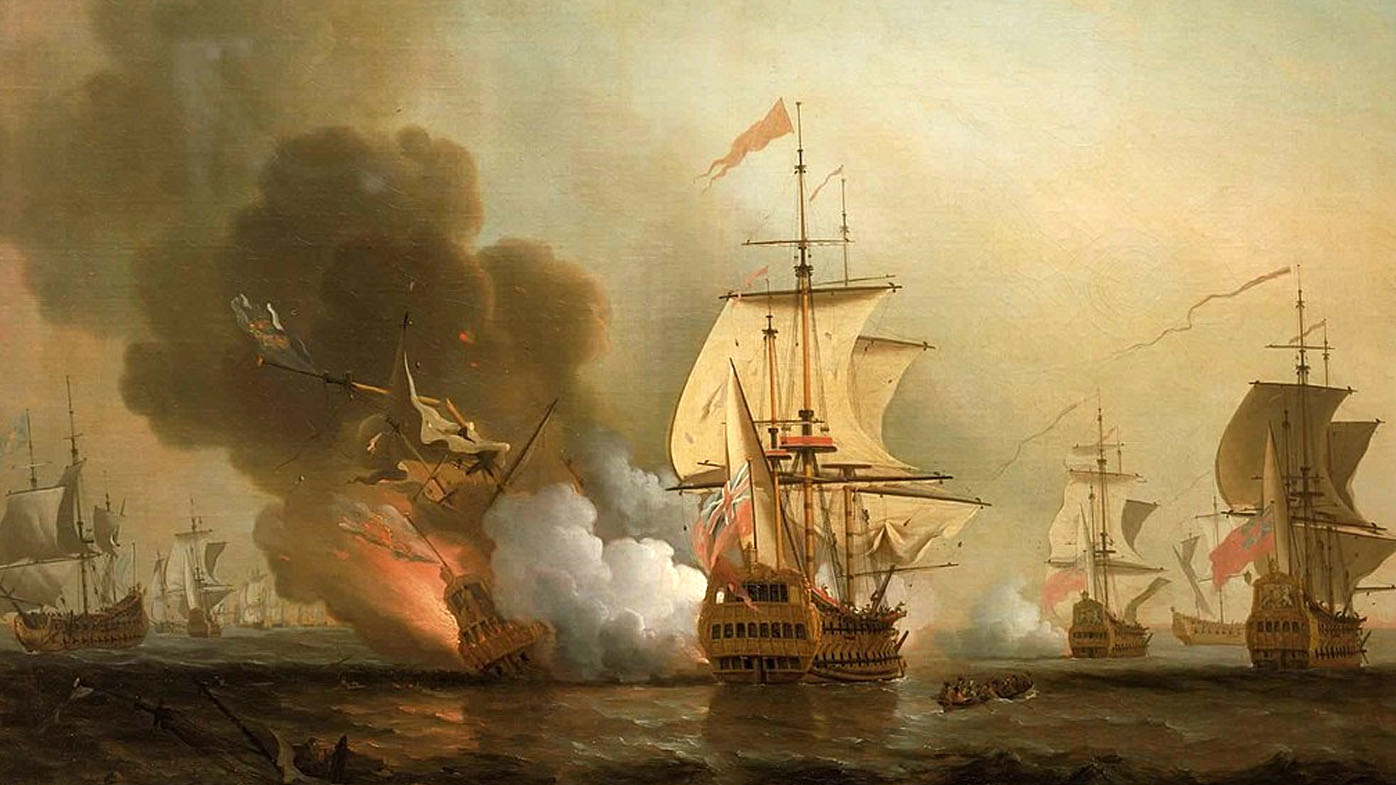
The 62-gun, three-masted ship – the flagship and largest galleon of a Spanish fleet – was believed to have been carrying gold, silver, emeralds and other valuable goods from the mines of Potosi, Peru. It was said to have been travelling from Panama to Colombia when it sank with 600 people reportedly on board on June 8, 1708, during a battle with British ships in the War of the Spanish Succession.
READ MORE: Tributes flow for mother and daughter killed in double murder-suicide
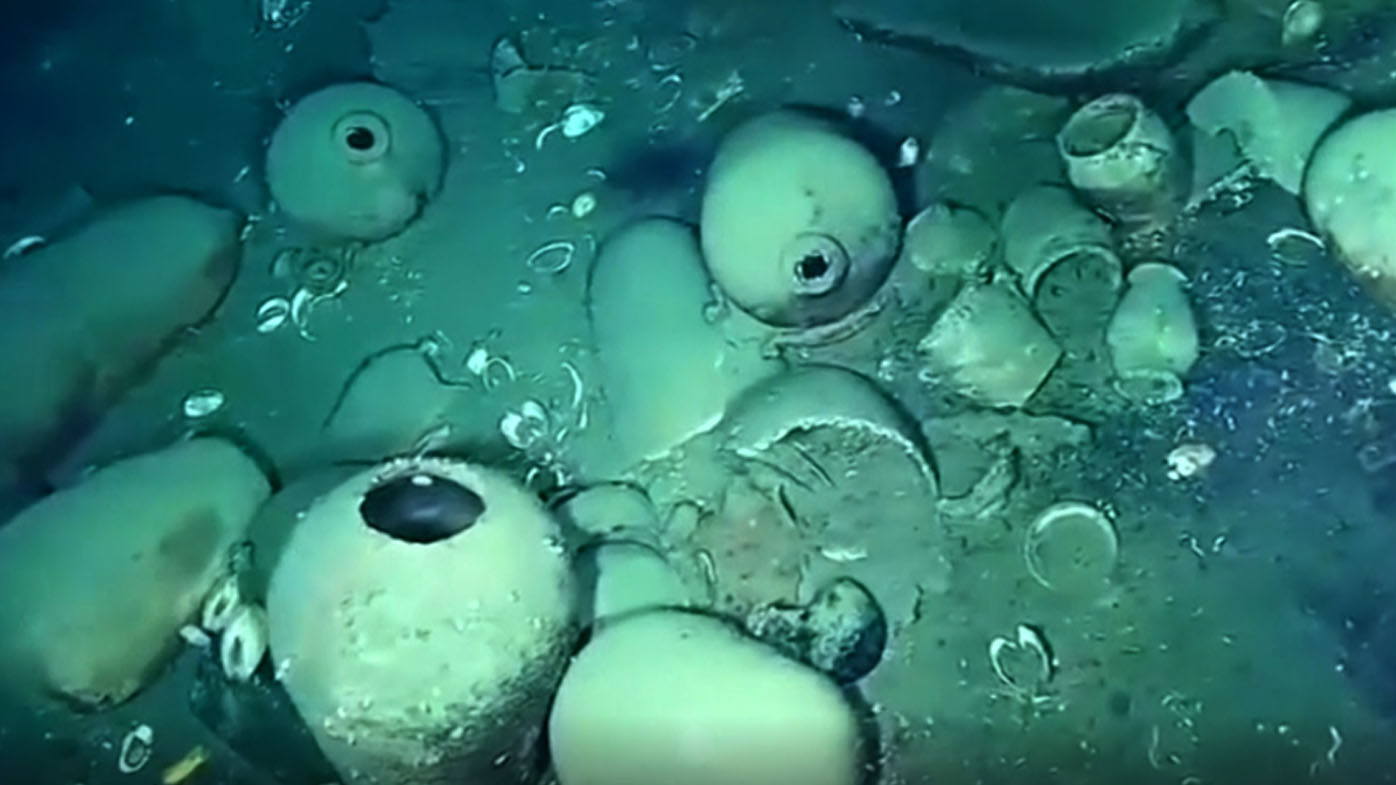
The first stage of the expedition will focus on photographing the ship using "non-intrusive" remote sensors, the Colombian Institute of Anthropology and History (ICANH) said, adding that results of the initial expedition could pave the way for subsequent explorations, which would include recovering archaeological materials from the shipwreck.
The images will then be used to build an inventory of the archaeological discoveries on the seabed.
ICANH has also declared the discovery site a national "protected archaeological area" to "preserve its scientific and archaeological value."
Researchers say they also plan to use an underwater vessel with acoustic positioning technologies, as well as a remote operation vehicle with various sensors and tools that can descend to the depth of the site.
"This government is doing something that is unprecedented … exploring the sinking of the galleon as the possibility of understanding history and culture," Culture Minister Juan David Correa said in Cartagena last Wednesday, where the expedition was also launched.
READ MORE: Twelve hurt as Qatar Airways plane to Dublin hits turbulence
Billion-dollar legal battle over rights
The San José's discovery has been significant for Colombia because of the ship's treasure of cultural and historical artifacts – and clues they may provide about Europe's economic, social and political climate during the early 18th century.
But it has also sparked a multi-billion dollar legal battle.
Colombia maintains that it first discovered the San José in 2015 with help from international scientists.
But their claims have been disputed by a US-based marine salvaging company named Sea Search-Armada (SSA), formerly known as Glocca Morra, which argues that they were the ones who had discovered the shipwreck in the early 1980s.
SSA has launched a legal battle against the Colombian government in the Permanent Court of Arbitration, claiming it is entitled to approximately $US10 billion ($15 billion) – half the estimated value of the shipwreck's treasure.
READ MORE: UK's plan to bring back mandatory national service
The Colombian government disputes SSA's claims.
The loss of the San José and its cargo was said to have caused financial hardships to merchants throughout Europe and the New World, according to reports released by SSA.
FOLLOW US ON WHATSAPP HERE: Stay across all the latest in breaking news, celebrity and sport via our WhatsApp channel. No comments, no algorithm and nobody can see your private details.
Ancient fossil shows what you get crossing a platypus and echidna
A prehistoric species dubbed an "echidnapus" has been unearthed in rare opal fossils in New South Wales.
The 100-million-year-old fossils "foreshadow" the modern platypus and echidna – the only monotremes (egg-laying mammals) in the world today, according to Australian Museum Research Institute director and chief scientist, Professor Kris Helgen.
"Opalios splendens sits on a place in the evolutionary tree prior to the evolution of the common ancestor of the monotremes we have today," Helgen said.
READ MORE: Tributes flow for mother and daughter killed in double murder-suicide
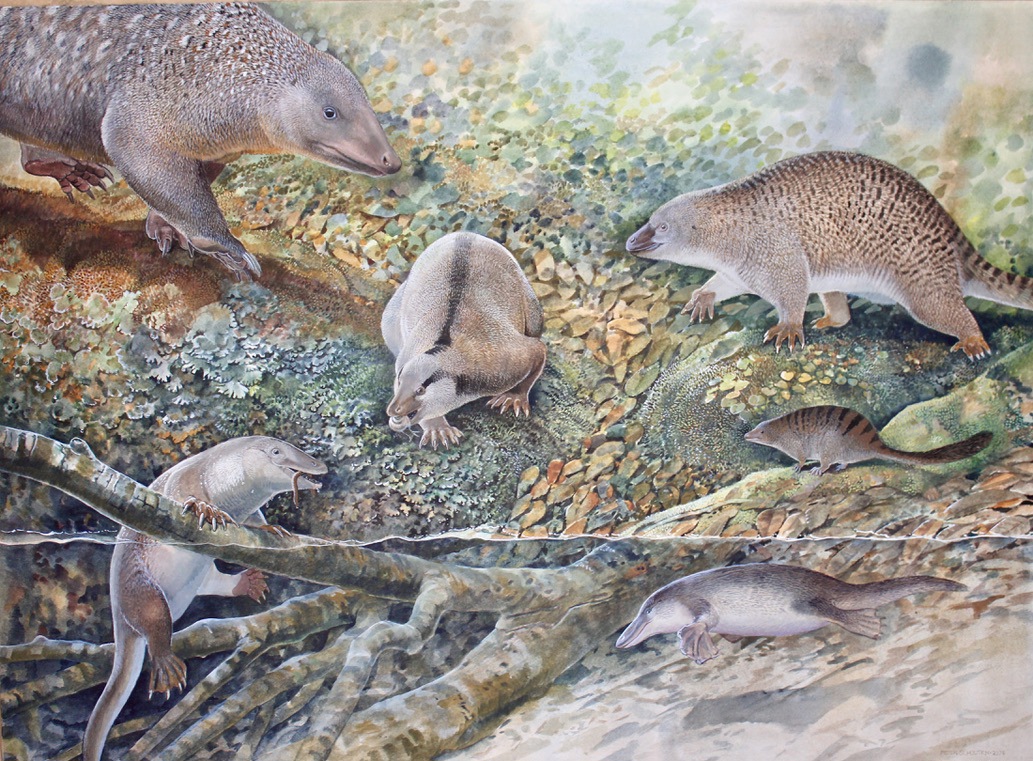
"Its overall anatomy is probably quite like the platypus, but with features of the jaw and snout a bit more like an echidna – you might call it an 'echidnapus'.
"The story of how our egg-laying mammals evolved is 'toothy to toothless' on the oldest monotreme, teinolophos trusleri, which dates back to Victoria 130 million years ago.
"What we see at Lightning Ridge is that by 100 million years ago, some of the monotremes still have five molars but some of them are down to three."
The echidnapus – opalios splendens – is one of three previously-unknown prehistoric monotreme species discovered in the Lightning Ridge region.
READ MORE: Twelve hurt as Qatar Airways plane to Dublin hits turbulence
The fossils were found by Elizabeth Smith and her daughter Clytie of the Australian Opal Centre in Lightning Ridge, who have spent decades working and searching over the opal fields.
"Opal fossils are rare, but opalised monotreme fossils are infinitely more rare, as there's one monotreme fragment to a million other pieces," Elizabeth Smith said.
"We don't know when, or exactly where, they'll turn up."
The research was published today in Alcheringa: An Australasian Journal of Palaeontology.
FOLLOW US ON WHATSAPP HERE: Stay across all the latest in breaking news, celebrity and sport via our WhatsApp channel. No comments, no algorithm and nobody can see your private details.
Australia’s most trusted brands revealed
Researchers Catalyst revealed that all the brands chosen shared a "key common trait".