The initiative aims to increase the city’s tree canopy cover and support biodiversity.
Tag Archives: oceania
Record year for Australian goat producers fed by booming exports
While goat is far from a favourite for Australian meat eaters, producers in this country are cashing in on surging demand from overseas.
New research released by Meat & Livestock Australia (MLA) show last year was a record for the nation's goat producers.
Output of the meat and the number goats processed more than doubled over three years to hit the highest production volume recorded at 36,903 tonnes.
READ MORE: Donald Trump guilty in hush money trial
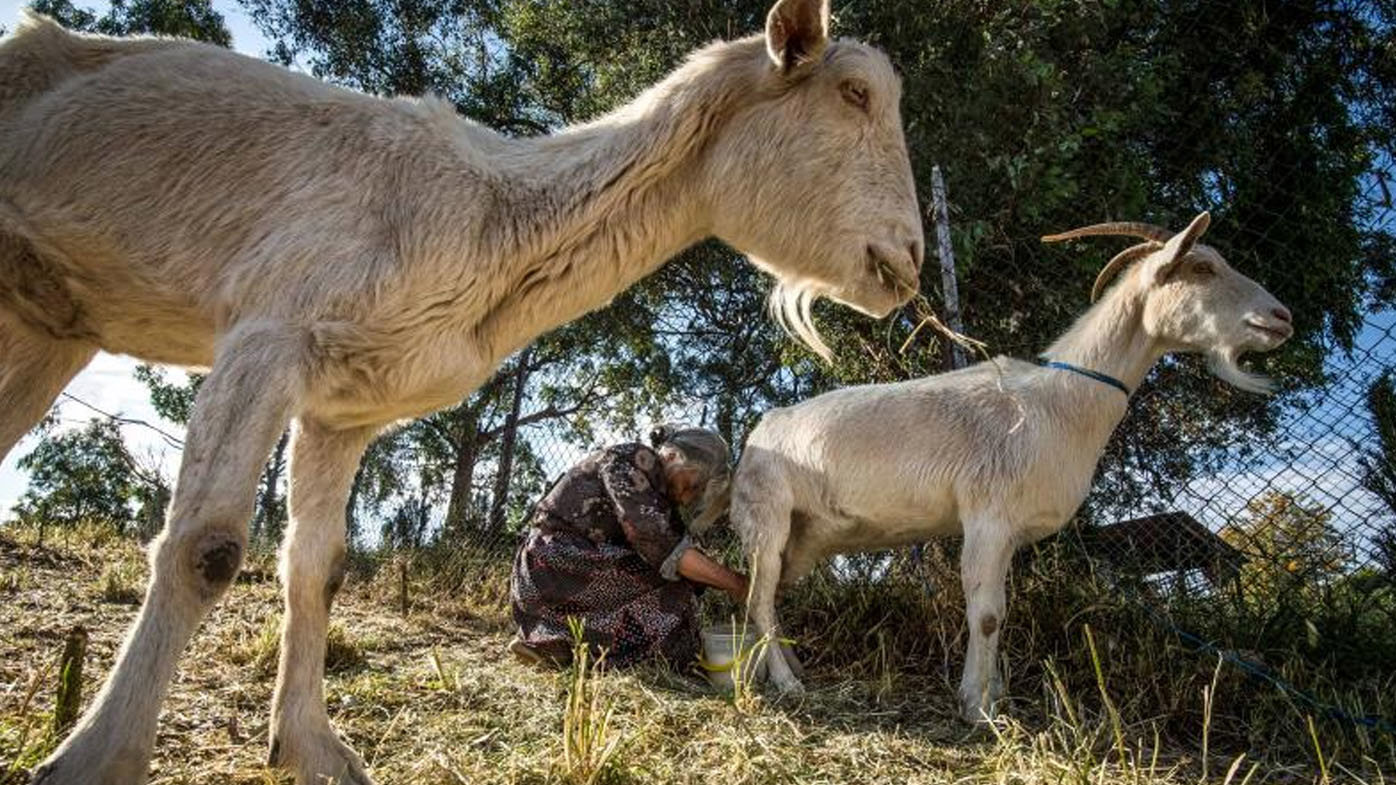
Australia remains the world's largest exporter, with 95 per cent of goat meat produced heading overseas.
Goat meat is regarded as a healthier alternative to other red meats, such as lamb and beef. It has a high amount of protein, but less saturated and more iron than many other meats.
The United States remains the largest market for Australian goatmeat, with volumes more than double those of the second biggest, mainland China.
While goat meat is a niche protein, it has a low awareness among the general American public, the MLA says. Demand is skewed to the large populations of several ethnic backgrounds, including Caribbean and Asian populations, and is concentrated in cities, such as New York and Los Angeles.
READ MORE: Australian beef cheaper on Japanese shelves than our own, farmer finds
Mainland China surged as the second largest market, followed by South Korea, which continued its rapid growth for the fourth consecutive year.
MLA analyst Emiliano Diaz said these markets continue to have a growing appetite for Australian goat meat, but the Australian market also offers opportunities for expansion driven by specific consumers.
"In early 2024 MLA launched the Goat Trail campaign, a consumer-focused campaign that aims to drive awareness of goat meat on local menus and show consumers where to find and experience it in Sydney," he said.
"This initiative is capitalising on the opportunity for broader appeal and increased product availability and showcases the versatility and novelty of this underrated protein."
Baby clothing sold at Target recalled over ‘severe injury’ fears
A line of baby clothes sold at Target has been recalled over safety fears.
Design International has recalled its pink Peter Rabbit unisex faux fur bunnysuit in various sizes.
The recall affects the sizes newborn, three months, six months, 12 months, 18 months, and 24 months.
READ MORE: Donald Trump guilty in hush money trial
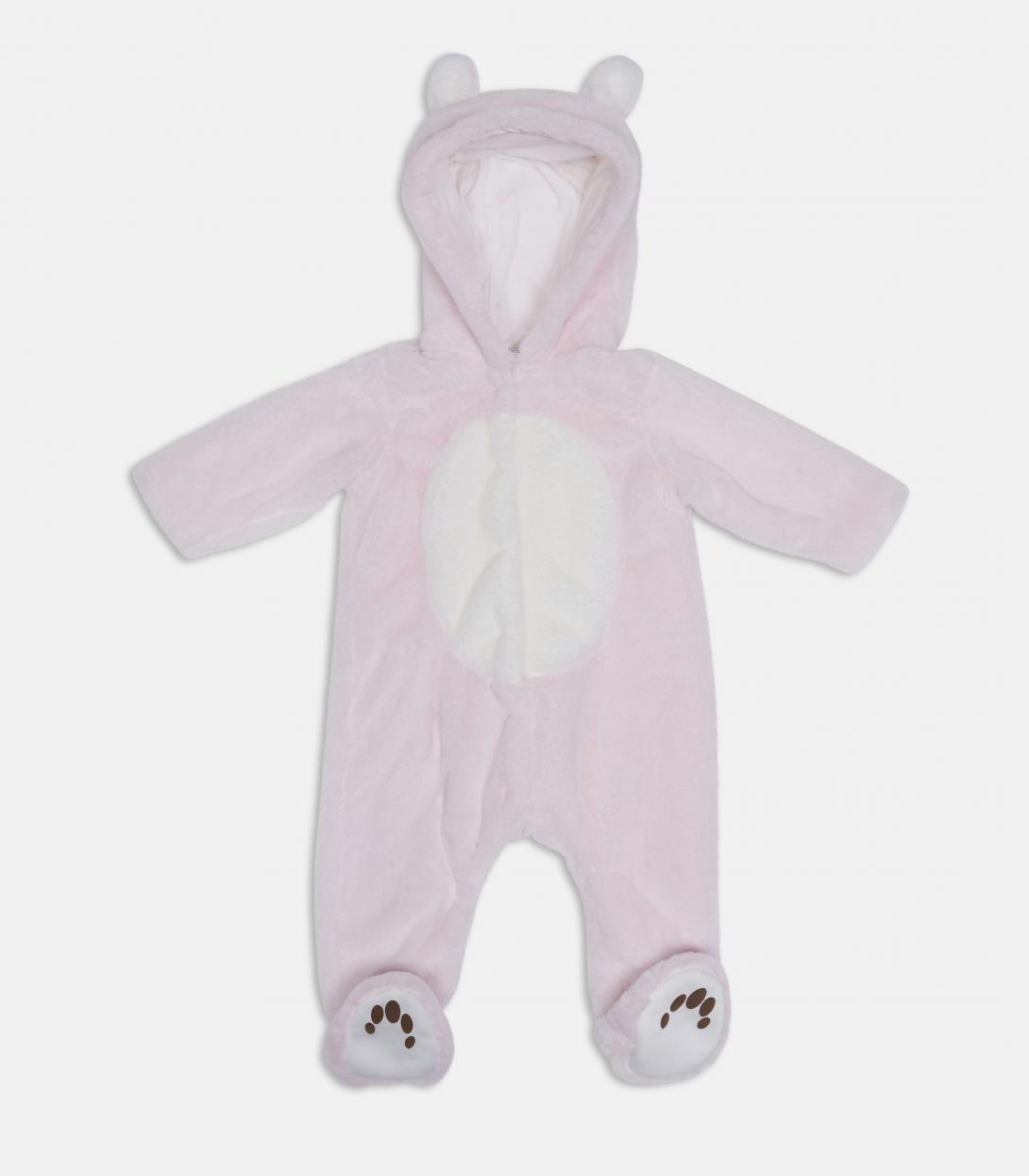
Product Safety Australia said in the recall notice that the garments had long, loose threads inside that could entangle arms and legs.
"Entanglement may cause a loss of circulation leading to severe injury," the notice read.
People are urged to stop using the garments and to return them to Target for a full refund.
Consumers can contact Designworks International on (03) 8823 8221 from 9am to 5pm, Monday to Friday or by email at FOLLOW US ON WHATSAPP HERE: Stay across all the latest in breaking news, celebrity and sport via our WhatsApp channel. No comments, no algorithm and nobody can see your private details.
South Auckland cannabis drug bust: Former market gardens used – police
Drug set-up was the largest police have found in Counties Manukau.
King’s Birthday traffic and weather: Winter sunshine in North Island as police warn of patrols for drink-drivers
Traffic building south from Auckland, while the South Island is facing weather warnings.
Budget 2024: Finance Minister Nicola Willis delivers post-Budget speech
Willis said the Budget was ‘the clean-up job New Zealand needs’.
Millions to be hit with second-highest loan increase tomorrow
Millions of Australians with higher education loans will be hit with the second-highest indexation increase tomorrow.
Those with HECS-HELP debt, and other higher education training loans, will have a 4.7 per cent indexation applied on June 1 but a credit will be applied back to loans once legislation passes later this year.
It means someone with the average Australian student debt of $26,494 will owe an extra $1245 or more on June 1.
ANALYSIS: Will Donald Trump go to jail?

As for the roughly 1 per cent of student debtors who still have $100,000 or more to pay back, they'll see their debt increase by at least $4700.
After an indexation of 7.1 per cent was applied last year, $3 million was allocated in the federal budget to cut student debt.
It means legislation will change the way loans are indexed in the future so Australians are not hit with huge increases.
Those hit with high indexation tomorrow, and in 2023, will receive a credit when it comes into effect later this year.
WHAT'S NEXT: Can Trump still run for president?
Australians with the national average of $26,494 will receive a credit of $1190.
Someone with debt of more than $100,000 would get $4485 put back on the loan.
The indexation percentage moves in line with the cost of living, which is measured by the consumer price index (CPI).
Just under three million Australians have student loans.
As of the 2022-23 financial year, Australians owed a combined $78.2 billion in HELP debt.
A Finder survey from last month found that more than 60 per cent of students were concerned about paying off their debt and 12 per cent did not think they ever would pay it off.
Crowds erupt outside court after Trump verdict
Supporters – and detractors – of former US President Donald Trump gathered outside a Manhattan courthouse today as Trump was sensationally convicted of 34 counts of falsifying business records.
How verdict impacts presidential run
Now that a New York jury has convicted former President Donald Trump of all 34 felony charges of falsifying business records, the next obvious question is: Can a convicted felon run for president?
Definitely.
A further question is more complicated: Could Trump, as a felon, vote for himself? Probably.
Starting with the easy question …
BREAKING: Donald Trump found guilty in historic trial
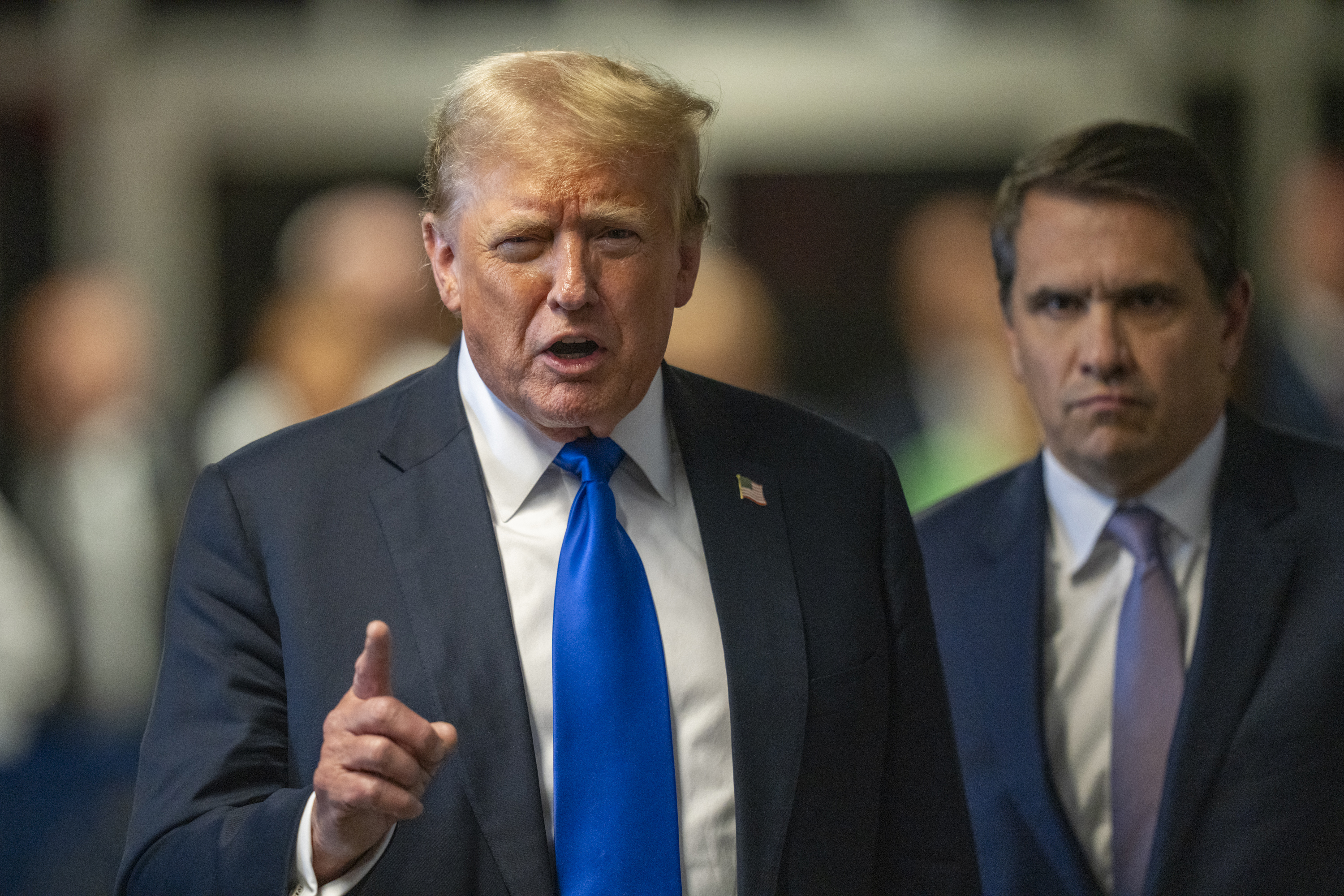
Can a convict run for president?
The US Constitution lays out just three requirements for presidential candidates. They must:
- Be a natural born citizen.
- Be at least 35 years old.
- Have been a US resident for at least 14 years.
Trump meets all three requirements. There is, arguably, another criterion laid out in the 14th Amendment, where it states that no one who has previously taken an oath of office who engages in insurrection can be an officer of the US. But the US Supreme Court ruled earlier this year that Congress would have to pass a special law invoking this prohibition. That's not happening any time soon.
There is also precedent for presidential campaigns, albeit unsuccessful ones, being mounted from prison cells.
Eugene Debs, the Socialist leader, conducted his 1920 presidential campaign from federal prison in Atlanta, where he was serving a 10-year sentence for sedition. He had encouraged Americans to oppose the draft in World War I.
READ MORE: Will Donald Trump go to jail after being found guilty on all counts in historic trial?
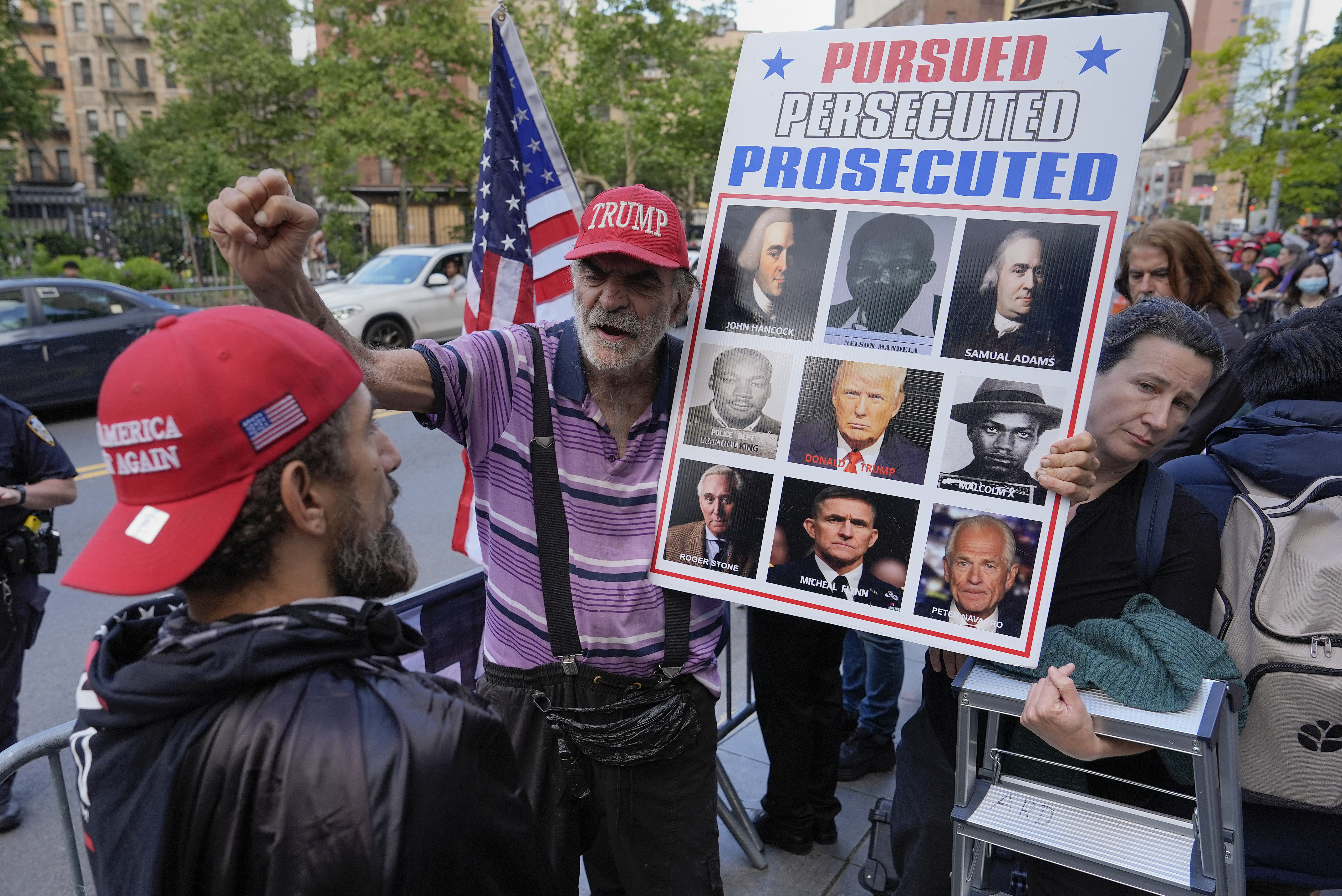
The Supreme Court, in that case, had affirmed his conviction, arguing he was convicted not for opposing the draft but for encouraging people not to comply with it. The decision keeping Debs in jail was written by then-Justice Oliver Wendell Holmes just a few months before Holmes did a famous about-face on free speech that put the US on course for the way we view the First Amendment today.
Thomas Doherty, an American studies professor at Brandeis University, wrote last year about Debs, noting that he remained in prison as votes were cast and counted – he got nearly a million, more than 3 per cent of the vote. Even after the Sedition Act was repealed, Debs was kept in prison. Then-President Woodrow Wilson refused to issue a pardon. Wilson's successor and Debs' rival in 1920, Warren G. Harding, later commuted Debs' sentence in 1921.
And now to the more difficult question …
READ MORE: Donald Trump claims guilty verdict 'rigged' in post-trial outburst
Can a convicted felon vote?
It depends.
Trump's right to vote in Florida in November's election will depend on whether he is sentenced to a term in prison and if he has finished serving that prison sentence by the time of the election.
Each state makes its own rules. Vermont and Maine allow felons to vote from prison. There has been movement in multiple states toward allowing felons on parole to cast ballots.
Trump is now a Florida resident – and Florida voters, in 2018, overwhelmingly backed a referendum to reenfranchise convicted felons. But Republican lawmakers who control the state's government first delayed and then qualified the reenfranchisement by requiring that felons must pay all fines and fees associated with their sentence.
I talked to Neil Volz, deputy director of the Florida Rights Restoration Coalition, an organization that works to help reenfranchise formerly incarcerated people. He predicted Trump will have little problem voting since Florida actually defers to the jurisdiction of a felony conviction as to whether a felon can vote. In New York, after a law passed in 2021, any convicted felon who is not incarcerated is eligible to register to vote.
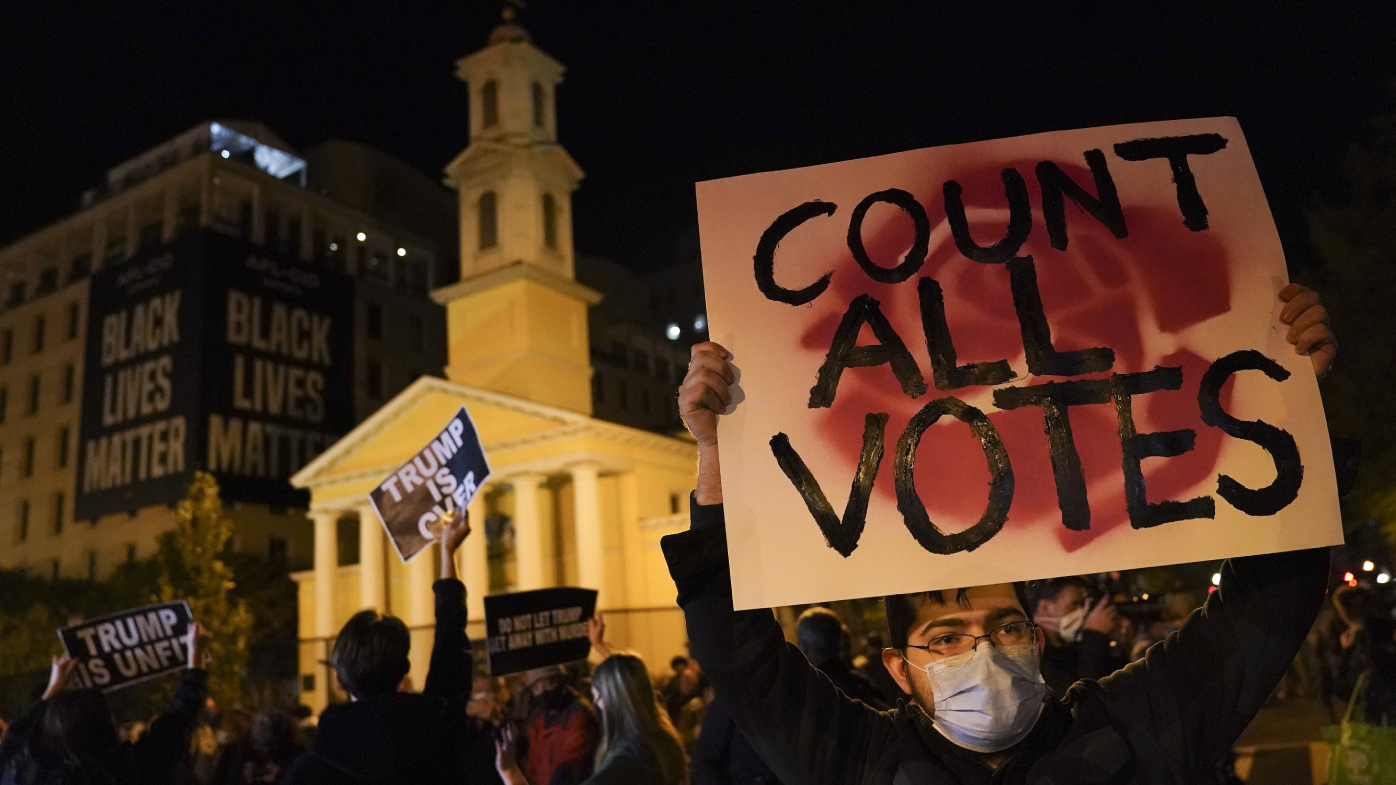
Read more from the Campaign Legal Center.
Even if the judge ultimately tried to give Trump prison time, it is highly unlikely that Trump's right to appeal his conviction would be exhausted before Election Day. If, somehow, Trump was convicted in one of the two federal criminal cases against him before Election Day, that might be another story.
The are other problems for many post-incarceration felons in Florida, as CNN has reported previously, although they would not apply to Trump. For starters, there is no clearinghouse of data about what fees are required. It has led to confusion and kept many people from voting.
"There are still a lot of people who are confused about their eligibility, and that's why we continue to work with the state and the election professionals to fix the system," Volz told me. "Because people need to know whether they're eligible or not on the front end of the process."
Volz said his group is making progress with the state to make it much easier for people to confirm their eligibility.
Will Donald Trump go to jail after historic court verdict?
Donald Trump is the first former United States president to be convicted of felony crimes but it remains unclear if he will go to jail.
A New York jury has found him guilty of falsifying business records in a scheme to illegally influence the 2016 election through hush money payments to a porn actor who said the two had sex.
Trump is expected to quickly appeal the verdict and will face an awkward dynamic as he seeks to return to the presidential campaign trail as a convicted felon.
READ MORE: Donald Trump guilty in hush money trial
The falsifying business records charges carry up to four years behind bars, though prosecutors have not said whether they intend to seek imprisonment, and it is not clear whether the judge — who earlier in the trial warned of jail time for gag order violations — would impose that punishment even if asked.
READ MORE: Donald Trump claims guilty verdict 'rigged' in post-trial outburst
The judge set a July 11 date for sentencing following the jury's verdict.
Dan Horwitz, a defence lawyer who formerly prosecuted white-collar cases for the Manhattan District Attorney's office, told CBS Trump could be sentenced to a period of home detention.
The former president could carry out the sentence outside of New York, for instance, at his Mar-a-Lago estate in Florida, where New York state would coordinate with Florida's probation department, which would monitor Trump's confinement, Horwitz said.
In the event that Trump is sentenced to jail time, the location would depend on the duration of his sentence.
The conviction, and even imprisonment, will not bar Trump from continuing his pursuit of the White House.
Can a convict run for president?
The US Constitution lays out just three requirements for presidential candidates. They must:
- Be a natural born citizen.
- Be at least 35 years old.
- Have been a US resident for at least 14 years.
Trump meets all three requirements. There is, arguably, another criterion laid out in the 14th Amendment, where it states that no one who has previously taken an oath of office who engages in insurrection can be an officer of the US.
But the US Supreme Court ruled earlier this year that Congress would have to pass a special law invoking this prohibition. That's not happening any time soon.
There is also precedent for presidential campaigns, albeit unsuccessful ones, being mounted from prison cells.
– With Associated Press, CNN