Tag Archives: oceania

Former US ambassador sentenced to 15 years after Cuba secret agent admission

A former career US diplomat was sentenced to 15 years in federal prison after admitting he worked for decades as a secret agent for communist Cuba, a plea agreement that leaves many unanswered questions about a betrayal that stunned the US foreign service.

Manuel Rocha, 73, will also pay a $US500,000 ($770,000) fine and cooperate with authorities after pleading guilty to conspiring to act as an agent of a foreign government.

In exchange, prosecutors dismissed more than a dozen other counts, including wire fraud and making false statements.

READ MORE: Miss Universe organisation disputes reports of Saudi Arabia's participation

“Your actions were a direct attack to our democracy and the safety of our citizens,” US District Court Judge Beth Bloom told Rocha.

Rocha, dressed in a beige jail uniform, asked his friends and family for forgiveness. “I take full responsibility and accept the penalty," he said.

The sentencing capped an exceptionally swift criminal case and averted a trial that would have shed new light on what, exactly, Rocha did to help Cuba even as he worked for two decades for the US State Department.

Prosecutors said those details remain classified and would not even tell Bloom when the government determined Rocha was spying for Cuba.

Federal authorities have been conducting a confidential damage assessment that could take years to complete.

The State Department said Friday (local time) it would continue working with the intelligence community “to fully assess the foreign policy and national security implications of these charges.”

READ MORE: Australian 'frustrated' after safety measures in Gaza fail to keep aid workers safe

Rocha's sentence came less than six months after his shocking arrest at his Miami home on allegations he engaged in “clandestine activity” on Cuba’s behalf since at least 1981, the year he joined the US foreign service.

The case underscored the sophistication of Cuba’s intelligence services, which have managed other damaging penetrations into high levels of US government.

Rocha's double-crossing went undetected for years, prosecutors said, as the Ivy League-educated diplomat secretly met with Cuban operatives and provided false information to US officials about his contacts.

But a recent Associated Press investigation found red flags overlooked along the way, including a warning that one longtime CIA operative received nearly two decades ago that Rocha was working as a double agent.

Separate intelligence revealed the CIA had been aware as early as 1987 that Cuban leader Fidel Castro had a “super mole” burrowed deep inside the US government, and some officials suspected it could have been Rocha, the AP reported.

READ MORE: Judge declines to delay Trump's New York hush money trial over complaints of pretrial publicity

Rocha's prestigious career included stints as ambassador to Bolivia and top posts in Argentina, Mexico, the White House and the US Interests Section in Havana.

In 1973, the year he graduated from Yale, Rocha travelled to Chile, where prosecutors say he became a “great friend” of Cuba’s intelligence agency, the General Directorate of Intelligence, or DGI.

Rocha's post-government career included time as a special adviser to the commander of the US Southern Command and, more recently, as a tough-talking Donald Trump supporter and Cuba hardliner, a persona that friends and prosecutors said Rocha adopted to hide his true allegiances.

Among the unanswered questions is what prompted the FBI to open its investigation into Rocha so many years after he retired from the foreign service.

Rocha incriminated himself in a series of secretly recorded conversations with an undercover agent posing as a Cuban intelligence operative.

The agent initially reached out to Rocha on WhatsApp, calling himself “Miguel” and saying he had a message “from your friends in Havana.”

READ MORE: Multiple injuries after semi-trailer crashes into public office in Texas

Rocha praised Castro as “Comandante" in the conversations, branded the US the “enemy” and boasted about his service for more than 40 years as a Cuban mole in the heart of US foreign policy circles, prosecutors said in court records.

“What we have done … it’s enormous … more than a Grand Slam,” Rocha was quoted as saying.

Even before Friday's sentencing, the plea agreement drew criticism in Miami's Cuban exile community, with some legal observers worrying Rocha would be treated too leniently.

“Any sentence that allows him to see the light of day again would not be justice,” said Carlos Trujillo, a Miami attorney who served as US Ambassador to the Organization of American States during the Trump administration.

“He’s a spy for a foreign adversary who put American lives at risk.”

“As a Cuban I cannot forgive him,” added Isel Rodriguez, a 55-year-old Cuban-American woman who stood outside the federal courthouse Friday with a group of demonstrators waving American flags.

“I feel completely betrayed.”

Gin sold at BWS and Dan Murphy’s recalled

A gin sold at BWS and Dan Murphy's has been recalled after fears of a potential contamination.

The Oxford Arms London Dry Gin with the batch number L3 236 has been on sale at stores nationally and online.

Pinnacle Drinks is recalling the product due to a "potential chemical contamination (styrene)".

READ MORE: Qantas redirects route to avoid Israel airspace

Oxford Arms London Dry Gin recalled

The recall notice said the chemical may cause illness or injury if consumed.

Customers are warned not to drink the product with the affected batch number.

The gin can be returned for a full refund.

Five-year sentence after plot to smuggle drugs in bikinis and ponchos

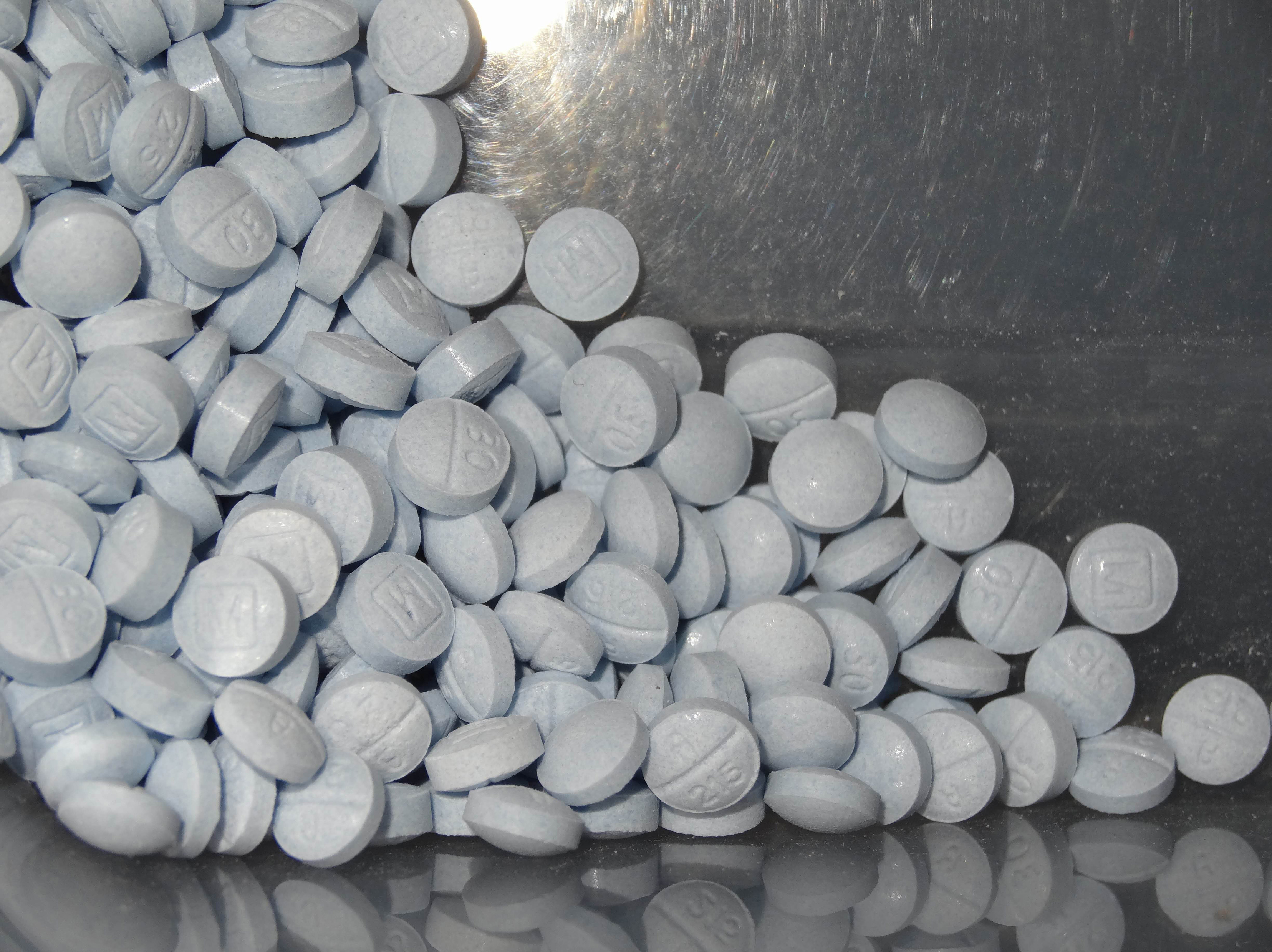
A man from Ghana has been sentenced to more than five years in jail for his role in importing 784 grams of cocaine into Western Australia, hidden in clothes like ponchos and bikinis.

The Australian Border Force, working with the Australian Federal Police, examined a package of ponchos and bikinis sent from South America to Western Australia through air cargo in February 2022.

Officers were aware of a type of drug concealment that used fibres of clothing to smuggle in illegal substances.

READ MORE: Two investigations as person stabbed, second shot in Queensland

A white substance was found embedded in the fibres of the cloths, which was tested and confirmed to be cocaine.

Following the discovery, the AFP substituted the clothing and let the package continue to its final destination.

A then 24-year-old man from Ghana accepted the delivery and said it was for a friend, triggering a search warrant of the property later that day.

The Ghana man told police that he did not know who the package was for, and claimed it had been left in the hallway of a sharehouse.

Text messages on the man's phone relating to the delivery of the package led to his arrest and charges.

READ MORE: Teenager charged after one killed, another injured in alleged stabbing

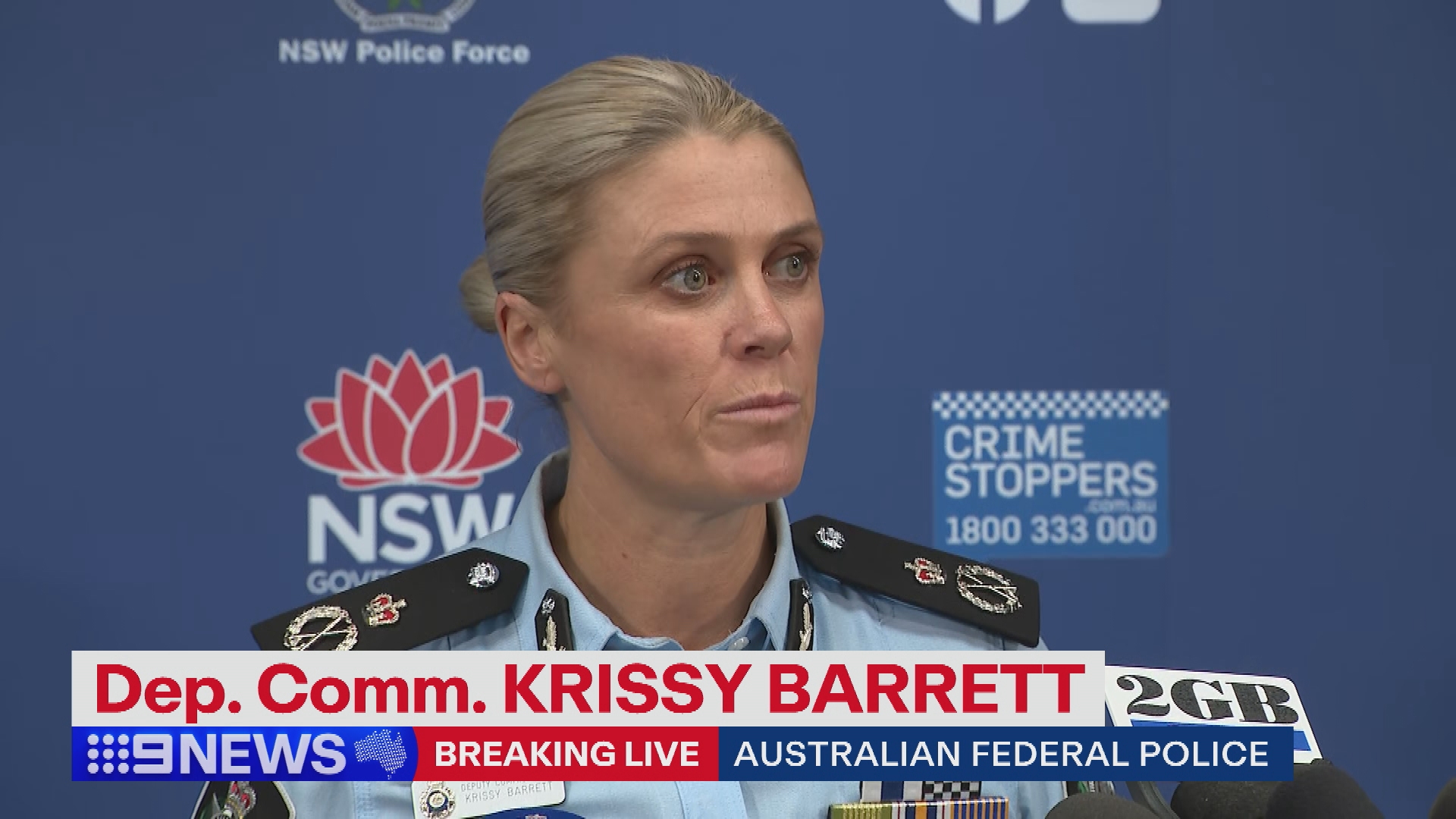
"Criminals will use a variety of methods to try to smuggle cocaine and other illicit drugs into Australia because Australians are willing to pay high prices and the criminals do not care about the harm they cause," AFP Detective acting Superintendent John Whitehead said

The now 26-year-old was sentenced to five years and six months imprisonment, with a non-parole period of three years and three months.

The man's sentence was backdated to March 2022 as he has been in custody since his arrest. 

"Criminals continue to target Australia due to its high demand, creating a marketable profit, but regardless of the creative ways they think they can conceal these illicit drugs, we have seen them all and we will take decisive action when they are found," ABF Superintendent James Payne said.

"This sentencing outcome is testament to the close cooperation with our law enforcement partners working together to disrupt anyone attempting to profit from the harmful illicit drug market."

Australian ‘frustrated’ after safety measures in Gaza fail to keep aid workers safe

An Australian aid worker who was shot at in Gaza has told Weekend Today that she is "frustrated" that safety measures put in place by Israel are not keeping them safe.

Tess Ingram was on a coordinated joint aid mission with UNICEF to get critical aid into Gaza, when her vehicle was shot at by the Israeli Defence Force.

Ingram said the Israeli Defence Force told the convoy to stop at a checkpoint right before "gunfire erupted" throughout the area, striking the car in the door, front and side window.

READ MORE: Two investigations as person stabbed, second shot in Queensland

The aid worker called the incident "unacceptable", two weeks after Australian Lalzawmi "Zomi" Frankcom was killed in an Israeli airstrike, along with six other Central World Kitchen workers.

"Our presence there was well known (by the IDF), I'm frustrated because we saw this with the tragic killing of the seven world Central Kitchen colleagues bravely trying to do their work in Gaza," she told Weekend Today.

"They were meant to be safe and so were we.

"It's clearly not working, this system that's meant to protect us in the Gaza Strip.

"We need to know that when we get these sorts of safety assurances to go ahead on missions, that those safety assurances will be respected."

READ MORE: Teenager charged after one killed, another injured in alleged stabbing

Ingram said while the shooting was dangerous and scary for the aid workers, civilians are dealing with worse every day.

More than half of the population in Gaza is on the brink of famine, with children suffering the most from starvation and dehydration, according to UNICEF Australia.

Over 33,600 Gazans have been killed since October 7.

"I've just seen that in all of the hospitals I've been to, the extent of the injuries that children are experiencing in this war…it's just horrific,"

"On top of that of course there's the humanitarian crisis on the ground, not enough food and water.

"So that's really why we're here, to try and bring aid and services and some level of protection to the children of Gaza during this terrible time."

READ MORE: Blood tests have been free for decades. Pathologists are warning that could end

The convey, which was carrying critical aid, was forced to turn back following the shooting.

They will attempt to deliver it again on Sunday, Ingram said.

Ingram and the UNICEF team have reported the incident to the IDF and are waiting for a response.