Family and friends are paying tribute to policewoman Gail Shepherd, who died on Saturday.
Tag Archives: oceania
Young brother and sister dead, 15 injured in birthday party car crash
A young brother and sister died and several people were injured, some of them seriously, when a vehicle driven by a suspected drunken driver crashed into a young child's birthday party on Saturday at a boat club, a Michigan sheriff said.
An eight-year-old girl and her five-year-old brother died at the scene in the crash, when a 66-year-old woman crashed 7.6m (25 feet) into the building about 3pm at the Swan Creek Boat Club in Berlin Township, about 48 kilometres south of Detroit, Monroe County Sheriff Troy Goodnough said.
Footage from a doorbell camera at a property neighbouring the boat club, showed a dark-coloured SUV barreling toward the venue.
READ MORE: Opening statements set for Trump's trial as chaos erupts outside courtroom
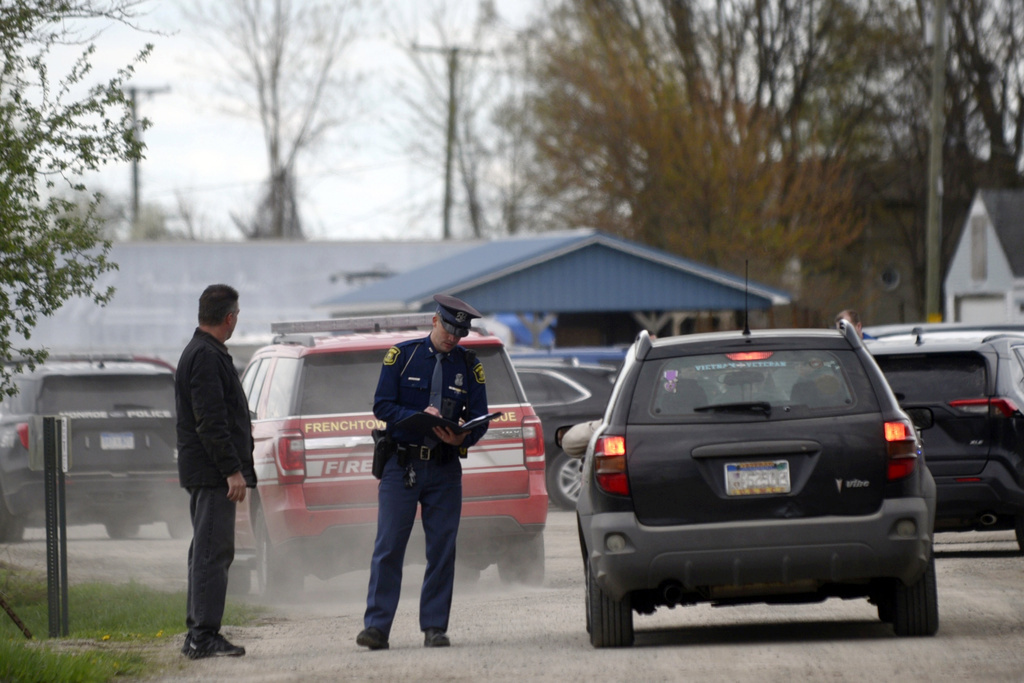
"The scene was described by the first responders as extremely chaotic, with high level of emotions of those directly involved and those who witnessed this horrific incident," he said.
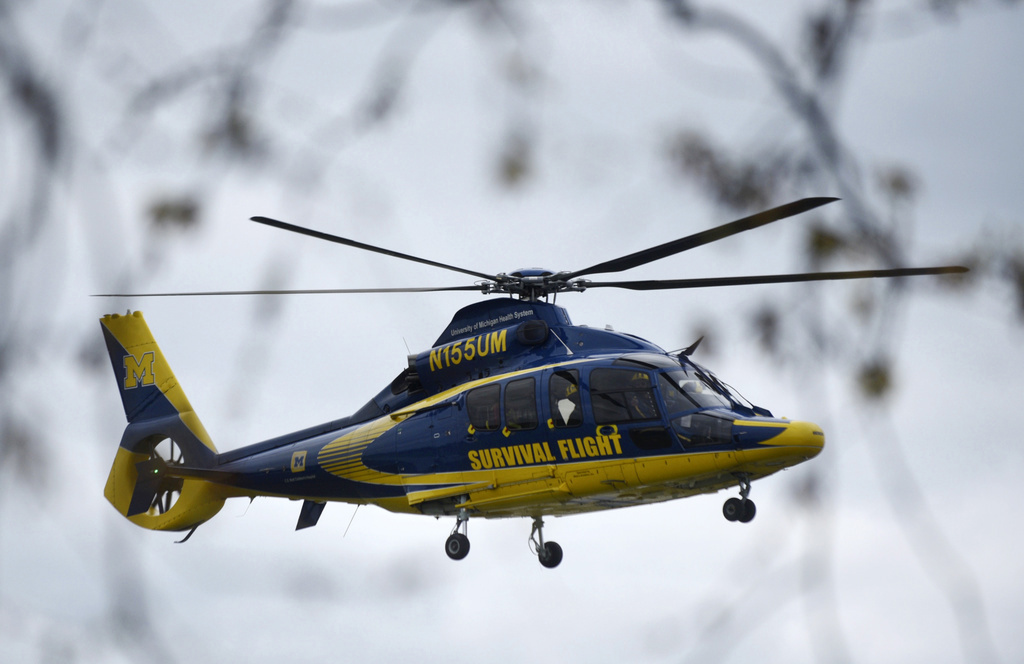
Three children and six adults were taken to area hospitals by two helicopters or ambulances, some with life-threatening injuries, he said.
Others injured were given first aid at the scene, and some of them were taken to hospitals by private vehicles.
READ MORE: Aussie charity founder to run 1400km in memory of the Boxing Day tsunami
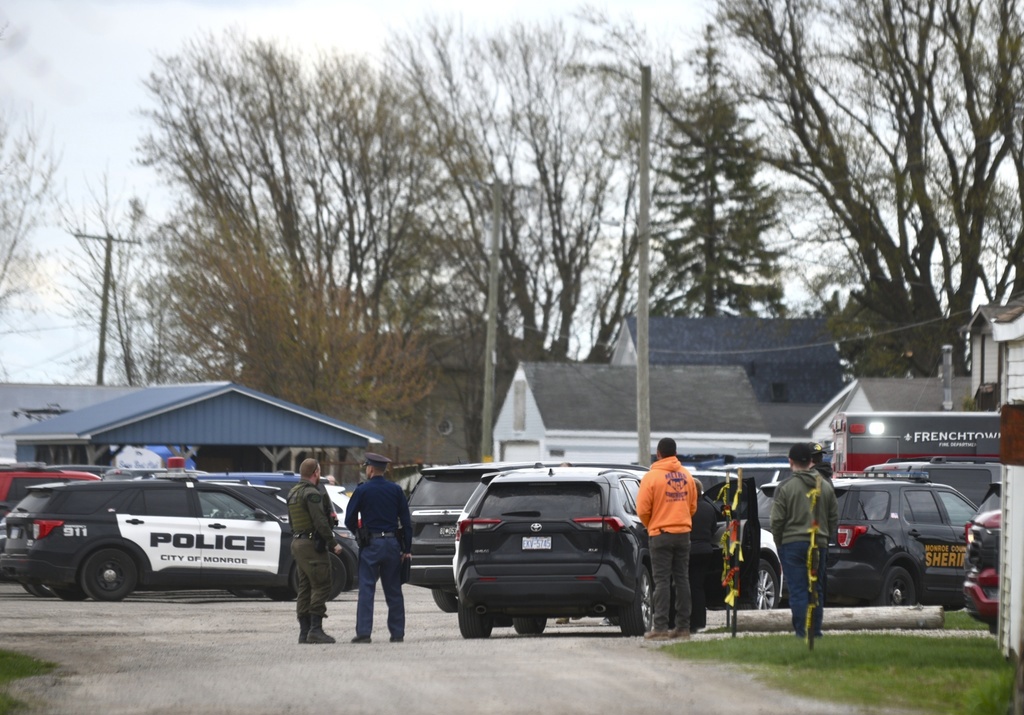
Goodnough did not identify the woman driving the vehicle but said she was taken into custody to the Monroe County Jail suspected of operating a motor vehicle while intoxicated causing death.
She was cooperating with authorities, he said, and likely would face more charges as the investigation continues.
Did soldiers eat Anzac biscuits in Gallipoli? Historian says it’s likely
Anzac Day is an important time to pause and remember those who died and suffered for our country and freedoms in World War I.
The day comes with many traditions, including making, buying and eating Anzac biscuits, which are made from common pantry items such as oats, flour, sugar, butter and golden syrup.
But where did the idea of the biscuits come from? And why were they made?
READ MORE: Anzac Day trading hours: What will and won't be open

9news.com.au spoke to an expert to learn the full history of the Anzac biscuit.
Did soldiers eat Anzac biscuits?
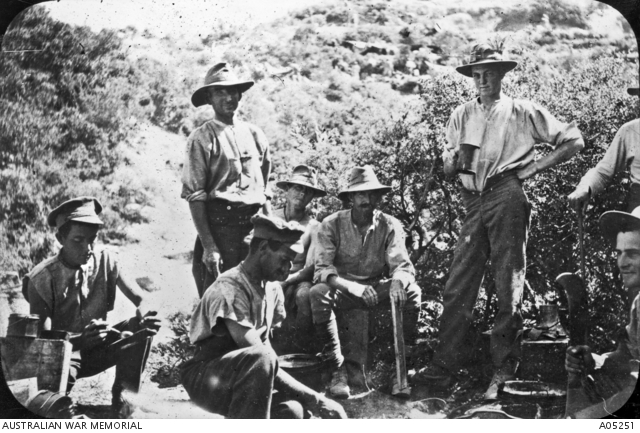
Some research suggests it is a myth that soldiers in Gallipoli ate Anzac biscuits, others experts believe they did.
Australian War Memorial historian Meghan Adams told 9news.com.au the topic had caused confusion.
"It's likely Australians (and New Zealanders) serving in Gallipoli would have eaten something like an Anzac biscuit, but it probably wouldn't have been known as an Anzac biscuit as such," Adams said.
"It was popular during the First World War to send some treats to men serving away from home as a way to sort of supplement their rations and give them a little taste of home," she said.
"And things like golden syrup, oats, flour were common pantry staples at that time."
Adams said the ingredients, which didn't include eggs, meant the biscuits didn't go bad quickly so they were ideal to send.
READ MORE: Your complete guide to Anzac Day Dawn Services around the country
Were Anzac biscuits rations?
There has been confusion about what could be defined as an Anzac biscuit.
"Soldiers at this time were issued as part of their standard ration something that was a biscuit-like substitute, kind of a substitute for bread."
These ration biscuits were sometimes known as an Anzac biscuit, Anzac tile or Hard Tack biscuit, but did not taste anything like what we eat today, causing confusion.
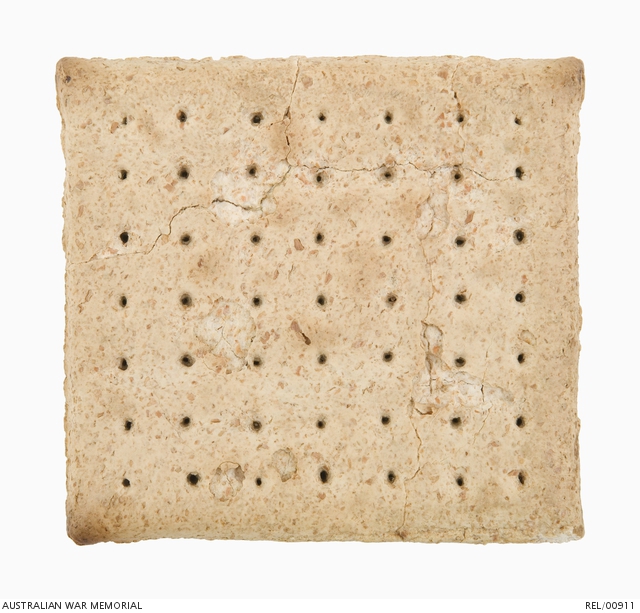
Adams said the Hard Tack rations were almost inedible in their regular state and they were so hard some soldiers wrote letters on them and posted them home.
Hard Tack biscuits at their most basic were made out of flour, water, salt and sugar and manufactured by Arnott's.
They were eaten with bully beef (tinned corned beef), rice, jam, cocoa, tea and sometimes bread.
Some soldiers reported breaking their teeth when eating it.
How was the Anzac biscuit recipe created?
The term Anzac biscuit became popular after April 1915, when women would bake sweet goods to fundraise for war memorials and the returned soldiers and their families.
"There were lots of different recipes that were named after the Anzacs as a patriotic gesture," she said.
A photo of a recipe from 1917 shows the biscuits were made differently from the biscuits we know today – with ingredients such as jam, icing and spices.
READ MORE: Australia's public holidays for 2024 and 2025: Make the most of your annual leave
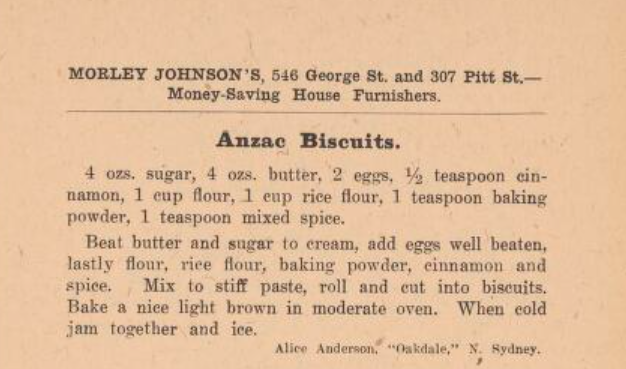

Another recipe from 1917 called oat biscuits is a lot closer to the recipe for Anzac biscuits we know today.
Coconut started being added to some Anzac biscuit recipes in the 1930s.
"Even throughout the Second World War, you still do see things being called Anzac biscuits that are not what we know as Anzac biscuits," Adams said.
"So it did take a little bit of time for the Anzac biscuit to be cemented with those specific ingredients and for that to be the traditional and only Anzac biscuit recipe."
Can the recipe for Anzac biscuits be adjusted?
The short answer is no – not if the biscuits are to be called Anzac biscuits.
The Anzac biscuit recipe has been protected by the Department of Veterans' Affairs in their guidelines for the use of the word Anzac.
Commercial organisations wishing to use the word Anzac to sell a product must have it approved by the department.
"The use of the word Anzac in the commercial production and sale of Anzac biscuits is usually approved, however, the biscuits must not substantially deviate from the generally accepted recipe and shape and must be referred to as Anzac Biscuits or Anzac Slice," the guidelines said.
If the recipe deviated from its substantial form and included something like chocolate or fruit, it would not be able to have Anzac in its name.
Some commercial biscuit applications that have been rejected by the department include choc chip Anzac biscuits, Anzac cheesecake, Anzac muffin and Anzac sandwich.
READ MORE: What would happen if King Charles were to abdicate?

The recipe is allowed to be adjusted for dietary reasons, so regular flour could be replaced with gluten-free flour, for example.
"I think it's a really a treasured part of Australia's wartime past and a bit of a symbol of national pride," Adams said.
"They've got a really long history and I think it's great that today people still enjoy making them and eating them.
"I think a lot of students and schools around this time of year get the chance to make Anzac biscuits and learn a little bit about what that means.
"It invites people to engage with our nation's past."
Can it be called an Anzac cookie?
One thing that's not up for debate is whether the Anzac biscuit can be called a cookie.
"Oh, no, no, no, that's an American term," historian Adams said.
"It's definitely always an Anzac biscuit."
The guidelines specifically state that it cannot be called an Anzac cookie.
What is the official recipe?
The basic ingredients listed on the Australian Army's website are below.
- rolled oats
- sugar
- plain flour
- coconut
- butter
- golden syrup or treacle
- bi-carbonate of soda
An official recipe for both the Hard Tacks Anzac tiles and Anzac Biscuits can be found on the Australian War Memorial website here.
Indian dad seeking better life for family killed in Russia’s Ukraine war
They opened the box on a Sunday in late March, getting their first look at Asfan Mohammed since he departed India for Russia four months earlier.
He was better dressed than when he'd left – a black suit, white shirt, tie and shoes replacing the casual attire he'd worn when family and friends saw him off.
But he had to be buried in line with his Muslim beliefs, so his body would need to be prepared; the neat clothes removed.
READ MORE: Israeli airstrike kills nine Palestinians in Rafah, including six children
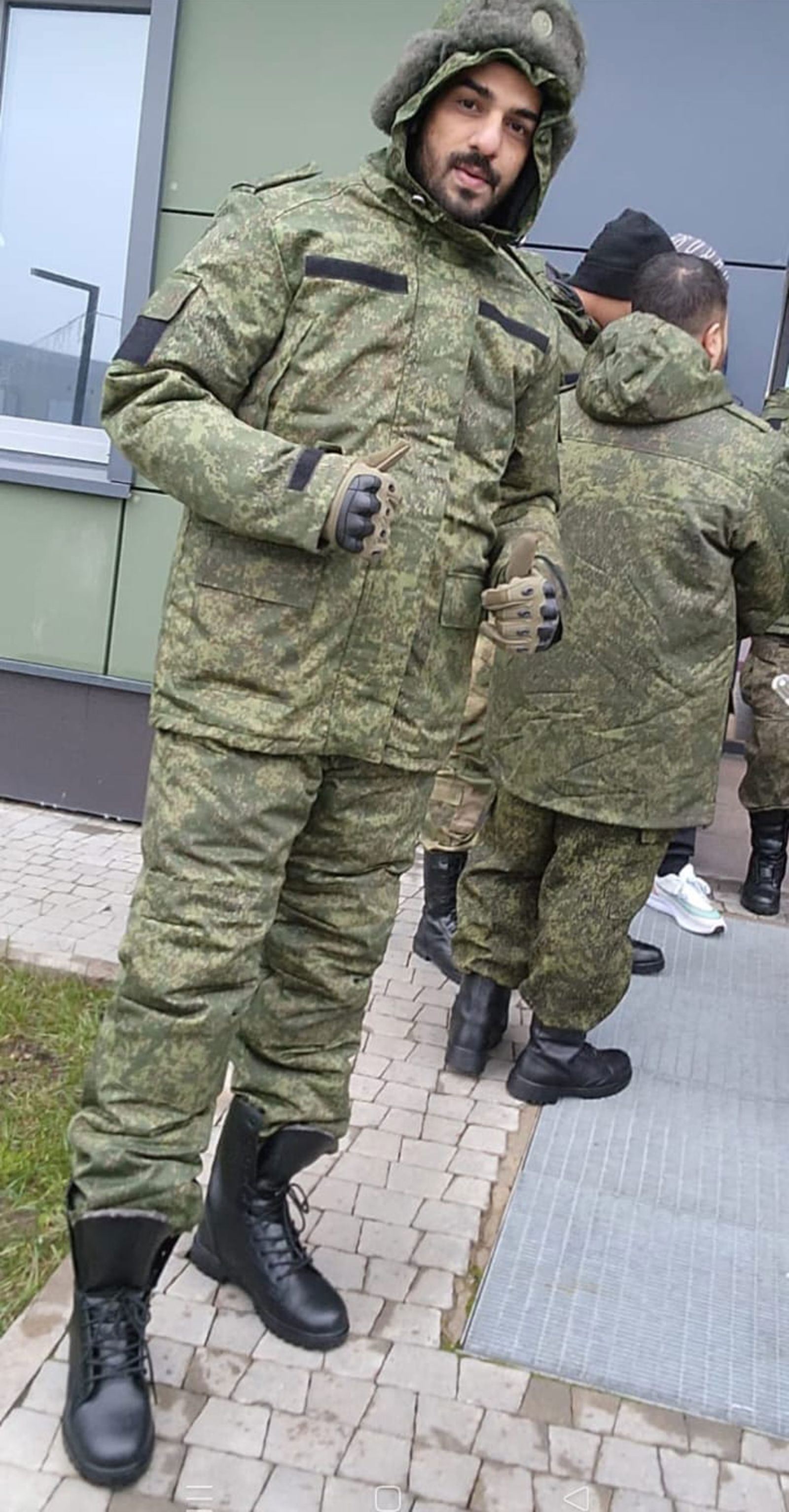
It was then Imran Mohammed, 41, saw the extent of what had happened to his 31-year-old brother while fighting for the Russian armed forces in Vladimir Putin's invasion of Ukraine.
"I saw holes on the back of his shoulder, his ribs right down till his lower back," Imran told CNN.
"There were six to seven holes caused by a drone attack. It ripped through his body. There was internal damage. Two teeth were broken."
And now this tight-knit family in Hyderabad, southern India was broken too. A husband, father and provider gone.
Imran's business was also in ruins, rotted by neglect as he'd focused all his energies on finding out what happened to his brother on the battlefield of Europe's bloodiest conflict since the Second World War.
Imran noted the time.
"I opened the box at 11am Sunday. When I saw his body for the first time, it hit me that he's no more," he said.
"My efforts to look for my brother, my two-month fight for my brother, came to a painful end. I wanted to react looking at his corpse, but I just couldn't. I went totally numb."
READ MORE: Another TikTok ban bill passes US Congress
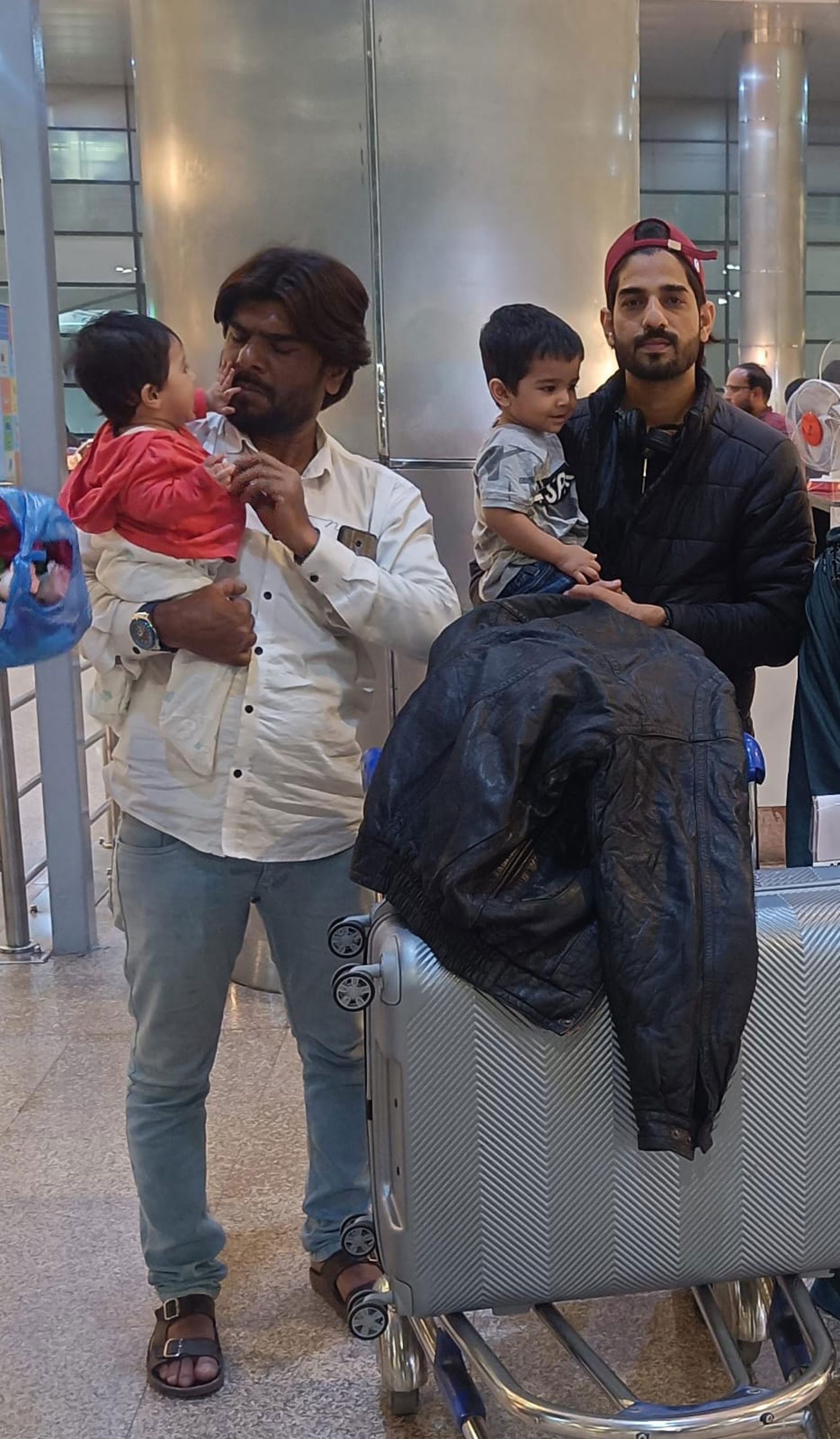
A dream lost
Asfan met an unlikely fate – one his family could never have imagined when Putin ordered Russian troops into Ukraine in February 2022.
At the time, the father of two managed a clothing store, one of almost 300 across India in the homegrown Allen Solly chain, selling kids' clothes, wedding tuxedos and just about everything in between.
He'd been there eight years, his brother said.
It wasn't the worst job, but Asfan wanted more for his wife and two children, aged two years and eight months respectively. And he dreamed of taking them out of Hyderabad.
"He wanted to work in Australia," where his sister-in-law and her family lived, Imran said. "They were calling him and his family there."
READ MORE: 'Still raw': Olympian speaks out after Chinese doping allegations
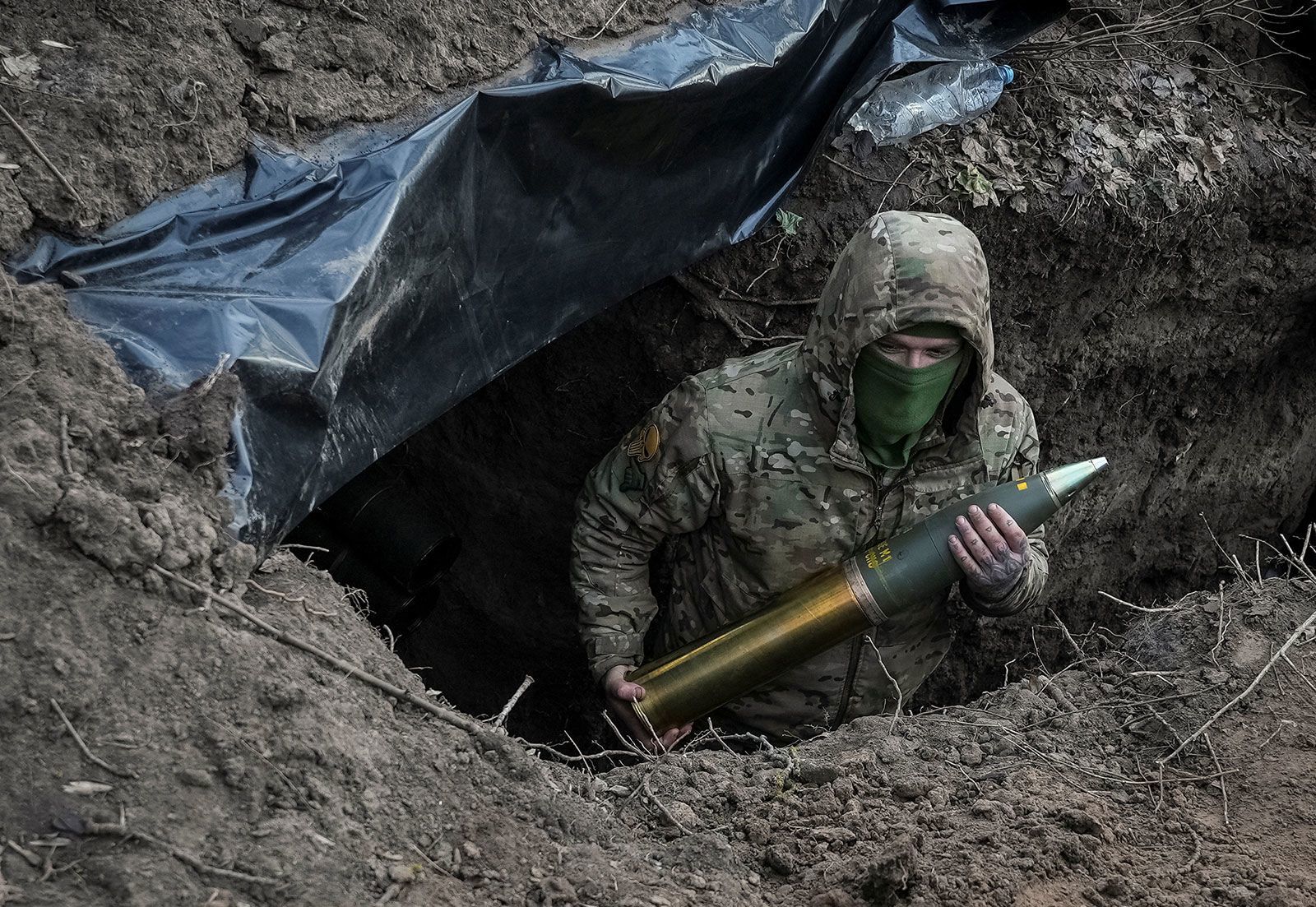
But that meant Asfan would need a high score on the International English Language Testing System (IELTS), which gauges proficiency of non-native speakers.
"He wrote his IELTS. He didn't do well," Imran said. "He felt demotivated. He tried again."
It didn't work, Imran said.
But videos on YouTube about job opportunities in Russia gave Asfan new hope, and he contacted an employment agency, his brother said.
"He was going to work as a taxi driver or delivery boy in Russia – that process was on," Imran said.
"Then a couple of days later the agents said there are vacancies for helper and security jobs in the Russian army. The agents assured him that this was the best job. They said he could get a Russian passport and national card within a year through which you could move around neighboring countries."
READ MORE: Opening statements set for Trump's trial as chaos erupts outside courtroom
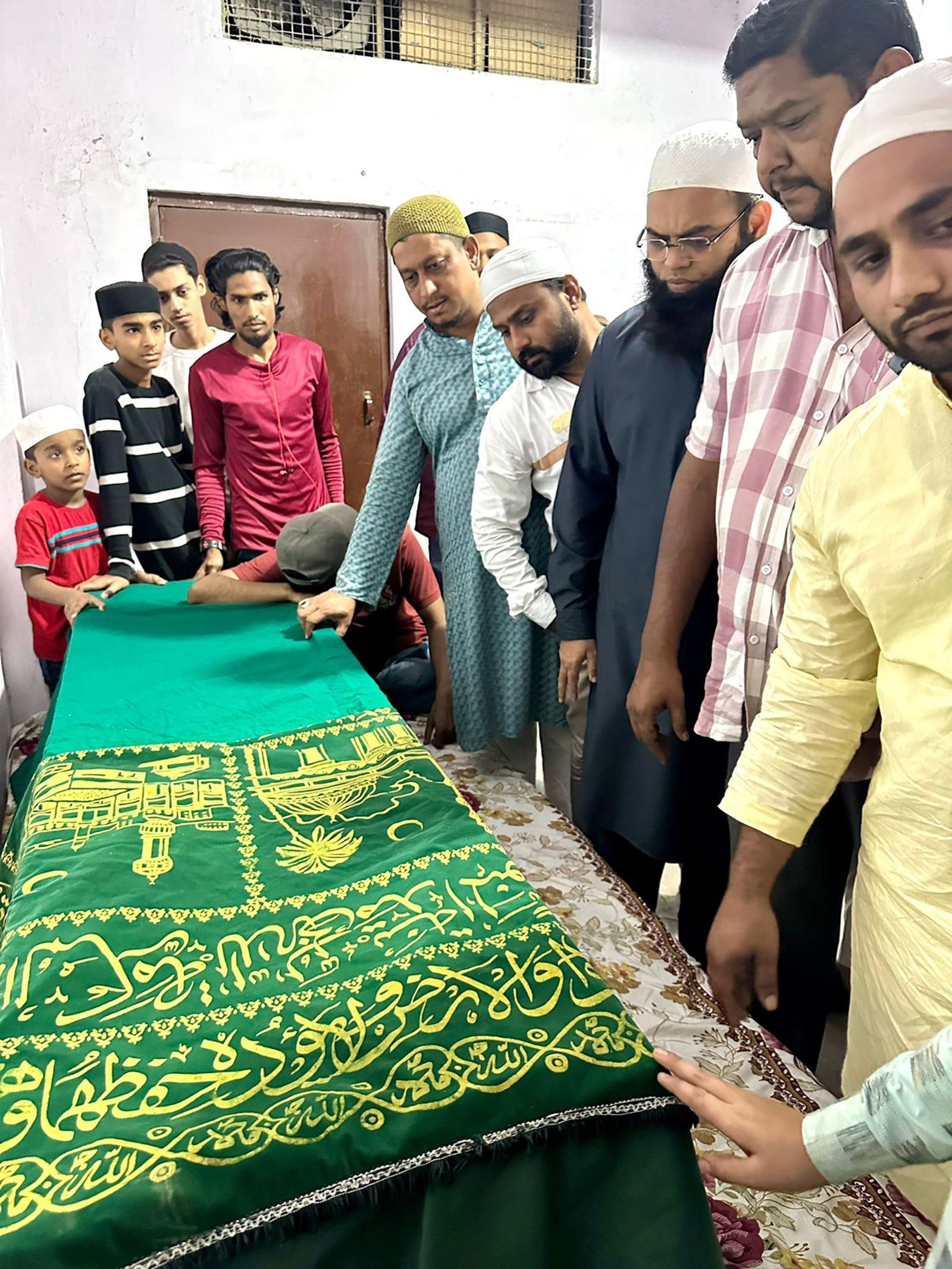
Asfan thought that could be a stepping stone to his family's dream life in Australia, his brother said.
Instead, his choice took him to the frigid, battle-scarred landscape of Ukraine.
Brainwashed
Asfan kept his plans secret from family and friends until it was too late to turn back, according to Imran, who said he only learned his brother was leaving three days before he set off for Russia on November 9 last year.
By that time, Asfan had paid more than US$1800 ($2805) to the recruiters, who asked him not to speak to anyone, even his family, about his intention to travel.
"They had brainwashed him so much … They warned him he could be deported from Russia, from the airport," Imran said. "I tried my level best to stop him."
After a multi-stop route that took him through other Indian cities and the United Arab Emirates, Asfan arrived in Moscow on November 12.
A day later, he signed papers – in Russian, which he couldn't read – committing him to the work, his brother said.
"He trusted the agents a bit too much," Imran said.
Foreign fighters in Putin's war
By some estimates, Russia has been sending thousands of foreign men to fight in Ukraine since Putin ordered the invasion.
Many of them are young men from South Asia, enticed by the prospect of steady employment and higher salaries in Russia. In Nepal, prominent opposition lawmaker and former foreign minister Bimala Rai Paudyal told parliament earlier this year that between 14,000 and 15,000 Nepalis were fighting on the front lines, citing testimony from men returning from Ukraine.
The Russian government last year announced a lucrative package for foreign fighters to join the country's military, including a monthly salary of at least US$2000 ($3117) and a fast track to Russian citizenship – but the Kremlin has not said how many foreigners it has recruited under the plan.
New Delhi has strong ties with Moscow dating back to the Cold War and has largely steered clear of condemning outright the invasion by Russia, which remains India's biggest arms supplier.
India has also become a major purchaser of Russian energy, bolstering Moscow's coffers by a record US$37 billion ($57.6 billion) of crude oil purchases last year alone and providing Russia's sanctions-hit economy with vital revenue.
Meanwhile, India, which has no law preventing its citizens from serving in a foreign state's military, has acknowledged that a number of its nationals have been fighting for Russia in Ukraine.
In a statement in February, the Indian Ministry of External Affairs said getting those Indians an early discharge from the Russian military was a "top priority." The ministry told CNN last month it has been in continuous contact with Russian authorities to make that happen.
But for some, those efforts would come too late. A ministry spokesperson told CNN at least two Indians have died in the conflict.
In early March, India's Central Bureau of Investigation (CBI) said it had busted major human trafficking networks that were duping men into Russian military jobs, with 35 such cases identified.
"The trafficked Indian Nationals were trained in combat roles and deployed at front bases in Russia-Ukraine War Zone against their wishes," the CBI statement said.
To the front line
Asfan didn't tell his brother when he was going to be sent to Ukraine, Imran said, but he did get in contact on December 1, just as he was heading to the battlefield.
Asfan was seeking a way out, Imran said.
"He asked me to speak to the agents," Imran said. "I did promise him that I'd try my best."
It was the last time they spoke to each other.
"The military personnel were not in touch with these agents," Imran said.
"These brokers duped the boys and put their lives in danger," he said, referring to Asfan and other Indians sent to war.
Weeks of uncertainty, then disbelief
On January 23, Imran received a voice message from one of those Indian men deployed alongside Asfan.
The man, who said he had been injured in combat, told Imran he had found Asfan, who'd also been injured, inside a house in Ukraine a day earlier.
Imran said the man told him he couldn't pick his brother up "because of the drones around them," but had passed word of Asfan's condition to a Russian medical team.
Ukrainian forces have used converted commercial drones against their Russian opponents with devastating effect on the frontlines, either by dropping grenades from above or by using them as remote controlled bombs.
Two days later, Imran said he visited his member of parliament to try to get Indian officials to help his injured brother. But pleas to the government went unanswered, he said.
The Indian Embassy in Moscow eventually replied that it was looking into the case.
On a March 6 visit to his MP's office, Imran got the news he had dreaded.
"We called the emergency number at the Indian Embassy (in Moscow). As soon as I mentioned Asfan's name on the phone, they told me he's dead. I didn't have the strength to talk to them," he said.
"I didn't want to believe what they were saying."
He still had no visual proof of Asfan's death, but he had to pass on what he'd learned to the rest of the family.
Asfan's wife "was unconscious for three hours," Imran said. "She cried through the night."
Asfan's family has buried his body, but they are scarred by a war far away.
Imran says it pains him to look at his brother's young children, who will never know their dad. And he says his own future feels uncertain.
"This has been on for four months, for 24 hours a day," he said. "This has been the worst phase I've ever been through. There's no personal life anymore. No friendship left. I've only been taking care of my family."
And one of them, his brother, is forever gone.
Israeli airstrike kills nine Palestinians in Rafah, including six children
An Israeli airstrike on a house in Gaza's southernmost city of Rafah killed at least nine people, six of them children, hospital authorities said on Saturday, as Israel pursued its nearly seven-month offensive in the besieged Palestinian territory.
Israel's war against the Islamic militant group Hamas has led to a dramatic escalation of tensions in the Middle East, notably between Israel and Iran in recent weeks.
Now attention returns to Rafah, where more than half of Gaza's population of about 2.3 million people are sheltering, many displaced by fighting elsewhere.
READ MORE: Opening statements set for Trump's trial as chaos erupts outside courtroom
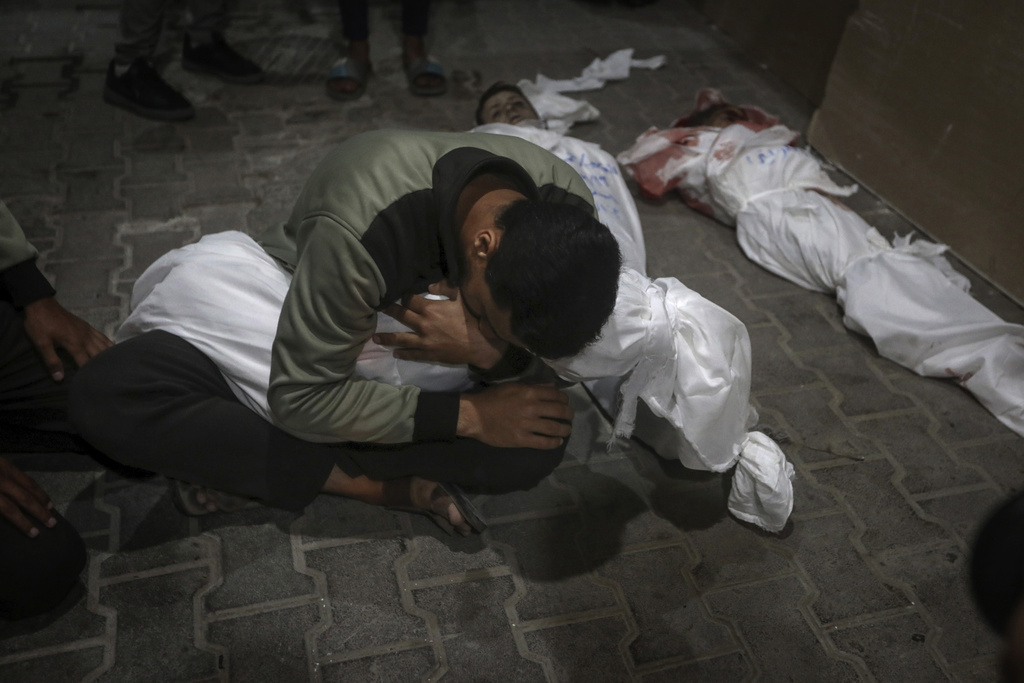
Relatives sobbed and hugged children's shrouded bodies at al-Najjar hospital.
"Hamza my beloved. Your hair looks so pretty," a mourning grandmother said.
The fatalities included Abdel-Fattah Sobhi Radwan, his wife Najlaa Ahmed Aweidah and their three children, his brother-in-law Ahmed Barhoum said. Barhoum lost his wife, Rawan Radwan, and their five-year-old daughter, Alaa.
READ MORE: Netherlands man battled COVID-19 for longest case ever recorded
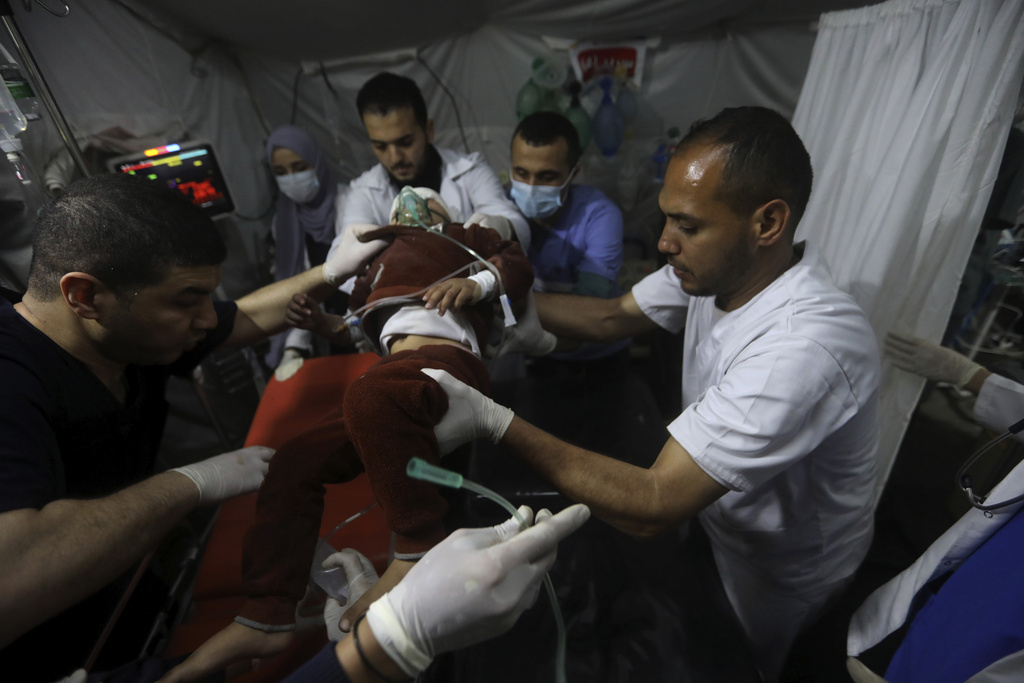
"This is a world devoid of all human values and morals," Barhoum told The Associated Press, crying as he cradled Alaa's body.
"The only martyrs were women and children."
Israel has insisted for months that it plans a ground offensive into Rafah, where it says many remaining Hamas militants are holed up, despite calls for restraint from the international community including Israel's staunchest ally, the United States.
Some Palestinians left an area of Rafah near the border with Egypt on Saturday after receiving an evacuation alert from the Israeli army.
"Guys, they will strike at 3.40. It is happening. What time is it now?" one said. Minutes later, a strike hit. It was not immediately known whether anyone was killed.
Also on Saturday, an Israeli airstrike hit a house in the urban refugee camp of Bureji in central Gaza, killing at least one man and injuring two others, according to authorities at the al-Aqsa Martyrs hospital, where an AP journalist saw the casualties.
READ MORE: Fears for camper missing in Victoria's Mount Terrible region
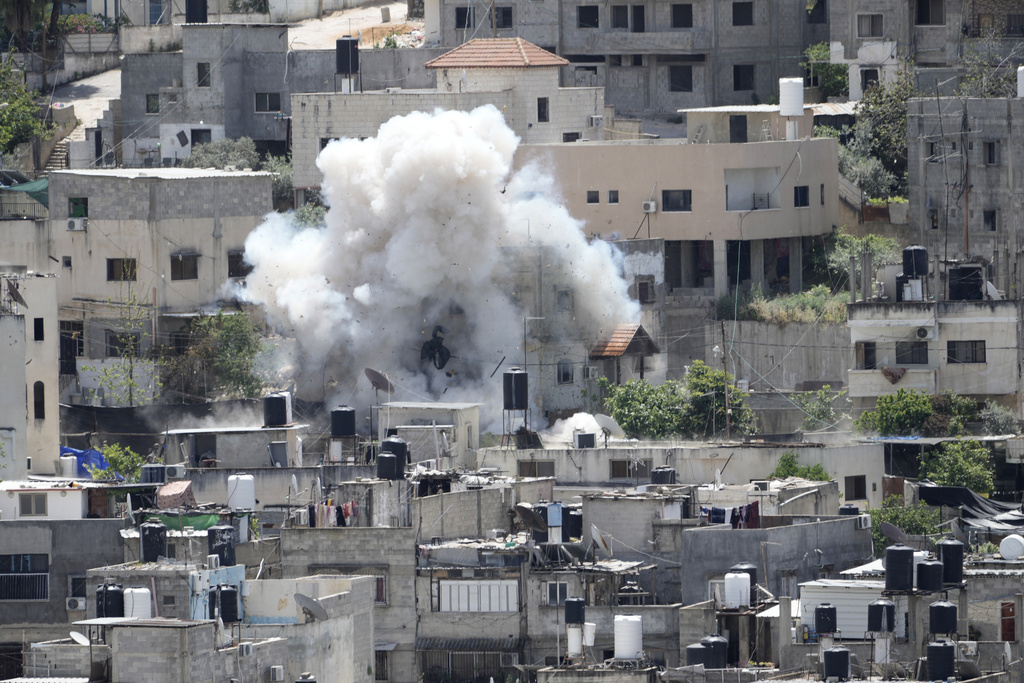
The war was sparked by an unprecedented Oct 7 raid into southern Israel by Hamas and other militant groups that left about 1200 people dead, the vast majority civilians, and saw about 250 kidnapped and taken into Gaza.
Israel says about 130 hostages remain in Gaza, although more than 30 have died.
Frustration continues among many in Israel, and thousands of anti-government protesters in Tel Aviv again called for new elections and a deal to free remaining hostages.
"We don't know what to do anymore, so we are here crying and shouting for help," said one protester, Iris Milnar.
The Palestinian death toll from the war is at least 34,049, with 76,901 wounded, the Gaza Health Ministry said, adding that the bodies of 37 people killed by Israeli strikes were taken to hospitals over the past 24 hours.
READ MORE: X to fight Australian watchdog over stabbing content
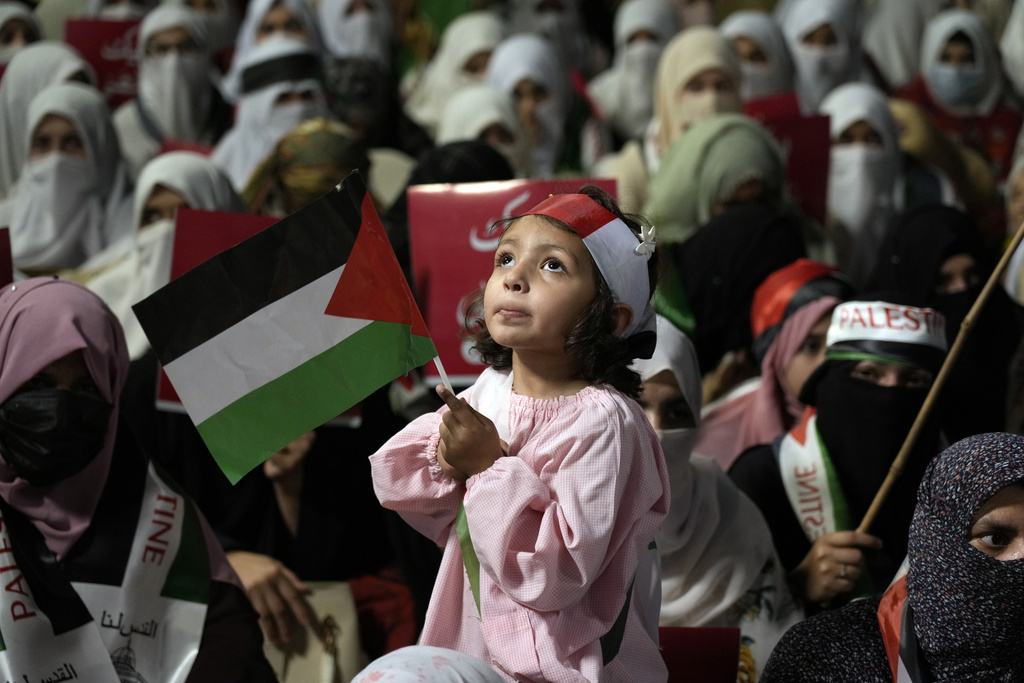
The Hamas-run health authorities do not differentiate between combatants and civilians in their count but say at least two-thirds have been children and women.
Israel blames Hamas for civilian casualties, saying it embeds in the population.
The war has sent regional tensions spiralling.
On Friday, Israel and archenemy Iran played down an apparent Israeli airstrike near a major air base and nuclear site in central Iran, indicating they were pulling back from what could have become all-out war.
A week ago, Iran fired an unprecedented missile barrage on Israel after an alleged Israeli strike killed two Iranian generals at an Iranian consulate in Syria.
Israel continues to face off with Iran's proxies, frequently trading rocket and drone attacks across the Lebanese-Israeli border with the Iran-backed Hezbollah militant group.
READ MORE: Thousands expected to attend candlelight vigil for Bondi stabbing victims
Yemen's Iran-backed Houthi rebels have launched strikes against merchant ships in the Red Sea and the Gulf of Aden in what they call solidarity with Palestinians in Gaza.
Tensions also are high in the occupied West Bank.
The Palestinian Health Ministry said 12 bodies were taken on Saturday from the Nur Sham urban refugee camp, raising the death toll to 13 since an Israeli military operation began in the area on Thursday night.
It said they were killed "as a result of the occupation's aggression".
The Islamic Jihad militant group confirmed the deaths of three members.
Another killed was a 15-year-old boy.
The Israeli army said its forces killed 10 militants in the camp and surrounding areas while eight suspects were arrested. Nine of its officers and soldiers were wounded, it said.
At least 469 Palestinians from east Jerusalem and the West Bank have been killed by Israeli fire since October, according to the Palestinian Health Ministry.
Elsewhere in the West Bank, the ministry said an ambulance driver was shot dead near Sawiya town while trying to reach Palestinians injured in clashes with Israeli settlers.
The Palestinian Red Crescent said Mohammed Musa was shot in the chest.
A wave of settler attacks began a week ago after an Israeli teen went missing and was found dead.
Women allegedly caught at Melbourne Airport with 30kg of cocaine in their luggage
Four alleged international drug couriers, including the suspected ringleader of a transnational drug mule syndicate, have been arrested at Melbourne Airport after 30kg of cocaine – worth an estimated $10 million – was allegedly found in suitcases.
Three US women, aged 22, 24 and 35, allegedly each hid 10kg of the class-A drug inside clothing in their luggage on a flight from Los Angeles to Melbourne on April 12.
Australia Border Force (ABF) officers arrested the women when they got off the flight at Melbourne Airport after getting information from Homeland Security Investigations (HSI) and US Customs and Border Protection (CBP), who had arrested after a fourth woman, 41, at Los Angeles International Airport before the flight.
READ MORE: X to fight Australian watchdog over stabbing content
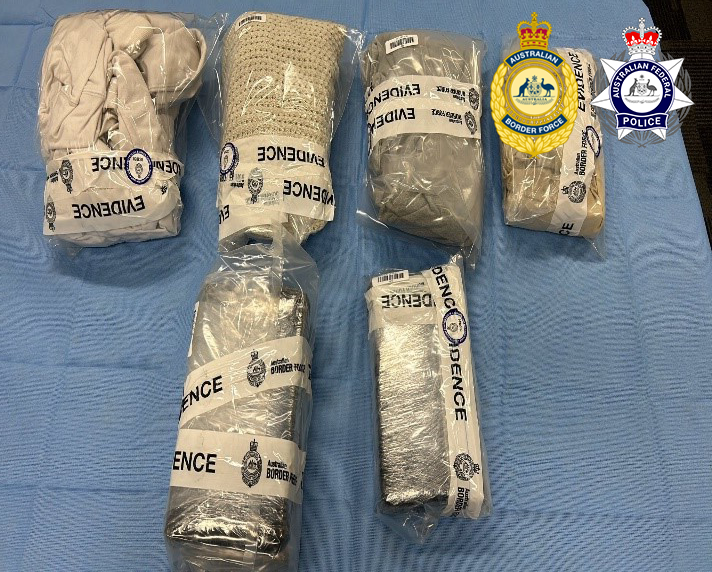
ABF officers examined six suitcases and found multiple packages containing a white powder substance in each case.
The substance has since indicated a positive result for cocaine.
Officers then arrested and charged a 55-year-old US man at Melbourne Airport on April 16 who is accused of planning and supervising the alleged attempted drug import.
The three females have each charged with importing a commercial quantity of border controlled drug, namely cocaine, and possessing a commercial quantity of cocaine.
The man has been charged with importing a commercial quantity of border controlled drug, namely cocaine, and attempting to possess a commercial quantity of cocaine.Criminal Code Act 1995 (Cth).
The maximum penalty for these offences if found guilty is life imprisonment.
READ MORE: X to fight Australian watchdog over stabbing content
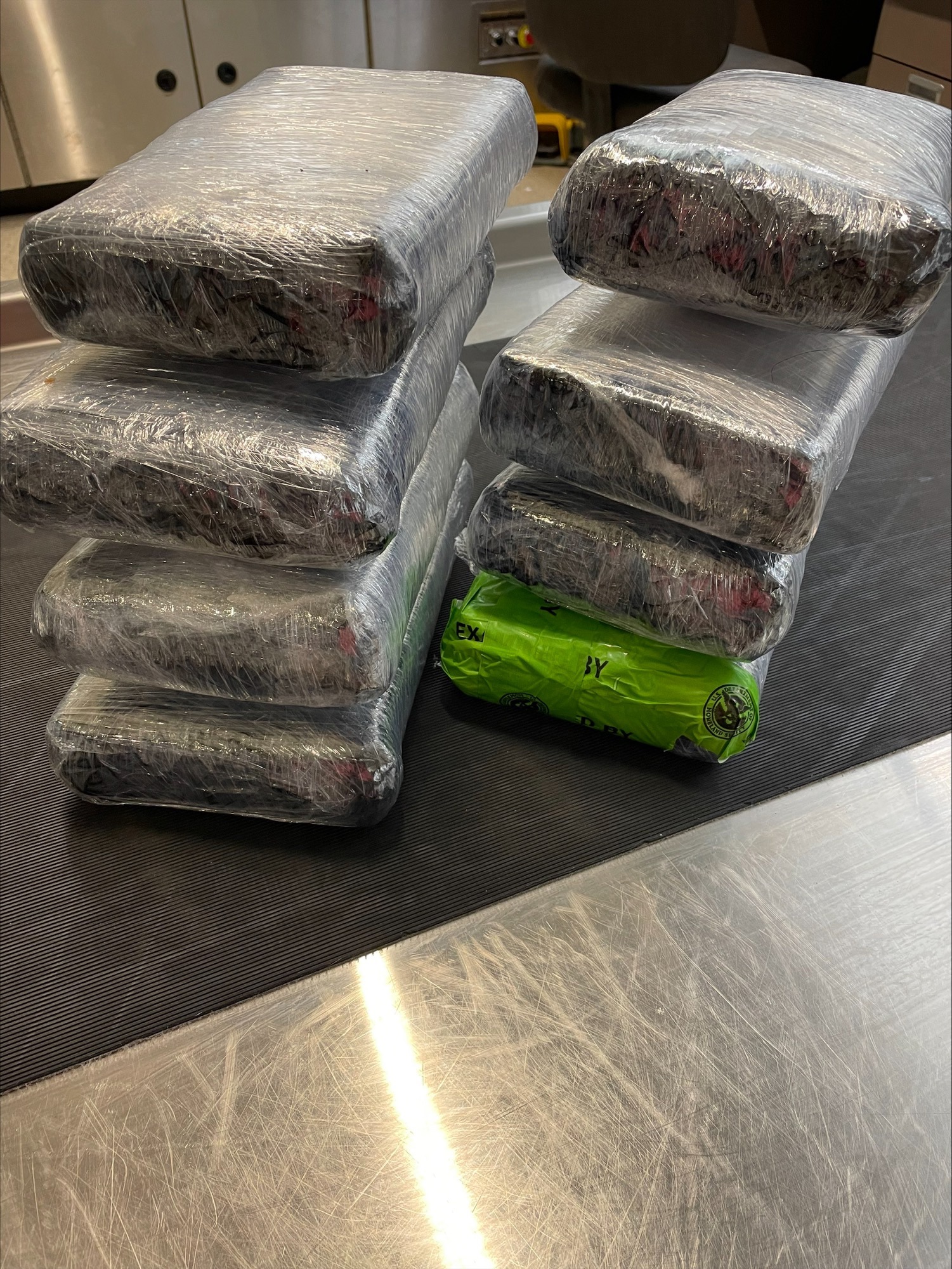
They have all faced court and been held in custody to reappear in court on August 5.
AFP Detective Superintendent Simone Butcher said the cocaine had an estimated street value of nearly $10 million if it had reached our streets.
"This had the potential to facilitate 30,000 individual street deals and cause tens of millions of dollars in harm to the Australian community," she said.
"These arrests send a strong warning to drug couriers attempting to smuggle illicit drugs into Australia – no matter how you try and move your drugs, the AFP, together with our international, Commonwealth and state law enforcement partners will be waiting for you."
X to fight Australian watchdog over stabbing content
Social media platform X has pledged to fight Australia's online safety watchdog over posts about a stabbing at a western Sydney church.
The platform's Global Government Affairs team on Saturday said Australia's eSafety Commissioner had ordered it to remove some posts that commented on the attack.
But it said the posts did not violate X's rules on violent speech.
READ MORE: Thousands expected to attend candlelight vigil for Bondi stabbing victims
https://twitter.com/GlobalAffairs/status/1781342060668174707?ref_src=twsrc%5Etfw
The platform claimed the Australian regulator had demanded X "globally withhold these posts or face a daily fine of $785,000".
"X believes that eSafety's order was not within the scope of Australian law and we complied with the directive pending a legal challenge," the Global Government Affairs account posted on Saturday.
"While X respects the right of a country to enforce its laws within its jurisdiction, the eSafety Commissioner does not have the authority to dictate what content X's users can see globally.
READ MORE: 'Still raw': Olympian speaks out after Chinese doping allegations
"We will robustly challenge this unlawful and dangerous approach in court."
The commissioner has only said it was considering whether further regulatory action was warranted, after it put social media platforms on notice to remove graphic content showing recent violence in Sydney.
Federal Health Minister Mark Butler said the government would take X to task if it wanted to pursue the matter in court.
"Australia is not going to be bullied by Elon Musk, or any other tech billionaire, in our commitment to making sure that social media is a safe space," Butler told reporters in Adelaide.
READ MORE: Another TikTok ban bill passes US Congress
"So if he wants to fight that fine in court, well, we're up for that fight."
Calls have grown for harsher sanctions for social media platforms in the wake of the April 13 shopping centre massacre at Bondi after distressing footage of the attack was uploaded online and misinformation spread.
NSW Premier Chris Minns said X had shown "disregard for the information that they pump into our communities".
"Then when things go wrong, throwing their hands up in the air to say that they're not prepared to do anything about it," he told reporters.
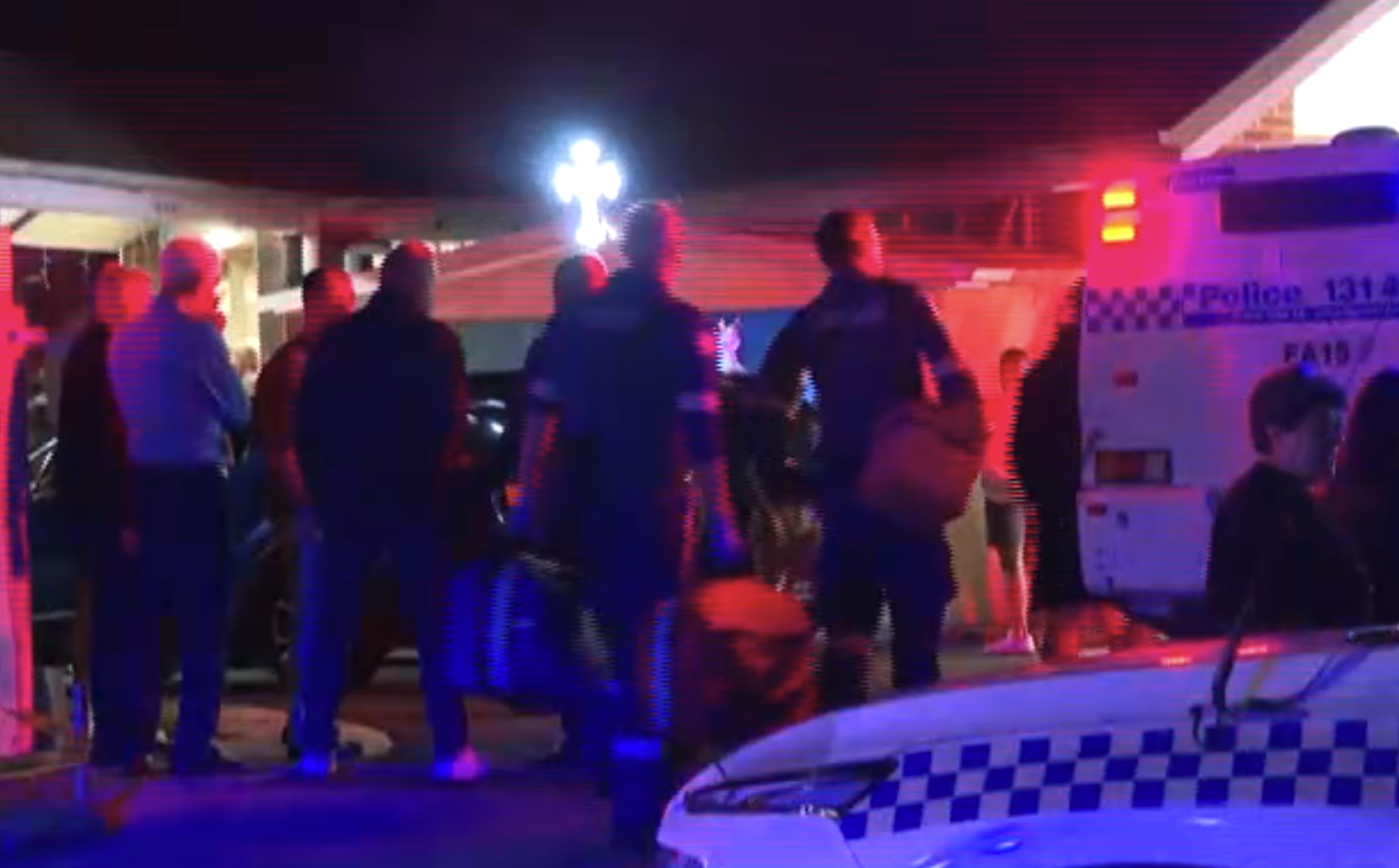
The premier and other leaders met with Assyrian community groups after the church stabbing and they collectively condemned violence.
"If anyone acts in that way, they are doing it in complete defiance of the religious leadership of NSW and it is against the law," Minns said.
A 16-year-old boy was charged with terrorism offences over the church stabbing and is next due to face court in June.
On Friday evening, 45-year-old Sam Haddad was arrested at a Fairfield Heights home and charged with rioting and threatening violence, causing fear.
Haddad fronted Parramatta Bail Court on Saturday and was granted bail on the condition he report to police every day and live at a specific address.
He is next due before Fairfield Local Court on Wednesday.
A 28-year-old man was also charged over the incident and was due to face court on Saturday.
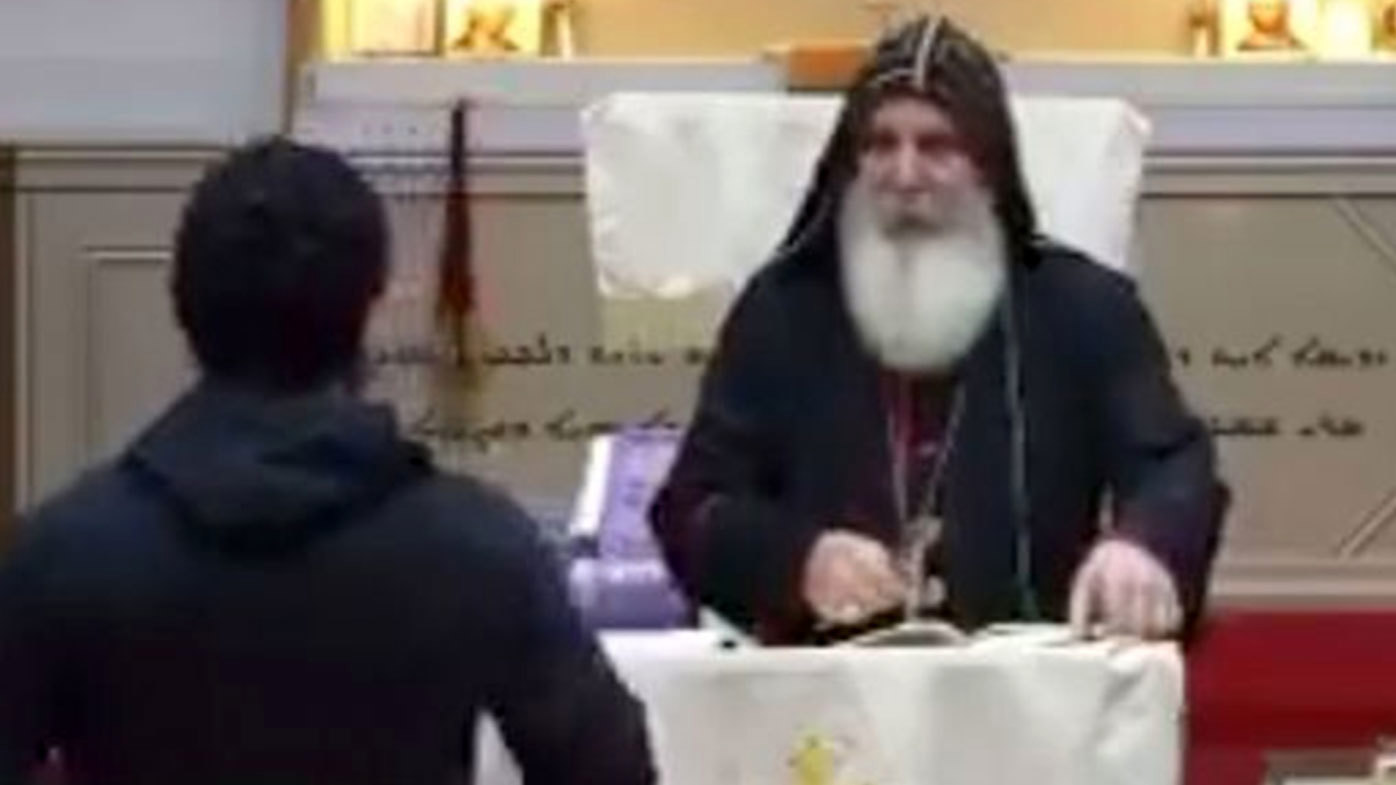
Police hope high-visibility patrols in the region will curb conflict after the knife-wielding teenager allegedly struck Bishop Mar Mari Emmanuel, 53, who was delivering a sermon on Monday night.
The stabbing – which has since been declared an act of terrorism – triggered a riot outside the Christ the Good Shepherd Church in Wakeley, leaving dozens of police officers injured.
The lawyer of the boy charged over the stabbing told a court the teenager had received intermittent treatment for his mental health for years.
FOLLOW US ON WHATSAPP HERE: Stay across all the latest in breaking news, celebrity and sport via our WhatsApp channel. No comments, no algorithm and nobody can see your private details.
Volunteer WA firefighter killed in line of duty honoured by his local football club
The former footy club of a volunteer WA firefighter who died battling bushfires near Esperance four months ago has played a tribute round in his honour.
Harry Stead would have played his first year as a senior with the UWA club on Saturday.
There was a minute's silence for a mate who should have been on the field alongside his team.
READ MORE: Man in hospital after shark attack at popular WA surf spot
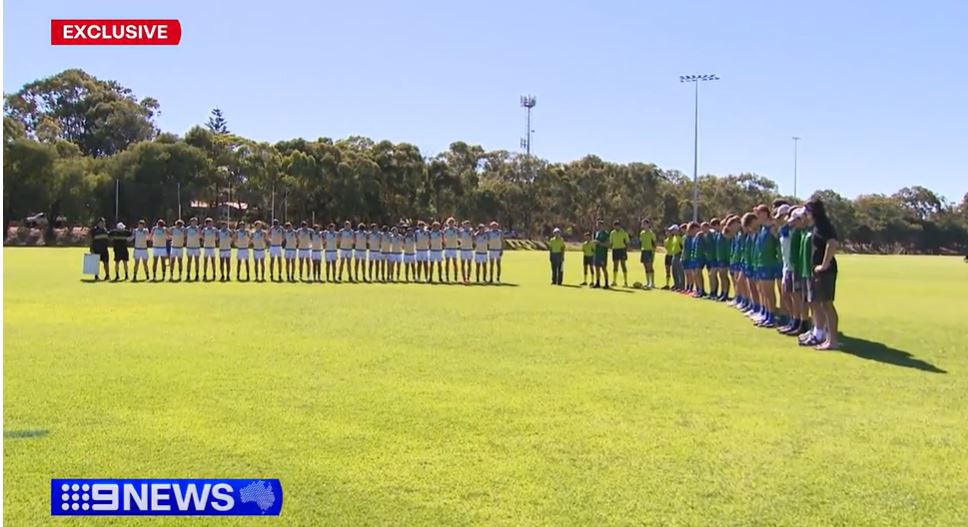
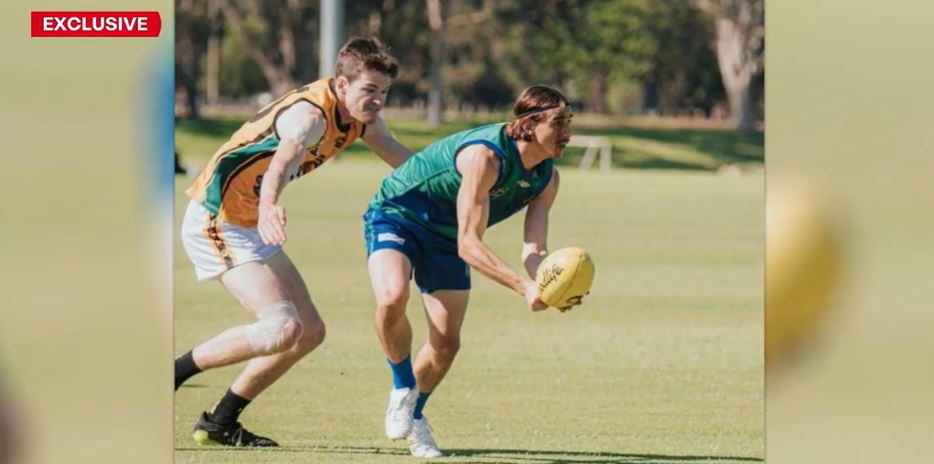
This would have been the 20-year-old's fourth year playing with the UWA footy club but instead, they a round held in his memory.
Stead's best friend Charlie Carrington-Jones said the round in his mate's honour was a no-brainer.
"[For] someone like Harry, it had to be done because he was just such a big person in this community and so many people loved him so much, including myself," Carrington-Jones told 9News.
Harry died a hero on Boxing Day last year, while volunteering to fight a fire on a neighbour's property near Esperance in the Great Southern region.
SEE MORE: Footy fans flood Optus Stadium for Western Derby
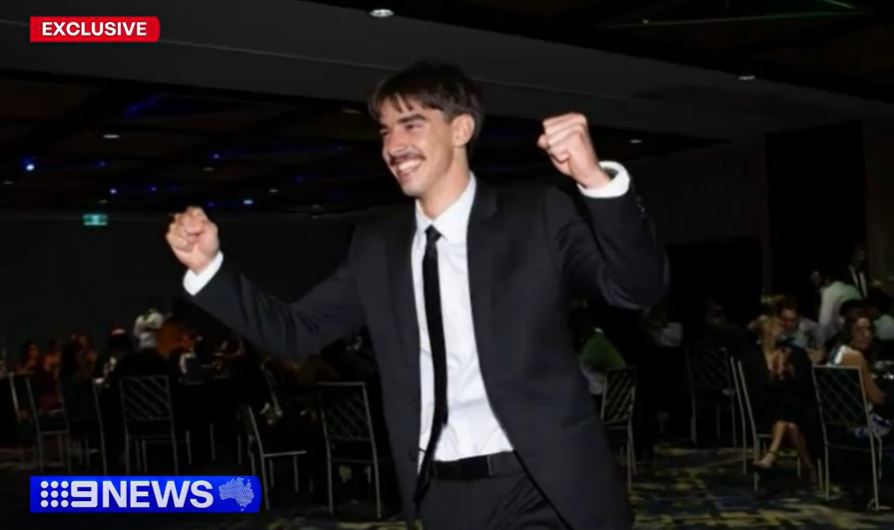
"To have a kid that's around 19, 20 years of age just put his hand up to help without even asking that holds a lot of weight with me," Jake Colvin, UWA Football Club President told 9News.
His mates today remembering him as someone committed to community and generous to a fault.
"Selfless, very generous. He was the perfect best friend in every way possible," Carrington-Jones said.
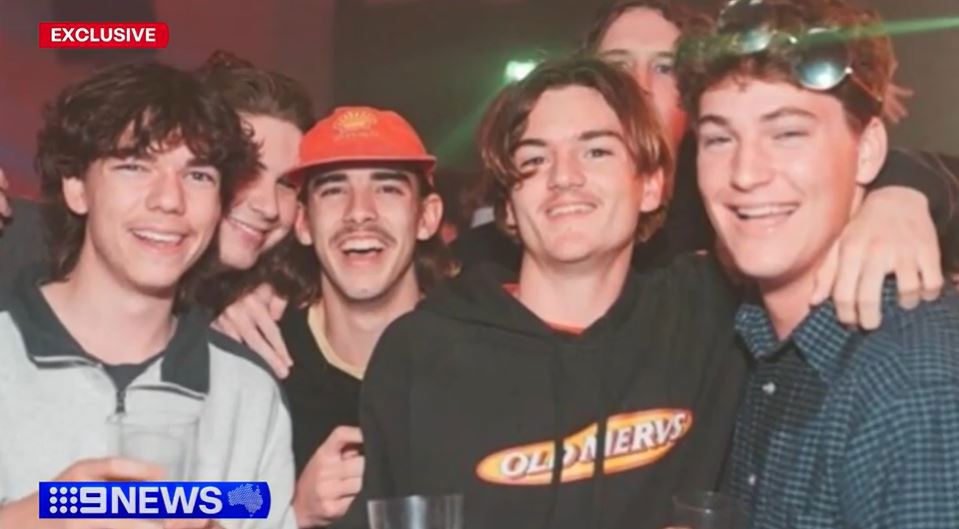
His absence on the field was felt by his teammates.
"[Harry was] not the tallest, not the biggest but he was lightning quick and never gave in at any point in any game," Carrington-Jones said.
"Always happy to be there, played with a smile on his face the whole time."
Sam West agreed, saying Stead brought "so much energy and so much passion" to the game.
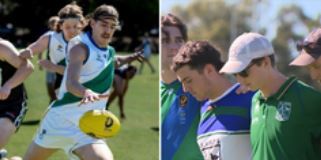
"Whatever grade he played, he would've been very popular, made friends and the team would've been better off for having him for sure," Colvin said.
The club is rallying to give back for a man who gave so much to them.
"We're always here for the Stead family whatever they need and we just hope that they know that they have all the support of everyone at the UWA football club," Charlie said.
‘Indescribable honour’ for Aussie veteran who lost both his legs in Afghanistan
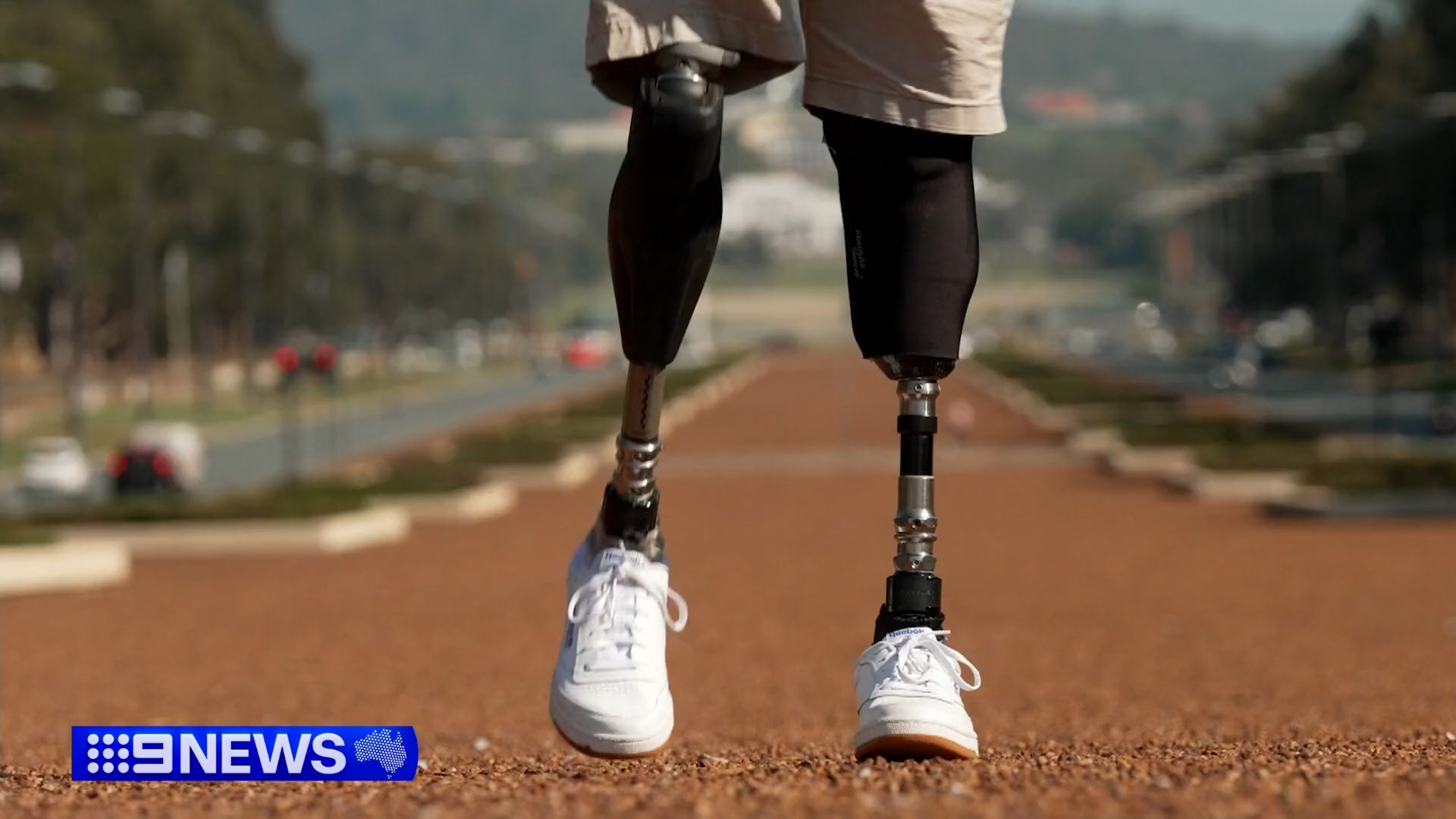
Damien Thomlinson's journey has been far from easy but he takes every step of it in his stride.
"You've just got to accept the fact you're always going to learn something each day and you're going to have to work hard," he told 9News.
The former Commando's life changed forever at just 28 years of age.
READ MORE: Mystery deepens in alleged mushroom-related death
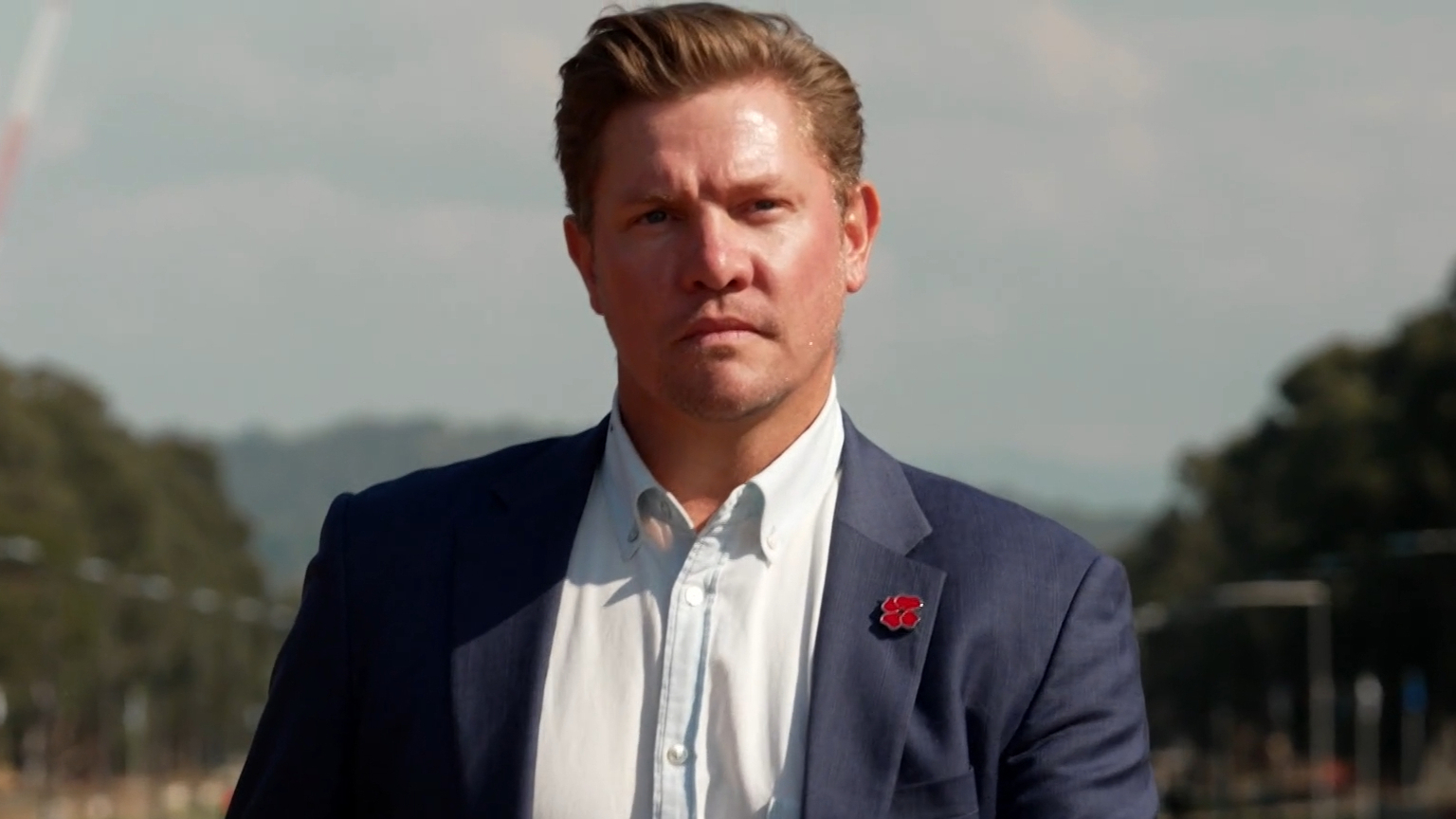
He was on night patrol in Afghanistan in 2009, when his unit drove over an improvised Taliban bomb, suffering severe injuries.
"At that stage it looked like I was going to be a triple amputee but luckily doctors worked their magic and saved the arm," he reflected.
Since the war, Thomlinson has fought many more battles.
He learned to walk again with two prosthetic legs and eventually took on the gruelling Kokoda track – a mission in memory of his mate, Private Scott Palmer, who died in a chopper crash one week before returning home.
READ MORE: Driver allegedly 'involved in domestic incident' before crash
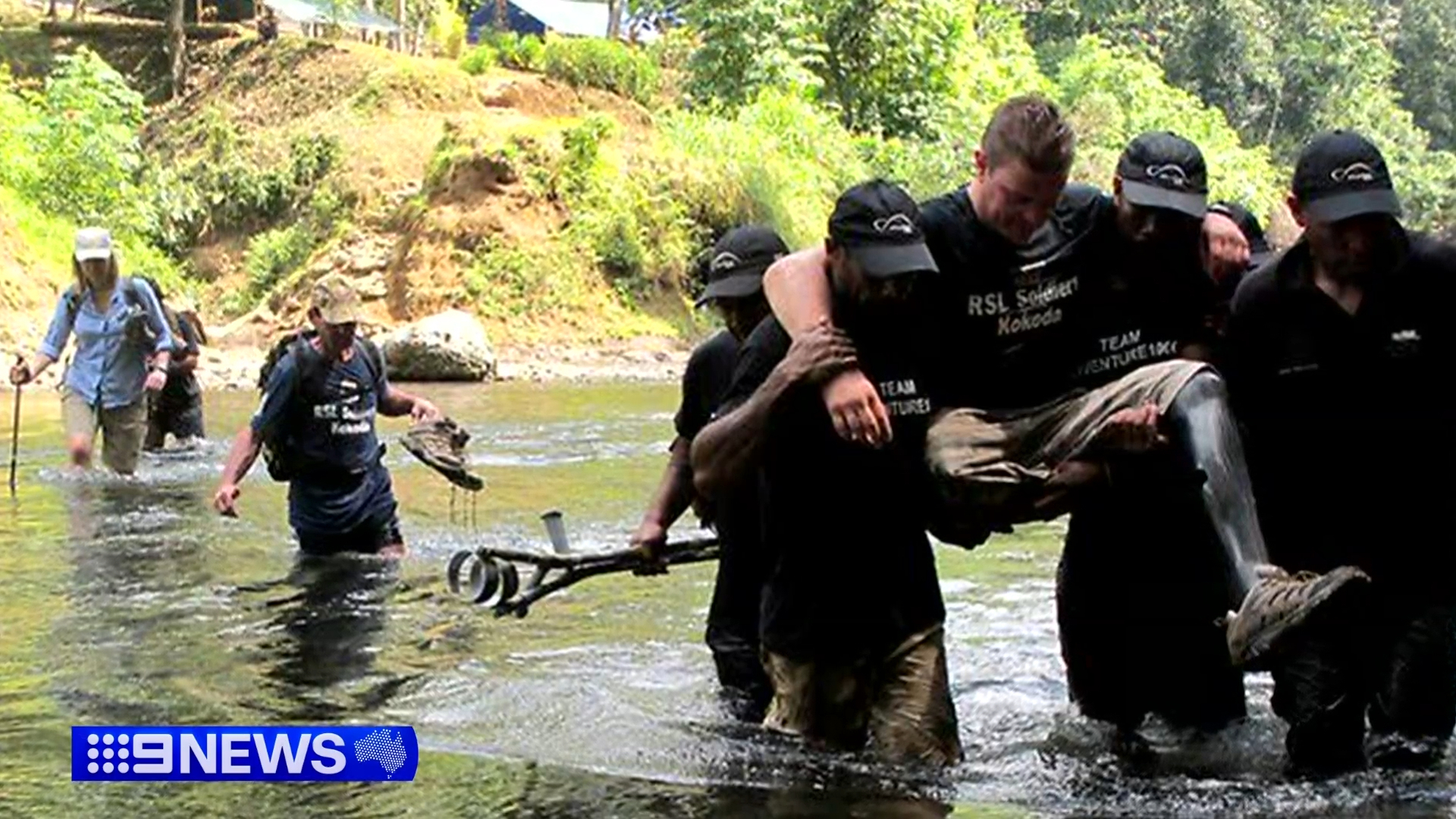
Speaking about his challenges to 9News, Thomlinson is both positive and proud.
"Mine, while they seem big in one photo are literally insignificant compared to someone who has lost a child, families who've lost husbands, or wives, or suicide when they've returned home… it literally pales in comparison."
"It's the way you look at it. I think I've been so fortunate I've got to live a life."
The ex-special forces soldier is now making history, as the first veteran to walk the new parade ground at the Australian War Memorial in Canberra.
He called the opportunity to stand on the sacred ground of Australian soldiers an "indescribable honour".
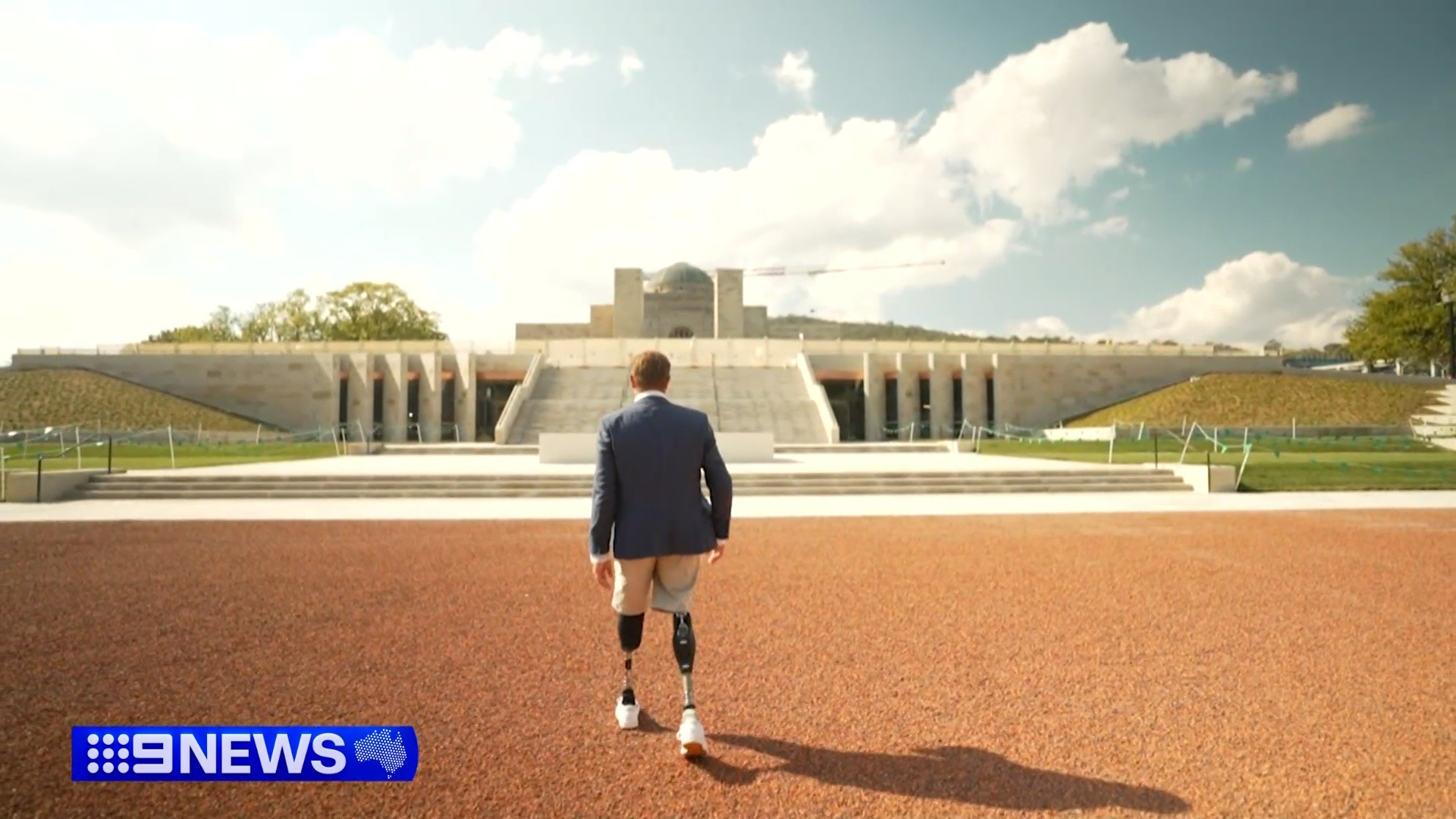
The Australian War Memorial has also selected Thomlinson to deliver the commemorative address this ANZAC Day, in a bid to inspire more veterans to get involved and on the national stage.
He will be the first non-government figure to do so, giving contemporary veterans a voice.
"I hope when people walk away from it they can say I'm proud to live in Australia," Thomlinson said.
"We can all just take that moment to be grateful for what we have and then respect the challenges that people faced to make that happen."
Director of the Australian War Memorial Matt Anderson personally extended the invitation.
"He represents the current veteran," Anderson told 9News.
"He represents the 100,000 veterans we've created in the last forty years. He served in our longest war.
"He was badly wounded and clearly he came home stronger as a result of it.
"That's what this place is all about. It's about giving meaning to all those who have served."
Thomlinson hopes his story will help strengthen more soldiers to share theirs too.
"There was a previous era where repressing our feelings and emotions was the way people dealt with it," he said.
"We've learned in the last fifteen years it's ok for men to cry."
Serious single-vehicle crash closes SH6 in Lower Buller Gorge
Police said there is no alternative route available, so motorists should delay travel.