Tag Archives: oceania

‘Major error’: Doctor wrongly diagnosed toddler with gastro before his death

A doctor who wrongly diagnosed a 19-month-old with gastro, days before he died of meningitis, has said the misjudgement was a "major error".

Paul Bumford told an inquest he was working his first shift at Wangaratta Hospital in north-east Victoria when an unwell Noah Souvatzis arrived on December 29, 2021.

The toddler had been holidaying with his parents, Ben and Steph, in nearby Myrtleford, when he became unwell, vomiting, crying for hours and had a high fever.

READ MORE: Man accused of murdering 23-year-old Victorian woman fronts court

He was earlier brought to an urgent care centre in the town after becoming severely lethargic and unable to keep fluids down.

A nurse at the Alpine Health facility noted symptoms of lethargy and being unable to keep fluids down before advising Noah be taken to hospital.

Dr Bumford, who was employed on a locum basis at hospitals across the state, clocked in more than an hour after Noah was admitted to the emergency department.

READ MORE: Cost of a supermarket shop rises by 33 per cent in nearly three years
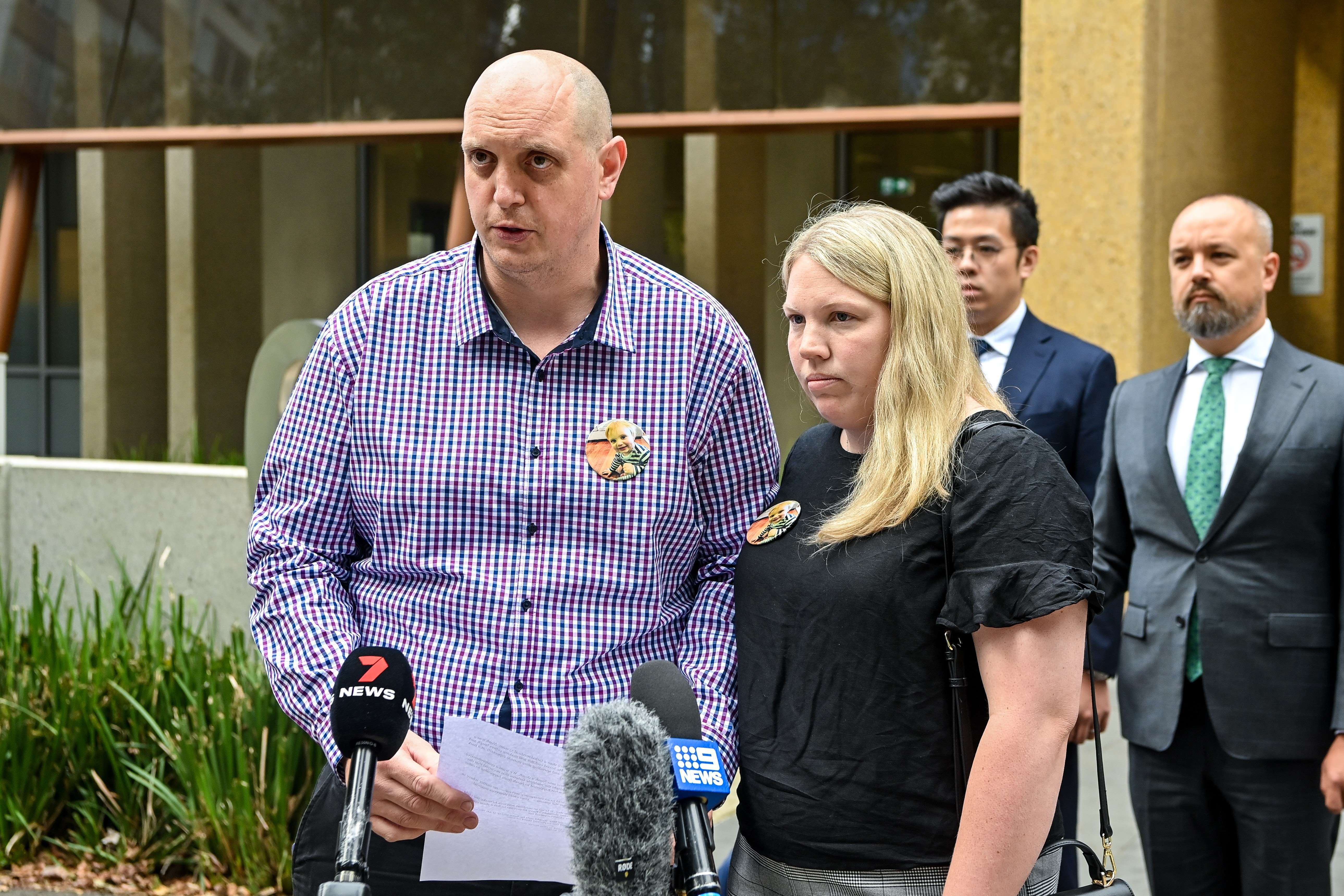
 Noah's parents remembered their son as a beautiful, gentle boy who loved cuddles and making others laugh and smile.

The toddler was discharged by Dr Bumford three hours after his admission, before he was brought back to the hospital by his parents hours later.

Noah was later flown to the Royal Children's Hospital in Melbourne, where he died from meningitis on December 31.

Dr Bumford "wholeheartedly accepted" meningitis and sepsis "should have been on my list, that was a huge error on my part".

He also said not correctly picking up the symptoms was "in hindsight is terrible from me but that's my honest answer".

"Obviously there have been a lot of failings on my part," he said.

"I put far too much weight on these observations when I should have looked at the bigger picture."

Dr Bumford said Noah's treatment and misdiagnosis constantly played on his mind.

"I've thought about (what I could have done differently) probably every day since it's happened," he said.

"A big problem for (the parents) was me not listening to them.

"I've thought about that a lot."

Dr Bumford said he received no onboarding from the hospital except for providing immunisation history.

"Obviously everyone looked very busy. I had difficulty finding someone to direct me into the actual department," he said.

"It seemed fairly chaotic and busy to me, but I didn't really have any reference point (for what the hospital was usually like)."

Outside the Coroner's Court on Monday, Noah's parents remembered their son as a beautiful, gentle boy who loved cuddles and making others laugh and smile.

"We want to prevent what happened to Noah from happening to other Australian kids," Souvatzis told reporters.

"We know our little boy would still be here today if all the medical services provided the expected level of care."

A Northeast Health Wangaratta representative on Monday conceded the care provided to Noah was not appropriate during his first presentation and apologised to his family.
Major rideshare platform appears set to exit Australia within days

One of the world's largest rideshare platforms, Ola, looks set to stop operating across Australia in a matter of days.

Both drivers and customers say they have received an email from the company, which says it is going to "discontinue operations in your area" on Friday.

Customers in Perth first reported the emails, but users in Sydney, Brisbane and Canberra also claimed to have received them.

READ MORE: Woolworths takes aim at US-based rivals in code of conduct review

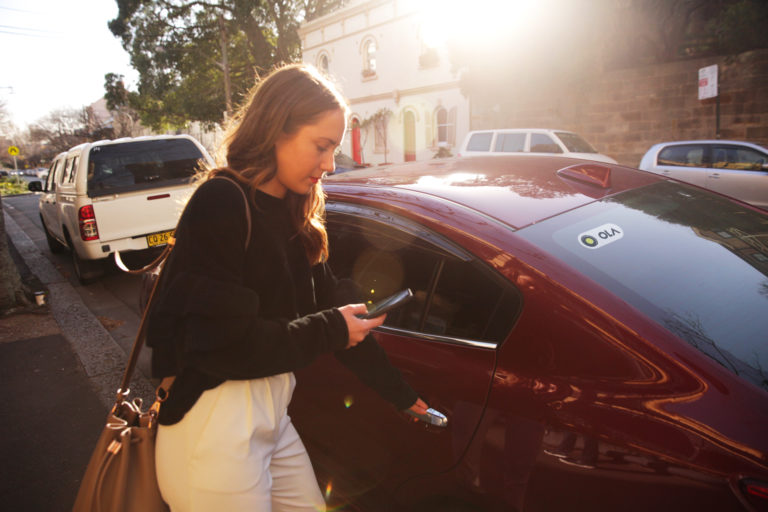
A woman using the Ola rideshare app.

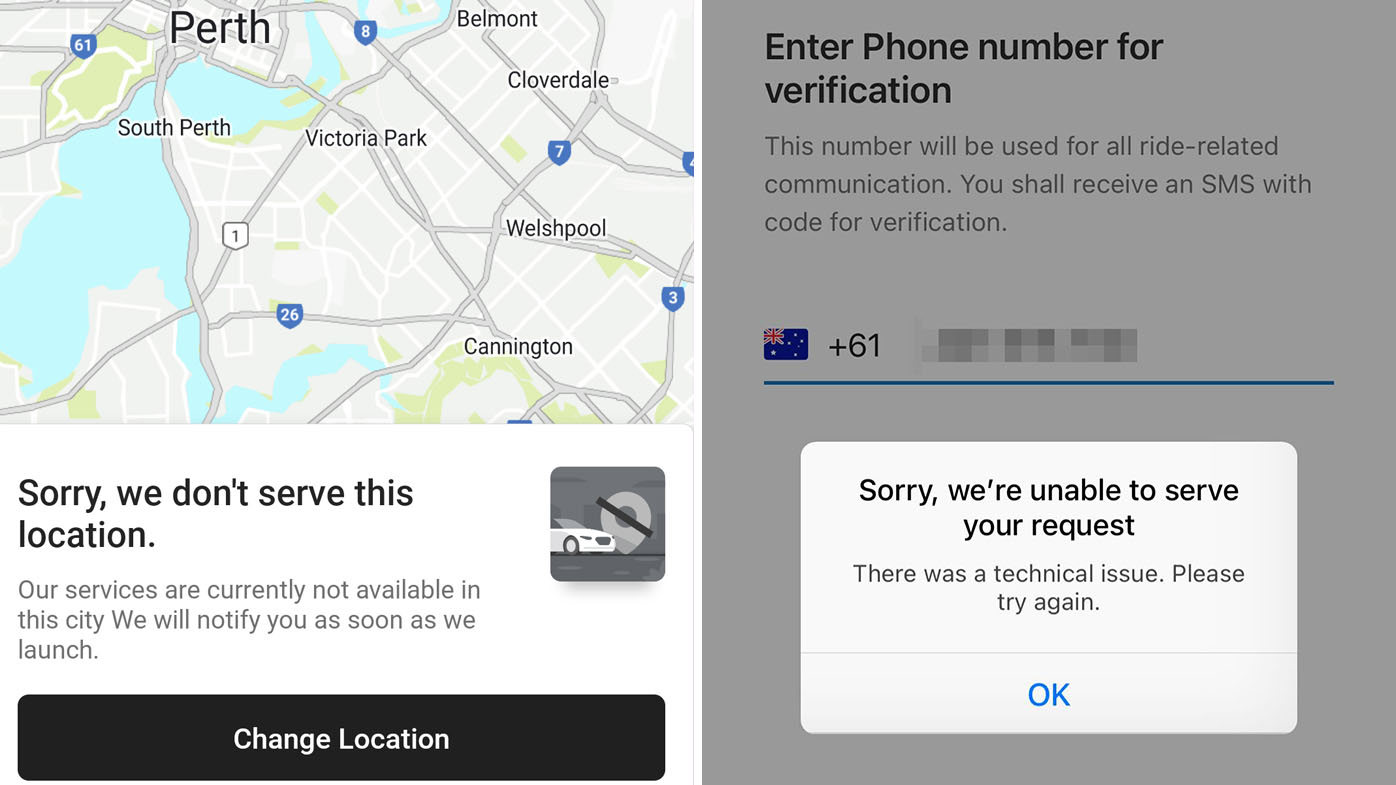
9news.com.au tried to book an Ola ride in Perth this morning, and was met with an error message saying: "Sorry, we don't serve this location. Our services are currently not available in this city."

Some users from outside Perth – including Sydney and Brisbane – have run into technical issues today.

"Ola will discontinue operations in your area on 12th April 2024," the email to customers says.

"This means that you will no longer be able to book any rides through your Ola app from that date.

"You must not take any rides with any vehicle purporting to be an Ola vehicle or Ola driver from 12th April 2024.

"Ola has not authorised any driver or any other party to use the Ola brand or provide rides on Ola's behalf."

READ MORE: Vice-Admiral David Johnston named new chief of the Australian Defence Force

Error messages received by Ola users in Perth (left) and Sydney (right).

The Transport Workers' Union said it was seeking an urgent meeting with the rideshare platform to ensure drivers are paid all their owed wages.

"Workers in the gig transport economy have for too long been ripped off minimum wage and other rights, and put under deadly pressure to prioritise speed over safety when delivering food," TWU secretary Michael Kaine said.

"We will seek an urgent meeting with Ola to seek the best possible outcome for affected rideshare drivers.

"This industry is cannibalising itself. Companies operating sustainable models that support workers are being forced out through unchecked supply chain pressure and exploitative competition from the likes of Amazon.

"Ola's exit shows how critical it is to get standards in place to lift pay and make transport gig jobs safe, secure and sustainable."

READ MORE: The cost of this supermarket shop rose by a third in just three years

One driver who uses the platform told 6PR radio he wasn't surprised that it was getting out of Perth.

"Customers weren't using it all. Ola stopped advertising and putting up promotions for their riders, so the support started to disappear pretty quickly," Chris said.

"I contacted Ola over a week-and-a-half ago and their response was 'yes, we're not going to support Western Australia anymore'."

Ola was founded in India in 2011, and claims to have a global user base of 150 million customers and a million drivers across Australia, the UK, India and New Zealand.

It began operating in Australia, including Perth, in 2018 as a competitor to Uber. Its website still lists Perth among the areas in Australia it services.

However, it majorly scaled back operations across Australia in late 2020, shutting local driver offices and making most of its staff redundant.

It hasn't posted on any of its Australian social media accounts since mid-2021, and an email from 9news.com.au to its local media team bounced back.

9news.com.au has contacted Ola's global media team for comment.

Zoo animals gallop around before eclipse throws them into darkness

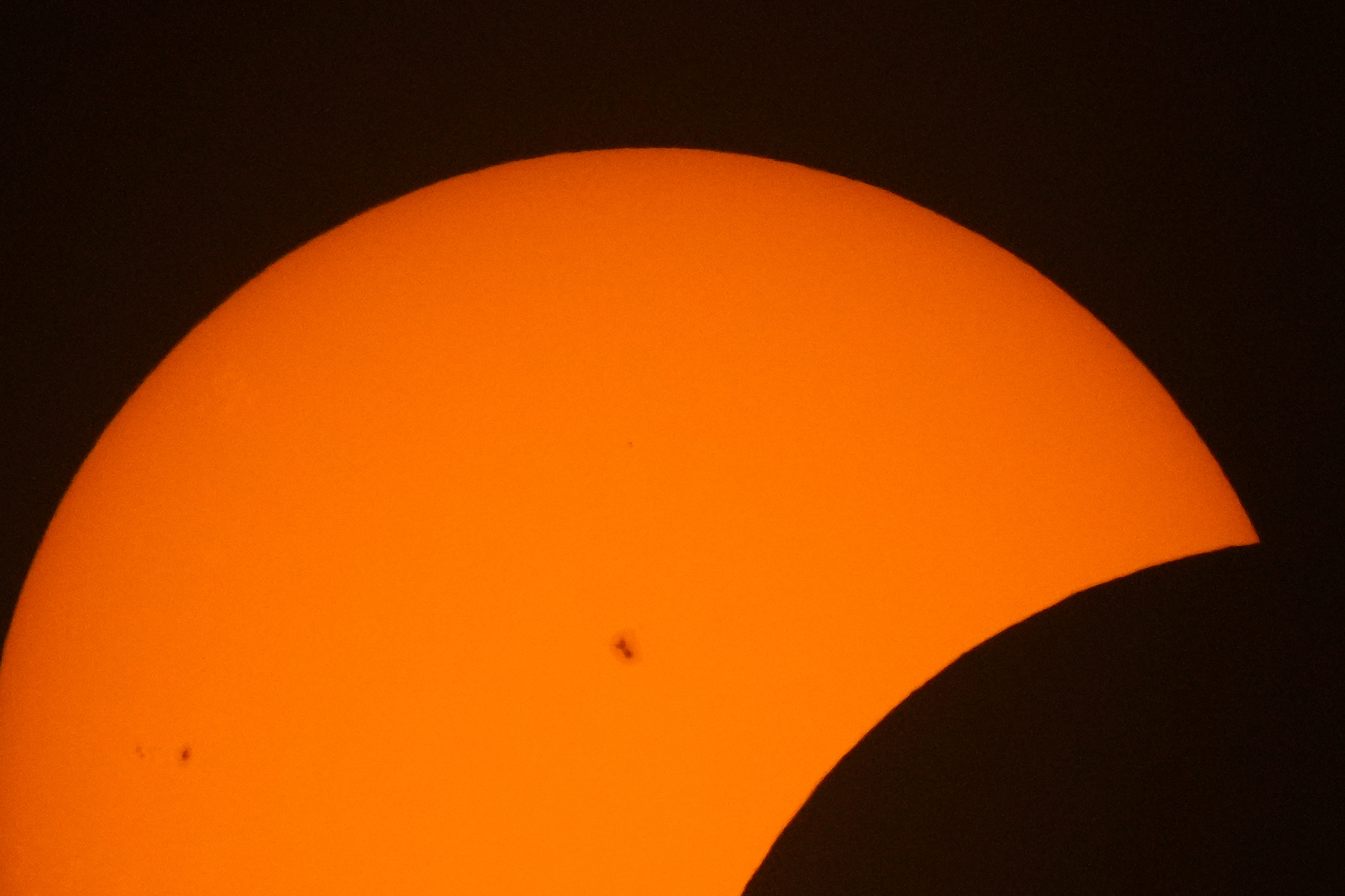
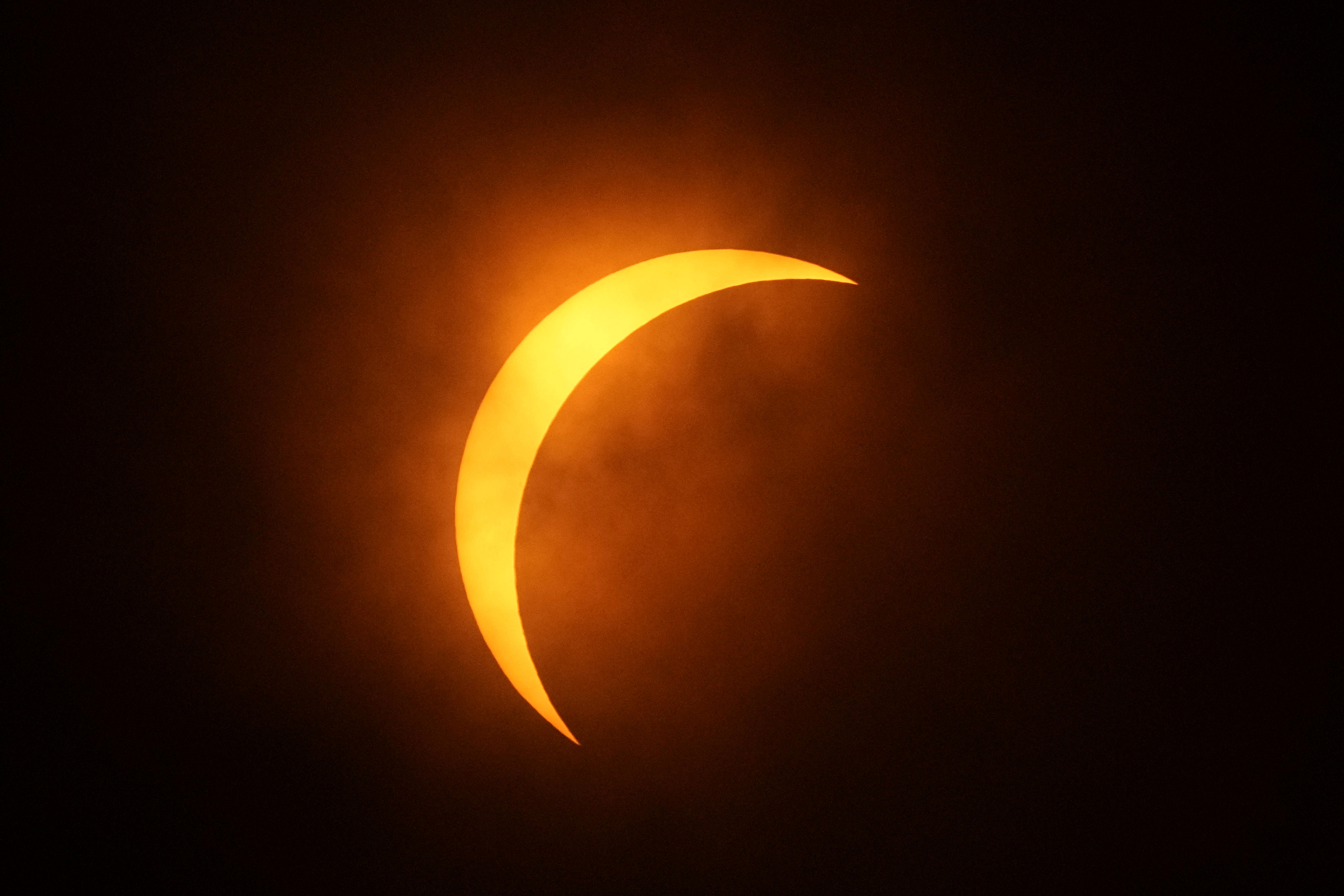
During Monday's full eclipse, the moon slipped right in front of the sun, entirely blocking it.

The resulting twilight, with only the sun's outer atmosphere or corona visible, was long enough for birds and other animals to fall silent, and for planets and stars to pop out.

At the Fort Worth Zoo, Adam Hartstone-Rose, a researcher from North Carolina State University, said most animals remained relatively calm.

READ MORE: When is Australia's next total solar eclipse?

One gorilla climbed atop a pole and stood there for several seconds, likely a sign of vigilance.

"Nobody was doing sort of bonkers behaviour," he said.

READ MORE: Man accused of murdering 23-year-old Victorian woman fronts court

Some daytime zoo animals were observed getting ready for bed, while nocturnal creatures, such as owls and ringtails, began to stir, according to researchers stationed at the Fort Worth Zoo and Dallas Zoo in Texas.

As Dallas Zoo slipped into total darkness, a jolt of well animal energy seemed to shoot through the grounds.

Just before the moon covered the sun for almost four minutes, a young giraffe and its mother galloped around the enclosure.

READ MORE: Millions turn out to watch solar eclipse cross North America

The zebras joined in the chase as well.

Elephants grouped together and appeared to head back to the area where they sleep.

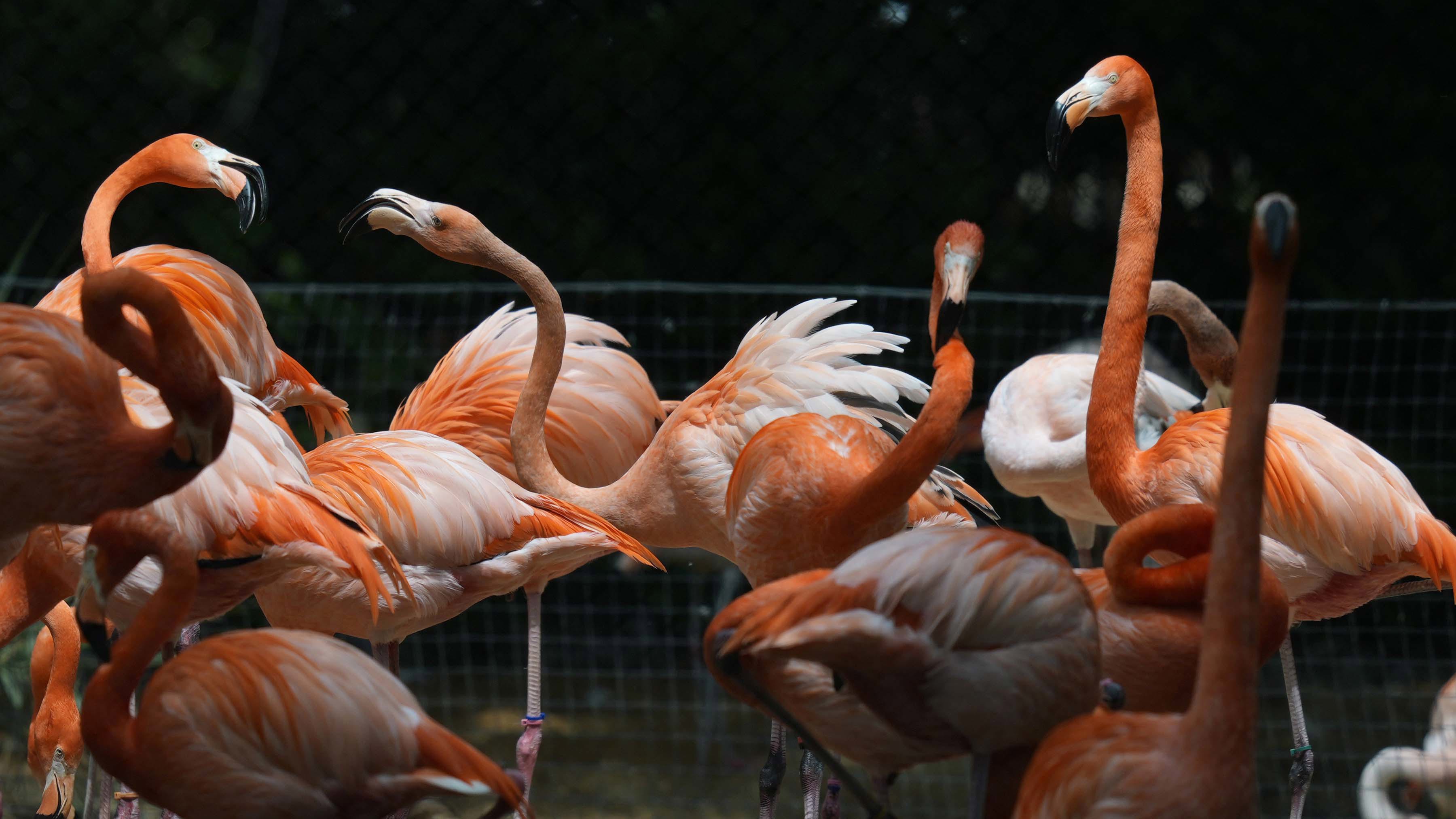
Flamingos packed together in the middle of a pond in their habitat.

Primates apparently also thought it was bed time.

READ MORE: Chechnya bans all music deemed too fast or too slow

Just before total darkness, an ostrich laid an egg and hovered over it for a time protecting it.

Zoo officials say it's not clear if the moment was caused by the eclipse but that the timing was certainly curious they said.

READ MORE: US woman claims 'God told her' to shoot at drivers because of eclipse

Lisa Van Sett, Associate Curator at Dallas Zoo said the animals' reactions "exceeded her expectations".

"There was a lot more activity than I expected to see out of the animals," she said.

Animal experts say the sudden darkness triggered a natural reaction among many of the animals.

"At night time predators go out a lot more. And so they have to kind of huddle together to be safety in numbers and in case something's coming. So they went into that instinct pretty quickly," Van Slett said.

READ MORE: Cost of a supermarket shop rises by 33 per cent in nearly three years

Texas Parks and Wildlife officials teamed up with NASA to set up acoustic recording devices to monitor the sounds of animals in the wild.

But not all animals were flustered or impressed by the total eclipse.

Tobogo the giraffe mostly walked around, unfazed ready to start chewing on the lettuce the humans feed him when the sun came back.

It is unclear what researchers around the USA found as they studied animal behaviour during the eclipse.

Chechnya bans all music deemed too fast or too slow

Authorities in the Russian Republic of Chechnya have announced a ban on music that they consider too fast or slow.

Minister of Culture Musa Dadayev announced the decision to limit all musical, vocal and choreographic compositions to a tempo ranging from 80 to 116 beats per minute (BPM) at a meeting on Friday, the Russian state news agency TASS reported.

"(I) have announced the final decision, agreed with the head of the Chechen Republic Ramzan Akhmatovich Kadyrov, that from now on all musical, vocal and choreographic works must correspond to a tempo of 80 to 116 beats per minute," Dadayev said, according to TASS.

READ MORE: CIA director presents new proposal for Gaza ceasefire and hostage deal

Under Kadyrov's directive, the region now ensures that Chechen musical and dance creations align with the "Chechen mentality and musical rhythm", aiming to bring "to the people and to the future of our children the cultural heritage of the Chechen people," Dadayev added.

The ban will mean that many songs in musical styles such as pop and techno will be banned.

Chechnya sits in the North Caucasus region between the Caspian Sea and the Black Sea.

It is an almost entirely Muslim republic, which includes part of Russia's border with Georgia.

Kadyrov has been leader since 2007 and has used his time in office to stifle any form of dissent.

There have also been reports of waves of violence against gay men.

Ramzan Kadyrov, leader of the Russian province of Chechnya.

In early 2017, United Nations human rights experts urged authorities to investigate allegations that gay men were being targeted and detained, and local media reported that some had been murdered for their sexuality.

Another wave of anti-LGBT persecution was reported in January 2019, when activists said dozens of men and women were detained and at least two died in custody.

In response, Kadyrov said there were no gay people in his republic, and that if there were any they should be taken away from the region.

The pro-Kremlin leader has also subdued the Chechen separatist movement that fought for independence from Russia for almost two decades.

In July 2020, the US State Department sanctioned Kadyrov for his "involvement in gross violations of human rights".

According to a statement from the then-Secretary of State Mike Pompeo, the department has "extensive credible information" of Kadyrov's responsibility "for numerous gross violations of human rights dating back more than a decade, including torture and extrajudicial killings".

The cost of this supermarket shop rose by a third in just three years

It's well understood that Australians are getting much less for their money during the cost-of-living crisis.

With inquiries underway and little relief in sight, 9news.com.au crunched the numbers by comparing a grocery shop from one of the major supermarkets in 2021 with the same one today.

The result? A shop costs one-third (33 per cent) more today than it did then.

READ MORE: Grape grower claims farmers being sized out

Supermarket shelves

A grocery shop of 18 everyday items cost $76.59 at the end of 2021, according to an itemised click-and-collect receipt.

We compared those items with their current prices and found the same shop would cost $102.43 now.

That's $25.84 extra for the same items.

Specials did play a part in the initial prices, while other external factors – rainfall, growing conditions and logistics – can play a part in the cost of produce items.

What prices increased?

The 2021 shop included ingredients for tacos, among other everyday items.

The biggest price changes were among non-perishable items.

Two taco kits were purchased for $10 in 2021 but it cost $17 to buy them today, which is a 70 per cent increase.

Another big increase was two bags of lollies that were $1.50 each but rose to $5, which is a 233 per cent increase.

It's believed they were on special for the original purchase and were not on special when the data was collected.

The price of chocolate has risen amid high demand and a supply deficit, which is reflected in the comparison.

A packet of Milky Top Freddos was purchased for $3.50 in 2021 but the same bag – not on special – costs $6 today.

A block of dark chocolate did not see the same inflation, only rising $1.

Shredded cheese also rose by $1.70 and washing liquid rose by 28 per cent.

READ MORE: How supermarket specials are hurting fruit and vegetable growers

Did anything decrease?

Most fresh fruit, vegetables and meat rose only slightly, but interestingly, apples stayed at the same price.

Broccoli and tomatoes were the only things to decrease in price.

Three tomatoes are 22 per cent cheaper now.

A head of broccoli cost $2.94 in 2021 but now costs $1.62, although the original head of broccoli could have been bigger than the one purchased now.

What does this price comparison reveal?

This comparison suggests you could be paying about 33 per cent more for each shop than you were about three years ago.

The price comparison is supported by a recent Australian Consumer Competition Commission (ACCC) survey that found young people and low-income earners are spending up to one-quarter of their income on groceries.

It also found others are skipping or sacrificing meals to feed their children.

READ MORE: Younger Aussies make sacrifices after spending one-quarter of income on groceries

Farmers have been struggling to remain profitable due to the purchase price of their produce being too low for some to make a profit.

Recently an Alice Springs grape grower told 9news.com.au he had to close his business because it was "impossible" for him to meet the standards of supermarkets and make a profit.

Another grower representative revealed to 9News.com.au that farmers were suffering from an increasing amount of supermarket specials.

The minimal change in price, or in some cases decrease, of meat and fresh produce reflects the distress farmers have been reporting to the Senate inquiry about their struggles to stay in profit.

READ MORE: How supermarket specials are hurting fruit and vegetable growers

The inquiry has been told the big supermarkets are abusing their power and should be broken up before there is a "societal breakdown", in the words of chairman and Greens Senator Nick McKim.

A review of the food and grocery code of conduct is urging hefty fines be imposed against major supermarkets for mistreating their suppliers.

It prompted Woolworths to call for other retailers like Amazon and Costco to be part of the code.

Shrinkflation

What the grocery shop hasn't taken into account is shrinkflation, when a product is reduced in size but prices stay the same or increase.

Consumer advocacy group Choice revealed 10 products that had been hit by shrinkflation in the first half of this year.

The price rises would hurt Australians less if it was isolated to only groceries but nearly everything is increasing due to inflation, which is not rising at the same rate as wages.

Interest rates have increased regularly since May 2022, going up 13 times in 15 months.