Jordan, 29, has not been seen for a week already.
Tag Archives: oceania
Investigation into deadly Queensland plane crash expected to take weeks, or longer
The investigation into the fatal crash of a firefighting surveillance plane in Queensland could take weeks or even longer, a top official said today.
The Turbo Commander propeller aircraft, leased from a Victorian aviation company, crashed near Mount Isa, in the state's north-west yesterday, killing three people.
Queensland Fire and Emergency Services (QFES) today gave an update on the tragic incident.
READ MORE: How a suspected mushroom poisoning case in a small Aussie town dominated headlines around the world
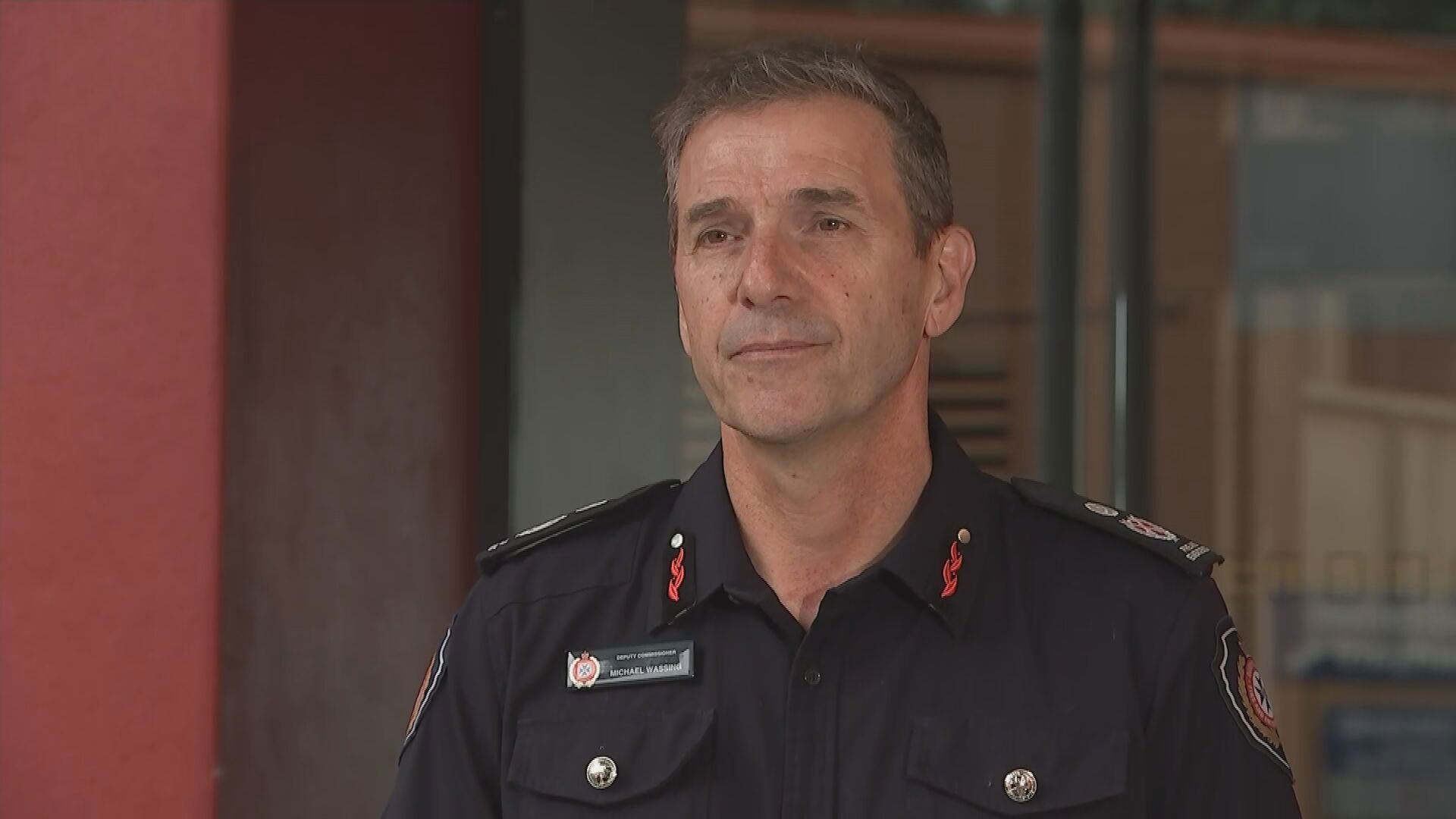
Deputy commissioner Mike Wassing said the three aerial surveillance crew killed in the crash had close connections with rural fire services in Queensland, New South Wales and Victoria.
"They were part of a very close community … they had worked very closely with our air operations personnel," he said.
He said QFES members were impacted by the incident and the organisation was working to support them through a trying time.
Wassing said the focus was now switching to getting investigators to the "very remote" crash site in the McKinlay area on the outskirts of Cloncurry.
He said the Australian Transport Safety Bureau would lead the investigation.

But he warned it was likely to "take weeks, if not months" to piece together what happened to the plane which was travelling from Toowoomba to Mt Isa to monitor firefighting operations, duties known as line scans.
Earlier today, Victorian aviation company AGAIR confirmed it was one of its aircraft involved in the fatal incident.
"During aerial fire surveillance operations an accident occurred with one of our aircraft," it said in a statement.
"We are all utterly devastated, and our heartfelt thoughts and prayers are with the families of our staff.
"Our sincerest gratitude to the first responders and QFES who are providing ongoing assistance to us."
READ MORE: Man charged with murder after body found in burnt-out tree trunk
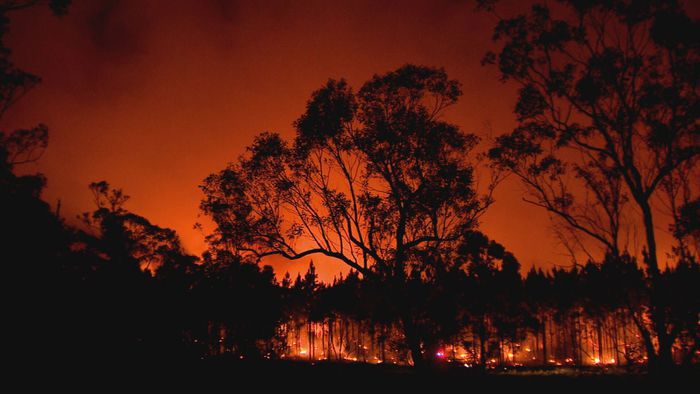
AGAIR chief executive Rob Boschen said the aircraft was a Turbo Commander, registration VH-HPY.
"Authorities have confirmed three of our valued, and dearly loved staff were the only occupants of the aircraft, and there were no survivors," he said.
"AGAIR will provide full assistance and support to all authorities in the course of their investigations."
Emergency crews spent hours travelling to the remote location yesterday in the McKinlay area on the outskirts of Cloncurry after a local resident called police at 2.30pm (3.30pm AEST).
Police said the Rescue 400 helicopter found the wreckage at 4pm (5pm AEST) "in difficult terrain" while ground crews made their way to the site.
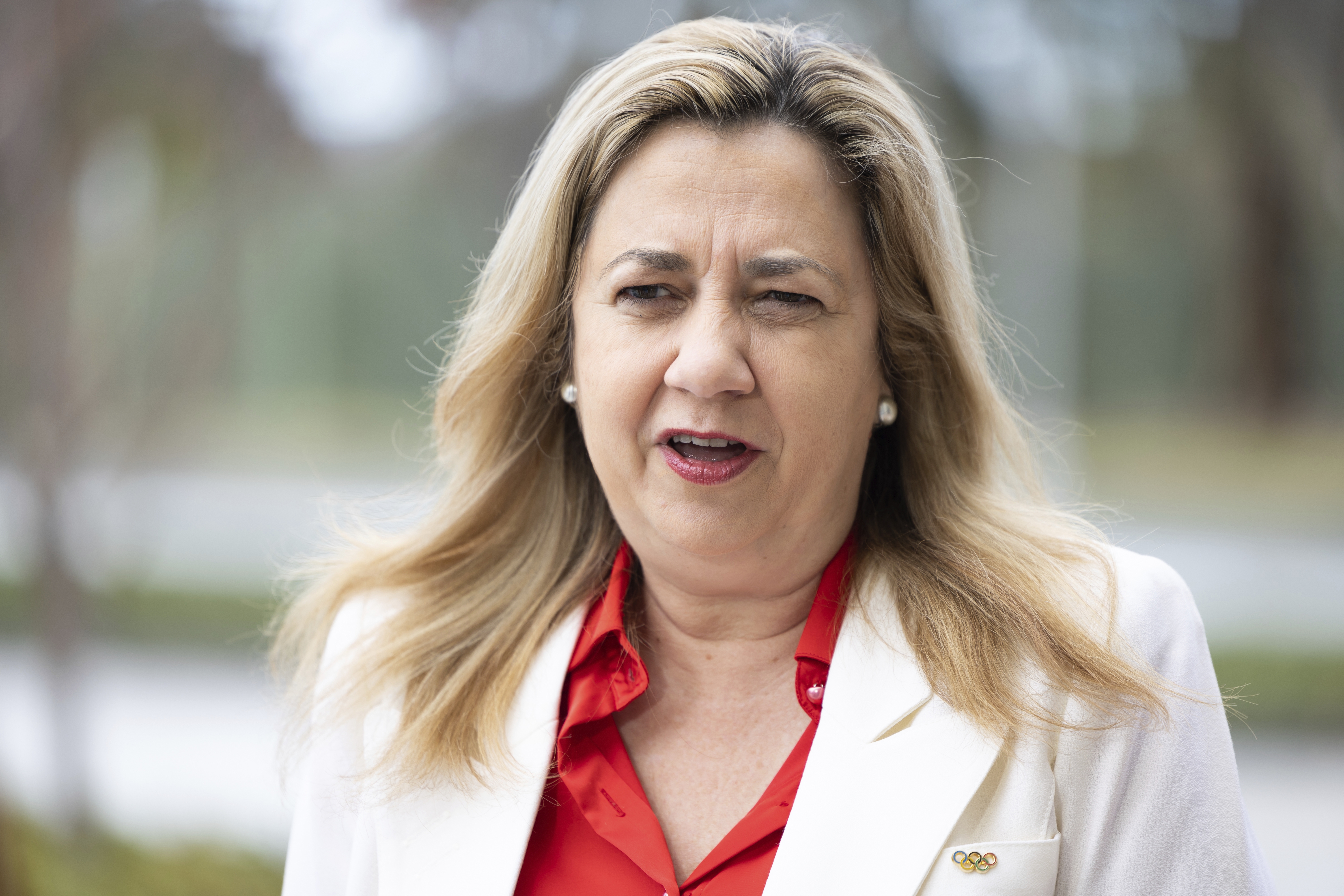
Yesterday Premier Annastacia Palaszczuk said in a statement the state was in shock.
"I'm deeply saddened to hear the news that an aerial firefighting crew have lost their lives after their plane went down north-west of McKinlay," she said.
"The crew onboard this aircraft have been doing everything they could to keep Queenslanders safe.
"I send my heartfelt condolences to the many people who have been impacted by this shocking incident."
Prime Minister Anthony Albanese, on his way to China, sent his condolences to the families of those killed.
"Terribly sad that three brave souls working to help their fellow Australians have lost their lives in Queensland," he said on X.
"A tragic reminder of the dangers those on the front line of bushfires face.
"Heartfelt condolences to their loved ones and colleagues in this time of grief."
The Australian Transport Safety Bureau (ATSB) will launch its own investigation into the crash.
"A team of transport safety investigators from the ATSB's Brisbane office with experience in aircraft operations and maintenance are preparing to deploy to the accident site," a spokesperson said last night.
"Over the coming days, investigators will conduct a range of evidence-gathering activities on site including site mapping, wreckage examination, and recovery of any aircraft components for further examination at the ATSB's technical facilities in Canberra.
"Investigators will also seek to interview any witnesses and involved parties, and collect relevant recorded information including flight tracking data, as well as pilot and aircraft maintenance records, and weather information.
"The ATSB anticipates publishing a preliminary report, which will detail factual information established during the investigation's initial evidence collection phase, in approximately six to eight weeks.
"The ATSB will publish a final report, detailing contributing factors and any identified safety issues, at the conclusion of the investigation.
"However, should any critical safety issues be identified at any stage during the course of the investigation, the ATSB will immediately notify relevant parties so appropriate safety action can be taken."
The Forensic Crash Unit will investigate the crash of behalf of the coroner.
No urban myth, the truth behind Sydney's Centennial Park Eels is even more fantastic
This slimy local resident of the murky ponds in Sydney's Centennial Park is a long-finned Eel.
They can also famously be seen in the Parramatta River, and countless waterways around New South Wales.
But Centennial Park is not obviously connected to a river or stream, so where on earth do these pond-dwelling eels come from?
The answer to this long-standing question lies over 2000 kilometres away in the French island of New Caledonia, and counts on every eel beating 20 million-to-one odds.
READ MORE: How Aussie town's suspected mushroom poisoning case made global headlines

It turns out these eels don't just appear in the inland park – they migrate through a near-miraculous journey over Golf Courses, Airport Runways and Pacific Islands, all to end up in Sydney's eastern Suburbs.
A spokesperson for Greater Sydney Parklands confirmed the famous Eels take the migration of Attenborough-like proportions.
"The long-finned eels found in Centennial Parklands are primarily born in New Caledonia," Claire Thompson, a park representative said.
Their birth reportedly takes place in the deep tropical waters of an ocean trench, over 2000 kilometres from Sydney.
READ MORE: Pablo Escobar's 'cocaine hippos' face Colombian government cull

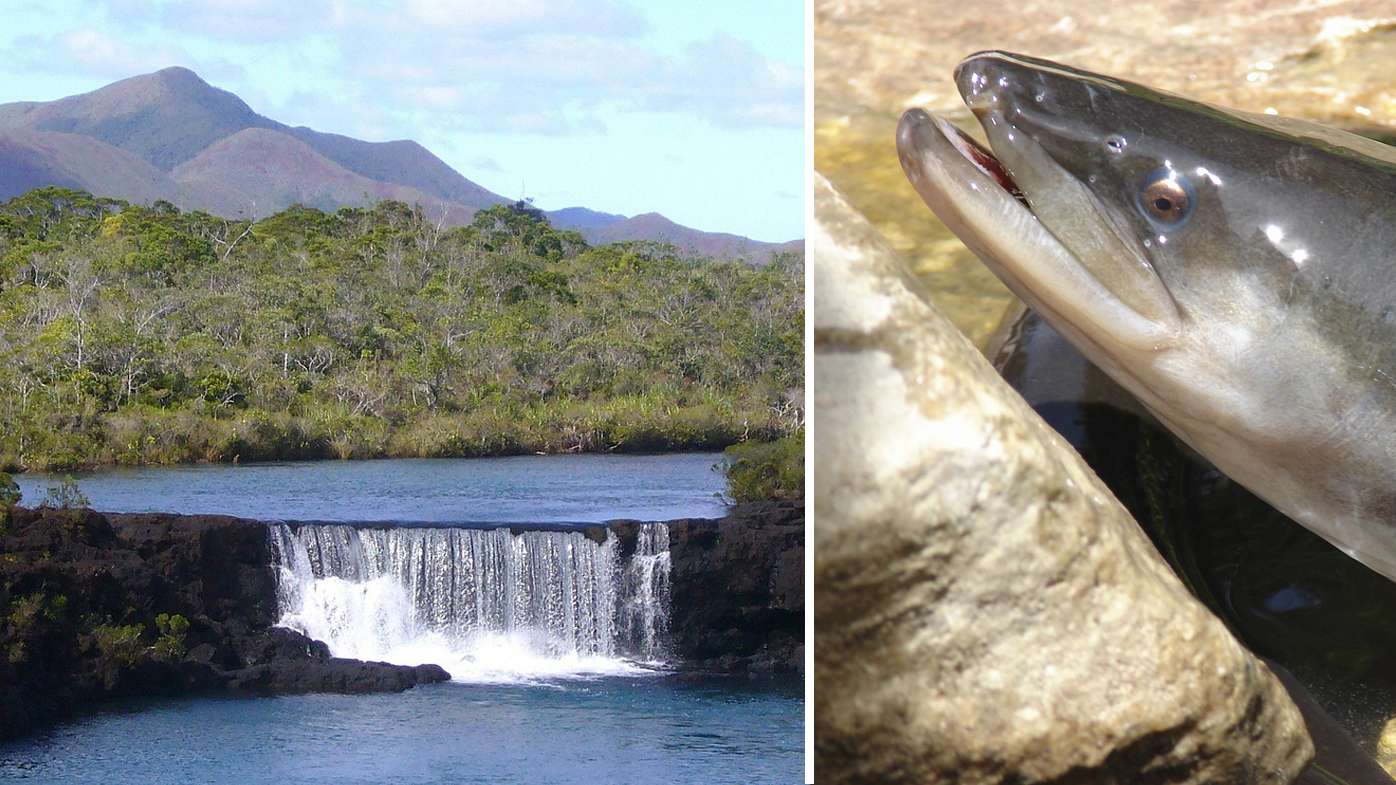
The eels are born in the ocean off New Caledonia, the pacific island north-east from Australia.
An ocean trench off the island's coast marks the beginning and end of the once-in-a-lifetime journey, and can be up to 10 kilometres deep.
There, the female eel produces around 20 million eggs, leaving each of them to fend for themselves.
After spawning, the adult dies – and for every million eggs produced, only one will live long enough to make it to maturity.
Once the junior eels arrive in Centennial Park, they can live there from 20 to 80 years time.
When the eels have grown into mature adults, towards the end of their lifespan, they make the entire trek again – in reverse.
This journey takes place in the autumn months in Sydney, when high rainfall makes it easier for the eels to transit to Botany Bay.
They also mostly migrate at night, due to their nocturnal nature.
Finally, they return to New Caledonia, now ready to give birth to a new generation of globe-trotting Eels.
How Aussie town's suspected mushroom poisoning case made global headlines
The small Australian town of Leongatha has never gained international attention like it has over the past three months.
The local news is usually dominated by petty crime, local council debates and sporting achievements. But that quickly changed when the town made global headlines when three people died after eating beef wellington while at a home-cooked lunch.
Victoria Police Inspector Dean Thomas echoed this sentiment on Thursday, saying the case was unlike anything he had ever seen.
READ MORE: Erin Patterson faces court after police lay murder charges over deadly meal

"Over the last three months, this investigation has been subject to incredibly intense levels of public scrutiny and curiosity," he told media, shortly after arresting Erin Patterson, the woman at the centre of fatal meal.
"I cannot think of another investigation that has generated this level of media and public interest, not only here in Victoria but nationally and internationally."
Within minutes of the Patterson's arrest, global media outlets were sending out alerts, including The Washington Post, BBC, the Los Angeles Times and CNN.
The case also piqued the interest of American weekly magazine People, who kept running tabs on the saga.
The New York Times even published an in-depth report into the timeline and background of the case.
The story was also picked up by American broadcast television network NBC, who covered the day-to-day developments.
READ MORE: Victorians warned to brace for extreme pollen levels
Patterson has since been charged with multiple counts of murder and attempted murder.
Heather Wilkinson, 66, her sister Gail Paterson, 70, and her husband Don, also aged 70, all died following the lunch on July 30 in Victoria's Gippsland region.
A fourth man, pastor at the Korumburra Baptist Church, Reverend Ian Wilkinson, also attended, and was only recently released from hospital after weeks of extensive treatment.
READ MORE: Rules tightened for Australians taking popular drug Ozempic


The Age crime reporter John Silvester said he couldn't remember another case gaining such worldwide interest over his career.
"It's one of the few cases that has really sort of attracted international curiosity," he told Today.
"The little town of Leongatha, we should remember is really grieving for three of its most favourite residents.
"It is a real case with real tragedy.
"At the same time, everyone's really curious about events of that particular lunch.
"This case is quite extraordinary."
Patterson has been remanded in custody to next face court on May 3.
The big difference in Northern Territory's heatwave this spring
Large parts of the Northern Territory are being warned to expect a severe heatwave to continue into early this week, but the culprit is not the usual one associated with hot spells.
The Top End is no stranger to heat, especially in the pre-monsoonal season, but it's been hotter than usual, reports Weatherzone.
Of the past 22 days, 16 have averaged above 38.5 degrees for the town of Batchelor, the gateway to the much-visited Litchfield National Park. That's the most for October and November since 2019.
READ MORE: Three people killed in light plane crash in Queensland
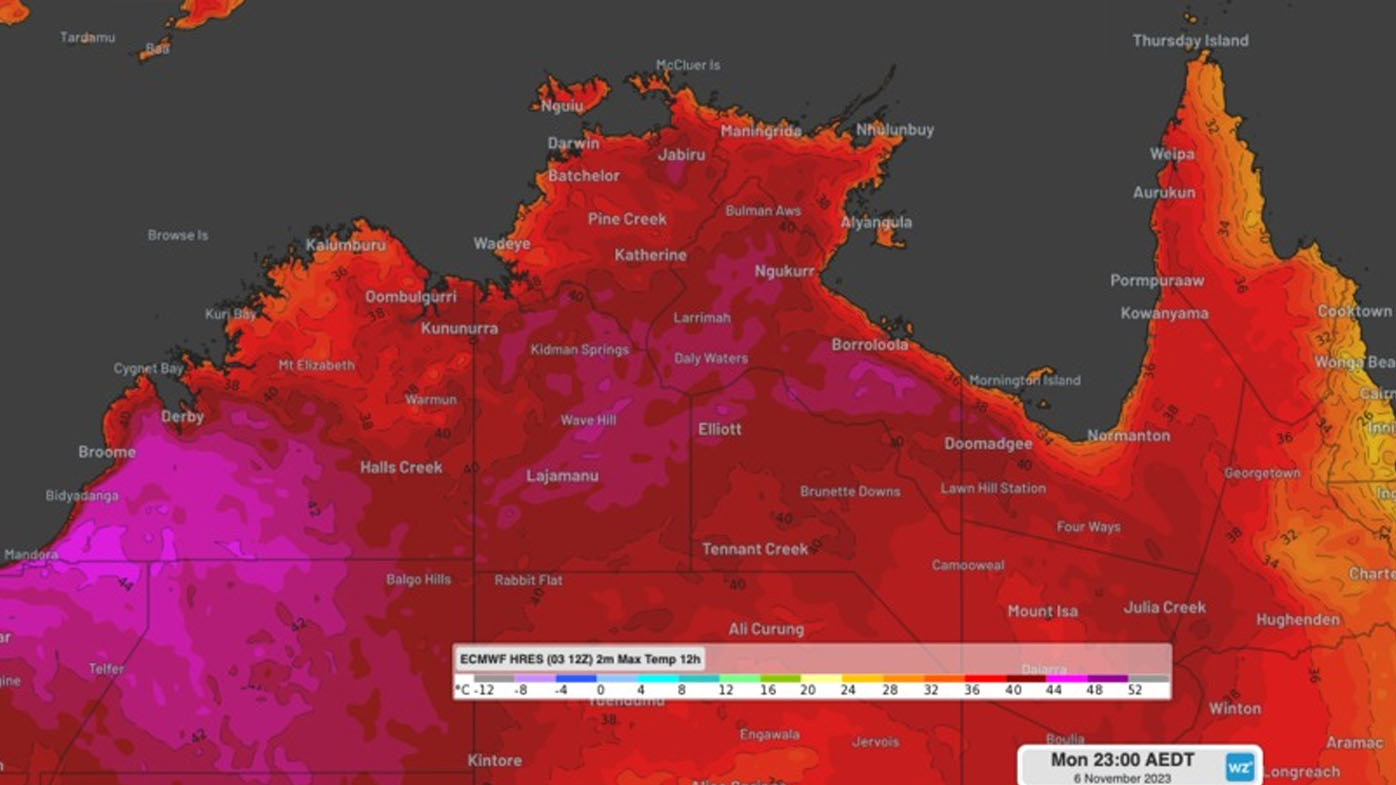
The town of Tindal, near Katherine, has also had a high number of near 40 degrees days this season, sitting on 23 since October 1, more than the number of such days for all of October and November in 2022. Every day except two have had a maximum temperature of 37 degrees since the beginning of October.
The Bureau of Meteorology issued a severe heatwave warning for the NT. Conditions are expected to last until tomorrow.
The culprit is not warm sea surface temperatures associated with extreme land conditions, but the cloudless skies over the Top End.
Unlike over waters off eastern Australia, current sea surface temperatures off the NT are close to average.
READ MORE: Albanese lands in Shanghai, the first Australian PM to visit China in seven years

Instead clear skies for more than 12 hours a day and no pre-monsoonal storm clouds above the land has caused heat to accumulate.
Despite humidity this year being at its lowest since 2019, the heat is making up for any respite NT residents might have.
Many are probably craving the monsoon, despite its very high levels of humidity.
But in an El Niño year, like this year, the monsoon typically arrives later than usual.
Court freezes gag order against Trump in federal election subversion case
A federal appeals court on Friday temporarily froze the limited gag order issued against Donald Trump in the former US president's election subversion criminal case in Washington, DC, allowing him to again speak freely with criticism of possible witnesses in the case.
In a brief order, a three-judge panel at the US DC Circuit Court of Appeals said they were pausing the gag order issued by District Judge Tanya Chutkan to give them more time to consider Trump's request to pause the order while his appeal plays out before the court.
The appellate judges – Patricia Millett and Cornelia Pillard, both Barack Obama appointees, and Brad Garcia, a Joe Biden appointee – said they would fast-track Trump's appeal of the gag order and hear arguments in the matter on November 20.
READ MORE: Pablo Escobar's 'cocaine hippos' face Colombian government cull

Trump has been attempting to hold off further restrictions to his ability to speak publicly since his arrest.
Justice Department prosecutors have so far successfully argued his speech should be curtailed because of how often Trump posts on social media about possible witnesses in his case, which could lead to potential harassment or hurt their credibility among his jury pool.
Chutkan had ruled against Trump's lawyers, saying the gag order was legal for the former president as a criminal defendant, even while he challenged it on constitutional grounds at the appeals court.
After Chutkan temporarily froze the gag order, Trump quickly resumed publishing allegedly intimidating posts about prosecutors and potential witnesses in the case on social media, prosecutors from special counsel Jack Smith's office told the judge when they urged her to reinstate the restrictions.
READ MORE: Car smashes into cafe in Sydney's west injuring four diners
In reinstating the order earlier this week, Chutkan noted that one such post targeting Trump's former chief of staff Mark Meadows would have "almost certainly" violated the gag order had it not been paused.
Now, the appeals court will consider whether it will grant relief to the former president in the matter.
"The prosecution's request for a Gag Order bristles with hostility to President Trump's viewpoint and his relentless criticism of the government — including of the prosecution itself," Trump's attorneys told the appeals court in a filing on Thursday.
"The Gag Order embodies this unconstitutional hostility to President Trump's viewpoint. It should be immediately stayed."
The order restricts Trump's ability to publicly target court personnel, potential witnesses, or the special counsel and his staff.
The order did not impose restrictions on disparaging comments about Washington, DC, – where the jury will take place – or certain comments about the Justice Department at large, both of which the government requested.
Gaza Palestinians living on two pieces of bread a day
The average Palestinian in Gaza is living on two pieces of Arabic bread made from flour the United Nations had stockpiled in the region, yet the main refrain now being heard in the street is "Water, water," the Gaza director for the UN agency for Palestinian refugees said on Friday.
Thomas White, who said he traveled "the length and breadth of Gaza in the last few weeks", described the place as a "scene of death and destruction". No place is safe now, he said, and people fear for their lives, their future and their ability to feed their families.
The Palestinian refugee agency, known as UNRWA, is supporting about 89 bakeries across Gaza, aiming to get bread to 1.7 million people, White told diplomats from the UN's 193 member nations in a video briefing from Gaza.
READ MORE: Israel admits airstrike on Gaza ambulance that killed and wounded dozens

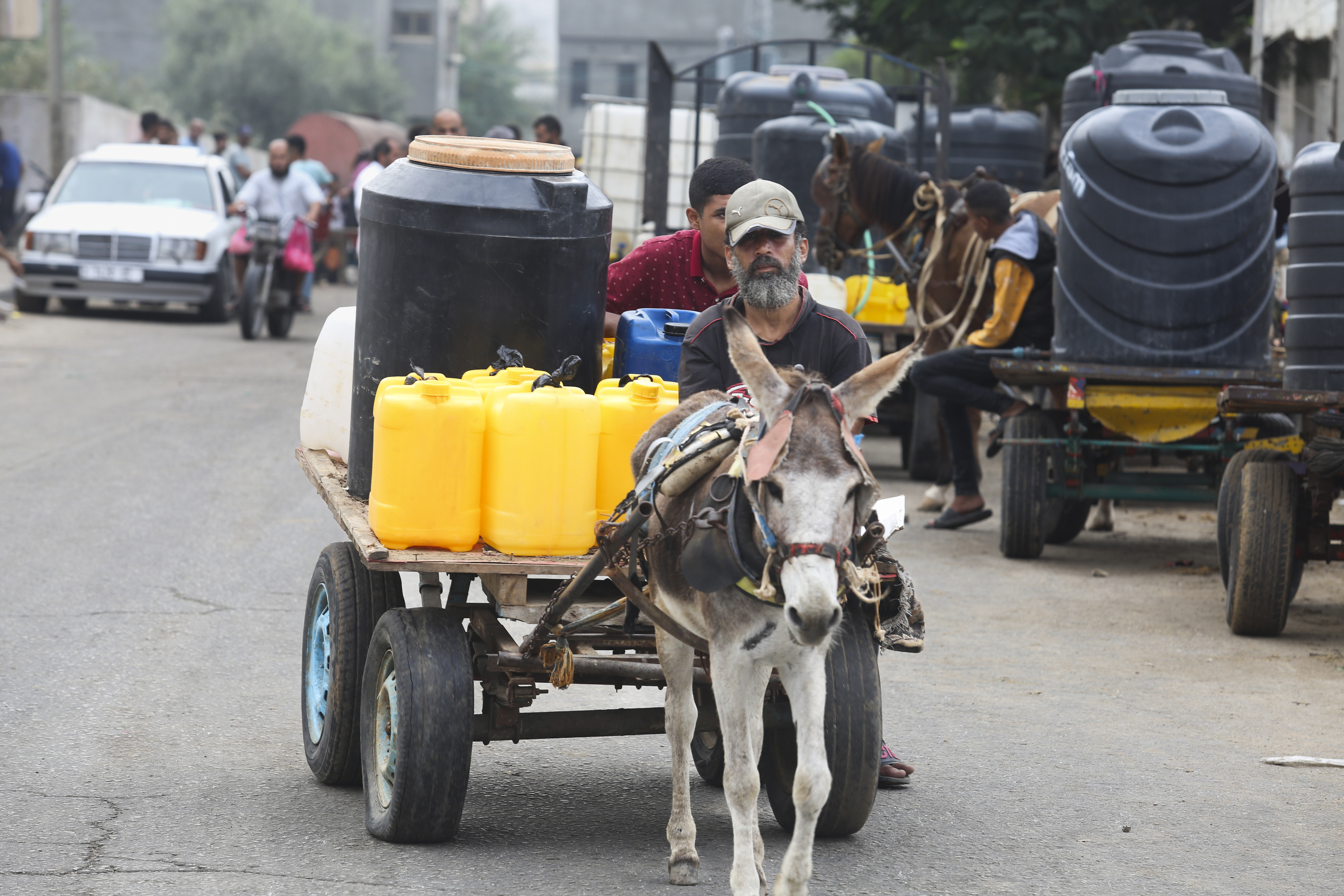
But, he said, "now people are beyond looking for bread. It's looking for water".
UN deputy Middle East coordinator Lynn Hastings, who is also the humanitarian coordinator for the Palestinian territories, said only one of three water supply lines from Israel is operational.
"Many people are relying on brackish or saline ground water, if at all," she said.
READ MORE: Blinken in Israel: 'We need to do more to protect Palestinian civilians'
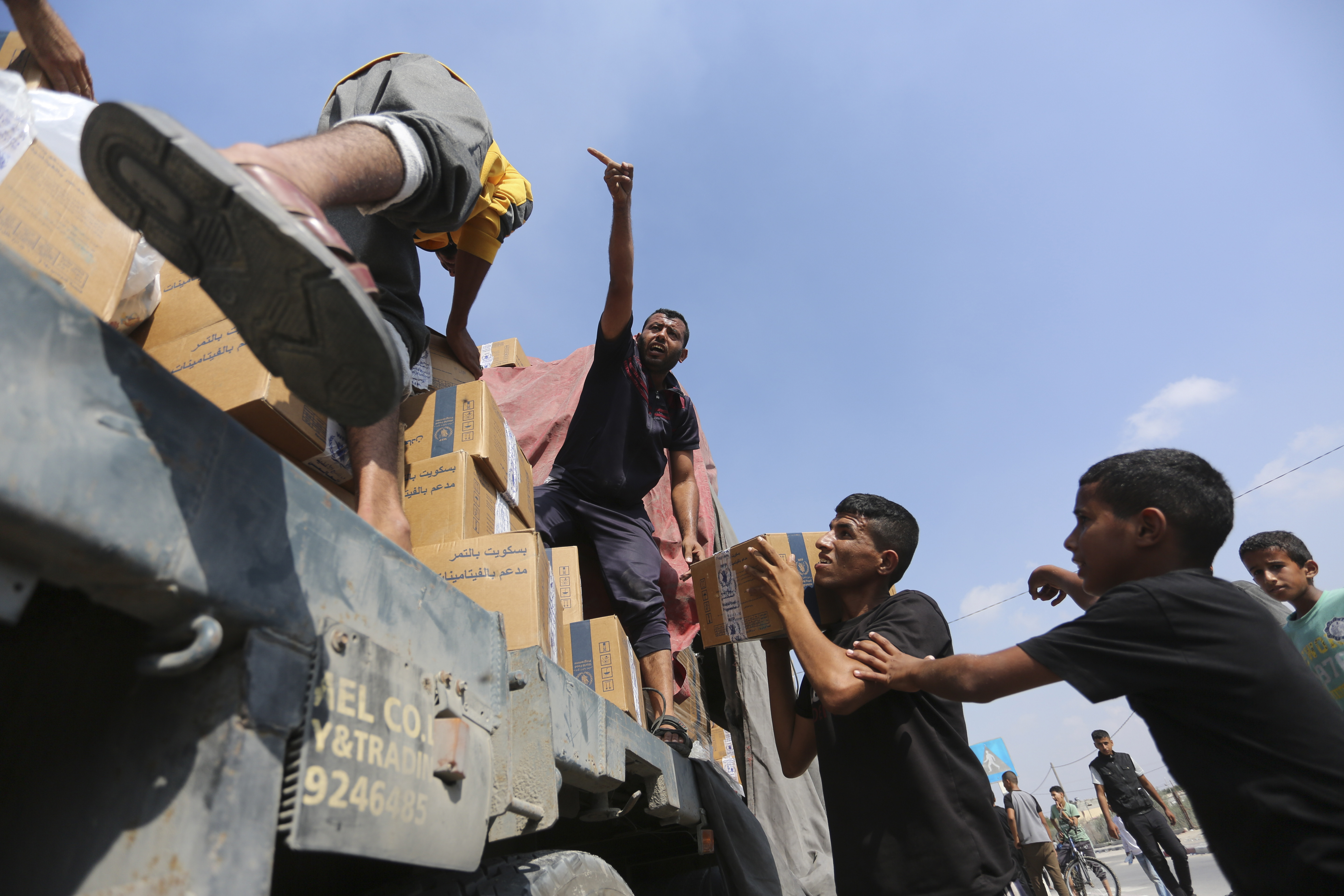
In the briefing, UN humanitarian chief Martin Griffiths also said intense negotiations are taking place among authorities from Israel, Egypt, the United States and United Nations on allowing fuel to enter Gaza.
Fuel, he said, is essential for the functioning of institutions, hospitals and the distribution of water and electricity.
"We must allow these supplies reliably, repetitively and dependently into Gaza."
Backup generators, which have been essential to keep hospitals, water desalination plants, food production facilities and other essential services operating "are one by one grinding to a halt as fuel supplies run out," Hastings said.
READ MORE: Australians flee Gaza as Egypt crossing opens
White pointed to other major problems.
Sewage is not being treated and instead is being pumped into the sea, he said. "But when you speak to municipal workers, the reality is once their fuel runs out, that sewage will flow in the streets."
In addition, he said, cooking gas that was brought into Gaza from Egypt by the private sector before the war is increasingly in short supply. Aid organisations like UNRWA "are not going to be able to step in and replicate the network of distribution by the private sector for this essential item," he said.
White said close to 600,000 people are sheltering in 149 UNRWA facilities, most of them schools, but the agency has lost contact with many in the north, where Israel is carrying intense ground and air operations following Hamas' surprise October 7 attacks.
An average of 4000 displaced people in Gaza are living in the schools without the resources to maintain proper sanitation, he said.
"The conditions are desperate," with women and children sleeping in the classrooms and men sleeping outside in the open, he said.
The UN can't provide them safety, White said, pointing to over 50 UNRWA facilities impacted by the conflict, including five direct hits.
"At last count, 38 people have died in our shelters. I fear that with the fighting going on in the north right now, that number is going to grow significantly," he said.
READ MORE: 'Children carrying injured children': Witness describes refugee camp horror
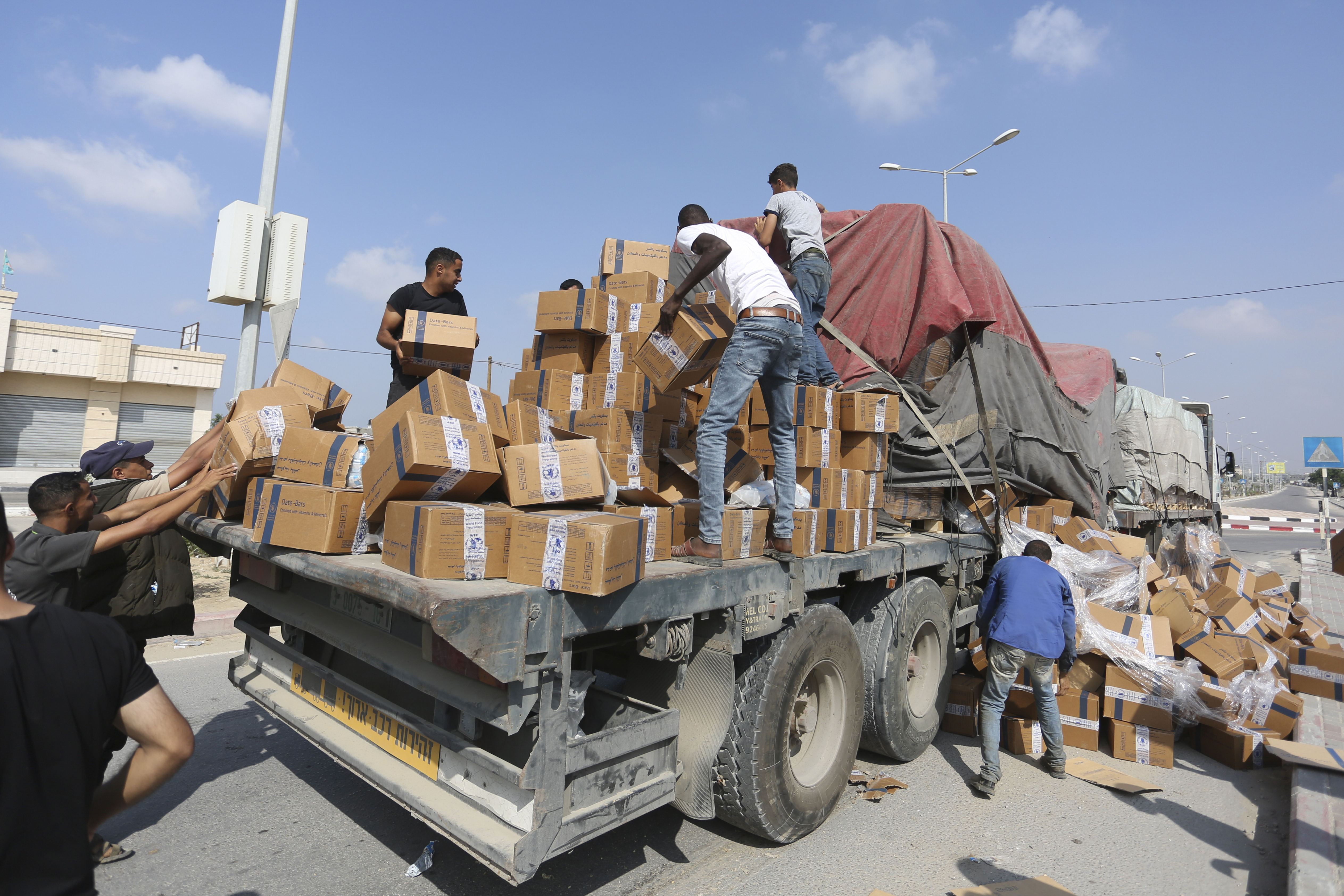
Griffiths, the humanitarian chief, said 72 UNRWA staff members had been killed since October 7.
"I think it's the highest number of U.N. staff lost in a conflict," he said.
The Gaza Health Ministry's total of more than 9000 people killed in Gaza is four times as many deaths as during the 50-day conflict between Israel and Hamas in Gaza in 2014 when just over 2,200 Palestinians were killed, Griffiths said. He added that the real toll will only emerge once buildings are cleared and rubble is taken away.
Griffiths called for humanitarian pauses to get aid to millions of people. He also urged the immediate release of all hostages and protection of all civilians by both sides as required under international humanitarian law.
UN Secretary-General Antonio Guterres has repeatedly called for a full cease-fire, and Riyad Mansour, the Palestinian UN ambassador, criticised Griffiths for talking about humanitarian pauses, something the United States is also urging.
This means "Israel continues killing the Palestinians, but gives us few hours every now and then, in order to get food and other stuff," Mansour said.
He said a cease-fire is essential to save lives, saying that "almost 50% of all the structures in the Gaza Strip" have been destroyed by Israel and the situation for Palestinians "is beyond comprehension and beyond description."
"It requires all of us to do everything that we can to stop it," he said.
Beloved border collie reunited with family after alleged robbery
A border collie named Phoenix has been reunited with her family after police tracked down the dog at a home in Queensland.
The canine was reported missing after an alleged violent robbery in Kelso, Townsville on Thursday night.
Police shared footage of the adorable recovery.
"Hey puppy," one officer can be heard saying as they look behind a tarpaulin on the home's garage when they first arrive at the home.
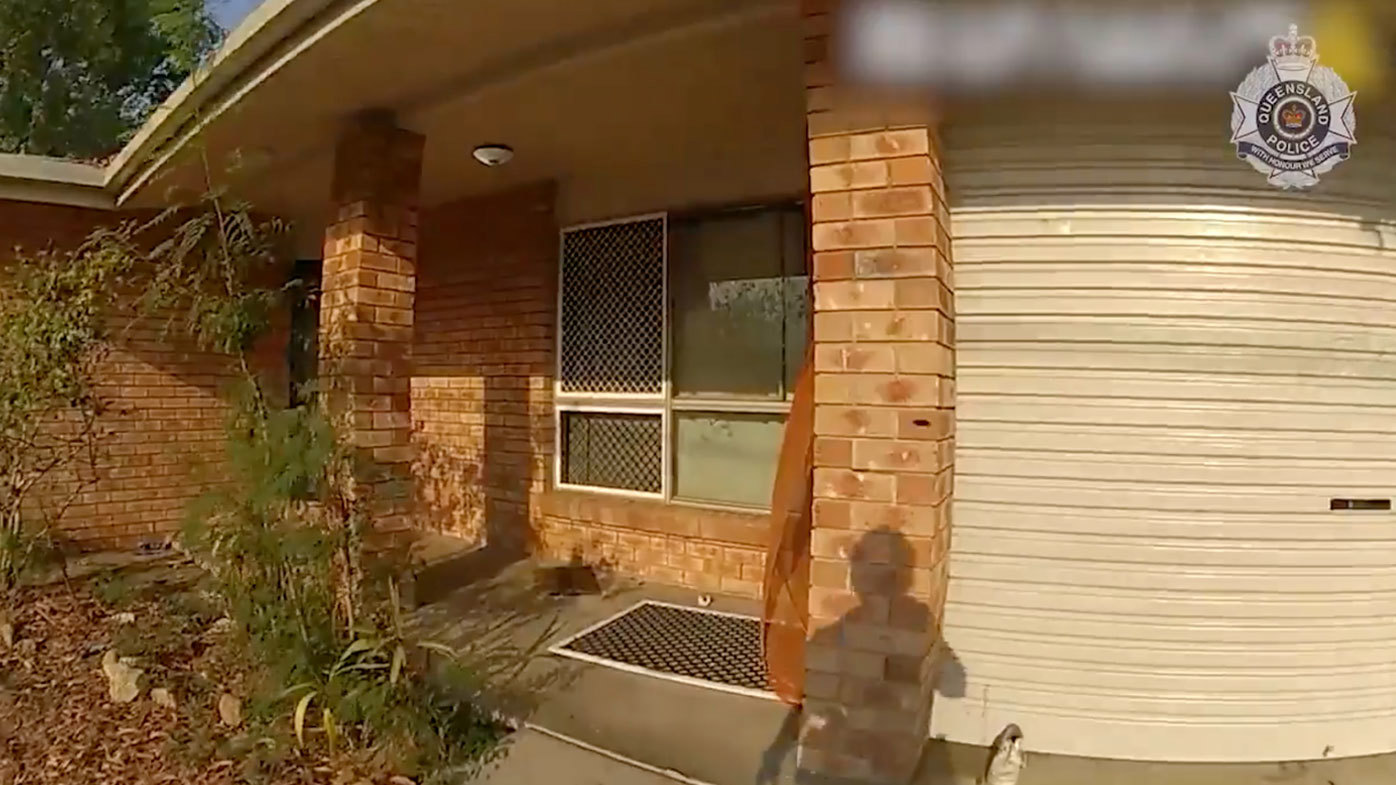

She says the name "Phoenix" as they confirm they've found the dog and car they're looking for.
As they open the roller door of the home, the dog appears to be trepidatious.
"Come on, you're OK," one officer on all fours says to Phoenix as they look under the vehicle.
The other officer, apparently talking on her radio, says "she's very scared".
Eventually the officers are able to reach the dog, who appears excited, its tail wagging happily.
Police said they also found an allegedly stolen black Ford Ranger ute.
READ MORE: Car smashes into cafe in Sydney's west injuring four diners

A 29-year-old man from Rasmussen has been charged with unlicensed driving, robbery, stealing and two counts of assault occasioning bodily harm.
A 28-year-old Oonoonba woman was charged with common assault.
They were both refused bail and were due to appear in Townsville Magistrates Court on Saturday.
The Great New Zealand Road Trip, Diary Day 5: Hello, Pork Pie: Famous NZ movie car found hidden in storage locker
A hidden treasure uncovered on the Great NZ Road Trip.
The Great New Zealand Road Trip: The former West Coast mayor donating his pension to bolster his beloved community
Former Grey mayor Tony Kokshoorn waxes lyrical about his beloved West Coast.