“They have got to realise how much risk their kids are getting into.”
Tag Archives: oceania
Home of Māori theatre company Taki Rua, gets heritage status
Community support for the listing was strong, with only a few opposing submissions.
Most popular regional destinations in Australia
The number of Aussies heading to the country's regional holiday hotspots has surged compared to pre-COVID-19 pandemic levels, according to new data
'Sea level change is going be a big awakening for Australia': Antarctic scientist
Australia's Antarctic explorers often say your first expedition is for the excitement, your second trip is for the money.
The third time you go? You must be crazy.
Dr Andrew Klekociuk has kept going back for over 30 years – so what does that make him?
READ MORE: How hot is too hot? Calls for workplace overhaul ahead of El Niño summer
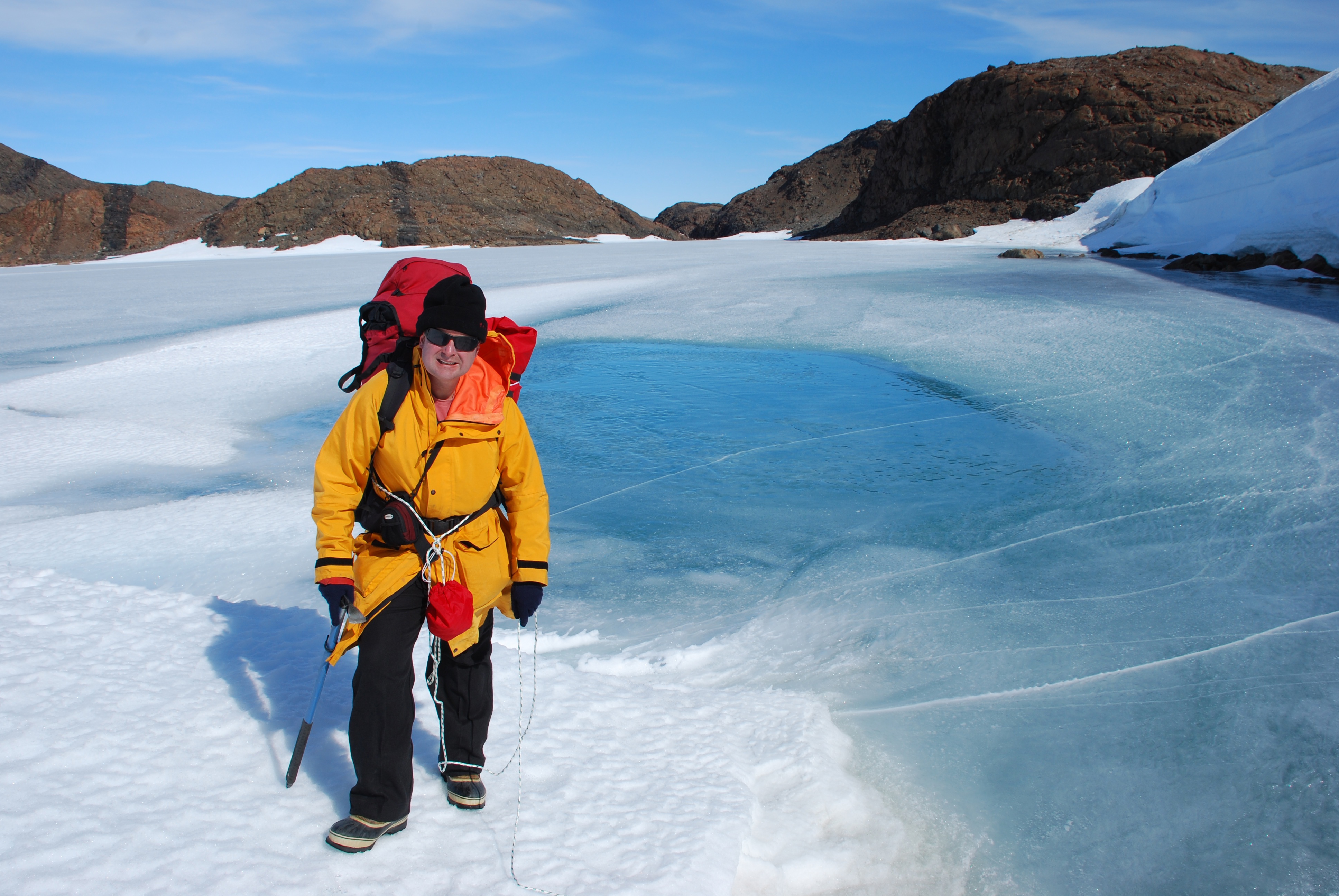
Klekociuk took his first expedition to the frozen frontiers of Antarctica in 1987.
Thirty-five years later, he's the leader of Australia's Antarctic Climate Program with the government-run Australian Antarctic Division.
That means he's better qualified than almost anyone to talk about climate change in the South Pole.
And with alarming news coming out of Antarctica on a weekly basis, he has a warning backed up by his decades of experience.
Change is in the air
Reports indicate that huge chunks of Antarctica's ice failed to form over the last winter.
The astounding figure for the loss is somewhere around 1.5 million kilometres of ice – or an eight per cent loss this year.
From Australia's home base for Antarctic expeditions in Hobart, Klekociuk said that "record underperformance" paints a grim picture for the 21st century.
"Sea level change is going be a big awakening for Australia," he told 9news.com.au.
The consensus prediction among climate scientists is at least one metre of sea level change by the end of the century.
"But it could easily be as many as five", he said.
"Imagine Bondi Beach or Darling Harbour – now put five metres of water on top of that."
READ MORE: Piece of ice the size of the Northern Territory missing from Antarctica
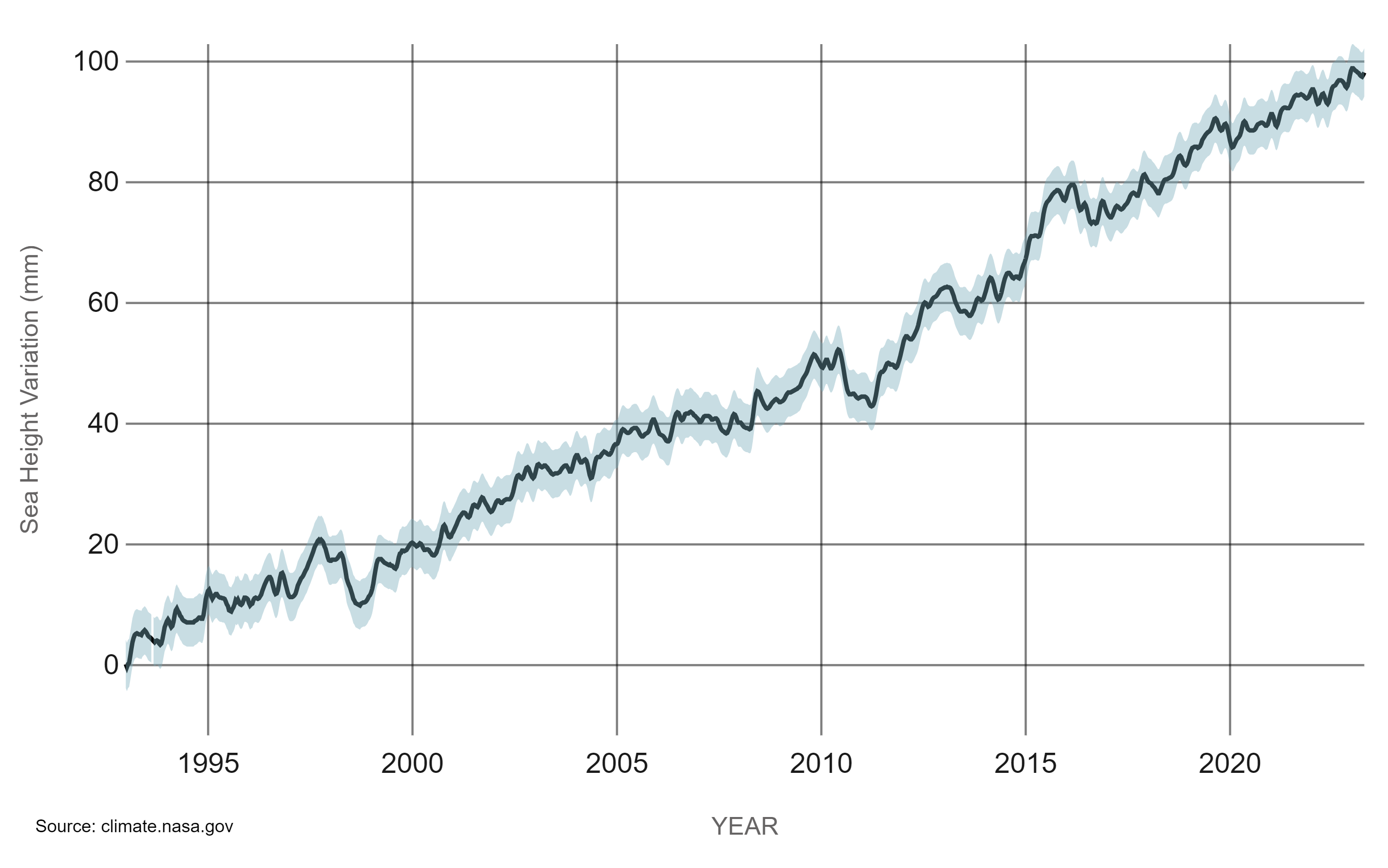
He said the Southern Ocean can only buffer us from so much climate change.
Currently, Greenland glaciers melting are the highest contributor to sea level rise.
But he predicts Antarctica will take over as the driver of sea level change in the next decades, as more Antarctic ice melts with every passing year.
"In March of last year, there was a heat wave in the region where temperatures were recorded in excess of 30 degrees above the average what you'd expect below zero," Klekociuk said.
According to the Australian Antarctic Program's top climate scientist, these destructive and expensive changes were a question of when, not if.
"For me, sea level change is the biggest concern," he said.
"We just can't shrug it off. It's going to happen.
"It's just a matter of where we get to within a reasonable time frame to take action."
Klekociuk admitted that estimates in the upper range can be uncertain.
He said that even if sea levels only change by a metre, the price tag for the world to repair its infrastructure could run into the trillions of dollars.
Another of Australia's Antarctic climate experts, Dr Nathan Bindoff from the University of Tasmania, told 9news.com.au extreme changes in sea level couldn't be ignored.
In the most extreme predictions for the year 2300, the changes would be unfathomable.
In those circumstances, "sea level rise greater than 15 meters cannot be ruled out," he told 9news.com.au.
"This is a new abnormal, completely outside our understanding of the instrumental record."

Life on the frozen continent
Australia looks after its own slice of Antarctica, and on it, operates several year-round research stations.
These are the year-round homes of the Australian Antarctic Division, which Klekociuk has made the icy trek to and from over the years.
Asked which of the stations was considered the favourite of Antarctic explorers, he mused, "Davis has its charm, low hills and lakes".
"Casey is different too," he said, citing its wilder weather but more connected feel with its Airlink and runway.
But Mawson station, Klekociuk says, is the "real Antarctica – the epitome of Antarctica" – separated from the rest of the world by thousands of kilometres and surrounded by "gnarly mountains".
It's a minimum of 10 days to the station from Hobart by boat, which makes emergencies a matter of life and death.
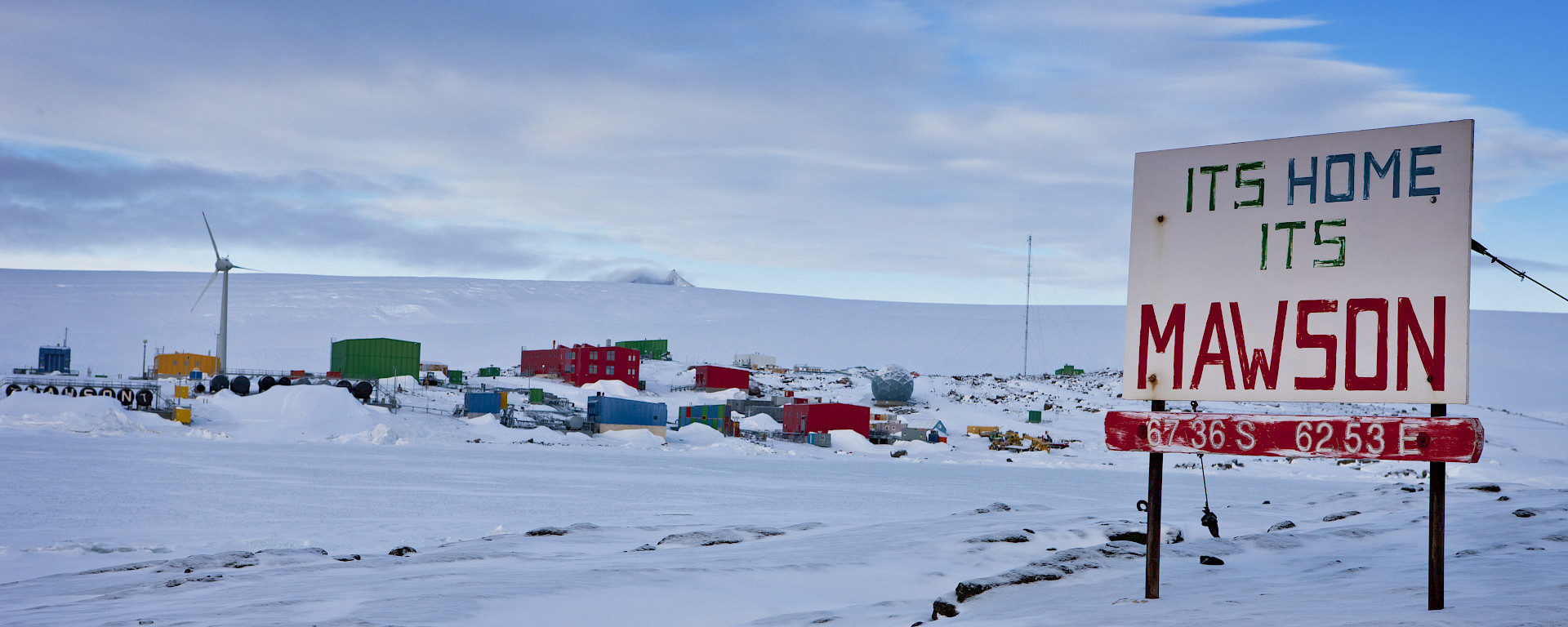
At Mawson, the team lives in the main accommodation building known as "the Red Shed", sleeping in modern air-conditioned single-room "dongas" or bedrooms.
The Red Shed on the base also houses a surgery, lounge, kitchen and dining room.
The base is stocked with a "local supermarket" – a walk-in cupboard affectionately referred to as "Woolies".
Based on conversations Klekociuk has had with other long-serving explorers, they're seeing a subtle but notable difference in the amount of ice around the stations each year.
And that daily experience is starting to confirm the astounding data that they collect through their grim but groundbreaking research.
Six young people hospitalised after wild house party in Brisbane
Six young people, including a 12-year-old were rushed to hospital after an out-of-control house party in Brisbane's south on Friday.
Almost 400 people attended the party, which was for a 17-year-old's birthday, in Chambers Flat about 11pm on Friday.
Paramedics and police were quickly called to the property, when a number of party-goers began passing out.
READ MORE: Victoria's south-west rattled by 5.0 magnitude earthquake
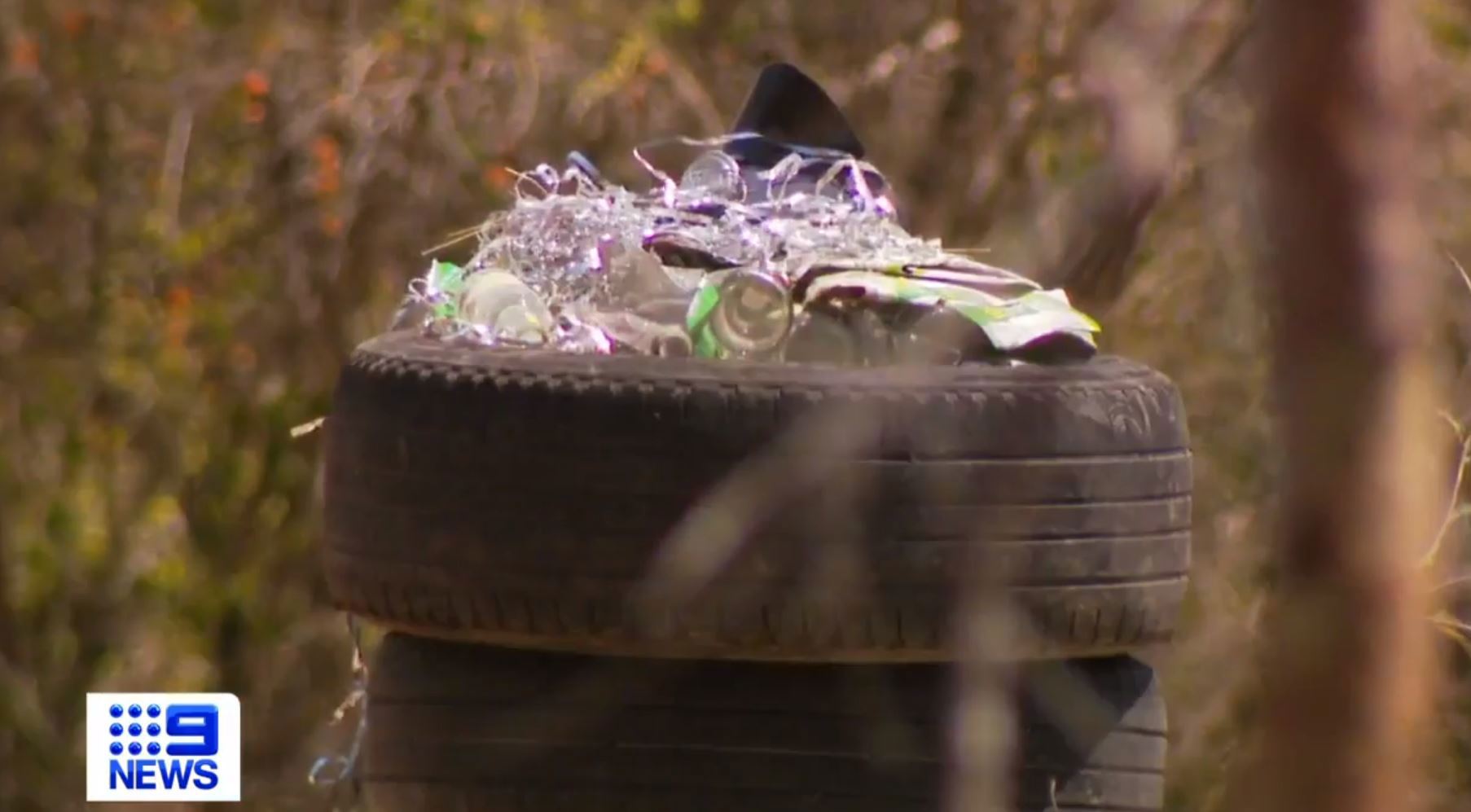
One attendee, who wished to remain anonymous, told 9News they quickly left the party when things began to turn.
"It was meant to be a birthday party. It was only meant to be 90 people and then like 400 people came," they said.
Queensland Ambulance Service's Jane James said paramedics had to retreat and wait for police.
"It was a hectic scene," she said.
"A fight actual broke out in front and (paramedics) had to retreat and wait for police to arrive."
READ MORE: Officers escape major injury after police car rolls in Sydney
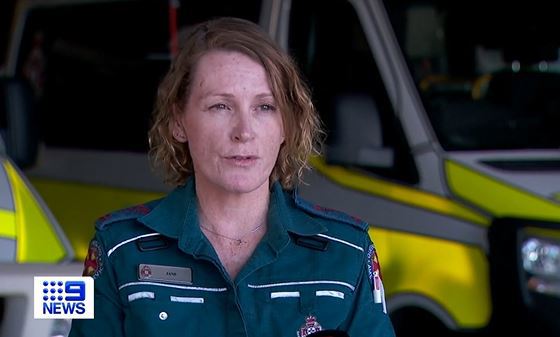
Police were quickly on scene, bringing the crowd under control to ensure ambulances could gain access.
Six patients were taken to hospital, including a person who was allegedly assaulted.
"It's very concerning for a 12-year-old to be at such a large house party and potentially consumed alcohol and maybe drugs as well," James said.
Police issued a 19-year-old man with an infringement notice for trespassing and public nuisance.
Motorcyclist killed in Kalgoorlie Desert Race
A motorcycle competitor in Western Australia's Kalgoorlie Desert Race has died after a crash on Saturday morning.
Emergency services were called at 9:30am local time (12.30pm AEDT), after a motorcycle crash during the event outside Kalgoorlie, approximately 600km east of Perth.
A man in his 50s was taken to Kalgoorlie Hospital but was unable to be revived, police confirmed.
READ MORE: 'There'd be no Medicare': PM pays tribute after Bill Hayden dies
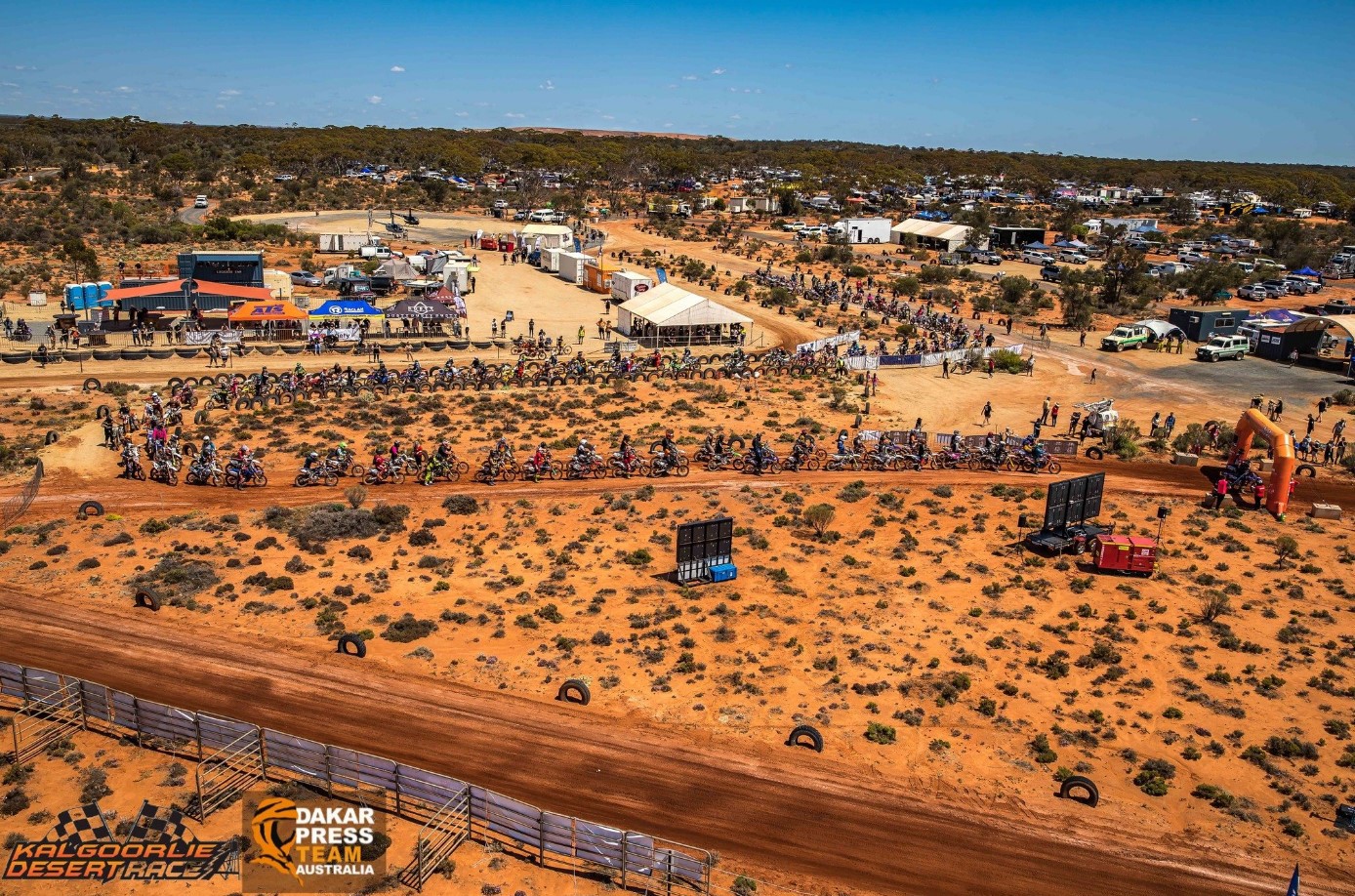
"The Kalgoorlie Desert Race can confirm a fatality has occurred on Saturday 21 October as part of the Motorcycle component during the first day of competition," event organisers said in a statement.
Adding: "The Kalgoorlie Desert Race extends its condolences to the family, friends and wider off road community."
READ MORE: Aid starts moving into the Gaza Strip after two weeks of war
Event organisers are now working with Motorcycling Australia and Motorcycling Western Australia as they investigate the incident, as well as assisting the WA Police and Worksafe.
The Kalgoorlie Desert Race is an off-road event which bills itself as "a dynamic and challenging discipline" which is attracting "a surge of racers eager to embrace the excitement and test their mettle".
Saturday morning's event involved motorcyclists undertaking a gruelling 121 km circuit of rough desert terrain.
All racing was called off on Saturday and it remains unclear whether the event will continue on Sunday as originally planned.
Statement in full from organisers
"The Kalgoorlie Desert Race can confirm a fatality has occurred on Saturday 21 October as part of the Motorcycle component during the first day of competition.
"Event organisers are currently working with Motorcycling Australia and Motorcycling Western Australia, and providing support to those at the track, as well as assisting the WA Police and Worksafe. The next of kin has been advised.
"The Kalgoorlie Desert Race extends its condolences to the family, friends and wider off road community."
Rare 'unicorn' Nissan could fetch seven-figure sum at auction
A Melbourne-owned car could sell for an eye-watering seven-figure sum.
A rare black R34-generation Nissan Skyline GT-R V-Spec II Tommykaira R-Z is up for auction with 46,000 kilometres on the clock.
It is considered to be a unicorn as it is the only one of its kind.
READ MORE: Aid starts moving into the Gaza Strip after two weeks of war
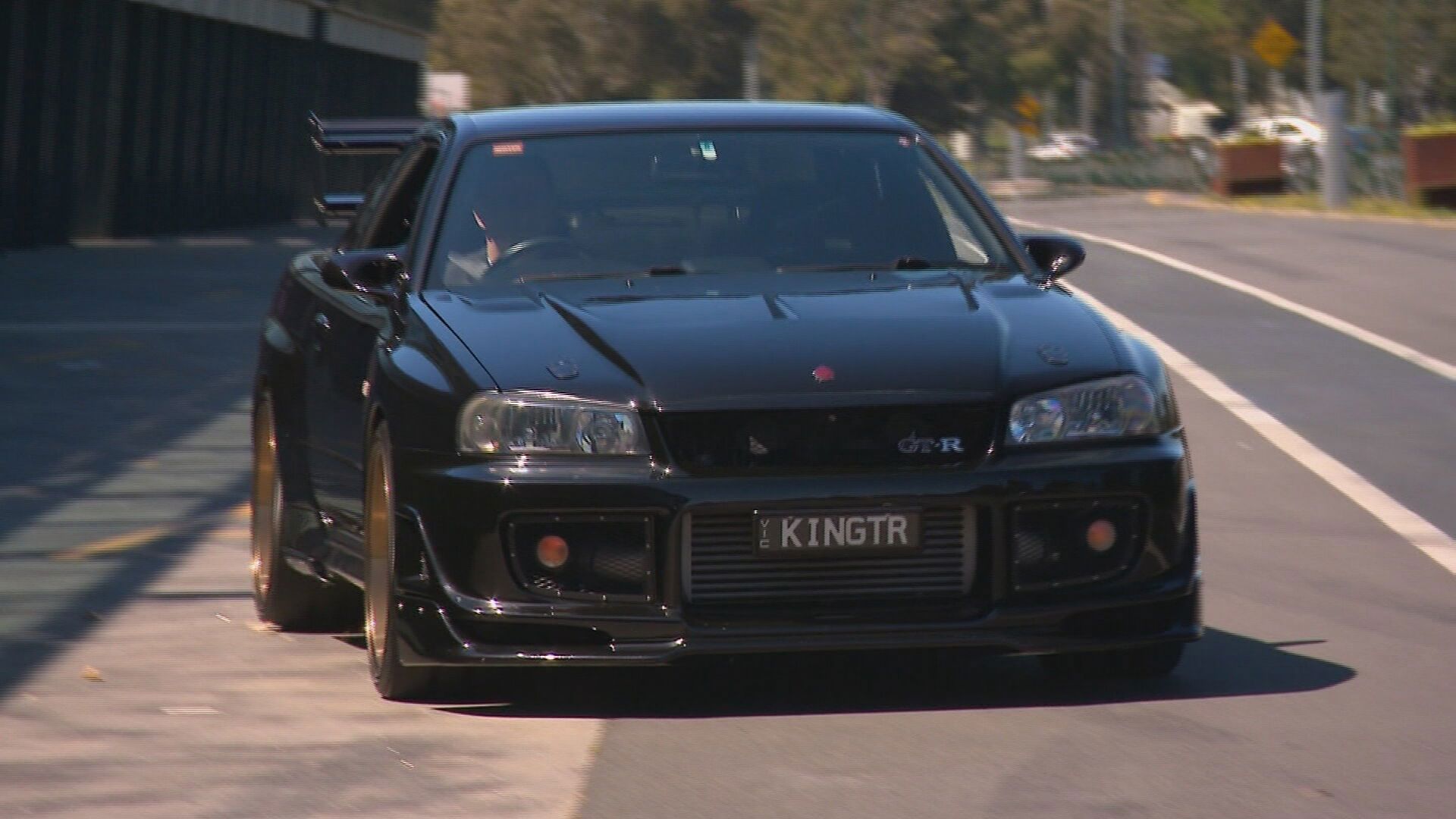
Japanese tuning company Tommykaira was allowed to rebrand the car under its own name.
"Tommykaira built race cars then homologated them for road use so that doesn't happen anymore," Cameron Male from the Japanese Domestic Market Club said.
"After they built this one, they went out of business."
READ MORE: 'There'd be no Medicare': PM pays tribute after Bill Hayden dies
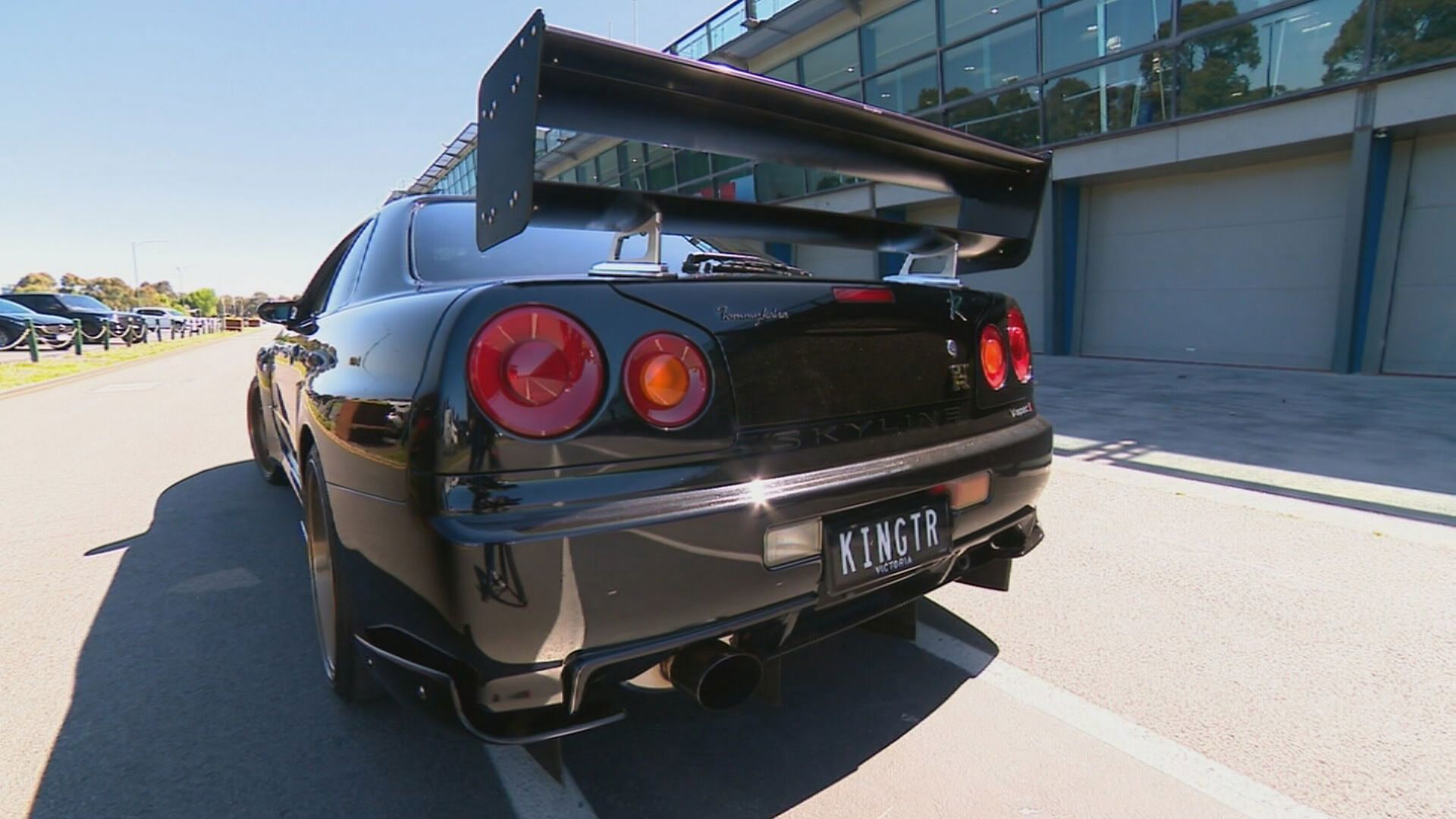
The GTR is a cult car thanks to appearing in movies and in video games.
Earlier this year, a 1998 GTR Nismo sold in England for around $1.3 million which indicates seven figures is not beyond the realms of reality for the Tommykaira.
"The car could potentially go anywhere," Lee Hallett from collectingcars.com said.
"We have seen cars go all corners of the globe.
"Particularly the American market for these cars is very, very strong."
The auction goes live on October 24 and runs for seven days.
Qantas to hike airfares to offset rising cost of fuel
Qantas travellers have been told to brace for airfares to go up in price.
The flying kangaroo has confirmed the cost of seats on domestic and international flights will soon rise by 3.5 per cent on Qantas and 3 per cent on Jetstar blaming fuel overheads.
The airline had been absorbing recent fuel cost increases but said given current tensions in the Middle East and broader economic factors, including a weaker Australian dollar, the price of fuel is expected to remain elevated for some time.
READ MORE: Aid finally starts moving into the Gaza Strip after two weeks of war
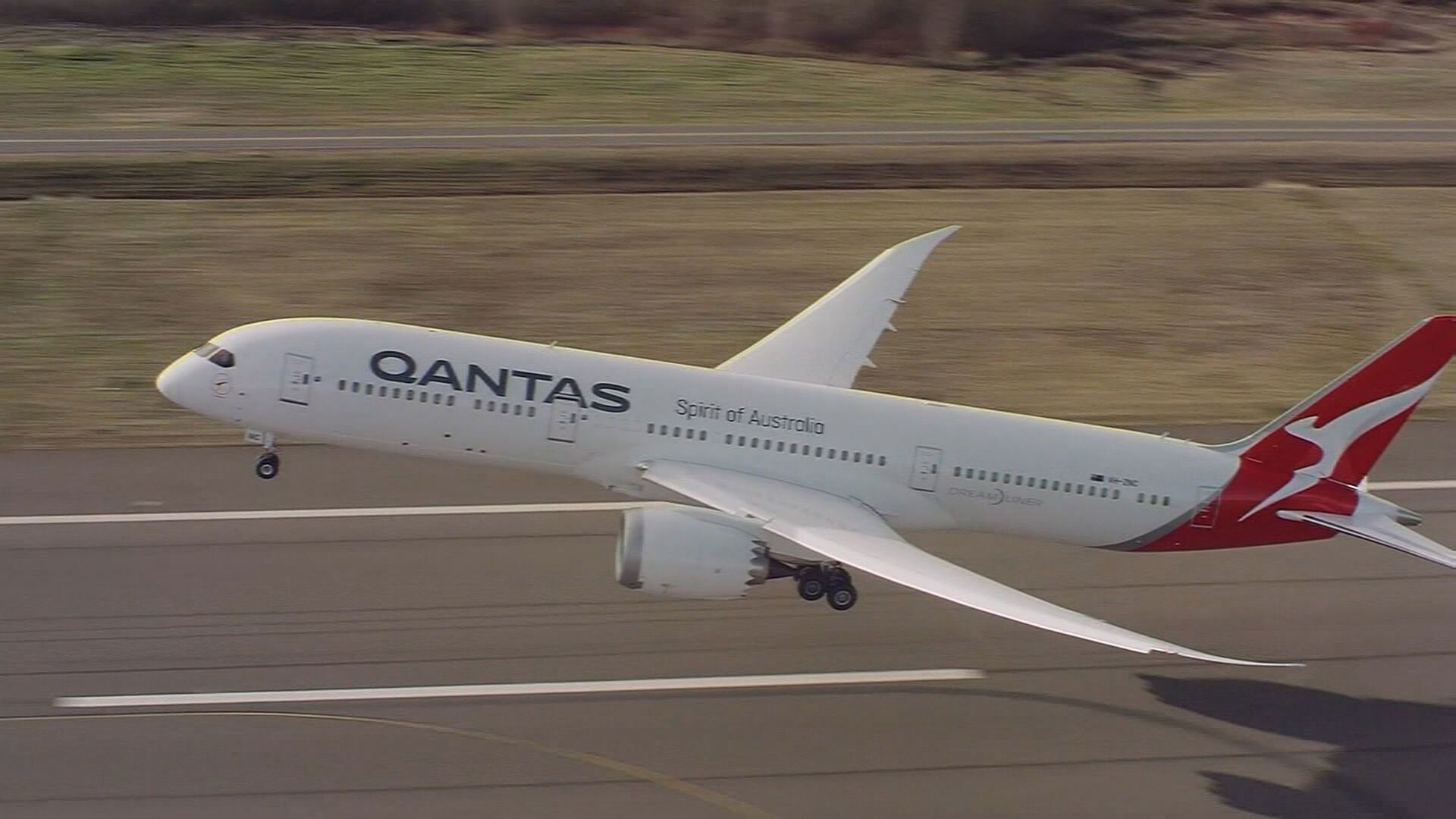
Keith Tonkin from Aviation Projects said the move "wasn't expected" but in the circumstances it is "a fair call".
"Fuel prices are still going up and there's some uncertainty in the world," Keith Tonkin from Aviation Projects said.
It has been a turbulent few months for the airline and while the aviation giant is being upfront about incoming airfare hikes, Flight Centre's CEO Graham Turner said the timing is not great.
READ MORE: 'There'd be no Medicare': PM pays tribute after Bill Hayden dies
"The PR impact is a negative one for sure," Turner said.
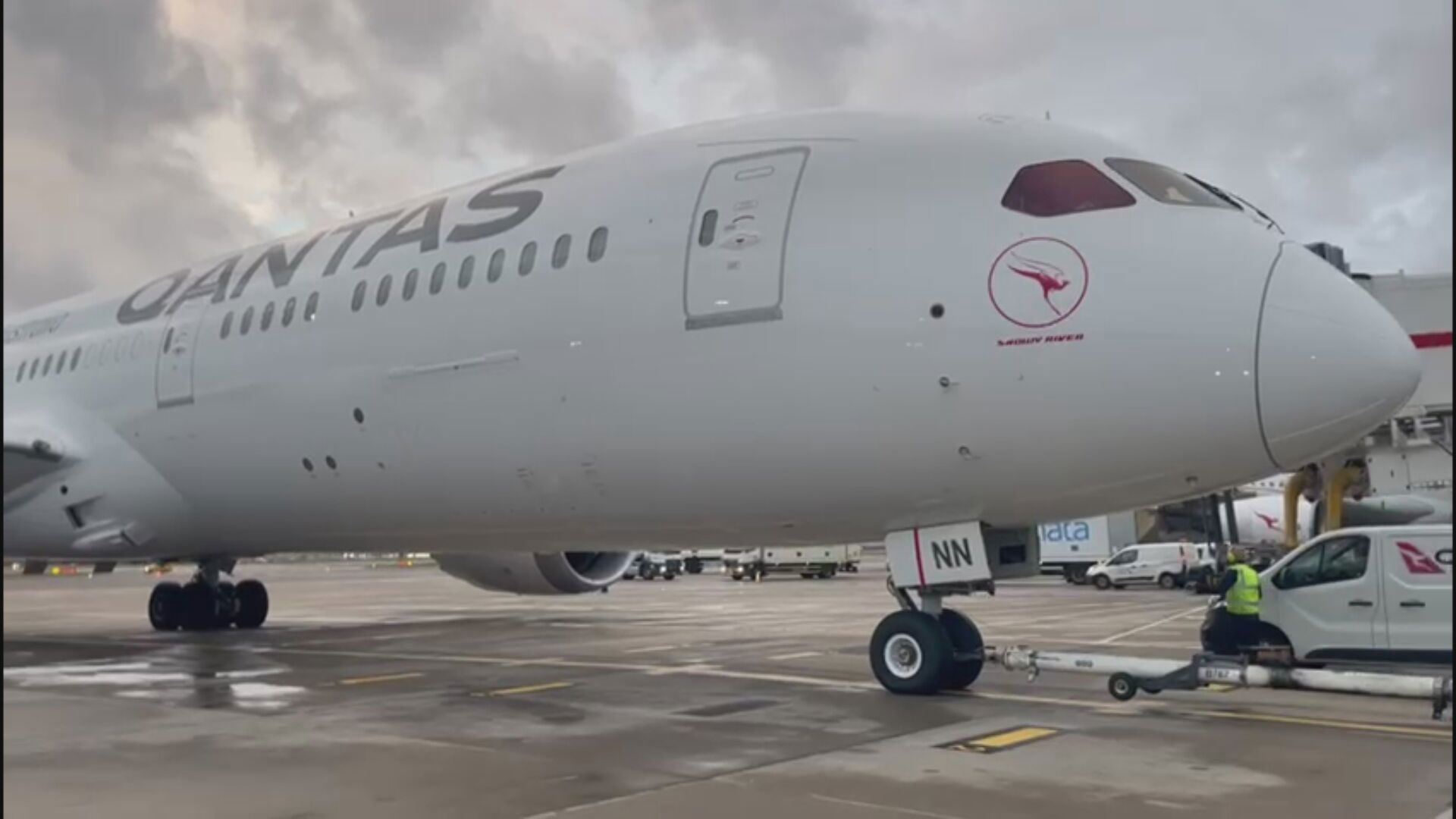
The airfare rises will apply to bookings made from October 27.
Travellers have mixed feelings about the incoming increase.
"It just seems like they're taking the piss and Australians don't like that," one traveller told 9News.
"Qantas should be doing all they can to restore the confidence of the Australian people."
Another traveller thinks the increase is fair due to the circumstances.
"I think it's inevitable and I don't think it's excessive," he said.
Aid starts moving into the Gaza Strip after two weeks of war
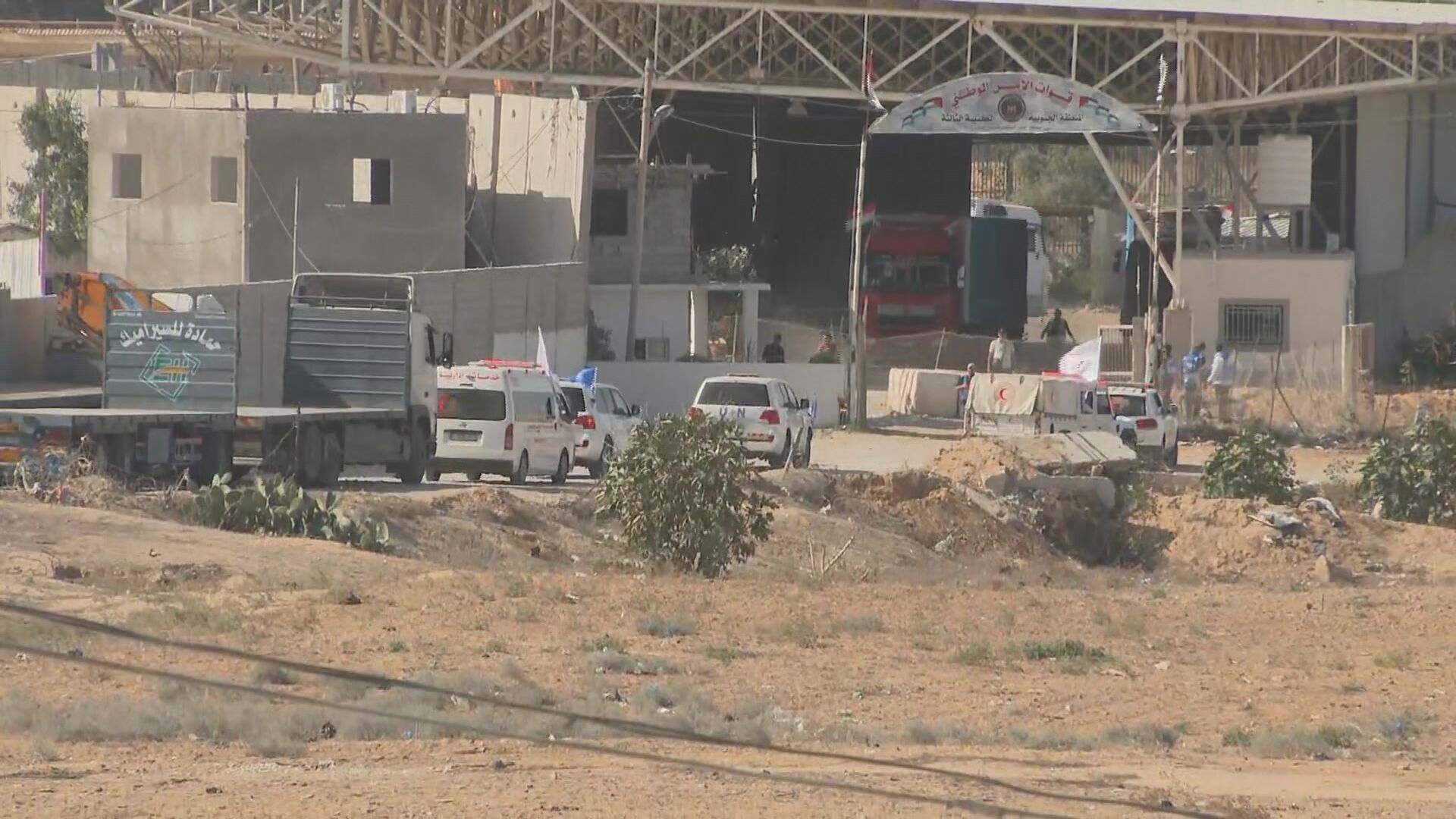
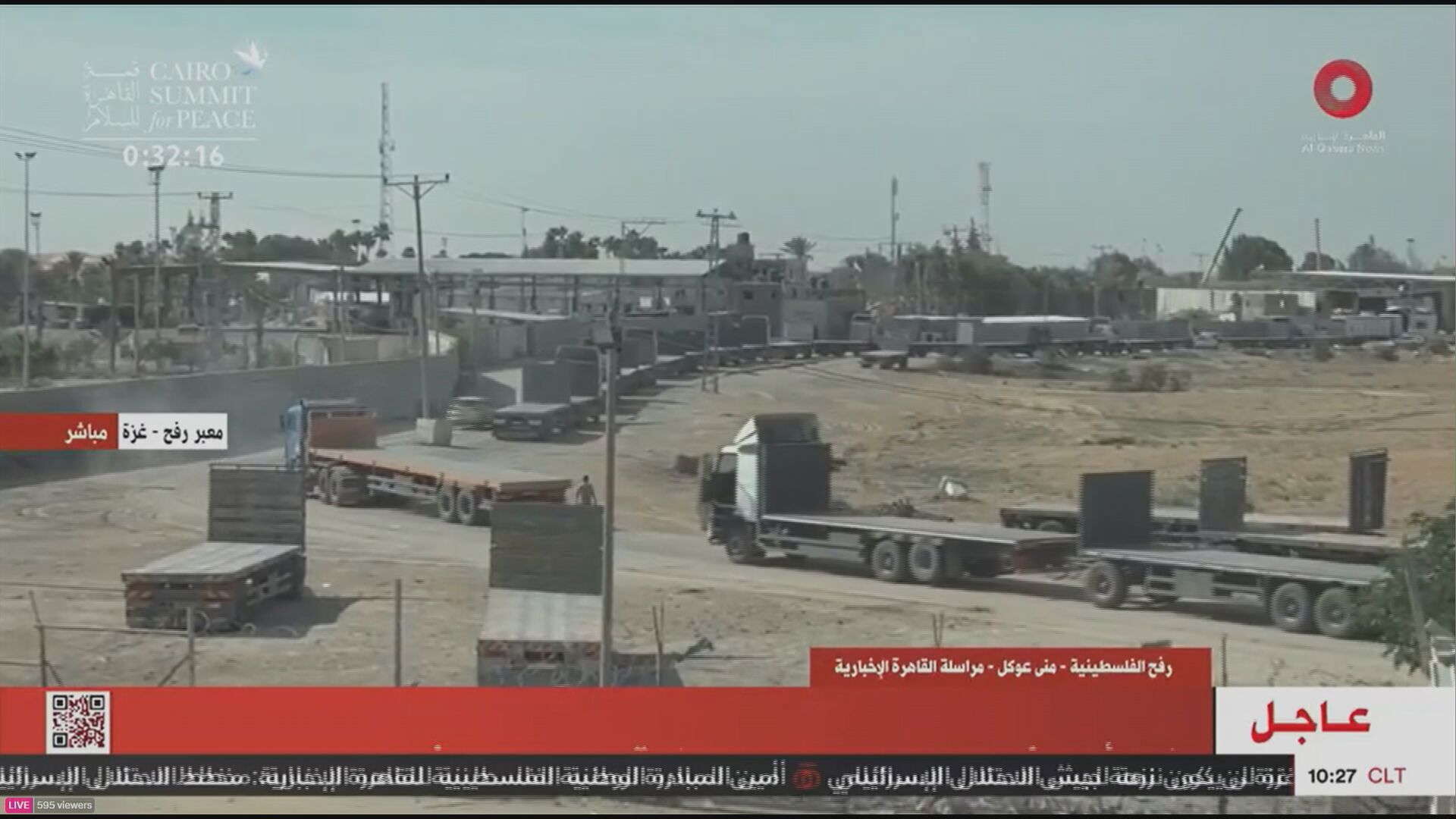
The Rafah border crossing has opened to allow aid deliveries in to Gaza.
The crossing, located between Egypt and Gaza, opened on Saturday to let desperately needed aid flow to Palestinians running short of food, medicine and water in the territory that is under an Israeli siege.
More than 200 trucks carrying roughly 3,000 tons of aid had been positioned near the crossing for days waiting to head into Gaza. An Associated Press reporter saw the trucks entering.
READ MORE: 'There'd be no Medicare': PM pays tribute after Bill Hayden dies
Israel blockaded the territory and launched waves of punishing airstrikes following the October 7 rampage by Hamas militants on towns in southern Israel.
Many in Gaza, reduced to eating one meal a day and without enough water to drink, are waiting desperately for the aid.
READ MORE: Emergency services responding to plane crash in WA
Hospital workers were also desperate for medical supplies and fuel for their generators as they treat huge numbers of people wounded in the bombings.
Hundreds of foreign passport holders also waited to cross from Gaza to Egypt to escape the conflict.
The war, which is in its 15th day on Saturday, is the deadliest of five Gaza wars for both sides.
The Hamas-run Gaza Health Ministry said Friday that 4137 Palestinians have been killed and more than 13,000 others wounded.
More than 1400 people in Israel have been killed, mostly in the initial attack on October 7 when Hamas militants stormed into Israel. In addition, 203 people were believed captured by Hamas during the incursion and taken into Gaza, the Israeli military has said.
Niue Language Week: My journey as a ‘fruit salad’ Pacific Island woman
What is it like to connect with a place you have never been to?