Tag Archives: oceania

Netflix scraps cheapest ad-free subscription plan in Australia

Netflix has scrapped its cheapest ad-free subscription option for a range of countries, including Australia.

The Basic plan was the second cheapest subscription on Netflix, which Australians could purchase for $10.99 per month.

In a letter to shareholders, Netflix said the plan would be "phased out" for new and rejoining members, meaning if you had already purchased a basic plan you would not be forced onto a different one.

READ MORE: What changes to Netflix's sharing rules mean for you

The Netflix app on Apple TV icon.

"This growth has been driven by improvements to our offering — including two streams, higher quality video and a programming slate that's now essentially on par with our other plans— as well as the phasing out of our Basic plan for new and rejoining members in the US, the UK, Italy and Canada," Netflix said in its 2023 third-quarter earnings letter to shareholders.

"This change boosted adoption of our ads and Standard plans and we'll be making the same change in Germany, Spain, Japan, Mexico, Australia and Brazil next week.

"Going forward, we'll continue to improve the feature set, for example next month we're introducing downloads, while also working to include the ads plan in device and ISP partner bundles."

The cheapest plan available is standard with ads for $6.99 per month.

After the Basic subscription, the next options are standard for $16.99 per month and premium for $22.99 per month.

Additional members can be added to the top two tiers for $7.99 per month.

Woman escaped death by feeding Hamas fighters tea and cookies

When Hamas militants toting grenades appeared in her living room, Rachel Edri served them tea and Moroccan cookies until police stormed in and killed the attackers.

Edri's tale of quick-witted survival during the Israel-Hamas war has turned the 65-year old woman into an unlikely folk hero in Israel. For many, she has come to symbolise the ingenuity of everyday Israelis left to fend for themselves as militants turned sleeping southern communities into bloodbaths on October 7.

After an early-morning air-raid siren, Edri returned from a bomb shelter in her hometown of Ofakim to find a band of Hamas militants in her living room.

LIVE UPDATES: 'Got it done': Biden claims success for Israel trip

As gunfire raged outside, Edri's home saw a 20-hour tete-a-tete between hospitality and brutality.

"One of the terrorists said to me: 'You remind me of my mother.'"

"I told him, 'I am really like your mother. I will help you, I will take care of you. What do you need?'" Edri told the Israeli online news outlet Ynet.

After one of the grenade-toting gunmen struck Edri across the face with the butt of his gun, Edri soothed him.

She served the militants canned pineapple, tea and her signature Moroccan cookies. She sang them Arabic songs, and they replied with Hebrew ones. She offered the men Coke Zero — when they said they preferred Coca Cola, she obliged.

"After they drank and ate, they became much calmer," Edri told Ynet.

READ MORE: Gaza hospital blast 'appears it was done by the other team', Biden says

"I started having conversations, and at one point I even forgot for a moment that they were terrorists."

After 17 hours, a rescue team was able to rescue Edri and her husband with the help of their son, Eviatar.

A local policeman himself, Eviatar gave the team a sketch of the house, helping the rescuers surprise the militants and fatally shoot them. With the house heavily damaged, Edri has been relocated to a hotel in central Israel.

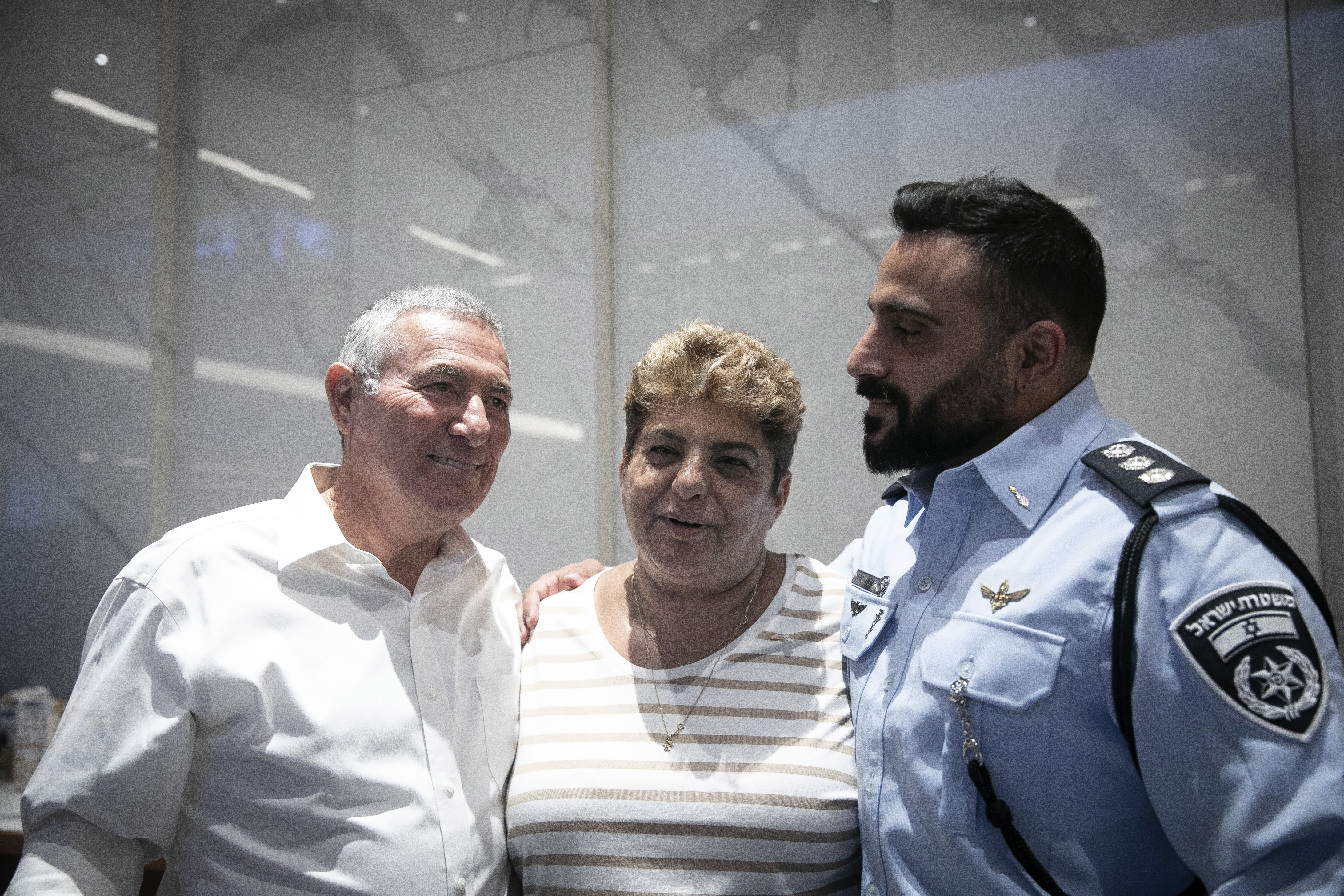
On Wednesday, she was one of several Israelis invited to meet with US President Joe Biden during his whirlwind visit to Israel. She beamed and hugged Biden, as he thanked her for defending the country.

For plying the militants with snacks Edri has been touted online and in national media as the consummate Jewish mother, a play on the stereotype of a women who overfeeds guests. Israelis have also compared Edri to the biblical character of Yael, who slays an evil general by offering him food before killing him in his sleep.

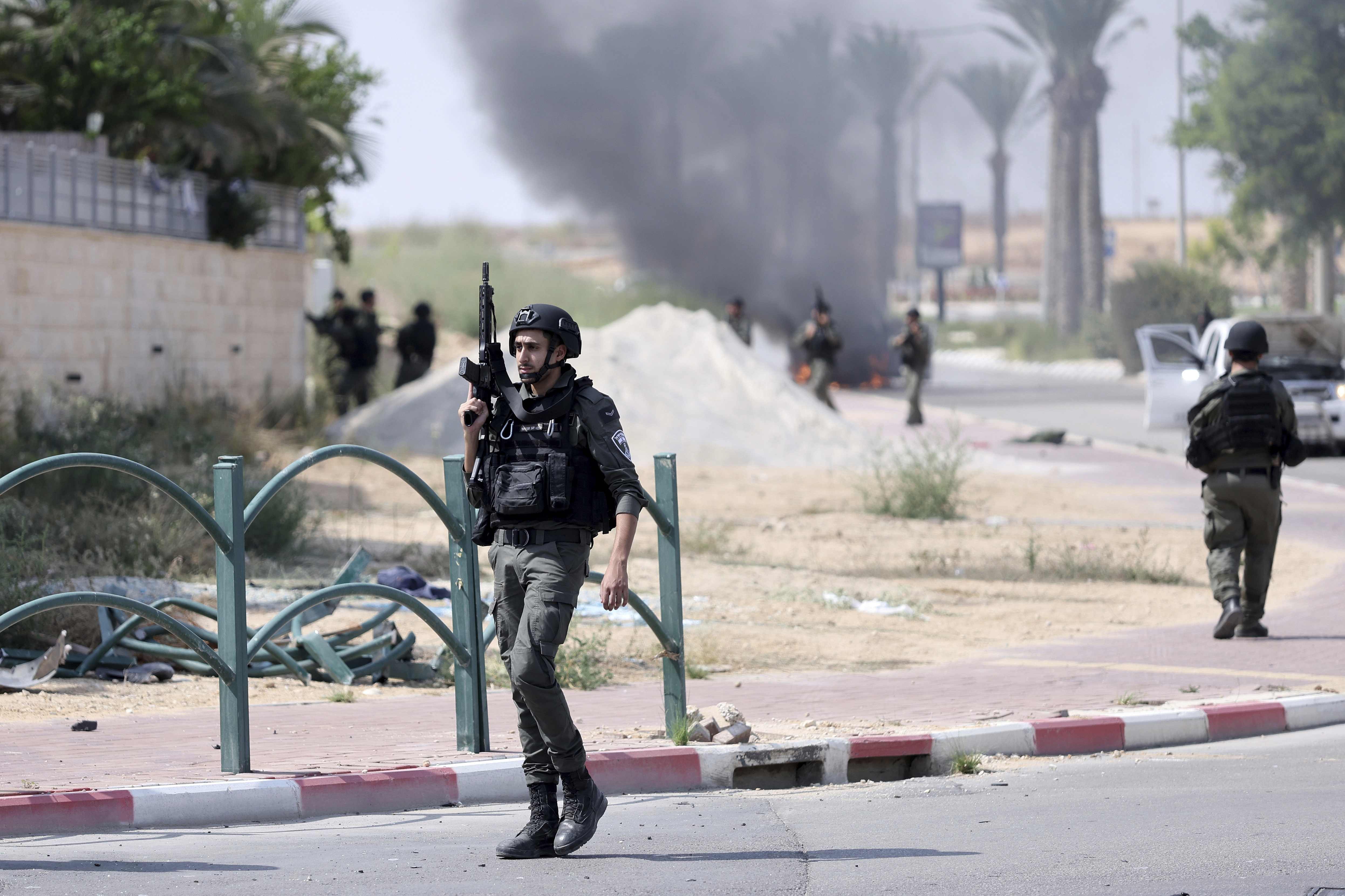
The militants from the Gaza Strip blew through Israel's highly fortified separation wall and entered Ofakim and more than 20 other border communities, killing at least 48 residents of Ofakim.

A group of civilians bearing pistols fought back Hamas militants armed with assault rifles.

"They fought like lions here," said Yoni Shalem, a man who lives down the street from Edri, describing the bravery of his neighbours.

"Not the policemen, not the army — they did nothing. The only reason we're alive is because of other citizens who came to protect us."

Edri's brother, Shimon Koram, said he was not surprised when he heard how Edri had managed to avoid near-certain death.

Before the war, Edri was known for her hospitality and generosity, Koram said, working at a nearby military base cooking meals for soldiers.

The two were raised in a working class family in Ofakim with 12 siblings, he said, a childhood that taught them how to be scrappy.

"We learned to survive and acquired the wisdom of life like street cats," Shimon said. "You can see that in how she acted. "

US accuses China of 'risky' fighter jet intercepts

The United States has seen more instances of "coercive and risky" behaviour from Chinese pilots against American aircraft in the last two years over the East and South China Seas than in the entire decade before that, the Pentagon said.

"Since the fall (autumn) of 2021, we have seen more than 180 such incidents," Ely Ratner, the Assistant Secretary of Defence for Indo-Pacific Security Affairs, said.

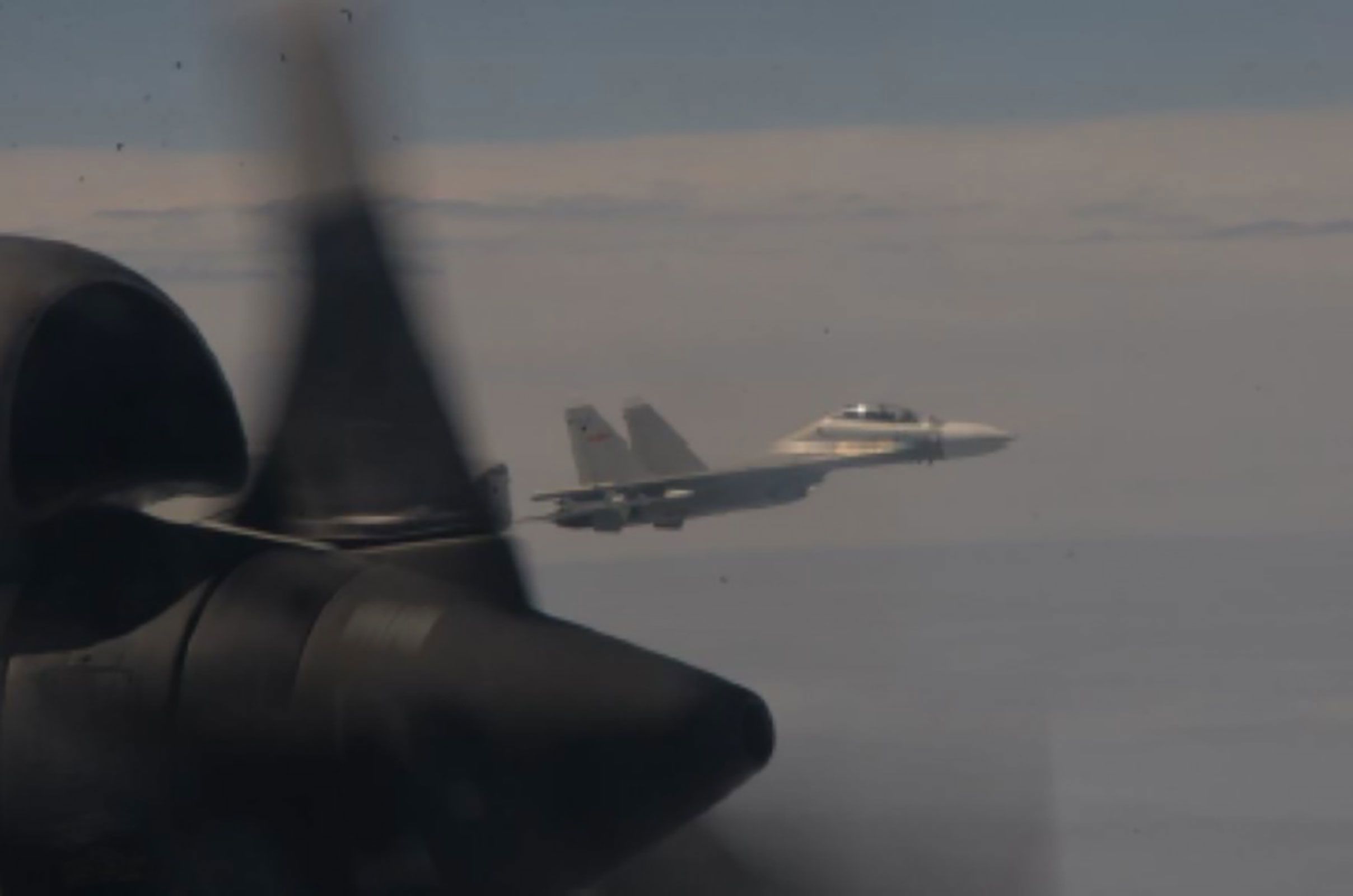
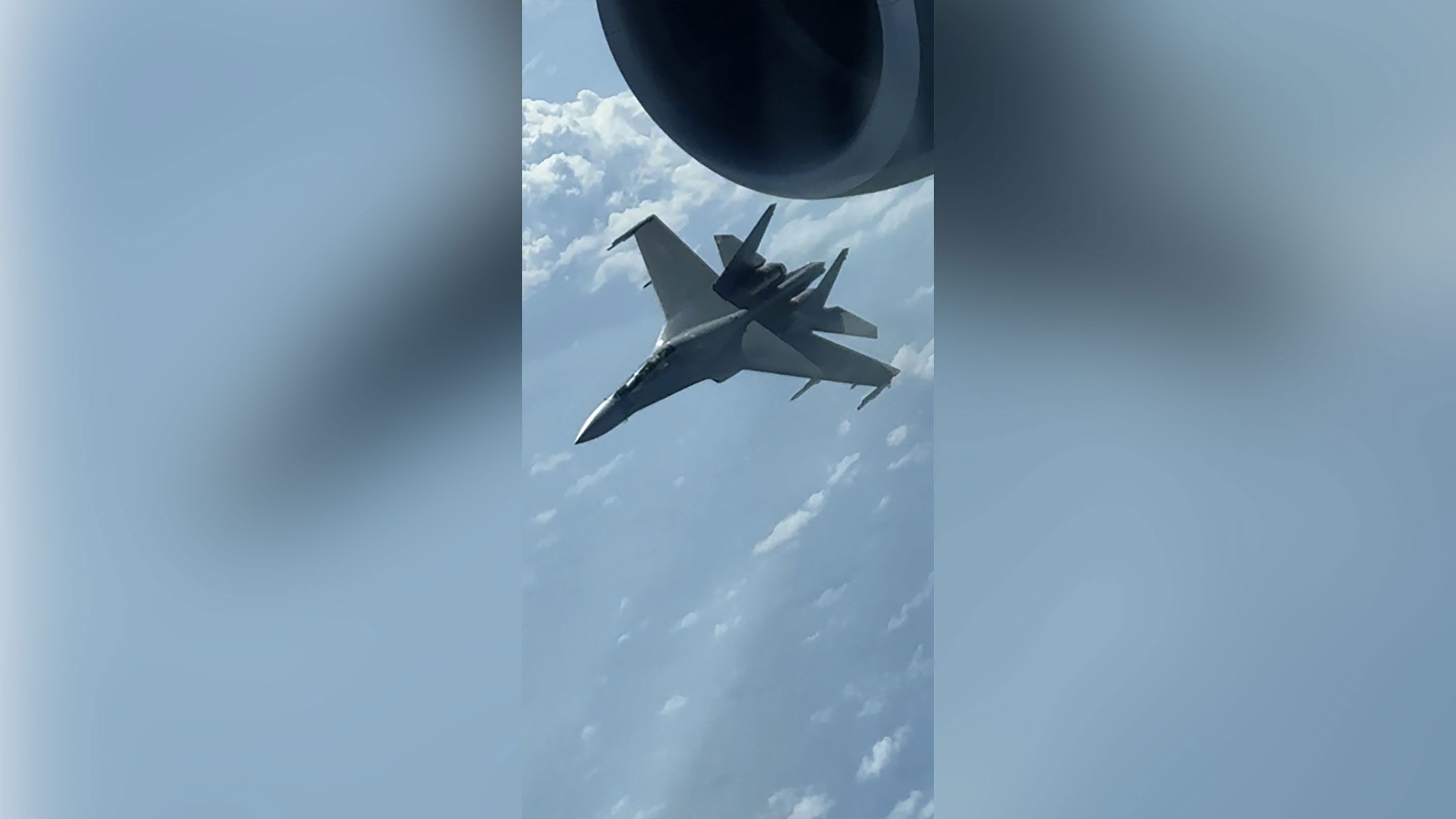
To underscore the pattern, the Pentagon released previously non-public photos and videos of Chinese fighter jets intercepting US aircraft flying in international airspace.

READ MORE: Philippine coast guard says it removed barrier placed by China

The images, which date back to January 2022, show Chinese fighter jets getting dangerously close to US military jets in international airspace in an attempt to "intimidate" them, the Pentagon said in a statement about the incidents.

Some of the Chinese fighter jets came within six metres of the US planes, the videos show.

"It's a centralised and concerted campaign to perform these risky behaviours in order to coerce a change in lawful US operational activity," Ratner added.

One photo from August 10 depicts a Chinese fighter jet closing in on a US jet, which had to perform "defence procedures" to avoid the Chinese plane that came within 15m and then "barrel-rolled" under the US plane, the Pentagon said.

The photos and videos also show the Chinese jets releasing objects and projectiles, including flares.

"As Secretary Austin has said on multiple occasions, the (Chinese People's Liberation Army) can and must stop this behaviour, full stop," US Admiral John Aquilino said on Tuesday.

READ MORE: Putin's visit to Beijing underscores China's support for Russia

US Secretary of Defence Lloyd Austin and other Pentagon officials "have previously raised their concerns about this behaviour in a range of settings, including during the Secretary's engagements in 2021 and 2022 with General Wei Fenghe, then-Minister of National Defence of the People's Republic of China (PRC), as well as the Secretary's public remarks at the Shangri-La Dialogue in 2022 and 2023," the Pentagon said.

But the Pentagon's efforts this year to engage with Chinese military leadership have gone unanswered, and US officials have grown increasingly concerned about the lack of military-to-military dialogue between the countries.

Beijing cut off communications after then-House Speaker Nancy Pelosi visited Taiwan last year, infuriating Chinese leaders.

"I've asked to speak with my counterparts, the eastern and southern theatre commanders now, going on two and a half years," Aquilino said on Tuesday.

"I have yet to have one of those requests accepted."

The disclosure of the photos and videos comes as the Pentagon is preparing to release its congressionally mandated 2023 "Report on Military and Security Developments Involving the People's Republic of China," also known as the China Military Power Report.

The report is an annual assessment that details the latest developments on China's rapidly expanding and modernising military. It also provides key insight into China's nuclear program.

Chris left hundreds out of pocket due to inaccurate meter readings

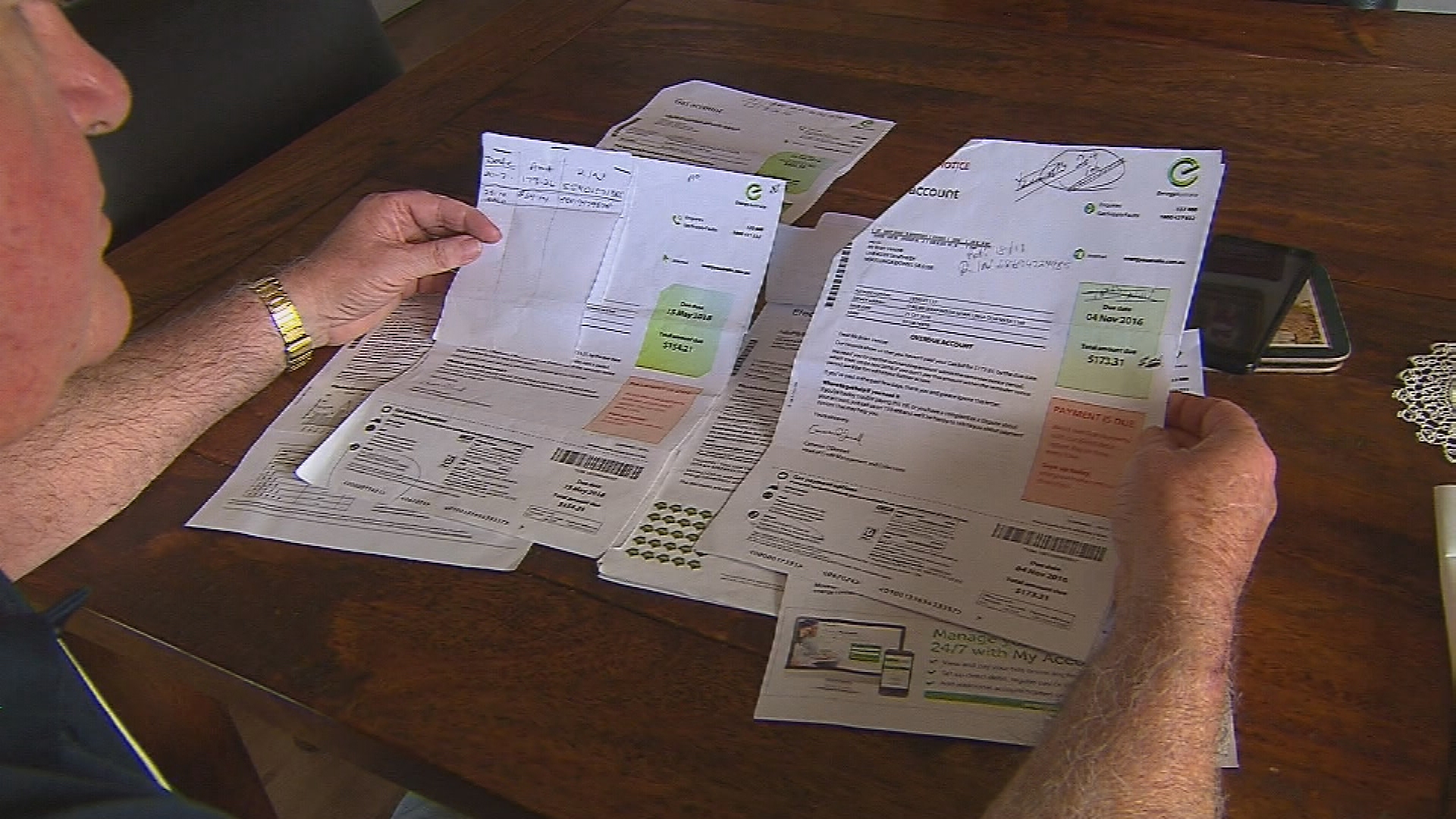
A disgruntled NSW man has been left hundreds of dollars out of pocket after discovering his gas meter readings were inaccurate. 

Chris, whose surname is unknown, wrote into 2GB's Ben Fordham to tell how he was puzzled when he received a whopping gas bill of $1271 for the latest quarter.

After self-reading his meter, he was shocked to find his gas bill was actually $744 and that he had been overcharged more than $500 because his readings were being "guestimated" by his energy retailer, Chris told Fordham. 

READ MORE: Is Donald Trump's Mar-a-Lago home really worth US$1.5 billion?

When asked about Chris' situation, NSW Energy and Water Ombudsman Janine Young told Fordham if a bill has been estimated, energy providers must state so on the invoice.

"If they are estimating they need to make it clear on the bill, that bill is estimated," she said.

"The customer can take a self-read and let their retailer know to get the bill adjusted."

She said estimated bills should usually have the letter "E" and an asterisk next to the total amount followed by an explanation on either page two or three outlining it's an estimation.

https://omny.fm/shows/ben-fordham-full-show/ripped-off-resident-stung-by-dodgy-gas-meter-readi/embed

"Otherwise it should be written where the usage is calculated or displayed that it's an estimated bill," Young said.

"Some customers don't pick that some customers pay the amount that's there, and then find later that they either get a catch-up bill if it was an underestimate or that they've paid over the ante if it's an overestimate."

Young said the ombudsman received more than 1000 complaints about inaccurate readings last year.

She said there were rules around estimation which required energy providers to base readings on area average or previous usage for the same period last year.

"[Energy retailers] do need to be reading meters at least once per year but generally every quarter and if they're not then a customer should be lodging a complaint with their retailer," Young said.

"And if that doesn't get fixed come to my office."

Frighteningly similar climate pattern to Black Summer

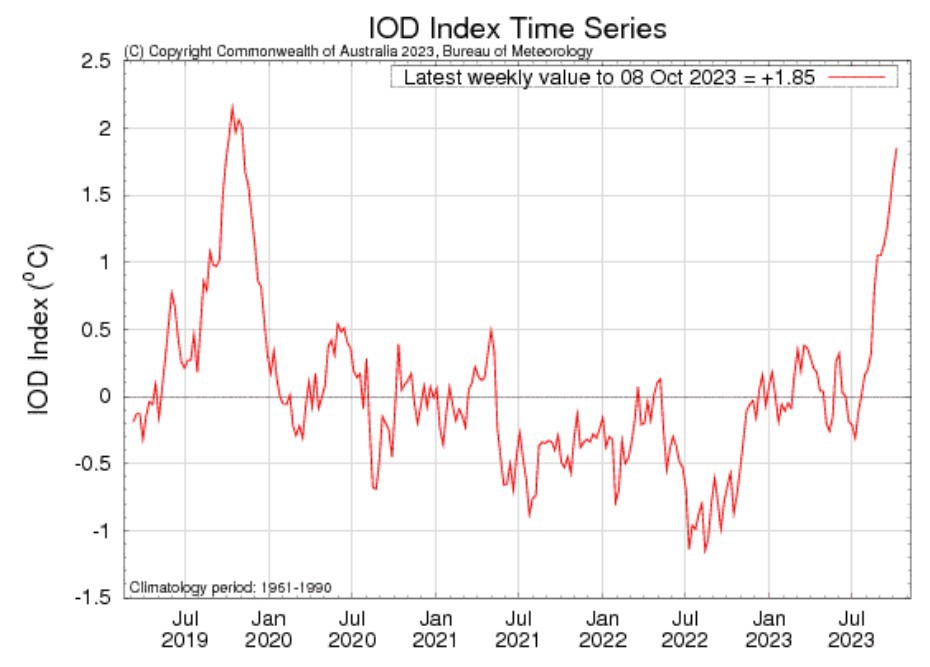
A key climate driver is developing a frighteningly similar pattern to the lead-up to the Black Summer of 2019/20 – Australia's second-hottest summer on record and our most devastating bushfire season.

The Indian ocean Dipole (IOD) is an index that measures the difference in sea surface temperature anomalies on either side of the tropical Indian Ocean.

As you can see on the graph below, it has surged in recent weeks to levels resembling late 2019 – but what does this mean for Australia?

READ MORE: East coast beaches awash with too much sand

In short it means dry weather, or at least the very strong likelihood of it.

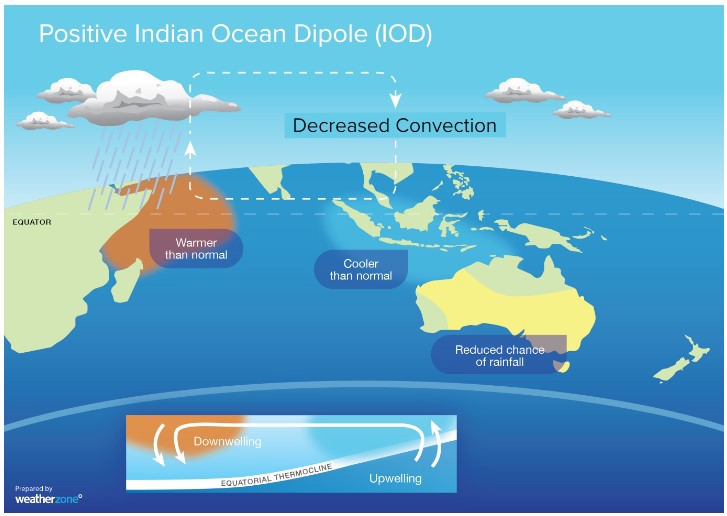
During a positive IOD, there's cooler-than-usual-water near Indonesia, northwest of Western Australia, while there's warmer than usual water on the other side of the Indian Ocean.

As the Weatherzone graphic below shows, cooler waters northwest of Australia mean less convection (less hot air rising) and that means the strong likelihood of less rainfall across the country as a whole.

READ MORE: Warning for shoppers as El Niño looms

It all adds up to worrying signs that the already-dry spring in most parts of Australia could turn into a very dry summer – and that could mean a bad bushfire season when you factor in the vegetation growth from three recent wet La Niña years.

And as Weatherzone wrote this week, the warm and dry influence of the IOD will also be enhanced by El Niño in the coming months.

There is, however, some good news.

According to Weatherzone, most forecast models suggest the current IOD event will peak in October or November, before breaking down in early summer.

The upshot is that Australia might get lucky, with just enough of a tropical moisture feed from December onwards to keep days of catastrophic fire danger to a minimum this coming summer.

Meanwhile, you can check the progress of the IOD for yourself on the climate driver graphs page of the BoM's website, where it is updated weekly.

How hot is too hot? Calls for workplace overhaul ahead of El Niño summer

Outdoor workers could be at increased risk of heat-related illness, possibly even death, during this year's predicted hot and dry El Niño summer.

There are no government-enforced temperatures that force outdoor workers to down tools when it gets too hot experts believe there needs to be more regulation.

Death from occupational heat stress is rare but 17 Australians died from heat-related causes between 2000 and 2015.

READ MORE: El Niño has officially been declared. But what does that mean?
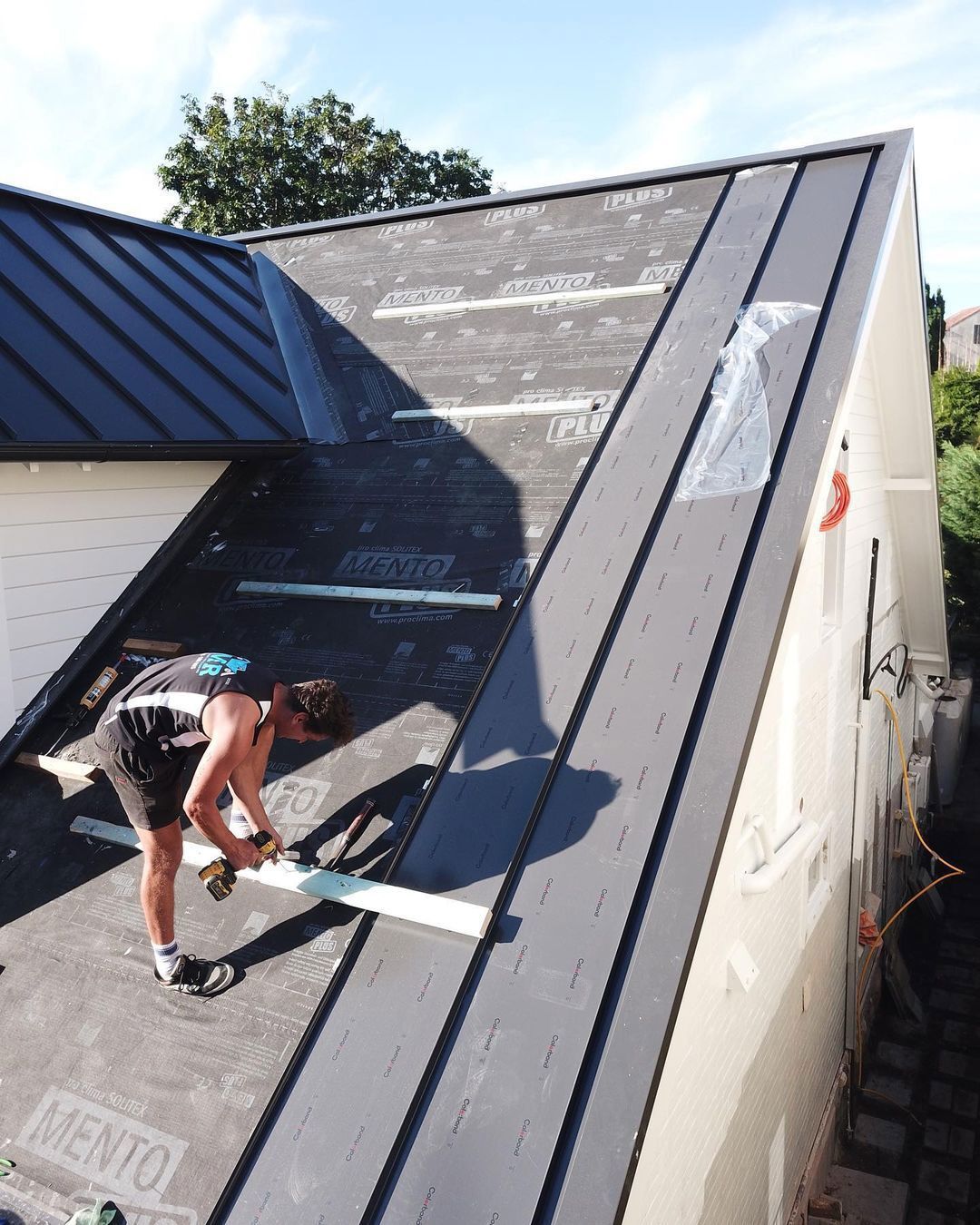
Iconic Metal Roofing owner Ivan Lazic on the tools

Iconic Metal Roofing owner Ivan Lazic said it gets "pretty hot up there" on people's roofs during Sydney's summers.

Lazic hasn't measured the temperature when he's working on a house on a hot day but a black roof can reach double the ambient temperature.

He said his team normally downed tools when temperatures hit about 38 degrees but he thinks there should be a standard stop-work temperature.

"Everyone has their own opinions. When everyone has their own opinion it gets tricky," he said.

"It would be good to get it a bit more regulated."

Lazic encourages his team to stay hydrated and speak up if they're struggling but he is at a financial loss if his team stops work due to the heat.

"The only thing is because you've got to pay the boys a certain amount each week, I feel like maybe the government needs to have a … subsidy or something like that where the boys can fill it out to say they have missed this many hours because of the heat."

Should Australia have a stop-work hot weather temperature?

Liz Hanna, a professor at the Institute for Climate, Energy and Disaster Solutions, said heat-related illnesses should be taken more seriously but creating a stop-work temperature was incredibly complex.

"It's not rocket science but it's a matter of really taking heat seriously because it's not worth people going to work and dying," Hanna said.

Australia's diverse climate makes it difficult to decide on a stop-work temperature due to differing humidity levels and other things like different environments and the physicality of the work.

READ MORE: What to do if your data is compromised in a company hack
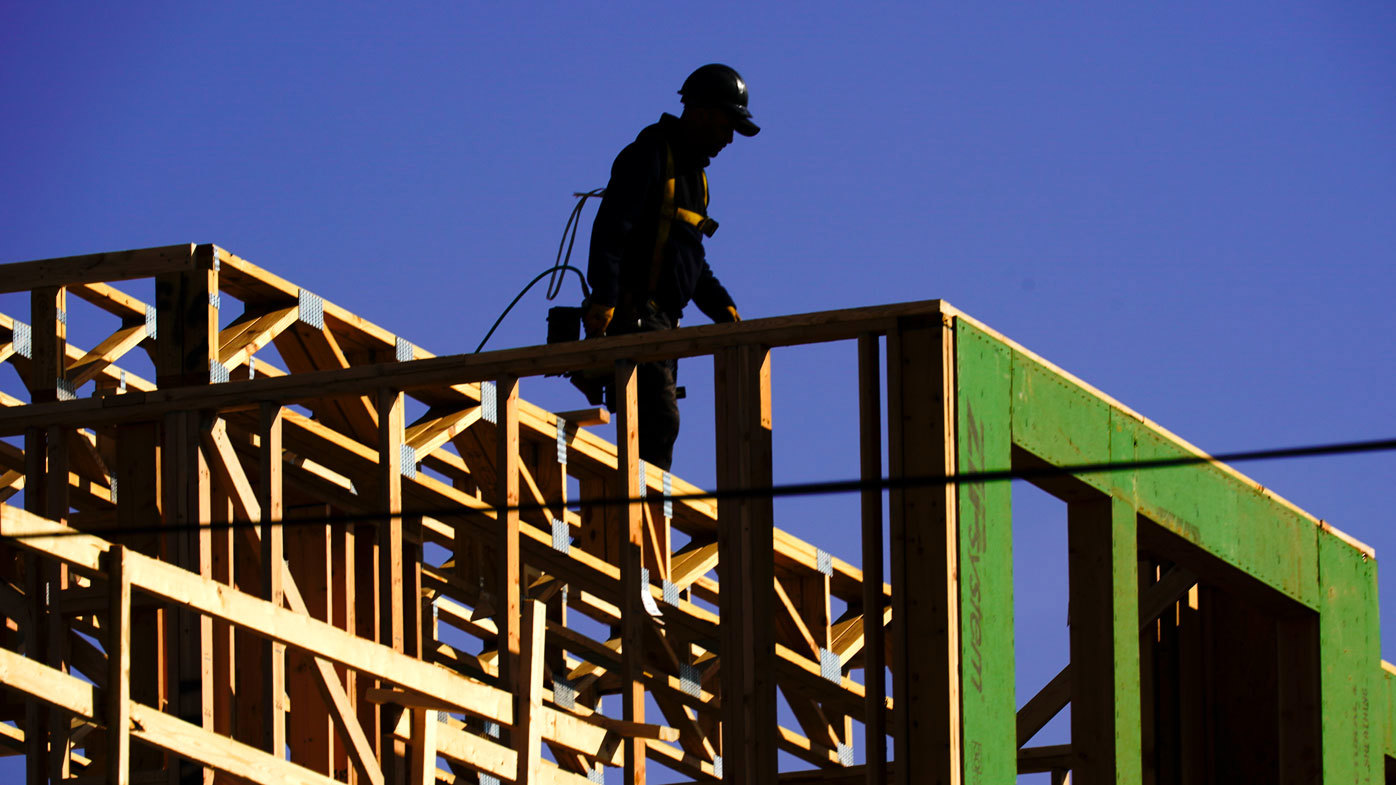
New home construction

Hanna believed a temperature limit would need to be made by workers and employers because if it was government-mandated, compliance could be an issue.

"Australia needs to address heat right from the very, very top in a structural thing in terms of building law and contract law all the way through to the employers and all the way through to the attitude sort of the workers themselves," she said.

"It's really important that we get sensible about it (heat-related illness) so that we are not forced into shutting down industries and shutting down work all through summer because the nation can't afford it.

"We need to be very aware of the fact that this is a big motivator for people to work, to either force people to work beyond what to safe for them or to push themselves."

Hanna suggested builders should include a heat delay clause in contracts, like a rain delay clause, to take the pressure off tradespeople pushing through extreme heat to make a deadline.

"If a house is supposed to be finished and it rains a lot then you can't go and sue the builder – we need that for heat," she said.

Powerful union the CFMEU has included stop-work temperatures in some of its enterprise bargaining agreements but they differed in each state and territory.

The stop-work temperature in Victoria and ACT was 35 degrees while in Queensland it was 35 degrees or 29 degrees with at least 75 per cent humidity.

In South Australia, it is 37 degrees.

CFMEU National Secretary Zach Smith said its enterprise agreements included extreme weather provisions to protect workers from potentially deadly heat on construction sites.

"We're staring down the barrel of a long and hot summer," Smith said.

"Extreme and dangerous weather will put workers' lives at risk on construction sites unless the rules our union has won in agreements are followed."

Smith said climate change would mean more unsafe heat on Australian worksites.

"Australia needs to dramatically reduce its carbon emissions if we want to have a strong and safe construction industry into the future," he said.

"We need to address climate change as a workplace safety issue."

Western Australia acting WorkSafe Commissioner Sally North said there was no temperature cut-off in workplace legislation because there were "many variables to consider besides the actual temperature".

"This includes the amount of air circulation, the level of humidity and the sensitivity and acclimatisation of the workers," North said.

What can be done to prevent workplace heat-related illness?

Hanna said her research into how outdoor workers managed hot weather showed most people overestimated their ability to work "by a large margin".

"Many of these people think they can go on, and very much surprised in the fact that they start feeling wonky, and start showing symptoms at a much lower temperature than they think they can," she said.

She noted there were many professions that involve outdoor work – not just people on construction sites.

Hanna said more people died in Melbourne due to heat-related illness compared to Adelaide and Perth because their temperatures tended to be more inconsistent, giving people less of a chance to acclimatise. 

READ MORE: Australia's 3G network is shutting down. This is what you need to know

Top view, Team engineer building inspection use tablet computer and blueprint working at construction site. Civil Engineer, Contractor and Architect discussing in construction site.

She said workers needed to listen to their bodies and look out for each other.

North said heat stress could be avoided by precautions like drinking cool water, having "reset pauses in a cool place" and helping sweat evaporate through increased circulation.

"Workplace safety laws require employers to ensure that workers are not exposed to hazards and this includes, as far as practicable, protecting employees from extremes in temperature," she said.

Some of the precautions include hydration testing of workers, increasing lengths of breaks, avoiding peak temperatures where possible, ensuring workers are acclimatised and ensuring risks are identified.

"Workers are encouraged to raise health and safety issues – such as heat – with their employer, especially if they have concerns that the risks have not been adequately assessed or controlled," North said.

More information on working safely in the heat can be found here.

Ticketek Australia hit with $500,000 fine over spam law breach

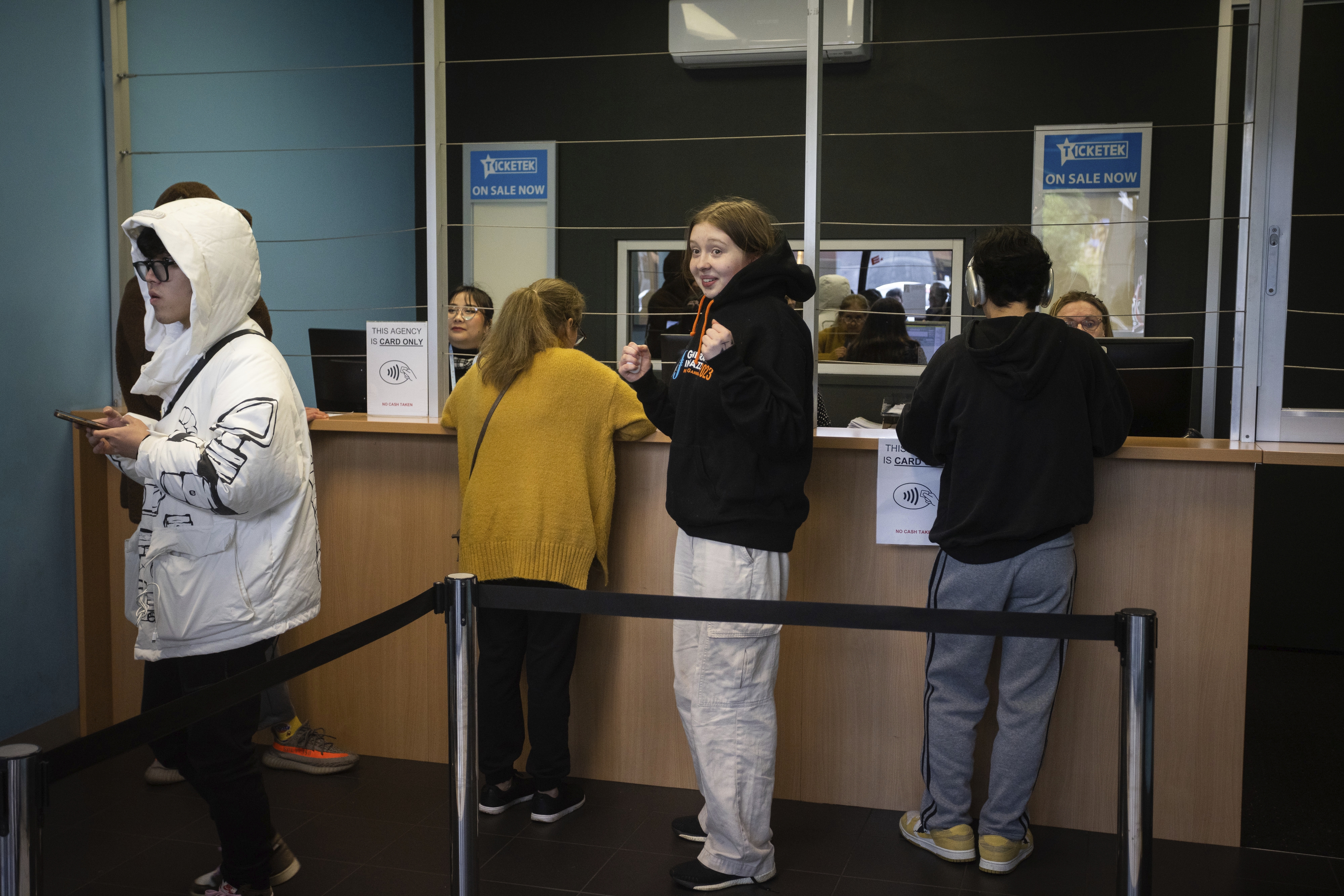
Ticketek Australia has paid a fine of more than $500,000 after they were found to have breached Australian spam laws.

Almost 100,000 text and emails were sent to people last year without the consent of the recipients or to people who had previously unsubscribed, an Australian Communications and Media Authority (ACMA) investigation found.

The entertainment company, which sells tickets to sporting and music events such as Taylor Swift's Eras Tour was issued an infringement notice of $515,040 over the messages.

READ MORE: Biden says Gaza hospital blast 'appears as though it was done by the other team'

ACMA Chairperson Nerida O'Loughlin said it was "unacceptable" that Ticketek failed to comply with the spam laws, after they had earlier received a formal warning.

"Australians are fed up with these types of intrusions on their privacy and Ticketek has no excuses given it was on notice after our previous action," she said.

The communications watchdog found Ticketek had "mischaracterised" some emails as being non-commercial, due to containing event information for ticket holders and therefore considered them exempt from spam rules.

ACMA also found the emails contained links to Ticketek's website and social media pages, which contained advertising material and promotions for upcoming events.

"Even if the purpose of a message is to provide factual information to customers, if it also includes marketing content, or links to marketing content, it can only be sent with consent," O'Loughlin said.

"It is also incredibly frustrating for people to take the time to unsubscribe only for those requests to not be actioned. Businesses must have working systems in place to comply with consumer choice and consent.

"We have seen several companies with similar failures over the last 12 months. All businesses conducting e-marketing should be actively and regularly reviewing whether their marketing complies with the law."

READ MORE: Victorian supermarkets lose more than $300k in goods stolen for resale

A Ticketek Spokesperson told 9news.com.au that the company regretted any impact customers had experienced by receiving those messages.

"Ticketek takes its obligations under the Spam Act very seriously and dedicates significant resources to ensuring compliance," the spokesperson said.

"We recognise however that no system is perfect, and we have been, and will continue to, work constructively with the ACMA in relation to the issues identified.

The company said they were surprised to learn that ACMA had stated customer consent was required to send messages that had the purpose of notifying customers of important event information, if those messages contain promotional material.

"We anticipate that many other businesses may not be aware that in ACMA's view these inclusions fall foul of the Act," the spokesperson said.

"We will continue to review our systems, procedures, and training relating to our compliance with the Spam Act to ensure that this does not happen again."

Ticketek will enter three-year court-enforceable with ACMA, which will require them to appoint an independent consultant to review its compliance with spam rules.

The company must also report to the ACMA while the undertaking is in force.

Multiple companies have previously been fined over spam laws, including; DoorDash, CommBank and MyCar Tyre & Auto.