The judge told Quinton Ohlson he was ‘literally the thing that goes bump in the night’.
Tag Archives: oceania
Australians becoming parents later in life and having fewer children
More Australians are putting off having children until their 30s and having fewer when they do, according to new data from the Australian Bureau of Statistics (ABS).
The shift comes as more young people delay moving out of home, finding full-time work and getting married or settling into long-term de facto relationships.
It also comes as cost of living pressures, the current rental crisis and interest rate rises are taking a toll on hip pockets, while a focus on career, longer-term travel plans and improved affordability and access to IVF could be influencing women having children later.
READ MORE: Trump decries gag order outside NY court room
According to the new data, almost 60 per cent of births in 2022 were to mothers aged 30 to 39 while less than 20 per cent of mothers fell in the same age range in 1975.
ABS head of demography Emily Walter said Australian parents were also having fewer children, with 1.63 births per mother in 2022, compared to the rate of 1.70 births per mother in 2021.
However, this rate was higher than the 1.59 births per woman recorded in 2020.
"Although total fertility remains low, the fertility rate for women in their late 30s and early 40s has significantly increased," Walter said.
"From 1991 to 2022, the fertility rate of mothers aged 35 to 39 years has almost doubled from 36.0 to 69.3 births per 1000 women.
READ MORE: Glencore to close Mount Isa Mines, jeopardising 1200 jobs
"For mothers aged 40 to 44 years, it has nearly tripled from 5.5 to 15.8 births per 1000 women.
"In contrast, the fertility rate of teenage mothers has reached an all-time low of 6.8 births per 1000 women, from 22.1 births per 1000 women in 1991."
Walter said the rising fertility rates of women in their 30s and early 40s was consistent with women having their first and subsequent births later in life.
The fertility rate of teenage mothers aged 15 to 19 years was the lowest on record, with 6.8 babies per 1000 mother.
The Northern Territory had the highest total fertility rate with 1.73 babies per mother, followed by New South Wales and Queensland with 1.71 babies per mother.
The Australian Capital Territory had the lowest total fertility rate with 1.41 babies per mother.
Waikato Mongrel Mob leader Sonny Fatupaito says the new National government will be ‘devastating’ to gangs
Fatupaito says the banning of gang patches would take away a ‘human right’.
Boy, 13, dies after being hit stepping off bus south of Sydney
A 13-year-old boy has died after he was hit by a truck when he stepped off a bus south of Sydney last week.
Emergency services treated the boy at the intersection of Church Street and Appin Road in Appin about 3.30pm last Wednesday.
"The boy was treated by NSW Ambulance paramedics on scene before he was taken to the Children's Hospital at Westmead in a critical condition," NSW Police said in a statement.
LIVE UPDATES: Biden will ask 'tough questions' of Israel
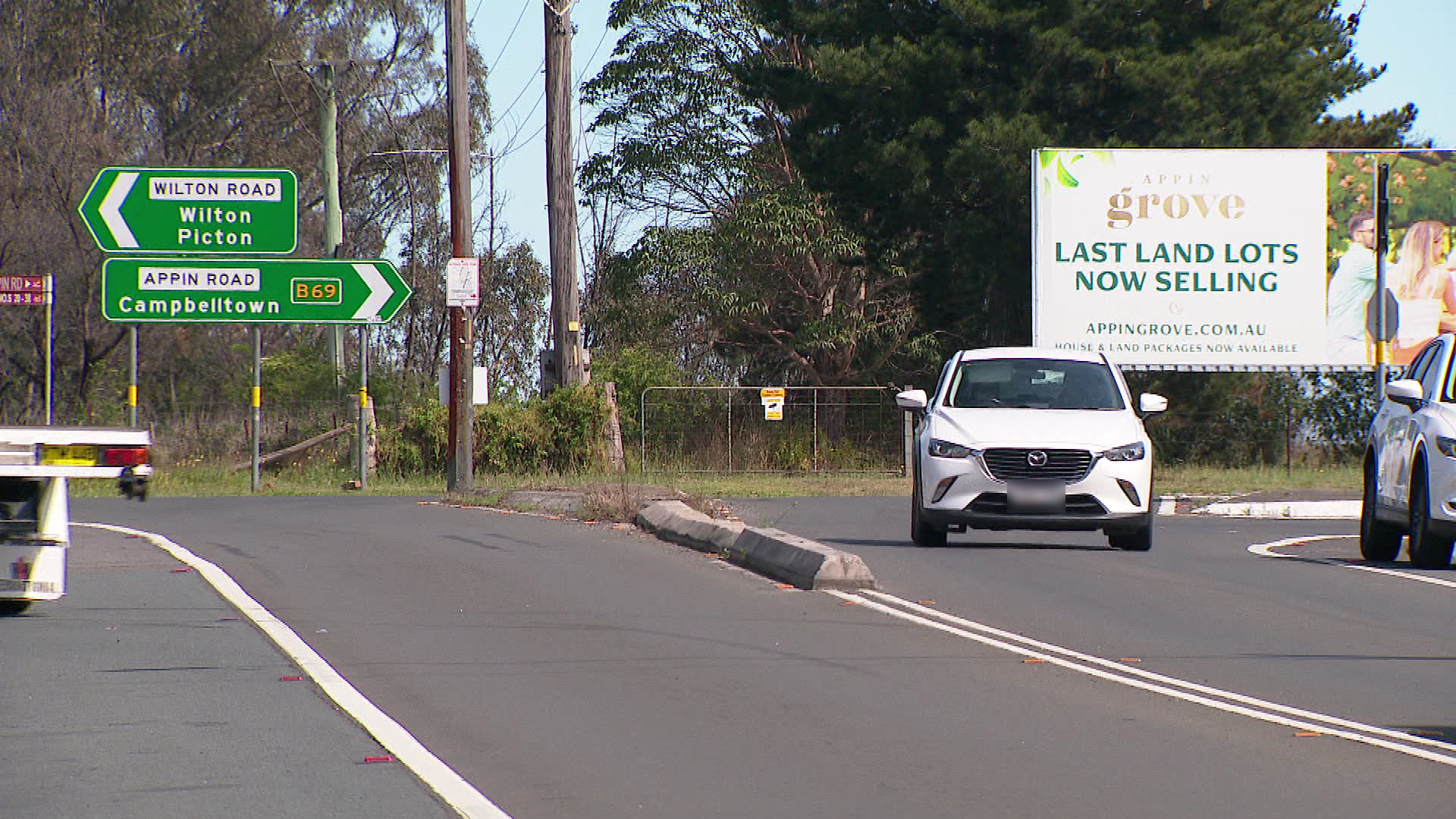
Officers have been told the boy has died in hospital.
"The truck driver, a 38-year-old man, was not injured and underwent mandatory testing at Campbelltown Hospital," police said.
Investigations are continuing.
On the Campaign, October 18: Why are the special votes so important?
Historic precedent suggests National and Act will need NZ First to govern.
Australia lurches closer to cashless society
Australian banks closed more than 400 local branches across the country in the past year to the end of June, new figures released today show.
Shutting their doors for the final time during the 12-month period were 424 branches – or 11 per cent of all bank outlets – annual data published by the Australian Prudential Regulation Authority (APRA) shows.
Included in the closures were 122 bank branches in regional and remote areas, which amounts to around 7 per cent of branches outside of Australia's major cities.
READ MORE: Australia's transition to cashless society 'inevitable', expert claims
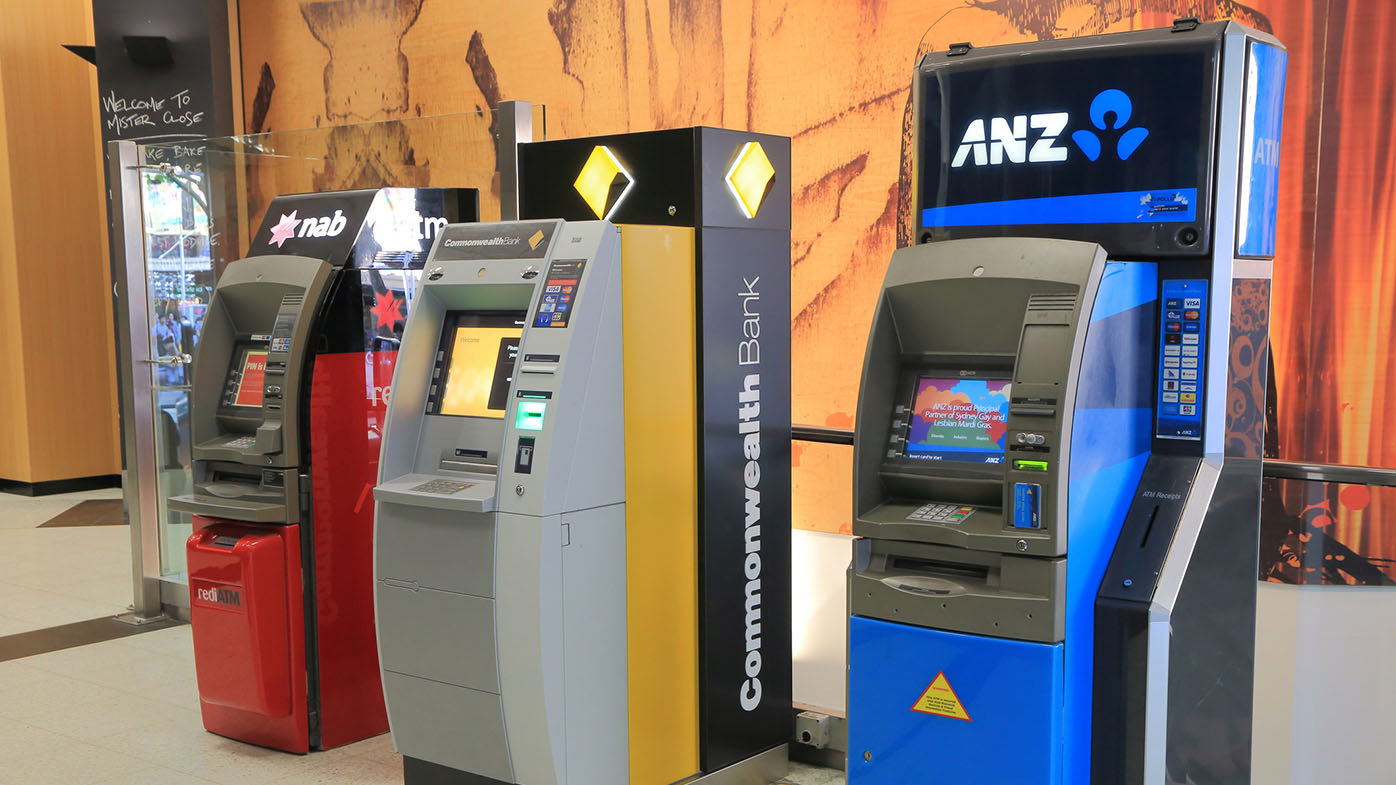
Since 2017, the number of bank branches have been slashed by more than a third in cities and regional areas.
The national data collection agency for the financial sector has also been monitoring a steep decline in the number of ATMs.
The number of ATMs available to withdraw cash also fell by 11 percent in the last year to June 30, with more than 700 cash machines removed from operation during the 12-month period.
Since 2017, the number of ATMs in operation has plummeted by a massive 60 per cent.
There are now fewer than 6000 cash machines across the country.
The figures come as the Senate conducts an inquiry into bank closures in regional Australia, chaired by Senator Matt Canavan, which is due to release its final report in May next year.
Bosses from the big four banks fronted the inquiry last month at a hearing in Canberra, with the top executives all pointing to cost pressures and changing customer demands as major reasons for branch closures.
Commonwealth Bank CEO Matt Comyn said the bank had reduced its branch footprint over time as "the way customers engage with banks continues to change".
Westpac CEO Peter King said it was using technology to connect the group's brands to regional customers.
ANZ CEO Shayne Elliott said the reality was customers were "rapidly moving towards digital channels".
The Commonwealth Bank and Westpac have committed to keeping all regional bank branches open while the inquiry is being conducted.
APRA said it was closely following the progress of the Senate inquiry and would continue to support its work.
Jason Bryce runs Cash Welcome, a group which campaigns against moves towards a cashless society.
The decline in the number of bank branches and ATMs had made it harder than ever for Australians to pay with cash, Bryce said.
"Australians don't want to lose access to cash or their right to choose cash to pay for essential goods and services," Bryce said.
"Consumers and businesses need cash and banking for our local economies to thrive.
"Even people who don't use cash every day need cash occasionally or when systems go offline.
"Many bank branches are being closed despite continuing heavy foot traffic and even growing numbers of customers."
Bezos overtakes Bernard Arnault as world's second richest
Not everyone is doing it as tough as the average battler. The world's richest tycoons are continuing to trade places on Bloomberg's billionaire index.
How Harry Potter broke Amazon and forced a new speed test
If you like how quickly Amazon delivers items to your home, turns out you can thank author J.K. Rowling and her beloved Harry Potter book series.
The Harry Potter books were such a phenomenon with readers the massive volume of sales ended up causing gridlock inside Amazon's giant warehouses, forcing an entire efficiency rethink over how the company stores goods.
Before the 2003 release of Harry Potter and the Order of the Phoenix, Amazon had always stored books inside its warehouses under the author's surname, just like a book store would, such as Stephen King under K and Roald Dahl in the D's.
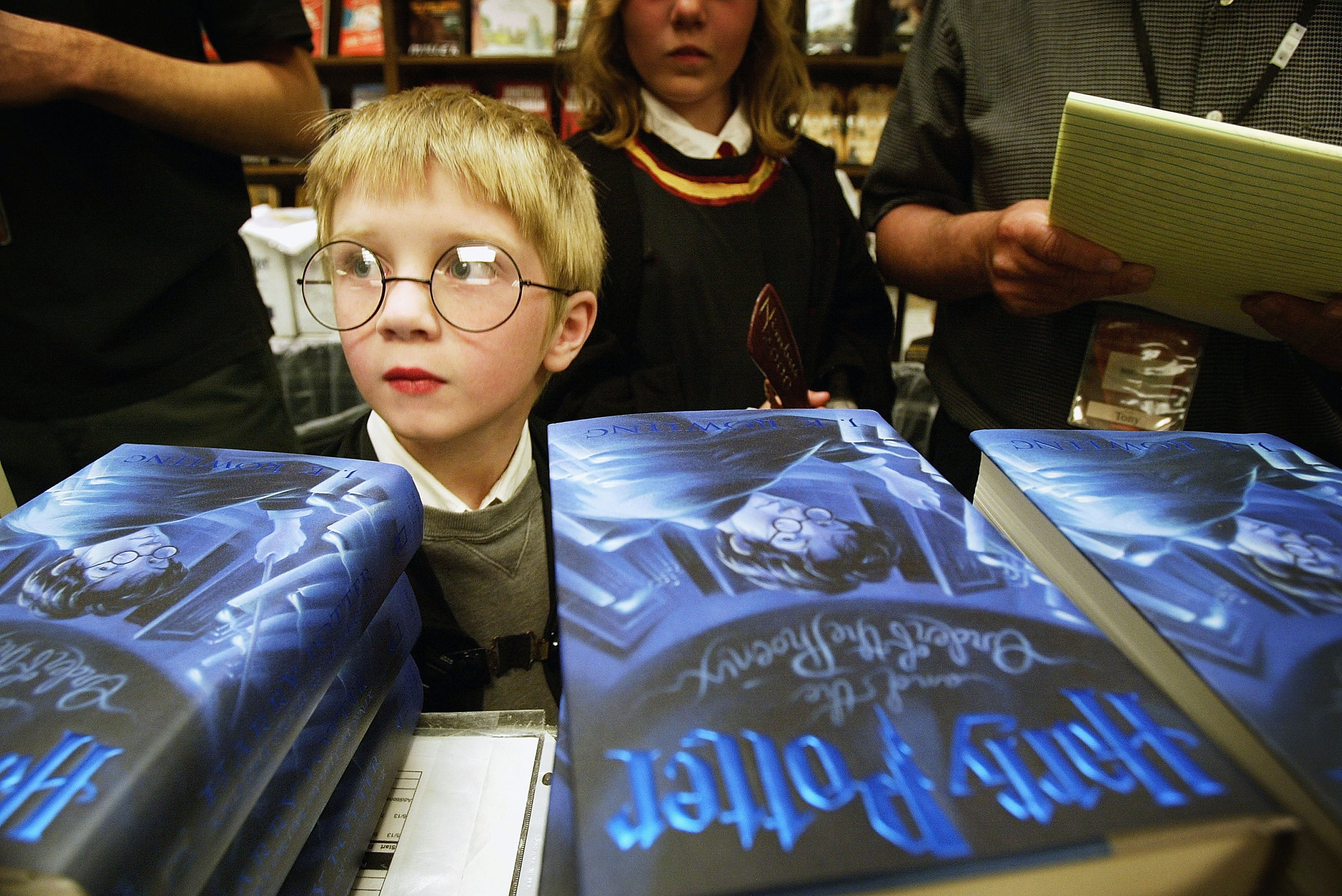
But frenzied pre-release sales of Harry Potter and the Order of the Phoenix led to traffic jams of pickers – the name for workers who walk the warehouse collecting goods to be shipped – in the R section.
With so many pickers descending on one spot, the queues in warehouses messed up the picking schedule and slowed down the crucial first step in Amazon's delivery operation.
So Amazon threw the alphabetical stow system in the bin and moved to what the online retail giant calls "random stow", a model it has used inside its vast fulfilment centres for the past 20 years.
Random stow is a kind of organised chaos, where goods are scattered randomly throughout a warehouse: a beach towel can sit on a shelf with batteries on one side and frying pans the other.
So when an order is placed online, there's a good chance one of Amazon's pickers will be in close proximity to that item.
The quicker that pickers pack, the faster an order moves out.
A small room inside the company's headquarters in Seattle nods to the special place Harry Potter has in the Amazon mindset, and how the system helped supercharge speed of delivery.
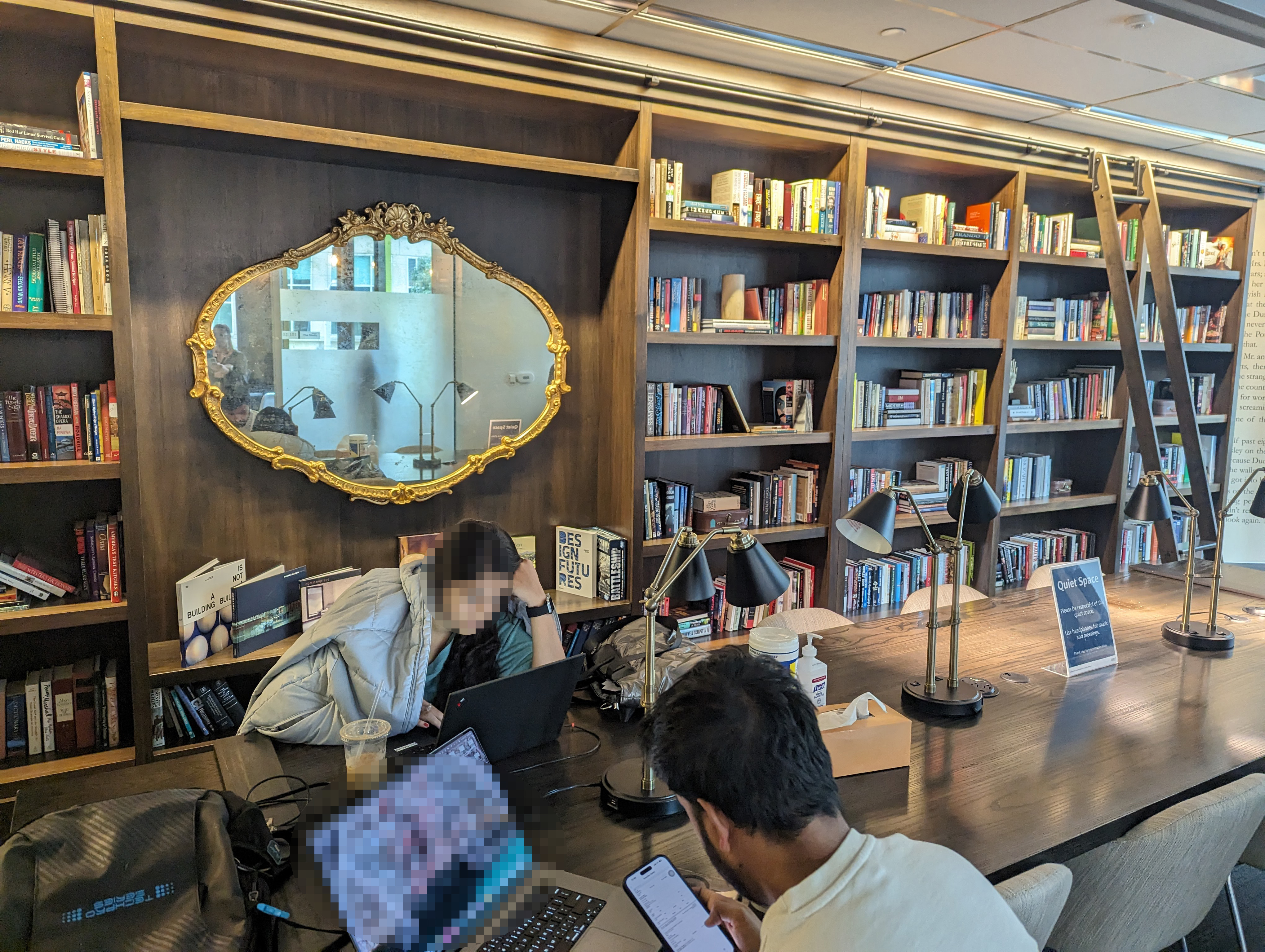
Nestled close to a lobby cafe where workers, also known as Amazonians, pick up a free daily coffee, the Harry Potter Room acts as a small library and quiet workspace.
Select passages from the books line the walls, and a variety of fiction and non-fiction titles sit on shelves.
Speed is one of Amazon's magic powers, and Australians demand "reliability and fast delivery", Akhil Saxena, Amazon's vice president of customer fulfilment operation for Asia Pacific, said.
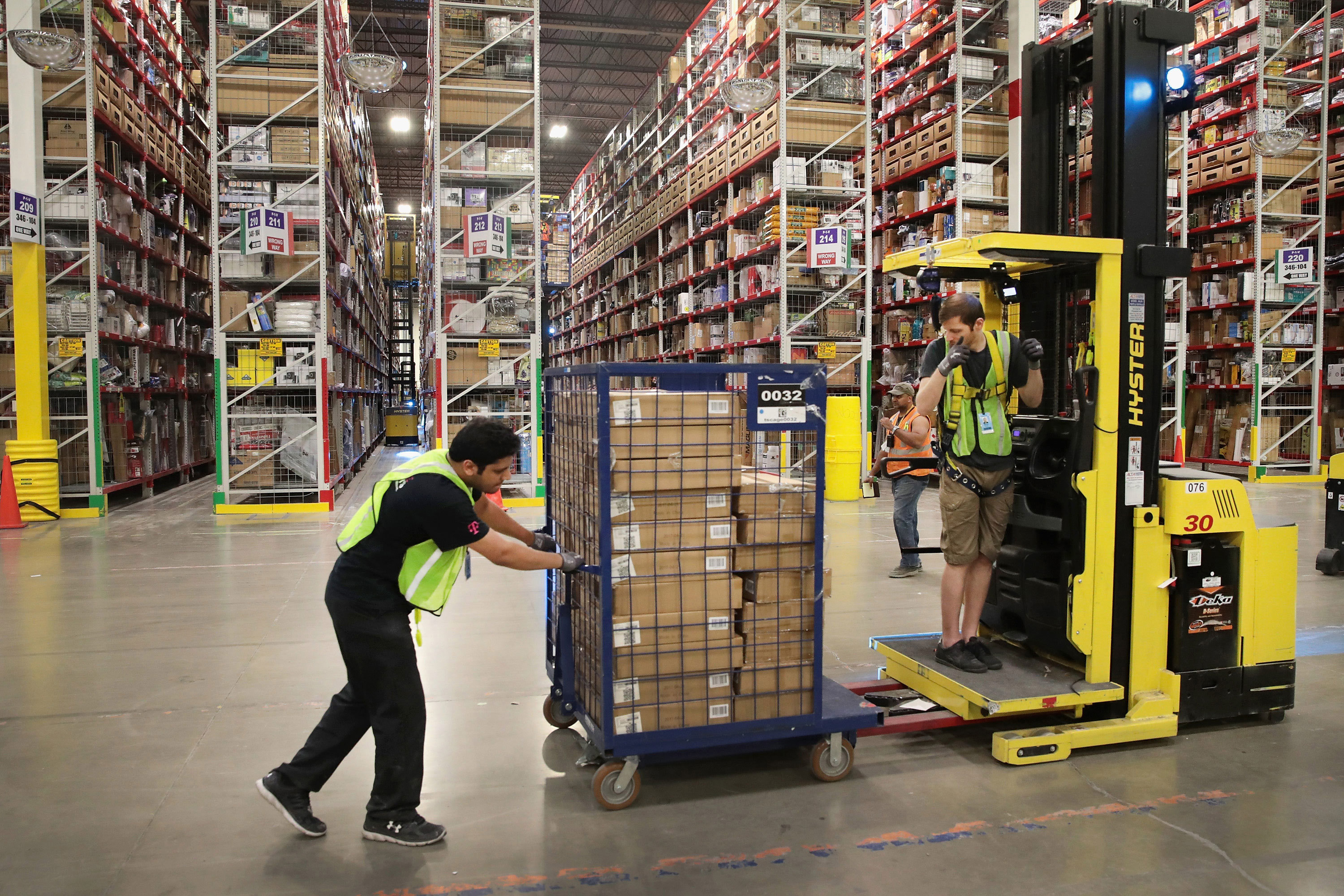
Since launching with one fulfilment centre in Melbourne in 2017, Amazon's footprint in Australia has rapidly grown.
Over six years, the company has invested $15 billion in building out a network of fulfilment centres and transportation models.
Saxena described Australia as a "very important" market in the Asia-Pacific region.
"It's the fastest growing network that we have in terms of size, scale and also from a volume perspective," he said.
There are now 7000 employees in Australia, up from 1000 in 2017.
An under-construction fulfilment centre in North Melbourne will be the size of 11 Melbourne Cricket Grounds, the largest warehouse ever built in Australia, when complete in 2025.
"A lot of the work that we've done has been to find ways that we can deliver quicker to our customers," Saxena said.
Fulfilment centres tooled up with machine learning, artificial intelligence and robotics has been pivotal to that end, he said.
Amazon's Flex program, which uses independent drivers to make deliveries, has also been a vital part of establishing a transportation network in Australia that moves goods when traditional courier companies do not, he added.
The reporter travelled to Seattle for the 'Delivering the Future' media event as a guest of Amazon. Amazon did not pay for this content.
Man shot in leg outside Sydney shopping centre
A man has been rushed to hospital after he was shot in the leg in Sydney's south this morning.
Emergency services found the injured man with a gunshot wound after they were called to a local shopping centre carpark in Sans Souci about 5.45am.
The 22-year-old man was treated by paramedics before being taken to hospital in a stable condition.
READ MORE: Nazi salute set to be banned in Victoria
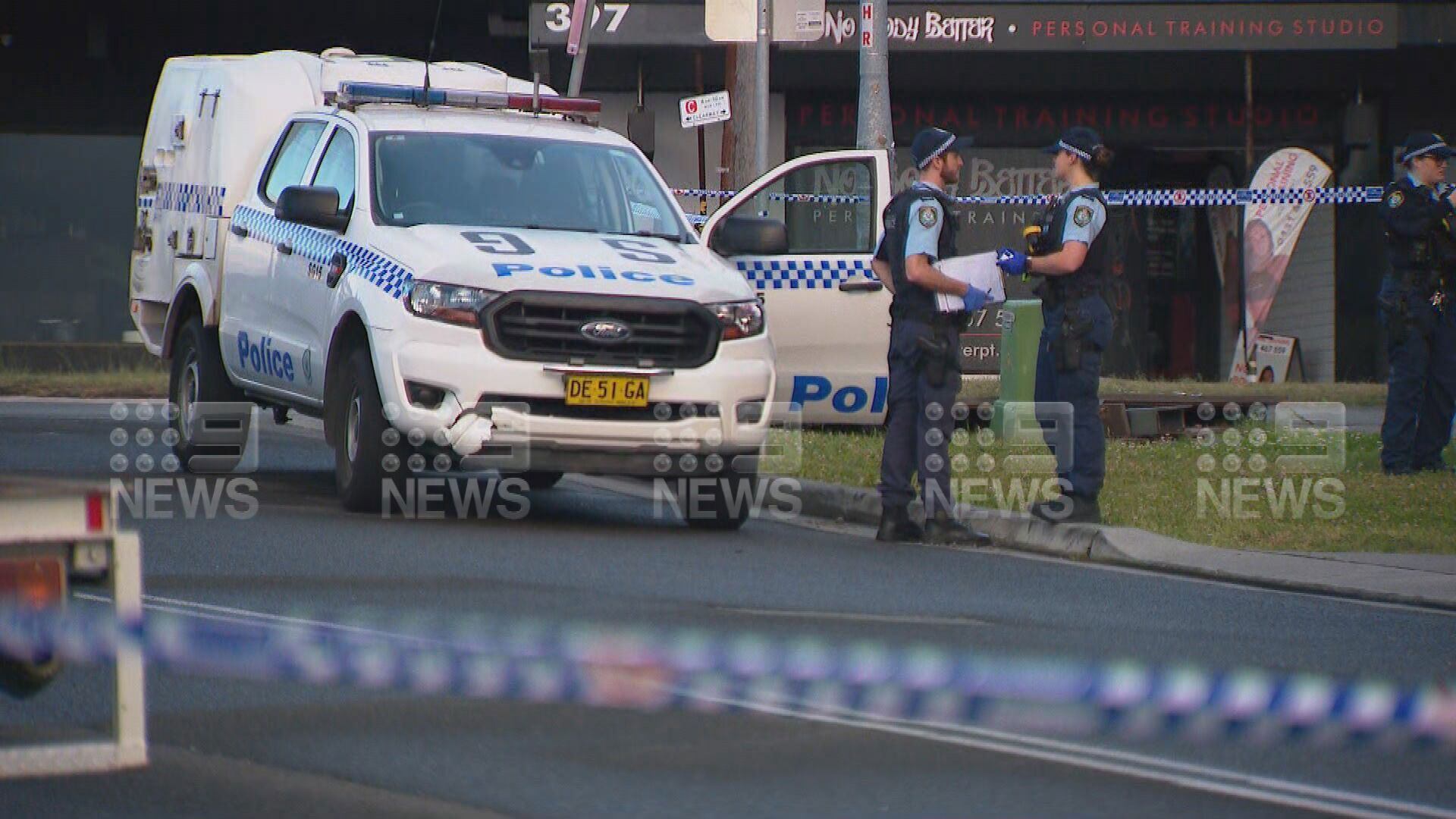
A crime scene has been established by police as they continue to investigate the incident.
Police have asked any witnesses or people with information to contact CrimeStoppers.
Britney Spears writes of abortion while dating Justin Timberlake in memoir
Britney Spears wrote that she had an abortion while dating Justin Timberlake more than 20 years ago, according to a peek inside her hotly-anticipated memoir.
“If it had been left up to me alone, I never would have done it,” she writes of the procedure, according to the excerpt from “The Woman in Me” published Tuesday in People magazine. “And yet Justin was so sure that he didn’t want to be a father.”
The pregnancy “was a surprise, but for me, it wasn’t a tragedy,” she wrote in the excerpt, saying that she had wanted to start a family with Timberlake — it was just earlier than expected.
READ MORE: Donald Trump decries gag order outside New York court room
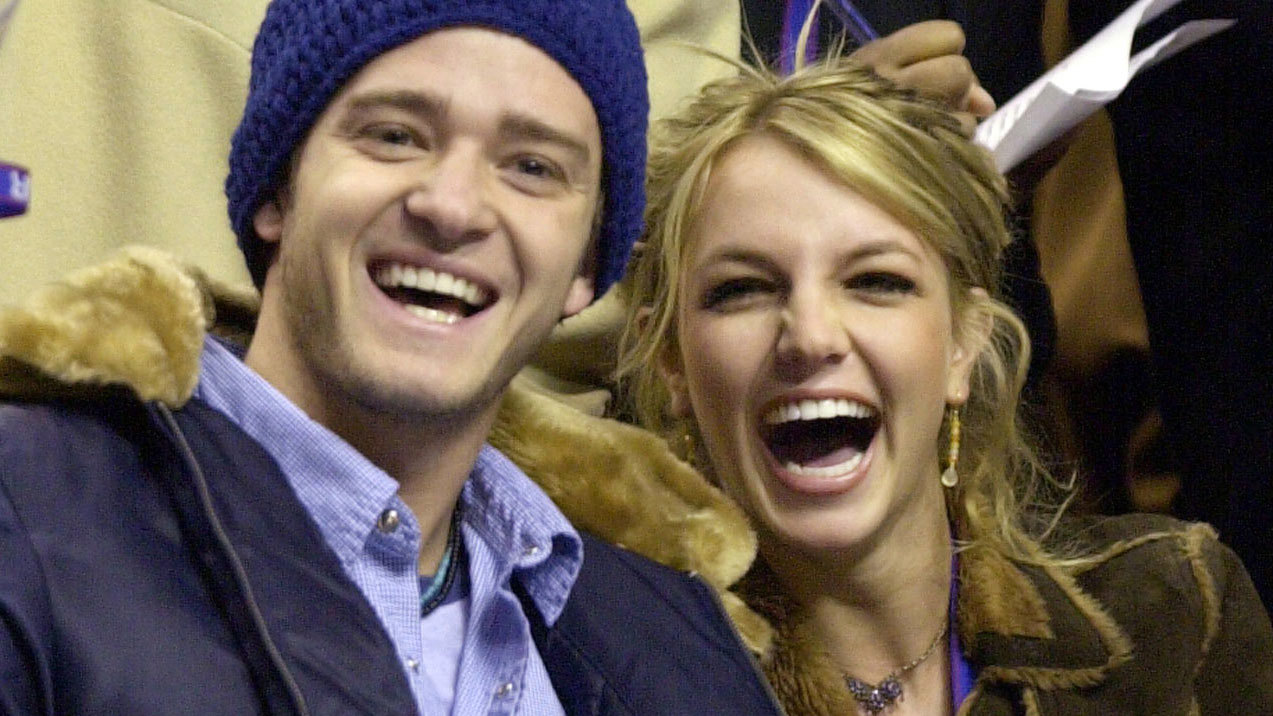
“But Justin definitely wasn’t happy about the pregnancy. He said we weren’t ready to have a baby in our lives, that we were way too young,” she wrote. The couple broke up in 2002. It’s unclear when the pregnancy happened.
Representatives for Spears declined to offer further comment. Representatives for Timberlake did not respond to requests for comment from The Associated Press. The AP has not been able to independently review a copy of the “The Woman in Me” yet.
Spears, a prolific user of social media, has not posted to Instagram or X, the platform formerly known as Twitter, since the People stories were published.
In the excerpt published in People, she characterised the abortion as “one of the most agonizing things I have ever experienced in my life.”
Spears’ long-awaited memoir will be published October 24, just months after her divorce from Sam Asghari was announced and promising to shed light on the 41-year-old’s tumultuous decades in the spotlight.
“NO ONE KNOWS WHAT I REALLY THOUGHT … UNTIL NOW,” reads a teaser for the book she posted Sunday. The audiobook will be narrated by actor Michelle Williams.
Hailing from Kentwood, Louisiana, Spears rose to fame as a tween on “The Mickey Mouse Club,” alongside other future stars like Ryan Gosling and Timberlake — a trajectory chronicled in other excerpts published by People.
Despite some further attempts at acting — in the People excerpts, she says the lead in “The Notebook” came down to her and Rachel McAdams and that she was relieved when 2002’s “Crossroads” was “was pretty much the beginning and end of my acting career” — she found indelible stardom with her music career, starting with 1999’s “…Baby One More Time.”
READ MORE: Teary reunions as first repatriation flight brings Aussies home
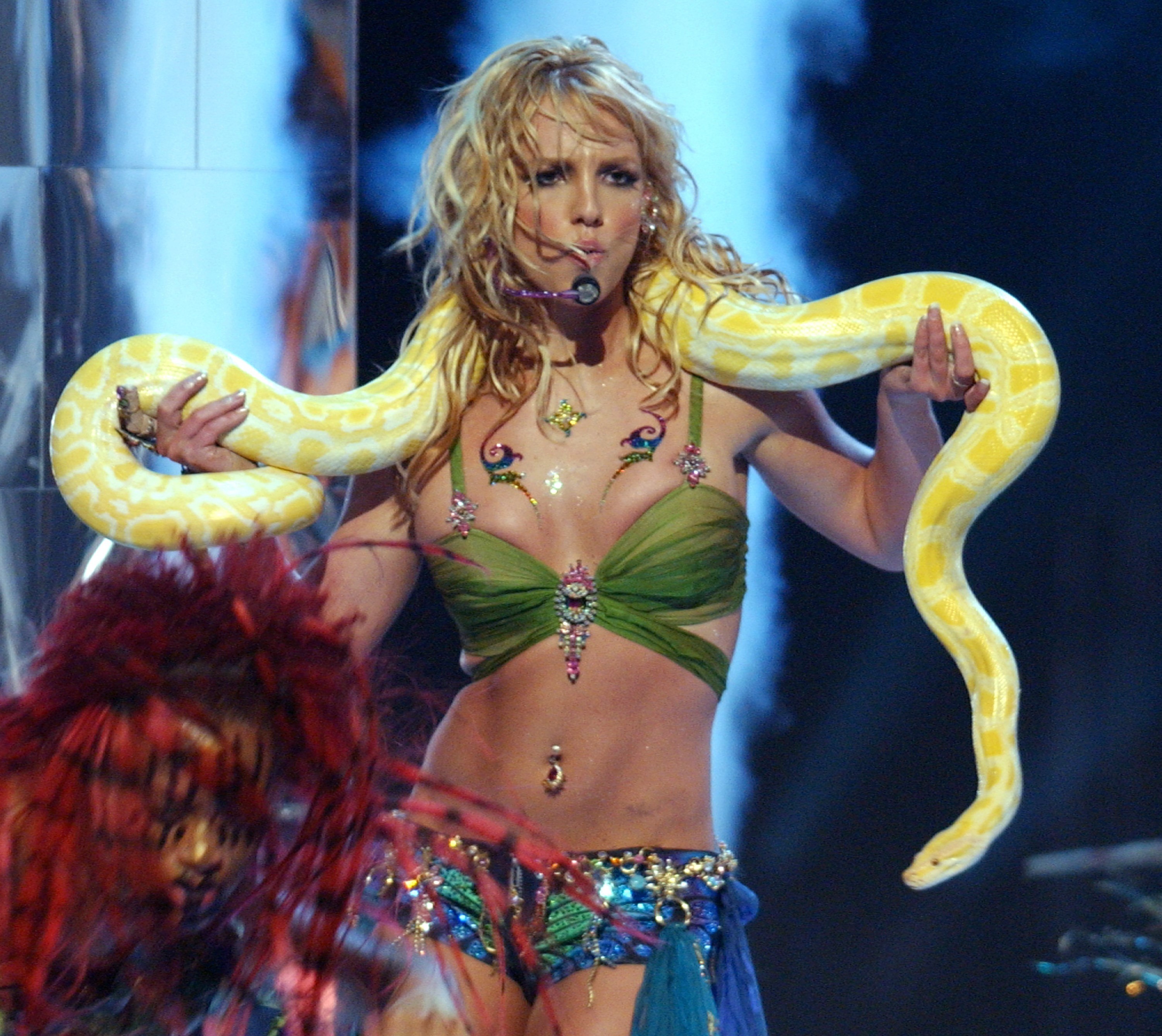
She had two sons with Kevin Federline, but was placed under a court-ordered conservatorship — mostly under the supervision of her father — that controlled her life, money and voice after public breakdowns. That conservatorship would last nearly 14 years, ending in late 2021, after a swelling #FreeBritney movement that helped secure new limits on conservatorships in California.
Many of Spears’ allegations against her father and others who operated the conservatorship are expected to be heard in a civil trial scheduled for next year.
A 2021 documentary, “Framing Britney Spears,” included an old interview in which Timberlake spoke of sleeping with a former girlfriend and indicated he ridiculed her in his “Cry Me A River” music video. That sparked a backlash in which fans accused the former NSYNC member of contributing to Spears’ breakdown and also renewed ire about his role in Janet Jackson’s so-called wardrobe malfunction during the 2004 Super Bowl halftime show. Subsequently, he apologised to Spears and Jackson “because I care for and respect these women and I know I failed.”
A few months later, as Spears revealed long-guarded secrets about what she described as an “abusive” conservatorship in court, Timberlake tweeted his support.
“After what we saw today, we should all be supporting Britney at this time,” he posted in June 2021. “Regardless of our past, good and bad, and no matter how long ago it was… what’s happening to her is just not right.”