Upu is a beautiful demonstration of the power of words.
Tag Archives: oceania
Thousands attend pro-Palestine rallies across Australia
Thousands of people have gathered in Sydney, Melbourne, and Adelaide today for pro-Palestine rallies.
Police investigate suspicious fire at doctors clinic
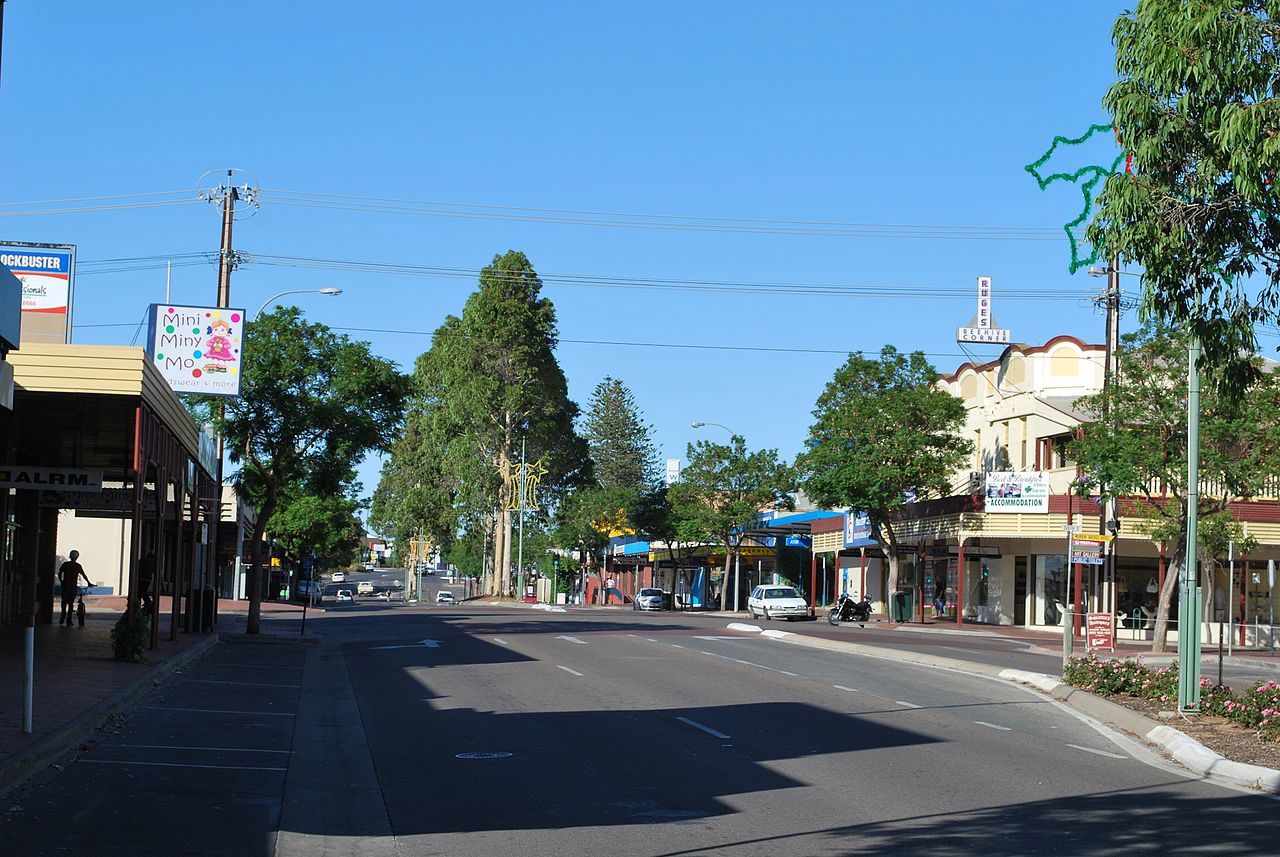
Police are investigating a suspicious fire lit at a doctor's clinic in Murray Bridge in the early hours of the morning.
Emergency services were called to a doctor's surgery on Adelaide Road in the town, 70 kilometres east of Adelaide.
When police and fire crews arrived on the scene they found that a fire started in a wheelie bin had spread to the doctor's clinic, with flames and smoke pouring into the premises.
READ MORE: Kmart recalls popular furniture item over safety concerns
No injuries were reported in the blaze, but a number of other bins were found on fire nearby.
The blaze was quickly extinguished by MFS crew, but not before the doctors' surgery sustained some damage.
South Australia Police established a crime scene, with investigations continuing throughout the day.
Anyone with information is being urged to come forward and contact Crime Stoppers.
Greens call for truth and justice commission after Voice referendum defeat
Greens leader Adam Bandt is calling on the federal government to invest in a truth and justice commission following the failure of the Voice referendum.
Speaking to media today, he said the proposed commission would support local truth-telling processes and limit misinformation circulating, as he believed occurred amid the referendum campaign.
The Voice to parliament referendum failed to pass last night, with all states and territories, except for the ACT, producing a majority No vote.
READ MORE: 'An overwhelming result': Charles Croucher breaks down landslide Voice result
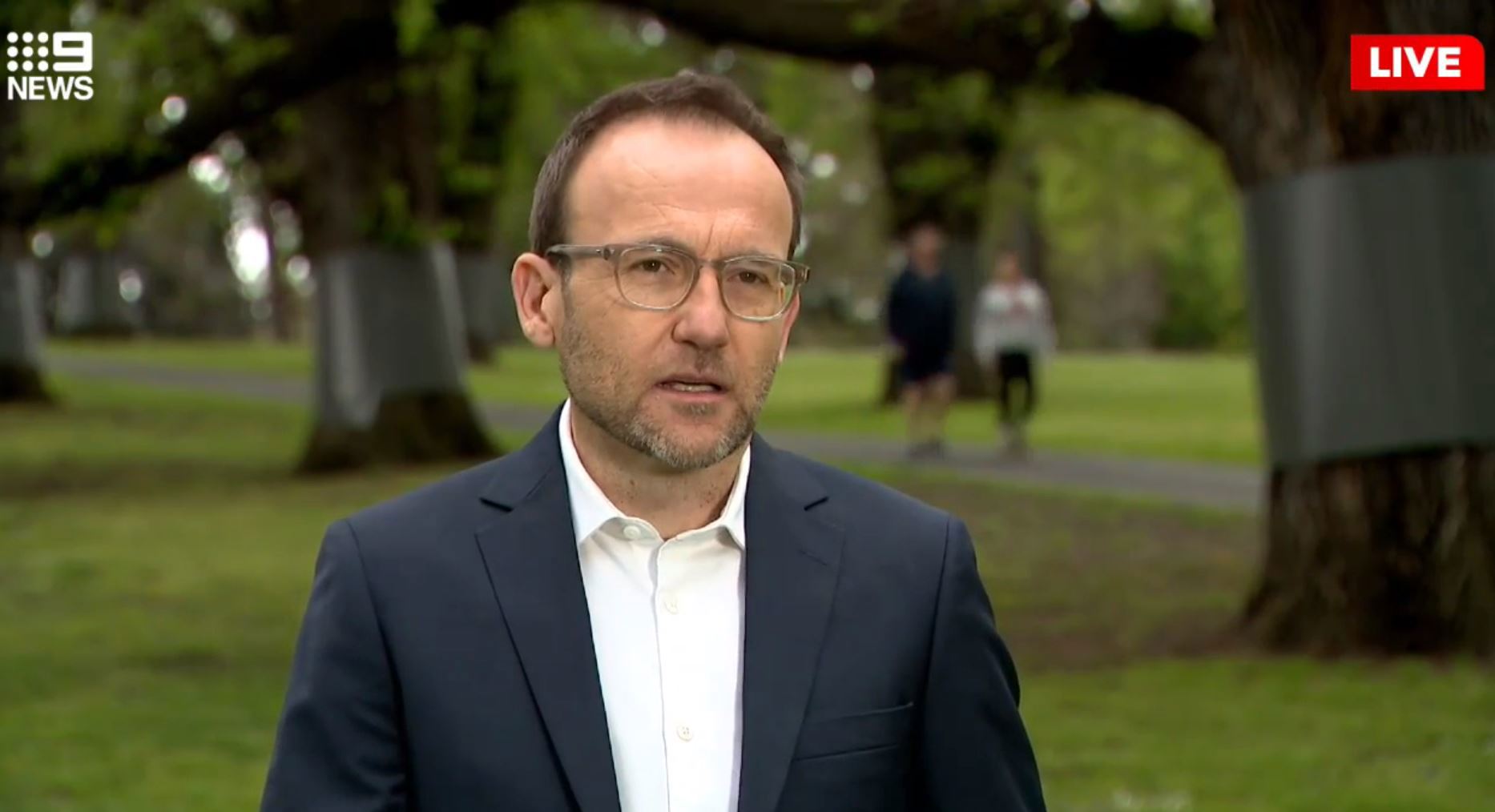
Bandt took aim at Opposition Leader Peter Dutton for his campaigning against the referendum, and said there was an "urgent need for truth-telling and healing".
"Peter Dutton ran a Trumpian campaign of misinformation and fear that has the potential to set back reconciliation in this country unless we address it," Bandt told reporters.
"Dutton is the master of misinformation."
The Greens leader urged the federal government to commit $250 million to a truth and justice commission.
"There's no need for delay and we can't leave the country without a clear pathway forward," Bandt said.
"A national truth and justice commission would bring everyone together to talk honestly about the violence and dispossession of First Nations peoples so we can heal and move forward together."
Opposition leader Peter Dutton earlier told media it had been a good result for the country last night.
"What matters is that we all accept the result in this great spirit of our democracy," he said.
"This is the referendum that Australia did not need to have. The proposal and the process should have been designed to unite Australia, not to divide us".
READ MORE: Nationals leader says referendum would have passed if it only addressed constitutional recognition
Meanwhile, Victorian Indigenous leaders said the referendum would leave a lasting impact.
First Peoples Assembly of Victoria member Aunty Esme Bamblett said the result "hurt", but that progress had been made in some areas.
"We've been here for thousands of years and we're not going anywhere. We are still strong, resilient and deadly," she said.
"Give us a week or so to mourn, give us some time and we'll get up and we'll go again.
"Here in Victoria, we're getting making great progress in the treaty… That's what we're focused on and we're going to get the job done."
A mum and daughter are missing in Israel. Their family believes they are hostages
Judith Raanan and her teenage daughter, Natalie Raanan, were excited to travel to Israel to celebrate a relative's 85th birthday and the Jewish holiday season, according to their rabbi.
The pair had been sending updates as the trip progressed and were enjoying "this really special mum and daughter time together," Meir Hecht said.
The family hasn't heard from either mother or daughter since a week ago, after Hamas launched an unprecedented surprise attack.
The community in their suburb north of Chicago fears they are among roughly 150 people abducted by Hamas militants.
READ MORE: Heavy police expected ahead of pro-Palestine rally in Sydney
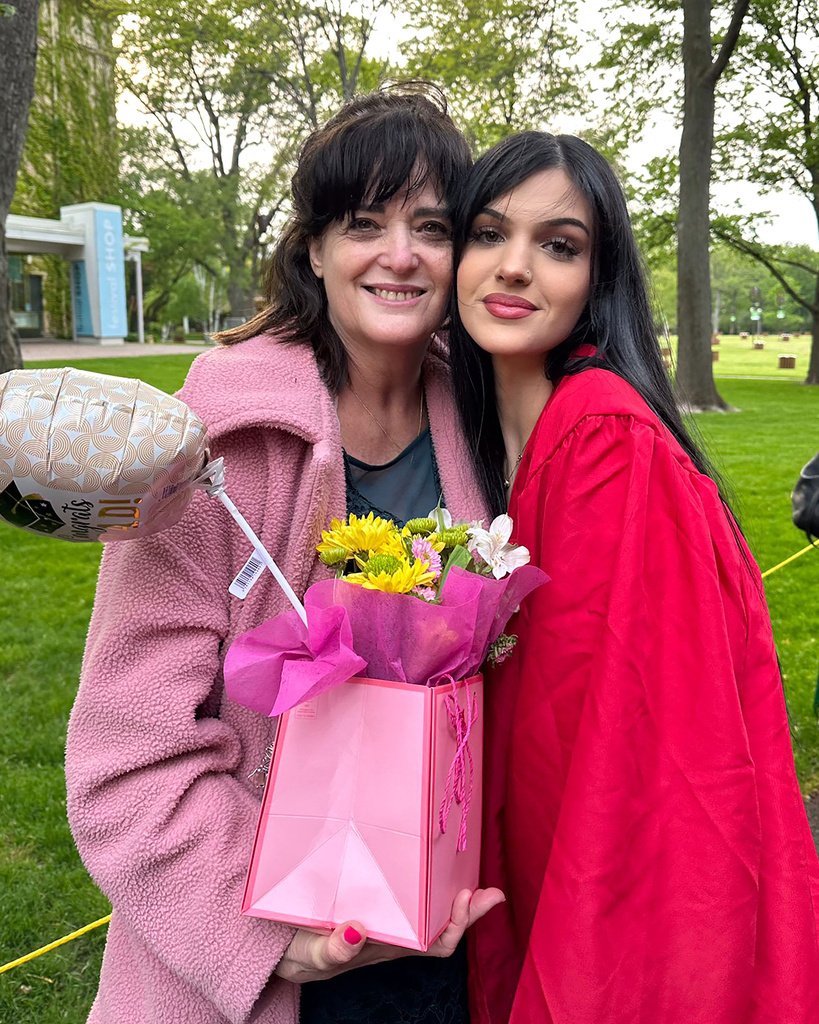
"We received this terrible news that Judith and her daughter Natalie are missing and apparently were most likely taken as hostages to Gaza," Hecht said.
"It feels like our community has been violated."
They had been celebrating Simchat Torah, a festive Jewish holiday that marks the conclusion of the annual reading of the Torah.
They were in Nahal Oz, a kibbutz in Israel about a mile (1.61 kilometers) from the Gaza border.
Natalie Raanan, 17, recently graduated from high school and was looking forward to taking a break and visiting family overseas, her uncle, Avi Zamir, said at a community event for the Raanans in Evanston on Thursday evening.
"Kind person. She's a sweetheart. She loves animals," Zamir said.
"We fear for her. We pray for her. We hope she's together with her mum."
READ MORE: Gazans run out of time after Israel's evacuation deadline
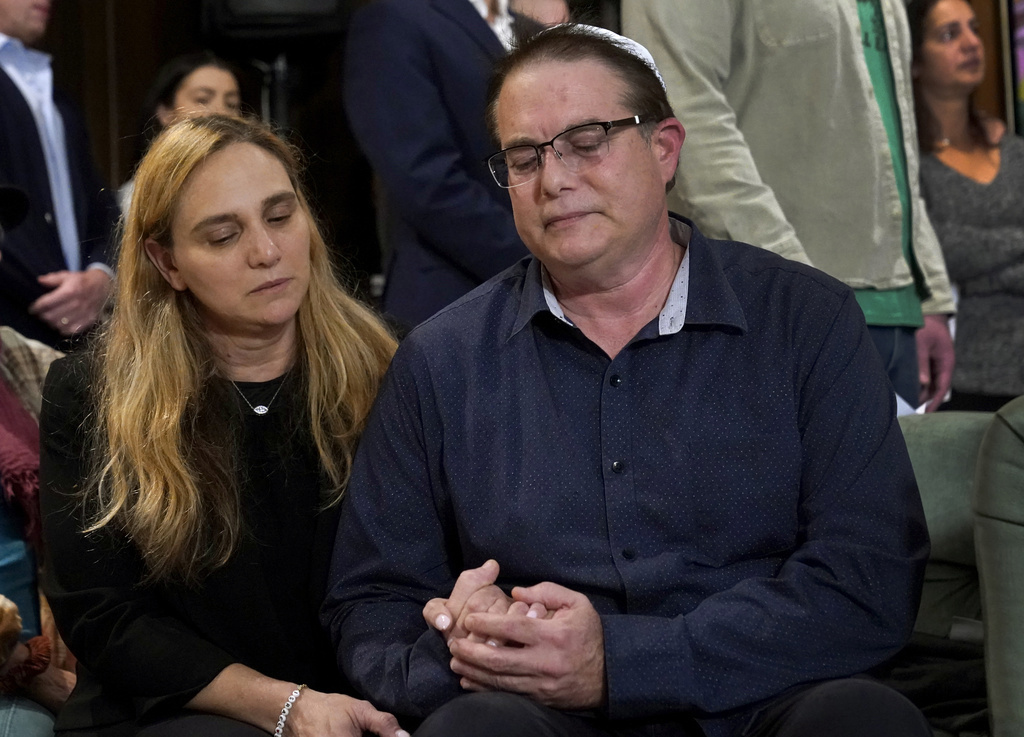
Through tears, Natalie Raanan's aunt, Sigal Zamir, said: "I pray for them to come back alive. They're innocent and loving, and they didn't do anything."
Just before she left for Israel, Judith Raanan dropped off a pink prayer book for the Hechts' seven-year-old daughter, who loves the color, said Yehudis Hecht, the rabbi's wife and Judith's friend.
"Judith, we're thinking of you. Of your resilience, your hope, your love, your generosity, your faith and strength," Yehudis Hecht said.
"We know you're a strong woman and we pray that we see you safely very soon with your dear Natalie."
Kmart recalls popular furniture item over safety concerns
Kmart Australia has issued a second recall notice for one of its popular furniture items sold across the country.
The retail giant warned customers that the metal chairs, which were available to purchase from July 2014 to March 2016, had been recalled due to an "entrapment or laceration hazard".
Several incidents involving the chairs have occurred since the first recall, prompting Kmart to reissue the notice.
READ MORE: 'An overwhelming result': Charles Croucher breaks down landslide Voice result

"The tapering of the inside bottom of the chair legs may lead to an entrapment or laceration hazard," Kmart Australia said on social media.
"Kmart can supply a free plug insert kit to customers and these plugs will need to be inserted into the legs of the chairs. Once the plugs have been inserted, customers can continue using the chairs."
Customers are encouraged to return the chairs for a full refund or request plugs to insert into the legs of the chairs.
The plugs are available by contacting the Kmart Customer Service team.
Gold diggers: The female prospectors chasing riches in the outback
Jen Walsh knew almost nothing about gold when she first picked up a metal detector.
Anything she did know was gleaned from watching TV; specifically, her favourite reality show Aussie Gold Hunters on Foxtel.
The popular series inspired the 49-year-old to hire a detector when she was on a weekend camping trip to Maryborough, a small town north of Ballarat in the heart of Victoria's goldfields.
READ MORE: Why are people still finding so much gold in Victoria?
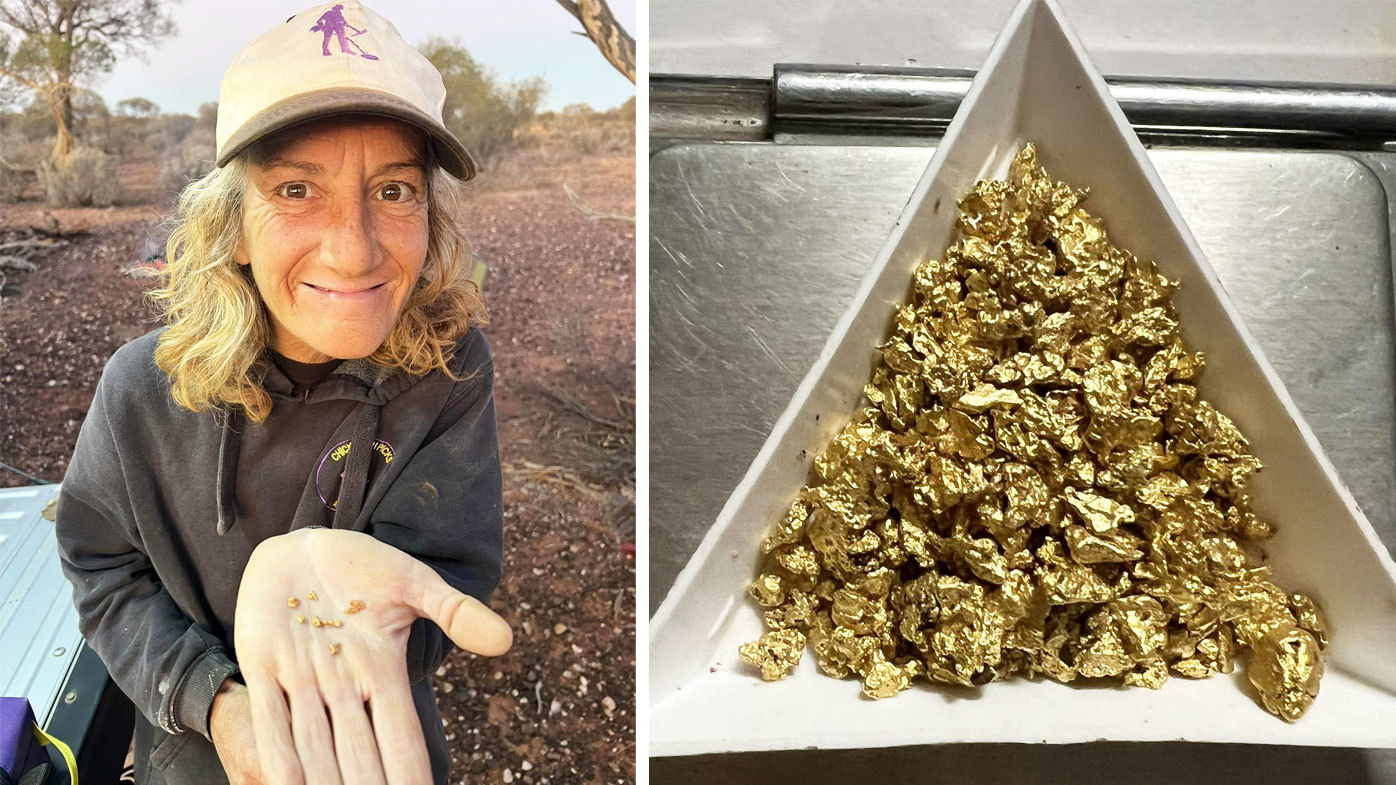
Stepping a few metres off a bush track, Walsh found "the tiniest speck of gold".
"It was an adrenaline rush beyond anything I had ever felt," Walsh said.
"It really grabbed hold of me in a way that they speak of gold fever."
That first hint of success would go on to change Walsh's life in a dramatic way.
She quit her job as a learning support teacher at a Melbourne primary school and made the move to Maryborough to become a full-time gold prospector.
"My mental health in Melbourne wasn't good at all, and when I moved to Maryborough I did not know a single person, so it was really scary," she said of the move five years ago.
Trying to make her way as a newbie in the world of prospecting also threw up many steep learning curves, Walsh admitted.
"At first, I was very overwhelmed, even just by the language," she said.
"People were talking about ground noise and reefs and things.
"And I was thinking, 'The ground doesn't make noise, what are they talking about?'
"It felt as if they were speaking a whole new language and I was lost in the first sentence."
READ MORE: 'Wife will be happy': $240k gold nugget found in Victoria
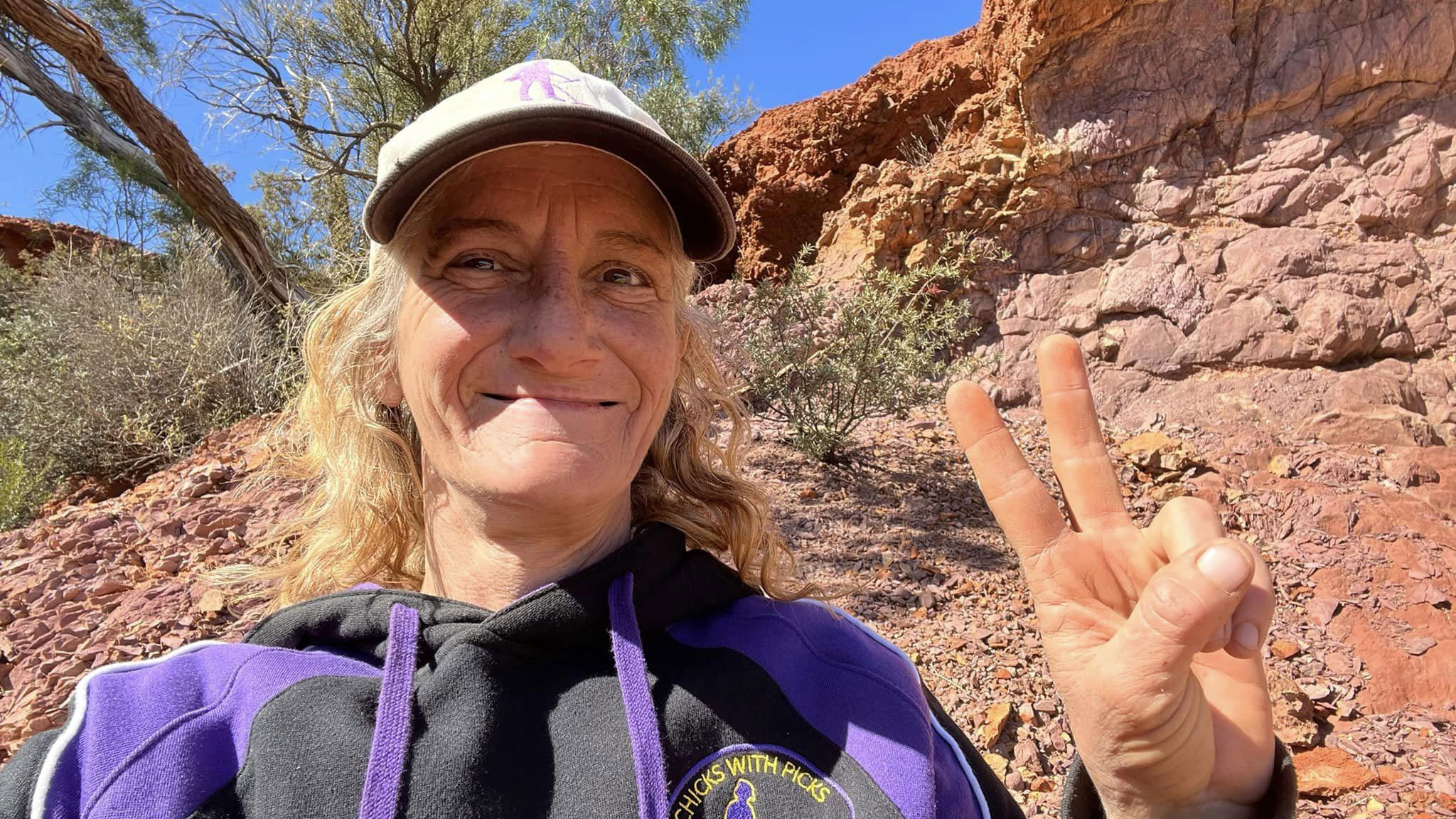
Walsh said she also initially felt a little intimidated in the male-dominated industry.
"Everywhere you looked, it was really just the men out there," she said.
Walsh said she could remember asking for advice in the beginning about likely locations to prospect for gold.
"They would send you somewhere that was full of rubbish. They all hid and they didn't tell you their spots, and everything was hush-hush.
"You felt really like it was a man's world and there was always that slight intimidation where you couldn't cross their ground."
While it was a tough hurdle to overcome, Walsh said she gradually found acceptance within the local prospecting community and a special kind of peace that came with being surrounded by nature in the Aussie bush.
"I feel like I've been nurtured by Mother Nature and what's around me," Walsh said.
"Mentally, it's just been so empowering to walk out into the bush and be able to look somewhere and then go – 'Yeah, I'm gonna try here.' It's still exhilarating and it's a reward every time."
While Walsh is yet to hit the jackpot by finding any large nuggets – her biggest find so far weighs 23 grams – she has found "ounces upon ounces of smaller gold".
With the price of gold at record highs, even small pieces of gold can add up to fetch good prices.
The gold Walsh finds is now her main source of income.
Last month, she dug up 52 grams of gold, which she sold for $5000.
But by far the biggest treasure found was the local friends and connections she had made in the gold-hunting community, Walsh said.
Inspired by her difficulties finding her feet, Walsh set up a group three years ago to help support female prospectors – Chicks With Picks.
The group holds regular gold prospecting events and its Facebook page now has almost 6000 followers.
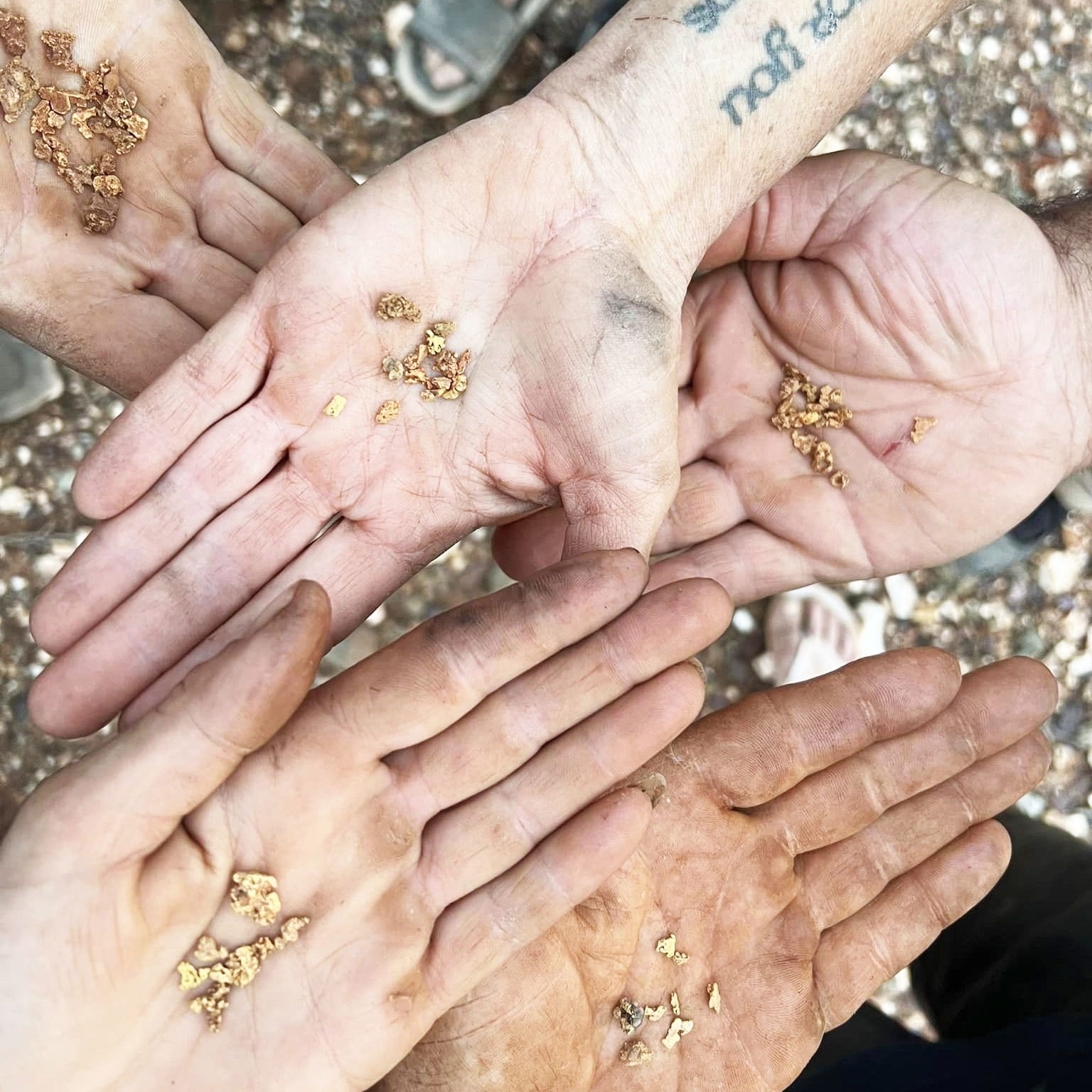
"It's not all about the gold, it's about the friendships as well," Walsh said.
"We have so many people coming along from all different walks of life. It's a beautiful bond we all share.
"I often call it my golden family because it really does feel like that – and it's growing more than I ever expected."
'He is given respect. I have to earn it'
Tyler Mahoney is a 26-year-old, fourth-generation miner who spends her time chasing gold seams in the Western Australian outback at Kalgoorlie.
"I started going out prospecting with my parents as soon as I could walk," Mahoney said.
"I remember we used to play this game with Mum and Dad where we would get to decide where they would go prospecting.
"We would walk through the bush and put big Xs in the ground where we thought gold was.
"One day, Mum found a bit of gold where I told her to go and I just thought I was the coolest kid on the entire planet."
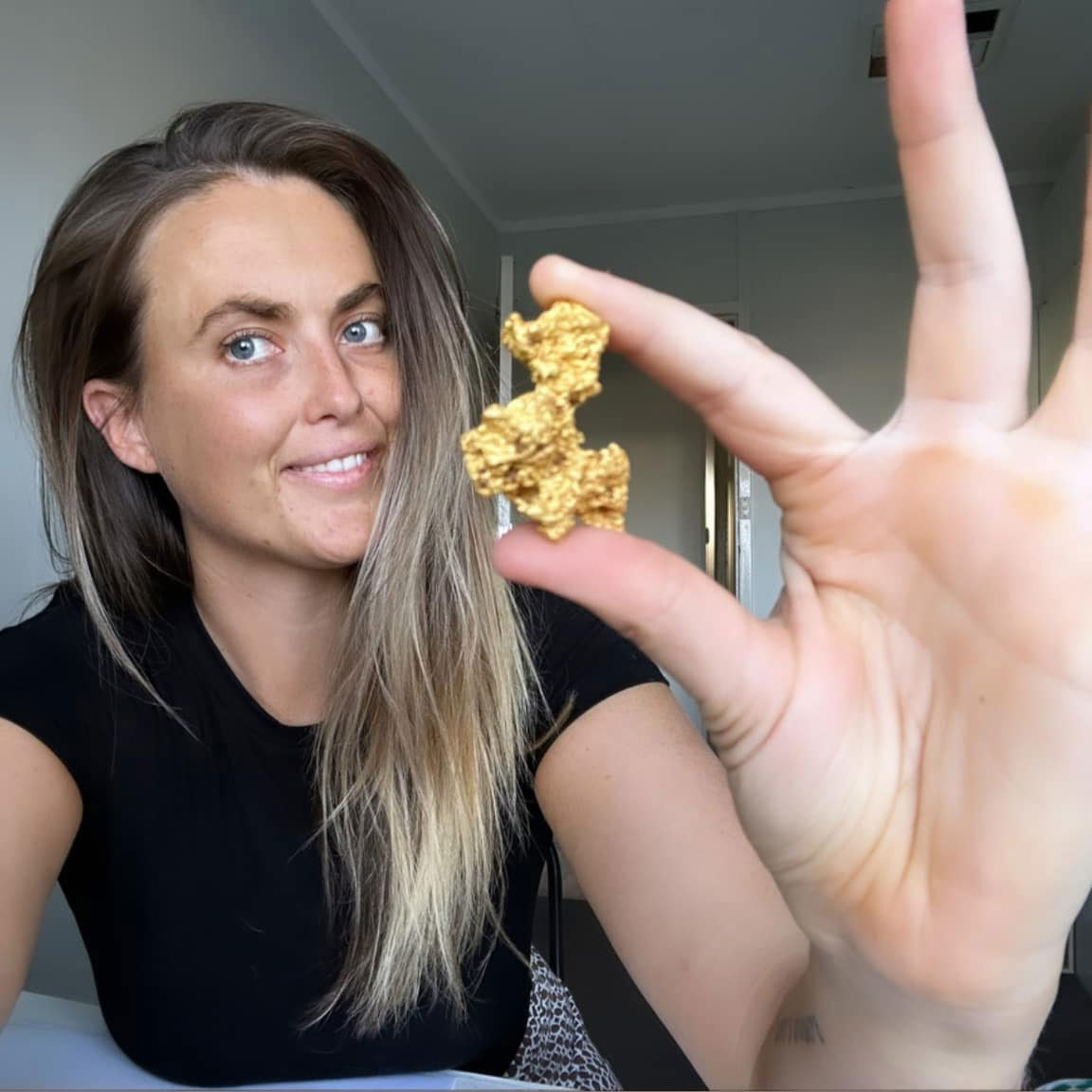
The biggest nugget Mahoney has found so far weighs five ounces.
However, an ironstone load she unearthed a few years ago has proved to be her most lucrative discovery.
"An ironstone load is basically primary gold. It's where the gold forms, in ironstone, and then nuggets break away from that," she said.
"The ironstone load that I found up in the desert had about $100,000 worth of gold finds in it – so that was really exciting."
But Mahoney, who also stars in the Discovery Channel's reality TV show Gold Rush, cautioned it was not an easy feat to make a living out of being a full-time prospector these days.
"If I didn't have my family and I didn't come from generational prospectors, there's no way I could be a full-time gold prospector and survive off it," Mahoney said.
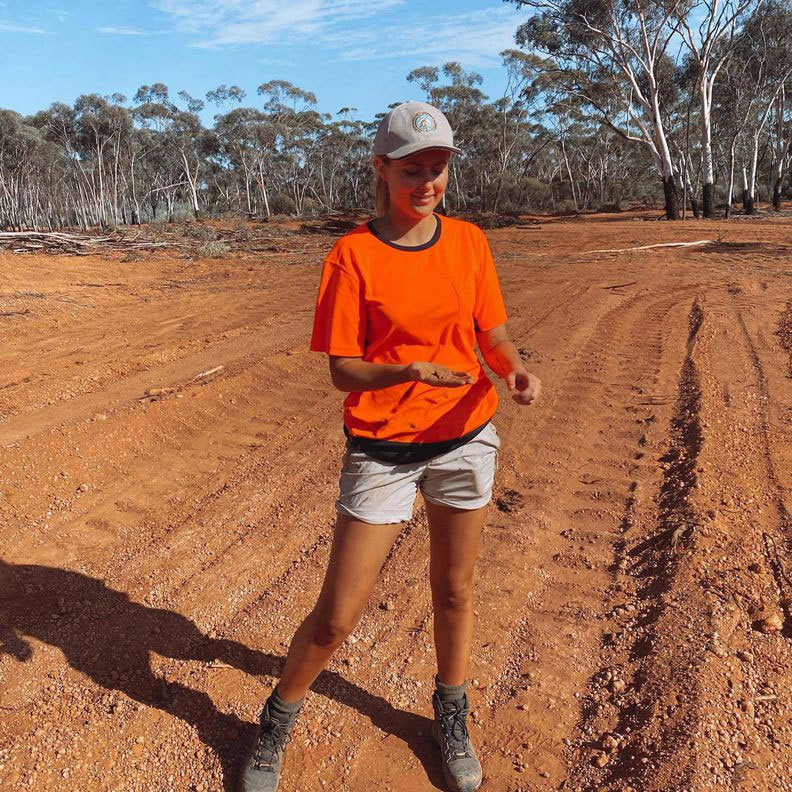
Mahoney said a combination of factors had come into play to make it harder than ever to find gold.
"The mining companies have all of the power, they have all of the good ground. It's borderline impossible to get good ground these days.
"Also, the gold rush was over 150 years ago, and then we had a second gold rush when metal detectors were introduced.
"So the surface gold is becoming really hard to find, you definitely need machinery.
"If you speak to my parents, being a full-time gold prospector 20 years ago was a great job.
"It was super chill, and relatively easy to find gold – these days, it's hard work."
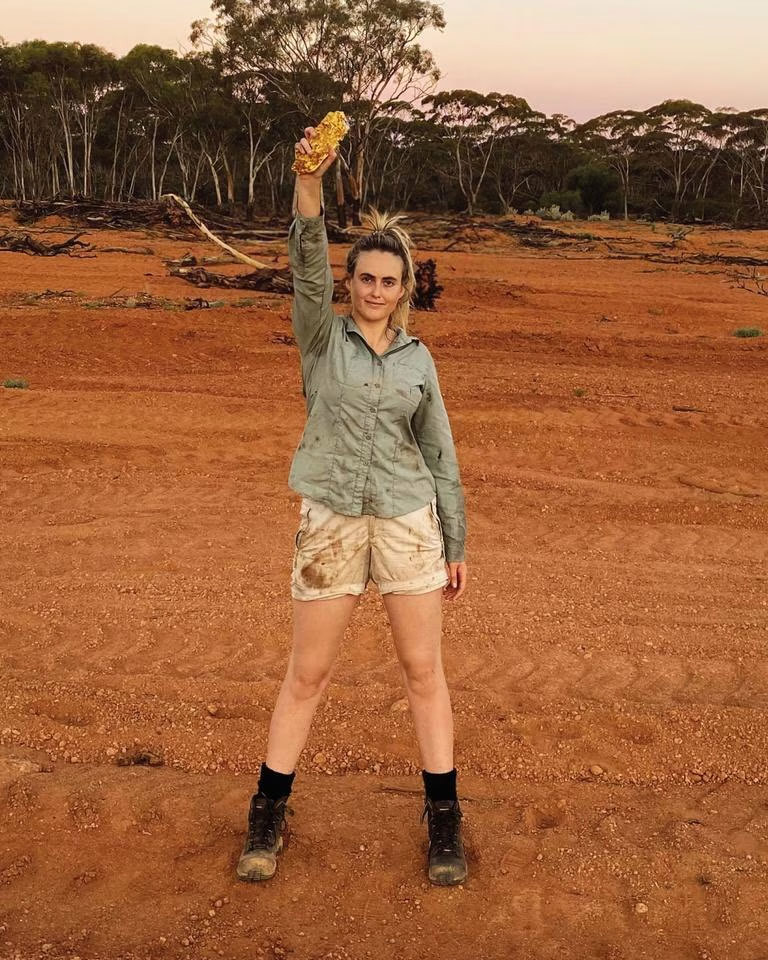
Mahoney, who wrote the book Gold Digger: Chasing the Motherlode in a Man's World, said pursuing a career in the male-dominated mining industry as a woman also came with its challenges, despite more females entering the field.
The casual sexism rife in mining was something Mahoney said she was aware of from a young age.
"I saw how my mum was being treated compared to my dad," Mahoney said.
"Mum is actually a better prospector than Dad, but everyone assumes Dad's got the knowledge and everyone would come to Dad for things.
"I remember thinking they don't respect Mum as much as they respect Dad.
"And then I saw it as well.
"I could walk into a room with my brother, I'm older than him and have more experience, but he is automatically given respect – whereas I always have to earn that respect."
However, Mahoney said things were slowly changing for the better.
'We just have to keep fighting and just keep telling the women that we deserve to be there and keep taking up space," she said.
"Mining is full of so many opportunities. So I really encourage any woman that is interested to get into it."
Contact reporter Emily McPherson at em********@******om.au
Brooke Boney issues emotional plea after referendum defeated
All six states look to have voted against enshrining the Voice to parliament body and recognising our First Nations people in the Constitution.
Following news that the referendum had not passed, Nine Network's Brooke Boney made her feelings on the results clear in an impassioned plea.
Boney, a Gamilaroi woman, explained why she had agreed to be part of the live TV coverage of the historic referendum – Australia's first of the 21st century – knowing the results may pan out in a way that leaves large parts of Indigenous community upset.
READ MORE: Failure of Voice referendum will not divide the nation, vows Albanese
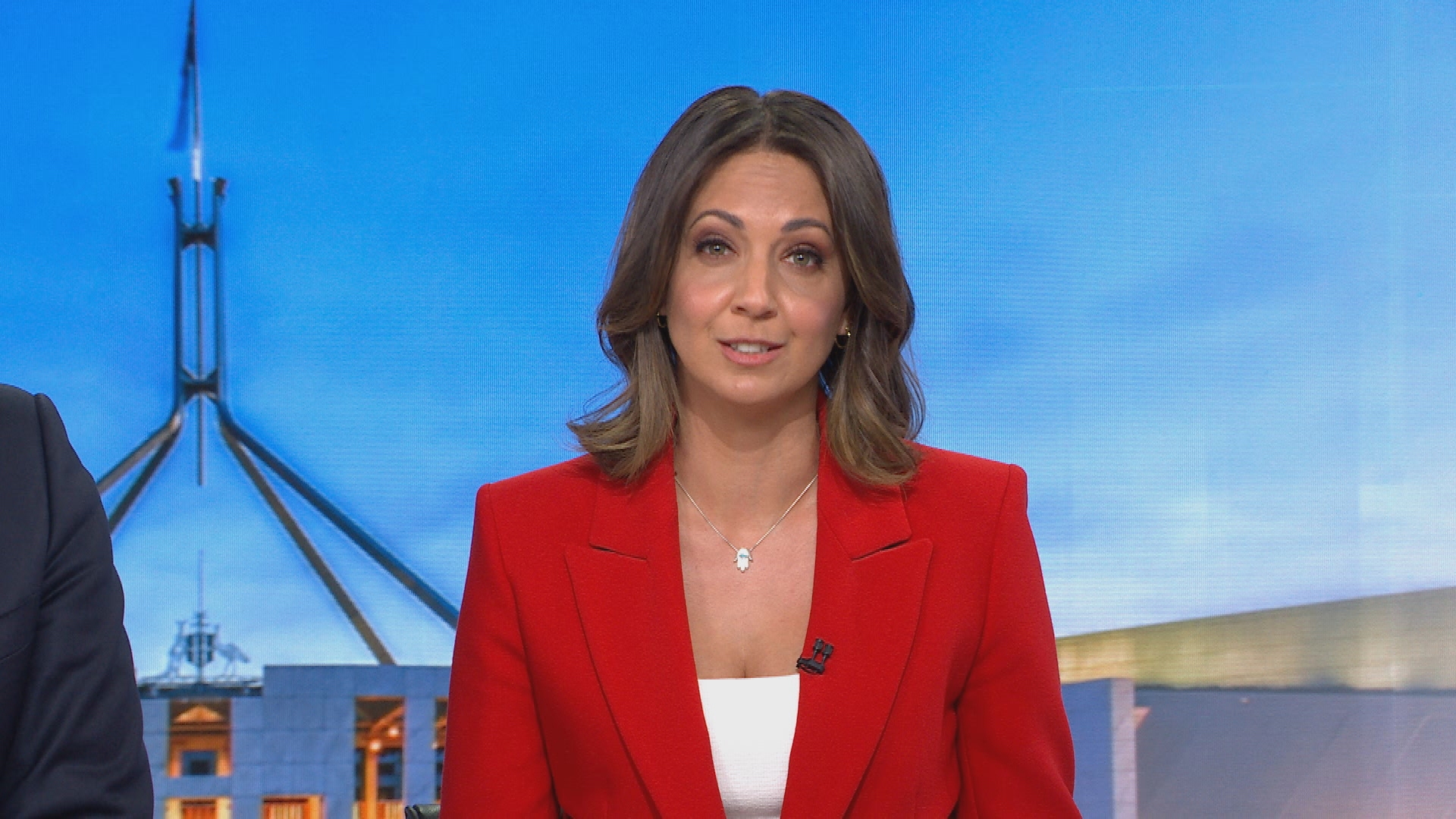
"I wanted to be here tonight to deliver the results to you, regardless of the outcome," Boney told viewers.
"I wanted to be here to remind you all of the love we have for one another – a love that has served us for the last 60,000 years to be the longest continuing culture of anywhere in the world.
"That does not happen by accident."
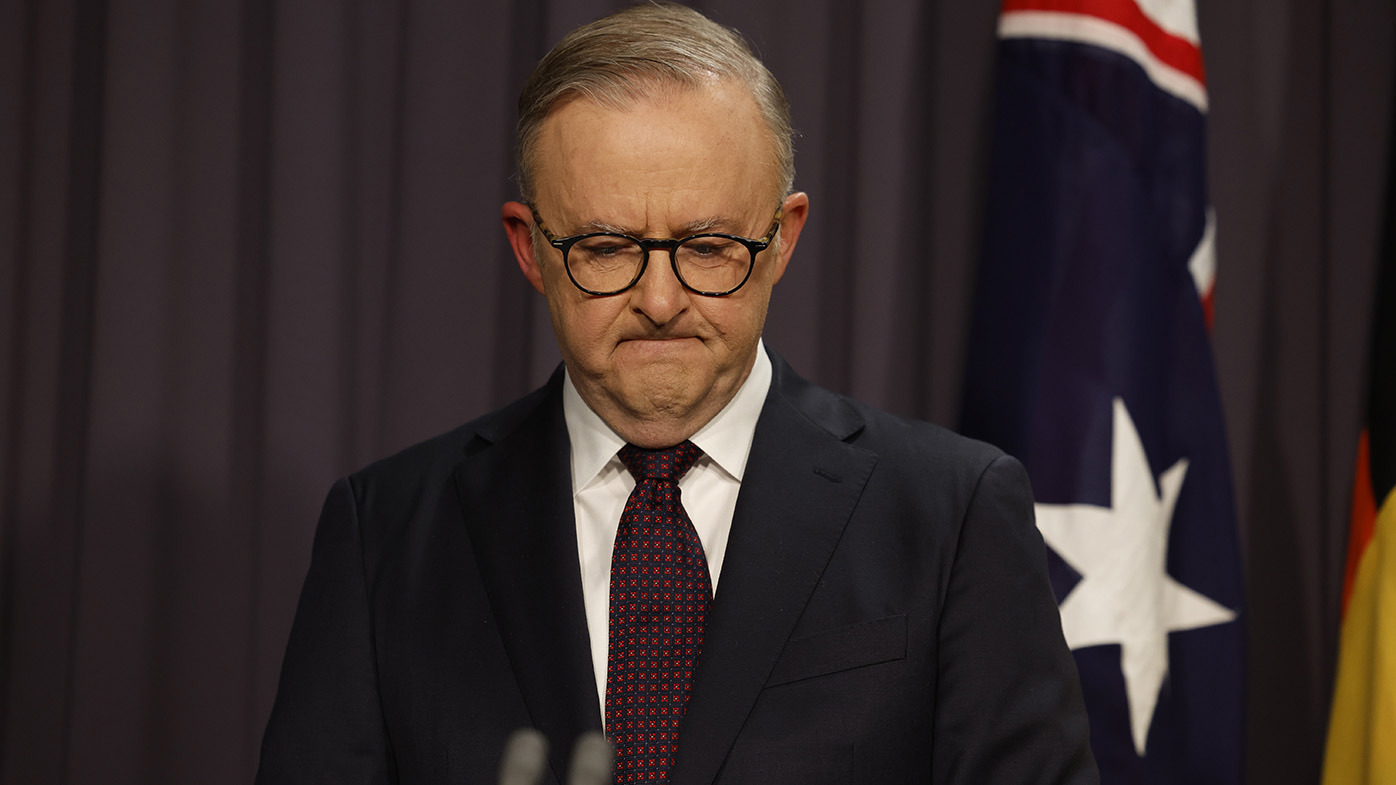
Prime Minister Anthony Albanese insisted in his speech that the results will not divide the country.
Boney echoed a similar sentiment of hope and moving forward together, after first calling out the divisive campaigning leading up to Saturday's vote.
AS IT HAPPENED: How the Voice referendum unfolded
"This is a discussion that has, at times, been inspiring and at times been ugly," she said.
"We've seen the best and the worst of people during this campaign.
"As the sun sets on polling day, it will rise again tomorrow and our work continues – to make sure our babies are loved, our Elders are cared for and our community is strong."
Indigenous Affairs Minister Linda Burney said it was "a day of sadness" for many Aboriginal and Torres Strait Islander people.
"I know this outcome will be hard for some, but achieving progress is never easy, and progress doesn't always move in a straight line," she said in a tearful speech following the results.
"There are breakthroughs and heartbreaks, but I am confident that because of this campaign and the millions of conversations it has sparked, the renewed generation of Indigenous leaders will emerge."
Opposition Leader Peter Dutton labelled it "the referendum Australia did not need to have" but used his speech to issue a message directly to Indigenous Australians.
EXPLAINED: How Australia voted in all 44 of the nation's referendums
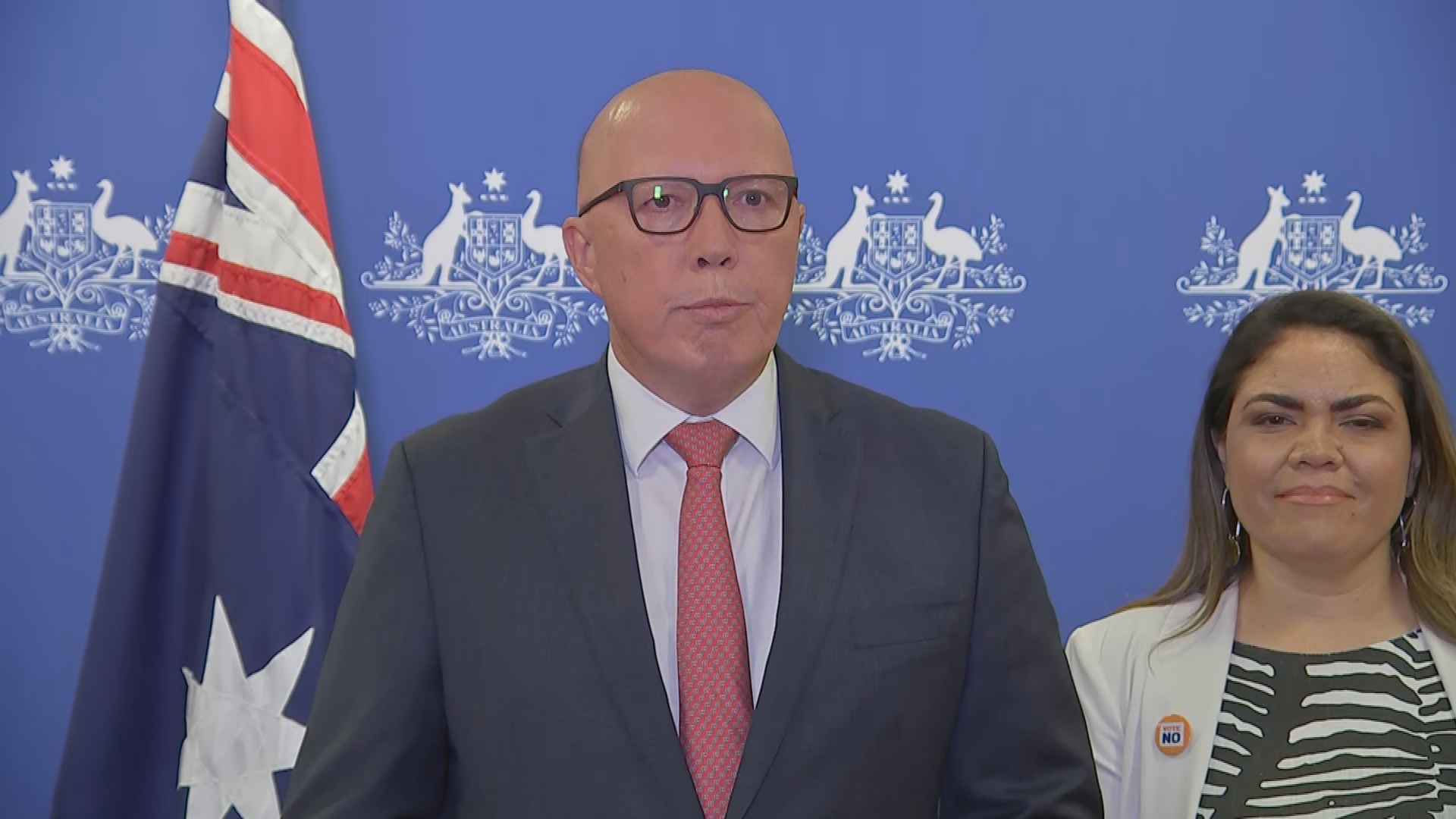
"Like all Australians, some of you will have voted Yes and some of you will have voted No. Those of you who voted Yes will be hurting," he said.
"To Indigenous Australians contending with difficulty and disadvantage, I will do my utmost to lead with courage and to do with his right to implement the practical solutions required to improve outcomes and close the gap."
Brooke's message in full
"I have a message for our Aboriginal and Torres Strait Islander viewers, as a Kamilaroi woman I wanted to be here tonight to deliver the results to you, regardless of the outcome.
"I wanted to be here to remind you all of the love we have for one another – a love that has served us for the last 60,000 years to be the longest-continuing culture of anywhere in the world. That does not happen by accident.
"This is a discussion that has, at times, been inspiring and at times been ugly. We've seen the best and the worst of people during this campaign.
"As the sun sets on polling day, it will rise again tomorrow and our work continues – to make sure our babies are loved, our Elders are cared for and our community is strong.
"To all of you at home tonight, I say goodnight."
Readers seeking support can contact 13YARN, a free 24/7 crisis support line for Aboriginal and Torres Strait Islander people, on 13 92 76 or Lifeline on 13 11 14.
In an emergency, call triple zero (000).
Palestinians struggling to flee south in Gaza after evacuation order
Palestinians struggled on Saturday to flee from areas of Gaza targeted by the Israeli military while grappling with a growing water crisis after Israel stopped the flow of resources to the region ahead of an expected land offensive a week after Hamas' bloody, wide-ranging attack into Israel.
Israel renewed calls on social media and in leaflets dropped from the air for Gaza residents to move south, while Hamas urged people to stay in their homes.
The UN and aid groups have said such a rapid exodus would cause untold human suffering for hospitalised patients, older adults and others unable to relocate.
READ MORE: Repatriation flights from Israel cancelled due to 'rapidly changing' situation
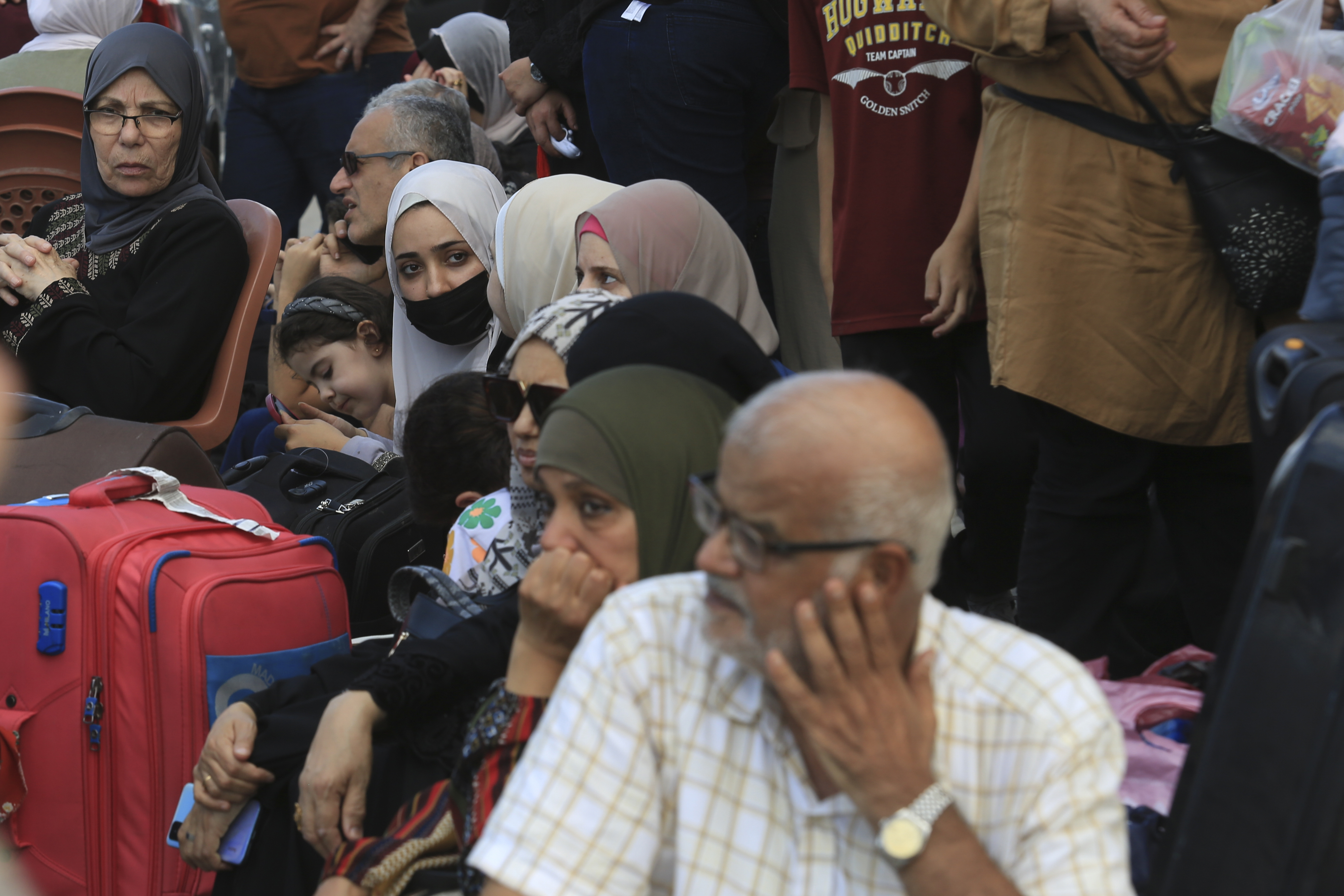
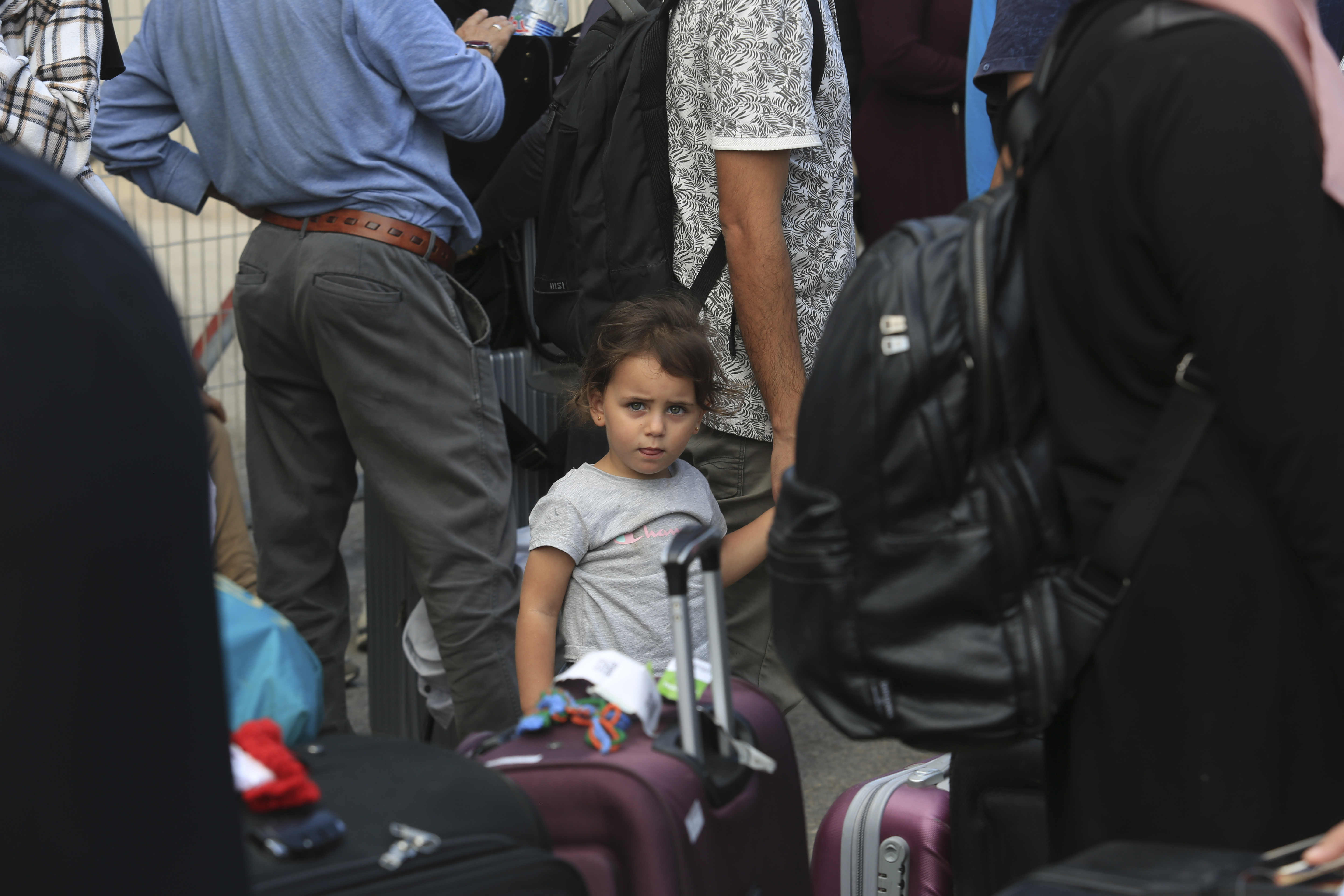
The evacuation directive covers an area of 1.1 million residents, or about half of the territory's population.
The Israeli military said "hundreds of thousands" of Palestinians had already heeded the warning and headed south. It said Palestinians could travel within Gaza without being harmed along two main routes from 10am to 4pm local time.
READ MORE: Louvre Museum and Versailles Palace evacuated after bomb threats
It was not clear how many Palestinians remained in north Gaza by Saturday afternoon, said Juliette Touma, a spokesperson for the UN agency for Palestinian refugees.
"What we know is that hundreds of thousands of people have fled. And that 1 million people have been displaced in total in one week," she said.
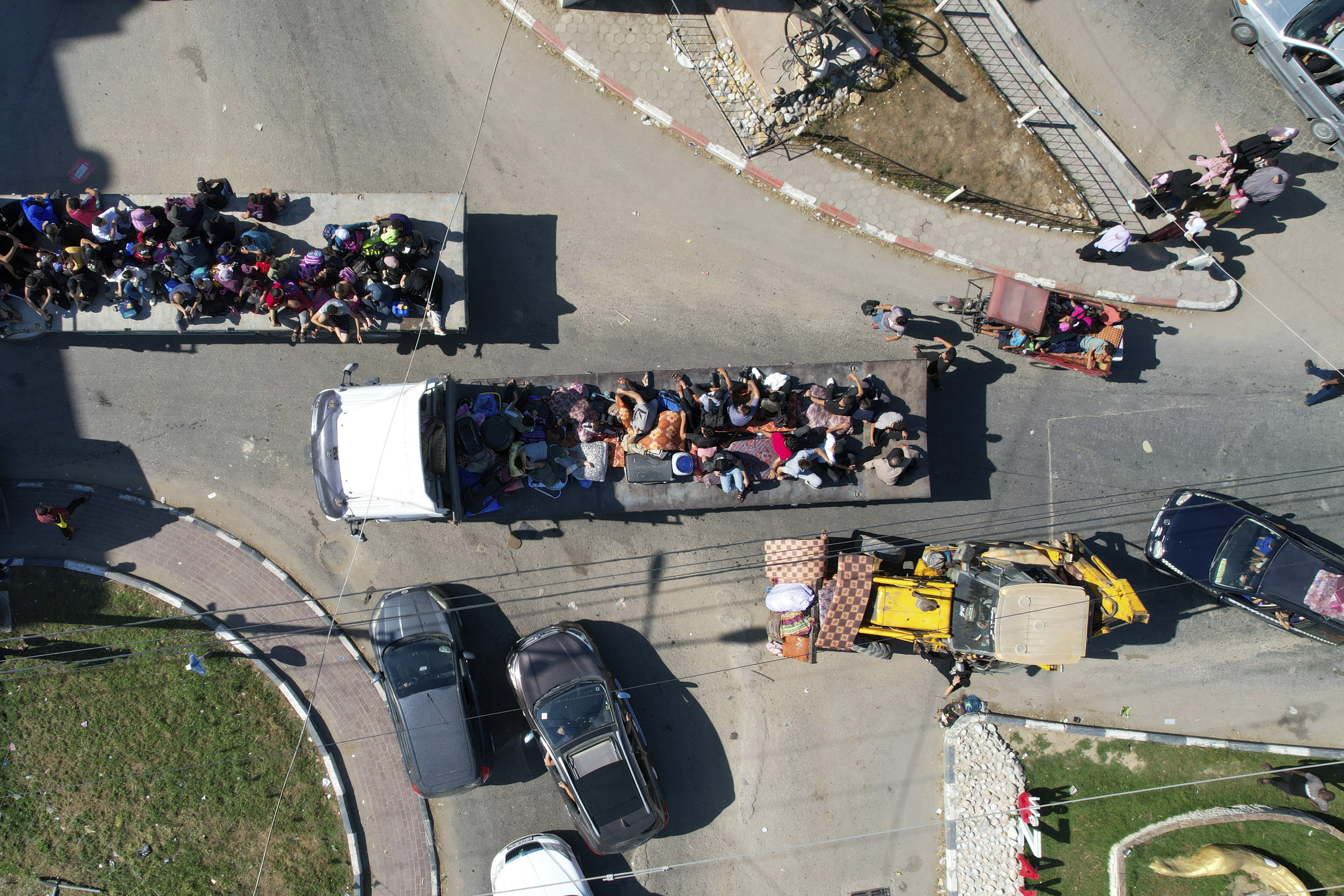
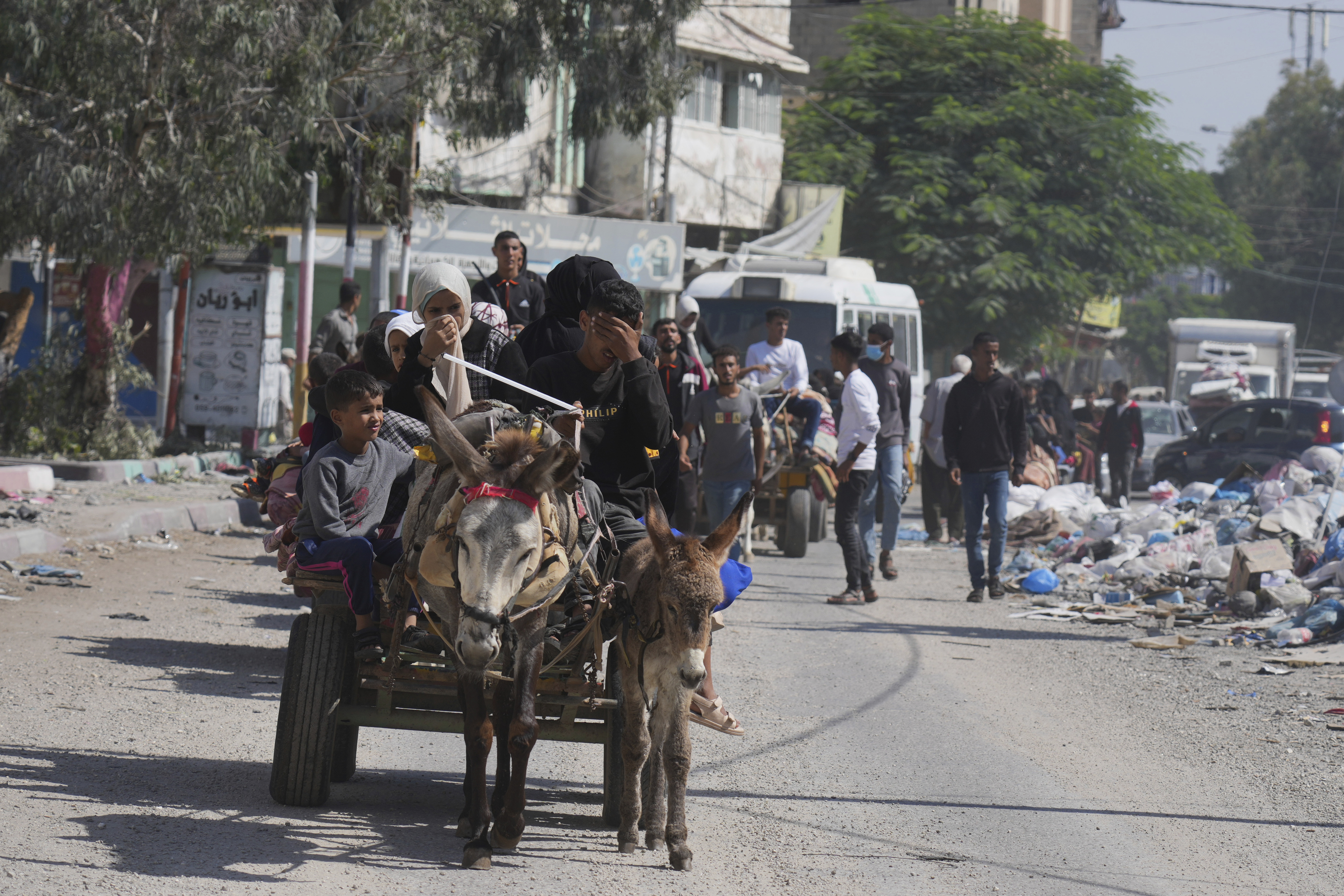
Families in cars, trucks and donkey carts packed with possessions crowded a main road heading away from Gaza City as Israeli airstrikes continued to hammer the 40-kilometre long territory, where supplies of food, fuel and drinking water were running low because of a complete Israeli siege.
Water has stopped coming out of taps across the territory.
Amal Abu Yahia, a 25-year-old pregnant mother in the Jabaliya refugee camp, said she waits anxiously for the few minutes each day or every other day when contaminated water trickles from the pipes in her basement.
She then rations it, prioritising her five-year-old son and three-year-old daughter. She said she is drinking so little herself, she only urinates every other day.
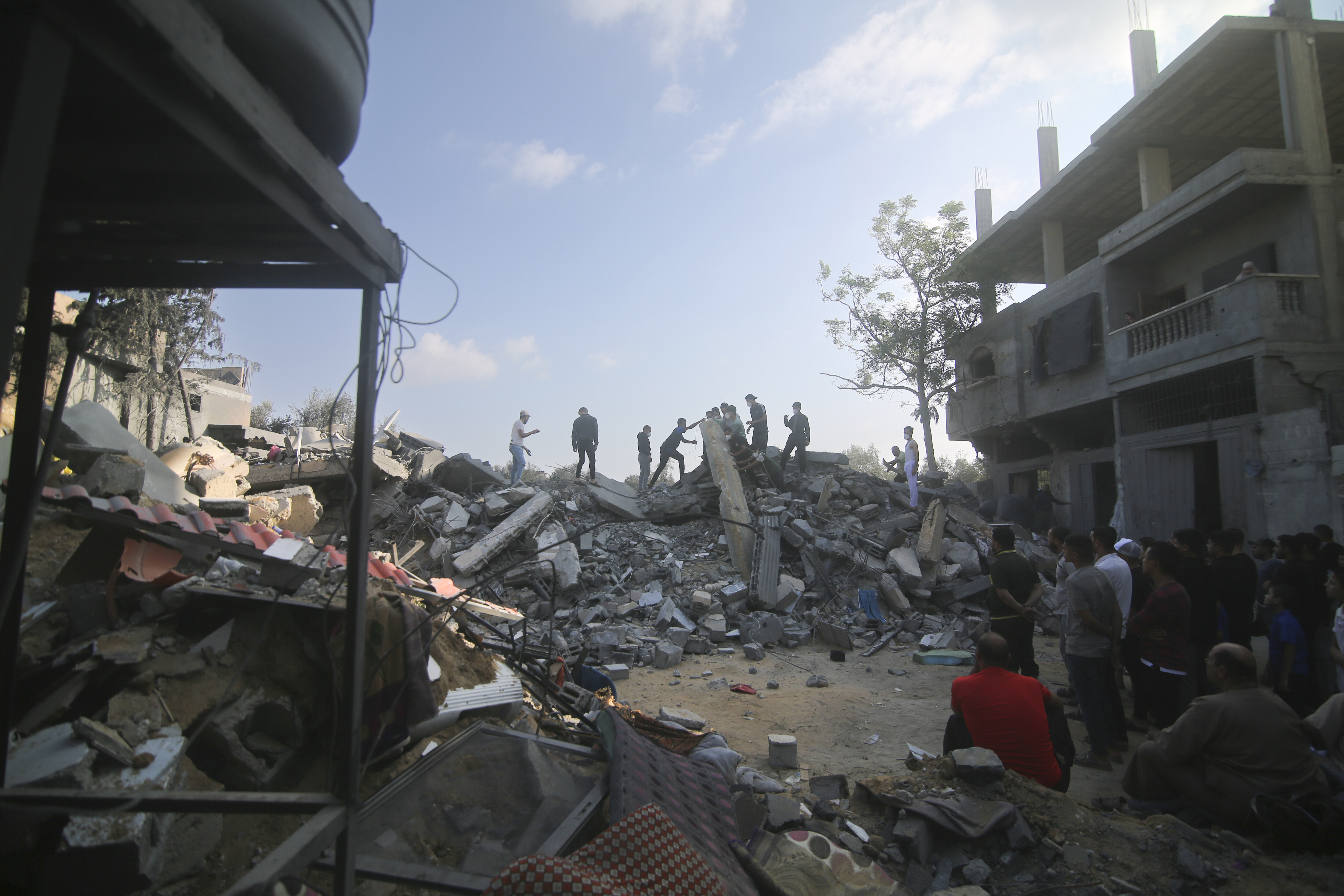
Near the coast, the only tap water is contaminated with Mediterranean Sea water because of the lack of sanitation facilities.
Mohammed Ibrahim, 28, said his neighbours in Gaza City have taken to drinking the salt water.
The Israeli military's evacuation would force the territory's entire population to cram into the southern half of the Gaza Strip as Israel continues strikes across the territory, including in the south.
Rami Swailem said he and at least five families in his building decided to stay put in his apartment near Gaza City.
"We are rooted in our lands," he said. "We prefer to die in dignity and face our destiny."
Others were looking desperately for ways to evacuate. "We need a number for drivers from Gaza to the south, it is necessary #help," read a post on social media. Another person wrote: "We need a bus number, office, or any means of transport," posted another.
The UN refugee agency for Palestinians expressed concern for those who could not leave their current locations, "particularly pregnant women, children, older persons and persons with disabilities," saying they must be protected. The agency also called for Israel to not target civilians, hospitals, schools, clinics and UN locations.
An Israeli military spokesperson, Jonathan Conricus, said the evacuation was aimed at keeping civilians safe and preventing Hamas from using them as human shields. He urged people in the targeted areas to leave immediately and to return "only when we tell them that it is safe to do so."
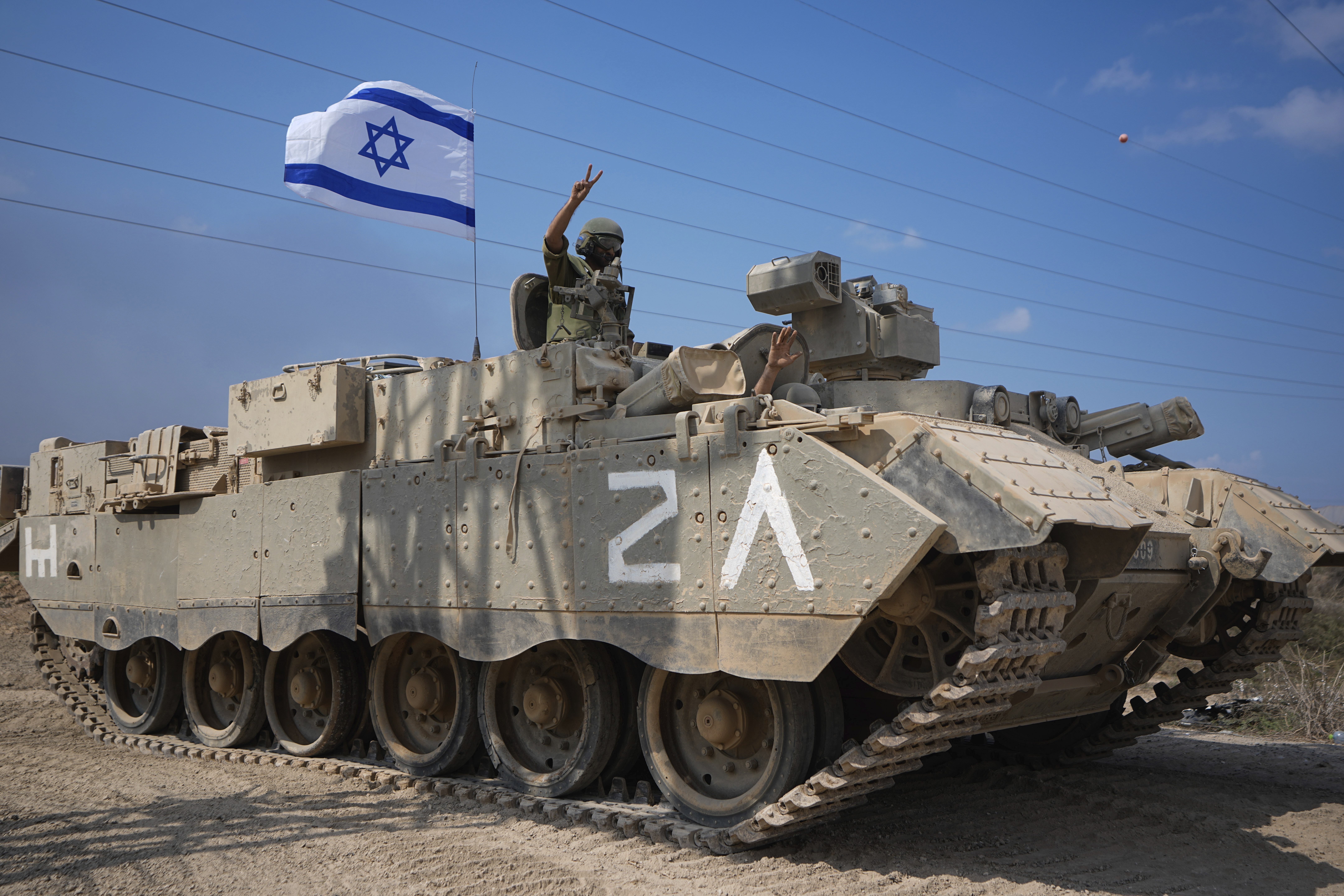
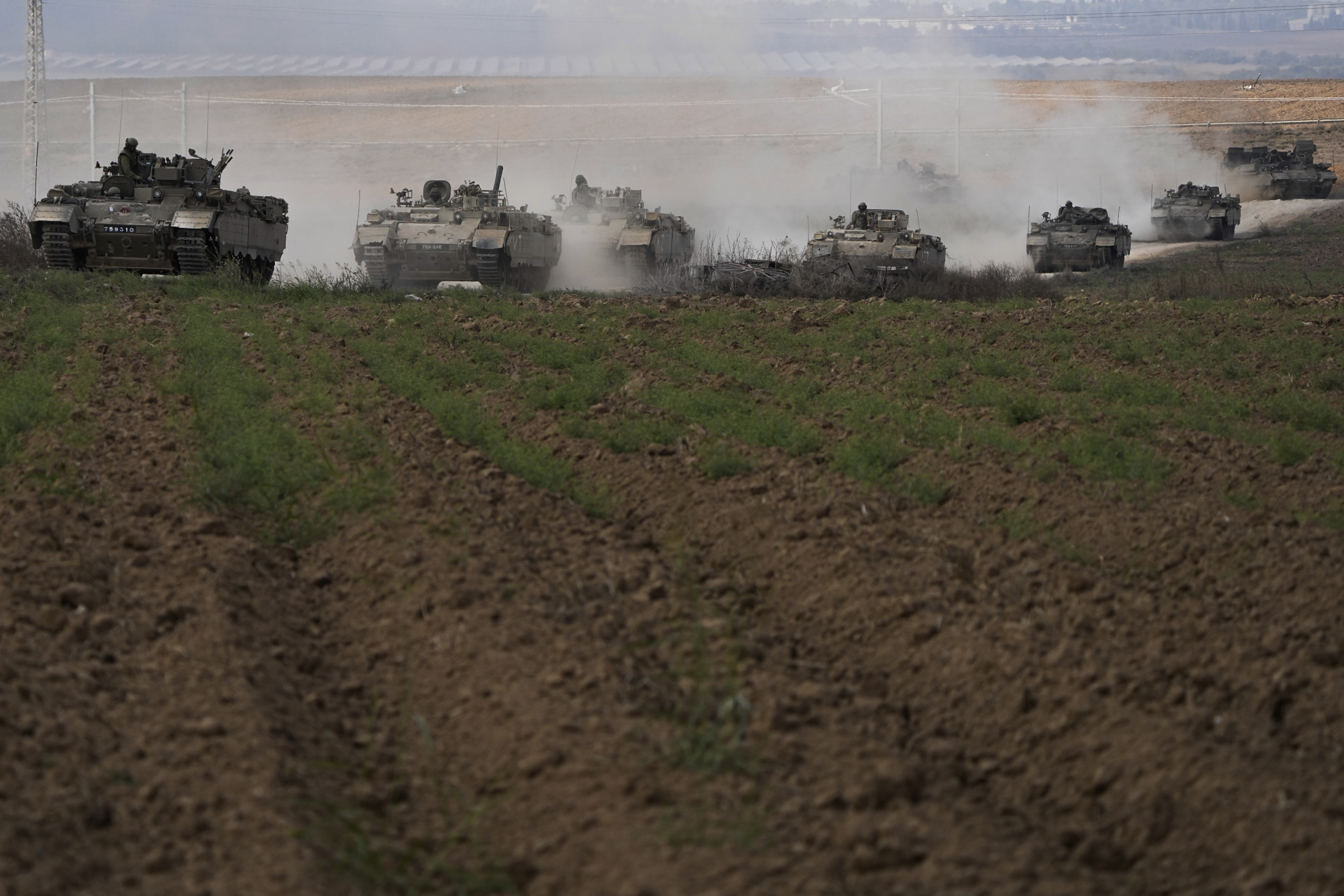
"The Palestinian civilians in Gaza are not our enemies. We don't assess them as such, and we don't target them as such," Conricus said. "We are trying to do the right thing."
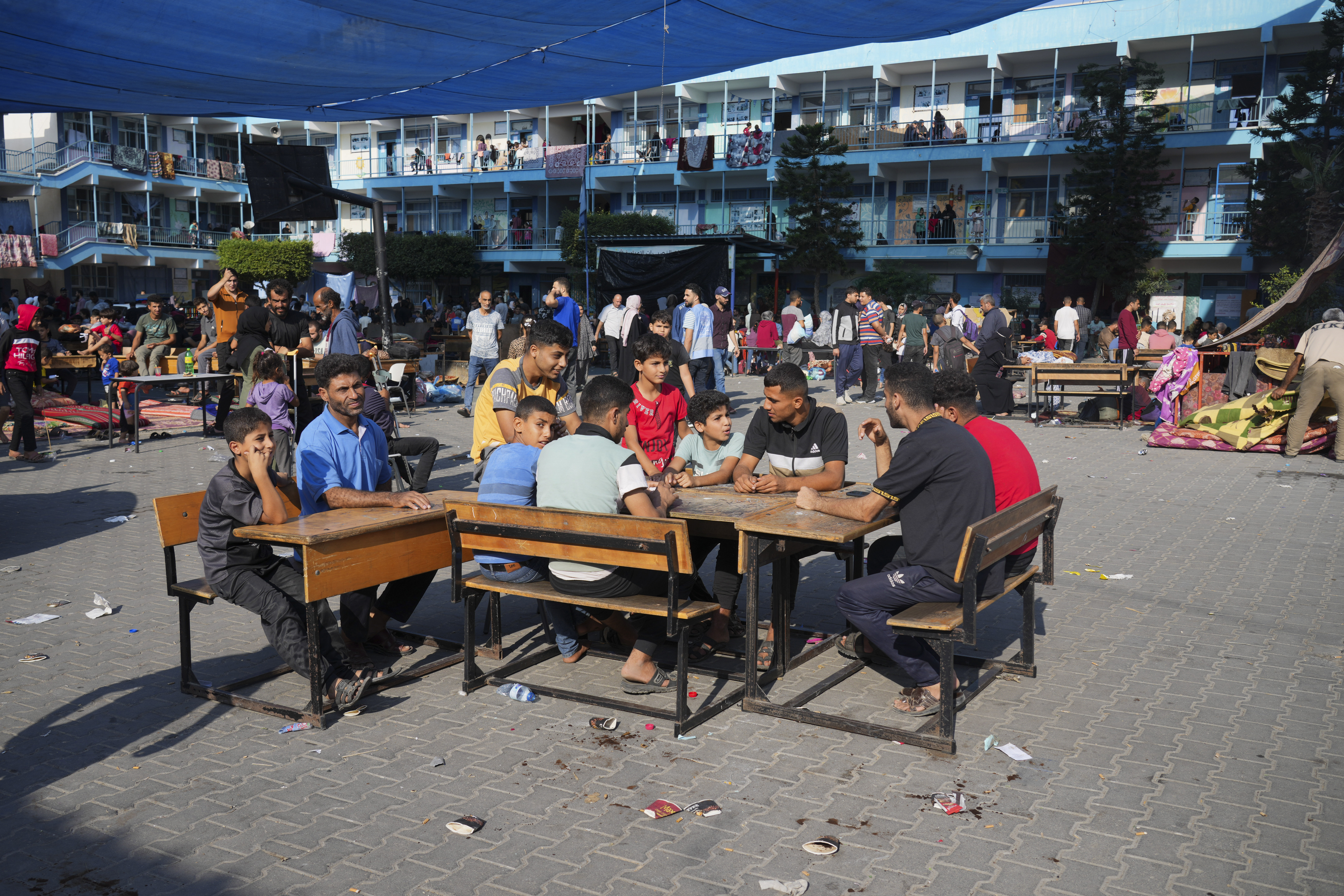
Thousands of people crammed into a UN-run school-turned-shelter in Deir al-Balah, a farming town south of the evacuation zone. Many slept outside on the ground without mattresses, or in chairs pulled from classrooms.
"I came here with my children. We slept on the ground. We don't have a mattress, or clothes," Howeida al-Zaaneen, 63, who is from the northern town of Beit Hanoun, said. "I want to go back to my home, even if it is destroyed."
The Israeli military said its troops conducted temporary raids into Gaza on Friday to battle militants and hunted for traces of some 150 people — including men, women and children — who were abducted during Hamas' shocking October 7 assault on southern Israel.
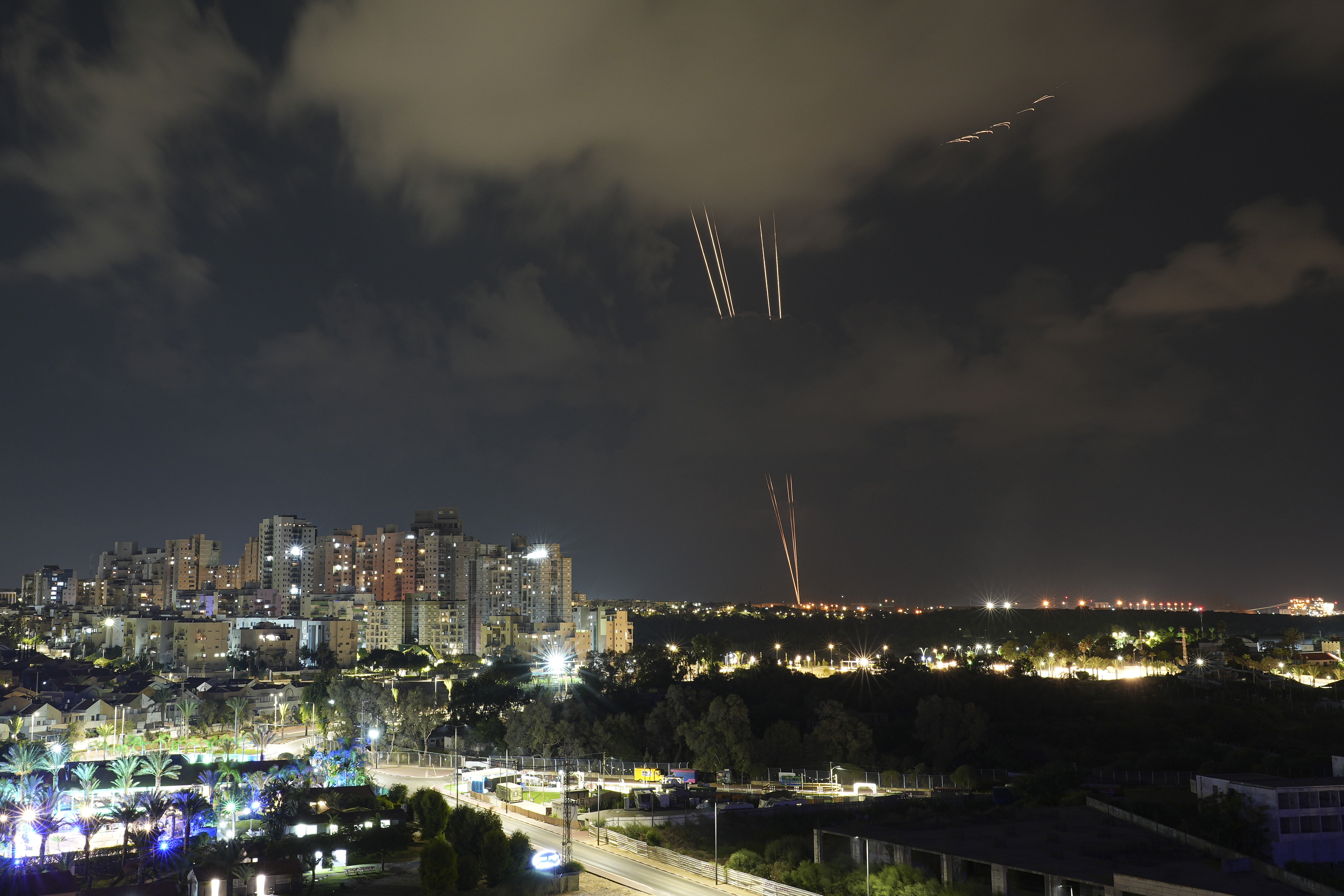
The Gaza Health Ministry said Saturday that over 2,200 people have been killed in the territory, including 724 children and 458 women.
The Hamas assault killed more than 1,300 people on the Israeli side, most of them civilians, and roughly 1,500 Hamas militants died were killed during the fighting, the Israeli government said.
Egyptian officials said the southern Rafah crossing would open later on Saturday for the first time in days to allow foreigners out.
One official said both Israel and Palestinian militant groups had agreed to facilitate the departures and that talks were still underway about getting aid into Gaza through the same crossing. The officials were not authorised to brief journalists and spoke on condition of anonymity.
Fearing a mass exodus of Palestinians, Egyptian authorities erected "temporary" blast walls on Egypt's side of the crossing, which has been closed for days because of Israeli airstrikes, two Egyptian officials said on condition of anonymity because they were not authorised to brief the media.
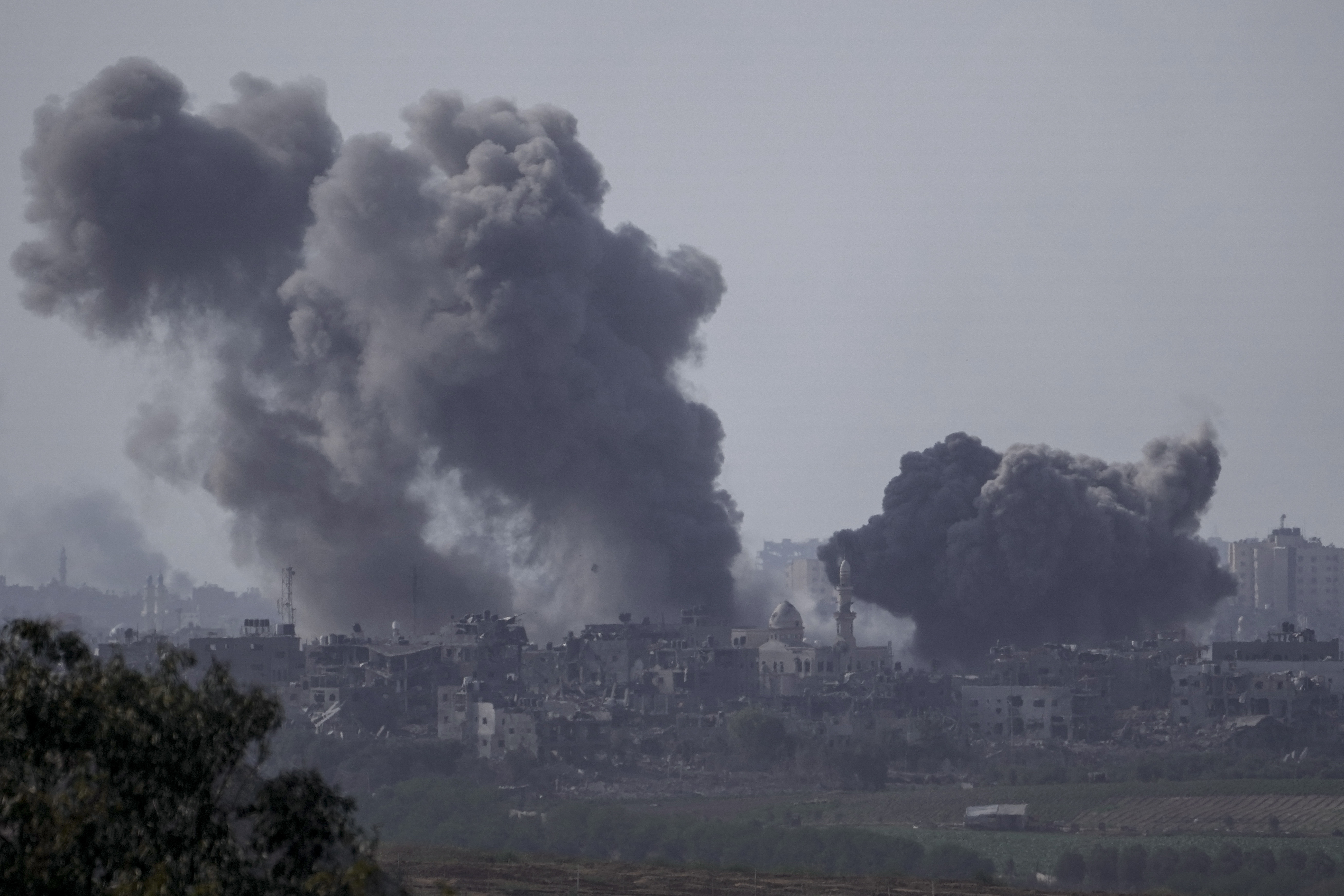
Israel's raids into Gaza on Friday were the first acknowledgment that Israeli troops had entered the territory since the military began its round-the-clock bombardment in retaliation for the Hamas massacre.
Palestinian militants have fired more than 5,500 rockets into Israel since the fighting erupted, the Israeli military said.
Israel has called up some 360,000 military reserves and massed troops and tanks along the border with Gaza. A ground assault in densely populated Gaza would likely bring even higher casualties on both sides in brutal house-to-house fighting.
US Secretary of State Antony Blinken met with Saudi Arabian Foreign Minister Faisal bin Farhan in Riyadh on Saturday, and both called for Israel to protect civilians in Gaza.
"As Israel pursues its legitimate right to defend its people and to trying to ensure that this never happens again, it is vitally important that all of us look out for for civilians, and we're working together to do exactly that," Blinken said.
Hamas said Israel's airstrikes killed 22 hostages, including foreigners. It did not provide their nationalities. The Israeli military denied the claim. Hamas and other Palestinian militants hope to trade the hostages for thousands of Palestinians held in Israeli prisons.
In the occupied West Bank, the Palestinian Health Ministry says 53 Palestinians have been killed since the start of the war, including 16 on Friday. The UN says attacks by Israeli settlers have surged there since the Hamas assault.
The US and Israel's other allies have pledged ironclad support for the war on Hamas. The European Union's foreign policy chief, however, said Saturday that the Israeli military needed to give people more time to leave northern Gaza.
Josep Borrell welcomed the evacuation order but said, "You cannot move such a volume of people in (a) short period of time," noting a lack of shelters and transportation.
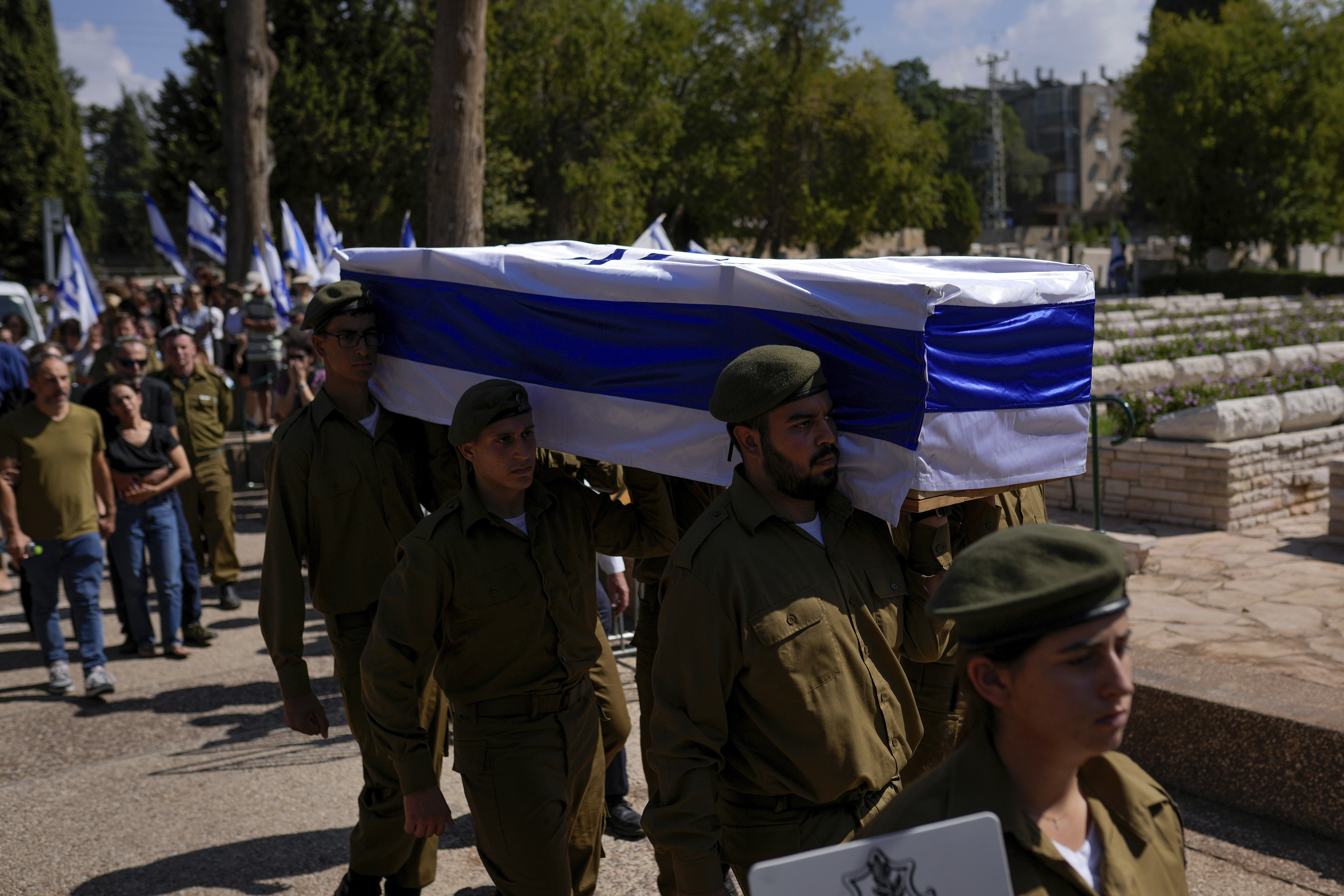
Gaza's Health Ministry said it was impossible to safely transport the wounded from hospitals already dealing with high numbers of dead and injured.
Patients and personnel from the Al Awda Hospital in Gaza's far north spent part of their night in the street "with bombs landing in close proximity," the medical aid group Doctors Without Borders said.
Scott Hamilton, a spokesperson for the aid group, said some of the medical staff and all patients were moved to another location, "but the situation remains extremely complicated and chaotic."
Hamas' media office said airstrikes hit cars in three locations as they headed south from Gaza City, killing 70 people. There was no comment from the Israeli military.
More than half of the Palestinians in Gaza are descendants of refugees from the 1948 war surrounding Israel's creation, when hundreds of thousands fled or were expelled from what is now Israel. Many feared a second expulsion, this time to Egypt's Sinai Peninsula.
In pictures: Australia votes on Voice to parliament referendum
The Indigenous Voice to Parliament referendum will not pass, with Australians set to vote against enshrining the body and recognising First Nations peoples in the Constitution.