The Waipareira chair seeks a review after his application for a Māori board was declined.
Tag Archives: oceania
Miramar homicide: Wellington woman found dead named, suspected killer dies in Hong Kong
Police this evening said the victim was Irene Katsougiannis, aged 62.
‘I can’t remember’: Driver so drunk he thought victim crashed into him
Instead of checking on the other driver he reversed, dumped his car and ran off on foot.
Christchurch man Quinton Ohlson jailed for violent home invasion, leaves teen girl with broken nose, father with brain injury
The judge told Quinton Ohlson he was ‘literally the thing that goes bump in the night’.
Australians becoming parents later in life and having fewer children
More Australians are putting off having children until their 30s and having fewer when they do, according to new data from the Australian Bureau of Statistics (ABS).
The shift comes as more young people delay moving out of home, finding full-time work and getting married or settling into long-term de facto relationships.
It also comes as cost of living pressures, the current rental crisis and interest rate rises are taking a toll on hip pockets, while a focus on career, longer-term travel plans and improved affordability and access to IVF could be influencing women having children later.
READ MORE: Trump decries gag order outside NY court room
According to the new data, almost 60 per cent of births in 2022 were to mothers aged 30 to 39 while less than 20 per cent of mothers fell in the same age range in 1975.
ABS head of demography Emily Walter said Australian parents were also having fewer children, with 1.63 births per mother in 2022, compared to the rate of 1.70 births per mother in 2021.
However, this rate was higher than the 1.59 births per woman recorded in 2020.
"Although total fertility remains low, the fertility rate for women in their late 30s and early 40s has significantly increased," Walter said.
"From 1991 to 2022, the fertility rate of mothers aged 35 to 39 years has almost doubled from 36.0 to 69.3 births per 1000 women.
READ MORE: Glencore to close Mount Isa Mines, jeopardising 1200 jobs
"For mothers aged 40 to 44 years, it has nearly tripled from 5.5 to 15.8 births per 1000 women.
"In contrast, the fertility rate of teenage mothers has reached an all-time low of 6.8 births per 1000 women, from 22.1 births per 1000 women in 1991."
Walter said the rising fertility rates of women in their 30s and early 40s was consistent with women having their first and subsequent births later in life.
The fertility rate of teenage mothers aged 15 to 19 years was the lowest on record, with 6.8 babies per 1000 mother.
The Northern Territory had the highest total fertility rate with 1.73 babies per mother, followed by New South Wales and Queensland with 1.71 babies per mother.
The Australian Capital Territory had the lowest total fertility rate with 1.41 babies per mother.
Waikato Mongrel Mob leader Sonny Fatupaito says the new National government will be ‘devastating’ to gangs
Fatupaito says the banning of gang patches would take away a ‘human right’.
Boy, 13, dies after being hit stepping off bus south of Sydney
A 13-year-old boy has died after he was hit by a truck when he stepped off a bus south of Sydney last week.
Emergency services treated the boy at the intersection of Church Street and Appin Road in Appin about 3.30pm last Wednesday.
"The boy was treated by NSW Ambulance paramedics on scene before he was taken to the Children's Hospital at Westmead in a critical condition," NSW Police said in a statement.
LIVE UPDATES: Biden will ask 'tough questions' of Israel
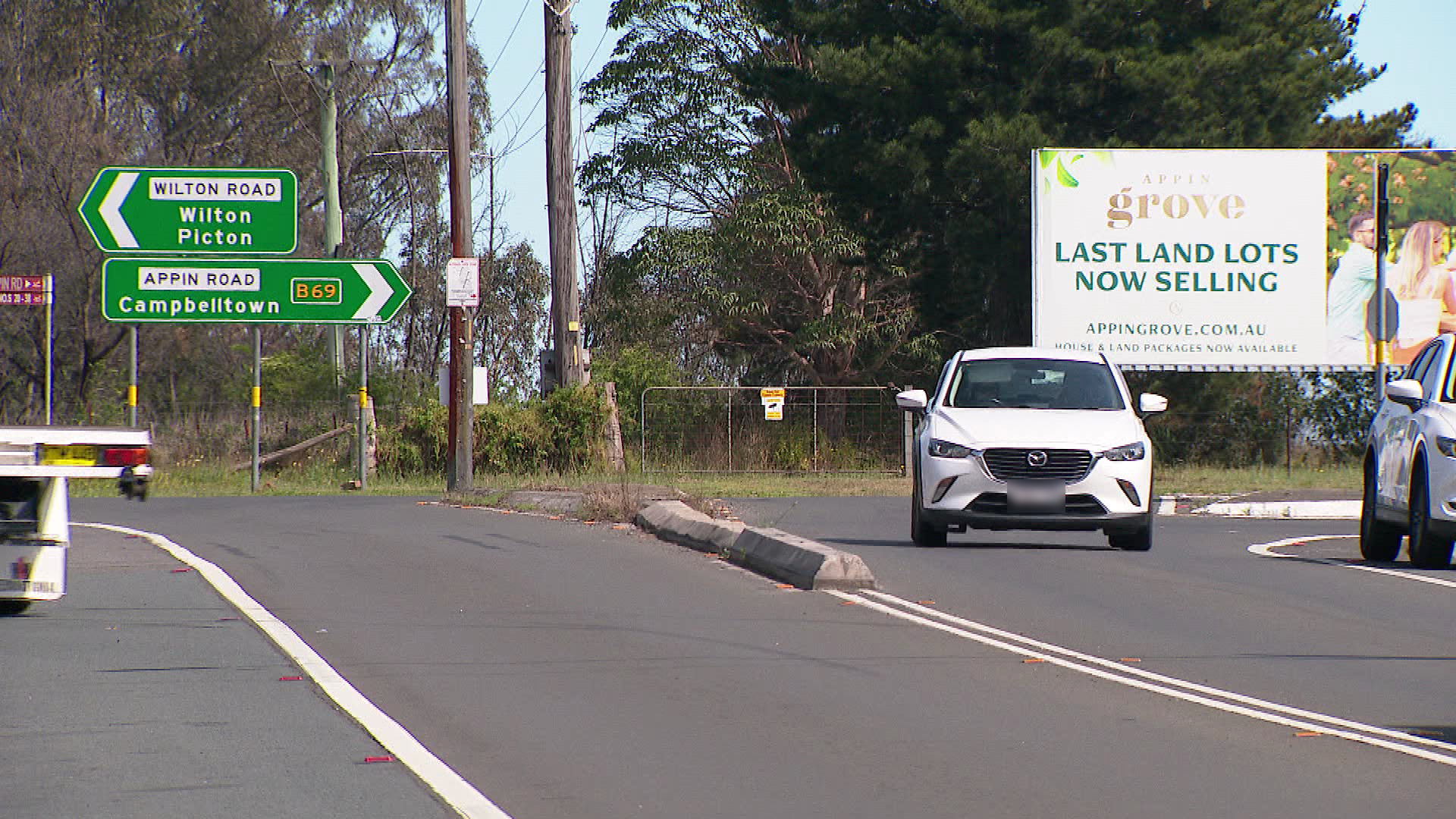
Officers have been told the boy has died in hospital.
"The truck driver, a 38-year-old man, was not injured and underwent mandatory testing at Campbelltown Hospital," police said.
Investigations are continuing.
On the Campaign, October 18: Why are the special votes so important?
Historic precedent suggests National and Act will need NZ First to govern.
Australia lurches closer to cashless society
Australian banks closed more than 400 local branches across the country in the past year to the end of June, new figures released today show.
Shutting their doors for the final time during the 12-month period were 424 branches – or 11 per cent of all bank outlets – annual data published by the Australian Prudential Regulation Authority (APRA) shows.
Included in the closures were 122 bank branches in regional and remote areas, which amounts to around 7 per cent of branches outside of Australia's major cities.
READ MORE: Australia's transition to cashless society 'inevitable', expert claims
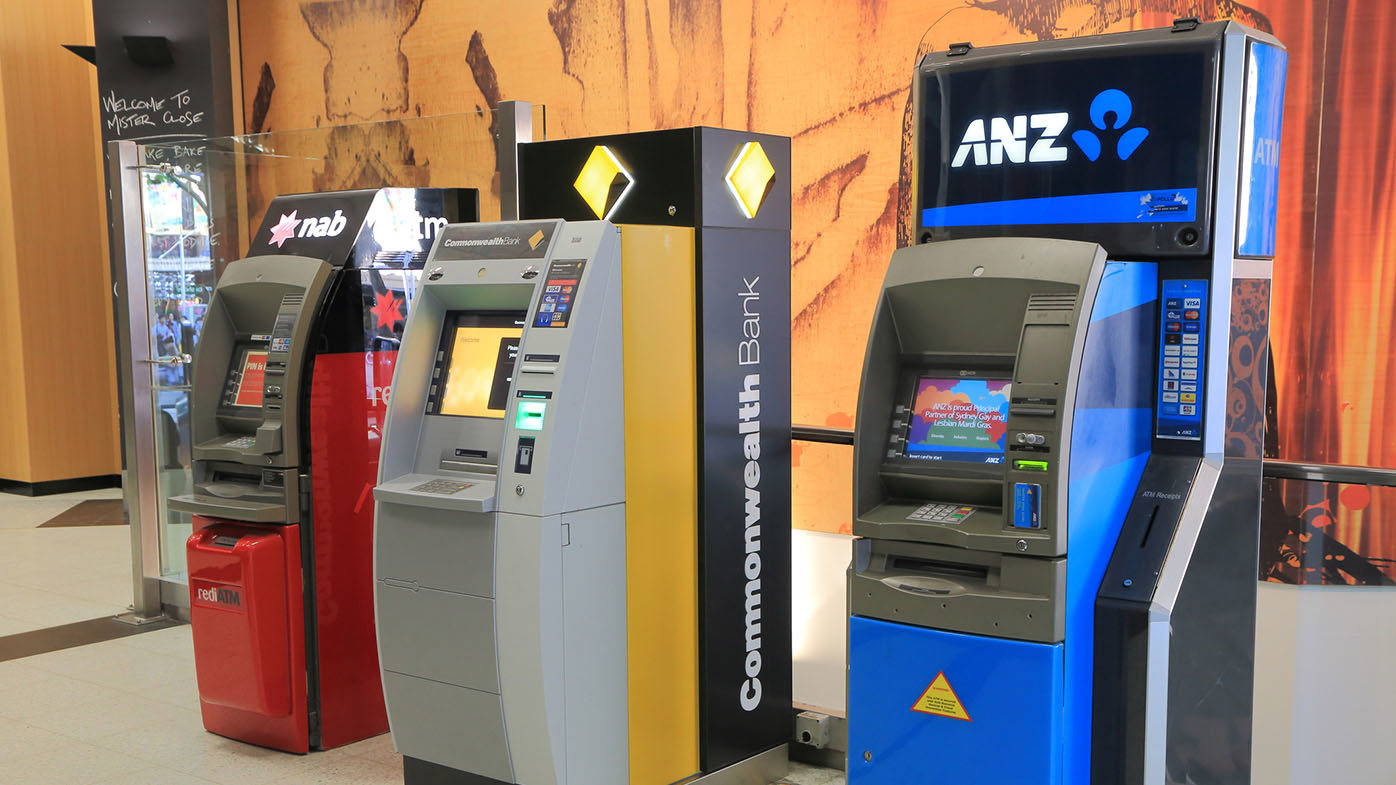
Since 2017, the number of bank branches have been slashed by more than a third in cities and regional areas.
The national data collection agency for the financial sector has also been monitoring a steep decline in the number of ATMs.
The number of ATMs available to withdraw cash also fell by 11 percent in the last year to June 30, with more than 700 cash machines removed from operation during the 12-month period.
Since 2017, the number of ATMs in operation has plummeted by a massive 60 per cent.
There are now fewer than 6000 cash machines across the country.
The figures come as the Senate conducts an inquiry into bank closures in regional Australia, chaired by Senator Matt Canavan, which is due to release its final report in May next year.
Bosses from the big four banks fronted the inquiry last month at a hearing in Canberra, with the top executives all pointing to cost pressures and changing customer demands as major reasons for branch closures.
Commonwealth Bank CEO Matt Comyn said the bank had reduced its branch footprint over time as "the way customers engage with banks continues to change".
Westpac CEO Peter King said it was using technology to connect the group's brands to regional customers.
ANZ CEO Shayne Elliott said the reality was customers were "rapidly moving towards digital channels".
The Commonwealth Bank and Westpac have committed to keeping all regional bank branches open while the inquiry is being conducted.
APRA said it was closely following the progress of the Senate inquiry and would continue to support its work.
Jason Bryce runs Cash Welcome, a group which campaigns against moves towards a cashless society.
The decline in the number of bank branches and ATMs had made it harder than ever for Australians to pay with cash, Bryce said.
"Australians don't want to lose access to cash or their right to choose cash to pay for essential goods and services," Bryce said.
"Consumers and businesses need cash and banking for our local economies to thrive.
"Even people who don't use cash every day need cash occasionally or when systems go offline.
"Many bank branches are being closed despite continuing heavy foot traffic and even growing numbers of customers."
Bezos overtakes Bernard Arnault as world's second richest
Not everyone is doing it as tough as the average battler. The world's richest tycoons are continuing to trade places on Bloomberg's billionaire index.