It’s the first debate between the two leaders vying to be PM.
Tag Archives: oceania
Sydney's national parks to close amid record-breaking NSW heatwave
National parks around Sydney will be closed tomorrow, with the record-breaking heatwave expected to continue.
The closures come as Sydney sweated through its hottest September day on record today and an El Niño event was declared.
The heat was so intense in some parts of New South Wales that tens of schools were forced to shut down.
READ MORE: Teen abduction victim's horrific 'life-altering' injuries revealed
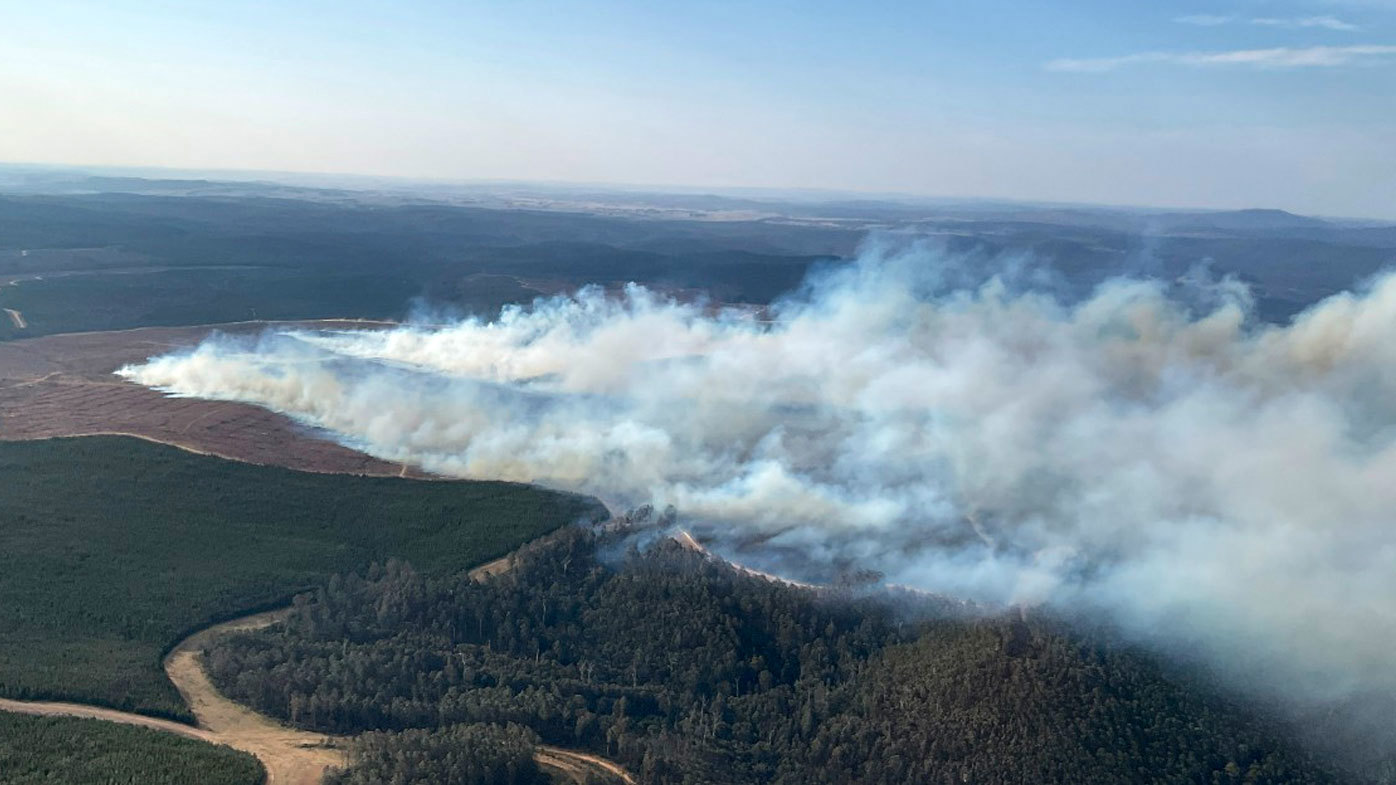
Tomorrow all tracks, trails, and visitor precincts at Ku-ring-gai- Chase National Park at West Head, Garigal National Park and Sydney Harbour National Park at Middle Head, Dobroyd Head, North Head and Bradley's Head will be closed.
Meanwhile, all remote area campgrounds, walking tracks and trails will be closed in other national parks across Sydney.
These areas will remain closed until the total fire ban is lifted in New South Wales.
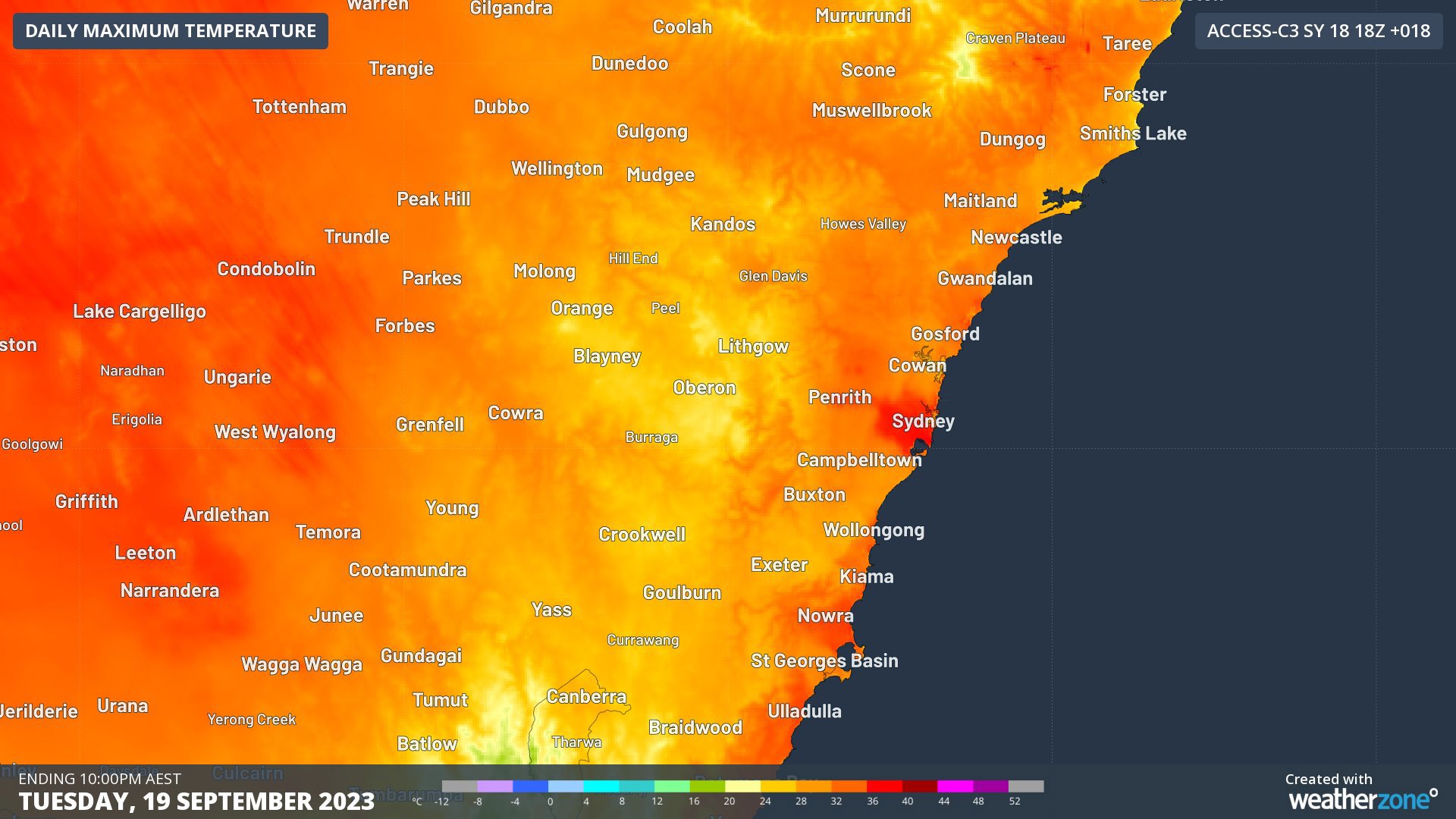
Parts of the Far South Coast reached a "catastrophic" fire rating this afternoon, while the temperature soared to more than 15 degrees above the average in Sydney.
Sydney's Observatory Hill hit a peak of 34.6 degrees by 1.55pm.
READ MORE: El Niño event finally declared
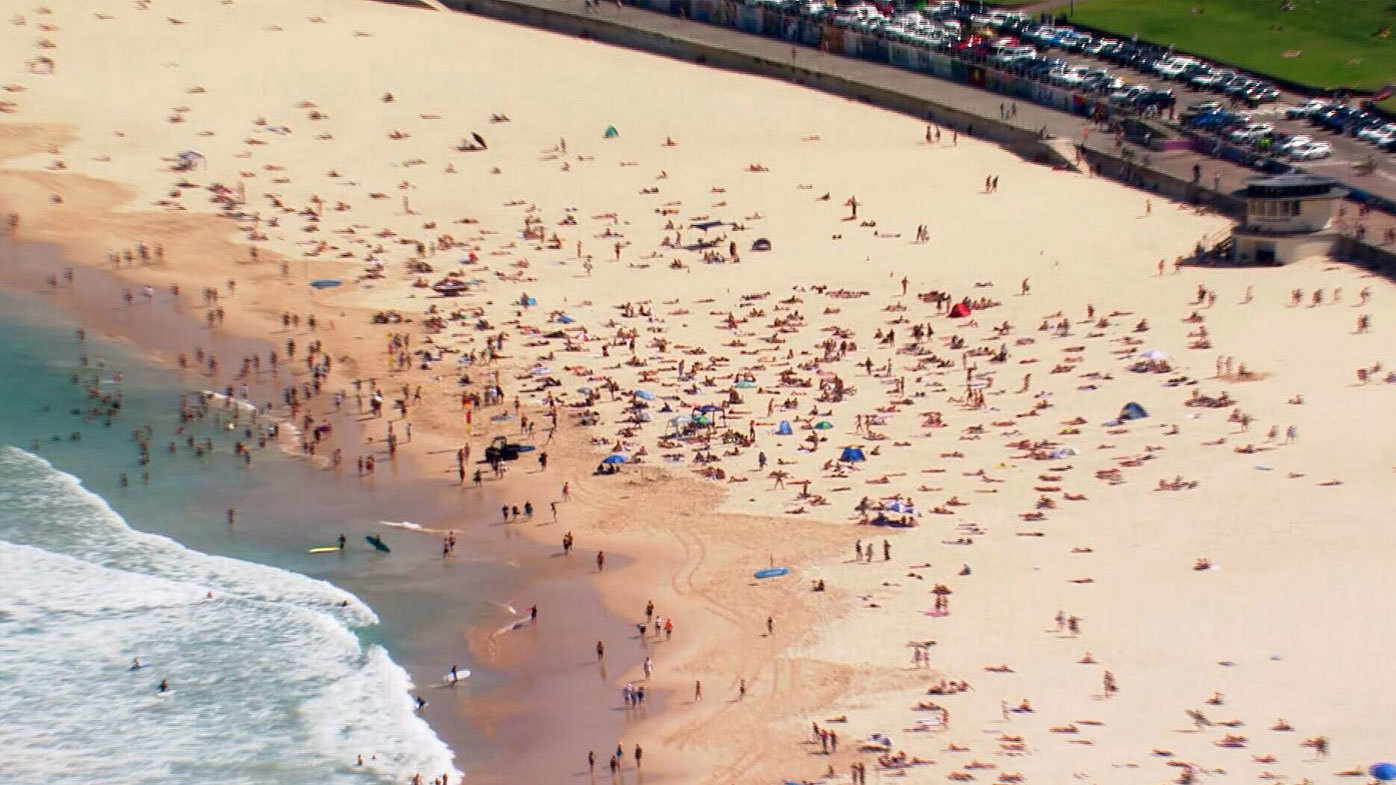
The average maximum temperature for Sydney in September is 20 degrees.
The heat at Sydney Airport also broke records, peaking at 35.7 degrees by 2pm, beating the previous September peak of 35.6 degrees in 2000.
The record-breaking heat comes as the Bureau of Meteorology officially announces an El Niño event.
The fire danger rating for the Far South Coast was upgraded to catastrophic on Tuesday afternoon.
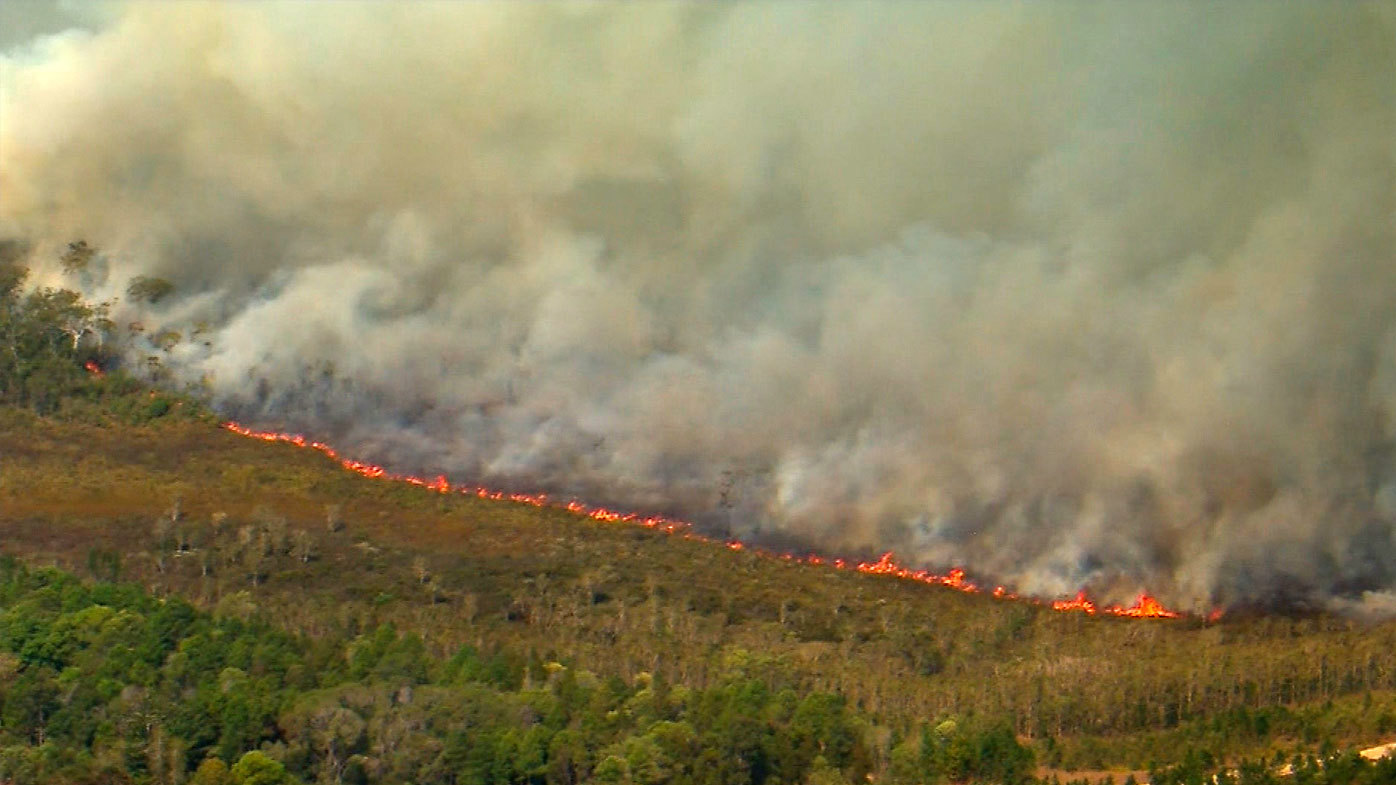
There are currently 72 fires burning at advice level and one at watch and act, according to the NSW Rural Fire Service (RFS).
Residents have been warned to avoid high-fire risk areas today, such as parks and bushland, as a total fire ban remains in place.
"Due to stronger than forecast winds along the Far South Coast, Catastrophic fire danger is expected this afternoon," the RFS said in a tweet.
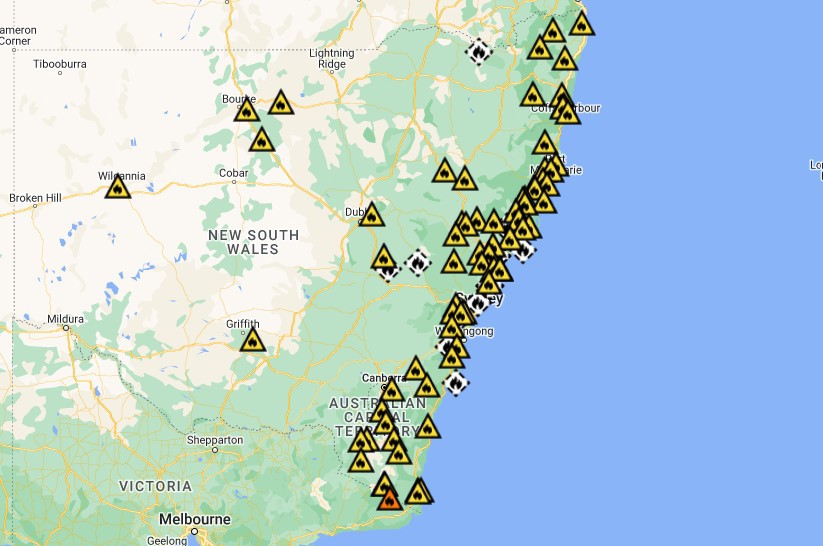
There were 61 fires burning across the state by 9am on Tuesday.
The RFS said more than 500 firefighters were battling the blazes.
Up-to-date information and alerts are available on the RFS website.
https://twitter.com/NSWRFS/status/1703908151479689662?s=20
Weatherzone's Ben Domensino posted on X, formerly Twitter, that the same record-breaking temperature was forecast for tomorrow.
"In data dating back to 1859, the city has only reached 34 degrees in September on three occasions (2000, 1980 and 1965)," he wrote.
"This would be its first pair of 34-degree days on record for September."
School shutdown
A total of 21 across the South Coast and Central West have closed for today due to the fire danger rating.
The NSW Education Department announced the closures yesterday, saying the decision was made in consultation with the NSW Rural Fire Service.
It came after a total fire ban was issued for Greater Sydney and the Far South Coast.
READ MORE: Fire warnings escalate as heatwave hits NSW, Queensland
Below is a list of the 21 schools that are closed today.
The most up-to-date information about school closures is available at the NSW Education Department's website.
- Batemans Bay Public School
- Bega Valley Public School
- Bemboka Public School
- Bermagui Public School
- Bodalla Public School
- Bournda Environmental Education Centre
- Broulee Public School
- Candelo Public School
- Central Tilba Public School
- Cobargo Public School
- Mogo Public School
- Narooma High School
- Pambula Public School
- Parkes Public School
- Quaama Public School
- Sunshine Bay Public School
- Tanja Public School
- Tathra Public School
- Towamba Public School
- Wolumla Public School
- Wyndham Public School
Meanwhile, Queensland is also on high alert ahead of temperatures soaring later in the week.
A heightened fire risk is anticipated tomorrow and Thursday, with temperatures across the state set to soar about 10 degrees above the monthly average.
A fire at Beerwah on the Sunshine Coast is now contained after it burned through 172 hectares.
Armed fugitive's family urges him to give up as police chase continues
The family of an armed fugitive who has moved between states has urged him to turn himself in as specialist police continue to chase him.
Police said Stanley Turvey held a hostage at gunpoint, threatened police and assaulted motorists as he travelled from Victoria to New South Wales.
Officers swarmed the 33-year-old uncle's home at Finley, located in the NSW Riverina region,last night but did not find the wanted criminal inside.
READ MORE: Millions of Aussies to get cash boost tomorrow

His uncle said he hadn't seen Turvey and urged Turvey to give himself up.
"If you're listening, hand yourself in, mate, before it gets too bad. Do it for your father," he said.
"There's probably only one way you can look at it. It's going to end badly."
Turvey first faced off with police yesterday at Katandra West near Shepparton.
Police said he took a gun from inside a home where it is believed he had asked to stay and fired a shot into the air when officers came to arrest him.

"I heard a gunshot and then next minute he was taken off down the road in the car, swerving the coppers," one neighbour said.
It is alleged Turvey fled Katandra West in a stolen Holden, while two officers were injured when their vehicle rolled nearby.
Police said Turvey forced a man to drive him to New South Wales, demanding to be taken to his uncle's house.
It is also alleged Turvey assaulted a woman at Yarrawonga this morning, threatened construction workers at Sacred Heart College and stole a white Hilux.
"Any matter that involves a display of a firearm in order to secure goods or transport is a recipe for disaster and heartache," Henry said.
Police believe Turvey is now travelling in that Hilux, with a registration 1RA-8AN and was headed toward the greater Shepparton area.
Officers on both sides of the Victoria-NSW border are on high alert with extra police brought in from Melbourne.
Rescue chopper crashes into Waikato bush while enroute to paitent
Helicopter suffers ‘heavy landing’ after mid-flight incident en route to patient.
The Front Page: The re-emergence of boy racers
Boy racers have been causing problems in Canterbury for decades.
Election 2023: Labour dumps prison population reduction target
The party doesn’t have a target for the next term, Chris Hipkins says.
Woman who died after siege was killed by bean bag round fired by police
A woman who died after an hours-long siege near Newcastle last week was killed by injuries sustained from a bean bag round fired by police, according to interim post-mortem results.
Just after 12.30pm on September 14, police were called to a block of units in Stockton after reports a woman was allegedly threatening a real estate agent with an axe.
Krista Kach, 47, allegedly also threatened officers with the axe and barricaded herself inside a unit.
READ MORE: Millions of Aussies to get cash boost tomorrow
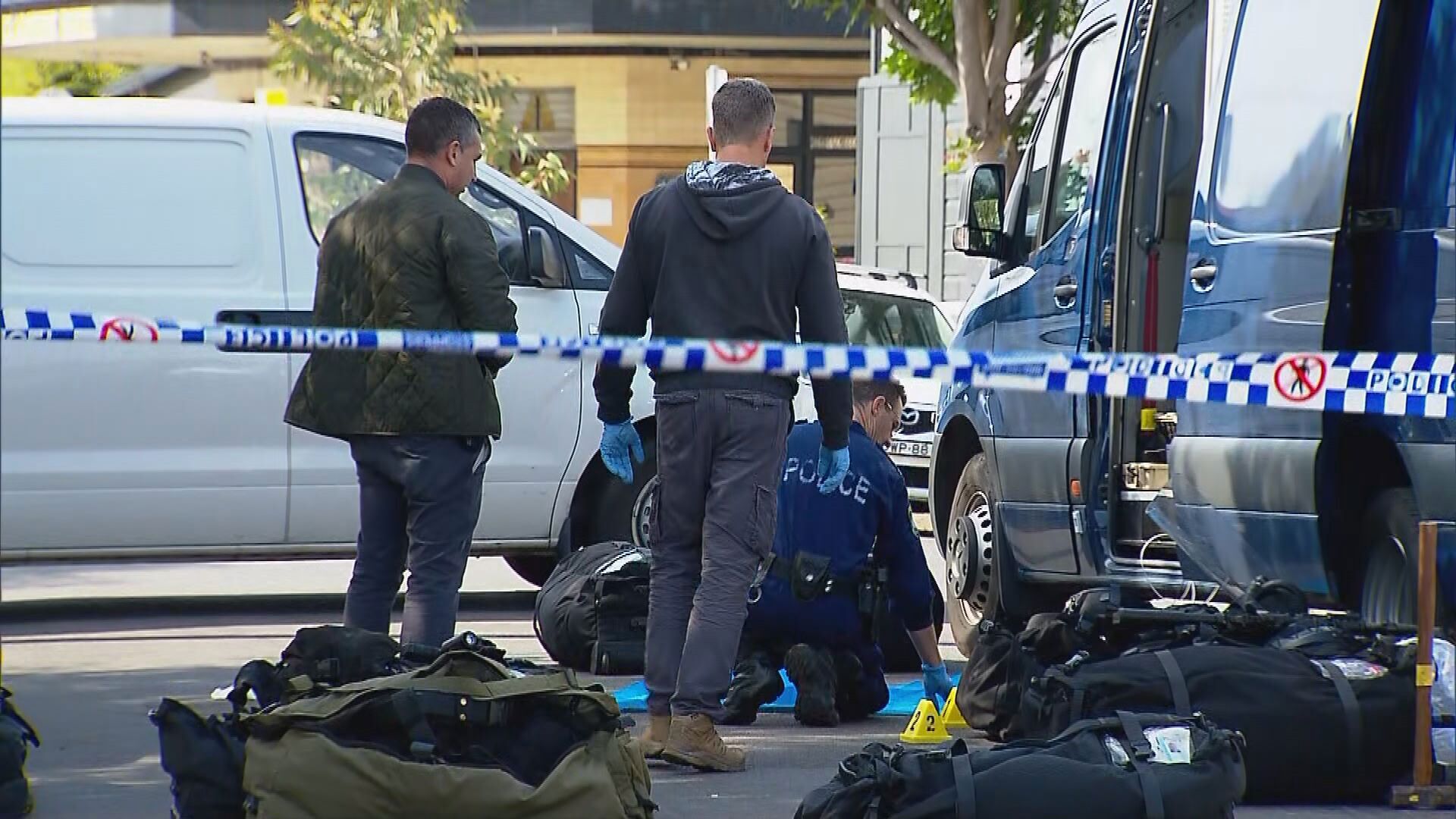
After negotiators spoke with Kach for several hours, tactical officers entered the unit, and they deployed a single bean bag round and a Taser during the arrest.
A bean bag round, classified as a "less than lethal" option by police, is fired from a regular shotgun and is designed to briefly immobilise a suspect during an arrest while being less damaging than a bullet.
The deployment and options available to tactical police must be approved by an assistant commissioner at every incident.
READ MORE: Ten new features available on every iPhone from today
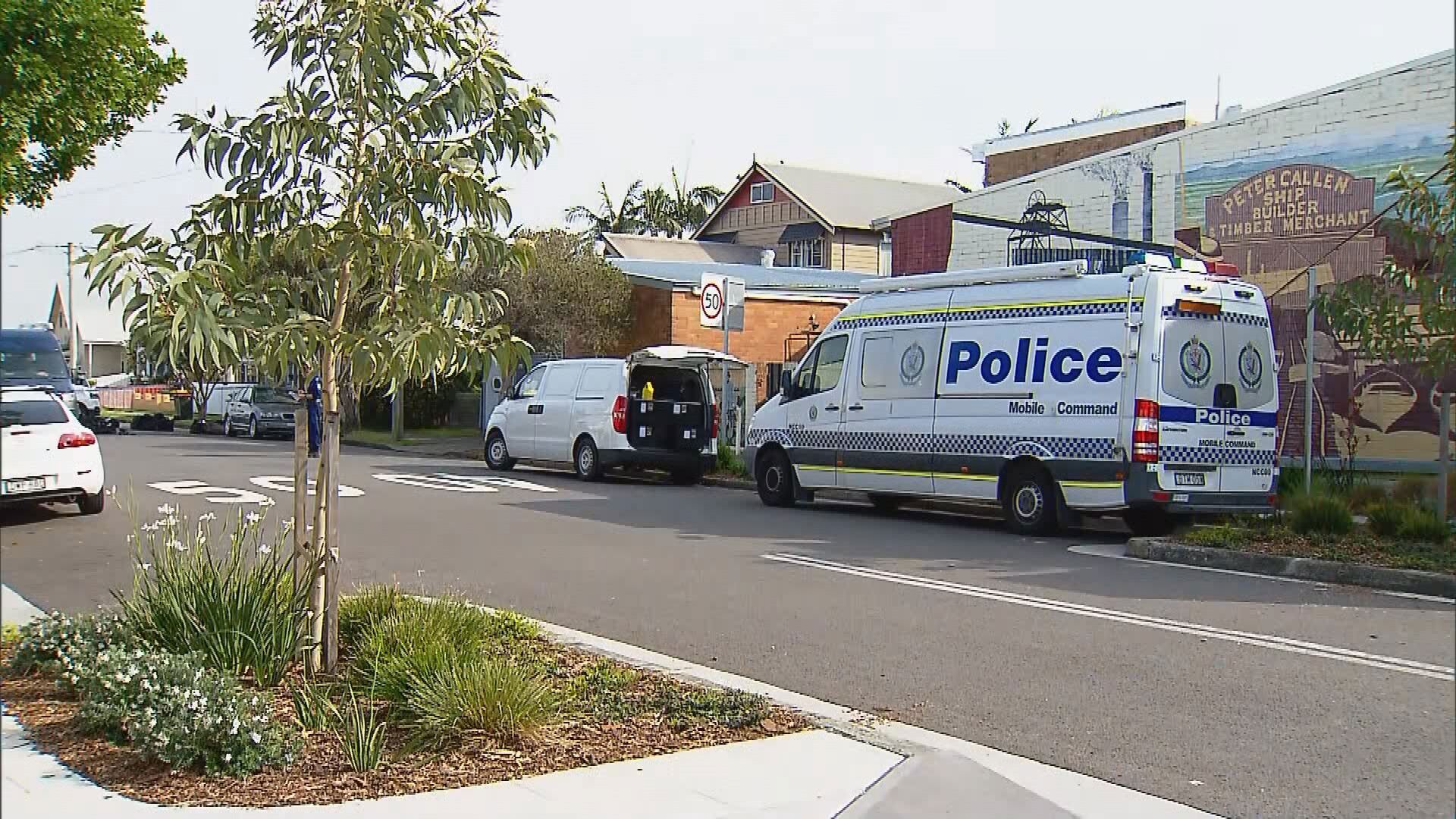
Kach was able to walk to an ambulance, but her condition deteriorated and she was taken to hospital, where she later died.
NSW Police Acting Commissioner David Hudson said today the interim post-mortem results, which he had been permitted by the coroner to reveal, indicated the woman had suffered a gunshot wound to the chest.
"It would appear that the bean bag round has entered the body of the deceased and ended up striking her heart," Hudson said.
Hudson said all uses of bean bag rounds had been stopped in NSW while a review was underway.
He said bean bag rounds had been used by NSW police 15 times this year, with no fatal results before Stockton.
"The makers of the device don't specify a range for use of bean bag round," he said.
That will form part of the review.
Hudson said police were also examining how to deal with scenes where the presence of uniformed officers might escalate the situation.
A critical incident investigation into the Stockton siege is currently underway.
READ MORE: Schools close today as fire danger soars in NSW
Yesterday, Kach's family described the police response as "disturbing".
"We were assured that the police would look after our mother and that she would be cared for by a hospital and qualified medical professionals," the family said in a statement.
"Our mother was not a dangerous person, she has lived through difficult circumstances but she was a loving and capable person that cared for people and her family.
"The only person in danger when the police broke into our mother's home and the many hours leading up to that moment was our mother."
The family said Kach was a strong independent woman who cared deeply about her loved ones and community.
"She had experienced some mental distress in her life because her life was quite tough, but she was well connected with her own health and her family were advocating for her wellbeing with the police prior to the shooting incident," the family said.
Bureau of Meteorology formally declares an El Niño
The Bureau of Meteorology (BoM) has formally declared an El Niño event, increasing the likelihood of a hot and dry summer and elevating the bushfire risk.
The declaration for the first time in about eight years came two months after the United Nations' World Meteorological Organisation had previously declared El Niño's arrival, predicting hot weather and tumbling temperature records.
Dr Karl Braganza from the BoM declared the event is "here" after it ticked over for the first time last week.
READ MORE: NSW's Far South Coast fire danger rating upgraded to 'catastrophic'
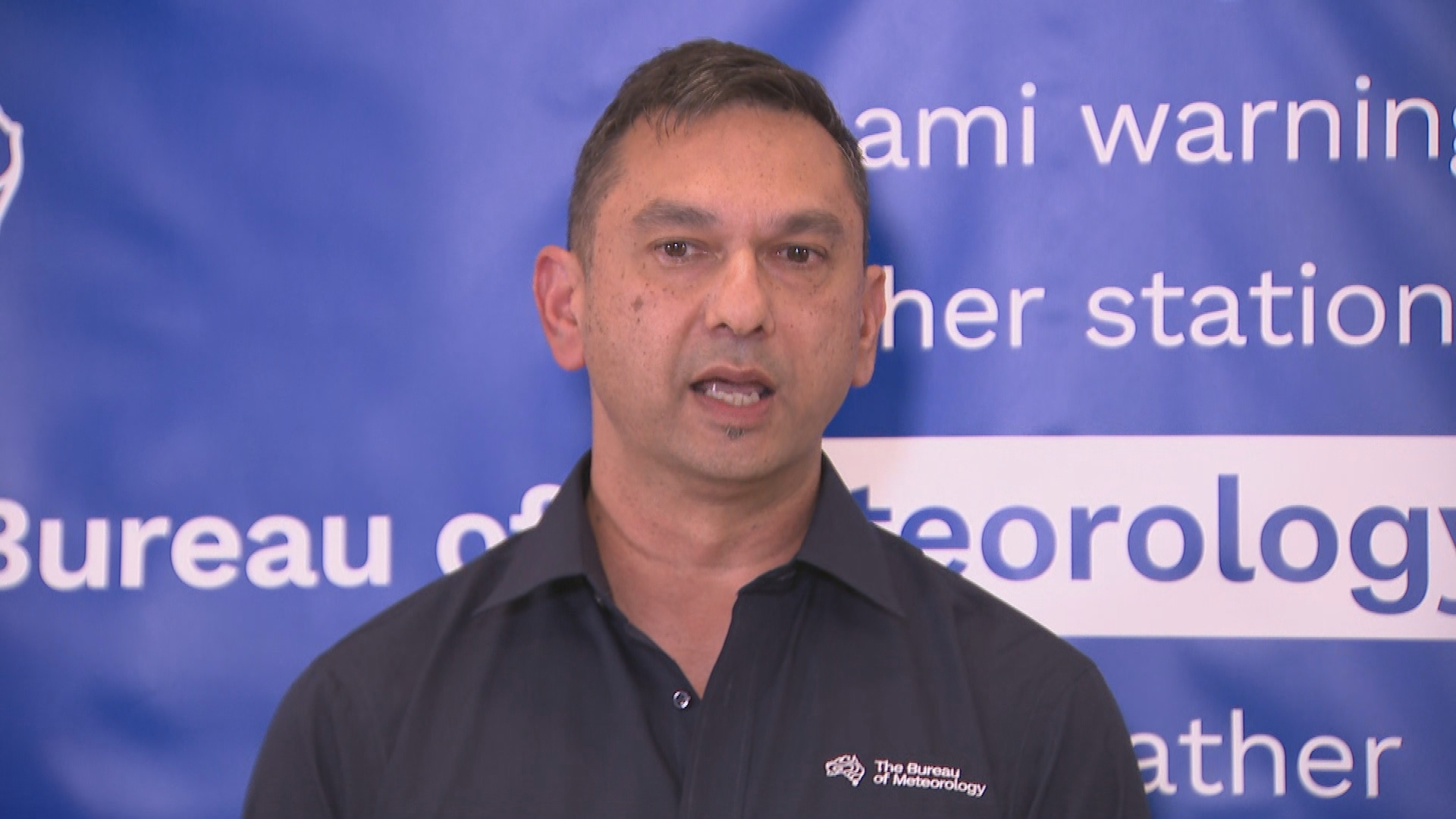
Meteorologists were waiting another week for the pattern to settle and confirmed this was the case this week.
"This summer will be hotter than average and certainly hotter than the last three years," Braganza said.
The El Niño declaration has also been made by the US Climate Prediction Centre and the Japan Meteorological Agency.
It comes as parts of eastern Australia record their hottest-ever September temperatures.
A swathe of schools have been shut down on the NSW South Coast, after the fire danger rating was elevated to catastrophic by the NSW Rural Fire Service.
Firefighters in Queensland battled two fast-moving bushfires on Sunday, which resulted in the evacuation of residents from their homes.
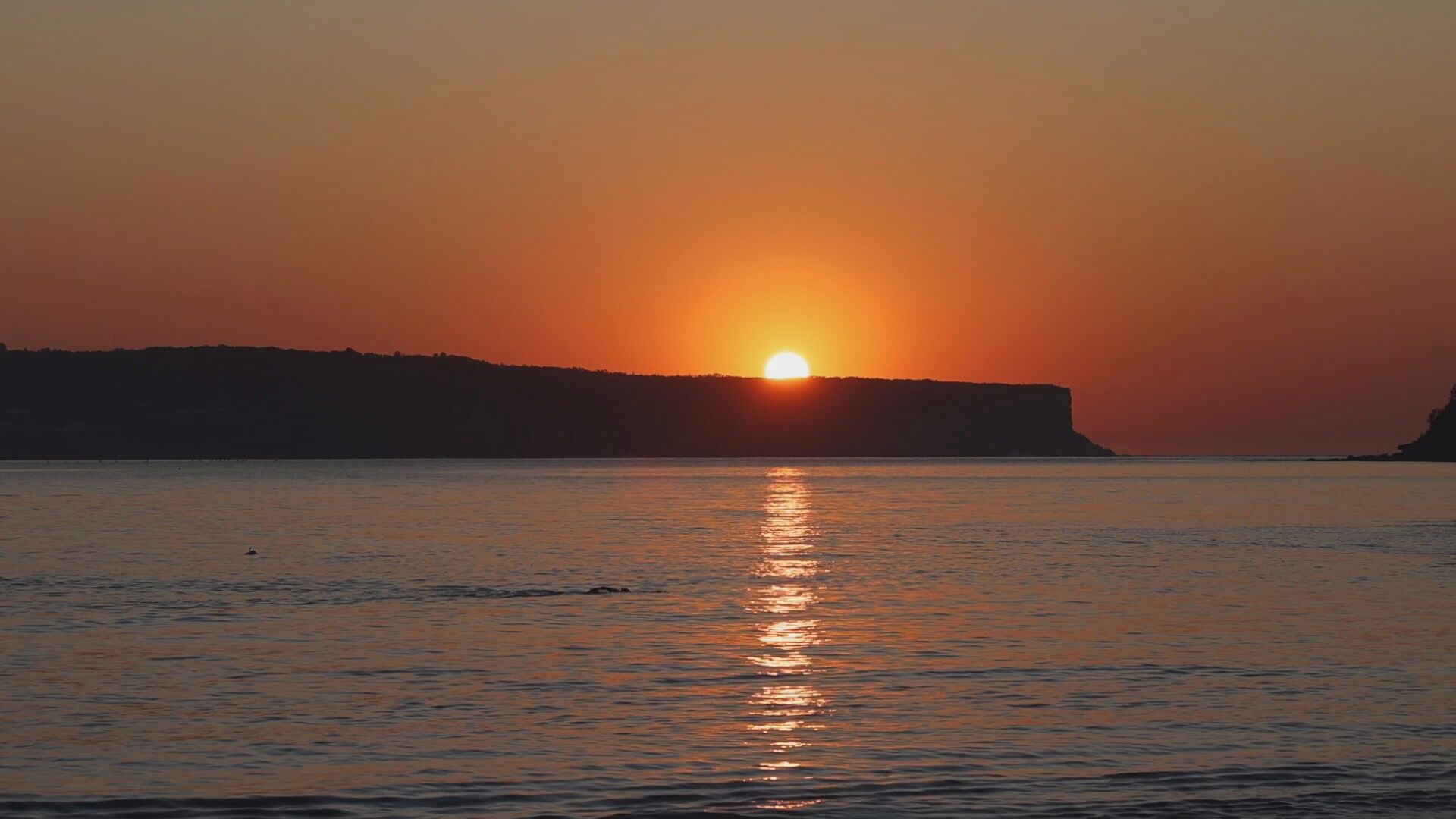
Australia's last El Niño event occurred during the summer of 2015-16.
Climate model outlooks suggest the El Niño period is likely to continue until at least the end of the southern hemisphere summer at the end of February.
The formal outlook will remain at El Niño level until the event wanes or signs of a possible La Niña appear.
Conditions for an El Niño event have met the required three of four criteria, the bureau said.
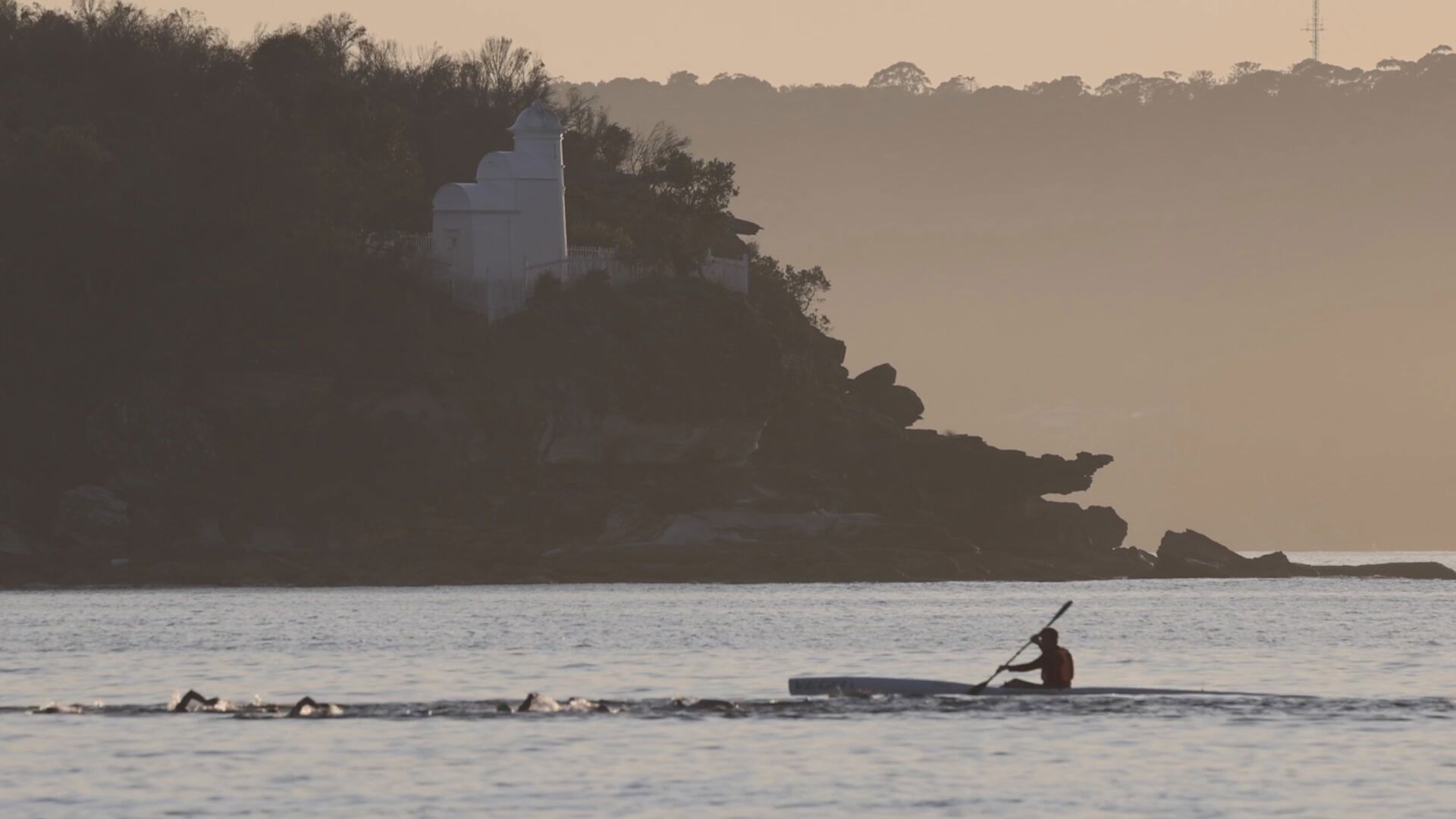
"Oceanic indicators firmly exhibit an El Niño state," it said in its climate driver update today.
"Central and eastern Pacific sea surface temperatures continue to exceed El Niño thresholds.
"Models indicate further warming of the central to eastern Pacific is likely.
"Overall, there are signs that the atmosphere is responding to the pattern of sea surface temperatures in the tropical Pacific and coupling of the ocean and atmosphere has started to occur.
"This coupling is a characteristic of an El Niño event and is what strengthens and sustains an event for an extended period."
The BoM's criteria to declare an El Niño include: a sea surface temperature that is 0.8 degrees warmer than average; trade winds that are weaker than average in the western or central equatorial Pacific Ocean during any three of the last four months; and a three-month average Southern Oscillation Index of –7 or lower; and a majority of surveyed climate models show sustained warming to at least 0.8 degrees above average in key Pacific regions.
What is the difference between El Niño and La Niña?
The cycle of La Niña and El Niño – known as ENSO, or the El Niño-Southern Oscillation index – works a bit like a pendulum.
La Niña occurs when water in the eastern tropical region of the Pacific Ocean is cooler than average as the "trade winds" – the planet's prevailing east-to-west winds – strengthen, creating warmer-than-normal water around Indonesia and Australia's east coast.
This leads to increased rainfall and brings the risk of heavy flooding in Australia.
READ MORE: La Niña and El Niño – what's the difference?
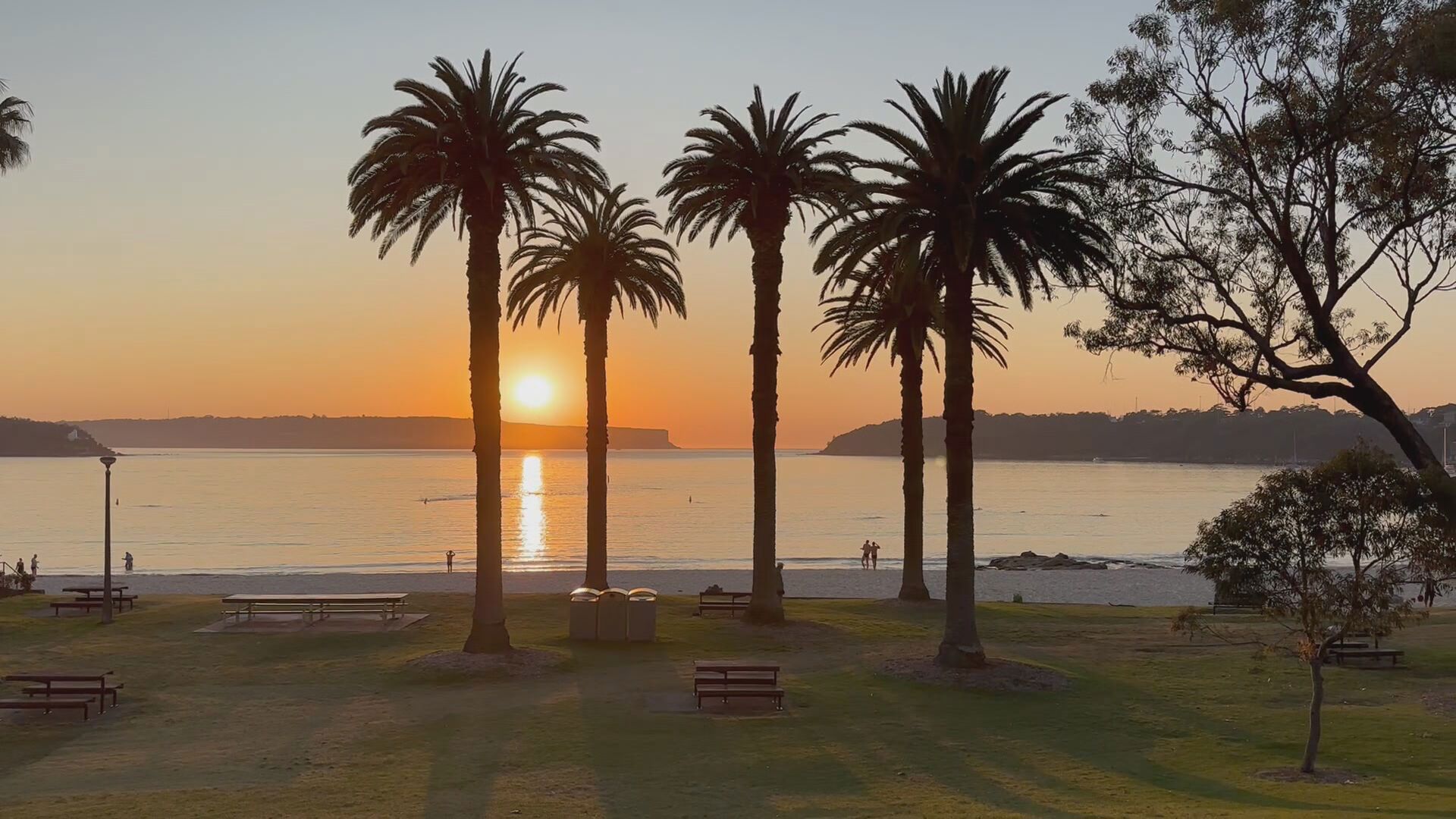
However, when those conditions are reversed – trade winds are weaker, and water is warmer than average in the eastern tropical Pacific but cooler close to Australia – an El Niño is declared, and our continent will experience hot, dry conditions and come under the threat of drought.
When the "pendulum" sits in the middle and ocean temperatures are closer to average, it is referred to as "neutral" ENSO conditions – and it is more likely to bring less extreme weather conditions.
And, if you're wondering what the two terms actually mean, "La Niña" is Spanish for "the girl" or "little girl", while "El Niño" translates to "the boy" or "little boy".
Watch: Police led on wild car chase through Auckland CBD before person arrested
The driver frequently drove backwards and in the wrong direction down multiple streets.
Auckland sex assault break-in: Young Jang sentenced for apartment attack
Methamphetamine psychosis was said to be a factor of the offending.