Pest Free Banks Peninsula wants to eradicate all animal pests by 2050.
Tag Archives: oceania
Queensland issued with highest fire danger rating in five years
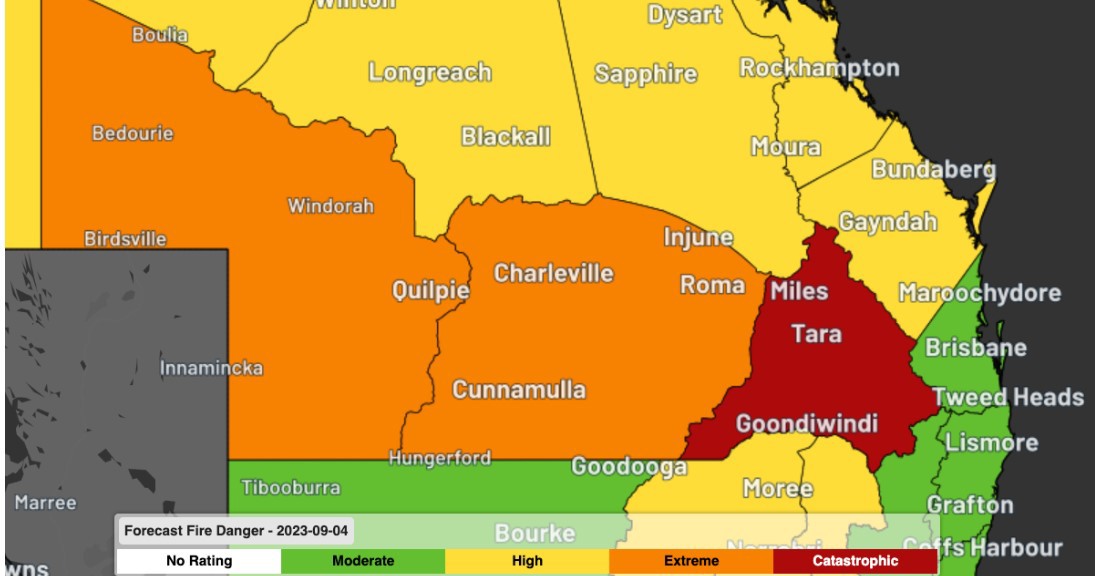
Queensland has been issued with the highest fire danger ratings the state has seen since 2018 ahead of bushfire season.
The Darling Downs and Granite Belt regions have been issued with catastrophic fire ratings, while extreme fire danger has been predicted for Maranoa, Warrego and Channel Country districts today.
Frequent wind and consistent 33-degree weather have caused vegetation growth in these areas to dry out, while a lack of rainfall following La Niña has also contributed.
Recent thunderstorms in the region sparked 941 lightning strikes, potentially starting fires in bush and grasslands, according to Weatherzone.
The fire danger rating system was changed last year.
All types of vegetation are now included in the bushfire rating, whereas the old system only took bush and forest fires into account.
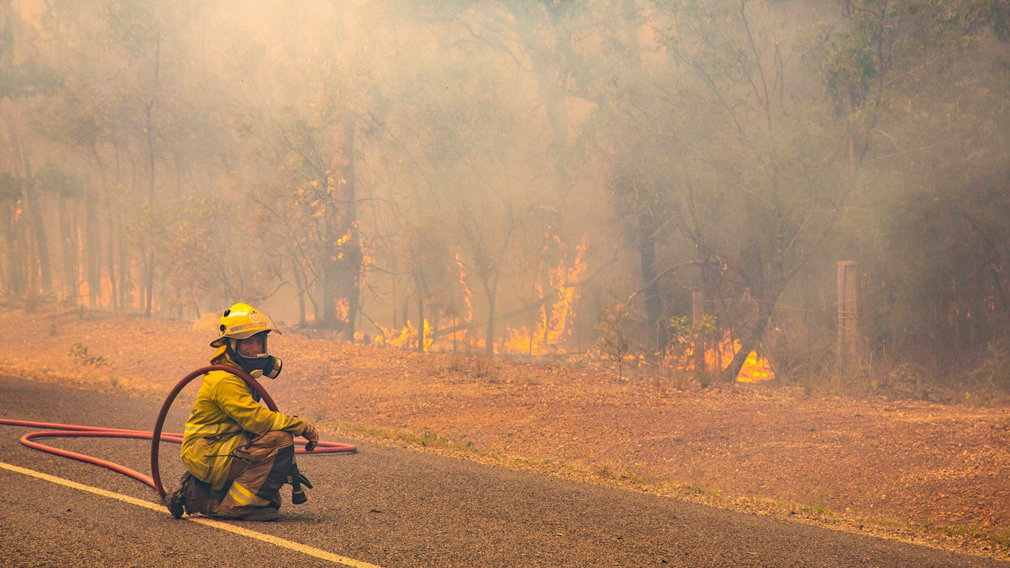
Southern Queensland will likely be issued with more catastrophic bushfire warnings as the dry and warm conditions continue, Weatherzone said.
The state's Western Downs region battled out-of-control bushfires earlier this year.
The catastrophic rating comes ahead of a potentially dangerous spring and summer bushfire season.
Parts of the Northern Territory, New South Wales, Victoria, Queensland and South Australia will all face increased bushfire risk for Spring 2023, the Australian Fire Authorities Council warned in August.
Areas impacted by bushfires in previous years, including the Black Summer fires in 2019-2020, can expect increased risk as vegetation has grown.
"Almost the entire country can expect drier and warmer conditions than normal this spring, so it is important for Australians to be alert to local risks of bushfire over the coming months, regardless of their location," AFAC CEO Rob Webb said.
"Understand your risk, know where you will get your information, and talk to your family about what you will do."
Charges dropped against brothers over deadly White Island volcano eruption
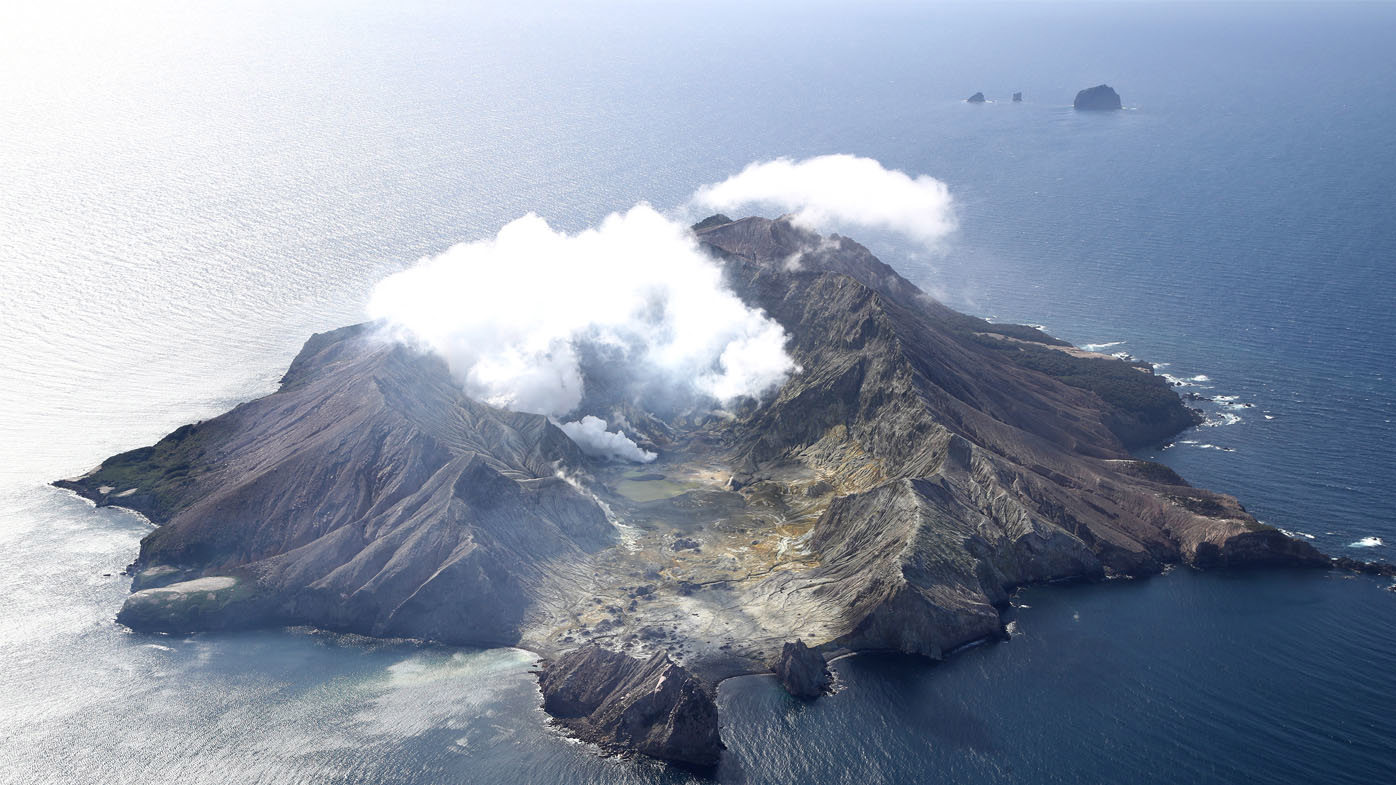
Landowners of the White Island volcano have had the charges for safety failings leading up to the deadly 2019 eruption against them dismissed.
The blast killed 22 people, including 14 Australians, and led to workplace safety watchdog WorkSafe launching New Zealand's biggest safety prosecution.
Today, District Court Judge Evangelos Thomas said a prosecution could not feasibly be laid against the owners – Andrew, James and Peter Buttle – as individuals.
READ MORE: Relief for thousands as Lowe keeps RBA hand steady
Instead, their company Whakaari Management Limited (WML), will still face charges, along with other tourism operators.
"There is no evidence in this case of what happened behind the boardroom door at WML," Thomas said.
"Without that evidence, I cannot assess what a reasonable director would have done had they been placed in that director's shoes."
The Buttles own the island, found 50 kilometres offshore north of Whakatane, and earned around $920,000 ($NZ1 million) a year from the tourism that took place on it, according to the prosecution.
Forty-seven people were on the island when it erupted in 2019.
Concerns over delays in Oliver Schulz alleged war crime prosecution
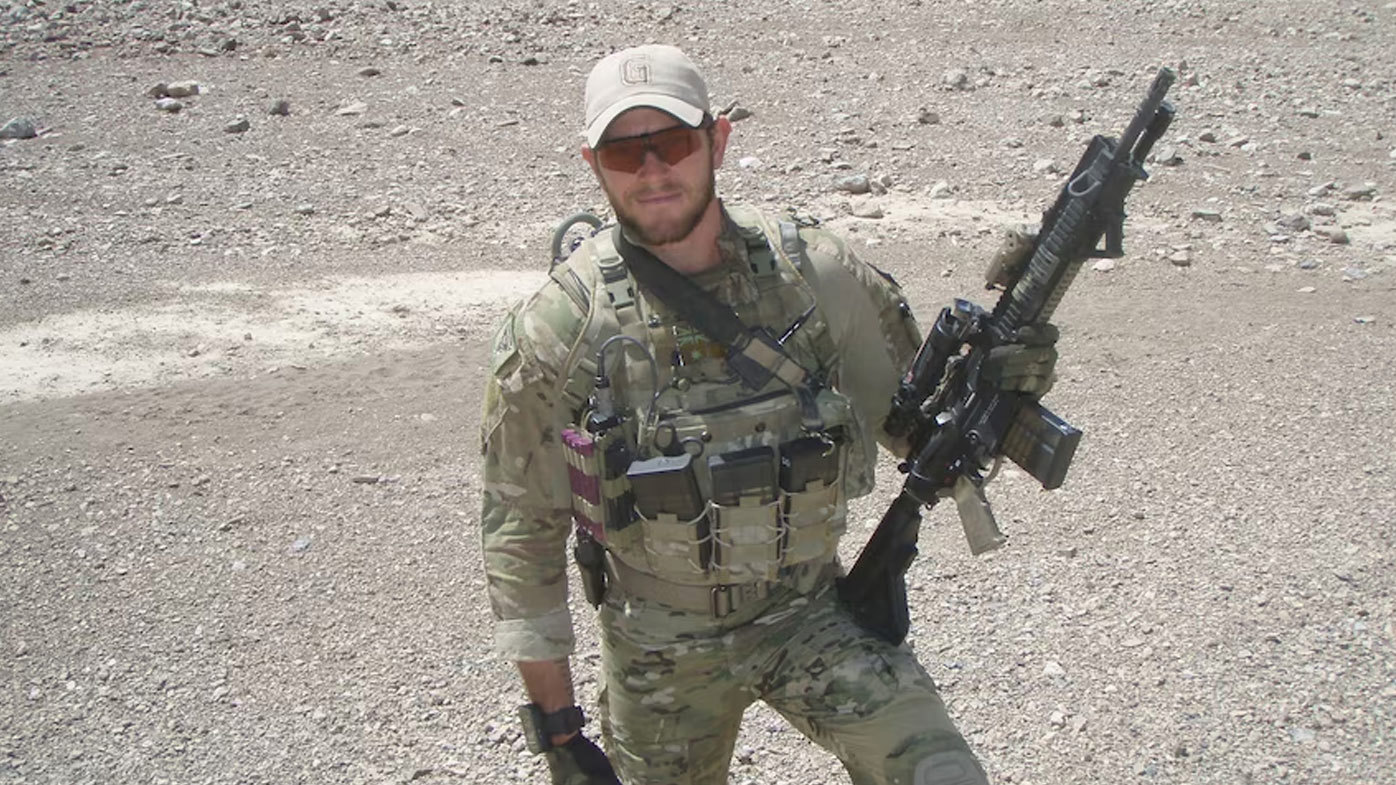
A former SAS soldier faces a further wait to see the evidence of his alleged war crime as prosecutors sift through reams of sensitive material.
Oliver Jordan Schulz, 41, is accused of unlawfully killing a civilian while deployed in Afghanistan in 2012.
However, his lawyers are still waiting to see evidence against him.
READ MORE: Relief for thousands as Lowe keeps RBA hand steady
Some material has been served, but crown prosecutor Georgina Westgarth told Downing Centre Local Court on Tuesday the government needed more time to deal with national security issues before the full evidence could be shared with the defence.
A tranche of non-sensitive material was delivered in August, however other evidence, including sensitive material, would not be ready by the time Schulz was due to have his charge certified and his case moved to a higher court later in September.
Magistrate Margaret Quinn granted the prosecution an extension of time.
Schulz's lawyer Karen Espiner told the court she was not in a position to object to the further delays.
"I am concerned at how long this process is taking," she said.
Schulz is accused of approaching Dad Mohammad in a wheat field in Afghanistan's Uruzgan Province and then firing three shots at the 25 or 26-year-old while he was on his back with his hands and knees raised.
Mohammad's father later complained to the Australian Defence Force, alleging his son had been shot in the head.
Schulz was arrested in March and released on bail a week later after a magistrate found he faced a high risk from Taliban attack if he remained behind bars.
His bail was continued on Tuesday and he will not be required to appear in court when the matter returns in November.
Schulz's arrest was the first time war crime-related murder charges were laid against a former or serving defence force member, investigators said in March.
Documents tendered in a Federal Court civil case in August confirmed approximately 40 active investigations were underway as part of the Australian Federal Police and Office of the Special Investigator joint probe.
The Operation Emerald investigation has been looking into the alleged commission of crimes stemming from breaches of armed conflict laws by defence members serving in Afghanistan from 2005 to 2016.
If you are a current or former ADF member, or a relative, and need counselling or support, you can contact the Defence All-Hours Support Line on 1800 628 036 or Open Arms on 1800 011 046.
Prison for Victorian man who fatally stabbed brother in the chest
When Jesse Tovey stabbed his brother four times in the chest, he told a friend he expected he'd be a bit sore but would be alright.
But Joshua Tovey wasn't.
After being stabbed outside his mother's Mornington Peninsula home, he fled for his life but collapsed in a nearby repair shop's car park.
READ MORE: Inflation at lowest level since early 2022, easing fears of rates rise
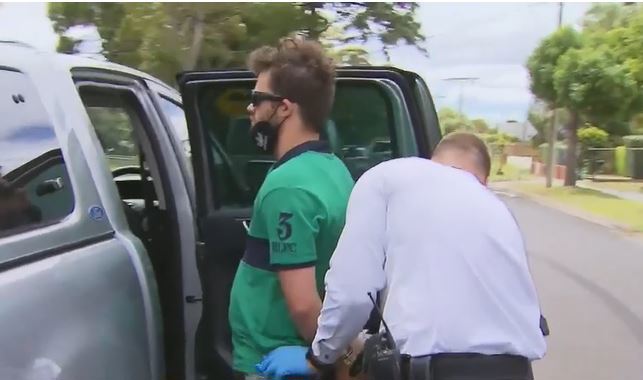
Workers called paramedics who resuscitated him once after he went into cardiac arrest, but when it happened again he couldn't be saved.
By the time Josh Tovey was declared dead, his brother Jesse had gone back to the Mornington Peninsula house he was staying at and told a friend what had happened, before collapsing into a deep drug-induced sleep.
The father-of-three was jailed for eight years and three months today after pleading guilty to the manslaughter of his brother on January 18, 2021.
The crime followed weeks of fighting between the brothers, who were raised amid extreme violence and mistreatment at the hands of adults who should have known better.
It's because of that Jesse Tovey's moral culpability for his inability to control the violent impulse is reduced, Victorian Supreme Court Justice Michael Croucher found.
Issues arose between the brothers over $600 Joshua Tovey claimed his brother owed him.
They exchanged fiery texts including one from Jesse claiming he would collect on the debt "either with money or blood".
READ MORE: RBA tipped to keep rates steady as Lowe departs from top job
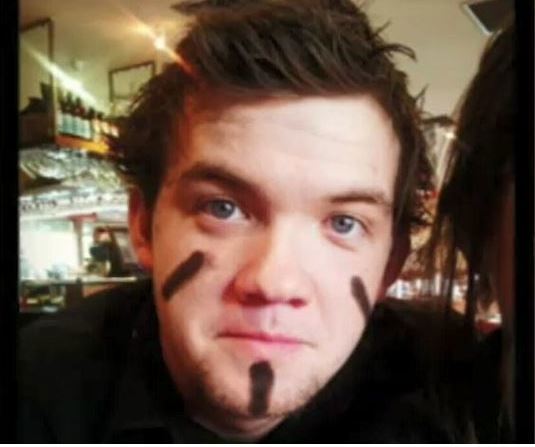
There was physical violence between the pair, including Joshua assaulting Jesse with a mallet, injuring his face.
When Jesse arrived at his mother's house in the early hours of January 18, Joshua took off to a nearby service station while their mother tried to encourage others to get ice-affected Jesse to leave.
When Joshua returned, Jesse was still waiting with a folding knife which he used to stab his brother four times to the chest and shoulders.
Jesse returned to a friend's home where he was staying, and when asked if he knew anything about a stabbing in the Hastings area, he said he had got into a fight with his brother, who would be pretty sore but would be alright.
READ MORE: One for almost everything: Robots take centre stage at home tech show
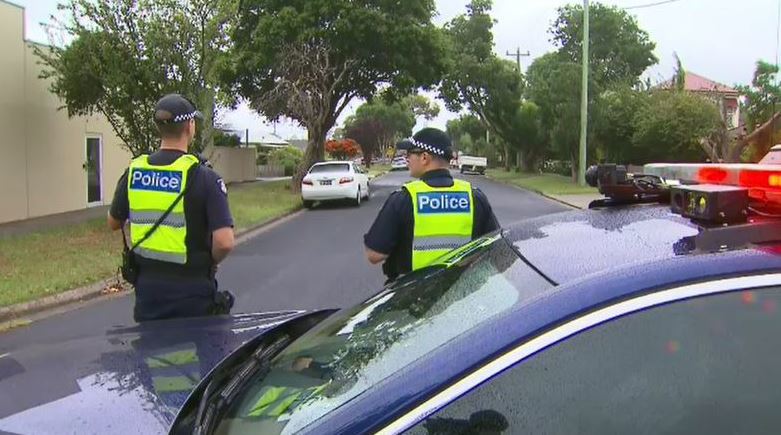
Now every time Jesse Tovey looks at his family and surviving siblings he will be reminded of the pain and suffering he has caused them, on top of the devastation and immense sense of loss and grief he feels himself, Croucher said.
Jesse Tovey has the ongoing support of family, including a brother who has a room and a job ready for him once he has served his sentence – a minimum of five years before he's eligible for parole.
He regards his brother as a good person who lacks the right direction and wishes to support him getting the help he needs on his release.
Croucher ended the sentence hearing by extending his condolences to the Tovey family – including Jesse Tovey – for their loss.
Boy allegedly abducted walking home from school an 'innocent victim'
Police believe an attack on a 14-year-old boy who was allegedly abducted and assaulted after school in Melbourne's south-east yesterday was random.
The teenage victim, who is believed to be a Year 9 student from Glen Eira Secondary College, was walking home from school yesterday when he was allegedly abducted by a group driving a grey Volkswagen Tiguanin in Glen Huntly about 3.35pm.
The car then took off and shortly afterward the boy came out of the moving car in "unknown circumstances" a short way away, near the intersection of Neerim and Grange roads.
READ MORE: 'Let's end the turbulence': Reaction to Alan Joyce's early exit from Qantas
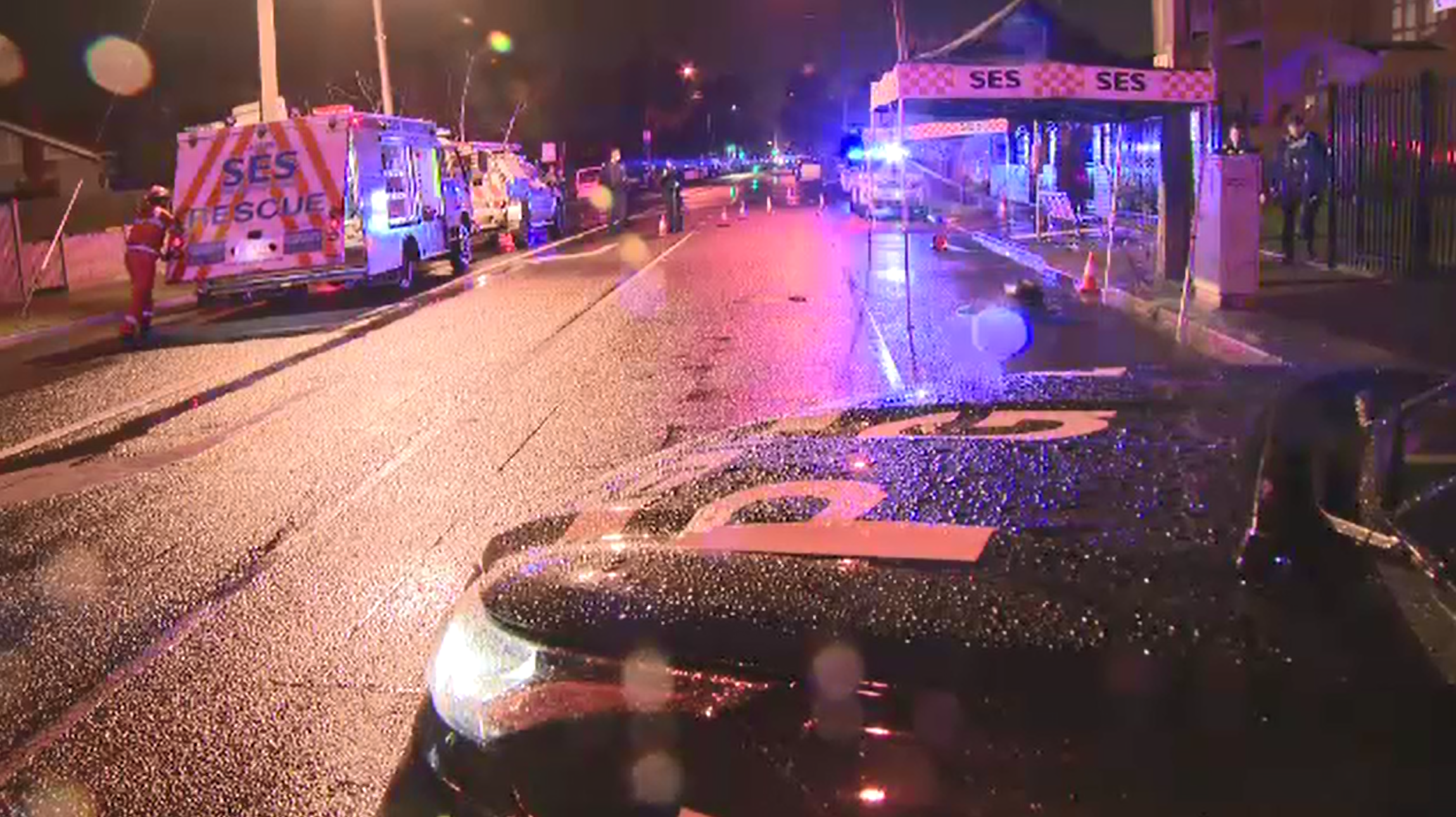
Detective Acting Senior Sergeant Lisa Watson it appeared the boy was an "innocent victim on his way home from school".
Police are yet to speak with the Year 9 student, who remains in a serious but stable condition at the Royal Children's Hospital.
"The child is not in a position to speak to us at this time, so there are some facts and circumstances that we won't be aware of and unable to confirm until we've been able to speak with him," Senior Sergeant Watson said.
Police also confirmed a Volkswagen Tiguan was found burnt out in Dandenong about midnight last night.
It's not yet established if it was the same car used in the alleged abduction.
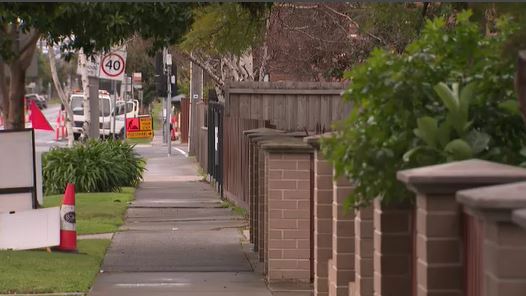
Detectives are probing whether the incident is linked to reports four teenagers were robbed by two people armed with machetes in nearby Kambrook Road about 3.25pm – shortly before the boy was allegedly abducted.
Senior Sergeant Watson the investigation was "very active and ongoing".
"We know of the two incidents in Caulfield and Glen Huntly yesterday, further incidents we have information on. Mobile phones were taken and I believe some other personal belongings.
"I've just been told in the last five minutes about some other information that is coming forward."
Caller Yvonne has told 3AW her 15-year-old daughter was one of those robbed on Kambrook Road.
"She was walking past the school and walking home and a car came out of nowhere," she told 3AW's Neil Mitchell.
"A group of them were in the car with machetes and they started yelling at them to give them their things and mobile phones.
"(My daughter said) every one of them had machetes.
"They drove off, but it seems another member of the school was the next one hit, and something bad had happened."
READ MORE: Homicide Squad detectives investigating after man found dead on Melbourne street
Glen Eira College sent an email to parents last night about the incident.
"This is a horrible situation which has no doubt shocked many of our school community," the email said.
"Our hearts go out to the student, student's family and friends during this time."
The college said additional wellbeing support would be available for any students who need it.
READ MORE: ASIC sues Westpac for alleged breach over hardship notices
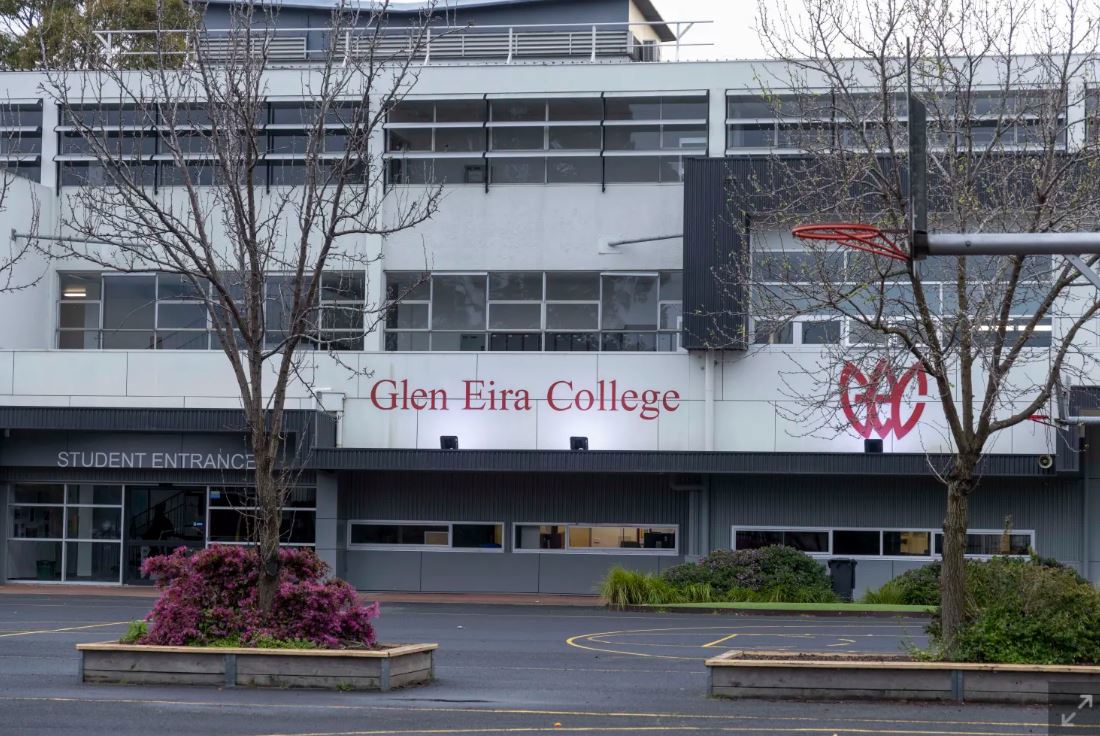
Glen Eira College parent Elle has told 9News many parents are worried about their kids walking home after the "really scary" incident.
"It's not the first attack, and I'm really hoping they do something about it," she said.
"I heard Glen Eira students were being robbed on the way home, it's just, it's unbelievable.
"I spoke with my son and we are all a bit worried about letting him transport home but you can't stop their life, you have to let them keep going."
Another parent of a Year 9 student, who wished to remain anonymous, described the alleged abduction as "horrific".
"As a parent to get that call would be absolutely horrific. There's no words to describe it," the parent said.
"It's a concern."
READ MORE: 'Plate-sized' surgery tool discovered in woman 18 months after operation
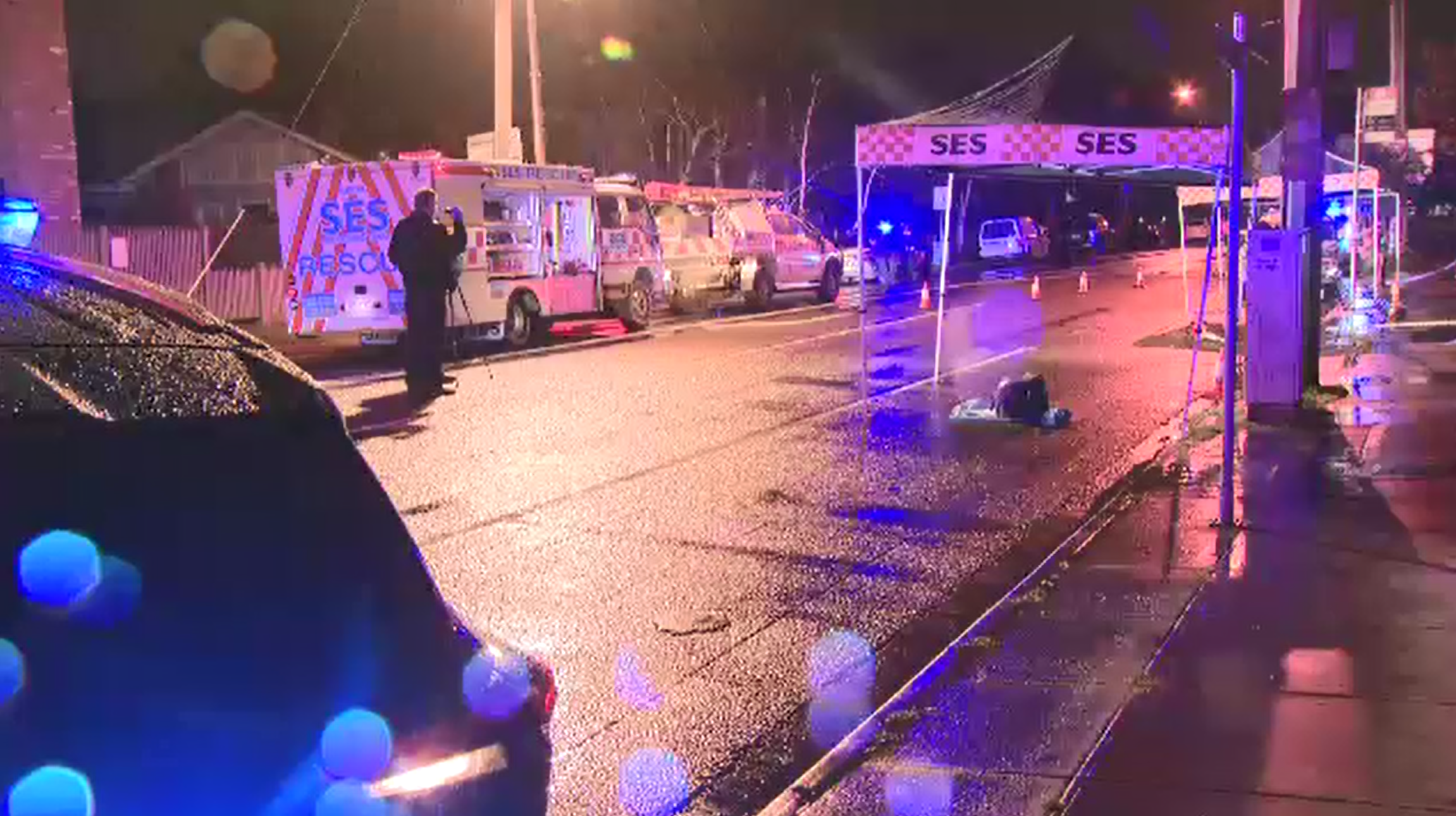
The exact circumstances surrounding the incident are yet to be determined and investigations remain ongoing.
Anyone who sights the Volkswagen Tiguan involved should call triple zero immediately.
Anyone who witnessed either incident, has CCTV or dashcam footage or any other information is urged to contact Crime Stoppers on 1800 333 000 or submit a confidential report online at www.crimestoppersvic.com.au
Some of the best entries for Wildlife Photographer of the Year revealed
These highly-commended photos are the first tranche of images released from the Natural History Museum of London's world-renowned Wildlife Photographer of the Year Contest.
Half a million dollars offered over unsolved murder of Queensland dad
A $500,000 reward is being offered by the Queensland government in return for information that helps convict someone over the unsolved murder of father Francis Patrick Foley.
Foley was last seen at his home in the Reward Fossicking area near Rubyvale, west of Emerald, on or around December 23, 2008.
On that day, the 62-year-old went Christmas shopping at the Emerald Central Business District with a neighbour before returning home.
READ MORE: 'Plate-sized' surgery tool discovered in woman 18 months after operation
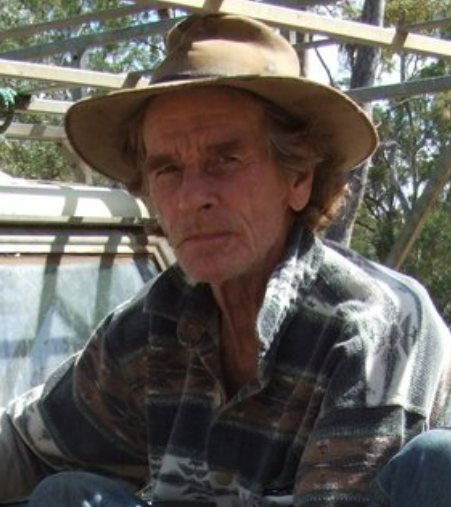
The same neighbour then called into Foley's property on December 28 to check on his welfare after local flooding and found an exploded gas bottle and Foley's wallet discarded in the carport.
Foley could not be found.
Police found blood, which was later identified as belonging to Foley, at the scene.
Investigations over the years since have included about 100 statements and 150 inquiries by police.
A door knock was conducted in the area, during which several neighbours reported hearing what they believed to be gunshots on the afternoon and evening of either December 23 or December 24.
Foley's son Shaun Charlton told media today he has missed his dad for 15 years.
READ MORE: Smash Mouth singer Steve Harwell dead at 56
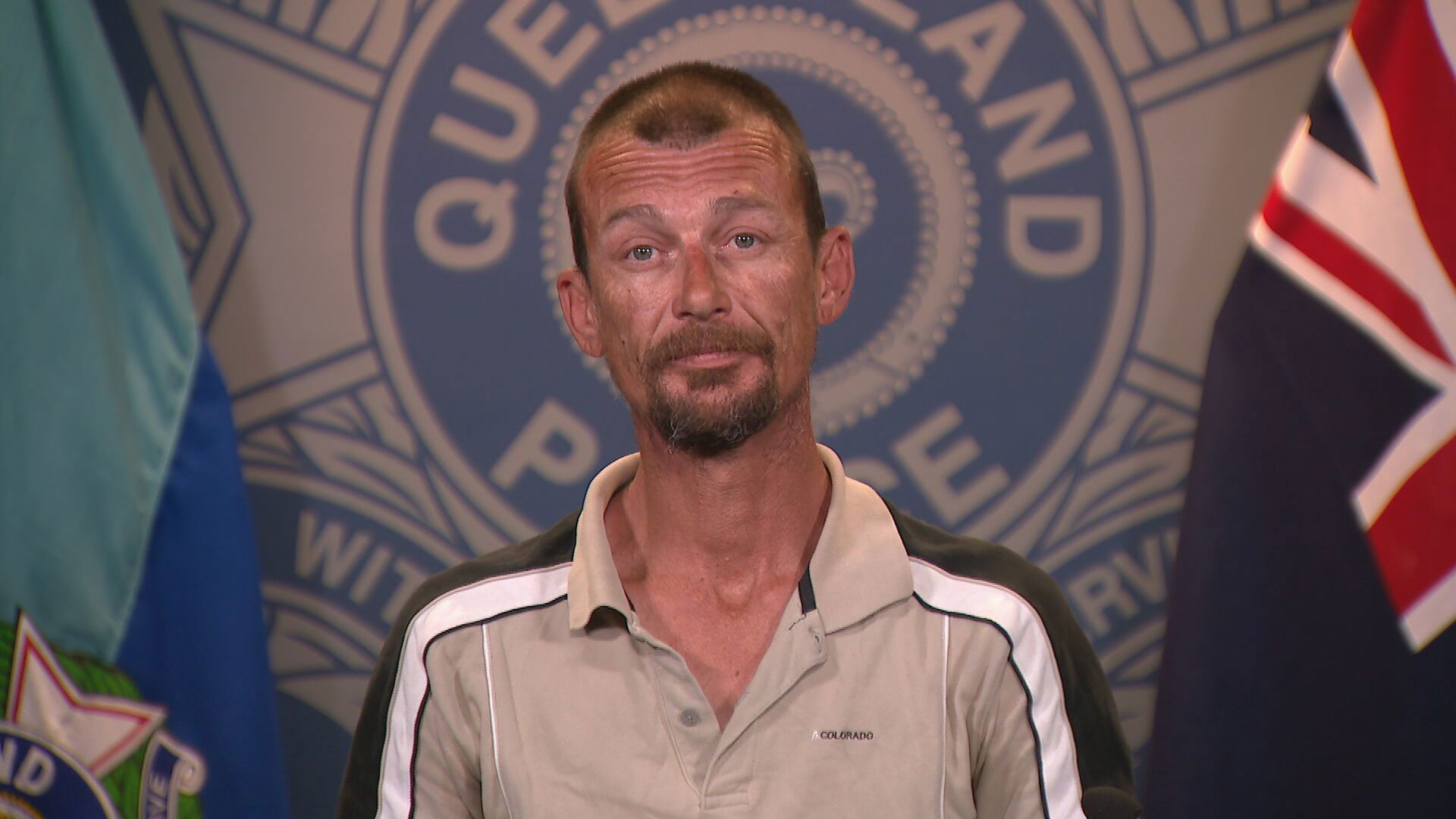
"I'm from a small town, I know the sort of town Rubyvale is, and I know people know," Charlton said.
"Please help me find my dad's killer and help my family find my father's killer."
Police said investigations determined the damage to the gas bottle and further damage to the front security door of the home were consistent with having been hit by a shotgun blast.
Mackay Coroner David O'Connell returned findings in April 2013 which determined Foley was believed to be deceased, but evidence was unable to be identified connecting anyone to Foley's death.
A person fossicking for gems in Sheep Station Creek, about a kilometre downstream from Foley's property, found human remains in July 2022.
The remains were identified as belonging to Foley and police started a review of Foley's death.
Foley moved to the Rubyvale area around 2003 and worked in various trades including carpentry, building and vehicle repairs.
At the time of his disappearance, he was a caretaker for a fossicking lease on behalf of a person who lived interstate.
READ MORE: Inside the movement slashing tyres of 'gas guzzling' SUVs
While it is not believed Foley was a gem miner, it has been identified he owned a number of valuable gemstones.
Police are again searching the area where Foley's remains were found today.
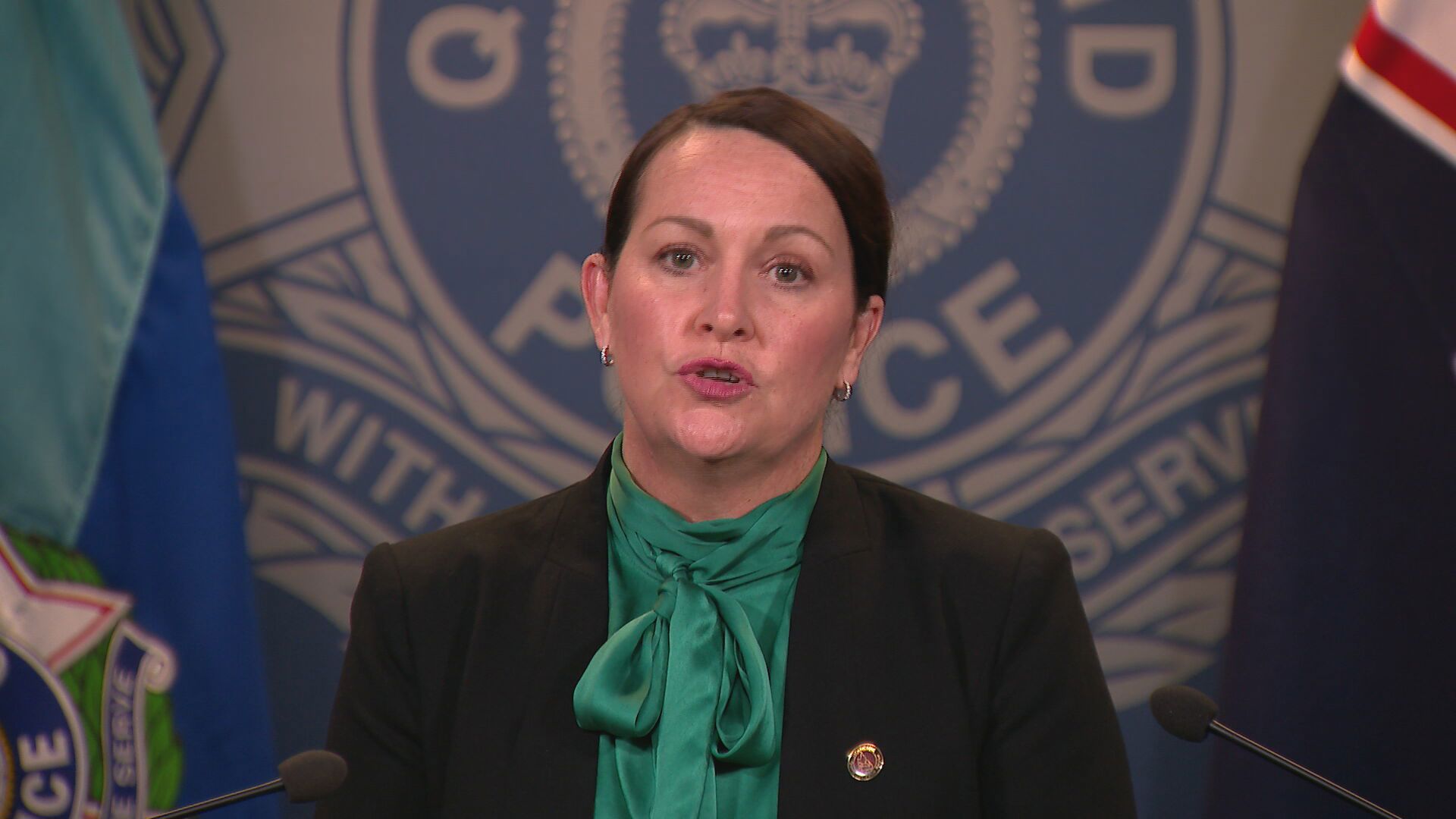
Detective Senior Sergeant Tara Kentwell said police are confident the matter can be solved.
"Someone out there knows what happened to Foley and they now have 500,000 reasons to come forward and speak to police," Kentwell said.
"Anyone with knowledge of Foley's movements on December 23, 2008, or who may have information relating to this investigation, is urged to contact police."
The $500,000 Queensland government reward is for information that leads to the apprehension and conviction of the person or persons responsible for this murder.
The government reward further offers an opportunity for indemnity against prosecution for any accomplice, not being the person who actually committed the murder, who first gives such information.
Interest rates on hold as outgoing RBA governor leaves legacy
Hundreds of thousands of Aussie borrowers can breathe a sigh of relief after the Reserve Bank of Australia (RBA) decided to keep the nation's cash rate on hold for a third month running.
Meeting at the bank's Martin Place headquarters this afternoon, the RBA board decided to keep interest rates on hold at 4.1 per cent.
Today's meeting marks the last time Governor Philip Lowe will hand down a monetary policy decision, following a decision by the treasurer that his seven-year term would not be extended.
READ MORE: Inflation at lowest level since early 2022, easing fears of rates rise
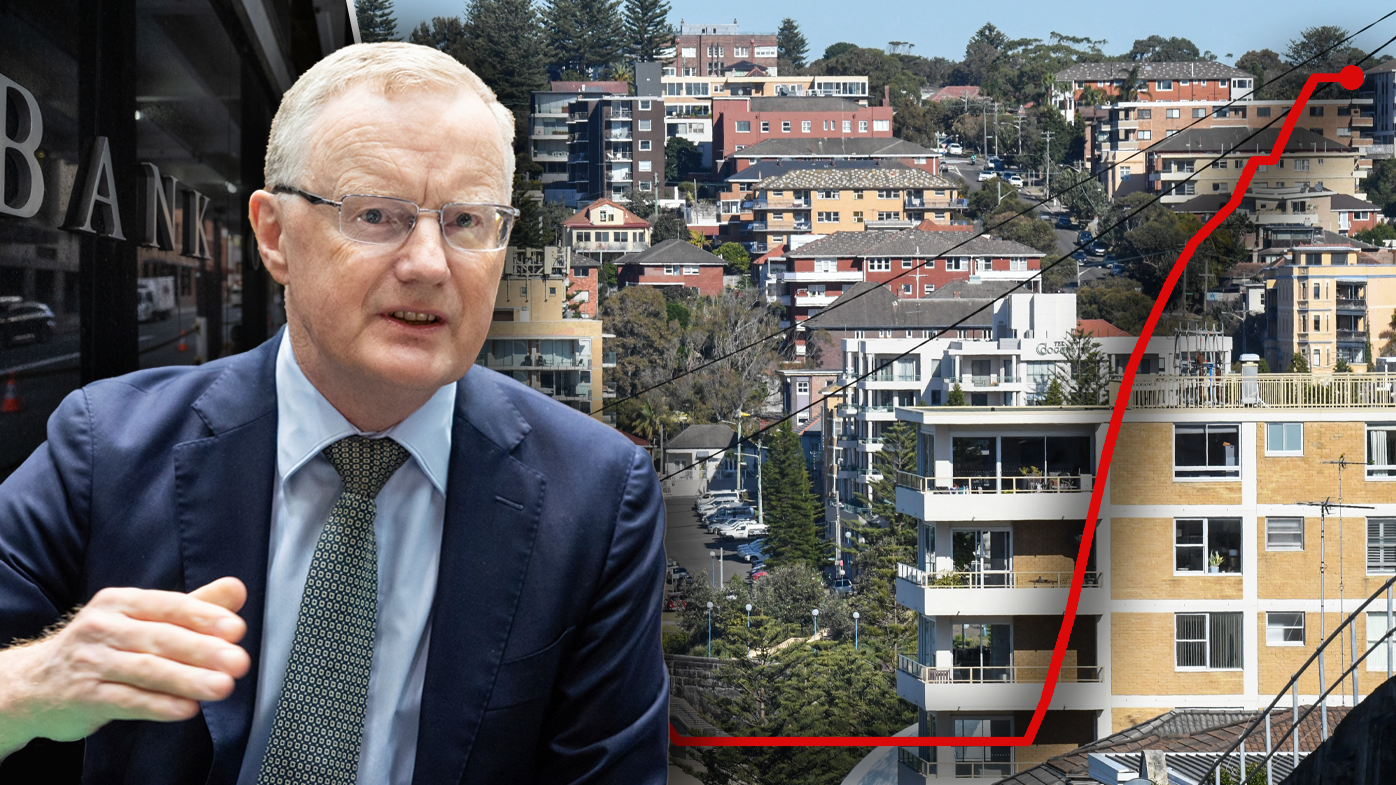
Largely unknown for much of his career, Lowe's name became recognised in households across the nation during the COVID-19 pandemic – and more controversially after it.
During that time, Lowe and the RBA board cut interest rates to a historic low of 0.1 per cent to stimulate the economy, followed by 12 interest rate hikes in as many months to control wildly spreading inflation.
He attracted a large swathe of criticism after he was perceived to be telling homeowners – with caveats – that the RBA did not expect to raise rates until 2024.
Lowe's last day as governor will be September 17, when he will be replaced by one of the current deputy governors Michele Bullock.
READ MORE: Incoming RBA governor warns of fresh threat in interest rates battle
In his decision today, Lowe said the board was awaiting more economic data to assess whether more needed to be done to speed up the falling rate of inflation.
"Interest rates have been increased by 4 percentage points since May last year. The higher interest rates are working to establish a more sustainable balance between supply and demand in the economy and will continue to do so," he said.
"In light of this and the uncertainty surrounding the economic outlook, the Board again decided to hold interest rates steady this month.
"This will provide further time to assess the impact of the increase in interest rates to date and the economic outlook."
He did warn that more hikes might be needed.
"Some further tightening of monetary policy may be required to ensure that inflation returns to target in a reasonable timeframe, but that will continue to depend upon the data and the evolving assessment of risks," Lowe said.
"In making its decisions, the Board will continue to pay close attention to developments in the global economy, trends in household spending, and the outlook for inflation and the labour market."
Financial markets had largely priced in expectations that the cash rate would be kept on hold, given a measurable reduction in inflation and weaker-than-expected wage growth.
Currently, the consumer price index – largely regarded as the measure of inflation – is tracking at 6 per cent.
The RBA has long maintained its guidance that it would like inflation to return to between 2 and 3 per cent.
READ MORE: Inflation at lowest level since early 2022, easing fears of rates rise
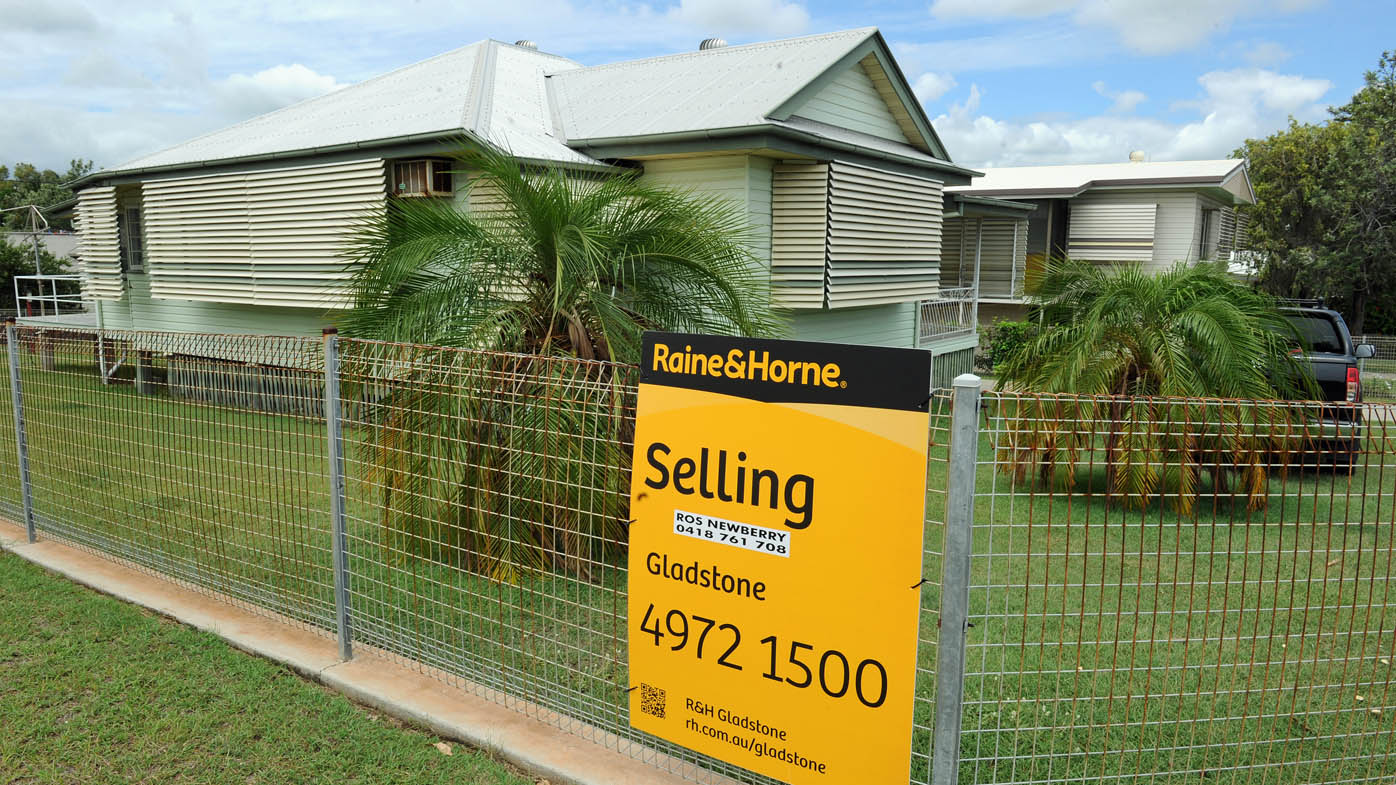
Graham Cooke, head of consumer research at Finder, said while today's news was good for borrowers, the reality was that many households are struggling.
"Mortgage holders can take a breather from the relentless pressure of the back-to-back interest rate hikes – we may even see the rate stagnate until the end of the year," he said.
"The outlook for the economy, though, is still uncertain.
"We are seeing 40 per cent of homeowners struggle to pay their mortgage, with many fixed loan holders facing dramatically higher payments over the coming months."
READ MORE: Mortgage burden hits record high for Australians
Anneke Thompson, chief economist at CreditorWatch, said the data was showing Australians had already tightened their purse strings.
"Retail trade data also tells us that Australian consumers have slowed their spending – where they can – considerably," she said.
"Certain areas of non-discretionary services, such as rents, insurance, utilities and education, continue to record high or rising price increases.
"However, the RBA is very likely to recognise that further increases to the cash rate will do little to stem these prices, as various exogenous impacts are responsible for price rises in these sectors."
The information provided on this website is general in nature only and does not constitute personal financial advice. The information has been prepared without taking into account your personal objectives, financial situation or needs. Before acting on any information on this website you should consider the appropriateness of the information having regard to your objectives, financial situation and needs.
Toddler dies after 'incident' at childcare centre in Darwin
Police are investigating the sudden death of a toddler after an incident at a childcare centre in Darwin.
A St John NT spokesperson said paramedics were called to an incident at a childcare centre in Humpty Doo on Thursday, August 31.
The toddler was taken to Royal Darwin Hospital in a critical condition, the spokesperson said.
READ MORE: Alan Joyce makes shock sudden departure from Qantas
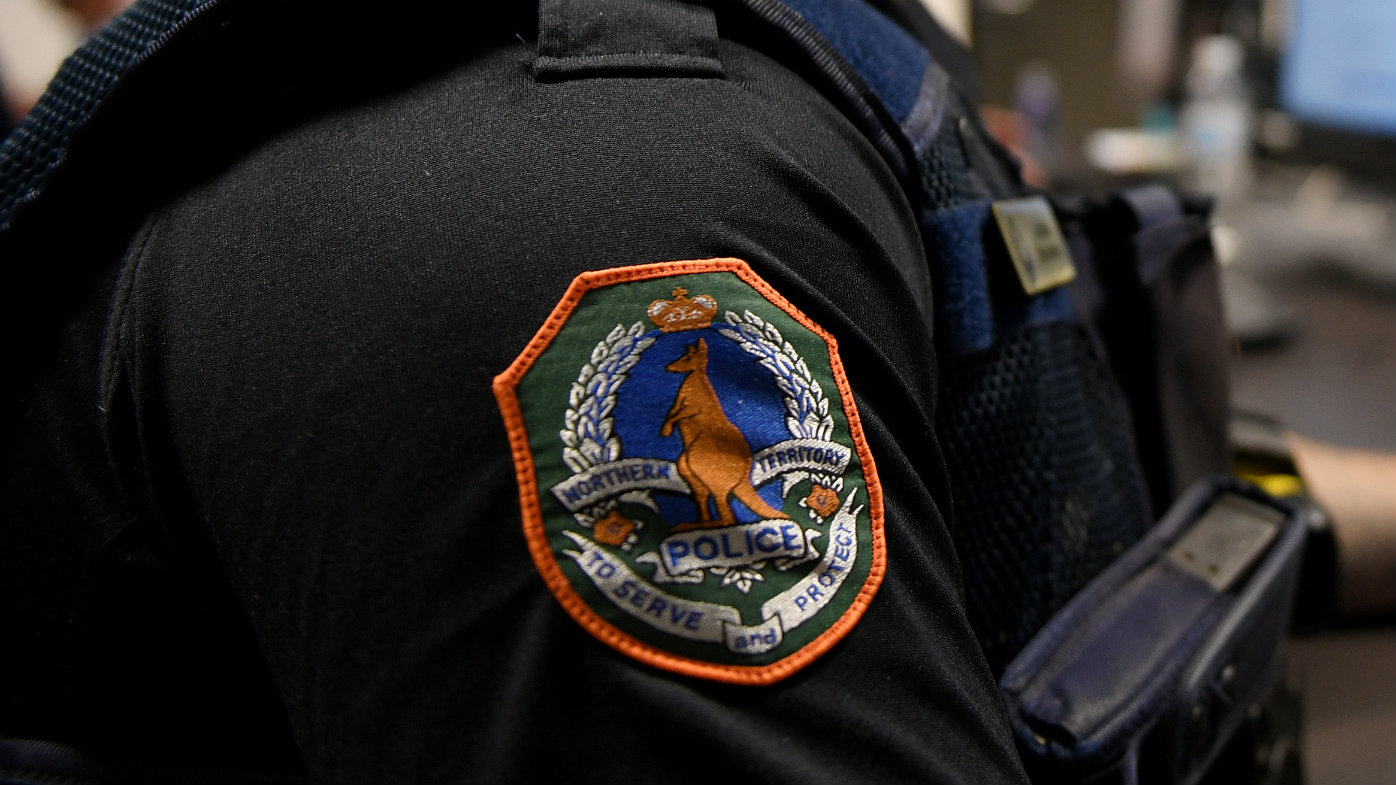
NT Police confirmed the toddler died two days later.
"Northern Territory Police are investigating after the unexpected death of a toddler in Darwin on Saturday 2 September 2023," police said.