P&O’s customer service department told passengers they didn’t need Australian visas.
Tag Archives: oceania
Woman involved in serious robbery in Hamilton wins appeal on sentence
Shannon Avery was one of three who held the group at the house for several hours.
James Wallace: Disgraced arts patron continues to deny offending, refused parole
The philanthropist was stripped of his knighthood last month.
Police release chilling images in the hope of cracking child abuse cold cases
Warning: This story contains references to child sexual assault.
Police have released images linked to historic child abuse investigations in the hope the public can help them solve cold cases.
Helen Schneider, Acting Assistant Commissioner at the Australian Federal Police, said the four background images could serve as clues that could help crack cases and potentially remove vulnerable children from harm.
The photos include a room with a fireplace, a bed frame with a built-in radio and two linked images featuring a "distinctive brick wall pattern" and "yellow curtains".
READ MORE: Fears avalanche of Aussie layoffs coming
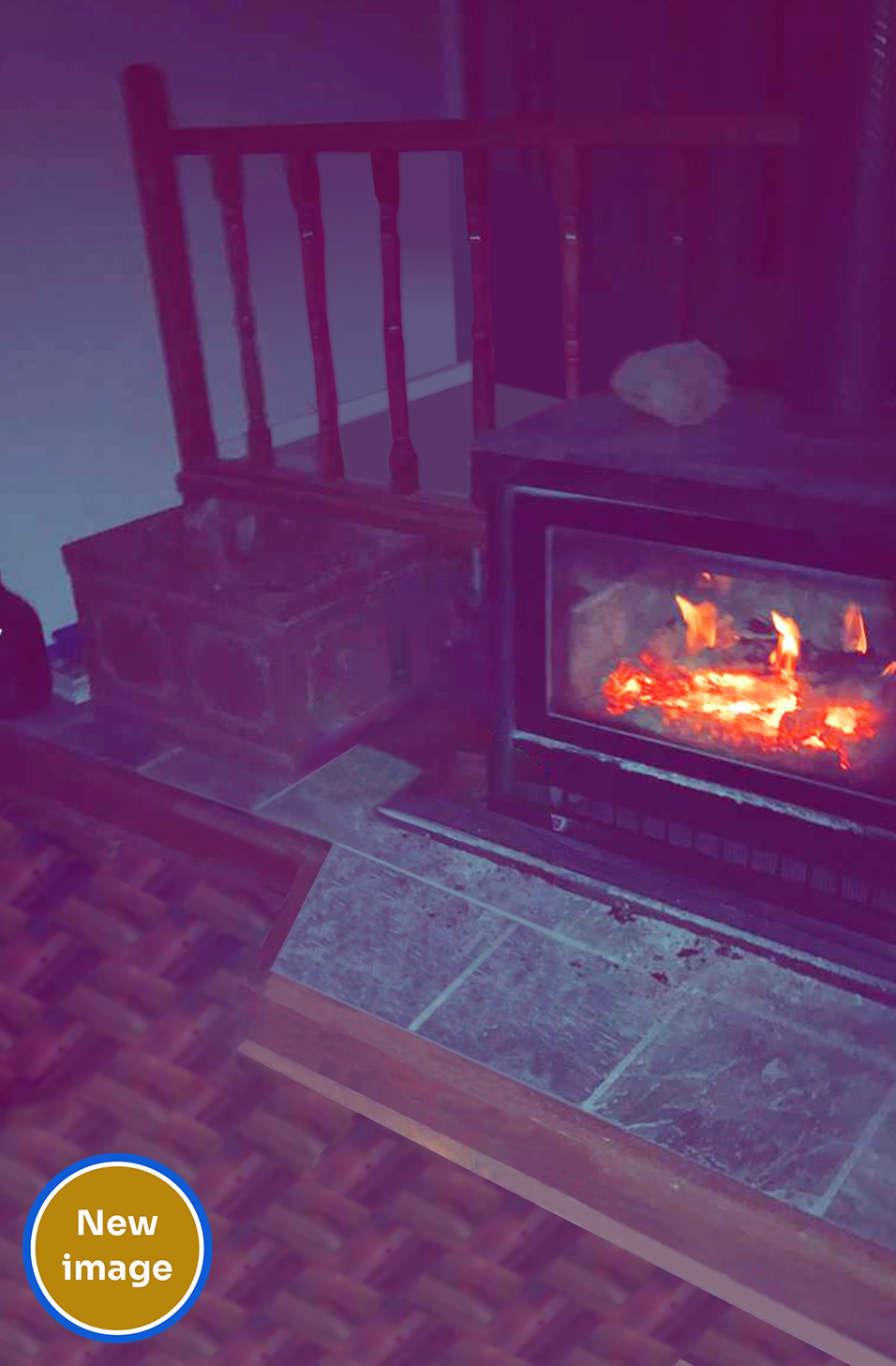
Police believe they have been taken in Australia.
Schneider said members of the public could view the images and report any information about them on the Australian Centre to Counter Child Exploitation (ACCCE) website.
"Victim identification specialists have the painstaking task of going through images and videos frame-by-frame to identify anything that helps with the origin, location or the identity of a victim," Schneider said.
"Your leads can make or break an investigation and every tip could make all the difference for a vulnerable victim.
"No child should have to endure sexual abuse and our team of investigations will never give up the fight, but we need every member of the community to be our eyes and ears to help police save victims and arrest perpetrators.
READ MORE: One dead as floods trap thousands at Burning Man festival
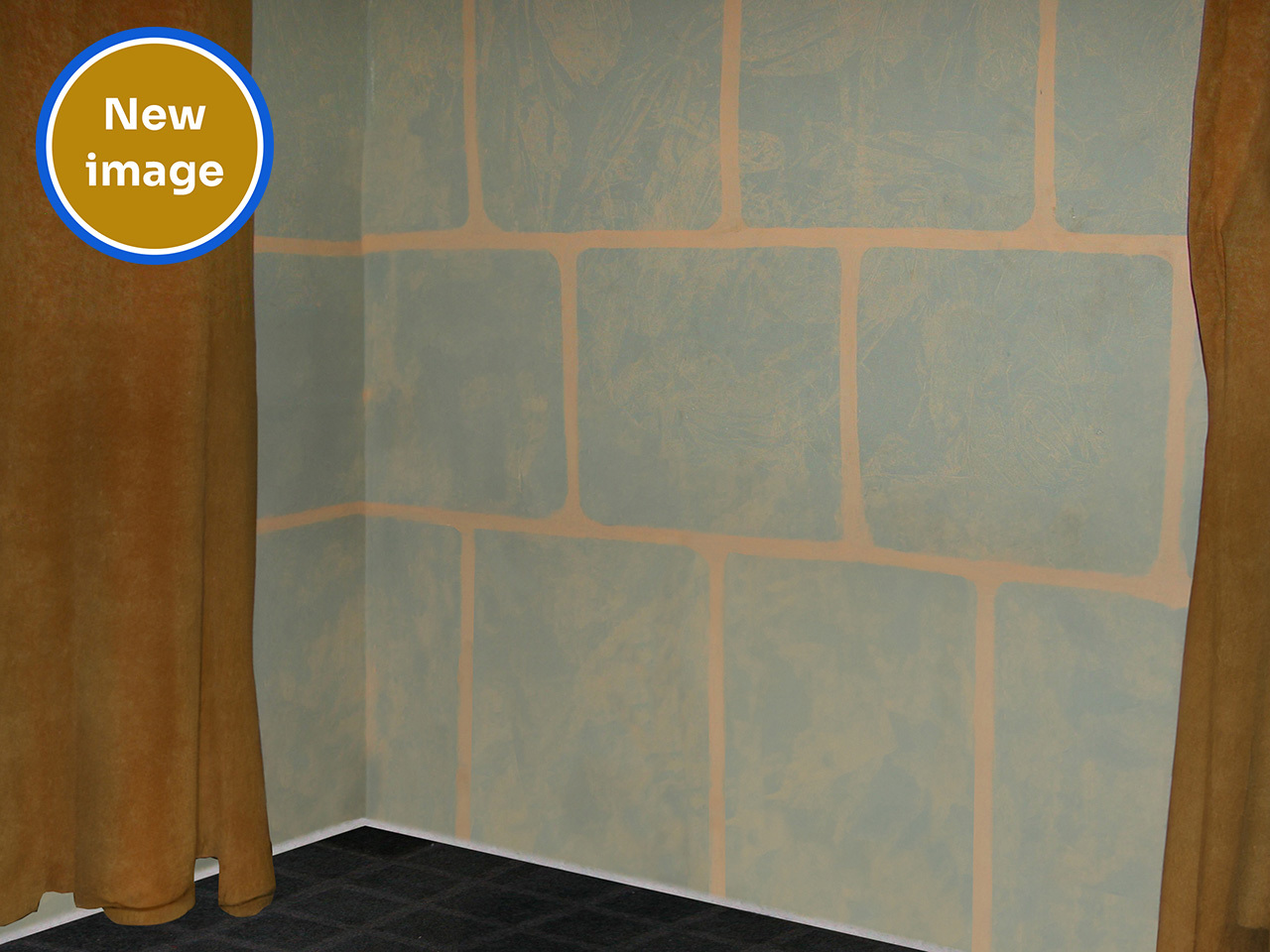
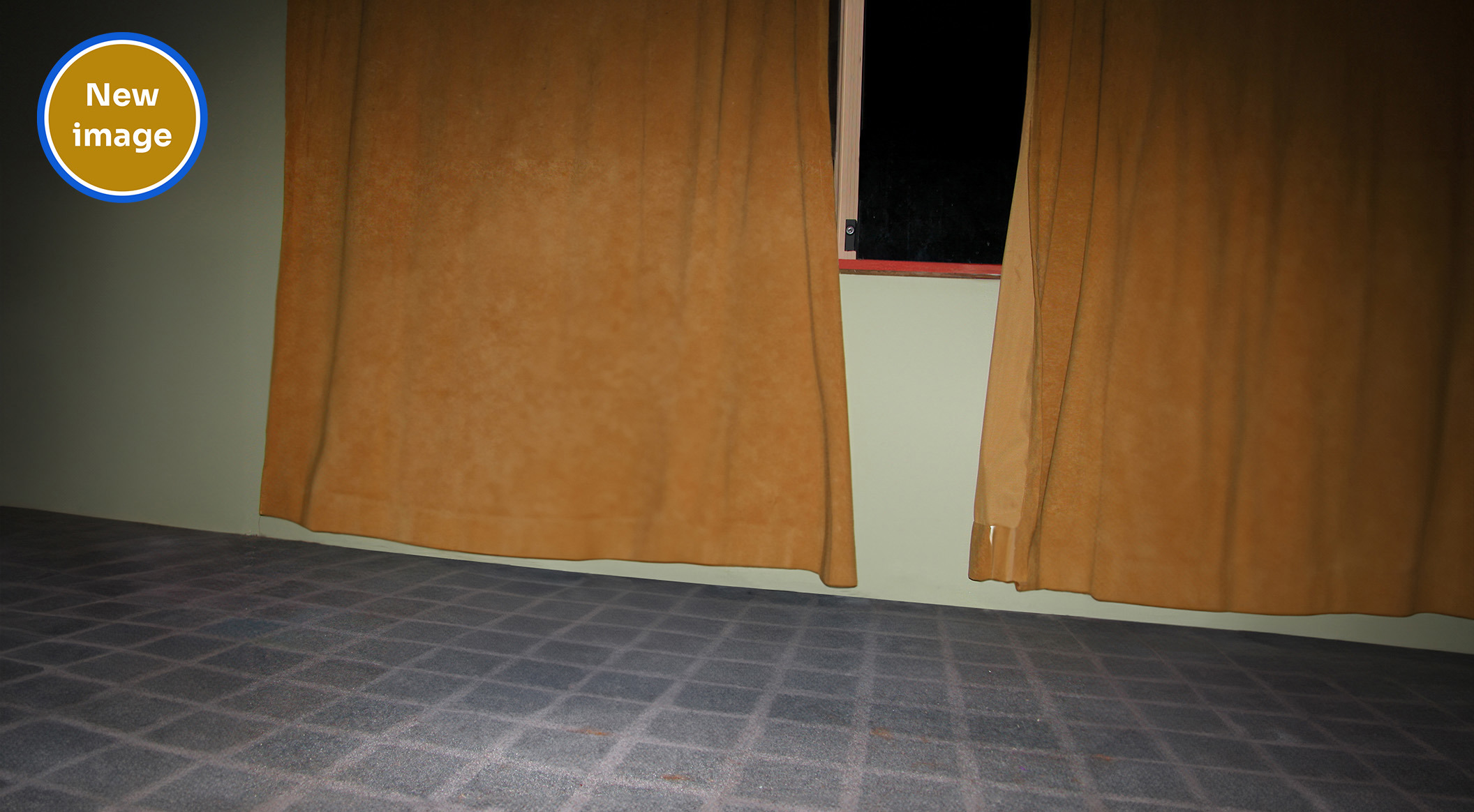
"If you recognise an object and any details about its origin, please report it via the ACCCE website.
"You can do so securely and anonymously.
"No clue is too small. Your small tip could be the information we need to rescue a child from significant harm."
The images have been released as a part of the program 'Stop Child Abuse – Trace an Object', which is based on an initiative devised by Europol in 2017.
The AFP has had 908 tip-offs from the public as of August 30.
Support is available from Kids Helpline on 1800 55 1800, Bravehearts on 1800 272 831 and the Blue Knot Foundation on 1300 657 380.
Gold Coast councillor charged with stepfather's murder given until Friday to fight suspension
A Gold Coast councillor charged with murdering his stepfather has been given until the end of the week to fight his suspension from council with pay.
Ryan Donald Bayldon-Lumsden, 30, is accused of murdering Robert Lumsden, 58, at the family's Arundel home on August 23.
Acting Premier and Local Government Minister Steven Miles said the councillor would today be sent a show cause notice to allow them to dispute the decision.
READ MORE: Housing affordability hits worst level in three decades
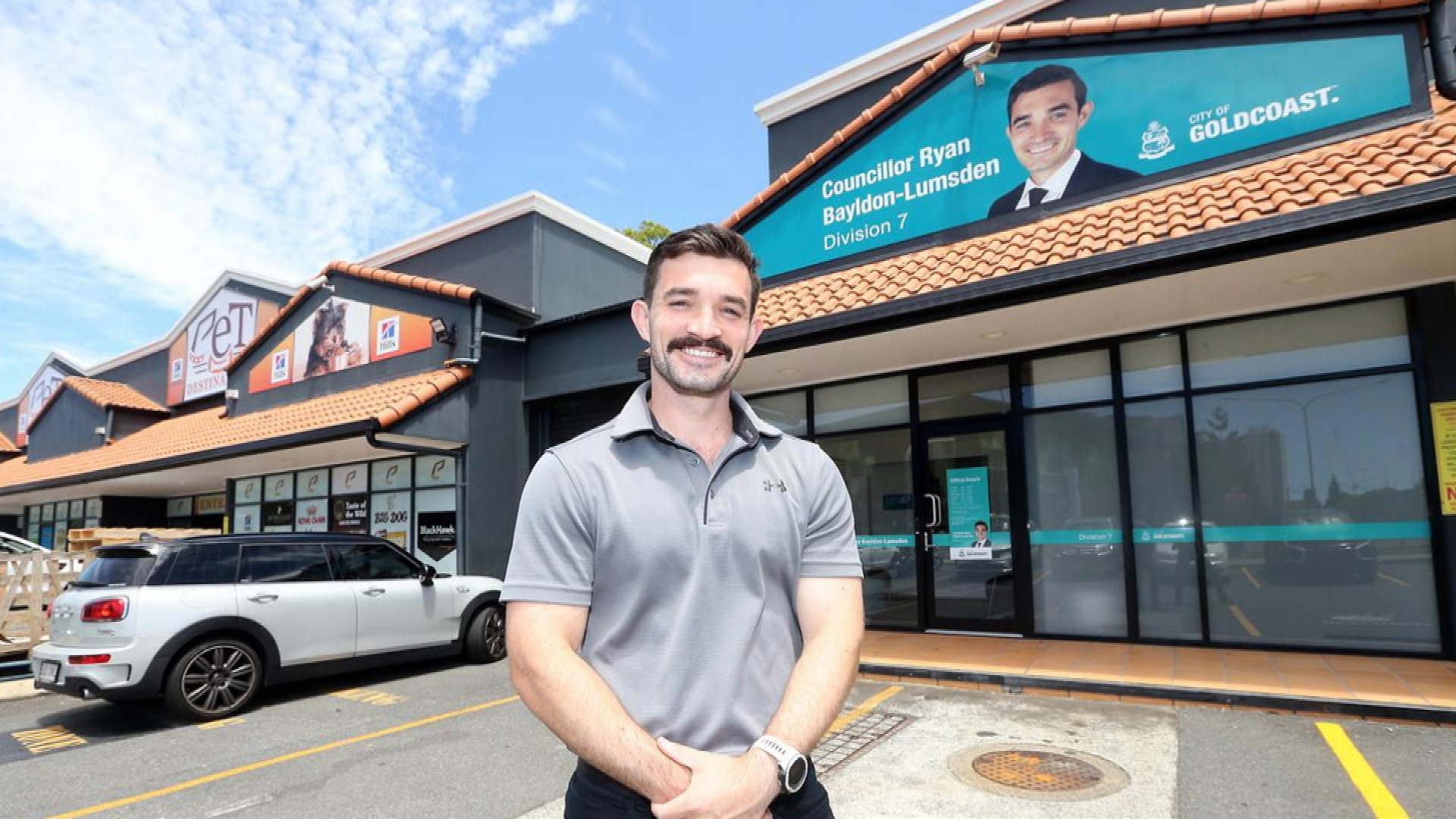
"I believe it is a reasonable outcome to suspend them effectively until after the next quadrennial council elections when a councillor will be elected," Miles said today.
"We've been in constant contact with Gold Coast City Council discussing with them the options available and the legal advice.
"Given that his electorate staff are likely to be witnesses for the purpose of understanding his movements around that time it would be very, very difficult for him to interact with them and therefore also difficult to service that community."
Miles said he had asked the council to advise the best person to act as an advisor to represent the Division 7 ward in the meantime.
The next Gold Coast council elections are due to be held in March 2024.
Miles said there was nothing precluding Bayldon-Lumsden from running for election, given there had been no outcome by that time.
Bayldon-Lumsden was released on bail on a $250,000 surety on Thursday.
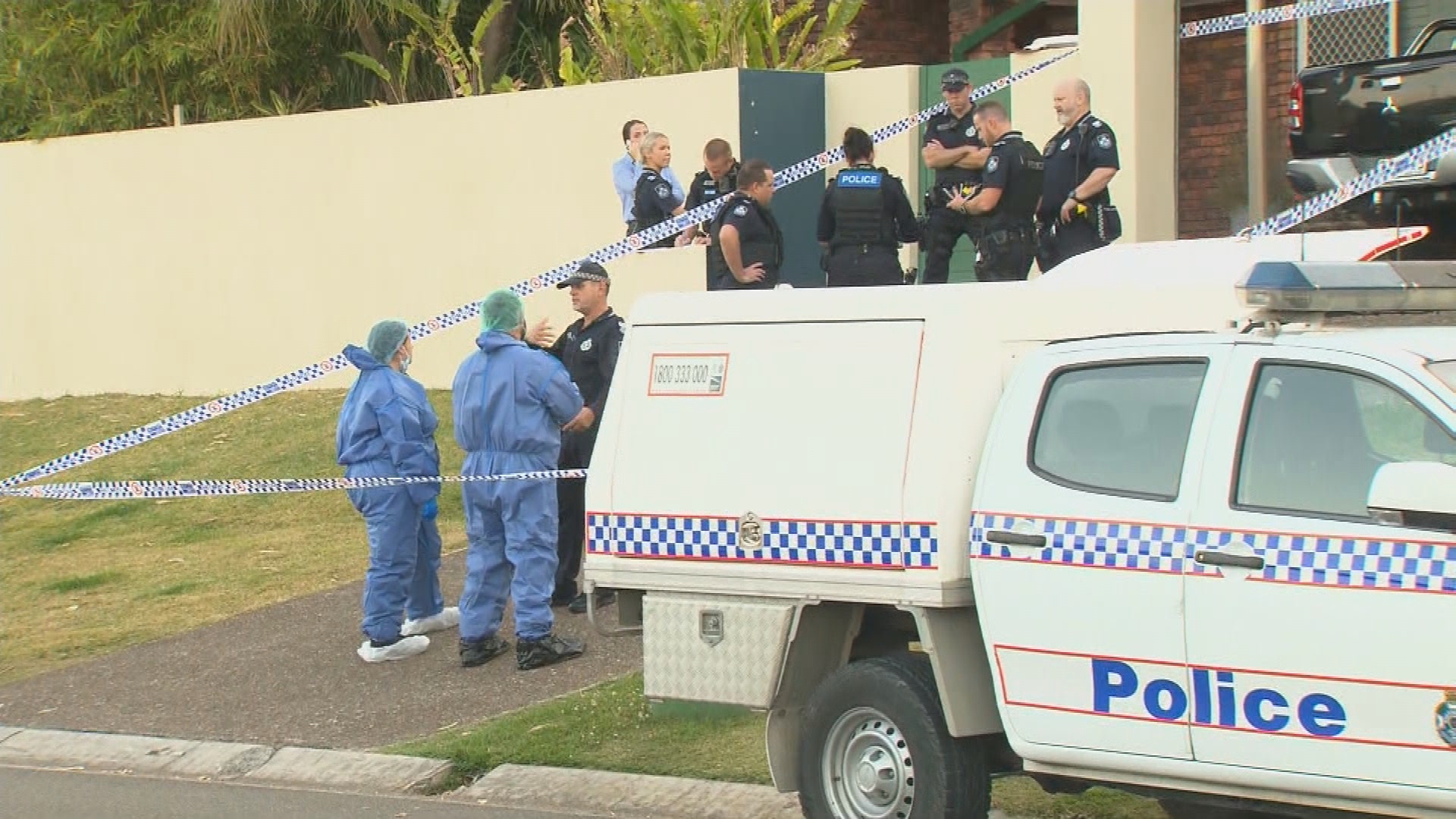
Defence barrister Craig Eberhardt KC told the hearing his client had been subject to an ongoing abusive and controlling relationship with his stepfather and an argument between the two had escalated.
He said Bayldon-Lumsden intended to plead not guilty on the grounds of self-defence or preservation of life in an abusive domestic relationship.
Bayldon-Lumsden was elected to the City of Gold Coast council in 2020, representing Division 7, which covers the city's inner northern suburbs, making history as the city's youngest-ever councillor.
Support is available from the National Sexual Assault, Domestic Family Violence Counselling Service at 1800RESPECT (1800 737 73.
Australia loves its 'Big Things'. Now you can get them on a $1 coin
Australia Post has launched a collection of limited edition $1 coins featuring iconic 'Big Things' located across the country, including the Big Banana and the Big Pineapple.
'They only get one shot': Pythons filmed in combat at Queensland home
Two snakes have been filmed wrestling at a Queensland home as breeding season ramps up in the state.
The 2.5-metre coastal carpet pythons were in combat for almost an hour at the Coalfalls property in the city of Ipswich, when the alarmed homeowners called Bryce Lockett from Snake Catchers Brisbane & Gold Coast on Sunday night.
"We just had a python fall through this little downlight and it turns out there was a second one," the snake catcher said in the video.
READ MORE: Two teens dead, two children critical after horror crash
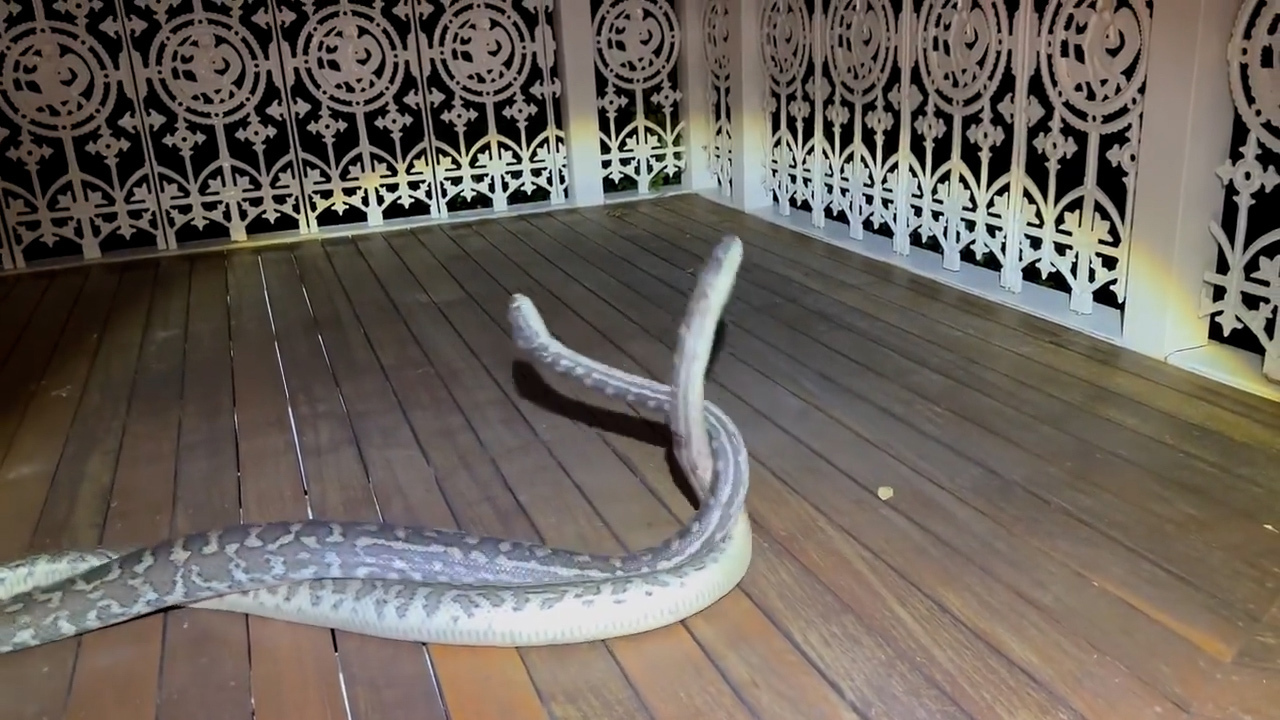
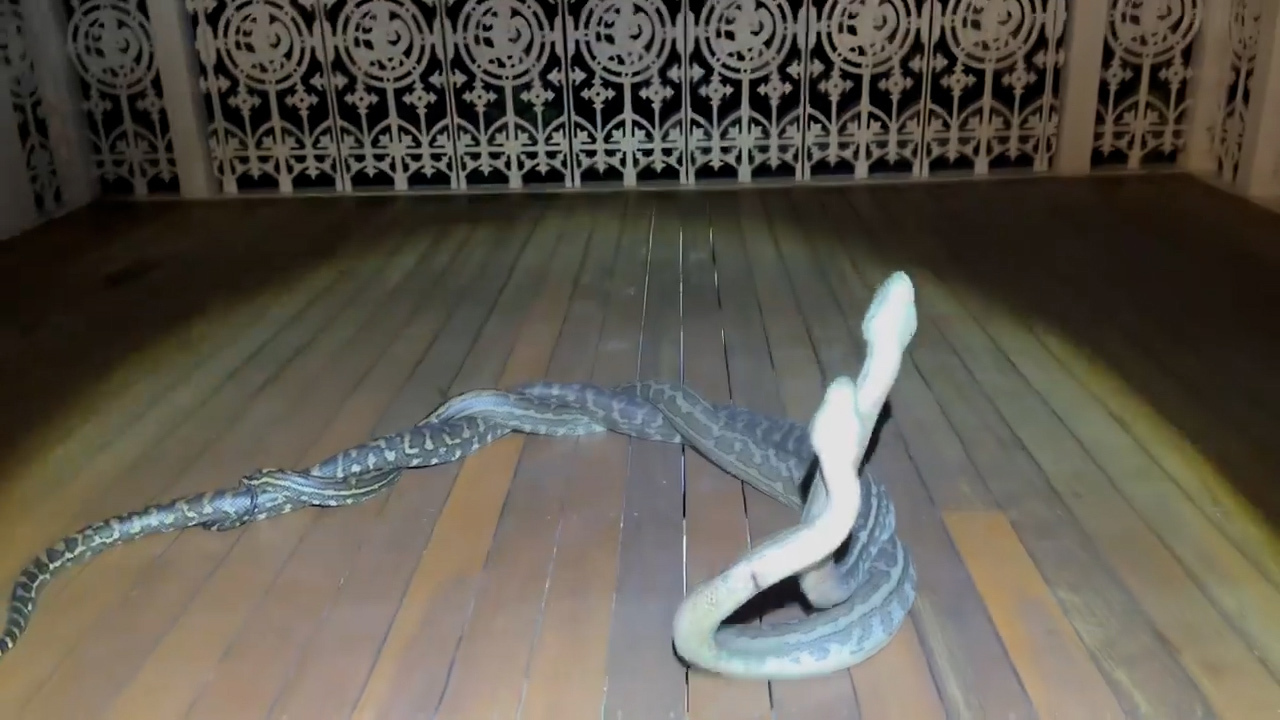
"These two here are two combatting males.
"As you can see they've got bite marks so these guys are quite equally matched.
"The objective of the game here is the biggest one will push the weaker one down and give up the breeding rights for the female that will be very close in the area.
READ MORE: One dead as floods trap thousands at Burning Man festival
"They don't generally bite each other in combat unless they are quite equally matched in length.
Lockett said the Coalfalls call-out was one of three jobs related to breeding season yesterday.
"It is a very common sight this time of year. Just give them their space," he told 9News.com.au.
"They're not interested in us, they only get one shot a year to get to the female."
Landmark Roundup cancer class action kicks off in court
Hundreds of Australians diagnosed with cancer are fighting in court to prove their disease stemmed from a component of a widely used herbicide.
The landmark class action, launched by Maurice Blackburn Lawyers on behalf of more than 800 complainants with non-Hodgkin lymphoma, alleges a component in the popular Roundup weed killer called glyphosate caused their disease.
Many of the people who have joined the class action used Roundup as part of their work, Maurice Blackburn national head of class actions Andrew Watson said.
READ MORE: Two teens dead, two children critical after horror crash
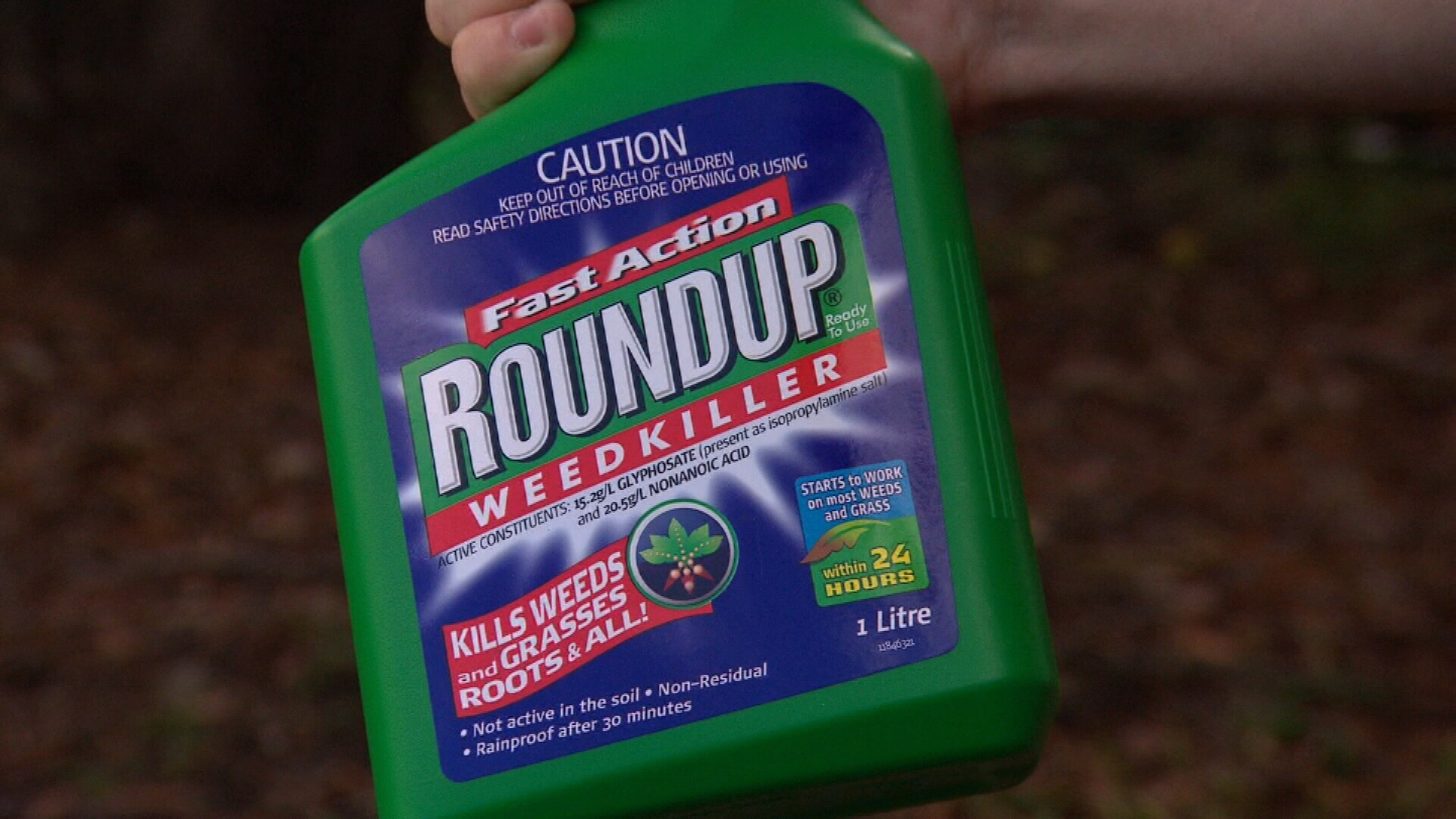
The lead applicant in the Federal Court of Australia case, Kelvin McNickle, used the herbicide to spray weeds as part of his work for two decades, Watson said.
Others in the case were exposed to the weed killer through domestic use.
"We cover a gamut of ordinary Australians who have developed non-Hodgkin lymphoma through their exposure to Roundup," Watson told reporters.
Federal Court proceedings that started today are intended to determine whether Roundup contains a carcinogen.
The first part of the case is slated to run for nine weeks, before further issues are dealt with.
The civil action has been launched against Monsanto, which produced the weed killer. Bayer acquired Monsanto in 2018.
READ MORE: One dead as floods trap thousands at Burning Man festival
"The upshot is, we are confident that Monsanto did everything it could to avoid confronting the reality that this chemical was a carcinogen and did everything it could to obscure the science and hide the science," Watson said.
Bayer says glyphosate-based herbicides have been rigorously tested in hundreds of studies, and the weight of that extensive body of science confirms that glyphosate is safe when used as directed and is not carcinogenic.
"Monsanto's defence of the claim demonstrates Bayer's ongoing commitment to supporting Australian farmers by ensuring innovative products such as Roundup continue to be available, advancing sustainable agriculture and protecting food security," it said in a statement.
Lawyers on Monday morning said McNickle was unable to attend the hearing because he was undergoing treatment.
Housing affordability hits worst level in three decades, report warns
Getting on the property ladder has never been tougher, according to a new report which is sobering reading for thousands of would-be first-home buyers.
New figures from PropTrack show surging home prices through the pandemic and rapidly rising interest rates over the past year have brought housing affordability to its lowest level in at least three decades.
Highlighting an "alarming state of housing affordability", the report showed a household earning the median income can now afford just 13 per cent of homes sold across the country.
READ MORE: Fears avalanche of Aussie layoffs coming

This is the lowest share since PropTrack records began in 1995, and the company described it as "a substantial change" compared to the past few years.
Even high-income households, earning $200,000 a year, which is more than 80 per cent of Australians, are facing strained affordability, the report said.
These richer households can afford loan repayments on only about half of homes that were sold over the past year, based on current market conditions.
Are you affected? Are you a despairing would-be homeowner? Email Aussies are suffering from mortgage stress, with around 1.5 million mortgage holders now deemed "at risk".
The Reserve Bank is scheduled to make another rates decision tomorrow, the last for outgoing governor Philip Lowe.
The world's highest navigable lake is drying out
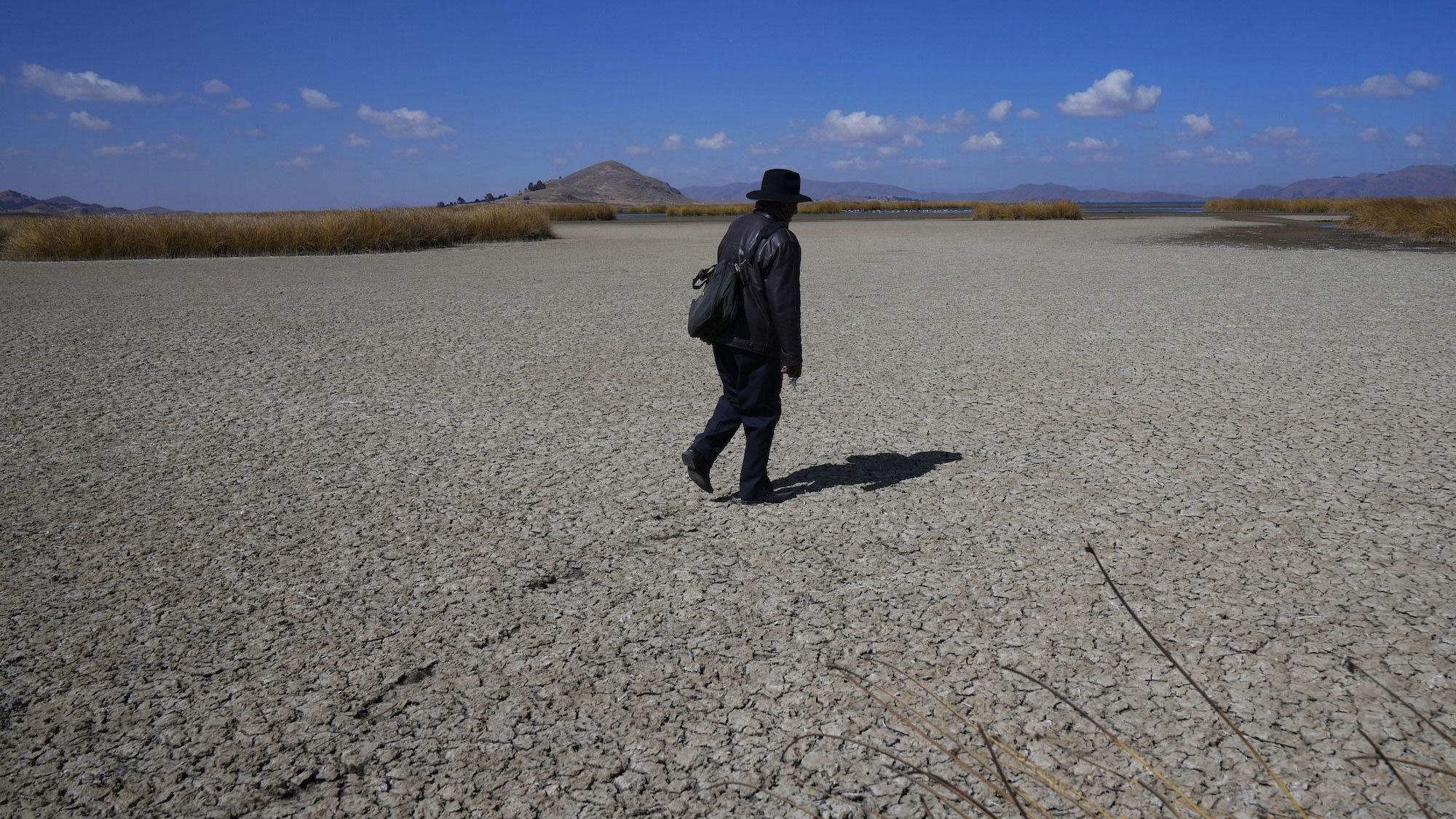
Water levels at Lake Titicaca – the highest navigable lake in the world and South America's largest – are dropping precipitously after an unprecedented winter heat wave. The shocking decline is affecting tourism, fishing and agriculture, which locals rely on to make a living.
"We don't know what we will do from now until December because the water will keep getting lower," said 63-year-old Nazario Charca, who lives on the lake and makes a living ferrying tourists around its waters.
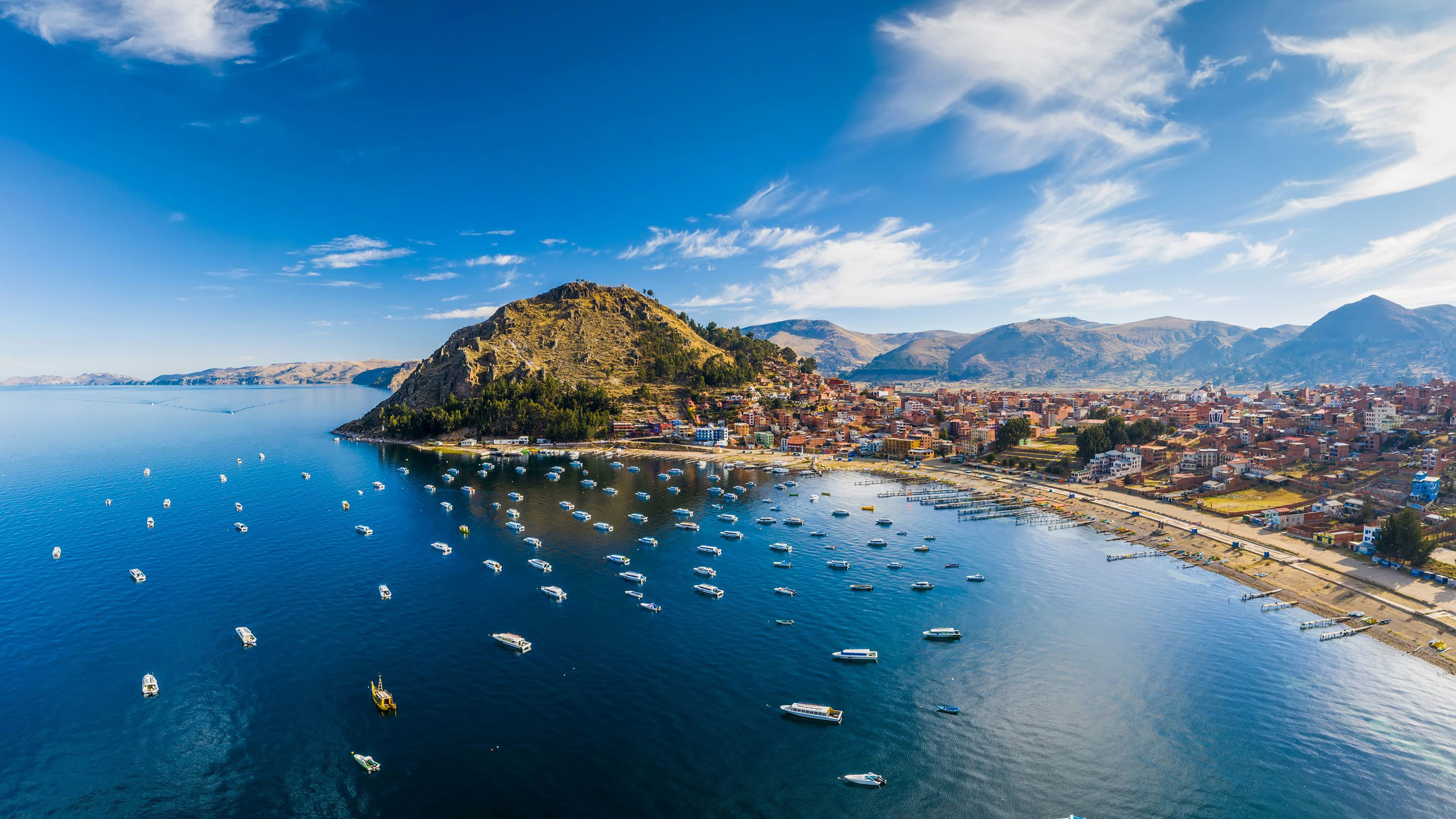
Visitors have long been attracted to the blue waters and open skies of South America's largest lake, which straddles more than 8,300 square kilometres across the border of Peru and Bolivia.
READ MORE: One in four NSW businesses think they'll cut jobs
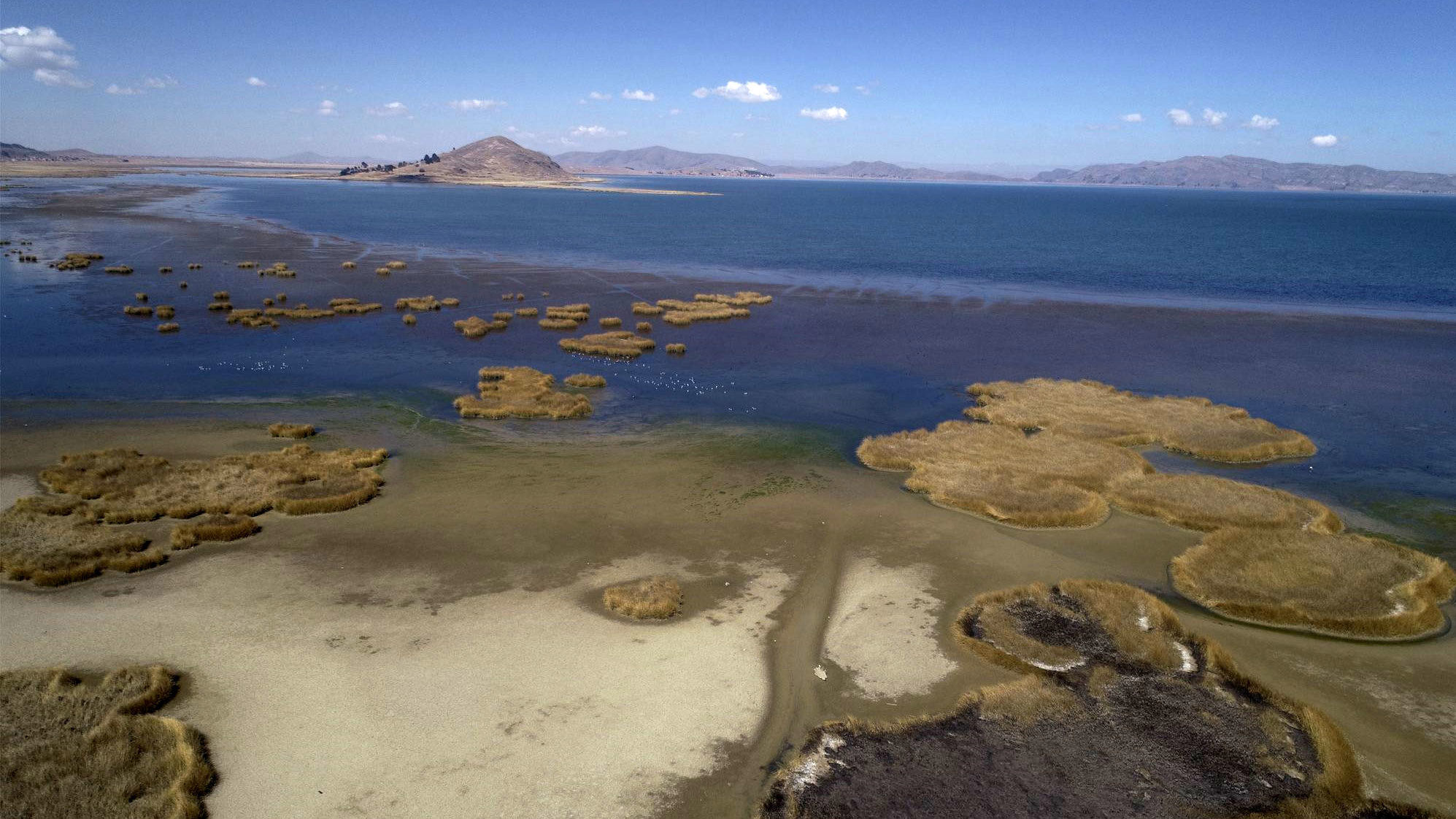
Sometimes described as an "inland sea," it is home to Aymara, Quechua and Uros indigenous communities and sits at an altitude of around 3,800 metres in the central Andes mountain range, making it the highest navigable lake in the world. The extreme altitude also exposes the lake to high levels of solar radiation, which enhances evaporation and constitutes most of its water losses.
More than three million people live around the lake, relying on its waters to fish, farm and attract tourists who boost the economy of an otherwise marginalised region.
Now the lake is at risk of losing some of that magic.
While water levels are known to fluctuate each year, these changes have become more extreme due to the climate crisis. A record-breaking winter heat wave has led to increased evaporation and decreasing lake levels, according to CNN meteorologist Taylor Ward, worsening water deficits brought on by drought.
Sixto Flores, director in Puno for Peru's national meteorology and hydrology service (Senamhi), told CNN that precipitation there was 49 percent lower than average from August 2022 until March 2023, a period that includes the rainy season during which water levels usually recover.
Flores told CNN that by December water levels will be heading toward the lowest recorded since 1996 if the lake evaporates at the same rate as it normally does in the next few months, which he described as "very serious."
READ MORE: Business owner swamped by 80 AI job applications in one hour
This is part of a "gradual decline" in water levels at the lake in recent years, said Flores, and a recent study which examined satellite images from 1992-2020 showed that Lake Titicaca is losing around 120 million metric tons of water per year, which the authors say is primarily due to changes in precipitation and run off.
Communities that rely on fishing are struggling as low water levels adds to mounting problems: declining fish stocks due to pollution and overfishing.
Agriculture has also been impacted by drought, with regional authorities reporting that crops have suffered badly in the last harvest season. The vast majority of quinoa and potato crops, both local staples, have been affected, as have oats used to feed livestock.
The tourist economy also took a hit after boats used to ferry visitors around the lake were stranded as waters receded.
"We are extremely worried most of all because the water level is falling a lot at the moment," said Jullian Huattamarca, 36, who sells locally made textiles to visitors to the island of Taquile.
"We want the tourists to come back, particularly foreign tourists," he said.
The Puno region, which envelops the entirety of the Peruvian side of Lake Titicaca, has long been known as an underdeveloped and marginalised region of the country.
More recently, the economy has been battered by the effects of the COVID-19 pandemic and a wave of social unrest. Puno became the epicentre of demonstrations calling for the resignation of President Dina Boluarte, which built on outrage that has developed due to decades of inequality, allegations of corruption, and stagnating living standards.
Huattamarca told CNN that visitors didn't travel to the region during the protests. "They were a bit scared of going," he said.
Huattamarca said that many people have left the area in recent years, particularly during the pandemic.
"They had to, they didn't have enough money for basic necessities like food," he said.
And recent history suggests that the ongoing drought could push more people to leave their homes, as a previous drought in 1991 caused waves of migration as the subsistence economy collapsed due to a lack of food.
For others, such as Charca, the drought is disrupting a way of life. Charca is part of the Uros indigenous group, who live on islands made of dried totora reeds that float on the lake. For centuries, the Uros have woven the reeds into islands, as well as using them to make buildings and boats, but Charca is concerned that lower water levels mean there are fewer reeds available.
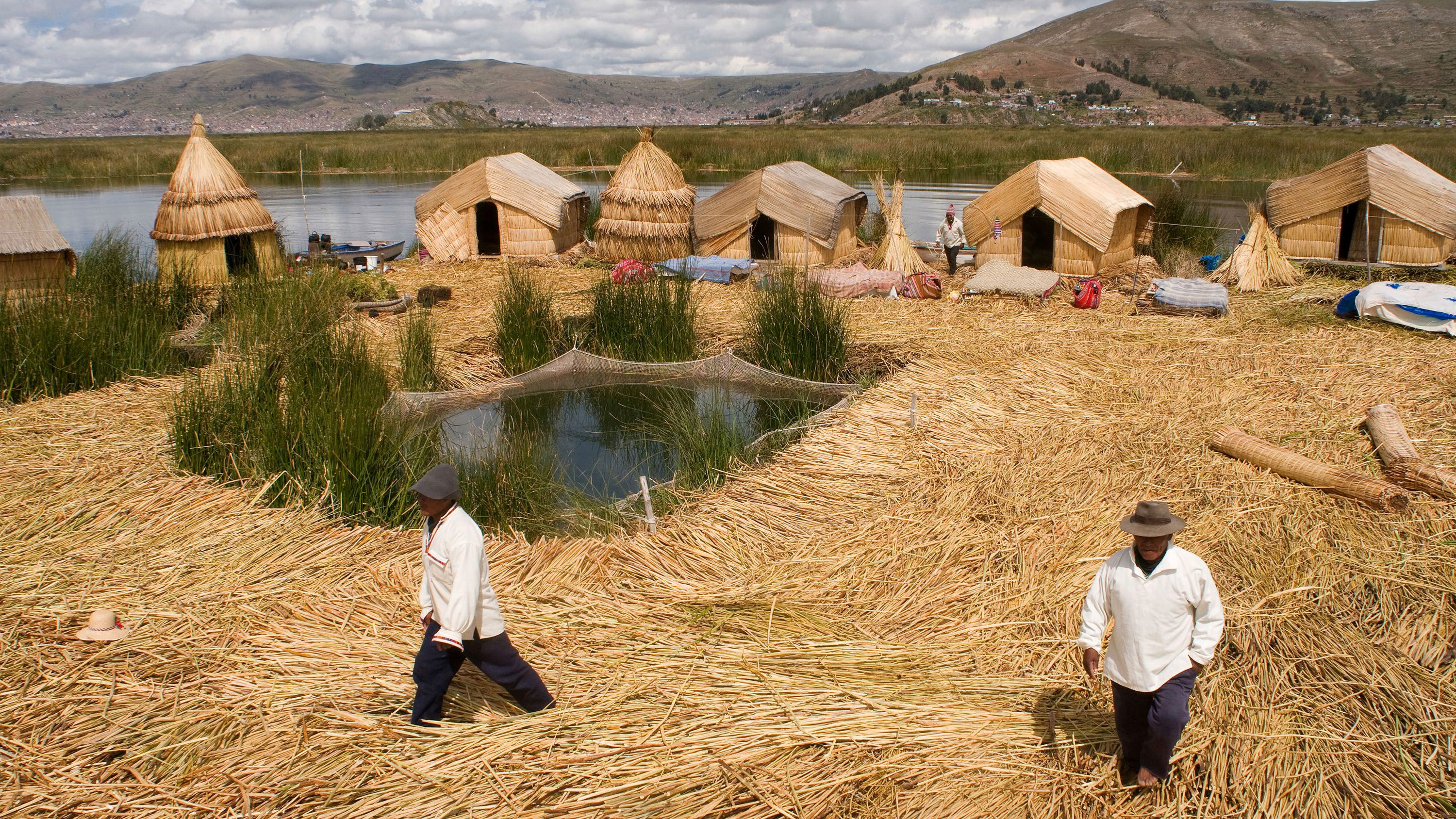
"It's going to keep affecting us, there won't be any more totora, the islands are deteriorating, that's what worries us," Charca told CNN.
Looking toward the future, it's hard to see respite.
El Nino, a natural phenomenon marked by warmer-than-normal temperatures in the tropical Pacific Ocean that can vastly alter the weather over South America, is currently underway.
Grinia Avalos, deputy director for climatology with Senamhi, told CNN that these warmer temperatures are expected to continue until at least February 2024.
"These conditions will contribute to the fact that there will be lower levels of rain in the Andean region," she said.
For Connor Baker, analyst at International Crisis Group, the situation requires long-term action to protect those that depend on the lake.
"While the lake's fluctuations have been linked to climate variability and natural oscillations, the exacerbating influence of climate change heightens the need for sustained management strategies," he told CNN.
"Local communities reliant on the lake for livelihoods are particularly vulnerable, underscoring the urgency of addressing the challenges posed by more intense fluctuations in the water level."