Tag Archives: oceania

Hillsong founder calls failed case a 'targeted attack'

Hillsong founder Brian Houston says the extent of his serial paedophile father's offending will probably never be known, but he did not cover up his father's crimes.

The former leader of the international Pentecostal mega-church dismissed allegations levelled against him as a "targeted attack" as he was acquitted in court of concealing his father Frank's abuse.

"If I wasn't Brian Houston from Hillsong, this charge would never have happened," he said on Thursday.

READ MORE: Man charged over historic sex assault offences
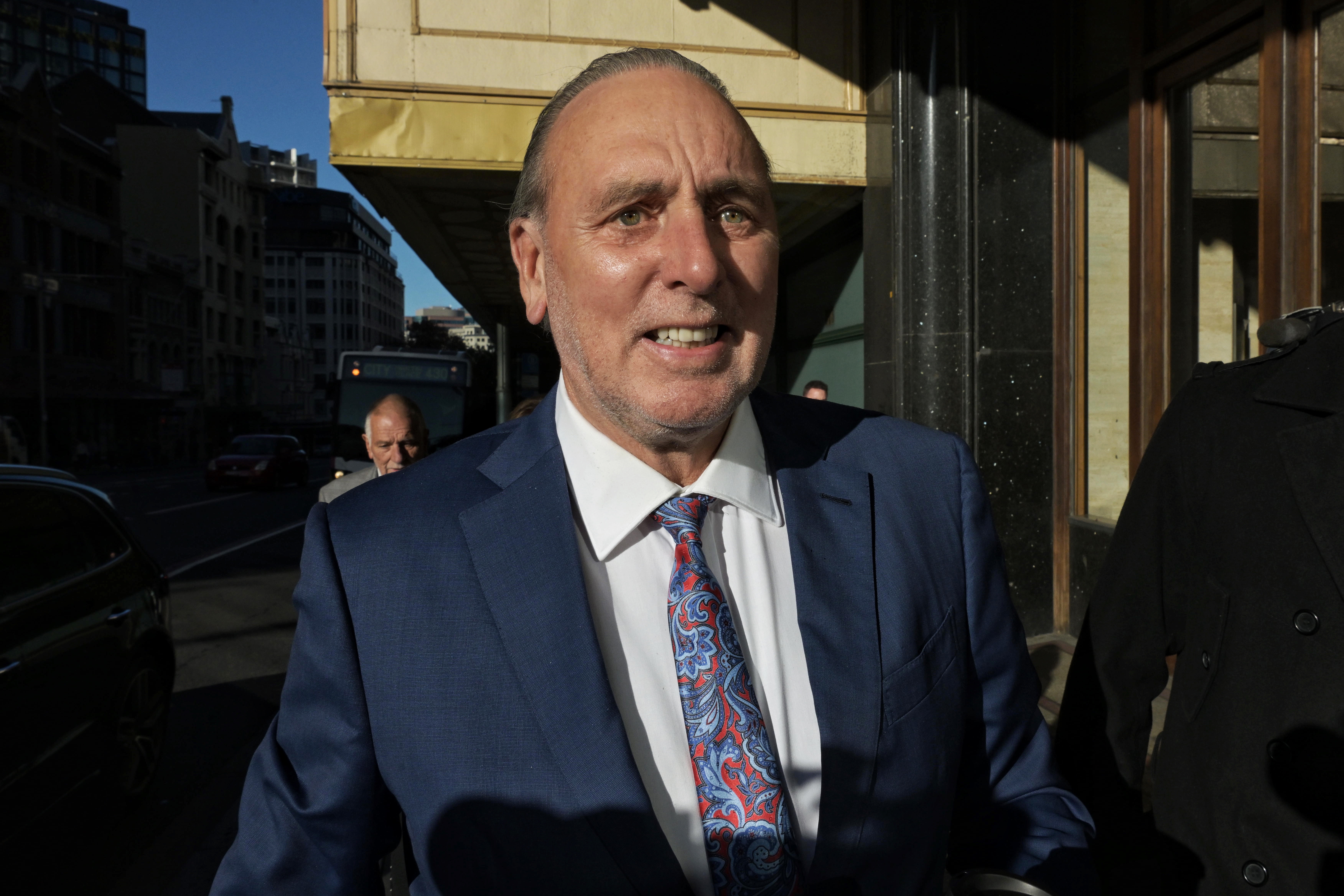
Brian Houston enters Downing Centre courts Photo Nick Moir 15 June 2023

The 69-year-old was cleared in Sydney's Downing Centre Local Court of concealing a serious indictable offence for not reporting his father's abuse of Brett Sengstock to police.

Sengstock, 61, said outside court he had received a life sentence of trauma for the abuse he experienced as a boy.

"Today I have received some recognition for a seven-year-old child who was brutally abused at the hands of a self-confessed child rapist and coward, Frank Houston.

"His legacy remains a faded memory of a paedophile."

Houston did not report his father to police after he admitted abusing Sengstock in 1999.

Frank Houston died in 2004.

The charge stemmed from the Royal Commission into Institutional Responses to Child Sexual Abuse, however Houston described his prosecution as a "targeted attack".

"I have been found not guilty today, but in fact I have always been not guilty," Houston said.

READ MORE: Murder charge after Sydney mum dies of stab wounds
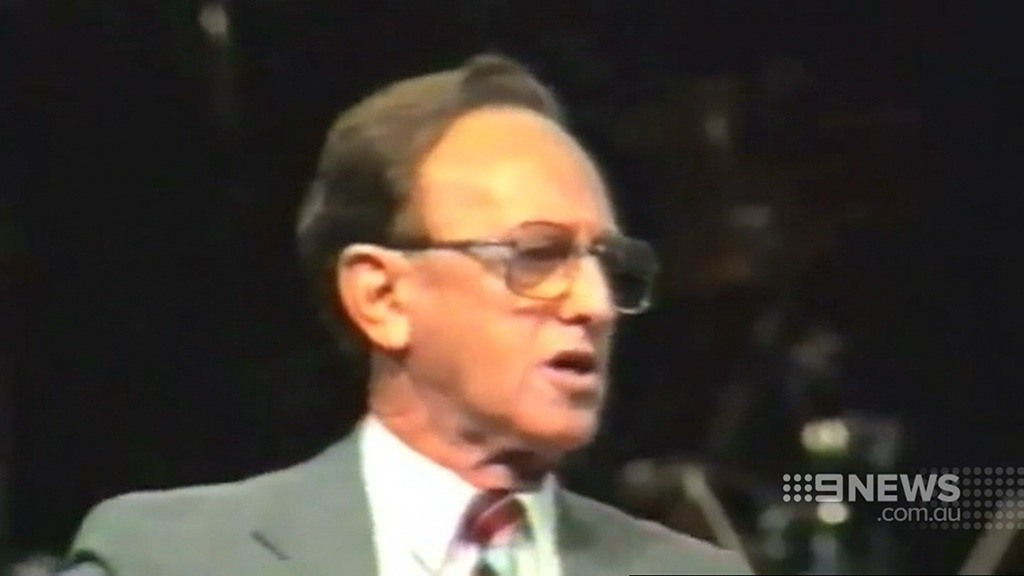
Frank Houston, pictured preaching during his career as a pentecostal pastor, is subject to sex abuse claims. (9NEWS)

He added he felt genuine sadness about what his father did to Sengstock and the other people he abused, describing him as a serial paedophile.

"We probably will never know the extent of his paedophilia," Houston said.

"But I am not my father, I did not commit this offence."

In 1999, Houston told the national executive committee of the Assemblies of God, a Pentecostal church association he presided over, that his father had admitted abuse.

Word of the elder Houston's confession eventually reached Sengstock, but he could not remember who told him, telling the court "it was gossip everywhere".

Houston argued he never told police about his father's abuse because Sengstock did not want it reported and was by then an adult who could have disclosed it himself if he wished to.

Sengstock said he never told Houston he did not want the abuse reported.

But magistrate Gareth Christofi said the Hillsong leader had knowledge of the abuse survivor's attitude towards an investigation.

He found Houston not guilty because he had a reasonable excuse not to report the abuse to police.

"Victims of sexual abuse ought to feel safe to confide in others without being concerned they are exposing those others to a criminal offence," Christofi said.

READ MORE: 'It looked like a murder scene:' Boy attacked by dog in Perth
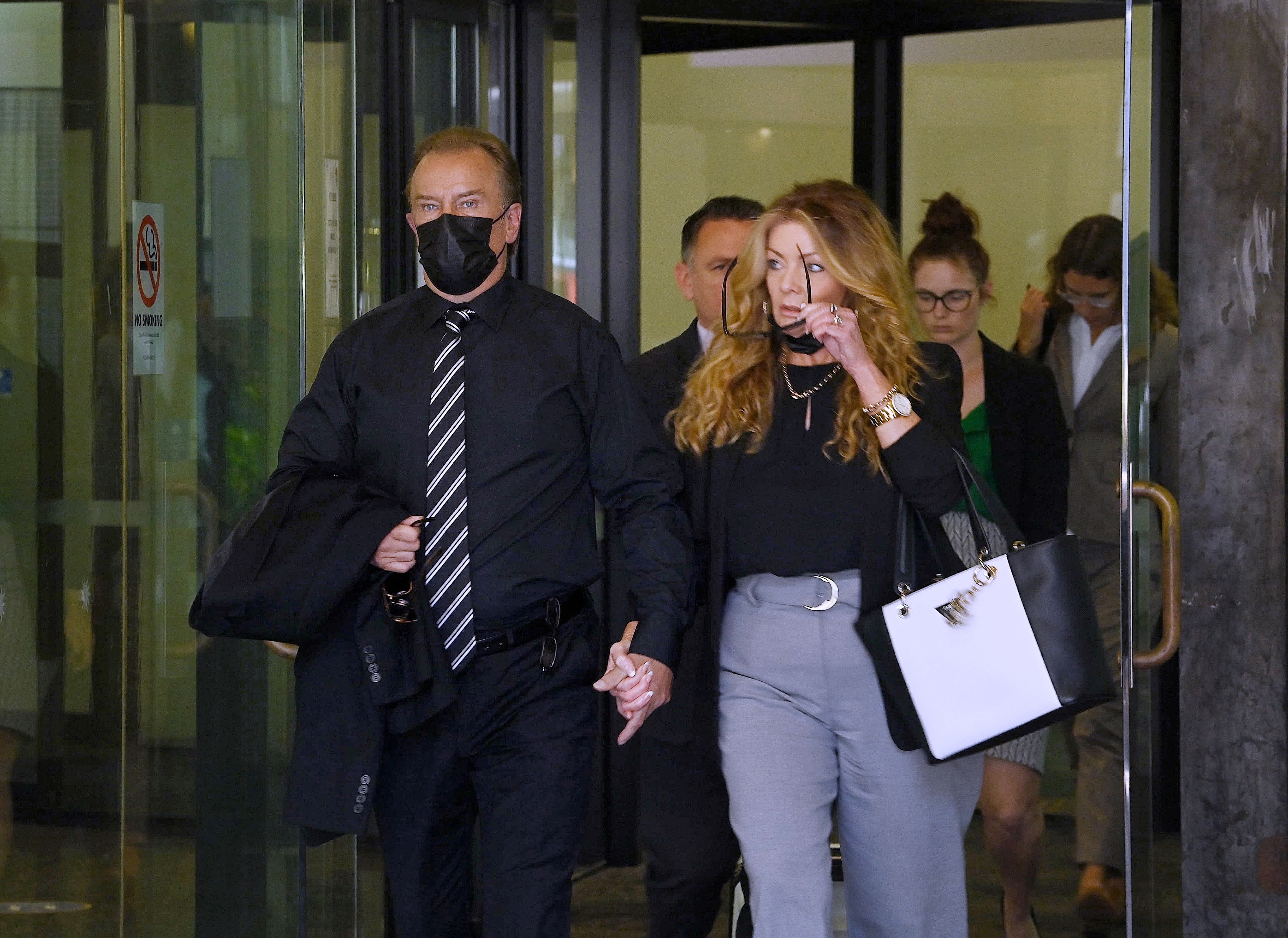
Brett Sengstock

The prosecution said Houston adopted a convenient excuse in order to protect the church and his father.

Proving that beyond reasonable doubt was "a tall order indeed", Christofi said.

It was also submitted Houston had used vague language speaking publicly about his father's abuse and subsequent removal as a minister.

Houston might have been "euphemistic" when talking to thousands of people in sermons later televised, but it was obvious what he was talking about and anyone left wondering needed only to ask around, Christofi said.

The fact he was speaking "widely and freely" about the abuse perpetrated by his father publicly indicated he wanted people to know.

"That is the very opposite of a cover-up," Christofi said.

Houston in 2022 resigned as leader of the mega-church he founded in Sydney's Hills district after internal investigations found he had engaged in inappropriate conduct with two women.

Tens of thousands of Aussies to get help buying a home under $329m plan

Tens of thousands of low and middle-income earners will receive substantial government contributions to help them buy a home from next year, Prime Minister Anthony Albanese confirmed at Labor's National Conference.

The states and territories all agreed at Wednesday's national cabinet meeting to pass legislation this year to implement the Help to Buy Scheme, which will see the federal government contribute up to 40 per cent of the cost of a new home to eligible buyers.

The policy was first announced during last year's federal election campaign and was originally slated to come into effect this year.

READ MORE: PM's plan to tackle Australia's housing crisis in just five years

Prime Minister Anthony Albanese during the Australian Labor Party (ALP) National Conference in Brisbane

Under it, the government will provide an equity contribution to low and middle-income-earning home-buyers of up to 30 per cent of the purchase price for existing homes and up to 40 per cent for new properties.

To be eligible, single people must have an income of no more than $90,000 while couples' combined income mustn't be more than $120,000.

There are also price caps placed on the properties the government will support, which vary by state and city.

The four-year plan, which has previously been estimated to cost $329 million over four years, will support up to 10,000 homeowners per year.

Albanese said the scheme will provide support to those who need it most.

"So often, these Australians have done all the right things – worked hard, saved up, made sacrifices, but a deposit for a home is still out of reach," he told the ALP National Conference.

"Our government will step up and put in our share, opening the door of home ownership to tens of thousands of hard-working people."

The confirmation that the states and territories will support the scheme comes on the back of yesterday's housing announcement that saw Albanese commit to building 1.2 million new homes over five years, up from the previous target of 1 million.

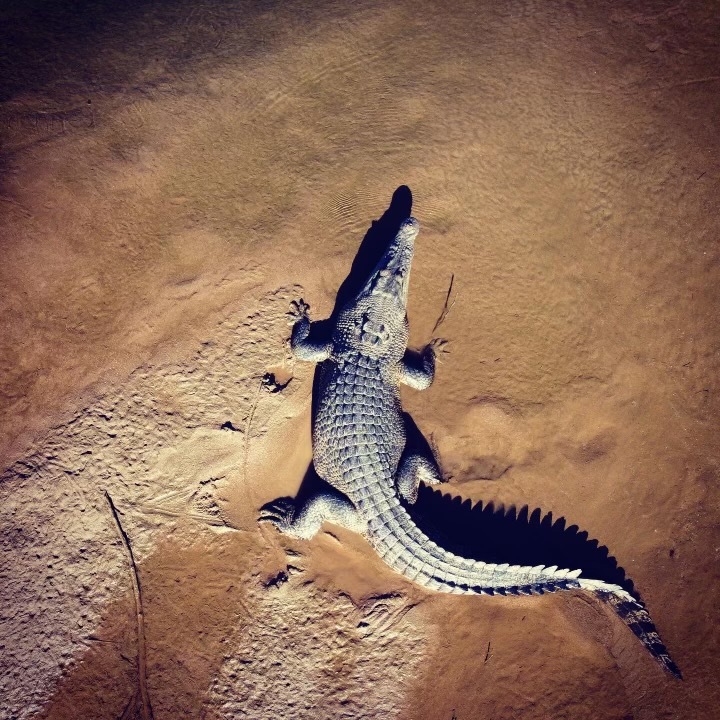
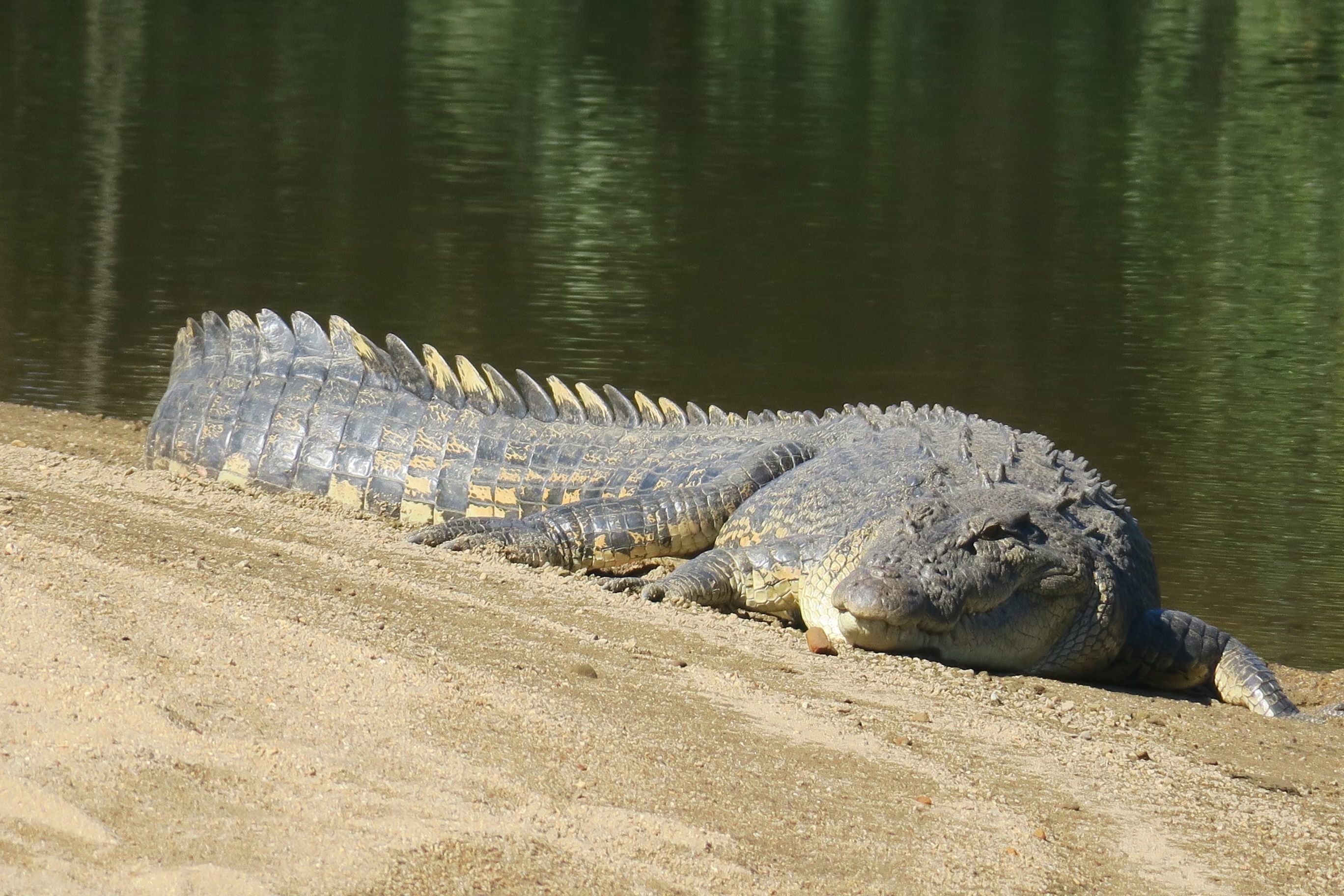
What croc expert wants people to know about beloved saltie 'Clyde'

In the wake of a viral video, a crocodile expert said the actions of a select few Queensland locals are putting a well-known and beloved saltie at risk.

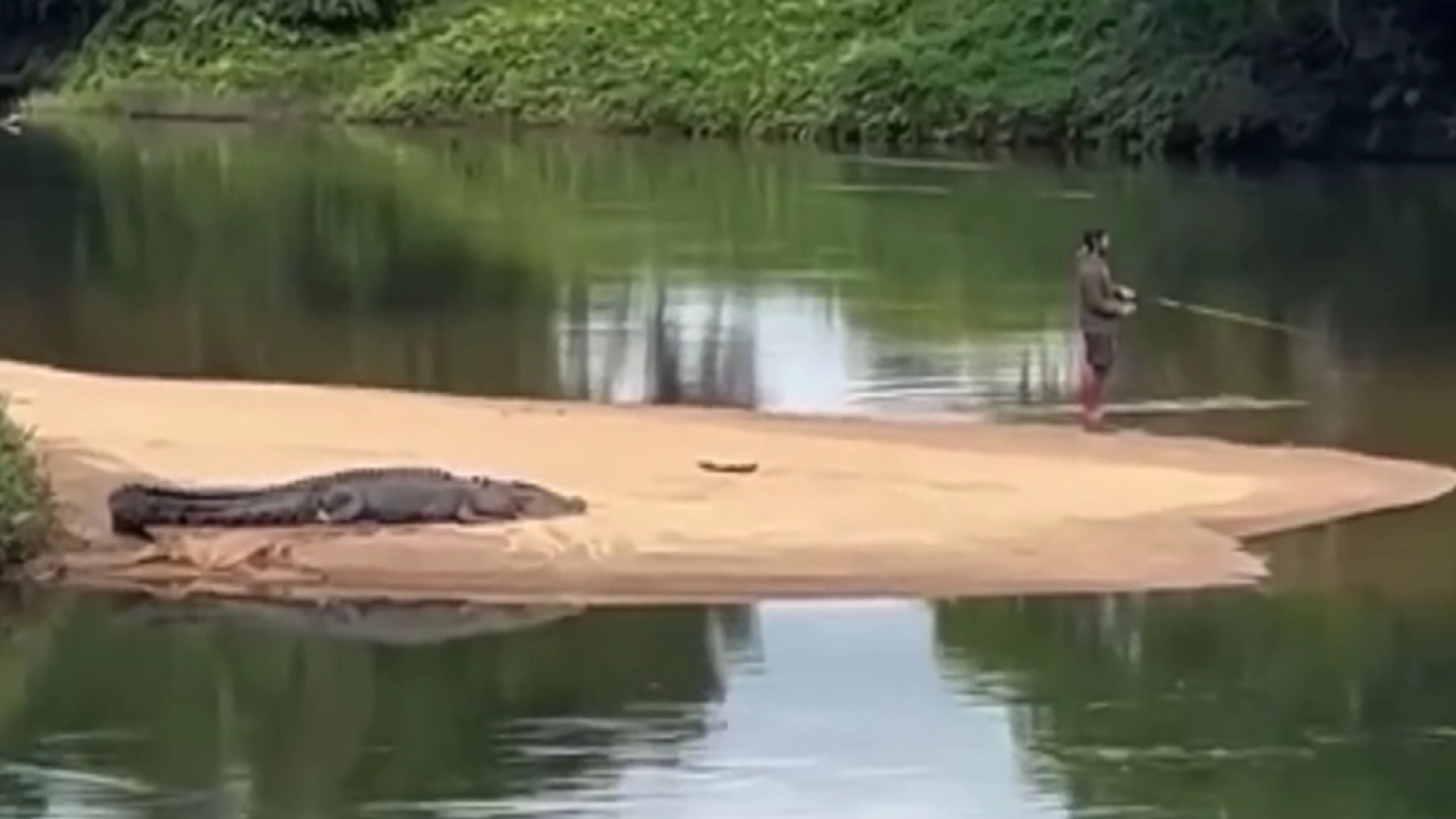
It comes after footage, circulated this week, showed a man fishing metres from "Clyde" who is known to frequent the bank on the Russell River, south of Cairns.

Jesse Crampton, Business owner of Croc Country Australia and a cattle farmer, told 9news.com.au he's been monitoring Clyde for the past four years – and he's concerned about what he's been seeing.

READ MORE: Sam Kerr's five gut-wrenching words after crushing

A man has been filmed fishing as a croc lays metres behind him on a riverbank near Cairns.

"Unfortunately for Clyde, he chose the sunning bank right opposite the bridge, so he draws quite a lot of attention," Crampton said. 

"And he's grown a lot these past years because he's been getting fed lots.

"There's a few wild cards going down there and chucking him food, which is certainly a no-go. That's the next level, compared to fishing on the bank.

"I've personally seen over the years people down there feeding him fish, and big carcasses like wallaby carcasses of the road, doing their own attack shows."

Crampton said this could prove a death sentence for Clyde, because if he becomes habitualised to humans his behaviour could become more erratic.

If this happens, and he displays problematic behaviour, he could be targeted for removal from the wild.

READ MORE: Two large snakes filmed wrestling on Aussie beach

'Clyde' moved into the Russell River after another, larger croc got removed.

"When crocodiles lose the fear of people and they get food, associated with humans, then they become dangerous animals," Crampton said. 

"And if an animal is deemed an immediate threat then they (Department of Environment and Science) remove it to reduce the risk of someone getting killed."

The Department of Environment and Science (DES) explains if a crocodile is declared a "problem" and targeted for removal, wildlife officers will attempt to capture it; either indirectly or directly.

"If neither of these options are available, or fail to succeed after several attempts, humane euthanasia of the animal may be considered as a last resort," DES said.

"Live crocodiles that are removed from the wild are taken to licensed zoos and farms. When it is appropriate to do so, this is done in consultation with the local Traditional Custodians."

To date, Clyde has displayed no dangerous behaviour and is not deemed a problem – "yet", Crampton added.

READ MORE: Wealthy US couple accuse Blind Side footballer of 'shakedown'

Jesse Crampton is concerned the actions of a few 'wild cards' could get Clyde removed from the wild, and possibly euthanised.

Crampton said while the action of the fisherman in the video is not necessarily of concern, he's worried it could encourage copycats who don't know how to read the large reptiles, or others, who "push boundaries".

"In my opinion, he wasn't down there provoking the crocodile or feeding the crocodile, he was just fishing," Crampton said.

"Even though it looks extremely close, the croc is on land basking. It's winter time up here, and he was still a fair distance away keeping an eye on the animal.

"But this type of behaviour does encourage others to do it.

"That's the issue we're facing; reckless behaviour does encourage the removal of crocodiles."

'Didn't know where he worked': Businessman's diagnosis at 54

Patrick Dare had built a high-flying career in IT and telecommunications for over 30 years, including working for household name firms.

But a few years ago the 58-year-old noticed something wasn't right, especially at the office.

"I wasn't reading emails correctly, I wasn't talking properly," he told 9news.com.au.

READ MORE: Promising new drug news for Alzheimer's sufferers

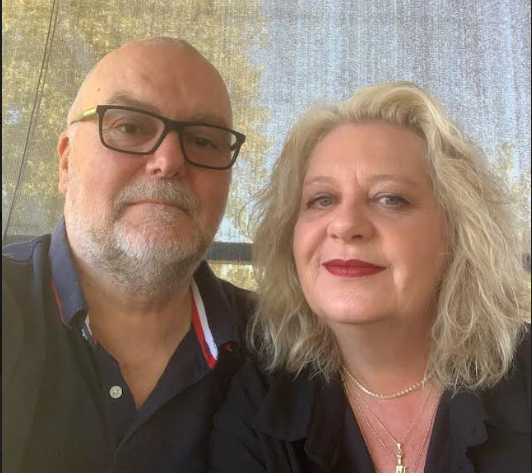
Patrick Dare has early onset dementia, and is cared for by partner, Tanya Roach.

Partner Tanya Roach, 56, also recalls getting worrying phone calls from him, which he now cannot remember.

"Sometimes he would call me, he would be outside his work but he wouldn't know where he worked, or what building to go back into," she said.

Dare, from Brisbane, even went to a private hospital's emergency department feeling confused, but was sent away without answers.

"They couldn't find anything wrong. They weren't looking in the right places," Tanya said.

Incurable diagnosis confirmed

Finally, after Dare didn't improve he was given brain scans, which confirmed what the couple had begun to suspect over the past two years – he had early-onset dementia.

He was just 54.

READ MORE: 'Grief every day': Bruce Willis' wife posts heartfelt dementia message

Dare has frontal lobe dementia or frontotemporal dementia, a type more commonly diagnosed in people under the age of 65, according to Dementia Australia.

It's the same type actor Bruce Willis has.

There is no cure, but despite the dreadful diagnosis, the couple said knowing what had been changing Dare's behaviour was a relief.

"It explained everything that was going on. I told my work straight away and they were relieved as well. They knew it wasn't me," Dare said.

Dare was able to keep working for a few more years. But he was forced to retire in 2021.

"It was when a client started to notice some things that were different that I put my hand up and I left work in March 2021," he said.

Dare got an income protection insurance payout, and was also able to access his superannuation.

READ MORE: Heart disease overtaken as biggest disease burden for older Aussies

One of Australia's biggest killers on the rise 

Dementia is a term used to describe a group of conditions characterised by gradual impairment of brain function which may impact memory, speech, cognition, personality, behaviour and mobility.

There are many forms of dementia, the most common being Alzheimer's disease.

And it's on the rise.

The number of Australians with early onset dementia is expected to grow from 28,650 double to 42,400 people by 2058. 

Dementia is the second leading cause of death after heart disease in men, and the biggest killer of women.

British TV presenter Fiona Phillips recently revealed her Alzheimer's diagnosis aged 62. The disease killed both her parents.

READ MORE: How $325k was sent to wrong bank account after single digit mistake

'Hard to get the words out': How dementia changes a person

While Roach no longer leaves Dare alone at home, he wants doctors and other Australians to know having dementia isn't like they might think.

"It has that stigma of the old person in the shopping centre, getting angry and not knowing where they are," Dare said.

"The thing that stands out the most is probably my ability to talk.

"I find it hard to get the words out, which then causes me frustration which then causes me to get angry."

He also struggles to focus, but he still wants to be involved in life while he's well enough.

"I'm a reasonably functioning person," he said.

Dare operates best in the mornings, but he often goes back to bed after a few hours.

For now, he can still occasionally drive, Roach said.

The couple know they will face a tough time in the future as Dare's condition declines.

There are various new drugs in development, but they are far from being available to patients.

"We know it's going to progress and we know it's not going to be a great ending," Roach said.

Patrick Dare had a built a high flying career in IT over 35 years.He worked for big firms including Optus and was once chairman of the industry group.

However, for now, ever the dedicated careerman, Dare admits he still has a habit of checking LinkedIn daily on his computer.

"I see jobs there that I feel like I could easily do, and I can't," he said.

"It is very frustrating."

READ MORE: Man charged after hours-long plane stand-off

Early diagnosis important

Many consider dementia a disease that only impacts older people, which can get in the way of those with symptoms seeking a diagnosis at a younger age.

"Discrimination and lack of understanding about dementia can create barriers to talking about the condition, meaning people's concerns are not taken seriously which can also prevent people from seeking an early diagnosis," Dementia Australia CEO Maree McCabe said.

The Federal Government is working with state and territory governments to develop a 10-year joint National Dementia Action Plan.

"It will mean better-coordinated approaches to dementia risk reduction, early diagnosis and improvements in services for people living with dementia and their carers, including people with younger onset dementia," a spokesman said.

Federal Government is also spending $650 million over four years on dementia-related services.

READ MORE: Cook also got sick from 'poison mushrooms'

What are the symptoms of dementia?

Symptoms of dementia occur when once healthy brain nerve cells stop working and lose connections with other neurons, and die.

Symptoms include:

  • Memory loss, poor judgment, and confusion
  • Difficulty speaking, understanding and expressing thoughts, or reading and writing
  • Wandering and getting lost in a familiar neighbourhood
  • Trouble handling money responsibly and paying bills
  • Repeating questions
  • Using unusual words to refer to familiar objects
  • Taking longer to complete normal daily tasks
  • Losing interest in normal daily activities or events
  • Hallucinating or experiencing delusions or paranoia
  • Acting impulsively
  • Not caring about other people's feelings
  • Losing balance and problems with movement
  • Withdrawal and changes in mood or personality

For information visit Dementia Australia.

Sign up here to receive our daily newsletters and breaking news alerts, sent straight to your inbox.

Do you have a story? Contact journalist Sarah Swain on ss****@******om.au

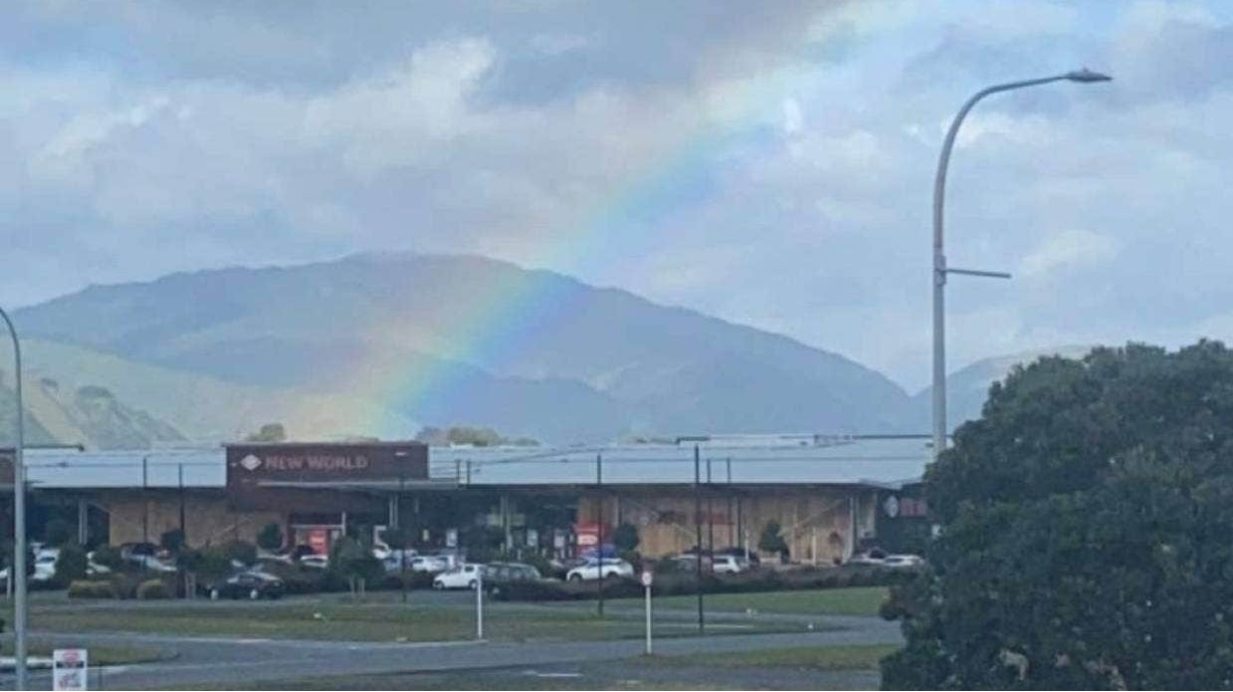
Rainbow points to $34 million 'pot of gold' at NZ supermarket

A rainbow pointed the way to Lotto's pot of gold on Thursday morning, shining down on the New Zealand supermarket where the year's biggest Powerball was struck.

One lucky ticket won a huge $37.125 million payout (AU$34.35 million) in Wednesday night's Lotto draw.

The Kāpiti Coast remains on tenterhooks with the winner yet to come forward to claim the prize.

READ MORE: Sam Kerr's five gut-wrenching words after crushing

They purchased the ticket at New World Kāpiti in Paraparaumu, where a rainbow was captured in a photograph shining down about 9.45am Thursday (7.45am AEST).

The prize-winning numbers in the draw were 17, 29, 7, 19, 38, 36, with the bonus ball being number 20. The winning power ball was number 5.

READ MORE: Wealthy US couple accuse Blind Side footballer of 'shakedown'

Seven other Lotto players took home $125,000 after winning Lotto First Division.

Two lucky Strike players would also be celebrating after each winning $500,000 with Strike Four.

The grand winner was the 10th Powerball multi-millionaire of 2023, and the win comes almost two months after a $33.5 million Powerball prize was won by a couple from Christchurch.

This article originally appeared on Stuff and is republished here with permission.

Huge snakes wrestle on Aussie beach as experts sound alarm

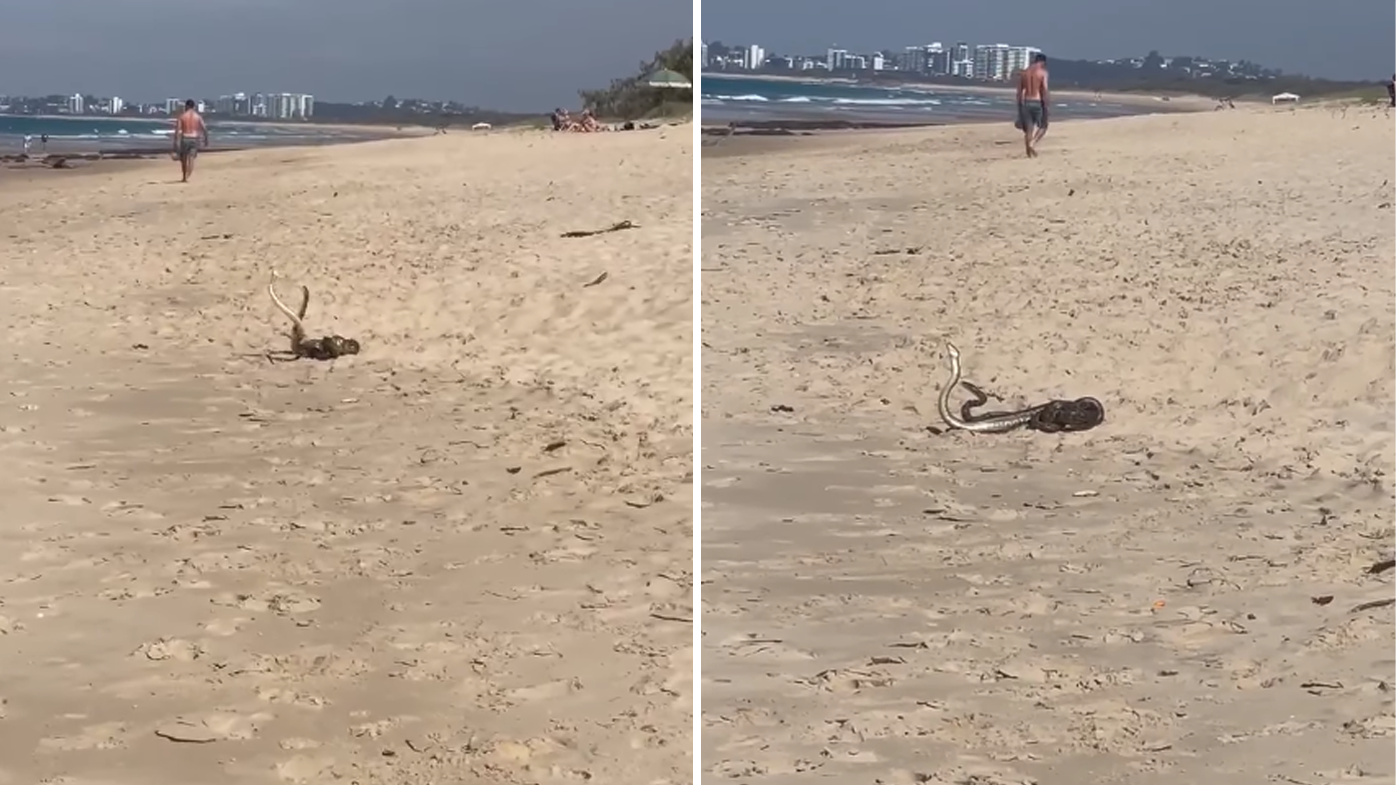
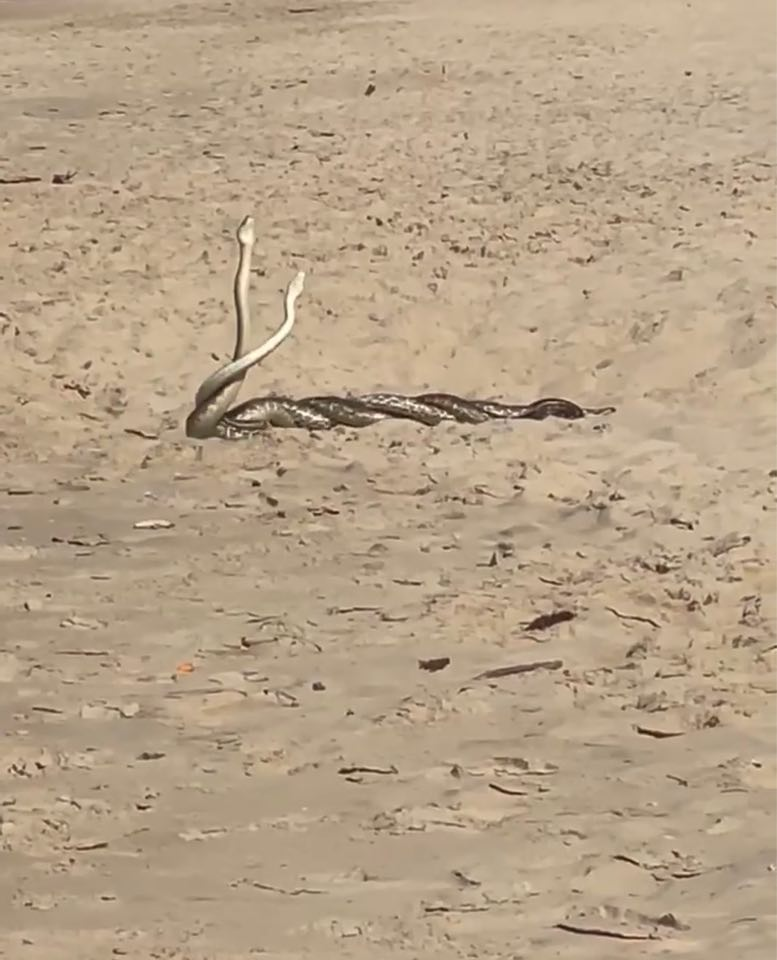
Two large snakes have been filmed wrestling on an Australian beach as experts sound the alarm about the early arrival of snake season – and an increasing number of bites.

In the video, shared by Snake Catcher Dan, two writhing reptiles were filmed "having a scrap" on a beach in Mudjimba, in the Sunshine Coast this week, while barefoot beachgoers walked by.

Daniel Busstra told 9news.com.au the sight is unusual because it comes weeks before snake season traditionally begins, in September.

READ MORE: Sam Kerr's five gut-wrenching words after crushing

As waves crashed in the background, and barefoot beachgoers passed by, the two snakes writhed, locked in a fierce battle.

"Mating season has hit early because of this warm weather," Busstra said.

"They don't look at the date, they go off temperatures.

"Those two male coastal carpet pythons were fighting over a female in the area.

"The stronger of the two will win the battle by proving it's the strongest with pushing the other snake's head down and get the chance to mate with the female.

"The weaker one will run off to look for another female. These battles can go on for over an hour sometimes."

READ MORE: Nightmare for crowd leaving Matildas match

These two amorous male pythons were competing to mate with a female.

Busstra said he's had a surprising influx of snake removal callouts, despite Australia being in the midst of winter. 

"Some days I'm getting blown away with call after call," he said.

"Then days like today are very quiet because it is still kind of cold when the sun's not out."

Billy Collett, operations manager at the Australian Reptile Park on NSW's Central Coast, said the increased callouts are "a phenomenon rarely seen at this time of year" – and have been reported across the border too.

Collett added that venomous snakes are being sighted earlier than normal as well.

READ MORE: Wealthy US couple accuse Blind Side footballer of 'shakedown'

"I've even heard about a few bites that have happened this week in Sydney," Collett said.

"There's been three or four bites already, one was on a baseball field in Castle Hill. I'm not sure on the species involved but there's definitely been no fatalities."

With the warm weather forecast to continue, Collett said Australians need to brush up on their snake bite first aid now. 

"We've just come out of one of warmest winters on record, it's mid-August and we've been having beautiful sunny days," he said.

"Snakes will be moving around, they will be sighted in backyards and other places, so it's really important people brush up on first aid and call the local snake catcher if they see a snake."

READ MORE: Fans storm barriers at packed Fed Square during semi-final

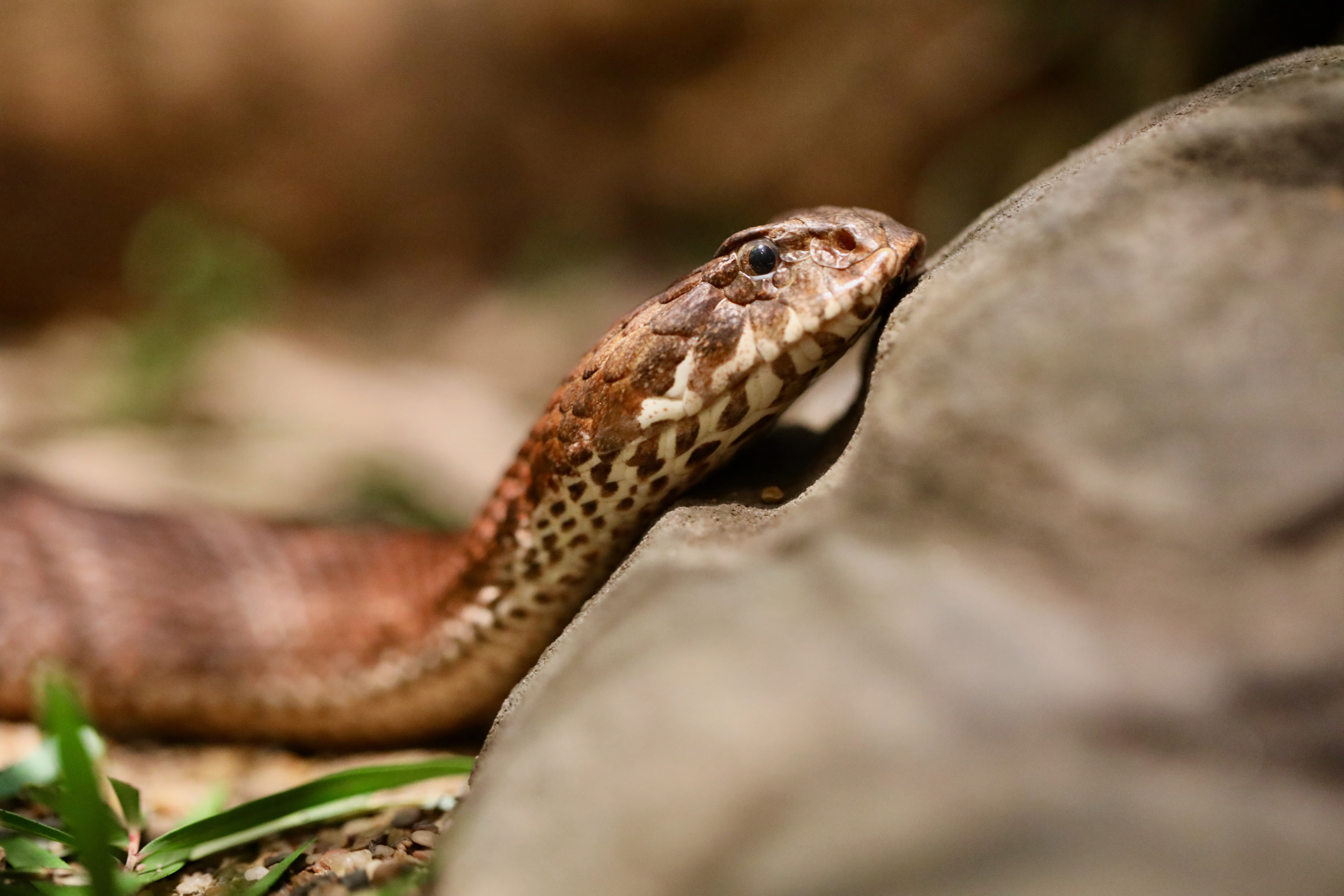
Death Adder.

If someone does suffer a snake bite, the patient must keep calm and still and apply a pressure-immobilisation bandage around the wound and affected limb.

"By applying the pressure-immobilisation bandage, venom cannot easily spread through the body, slowing down the envenomation process," Collett said.

"(This buys) the bite victim more time to seek medical attention at the hospital.'

Sign up here to receive our daily newsletters and breaking news alerts, sent straight to your inbox.

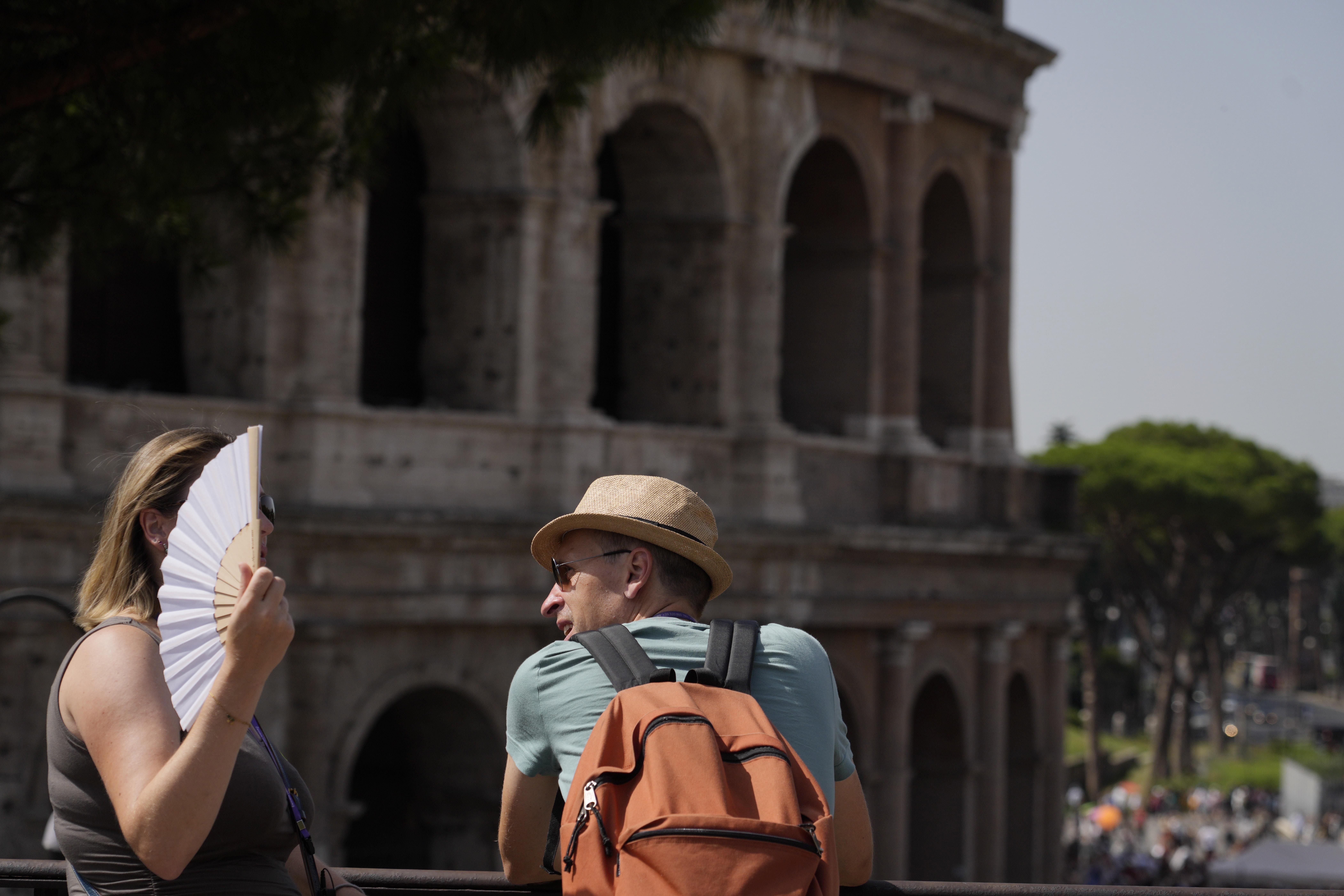
Tourist caught climbing into famous Rome fountain to fill water bottle

A video of a tourist climbing into Rome's iconic Trevi Fountain to fill her water bottle has circulated online.

The footage, filmed last month, shows the woman walking over a row of rocks to reach the center of the 18th-century landmark as onlookers watch in horror.

After filling her bottle from a spout of the fountain, she attempts to walk away, before a guard blows a whistle and paces towards her.

READ MORE: Sam Kerr's five gut-wrenching words after crushing

The two engage in a brief discussion before the guard takes the tourist away. It remains unclear what happened to the tourist after the incident, and whether she was arrested or fined.

Tourists can be fined up to €500 ($845) for entering the fountain, which is widely considered one of the city's best known landmarks.

The woman was seen filling her water bottle.

Legend states that anyone who throws a coin into its waters will ensure their return to Rome.

Each year up to $2.5 million in coins are collected for the Catholic charity Caritas. Around $5,000 a day are thrown into the fountain during busy tourist months, according to Rome's tourism board.

Currently, the fountain sits slightly below the square. Visitors must climb down steps to reach it – but they normally take up residence on the steps, or perch on the fountain's edge – leading to calls for police to install checkpoints and continuous foot patrols along the surrounding roads.

As the number of international visitors jetting off to Rome skyrockets since the end of COVID-19, tourists have been criticised for disrespecting the city's famous monuments.

READ MORE: Wealthy US couple accuse Blind Side footballer of 'shakedown'

In June last year, two American tourists caused $40,000 worth of damage to the Spanish Steps in Rome, while a month earlier, a Saudi visitor drove his rented Maserati down the travertine staircase, fracturing two of the steps.

Last month, a tourist was filmed apparently carving his name into a wall of Rome's 2,000-year-old Colosseum, causing Italy's culture minister to call for a manhunt to identify the culprit and his companion.

Elsewhere in Italy, tourists routinely swim in Venice's canals, which double as the city's sewer system. In August last year, two Australians surfed down the Grand Canal, while in May, Americans stripped off for a skinny dip beside the 14th-century Arsenale landmark.

Also last August, an Australian decided to ride his moped around the ancient Roman site of Pompeii, while in October, an American smashed two priceless sculptures in the Vatican Museum, apparently after being told that he could not see the pope.

Earlier this month, a group of young German tourists posing for pictures to post on social media were accused of toppling a valuable statue at a villa in northern Italy, the villa's manager said.

'Rowdy' World Cup fans storm barriers, set off more than 50 flares in Melbourne

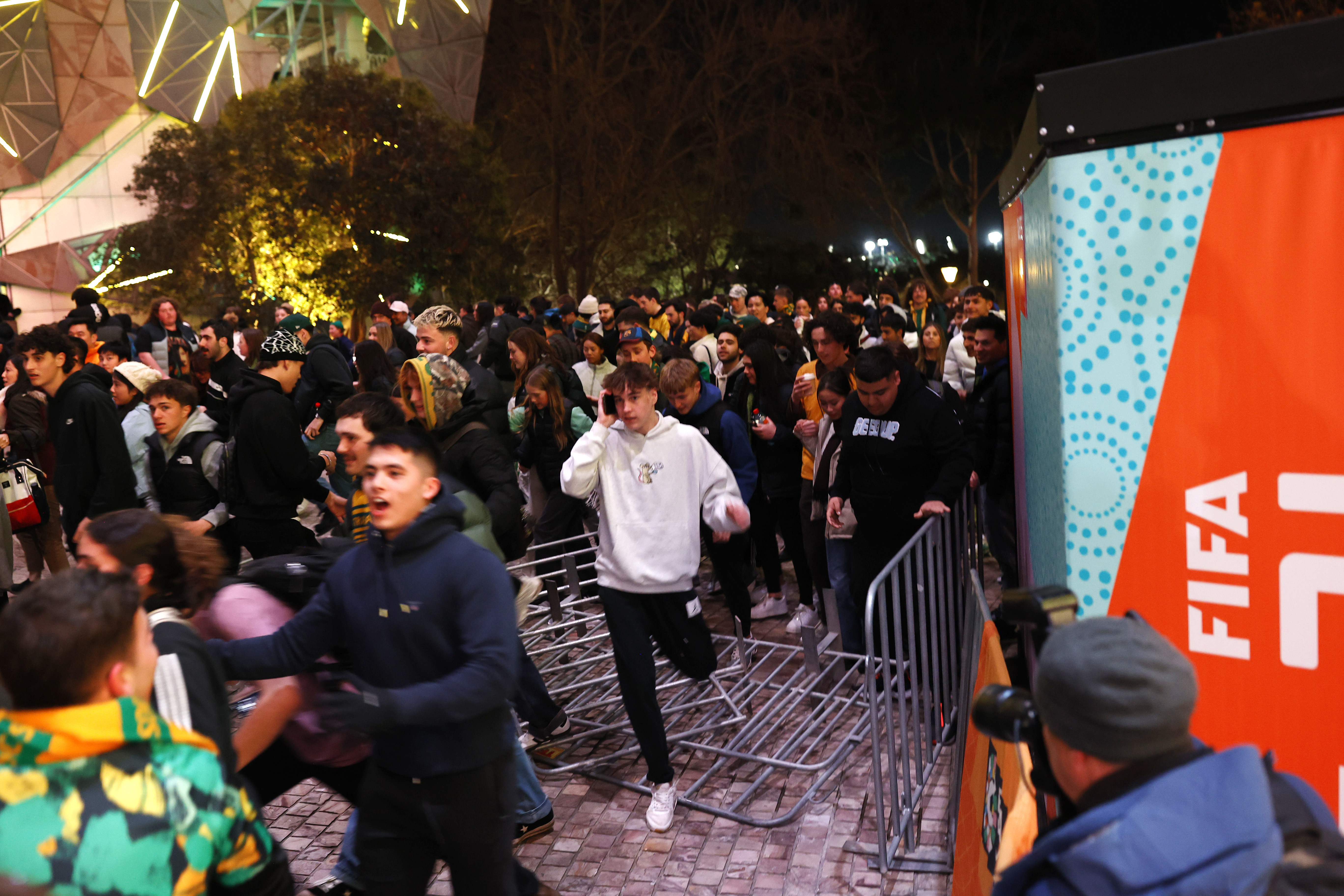
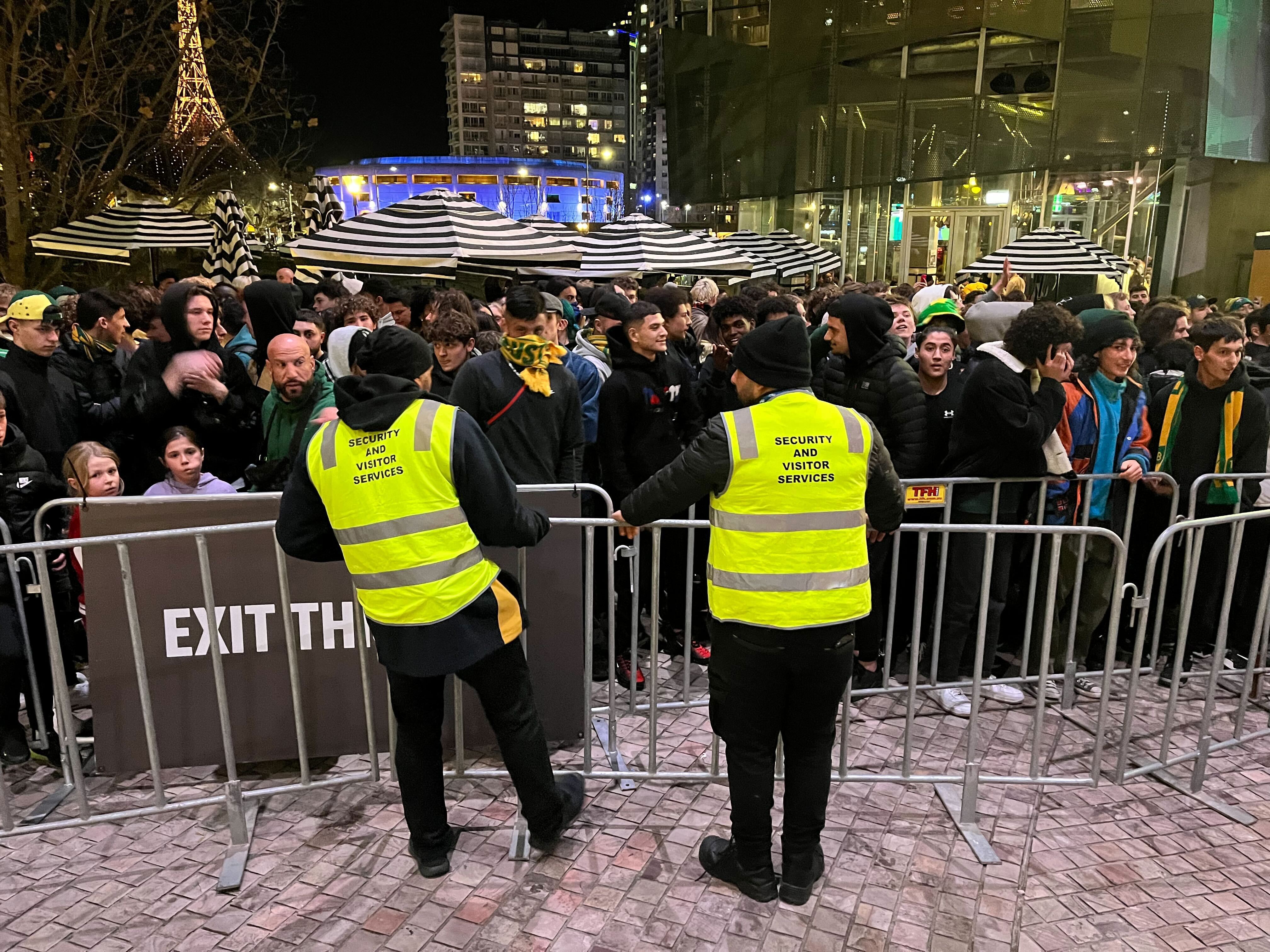
Police had a "challenging night" managing thousands of fans at Melbourne's Federation Square during the Matildas' World Cup semi-final, with crowds storming through barriers and setting off flares.

Organisers announced the site had hit its 10,000 capacity an hour before the match against England began, but supporters pushed past security guards and storming through several barriers about half an hour later in an attempt to watch the action.

Police were seen rushing to help security teams as they attempted to stop the crowds.

LIVE: The World Cup moment Matildas hero doesn't want to relive

More than 50 flares were then discharged, with multiple thrown into the crowd, according to police.

"Luckily at this stage, we’re not aware of anyone being injured," a police spokesperson said this morning.

Police have said "a large rowdy group of mainly male youths, part of the active supporter groups" were behind the flares.

"It was a challenging night for our members out at Federation Square," the spokesperson said.

"Officers were constantly trying to ensure the safety of the crowd, managing and monitoring public order."

Four males aged between 16 and 23 were hit with $962 fines for possessing flares and a 16-year-old male was cautioned in relation to throwing a flare.

Police have said they have CCTV of the "flare incidents" and that detectives will be investigating them.

READ MORE: Warning over turmeric and curcumin supplements after death

Authorities advised locked-out fans to head to nearby AAMI Park, which has a capacity of 30,000, where another live site had been set up for Australia's first-ever appearance in a World Cup semi-final.

Police were "very happy with the crowds at AAMI Park and at the many bars and pubs throughout the CBD and surrounding suburbs".

The only incident at AAMI Park involved a man being given a penalty notice for having a flare.

In Sydney, fans with tickets making a late dash to the semi-final were left in the lurch when urgent repairs to trains at Redfern Station caused some delays.

Transport for NSW said that while services were running frequently, trips to Olympic Park were taking about 15 minutes longer than expected.