Oriori were often composed by parents and elders of the community.
Tag Archives: oceania
Elderly man helpless after Northland house fire destroys everything
House fire causes 80-year-old man to lose everything.
Monday afternoon fire south of Hastings
Fire crews from Hastings, Havelock North, and Napier called to blaze.
Police investigate severed horse head left on doorstep
Police are investigating a "disturbing" incident where a severed horse's head was left on the front doorstep of a South Australian home.
Amy Louise was home with her partner in Murray Bridge on Sunday night when the dog started growling at the door.
"It was weird as he would normally bark," she said.
READ MORE: Three US marines dead, 20 injured in Aussie crash
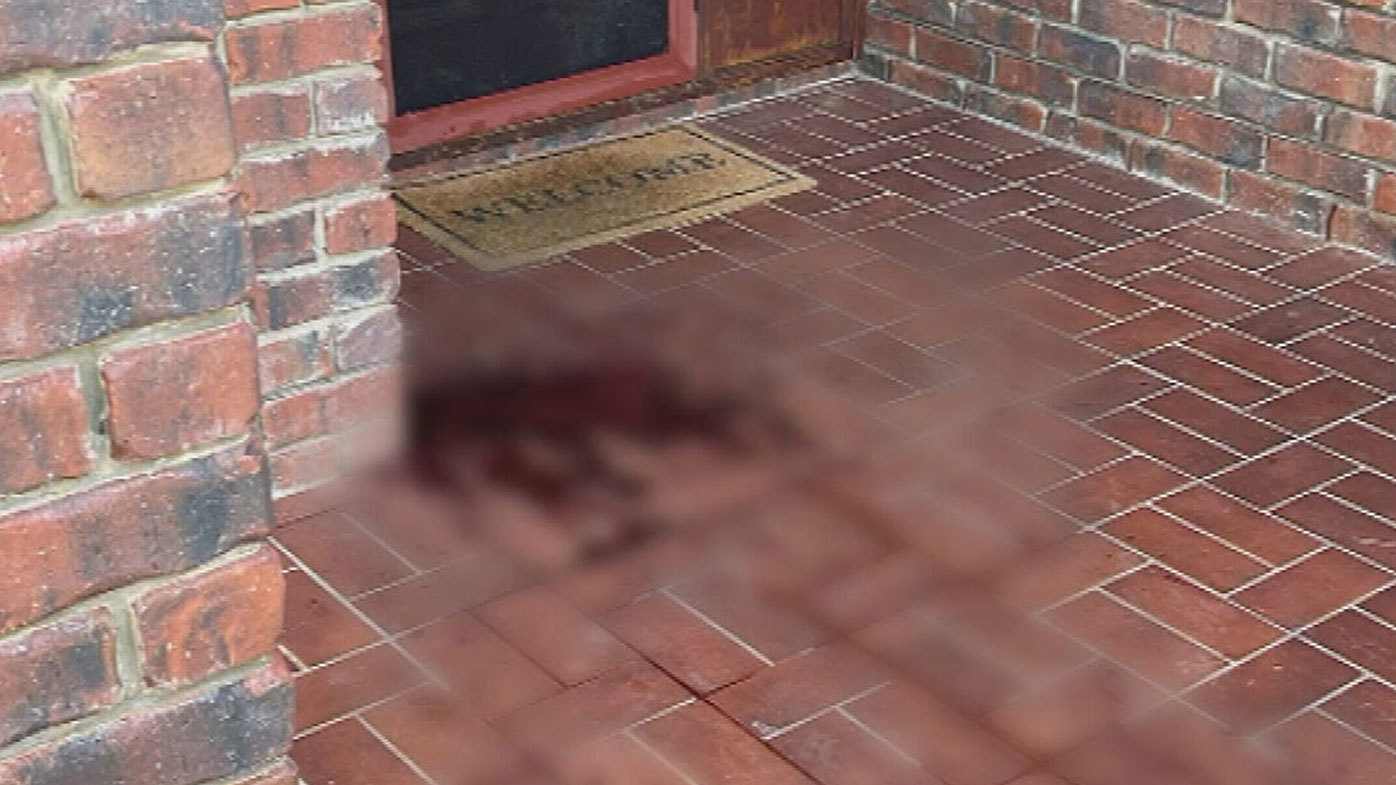
But when they stepped outside, there was a disturbing discovery: a bloodied horse head on the front step.
"There was a horse head, cut off, which is very disturbing," she said.
"We're in shock."
She said she had no idea why the animal's head was left there.
"My partner is a beautiful person and he doesn't deserve this," she added.
READ MORE: Staggering worth of Trump mugshot revealed
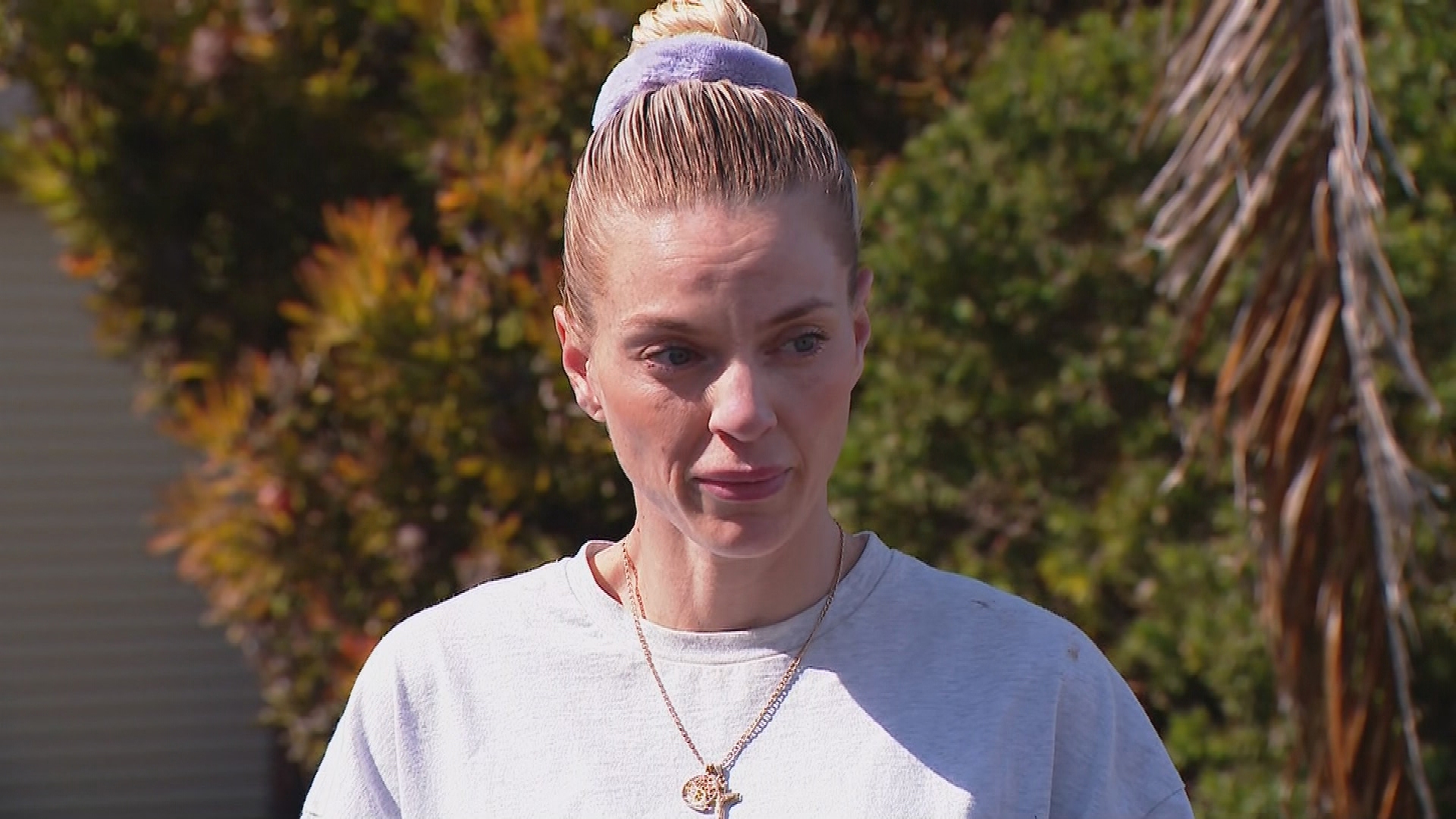
"I want people to wake up and realise what they're doing, I'm fearless, I'm not scared and this needs to stop now," she added.
Police confirmed that officers were called to the Murray Bridge property and are now investigating the incident.
"Police have yet to locate the outstanding remains of the animal," police said.
Fishermen reel in massive 133kg bluefin tuna off SA coast
Two lucky fishermen reeled in the catch of a lifetime off the coast of South Australia at the tail-end of the winter fishing season.
The monster bluefin tuna was wrestled in by Shane Hodgens and his co-worker Dan and it weighed in at a whopping 133kg.
The pair spotted the tuna after embarking from a boat ramp in Port Lincoln, and soon noticed the huge fish.
READ MORE: Cruise ship torn from moorings during violent storm
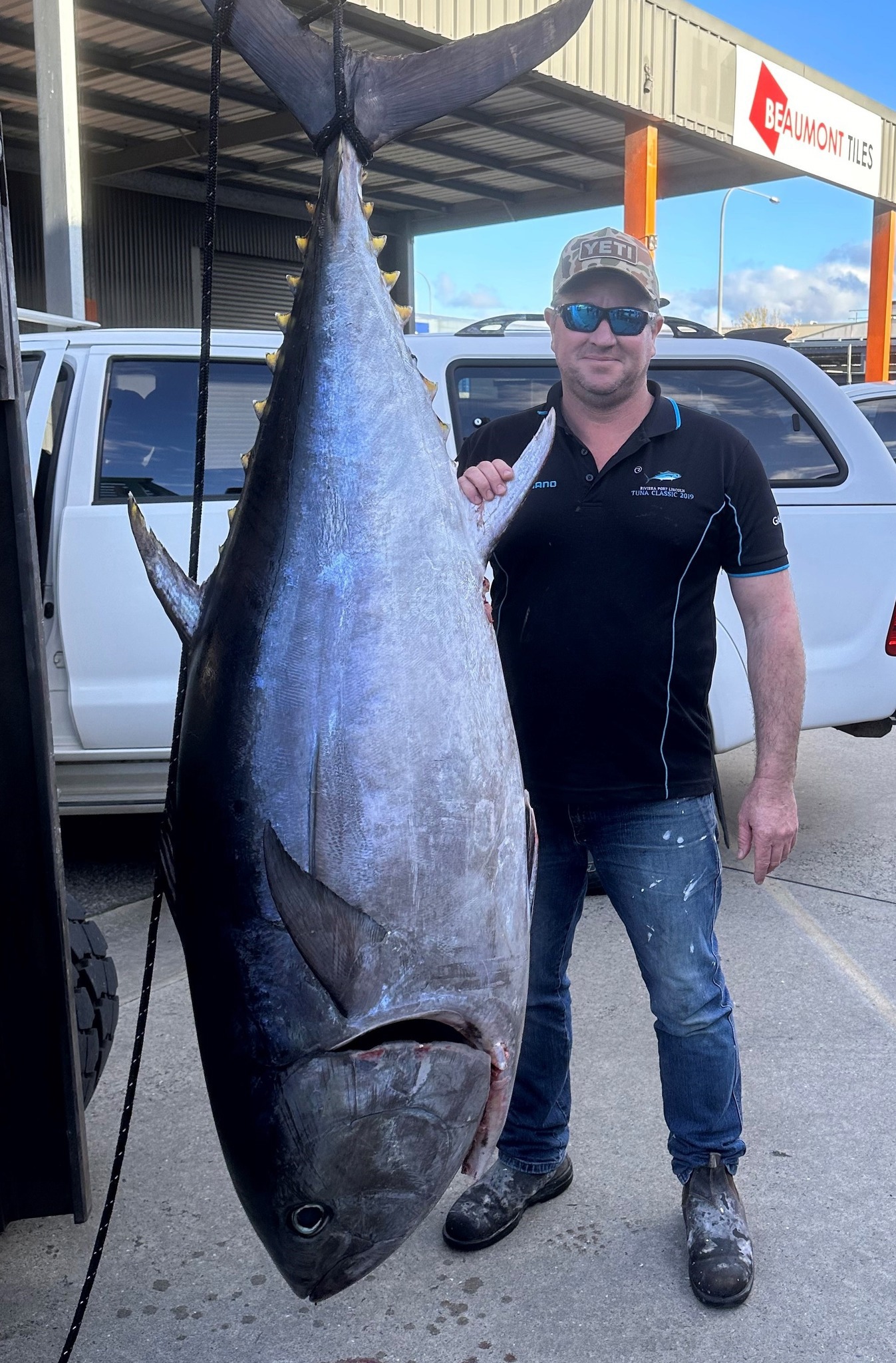
The two fishermen work together at Tackle World Port Lincoln, a local fishing shop.
After setting off on August 14, they soon found themselves in an ordeal lasting "over an hour of fighting to get it on board".
Shane, an experienced fisherman, said it was by far the biggest tuna he'd ever caught, although he had reeled in sharks that topped the 133kg catch before.
"I'm still up all night thinking about it," he told 9news.com.au, still basking in the glow of the monster catch.
Shane and the Tackle World crew are making the most of their catch.
After bringing it back to the store and filleting it themselves in the store's driveway, the tuna meat was given out to a dozen local families.
Screaming heard before man stabbed in Manly by unknown person
Police are hunting for the offender who allegedly stabbed a man twice in Manly in Sydney's north overnight.
Officers were called to Malvern Avenue in Manly outside an accommodation venue at about 2.45am, where they found a man in his 20s who had been repeatedly stabbed.
The man suffered injuries to his chest and left arm.
READ MORE: Man hurt in one-punch attack after country music concert
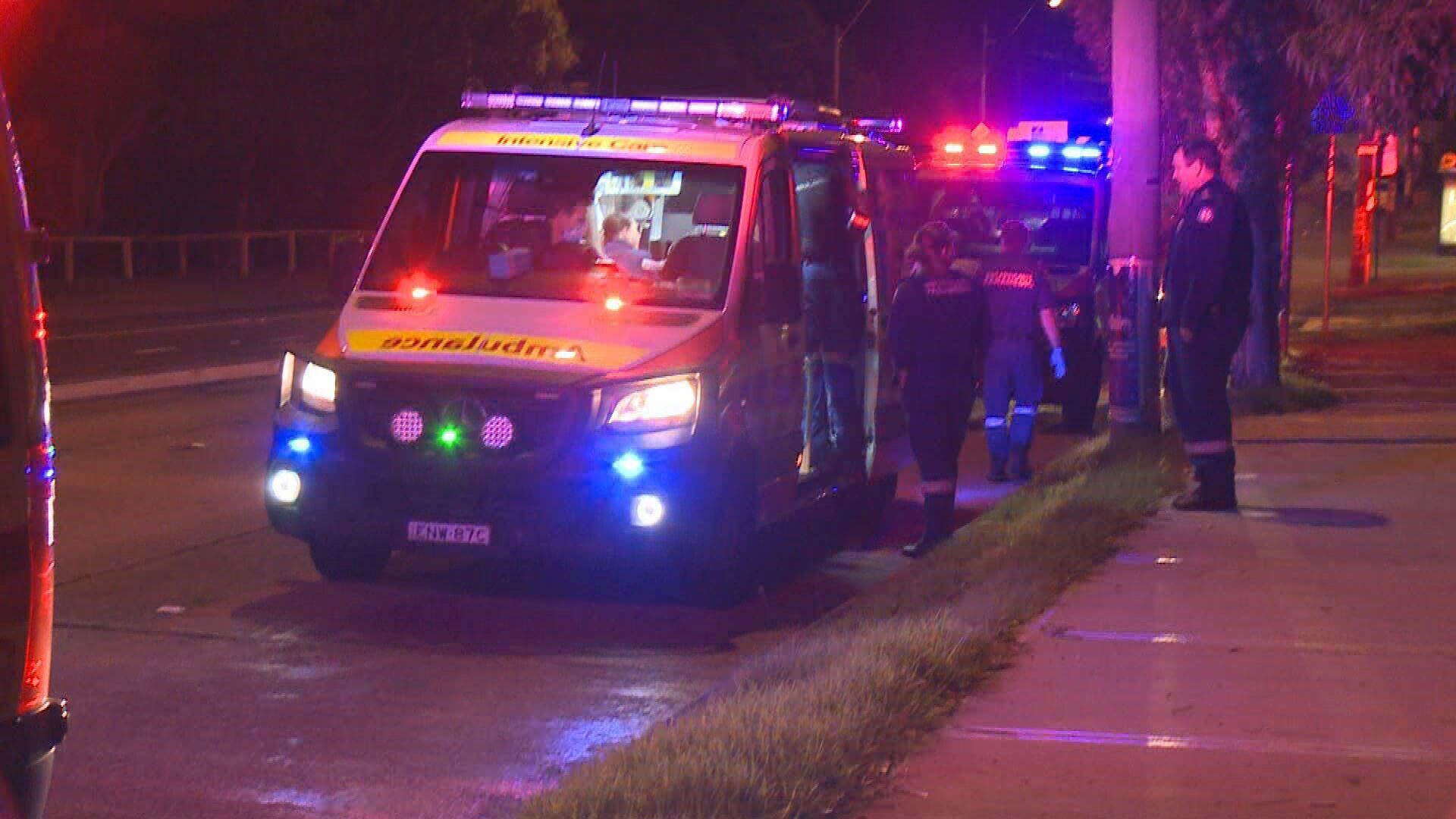
He was taken to Royal North Shore Hospital in a serious but stable condition.
Officers are now working to hunt down the person responsible.
"Until we get a formal statement from the person obviously we've been door-knocking and canvassing, we have some information in regards to yelling that was heard around that time," Detective Superintendent Pat Sharkey said.
"But in terms of firm identification of a person of interest, no we don't."
One line of inquiry is whether a fight broke out before the man was injured.
READ MORE: Staggering worth of Trump mugshot revealed
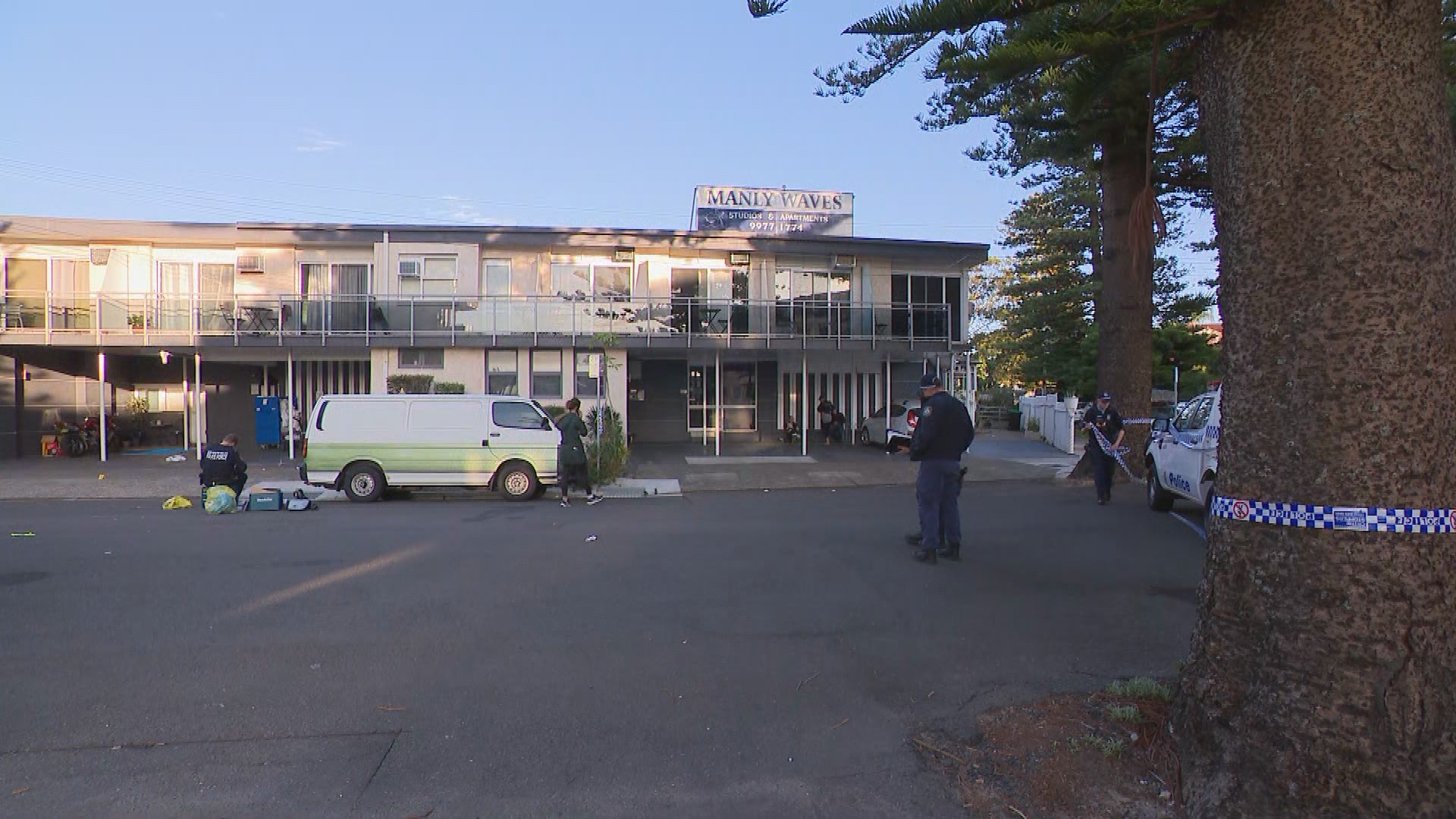
Police have been speaking to witnesses overnight.
Residents who live close by say they had heard screaming coming from the scene.
"Lots of screaming and carry on all the time. Not a very pleasant place," a resident said.
"Heaps of screaming. Very scary, swearing and sort of like aggression towards each other.
"Very loud."
Anybody with information is urged to contact police.
Why aircraft behind fatal US marines crash is a 'challenge' for pilots
The fatal crash of a US Marines Corp Bell Boeing V-22 Osprey aircraft near Darwin has put the tilt-rotor plane's safety record under renewed scrutiny.
Three US marines were killed and 20 are injured, five seriously, after the military aircraft crashed yesterday on the Tiwi Islands near Darwin during a multinational military exercise.
It was the latest fatal crash involving the Osprey, part helicopter and part aircraft, nicknamed the "Widowmaker" by some pilots.
READ MORE: Staggering worth of Trump mugshot revealed
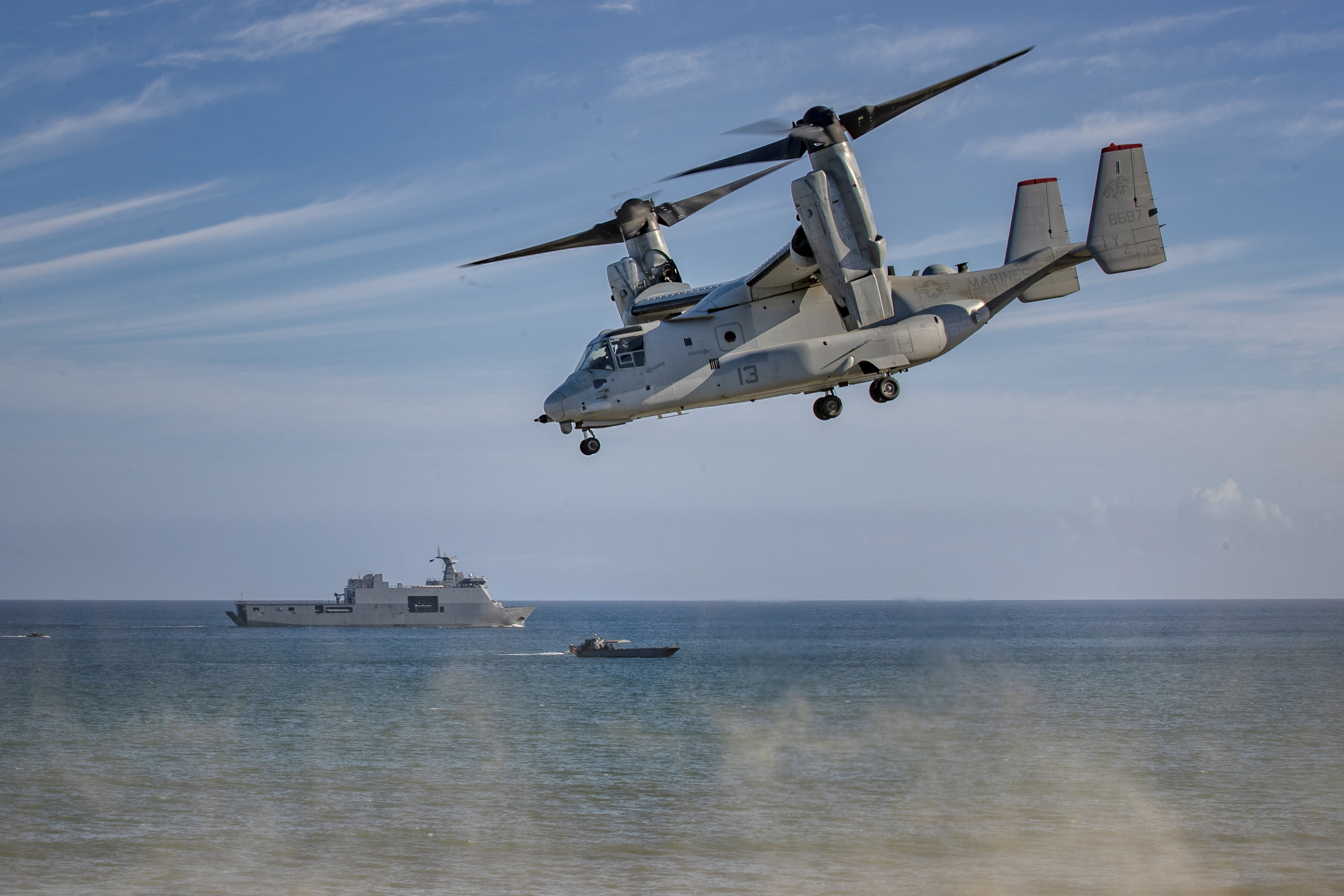
Australian aviation expert Richard de Crespigny told Today this morning that while the Osprey was fundamentally safe, its revolutionary design tested flying skills to the limit.
"It's challenging all the modes of flight. It's like a helicopter at low speed and turbo prepped aircraft at high speed. It can go 600km/h," he said.
"It's an advanced helicopter. It's a challenge to fly – it's unforgiving."
Development of the aircraft, built by US manufacturers Bell Helicopter and Boeing, began in 1982, as a replacement for military heavy-lift helicopters such as the Chinook.
The aircraft, with a crew of two, can carry 24 troops more than 400km.
De Crespigny said the Osprey had performed well on frontline military operations in Afghanistan and Iraq for US forces.
READ MORE: Man arrested over Tatiana Dokhotaru's death in Sydney
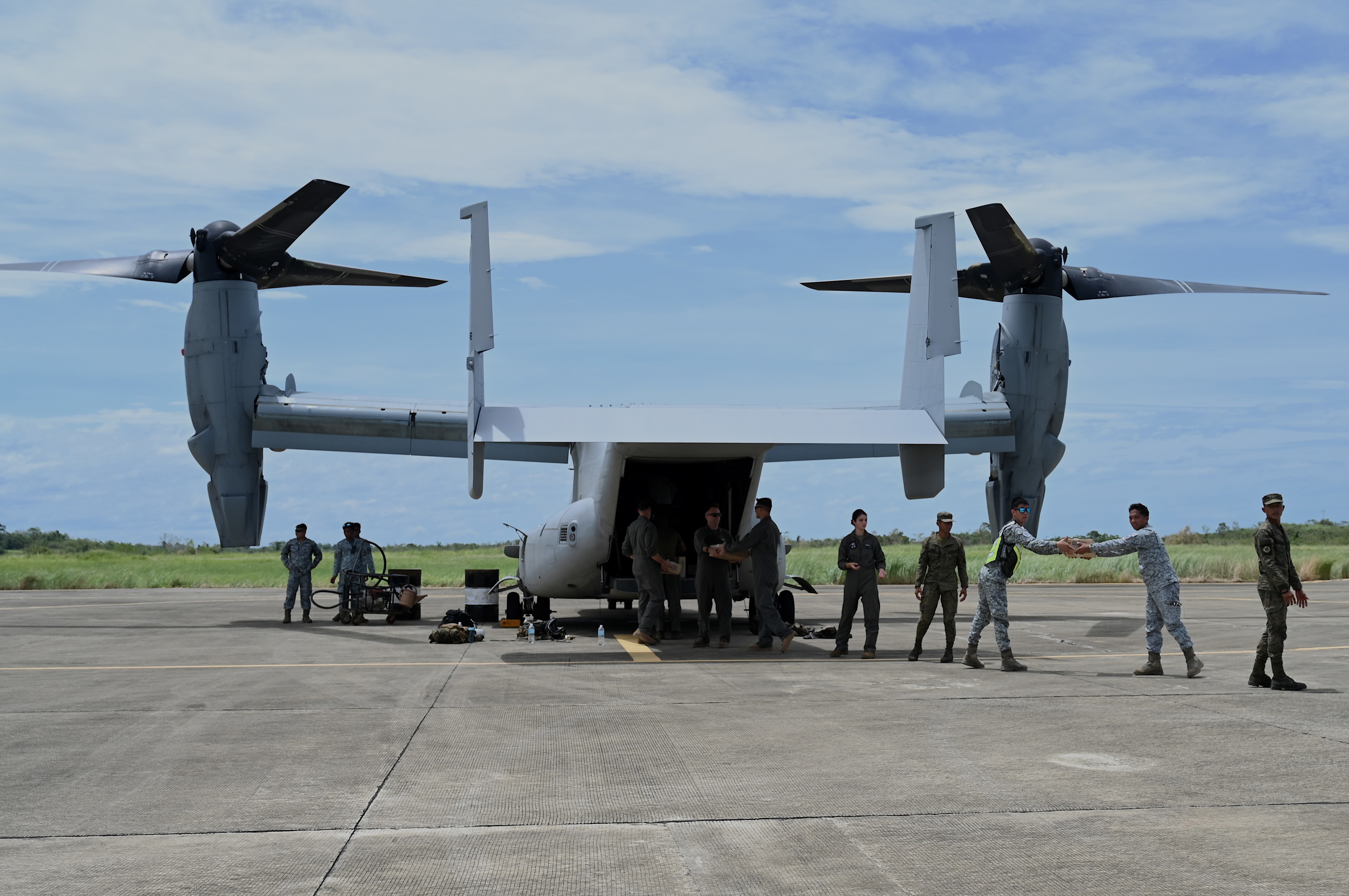
"They built 400. They have crashed about 14 … compared to the Chinook that lost about 25 per cent of its hulls, the Osprey is doing pretty well."
The Osprey that crashed yesterday was taking part in exercise Predators Run, which involves the militaries of the US, Australia, Indonesia, the Philippines and East Timor.
Defence Minister Richard Marles told Today there were a number of investigations underway involving the US and Australian militaries.
The incident comes just a month after four Australian army aircrew members died after an MRH-90 Taipan helicopter crashed into the sea near Hamilton Island off the Queensland coast during an exercise that was part of joint drills with the US.
A history of crashes
Previous crashes of Osprey aircraft, according to CNN reporting and US Defence Department.
July 20, 1992: Seven people are killed during testing when an Osprey crashes in Virginia.
April 8, 2000: A crash during training in Arizona kills 19 Marines. The crash is blamed on pilot error, with investigators concluding the pilot tried to land too fast and at too steep an angle, causing a loss of lift.
December 11, 2000: Four Marines are killed when an Osprey crashes in North Carolina. The accident is later blamed on problems with a hydraulic part and a software anomaly in the aircraft's computer system.
April 8, 2010: US Air Force Osprey crashes in southern Afghanistan, killing three US service members and one civilian employee.
April 11, 2012: Two US personnel are killed in an Osprey crash in Morocco.
June 13, 2012: An Air Force CV-22 Osprey crashes during a routine training mission north of Navarre, Florida, injuring five.
May 17, 2015: A Marine Corps MV-22 Osprey crashes at Bellows training ground on Oahu, Hawaii, leaving two Marines dead.
December 13, 2016: An MV-22B Osprey lands in shallow waters off Okinawa, Japan, injuring two.
August 5, 2017: An MV-22B Osprey crashes off the coast of Australia, leaving three Marines dead.
September 28, 2017: A Marine Corps MV-22 Osprey crashes in Syria, injuring two service members.
March 18, 2022: Four US service members are killed when the MV-22 Osprey they are travelling in crashes during NATO training exercises in Norway.
June 8, 2022: Five US Marines die after an MV-22 Osprey crashes during a training mission Wednesday near Glamis, California.
– Reported with CNN
'Monster' venomous snake found in shed
A "monster" eastern brown snake has been found in a shed in rural New South Wales.
The snake was found in a shed in Rocky River, near Armidale.
Former Nationals leader Barnaby Joyce spoke to 2GB radio host Ben Fordham about the discovery, sending him the image.
https://omny.fm/shows/ben-fordham-full-show/im-not-going-near-it-barnaby-joyce-shares-picture/embed
"It is a monster, I wouldn't go anywhere near that mate," he said.
"It was found in a shed so (I'd say) it's been clearing up some mice and rats.
"By the looks of it, it could clear up a pig."
The eastern brown snake is considered the second deadliest snake in the world, according to the Billabong Sanctuary in Townsville.
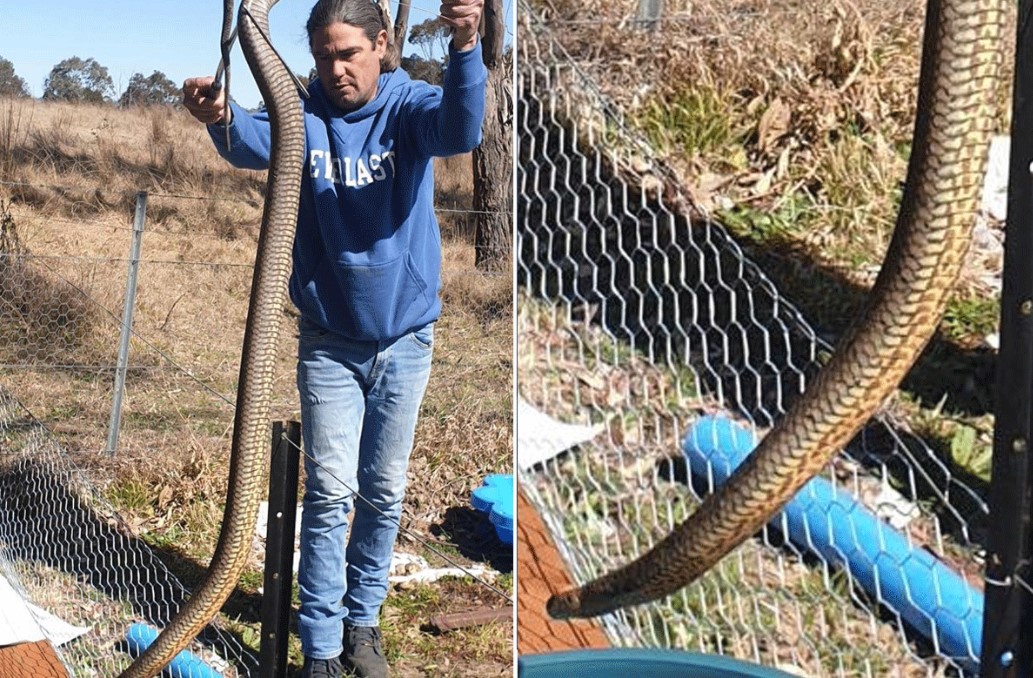
Snake season starting earlier than usual
Just weeks ago, experts warned venomous snakes had been spotted in NSW earlier than in previous years.
Snakes don't usually come out of hibernation until September but snake catchers are already experiencing a "rare" rise in callouts for this time of year, the Australian Reptile Park said.
"Due to the unseasonably warm weather, experts warn that snakes could be active much earlier this year," a spokesperson said.
The park urged the public to exercise caution and suggests carrying a first aid kit when walking through parks or bushlands.
How to keep snakes away from homes
Households should keep grass areas mowed and well-maintained to deter snakes.
Piling up firewood and sticks should also be avoided.
"Tin sheets or any household items like these that are piled up, can draw in heat providing a perfect man-made habitat for snakes," the Australian Reptile Park said.
"These areas provide a safe house for snakes as they sit in stealth mode awaiting prey to feed, and if startled they will defend through biting."
Australia's luckiest 'scratchie' postcodes revealed
New data from The Lott has revealed the supposedly luckiest postcodes for scratchies in the past financial year.
Women in Antarctica 'left to fend for themselves' against sexual harassers
The howling winds and perpetual darkness of the Antarctic winter were easing to a frozen spring when mechanic Liz Monahon at McMurdo Station grabbed a hammer.
If those in charge weren’t going to protect her from the man she feared would kill her, she figured, she needed to protect herself. It wasn’t like she could escape. They were all stuck there together on the ice.
So she kept the hammer with her at all times, either looped into her Carhartt overalls or tucked into her sports bra.
READ MORE: Trump campaign raises over $11 million since mugshot
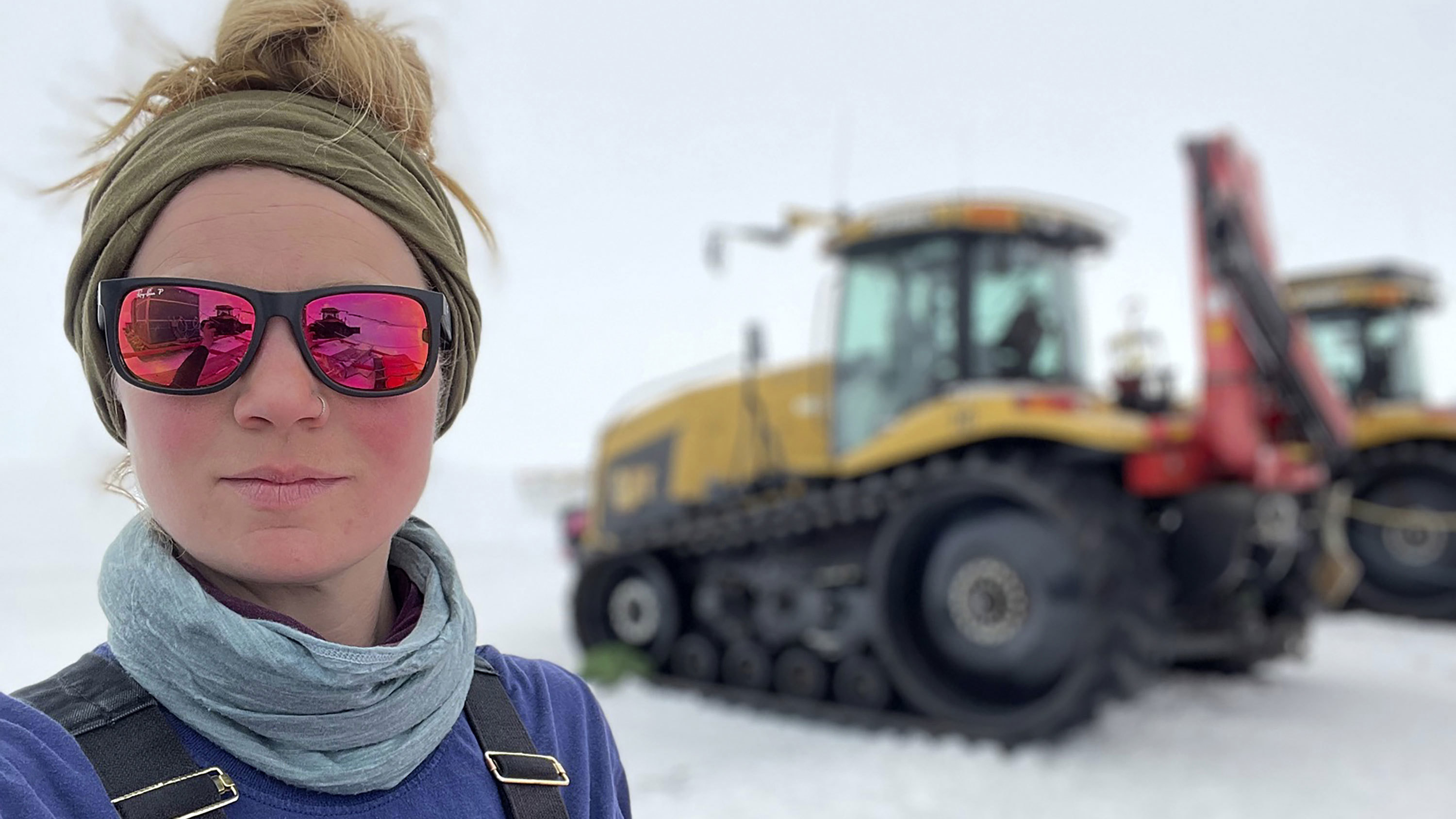
“If he came anywhere near me, I was going to start swinging at him,” Monahon says. “I decided that I was going to survive.”
Monahon, 35, is one of many women who say the isolated environment and macho culture at the United States research centre in Antarctica have allowed sexual harassment and assault to flourish.
The National Science Foundation, the federal agency that oversees the US Antarctic Program, published a report in 2022 in which 59 percent of women said they’d experienced harassment or assault while on the ice, and 72 percent of women said such behaviour was a problem in Antarctica.
But the problem goes beyond the harassment, The Associated Press found. In reviewing court records and internal communications, and in interviews with more than a dozen current and former employees, the AP uncovered a pattern of women who said their claims of harassment or assault were minimised by their employers, often leading to them or others being put in further danger.
In one case, a woman who reported a colleague had groped her was made to work alongside him again. In another, a woman who told her employer she was sexually assaulted was later fired. Another woman said that bosses at the base downgraded her allegations from rape to harassment. The AP generally does not identify those who say they have been sexually assaulted unless they publicly identify themselves.
The complaints of violence did not stop with the NSF report. Five months after its release, a woman at McMurdo told a deputy US marshal that colleague Stephen Bieneman pinned her down and put his shin over her throat for about a minute while she desperately tried to communicate she couldn’t breathe.
Bieneman pleaded not guilty to misdemeanor assault. He was fired and sent back to the US, court documents show, and his trial is scheduled for November. His lawyer, Birney Bervar, said in an email to the AP that it was “horseplay” initiated by the woman and the evidence didn’t support “an assault of the nature and degree she described.”
The NSF report triggered a Congressional investigation. In a written response to Congress that is contradicted by its own emails, Leidos, the prime contractor, said it received “zero allegations” of sexual assault in Antarctica during the five years ending April 2022.
READ MORE: Airline loses passenger's dog at world's busiest airport
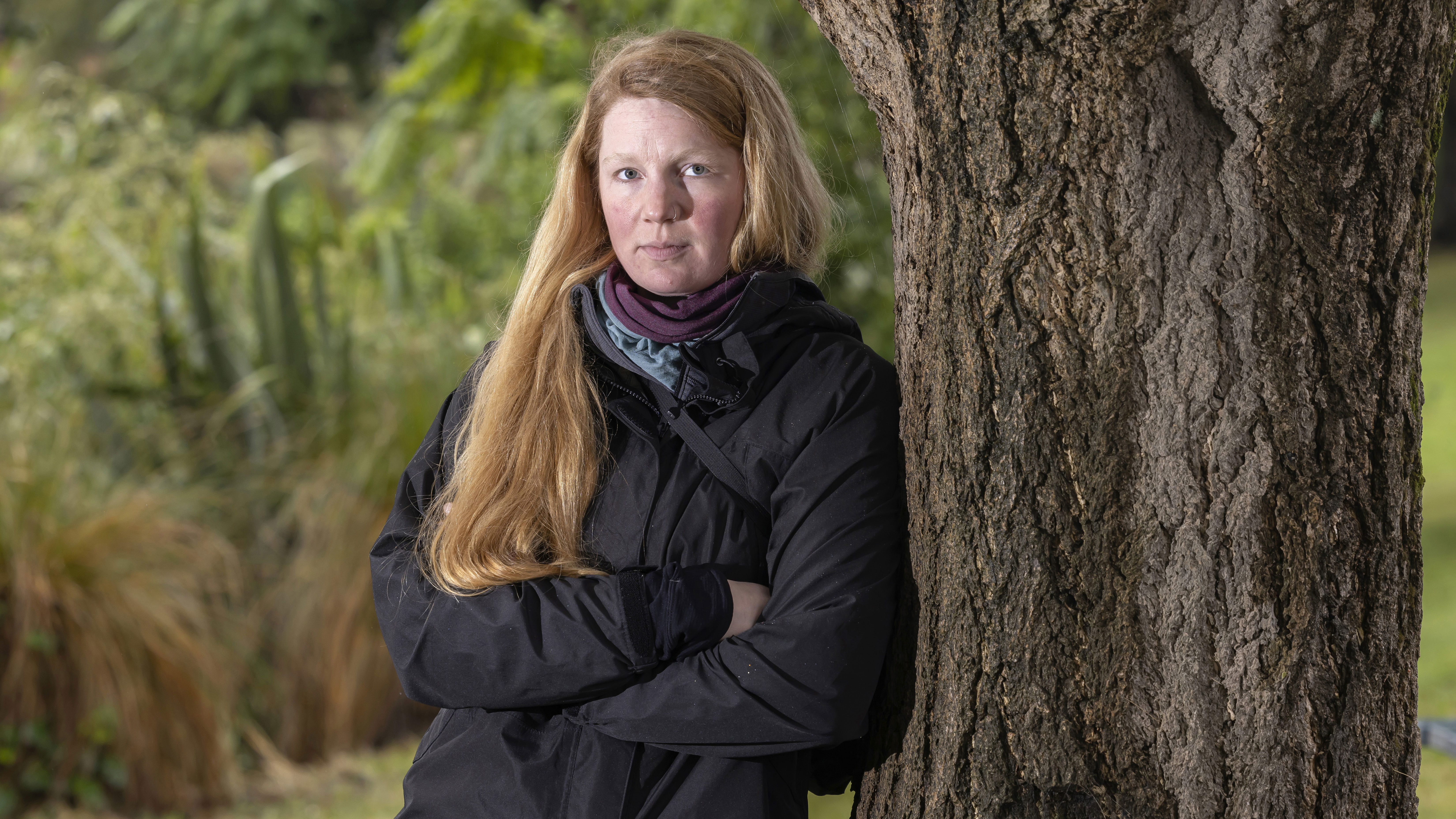
Kathleen Naeher, the chief operating officer of the civil group at Leidos, told a congressional committee in December that they would install peepholes on dorm room doors, limit access to master keys that could open multiple bedrooms, and give teams in the field an extra satellite phone.
Mike Garcia said the proposed fixes left him flabbergasted.
“This should have been done before we sent anyone down to Antarctica,” he said at the hearing.
Monahon and all but one of the workers quoted in this story are speaking publicly for the first time. Trapped in one of the most remote spots on Earth, the women say they were largely forced to fend for themselves.
“No one was there to save me but me,” Monahon says. “And that was the thing that was so terrifying.”
Monahon believes she only escaped physical harm in Antarctica because of her colleagues, not management.
She met Zak Buckingham in 2021 at a hotel in Christchurch, New Zealand, where McMurdo workers were quarantining against COVID-19 before going to Antarctica. It would be Monahon’s second stint in Antarctica, a place that had fascinated her since her childhood half a world away in upstate New York.
At the hotel, Monahon says, male colleagues bothering her and a friend backed off when Buckingham — a plumber and amateur boxer from Auckland, New Zealand — sat with them.
Buckingham, now 36, was intimidating and a bit wild, but funny and charming. One night, Monahon says, she and Buckingham hooked up.
What Monahon didn’t know was that Buckingham had a history of what a judge described as alcohol-related criminal offending in New Zealand.
Three months before deploying, Buckingham breached a protection order taken out by his former partner and the mother of his three children, according to court records the AP obtained after petitioning a New Zealand judge. He’d texted his ex-partner demanding oral sex. She told him to stop being inappropriate.
“No, I will not stop being inappropriate,” he’d replied, and demanded oral sex again, according to the judge's findings. She again told him to stop. He responded, according to the records: “You need to be f—– like a slut.”
A week later, he sent her 18 texts, court records show. She warned him she’d call the police.
“Continue to threaten me and you’ll need to,” he’d replied.
Antarctica’s ancient ice sheet and remoteness make it ideal for scientists studying everything from the earliest moments of the universe to changes in the planet’s climate.
The population at McMurdo, the hub of US operations, usually swells from 200-300 in the southern winter to over 1,000 in the summer. Typically, around 70 percent are men.
Funded and overseen by the NSF, the U.S. Antarctic Program is run by a tangle of contractors and subcontractors, with billions of dollars at stake. Since 2017, Leidos has held the main contract, now worth over A$310 million per year. Subcontractor PAE, which employs many of the base’s workers, was bought last year by the government services giant Amentum.
There is no police presence or jail at McMurdo, and law enforcement falls to a sworn on-site deputy US marshal.
Buckingham was hired by PAE. Amentum didn’t respond to questions from the AP. Leidos Senior Vice President Melissa Lee Dueñas said it conducts background checks on all its employees.
“Our stance on sexual harassment or assault couldn’t be more clear: we have zero tolerance for such behaviour,” Dueñas said in an email. “Each case is thoroughly investigated.”
The NSF and Leidos declined to answer questions about Buckingham or other cases. Leidos said sharing specific details wasn’t always appropriate or helpful.
The NSF told the AP it improved safety in Antarctica last year. The agency now requires Leidos to immediately report any significant health and safety incidents, including sexual assault and harassment, it said in a statement. The NSF said it also created an office to deal with such complaints, provided a confidential victim’s advocate, and established a 24-hour helpline.
On the ice, with limited options for socialising, many head to one of McMurdo’s two main bars: Southern Exposure or Gallagher’s.
Neither has windows, workers say, and they smell of body odour and decades of stale beer that has seeped into the floor. In the summer, when the sun shines all night, people walk out of the bars and are dazzled by the light.
One night at Southern Exposure, Monahon told the AP, Buckingham began laughing with buddies about who was going to sleep with her and her friend. Next thing, he was forehead to forehead with another man, she says. Buckingham, reached by phone in New Zealand, declined to comment and hung up.
Monahon says she repeatedly told Buckingham she didn’t want to speak with him. Soon after, she heard Buckingham was angry at her.
Worried, she says, she told PAE's human resources she feared for her safety. They took no action. A week later, Buckingham rushed up to her in Gallagher’s, shaking with anger, shouting and threatening her, she says.
“You’ve been talking s— about my mother,” he yelled at her, she says, leaving her baffled. “People who talk s— about my mother deserve to die.”
Monahon says she was shocked to the core. “Snitches will get stitches,” she says Buckingham snarled as others intervened.
READ MORE: Russia says Wagner boss confirmed dead in plane crash
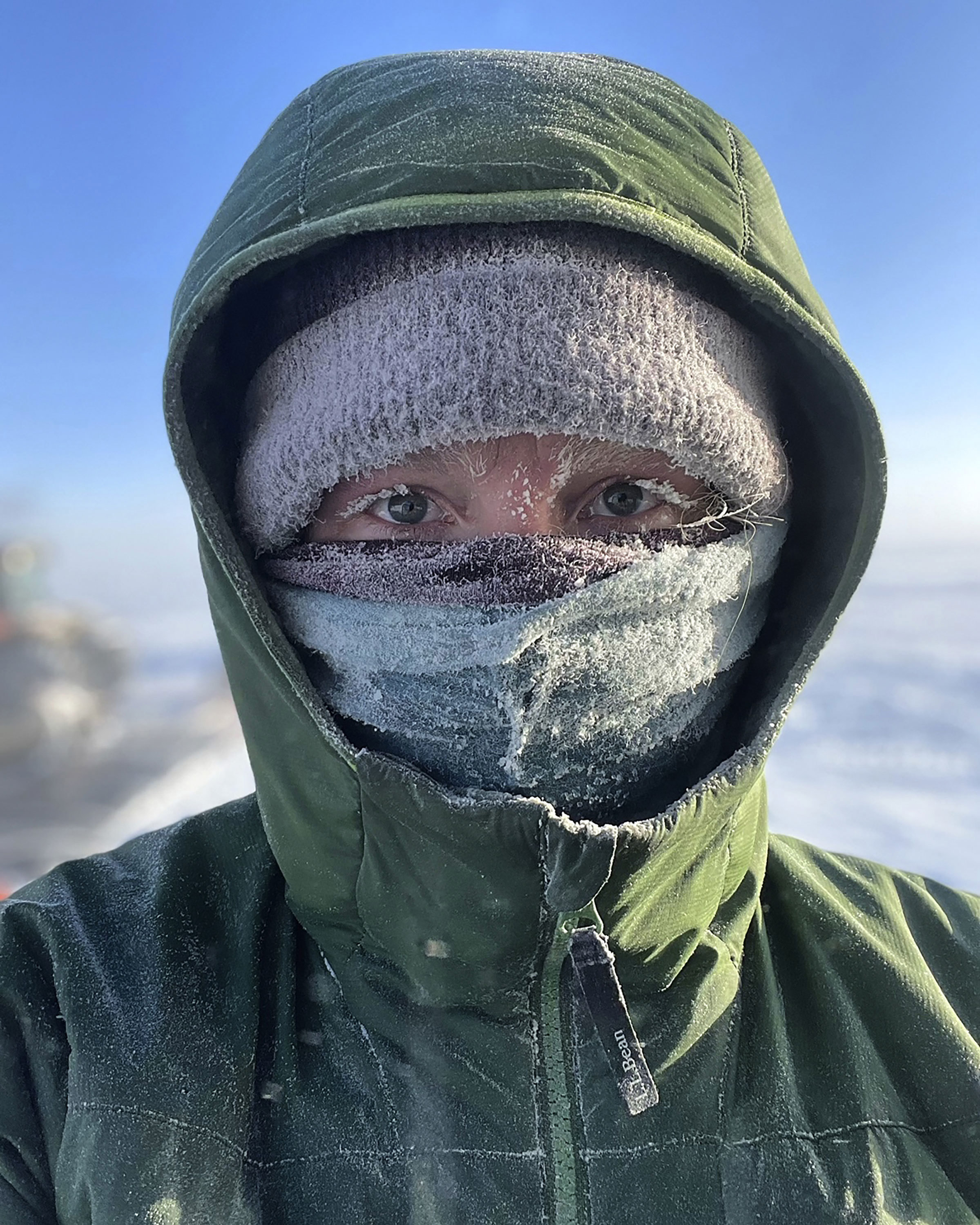
Cameron Dailey-Ruddy, who bartended at Gallagher’s, witnessed the commotion. He ordered everyone but Monahon to leave and called 911, which connects to the station firehouse. From the dispatcher, Dailey-Ruddy got the numbers for the Leidos station manager and PAE’s HR representative and asked them to come to the bar.
“It was kind of an open secret at that point that that guy had been harassing her,” said Dailey-Ruddy. He added that Buckingham was at the bars most nights, sometimes drank in public areas and harassed women.
Monahon says the managers brought her to a secret room and told her she could skip work the next day.
It was the last time she would feel supported by management.
After a night in her new room, Monahon met with PAE’s HR representative, Michelle Izzi.
Monahon claims Izzi discouraged her from reporting what happened to the deputy US marshal, in part because it would create jurisdictional headaches and even an international problem, as Buckingham was a New Zealand citizen. Monahon also says Izzi told her she needed to carefully consider how filing charges might affect her personally and impact the entire US Antarctic Program.
In a later recorded meeting, Izzi denied that she discouraged Monahon and said she had in fact instructed her to call the marshal. Izzi did not respond to the AP's requests for comment.
The next night, Dailey-Ruddy says, Buckingham was back at the bar. The night after, according to another person familiar with the situation, Buckingham got into a physical altercation with another man.
Dailey-Ruddy wasn’t surprised by the lack of action against Buckingham.
“It seemed like par for the course in terms of the culture, and sexual harassment, and how women’s safety was addressed on the station,” he says.
Meanwhile, Monahon had taken the machinist’s hammer to defend herself. In a statement to PAE’s HR department, she wrote: “Zak Buckingham is a danger to me. He has threatened my life. He is capable of hurting me and he wants to hurt me. … I have been living in fear for the last two days.”
With her employers doing nothing to address her concerns, Monahon's immediate boss and co-workers came up with their own plan, according to two employees familiar with the situation.
Monahon was told to pack her bags, and the next morning joined a group trying to navigate a safe route across the sea ice over eight days to resupply a tiny US outpost. The crossing is risky because the ice can crumble in the spring.
“To protect her, they put her in a dangerous situation,” said Wes Thurmann, a fire department supervisor who had worked in Antarctica every year since 2012.
But they all felt it was safer than her remaining at McMurdo.
Thurmann, who was also notified when Dailey-Ruddy called 911, says he was introduced to McMurdo’s misogynistic culture when a group of men recited a list of women they considered targets for sex. Often, Thurmann says, the NSF and Antarctic contractors blamed such behaviour on alcohol.
But the bosses wouldn’t ban booze, he says, because it would make deployments less attractive.
Monahon’s crisis on the ice wasn’t an anomaly. In November 2019, another incident involving a food worker pushed the NSF to launch its investigation. The food worker didn’t respond to a request for comment, but her case is outlined in internal emails obtained by the AP.
The woman told her bosses she’d been sexually assaulted by a coworker. Her performance was subsequently criticised by a supervisor, who was also the girlfriend of the accused man. Two months later, she was fired.
Many of the woman’s colleagues were outraged. Julie Grundberg, then the McMurdo area manager for Leidos, repeatedly emailed her concerns to her superiors in Denver.
“The fact that we haven’t come out with some sort of public statement is making the community trust our organisation even less,” Grundberg wrote.
Supervisor Ethan Norris replied: “We need your help to keep this calm and be a neutral party as you have only one side of the story at this point.”
Norris did not respond to a request for comment from the AP.
The case prompted some of the women to form their own support group, Ice Allies. More than 300 people signed a petition calling for better systems for handling sexual assaults.
The food steward settled a wrongful termination claim for an undisclosed amount, people familiar with the situation told the AP. Leidos later fired Grundberg, in a move many workers believe was retaliatory.
Another food steward, Jennifer Sorensen, told the AP she was raped at McMurdo in 2015. Initially, she didn’t tell anyone.
“On station, I had no advocate to speak on behalf of my needs and protection, no jail to protect me from my rapist, and no knowledge of any present law enforcement personnel,” Sorensen said in a written account to the AP.
Still haunted 21 months later, Sorensen wrote to the man’s employer, GHG Corp., about what had happened. GHG later wrote back that it had investigated her claims with Leidos and wouldn’t hire the man again.
“We have concluded that you were a victim of sexual harassment,” wrote GHG President Joseph Willhelm.
Sorensen says it was shameful that GHG and Leidos downgraded what she says was rape to harassment. GHG did not respond to a request for comment. Sorensen also contacted the FBI, which did not file criminal charges and refused to release details of its investigation to the AP.
Britt Barquist, who worked as foreperson of the fuel department, told the AP she was attending a safety briefing with co-workers in 2017 when a man in a senior role reached under the table and squeezed her upper leg.
“It was a lingering hand on the inside of my thigh, like as close as you can get to just grabbing my actual crotch,” Barquist says.
Her boss at the time, Chad Goodale, told the AP he saw what happened and called his supervisor. He said the outcome was the man was taken off a joint project and told to avoid contact with Barquist. Yet upon returning to Antarctica in 2021, Barquist says, she was forced to work with the man again.
“It was humiliating. And awful,” she says. “I would try to not make eye contact with him, or acknowledge him at all. … Towards the end, he would talk to me about things, and I would just be wanting to throw up.”
When Barquist returned to Antarctica last year, she took a job as a cook, working alongside her husband at a tiny satellite camp rather than at McMurdo.
“I just wish I had been more protected,” she says.
Shortly before Monahon returned from her expedition, Buckingham was taken to a plane to go home early. The woman who normally drives people to the airfield refused to transport him.
“With my supervisor, we just decided it’s not safe, and station management can drive him out themselves,” says Rebecca Henderson.
Izzi, PAE’s HR representative, called Monahon into a meeting. Izzi’s superior, Holly Newman, was on the phone in Denver. Monahon recorded the conversation.
“The investigation was completed. We took appropriate action,” Newman says in the recording. She doesn't specify what action was taken other than to say the person was no longer on the ice. She adds that sometimes they get reports that aren't true.
Newman couldn’t be reached for comment.
In the recording, Newman then says problems with alcohol and people “hurting other people” have been occurring in Antarctica since “way before” she first visited in 2015.
“Why does it happen? Why doesn’t it stop?” Newman asks. “Those are big questions and there are not really any answers that I sit on that are satisfactory yet.”
In March 2022, Buckingham was sentenced to 100 hours of community service and 10 months of supervision after pleading guilty to two charges of breaching a protection order for his ex-partner.
“This is … the first time you have been before the court on any offending of this nature,” Judge Kevin Glubb concluded. “It has to be the last, Mr. Buckingham, you understand that? You come back again, all bets are off.”
Buckingham never faced any legal action or consequences for what Monahon said happened in Antarctica. He is now living back in New Zealand.
Monahon hopes her story prompts the contractors in Antarctica to face more accountability. And she wants the NSF to do more than potentially replace Leidos as the lead contractor when its contract expires in 2025.
“What are they going to do to make sure that this next contractor doesn’t do the same thing?” she asks.
Monahon was determined to keep working at Antarctica and returned in 2022, but has decided to skip this season.
“It’s that mentality of don’t let them win,” she says. “But I do think they are winning right now.”