Two separate incidents, a track failure and a crash, are responsible for the disruption.
Tag Archives: oceania
Green space: Rotorua councillors vote to keep reserve previously marked for public housing
Land valued at $2 million could be used to help fill a sportsfield deficit instead.
Nurses and teachers pay in NZ: How does it compare to Australia after the Government deals?
Nurses have accepted a new offer and teachers are deciding – so who is better off?
World War II medals and soldier uniform stolen from Victorian home
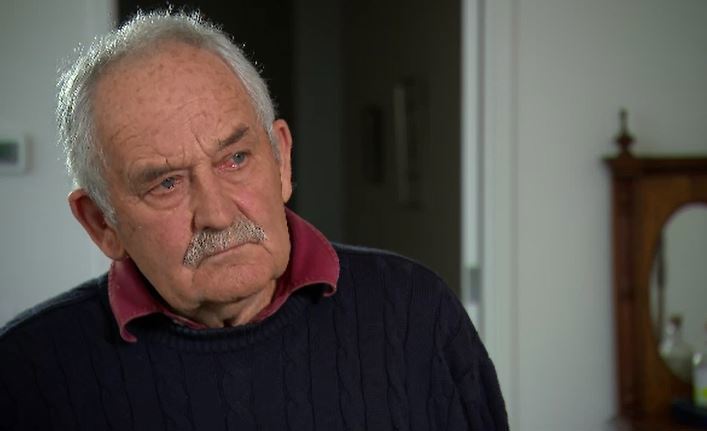
A man had a number of sentimental items stolen, including his late father's World War II medals, has labelled the thieves who ransacked his home as "scum".
Alistair Stewart and his wife, who are aged in their 70s, were on holiday when they were alerted that their home in Buninyong, near Ballarat, had been targeted.
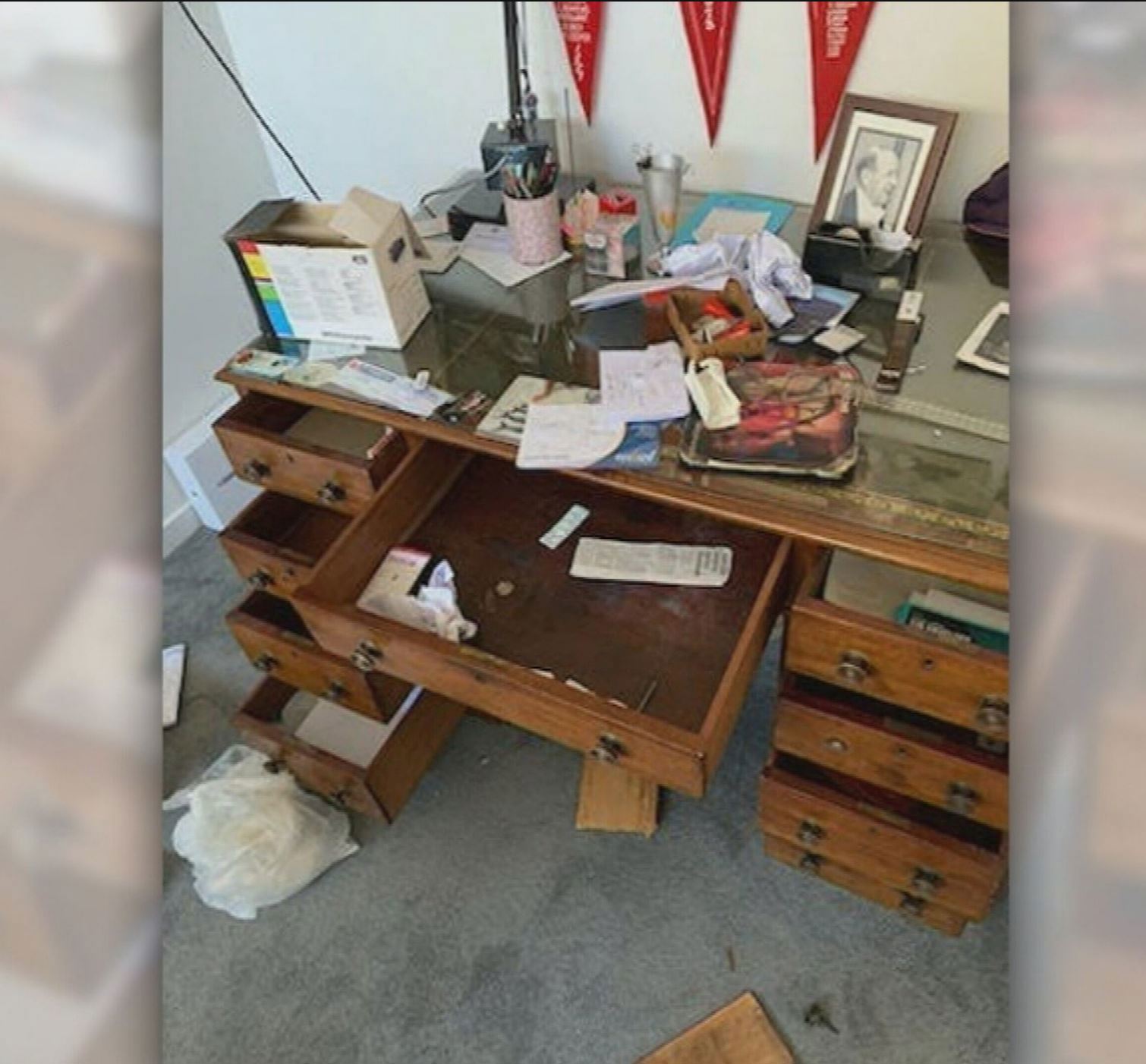
The home was "tipped upside down", with walls and cupboards completely stripped of precious items.
READ MORE: Food dehydrator tested in mushroom poisoning investigation
A ten-year-old boy who lives next door sounded the alarm after he noticed that the garage door had been left open, alerting his parents.
World War II medals and a World War II uniform, including a long jacket belonging to the victim's father, were stolen, as well as a BMW sedan, paintings, jewellery, crystal glassware, and even salt and pepper shakers.
Steward said they are yet to sleep inside the home since the burglary.
"You feel like every time you turn around, you need to lock a door," he said.
"They don't deserve to breathe the air we breathe. They are scum bags."
READ MORE: Brittany Higgins says police made her 'feel violated' during alleged rape investigation

The BMW has since been seen near Toorak Road in Melbourne bearing stolen registration plates ARB069.
Police believe the incident occurred sometime between July 16 and July 30.
Police are calling for anyone with information about the thefts or who witnessed suspicious activity in the area to contact Crime Stoppers on 1800 333 000 or submit a confidential report at www.crimestoppersvic.com.au
Sign up here to receive our daily newsletters and breaking news alerts, sent straight to your inbox.
Police investigate how man's body ended up in golf course pond
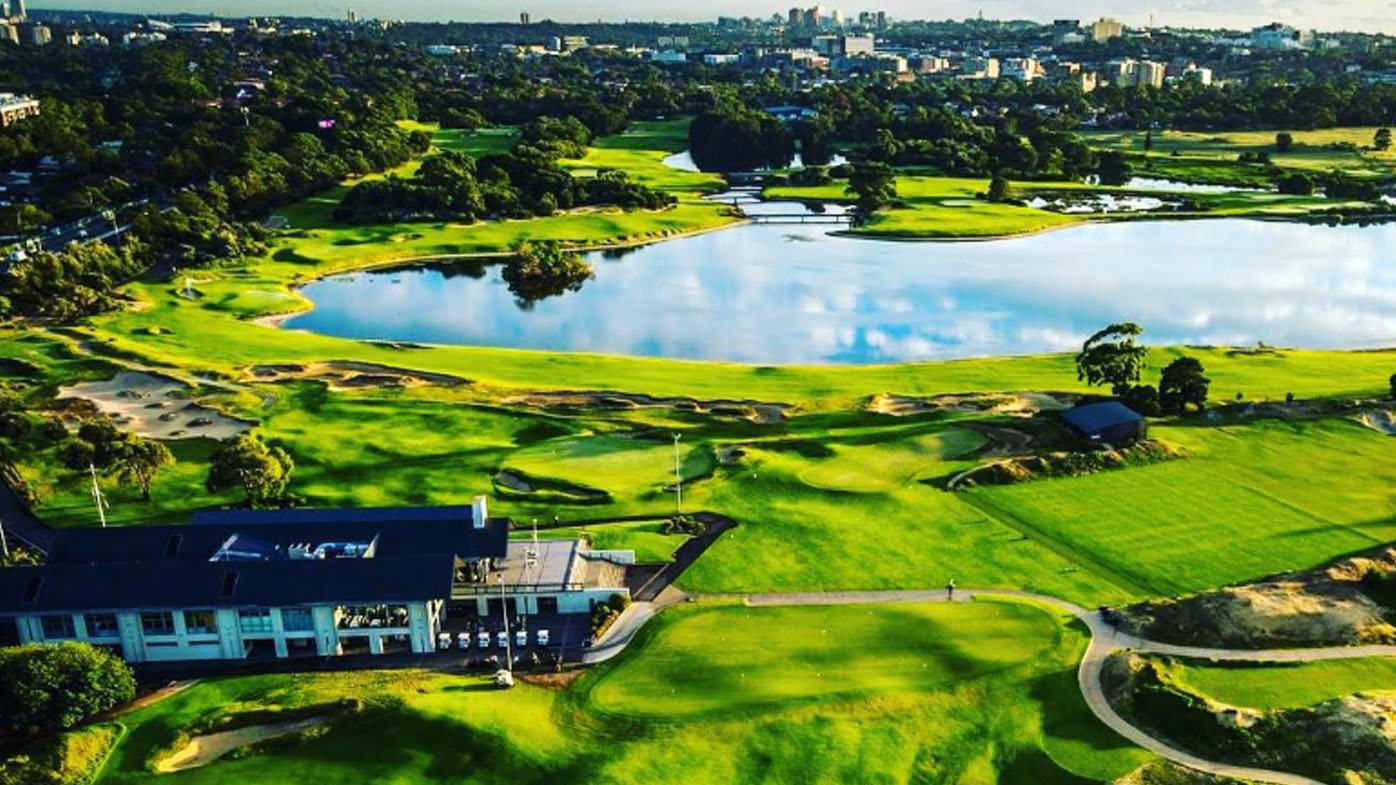
Police are unlikely to know more about what caused the death of a man, who was found in a pond at an exclusive Sydney golf course, until a post-mortem is conducted.
9News understands a grounds person found the body and called police to The Lakes Golf Club at Eastlakes, in the city's south-east, at 9.30am.
Police are investigating a number of lines of inquiry but will know more once the post mortem is done, which could be tomorrow.
READ MORE: New details in mushroom poisoning probe
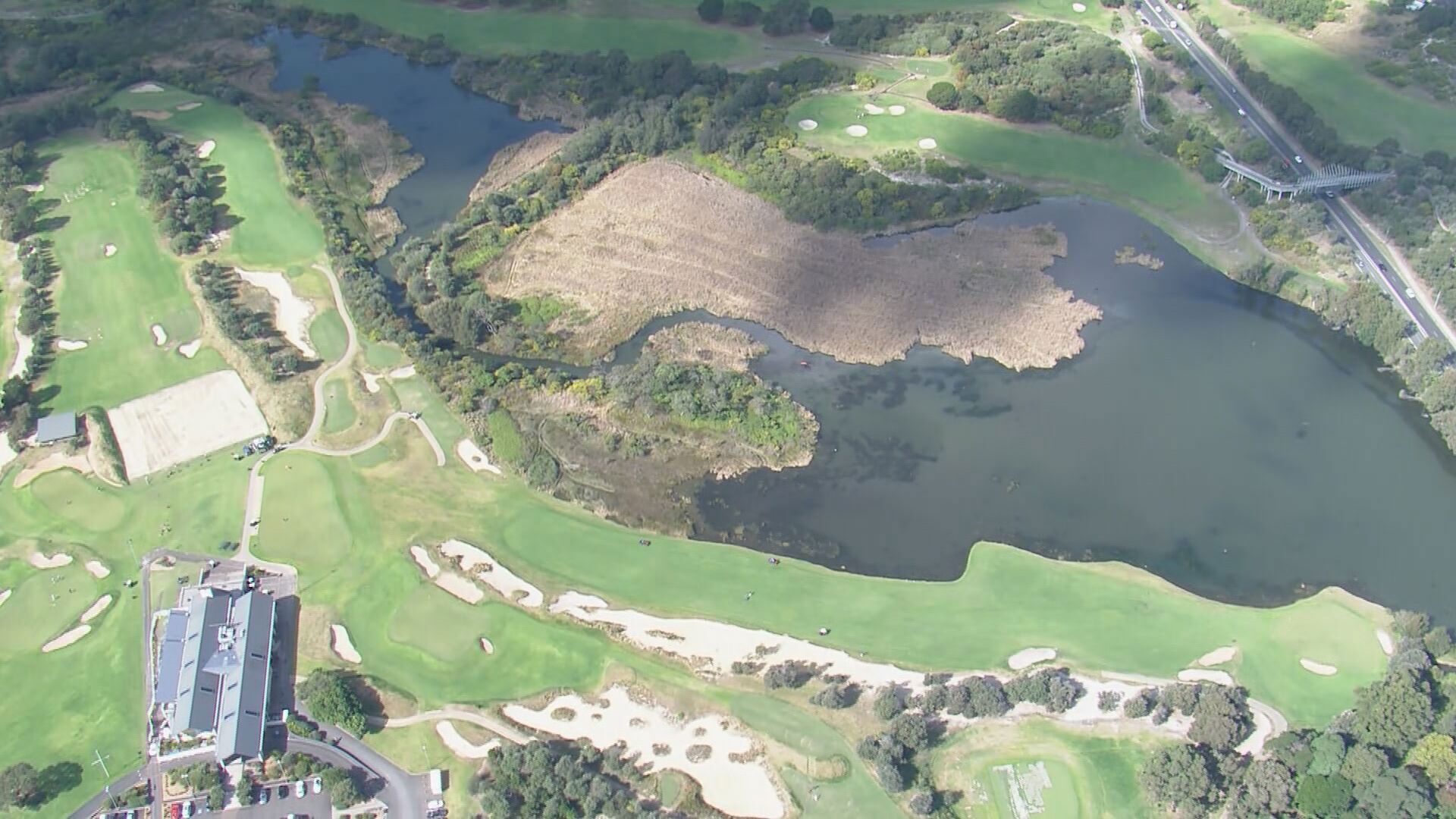
The man's body was found with dark shorts and runners in a pond just off the first hole.
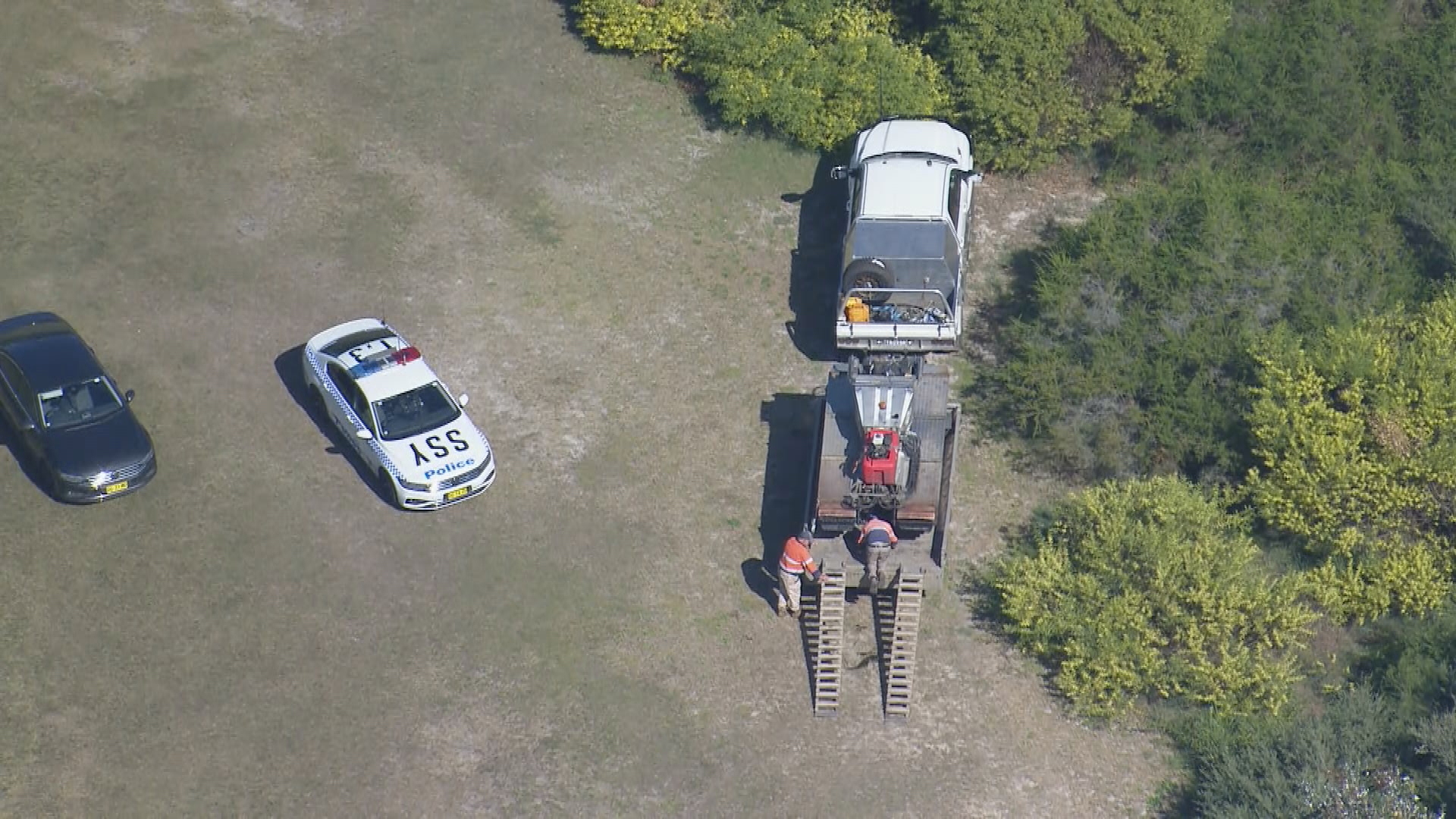
Police divers were called in to retrieve the body, which is believed to be male.
"About 9.30am today, officers from South Sydney Police Area Command attended a golf course on Wentworth Avenue, Eastlakes, following reports of a concern for welfare," police said in a statement.
"Officers are being assisted by PolAir and the Marine Area Command.
READ MORE: Bad weather blamed for rampant new COVID-19 variant
"No further information is available at this stage."
The Polair helicopter was also at the scene to take aerial scene photos.
A crime scene has been established and investigations are continuing.
Golfers continued their rounds nearby as police divers entered the water to recover the body.
The club's website says it is one of Australia's top private golf clubs and "one of the leading major tournament venues in Australia".
The club has hosted the Australian Open tournament and other professional events.
Sign up here to receive our daily newsletters and breaking news alerts, sent straight to your inbox.
Bill Spedding to get $1.8 million payout over 'concocted and false' allegations by police
In what has been coined the worst police prosecution in Australia, a man maliciously pursued as a suspect in the disappearance of toddler William Tyrrell will be paid $1.8 million.
Tradesman Bill Spedding was awarded the compensation in December after police accused him of historical child sexual abuse in 2015 to pressure him to give evidence about the three-year-old's whereabouts.
This strategy, created by then-inspector Gary Jubelin, consisted of "concocted and false" allegations against Spedding for a collateral purpose, NSW Supreme Court Justice Ian Harrison said in December when awarding $1.5 million in damages.
READ MORE: Body found in pond at exclusive Sydney golf club
Since then, a further $300,000 has been added in interest.
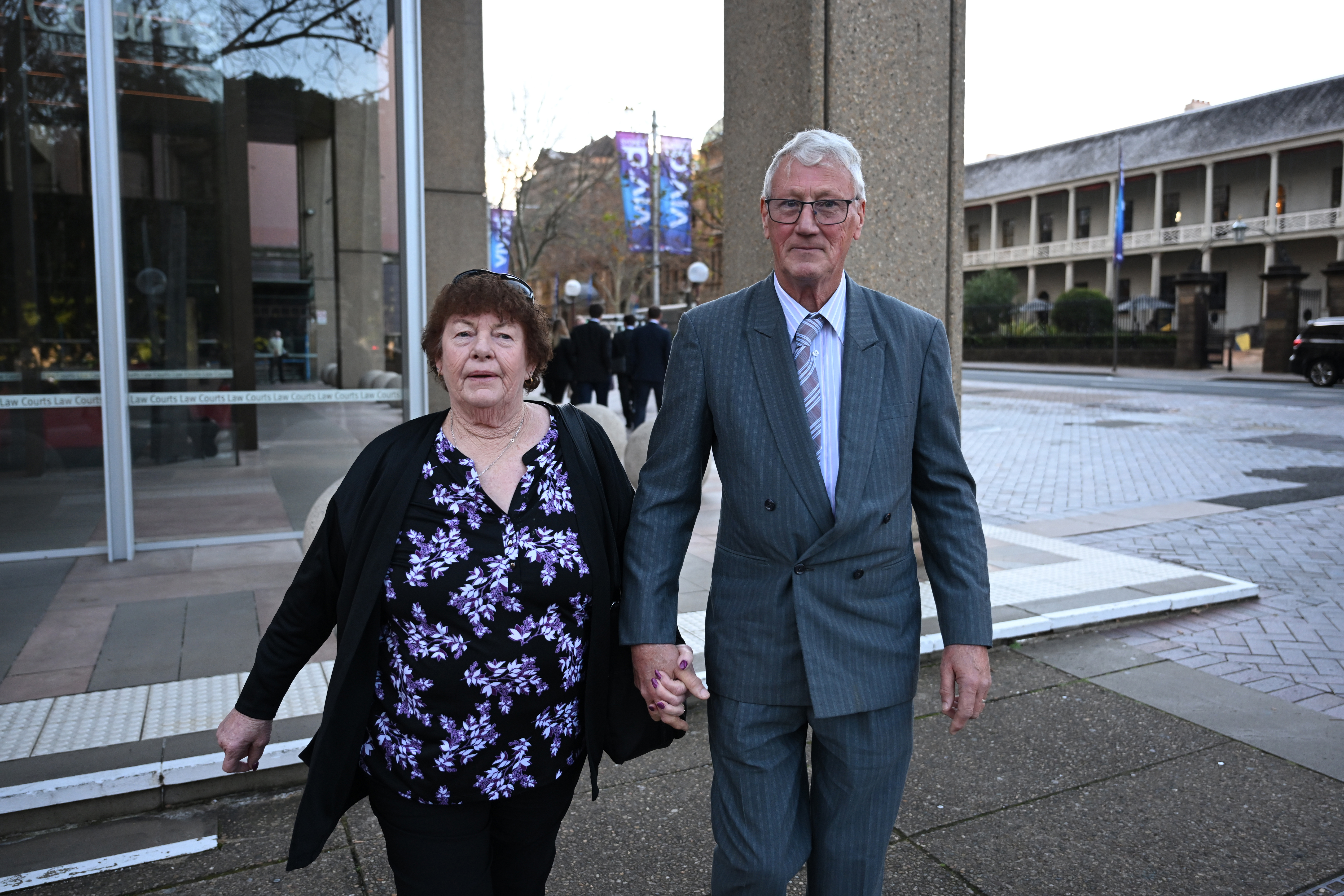
A panel of three NSW Court of Appeal judges on Wednesday upheld Harrison's ruling, as a nervous Spedding watched on.
"The high-handed, self-serving, grand-standing undermining of the criminal justice system by the relevant police officers in arresting, charging, opposing bail and maintaining the prosecution against Mr Spedding has no relevant comparator in the reported cases in NSW," the judges said.
"One can only hope that its standing as the worst case is never repeated and is never superseded by conduct that is even worse."
During a June appeal hearing, the State of NSW argued that while the three police officers who pursued Mr Spedding were named in his lawsuit, no one in the Office of the Director of Public Prosecutions – which ran the doomed child sexual abuse case in the courts – was identified.
This meant Harrison erred in ordering the $1.5 million in damages because it was impossible to tell whether anyone in the prosecutions office had also acted maliciously towards Spedding or had colluded with police, the state submitted.
The Court of Appeal rejected this, saying police had continued to play a role in running the case after it was handed to prosecutors because they had withheld crucial information from the director, including issues with evidence and witnesses of the claimed child sexual abuse.
"Further, there was never any disclosure of the police's improper purpose in arresting Mr Spedding for the purposes of advancing their investigation of him in relation to wholly unrelated events, namely the disappearance of William Tyrell," the judges wrote.
Outside court, Spedding said that after a long, difficult and financially straining nine years, he was very happy with the outcome.
"NSW Police destroyed my livelihood and my family. But today for me, justice is done," he told reporters.
READ MORE: Bad weather blamed for rampant new COVID-19 variant
His lawyer Peter O'Brien said this had to be the worst police prosecution Australia had seen.
"To be labelled a paedophile, to be given the sort of public opprobrium that he had to face is absolutely overwhelming and should obviously properly be condemned. And that's what's happened," he said.
Spedding's legal costs total millions of dollars, and he will pursue the state to pay these expenses on an indemnity basis.
O'Brien described the failed appeal as "lunacy" by the state, which now has the option to appeal this further to the High Court.
A NSW Police spokesperson said the force was reviewing the judgment but declined to comment further.
With officers unable to link Spedding to William's 2014 disappearance, they have not formally charged anyone.
In June, a police leak alleged that William's foster mother had been recommended for prosecution.
Police alleged the woman, who cannot be named for legal reasons, might have disposed of William's body following a fatal accident at a property in Kendall, on the NSW Mid North Coast.
The foster mother has always denied having anything to do with William's disappearance.
Sign up here to receive our daily newsletters and breaking news alerts, sent straight to your inbox.
Brittany Higgins says police made her 'feel violated'
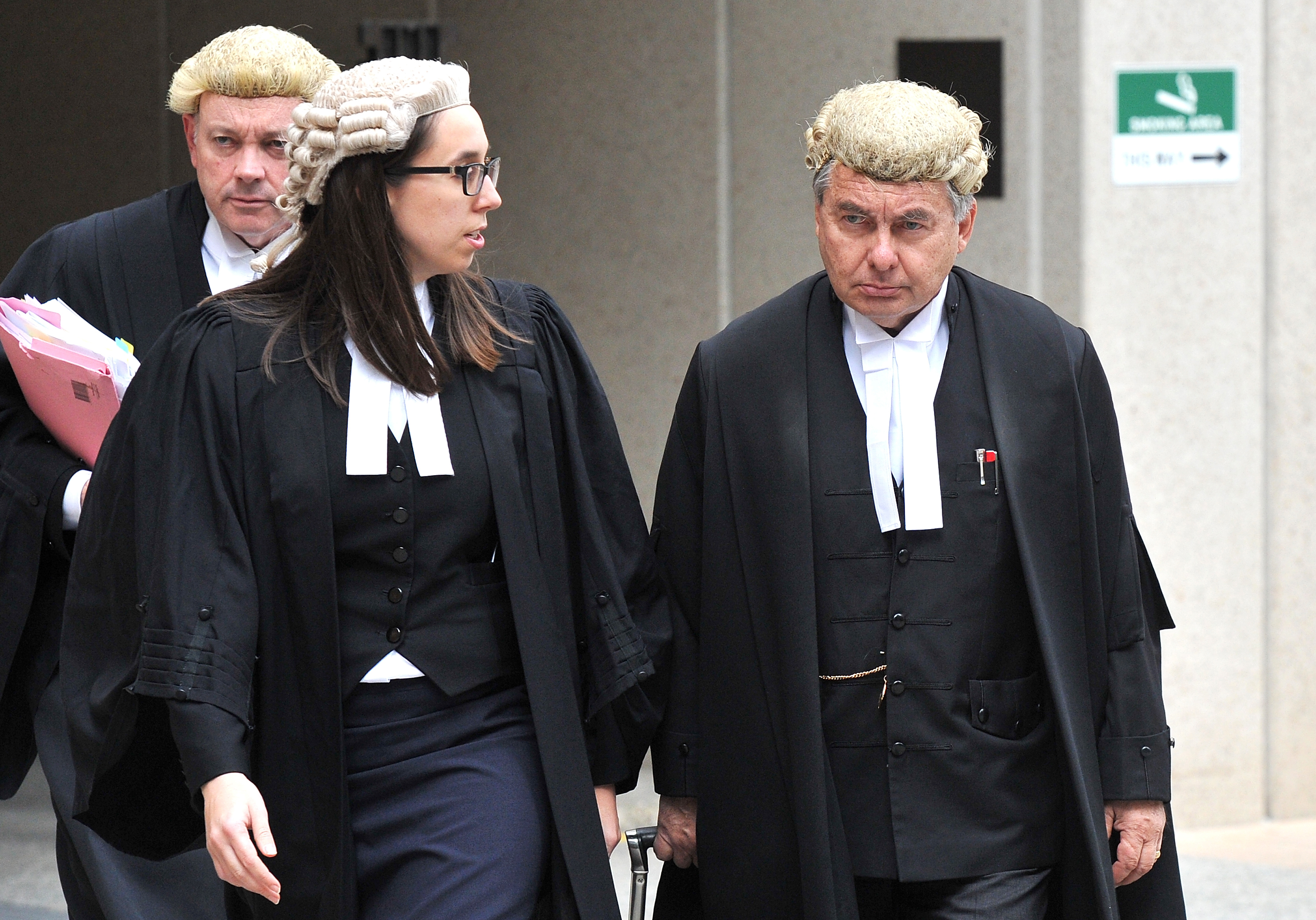
Brittany Higgins says the police officers who handled her alleged rape complaint were "awful" and made her "feel violated at every turn", the latest development to the ugly fallout from Walter Sofronoff's inquiry into Bruce Lehrmann's prosecution.
The former Liberal staffer's comments were made in response to an article in The Australian that claimed officers who investigated the complaint had their careers ruined by false claims of police interference during the case made by ACT Director of Public Prosecutions (DPP) Shane Drumgold.
That claim was rubbished by Higgins, who claimed in her first public statement since the report was released that in her view the officers were "disgraced by their conduct, not the DPP".
READ MORE: New details in mushroom poisoning probe
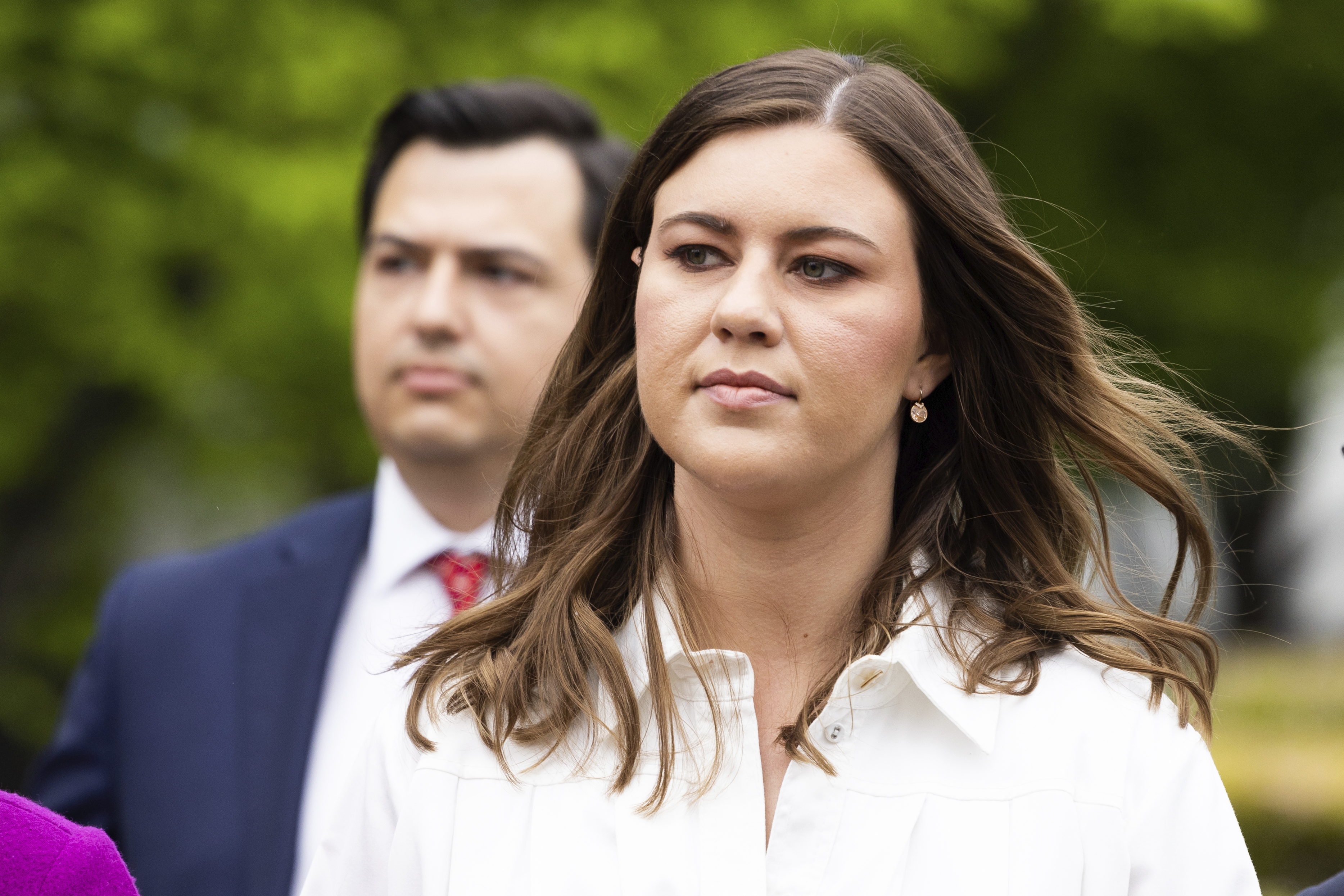
"These police never wanted to charge my (accused) rapist despite the fact that no one, not even the defence, made an application contending that the prosecution was not properly commenced," she said in a statement.
Higgins highlighted that Sofronoff found officers had differing understandings of the ACT's threshold for charging someone with rape, including one who admitted hers was incorrect, before saying the officers' conduct made her feel violated.
"They wrongly handed over my most private thoughts taken over years in counselling sessions at the Rape Crisis Centre to (the) defence," she said.
READ MORE: Body found in pond at exclusive Sydney golf club
"These men were absolutely awful to me. They made me feel violated at every turn.
"I will always remember how small I felt having five senior police officers I've never met in a room belittling me – after I had just spent hours giving evidence in a second (evidence in chief) interview.
"They cast judgements about the merits of my advocacy and regularly reiterated the reasons why they thought that I shouldn't proceed with pressing charges.
"I do not celebrate the misfortune of others. However, these officers were disgraced by their conduct not by the DPP."
Sign up here to receive our daily newsletters and breaking news alerts, sent straight to your inbox.
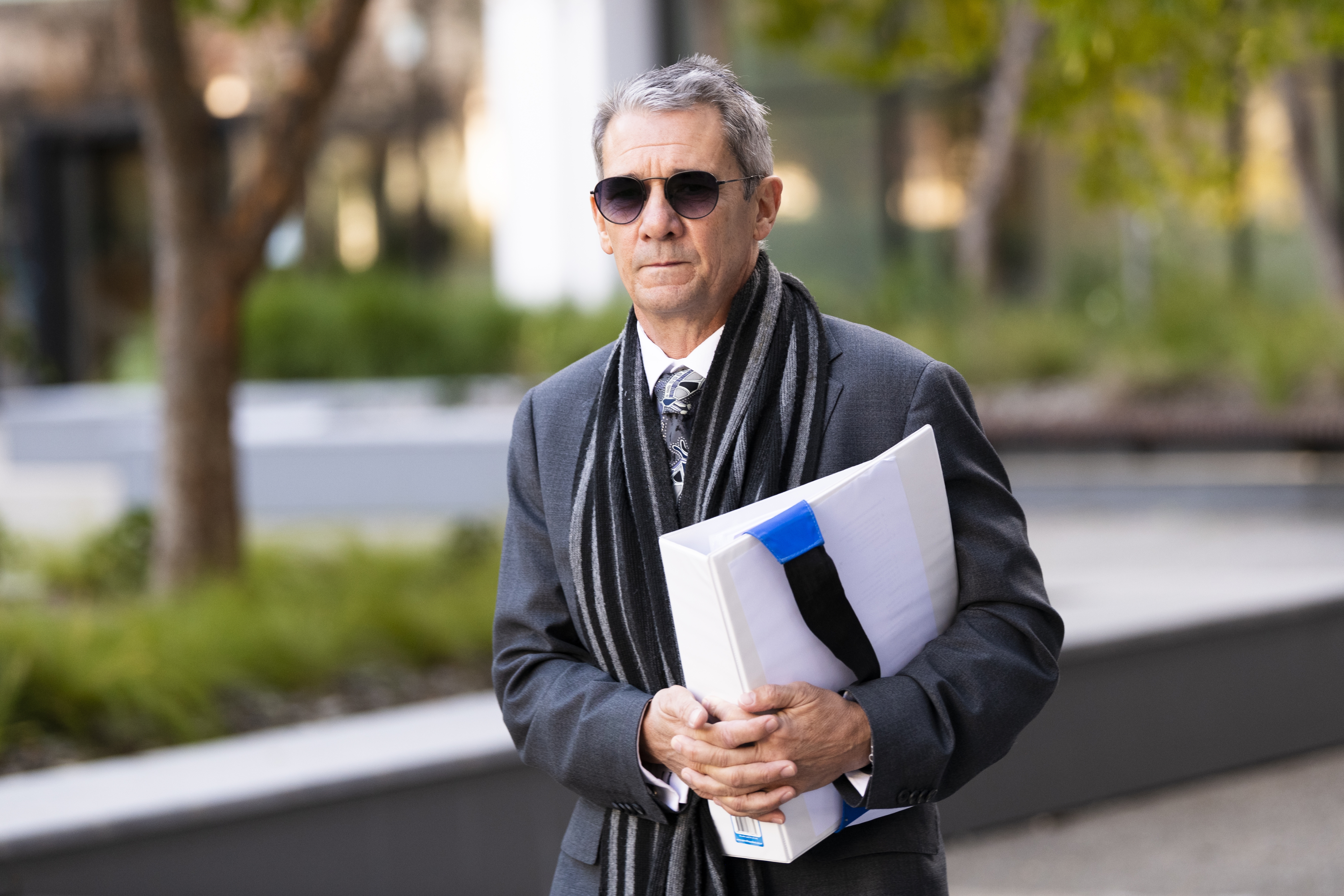
Sofronoff's inquiry was publicly released on Monday after much of it was leaked last week.
While he found police were right to charge Lehrmann with the rape of Higgins, he also made several scathing findings against Drumgold, who has since resigned.
Lehrmann's trial was aborted after juror misconduct without any finding being made against him, and a re-trial was discontinued due to concerns for Higgins' wellbeing.
Lehrmann pleaded not guilty and has always maintained his innocence.
Support is available from the National Sexual Assault, Domestic Family Violence Counselling Service at 1800RESPECT (1800 737 732).
Employment: Kitchen hand who says she was sacked after raising concerns about being underpaid awarded almost $20,000 compensation
‘These were serious breaches of good faith and procedural fairness,’ the ERA ruled.
Police pause search for Michael MacGregor in Mount Holdsworth area
MacGregor never returned from a walk in Mt Holdsworth area last Monday.
Christchurch lawyer who didn’t die loses court battle to get $1.2 million life insurance payout
The Court of Appeal ruled against the Christchurch lawyer on Wednesday.