Tag Archives: oceania

Victorian MP quits parliamentary Labor party over assault allegations

Victorian Labor MP Will Fowles denied any allegation of wrongdoing just hours after stepping down from his position within the parliamentary Labor party.

It comes after state premier Daniel Andrews announced Fowles had stepped down as Ringwood MP after an alleged "serious assault".

Fowes in a statement he was "shocked and distressed" to learn that an allegation of assault had been made against him.

READ MORE: Multiple people, including children, missing as large fire engulfs homes in Queensland

"The details of the claim have not been put to me. I strenuously deny any allegation of assault," Fowles said.

"It is not true. There was no assault."

The MP said he expected his resignation to be " temporary".

"I will fully cooperate with any process or enquiries," Fowles said.

"I remain a committed Member of Parliament and of the Australian Labor Party. My focus remains on representing my local community to the best of my abilities.

"I will not be making further comment until such time as I am cleared."

In a statement issued last night, Andrews said he was advised of the "alleged incident" on Thursday.

Speaking at a press conference today, Andrews refused to reveal any more details about the allegations but said the matter is being taken seriously.

READ MORE: Third person dies after suspected poisoning in Victoria

"The safety of everybody in the workplace is taken very seriously, Andrews said.

"It's no longer acceptable to me for Fowles to remain as a member of the parliamentary Labor Party.

"I sought and received his resignation. I will leave it to him to make any statements he chooses to make. That is a matter for him."

The comments come after Andrews revealed the allegations against the Ringwood MP had been referred to Victoria Police.

"My office made further inquiries over Friday and Saturday and has now received information from a government employee about an alleged serious assault by the Member for Ringwood," Andrew said in a statement.

READ MORE: Four questions about AI that need answering now, according to leading physicist Brian Cox

"I also sought and received the Member for Ringwood's resignation from the Parliamentary Labor Party.

"The complainant has been and will continue to be supported and their privacy should be respected.

"The wellbeing of staff and their right to a safe workplace is not negotiable."

Victoria Police confirmed they had received a referral from the State Government regarding an assault.

"No official complaint has been received from a victim in relation to the matter," police said.

"Police have provided contact details should a victim choose to make a report."

Sign up here to receive our daily newsletters and breaking news alerts, sent straight to your inbox.

Why you can't touch this worm that's been hiding in plain sight

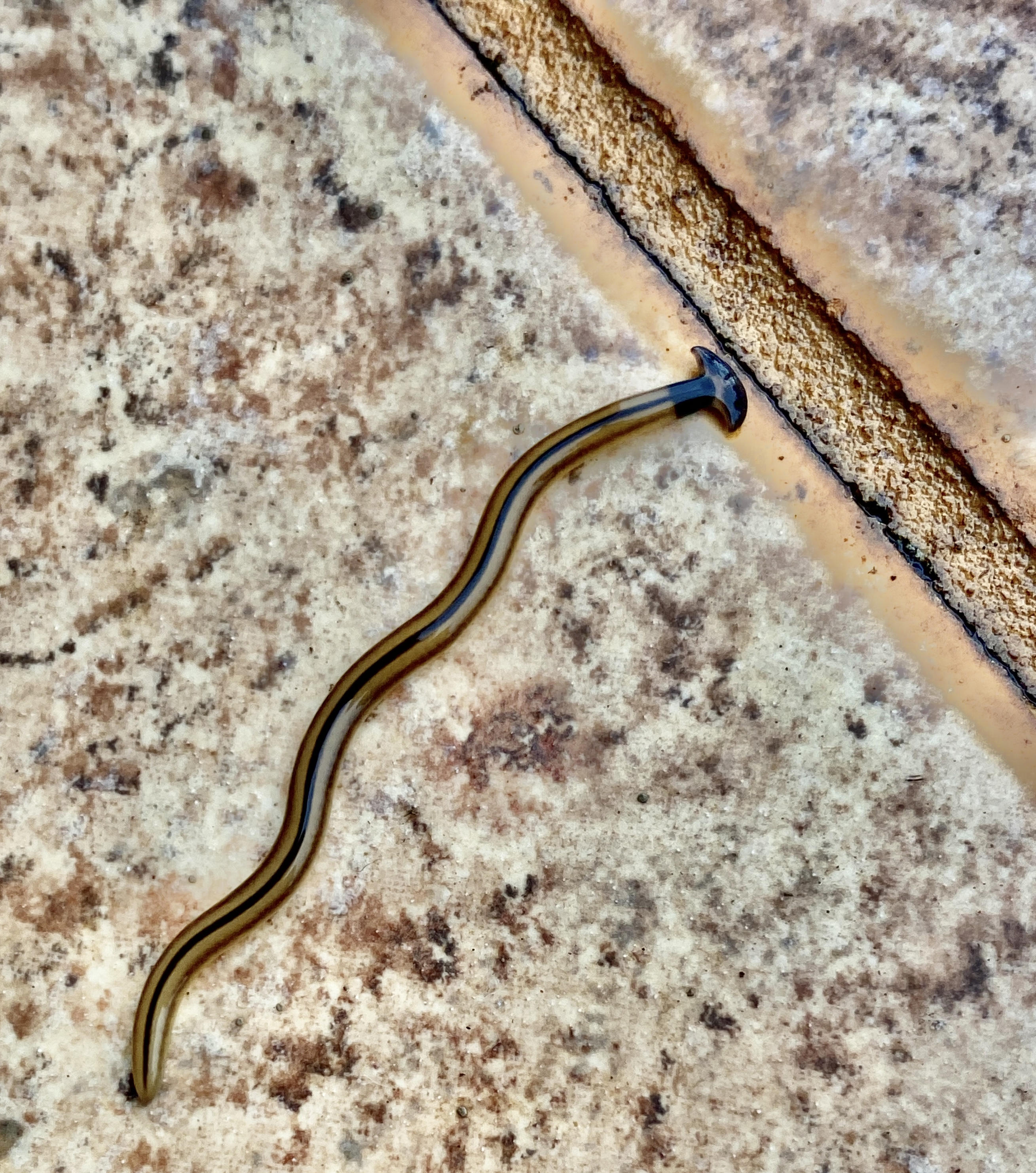
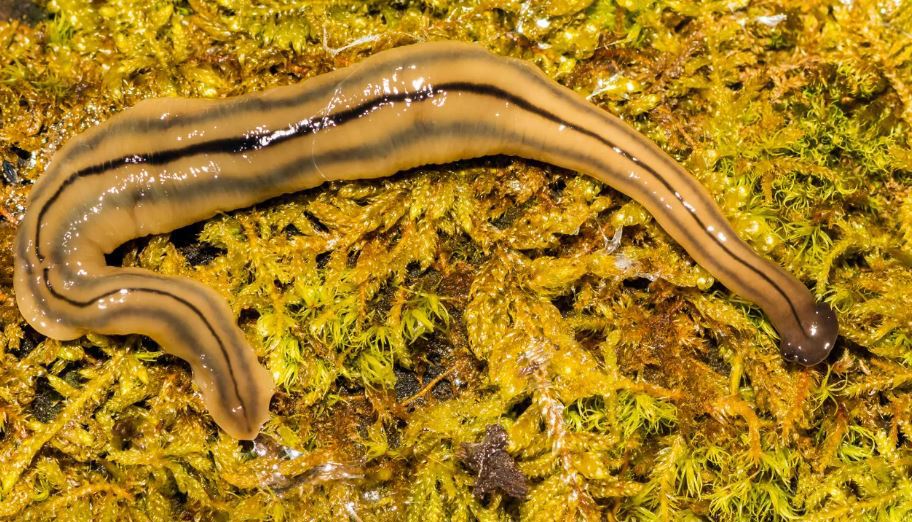
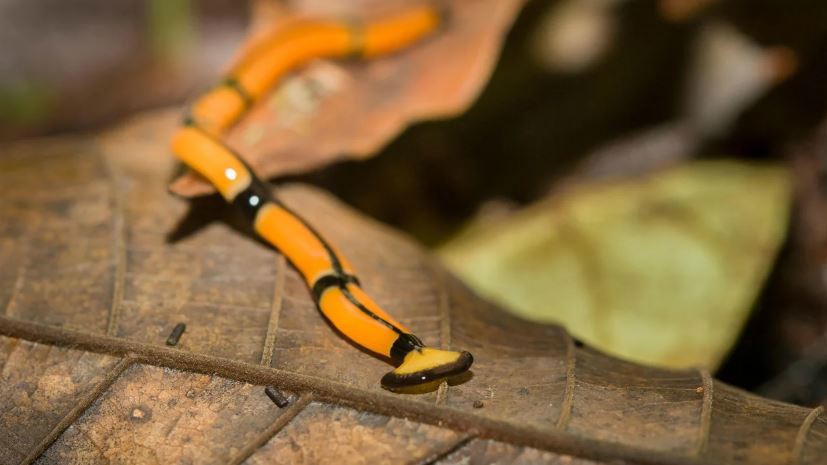
They're long and skinny. They're boomerang-headed and coated in toxic mucus. And they've been hiding in plain sight in the US for a long time.

Invasive hammerhead flatworms have distinctive curved heads, striped bodies ranging in color from light yellow to dark brown, and they can secrete tetrodotoxin — a neurotoxin found in puffer fish and blue-ringed octopuses.

Some species are no more than 2.5 centimetres long, but others measure up to 38 centimetres in length.

READ MORE: Multiple people, including children, missing after Queensland fire

The worms are known across the southeastern US, and with recent hammerhead sightings in Washington, DC, New Yorkers and others in the Northeast Corridor may be wondering how long it will be before the toxic invaders inch their way farther north.

Trouble is, the worms are already right at home in New York state (and likely more of the country than we suspect) and have been around for decades, said Peter Ducey, a professor of biological sciences at the State University of New York at Cortland.

"These animals are widespread in New York," Ducey told CNN.

"They're widespread and abundant."

READ MORE: Man dies after being shot by police at Queensland home

Their numbers may be on the rise in the Northeast, as climate change brings warmer temperatures and increased rainfall, enabling southern populations to expand northward, "but we don't yet have enough data to tell," Ducey said.

One reason why people may be more aware of the worms right now is their prominence in the news and on social media, which tend to favour stories about "unusual or scary creatures," Ducey said, and these worms — and their potential impact on surrounding ecosystems — "are certainly unusual."

Look, but don't touch

Hammerhead worms are planarians, a type of flatworm. Five species of invasive hammerhead worms — four in the genus Bipalium and one in Diversibipalium — are established in North America, said Bruce Snyder, an associate professor of biology at Georgia College and State University.

The worms originated in Southeast Asia and are thought to have arrived in the US in 1891 in landscaping material, according to the US Department of Agriculture's National Invasive Species Information Center.

Today, most hammerhead worms (also known as broadhead planarians) are concentrated in the Southeast, where they favour warm, damp habitats.

"They're in forests quite a bit, but they're also associated with human development," Snyder told CNN.

READ MORE: Four questions about AI that need answering now

Because the worms tend to end up wherever soil is transported, "they're in a lot of gardens and yards and around houses," he said.

"Within those habitats, they're in leaf litter. You often find them under rocks or logs or pieces of trash."

To date, more than 3000 sightings in southeastern states of just one invasive hammerhead species — Bipalium kewense — have been shared to the citizen scientist database iNaturalist.

But the worms are also present in California and Oregon, and since 2022 there have been reports of sightings in southern and central Maine, according to the Maine Department of Agriculture, Conservation and Forestry.

Hammerhead tetrodotoxin, which disrupts neurons' signalling to muscles, can sicken pets if they eat the worms, according to the New Jersey Department of Environmental Protection.

Direct contact with the worms can cause skin irritation in humans, but the effects may be more severe if toxins enter the body through a cut, Ducey warned.

"In my lab, my students and I wear gloves when we handle the worms," he said.

"We try to touch them as little as possible in general."

Hammerheads prey on earthworms, mollusks and insects, and may use their venom to subdue prey or deter predators, according to the New Jersey department.

Widely distributed

Ducey began researching the worms in the 1990s, but hammerheads arrived in New York decades earlier; he recalls seeing them while growing up, in his Long Island backyard.

The species Bipalium adventitium was first detected in the New York area in 1947 by zoologist Libbie Hyman, who reported the finding in 1954 in the journal American Museum Novitates.

She discovered a population of the worms in a garden in Westchester County, about 56 kilometres north of New York City.

photographing life on the lanai - maui, hawai'i.

Hyman also identified B. adventitium worms in California in 1943, "which showed the worm was already widely distributed across the country," Ducey said.

However, after Hyman's discovery "nobody looked for them very much," he added.

Around 25 years ago, Ducey and students in his lab went searching for the two species most widely distributed in the US — B. adventitium and B. kewense.

The scientists found the worms nearly everywhere they looked, even where hammerheads hadn't been reported before.

And once such invasive species are successfully reproducing in the wild, they're not going anywhere, Ducey said.

"The time to get them is before they even arrive at a new place. And then the time to stop them is right at the very beginning of those invasions," he said. "There are very few invasive species that once they become established can be removed completely."

Worm vs. worm

Invasive animals can disrupt ecosystems by eating native species or outcompeting them. B. adventitium preys mostly on earthworms. However, earthworms in the northeastern US are also invasive species from Europe and Asia, so it's unclear what the environmental cost of this invader-eats-invader predation might be, Snyder said.

"We also don't have great data on exactly which species of earthworms the different flatworms will eat," he added.

"So it's very challenging to try and figure out how much of an impact they're having."

Of greater concern are the dining habits of the hammerhead species B. vagum, which eats snails and slugs.

Some snail species in the southeastern US are endangered, "so that particular invading planarian might be the most damaging, even though it's not as widespread as the other two," Ducey said.

However, the extent of this predation is unknown, and more research would be required to know if B. vagum poses a threat to endangered snails, he added.

For those looking to rid their yards or gardens of hammerheads, slicing up the worms isn't recommended, as that only leads to more worms. Pennsylvania State University's College of Agricultural Sciences suggests placing the worm in a plastic bag so it doesn't crawl away and applying salt or ethanol — but very carefully.

"When handling flatworms, gloves should be worn or the hands washed after," according to a fact sheet from the college.

"The risk from prolonged exposure to chemicals in land planaria mucus is likely low but unknown, so caution should be used regardless."

Sign up here to receive our daily newsletters and breaking news alerts, sent straight to your inbox.

Queensland restaurant owner glassed in the back of the head

A Redcliffe restaurant owner says he's lucky to be alive, after being glassed in the back of the head on Friday night.

Two men are facing charges and are accused of going on a drunken rampage through the busy dining precinct north of Brisbane.

CCTV footage shows the two men, one with his shirt off, squaring off with restaurant staff in front of terrified families just before 8pm at Redcliffe Parade.

READ MORE: 'Pretty stoked': Massive surprise catch for fishermen at K'gari

Two people have been charged after an alleged assault at a Queensland restaurant on Friday night.

"They are just yelling and screaming and I think they were upset that we were telling them to leave," staff member Crystal Balcobero told 9News.

Police say Jarrod Lane, 24, and Jayden Casella, 25, are accused of blowing a vape in the face of staff at Cactus Jack's and throwing hand sanitiser.

After being refused service there, they then targeted Papi's Mexican Kitchen.

It was out of view of the security camera where Casella is accused of smashing a glass into the back of Avan Jiminez's head.

"I just feel like I could have died, you know," he told 9News.

READ MORE: Multiple people, including children, missing after large fire

Two people have been charged after an alleged assault at a Queensland restaurant on Friday night.

The alleged attack on the 40-year-old Cactus Jack's owner was unprovoked.

"Some random people with no feelings, no heart, no soul, they come and destroy someone's life," he said.

"I have no words to describe that sort of person, How they can do that to another person."

Jiminez was at the Redcliffe Hospital until 3am Saturday before returning to work later in the day, saying he can't afford a single day off.

READ MORE: 'Might happen soon': Top physicist's stark AI warning 

Two people have been charged after an alleged assault at a Queensland restaurant on Friday night.

"Stuff is so expensive. I have to work everyday," he told 9News.

Both the 24 and 25-year-old are facing a public nuisance offence, while Casella has also been charged with assault.

The pair have been released on bail and are due to appear at Redcliffe Magistrates Court on August 21.

Sign up here to receive our daily newsletters and breaking news alerts, sent straight to your inbox.

Dramatic video shows drone attack on major Russian base

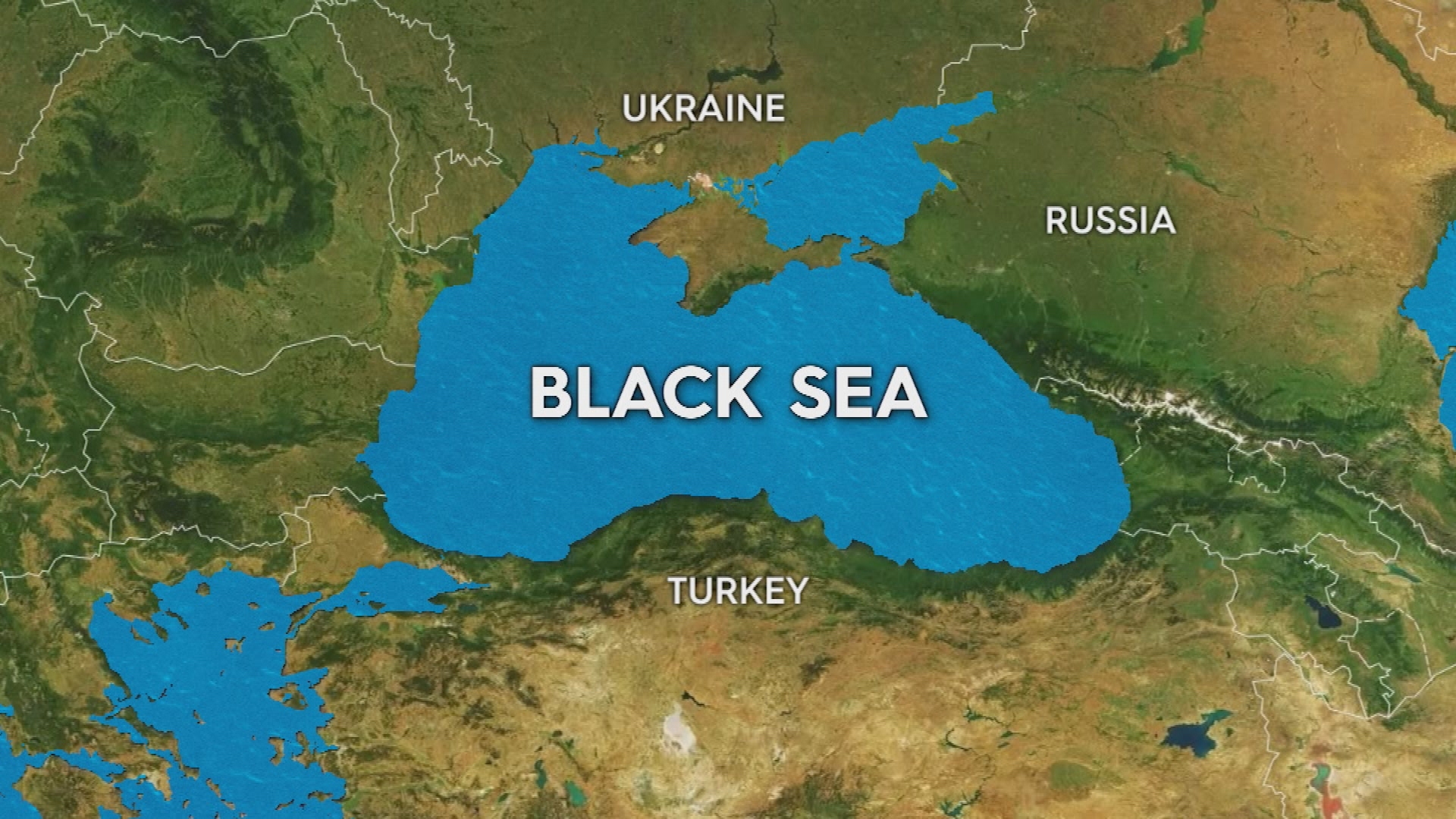
Ukrainian sea drones attacked a major naval base in Russia on Friday, leaving a damaged Russian warship listing in the Black Sea, in a brazen strike carried out hundreds of kilometres from Ukrainian-held territory.

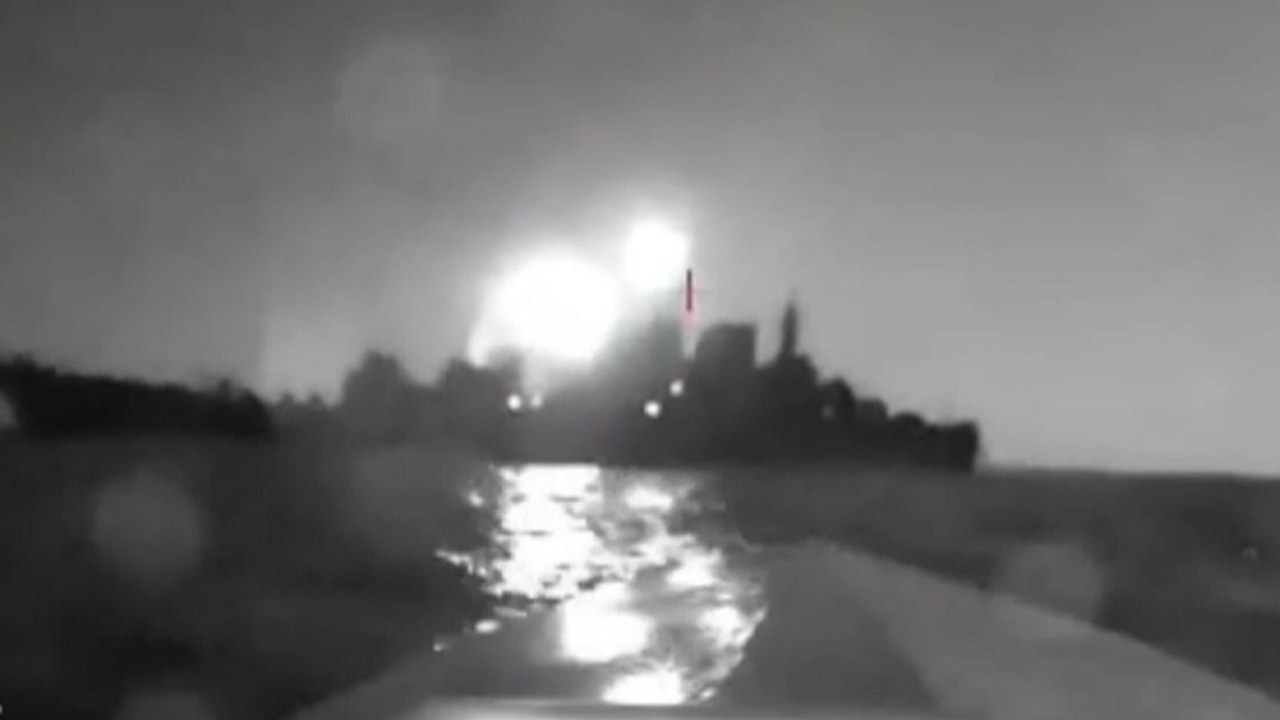
Dramatic social media videos showed the vessel, an amphibious Russian landing ship, tilting badly and sitting very low in the water as it was being towed near the base at Novorossiysk, Russia's largest port.

It comes as Russia claims to have intercepted a US drone, accusing it of encroaching on the country's state border.

READ MORE: Man dies after being shot by police at Queensland home
The incident comes against the backdrop of rising tensions in the Black Sea and stepped up Ukrainian strikes against targets across Russia after President Volodymr Zelensky pledged to "return" the war to Russian territory.

A Ukrainian source told CNN that a sea drone carrying more than 450 kilograms of TNT had hit the ship, and claimed there were about 100 Russian servicemen aboard.

"A big navy ship, (the) Olenogorsky Gornyak, was hit," the source told CNN.

"As the result of the attack, the Russian ship has received serious damage and is not able to fulfill its duties."

CNN was provided with footage showing an unmanned sea drone approaching a ship that appears to match the identity of the one later seen listing in the port of Novorossiysk.

The 36-second video, shot from the sea drone, shows it approaching a ship at night.

The video ends just as the drone reaches its target.

The Ukrainian source said the operation was carried out jointly by the Security Service of Ukraine and the Ukrainian Navy.

READ MORE: Third person dies after suspected poisoning in Victoria
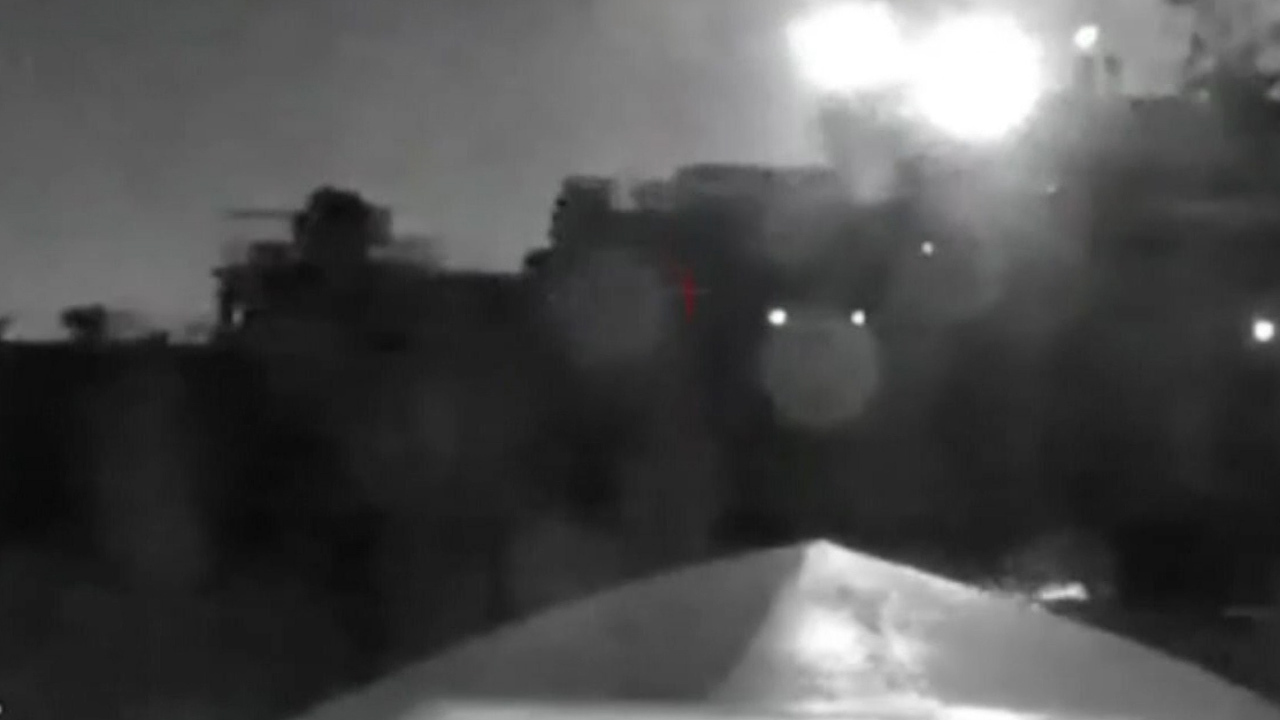
A Russian-appointed official said later on Friday that three Ukrainian sea drones had also been destroyed near the Kerch Strait and the area leading to the Crimean bridge.

The drones damaged a civilian Russian tanker, injuring some crew members, according to Vladimir Rogov, an official with the Zaporizhzhia military-civilian administration.

However, Russia's Federal Agency for Marine and River Transport said in a statement on Telegram that there were no casualties among the 11 crew.

A Ukraine Security Service source told CNN the hit on the Russian oil tanker, the SIG, was carried out in a joint operation with the Navy and that it involved a sea drone with 450kg of TNT.

The source said the SIG had been "transporting fuel for the Russian military."

CNN has not been able to independently verify the claims.

SIG is one of the biggest Russian oil tankers. It was built in 2014 and has a capacity of more than 4535 tonnes.

READ MORE: 'Developing situation': Large fire engulfs multiple homes in Queensland
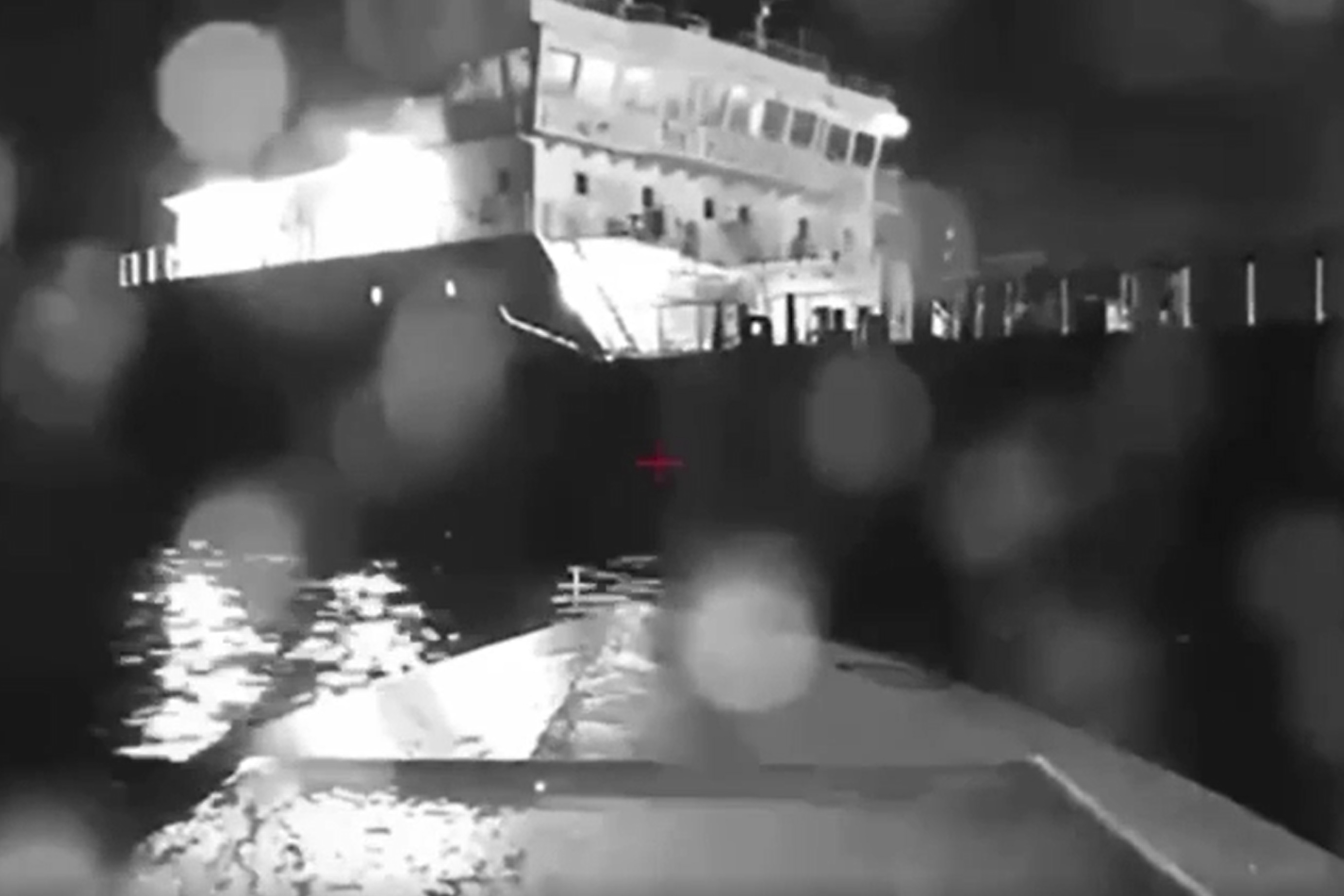
In this image from video made available on Saturday, Aug. 5, 2023, a seaborne drone approaches a Russian tanker on the Black Sea. Ukrainian drones have hit a Russian tanker in the Black Sea near Crimea, according to Russian officials. The strike was the second sea attack involving drones in one day, after Ukraine said its sea drones also struck a major Russian port earlier on Friday

An ambitious push

The strike at Novorossiysk was the latest demonstration of Kyiv's ambitious push to develop long-range unmanned attack vehicles at sea and in the air.

The drone that hit the ship would have had to travel several hundred kilometres to reach the port, whether launched from Ukrainian-controlled territory or from somewhere in the Black Sea.

Novorossiysk, near the Russian city of Krasnodar, is Russia's largest port by volume of cargo handled and is a base for Russia's Black Sea Fleet. It is ice-free year-round and has nearly 100 berths, and handles oil and gas exports as well as agricultural exports.

The Olenengorsky Gornyak was one of three Ropucha-class ships that entered the Black Sea weeks before the Russian invasion in February 2022, when a sea-borne assault on the coast around Odesa seemed a likely part of Moscow's strategy.

The Russians' failure to advance further west on land in the early days of the invasion, combined with the improvement in Ukrainian defences since then, has made such an operation highly unlikely and the ship, which is nearly 50 years old, would not have had a key role in the Russian navy's current Black Sea plans.

But the Ukrainians' ability to reach Novorossiysk serves notice that Russian surface ships and port infrastructure in the Black Sea are vulnerable to these fast and relatively stealthy weapons, especially with combat payloads of the size that struck the ship.

READ MORE: Four questions about AI that need answering now, according to leading physicist Brian Cox

'Changing the rules of the game'

Ukrainian presidential adviser Mykhailo Podolyak praised the strike in a tweet, saying: "What is happening in the Black Sea? #Drones are changing the rules of the game, returning the waters to full-fledged foreign jurisdiction, and ultimately destroying the value of the Russian fleet. In fact, they are returning everyone to the international law of the sea."

Other Ukrainian officials were more cryptic in their responses to the attack.

Andriy Yusov, a spokesman for Ukraine's Defense Intelligence, said just as "in Moscow there are unidentified flying objects" – in reference to recent drone strikes on the Russian capital – so too there are now "unidentified floating objects" in the Black Sea.

READ MORE: Taiwan foreign minister's message to China
Yusov said the attack was "a serious slap in the face" for the Kremlin and "in terms of security, of course, this is a big loss for the occupiers' fleet. Planning further landing operations, including the use of these vessels, becomes more problematic."

Russian military bloggers reacted to the attack with a mixture of anger, concern and surprise at the ability of Ukraine's sea drones to strike targets long assumed to be at a "safe" distance.

Sergey Mardan, a Russian journalist and television personality, said the "attack by Ukrainian marine drones on Novorossiysk is simply a quantum leap in the geography of the conflict.

It is much larger than even the drones attacking the offices of Russian government ministries."

Another commentator who writes under the pseudonym Kapral Gashetkin said: "Throughout the entire war, the Novorossiysk Naval Base was the rear of the Black Sea Fleet. It was thought to be relatively safe. However, it is time to realise that the enemy has a 'long arm' and can reach very far with it."

In a separate incident, Russia's defence ministry claimed its air defences downed 10 Ukrainian drones over Crimea on Friday morning and suppressed three others.

Some of the strikes on Crimea targeted an oil storage facility at the port of Feodosia, on the peninsula's southern coast.

According to Rybar, Russian troops shot down seven drones and downed another with "electronic warfare equipment."

Rybar said one of the drones "landed near an oil depot in the city," but "there is no data on damage yet."

Ukrainian officials said that attacks on the oil storage facility in Feodosia are "inevitable."

Natalia Humeniuk, spokeswoman for the Ukrainian military in the south, said that "Everyone knows that there is a very massive oil storage facility (in Feodosia), where very large reserves can be stored for the Black Sea Fleet."

"It is clear that the (Russians) will defend this area. And it is clear that the enemy's logistics are concentrated to some extent in these places… Therefore, "cotton" (explosions) will bloom. And it is inevitable," Humeniuk said.

Black Sea strikes

Ukraine has previously targeted Russian naval assets in the Black Sea.

In April 2022, shortly after the invasion began, one of Russia's most important warships – the flagship guided-missile cruiser Moskva – sunk, with Ukraine claiming to have downed it with anti-ship cruise missiles.

Friday's attack comes as tensions ratchet up in the Black Sea, after Russia withdrew from a grain deal crucial to global food supplies and resumed its blockade of Ukraine's ports, as well as launching a prolonged bombardment of its infrastructure and grain storage facilities.

As Ukraine's sea drone program has developed, it has increasingly allowed the military to attack and surveil Russia's fleet in the Black Sea and on the occupied Crimean peninsula.

CNN was granted exclusive access to a sea drone base last week, where officials said the latest version of the drones had a range of 800 kilometres and were capable of traveling at 80 kilometres per hour.

Defense sources confirmed to CNN that sea drones were involved in several significant operations, including the attack in July on the Kerch Strait Bridge linking Crimea to Russia.

The strike took out a road section of the bridge, which is a vital supply artery for Russian forces.

One of the drone's developers told CNN that the size and speed of the unmanned boats made them tough for the Russians to track.

READ MORE: Three people killed in Slovenia by torrential storms and flash floods

"It is very difficult for them to get into such a small drone, it is very difficult to find it," the developer said.

"The speed of these drones exceeds any sea craft in the Black Sea region at the moment."

After the strike on Friday, Russian military blogger Rybar noted: "It is interesting that the drone approached the large landing ship freely. The crew probably did not expect an attack and therefore did not take measures to destroy the drone."

In recent weeks, Ukraine has increased its strikes on Russian territory, including in the capital Moscow, in an apparent shift in tactics and in rhetoric.

"Ukraine is getting stronger, and the war is gradually returning to Russia's territory, to its symbolic centers and military bases," Zelensky said in his daily address last Sunday.

"This is inevitable, natural and absolutely fair."

Sign up here to receive our daily newsletters and breaking news alerts, sent straight to your inbox.

Man shot dead by police at Queensland home

A 29-year-old man has been killed after he was shot by police in Queensland.

Officers were executing a search warrant at a home on Margaret Street in Burpengary East, Moreton Bay, just before 5.30pm when the incident occurred.

Detective Superintendent Ben Fadian said the man was shot after allegedly threatening officers.

READ MORE: Third person dies after suspected poisoning in Victoria

"Upon attending this address, police have encountered a 29-year-old man," Fadian said.

"This man has confronted police, as a result police discharged their firearms."

Immediate first aid and CPR were provided but the man was declared deceased at the scene.

READ MORE: Man associated with organised crime shot dead on Melbourne street in targeted attack

A crime scene has been declared at the address and police investigations are continuing.

This matter is under investigation by Ethical Standards Command on behalf of the State Coroner.

The investigation will be subject to oversight by the Crime and Corruption Commission.

Sign up here to receive our daily newsletters and breaking news alerts, sent straight to your inbox.

'Might happen soon': Top physicist issues stark AI warning

If humans don't manage to find a solution to four key questions involving artificial intelligencenow "deeper challenges" could be faced down the road, British physicist Professor Brian Cox believes.

The warning echoes that of dozens of AI industry leaders, academics and celebrities who recently called for mitigation measures to be enacted to reduce the risk of global annihilation due to AI systems.

Cox told 9news.com.au there are both immediate and long-term questions about AI that humanity needs to start answering as soon as possible – but conceded an extinction-level event is not likely.

READ MORE: AI voice cloning scams 'will come to Australia' – so how do you guard against it?

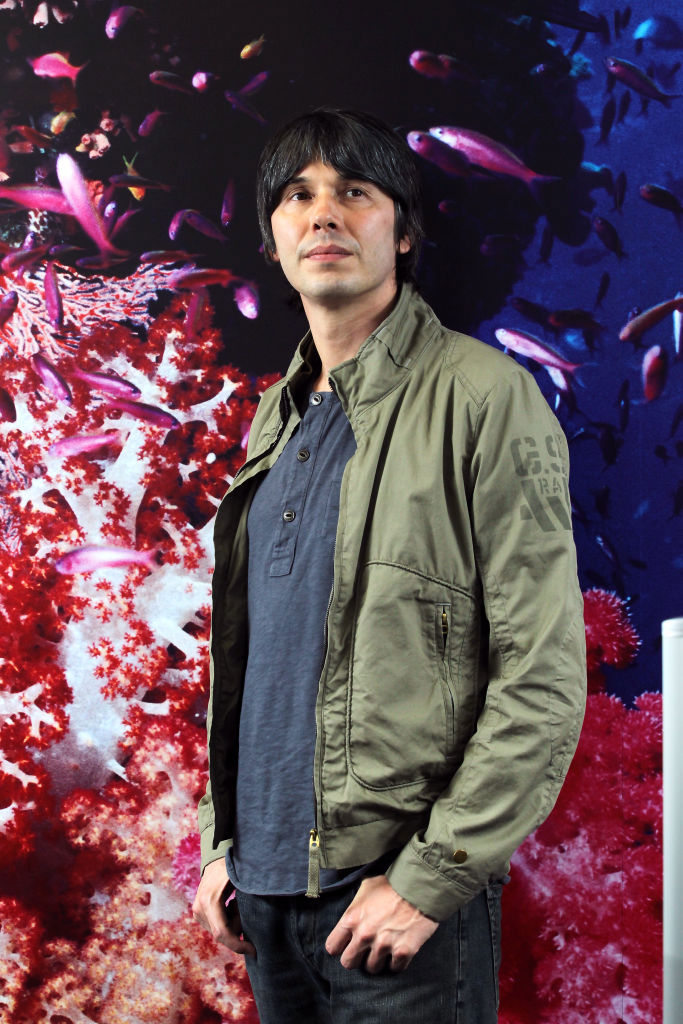
British physicist Brian Cox

"I think there are big questions, really practical questions, now about AI systems in use," he said.

"The immediate problem is when you give control to an AI system, as we do now, then who decides how those decisions are made?

"Is it just left to this AI thing, or does society have some kind of democratic control?"

READ MORE: AI industry and researchers sign statement warning of 'extinction' risk

artificial intelligence and gender biases

Cox went on to cite a fictitious example of what would happen should an automated driving system be put in a situation where the driver and another person, are about to be injured

"This is an unlikely scenario," he admitted, before continuing.

"But is it going to injure a pedestrian, injure the driver, injure a child, does it say I don't want to injure a child, rather than an adult.

"Those questions need addressing."

READ MORE: AI may soon be able to predict who will and wont stick to their diets, study claims

Woman types on a laptop

The trickier questions, Cox said, arise over longer-term fears the systems could become as intelligent as humans one day.

"We don't have those at the moment," he said, adding those systems are called Artificial General Intelligence (AGI).

"I'm not an expert, but there are varying estimates about time scales, I mean it's not actually completely accepted we will ever be able to build something of that intelligence; it's in the unknown box, but it might happen quite soon".

Cox said a raft of questions would be raised should AGI systems ever "out-evolve" humans and claim the same rights.

"Ultimately, this all comes down to thinking carefully now about how we regulate these systems; who controls them, who programs them, how much autonomy do they have, how do we deal with them legally…

"Those are real questions and if we answer them now we will be better prepared if we run into deeper challenges in the future."

READ MORE: What are phone porting scams, and is there anything you can do about them?

The universal question Cox would have answered tomorrow

The comment comes as the renowned professor of particle physics prepares to make his return to Australia for the world premiere of his live stage show Symphonic Horizons.

Cox and the Sydney Symphony Orchestra will join forces at the Sydney Opera House for four shows to answer fundamental questions about human existence and space.

He said if he could have one question answered about the universe tomorrow it would be "are we alone".

READ MORE: NASA picks up 'heartbeat' signal from lost space probe

Cox and the Sydney Symphony Orchestra will join forces at the Sydney Opera House for four shows.

"There's a lot of them (questions), but one of the ones I think we have a chance in answering is 'are we alone', or let's put it another way, how far we have to go to discover life beyond Earth?".

Cox explained the mystery of consciousness, questions of where we sit in the universe, is one of the aspects that fascinates him most about the unexplored frontier.

This will form a core aspect of Symphonic Horizons.

"I really think that one of the fundamental questions about the universe is, why is it able to support structures, living things – things like you and me – that can understand the universe," he said.

"And why can the universe understand itself, and how does that happen?

"That for me is as fundamental as asking questions about the nature of space and time, and the origins of the universe itself.

"We will all come out (of the shows) with a different view of our place in the universe, but I don't know what that view will be until we have done it."

Sign up here to receive our daily newsletters and breaking news alerts, sent straight to your inbox.
Brain scan reveals Tassie tiger's 140-year secret

Researchers often think how and when their results will be published.

However, many research projects don't see the light until decades (or even centuries) later, if at all.

This is the case of a high-resolution atlas of the Tasmanian tiger or thylacine brain. Carefully processed over 140 years ago, it is finally published today in the journal PNAS.

Similar, but not wolves

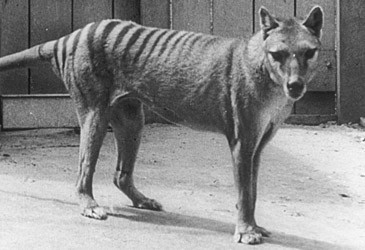
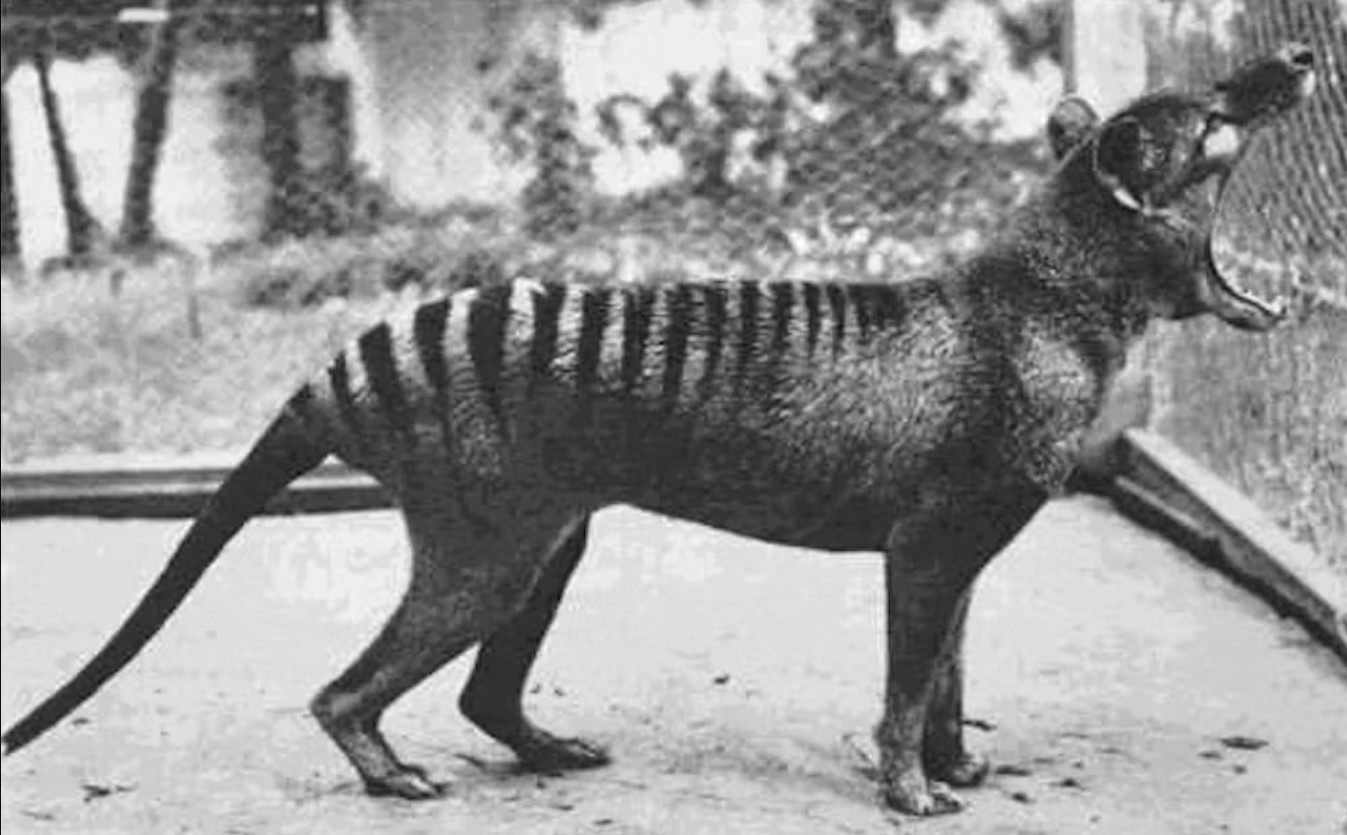
Thylacines were dingo-sized carnivorous marsupials that roamed through Australia and New Guinea prior to human occupation. They became confined to Tasmania around 3,000 years ago.

READ MORE: Remains found in back of museum cupboard solve 'bittersweet' mystery

Thylacine in zoo (Getty)

The arrival of European colonists and the introduction of farming, diseases and hunting bounties quickly led to their extinction.

The last known individual died on September 7 1936 at Hobart's Beaumaris Zoo.

As a commemoration, September 7 became the National Threatened Species Day to raise conservation awareness in Australia.

Thylacines looked remarkably similar to wolves and dogs (that is, canids).

This is a textbook example of a process known as evolutionary convergence: when the body shapes of animals are really similar, despite them coming from different lineages.

However, whether thylacine brains are also similar to wolves has been very hard to find out, due to a lack of material available for microscopic studies.

In the newly published study, my colleagues and I uploaded high-resolution images to a public repository, and studied brain sections prepared for microscopy from a thylacine that died in the Berlin Zoo in 1880.

Thylacine

READ MORE: New egg scam targeting local Aussie Facebook groups

Kept safe by researchers

Unfortunately, very little information about this specimen was available (for example, its sex and body weight was missing). Details were likely lost during both world wars. But the samples were kept safe by researchers who understood their biological relevance.

Initial custodians likely included German scientists Oskar and Cecile Vogt, whose large privately owned brain sample collection was incorporated into the Kaiser Wilhelm Institute for Brain Research in 1914. Vogt – who also studied Lenin's brain – was the founding director of the institute, prior to the couple escaping the Nazis in 1937.

The institute later became the Max Planck Institute for Brain Research and moved to Frankfurt in 1962. There, late neurobiologist Heinz Stephan handed the thylacine material to John Nelson from Monash University (co-author of this study) in 1973, to be returned to Australia.

The original samples are currently held by CSIRO's Australian National Wildlife Collection in Canberra.

Thylacine

Brain features reveal a family

So, what did we discover after analysing the samples? Overall, the thylacine brain resembles that of its carnivorous marsupial relatives (dasyurids, like dunnarts, quolls and Tasmanian devils) more than that of wolves or other canids.

The brain region known as the cerebral cortex, which is responsible for planning actions and sensing the environment, is larger than in other dasyurids. Brain regions involved in processing smells also suggest that scavenging and hunting behaviours were important in this species.

These findings show that despite body resemblance, brain features better show the evolutionary relatedness between species.

Making this material openly available allows for anyone to study the thylacine brain and gain a clearer picture of this long-gone species. Our ongoing research using dunnarts is also providing new insights about the development and evolution of the mammalian brain.

Sign up here to receive our daily newsletters and breaking news alerts, sent straight to your inbox.
Two women die after suspected poisoning in Victoria

Police are investigating after two people were killed and another two left hospitalised by a suspected poisoning in Victoria.

It is understood two men and two women became ill after eating a meal at a home in Leongatha, in the state's Gippsland region, on July 29.

Police were told a 66-year-old woman and a 70-year-old woman, both from Korumburra, died in hospital on Friday.

READ MORE: Man associated with organised crime shot dead on Melbourne street in targeted attack

The two other people, a 70-year-old man and 68-year-old man, remain in hospital.

"At this time the exact circumstances are still being established and it is not known if the matter is suspicious," Victoria Police said in a statement.

"The investigation into the incident remains ongoing and police will liaise with the Department of Health in relation to the matter."

The health department said it is investigating the incident.

"The Department is aware of the situation and our investigations are ongoing," a spokesperson told 9news.com.au.

"We extend our deepest condolences to the patients' family for their loss."

Sign up here to receive our daily newsletters and breaking news alerts, sent straight to your inbox.