The board, chaired by an Anglican bishop, tried to charge $800 per week for two bedrooms.
Tag Archives: oceania
Farzana Yaqubi’s murder could have been prevented by criminalisation of stalking, advocates say
The stalker threatened to kidnap the AUT law student, before killing her.
How National’s transport policy stacks up against Let’s Get Wellington Moving
Construction on a second Mt Victoria tunnel wouldn’t necessarily start any sooner.
Two-vehicle crash on Matamata side of Kaimai Range cleared
Emergency services are at the scene on SH29 on the Kaimai Range.
Cyclone Gabrielle: Redclyffe Bridge reopening plans unveiled
A meeting at Waiohiki hears the details
Mazda recalls almost 200,000 cars, Aussies urged to check models
Mazda is recalling almost 200,000 cars in Australia over a defect that could result in an accident or "cause serious injury or death".
About 176,000 vehicles – including Mazda3 BM and BN models and CX-3 DK models, which range in years from 2013 to 2020 – are affected.
Due to a defect, the "rear-view camera wiring harness" may become damaged and could cause the "image to become distorted or flicker", the federal government's Vehicle Recalls website said.
READ MORE: Trump indicted over efforts to undermine 2020 presidential election

READ MORE: DNA test could solve 60-year-old mystery
"If the rear-view camera display does not clearly display the rear-view image as intended, it could increase the risk of an accident, causing serious injury or death to any persons located behind the vehicle," the recall reads.
Drivers who own the affected cars are advised Mazda will contact them "in writing" when replacement parts become available, requesting they make an appointment at their preferred dealership.
READ MORE: BoM holds off on El Niño call, but long-range forecast remains grim
The work to repair the cars will be carried out free of charge.
Mazda customers can call 1800 034 411 with any questions.
Sign up here to receive our daily newsletters and breaking news alerts, sent straight to your inbox.
Childcare review after allegations of worker abusing 91 young girls across two states
See-through walls should not be ruled out inside childcare centres, a leading child safety advocate has insisted, after sickening allegations that a former worker sexually abused 91 children at multiple centres in two states over 15 years.
Pointed questions are being asked if more can and should be done to protect vulnerable children in the wake of the arrest of a Gold Coast man charged with 1623 sex offences against pre-pubescent girls at 10 childcare centres in Brisbane and one in Sydney.
Amid the outrage and disgust, police and government officials are trying to establish how the 45-year-old was able to allegedly film the rape and abuse of almost 100 alleged victims for so long, and in so many places.
READ MORE: New video of 'human bear' waving emerges as expert gives verdict
Anyone working in childcare in Australia must have a 'Working with Children' check, and the Australian Federal Police said yesterday that the accused man did have the appropriate qualifications in place.
Queensland's Attorney-General Yvette D'Ath has ordered an immediate review of the alleged offender's approval to work with children.
D'Ath described Queensland as having "one of the toughest" check systems in the country, but said: "It's imperative we investigate to see if there are any areas in the system that need urgent action."
In New South Wales, the Minns government is pushing for better sharing of child protection data across jurisdictions to ensure nobody evades detection by moving states.
Safety advocate Hetty Johnston, the founder of Bravehearts, said some of the childcare centres allegedly involved could be liable for payouts.
She also declared that clear walls should be installed at centres to ensure children are never left alone with an adult at any time.
"There shouldn't be any solid walls in a childcare centre, it should be all windows," she told 2GB, speaking with host Deb Knight.
"Nobody should be allowed to be alone in a childcare centre or in a school for that matter."
Others, like Nationals Senator Matt Canavan, argue stricter prevention measures must be bolstered by harsher punishment.
"Surely we don't have a penalty on the books strong enough for this heinous individual," he said.
"Life imprisonment seems like a slap on the wrist."
Canavan said there must be more debate on appropriate sentencing.
Parents have every right to expect childcare workers are safe, have been vetted and are being monitored, Johnston said
"But we see they're not," she said.
"It's heartbreaking, and even more heartbreaking because it's avoidable."
READ MORE: Farmers fight giant green energy masts carving up their land
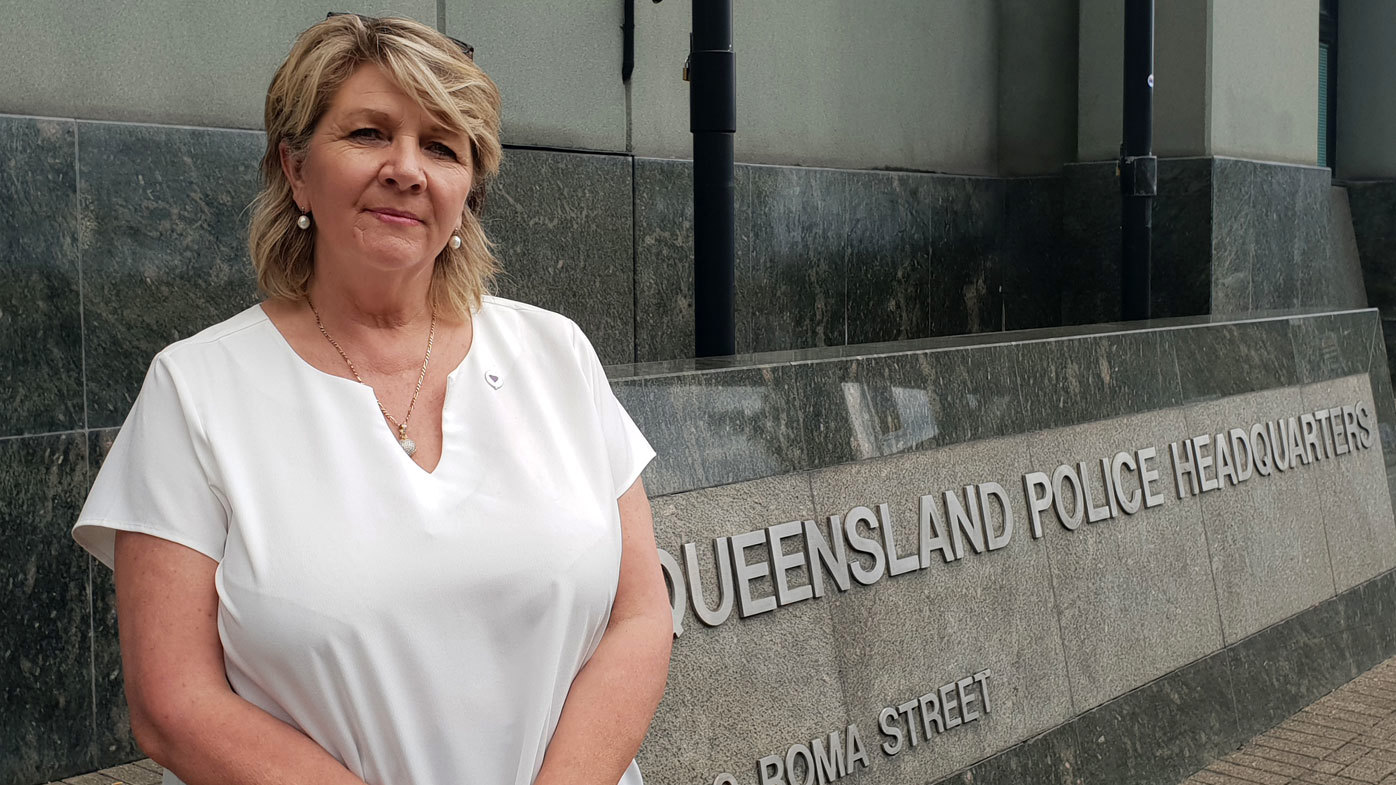
With his alleged abuse starting almost two decades ago, police allege the man recorded all of his offending on phones and cameras
The man allegedly abused young girls in 10 childcare centres in Brisbane between 2007 to 2013, and 2018 to 2022; and one centre in Sydney between 2014 and 2017.
He is also accused of abusing four children in an overseas location in 2013 and 2014.
Some of the alleged victims are now aged over 18. Police said they are confident they have identified and spoken with all alleged victims.
READ MORE: Inside North Korea's 'Hotel of Doom', the abandoned 330m oddity
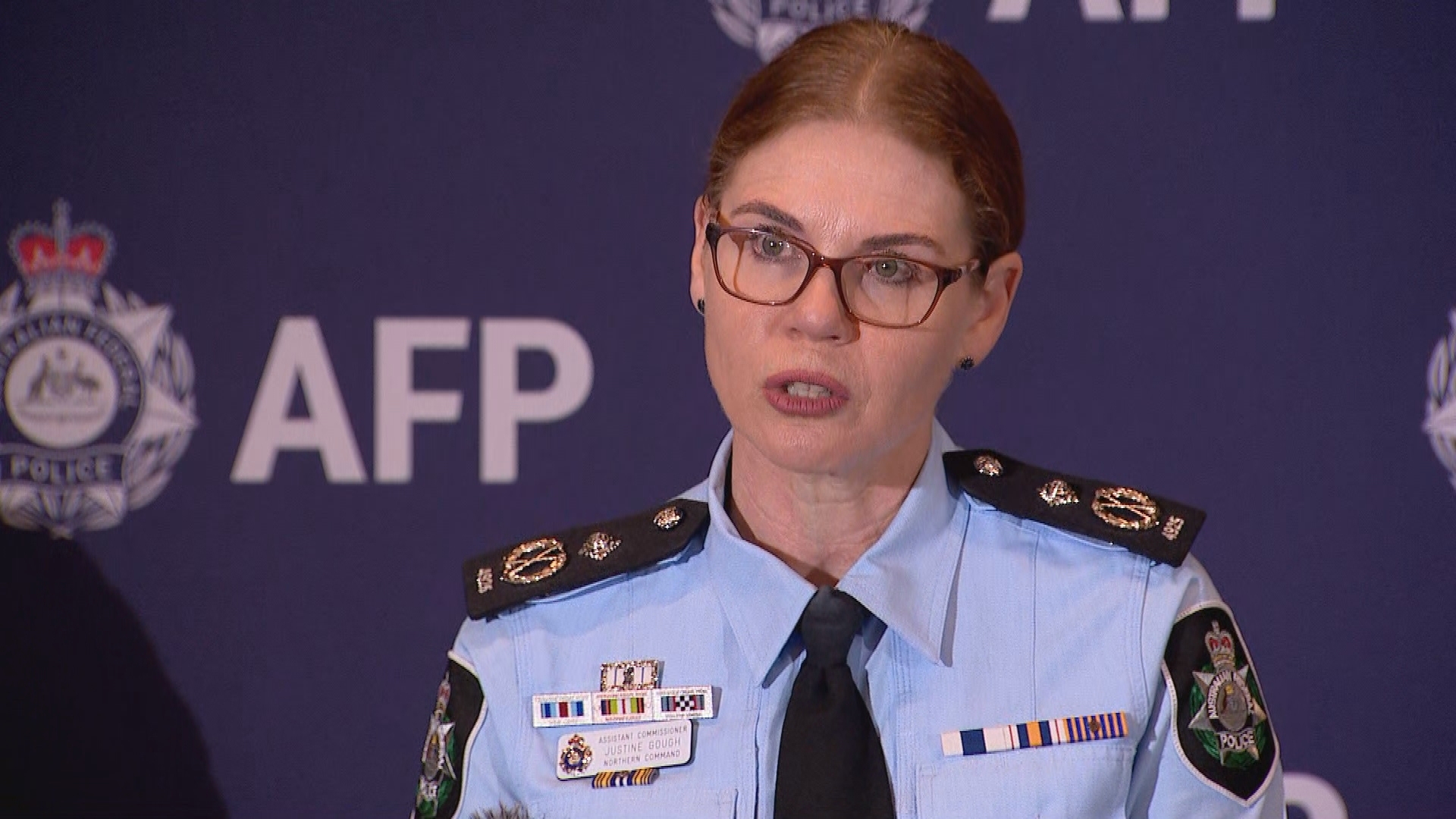
Police first took the man into custody in Queensland in August last year, when the AFP arrested and charged him initially with two counts of making child exploitation material and one count of using a carriage service for child abuse material.
Operation Tenterfield was immediately launched and within hours detectives allegedly found more than 4000 images and videos containing alleged child abuse material, allegedly created by the suspect, on the man's electronic devices.
Police allege the man had uploaded the child abuse material to the dark web.
In 2014 Queensland Police Service's specialist unit Taskforce Argos located alleged child abuse images and videos allegedly produced by the suspect on the dark web.
But it wasn't until August last year they secured a major breakthrough.
Detectives traced objects in the background of the alleged images and videos posted on the dark web between 2013 and 2014 to a Brisbane childcare centre.
The AFP executed a search warrant on 20 August last year and arrested the man in Brisbane's southwestern suburbs.
If you think a child is in immediate danger call Triple Zero (000), Crimestoppers on 1800 333 000, or your local police.
If you or someone you know are impacted by child sexual abuse and online exploitation there are support services available from The Australian Centre to Counter Child Exploitation
Readers seeking support and information about suicide prevention can contact Lifeline on 13 11 14.
Two supermoons in August mean double the stargazing fun
From across the globe, skygazers have enjoyed a beautiful supermoon rise over the horizon. And it'll rise again on August 31.
Husband's fight for Melissa Caddick's shoes, dresses and jewellery
Almost three years after fraudster Melissa Caddick vanished, the carve-up of her stolen fortune is nearly complete but husband Anthony Koletti is fighting to hold on to a handful of prized possessions.
Caddick preyed on mostly friends and family to steal up to $30 million through her investment scam, using the money to fund her lavish lifestyle before disappearing in November 2020.
Months later, her badly decomposed right foot, still attached to a running shoe, washed up on a beach on the South Coast of NSW, leading authorities to presume her dead.
READ MORE: Trump indicted over efforts to undermine 2020 presidential election
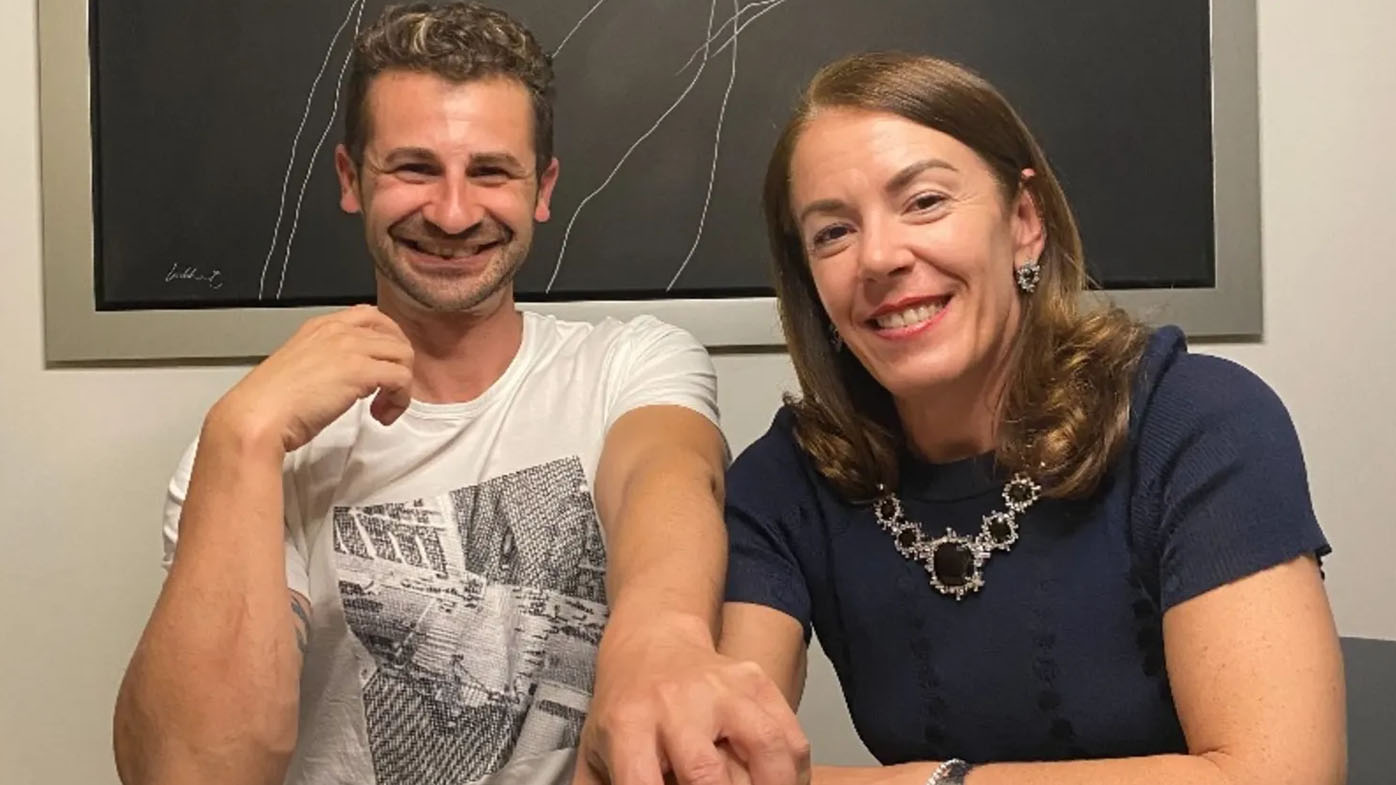
Her death remains a mystery despite a lengthy inquest.
Caddick's Dover Heights mansion, art, jewellery and clothes have been sold-off piece by piece, as receivers claw back every possible dollar to split between victims.
But the Federal Court heard on Wednesday that Koletti is fighting to hold onto precious personal items, including his wedding ring, two watches and a pendant necklace.
Another point of contention is the 30 pairs of Caddick's shoes, among them Christian Dior Nike sneakers worth $12,000 in mint condition.
READ MORE: BoM holds off on El Niño call, but long-range forecast remains grim
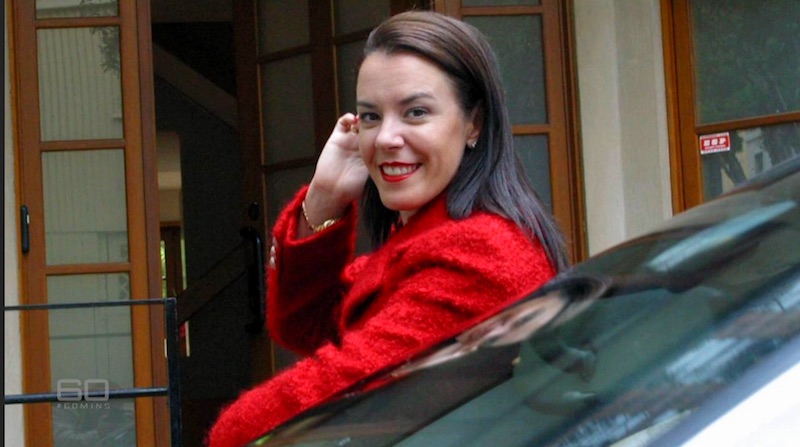
Kolleti also wants to keep two of his wife's dresses and $8500 from her son's bank account.
The hairdresser has agreed to hand some of it over for valuation.
What has been let go is $75,000 of superannuation after Caddick's brother and ex-husband confirmed their signatures on the paperwork had been forged.
Sign up here to receive our daily newsletters and breaking news alerts, sent straight to your inbox.
'I started punching': Surfer's incredible escape from shark's jaws
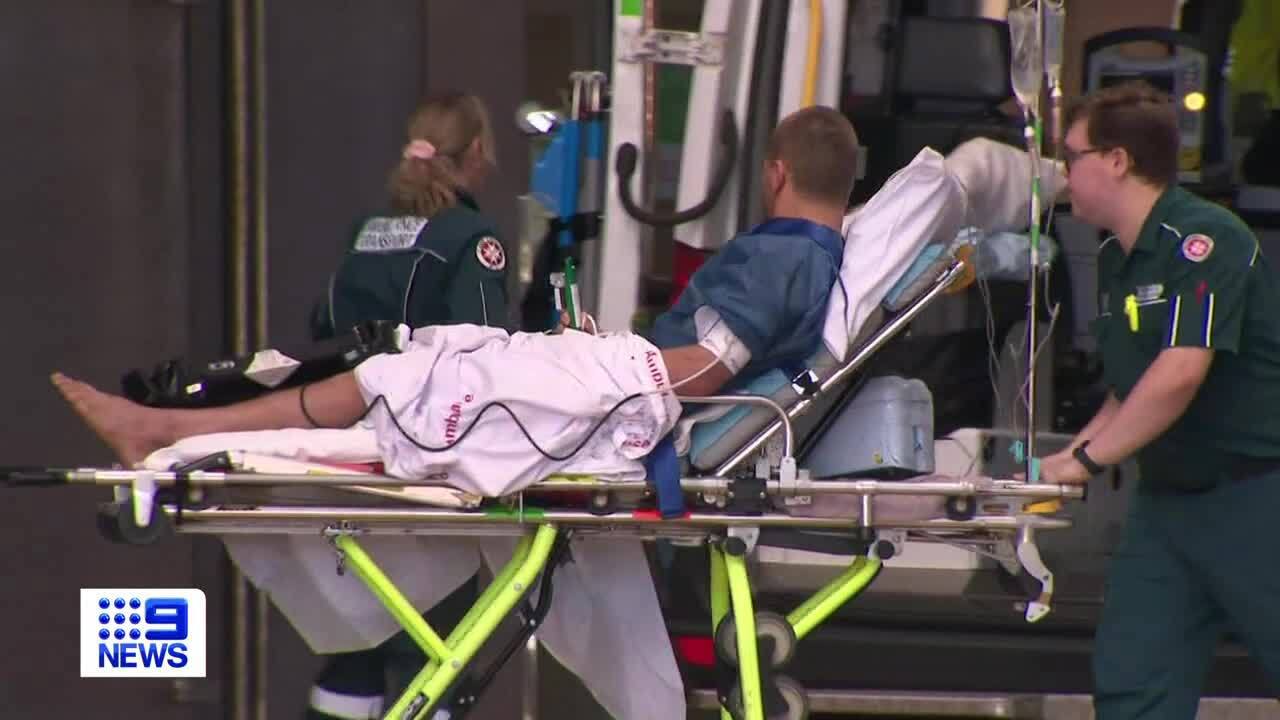
A surfer who was mauled by a shark off the Western Australian coast said he survived the attack by repeatedly "punching" the animal, despite having already suffered serious injuries.
Jack Frost, 24, managed to paddle 600 metres back to shore while bleeding heavily after he was attacked by a great white shark in the Margaret River region, south of Perth late last month.
Dramatic footage taken from the shore at the time showed the man's surfboard go flying after he was bitten on his left leg.
READ MORE: Surfer paddles 600m back to shore after being bitten by shark
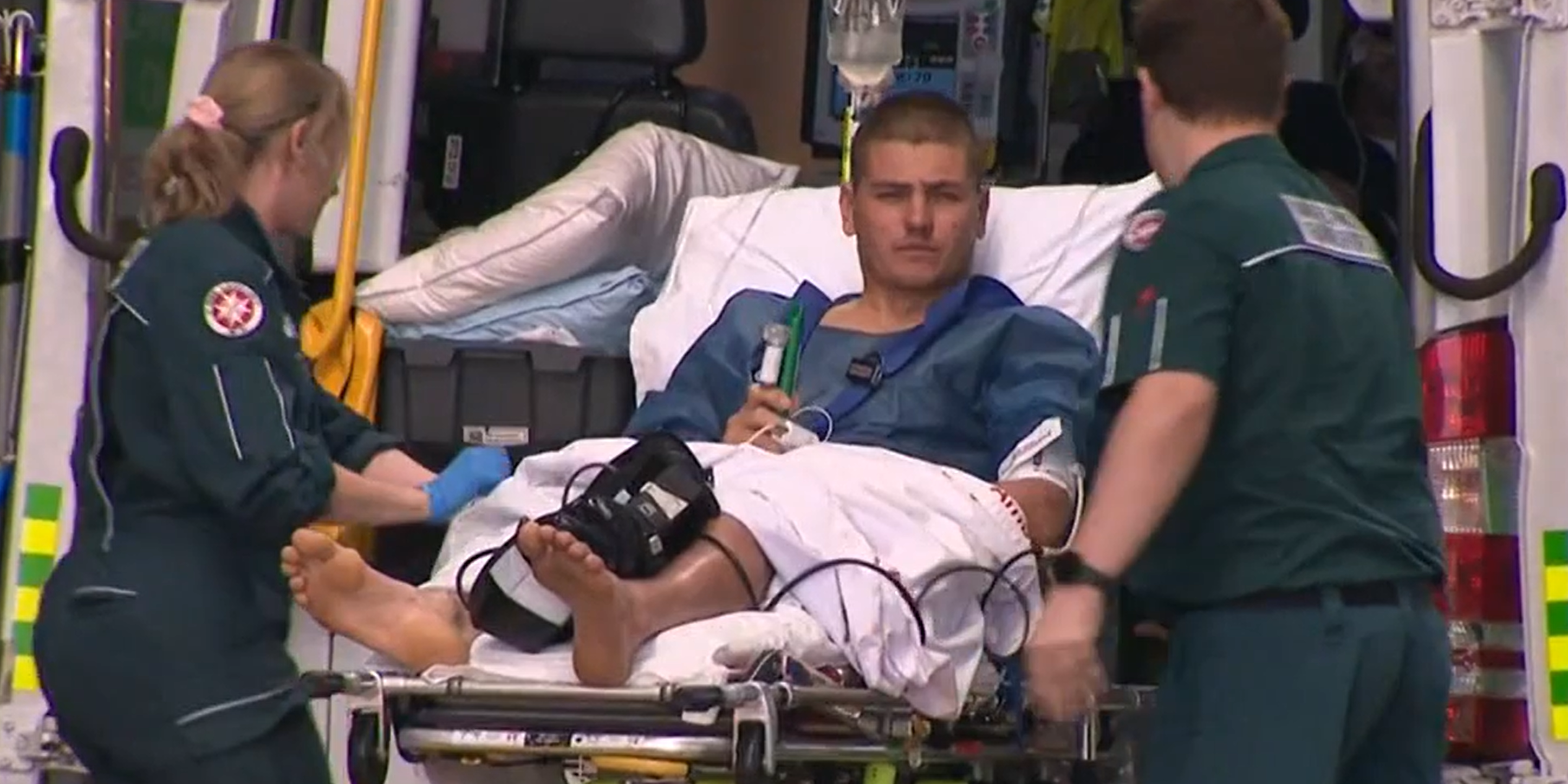
But Frost said despite his shock, he was able to remain calm by repeating "you're going to be all right, you're going to survive".
"It's hit me, and I've done a kind of backflip off my board," he told Swellnet.
"Landed in the water and as I've surfaced, I'm thinking, 'what the f–k was that?'
"It just nicked my leg.
"When I say 'nicked' I've still got a good gash on my leg and a couple puncture wounds a bit higher, but nothing crazy, nothing like what it could've been."
Frost says he decided his only option was self-defence.
READ MORE: Teen attacked by shark was saved by brother who punched creature
"That doesn't really do much, it didn't even flinch," he said.
"But then I started punching it, in the side towards the gills, and I must have got one punch in where it's touch sensitive and it just shot down into the depths.
"I was just saying to myself, 'you're going to be all right, you're going to survive.' Just doing what I could to try and keep calm."
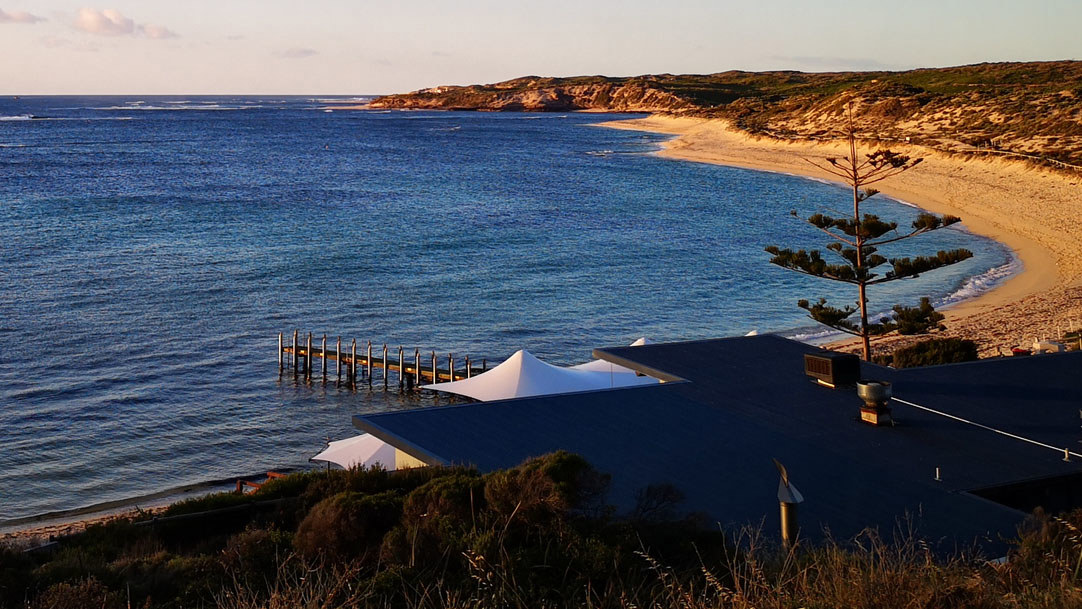
After arriving back at the beach, a nurse tried to give Frost first aid before he was rushed to hospital by ambulance.
The shark was spotted again 15 minutes after the attack, which was the seventh in WA water this year.
Doctors expect Frost to make a full recovery.
Sign up here to receive our daily newsletters and breaking news alerts, sent straight to your inbox.