The winning piece speaks of the artist’s long nights nursing her babies to sleep.
Tag Archives: oceania
Top horse trainer Stephen McKee accused of racism by Indian stablehand
Former horse trainer Stephen McKee said his comments were not racist, but simply “banter”.
Duo admit to hit-run cover-up after victim's dismembered leg found by highway
WARNING: Aboriginal and Torres Strait Islander readers are warned the following article contains images of deceased persons.
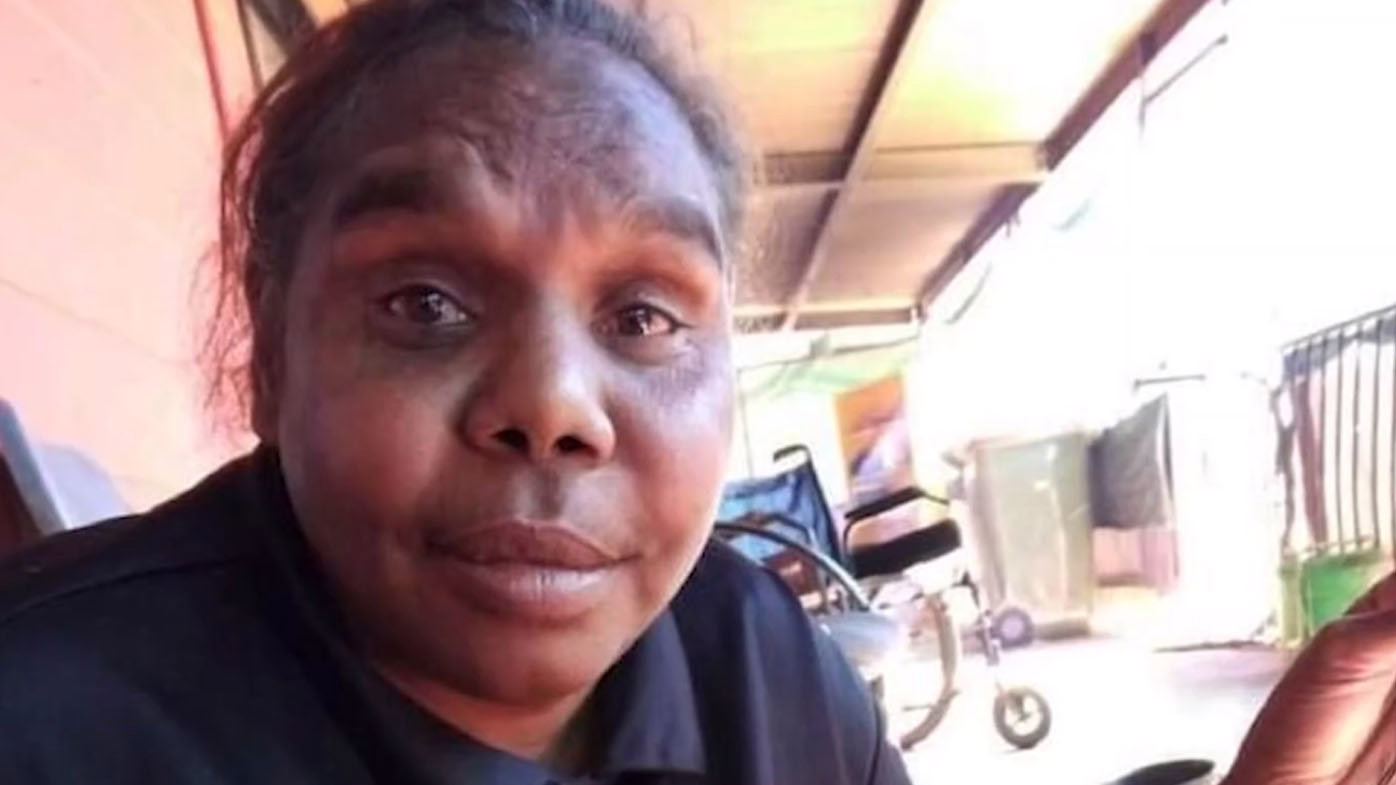
Kumanjayi Dixon was walking down a highway to visit family when she was struck and killed by Joshua Mason's car.
In a panic, he called his mother Deborah Mason and enlisted her help to remove Dixon's lifeless body from the road.
But the pair left the dead Indigenous woman's dismembered leg on the Northern Territory's Stuart Highway, triggering a massive police investigation as well as their eventual arrest.
READ MORE: Interest rates kept on hold
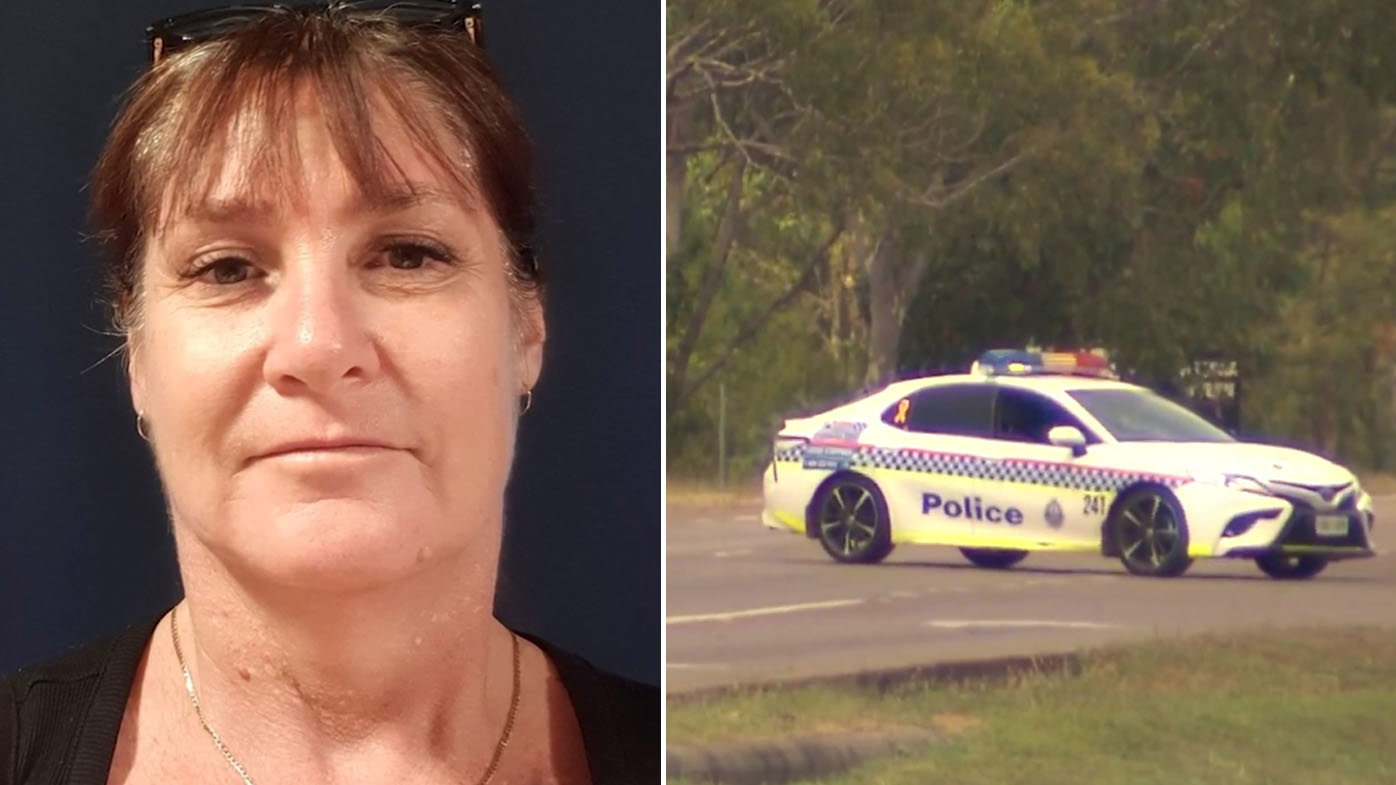
Mason, 25, pleaded guilty to hit and run and interfering with human remains while his mother, Deborah Mason, 51, pleaded guilty to interfering with human remains and perverting the course of justice in the NT Supreme Court on Tuesday.
On May 30, 2022, Dixon got off the bus at Palmerston, south of Darwin and began walking towards the city.
Joshua Mason hit her at about 8.30pm as she staggered across the highway.
Deborah Mason then helped collect, move and conceal the woman's body in bushland 15km south of the collision site.
Her body was later found partially buried in scrub in Bees Creek on June 1 after the pair were arrested and Deborah Mason took detectives to the grave.
READ MORE: Ex-childcare worker charged with 'unfathomable' abuse
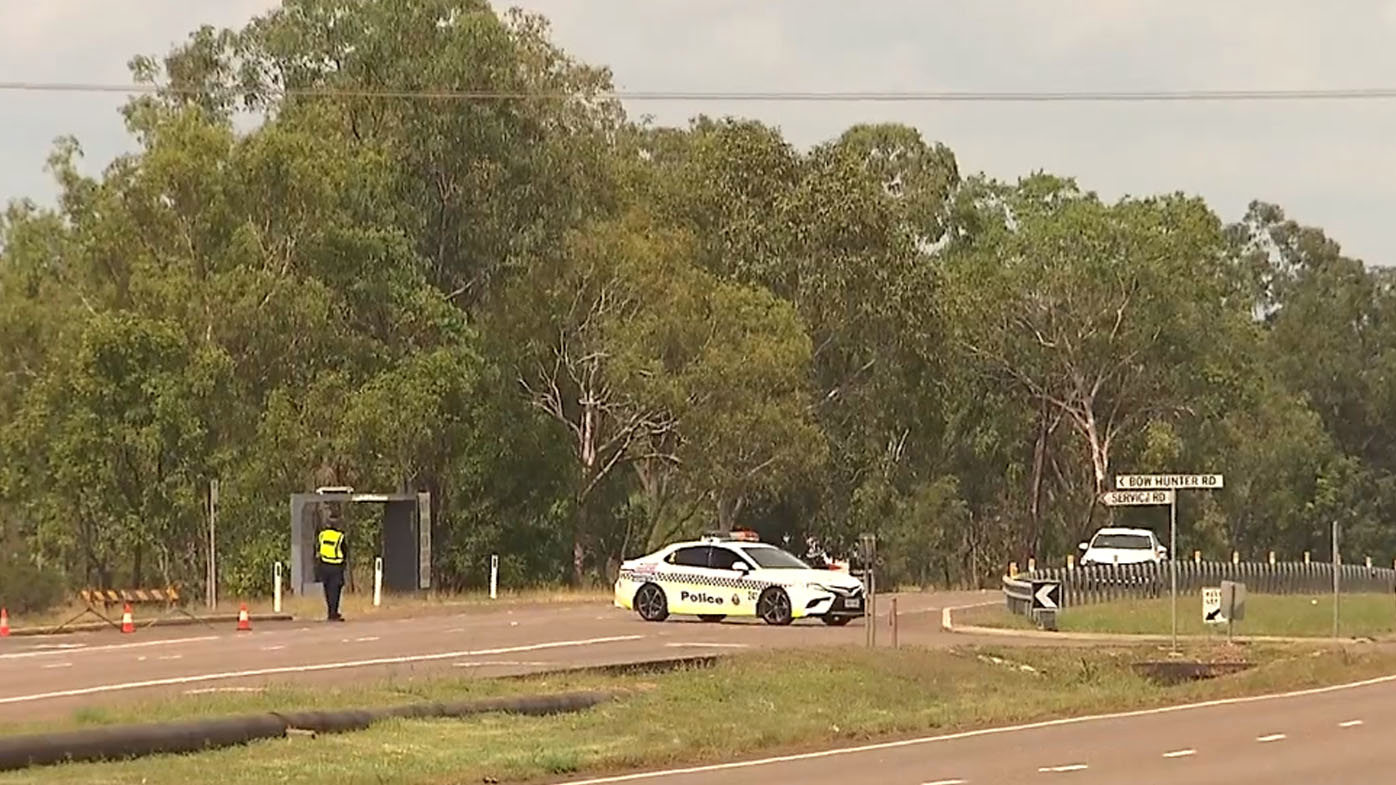
A traveller driving on the four-lane highway linking Darwin to Alice Springs and Adelaide had spotted the partial leg.
The court heard that when Mason eventually admitted the hit and run to police, he told them: "It's my life, it's my mum's life, and because a drunk idiot wants to walk across a dark road at night time, my life is over."
The maximum penalty for misconduct with a corpse in the NT is two years' imprisonment. Destroying evidence and attempting to pervert the course of justice carry potential three and 15-year terms respectively.
More than 30 members of Dixon's family filled the courtroom, with some travelling from Alice Springs to watch the pair enter their pleas.
Many were too emotional to stay in court and had to be excused as the details of Dixon's body removal were read out.
Other family members read out tearful victim impact statements, including her cousin Carol Dixon.
"My heart has been ripped out of my chest," she said as she stared down at the pair in court.
"No one should ever hear what I have heard about my loved one … you did the wrong thing."
Outside court, Carol Dixon said she hoped her cousin would be remembered as a "beautiful soul".
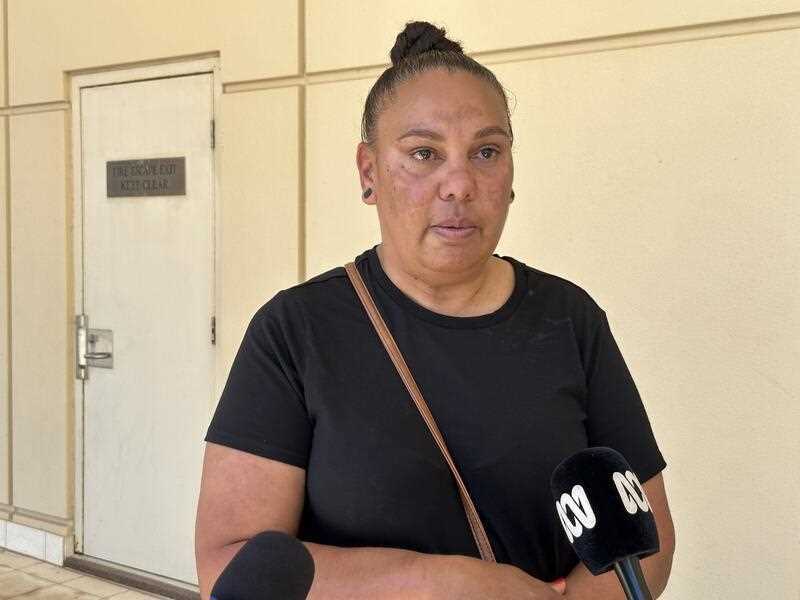
"I think about her every day," she said.
Joshua Mason will remain in custody and his mother's bail has been extended until the matter returns to court on October 12.
Those looking for support can contact 13YARN on 13 92 76 or the Aboriginal Counselling Services 0410 539 905.
Sign up here to receive our daily newsletters and breaking news alerts, sent straight to your inbox.
Fans ecstatic as Matildas cruise to crucial World Cup win
Thousands of fans took to the FIFA Fan Festival in Sydney to watch the Matildas' final group stage game of the tournament against Canada.
Buller District power cut: Up to 10,000 in dark amid storm
Power provider Buller Electricity Limited warns people to treat wires as live.
The Front Page: How worried should we be about Kiwis leaving for Australia?
NZ’s migration figures are steadily ticking up.
Auckland CBD worker injured after being robbed at knifepoint
Police are trying to find the person responsible for incident at convenience store.
Mystery of pole cemented into Tauranga teacher’s driveway solved
‘People are only human and mistakes do happen.’
Family offer $10k for return of beloved dog
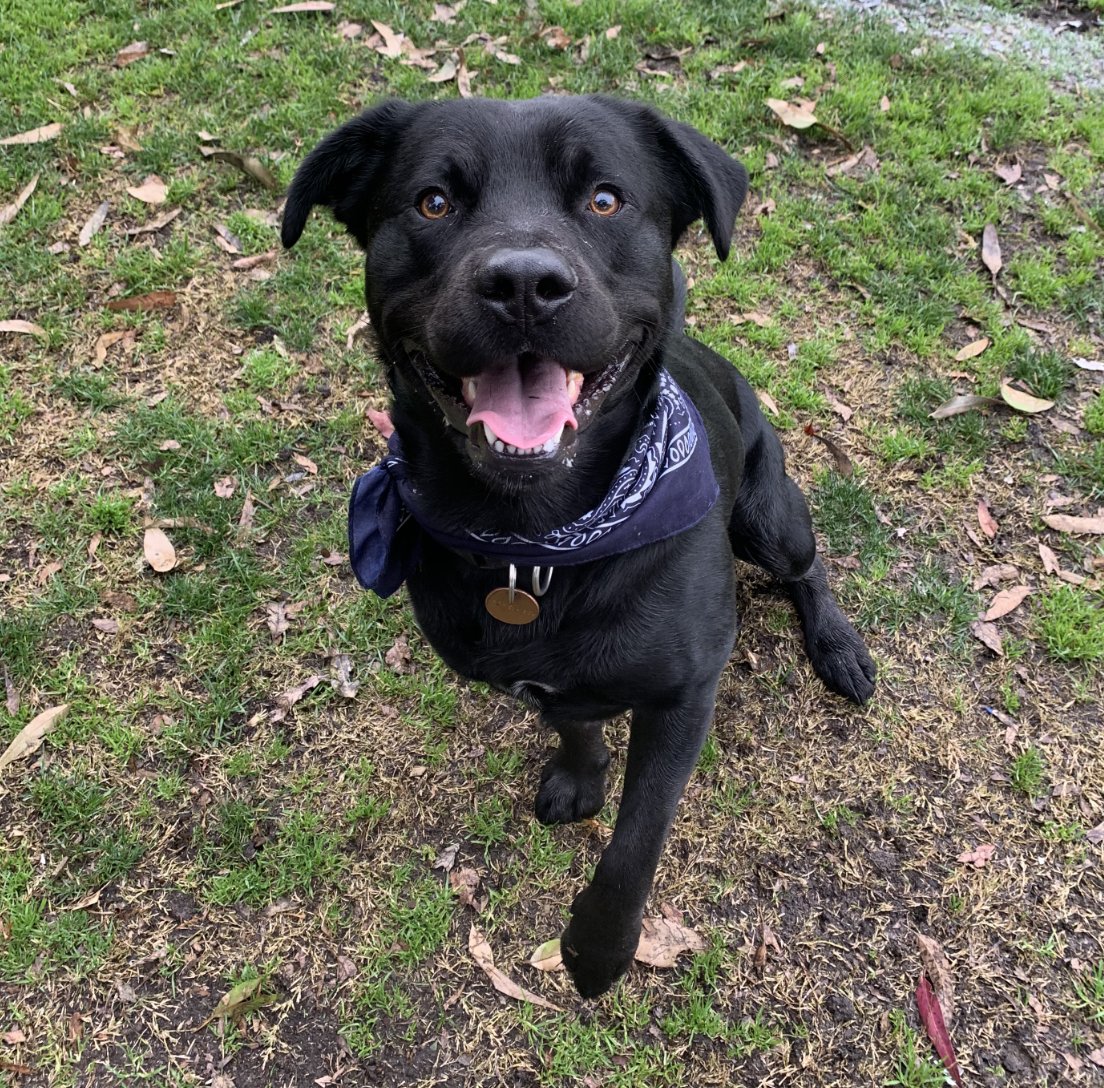
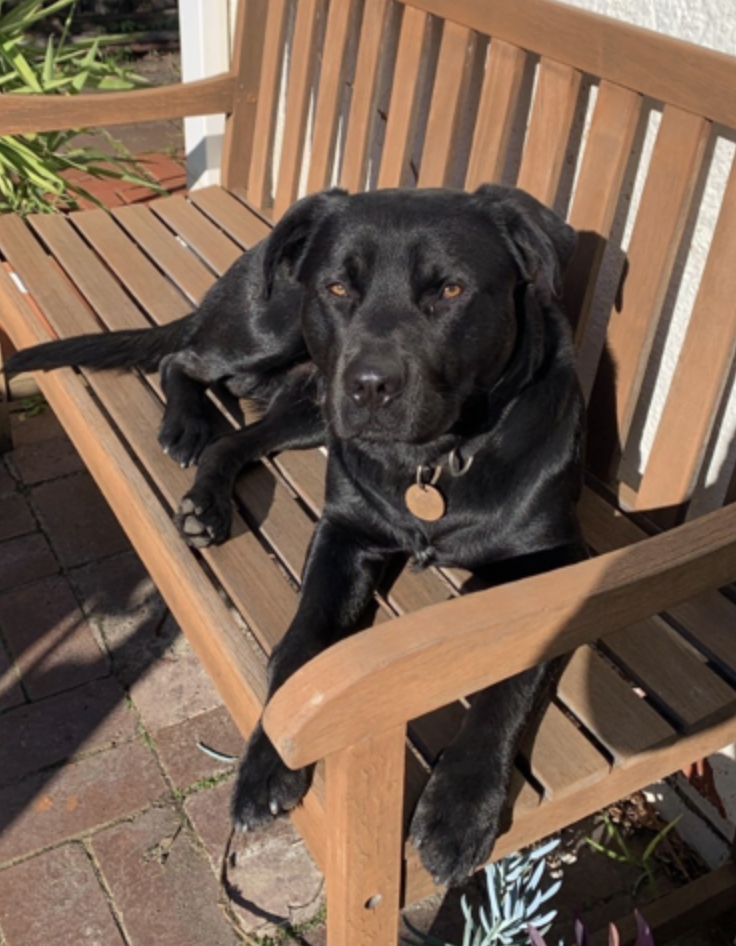
A young couple is offering a $10,000 reward for the safe return of their beloved family dog who was snatched from the front yard of their home in Melbourne over the weekend.
Two-year-old Labrador-French mastiff cross, Leo, was in the yard of his Park Street home in Brunswick at roughly 4.15pm on July 30, when an unknown man approached the property.
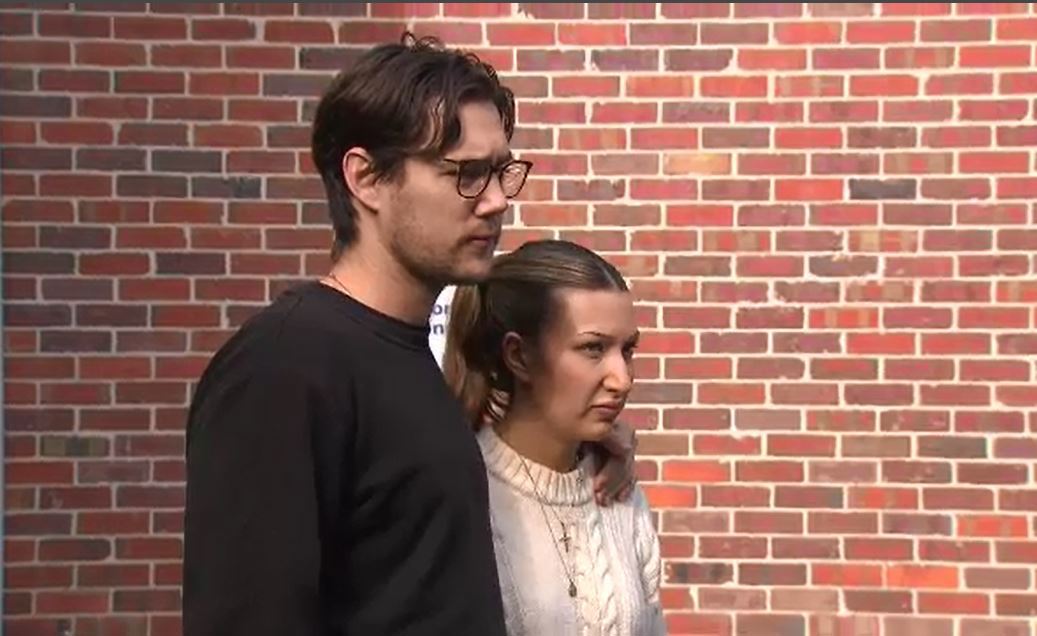
"It's just so awful," his tearful owner Courtney Beaumont said.
READ MORE: Interest rates on hold as RBA eyes 'soft landing'
"It's just sickening, It's just so depressing to think we are in a community, society where this sort of thing happens."
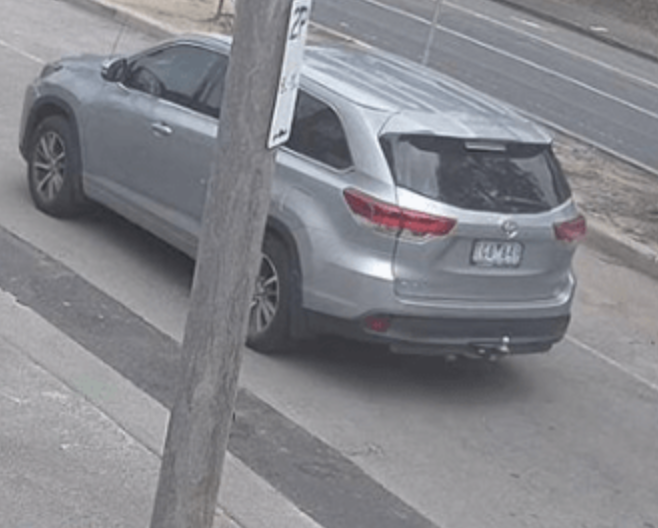
Senior Constable Jessie Coletti said a man got out of a silver Toyota Kluger, unlatched the gate, walked the dog out into the car and drove away.
"There was definitely a possibility he was scoping out the property," she said.
"It is distressing for someone to lose their dog."
READ MORE: Man who stole car with baby inside in Melbourne's south-east released from jail before sentence
No trace of Leo has been found since.
Police say the vehicle the offender used has been identified as having stolen number plates with registration TCD849.
Detectives observed the vehicle on CCTV parked outside the property from around 3.30pm until the theft.
Anyone with information on Leo's location should contact police or Crime Stoppers immediately.
Sign up here to receive our daily newsletters and breaking news alerts, sent straight to your inbox.
'Especially surprising' discovery about 'rarely sighted' Aussie whale
Much about the pygmy right whale remains a mystery, but scientists have made a new discovery about this "rarely sighted" marine enigma that calls the waters off Australia home.
The animals are one of the only whale species not to embark on seasonal migrations to nutrient-rich Antarctic waters, new research led by the University of New South Wales, and published in Frontiers in Marine Science found.
Instead, the whales reside in the temperate waters near Australia throughout the year.
READ MORE: Interest rates kept on hold
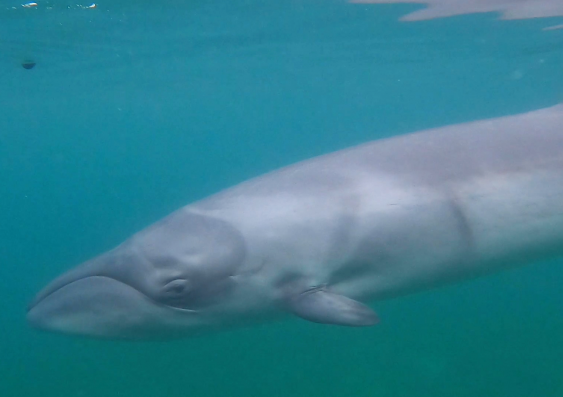
"If you google pygmy right whale, one of the first queries that comes up is whether they are extinct, which illustrates just how little we know about them, and how little known they are," Adelaide Dedden, lead author of the study and a marine ecologist at UNSW Science, said.
"What's especially surprising is it turns out these whales are somewhat a resident species, given they appear to be hanging around Australia year-round."
READ MORE: Ex-childcare worker charged with 'unfathomable' abuse
Researchers came to the discovery by analysing the baleen plates of 14 Australian pygmy right whales, loaned from the South Australian Museum.
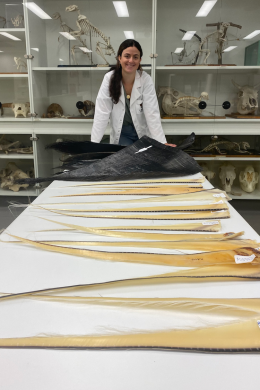
The key to solving the puzzle lay in what the animals eat, Professor Tracey Rogers, a marine ecologist at UNSW Science and senior author of the study, said.
"As the baleen grows, biochemical signals from their food called stable isotopes get trapped," Rogers said.
"These signals don't decay over time, so it's like reading a history book about their behaviour, including what they ate and the general area they were in at the time.
READ MORE: Zoo forced to deny bears are humans in costume
From these isotopic records, it was concluded the species likes to hang around the mid-latitude waters year-round off southern Australia, feeding on krill and small crustaceans.
"They're our little homebodies, just happy to hide away and never leave the comforts of our continental waters," Rogers said.
"This makes sense when you look at the slender structures of their baleen plates relative to their body size."
"They need to draw in as much as possible from these less productive waters around Australia to stay in the region year-round."
Pygmy right whales are the smallest member of the filter-feeding family, reaching lengths of just 6.5 metres and can weigh around 3.5 tonnes.
Their numbers are believed to be stable as they were never targeted for whaling, however more data is needed on the species.
The findings were published in the midst of Australia's annual humpback whale migration.
Starting around June, tens of thousands of humpbacks migrate up Australia's east coast from Antarctica to warmer waters.
Sign up here to receive our daily newsletters and breaking news alerts, sent straight to your inbox.