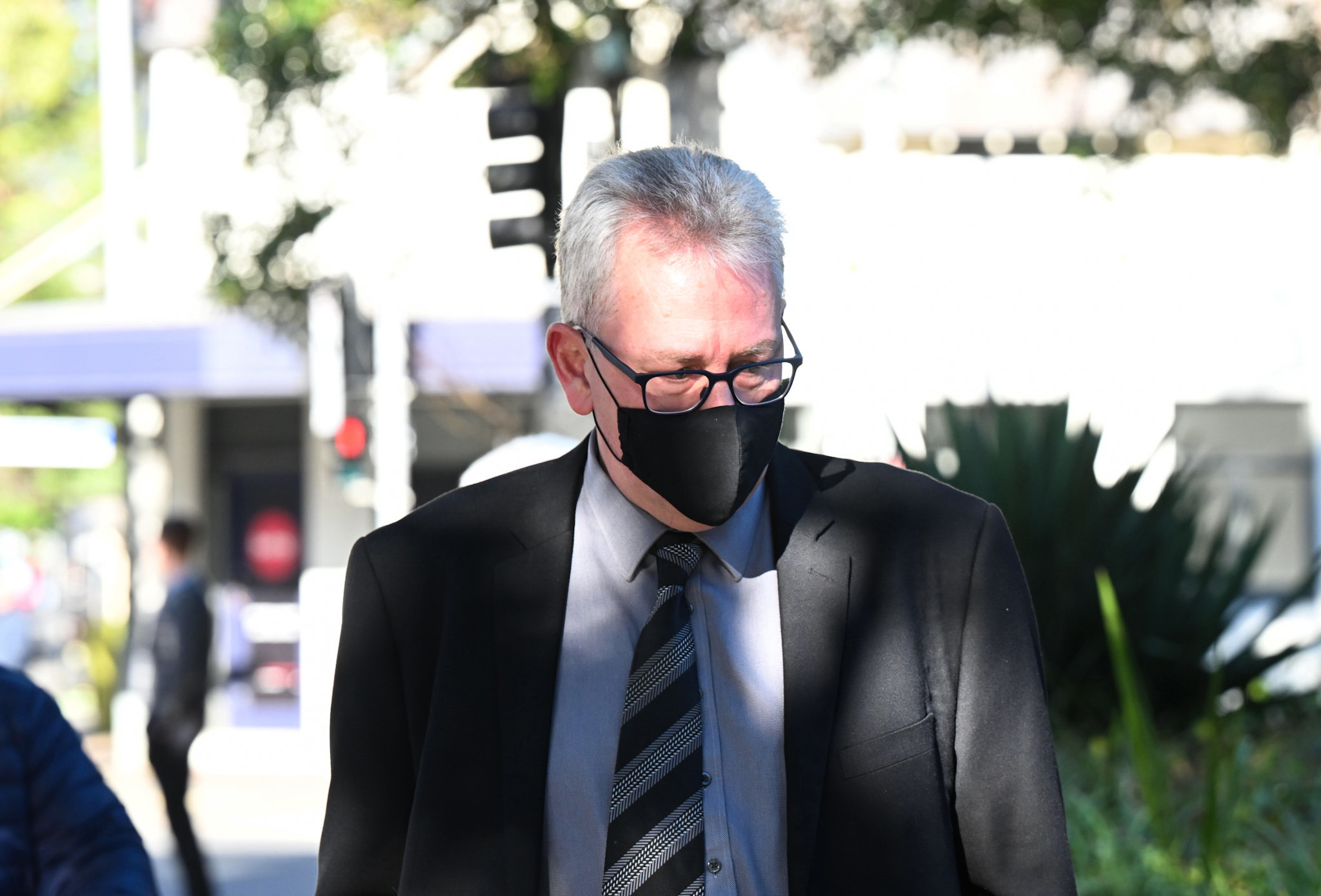
A car belonging to the man accused of kidnapping New Zealand woman Yanfei Bao was seen parked in a street near a house the missing real estate agent was due to show a potential buyer through last week, a resident says.
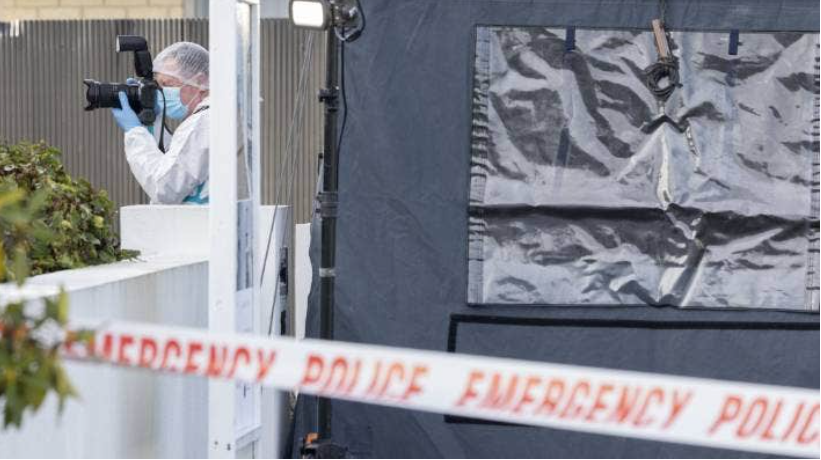
The property in the Christchurch suburb of Hornby was cordoned off on Tuesday and a police tent and spotlights set up, as it underwent a scene examination.
Forensic investigators in blue and white boiler suits could be seen inside, dusting walls and taking photographs.
READ MORE: 'Good Samaritan' picked up 'distressed' woman before deadly crash
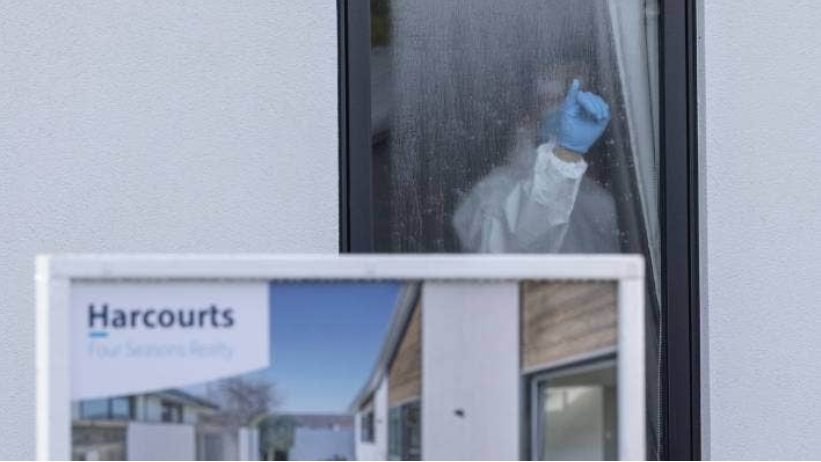
Around midday, a man showed up at the property and was surprised by the police presence. He said he was due to be shown through the property as a prospective buyer on Tuesday afternoon.
Nearby resident Julie Charnley said she was adamant she saw the silver Mitsubishi police had appealed for sightings of parked on the side of the road about 100 metres from the Trevor St property for two days last week, but she couldn't be sure what days.
She remembered the distinctive dent in the boot, and the fact it was parked on a slight angle.
No-one was inside.
She drove past it on her way to work and had supplied police with her dashcam video footage in the hope it showed the vehicle.
Police have paid close attention to CCTV cameras on the front of a neighbouring house, and appeared to be photographing an area of footpath where footage may have captured someone walking past.
Charnley said she had not seen Bao.
Prospective buyers were coming and going from the property at the weekend, Charnley said.
READ MORE: The Australian states hardest-hit by power bill hikes
The owners of the home say they're "shocked and stunned" to learn the home they lived in for 37 years before recently relocating to Australia to be closer to family is under significant scrutiny from detectives investigating her alleged kidnapping.
It was due to go to auction this Wednesday, but that has been delayed as a result of the investigation.
Speaking from Australia on Monday night, the couple, who asked not to be named, said Bao, acting as a buyer's agent, was due to show someone through their home on Wednesday morning last week – the day she disappeared.
Since then, there has been at least one open home there.
The couple learned police were at their property with a search warrant late on Sunday.
No one from the investigation, dubbed Operation Helo, had contacted them.
While the scrutiny of their house was frustrating, they said they just hoped Bao – a 44-year-old mother to a nine-year-old girl – was found safe and well.
"We just hope everything turns out alright."
Another neighbour said she was shocked the property was now at the centre of the police investigation into Bao's disappearance.
She didn't see anything suspicious at the home last Wednesday, the day the missing real estate agent was due to show a potential buyer through.
"This is a quiet neighbourhood. We haven't seen anything unusual."
The woman said she'd seen a number prospective buyers shown through the modern three bedroom property, including families, since it was listed for sale.
On Monday evening, Detective Inspector Nicola Reeves said the Trevor St property was of "significant interest" to police investigating the Harcourts real estate agent's alleged kidnapping.
She wouldn't say why.
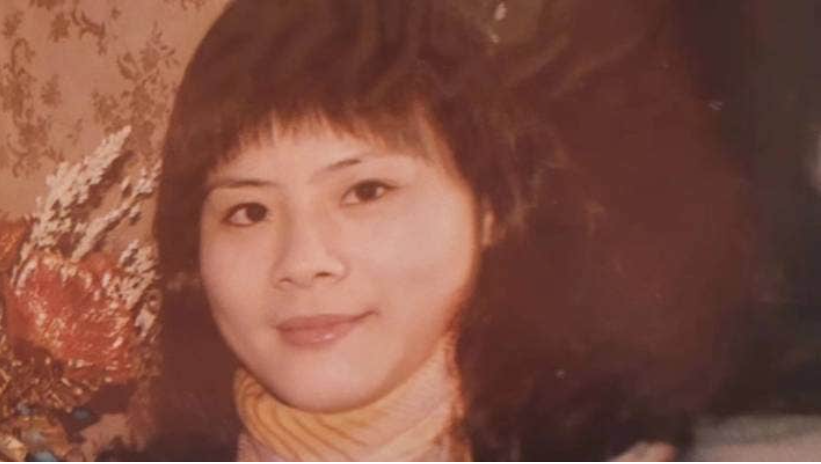
A 52-year-old man accused of kidnapping Bao was arrested on Saturday in the public area of Christchurch International Airport, with no bags and a one-way ticket to China.
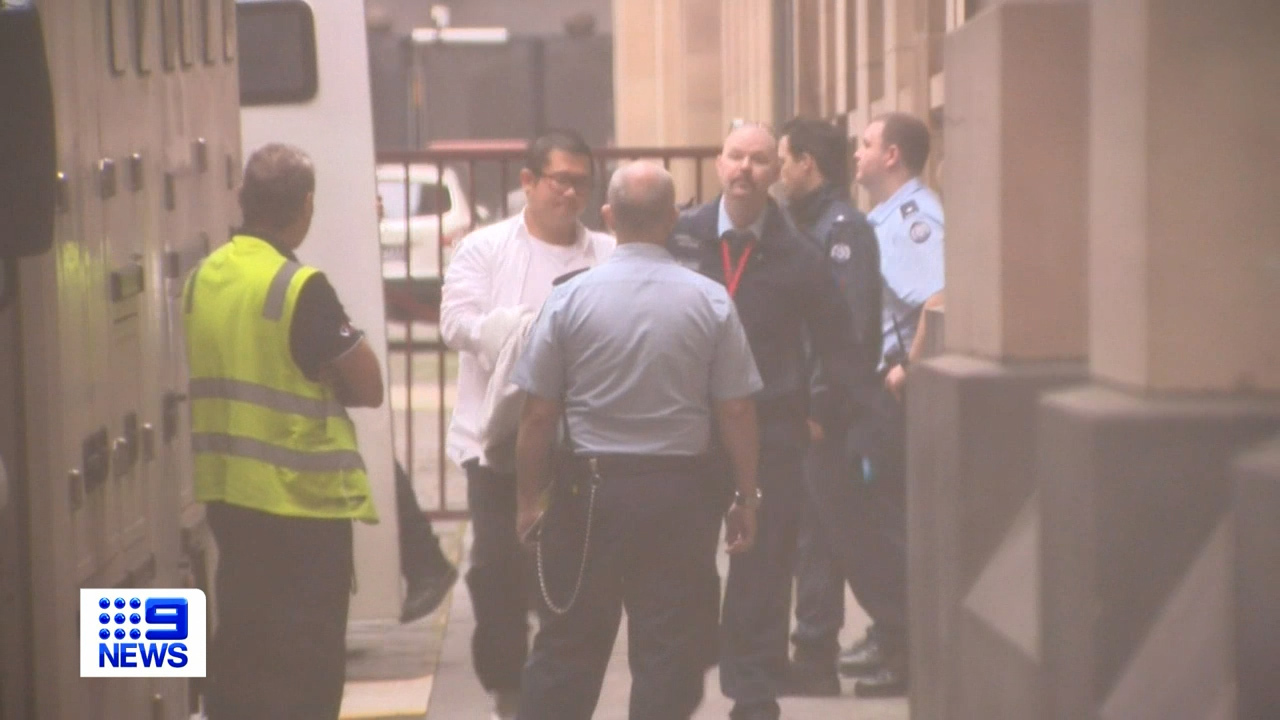
The man appeared in Christchurch District Court on Monday charged with unlawfully taking the real estate agent away without her consent, with intent to cause her to be confined.
He was granted interim name suppression and remanded in custody.
Bao was last seen out door knocking as part of her job in Vickerys Rd in Wigram, a five-minute drive from the Trevor St property, about 10.30am on Wednesday.
About 45 minutes later she rang her friend Jin Tian and had a four-minute conversation with her.
During the conversation, Bao asked Tian how someone she was working with could transfer $600,000 (more than 2.6 million RMB) from China to pay cash for a house.
She was reported missing after she didn't collect her daughter from after school care later that day.
Her car was found parked in Iroqouis Pl, less than one kilometre from where she was last seen in Vickerys Rd.
Two days later, police located her mobile phone on the Southern Motorway, near Blakes Rd.
As fears for Bao's safety continued to mount on Monday, Reeves reiterated police were still investigating the case as a kidnapping – not a homicide.
"We're keeping an open mind. We still have a huge focus on trying to locate her and bring her home safe and well."
Reeves said police had had a huge response to appeals for information related to the case, with more than 120 tips received since news of Bao's disappearance was first reported by media on Thursday.
"We do get a real sense the Christchurch public is very invested in this and everybody wants to help in any way they can."
She said residents near the Trevor St property could expect to see a significant police presence in the coming days.
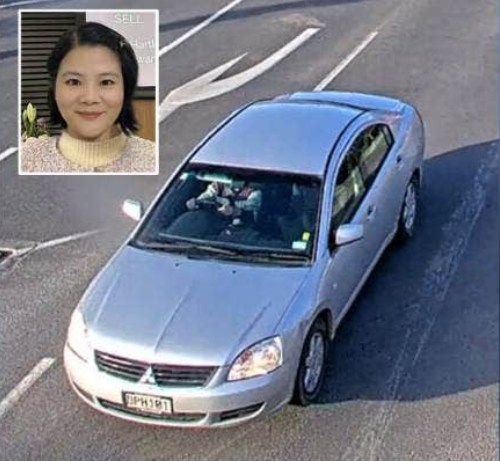
Police are focused on the movements of the accused man's vehicle, which had a distinctive yellow diamond sticker with a black kiwi on its boot, on Wednesday, June 19, and the two days after that, particularly in areas southwest of the city like Prebbleton and Tai Tapu.
READ MORE: Target to merge into Kmart
Police have appealed for sightings of the accused man's silver Mitsubishi sedan, registration DPH101, in connection with her disappearance. It was found parked near Christchurch Airport on Saturday.
Anyone who saw the car or might have CCTV that captured it should contact police.
The alleged kidnapper had rented a room at a property in Bryndwr for about a month.
On Monday, a neighbour said the same silver car the police wanted information on was always at the property, but was not there on Wednesday or Thursday. However, it was parked across the driveway on Friday with the boot and doors open for several hours. It was gone the following day, she said.
The owner of the property said he bought it recently with Bao's help.
He told Stuff the accused man worked with him at a factory, and asked if he had a room for rent.
On Thursday, after learning Bao was missing, the property owner said he shared a post on social media appealing for information about her whereabouts.
He worked late on Friday night, and did not see the accused.
The man said he was exhausted, and would not say if he had spoken to police. He said he had no idea the accused had booked tickets to China.
Reeves said police had not ruled out laying further charges against the accused, or the involvement of other people.
At the accused's first court appearance, Bao's husband, Paul Gooch, and friends were in court along with Reeves.
Gooch was pale and looked solemn as the accused entered court, and some friends quietly wept.The man was dressed in a striped rugby shirt and did not speak English. A Mandarin interpreter spoke on his behalf.
This article originally appeared on Stuff and is republished here with permission.