From across the globe, skygazers have enjoyed a beautiful supermoon rise over the horizon. And it'll rise again on August 31.
Tag Archives: oceania
Husband's fight for Melissa Caddick's shoes, dresses and jewellery
Almost three years after fraudster Melissa Caddick vanished, the carve-up of her stolen fortune is nearly complete but husband Anthony Koletti is fighting to hold on to a handful of prized possessions.
Caddick preyed on mostly friends and family to steal up to $30 million through her investment scam, using the money to fund her lavish lifestyle before disappearing in November 2020.
Months later, her badly decomposed right foot, still attached to a running shoe, washed up on a beach on the South Coast of NSW, leading authorities to presume her dead.
READ MORE: Trump indicted over efforts to undermine 2020 presidential election

Her death remains a mystery despite a lengthy inquest.
Caddick's Dover Heights mansion, art, jewellery and clothes have been sold-off piece by piece, as receivers claw back every possible dollar to split between victims.
But the Federal Court heard on Wednesday that Koletti is fighting to hold onto precious personal items, including his wedding ring, two watches and a pendant necklace.
Another point of contention is the 30 pairs of Caddick's shoes, among them Christian Dior Nike sneakers worth $12,000 in mint condition.
READ MORE: BoM holds off on El Niño call, but long-range forecast remains grim
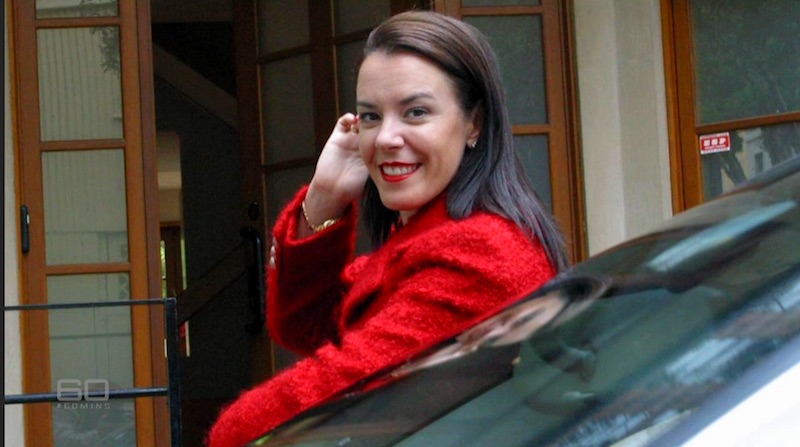
Kolleti also wants to keep two of his wife's dresses and $8500 from her son's bank account.
The hairdresser has agreed to hand some of it over for valuation.
What has been let go is $75,000 of superannuation after Caddick's brother and ex-husband confirmed their signatures on the paperwork had been forged.
Sign up here to receive our daily newsletters and breaking news alerts, sent straight to your inbox.
'I started punching': Surfer's incredible escape from shark's jaws
A surfer who was mauled by a shark off the Western Australian coast said he survived the attack by repeatedly "punching" the animal, despite having already suffered serious injuries.
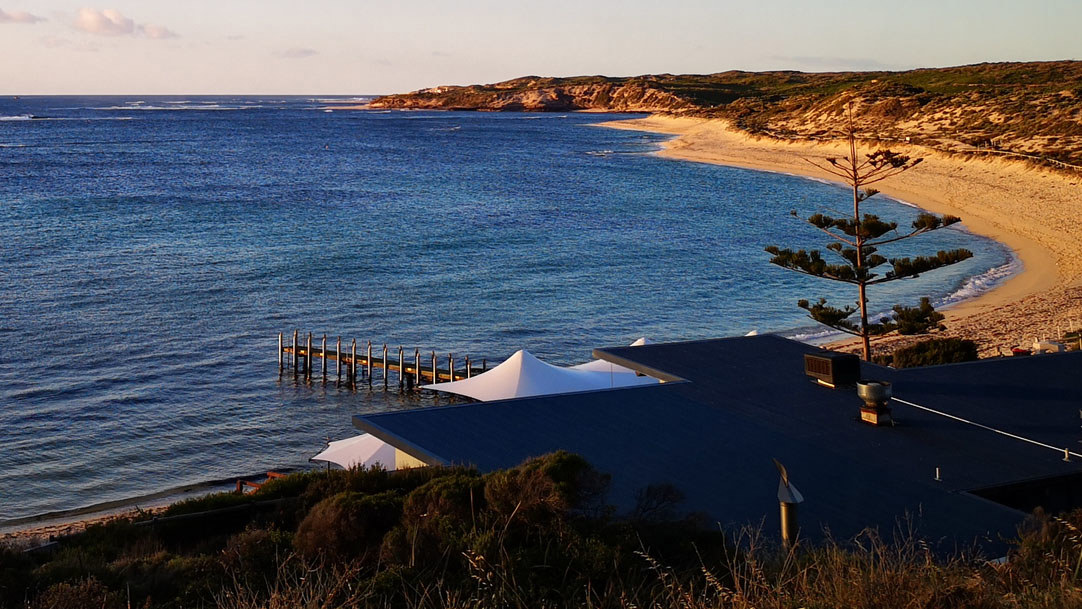
Jack Frost, 24, managed to paddle 600 metres back to shore while bleeding heavily after he was attacked by a great white shark in the Margaret River region, south of Perth late last month.
Dramatic footage taken from the shore at the time showed the man's surfboard go flying after he was bitten on his left leg.
READ MORE: Surfer paddles 600m back to shore after being bitten by shark
But Frost said despite his shock, he was able to remain calm by repeating "you're going to be all right, you're going to survive".
"It's hit me, and I've done a kind of backflip off my board," he told Swellnet.
"Landed in the water and as I've surfaced, I'm thinking, 'what the f–k was that?'
"It just nicked my leg.
"When I say 'nicked' I've still got a good gash on my leg and a couple puncture wounds a bit higher, but nothing crazy, nothing like what it could've been."
Frost says he decided his only option was self-defence.
READ MORE: Teen attacked by shark was saved by brother who punched creature

"That doesn't really do much, it didn't even flinch," he said.
"But then I started punching it, in the side towards the gills, and I must have got one punch in where it's touch sensitive and it just shot down into the depths.
"I was just saying to myself, 'you're going to be all right, you're going to survive.' Just doing what I could to try and keep calm."
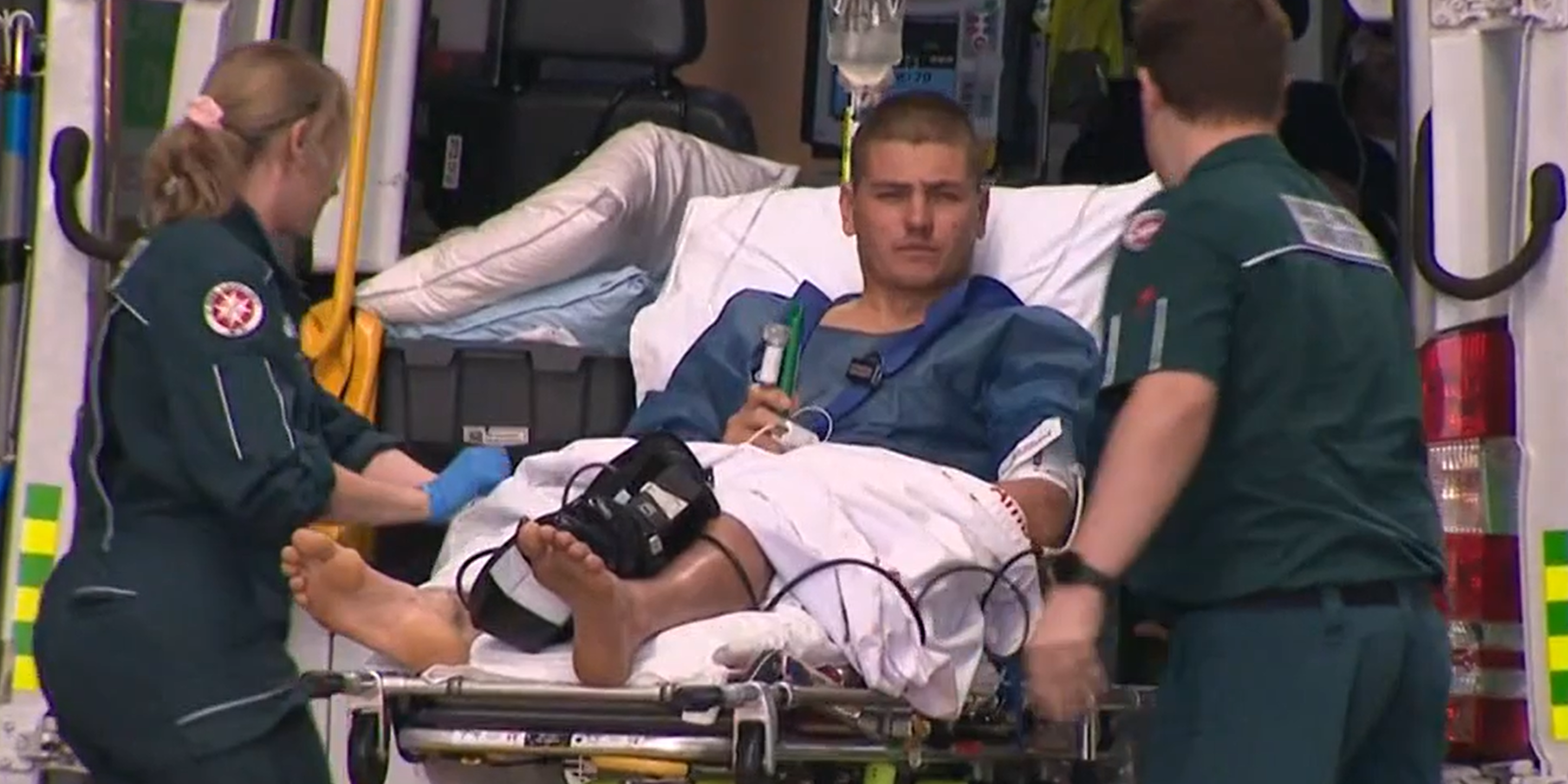
After arriving back at the beach, a nurse tried to give Frost first aid before he was rushed to hospital by ambulance.
The shark was spotted again 15 minutes after the attack, which was the seventh in WA water this year.
Doctors expect Frost to make a full recovery.
Sign up here to receive our daily newsletters and breaking news alerts, sent straight to your inbox.
Independent senator Lidia Thorpe injured in car crash
Independent senator Lidia Thorpe has been injured in a minor car crash in Melbourne, preventing her from making her way to Canberra for the current parliamentary sitting week.
Thorpe sustained whiplash and bruising during the collision last week, her media team confirmed to 9news.com.au.
She was sitting stationary in her car when it is believed the senator was rear-ended.
READ MORE: 'Bottomless well of self-pity': Morrison savaged over robodebt response

As a result of the minor injuries, Thorpe was advised against travelling to Canberra for the first week of parliament after the winter break.
The former Greens senator is expected to return to parliament next week.
Sign up here to receive our daily newsletters and breaking news alerts, sent straight to your inbox.
Simple acts costing you $756 on top of already surging energy bills
Poor energy habits are costing Australians more than $15 billion annually as bill stress hits its highest level in four years.
More Aussies are feeling the strain of quarterly bill hikes, but could be saving money if they reigned in on poor power habits like using the dryer or having long showers.
Simple acts around the house could be costing the average Aussie up to $756 per year on top of already surging energy bills, according to new research from ING.
READ MORE: Interest rates kept on hold

READ MORE: Ex-childcare worker charged with 'unfathomable' abuse
The research showed 80 per cent of Aussies surveyed leave their electronics on at the switch which costs an extra $20 annually while 62 per cent leave their TV and laptop on standby overnight costing almost $30 a year.
But what does the research say are the most costly energy habits?
- Drying clothes in a dryer instead of in the sun: $231 a year
- Washing up under hot running water instead of filling the sink: $145 a year
- Boiling more water than needed: $127 a year
- Hot showers for more than 10 minutes: $110 a year
"It's clear from the research that poor-energy habits can really add up," ING Australia's head of daily banking Matt Bowen said.

'Fear the budget would not cover our usage': Tactics to slash bills
Last month, Australians rated paying their energy bills as one of the most stressful expenses in four years, according to Finder research, with many expected to cut back in the next five months to combat rising costs.
Melburnian Kellie is one of those people.
She has managed to cut her energy usage by 30 per cent with small changes around the house like watching TV by candlelight, unplugging her dryer when she's not using it and always checking electricity providers for a better deal.
Her dad would often walk around the house turning lights off when she was growing up, something she said has made her conscious of her energy usage.
"Once I was accountable for my own electricity usage and bills, I felt a level of responsibility to consider my usage and spend in relation to my personal financial goals," Kellie told 9news.com.au.
READ MORE: DNA test could solve 60-year-old mystery

The 34-year-old really felt the pressure of rising costs, prompting the change.
"The fear was the figure we budgeted monthly would no longer cover the cost of our usage of electricity," she said.
Understanding how her usage translates to a dollar figure has made her feel "empowered" and grew her financial literacy so she could instead use her money in the way she wanted, like "a weekend away, or a new item of clothing," she said.
Other habits spruiked to cut costs include letting pets sleep in the bed for warmth, steaming clothing in the bathroom while taking a shower or even showering with a partner.
Almost two million Aussies have chosen to go back to the office instead of working from home to save money, according to ING, while 30 per cent opted to use an air fryer instead of an oven.
"A roast in the oven takes two or three hours, I can put a roast in the air fryer and it's done in an hour," Queensland mum Natasha Difegerico told 9News.
Senior industry fellow at the Royal Melbourne Institute of Technology Professor Alan Pears said air fryers are about twice as efficient as an oven, which means lower bills.

READ MORE: Zoo forced to deny bears are humans in costume
The devices are light so they heat up fast, use radiant heating and have a powerful fan acting like a fan-forced setting on an oven – all adding to the appliance's efficiency.
"Something like 20 per cent of the energy used by your normal oven is evaporating water from the food," Bowen said.
"The air fryer seals the surface and traps more of the moisture."
Bowen's top tip for saving energy is making turning lights and electronics off a part of your routine.
"That's potentially an extra $50 towards your grocery budget, each month," he said.
Sign up here to receive our daily newsletters and breaking news alerts, sent straight to your inbox.
The information provided on this website is general in nature only and does not constitute personal financial advice. The information has been prepared without taking into account your personal objectives, financial situation or needs. Before acting on any information on this website you should consider the appropriateness of the information having regard to your objectives, financial situation and needs.
Remorseless mother smirks after given five life sentences for killing children
A remorseless mother has smiled in a booking photo after being handed five consecutive life prison sentences for the murders of her two young children
US mum Lori Vallow Daybell will spend the rest of her life behind bars without the possibility of parole for the murders of two of her children and for conspiring in the murder of her husband's first wife.
Her children, Tylee Ryan and Joshua "JJ" Vallow, were just 16 and seven-years-old respectively.
READ MORE: Vallow Daybell sentenced to life in prison for murders of two children

Her sentences will be served consecutively, a judge ruled, with two additional life sentences and a sentence of 10 years for grand theft to be served concurrently.
After her conviction, the "Doomsday mum" smiled in her prison booking photo, taken at the Pocatello Women's Correctional Center, a high-security women's jail roughly 90 kilometres south of Idaho.
The convicted killer is seen tilting her head to the right in the photo with an eyebrow raised as she returns to prison, where she will spend the rest of her days.
A jury in May found her guilty on all charges, including two counts of first-degree murder and three counts of conspiracy in the deaths of the children and Tammy Daybell.
Vallow Daybell still denies having killed her children and cited religious texts and beliefs.
She said she had spoken to Jesus, her children and her husband's wife after their deaths and said they were "happy and extremely busy" in heaven.
"Jesus Christ knows that no one was murdered in this case," Vallow Daybell said.
"Accidental deaths happen, suicides happen, fatal side effects from medications happen."
Her victims' loved ones gave emotional testimony on Monday underscoring the lasting toll of Vallow Daybell's crimes.
"Tylee and JJ brought so much light into this world," Colby Ryan, Tylee and JJ's older brother, said in a victim impact statement read by prosecutors on Monday.
READ MORE: Jurors see graphic photos of slain kids in mum's murder trial

"Tylee will never have an opportunity to become a mother, wife, or have the career she was destined to have.
"She'll never be able to have the life she deserved.
"JJ will never be able to grow and spread his light with this world the way he did. He will never have a chance to grow up."
"I want them to be remembered for who they were," he added, "and not to be just a spectacle or a headline to the world."

In determining the sentence, Judge Steven W. Boyce said he weighed the defendant's lack of a prior criminal record – the "single most mitigating factor" in the case, he said – but noted she now stood convicted of "the most serious charges" and had shown no remorse.
"Murder is the most serious offence, and the most unimaginable type of murder is to have a mother murdering her own children, and that's exactly what you did," he said, addressing Vallow Daybell.
"You were involved in and guilty of conspiring to murder … Tammy Daybell, who had children of her own.
"And despite the jury convicting you with overwhelming evidence, you still sit here before the court today and said you didn't do it."
Sign up here to receive our daily newsletters and breaking news alerts, sent straight to your inbox.
Why is Australia having such a warm winter? An expert explains
If you've been out and about the past few days, you may have noticed Australia is experiencing an unseasonably warm winter. It's been t-shirt weather across many parts of the country's east, including Sydney where temperatures topped 25 degrees on Sunday.
Meanwhile, at high altitudes, the cover at some snowfields remains lacklustre, even after warm conditions forced a delay to the start of the traditional ski season.
All this comes after the world experienced its hottest month since reliable records began. July brought an incredible 21 of the warmest 30 days ever recorded – prompting the United Nations to declare a new era of "global boiling".
So what's going on with the weather in Australia? Should we just enjoy the pleasant conditions, or is it a troubling sign of what's to come under climate change?
READ MORE: Trump indicted over efforts to undermine 2020 presidential election
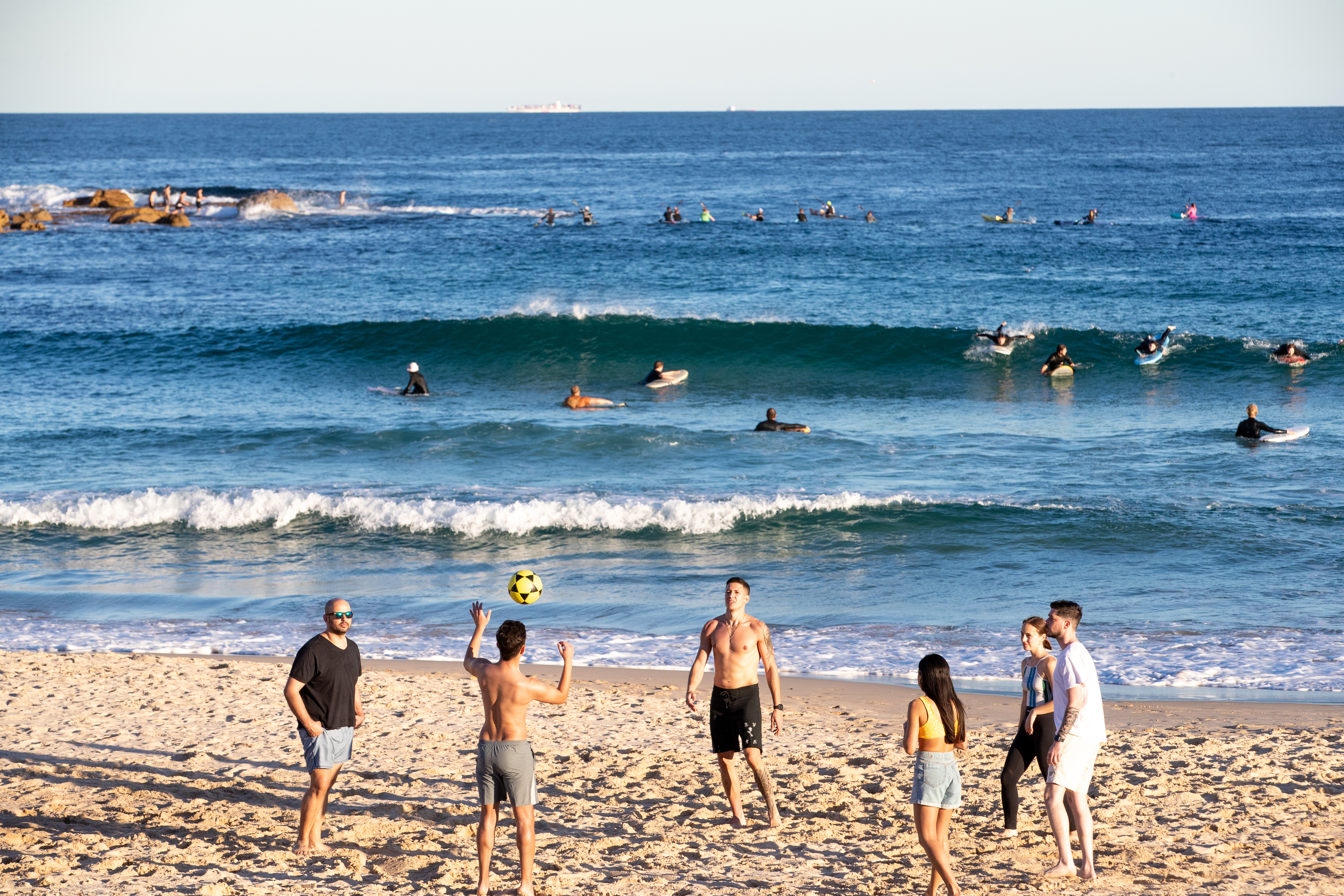
The nice weather, explained
Australia's unseasonably warm conditions are the result of both natural drivers of our weather and continued global warming.
Since early July, warmer and drier conditions have dominated, due to a high pressure system sitting stubbornly over Australia at the moment. The clear conditions are leading to warmer daytime conditions.
For example, daytime temperatures in Canberra in July – historically known for its cold winters – were the warmest on record, despite frequent frosty mornings.
Sydney has just experienced its warmest July on record, too.
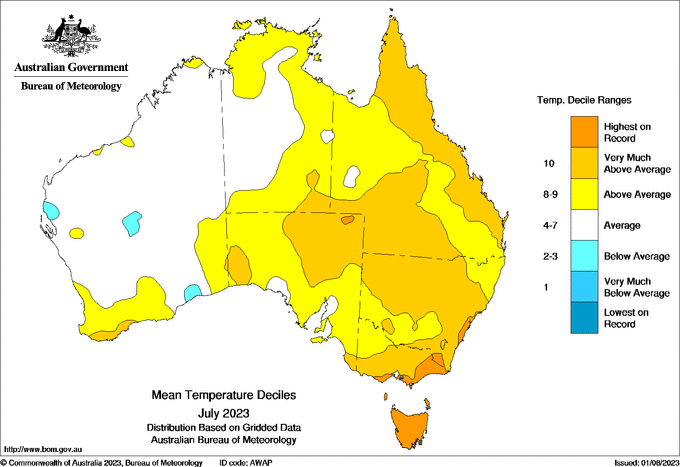
The high pressure has caused the air over the continent's interior to warm. When cold fronts move across the south of Australia they push this warm air ahead of them, bringing warm and windy conditions to southern coastal areas.
This is similar to the weather pattern we see in summer when cities such as Adelaide and Melbourne experience their hottest days.
On Thursday, an approaching cold front is forecast to lift temperatures ahead of it to about 23 degrees in Adelaide, 20 degrees in Melbourne and 18 degrees in Hobart.
These are very warm temperatures in these locations for early August.
And what about the oceans? Around Australia, oceans are a bit cooler than average in some places including to the northwest of the continent.
But as the image below shows, ocean temperatures are currently above normal in many places around the world, including the west Indian Ocean and the central and eastern tropical Pacific. This indicates a developing El Niño and positive Indian Ocean Dipole – two natural climate drivers that affect Australia's weather patterns.
READ MORE: BoM holds off on El Niño call, but long-range forecast remains grim

This difference in ocean temperatures reduces the amount of atmospheric moisture over southern and eastern Australia. It also makes low pressure systems weaker and less frequent, reducing rainfall over the region.
Over the coming months, warm and dry weather is expected to continue. For the rest of winter and spring, it's expected to be drier than normal in the southwest of Western Australia and much of the east of the continent.
And the whole of Australia is predicted to be warmer than normal during this period. Of course, this doesn't rule out occasional cool, wet spells.
So is climate change a factor here?
Yes.
Australia's land areas have already warmed by 1.4 degrees since pre-industrial times. This is the result of humans burning fossil fuels and releasing greenhouse gases.
The record winter warmth is part of a long-term upward trend in Australian winter temperatures.
As I've written previously, there has been at least a 60-fold increase in the likelihood of a very warm winter that can be attributed to human-caused climate change.
And we're likely to see more record warm winters as the planet continues to warm.
Looking north
Of course, Australia's spell of warm weather seems harmless compared to the Northern Hemisphere's weird and wild summer.
There, simultaneous extreme heatwaves have struck all four continents in recent weeks. Ocean temperatures are well above previous record highs for this time of year. Last week, 1,000 wildfires burned in Canada alone.
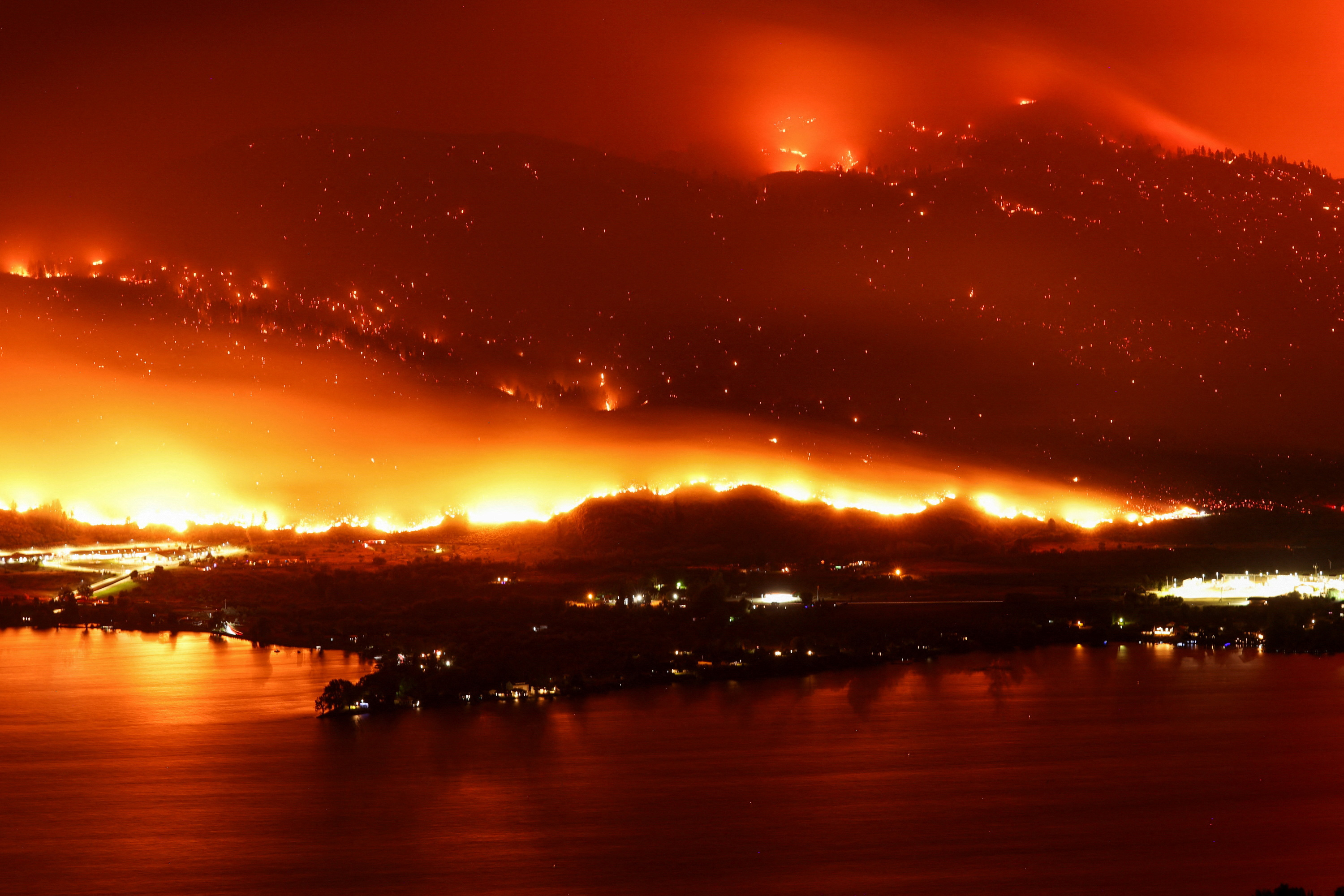
The planet's warmest average temperatures typically happen in July. That's because the Northern Hemisphere's large land masses heat up more quickly than the oceans, in response to the high amounts of radiation from the sun. Still, the heat of the last few weeks has been unprecedented.
The heatwaves are linked to high-pressure weather systems that are "blocking" or deflecting oncoming low-pressure systems (and associated clouds and rain).
On top of this, human-caused global warming is greatly increasing the chance of record-breaking extreme heat events and concurrent heatwaves across many regions.
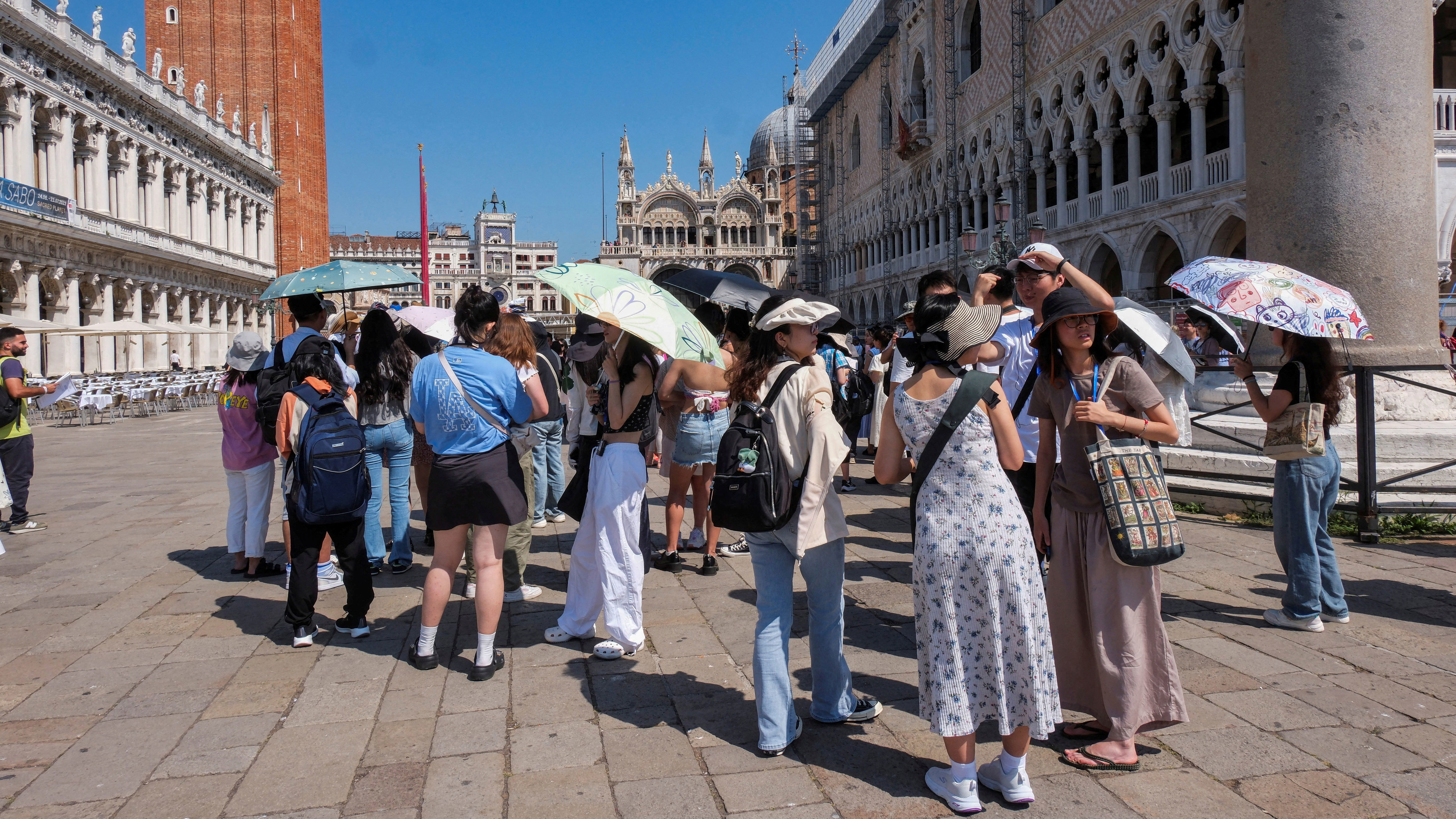
Worryingly, a rapid analysis by international experts suggests the extreme heat should not be viewed as unusual, given the effects of climate change. For example, it says China's recent record-breaking heatwave should now be expected about once in every five years, on average.
Not all extreme weather events can be attributed to human-caused climate change. But the study found climate change significantly contributed to the recent heatwaves in China, North America and Europe.
READ MORE: DNA test could solve 60-year-old mystery
A sign of what's to come
The Northern Hemisphere's heatwaves are very alarming. But Australia's temperatures are also unusually high for winter – and this is also cause for concern.
Warm winters in Australia can negatively affect some parts of the economy, including the ski industry. It also disrupts flora and fauna and increases the chance of "flash droughts" – where drier-than-normal conditions turn into severe drought in the space of weeks.
The warm, dry conditions may also lead to an earlier start to the fire season in Australia's southeast.
So while we may appreciate warm winter weather, we mustn't forget what's driving it – and how urgently we need to stabilise Earth's climate by slashing greenhouse gas emissions.
This article was written by Andrew King, Senior Lecturer in Climate Science at The University of Melbourne, and is republished from The Conversation under a Creative Commons licence. Read the original article.
Sign up here to receive our daily newsletters and breaking news alerts, sent straight to your inbox.
Landmark statue commemorates Australian nurses who served in war
Nurses who died serving Australia, were the victims of wartime atrocities and made sacrifices for their country are now permanently commemorated after the first statue of a woman at the Australian War Memorial was unveiled today.
Lieutenant Colonel Vivian Bullwinkel, who was the sole survivor of an infamous World War II massacre, has become the first female to be memoralised in bronze at the memorial.
Bullwinkel, who died in 2000, was posted to Singapore as part of the Australian Army Nursing Service in 1941 as British-led forces attempted to repel an attack by the Japanese army.
READ MORE: DNA test could solve 60-year-old mystery

After the fall of Singapore, 22 unarmed Australian nurses were brutally executed by Japanese soldiers at Bangka Island, east of Sumatra.
Bullwinkel was the only nurse to survive but was later captured and spent three-and-a-half years in a Japanese prison camp.
Following World War II, she left the army and became director of nursing at Melbourne's Fairfield Hospital. She devoted herself to nursing, honouring those killed on Banka Island and raising funds for a nurses' memorial.
The sculpture, created by Brisbane artist Charles Robb, includes 22 inlaid stainless steel discs commemorating the 22 women killed in the atrocity.
READ MORE: Trump indicted over efforts to undermine 2020 presidential election

Australian War Memorial director, Matt Anderson, said Bullwinkel's name should be known in all households, as should her inspirational life story.
Australian College of Nursing chief executive Kylie Ward said she hoped the sculpture would inspire children visiting the memorial.
"The sculpture will be a powerful and long-lasting symbol of nurses' selfless service to Australia and its citizens whether in war or in peace."
Sign up here to receive our daily newsletters and breaking news alerts, sent straight to your inbox.
New video of 'human bear' waving emerges as expert weighs in with verdict
A new video showing a sun bear at a Chinese zoo waving to visitors has added fuel to allegations the animal is actually human in disguise.
Hangzhou Zoo in China was forced to confirm its four-year-old sun bear "Angela" was a real bear, after photos and footage of the animal standing on its hind legs went viral.
Now, a 12-second clip shows the bear standing on its hind legs again and appearing to wave twice to zoo visitors as one yells out "hello".
READ MORE: BoM holds off on El Niño call, but long-range forecast remains grim

The footage comes as a zoological expert in the UK told the BBC the animal in the first viral footage was definitely a real sun bear.
Dr Ashleigh Marshall, an expert from Chester Zoo did concede, however, that sun bears do often "look a lot like people in their costumes".
Marshall told the BBC the loose skin on the bear's back, which viewers took to be evidence of an ill-fitting costume, was actually an anatomical feature of the sun bear which allowed them to protect themselves against predators.
The loose skin helped the bear to "turn around in their skin" and fight back if an animal like a tiger grabbed them, Marshall said.
People are keen to judge for themselves, with visitor numbers at Hangzhou Zoo surging by 30 per cent at the zoo since the story began trending on Chinese social media over the weekend, Zhejiang province-based Chao News reports.
Sign up here to receive our daily newsletters and breaking news alerts, sent straight to your inbox.
Massive US fire spawning dangerous 'fire whirls'
A massive fire burning across both California and Nevada is generating extreme fire behavior, spawning "fire whirls" and creating dangerous conditions for firefighters, authorities said.
The fire, dubbed the York Fire, which is California's largest fire of the year, has consumed 80,000 acres as of Tuesday morning.
The blaze began Friday in the New York Mountain Range of California's Mojave National Preserve and crossed state lines into Nevada Sunday as winds picked up under scorching temperatures.
READ MORE: Trump indicted over efforts to undermine 2020 presidential election

Firefighters were able to gain some control of the fire Monday night and by Tuesday morning the York Fire was 23 per cent contained.
"An infrared flight was completed last night, which provided a better assessment of fire size and activity," the National Parks Service said on Tuesday.
The blaze is among dozens of wildfires burning around the country as some areas swelter under unrelenting heat – including one fire raging on both sides of the US-Canadian border.
The fire on the California-Nevada state line is still "growing rapidly" and creating extreme conditions that are making it more dangerous and difficult to control, fire officials said Monday night.

Firefighters battling the blaze have seen fire whirls – "a vortex of flames and smoke that forms when intense heat and turbulent winds combine, creating a spinning column of fire," the Mojave National Preserve said Sunday.
As the fire-heated air rises, cold air dashes to take its place, creating a spinning vortex rising from a fire and carrying aloft smoke, debris, and flame – also referred to as a fire tornado in some cases.
"These fire whirls are similar to dust devils but are specifically associated with the heat and energy released by a wildfire," the Mojave National Preserve said. "They can range in size from a few feet to several hundred feet in height, and their rotational speed can vary widely."
READ MORE: BoM holds off on El Niño call, but long-range forecast remains grim

Fire whirls can change direction suddenly, making them unpredictable and difficult to anticipate, park service officials said.
Large fire whirls can have the same intensity as a tornado. In 2018, The Carr Fire outside of Redding, California, spawned a fire tornado so destructive that it killed eight people and flattened several homes. The deadly fire had winds over 140 mph, which would equal an EF-3 tornado, or the third most intense tornado on the EF scale.
Crews battling the York Fire are facing sustained temperatures over 100 degrees that are causing difficulties for firefighters, who are increasingly relying on aerial resources.
The struggle to control the York Fire has allowed smoke to reach into Nevada and southern Utah, the fire incident overview noted. There has been "elevated readings for particulate matter" in East Las Vegas, Boulder City and Henderson, according to a tweet from the Clark County, Nevada government.
As hot and dry conditions continue, 64 active large fires are burning across nine states, including 12 large new fires were reported on Sunday, the National Interagency Fire Center said Monday.
More than 11,500 wildland firefighters and other personnel are assigned to incidents throughout the US, the agency said.
As of July 31, 1.1 million acres have burned across the US in 2023, according to the National Interagency Fire Center – still well below the 5.7 million acres that had burned by the end of July in 2022.