Co-offender Jimi Haerewa was earlier sent to jail for his part in the hold-up.
Tag Archives: oceania
Man with ‘Once Were Warriors’ upbringing severely injures baby the first time they are left alone
The baby was left unable to see, move or feed without help.
Mountain Rd, Epsom closed after bus, car crash, one seriously injured
Auckland Transport says “very heavy traffic” about Mountain Rd is delaying traffic, buses.
Māngere torture murder trial verdict: Jury find 16yo guilty kidnapping Dimetrius Pairama, deadlocks on murder
Dimetrius Pairama, 17, died five years ago after she was forced to hang herself.
Possible disruptions to Sydney's water supplies as strike action brews
Sydney Water workers are threatening to strike after an ongoing dispute with management over pay and conditions but potential industrial action could impact the city's residents.
The Australian Services Union – which is responsible for Sydney Water workers – said negotiations with their management have broken down, leading to the union lodging a dispute with the Fair Work Commission.
Workers are looking for improved pay and conditions after claims management slashed current salaries and imposed "secretive" contracts.
READ MORE: A common condition forced Laura to stop working in her 30s

"The relationship between the people who work at Sydney Water and senior management has never been worse," deputy secretary Jan Primrose said.
Primrose claimed long-term skilled workers are quitting the organisation as a result of the deteriorating pay and working conditions.
"Sydney Water is a great public asset, but it is being dragged backwards," she said.
"These workers are essential to keeping our water clean, and our beaches pristine."
"The people of NSW who are the owners of Sydney Water deserve better and so do the workers who have been delivering Australia's safest water."
A Sydney Water spokesperson told 9news.com.au it has proposed an 11 per cent increase over three years and "has agreed to a number of proposals put forth by the joint unions".
"Sydney Water states that they have been bargaining with their employees in good faith, and with an additional meeting scheduled for next week, we're hopeful that an agreement may have been reached," the spokesperson said.
Primrose called on the government to step in and rectify the dispute between workers and management by formalising an enterprise agreement.
READ MORE: Scary declaration before July's even over

Premier Chris Minns said he was unaware of the industrial negotiations going on at Sydney Water but wants the senior management to better liaise with the workforce.
"I urge all parties to sit down and work through the circumstances of both the union claims and the ability of this particular agency to meet them," he said.
"It's going to be a rocky road and I've said this in relation to other industrial disputes.
"We don't welcome it but unfortunately it's part of the process."
If a strike is to occur, Sydney residents could be impacted if workers don't show up.
Minns warned there could be flow-on disruptions for residents if the strike goes ahead.
"I'm not promising that it will run smoothly but I am promising we will make progress and keep more people in the public sector to deliver better service to the people of this state," he said.
Sydney Water has more than 3000 employees and services 5.3 million customers in Greater Sydney, the Blue Mountains and Illawarra.
Sign up here to receive our daily newsletters and breaking news alerts, sent straight to your inbox.
Passengers warned not to fly with fully charged devices
Passengers have been warned not to fly with fully charged devices due to an increased cabin fire risk by the United States' Federal Aviation Administration.
The safety regulator has warned travellers everyday items like mobile phones, laptops, tablets and smartwatches all contain lithium batteries, which can be potential fire hazards.
Fire safety branch manager Robert Ochs said the batteries had "high energy density" so there was a lot of electrical power in a relatively small pack on the Air Up There podcast which was posted on X, formerly Twitter, this week.
READ MORE: Gas to be banned in all new Victorian homes from January

Fire safety branch manager Robert Ochs said the batteries had "high energy density" so there was a lot of electrical power in a relatively small pack.
"They can however undergo a failure mode called thermal runaway," Ochs explained.
"So this thermal runaway occurs if there is an internal short circuit within the battery itself where energy will start to flow within the battery.
"That creates a good amount of heat and if that heat can't be dissipated then the heat just keeps building and building to the point where the cell fails.
READ MORE: Gina Rinehart's childrens' claims to Hancock mining riches 'a distraction'
https://twitter.com/FAANews/status/1683162628254846976?ref_src=twsrc%5Etfw
"You can have everything from fires to explosions and it's a very, very dangerous situation."
He said the main difference between a fire occurring in the air opposed to the ground was the inability to escape a fire if it was on a plane.
"If you do notice any of these signs (devices heating up)… get the attention of the cabin crew immediately, they are trained to handle these type of situations."
He said the best way to avoid the situation was to turn the device off or travel with it at 30 per cent or lower.
The event is rare but it does happen, Ochs said.
Sign up here to receive our daily newsletters and breaking news alerts, sent straight to your inbox.
Meat allergy caused by tick spit is 'getting more common'
More than 100,000 people in the US have become allergic to red meat since 2010 because of a weird syndrome triggered by tick bites, according to a government report, but health officials believe many more have the problem and don't know it.
A second report estimated that as many as 450,000 Americans have developed the allergy.
That would make it the 10th most common food allergy in the US, said Dr Scott Commins, a University of North Carolina researcher who co-authored both papers published by the Centres for Disease Control and Prevention.
Health officials said they are not aware of any confirmed deaths, but people with the allergy have described it as bewildering and terrifying.
READ MORE: On a quiet one-acre plot, army of toxic ticks 'torture' Sydney grandfather
“I never connected it with any food because it was hours after eating,” said one patient, Bernadine Heller-Greenman.
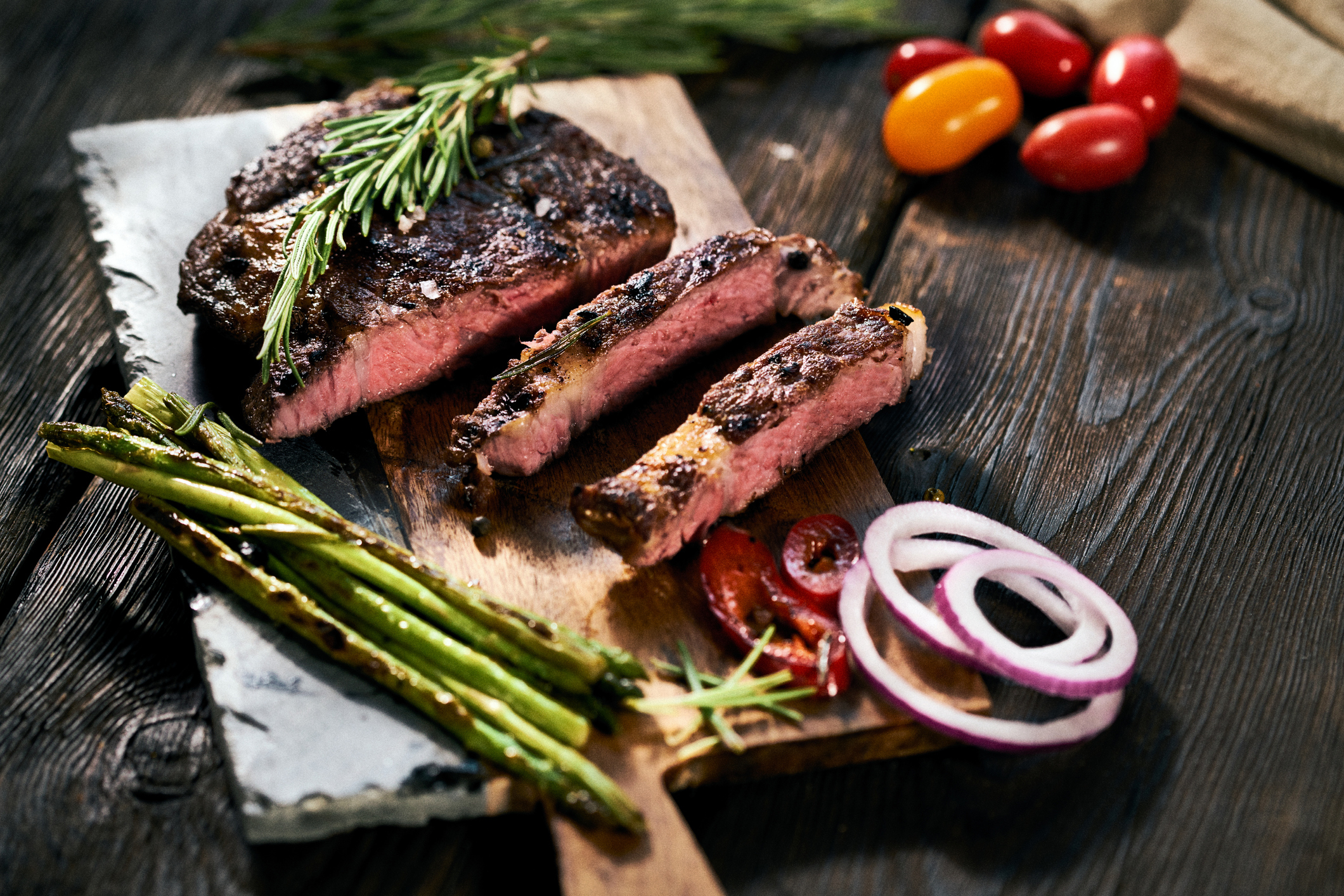
The reaction, called alpha-gal syndrome, occurs when an infected person eats beef, pork, venison or other meat from mammals — or ingests milk, gelatin or other mammal products.
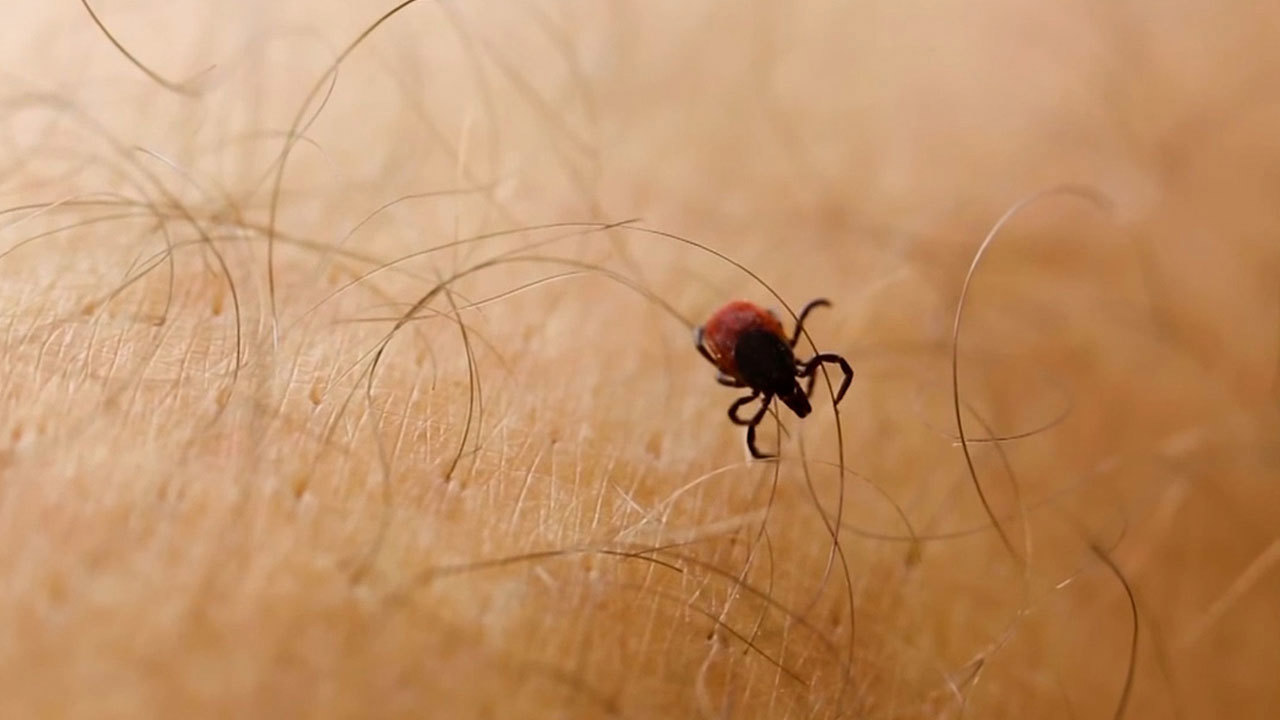
It’s not caused by a germ but by a sugar, alpha-gal, that is in meat from mammals — and in tick spit.
When the sugar enters the body through the skin, it triggers an immune response and can lead to a severe allergic reaction.
Scientists had seen reactions in patients taking a cancer drug that was made in mouse cells containing the alpha-gal sugar. But in 2011 researchers first reported that it could spread through tick bites, too.
They tied it to the lone star tick, which despite its Texas-themed name is most common in the eastern and southern US. (About 4 per cent of all US cases have been in the eastern end of New York’s Long Island.)
One of the studies released Thursday examined 2017-2022 test results from the main US commercial lab looking for alpha-gal antibodies. They noted the number of people testing positive rose from about 13,000 in 2017 to 19,000 in 2022.
READ MORE: A common condition forced Laura to stop working in her 30s
Experts say cases may be up for a variety of reasons, including lone star ticks' expanding range, more people coming into contact with the ticks or more doctors learning about it and ordering tests for it.
But many doctors are not. The second study was a survey last year of 1,500 US primary care doctors and health professionals.
The survey found nearly half had never heard of alpha-gal syndrome, and only 5 per cent said they felt very confident they could diagnose it. Researchers used that information to estimate the number of people with the allergy — 450,000.
READ MORE: Teen gunman said school shooting 'so much fun', audio reveals
People with the syndrome can experience symptoms including hives, nausea, vomiting, diarrhea, severe stomach pain, difficulty breathing, dizziness and swelling of the lips, throat, tongue or eyelids.
Unlike some other food allergies, which occur soon after eating, these reactions hit hours later.
Some patients have only stomach symptoms, and the American Gastroenterological Association says people with unexplained diarrhea, nausea and abdominal pain should be tested for the syndrome.
Doctors counsel people with the allergy to change their diet, carry epinephrine and avoid tick bites.
The allergy can fade away in some people — Commins has seen that happen in about 15 per cent to 20 per cent of his patients. But a key is avoiding being re-bitten.
“The tick bites are central to this. They perpetuate the allergy,” he said.
One of his patients is Heller-Greenman, a 78-year-old New York art historian who spends summers on Martha's Vineyard. She has grown accustomed to getting bitten by ticks on the island and said she has had Lyme disease four times.
About five years ago, she started experiencing terrible, itchy hives on her back, torso and thighs in the middle of the night. Her doctors concluded it was an allergic reaction, but couldn't pinpoint the trigger.
She was never a big meat eater, but one day in January 2020 she had a hamburger and then a big, fatty steak the following evening. Six hours after dinner, she woke up nauseated, then suffered terrible spells of vomiting, diarrhea and dizziness. She passed out three times.
She was diagnosed with alpha-gal syndrome shortly after that, and was told to avoid ticks and to stop eating red meat and dairy products. There have been no allergic reactions since.
“I have one grandchild that watches me like a hawk," she said, making sure she reads packaged food labels and avoids foods that could trigger a reaction.
“I feel very lucky, really, that this has worked out for me," she said. “Not all doctors are knowledgeable about this.”
Sign up here to receive our daily newsletters and breaking news alerts, sent straight to your inbox.
'Funky' artisan cheese recalled due to potential contamination
A "funky" artisan-style cheese has been recalled by the food standards regulator due to potential E. Coli contamination.
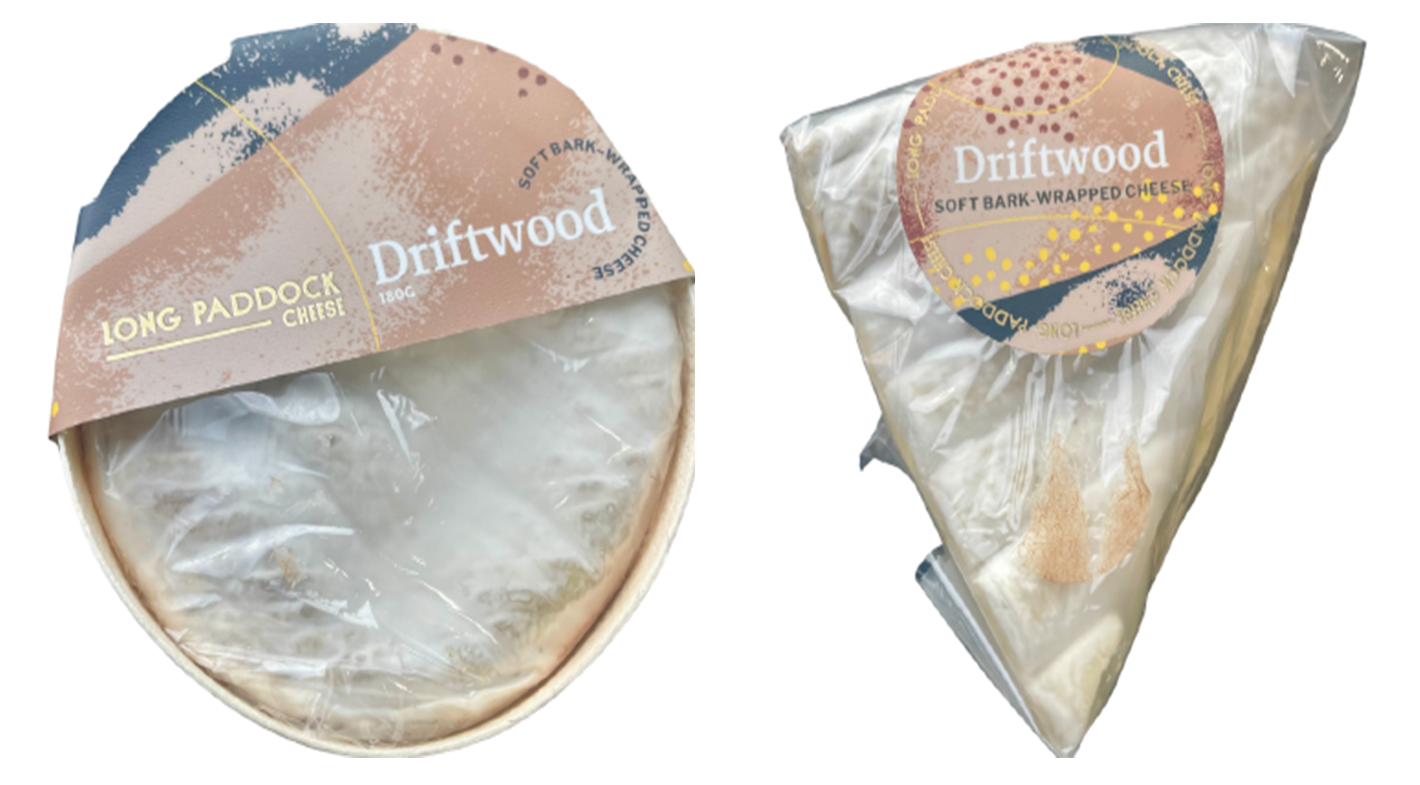
Long Paddock Cheese is conducting the recall of its Driftwood Cheese in 180g and 1kg quantities, which were sold across NSW and Victoria.
"The recall is due to potential microbial (E. Coli) contamination," Food Standards Australia New Zealand said in a statement.
READ MORE: A common condition forced Laura to stop working in her 30s
"Food products contaminated with E. Coli may cause illness if consumed."
The product is described by Long Paddock as a "funky bark-belted soft cheese in the style of Vacherin Mont d'Or".
Consumers should seek medical advice if they are concerned about their health.
Products can be returned to Long Paddock for a full refund.
Sign up here to receive our daily newsletters and breaking news alerts, sent straight to your inbox.
Mystery pole: Tauranga teacher searches for answers after pole cemented into her driveway
‘Is this a sign?’ Teacher tosses up what to do with pole someone cemented in her driveway.
Te Whatu Ora – Te Tai Tokerau busts myths on Northland Rescue Helicopter and Whangarei Hospital
Whispered concerns about broken lifts and abandoned helipads have gained momentum.