Tag Archives: oceania

Pilot, passengers saved from White Island blast by sea

A helicopter pilot who took a group of tourists to White Island on the day of its deadly eruption reportedly heard "a bit of a tut" before they had to run for their lives.

Pilot Brian Depauw took four passengers to the island on December 9, 2019.

A video of an evidential interview Depauw gave police was broadcast in court today as a third day of hearings for a prosecution related to the eruption continued.

READ MORE: BBC presenter named by wife in explicit photo scandal
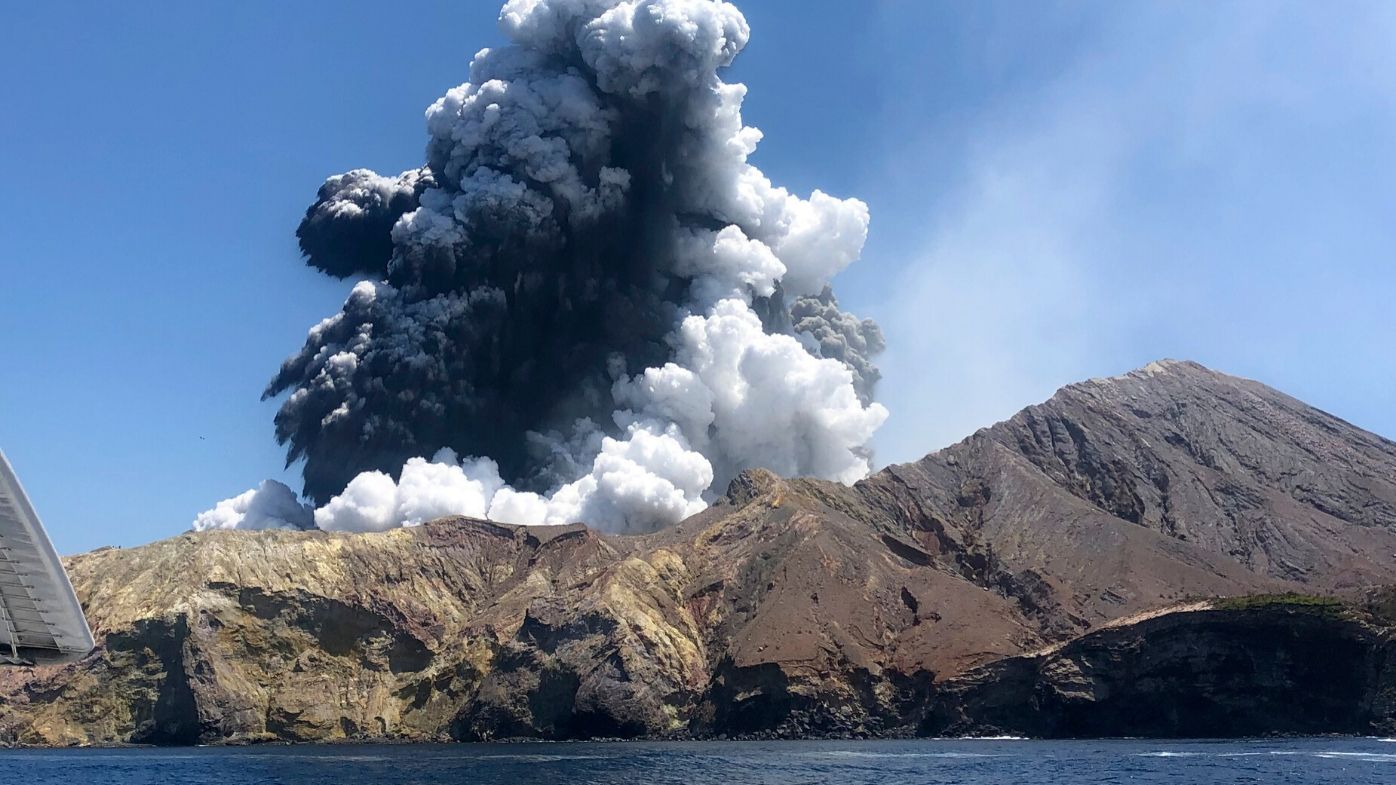
The island's owners, the Buttle family, ID Tours and Tauranga Tourism Services Limited have been accused of breaching health and safety regulations.

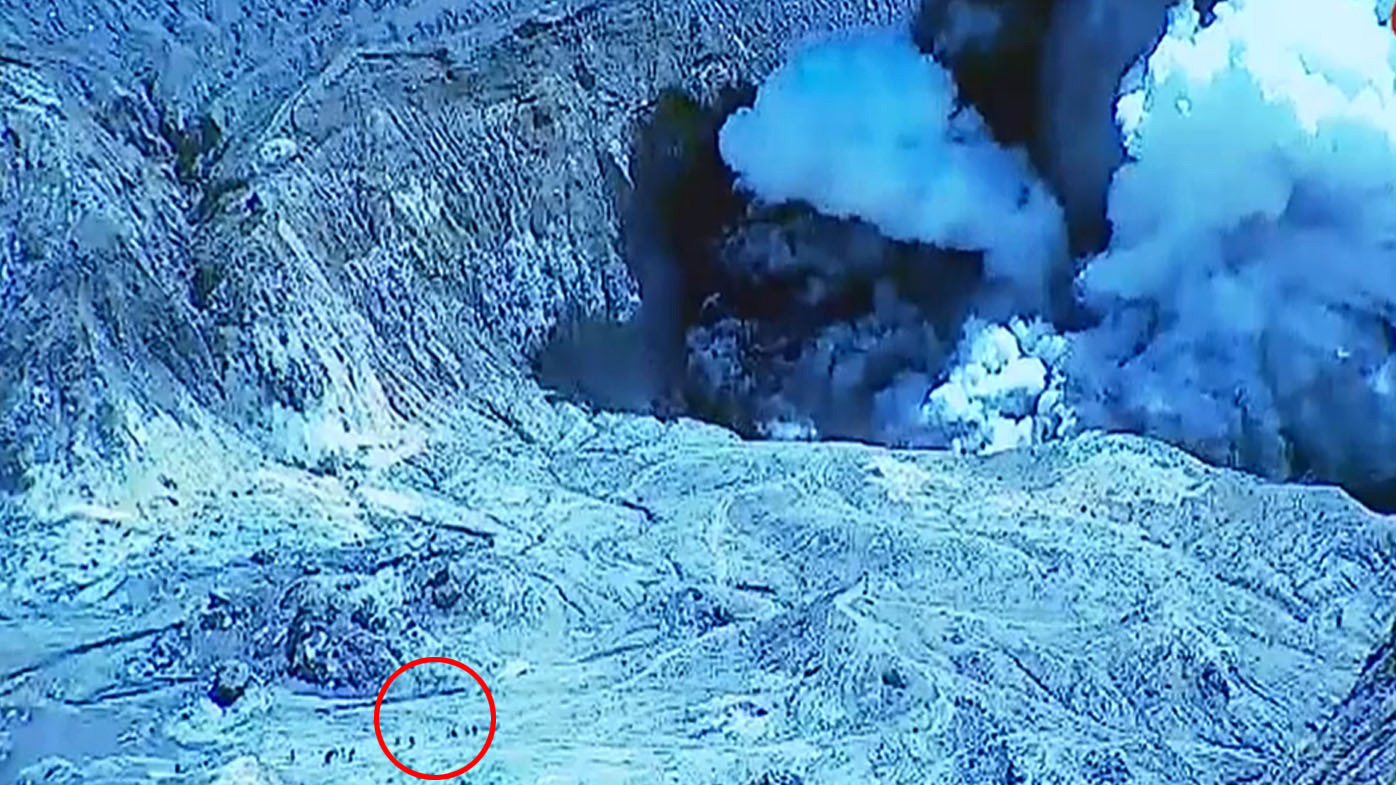
Depauw told police he and his group were walking away from the crater towards the pier when he heard "a bit of a tut", Stuff reported.

One of the passengers asked if they should run, and Depauw turned to see a cloud of ash rising into the air.

Depauw and two of his passengers managed to run the remaining 150-200m to the water, where he said everything went black.

He said he ducked underwater as long as he could.

Speaking in court, Depauw said reaching the sea had saved him.

His other two passengers were unable to reach the water and suffered burns.

First Australian caught in blast speaks

Annie Yongan Lu, from Sydney, gave evidence at the trial via video link from Australia, AAP reported.

Lu was aged 26 when she booked a holiday cruise with her then 56-year-old mother, Alice Xioman Zhang, from Sydney to New Zealand.

"We looked at brochures of day trips and saw White Island and we decided to go," she told police in a 2020 video interview that was played to the court.

Lu said the trip to the island with her mother started exactly like every other excursion from the cruise.

READ MORE: Dentist Googled 'how to make a murder look like a heart attack'
"Nothing was really explained to us going on to the bus or the boat (about) the possibility of an explosion," she said.

Lu said she followed the advice in the brochure's short blurb and wore enclosed shoes with gym leggings and a hooded jumper.

She said their tour group was given a safety briefing once on the island and told to wear hard hats, but gas masks were optional for the sulphur smell.

"They mentioned 'level two' but said it was nothing to worry about … there was no explanation of what level two was," Lu said.

READ MORE: Murder charges over 'brazen' Sydney street shooting
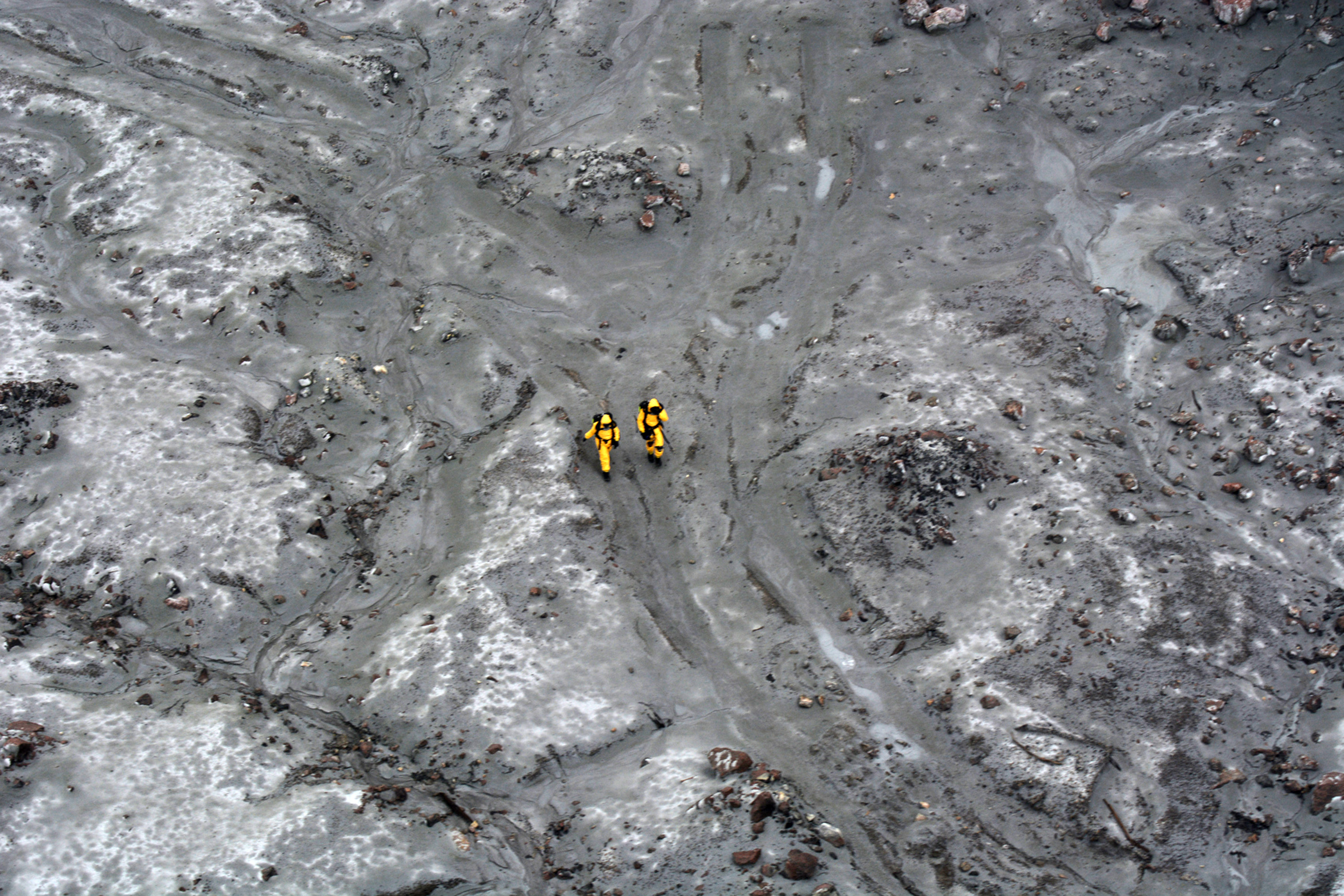
The trial has heard that volcanic activity level two is the highest alert level not involving an eruption.

Lu and her mother stopped for one last photo of the crater when the volcano started to erupt just after 2pm on December 9.

"All of a sudden, I saw these black clouds pop up … I heard, 'Oh my god, everybody run'," she said.

Lu said she realised they could not outrun the eruption and she and her mother dived behind a rock before being hit by two or three waves of heat and pain.

READ MORE: The one symptom that separates RSV from the common cold
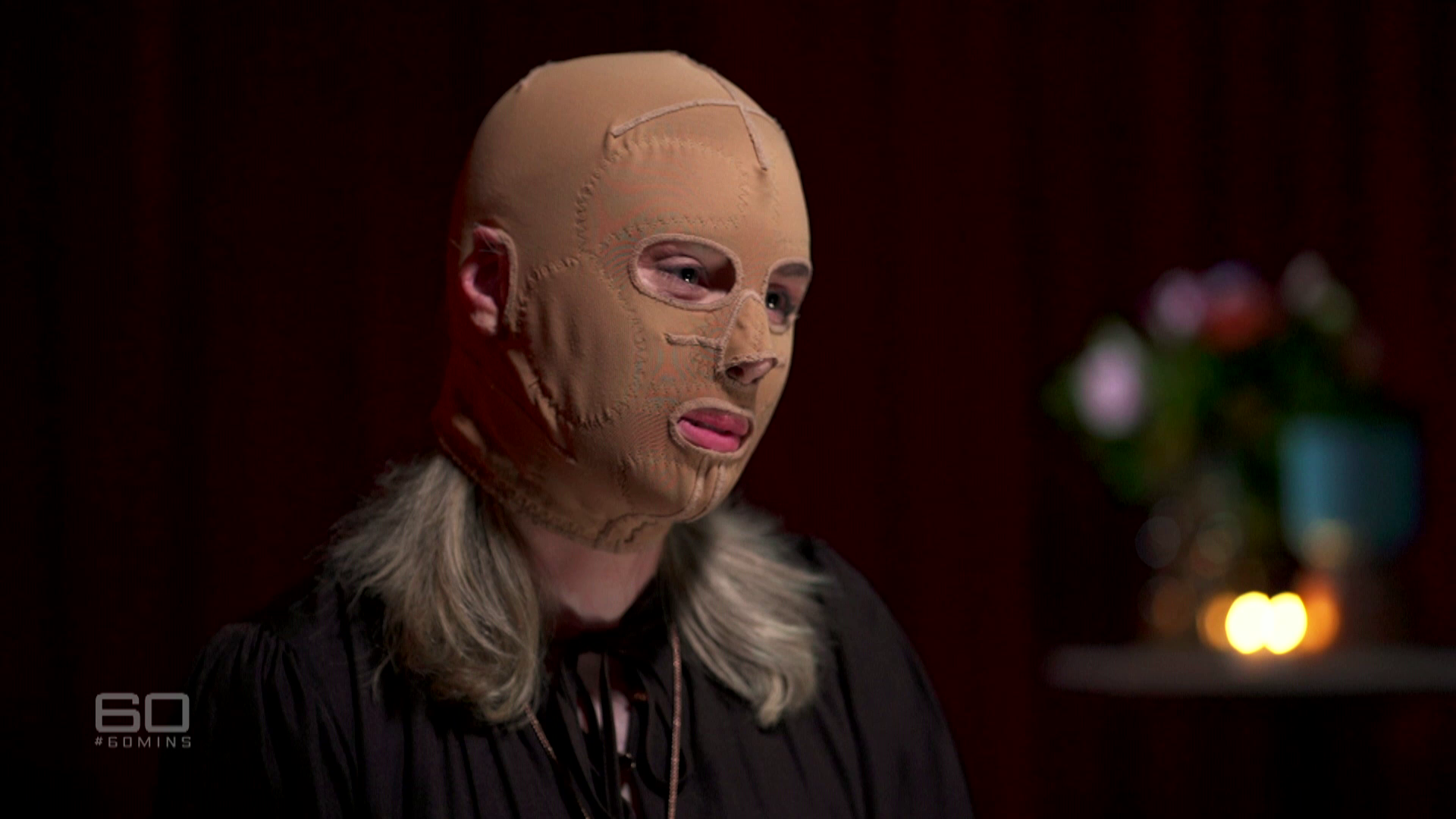
"I remember mum screaming my name and everything went black as this big wind that knocked us for six and I was in so much pain and screaming into the gas mask," she said.

After boarding a tour boat with her mother, Lu ran her hands under a tap and saw that her nails were cracking and her skin was bubbling and falling off.

The boat's crew cut off her melted leggings and she moved to the front of the vessel with the most badly injured people.

"I realised I could not bend my legs or sit down … I started freaking out," Lu said.

The trial is also due to hear from Australians Jesse Langford and Stephanie Browitt, who were badly burned and had relatives killed by the eruption.

'Like your skin is melting off'

A video interview Lu gave police months after the eruption was also played in court before she gave evidence.

"It's like your skin is melting off you," Lu told police when asked to describe the pain, Stuff reported.

"Think of a porcupine attacking you.

"The pain never stopped. It just kept going and going and going."

Lu said she had undergone many skin grafts since the eruption, with the most recent being just two weeks ago.

She told the court she had also had to step away from her career in the fashion industry.

Sign up here to receive our daily newsletters and breaking news alerts, sent straight to your inbox.

One student drowned but it could have been much worse

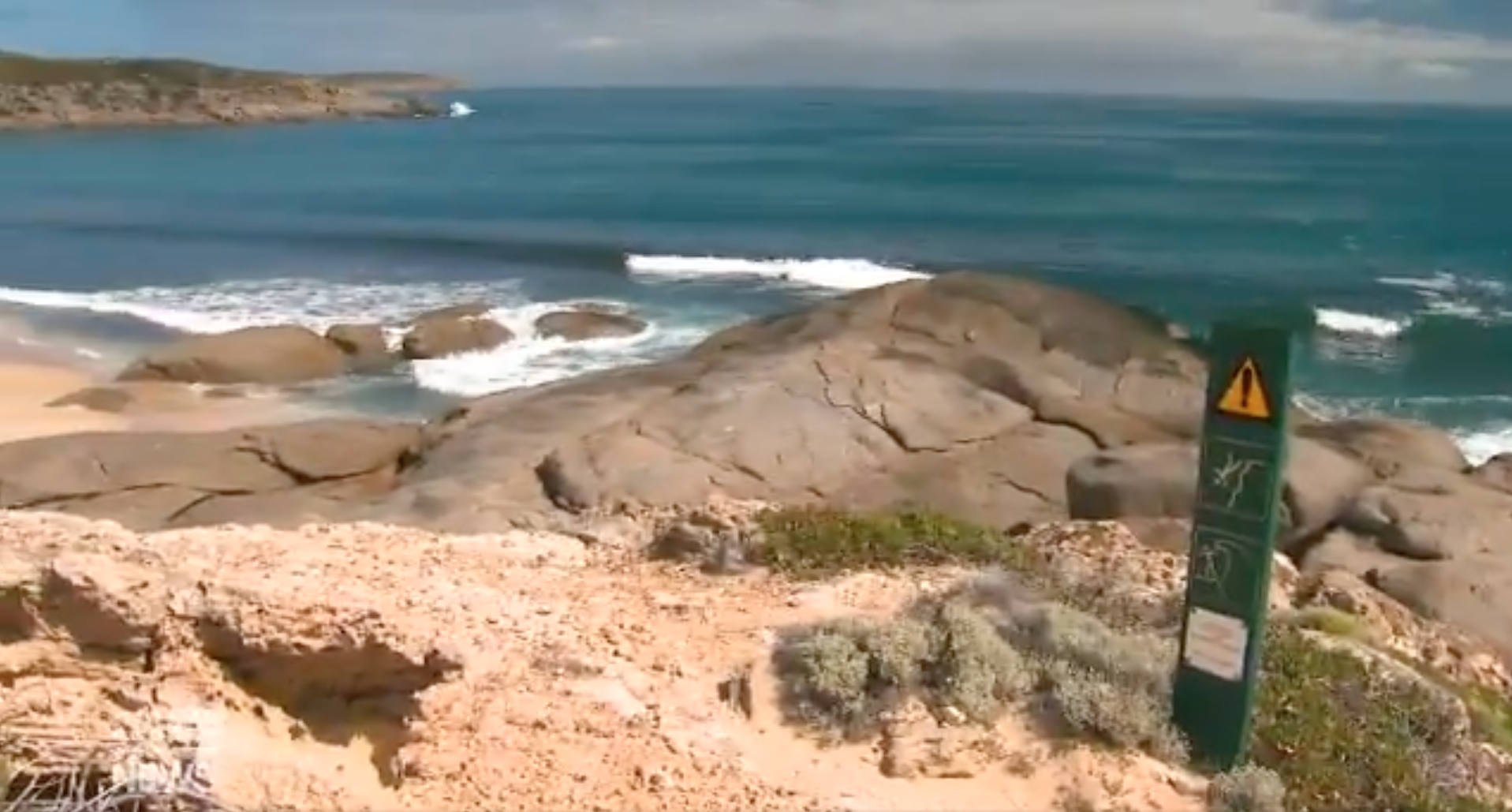
An Adelaide teenager who drowned on a school excursion was not given a life jacket before going fishing on a rocky outcrop that was steep, slippery and covered in black algae, a tribunal has ruled.

Ahmad Alfarhan, a student from Pinnacle College, either fell or jumped into the water to help some fellow students at Browns Beach, on South Australia's Yorke Peninsula, in March 2021.

The 16-year-old's body was recovered the following day.

READ MORE: Queensland family 'torn apart' after girl dies from flu

The operators of the school pleaded guilty under work health and safety rules to failing to ensure the safety of the students on the two-day camp.

In a judgment published by the South Australian Employment Tribunal this week, deputy president Miles Crawley said when the school group arrived at the national park, almost the first thing the students did was gather their fishing rods and go out onto a rocky outcrop.

"Whilst there, one of the students lost his balance, slipped and fell into the sea," he said.

"Ahmad and another student either slipped or jumped into the sea in an effort to rescue him.

"Two of the boys were able to self-rescue. Ahmad was lost."

READ MORE: The symptom that separates a cold from something sinister

Judge Crawley said Ahmad and his fellow students were not provided with life jackets and non-slip shoes were not considered necessary.

"They had no ropes and instead attempted to rescue the students by tying their jackets together to form a rope and by using the fishing rods," he said.

The judge said the offending involved was serious and the risk of injury or death was real.

He said the college had failed to identify the hazards and risks that rock fishing in that location presented to the students. Rock fishing was not included in a risk assessment.

"There could easily have been a triple fatality," Judge Crawley said.

"Even at it was, the victims of this tragedy extend to Ahmad's family, his classmates, the whole school, and the school community."

The judge imposed a $420,000 fine, discounted from $700,000 because of the early guilty plea.

He also accepted the school's "real and deep" contrition and that it had undertaken a substantial review of its policies and procedures which had created a new and very much improved excursion policy.

Sign up here to receive our daily newsletters and breaking news alerts, sent straight to your inbox.
Chris Hemsworth's fitness and wellness app cuts Australian jobs

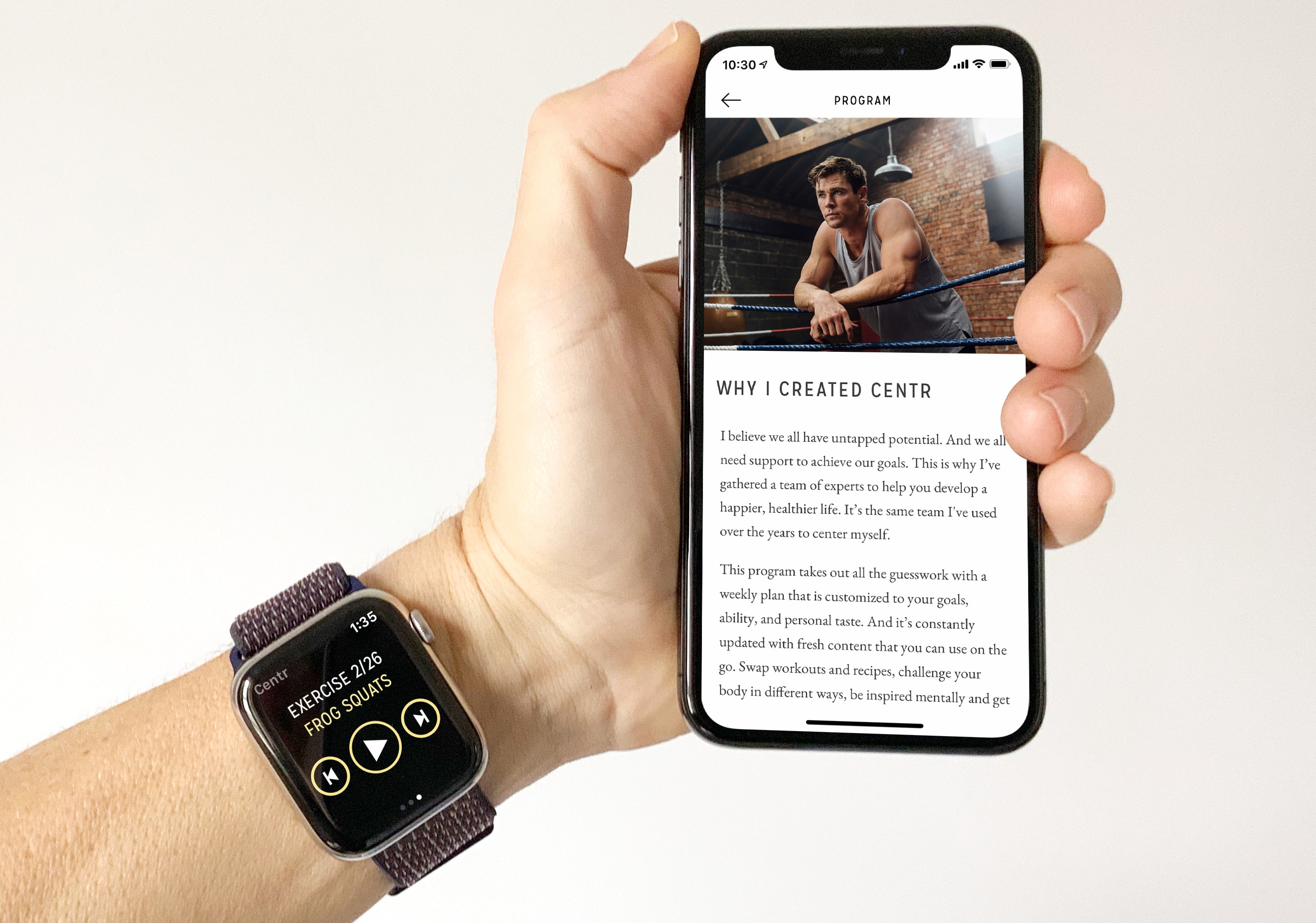
Chris Hemsworth's popular fitness and wellness app Centr has cut a number of Australian jobs, but says the majority of staff in its Melbourne office remain.

A spokesperson confirmed the restructuring to 9News.com.au

The spokesperson said just "a small number of people" had been impacted by the move and added the majority of workers in the Melbourne office are still employed, however did not provide any detail about how many staff remain.

READ MORE: Prominent Melbourne businesses enter voluntary administration

"As a result of a few voluntary resignations in Centr's Melbourne office, the company has made the strategic decision to rethink some functions to foster greater efficiencies and collaboration as Centr expands its platform connecting digital coaching with transformational in-home fitness equipment," the spokesperson said.

"High-quality, stand out content has been the hallmark of Centr, and our efforts in Melbourne have been the heart of our content production.

"Our Melbourne office will continue to be the global hub for all content and customer service, and will also be home to all sales and marketing for Australia, New Zealand and Asia."

READ MORE: White Island eruption 'like your skin is melting off', court told

Chris Hemsworth

Centr was launched by Marvel star Hemsworth in early 2019, and, as of March last year, had gone on to amass more than 200,000 subscribers.

That was when it was sold to HighPost Capital, a private equity firm co-founded by Jeff Bezos's younger brother, Mark.

At the time, it was valued at $290 million.

The Centr spokesperson said the company was grateful to the laid-off employees who had helped build the app.

"We are immensely grateful for the valuable contributions of those who were impacted and have helped build Centr, a health and wellness ecosystem that has been loved by athletes around the world," they said.

"We thank them for everything they have brought to both the company and to our consumers."

Sign up here to receive our daily newsletters and breaking news alerts, sent straight to your inbox.

What North Korea's latest missile launches tell us

North Korea fired an intercontinental ballistic missile this week, just days after Pyongyang threatened to shoot down US military reconnaissance planes flying over nearby waters.

The launch follows several other recent tests of North Korea's intercontinental ballistic missiles (ICBM), which have raised alarm among international observers and experts as the isolated authoritarian nation ramps up its efforts to develop weapons capable of potentially striking major US cities.

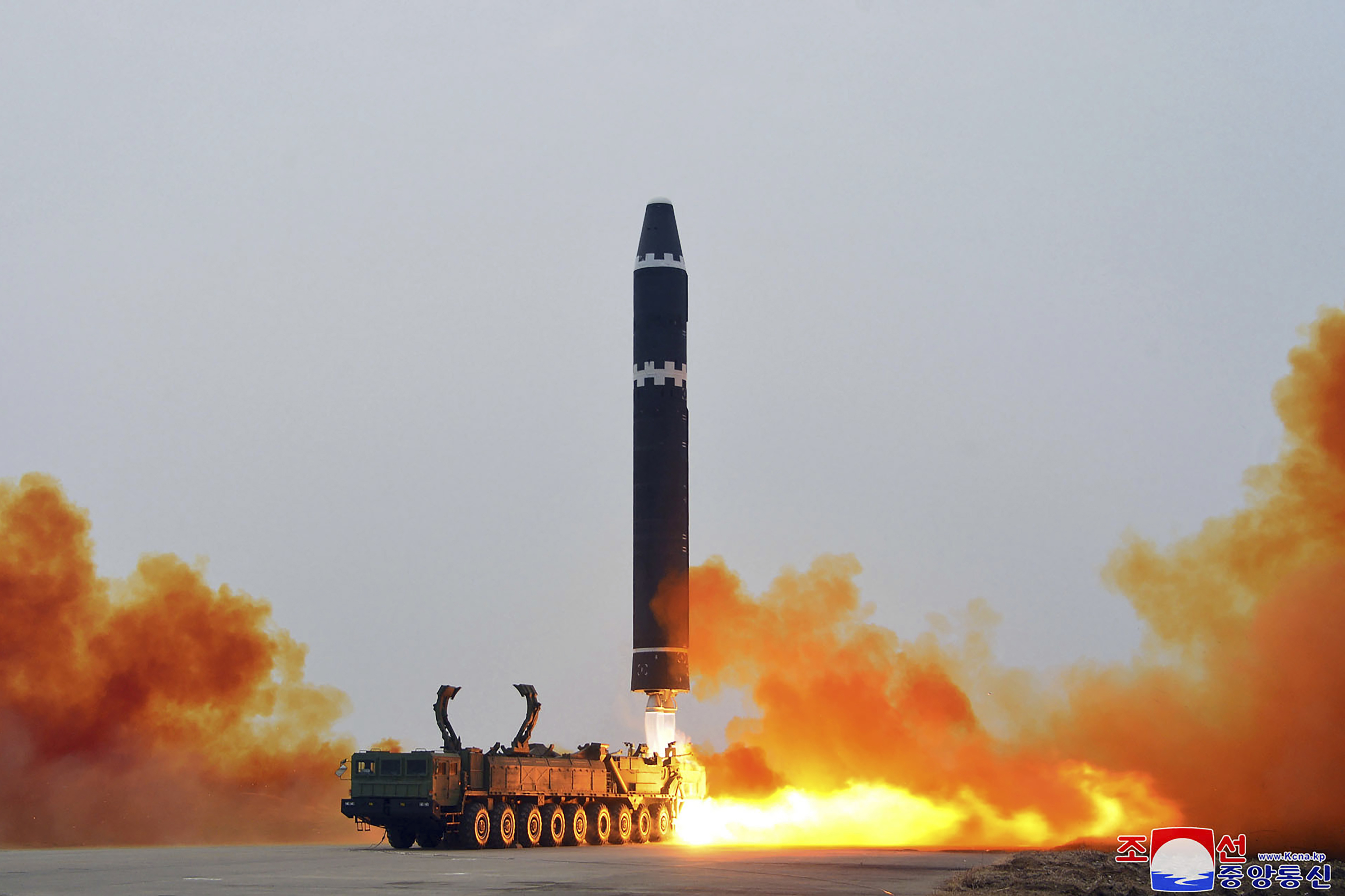
Wednesday's test was of the Hwasong-18, a powerful solid-fueled ICBM of a type that Pyongyang last launched in April, according to the state-run Korean Central News Agency (KCNA).

READ MORE: BBC presenter named by wife in explicit photo scandal

Leader Kim Jong Un said at the time the Hwasong-18 would provide the country with a "powerful strategic attack means" and boost its nuclear capabilities.

Pyongyang tested the liquid-fueled Hwasong-17 in March.

The ICBM fired on Wednesday flew about 1000km, staying airborne for 74 minutes, according to Japan's Defence Ministry – a marginal advancement on the ballistic missiles it tested earlier this year.

Here's what we know about the ICBMs in North Korea's arsenal.

Sign up here to receive our daily newsletters and breaking news alerts, sent straight to your inbox.
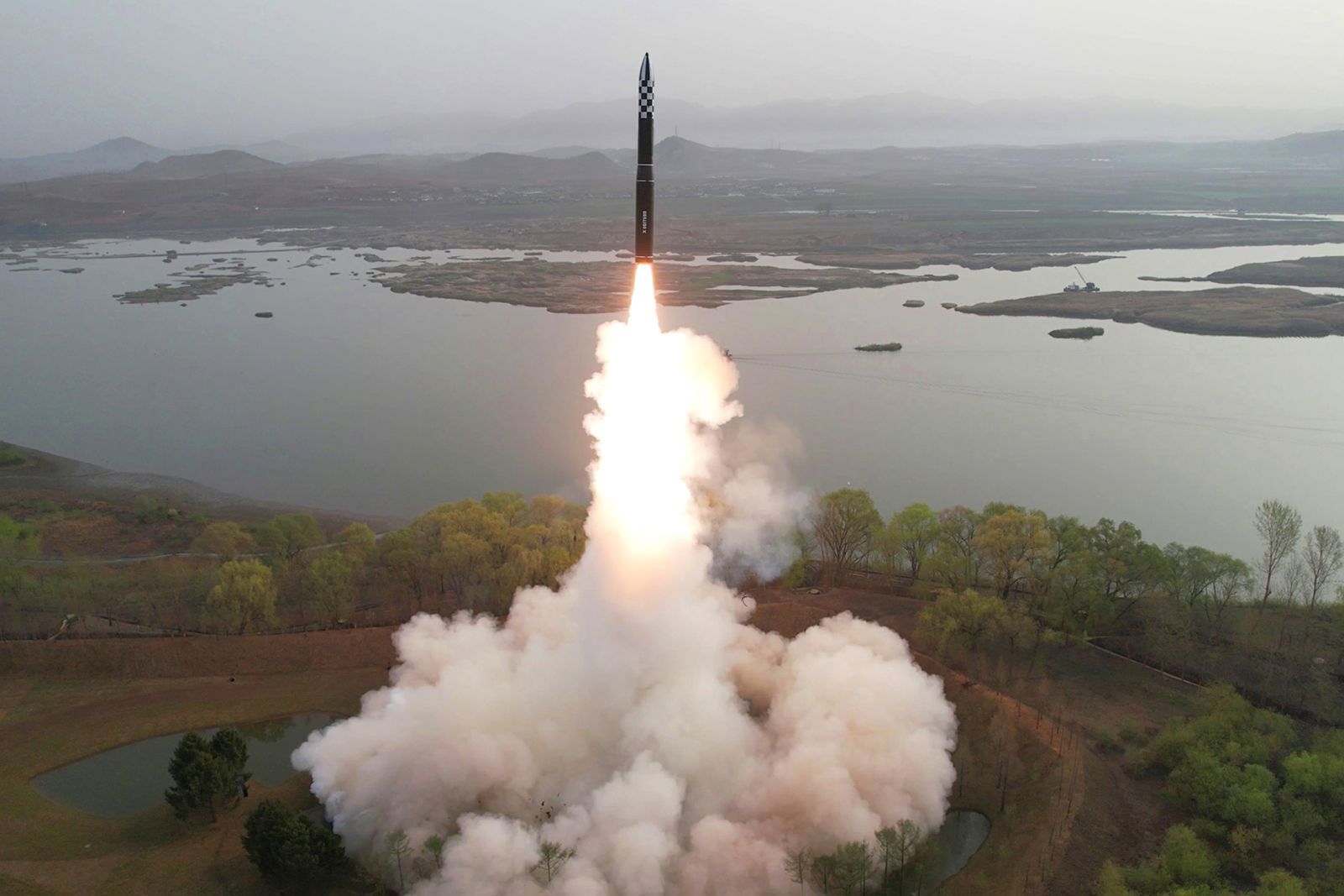
Liquid vs solid-fueled missiles

The Hwasong-17 is a liquid-fueled ICBM unveiled in 2022, when North Korea held its first long-range missile test in more than four years. Liquid-fuel technology is comparatively easier to master.

The Hwasong-18, meanwhile, is a solid-fueled missile, according to Pyongyang – which makes it far more advanced, and would allow North Korea to launch long-range nuclear strikes more quickly.

Solid-fueled ICBMs are more stable, and can be moved more easily to avoid detection before a launch that can be initiated in a matter of minutes, experts say – compared to liquid-fueled missiles that may need hours before launch, giving time for adversaries to detect and neutralise the weapon.

READ MORE: Dentist Googled 'how to make a murder look like a heart attack'

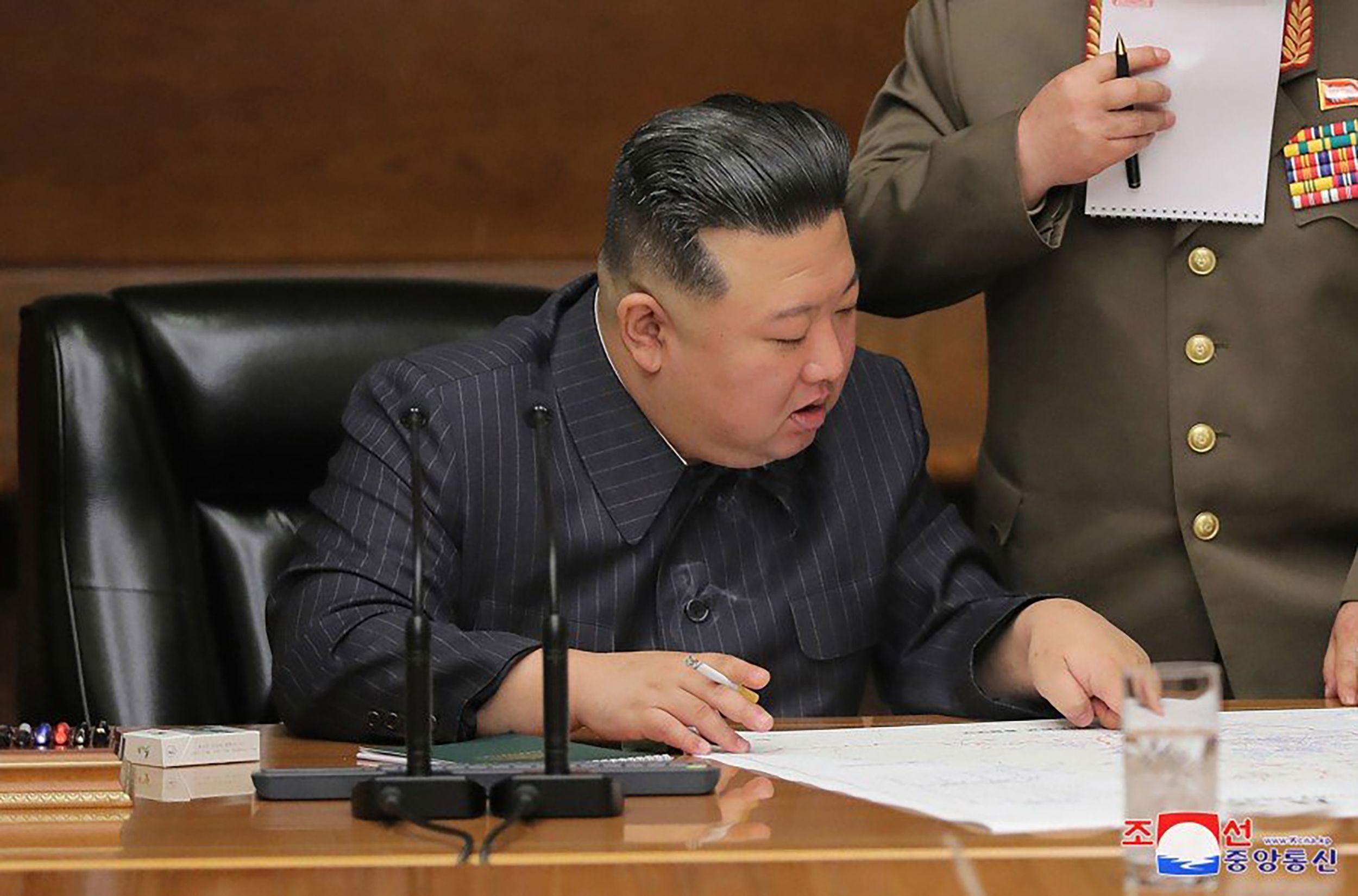
North Korea leader Kim Jong Un.

North Korea's advancement from the Hwasong-17 last year to the Hwasong-18 this year suggests its missile program is making progress, experts say, reflecting Kim's goal of matching the military capabilities of other nations like the US or European countries.

Successive launches allow North Korea to gather more data to refine its missile technology.

Can it carry a nuclear warhead?

ICBMs could, at least theoretically, put the entire US mainland in range of a North Korean nuclear warhead – but there's a lot of unknowns about the missile's capability to deliver a nuclear payload on target.

Past tests have shown the possible range of North Korea's missiles – the tests in March and April all travelled about 1000km. And the Hwasong-17 test last year flew 1090km, lasting 68 minutes before landing in the sea.

The 74-minute flight time of the latest missile is a few minutes longer than those tested in March and April.

It's not clear what kind of payloads were involved in these tests. The weight of the payload affects how far a missile can fly, so without this information, observers cannot know for sure the missile's actual range.

READ MORE: Murder charges over 'brazen' Sydney street shooting

Another question is whether a North Korean nuclear warhead could survive reentry into Earth's atmosphere.

ICBMs are fired into space, where they speed along outside Earth's atmosphere before their payloads undergo a fiery reentry process, much like a space shuttle or space capsule, before plunging down on their targets.

If the process of reentering the atmosphere isn't executed with pinpoint accuracy and with materials that can withstand the immense heat generated, the warhead will burn up before reaching its target. The angle at which the warhead reenters the atmosphere can make the process more difficult.

"The launch of Hwasong-18 shows that it has a range of about 15,000km based on the altitude, distance and the flight time of the missile," said Yang Wook, a researcher at Asan Institute for Policy Studies in Seoul.

"However, it cannot be evaluated that North Korea has succeeded in obtaining full technology of an ICBM as it hasn't proved the functions for reentry and accuracy using multi-warheads that are required for the use of the missile," Yang said.

What's next in North Korea's missile program?

Kim has laid out an ambitious plan to give North Korea a credible nuclear deterrent, meaning an arsenal powerful enough to prevent any adversary, most notably the US, from attacking.

Experts have said the leader has set a long list of weapons modernizations in recent years that he is now working through – with ICBMs only one of those items. Other goals may include launching a military satellite, or putting a nuclear-powered submarine to sea.

Previously, North Korea has announced plans to enhance the accuracy of its missiles and increase the range up to 15,000km.

READ MORE: The one symptom that separates RSV from the common cold

These ambitions were made clear last year when Kim dramatically ramped up the frequency and intensity of weapons testing, which eased slightly this year, but remains at much higher levels than in past years.

The country fired more missiles in 2022 than any other year on record – at one point launching 23 missiles in a single day.

These tests also refocused attention on North Korea's nuclear goals, with Kim vowing to develop his nuclear forces at the "highest possible" speed last year. The US and international observers began warning last year that an underground nuclear test could be imminent, after satellite imagery showed new activity at North Korea's nuclear test site. Such a test would be the country's first since 2017.

How has the US and its allies responded?

The most recent test sparked condemnation from neighbouring countries.

South Korean President Yoon Suk Yeol, currently at the NATO summit in Lithuania, said he would call for "strong international solidarity" among bloc members in response to the launch. On Wednesday morning, he presided over an emergency National Security Council meeting from Lithuania.

US and South Korean officials met shortly after the test to share information, according to South Korea's Joint Chiefs of Staff (JCS). Both countries are analysing the launch.

Japanese Prime Minister Fumio Kishida, speaking from the sidelines of the NATO summit, said the missile launch was "unacceptable" and a threat to regional stability and the international community.

The Japanese chief cabinet secretary lodged a protest against North Korea through embassy channels in Beijing.